24 Hours in Edinburgh – Starts with Stories. Ends with a View

Written by Jack Cairney
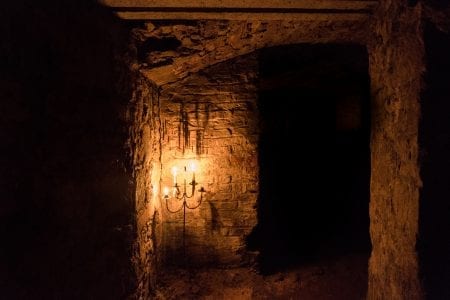
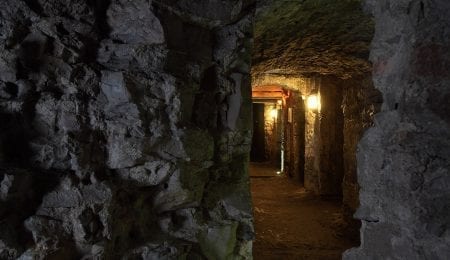
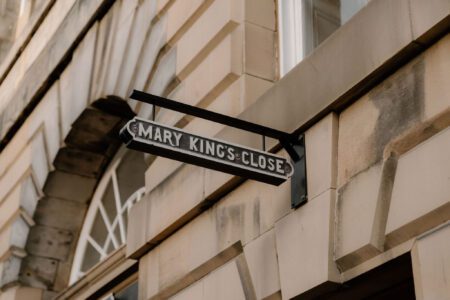
It starts early, just off the Royal Mile, with coffee and a solid breakfast. The streets are still quiet. Delivery vans and gulls. Somewhere beneath your feet, the first tour of Mary King’s Close is already under way. A city that builds on top of itself doesn’t wake all at once.
This itinerary follows the day as it rises. From buried lanes to castle views, with time to stop for a gelato or climb a hundred steps. There’s no need to rush, but the route is full—expect to walk, to look closely, and to notice the way old and new sit side by side. At each stop, there’s something that’s been kept: a courtyard, a name on a gravestone, a flight of stairs so steep it still slows people down.
The first half takes you through the Old Town, past closes and kirkyards, towards the National Museum and the cafés of Cockburn Street. From there, the route tips gently into the New Town, crosses gardens and monuments, and ends at the top of Calton Hill as the city lights start to flicker on.
This isn’t every inch of Edinburgh. But it’s a good cross-section—layered and lived-in. The places people walk past, and the ones they seek out. The view at the end is earned, not bought. And by the time you get there, the streets below feel different. More known. You’ll have seen the closes from above and below. Heard stories about the plague, about poets, about Parliament. You’ll have a pocket of photo strips, a list of cafés you’d go back to, and probably a sore ankle.
It’s a full day. But Edinburgh lends itself to this kind of walking—short distances, steep inclines, long views. Every corner adds something. Every stone’s got layers.
Start the Day with Breakfast at The Edinburgh Larder
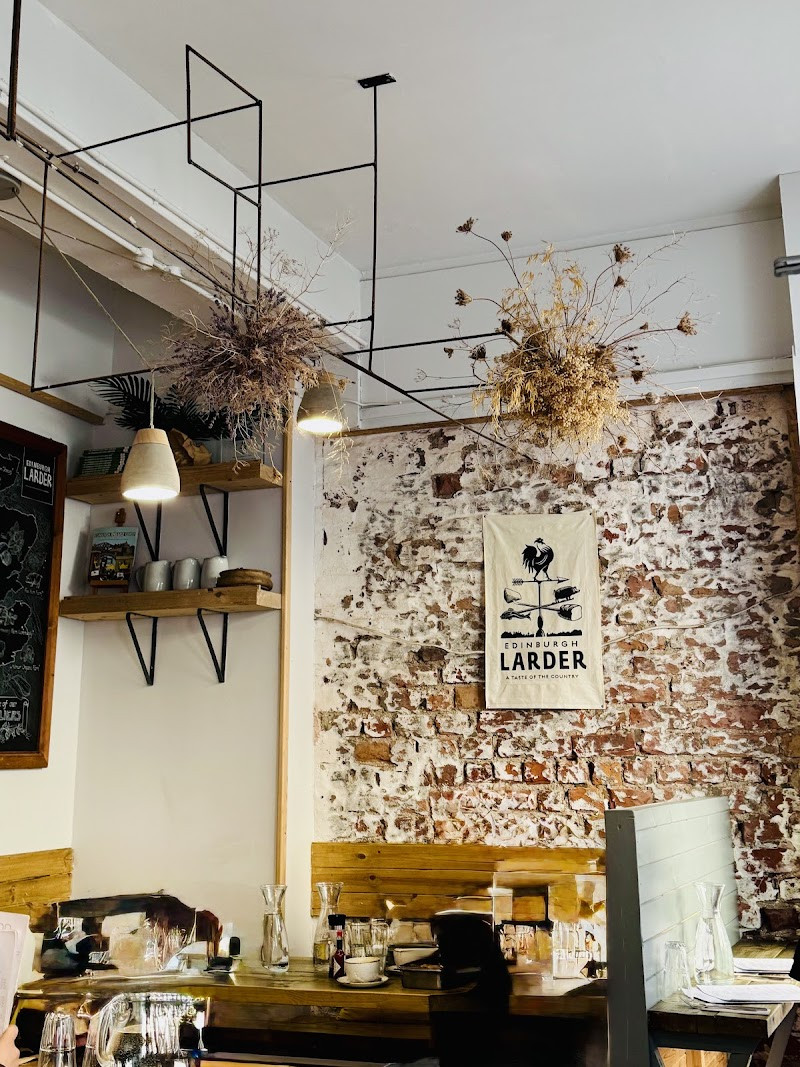
Tucked just off the Royal Mile on Blackfriars Street, The Edinburgh Larder doesn’t shout for attention—but once you’ve found it, you’ll be glad you did. This is the kind of place that locals quietly recommend to friends, and early risers are rewarded. Doors open at 8, and tables fill quickly....
Walk the Royal Mile – Closes, Churches and Castle Views
This stretch of the Old Town is often crowded, especially in summer. But if you keep your head up and your pace steady, there’s still a lot to see between souvenir shops and street performers. From Mary King’s Close, head slightly uphill toward St Giles’ Cathedral—a 14th-century church that’s still...
Walk Down Victoria Street and Stop at a Harry Potter Café
From the Castle Esplanade, double back slightly and descend the curve of Victoria Street—one of the most photographed roads in Edinburgh. Built in the 1830s to improve access between the Royal Mile and Grassmarket, the street arcs down in a gentle swoop, lined with two levels of colourful shopfronts. Upper-floor...
Wander Through the Grassmarket
At the base of Victoria Street, the road opens out into the Grassmarket—a broad, open square lined with pubs, shops, and a few historical plaques that hint at a darker past. This was once the site of Edinburgh’s public executions. The raised platform at the centre marks where the gallows...
Explore Greyfriars Kirkyard
Cross the road from the Museum of Scotland and you’ll find the gates to Greyfriars Kirkyard, one of Edinburgh’s most visited graveyards—and with good reason. It’s a quiet space, but full of stories, many of them written in stone. The kirkyard dates back to the late 16th century and has...
Visit the National Museum of Scotland
A short walk from Greyfriars takes you to the entrance of the National Museum of Scotland. It’s free to enter and easy to spend hours inside, but even a quick visit leaves a strong impression. The collection covers everything from prehistoric artefacts to modern design, with galleries on Scottish history,...
Coffee from The Milkman
From the museum, head back toward the Royal Mile and find Advocate’s Close—a steep, narrow stairway that cuts straight down the hill between tall stone walls. It’s one of the city’s most photographed closes, and for good reason. At the top, framed perfectly through the alley, is a distant view...
Snap a Photo Strip at Stills Gallery
Right next door to The Milkman is Stills, a photography centre that’s quietly been part of Edinburgh’s art scene for decades. It hosts exhibitions, workshops, and events year-round, but for this stop, you’re here for something more specific—STILLSAUTOMAT, Scotland’s only working analogue photobooth.
Tucked just inside the building, the booth runs...
Lunch at The Devil’s Advocate
Hidden partway up Advocate’s Close, The Devil’s Advocate offers a well-judged balance of atmosphere and quality. Set in a former Victorian pump house, the space feels like it belongs to the city—stone walls, exposed beams, and high windows that catch the light even on dull days. It’s close to the...
Walk Through Princes Street Gardens
Once a loch, now a park, Princes Street Gardens forms a long, sloping divide between Edinburgh’s Old and New Towns. From The Devil’s Advocate, it’s a short downhill walk—past Waverley Station and under the bridges—to reach the eastern entrance. What was once the Nor Loch, a marshy defensive barrier and...
Climb the Scott Monument
From Princes Street Gardens, look up and you’ll see the sharp, almost skeletal silhouette of the Scott Monument—a towering Gothic spire built in honour of Sir Walter Scott. It rises over 200 feet, with 287 steps spiralling upward inside. The climb is narrow, uneven in places, and best suited to...
Have a Pint at Thistle Street Bar
Tucked down a short cobbled stretch in the New Town, Thistle Street Bar doesn’t go looking for attention. There’s no signage shouting about craft gins or experimental cocktails. Instead, what you get is a narrow, wood-panelled space that feels like it’s always been there. And mostly, it has.
The bar serves...
Dinner at The Outsider
A short walk from Thistle Street, across the bridges that link the Old and New Towns, The Outsider sits quietly above George IV Bridge. You could miss it if you weren’t looking—there’s no fanfare, just a dark entrance, a few steps, and then a long, split-level dining room with wide...
Restaurants on the route
Cafes on the route
Shops on the route
Accommodation nearby
Attraction nearby
Start the Day with Breakfast at The Edinburgh Larder


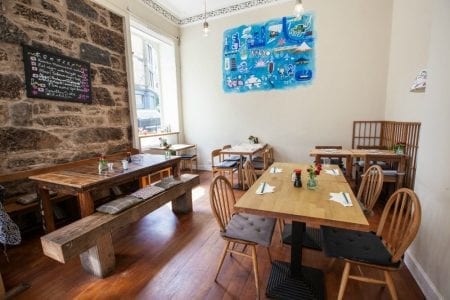
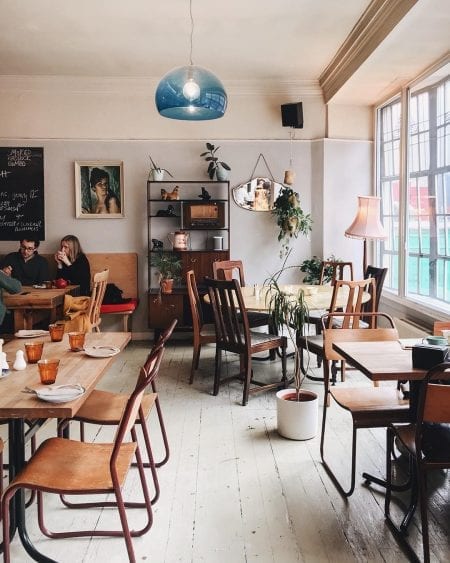
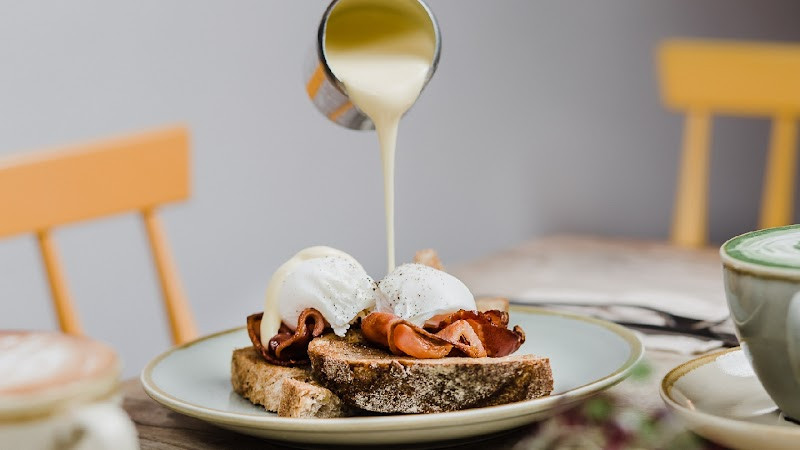
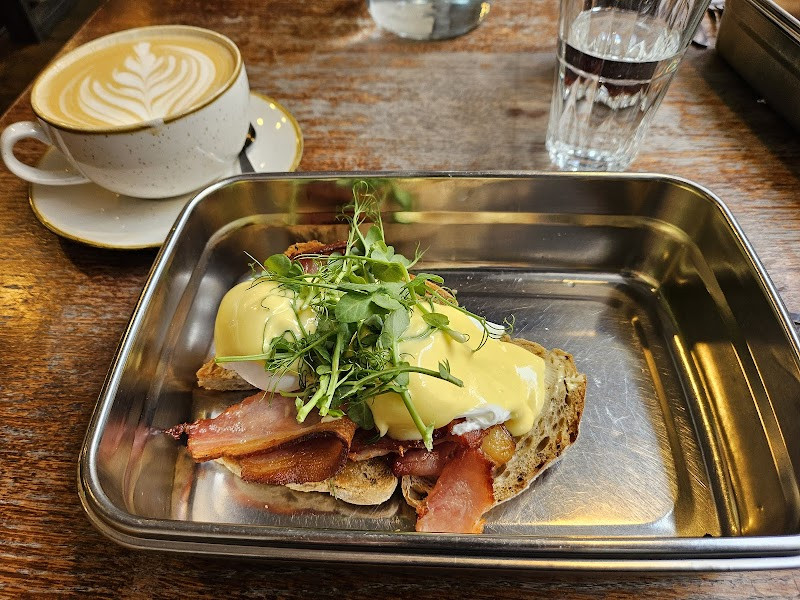
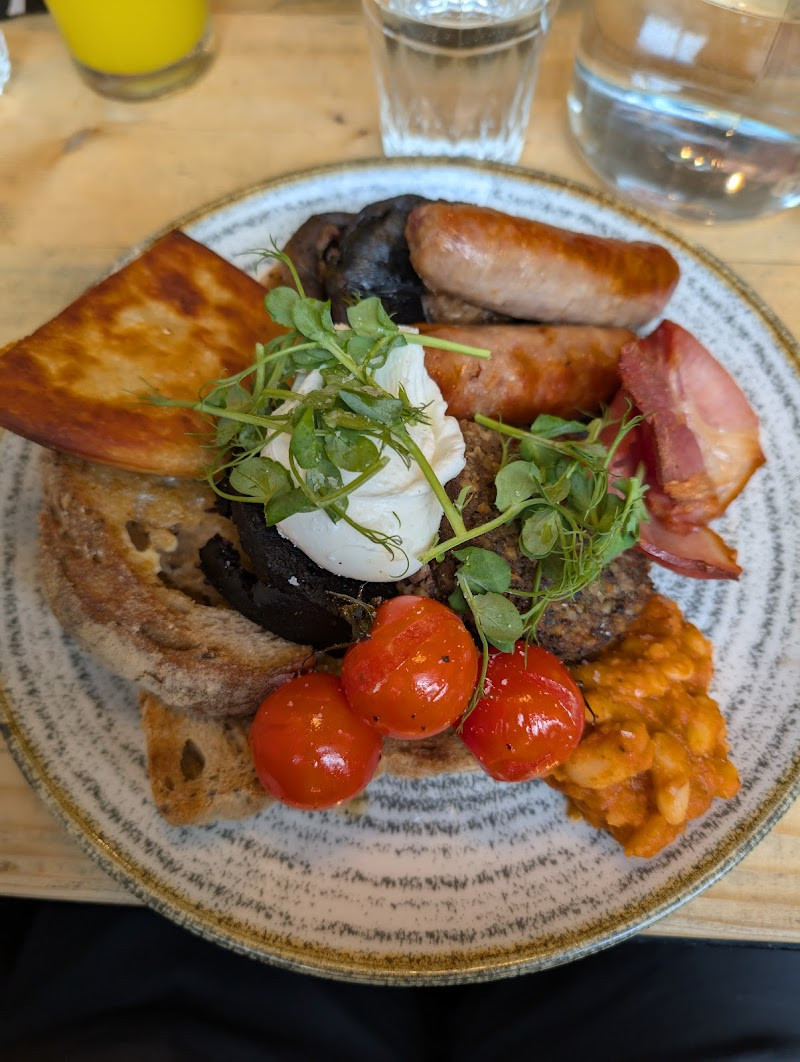
Tucked just off the Royal Mile on Blackfriars Street, The Edinburgh Larder doesn’t shout for attention—but once you’ve found it, you’ll be glad you did. This is the kind of place that locals quietly recommend to friends, and early risers are rewarded. Doors open at 8, and tables fill quickly. Inside, the space is small but welcoming—bare stone walls, local art, the soft clatter of cutlery and conversation. The menu is built on seasonal Scottish ingredients, with an emphasis on quality over flourish.
You’ll see black pudding, smoked salmon, and porridge made the way it should be. Vegan haggis appears on a few plates, and the coffee—sourced from Williams & Johnson—is solid. Service is brisk but friendly, and there’s usually someone waiting for a table by half past eight.
If you’ve only got 24 hours in Edinburgh, this is a good place to start. Quiet, honest, and close to everything you’ll walk next.


Walk the Royal Mile – Closes, Churches and Castle Views
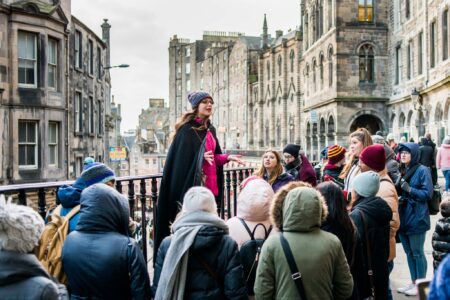
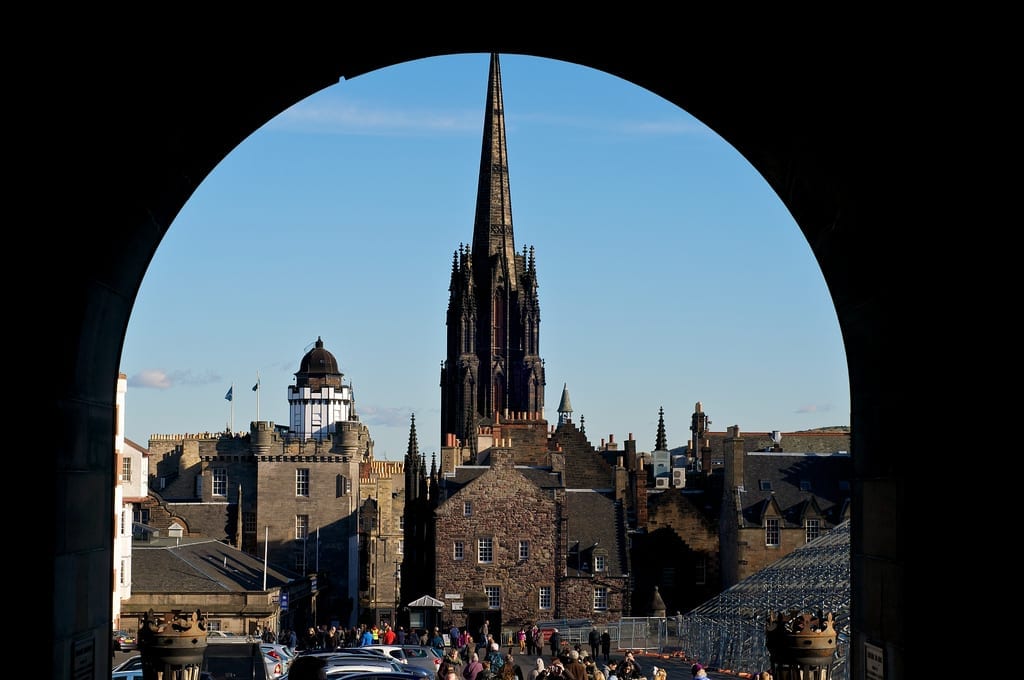
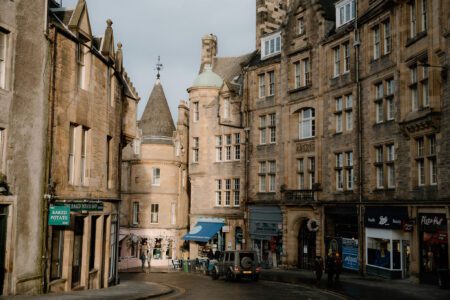
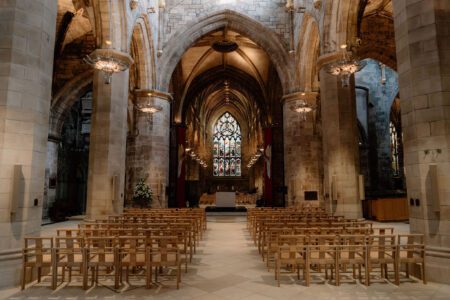
This stretch of the Old Town is often crowded, especially in summer. But if you keep your head up and your pace steady, there’s still a lot to see between souvenir shops and street performers. From Mary King’s Close, head slightly uphill toward St Giles’ Cathedral—a 14th-century church that’s still in use, with its distinctive crown spire and heavy Gothic arches. You can step inside freely unless a service is taking place. The interior is cool and shadowed, with a blue-painted ceiling and memorials to Scotland’s legal and political past.
Just outside is the Heart of Midlothian, a heart-shaped mosaic set into the cobbles. People still spit on it—a tradition with roots in disdain for the old prison once located here.
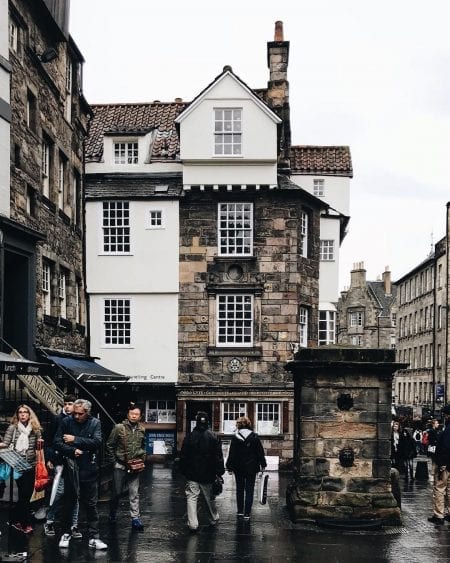
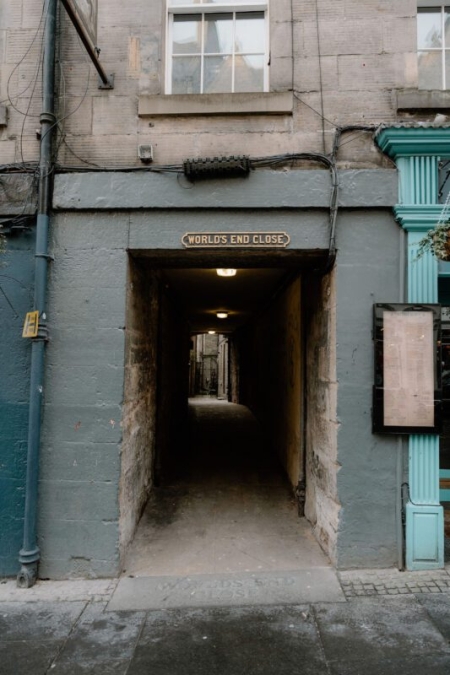
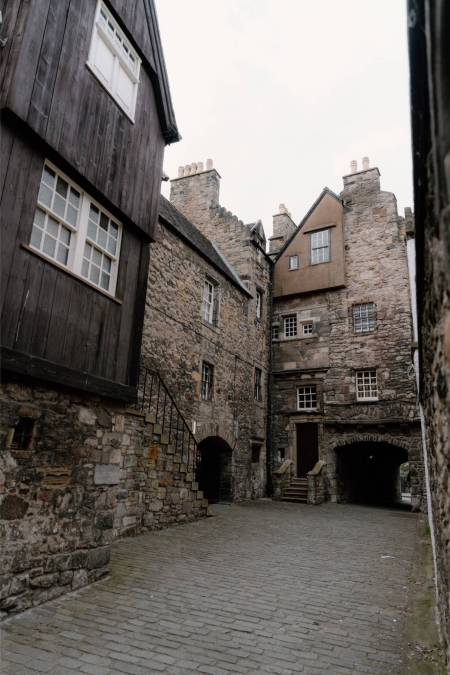
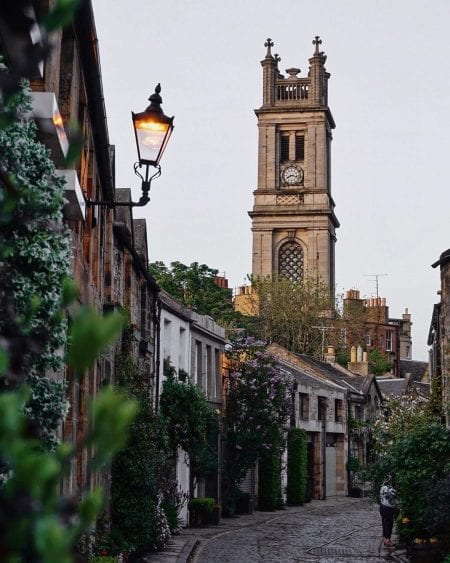
As you continue uphill, glance down the narrow offshoots—Advocate’s Close and Bakehouse Close are particularly photogenic. Each of these alleys drops sharply, revealing long perspectives of the city’s layers.
Stop briefly at The Witchery Shop, just before the Castle. This gothic-styled boutique sells books, charms, and memorabilia, drawing on Edinburgh’s long history of superstition and persecution. It’s worth a look, even if you’re not buying.
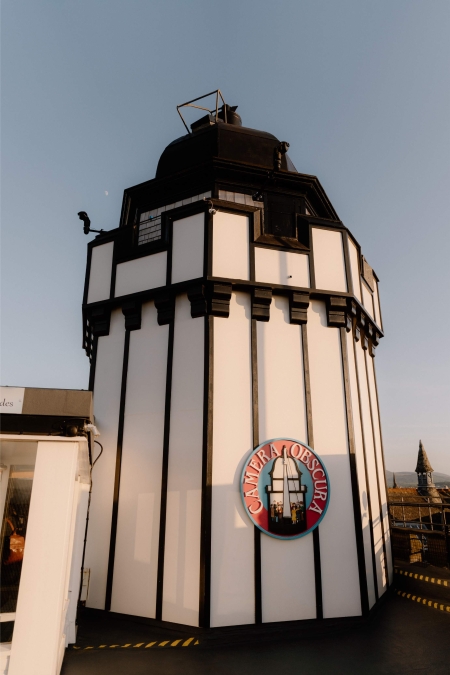
You can end this stretch with an optional visit to Camera Obscura—a five-storey building filled with optical illusions and interactive exhibits. The highlight is the rooftop terrace, offering clean sightlines across the city.
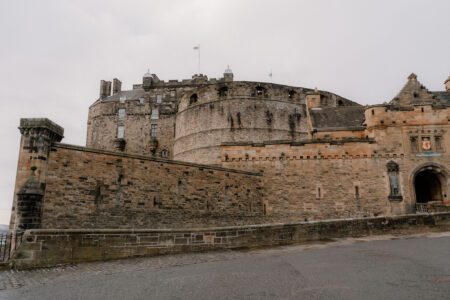
Edinburgh Castle sits just beyond. If you want to go in, budget at least 2–3 hours, and expect crowds. But even from outside, the scale of it—built into ancient volcanic rock—is something to take in. The Mile ends here, but the walk continues.
Walk Down Victoria Street and Stop at a Harry Potter Café
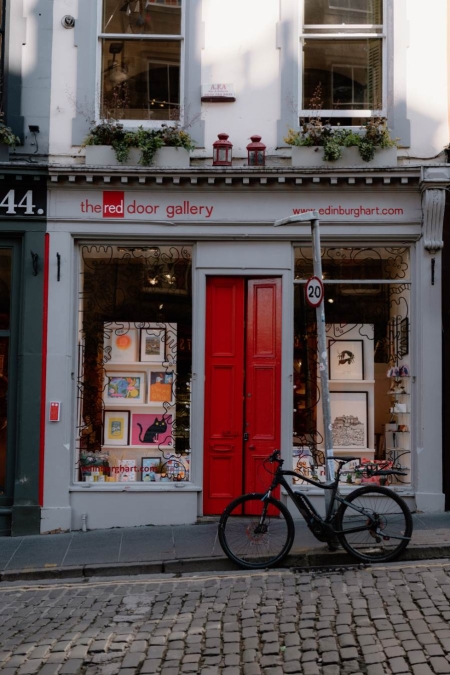
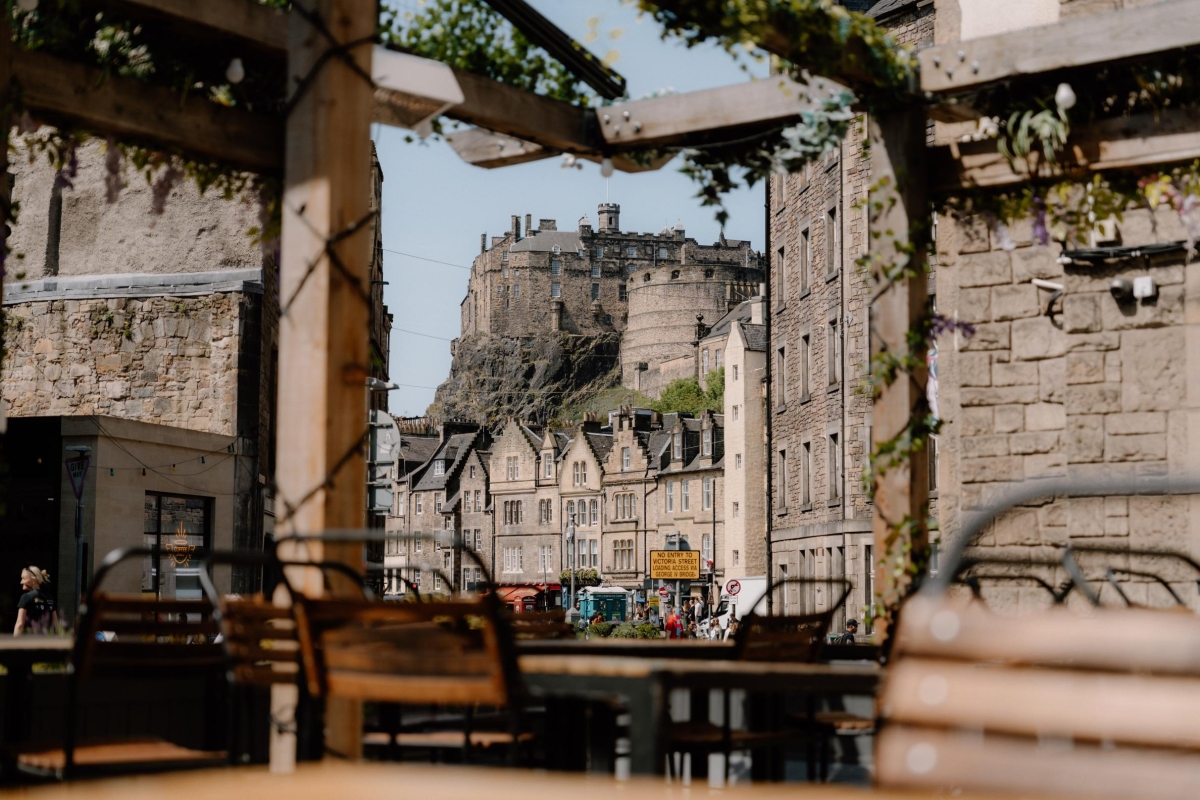
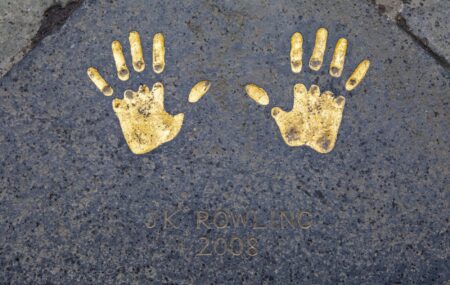
From the Castle Esplanade, double back slightly and descend the curve of Victoria Street—one of the most photographed roads in Edinburgh. Built in the 1830s to improve access between the Royal Mile and Grassmarket, the street arcs down in a gentle swoop, lined with two levels of colourful shopfronts. Upper-floor galleries sit above bookshops, cheesemongers, and cafés. The cobbles are original. The curve and the clutter are what gave rise to claims it inspired Diagon Alley, though J.K. Rowling never confirmed it.
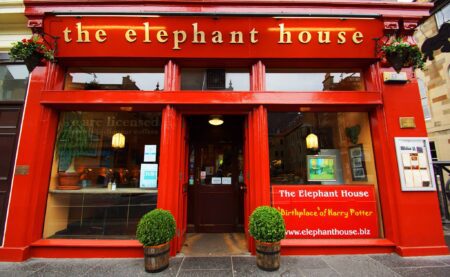
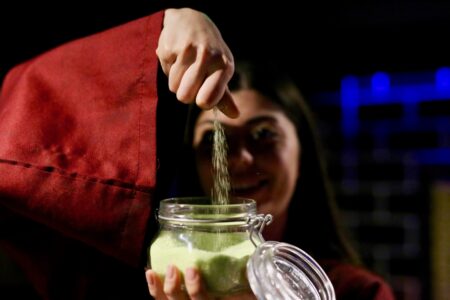
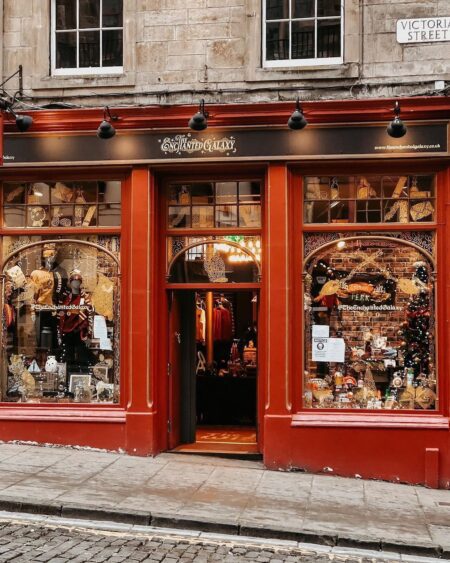
Halfway down, you’ll find a few cafés leaning into the Harry Potter legacy. The Elephant House, often cited as Rowling’s early writing spot, is currently closed due to fire damage—but nearby alternatives have stepped into the gap. Museum Context, further down, also draws Potter fans with its curated interior of wands, robes, and antique trunks. It’s touristy, but well-presented.
This stretch is short, but full. Even if you’re not a fan of the books, it’s hard not to enjoy the mix of old architecture and independent shops. Most are still locally run. The street’s curve also opens up clean angles for photographs—especially from the top near George IV Bridge or looking back up from the Grassmarket. Stop for a coffee if you haven’t yet, and enjoy the slight downhill pull before the walk continues.
Wander Through the Grassmarket
At the base of Victoria Street, the road opens out into the Grassmarket—a broad, open square lined with pubs, shops, and a few historical plaques that hint at a darker past. This was once the site of Edinburgh’s public executions. The raised platform at the centre marks where the gallows stood, and several of the surrounding buildings were inns that offered a final drink to those condemned.
Today, the tone is very different. The Grassmarket is often busy—especially in good weather—with tourists, students, and locals filling the outdoor tables. But it still feels like a break from the narrowness of the closes and side streets. The space gives you a clear view back up to the Castle, which rises directly above on its volcanic crag.
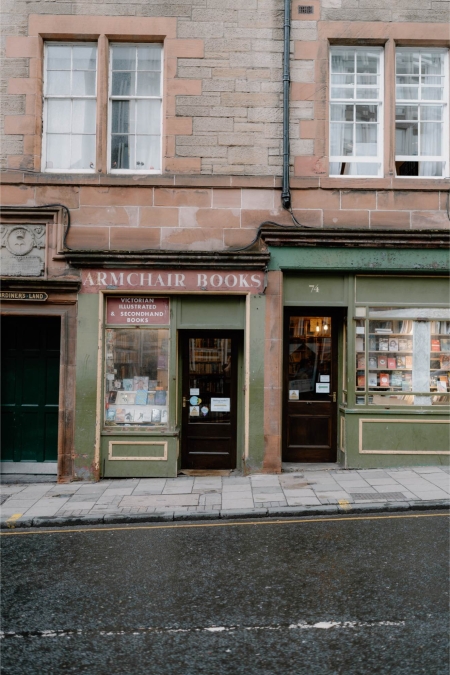
You’ll find shops here with long histories, like Armchair Books, and plenty of places to pick up a bite or a drink. One spot worth pausing for is Mary’s Milk Bar, a small gelato shop just off the main square. The flavours change daily, and the gelato is made in-house. Lines can stretch out the door, especially in summer, but they tend to move quickly.
If you’re walking the itinerary in good weather, this is a natural place to linger briefly. A bench, a cone, and a look up toward the looming stone of the Castle above—it’s one of the city’s most distinctive views. From here, the walk turns back toward George IV Bridge and deeper into the old centre.
Explore Greyfriars Kirkyard
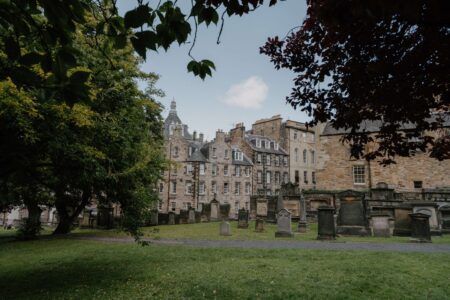
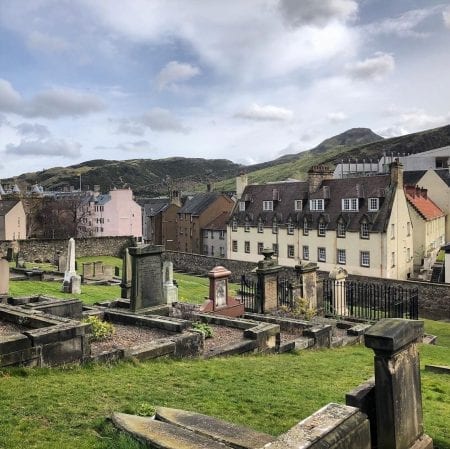
Cross the road from the Museum of Scotland and you’ll find the gates to Greyfriars Kirkyard, one of Edinburgh’s most visited graveyards—and with good reason. It’s a quiet space, but full of stories, many of them written in stone. The kirkyard dates back to the late 16th century and has long been associated with the city’s legal, literary, and religious history.
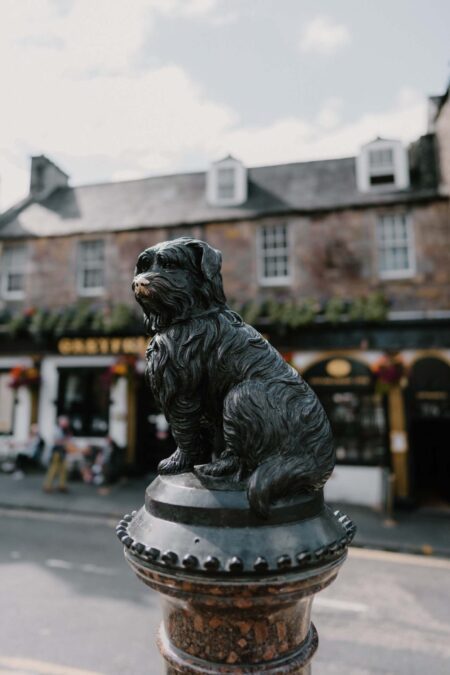
Look for the worn stone marking the resting place of Greyfriars Bobby, the Skye Terrier said to have guarded his master’s grave for 14 years. The story has been retold many times, and while the truth is debated, the affection is not—people still leave sticks, flowers, and coins by the grave.
Further in, sharp-eyed visitors may spot familiar names: Thomas Riddell, McGonagall, and others said to have inspired characters in the Harry Potter books. Whether coincidence or not, the associations have drawn thousands of fans. It’s become something of a quiet scavenger hunt.
The kirkyard is free to enter and open daily. There’s no formal route, but the paths loop gently around the perimeter. Look up often—Edinburgh Castle is visible in the distance, and the surrounding buildings crowd close. On a dry day, it’s a peaceful stop. On a grey one, the atmosphere shifts.
Just beyond the wall is George Heriot’s School, said to have inspired Hogwarts with its four towers and house system. You can’t go in, but the view from the graveyard gives you a decent look. It’s a short walk from here to your next stop, but give this one a bit of time—there’s more here than first appears.
Visit the National Museum of Scotland
A short walk from Greyfriars takes you to the entrance of the National Museum of Scotland. It’s free to enter and easy to spend hours inside, but even a quick visit leaves a strong impression. The collection covers everything from prehistoric artefacts to modern design, with galleries on Scottish history, natural sciences, world cultures, and technology.
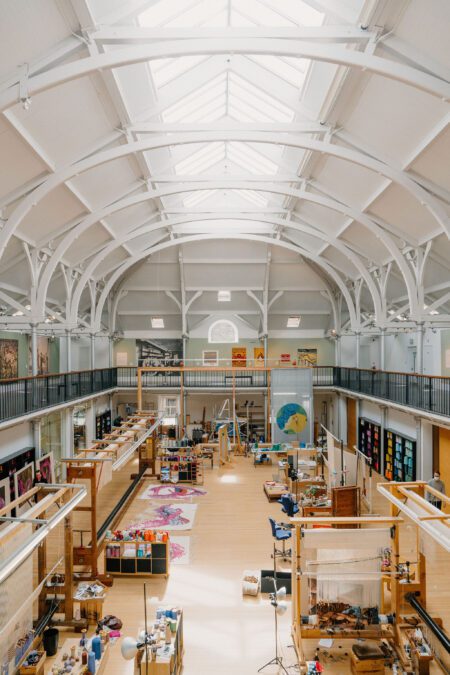
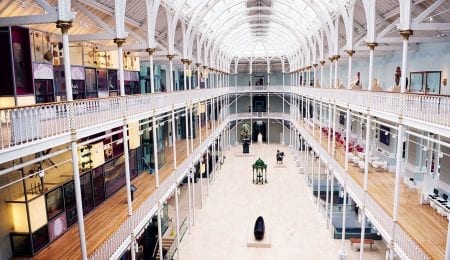
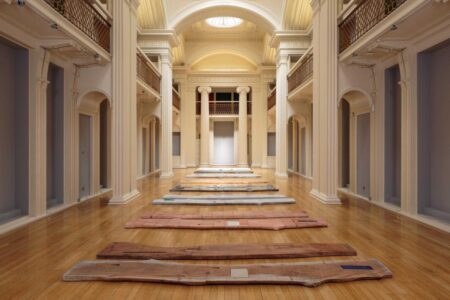
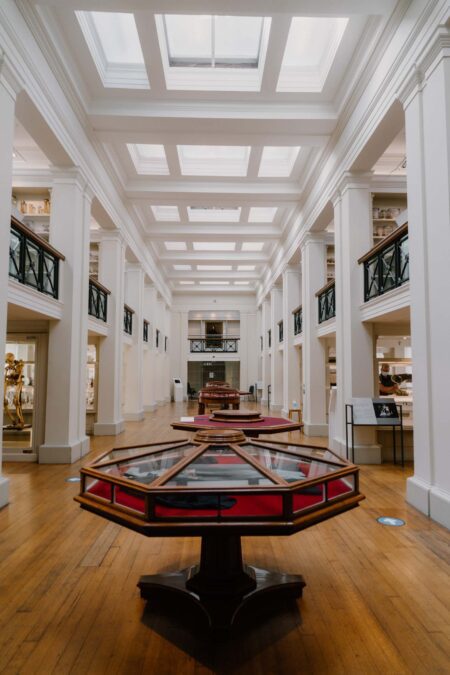
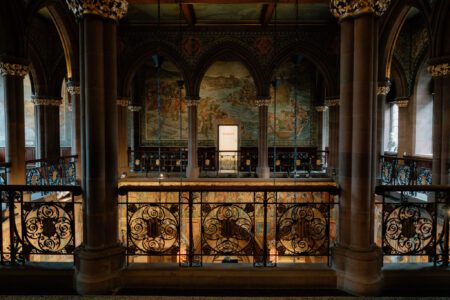
The building itself is split between old and new. The Victorian Grand Gallery, with its iron latticework and high glass ceiling, feels spacious and calm—especially early in the day. The newer extension adds modern architecture and more interactive exhibits.
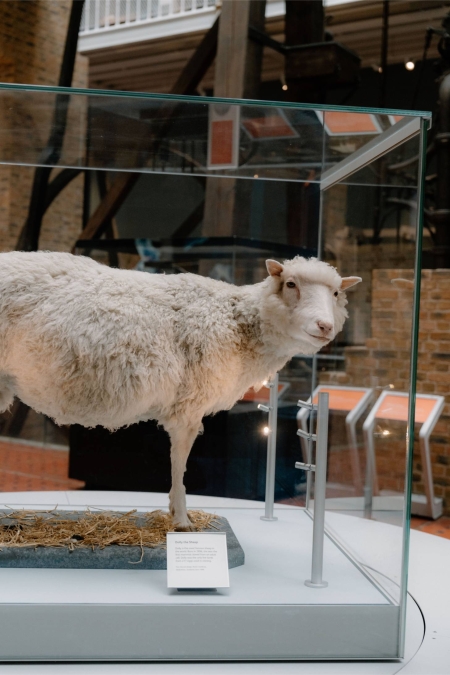
Visitors often head straight for the Lewis Chessmen, the cloned sheep Dolly, or the fashion and design sections, but there’s more to find in the side rooms. The Scottish galleries on the lower floors give a strong overview of the nation’s history—from early settlements to the present day—with a mix of artefacts, personal stories, and clever displays.
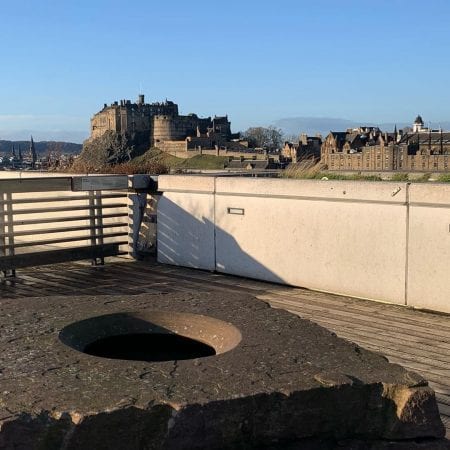
If you’ve got the time and energy, take the lift or stairs to the rooftop terrace. It’s rarely busy, and the view over the Old Town is one of the best in the city—panoramic and slightly unexpected, given how hidden the space feels from the street below.
The museum has toilets, a cloakroom, a gift shop, and a café if needed. Entry is free, though donations are encouraged. For a one-day itinerary, it offers both a visual rest and a deeper sense of context. You come out with a bit more understanding of how this city fits together.
Coffee from The Milkman


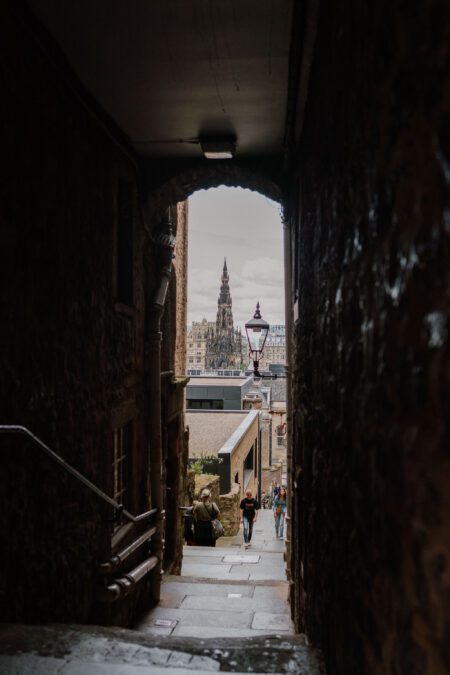
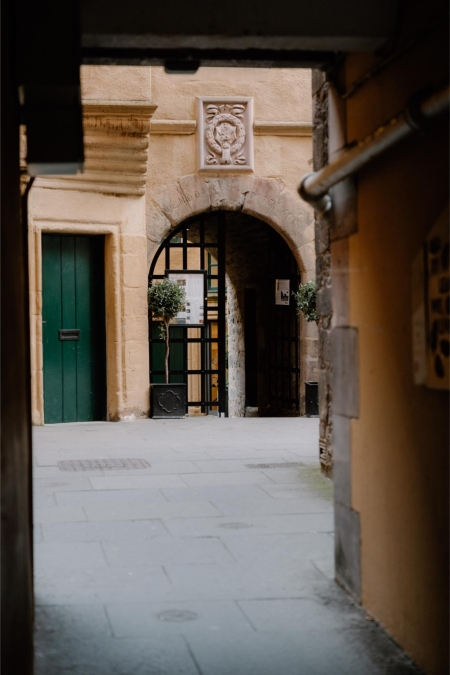
From the museum, head back toward the Royal Mile and find Advocate’s Close—a steep, narrow stairway that cuts straight down the hill between tall stone walls. It’s one of the city’s most photographed closes, and for good reason. At the top, framed perfectly through the alley, is a distant view of the Scott Monument rising from Princes Street Gardens. It’s an ideal spot for a photo.
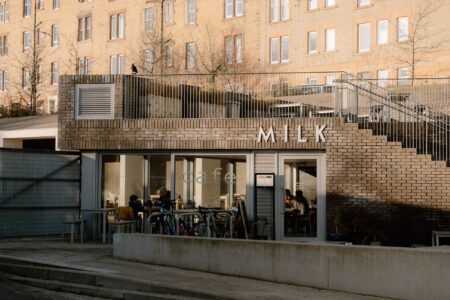
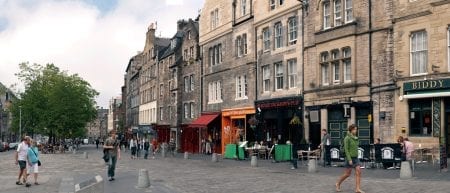
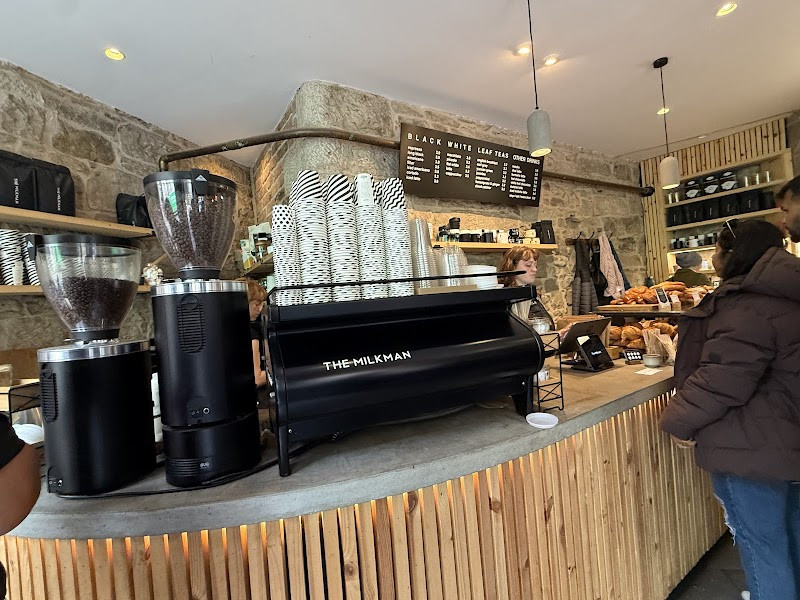
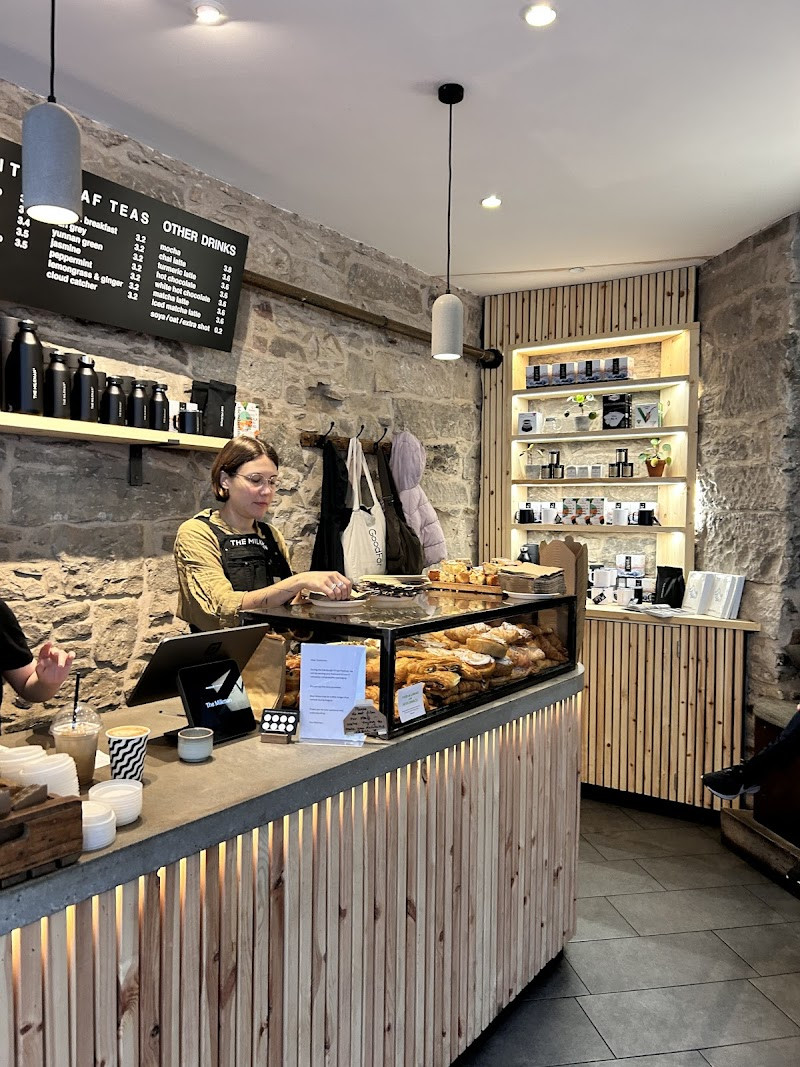
The descent is steep and uneven, so take it slowly. As you reach the bottom, you’ll step out onto Cockburn Street, a curve of independent shops and cafés just below the Royal Mile. The Milkman is directly opposite—easy to miss if you’re not looking, but instantly appealing once spotted.
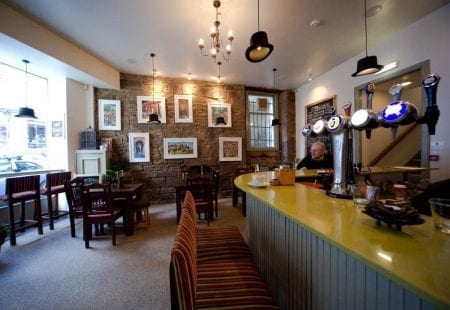
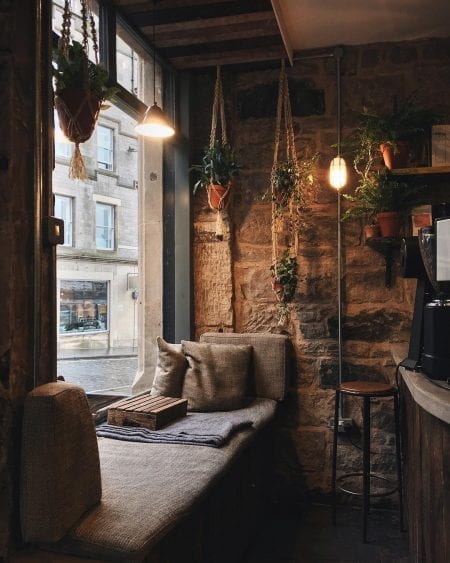
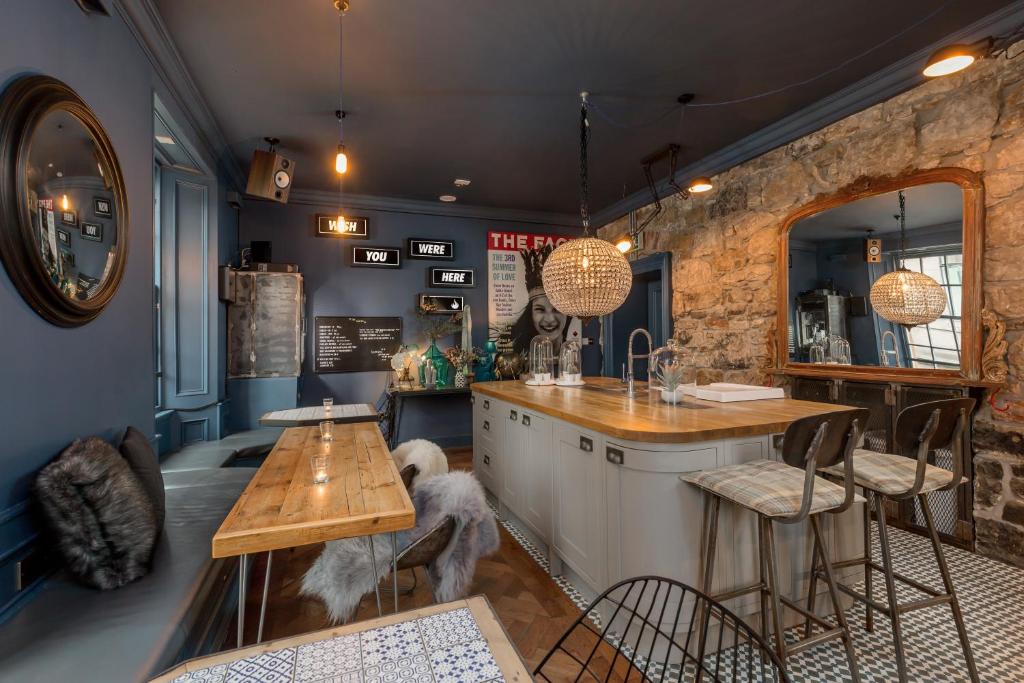
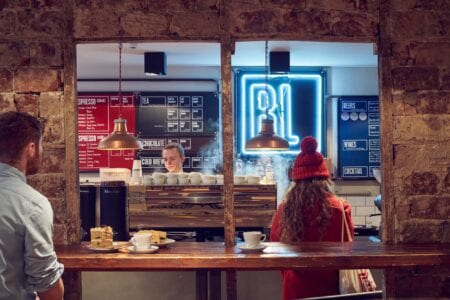
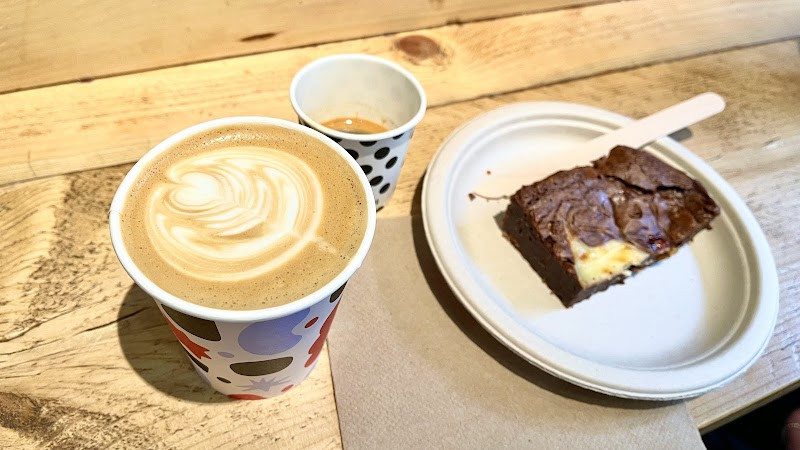
This café is compact, with exposed stone walls, hanging lights, and consistently good coffee. Beans are usually from Obadiah Coffee Roasters, and the baristas know what they’re doing. The takeaway line can stretch at busy times, but it moves quickly. If you’re after something fast but well made—an oat flat white, an espresso, or a batch brew—this is one of the best options in the area.
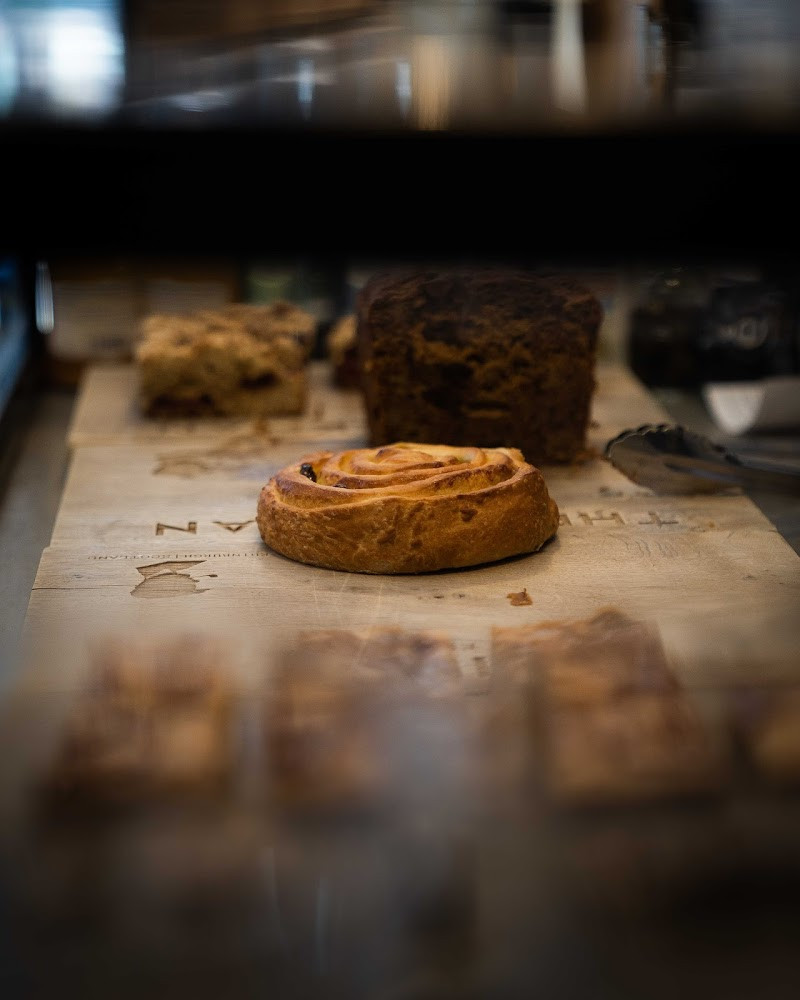
The Milkman also stocks pastries and small bakes, but seating is limited. This stop is about refuelling on foot. You’ll be walking again shortly, and the next stop is just a few steps away.


Snap a Photo Strip at Stills Gallery


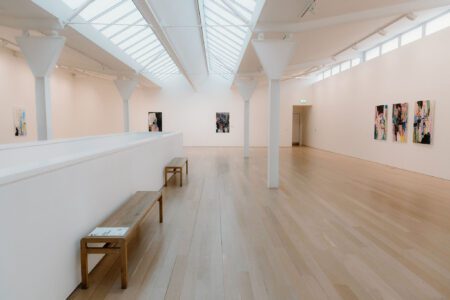
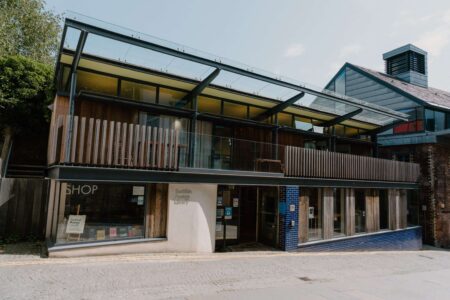
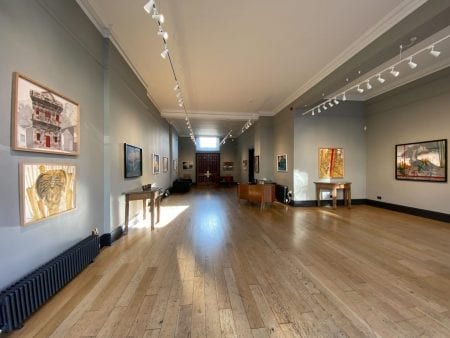
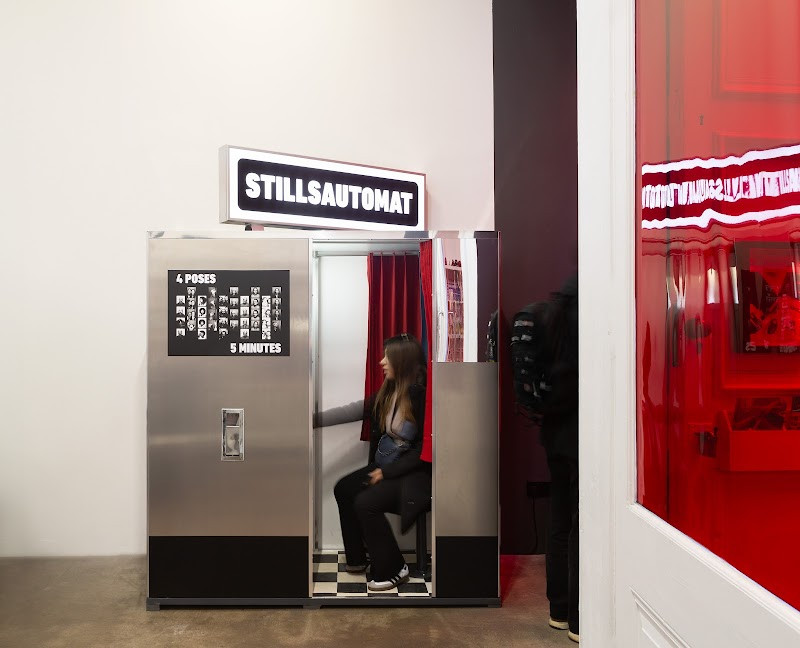
Right next door to The Milkman is Stills, a photography centre that’s quietly been part of Edinburgh’s art scene for decades. It hosts exhibitions, workshops, and events year-round, but for this stop, you’re here for something more specific—STILLSAUTOMAT, Scotland’s only working analogue photobooth.
Tucked just inside the building, the booth runs on contactless payment and delivers a strip of four black-and-white portraits—real film, real development, no filters. The photos are slightly unpredictable, which is part of the charm. You step inside, press the button, and the camera clicks through its cycle. A few minutes later, you have a tangible memory to take with you. No app required.
The tradition of photobooths dates back to the 1920s, and this one feels true to the original idea: a quick snapshot, usually shared with someone else, often tucked into a wallet or notebook. It’s a simple stop, but one that adds something physical to your day—a memento that won’t disappear with a battery charge.
Stills is a registered arts charity, and proceeds from the booth help support its wider work. Staff are usually on hand during opening hours (Tuesday to Saturday, 11am to 5pm), and entry to the rest of the gallery is free if you want to browse.
Once you’ve got your strip in hand, it’s time to continue. Lunch is up next, and it’s just across the same close you came down earlier.


Lunch at The Devil’s Advocate
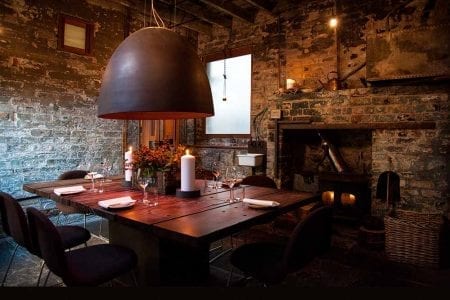
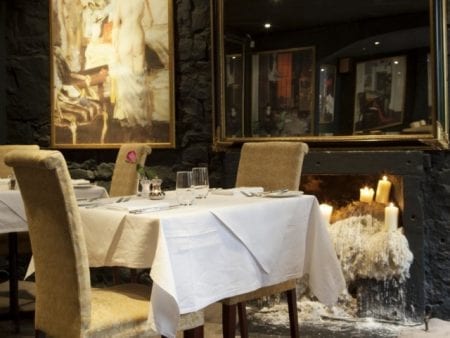
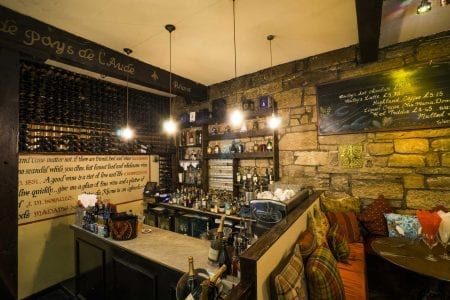
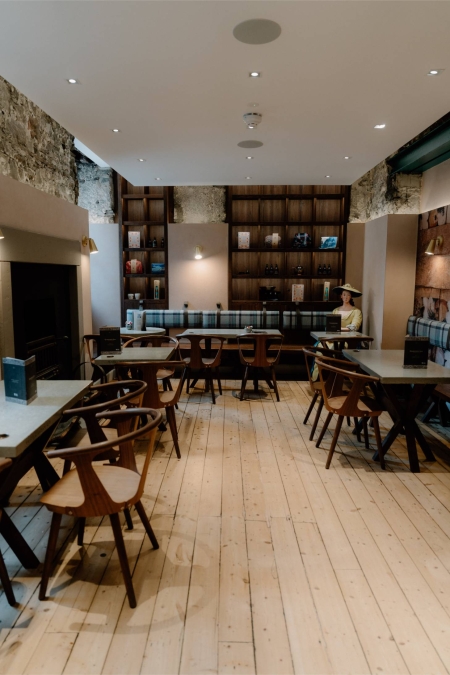
Hidden partway up Advocate’s Close, The Devil’s Advocate offers a well-judged balance of atmosphere and quality. Set in a former Victorian pump house, the space feels like it belongs to the city—stone walls, exposed beams, and high windows that catch the light even on dull days. It’s close to the Royal Mile but feels far from it.
The kitchen leans into modern Scottish cooking with seasonal ingredients and confident plating. You might find venison loin with root vegetables, pan-seared sea bass, or slow-cooked beef short rib. Lighter lunchtime options tend to include smoked mackerel pâté, confit chicken salad, or a simple but well-made soup and bread. Vegetarian dishes often feature roasted squash, celeriac, or wild mushrooms.
Portions are generous without being heavy. Desserts change regularly, but a lemon tart or chocolate delice might appear, depending on the day. It’s a solid meal, well-suited to a midway stop—enough to ground you before the afternoon without slowing you down.
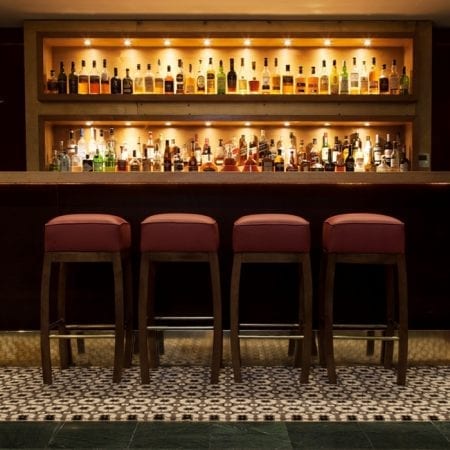
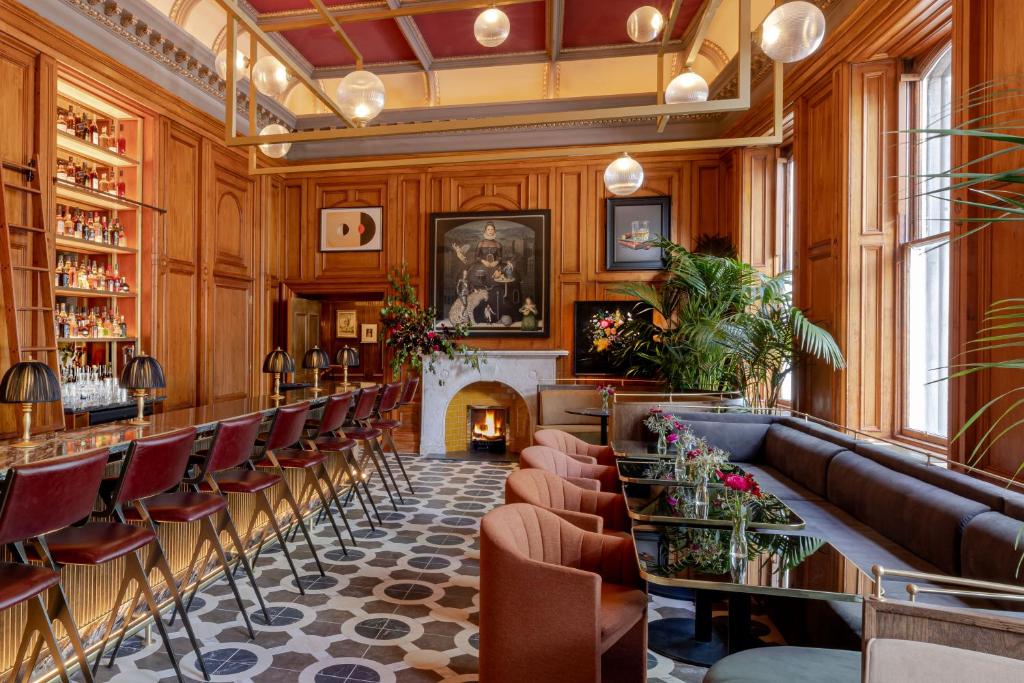
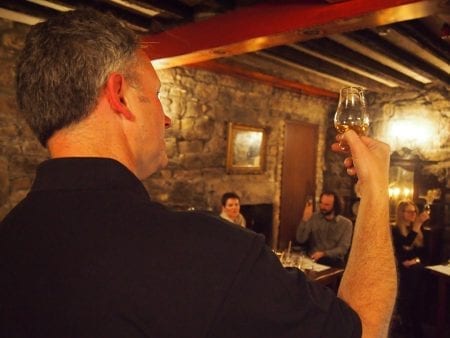
Drinks are a strong point. There’s an extensive whisky list, with hundreds of bottles lining the bar shelves. Staff are happy to recommend something, whether you’re a beginner or looking for something rare. Cocktails are well made, and the wine list is quietly reliable.
It’s a popular spot, especially on weekends, so booking ahead is a good idea. Still, it never feels overrun. This is where the itinerary shifts tone—from morning exploration to a more deliberate, slower-paced afternoon. When you're ready, it’s a short walk downhill to the green of Princes Street Gardens.
Walk Through Princes Street Gardens
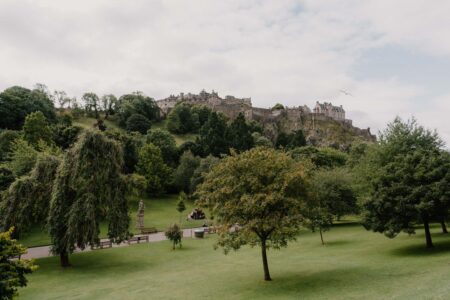
Once a loch, now a park, Princes Street Gardens forms a long, sloping divide between Edinburgh’s Old and New Towns. From The Devil’s Advocate, it’s a short downhill walk—past Waverley Station and under the bridges—to reach the eastern entrance. What was once the Nor Loch, a marshy defensive barrier and dumping ground, was drained in the 18th century to create the space you now see.
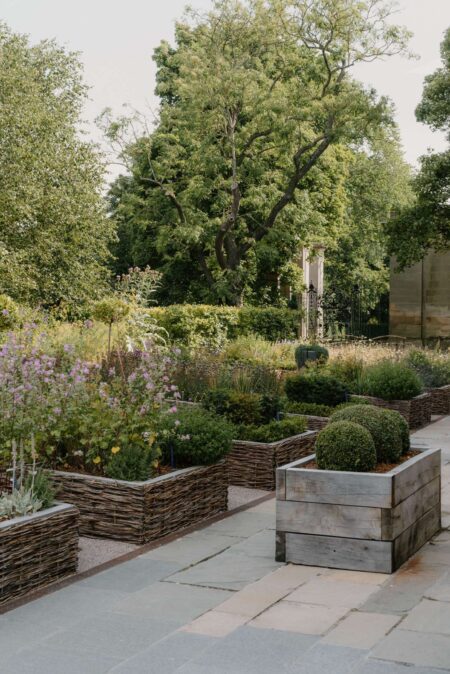
The gardens stretch for nearly a mile, with benches, monuments, and open lawns tucked beneath the Castle Rock. It’s one of the best places in the city to get a sense of scale: the height of the Castle above you, the ordered symmetry of the New Town across the street, and the steady foot traffic of a city going about its business.
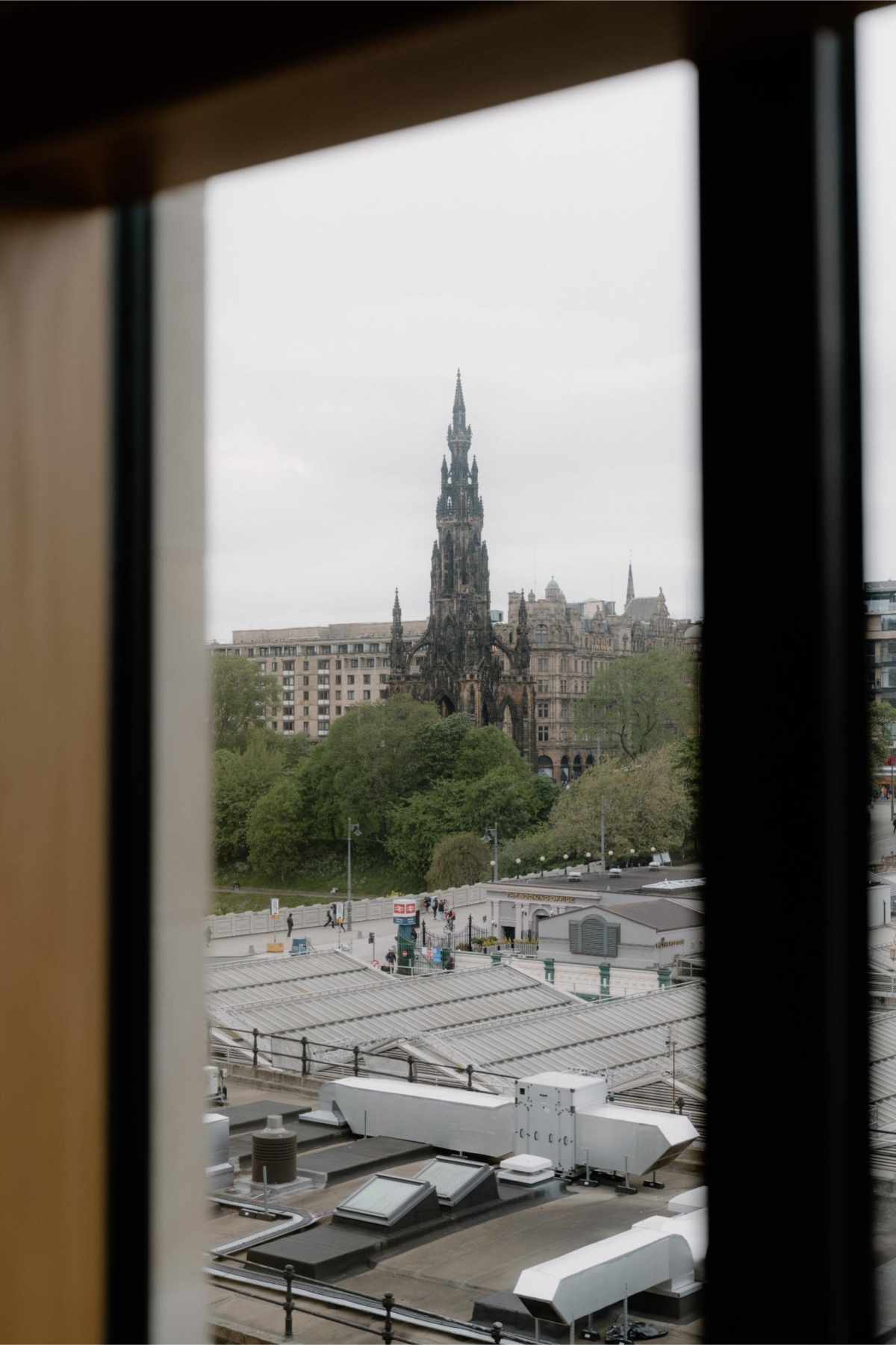
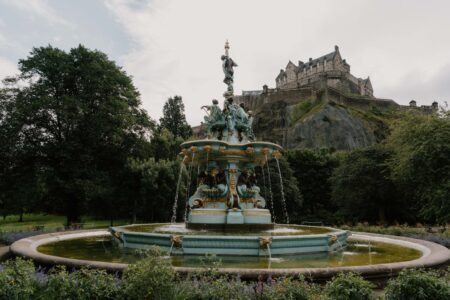
There are small details worth noticing. The Ross Fountain, cast in iron in the 1860s and painted gold and turquoise after a recent restoration, stands near the west end. The Floral Clock, first planted in 1903, still changes design annually. The Scott Monument rises sharply nearby—a gothic spire dedicated to Walter Scott, with viewing platforms partway up.
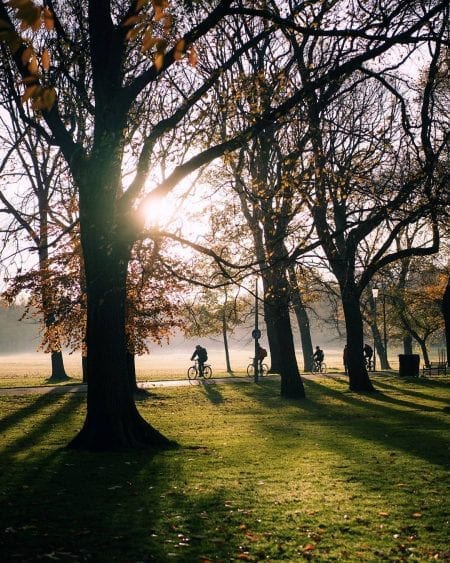
The east end of the gardens is busier, near the shops and galleries, but the western side feels quieter. In summer, it’s common to see picnics and performers; in winter, the gardens host part of Edinburgh’s Christmas market.
Even if you only pass through, it’s a useful breath between the stone of the Old Town and the grid of the New. There’s no entry fee and no fixed route. Just a wide green space in the middle of the city, shaped by centuries but still open to whoever walks it.
Climb the Scott Monument
From Princes Street Gardens, look up and you’ll see the sharp, almost skeletal silhouette of the Scott Monument—a towering Gothic spire built in honour of Sir Walter Scott. It rises over 200 feet, with 287 steps spiralling upward inside. The climb is narrow, uneven in places, and best suited to those comfortable with heights and confined spaces. But if you're willing, the view is one of the best in Edinburgh.
Built in the mid-1800s, the monument is carved from Binny sandstone and now darkened by time and soot. Dozens of statues are embedded into the structure—figures from Scott’s novels, historical references, allegorical details. It’s worth pausing on the lower platforms just to take them in.
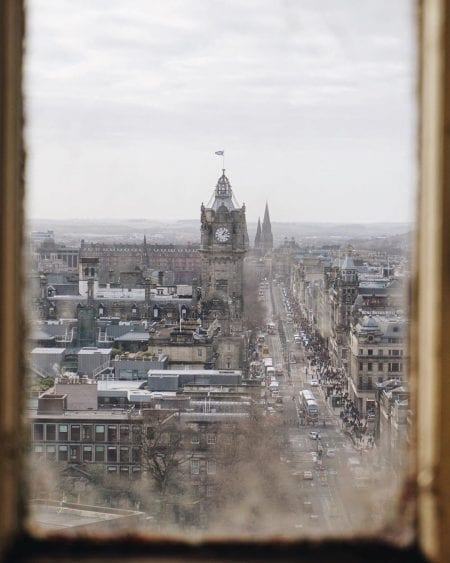
There are four levels in total, each with a balcony offering a wider view than the last. By the top, the city spreads out clearly—Princes Street and the New Town in one direction, the Castle and Old Town rising behind, Arthur’s Seat beyond. On a clear day, you can see out to the Firth of Forth.
Entry costs a small fee, and it’s paid on arrival—no booking needed. The climb takes about 10–15 minutes up, with a bit of recovery time at the top. Bring water if it’s warm.
This stop is entirely optional. You can enjoy the monument just as easily from below, or skip it if time is tight. But for those who make the climb, it’s a literal high point—one that gives you a better sense of how the city fits together.
Have a Pint at Thistle Street Bar


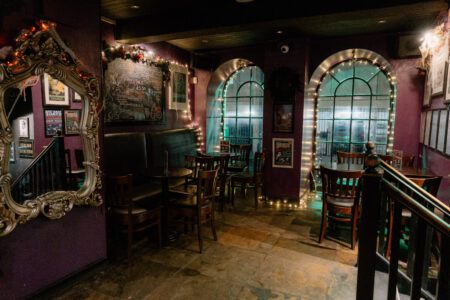
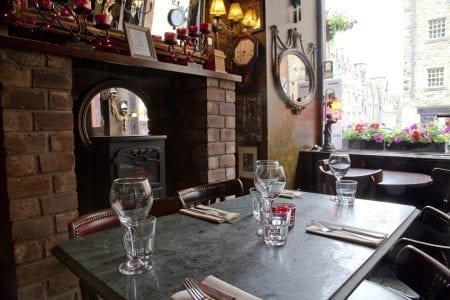
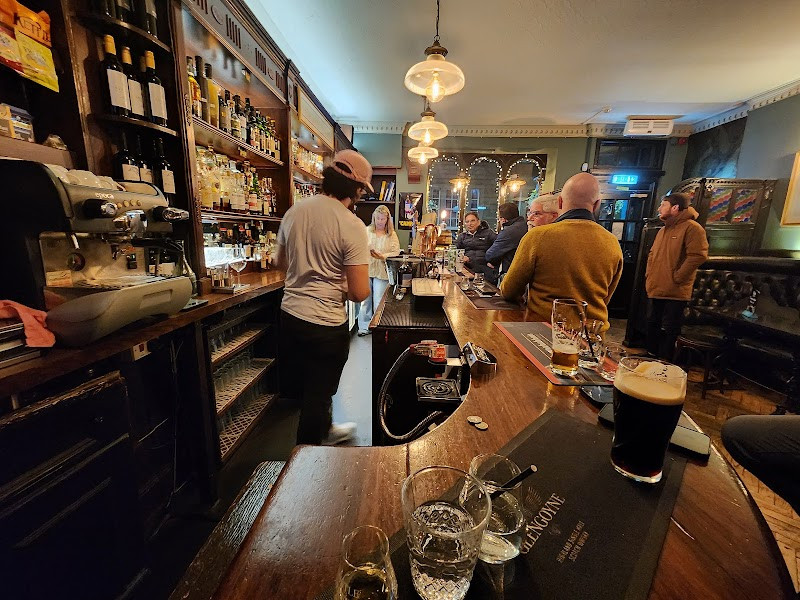
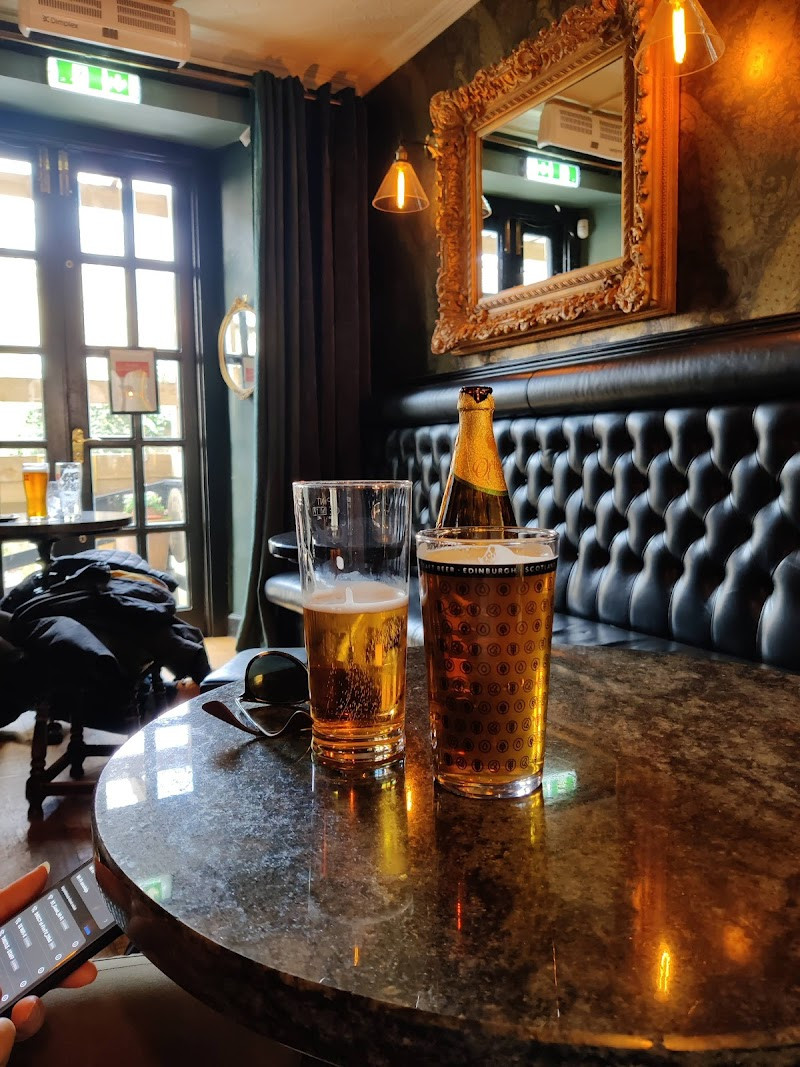
Tucked down a short cobbled stretch in the New Town, Thistle Street Bar doesn’t go looking for attention. There’s no signage shouting about craft gins or experimental cocktails. Instead, what you get is a narrow, wood-panelled space that feels like it’s always been there. And mostly, it has.
The bar serves a solid rotation of Scottish cask ales and a short, honest whisky shelf. Seating is limited—just a few tables, a window seat, and a stretch of stools at the bar. But that’s part of the charm. It’s the kind of place where conversations stay low, and regulars hold the best spots without ever making newcomers feel out of place.
There’s no music. No food menu. No frills. Just the sound of proper pints being poured and people talking about what’s next.
It’s a short walk from here to your dinner spot, and that’s deliberate. Thistle Street Bar is about grounding yourself before the evening picks up again—whether with a pint of something local, a dram, or both.


Dinner at The Outsider


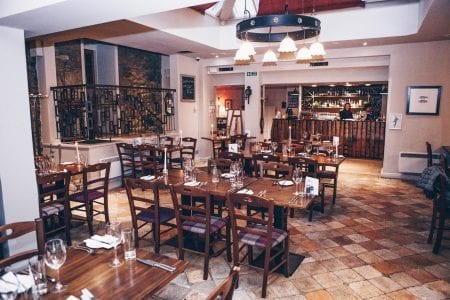
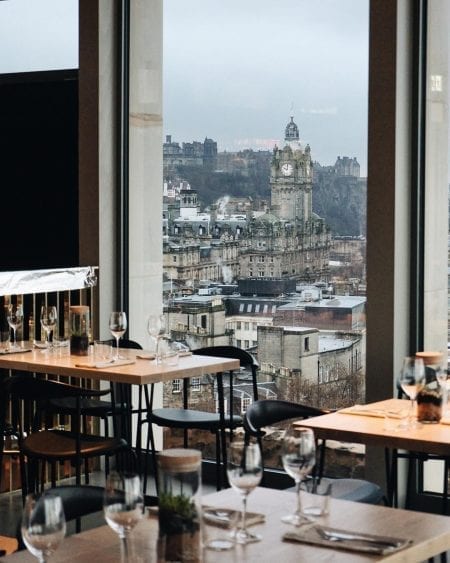
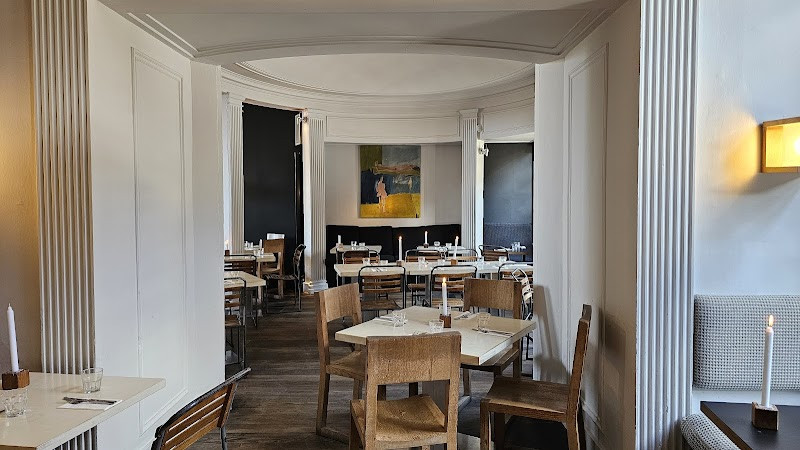
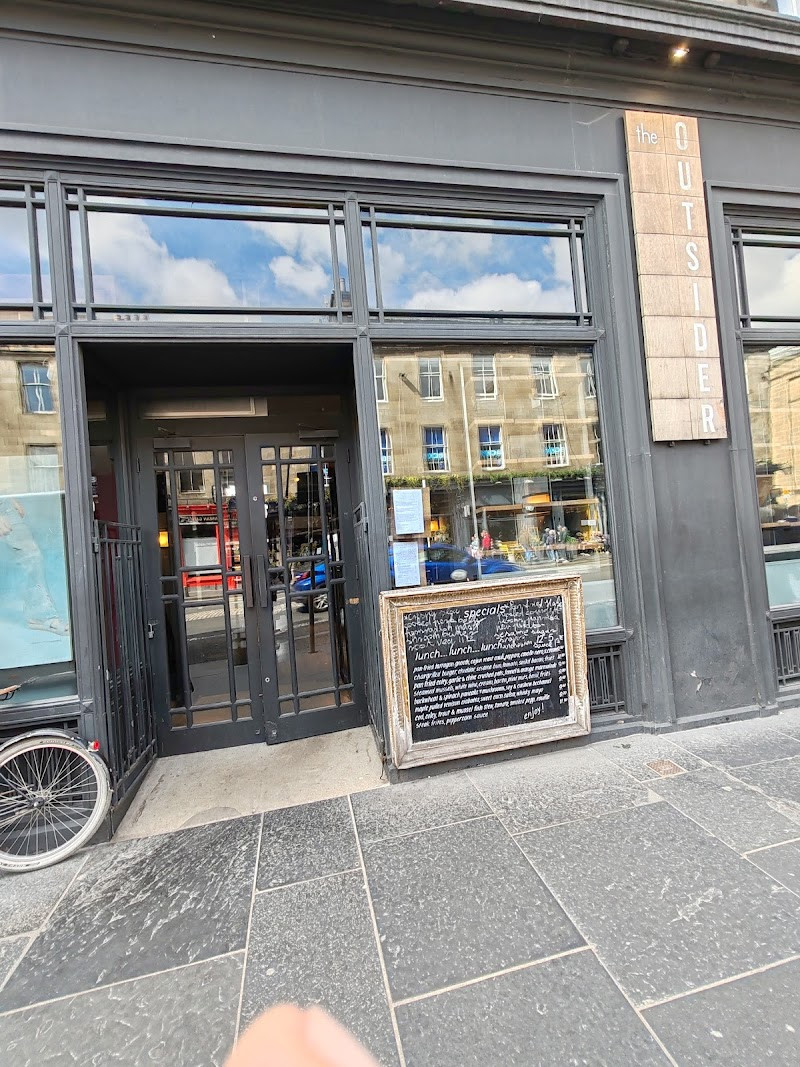
A short walk from Thistle Street, across the bridges that link the Old and New Towns, The Outsider sits quietly above George IV Bridge. You could miss it if you weren’t looking—there’s no fanfare, just a dark entrance, a few steps, and then a long, split-level dining room with wide windows framing the Castle. It’s not the highest viewpoint in the city, but it might be the best at this time of day.
The atmosphere is relaxed and unhurried. It’s a place where couples talk low across candles and groups open wine over window seats. The staff are friendly but won’t hover. The menu leans seasonal and Scottish, with a short, rotating list of mains—sea bass, pork belly, venison, or a vegetarian risotto, depending on the week. Starters are often light: dressed crab, cured trout, or lentils with roasted squash. Portions are generous without being heavy.
There’s usually a daily special or two, written up on the wall. Service is quick enough, but the setting invites you to slow down.
Try to book ahead and ask for a window table. As evening settles and the castle lights come on, the view becomes part of the meal. You’ll leave full, but not rushed. Just the right note to end on.


Add to a List
Name your list
Add to a trip
By continuing, you agree to our Terms of Service Read our Privacy Policy
Sign in
By continuing, you agree to our Terms of Service Read our Privacy Policy
Reset Password
By continuing, you agree to our Terms of Service Read our Privacy Policy
Sign in with Google
Sign in with Email