Did you know
Four stones, set to the compass.
Goldsworthy placed his four blocks at the four points of the compass. Together they call up the ideas of James Hutton, the Edinburgh geologist who first read the great age of the Earth in its rocks.
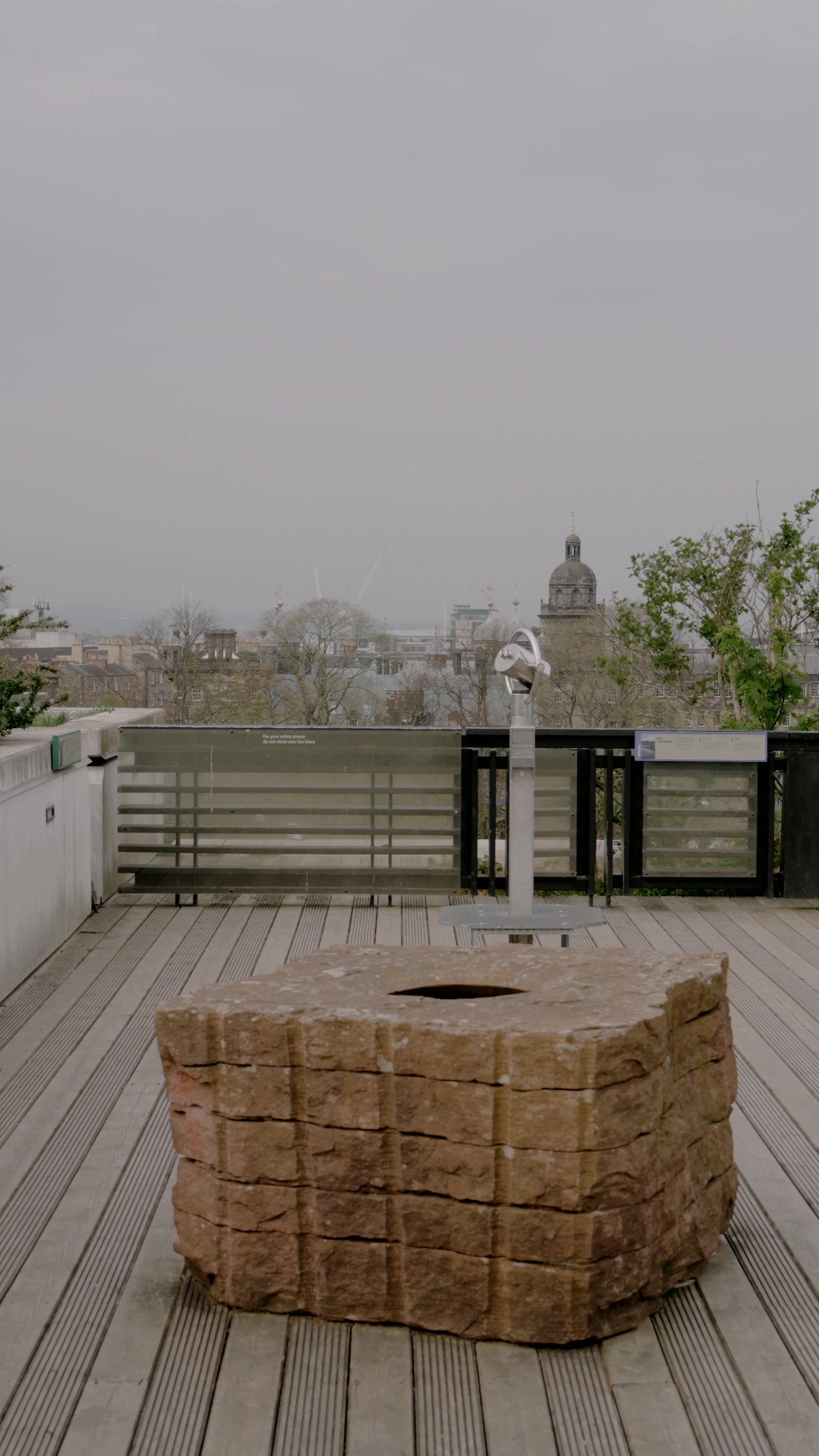
Four blocks of Dumfriesshire sandstone by Andy Goldsworthy on the roof terrace of the National Museum of Scotland, set to the compass in honour of James Hutton.
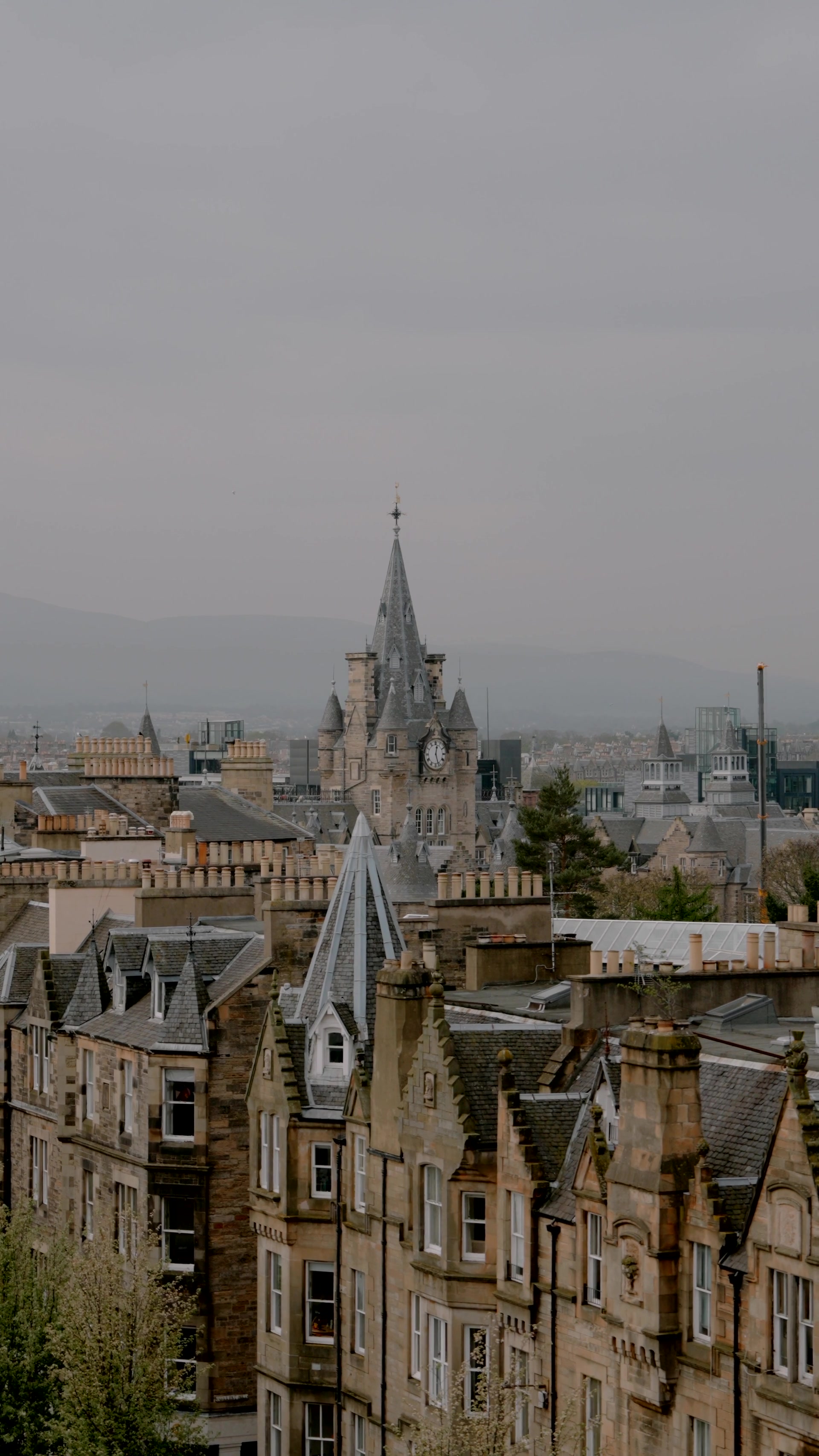
On Level 7, high above Chambers Street, the roof terrace of the National Museum of Scotland looks out over the castle, the spires of the Old Town and Arthur's Seat.
On its decking stand four square blocks of orange sandstone. They are Hutton Roof, made by Andy Goldsworthy in 1998.
The work is named for James Hutton, the Edinburgh geologist whose Theory of the Earth first argued for its immense age, and it is built out of that idea. The stone came from Locharbriggs quarry in Dumfriesshire and is the sand of a desert 270 million years old. Goldsworthy split each block along its grain into five slices, cut a hole through every one and put them back together, so that the holes line up.
Lean over one and the eye runs straight down through the layers, back through time. The blocks stand at the four points of the compass, and the terrace is open from ten until quarter to five.
Arrives at 5am every day.
A free morning email to see what’s on this week, catch up on what’s happening in Scotland and find somewhere new to go.
The terrace is on Level 7 of the National Museum of Scotland on Chambers Street, and the four stones stand on its decking.
Climb the stairs from the Industry and Empire gallery on Level 5, or take the Terrace Lift. From the top the castle, the Old Town skyline, St Giles' and Arthur's Seat are all in view.
Been here? Tell others what you know, and the best go on this page with your name.
Add your reviewGoldsworthy placed his four blocks at the four points of the compass. Together they call up the ideas of James Hutton, the Edinburgh geologist who first read the great age of the Earth in its rocks.
The stone came from Locharbriggs quarry in Dumfriesshire. It is the sand of a desert 270 million years old, pressed hard, and the same red-to-pink rock stands in landmark buildings in Edinburgh and Glasgow.
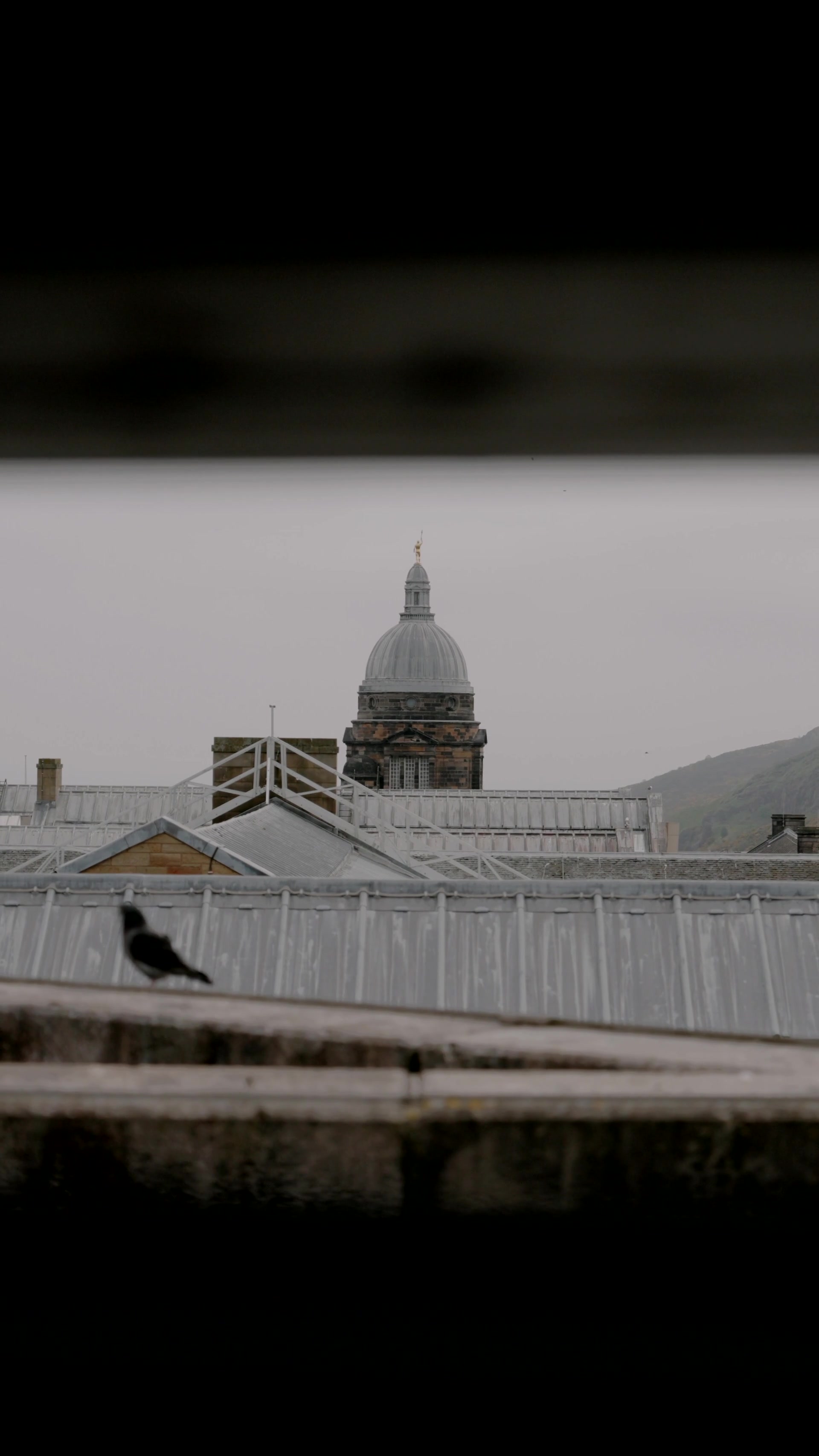
Each block was split along its natural grain into five slices, and a hole cut through every one. Put back together, the holes line up and draw the eye down into the stone, back through its layers of time.
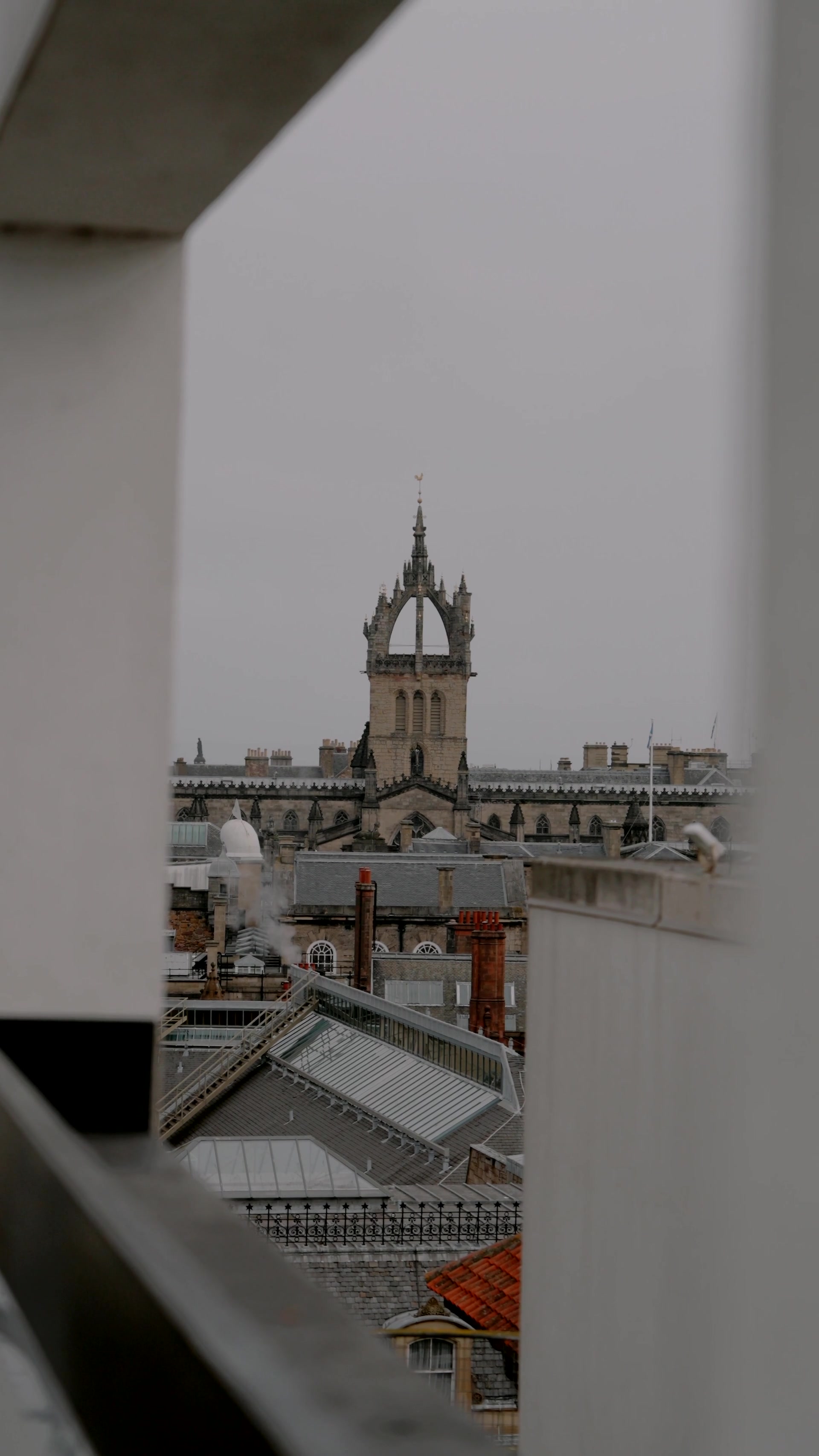
Hutton put his Theory of the Earth to the Royal Society of Edinburgh in 1785 and published it in 1788. Its most famous line is still the one quoted: "we find no vestige of a beginning, no prospect of an end."
The roof of the National Museum of Scotland provides a lofty setting for this work by sculptor Andy Goldsworthy. Comprising a quartet of carved sandstone blocks, quarried from Dumfriesshire and representing the four points of the compass, the sculpture is partly inspired by the work of pioneering Edinburgh geologist James Hutton.
Read more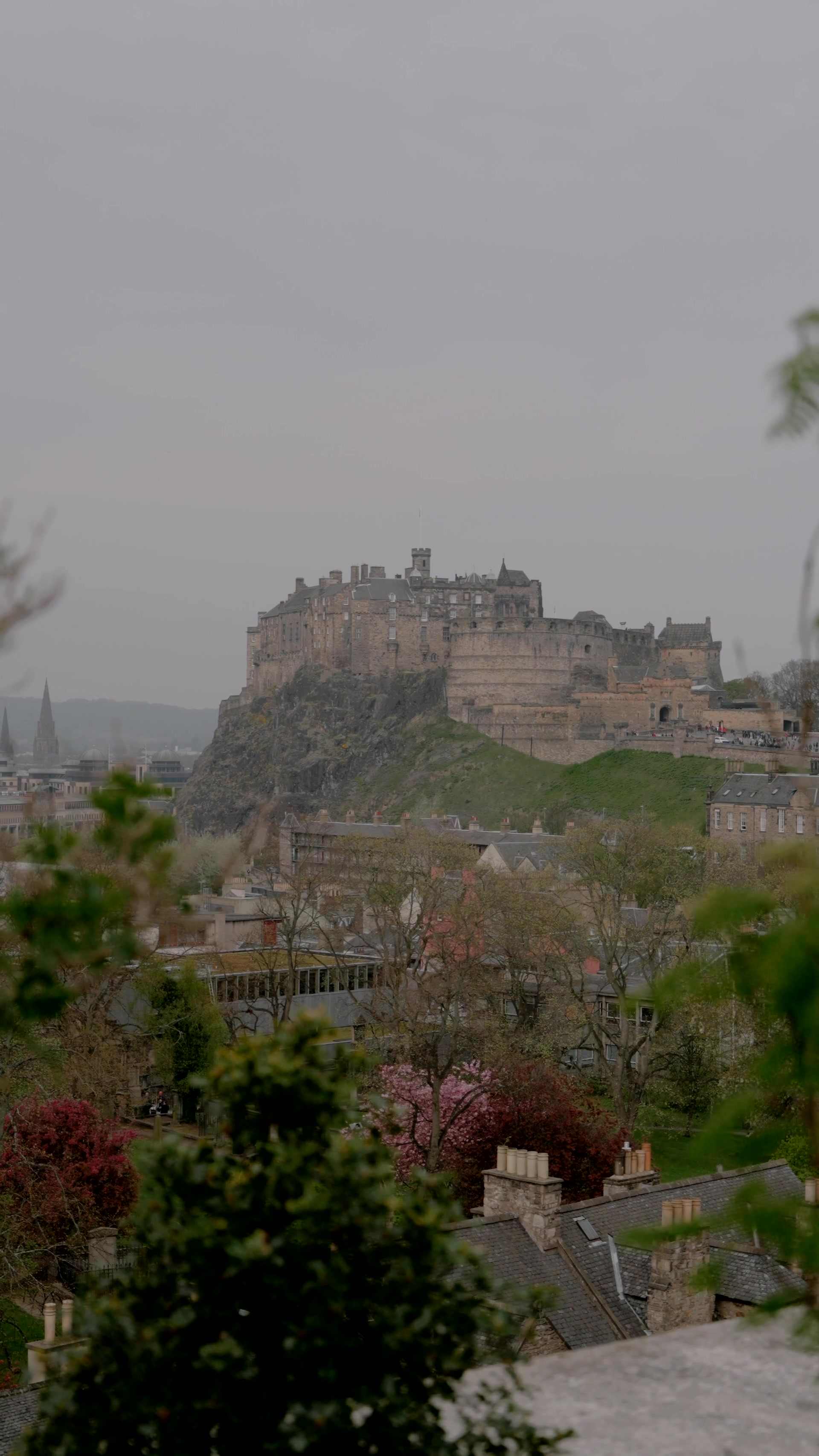
New places, news and stories, as we find them.
What is on in EdinburghOn the roof terrace, Level 7, of the National Museum of Scotland on Chambers Street, in the Old Town.
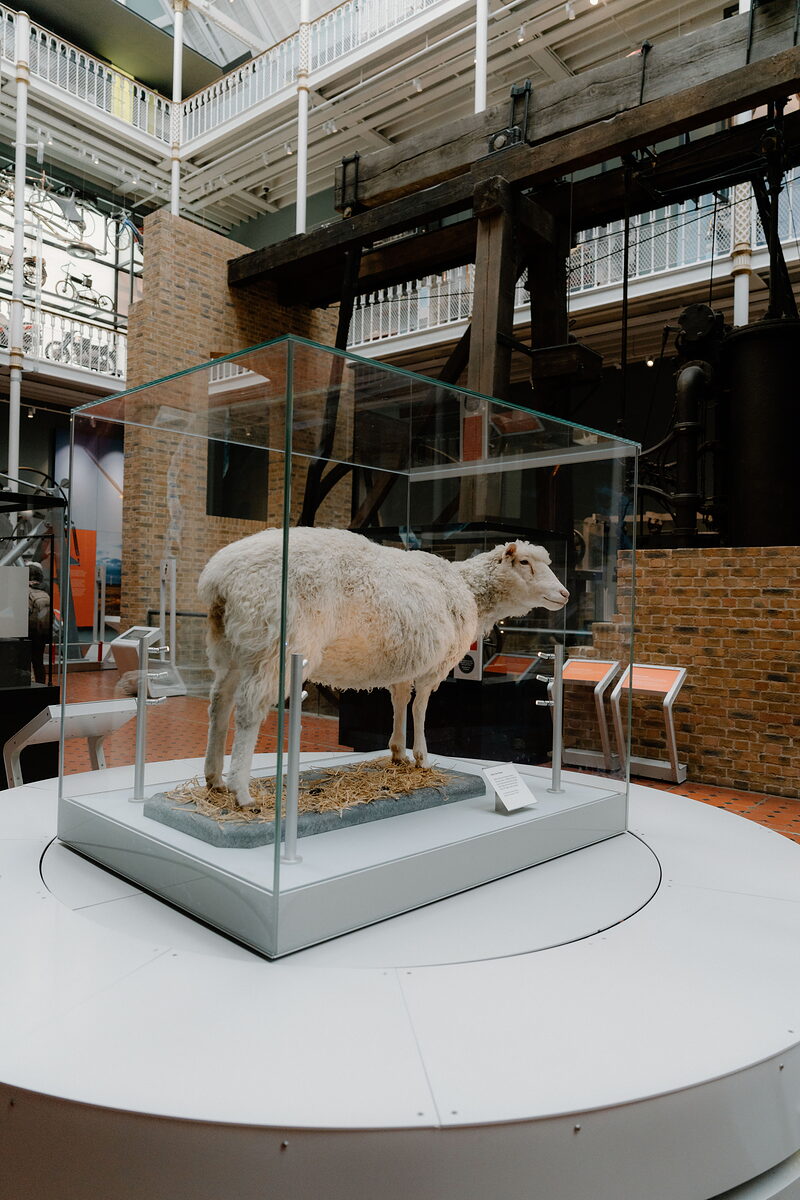 Dolly the SheepThe first mammal cloned from an adult cell, now on show in the museum below.Under a mile 1 min by road
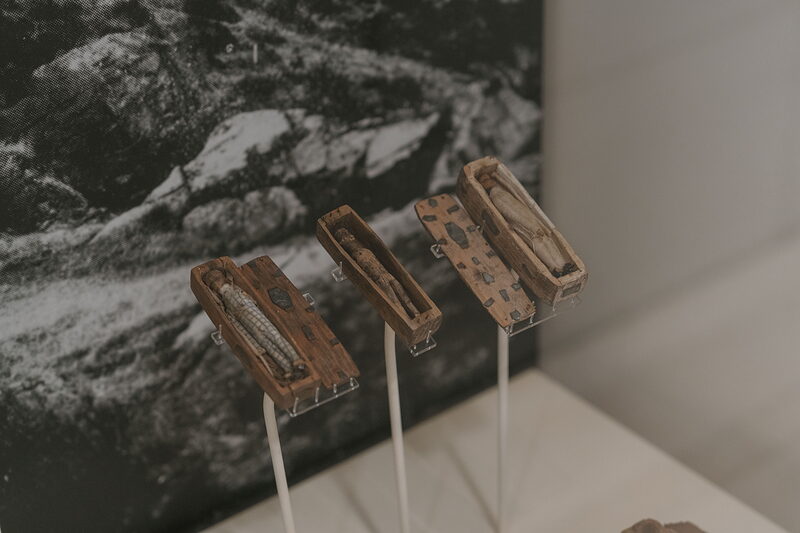 The Arthur's Seat CoffinsEight tiny coffins found hidden on Arthur's Seat in 1836, and still a mystery.Under a mile 1 min by road
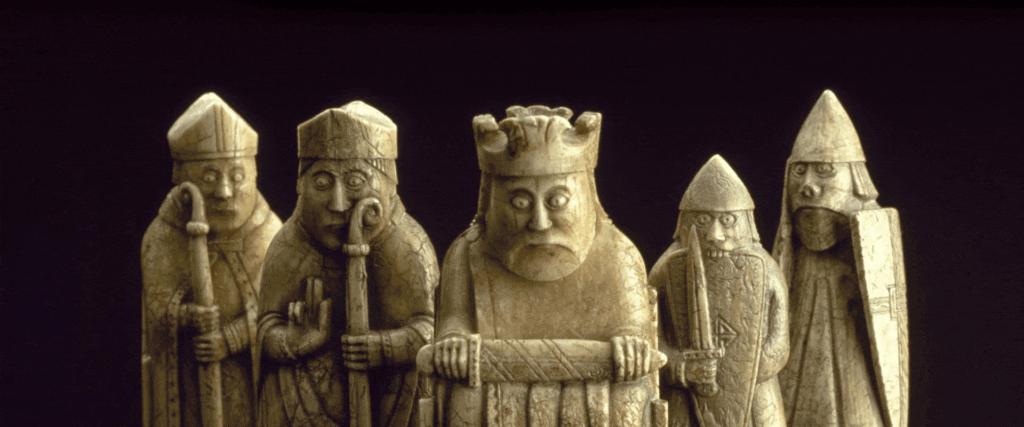 The Lewis Chess PiecesThe Lewis chessmen, carved in the 12th century, on display in the museum.Under a mile 1 min by road
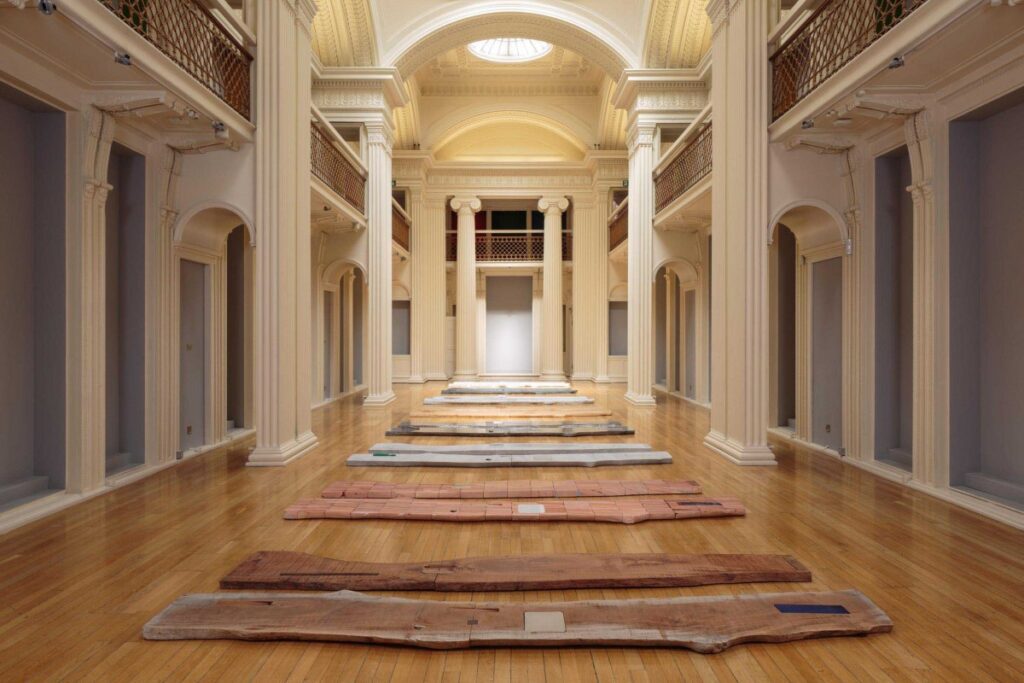 Talbot Rice GalleryThe University of Edinburgh's public gallery of art, across the street in Old College.Under a mile 1 min by road
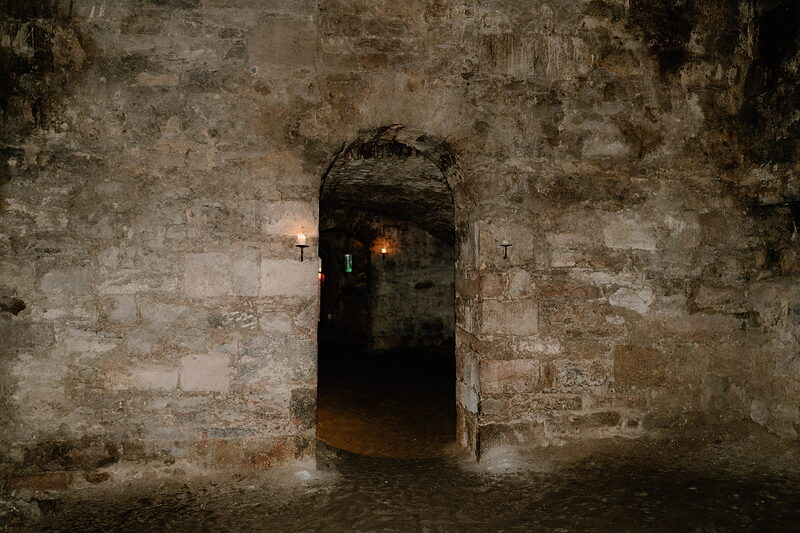 The Blair Street VaultsThe vaults built into the arches of South Bridge in the 1780s.Under a mile 1 min by road
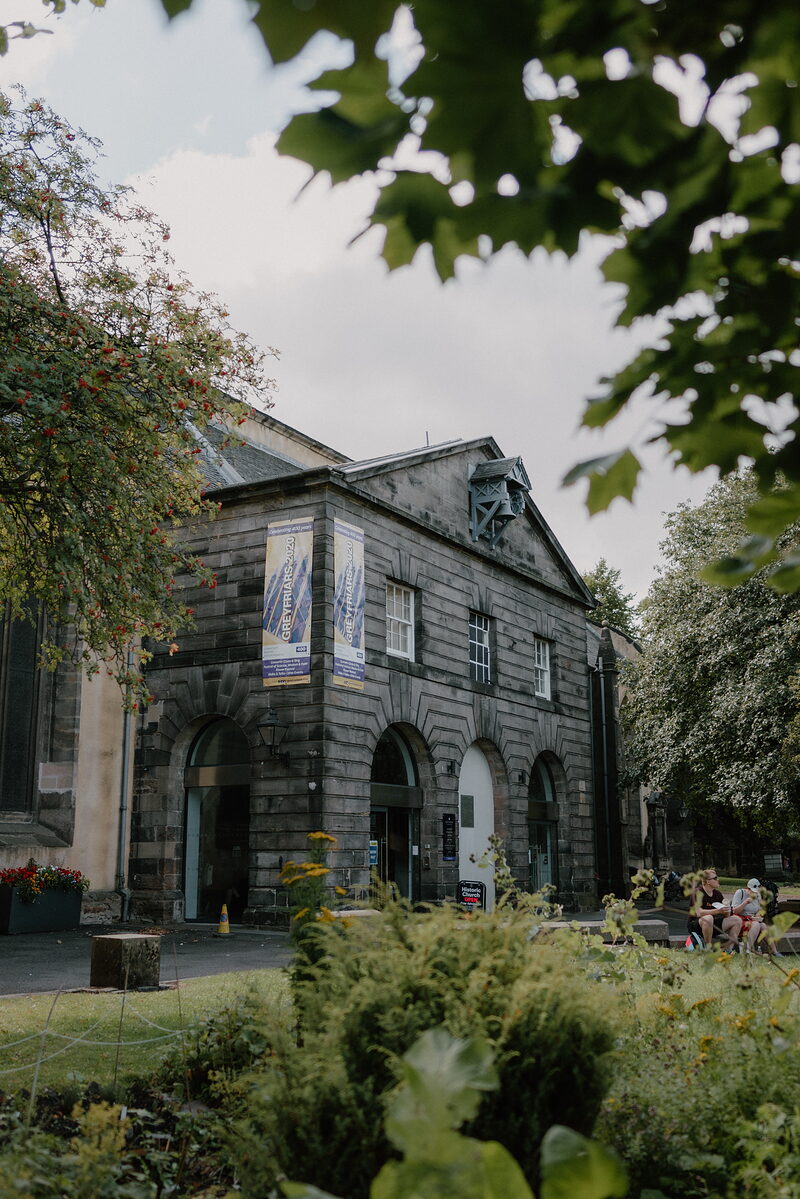 Greyfriars KirkThe first church built in Edinburgh after the Reformation, where the National Covenant was signed.Under a mile 2 min by road
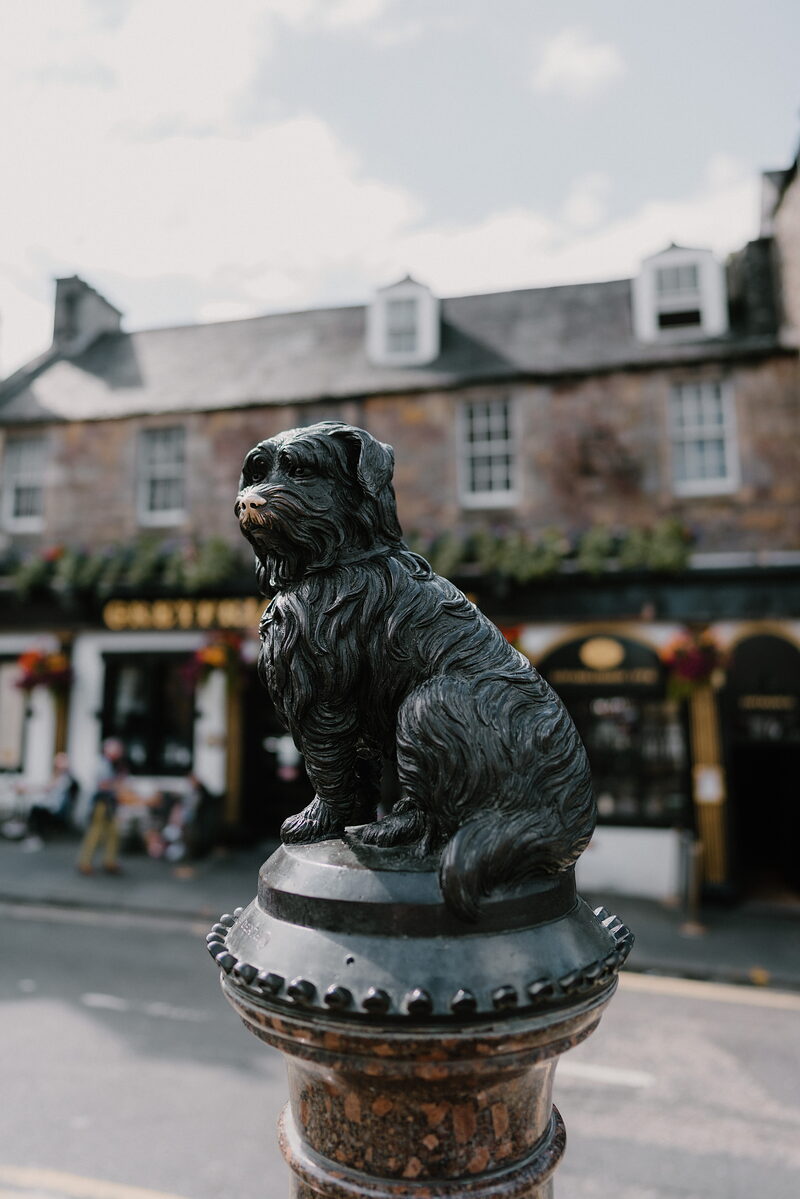 Greyfriars BobbyThe bronze of the Skye terrier said to have kept watch over his master's grave.Under a mile 2 min by road
Places to stay near the terrace, and when each is next free.
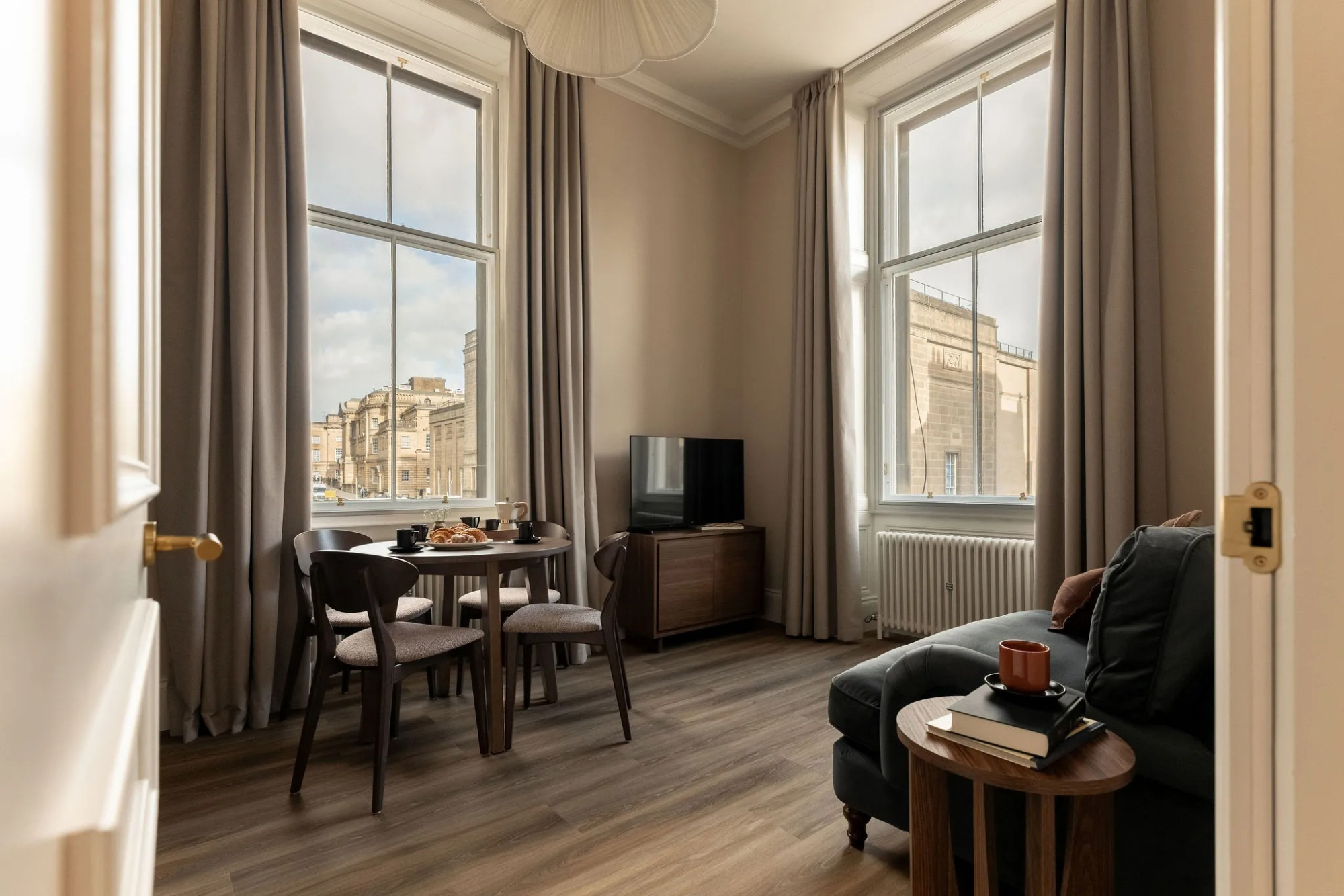 Moment George IV Bridge
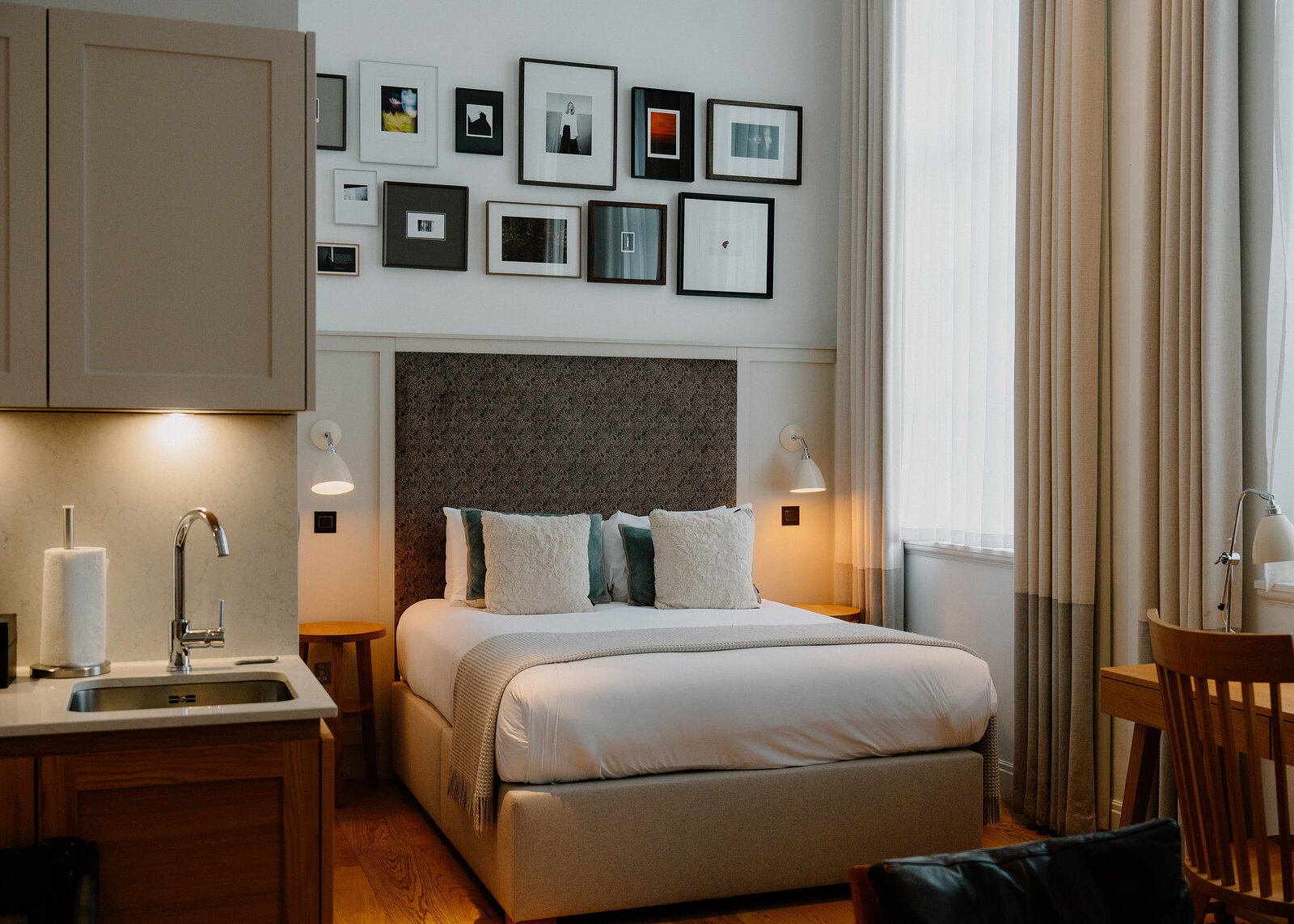 Old Town Chambers
 West End Muse
 The Scott Hotel
We want to show you the best that Scotland has to offer. The makers and the creatives, the enduring experiences, the evocative tales, the concealed corners. The roads less travelled that take you to places that matter. The adventures that gather you up and sweep you away. The blend of the wild and the artistic that makes Scotland what it is. We’d love for you to join us.
What we have written about it and more in Edinburgh.
For further reading, before you go. The details on this page were checked on .