The roads less travelled that take you to places that matter. The adventures that gather you up and sweep you away. The blend of the wild and the artistic that makes Scotland what it is. We'd love for you to join us.
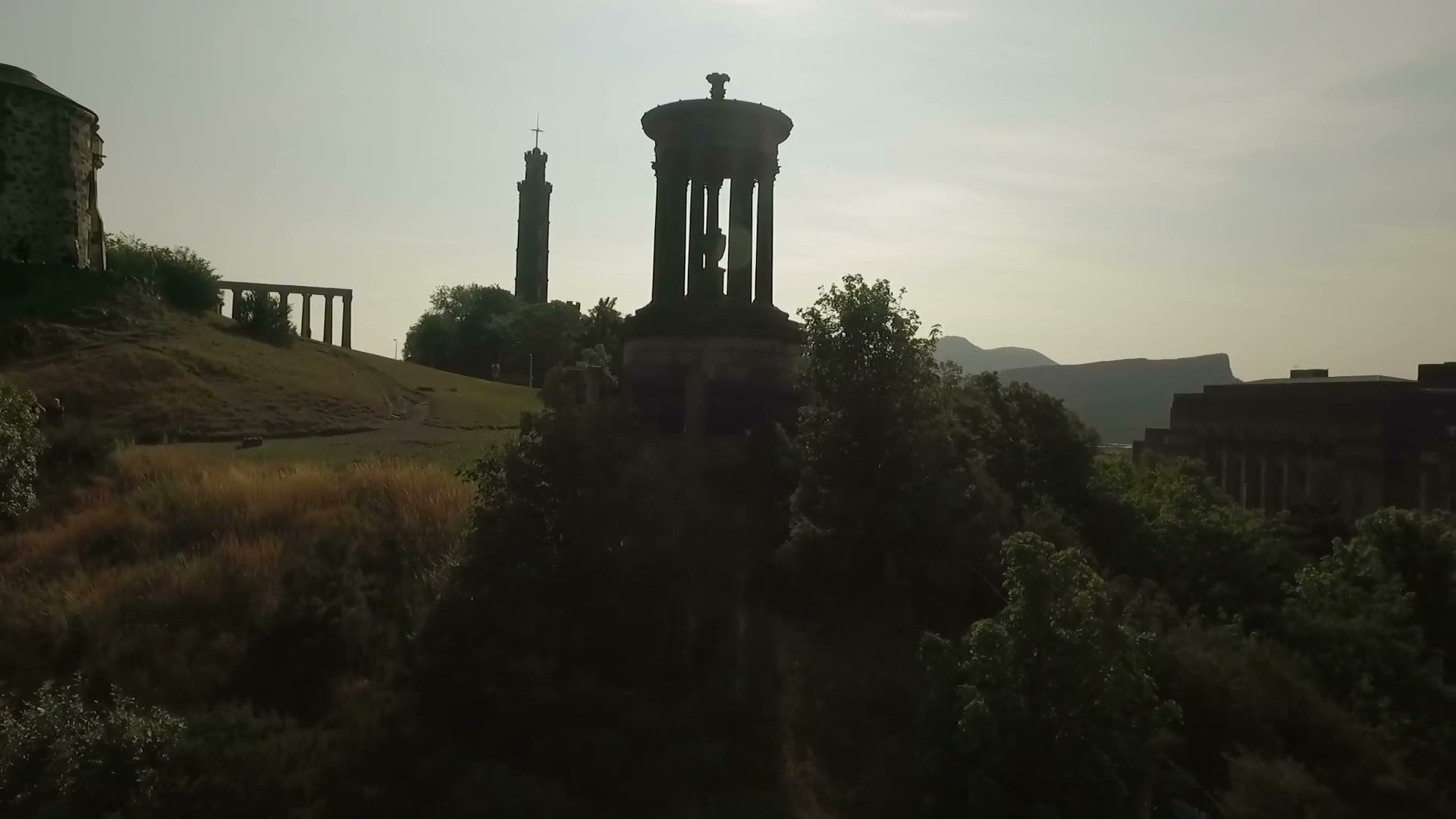 Live from ScotlandCalton Hill, Edinburgh Clear in Edinburgh, and the sun sets at 16:44.Watch Scotland live→
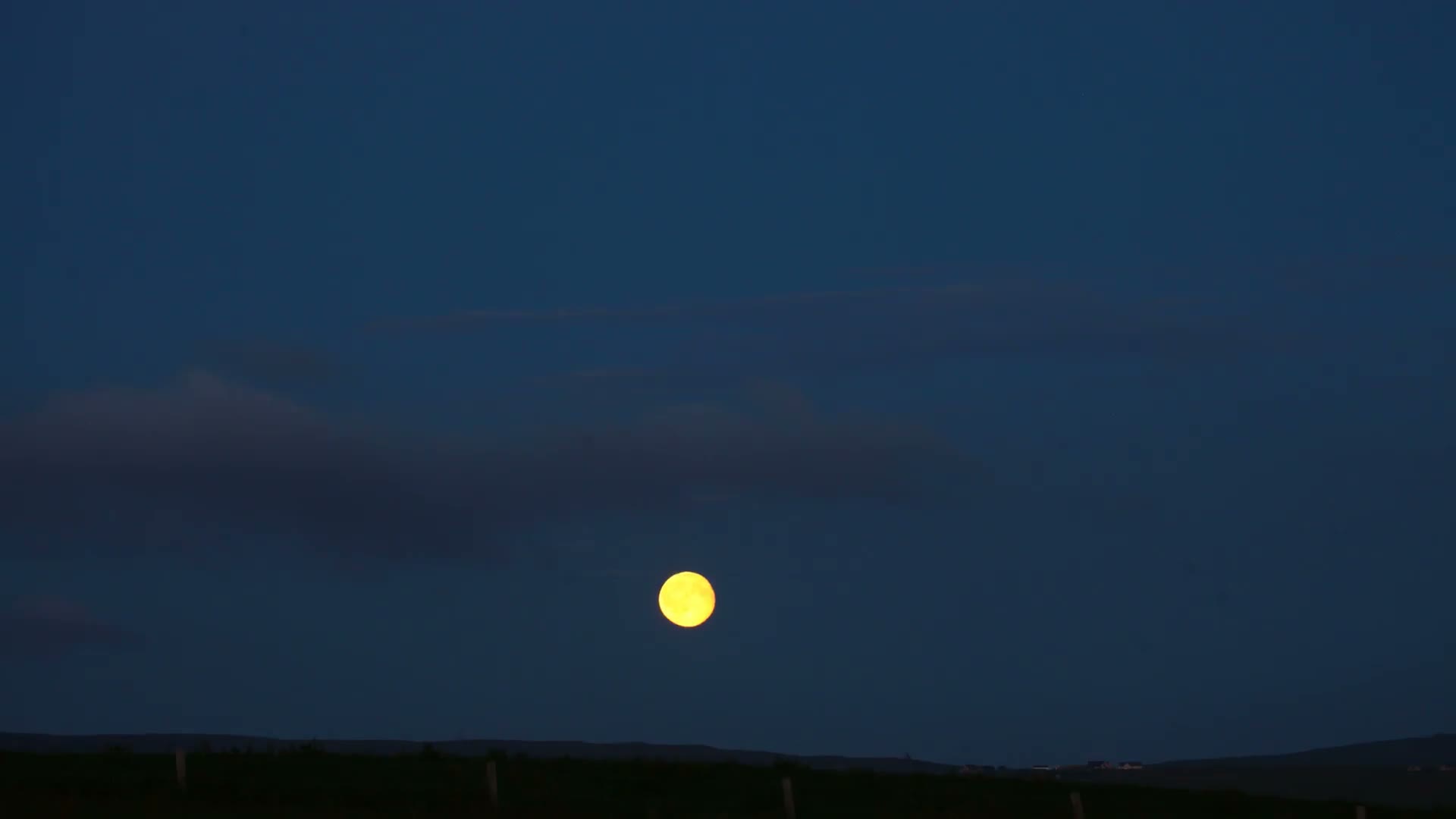 The moonWatch Scotland liveThe moon is full tonight.
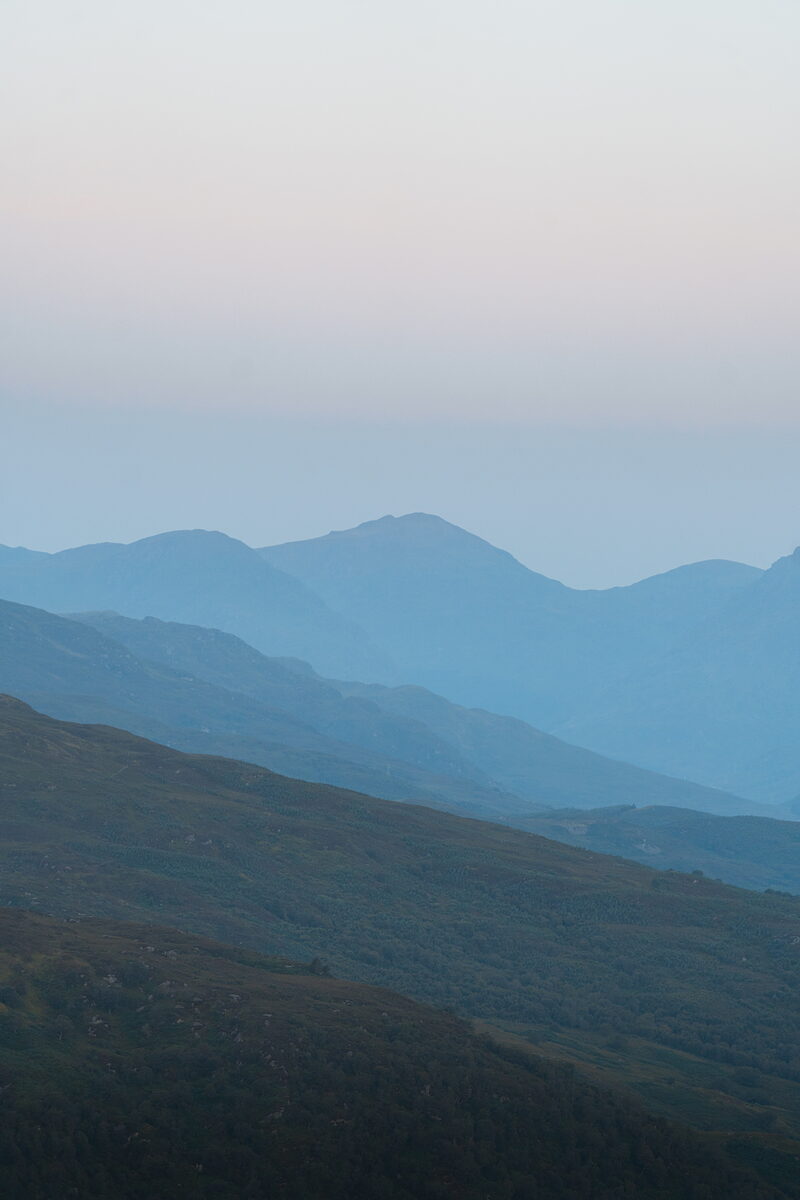 Golden hourLoch LomondThe sun sets at Loch Lomond at 4.50pm this evening, and the sky is forecast to be clear.
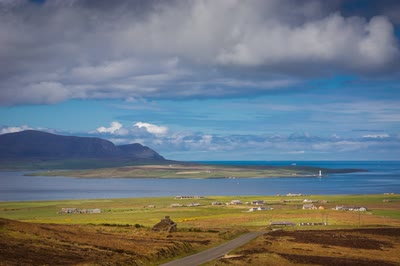 NewsOrkneyThe Pickaquoy Centre in Kirkwall is due to open its new mountain bike trails at the end of October or the start of November.
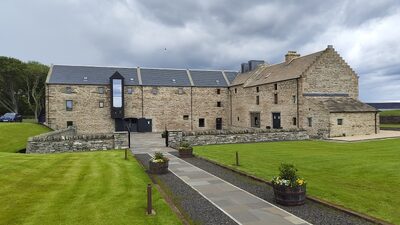 Just openedCaithnessCastletown Mill in Caithness, built in 1818, is a whisky distillery now.
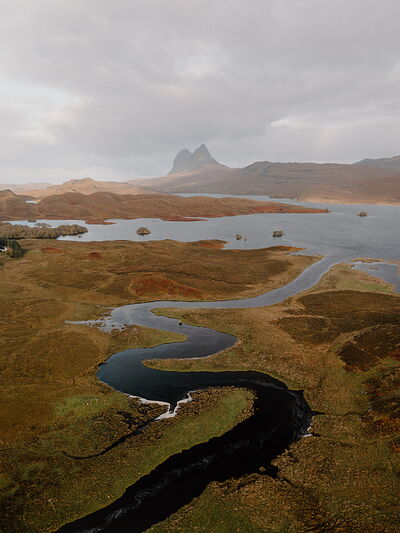 On todaySutherlandAutumn Highland Festival is on in Dornoch today.
The Daily
Arrives at 5am every day.
A free morning email to see what’s on this week, catch up on what’s happening in Scotland and find somewhere new to go.
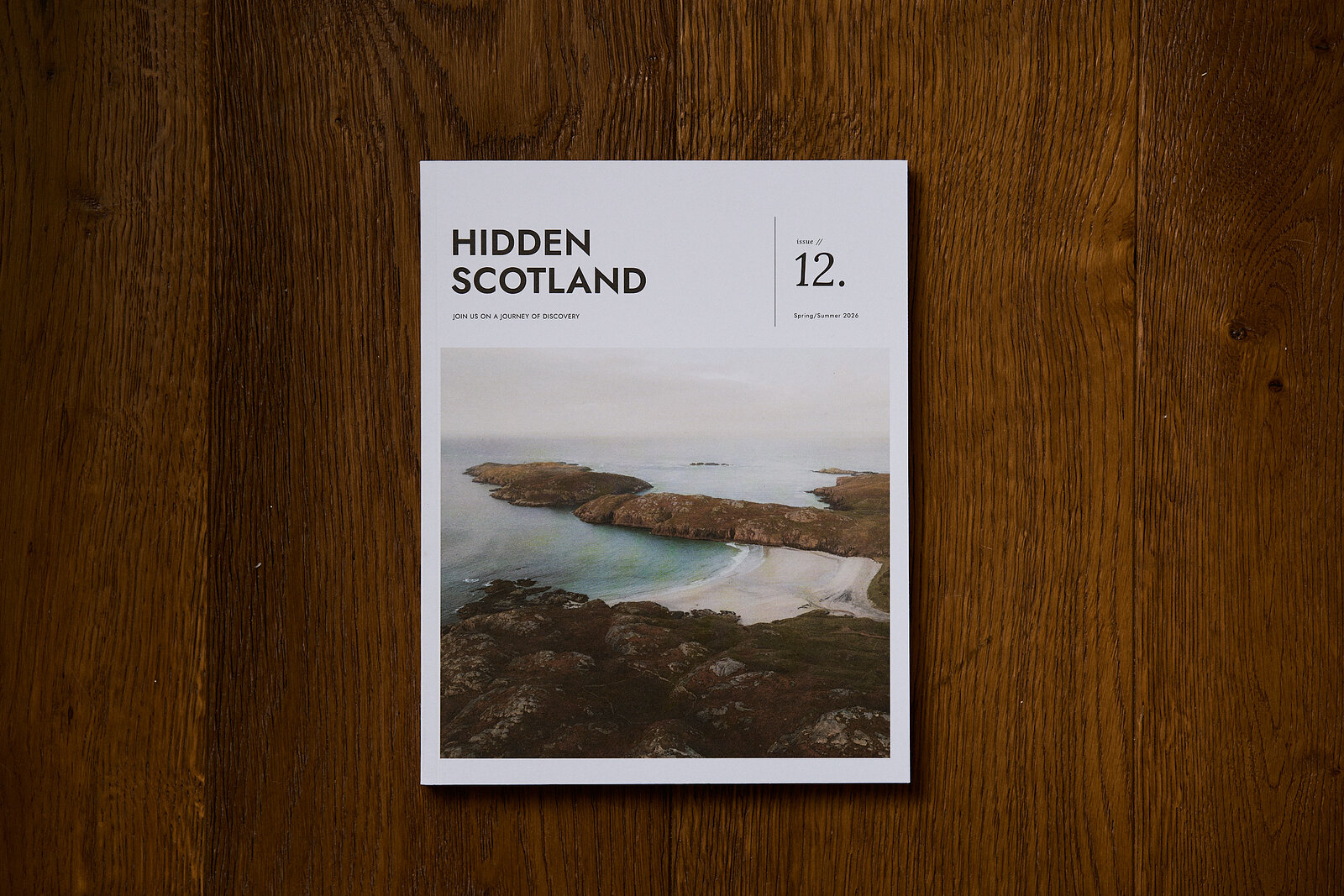
The places worth the journey, and the help to get there.
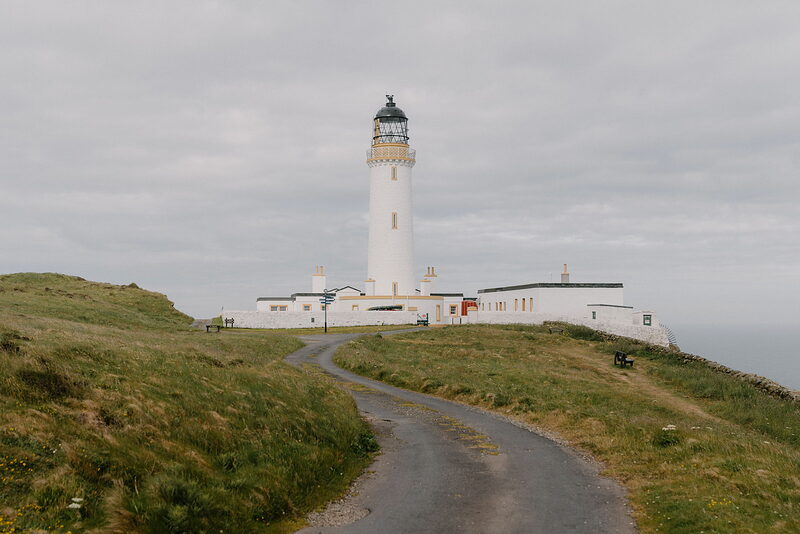
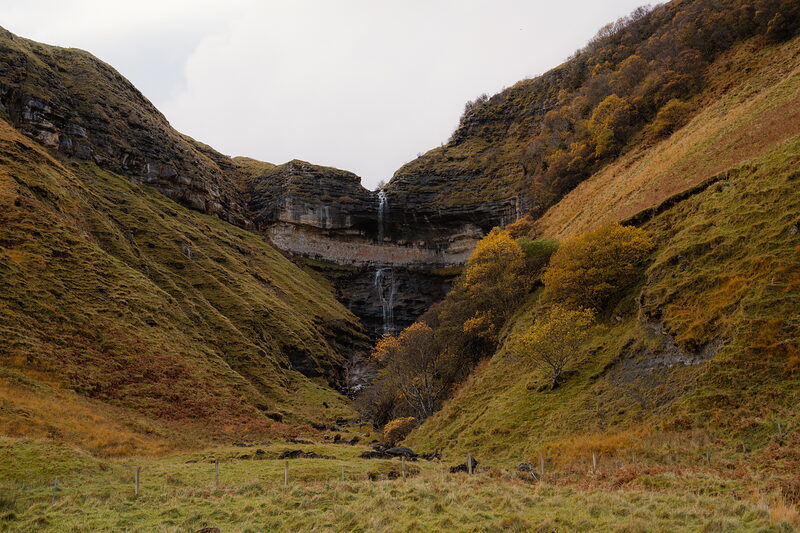
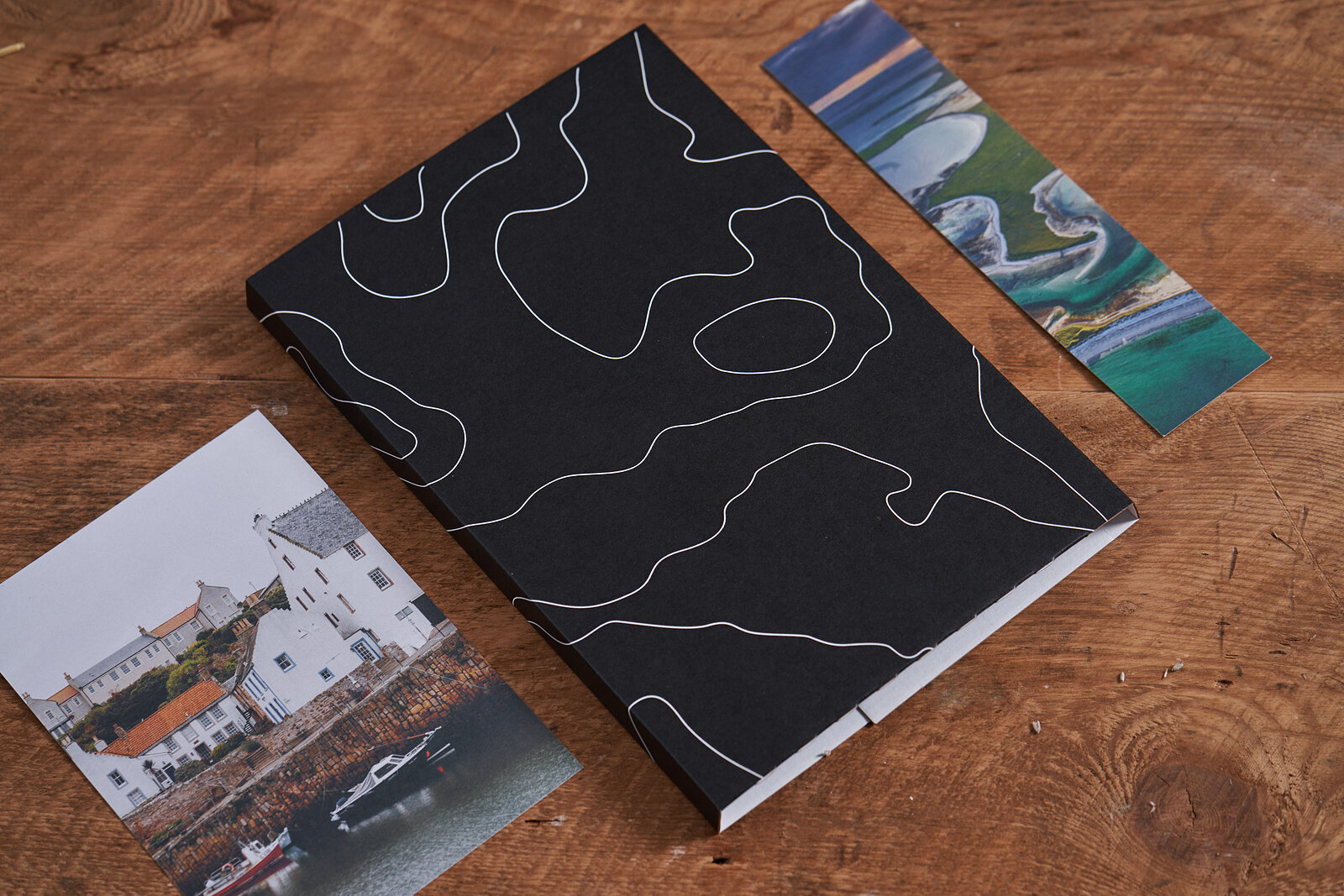
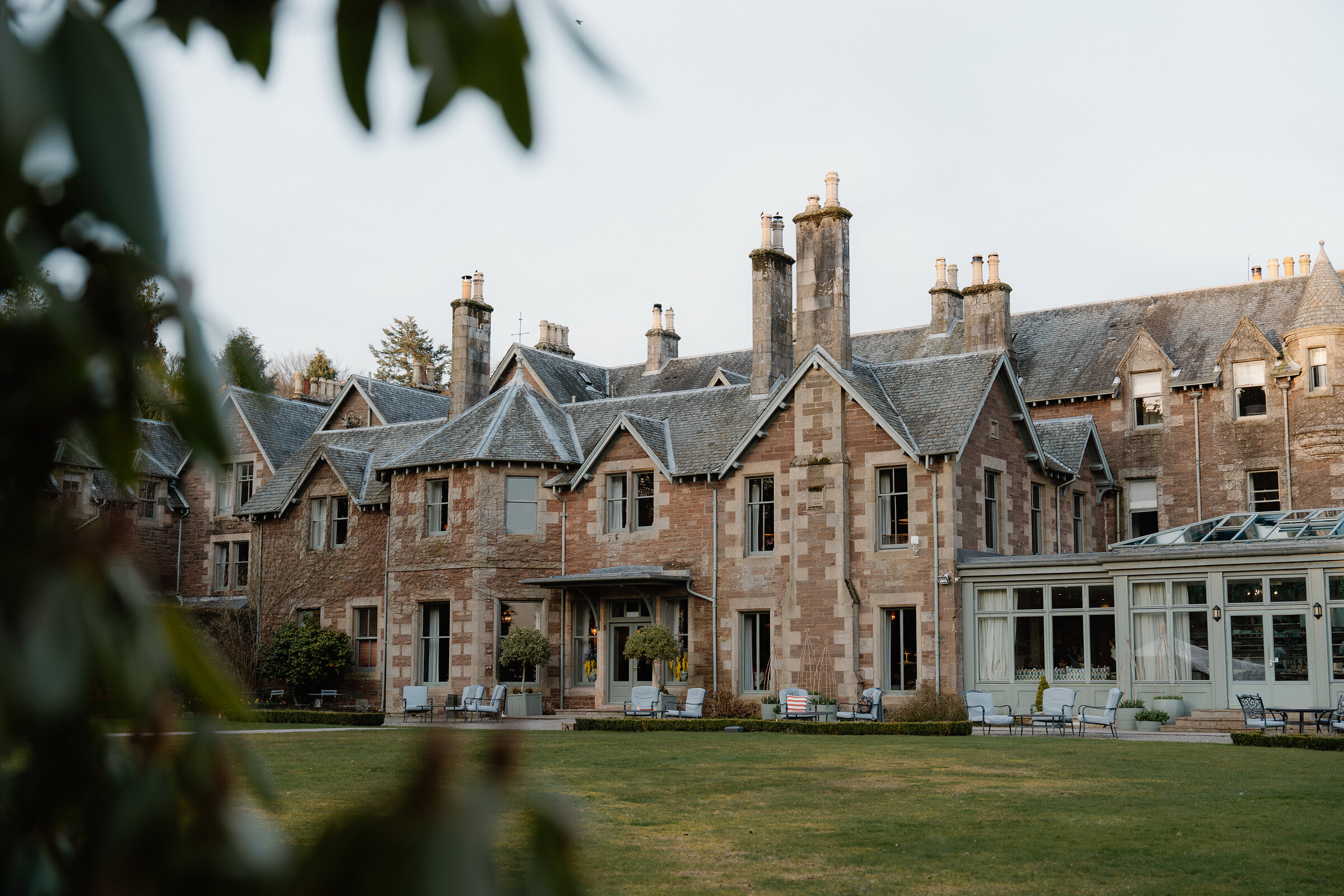

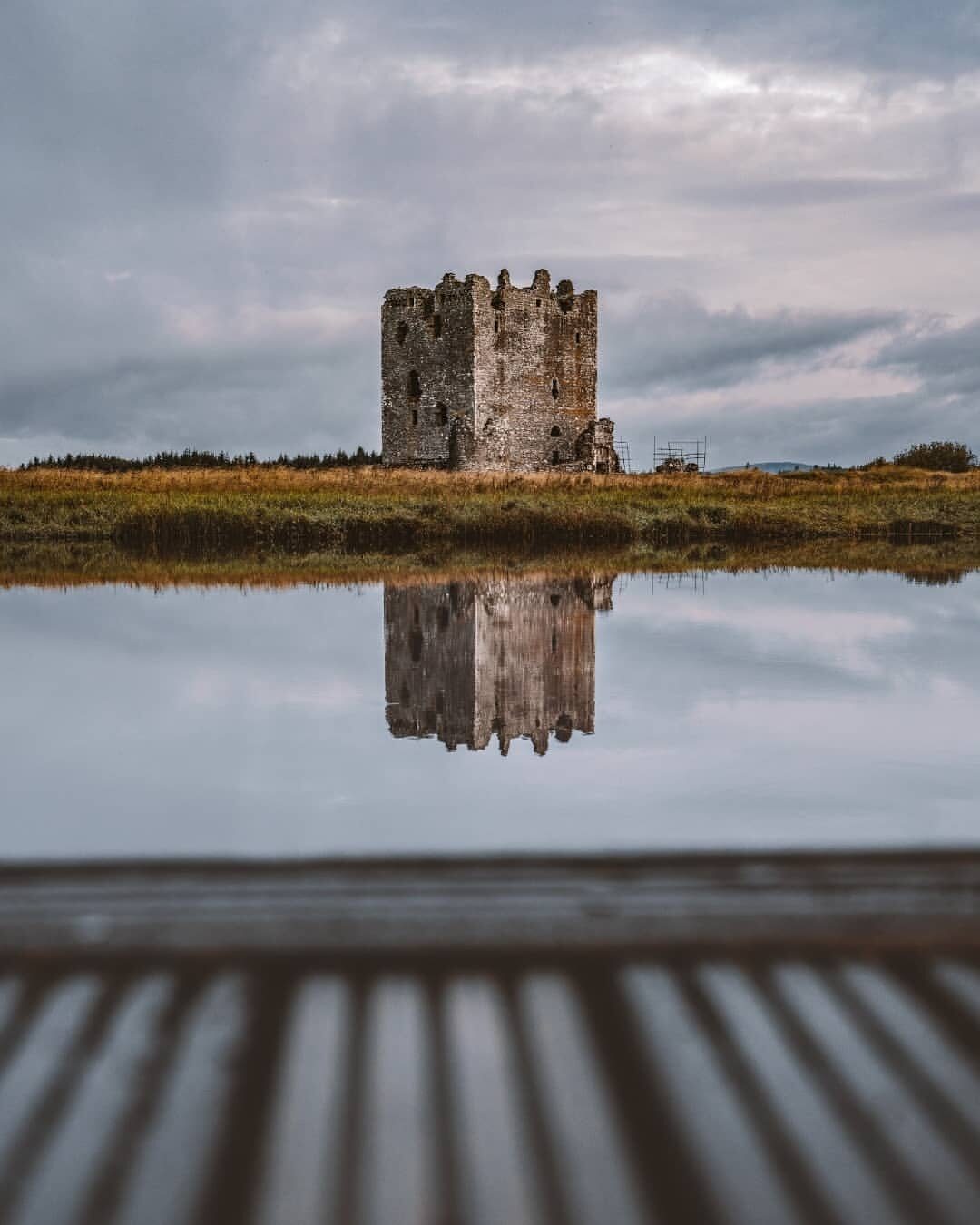
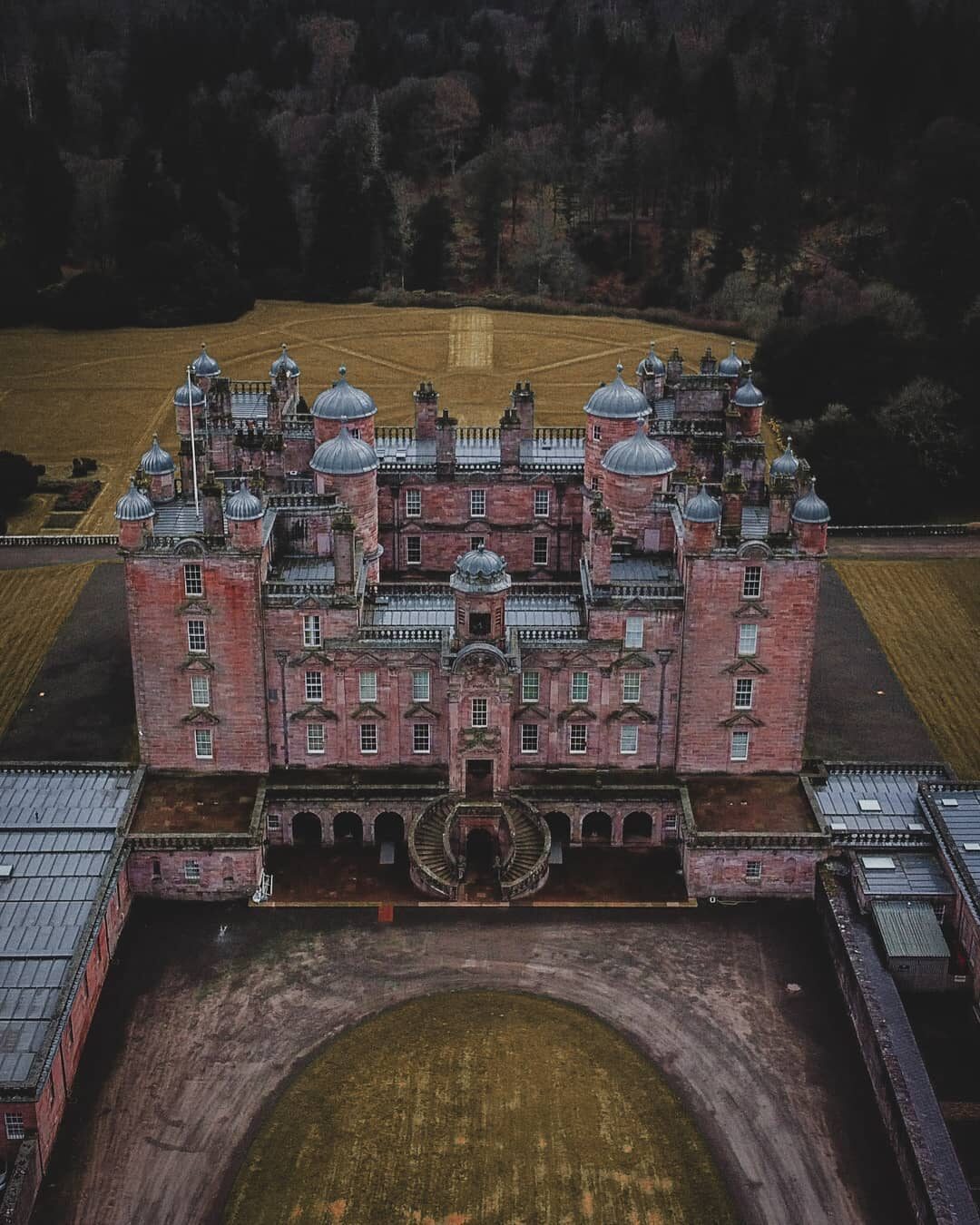
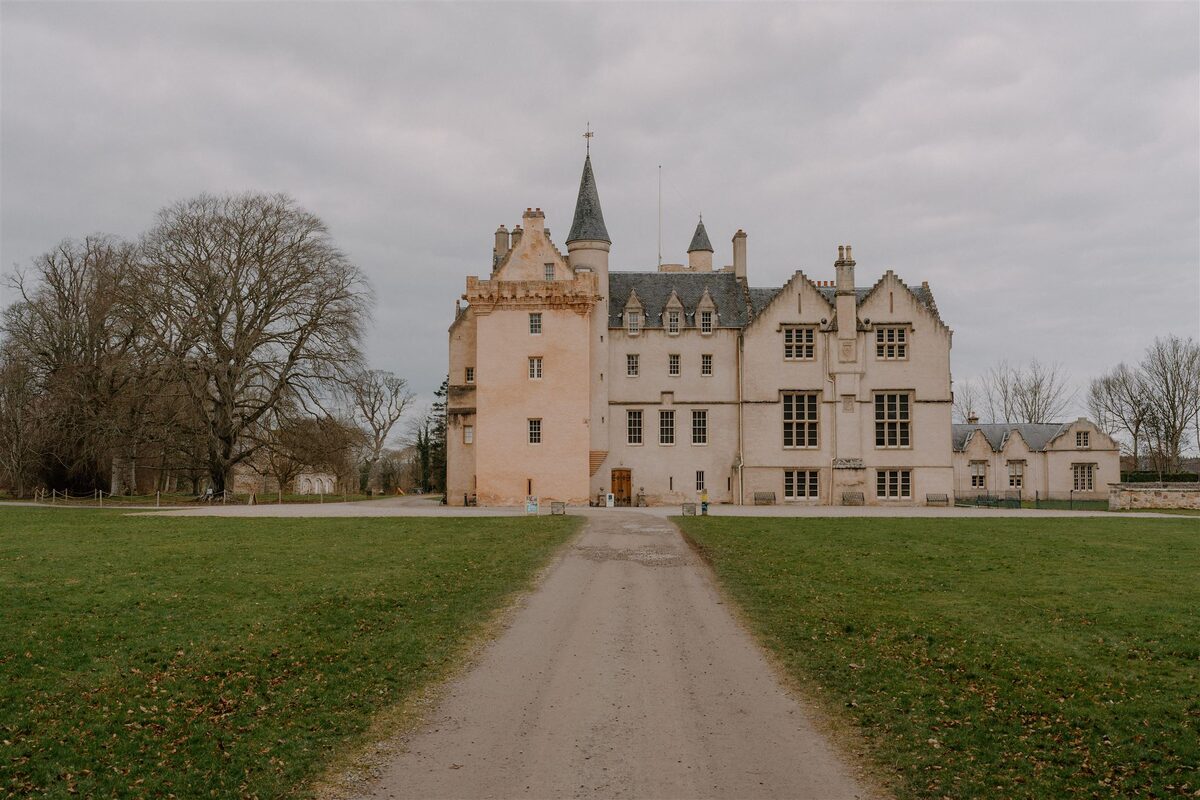
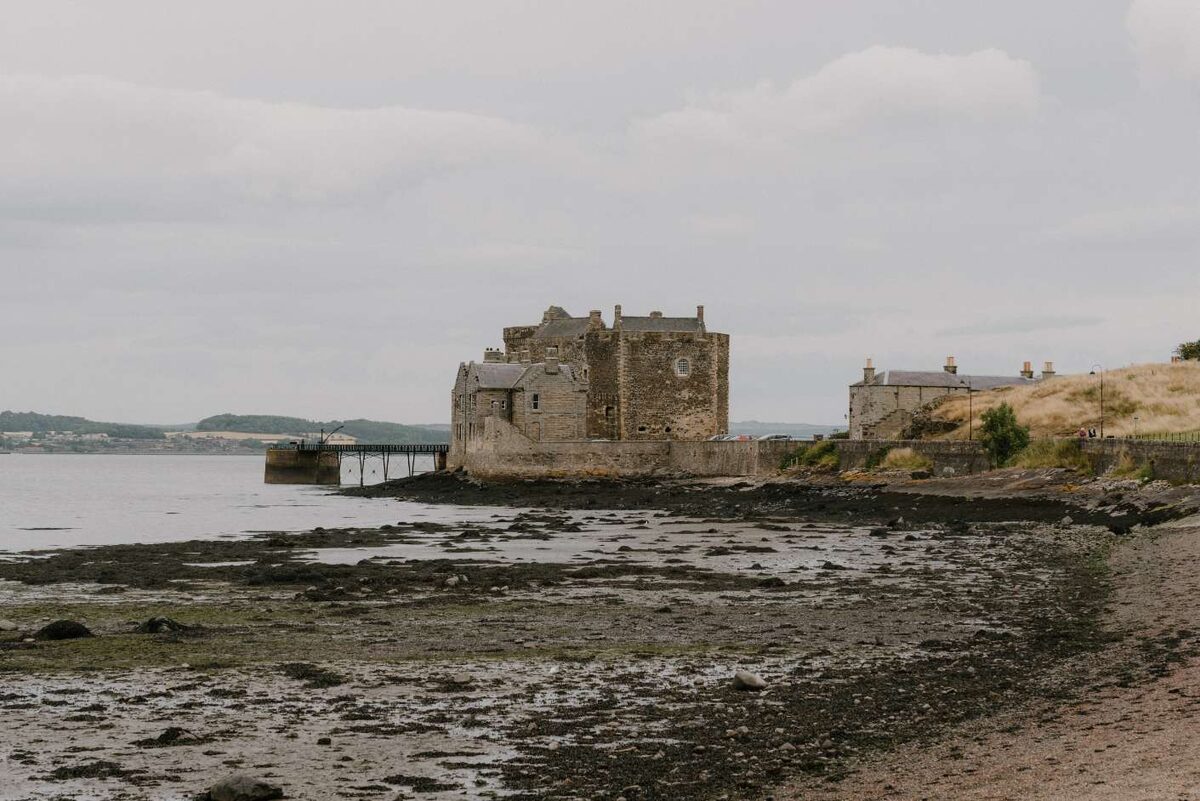
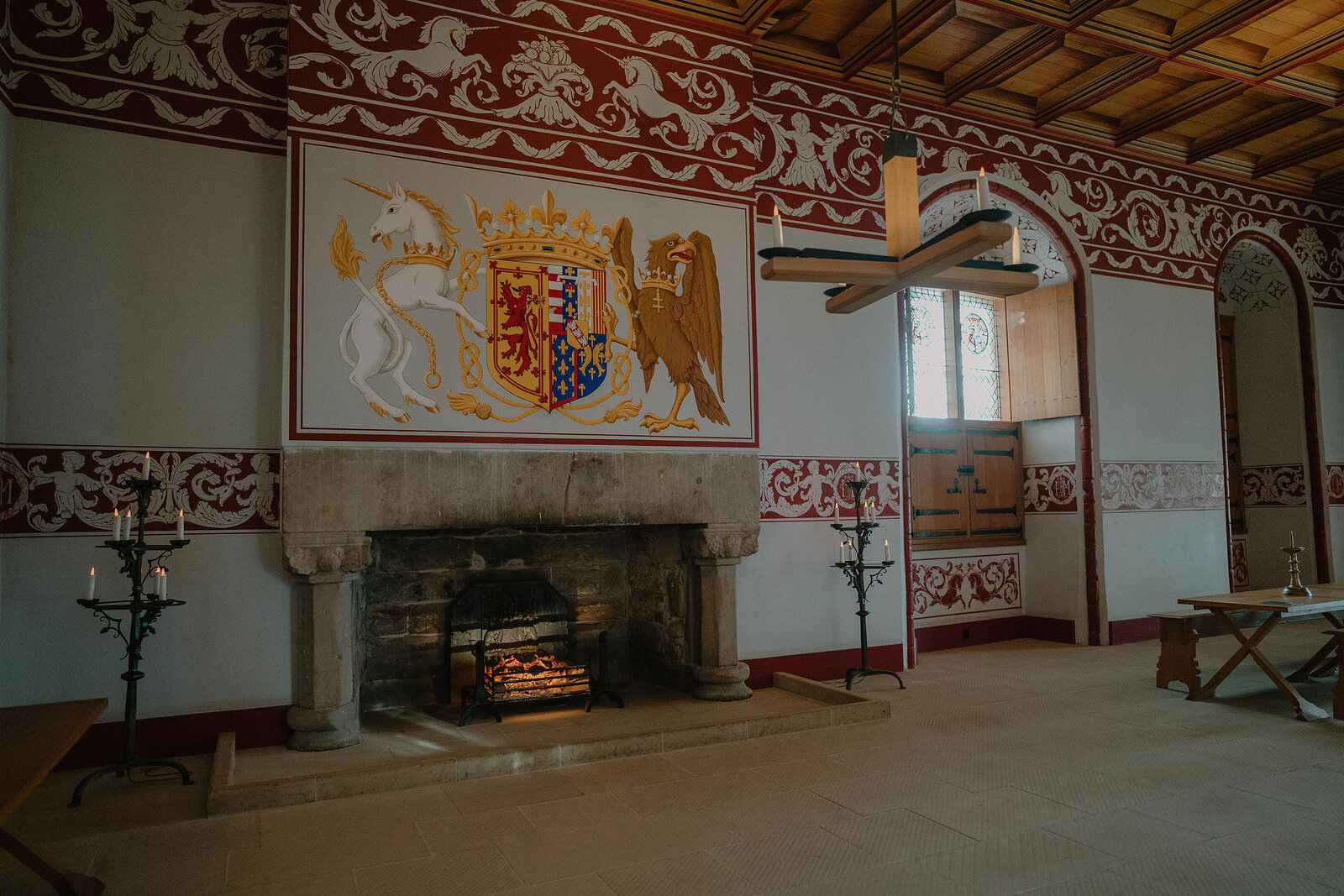
Scotland's national animal is the unicorn, and on the old Scottish royal arms two crowned unicorns hold up the shield, bound in golden chains.
The oldest surviving version of the arms with unicorns is a weather-worn carving above the gateway of Rothesay Castle, on the Isle of Bute, made no later than the reign of Robert III, which ended in 1406. In about 1484 James III went further and issued gold coins called the unicorn and the half-unicorn. The chain is usually read as a sign of royal strength: the unicorn was thought too wild for anyone to tame, and only a Scottish king was strong enough to hold it. You can still spot unicorns across the country, from the top of the Mercat Cross in Edinburgh to the gate of the Palace of Holyroodhouse.
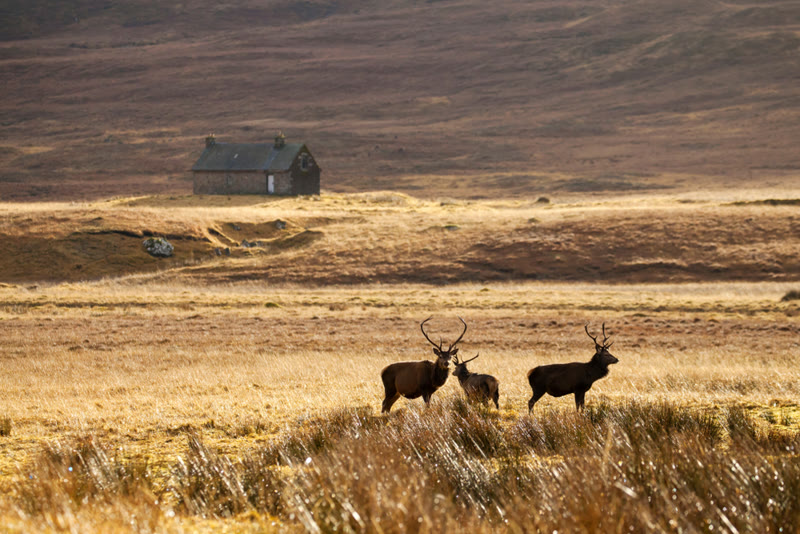 Seen 12 timesRed deer
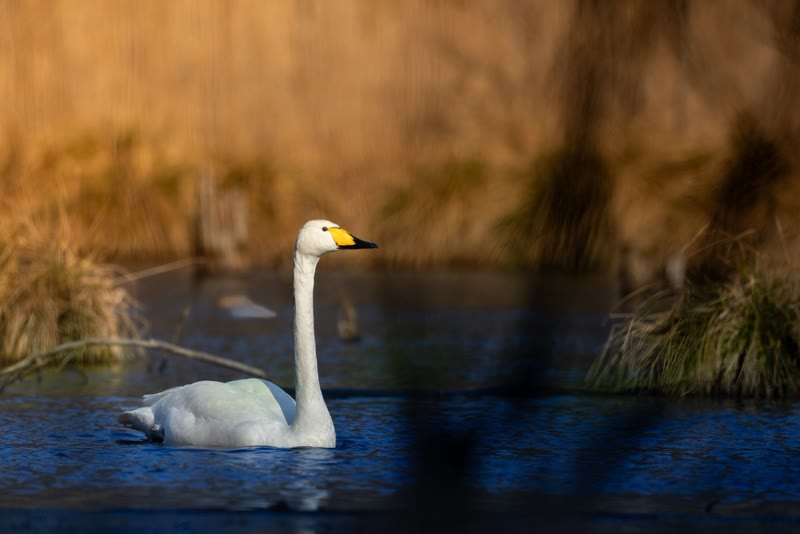 Seen 11 times · Hogganfield LochWhooper swan
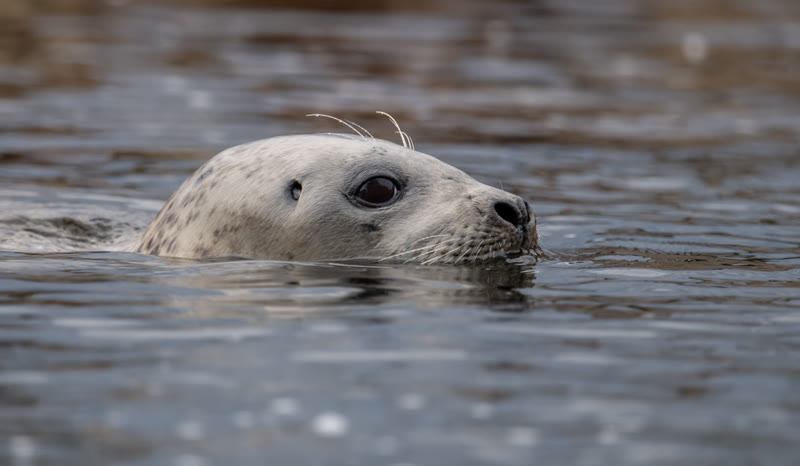 Seen 8 timesCommon seal
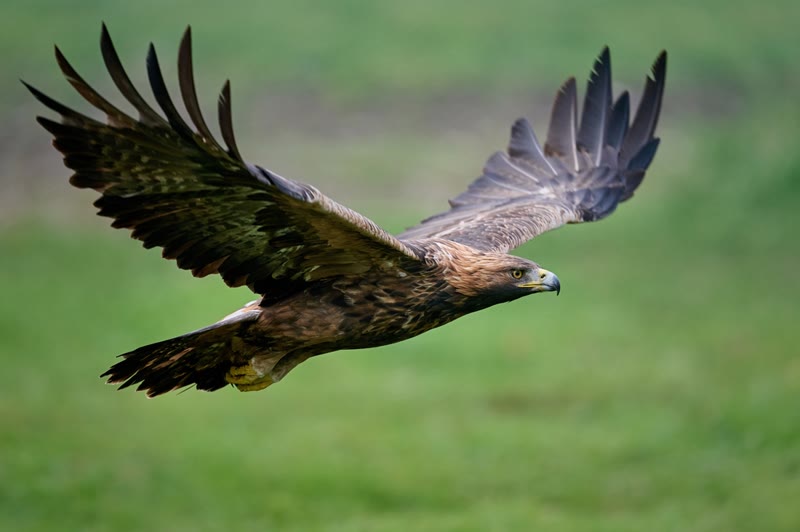 Seen 7 timesGolden eagle
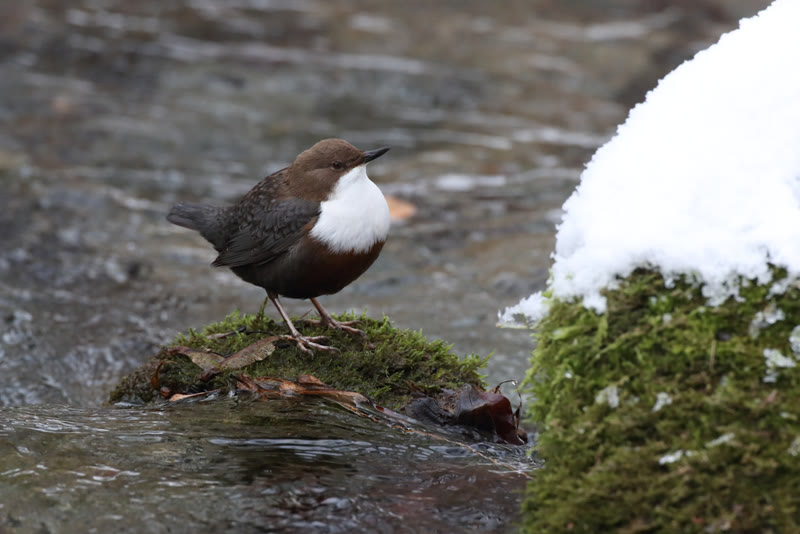 Seen 5 times · Argyll and ButeDipper
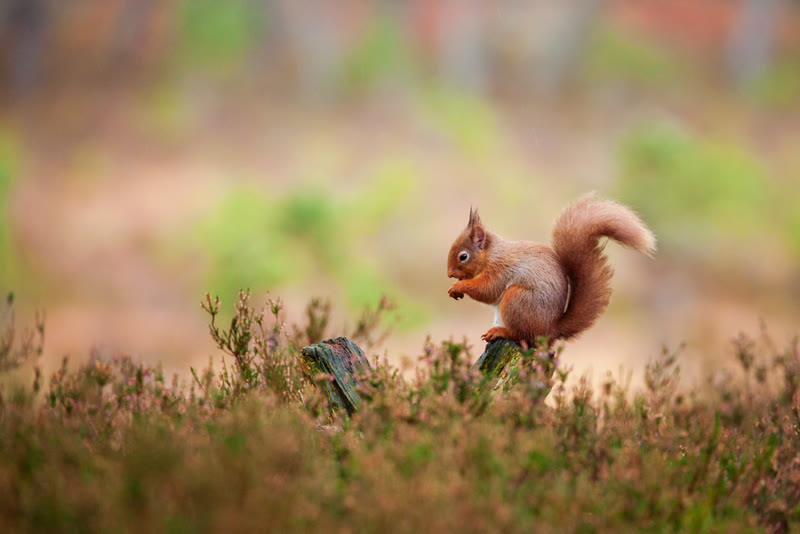 Seen 5 timesRed squirrel
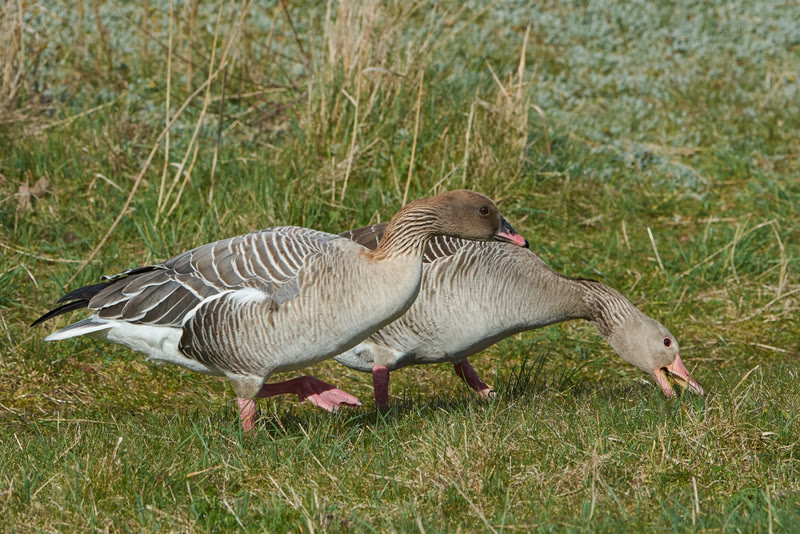 Seen 4 times · East LothianPink-footed goose
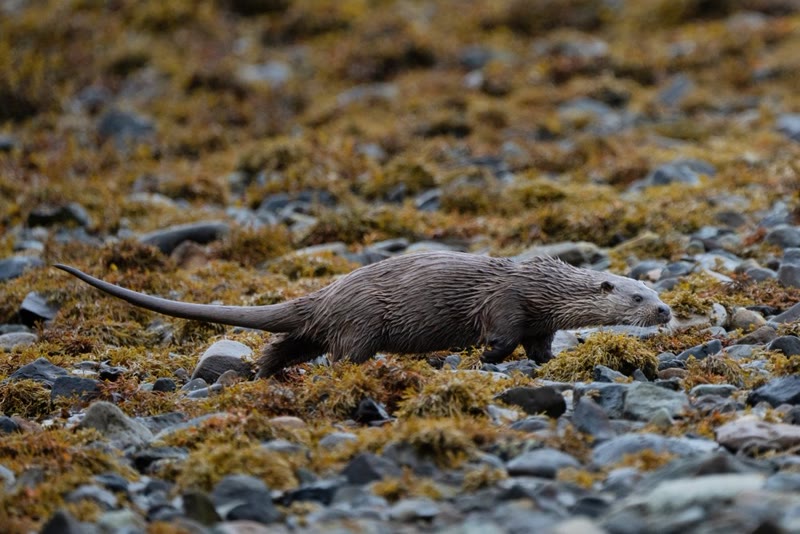 Seen 3 times · FifeOtter
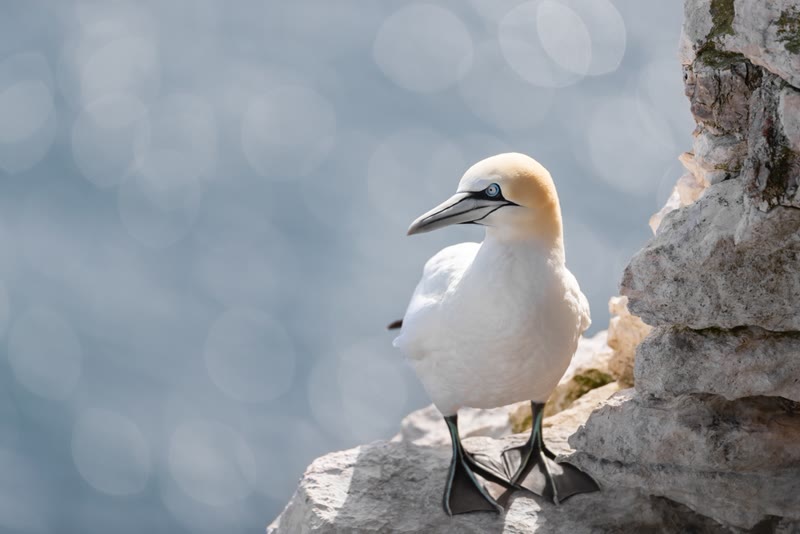 Seen twiceGannet
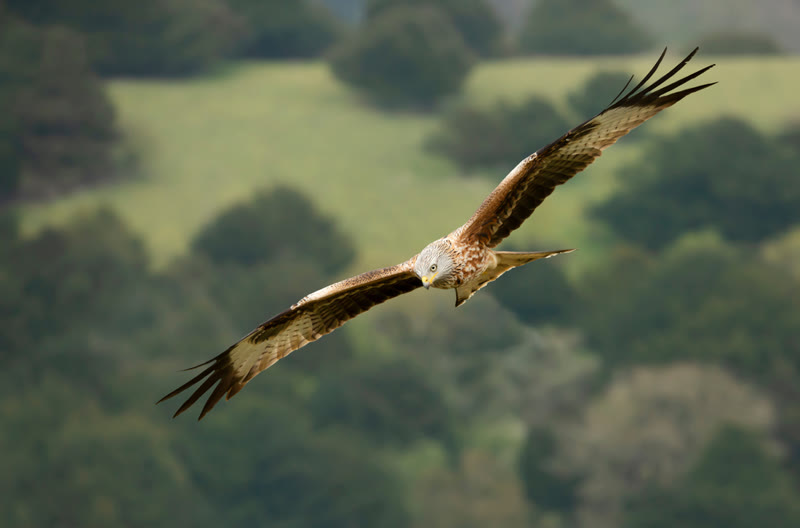 Seen once · Dunain CottageRed kite
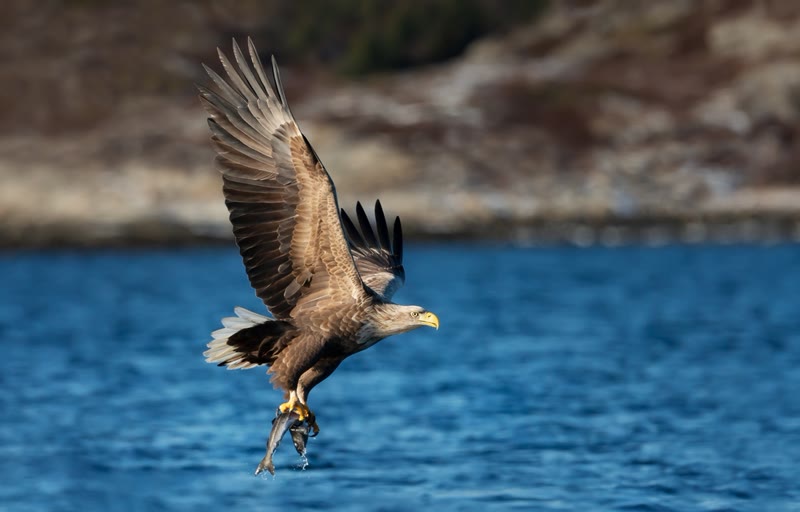 Seen onceWhite-tailed eagle
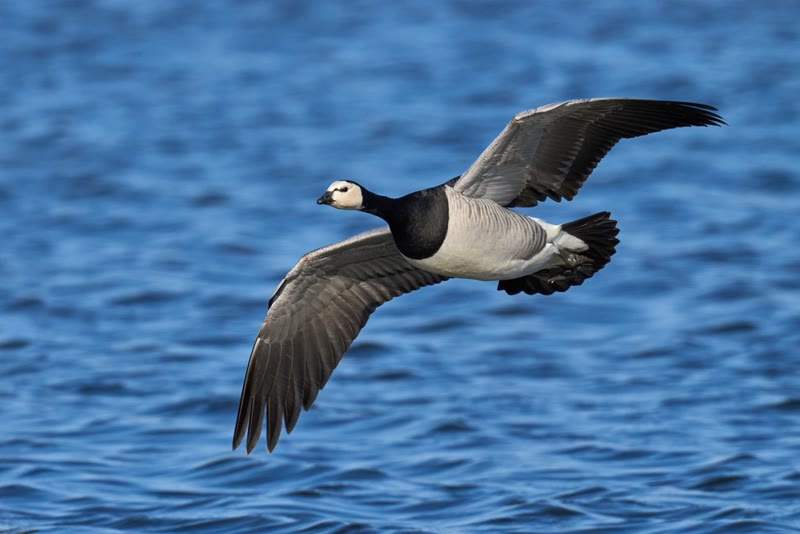 Seen once · Dumfries and GallowayBarnacle goose
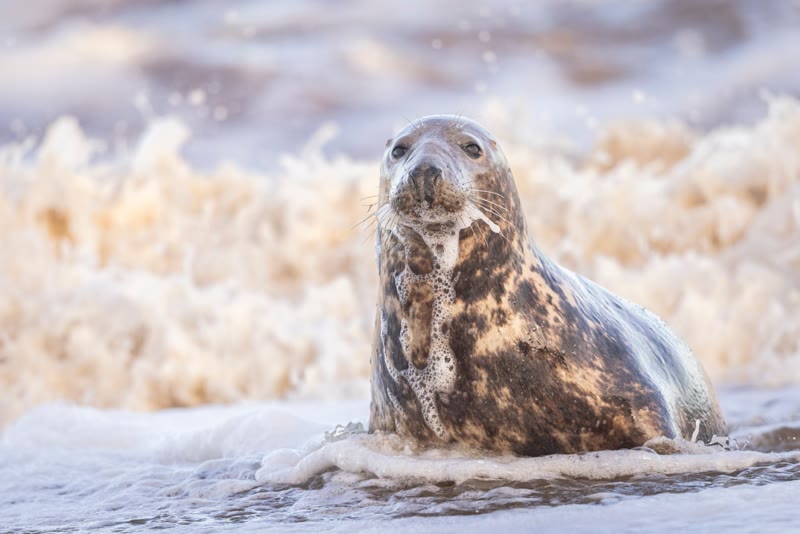 Seen once · Main Street, HighlandGrey seal
The wildlife people spotted in Scotland this week.
Red deer are Britain's largest land mammal, and in autumn the stags roar through the rut, and this week they were the animal reported most often in Scotland: 12 sightings. These are the animals people have reported most in the last seven days, the most seen first. Every sighting is logged with a photograph or a recording on iNaturalist, the wildlife recording site, and each card opens them on its map.
Where to see wildlife in Scotland