A guide to
the Munros.
The Munros.
There are 282 mountains in Scotland over 3,000 feet, and each of them is a Munro. They run from Ben Lomond, within sight of Glasgow, to Ben Hope in the far north, and out to Skye and Mull.
The name is Sir Hugh Munro’s, who listed them in 1891 and never finished climbing them himself. People have been working through his list ever since.
Find your Munros.
Answer four quick questions to find the Munros that suit you.
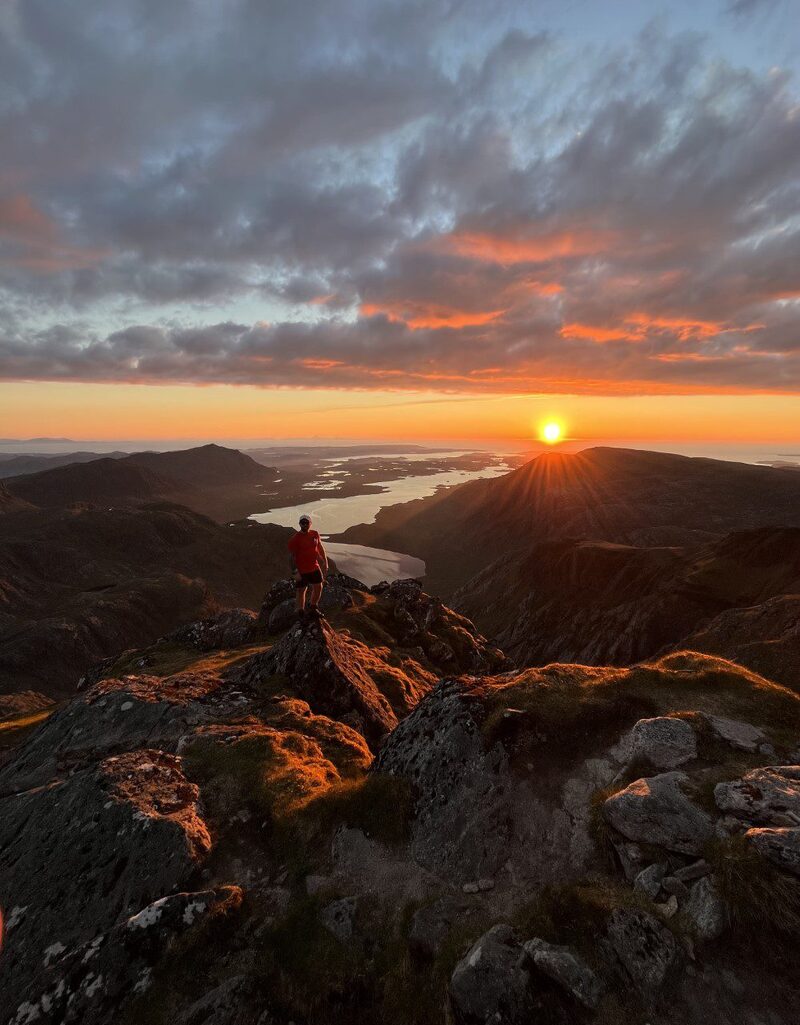
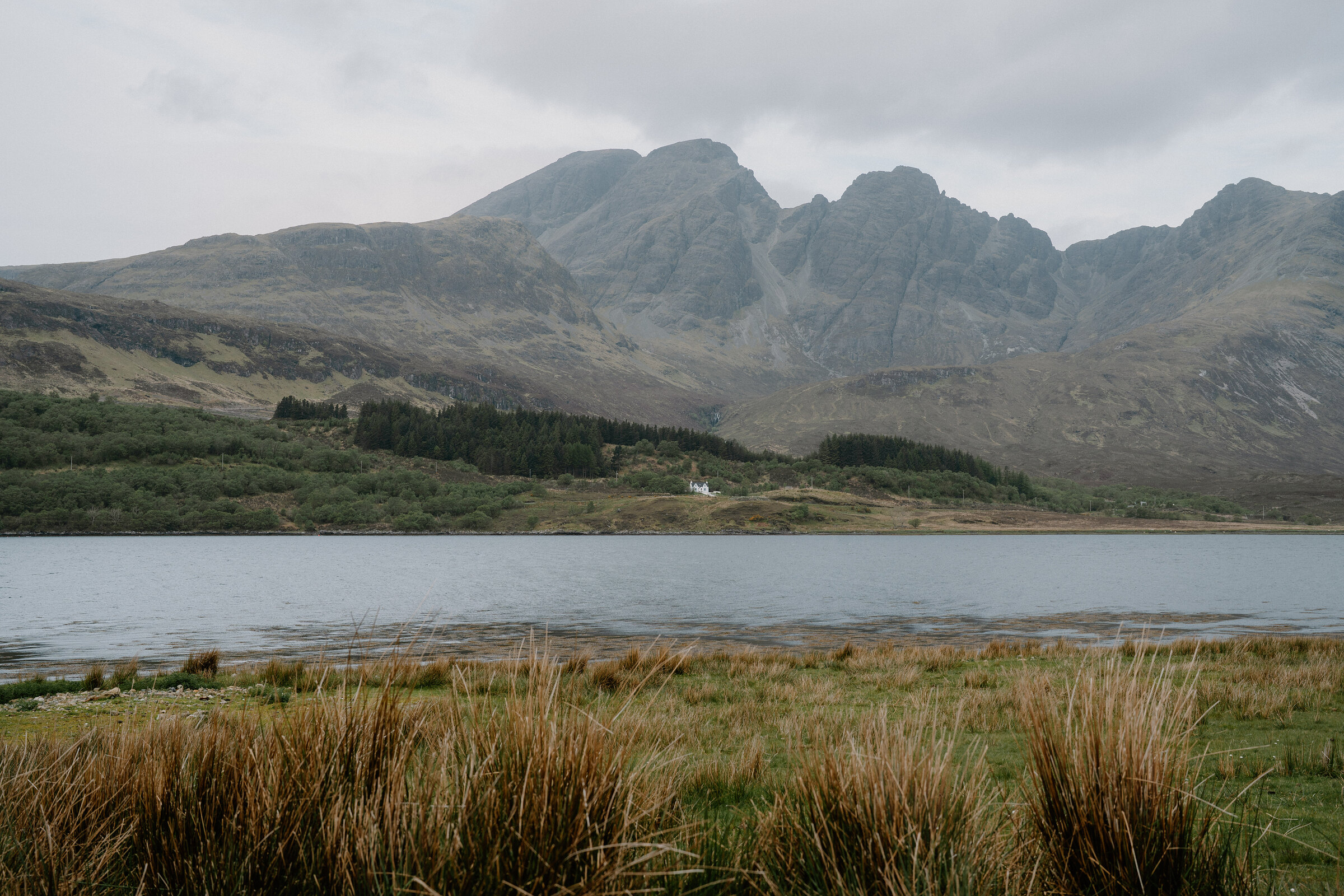
By the kind of day.
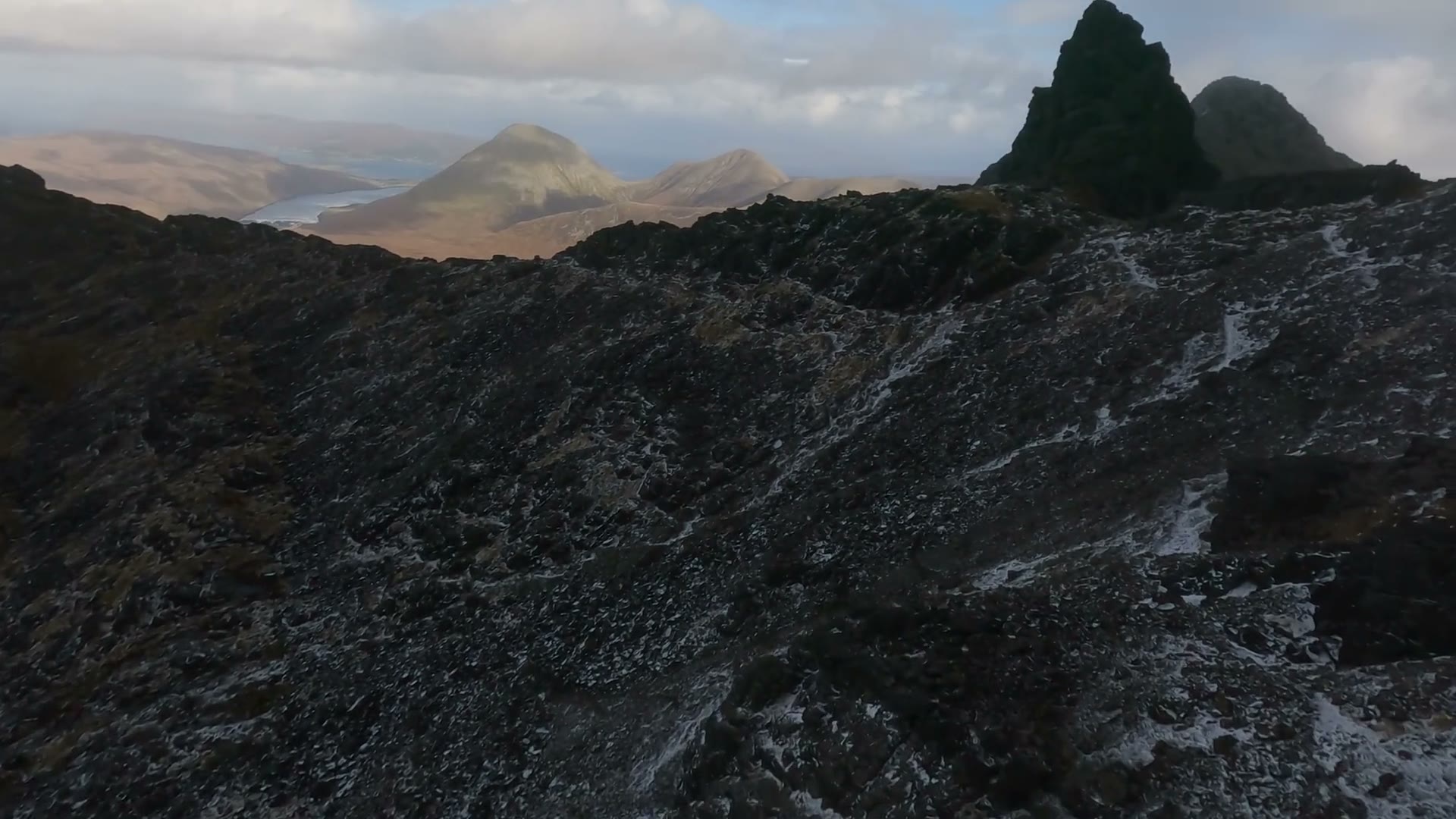
The scrambles.
Hands on rock somewhere on the way, and a head for it.
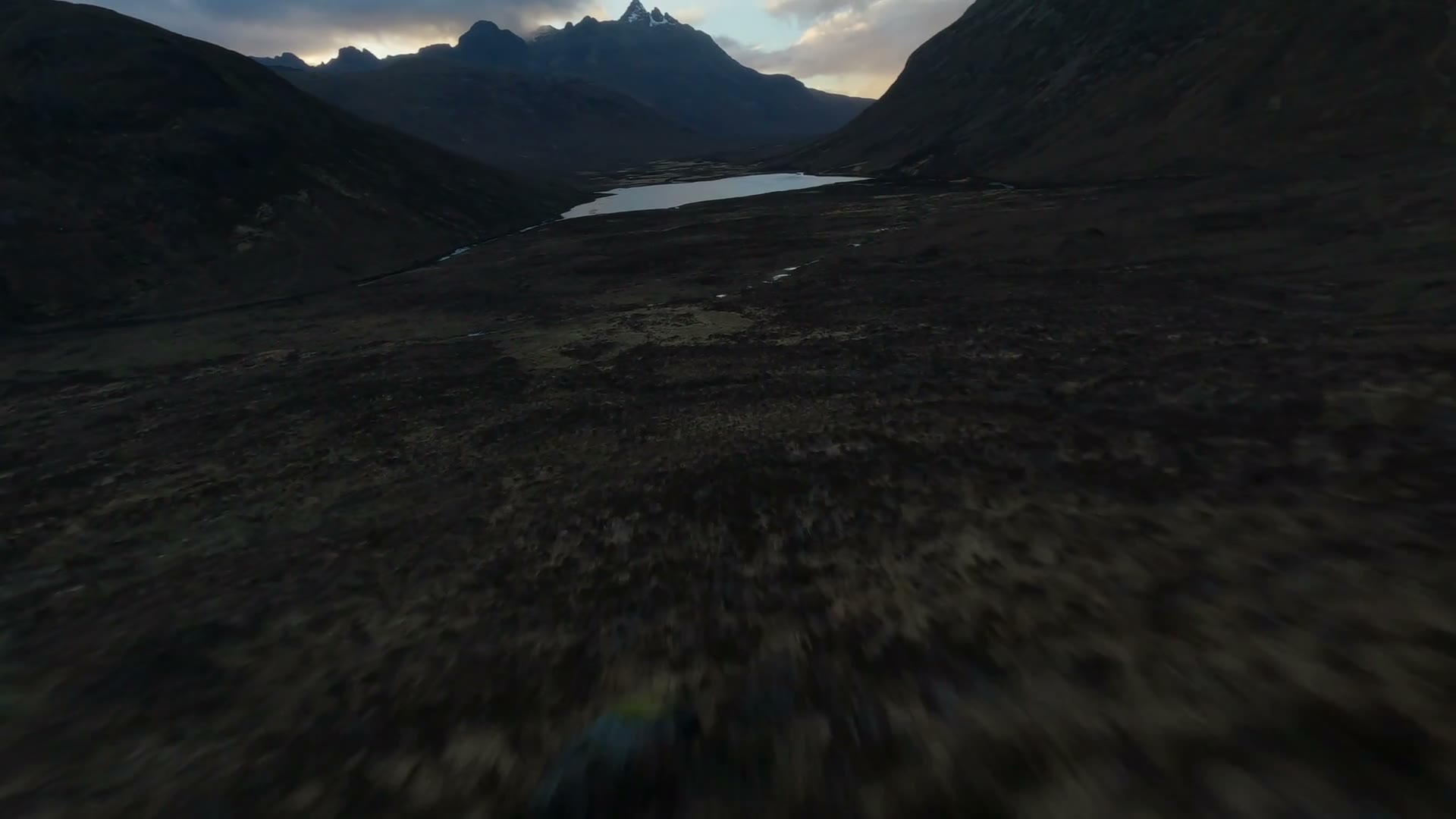
Remote and wild.
A bothy, a bike, or a very long day.
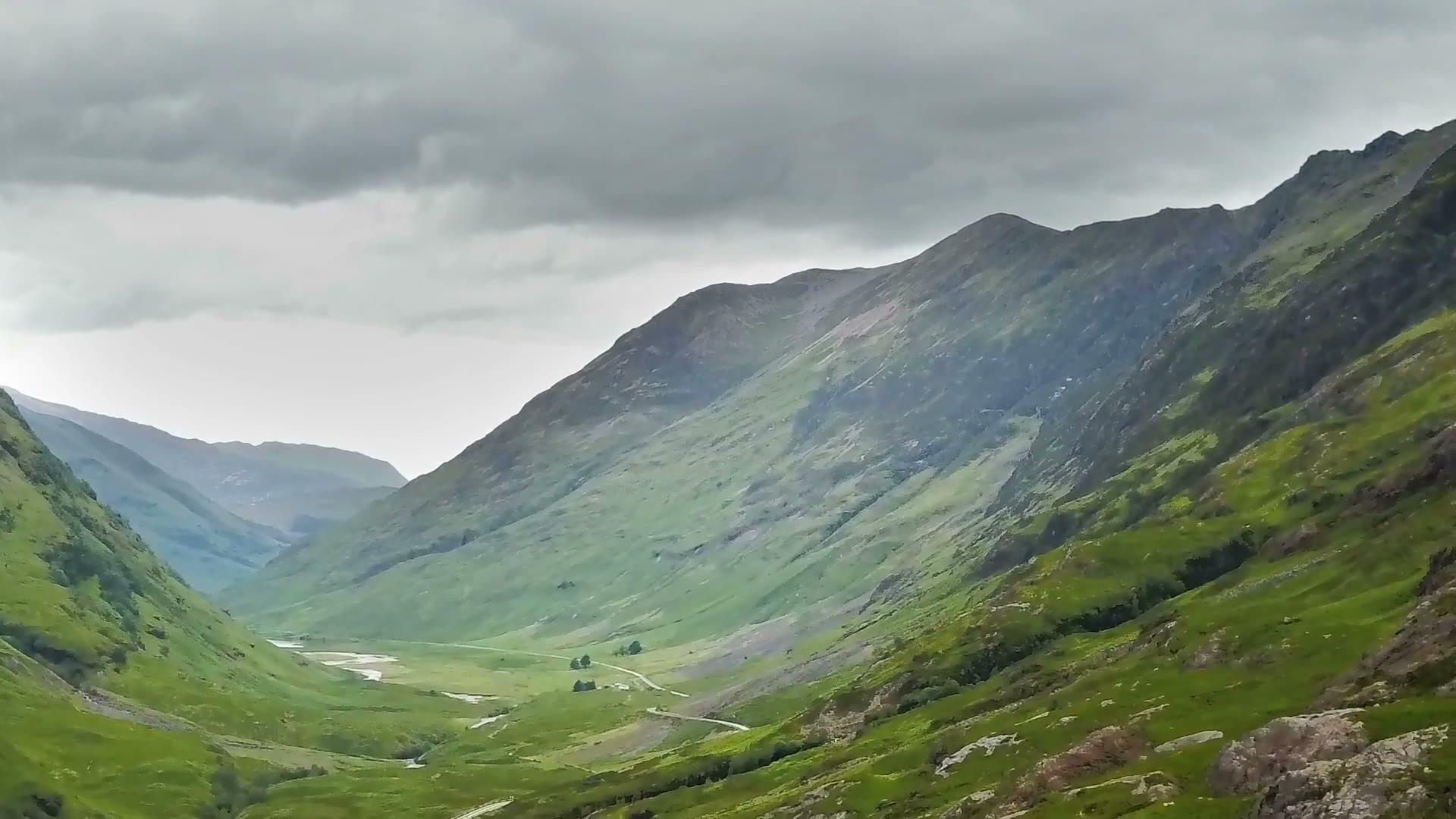
By train.
A station at the foot, and no car to go back for.
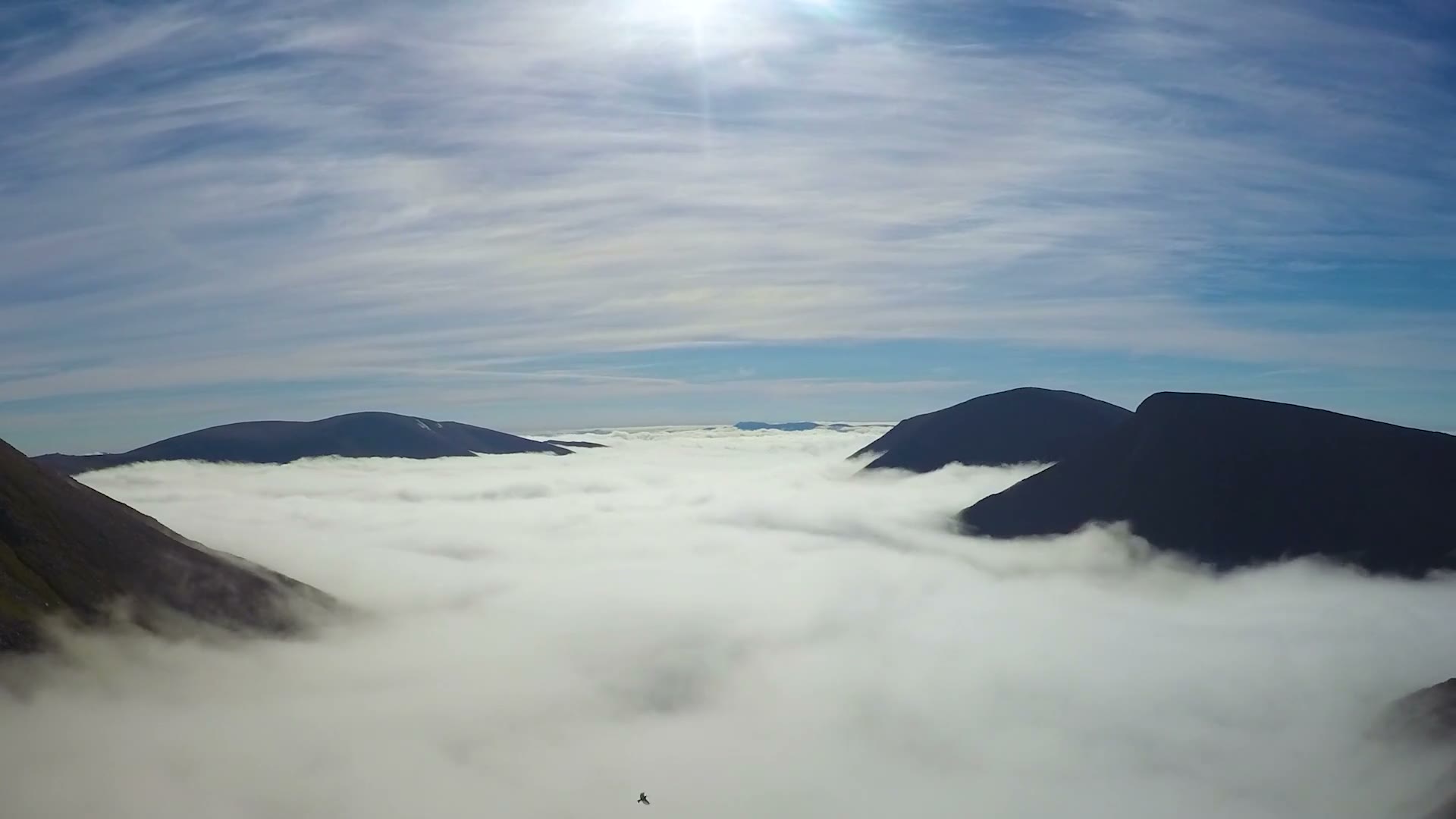
The four-thousanders.
The ones over four thousand feet.
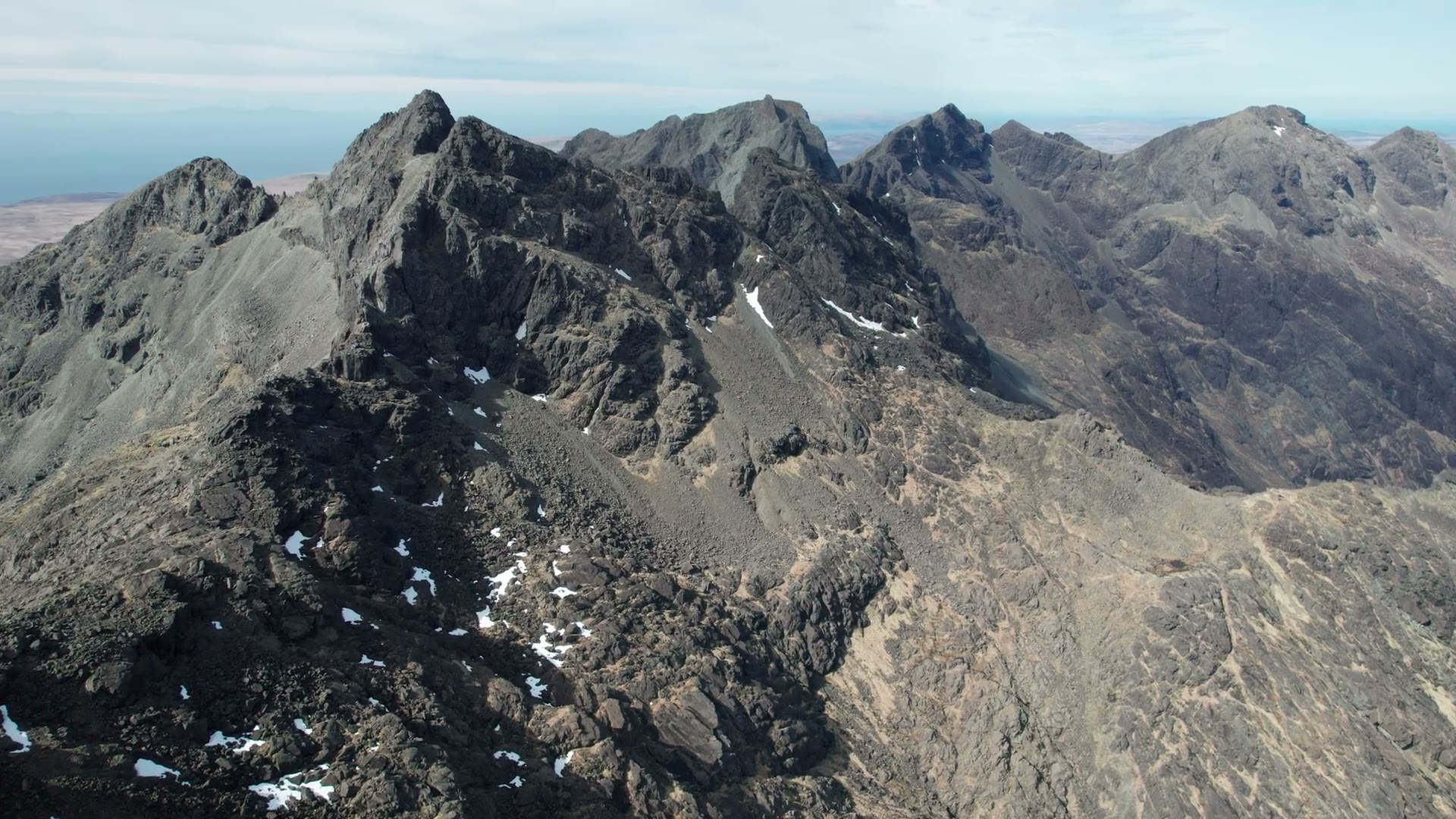
On the islands.
The ones you take a boat or a bridge to.
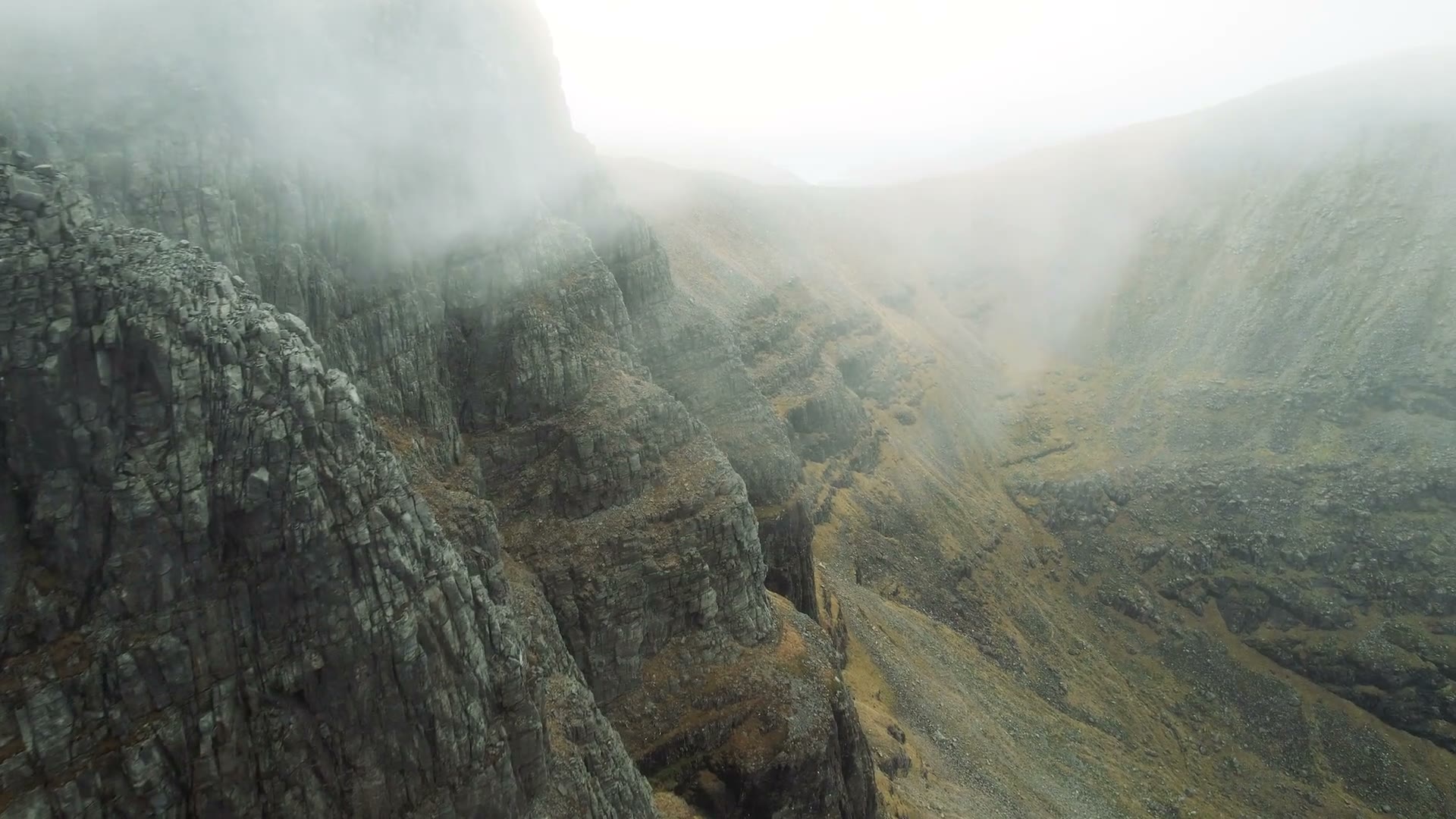
In winter.
The ones that stay a walk under snow, and the ones that do not.
Before you go.
The day before.
Read the mountain forecast for this hill's area. Tell someone where you are going and when you will be back. Look for stalking and access notices for the ground you will cross.
Carry.
A paper map of the hill and a compass, and know how to use them. A phone is a second system, not the first: batteries fail and so does signal. Waterproofs, warm layers, hat and gloves, food and drink, a head torch, a whistle, a first aid kit, a survival bag and boots with a good grip.
Turn back.
The summit is optional. If the cloud comes down, the wind rises, the light is going or someone in the party is struggling, going down is the right decision.
In winter.
Under snow and ice this is a different day, with short light and the risk of avalanche. It needs an ice axe, crampons, winter boots and the skill to use them.
Deer stalking.
Stalking can take place on any hill, mostly on weekdays, with the stag season at its busiest in early autumn and hinds stalked through the winter. Check before you go, follow any signs, and be ready to change your way.
Ticks and midges.
Ticks live in grass and bracken from spring to autumn. Check your skin and clothes afterwards and take any tick off promptly. In summer carry midge repellent or a head net.
Read more: How to call for help in the hills (Scottish Mountain Rescue) · Safety and skills for the hills (Mountaineering Scotland) · What to carry (Mountaineering Scotland) · ThinkWINTER (Mountaineering Scotland and Scottish Mountain Rescue) · Deer stalking and hill access (Mountaineering Scotland) · Tick bites (NHS inform)
If something goes wrong.
Call.
Dial 999 or 112, ask for the police, then ask for mountain rescue.
Tell them.
Where you are, as a six-figure grid reference or a named feature. How many are hurt and how. How many are in the party and what you are carrying. Your mobile number and the others' numbers.
With weak signal.
A text to 999 may get through where a call will not, but only from a phone registered beforehand: text the word register to 999 before the day and follow the reply.
Your position.
The free OS Locate app shows a grid reference from the phone's own GPS, with no mobile signal needed.
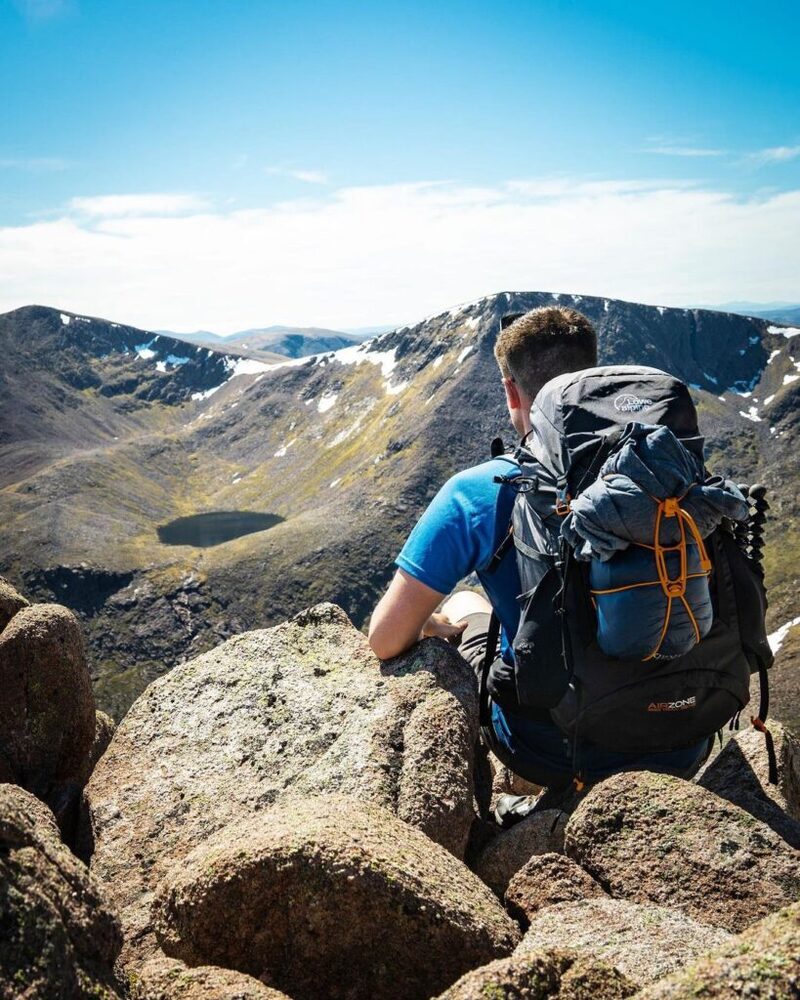 The CairngormsBraeriach
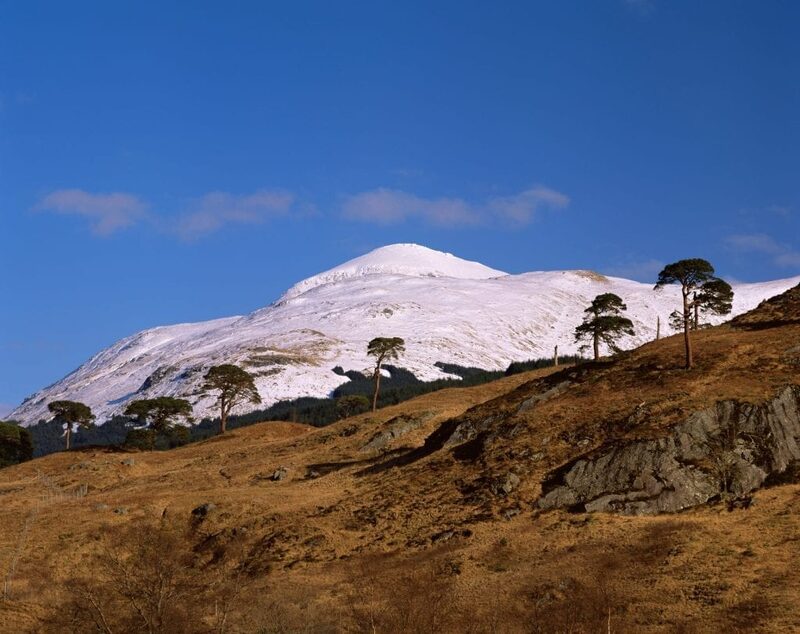 Crianlarich and TyndrumBen More
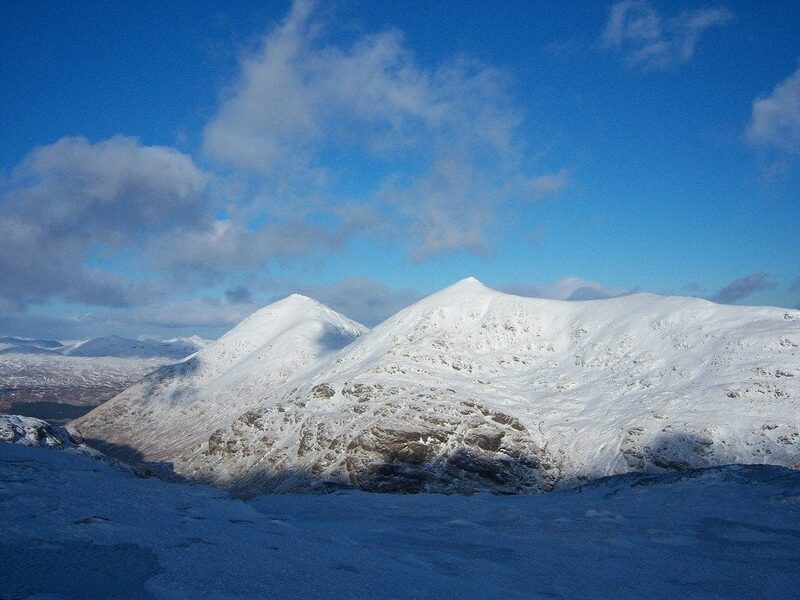 Crianlarich and TyndrumStob Binnein
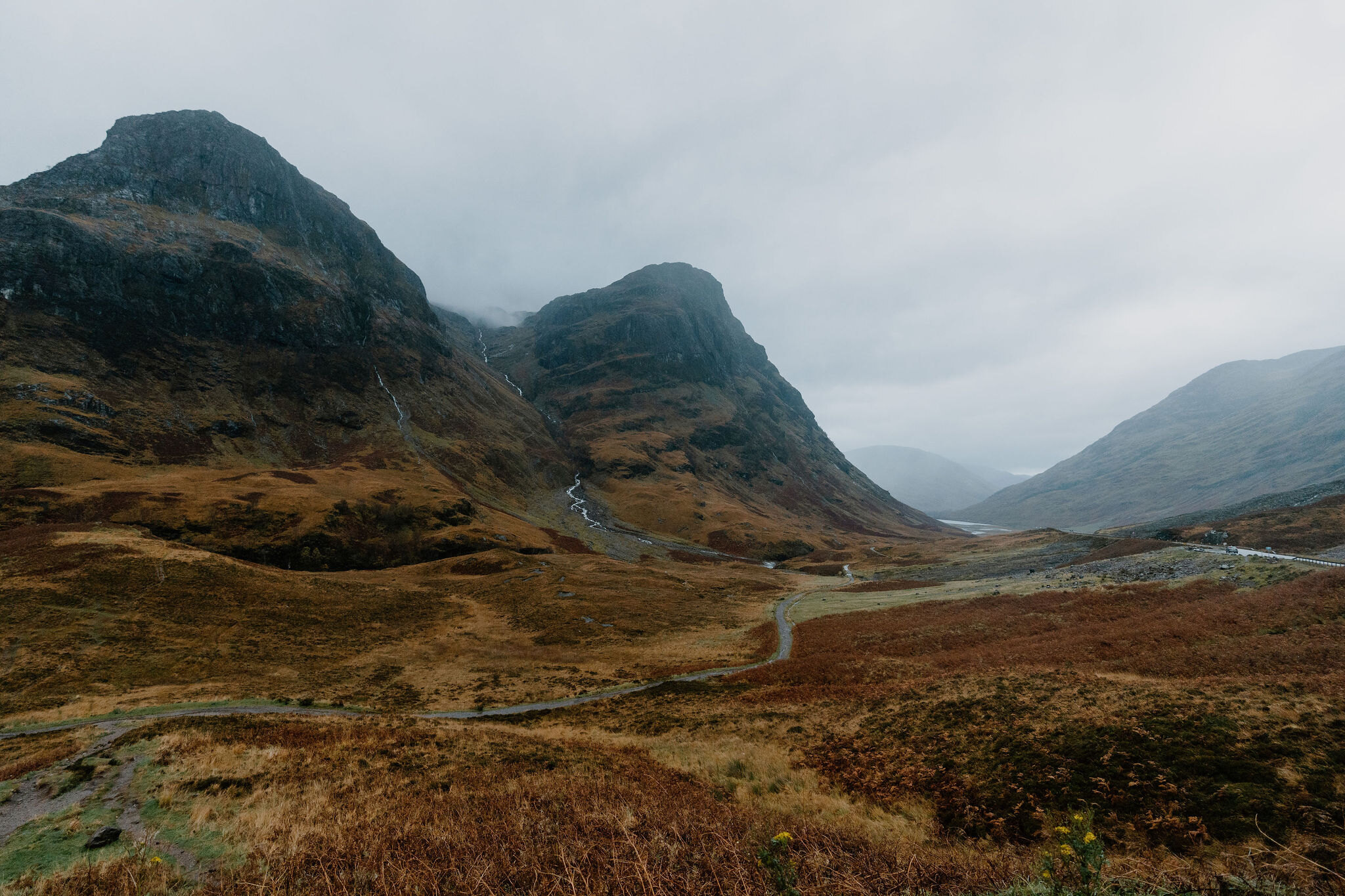 Glen Coe and Glen EtiveBidean nam Bian
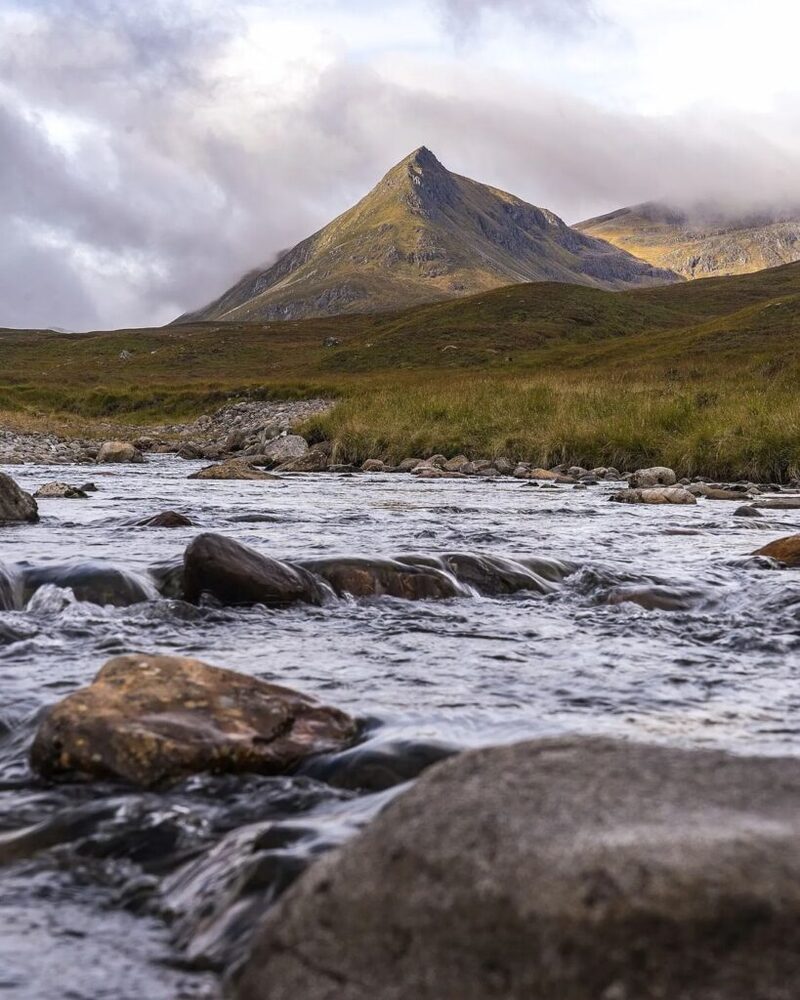 Drumochter and Loch ErichtBen Alder
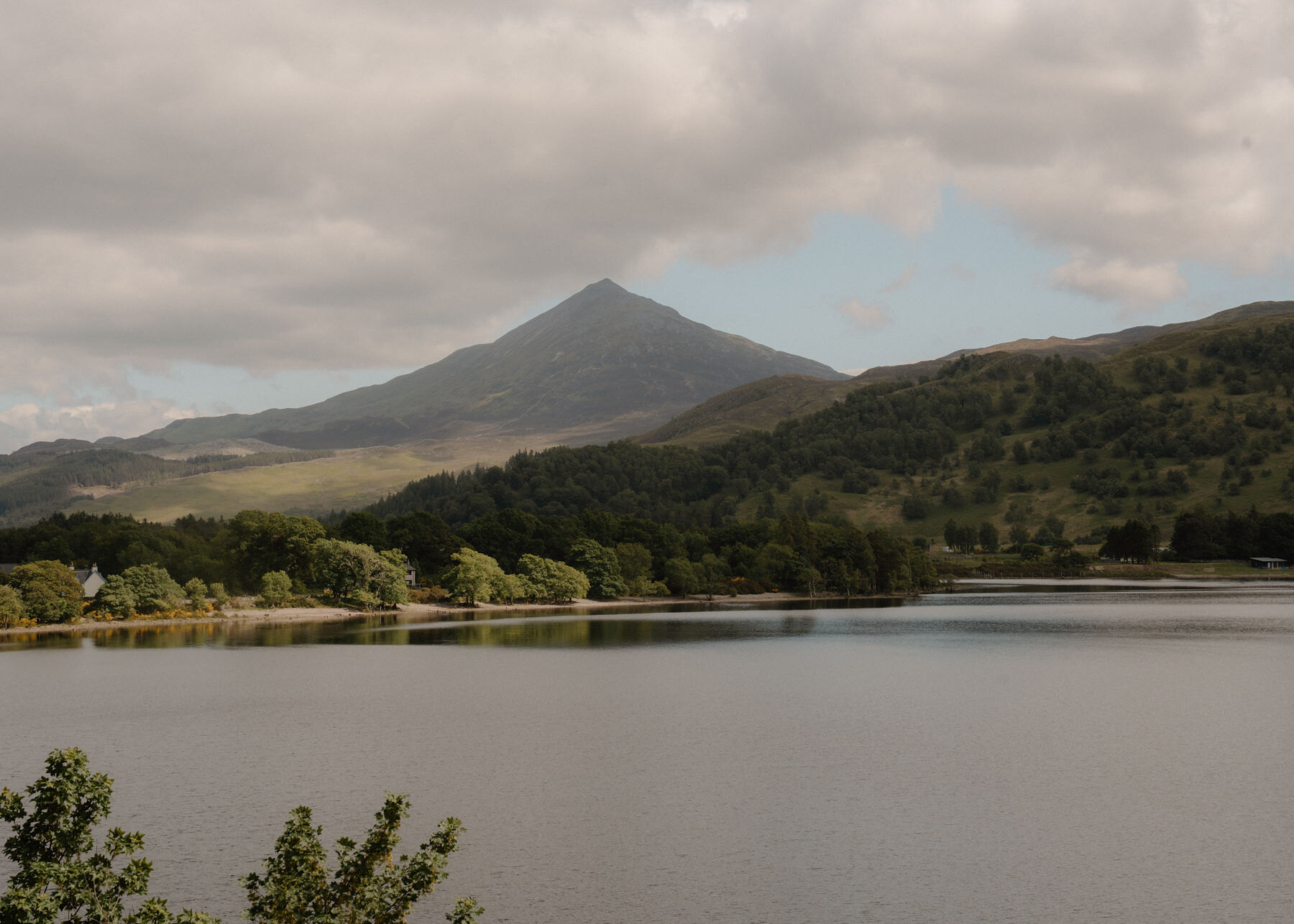 Ben Lawers and Glen LyonSchiehallion
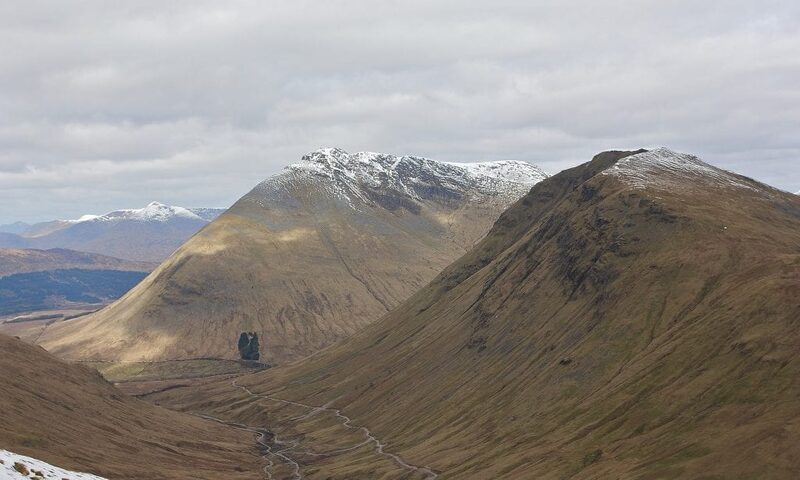 Bridge of OrchyBeinn Dorain
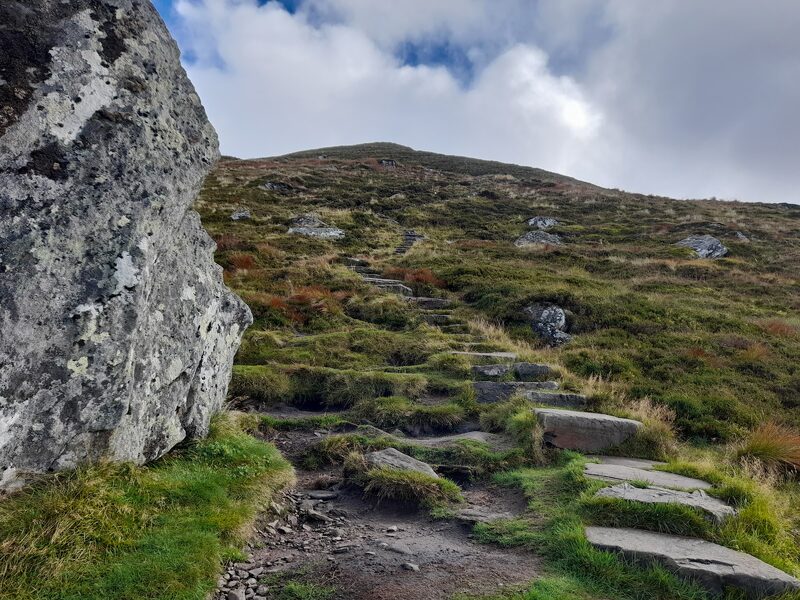 Ullapool, Ben Wyvis and the far northBen Wyvis - Glas Leathad Mor
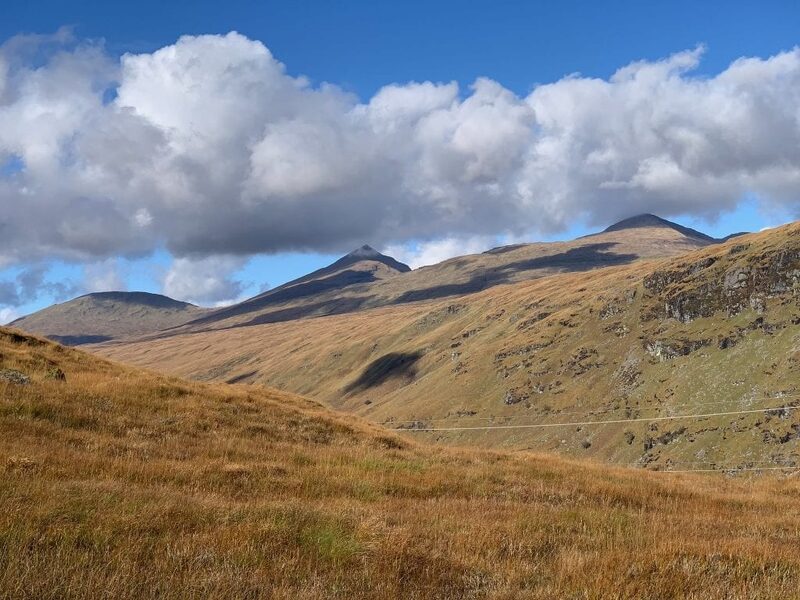 Crianlarich and TyndrumBen Oss
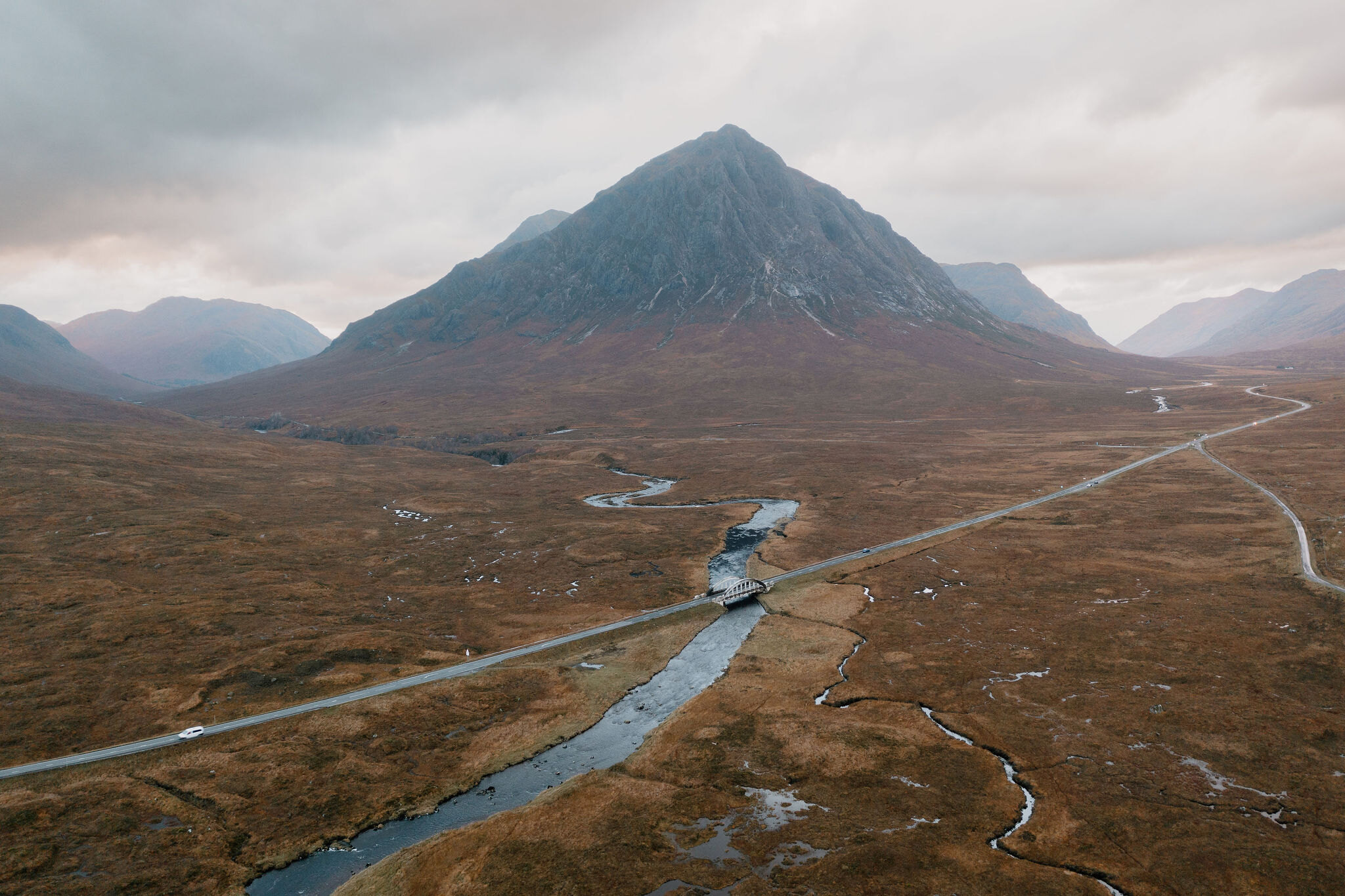 Glen Coe and Glen EtiveBuachaille Etive Mor - Stob Dearg
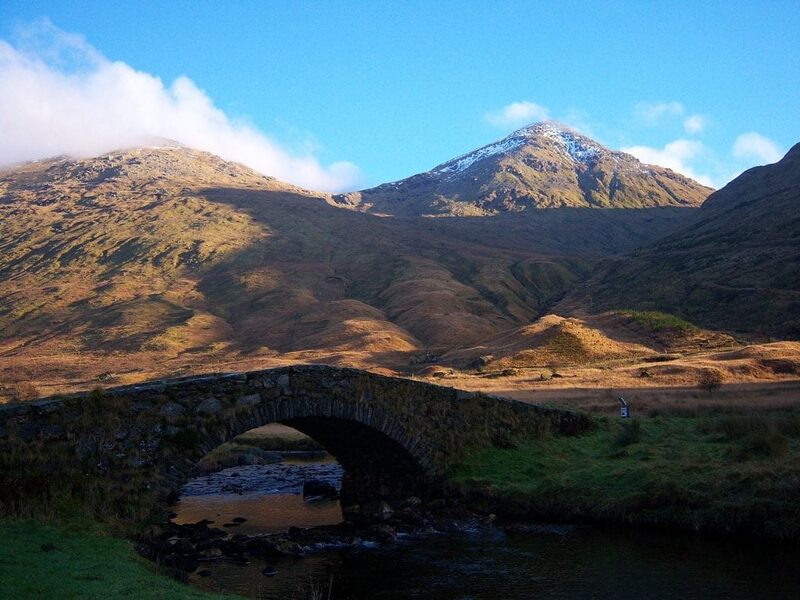 Loch Lomond and the Arrochar AlpsBeinn Ime
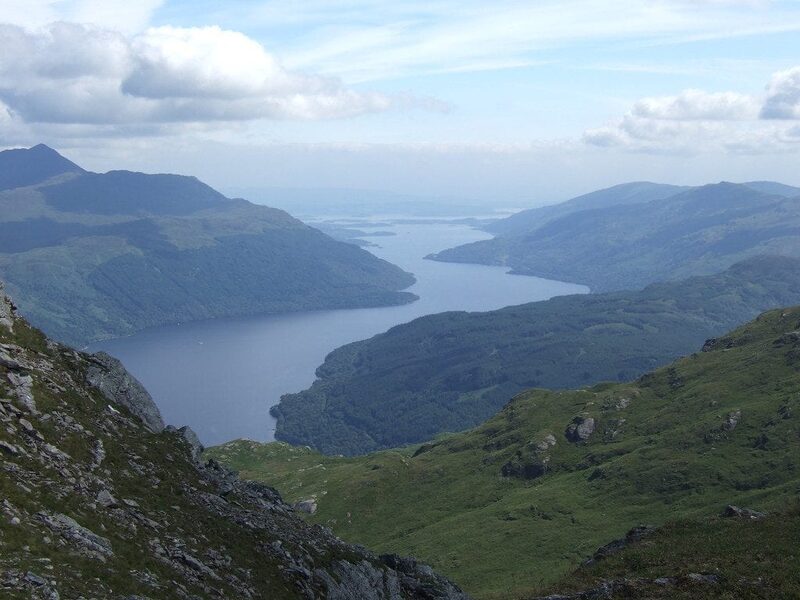 Loch Earn and StrathearnBen Vorlich
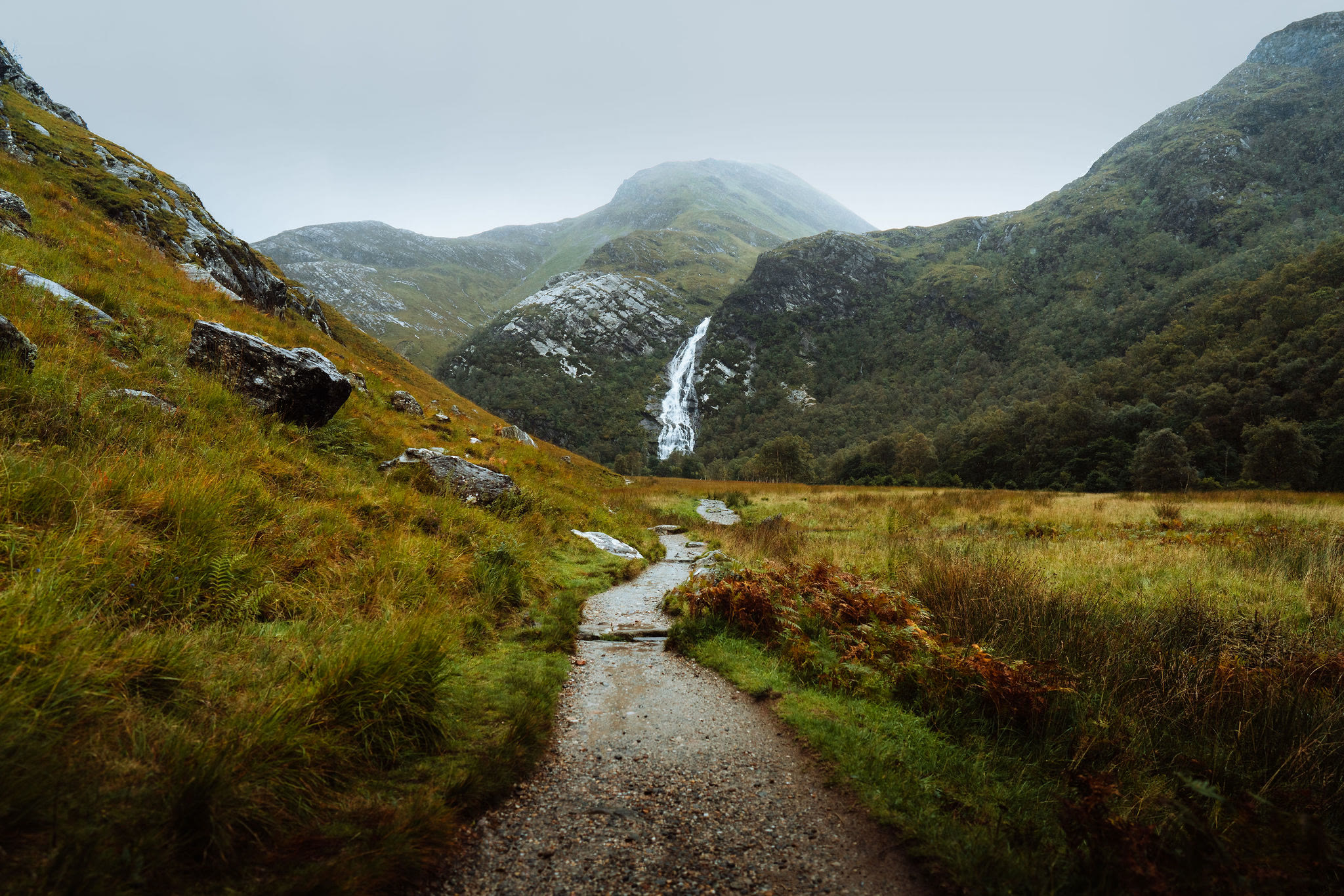 Ben Nevis, the Mamores and the Grey CorriesAn Gearanach
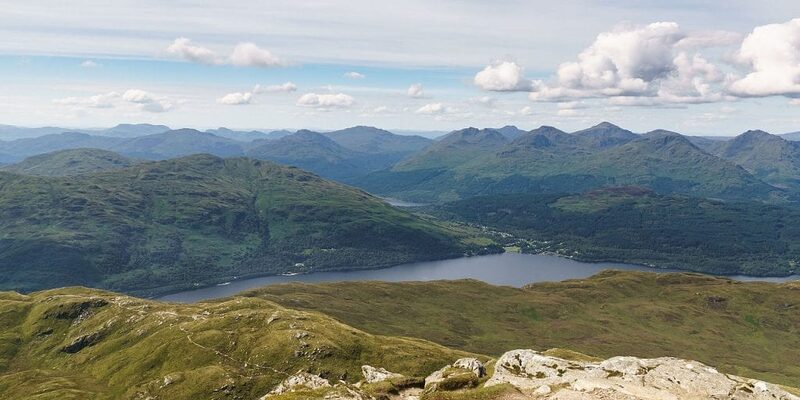 Loch Lomond and the Arrochar AlpsBen Lomond
Munros with everything to know.
Each with what to know before going, where to check the conditions and where to read more.
See every Munro