
Argyll and Bute
Kilchurn Castle
Introduction
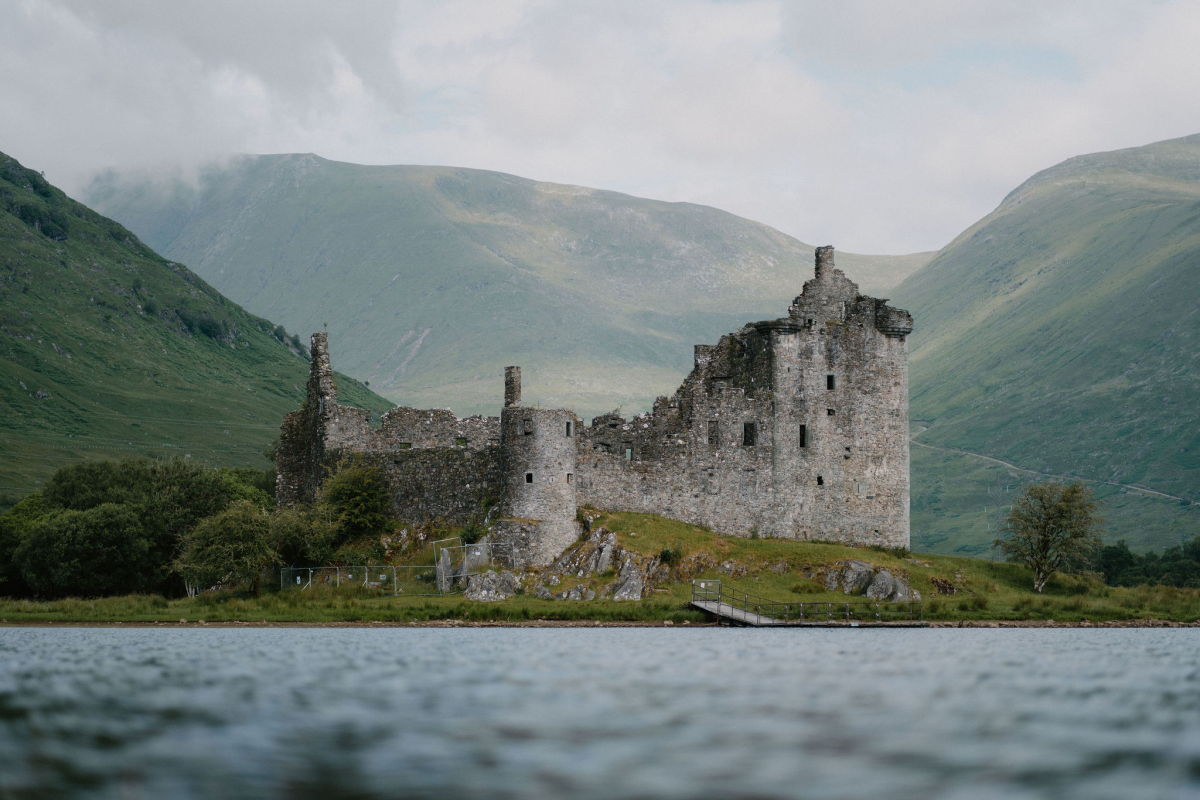
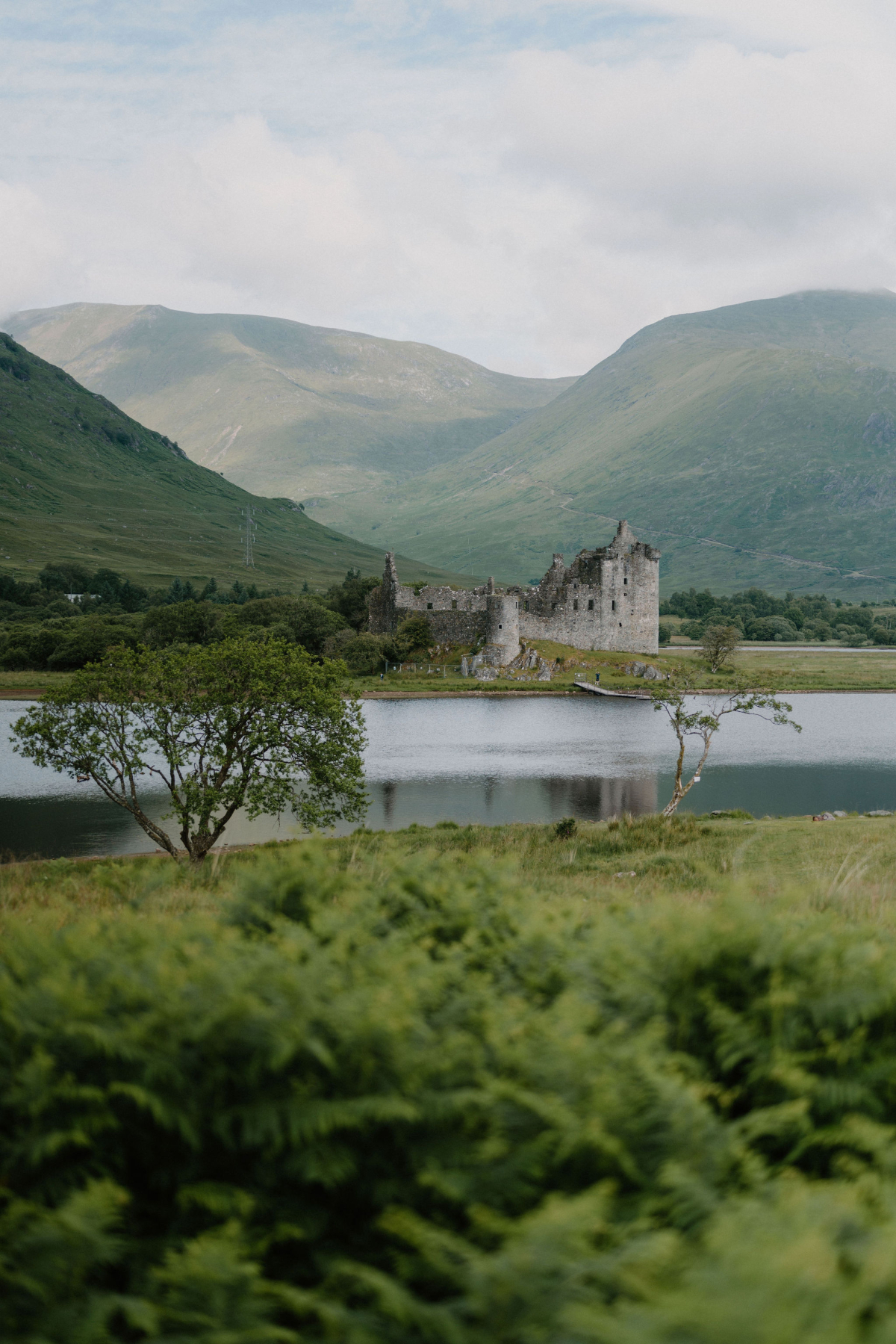
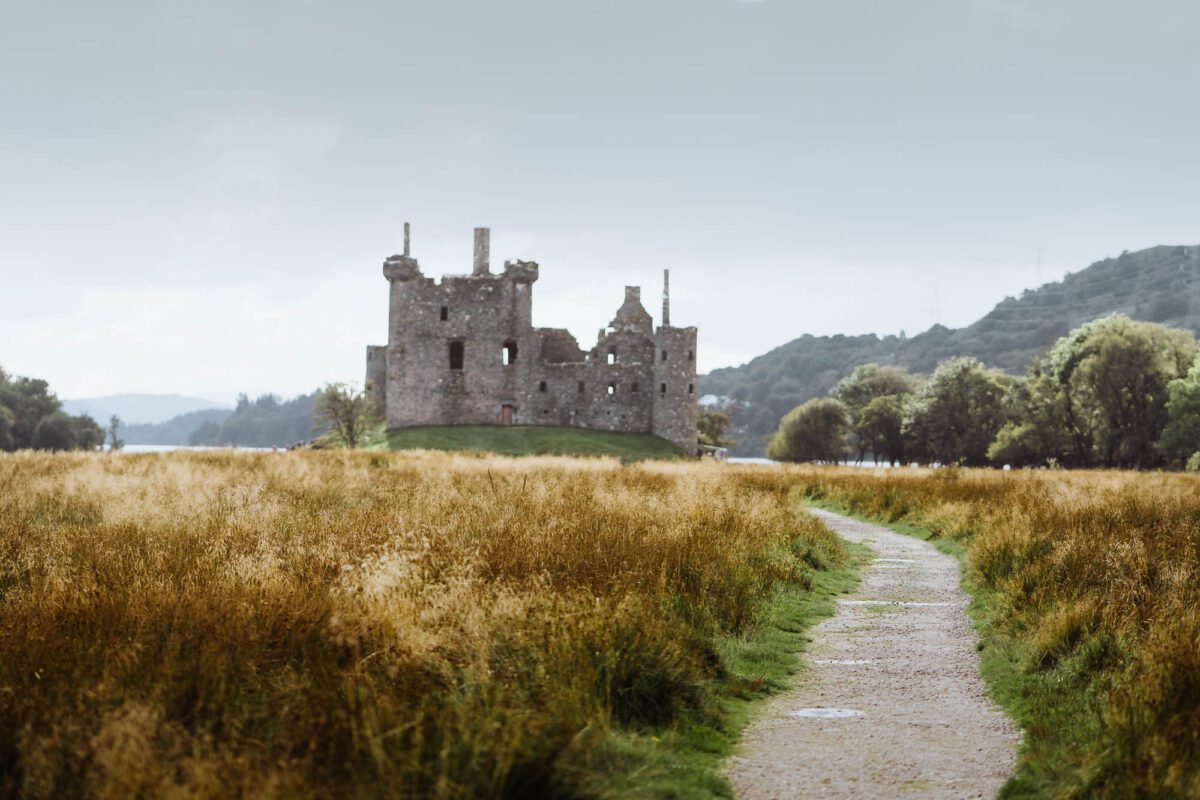
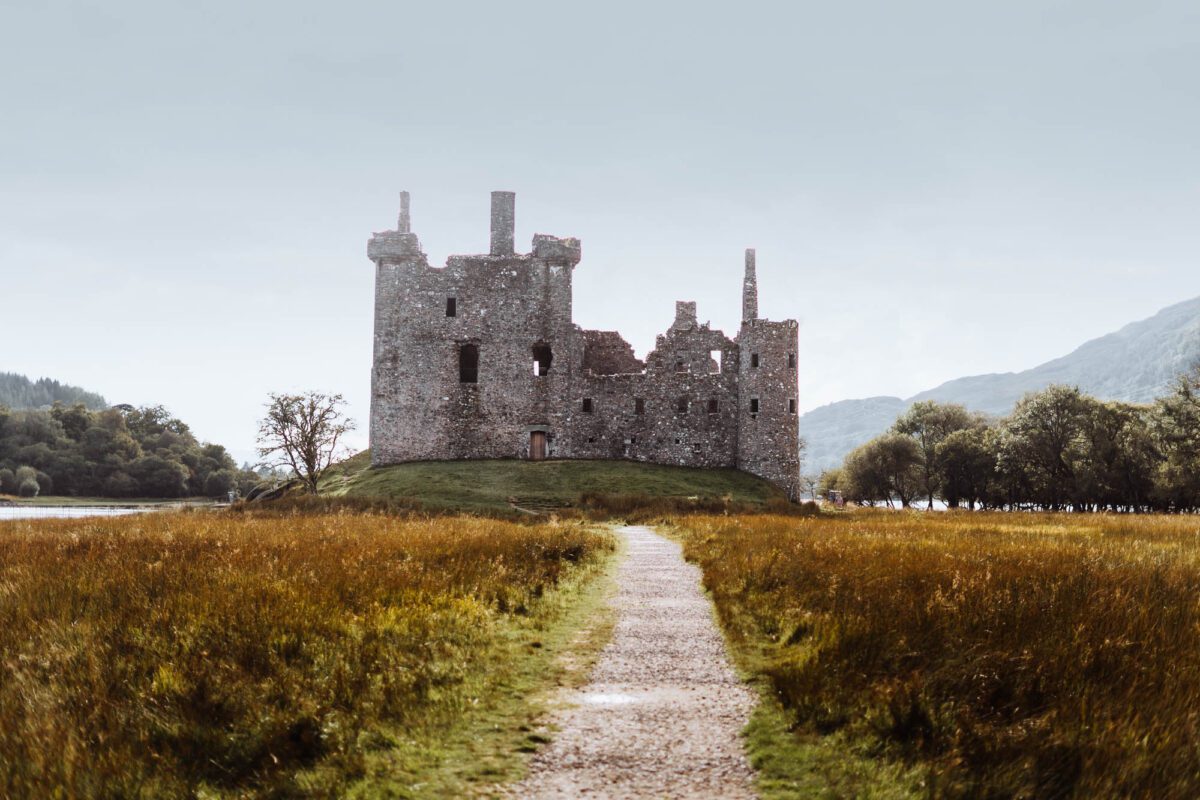
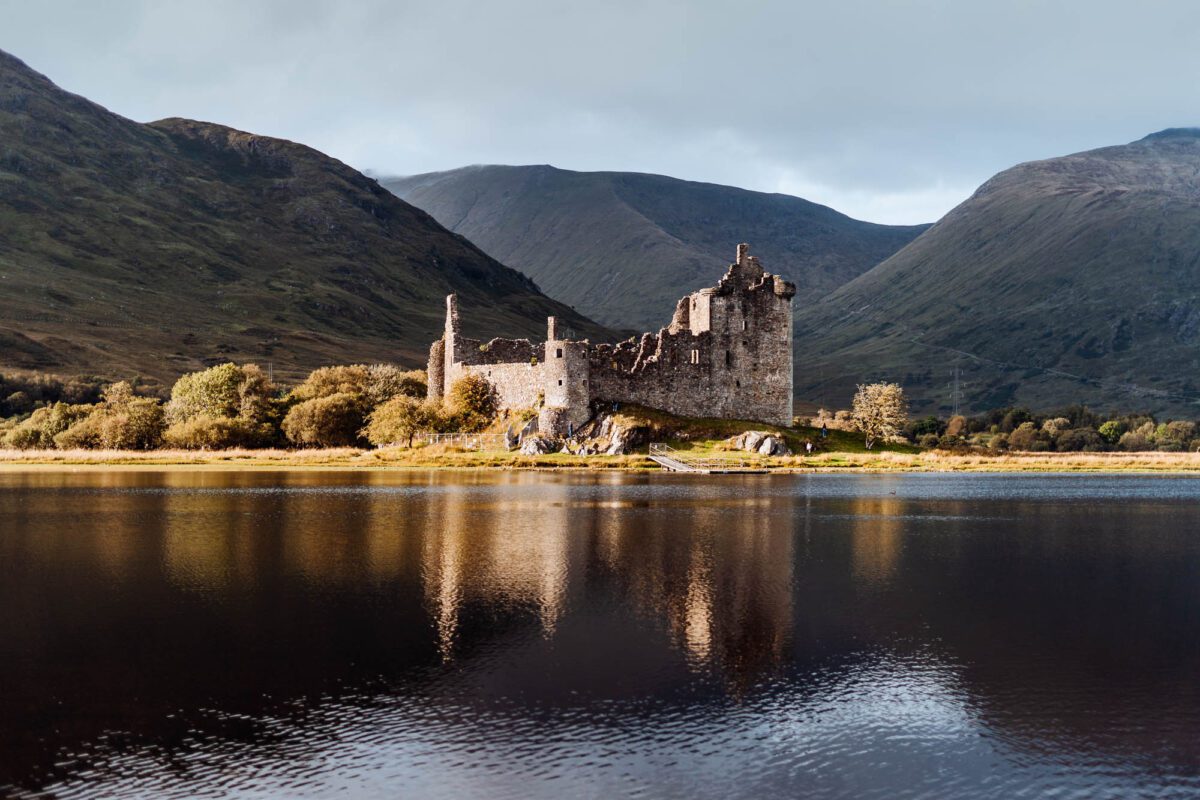
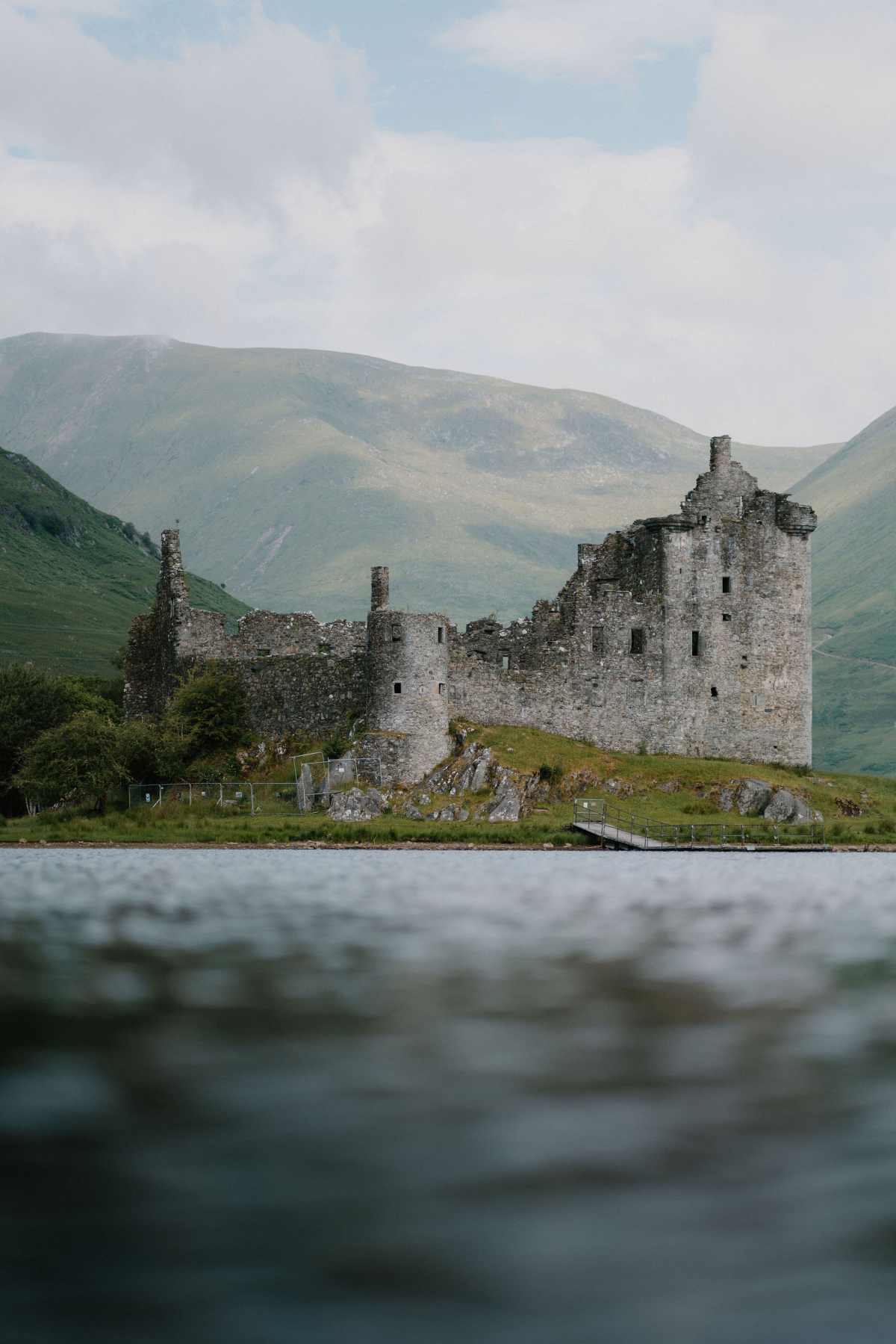
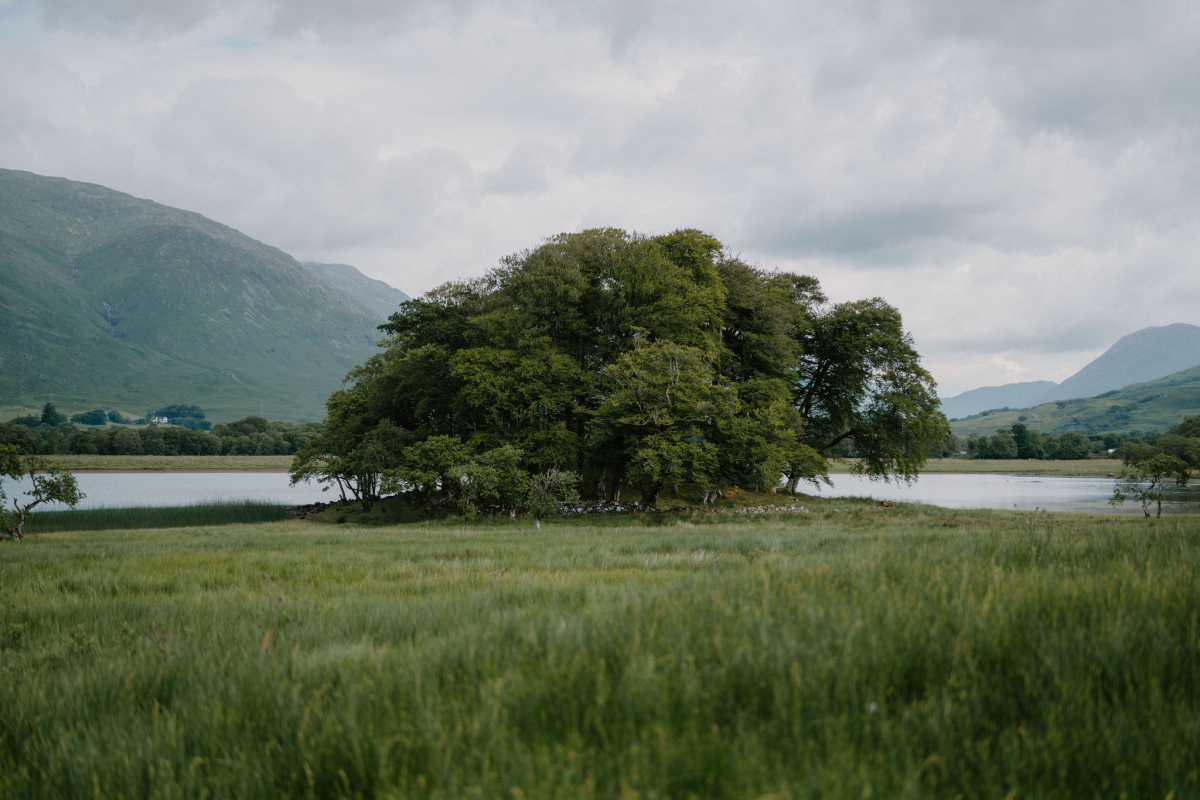
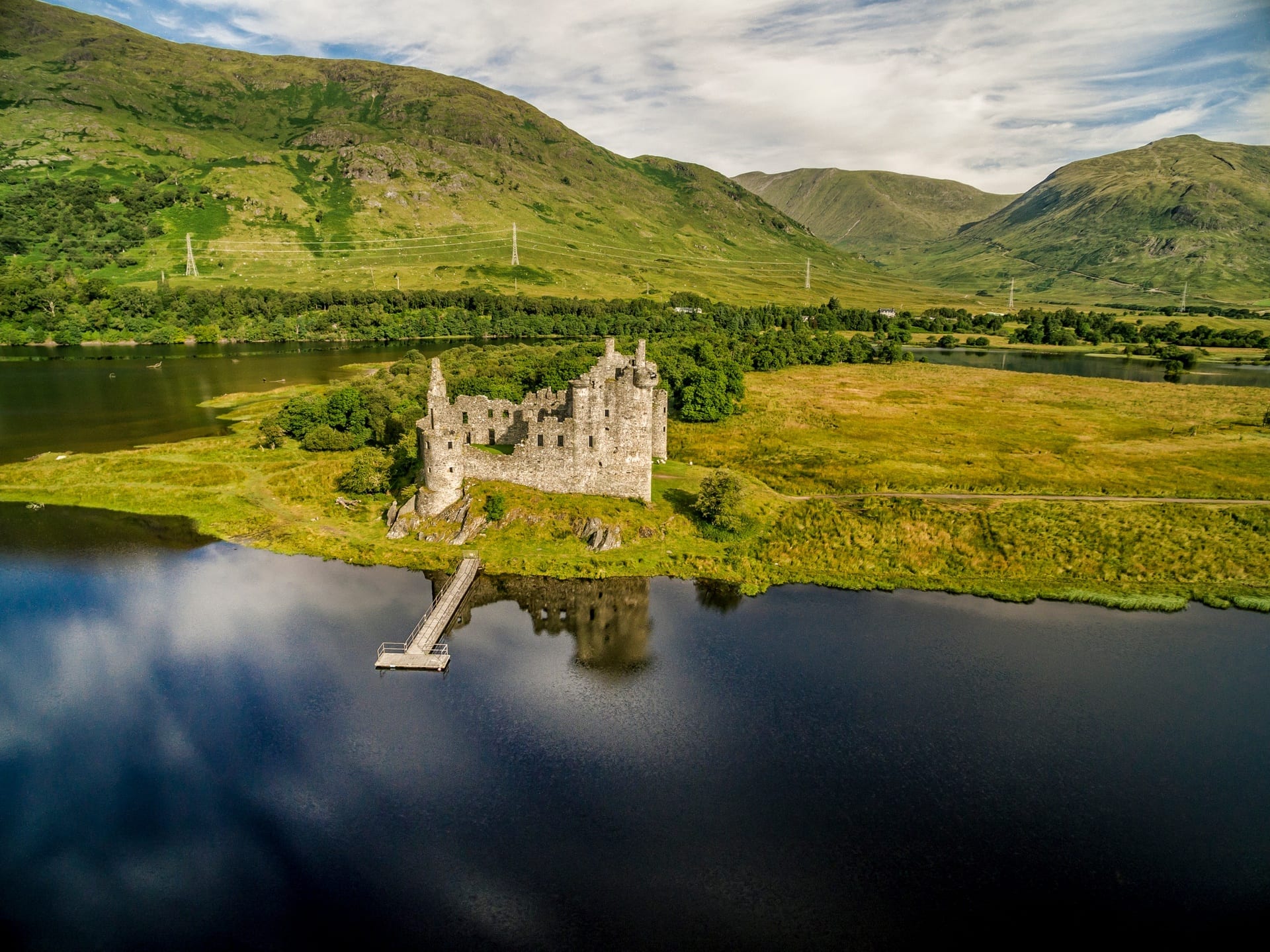
Kilchurn turns up in a charter of March 1449 as "apud Castrum de Glenurquhay", so the tower was standing by then, built for Sir Colin Campbell, 1st Lord of Glenorchy. His father had handed him the Loch Awe lands to keep him loyal after his elder brother died suddenly. It worked. The Campbells of Glenorchy grew into the most powerful junior branch of Clan Campbell, at times close to rivalling the earls of Argyll themselves, and Kilchurn was their base for the best part of 150 years. Back then it sat on an island barely bigger than its own walls, reached by a low causeway. The loch was lowered in 1817 and left the castle on the marshy peninsula you see today, with the River Orchy coming in on one side and Ben Cruachan filling the sky behind.
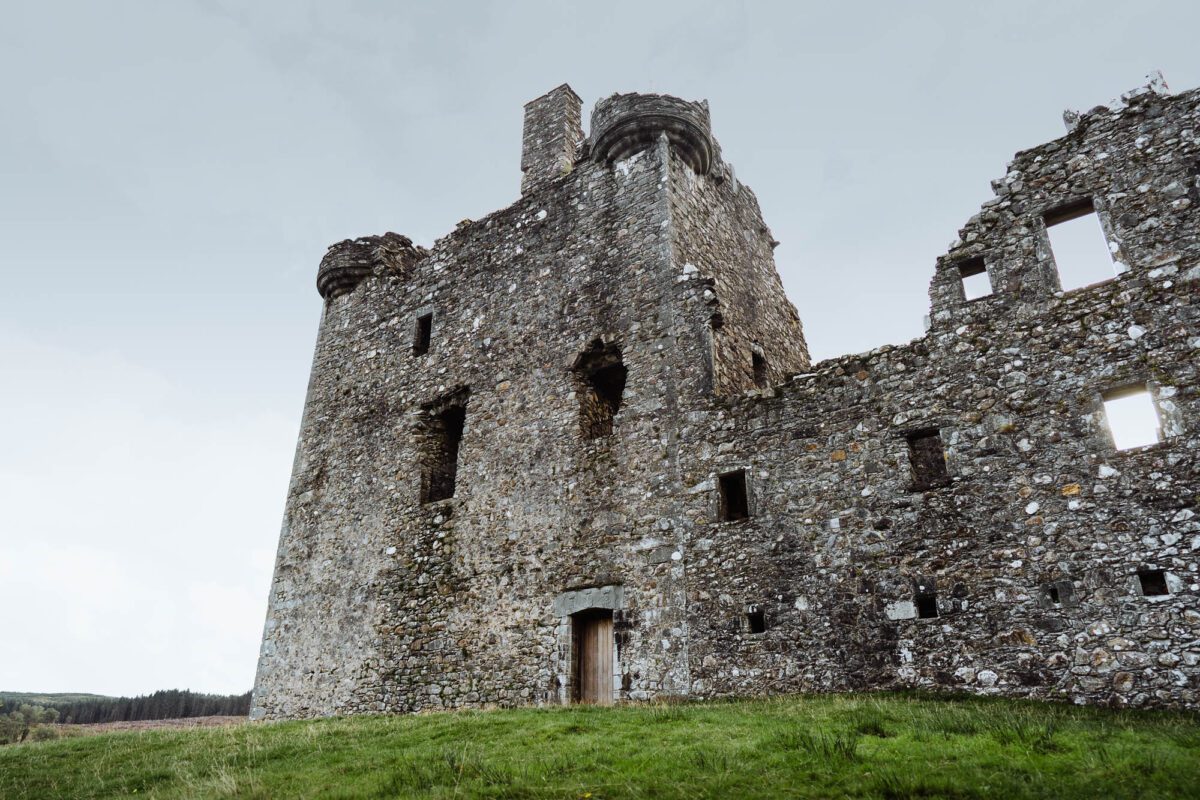
Each generation added a bit. The original five-storey tower held a hall, private chambers, a cellar and a prison. Duncan, the 2nd Lord, put up the laich hall in the courtyard before Flodden killed him in 1513. A later Colin added the corner turrets, then moved the family seat east to Balloch, now Taymouth, before his death in 1583. The last big change came after 1689, when Sir John Campbell, 1st Earl of Breadalbane, converted his ancestral seat into a garrison, turning the tower into officers' quarters and building a barracks block for 200 men. That block still stands close to complete, and it's the oldest surviving barracks on the British mainland. Government soldiers used the place during the 1715 and 1745 risings, the family tried and failed to sell it to the state, and in 1760 lightning did what no siege ever had. One of the turrets still lies upside down in the courtyard where it landed. By 1770 the roof was gone.
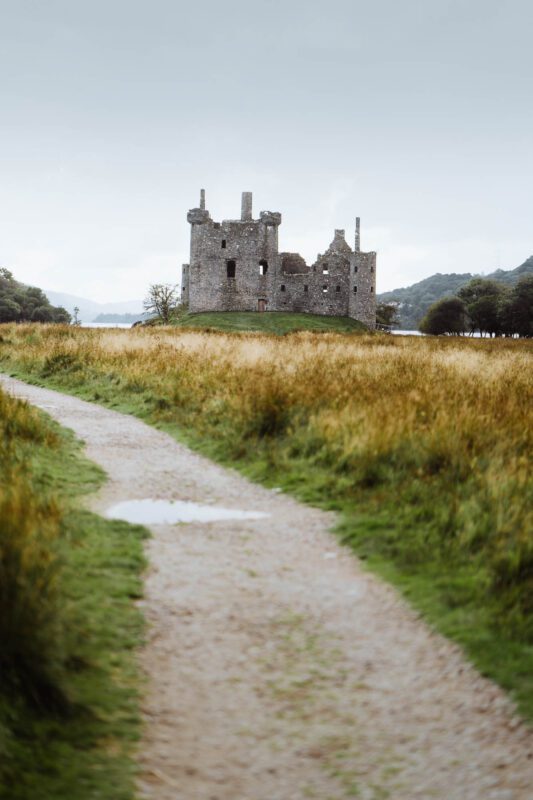
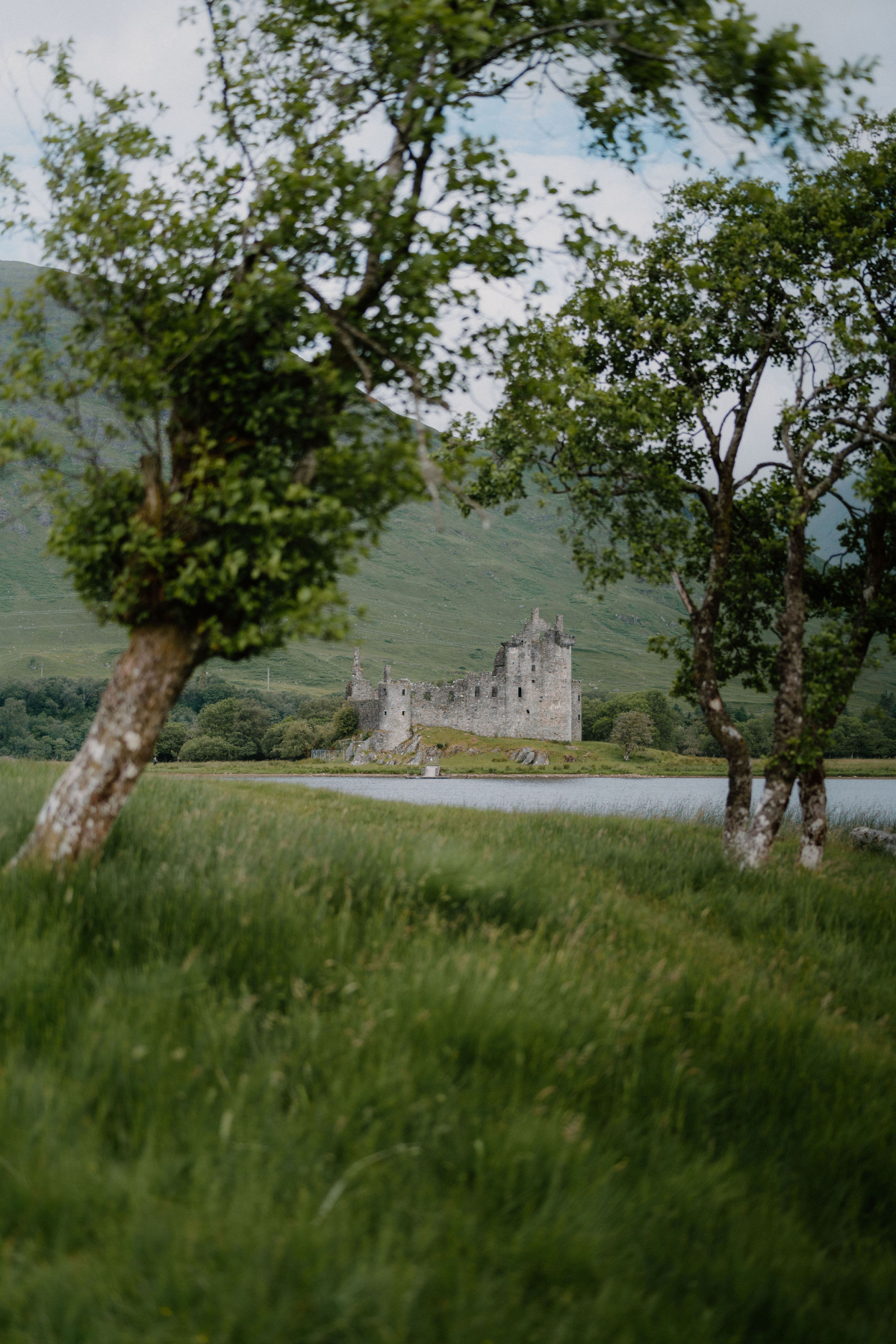
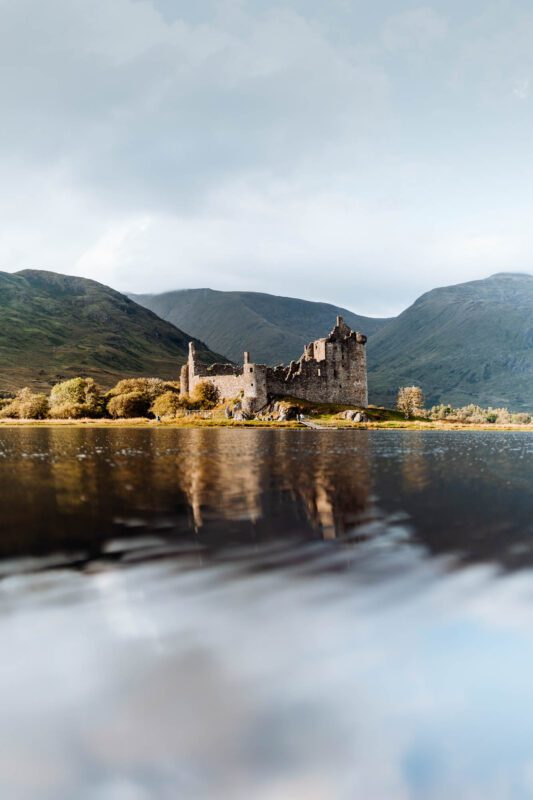
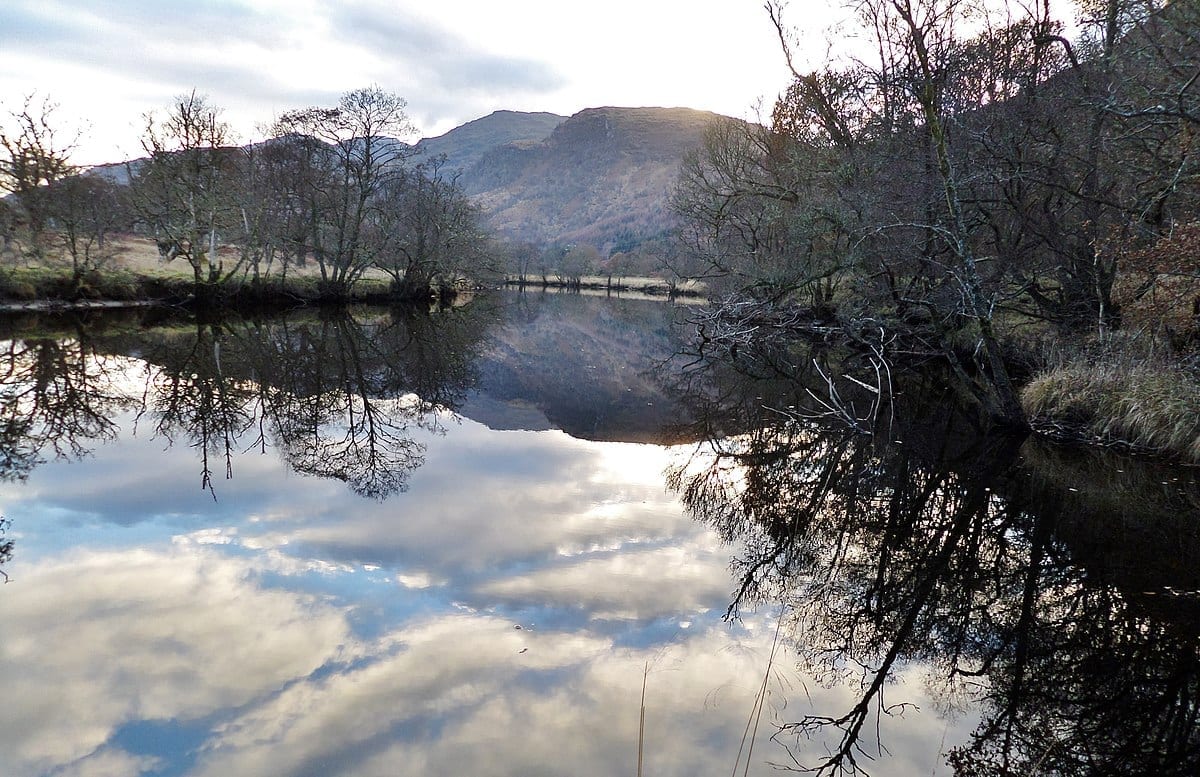
Turner painted the ruin in the early 1800s and photographers have been at it ever since, with good reason. Reflections on a still morning, mist off the loch, snow on Cruachan. It earns the postcards. One practical warning though: the castle interior is currently closed for conservation work on account of falling masonry, with no reopening date given, so for now the visit is the walk and the exterior. Still worth doing. The stories come free, including the Witch of Kilchurn, a widow said to have moved into the abandoned ruin, whose tobacco smoke people claim to smell in the courtyard yet.
Location
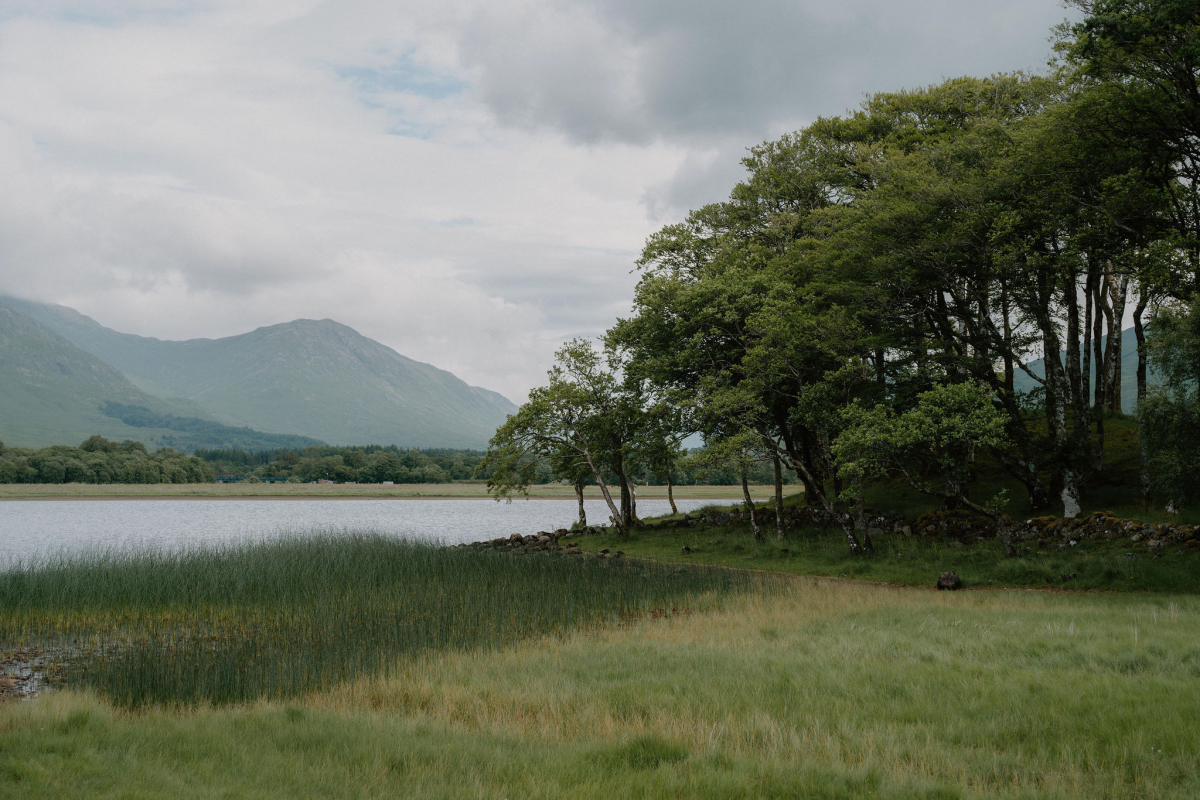
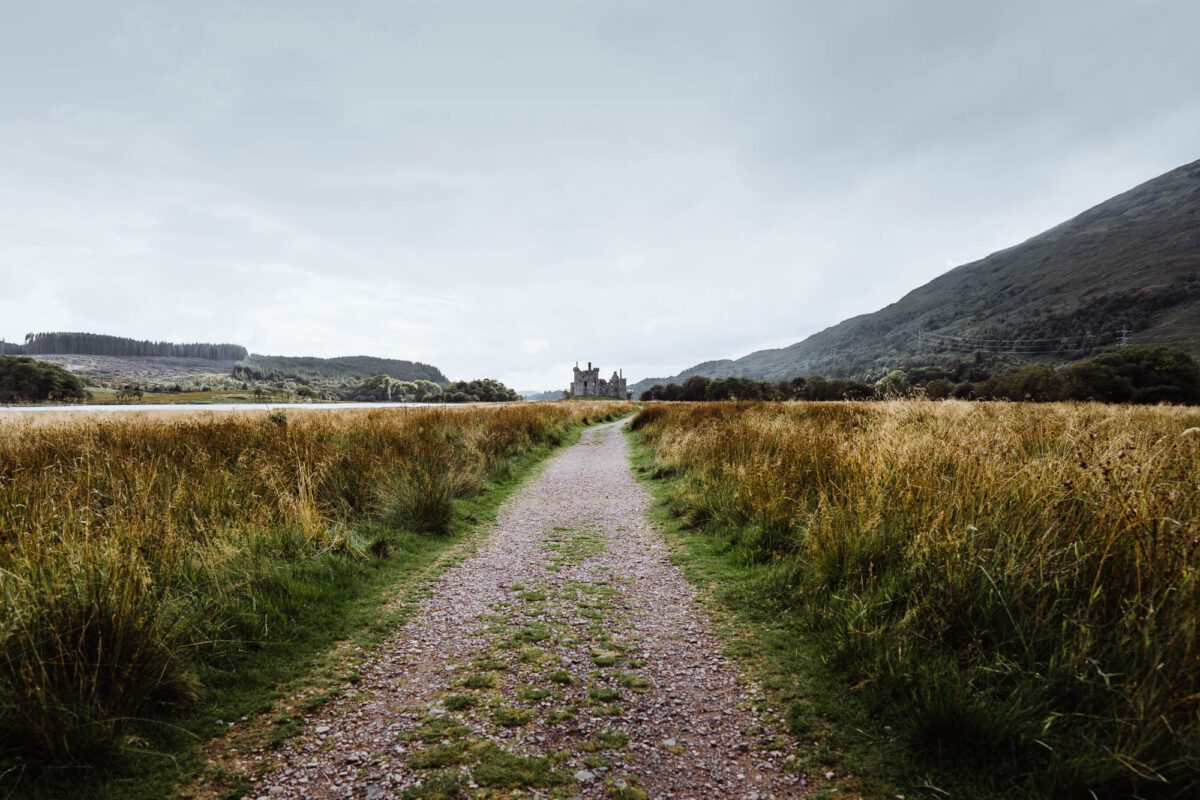
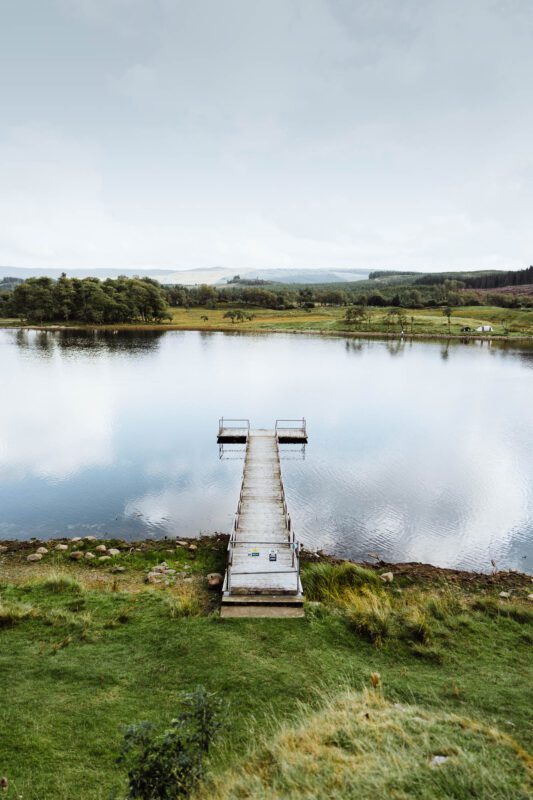
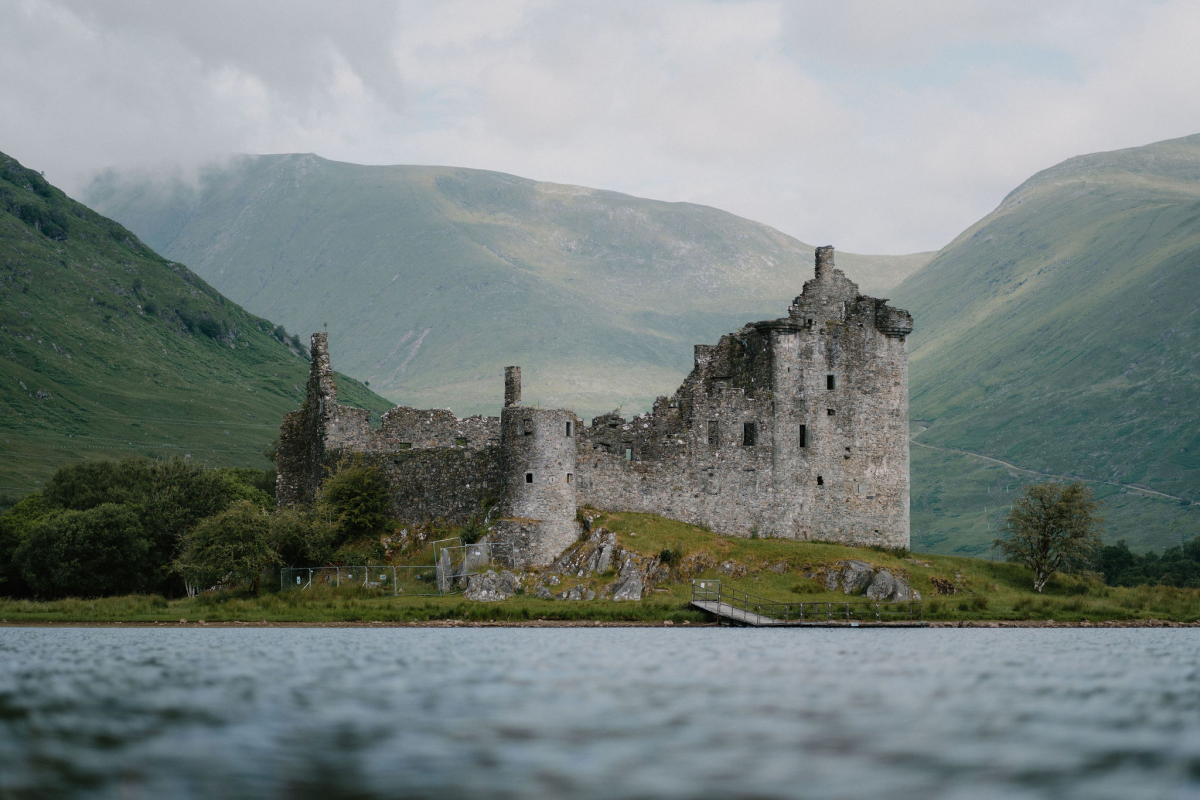
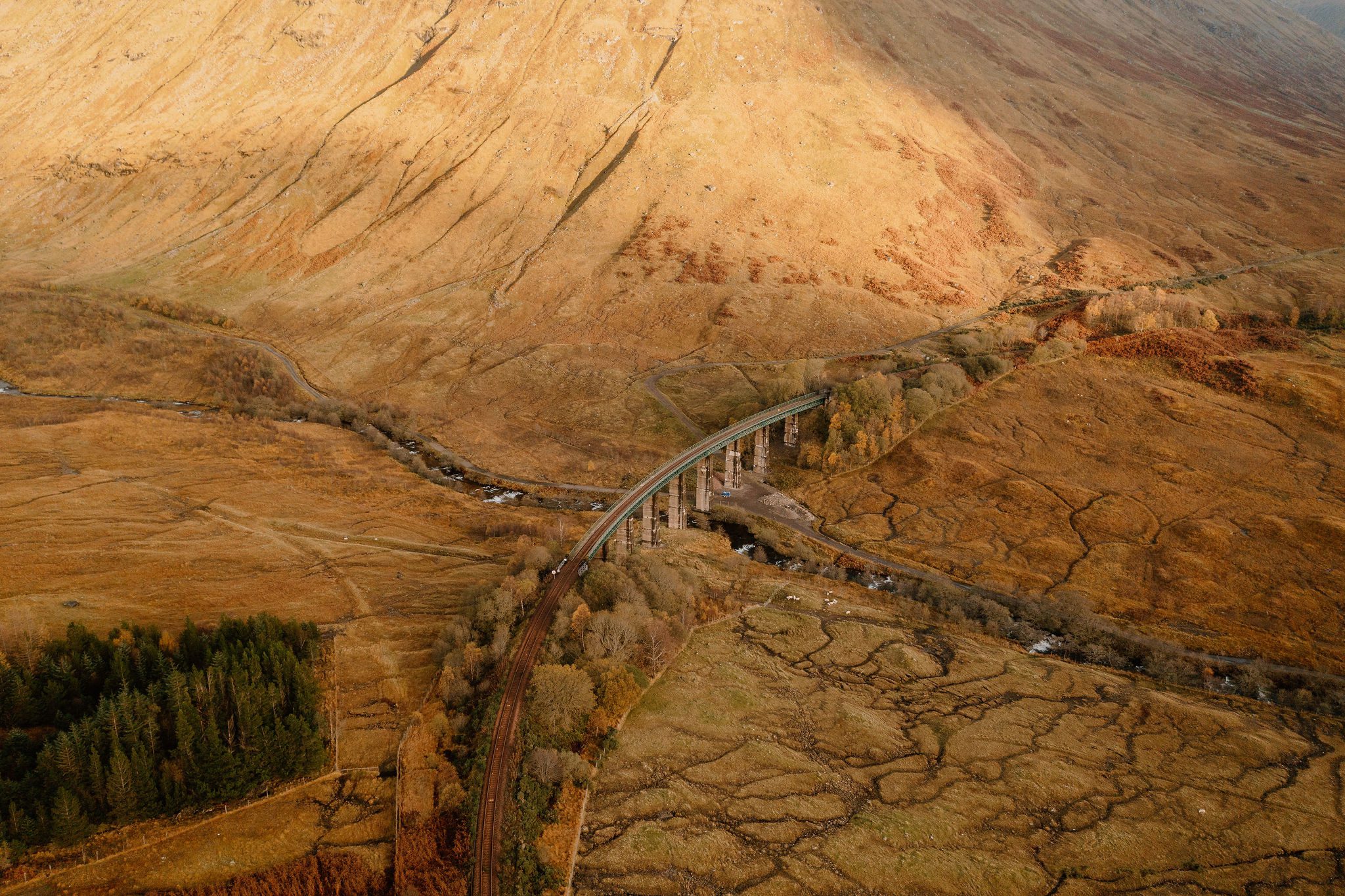
Kilchurn Castle sits at the northeastern head of Loch Awe, just off the A85 a quarter mile northwest of the A819 junction, about 2 hours from Glasgow and 40 minutes from Oban. Park in the rough car park signed off the A85, then walk the mile or so to the castle, passing under the railway viaduct. The path crosses grazing land and gets seriously boggy after rain, so boots or wellies, and the site occasionally floods into a temporary island when the loch runs high. The famous view from across the water is at the layby viewpoint off the A819. Entry to the grounds is free. The interior remains closed for conservation, so check Historic Environment Scotland's site before travelling.
What's nearby
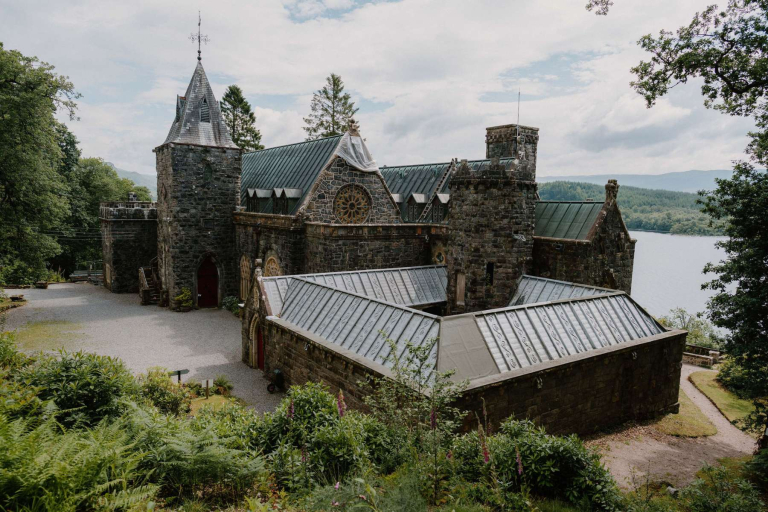
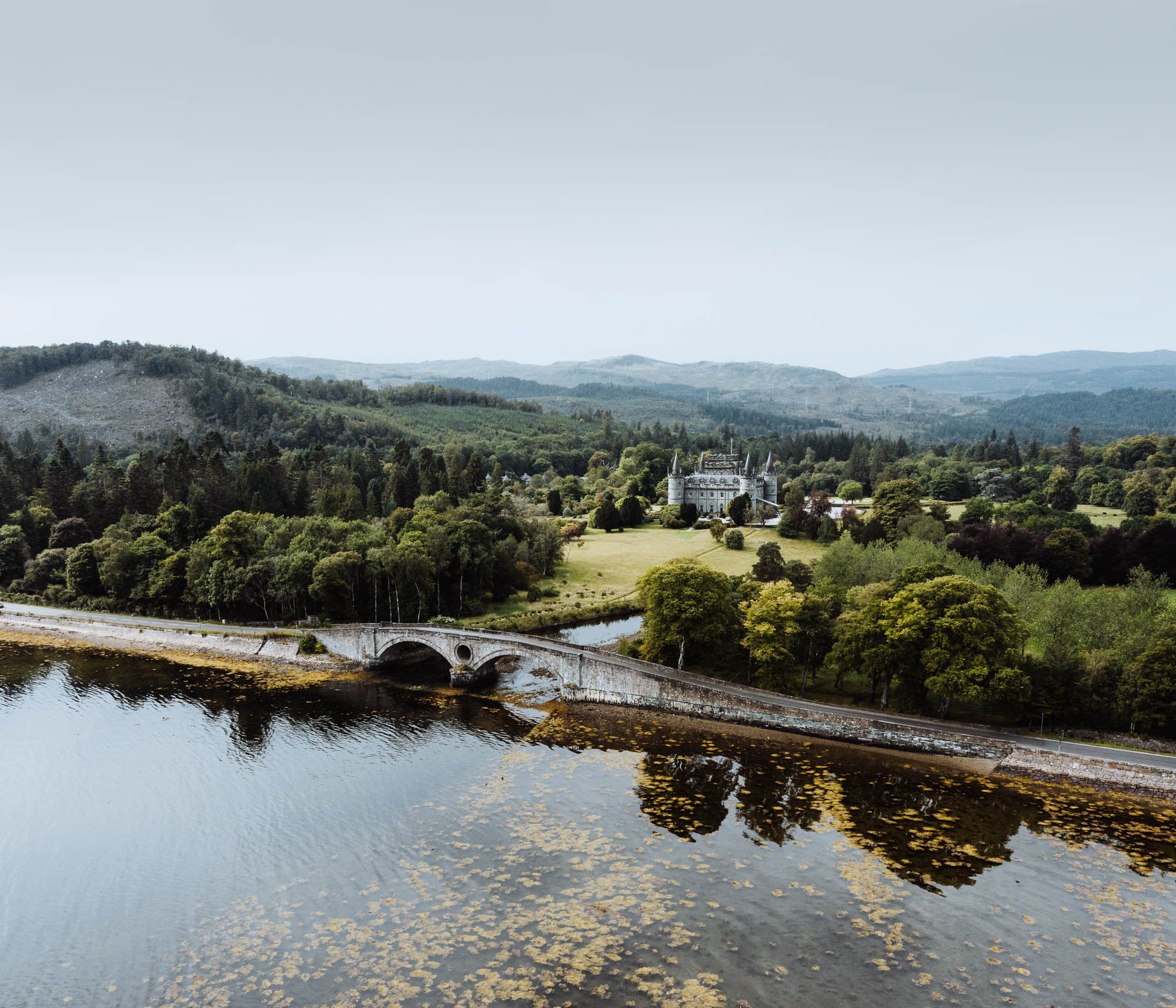
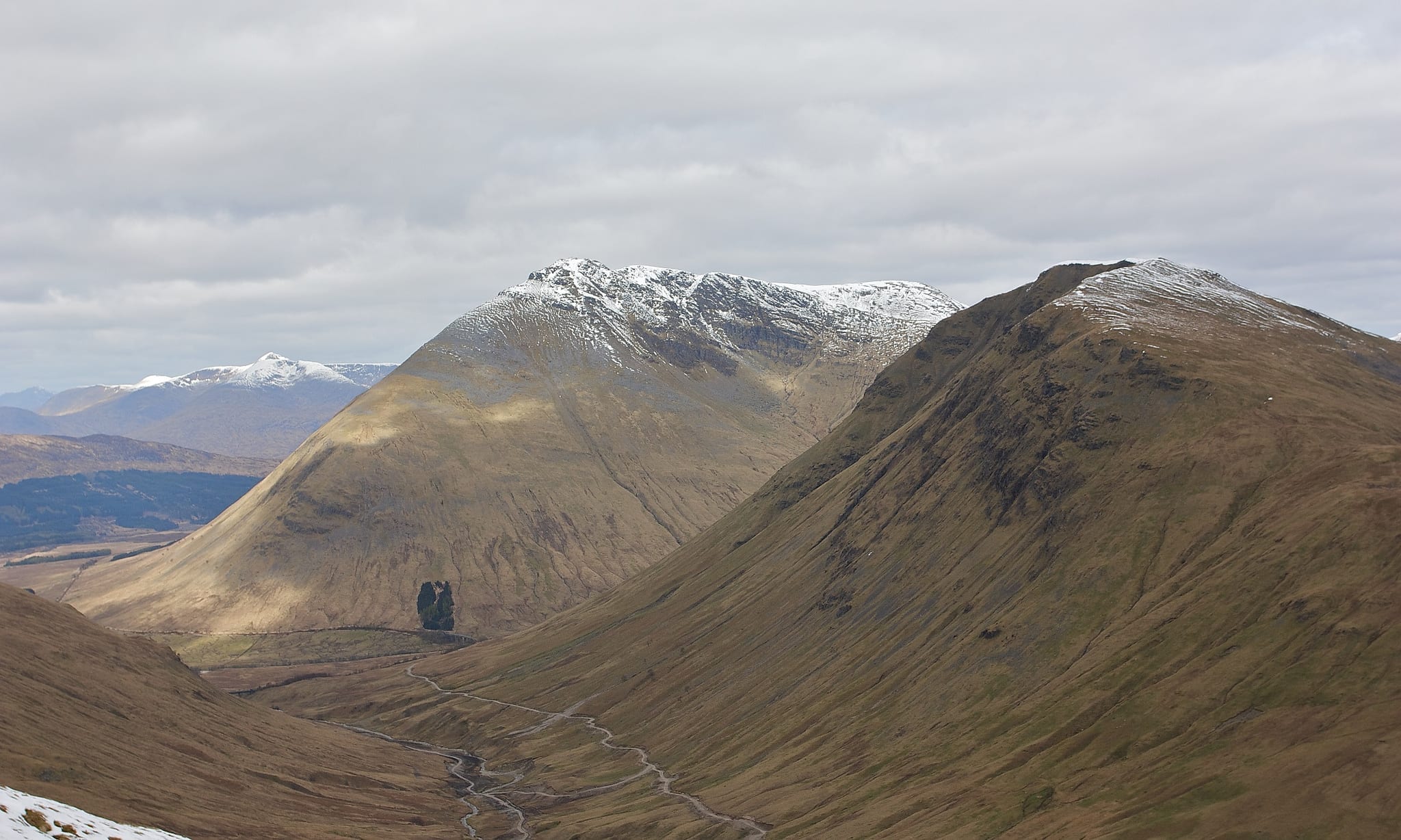
St Conan's Kirk at Lochawe village is ten minutes along the A85, built between 1881 and 1886 by Walter Campbell and about the strangest, loveliest church in the Highlands. Cruachan, the Hollow Mountain power station, runs tours into the turbine hall buried a kilometre inside Ben Cruachan. Dalmally has the shop and the station, Inveraray and its castle are half an hour south down the A819, and Oban is 40 minutes west. Loch Awe itself is Scotland's longest freshwater loch at around 25 miles, with older castles than Kilchurn hidden down its length for anyone who wants the quieter versions.
-medium-large-1770905787.jpg)
Where to stay nearby






 Sign in with Google
 Sign in with Email