
Argyll and Bute
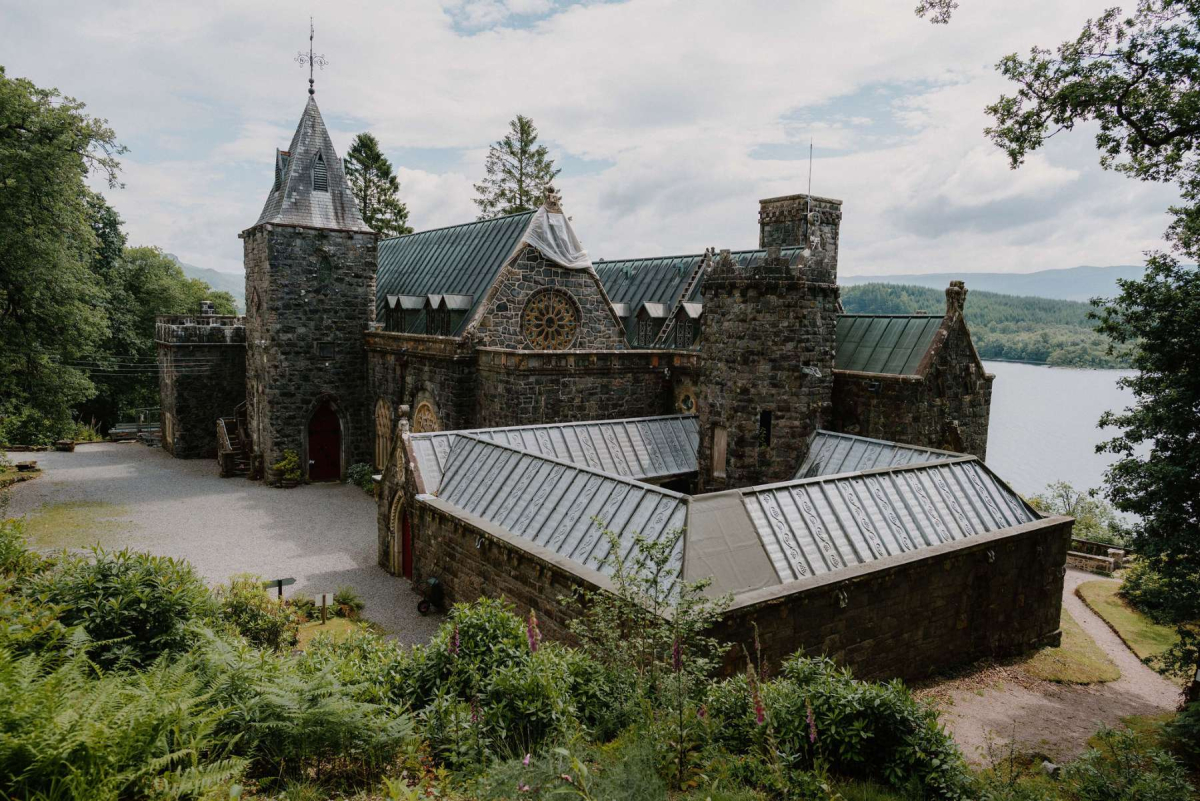
St Conan’s Kirk
Introduction
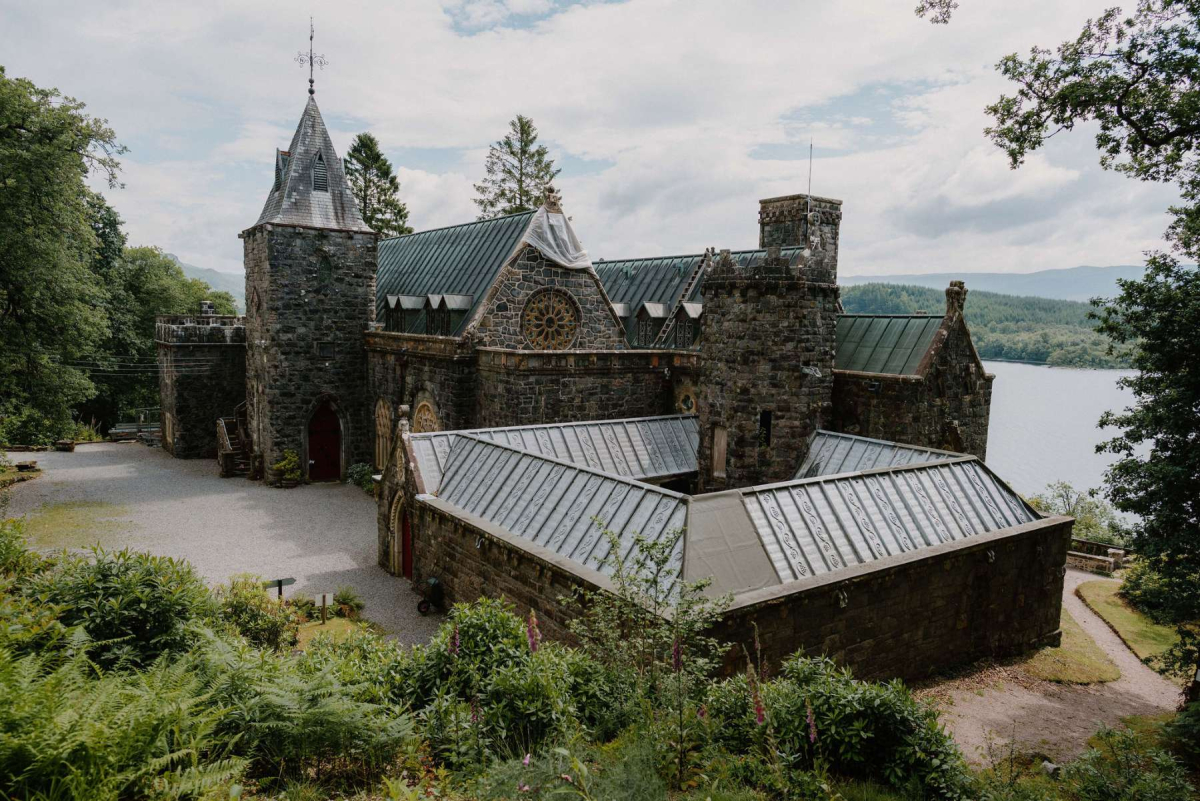
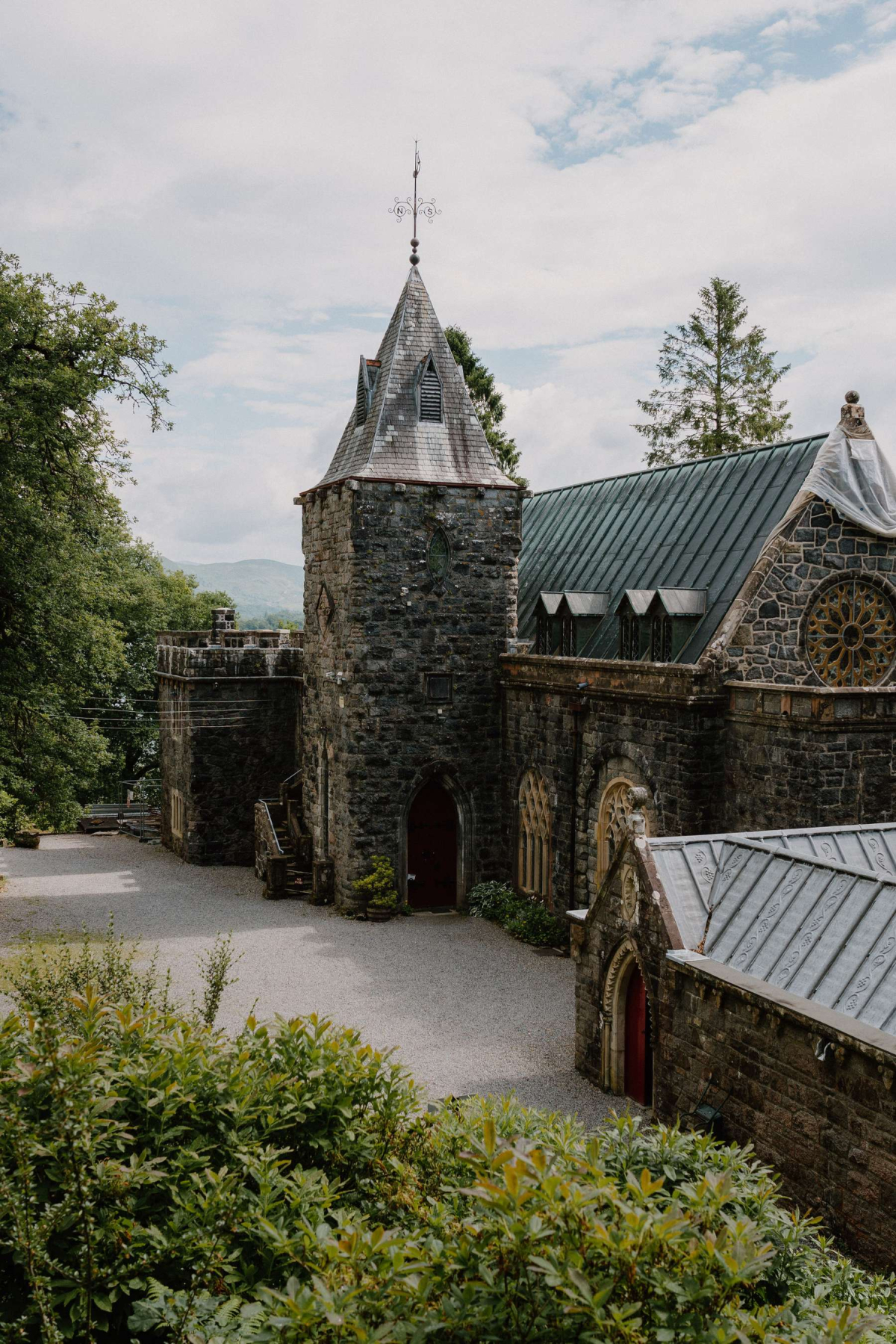
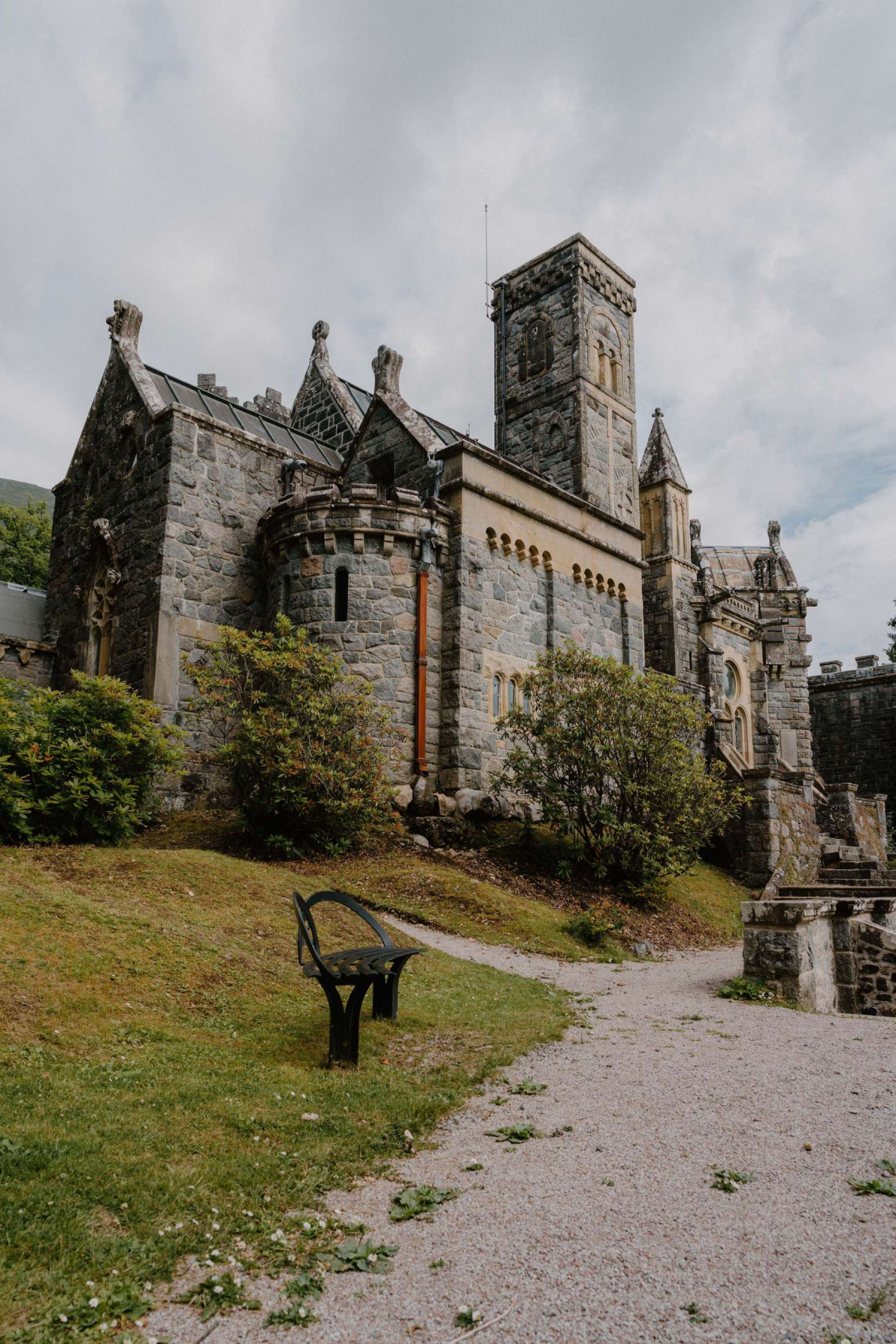
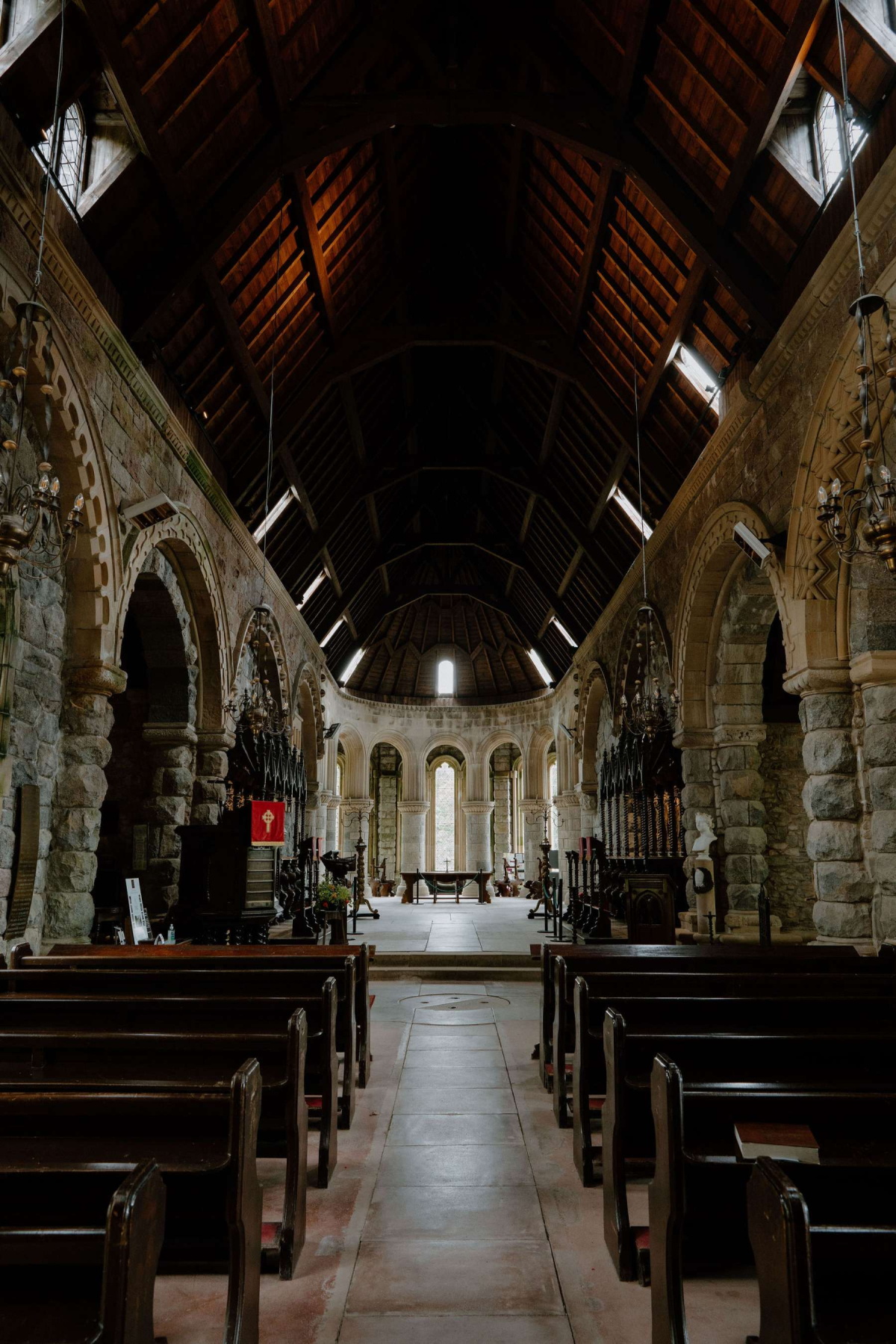
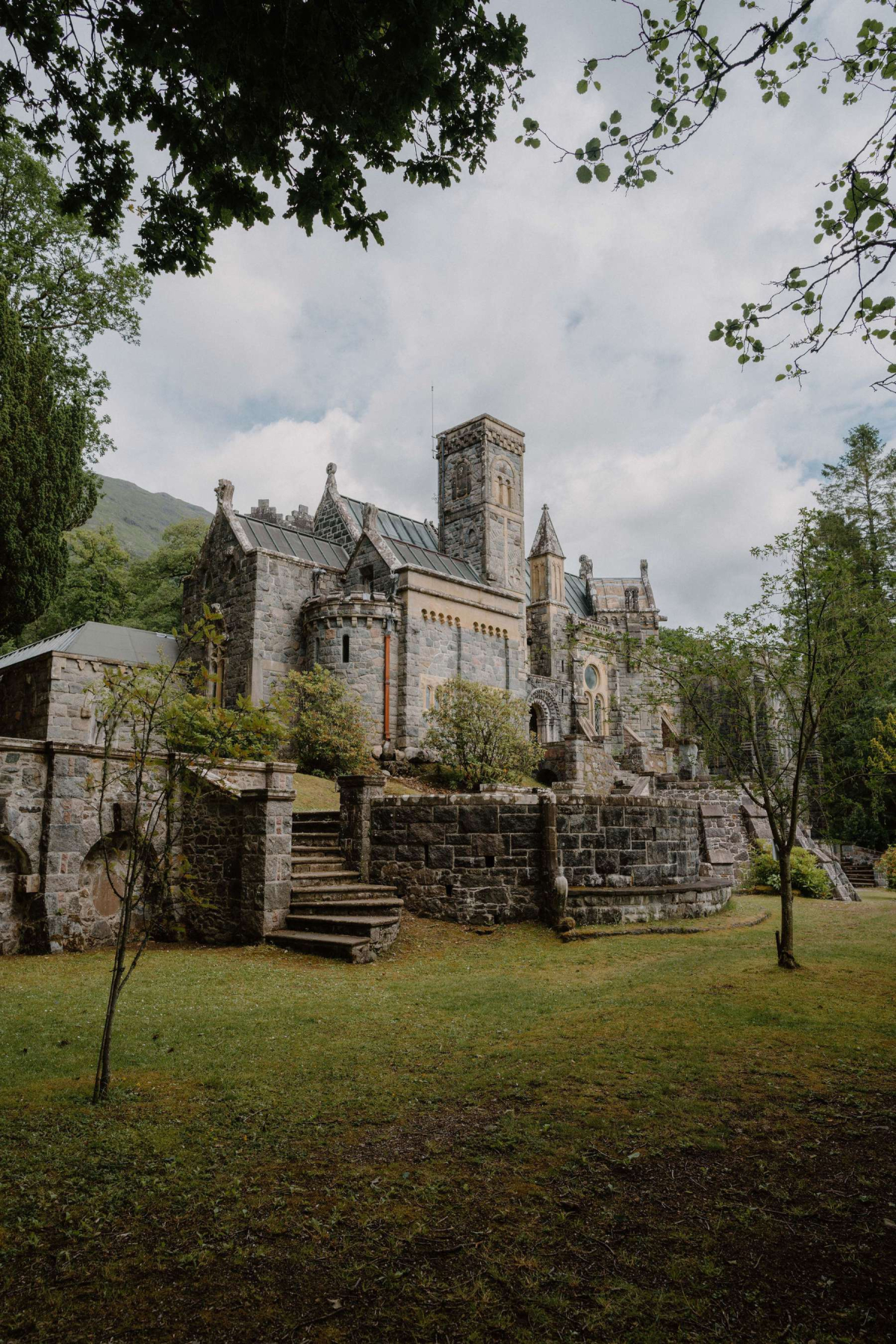
The story starts with a son who didn't fancy his mother taking a long carriage ride every Sunday. Walter Douglas Campbell, younger brother of the 1st Baron Blythswood, had bought the island of Innis Chonain on Loch Awe and built a mansion there for himself, his sister Helen and their elderly mother Caroline. The nearest kirk was miles away at Dalmally, too far for her, so between 1881 and 1886 Walter built a modest church on the steep north shore near the house. Then he kept going. From 1907 he set about turning it into something far grander, worked on it until his death in 1914, after which Helen ran the project until her own death in 1927, and the trustees finished the job. The kirk was finally dedicated in 1930, 49 years after the first stone.
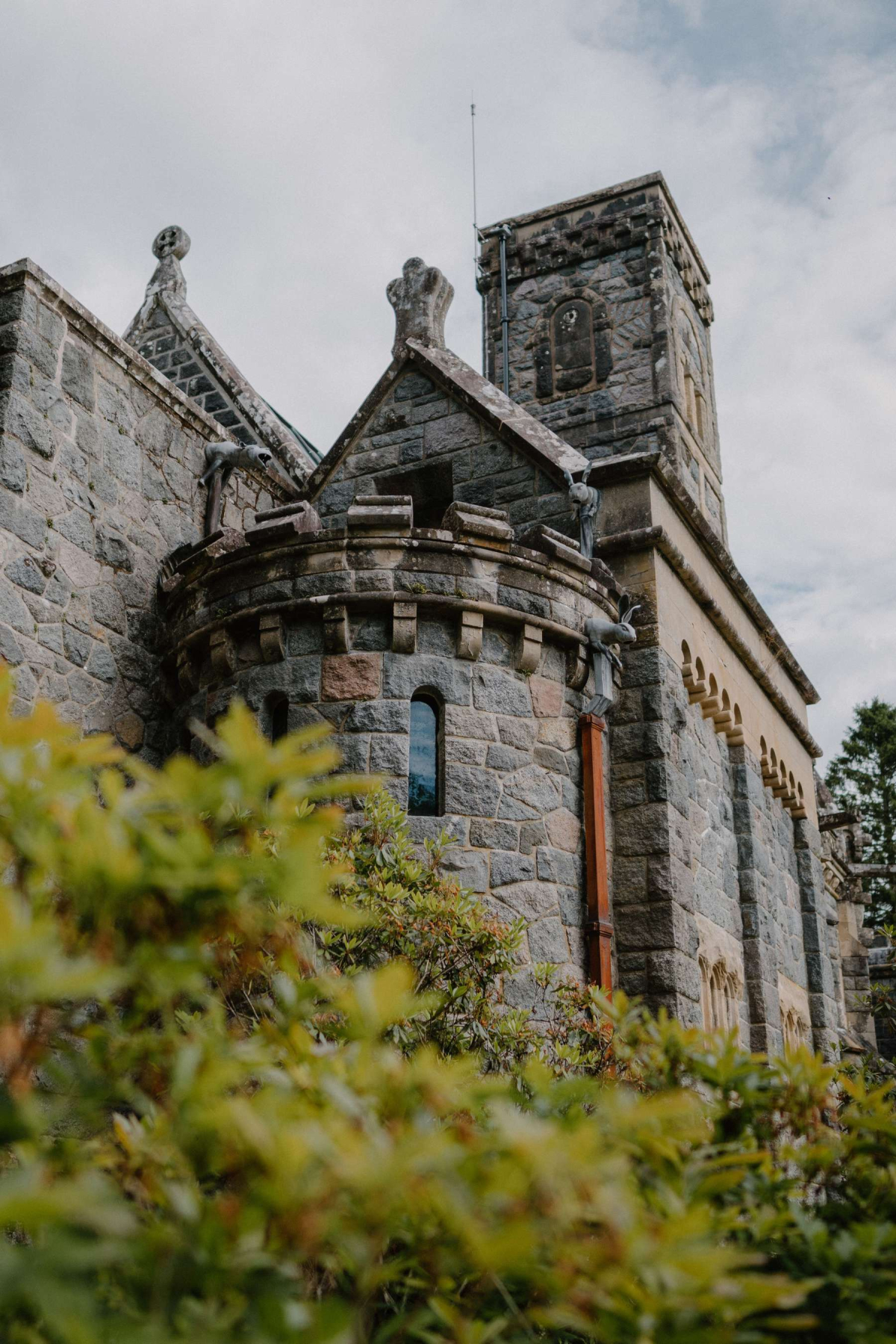
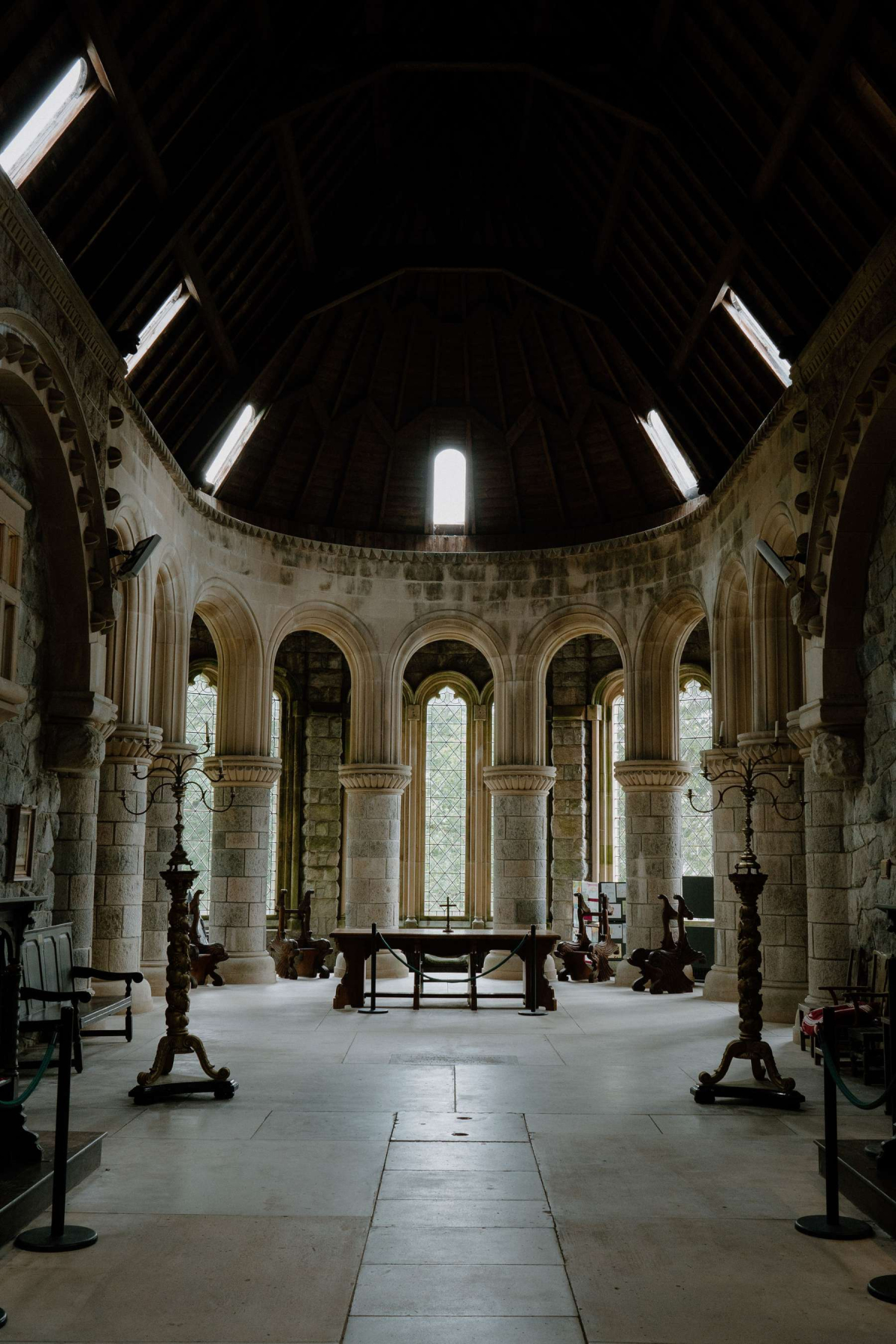
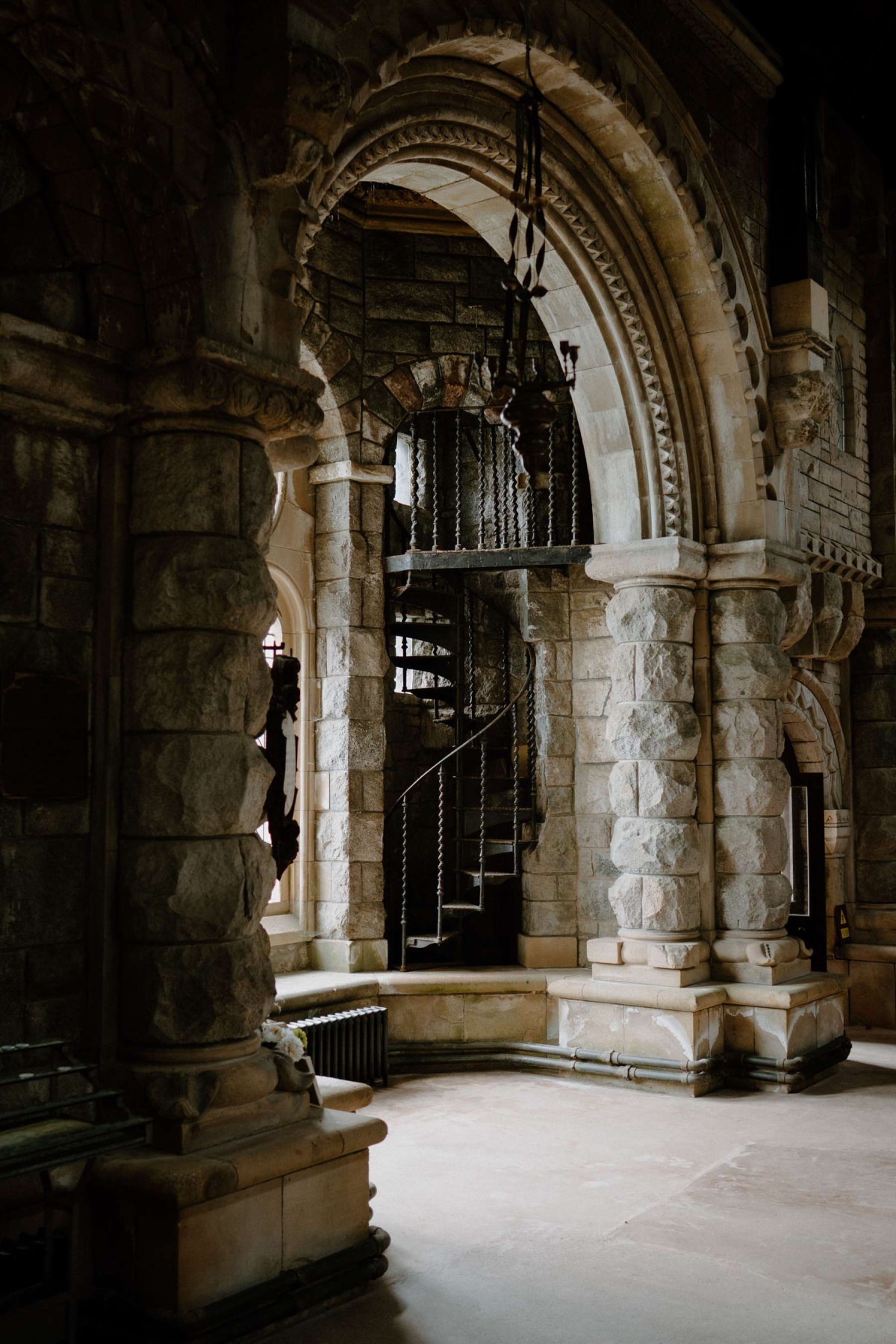
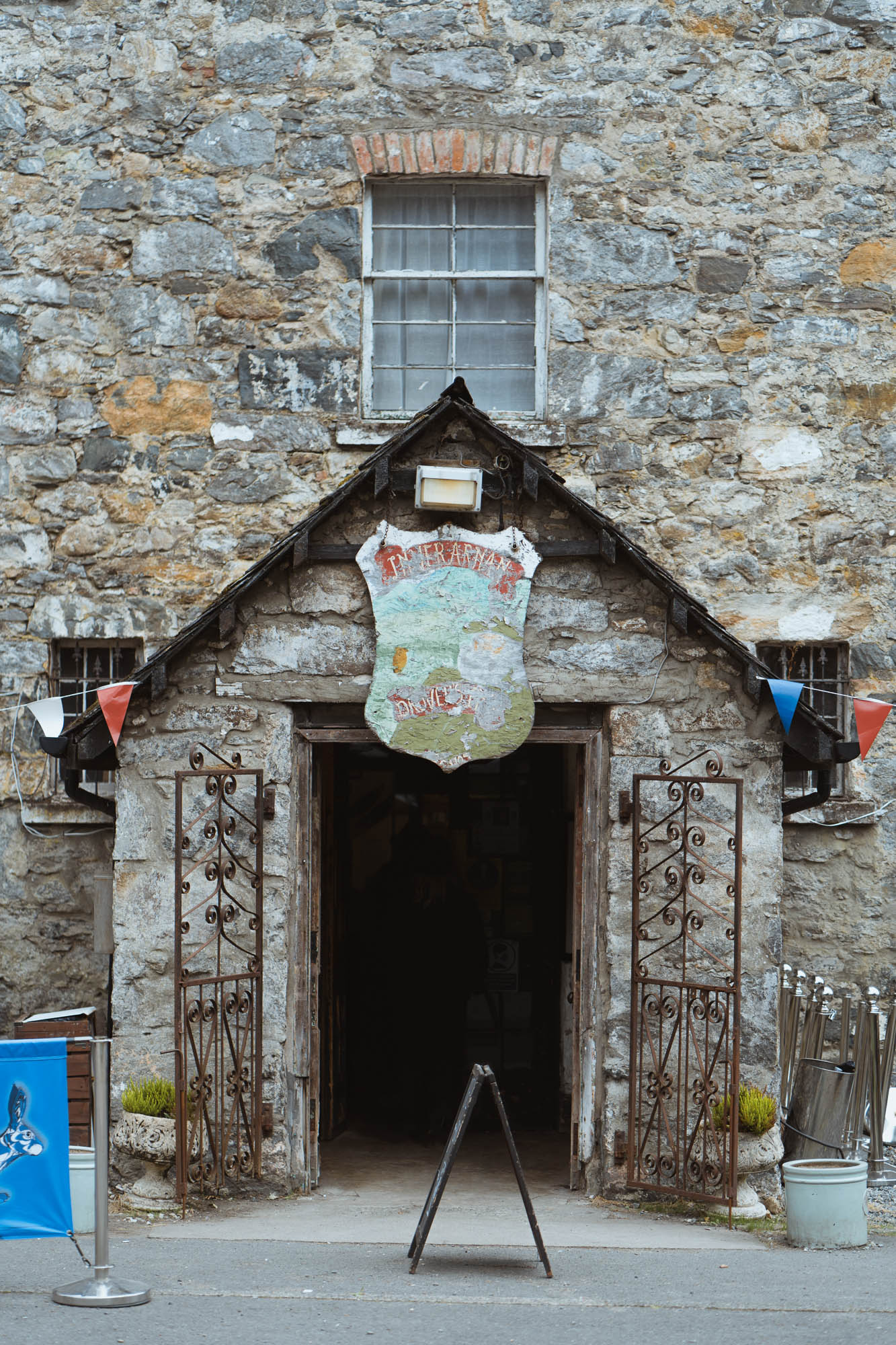
What they left behind refuses to sit in any one century. Walter was a self-taught architect, a wood carver and a magpie collector, and he reportedly set out to include an example of every style of church architecture found in Scotland. So there's a Saxon tower modelled on Monkwearmouth, Norman and Romanesque work early and late, Gothic, Celtic Revival, Arts and Crafts, a set of standing stones at the gates for good measure. The cloister roof uses timbers believed to come from HMS Caledonia and HMS Duke of Wellington, two broken-up wooden battleships. A window in the Bruce Chapel came from St Mary's in South Leith, built in 1483, and fragments of carving from Iona are set into a south aisle wall. Helen designed and painted some of the stained glass herself. In 2016 a Royal Incorporation of Architects in Scotland poll voted it one of the ten best Scottish buildings of the past century, which for a family chapel by an amateur takes some doing.
The Bruce Chapel is the bit people remember. A larger-than-life effigy of Robert the Bruce lies here, the body carved in dark wood, the face and hands in pale alabaster, and beneath it a small ossuary holds one of the king's bones, brought from his tomb at Dunfermline Abbey. The placing is deliberate. Bruce beat the MacDougalls at the Pass of Brander in 1308, a few miles along the loch. Walter and Helen lie in a vault below their own chapels, brother and sister under the building they spent their lives on. Entry is by donation, and it's worth being generous. The repair bill for a place like this never ends.
Location
St Conan's Kirk stands beside the A85 in Lochawe village, between Dalmally and the Pass of Brander, about 2 hours from Glasgow and 40 minutes from Oban. There's a small car park at the kirk, street parking along the road, and Loch Awe station is a short walk away on the Glasgow to Oban line. Open most days from 9am to 5pm, entry by donation, with a small café near the entrance in season. Go round the back. The garden side facing the loch has the best of the building, and Kilchurn is visible in the distance.
What's nearby
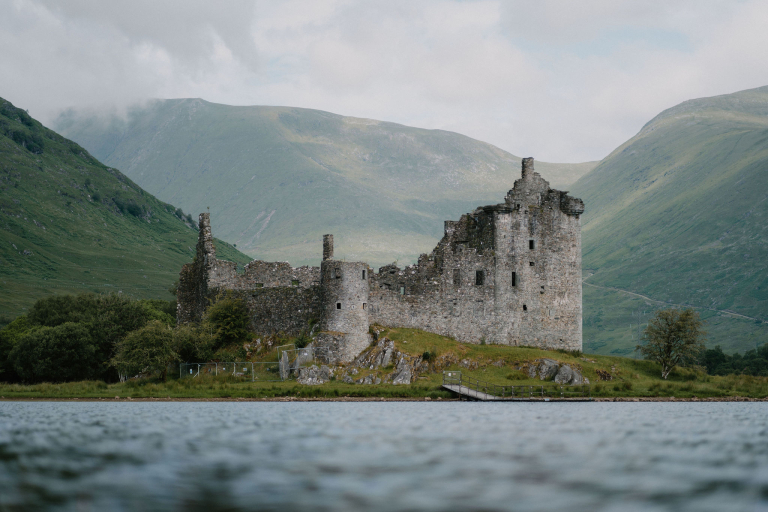
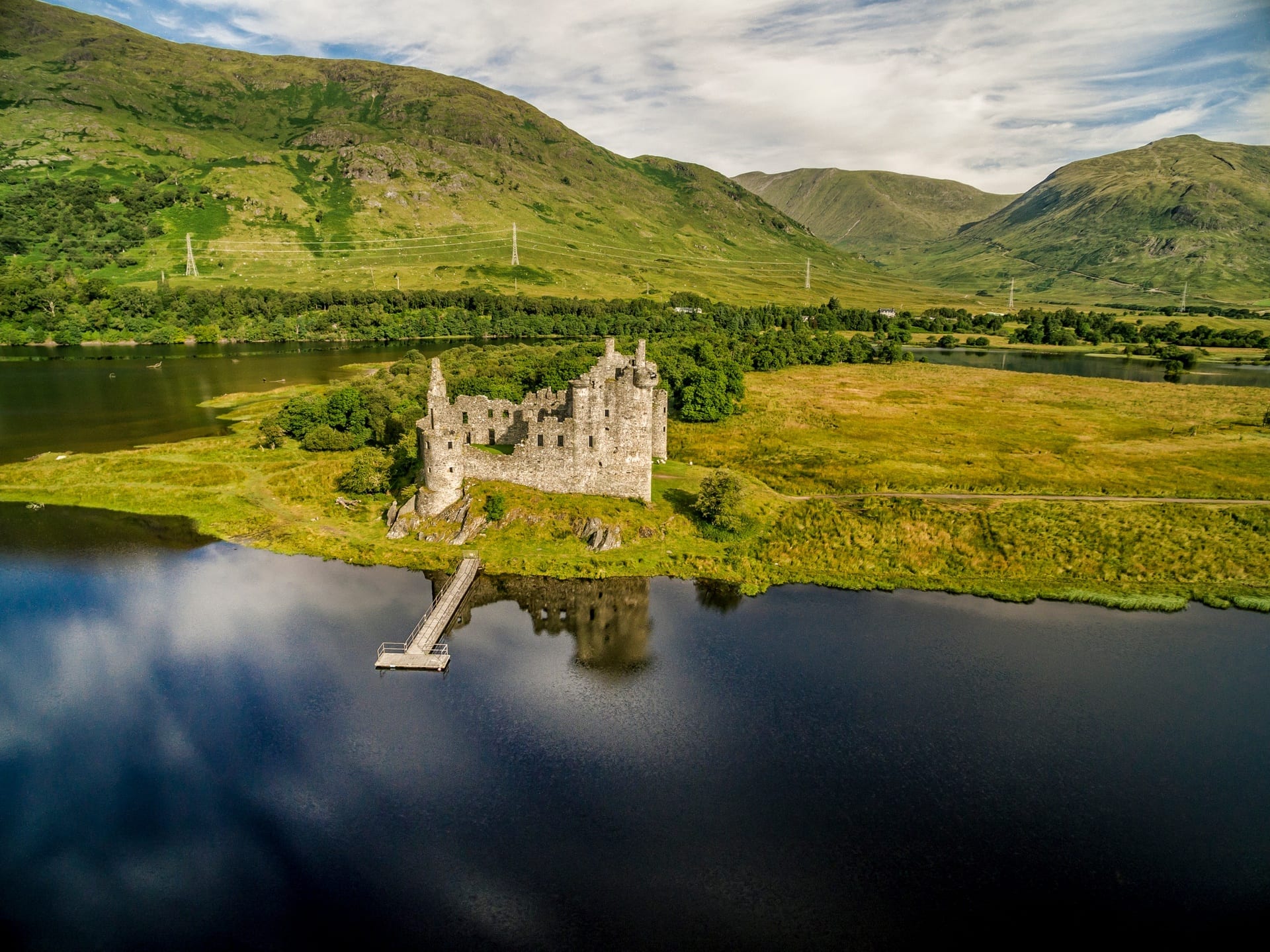
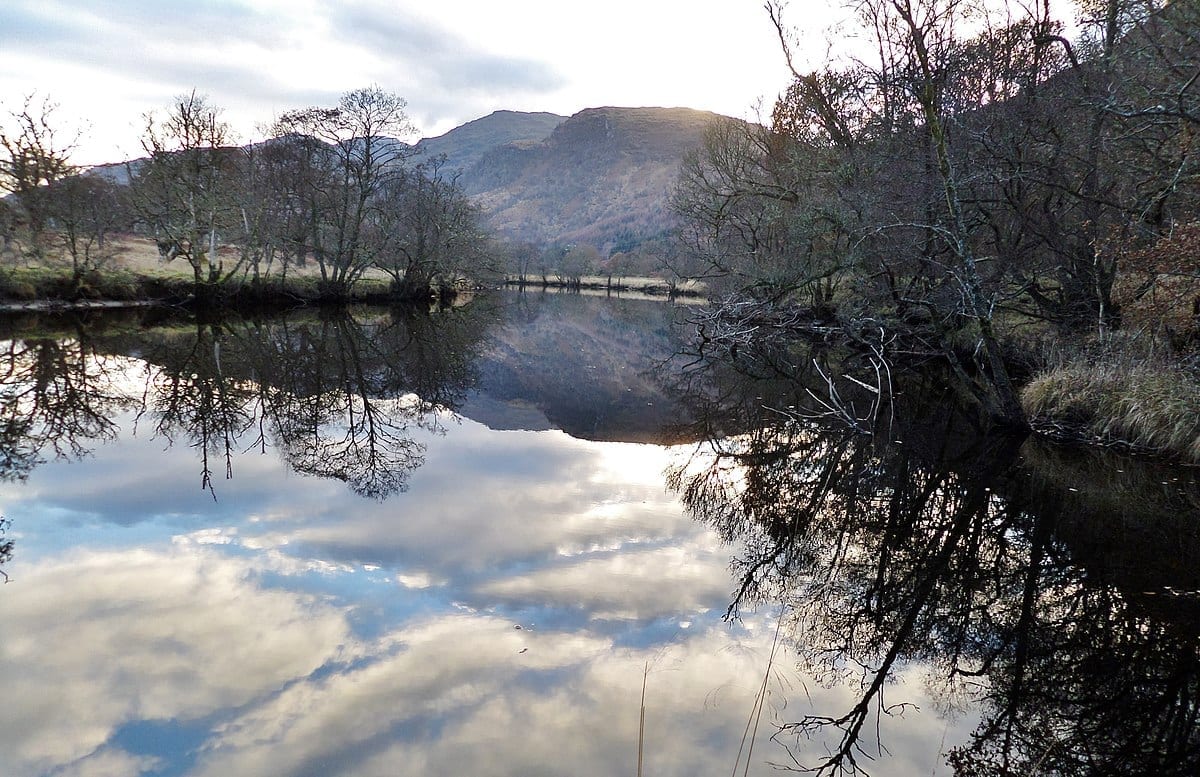
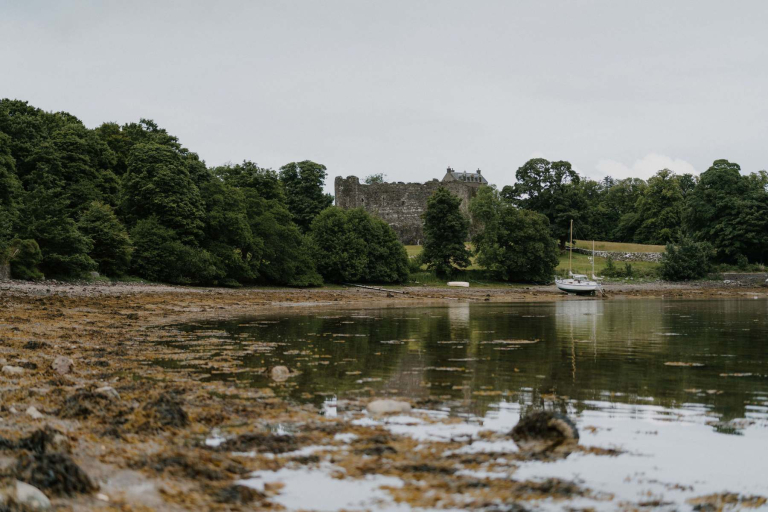
Kilchurn Castle, the ruined Campbell of Glenorchy stronghold at the head of the loch, is five minutes east along the A85, with the classic viewpoint across the water off the A819. Cruachan, the Hollow Mountain power station, runs tours into the turbine hall buried inside Ben Cruachan a couple of miles west, and its café covers lunch. Dalmally has the shop and a station, the Pass of Brander carries the road and railway towards Taynuilt beneath crags where Bruce's men fought in 1308, and Oban is around 40 minutes west. Loch Awe itself runs 25 miles south, the longest freshwater loch in Scotland.
-medium-large-1770905787.jpg)
Where to stay nearby






 Sign in with Google
 Sign in with Email