
Argyll and Bute
Dunstaffnage Castle
Introduction
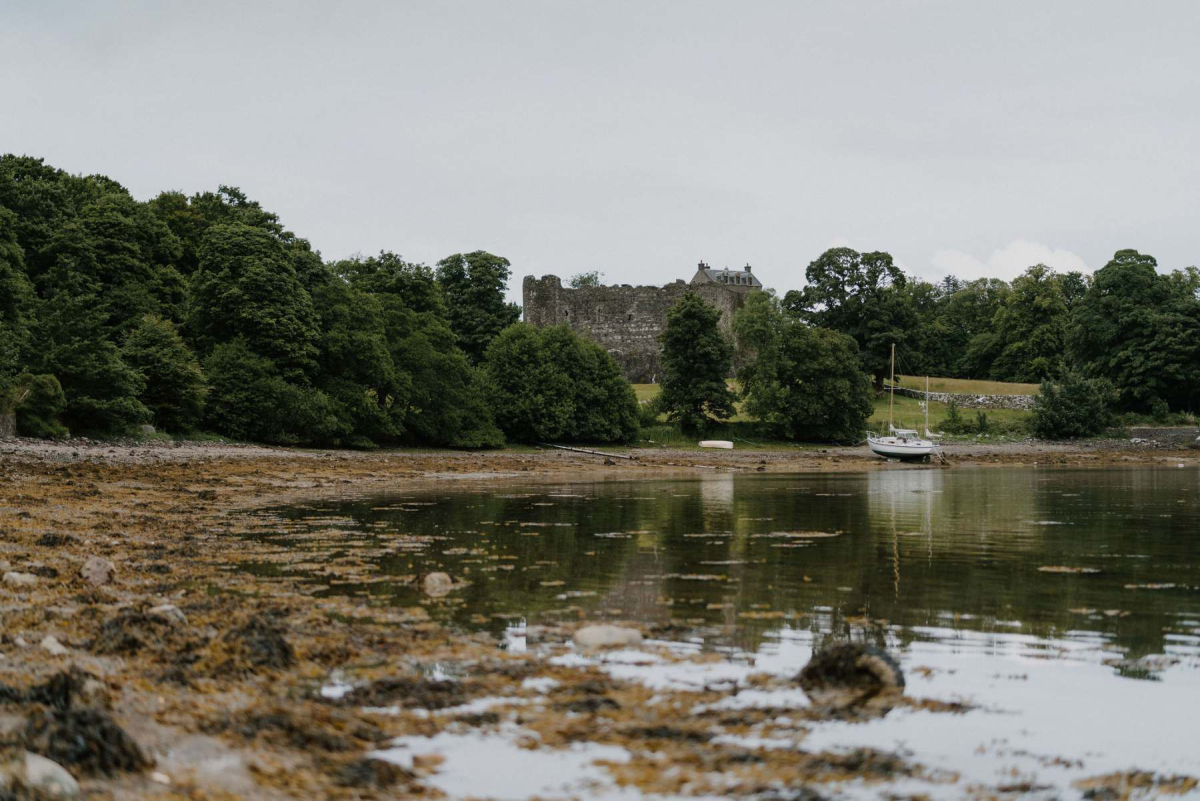
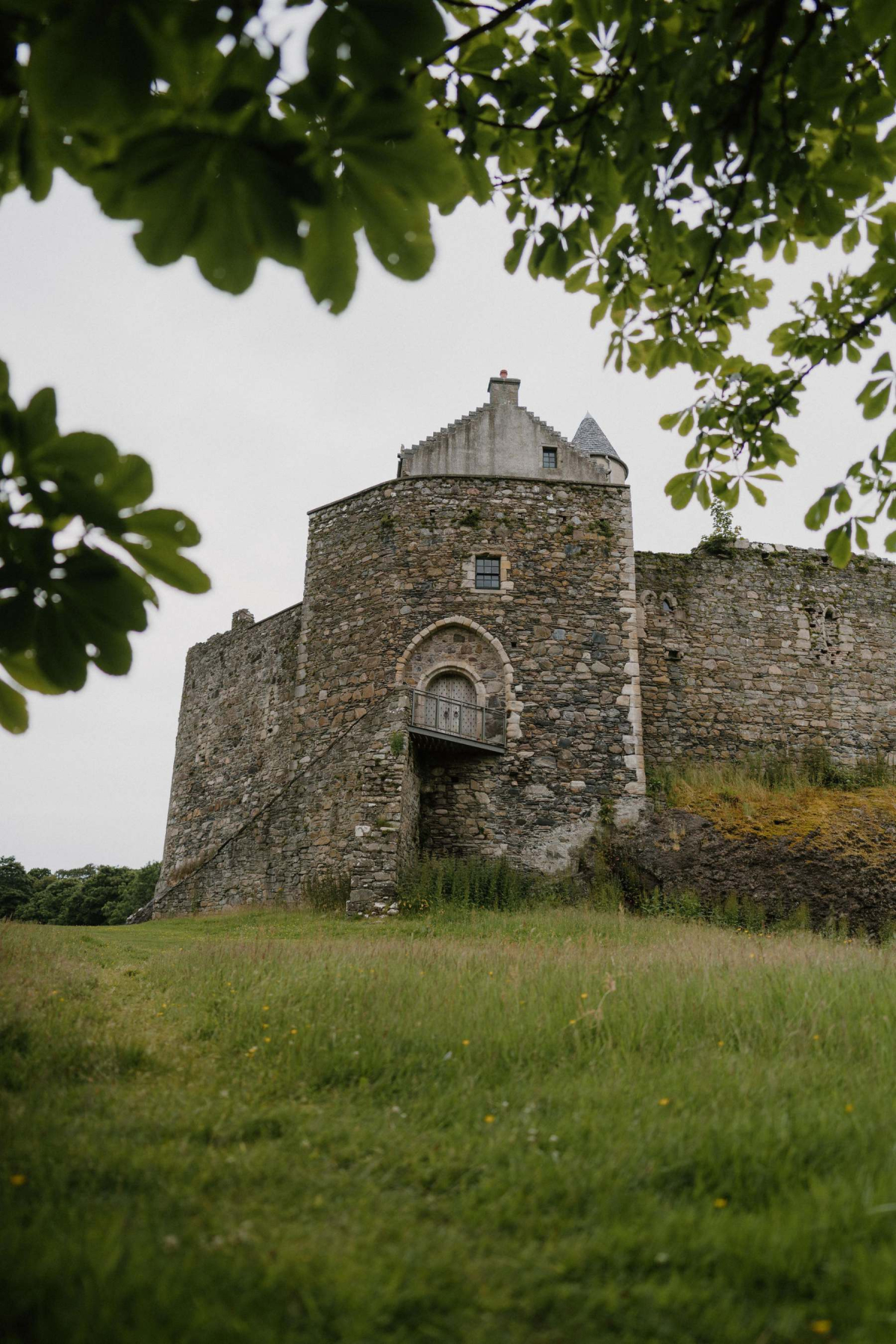
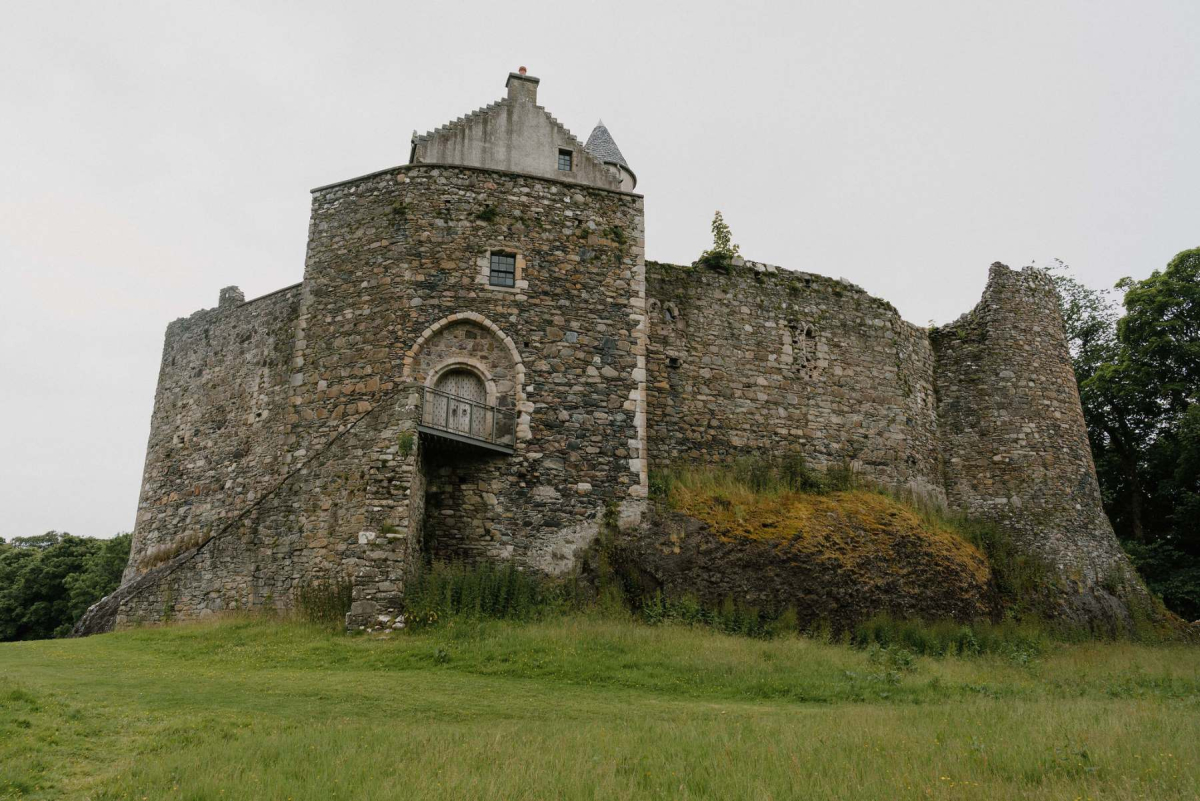
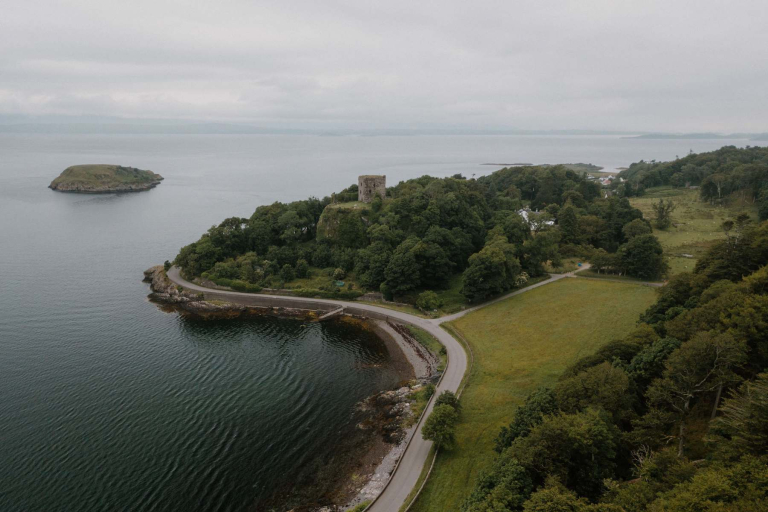
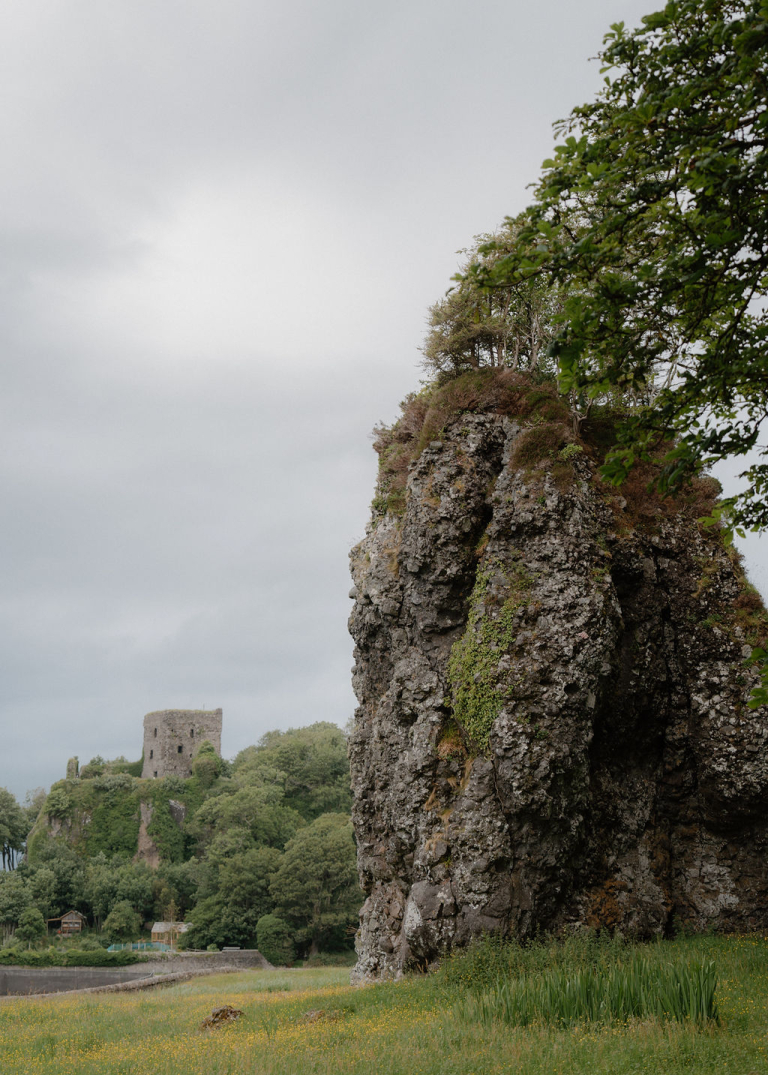
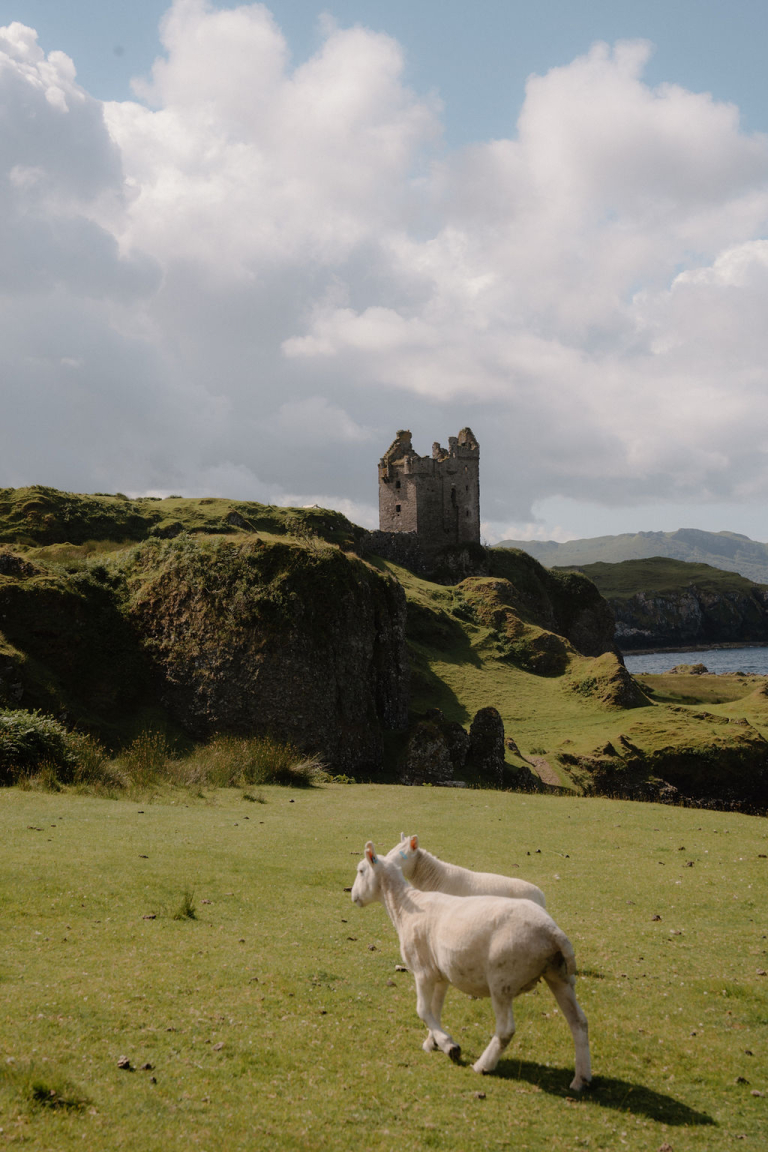
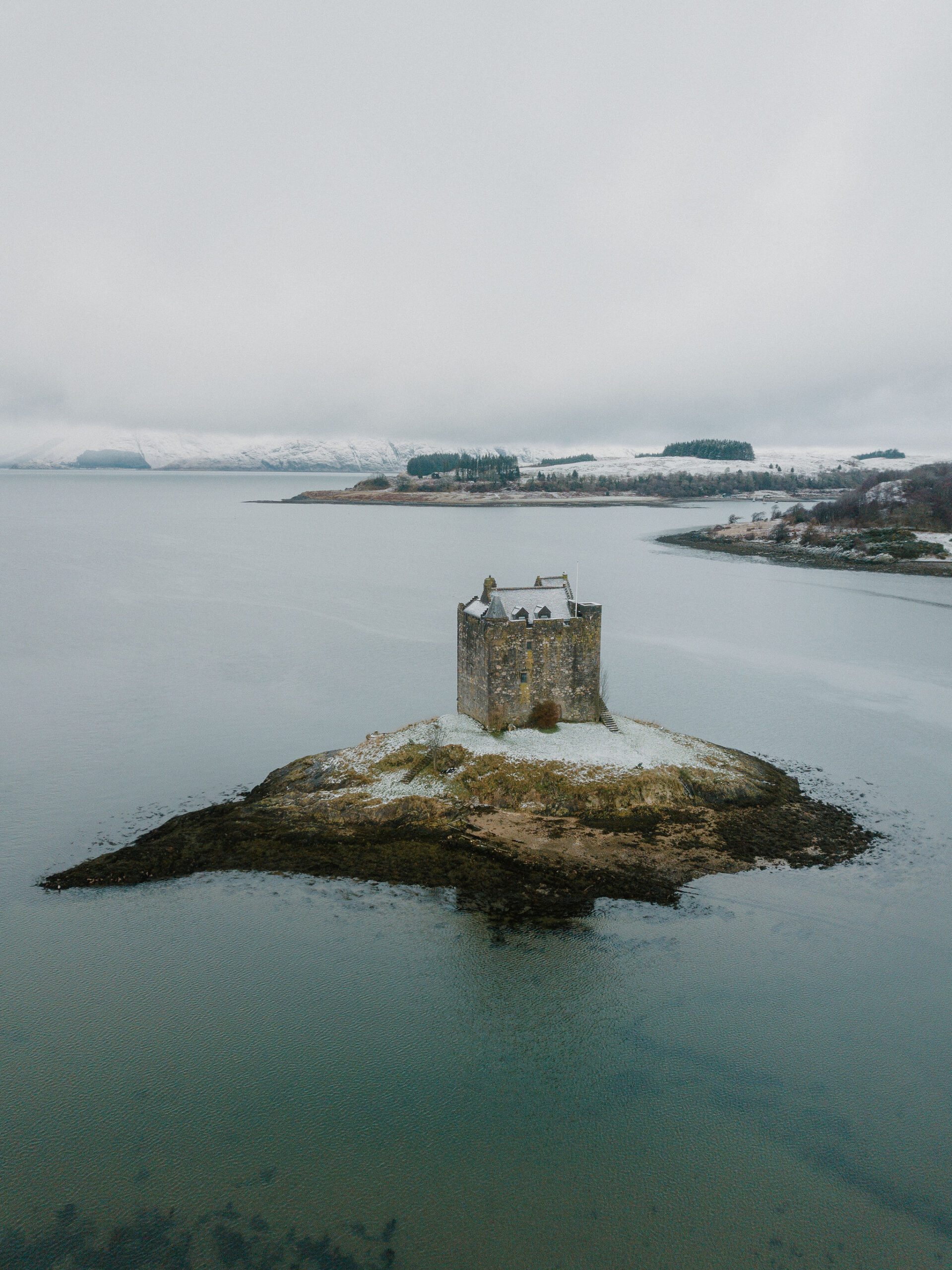
Dunstaffnage was built before 1240, probably by Duncan MacDougall, Lord of Lorn and grandson of Somerled, which puts it among the oldest stone castles standing in Scotland. It occupies a platform of rock on a promontory at the entrance to Loch Etive, sea on three sides, three miles north of Oban. Robert the Bruce besieged and took it in 1308 after beating the MacDougalls at the Pass of Brander, it stayed a royal fortress until 1469, and the Campbells have held it since. There is still a hereditary Captain of Dunstaffnage, twenty-two of them and counting, and the gatehouse remains the Captain's private property, though none has lived here since a fire in 1810.
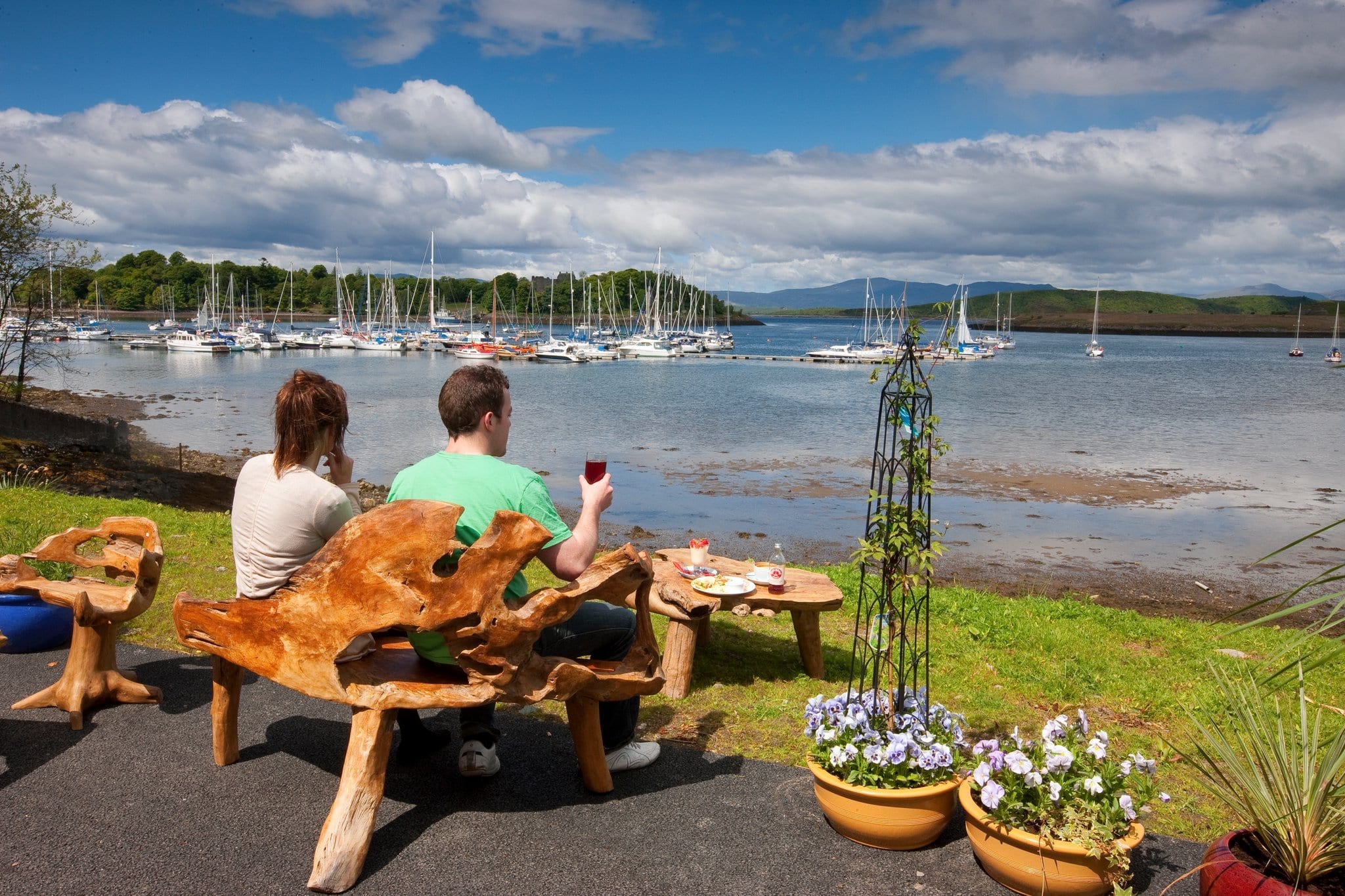
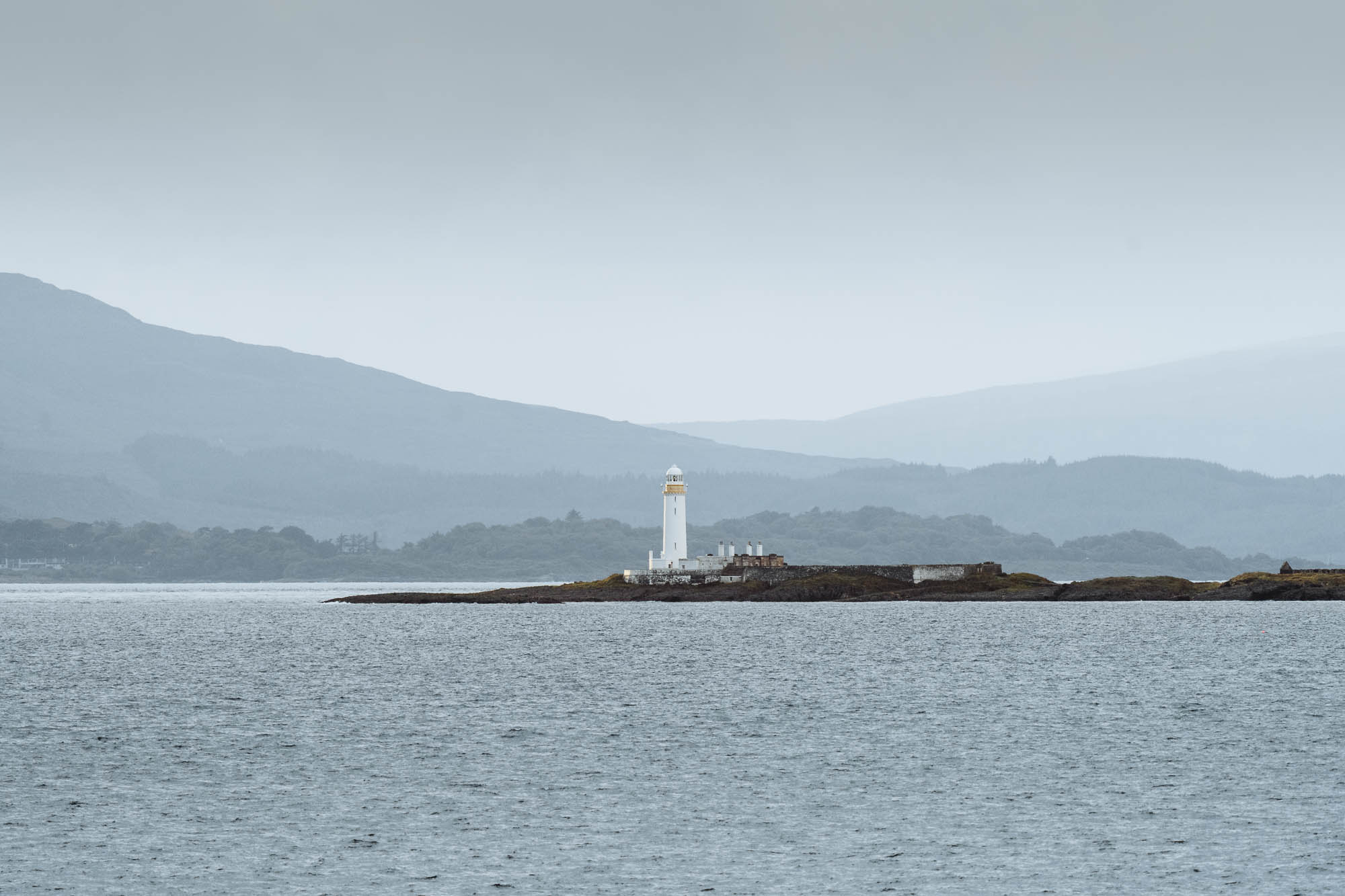
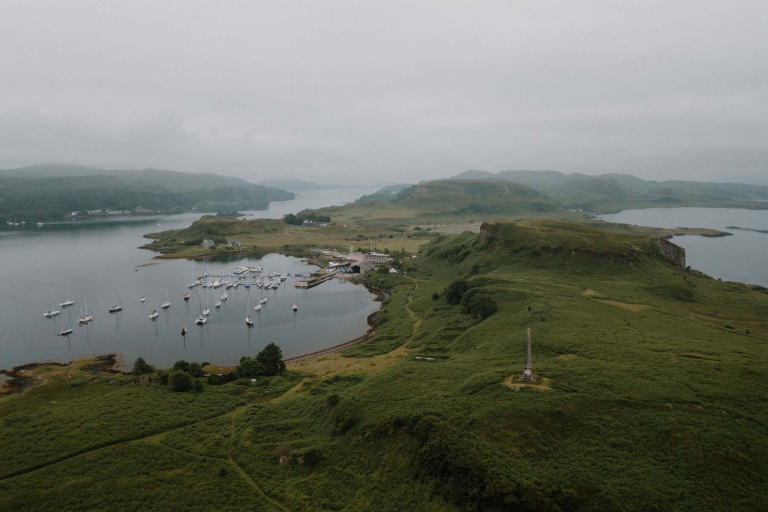
A visit starts with the curtain wall, up to three metres thick and rising 18 metres with the rock beneath it, one of the oldest standing castle walls in the country. Steps lead up through the gatehouse, rebuilt around 1500, into the courtyard, where you'll find the remains of the hall ranges, a well, and enough cellars and stairways to keep children occupied. The battlements are the highlight. You can walk a good stretch of them, with views over the Firth of Lorn, the moored yachts at Dunstaffnage Bay and across to Lismore and Mull on a clear day. Information panels around the site cover the castle's part in the wars with Norway, the Bruce campaign and daily life below stairs.
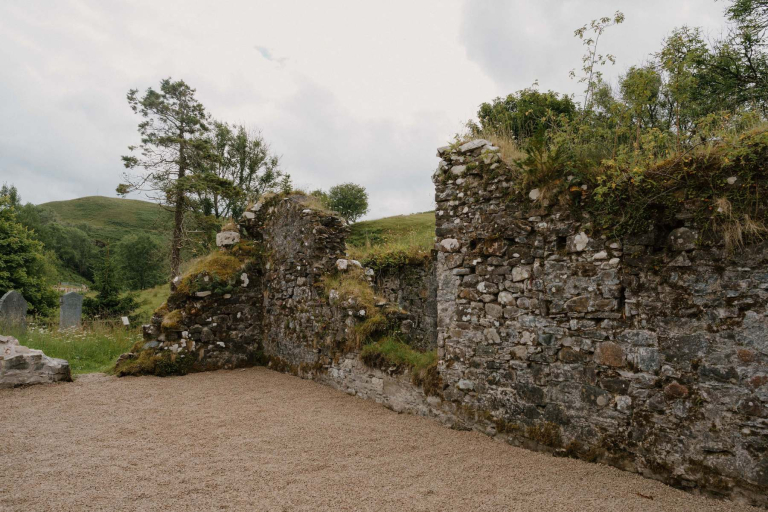
Allow time for the chapel. It stands hidden in the trees a couple of hundred metres from the walls, roofless but with some of the finest 13th-century carved stonework in Argyll, and it was here in 1463 that keeper John Stewart of Lorn was stabbed on the way to his own wedding. He survived long enough to say his vows. The castle's most famous prisoner came later: Flora MacDonald was held here for a few days in 1746, en route to the Tower of London for helping Bonnie Prince Charlie reach Skye dressed as her maid.
Give it 60 to 90 minutes, longer with the chapel and a walk down to the bay.
Location
Dunstaffnage Castle stands three miles north-east of Oban, signposted off the A85 at Dunbeg. The main car park is 200 metres from the site, with a smaller one behind the castle for visitors with limited mobility. Open daily from 9.30am between April and September, with last entry at 4pm; from October to March it opens 10am to 3.30pm and closes Thursdays and Fridays. The nearest station is Connel Ferry, three and a half miles away.
What's nearby
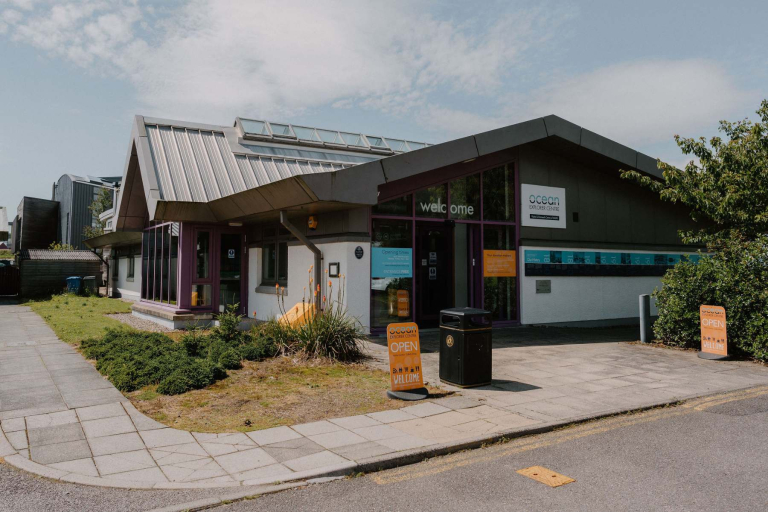
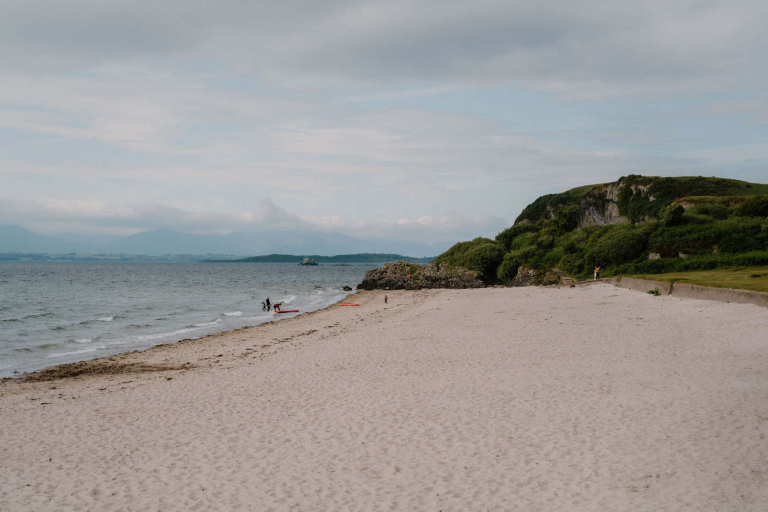
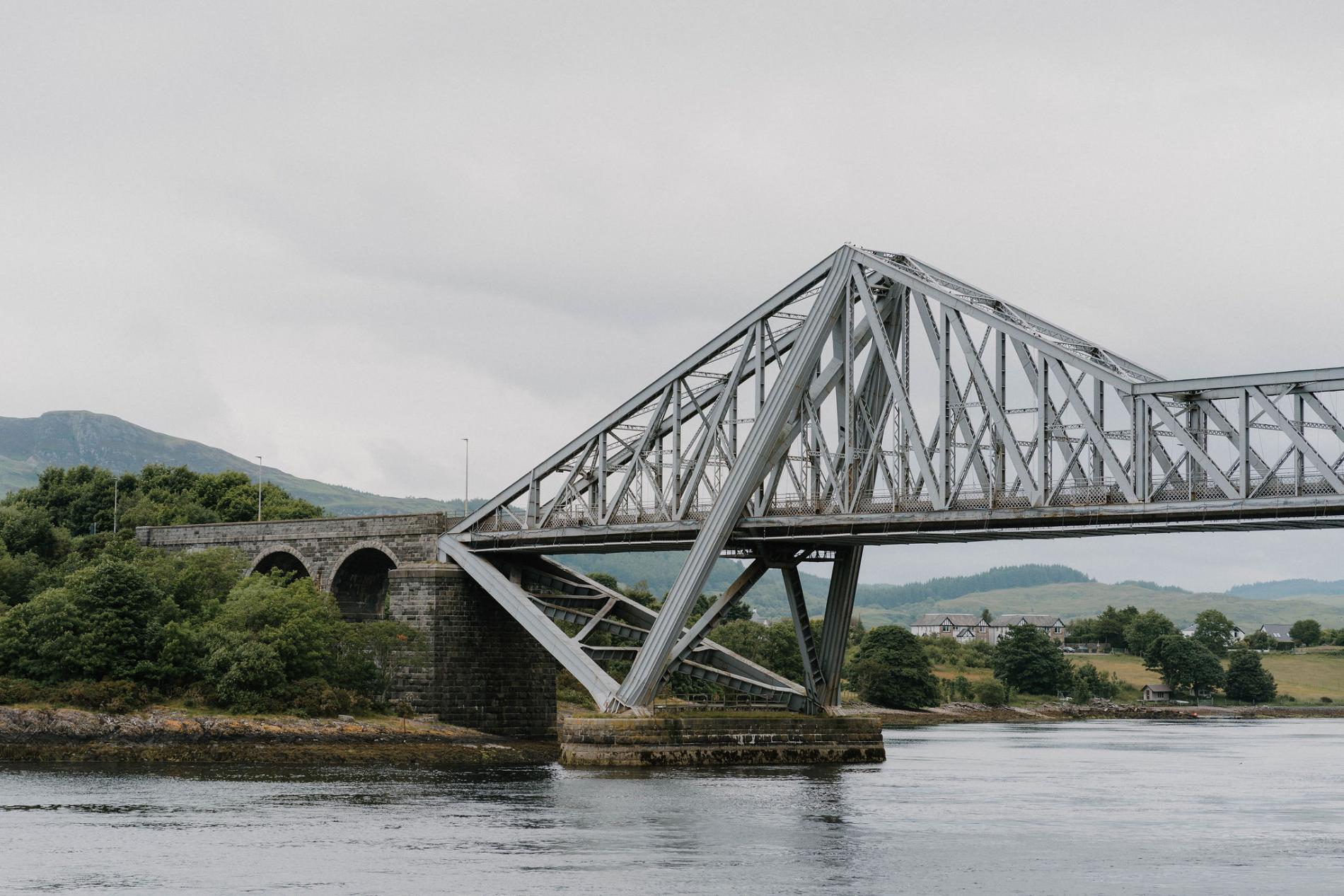
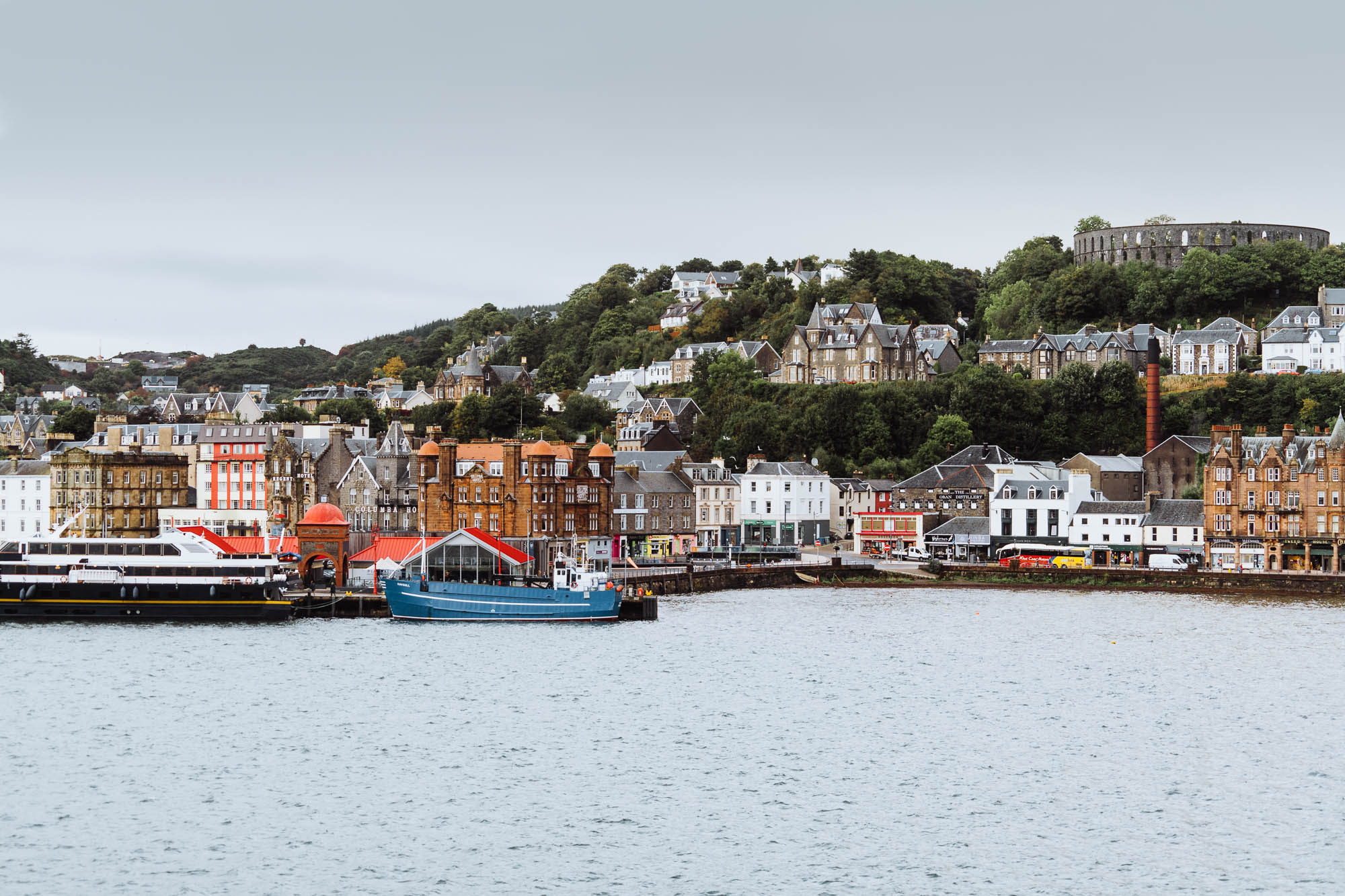
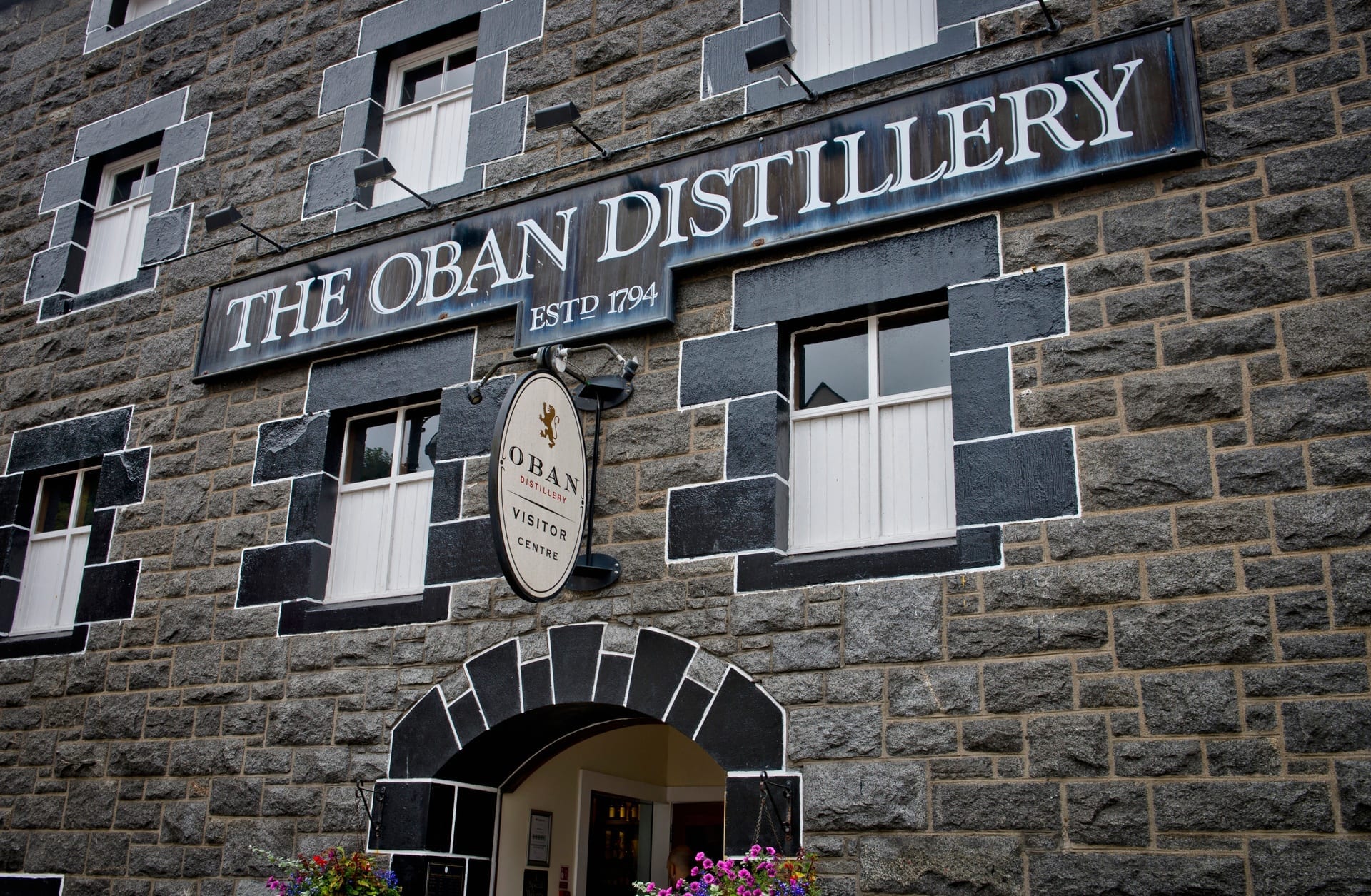
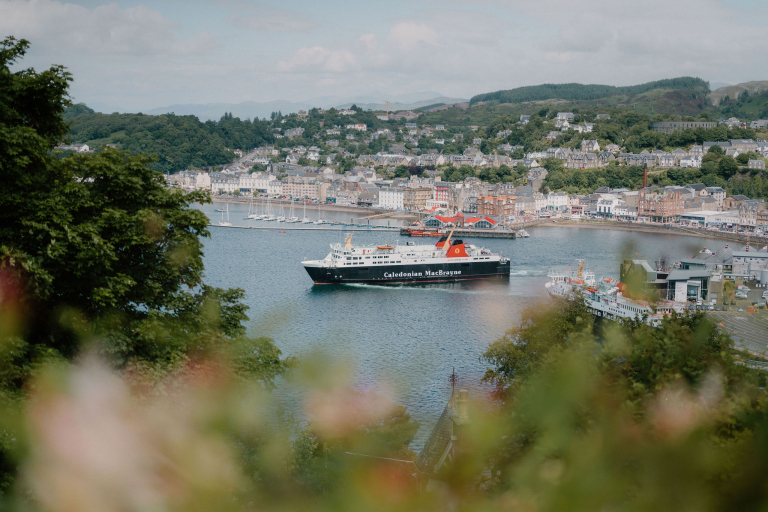
Dunbeg village sits at the castle turn-off, and the Scottish Association for Marine Science has its campus on the same bay. Connel Bridge, the 1903 cantilever over the Falls of Lora, is an eight-minute drive, best visited on a strong ebb tide when the rapids run. Ganavan Sands, Oban's sandy beach, is down the coast towards town, and Oban itself, three miles south, covers ferries, the 1794 distillery and dinner. Across Loch Etive, Ardchattan Priory, founded around 1230 by the same Duncan MacDougall who built the castle, keeps its ruined chapel and gardens open to visitors.

Where to stay nearby






 Sign in with Google
 Sign in with Email