
Oban
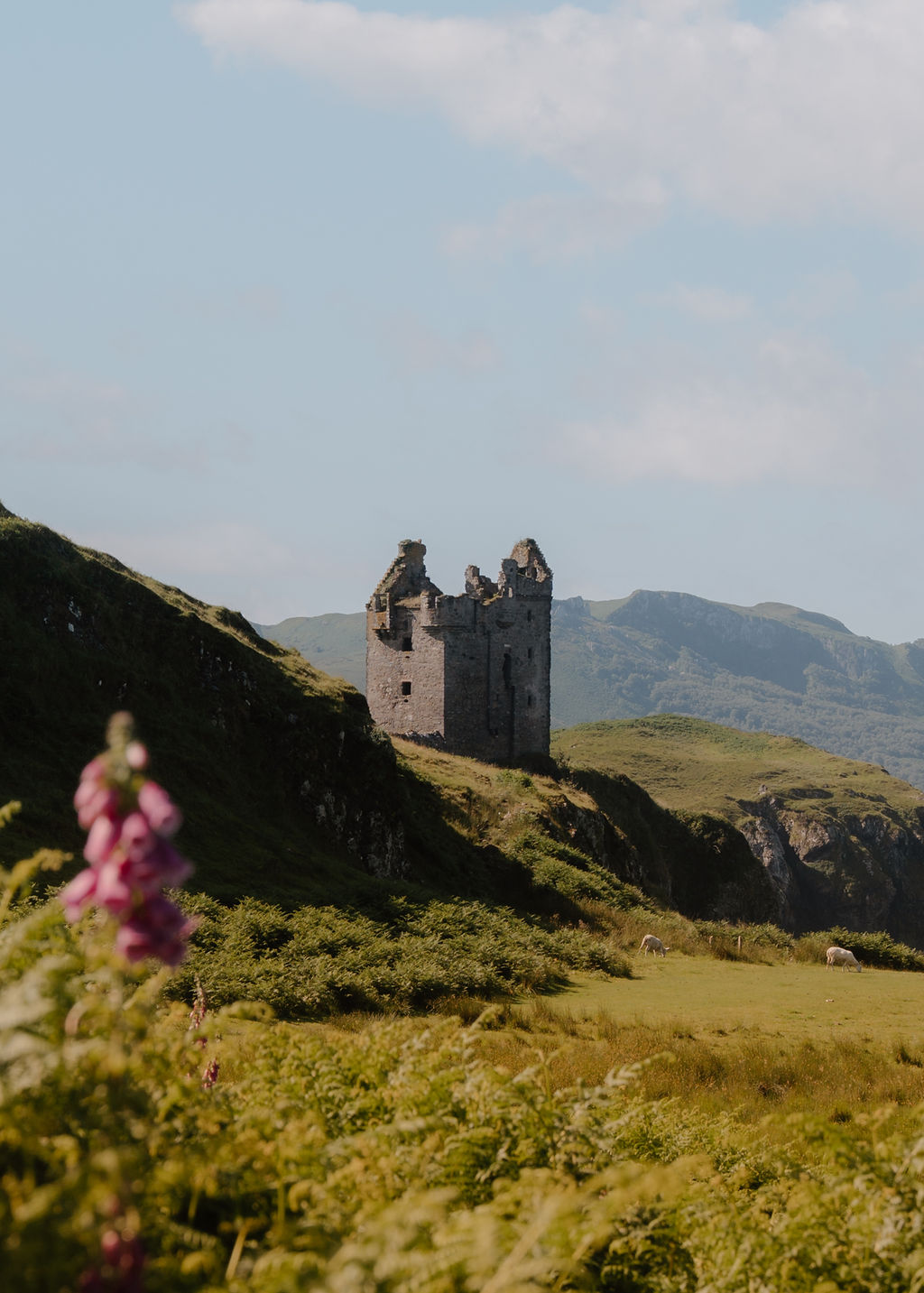
Gylen Castle
Introduction
The MacDougalls have been on this coast longer than almost anyone. Descended from Somerled, the 12th-century warrior king of the Hebrides, they held Kerrera and much of Lorn for centuries, and there may have been a castle at Gylen long before the present one; by tradition, an earlier stronghold here is one of the candidate sites for where King Alexander II died in 1249, taken ill during his campaign to win the Hebrides back from Norway. The name Gylen is usually translated as the castle of fountains, after the springs on the headland.
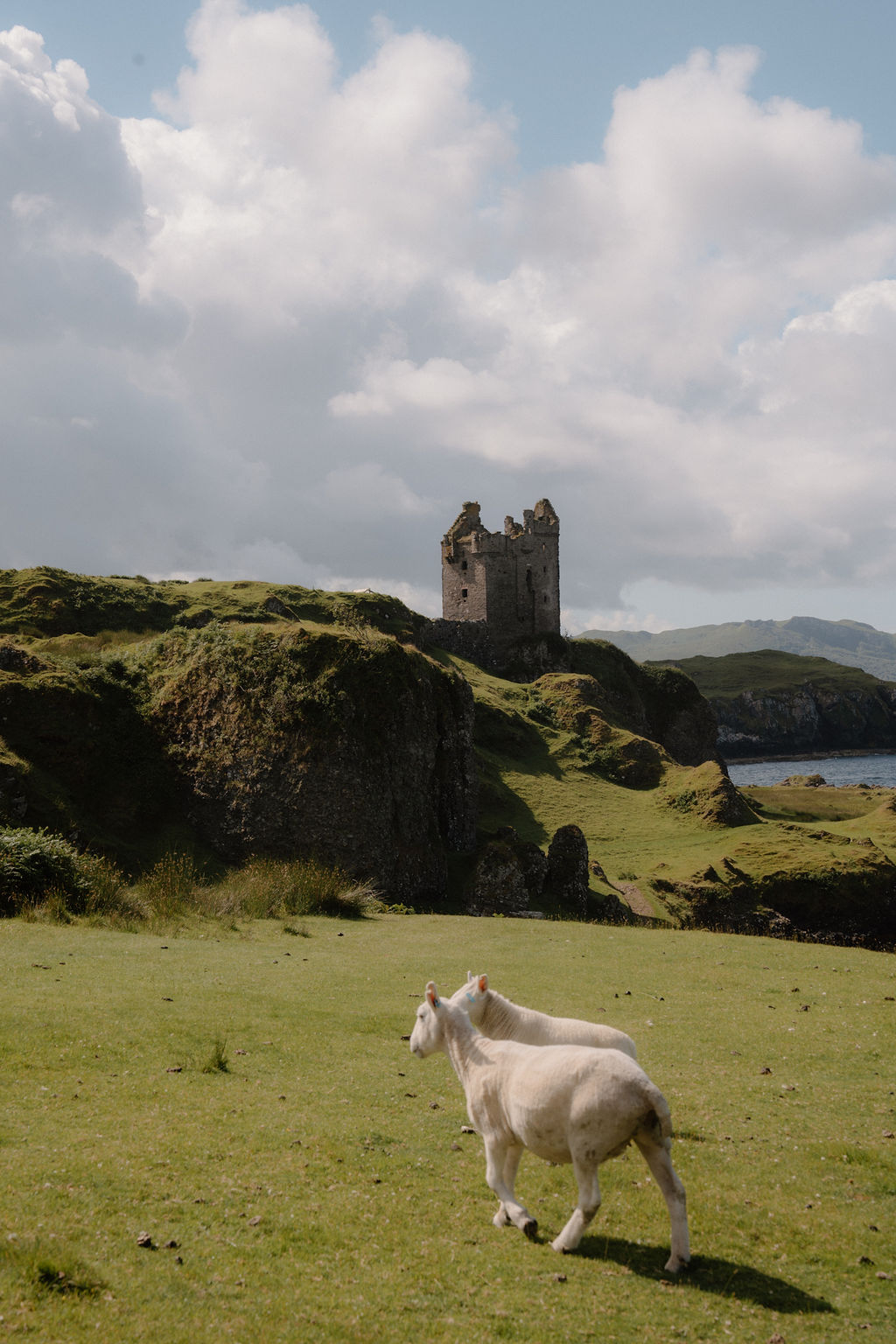
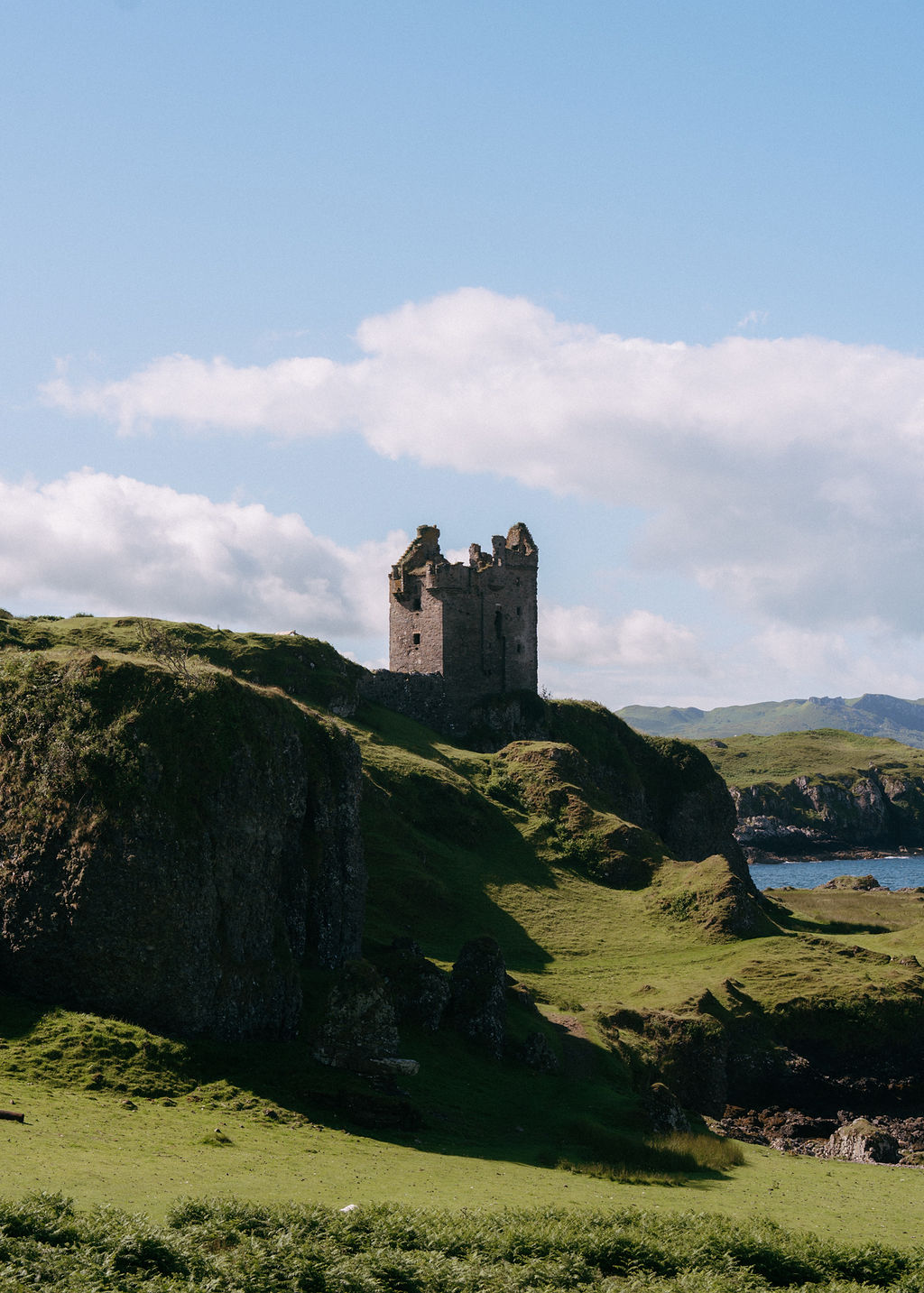
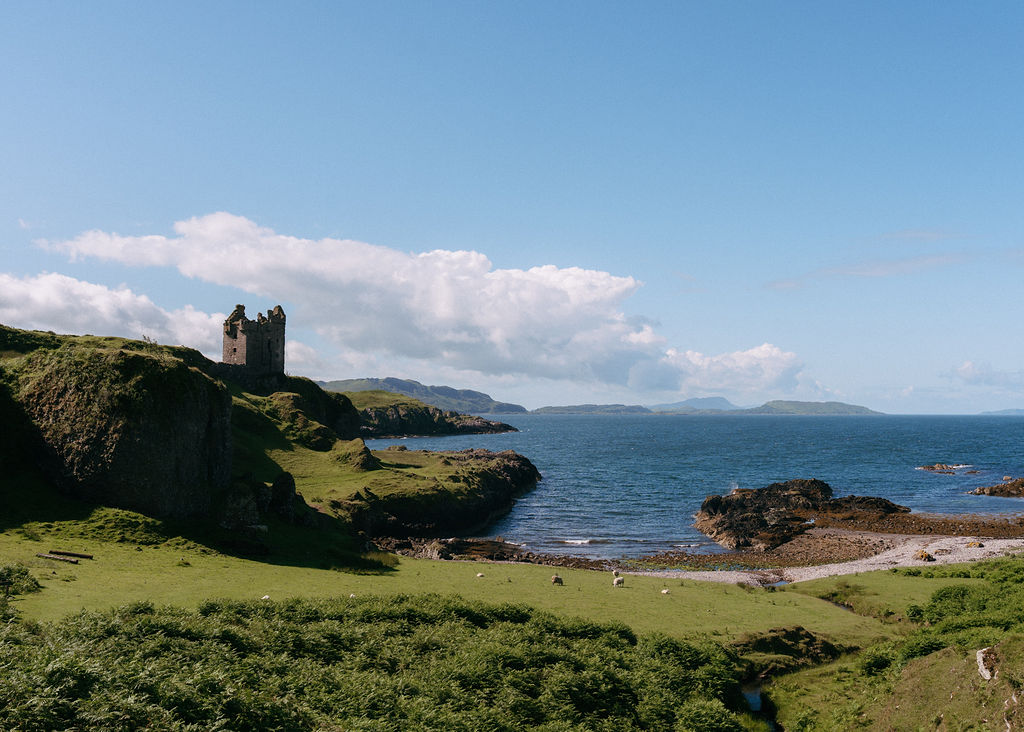
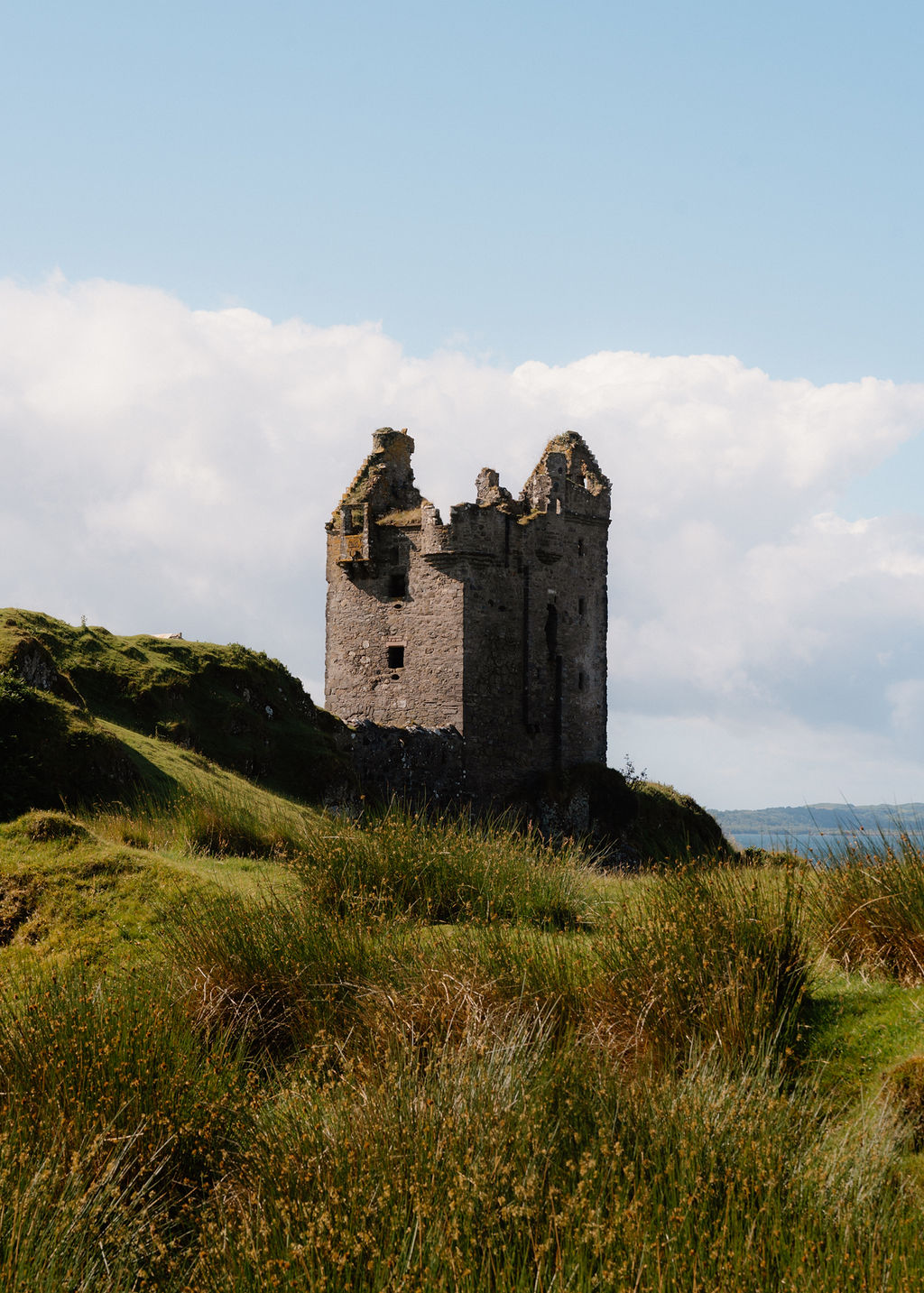
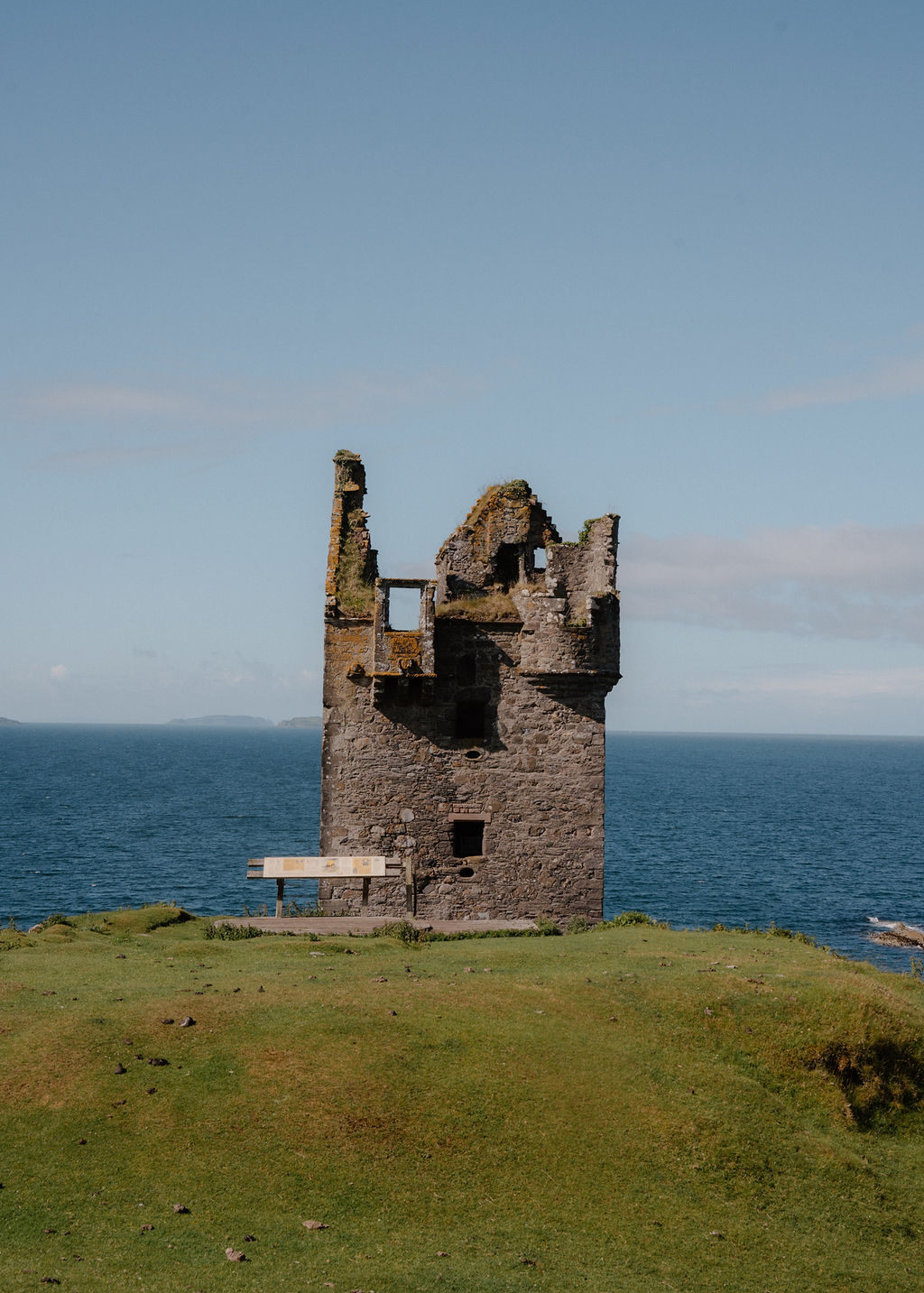
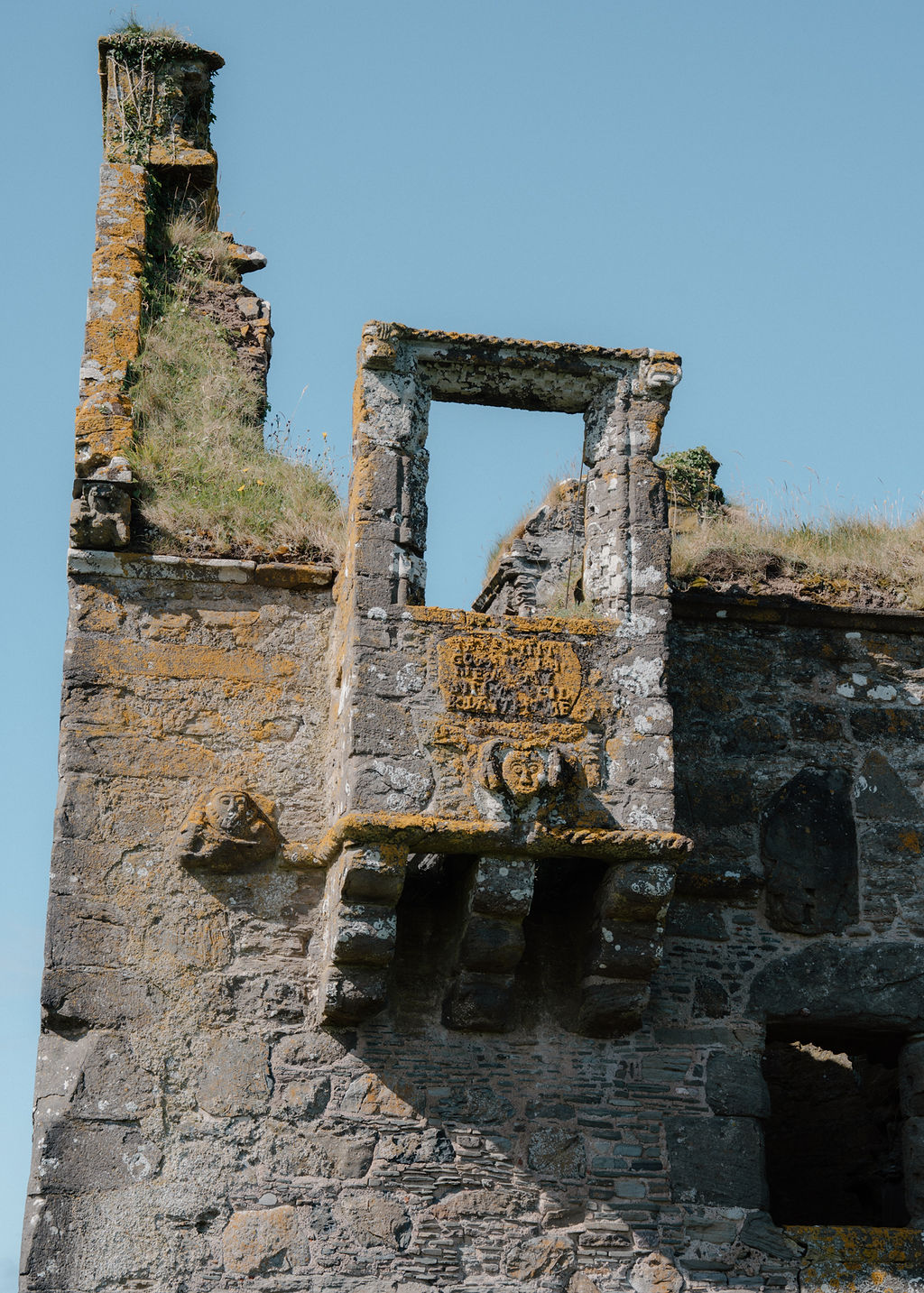
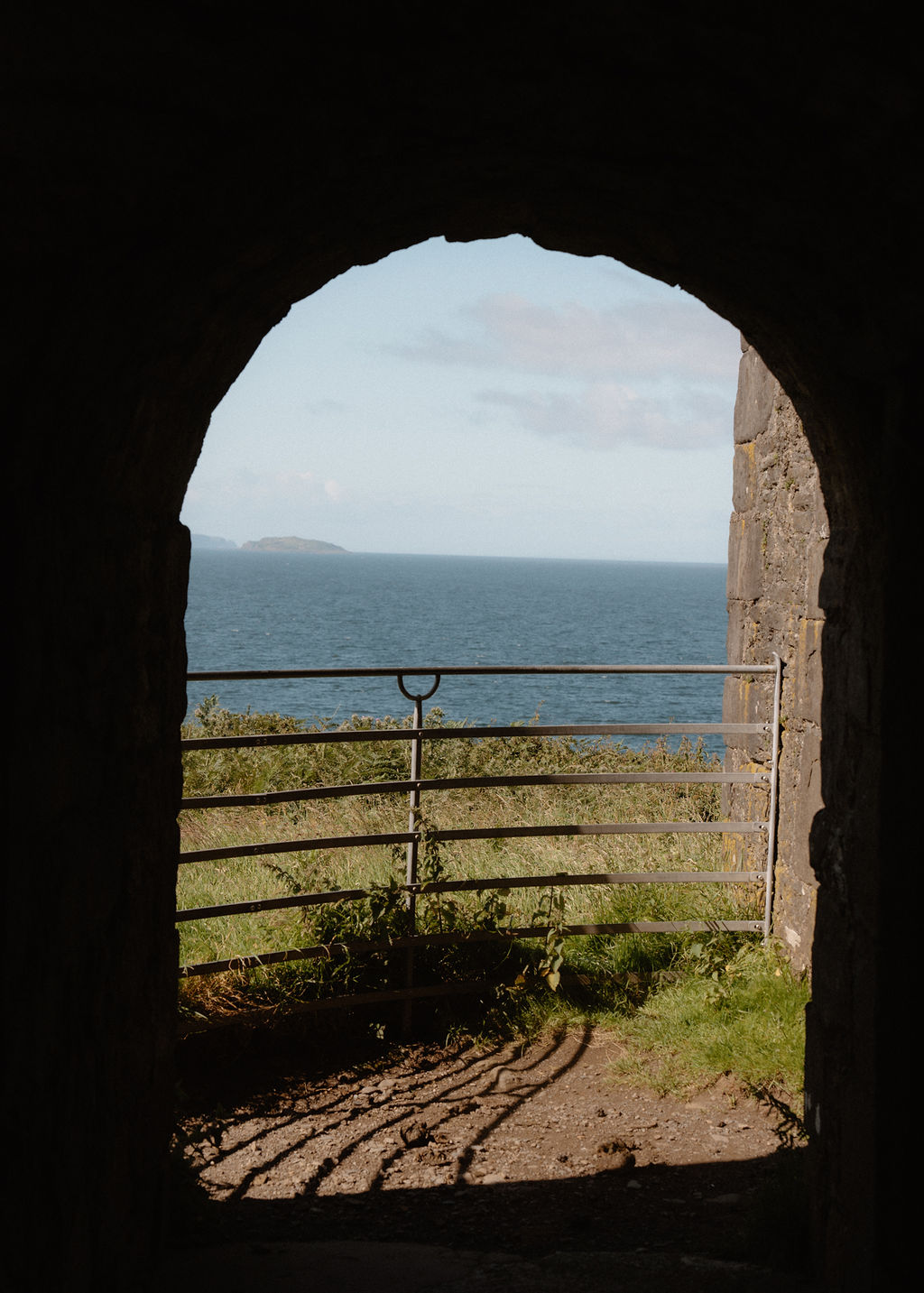
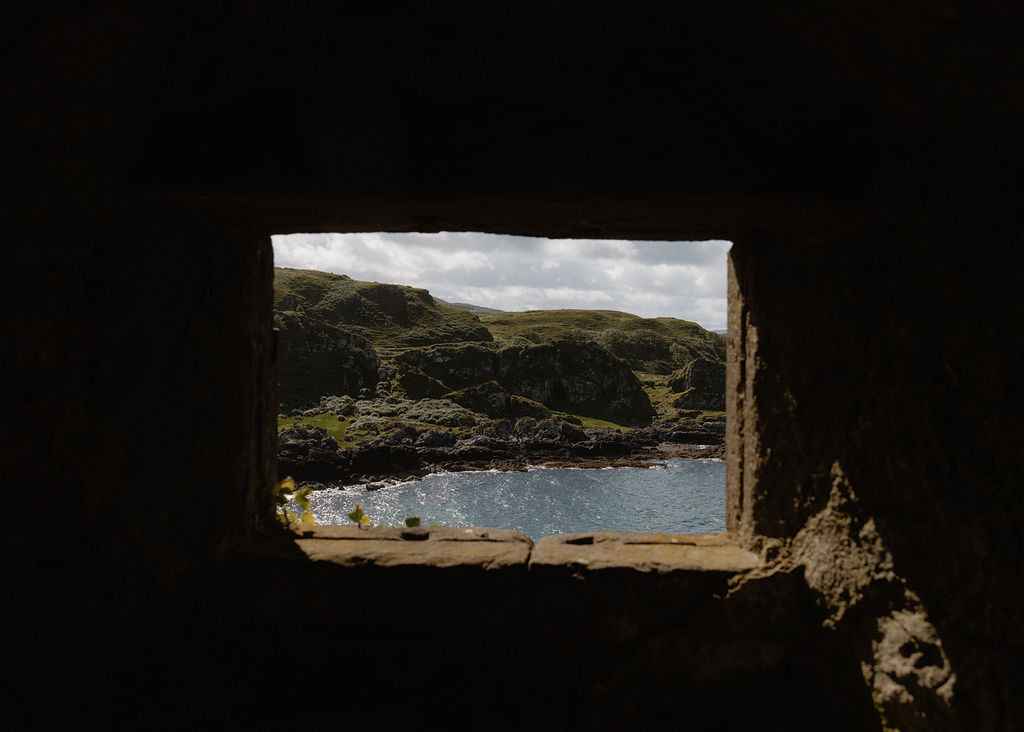
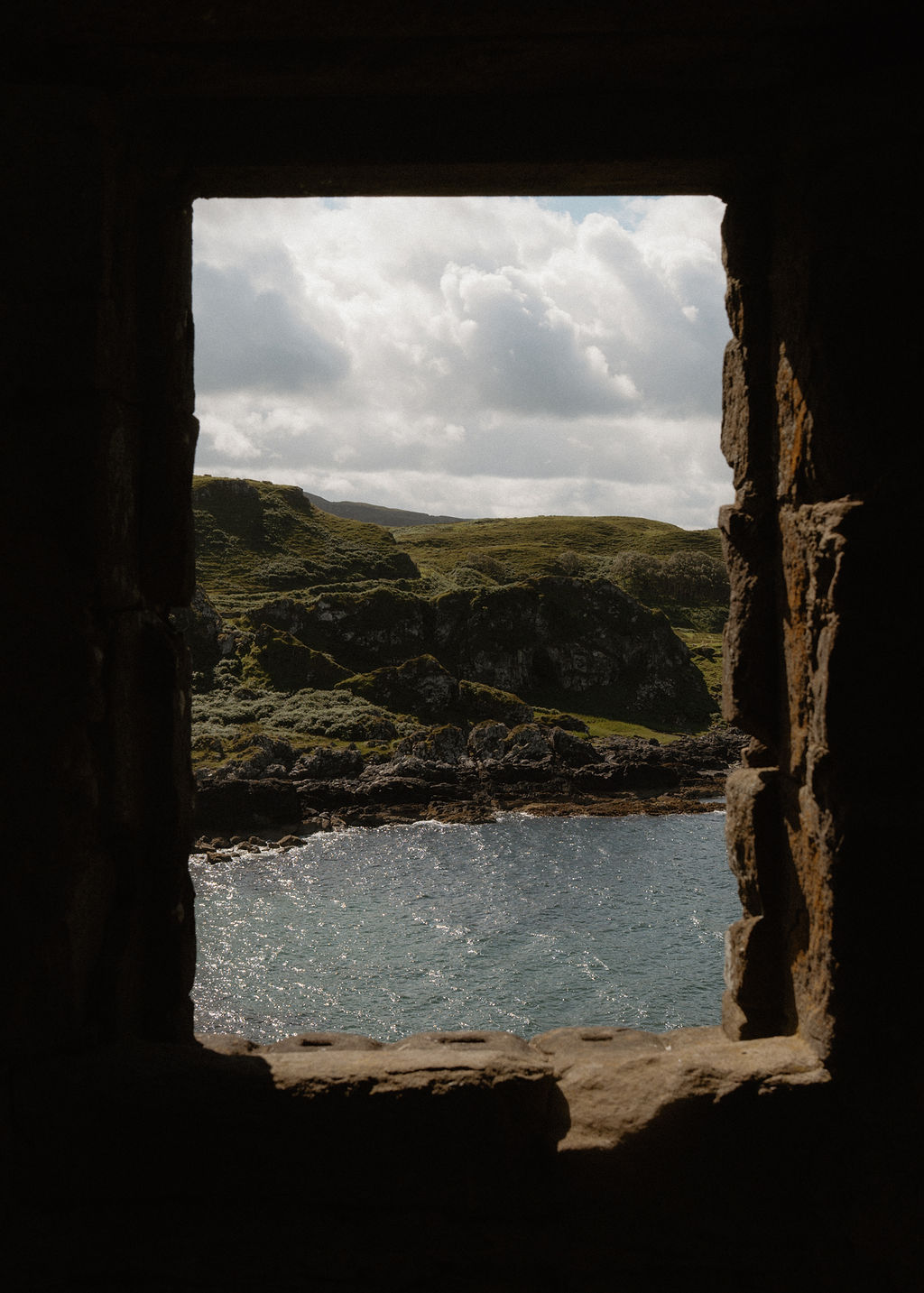
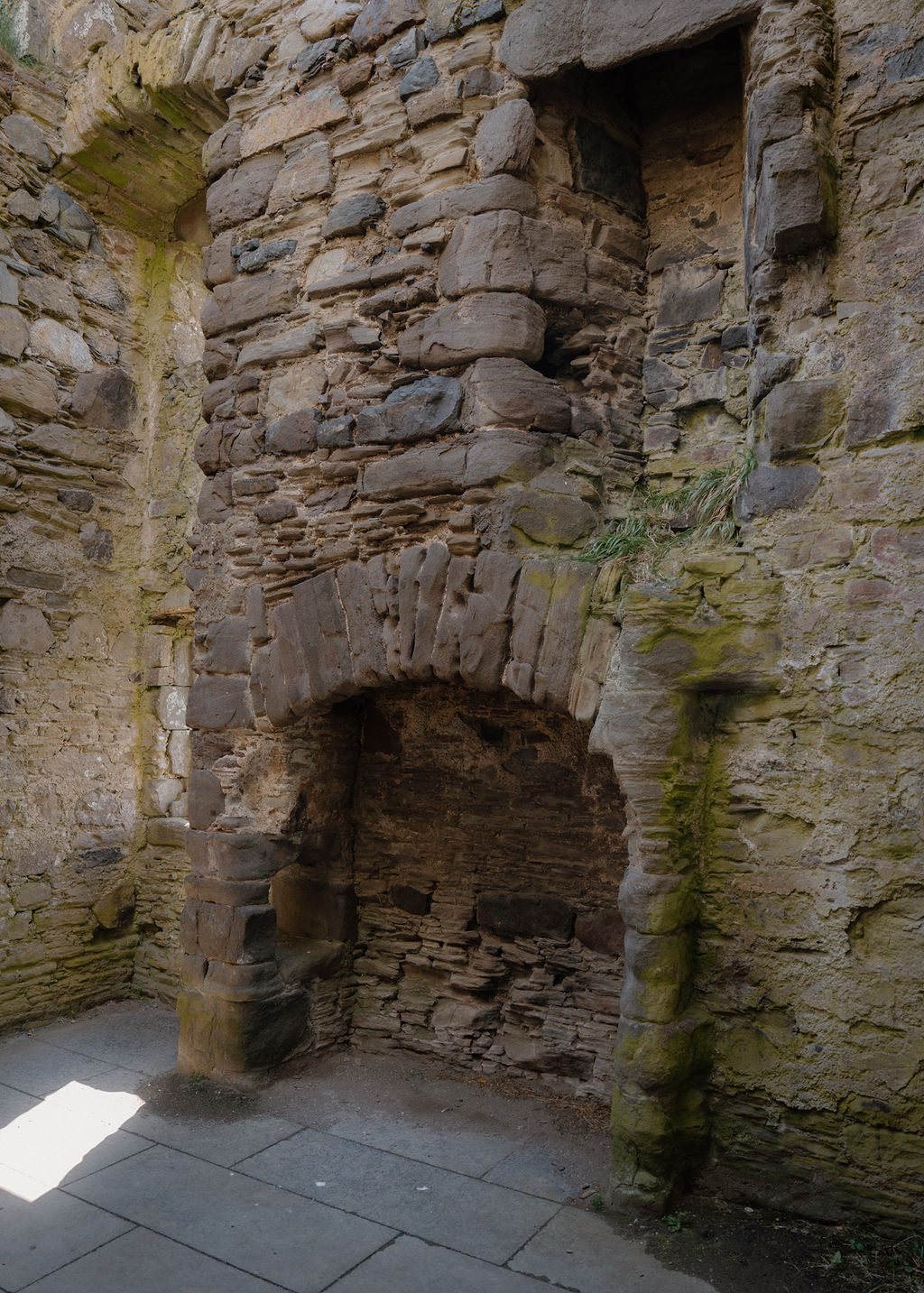
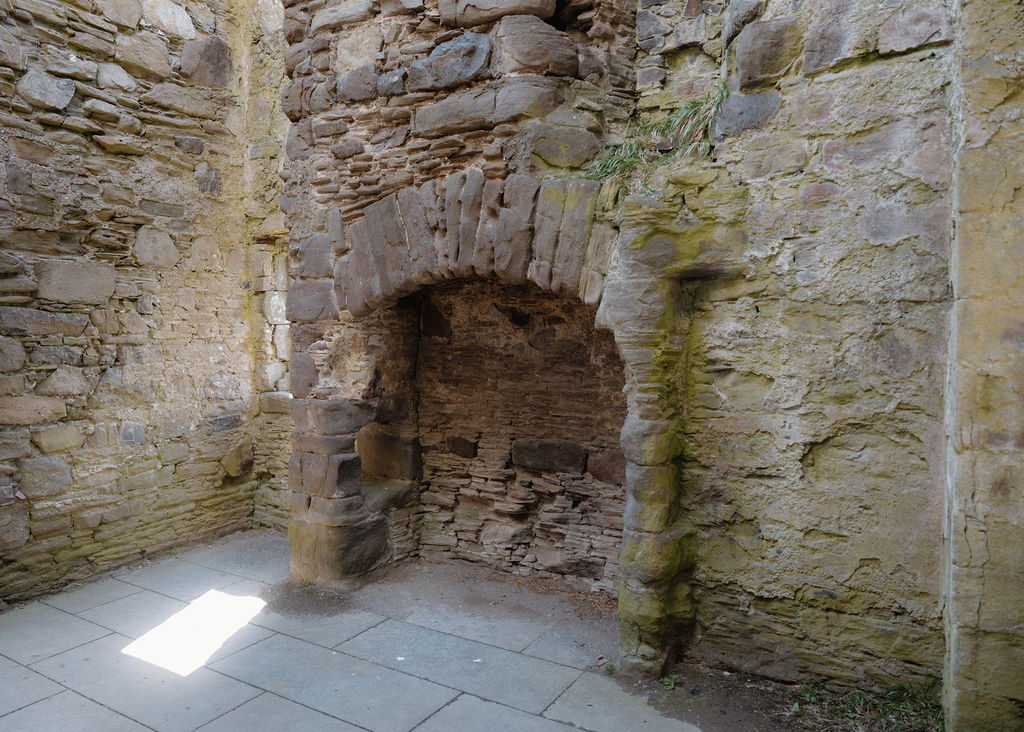
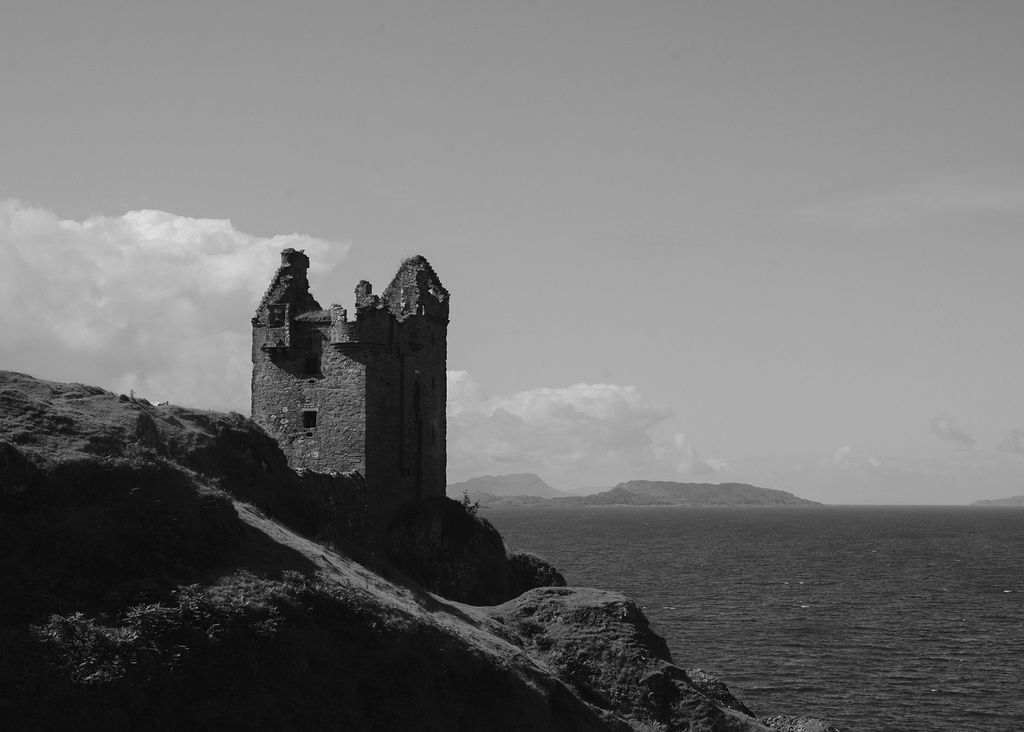
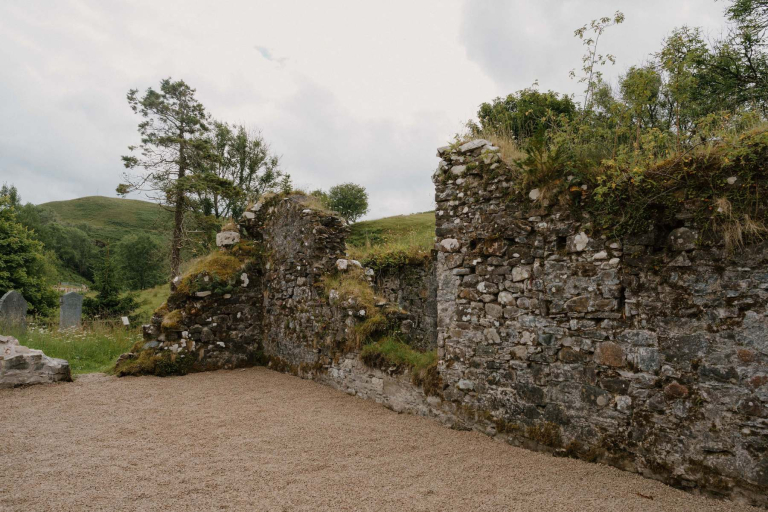
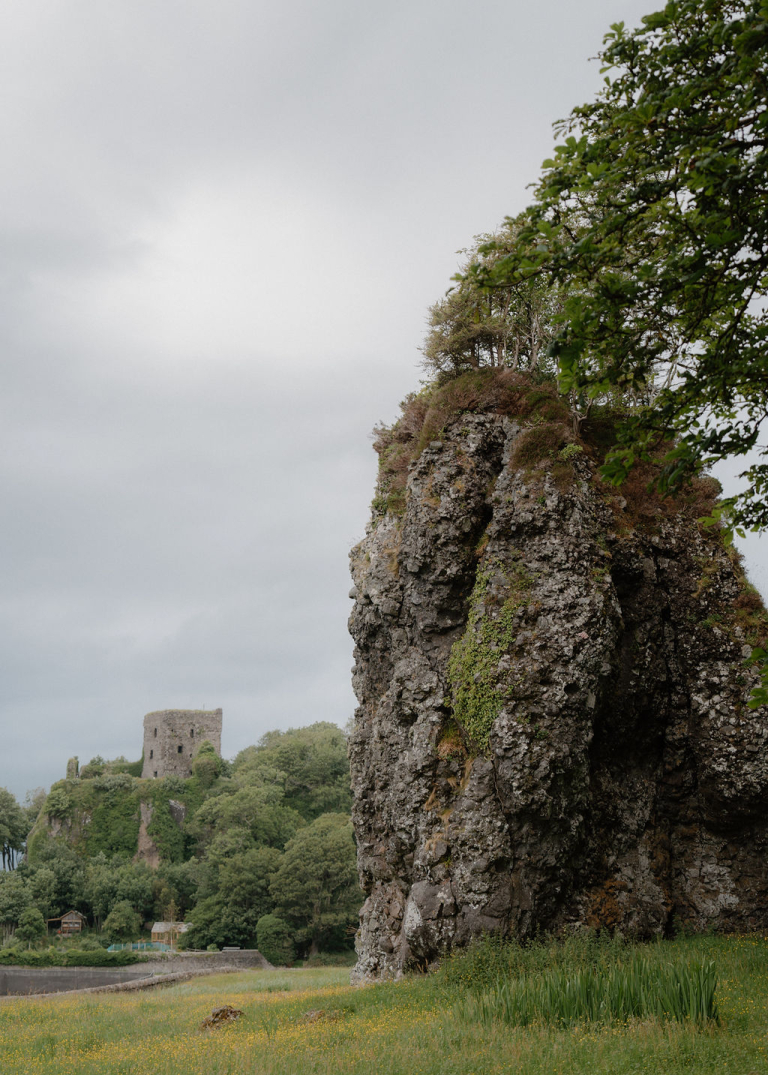
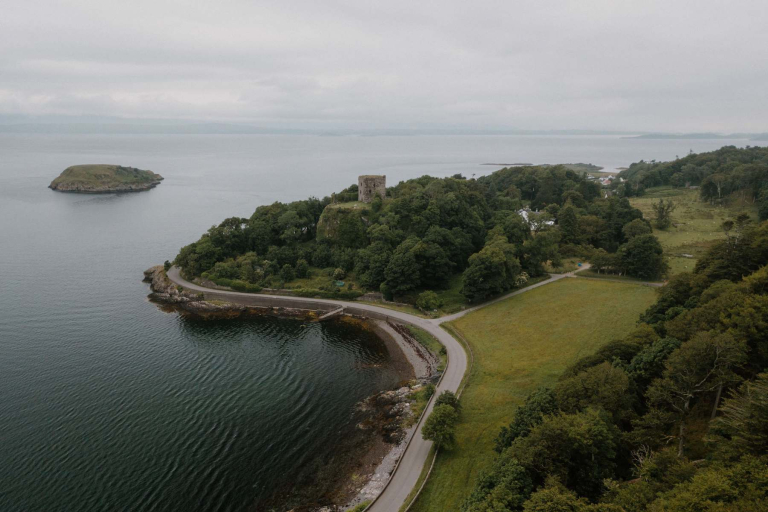
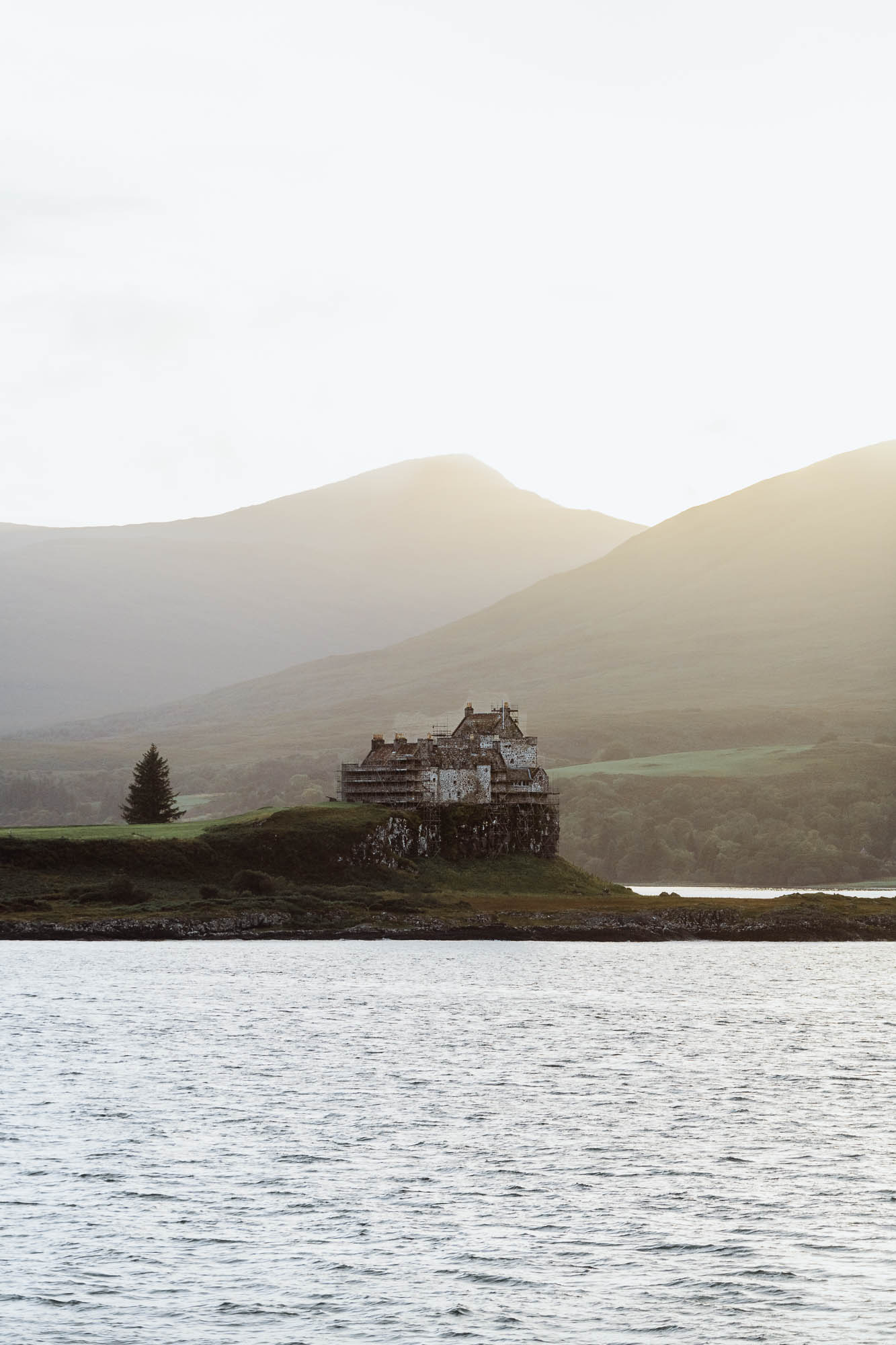
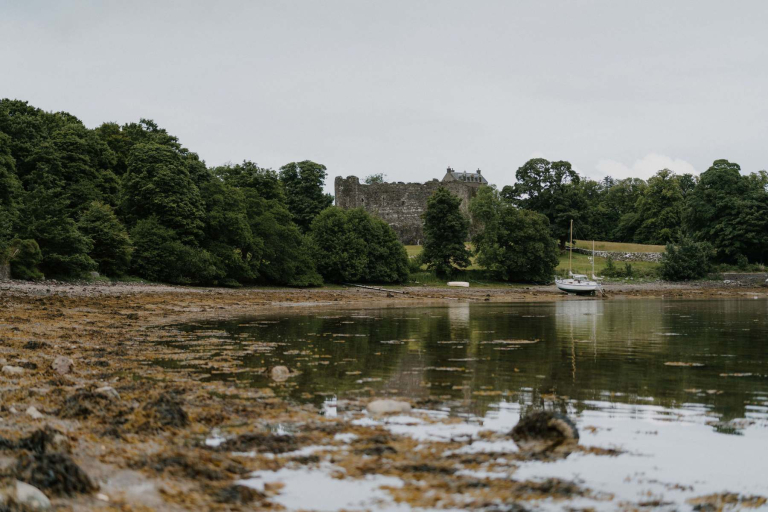
The tower that stands today was completed by Duncan MacDougall in 1582, an L-plan tower house rising four storeys from a rocky promontory above the Firth of Lorn, its stair wing a storey higher and crowned by a corbelled caphouse. It stood for just 65 years. The MacDougalls held Gylen for Charles I during the Wars of the Three Kingdoms, and in 1647 a Covenanter army under General David Leslie besieged it, promised the garrison clemency, then massacred them when they surrendered and burned the castle out. By tradition, the only defender spared was a boy, John MacDougall, the clan's 19th chief. Among the loot carried off was the Brooch of Lorn, a silver brooch set on a quartz charmstone, said to have been torn from Robert the Bruce's cloak at the Battle of Dalrigh in 1306 and moved to Gylen from Dunollie for safekeeping. It vanished for nearly two centuries before turning up in a chest belonging to Major Campbell of Bragleen, and was returned to the MacDougalls in 1824.
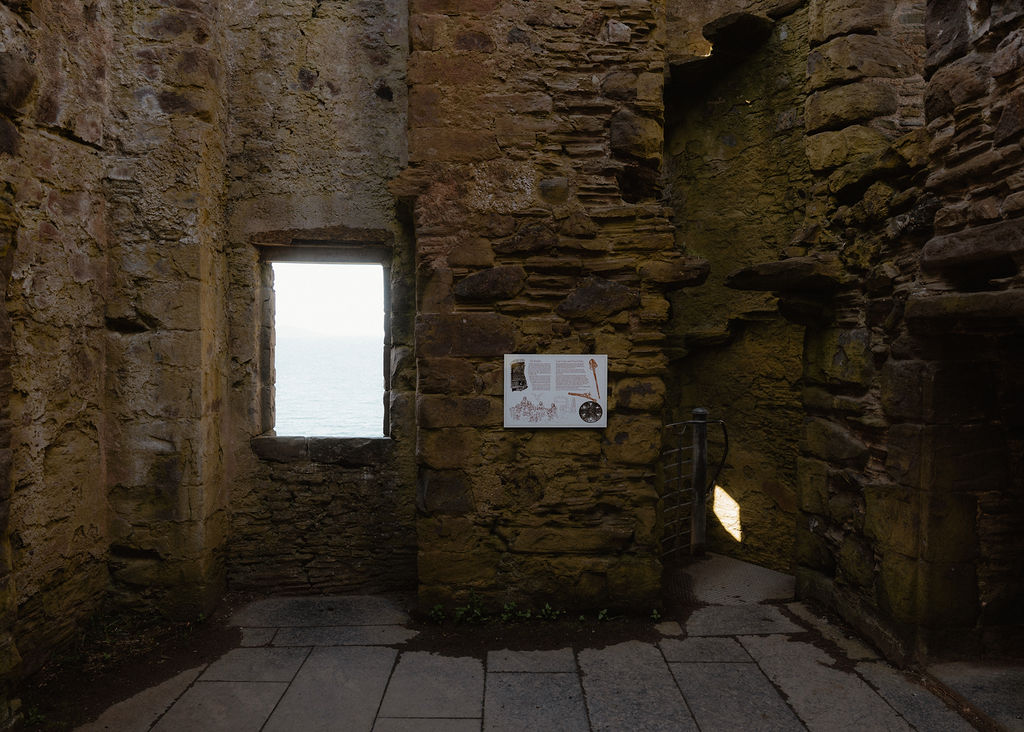
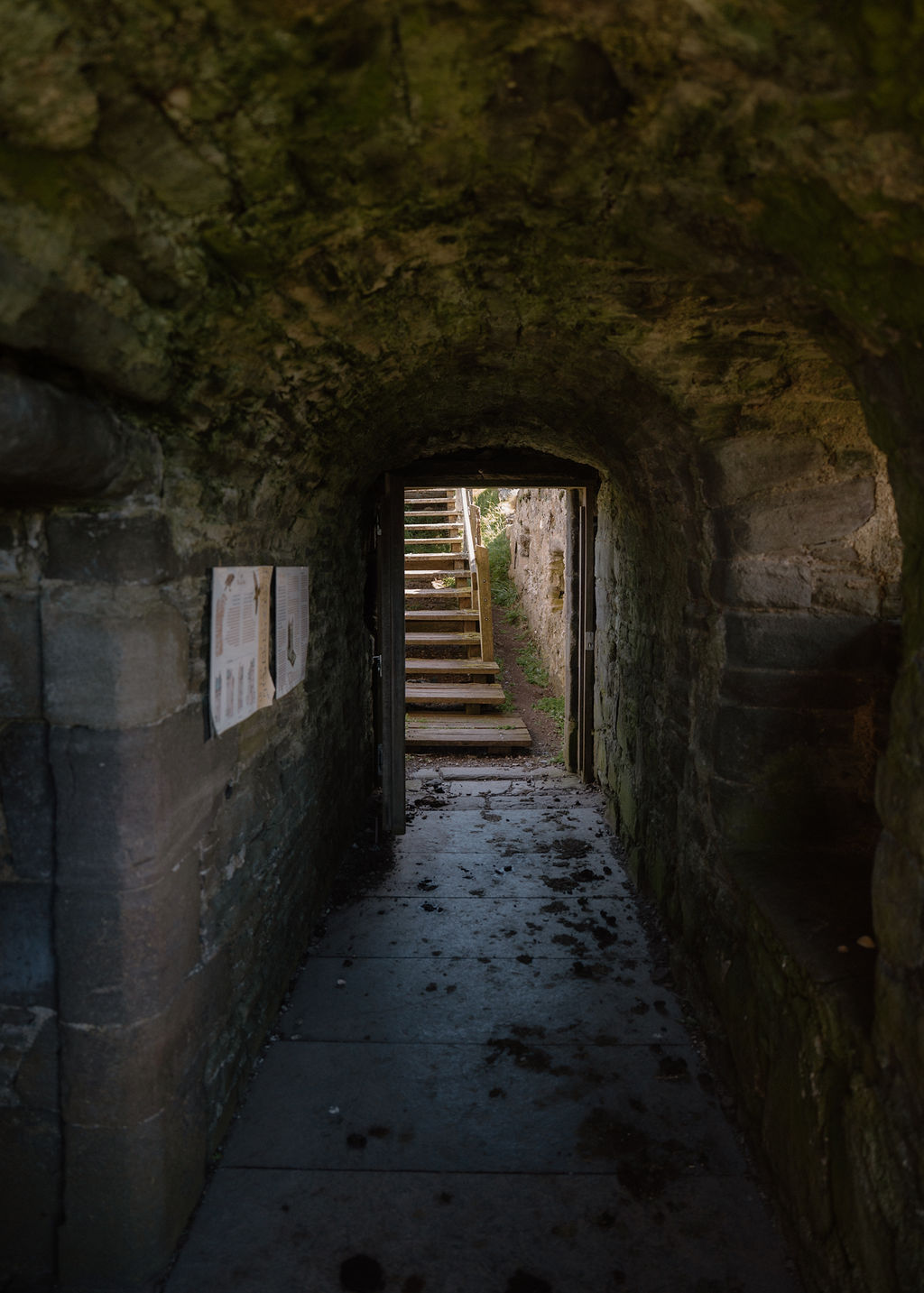
The ruin drew J.M.W. Turner in 1831, and it isn't hard to see why. A conservation project funded by a £300,000 Historic Scotland grant and £200,000 raised by MacDougalls worldwide made the interior safe to enter again in 2006. Entry is free, and the walk there is half the pleasure.
Location
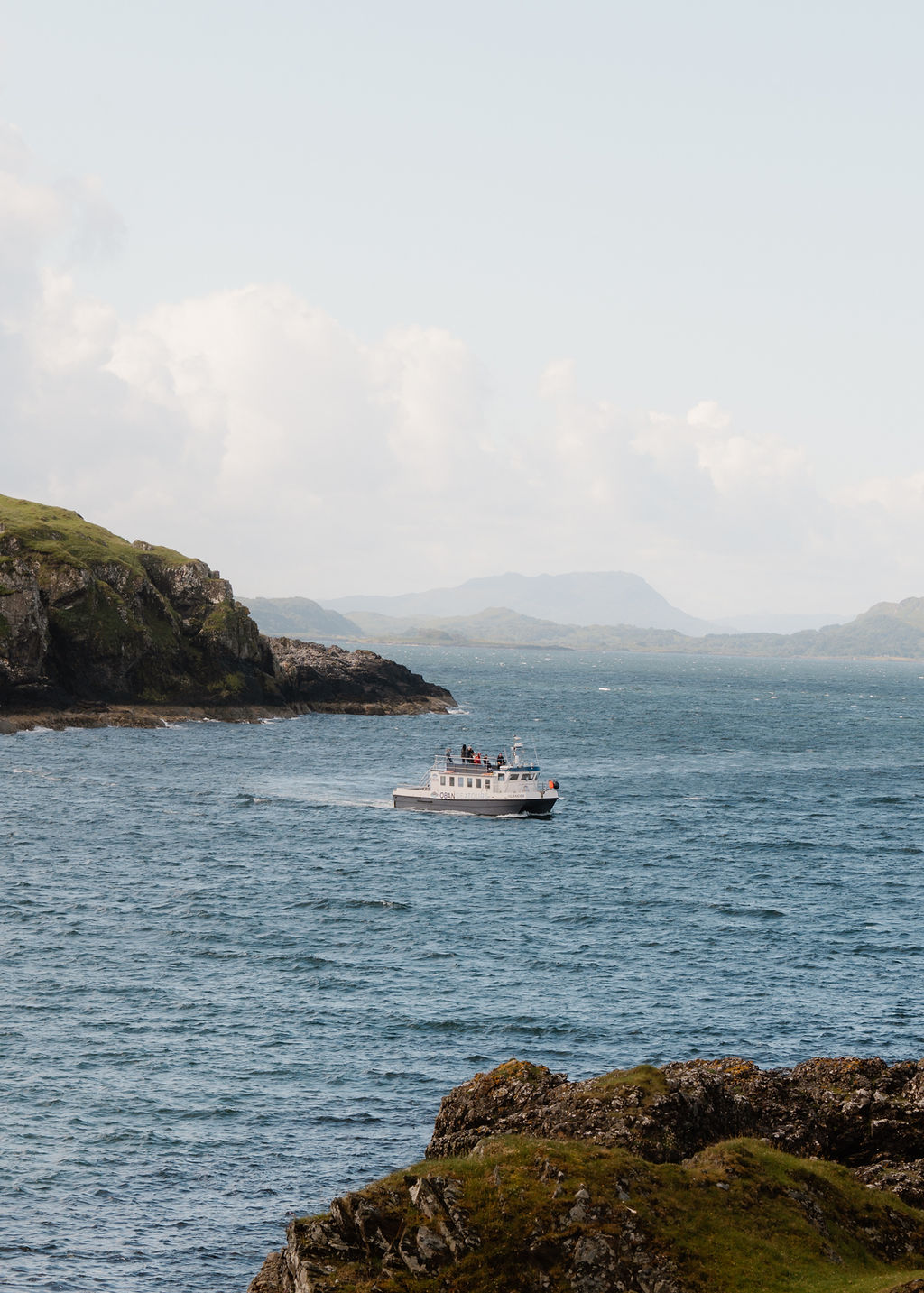
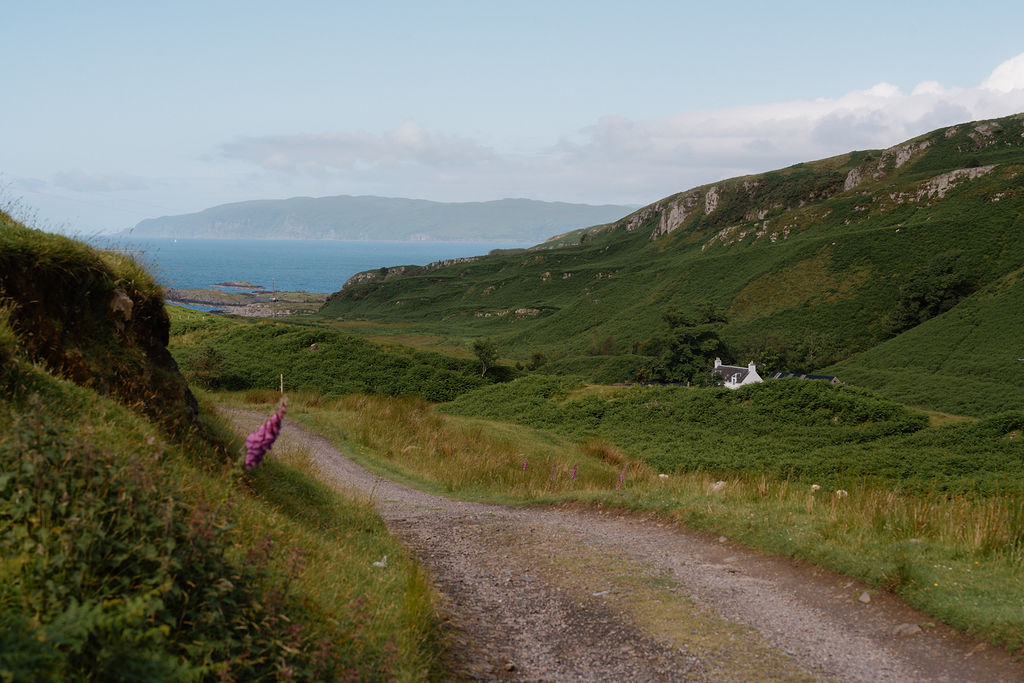
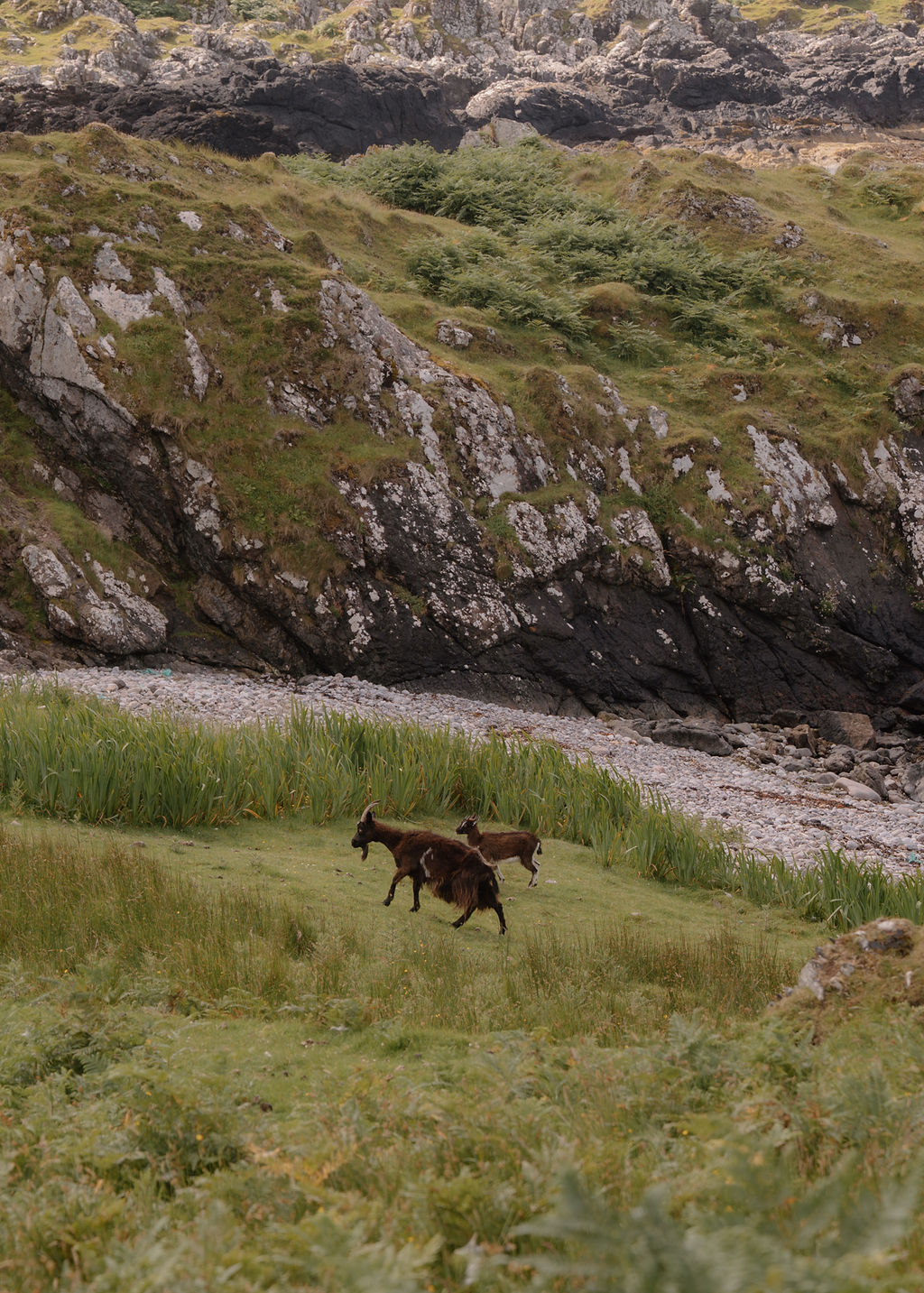
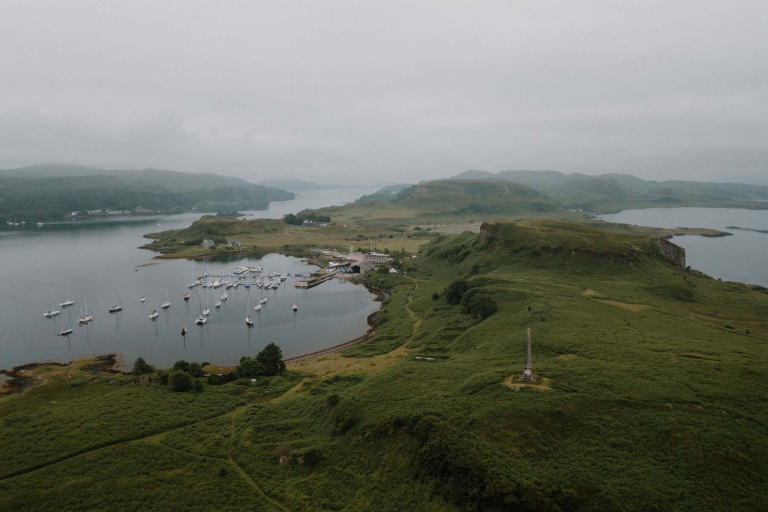
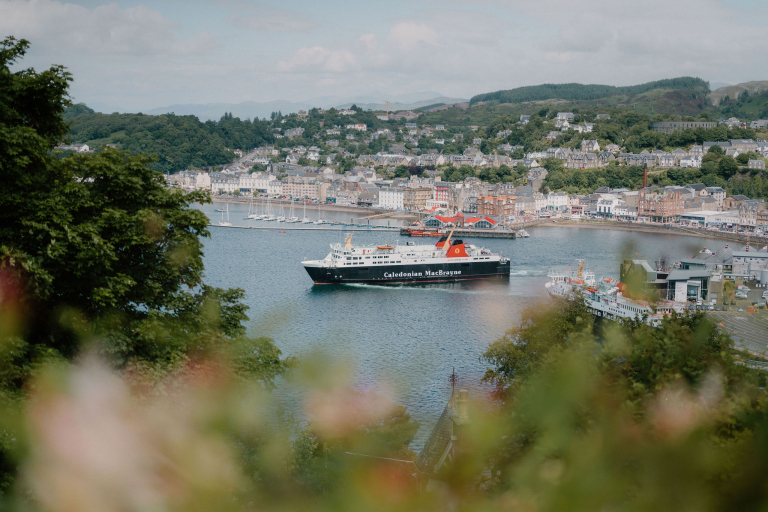
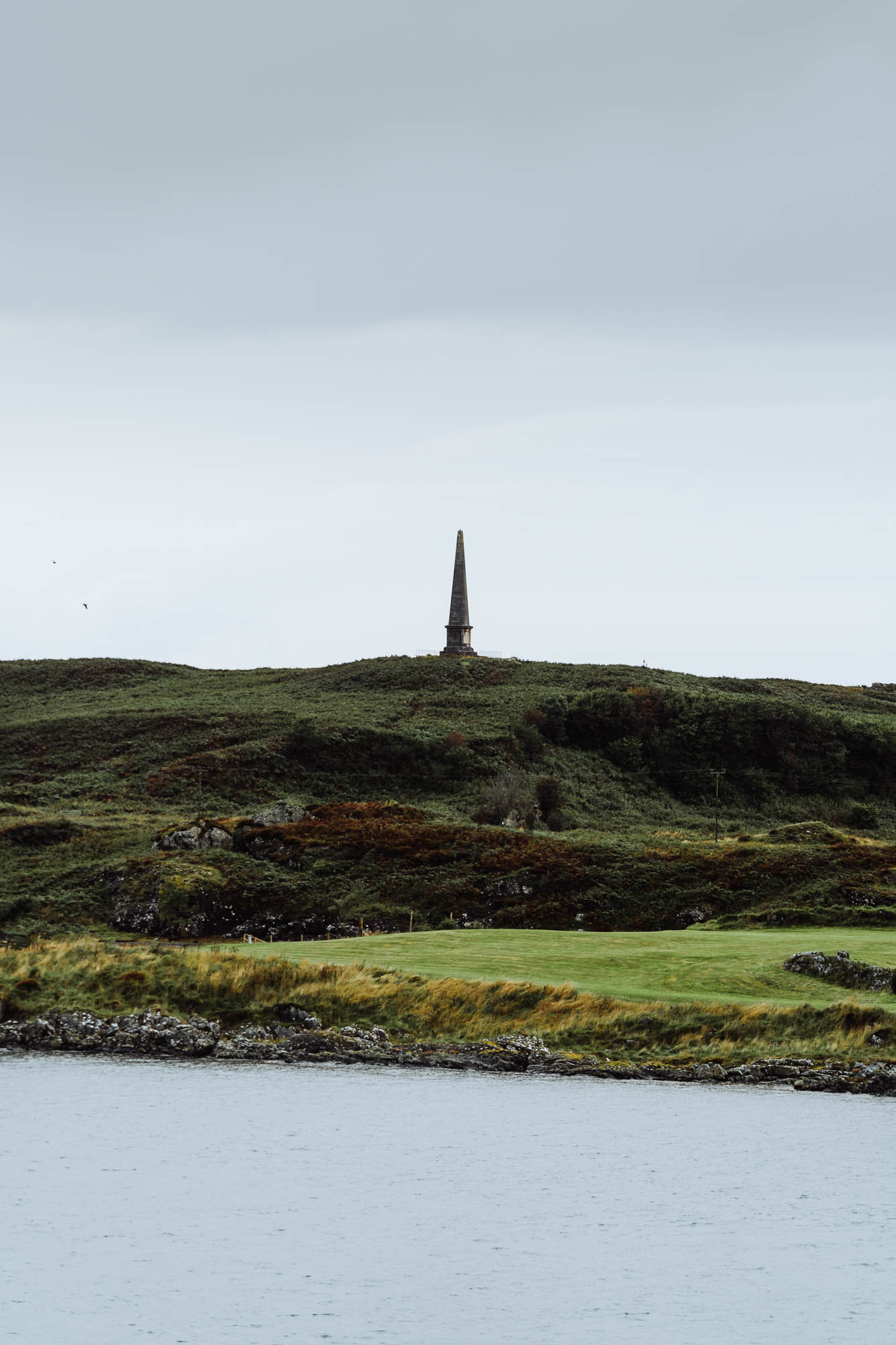
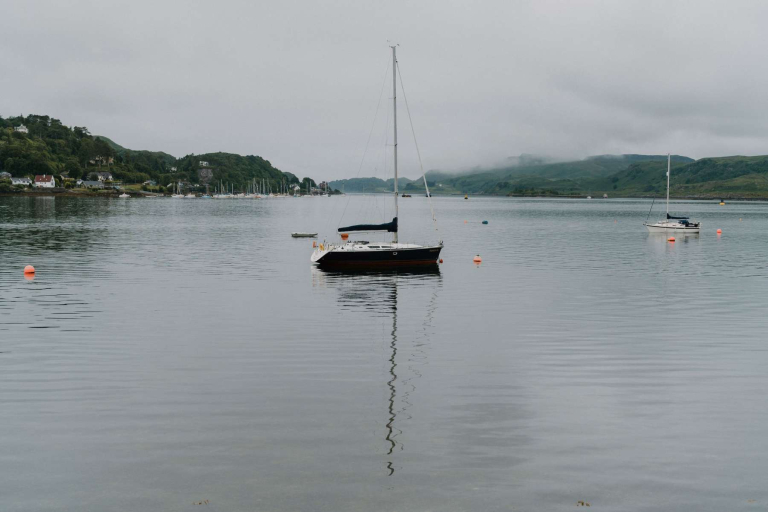
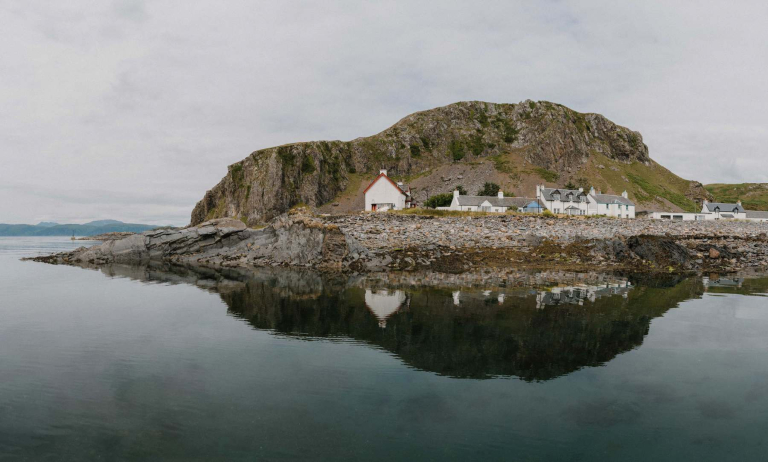
Gylen Castle stands at the southern end of Kerrera, the island that shelters Oban Bay. The passenger ferry crosses from Gallanach, two miles south of Oban, with a car park beside the jetty; visitors can't bring cars onto the island. From the ferry slip it's a walk of around 45 minutes on a good track, about four kilometres each way, or part of a seven-mile circuit of the island's southern half. The castle is open at all times and there's no admission charge. Sensible footwear helps, and the weather out here changes its mind quickly.
What's nearby
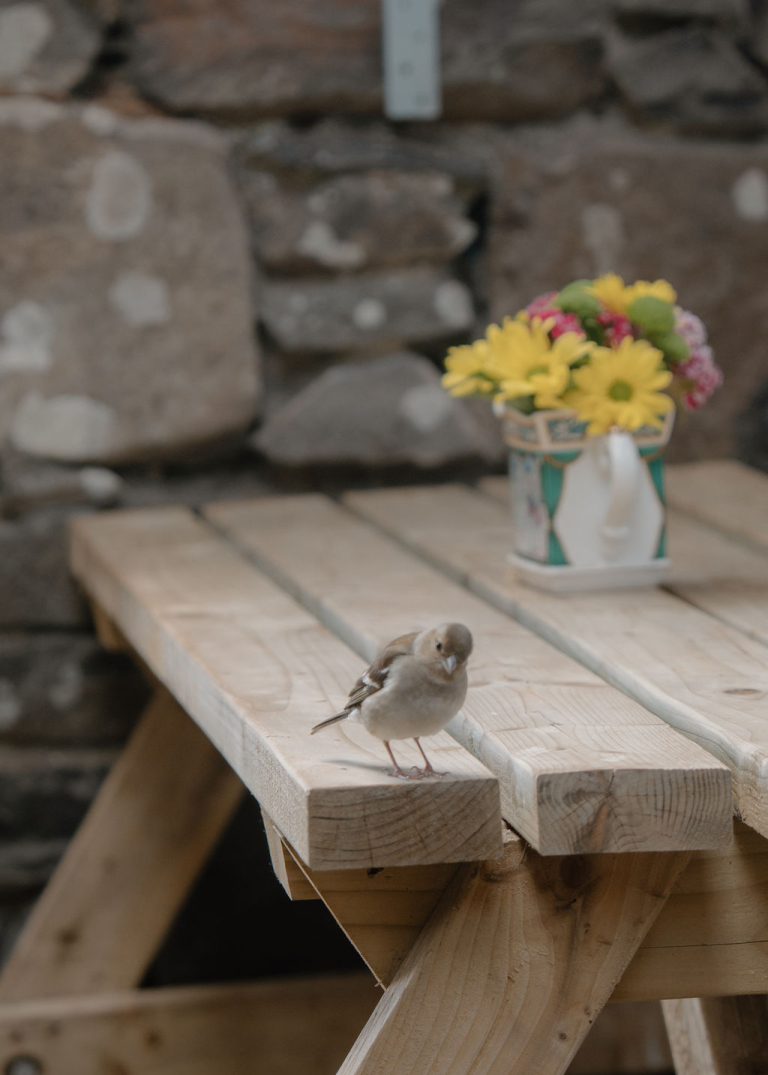
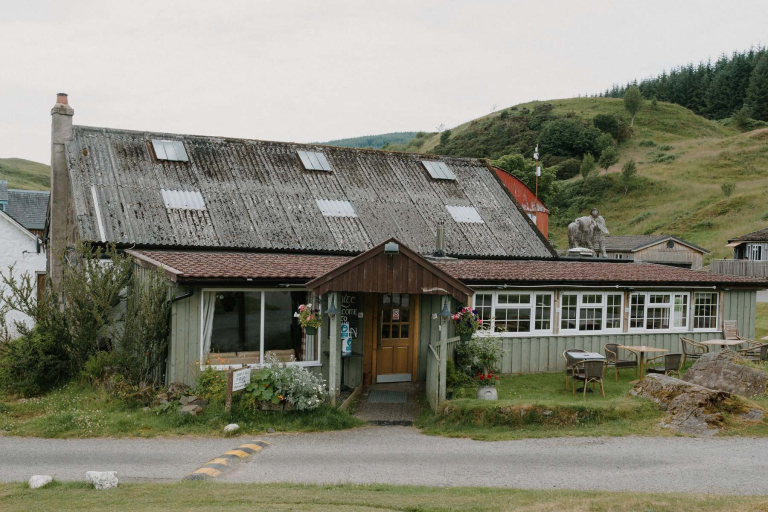
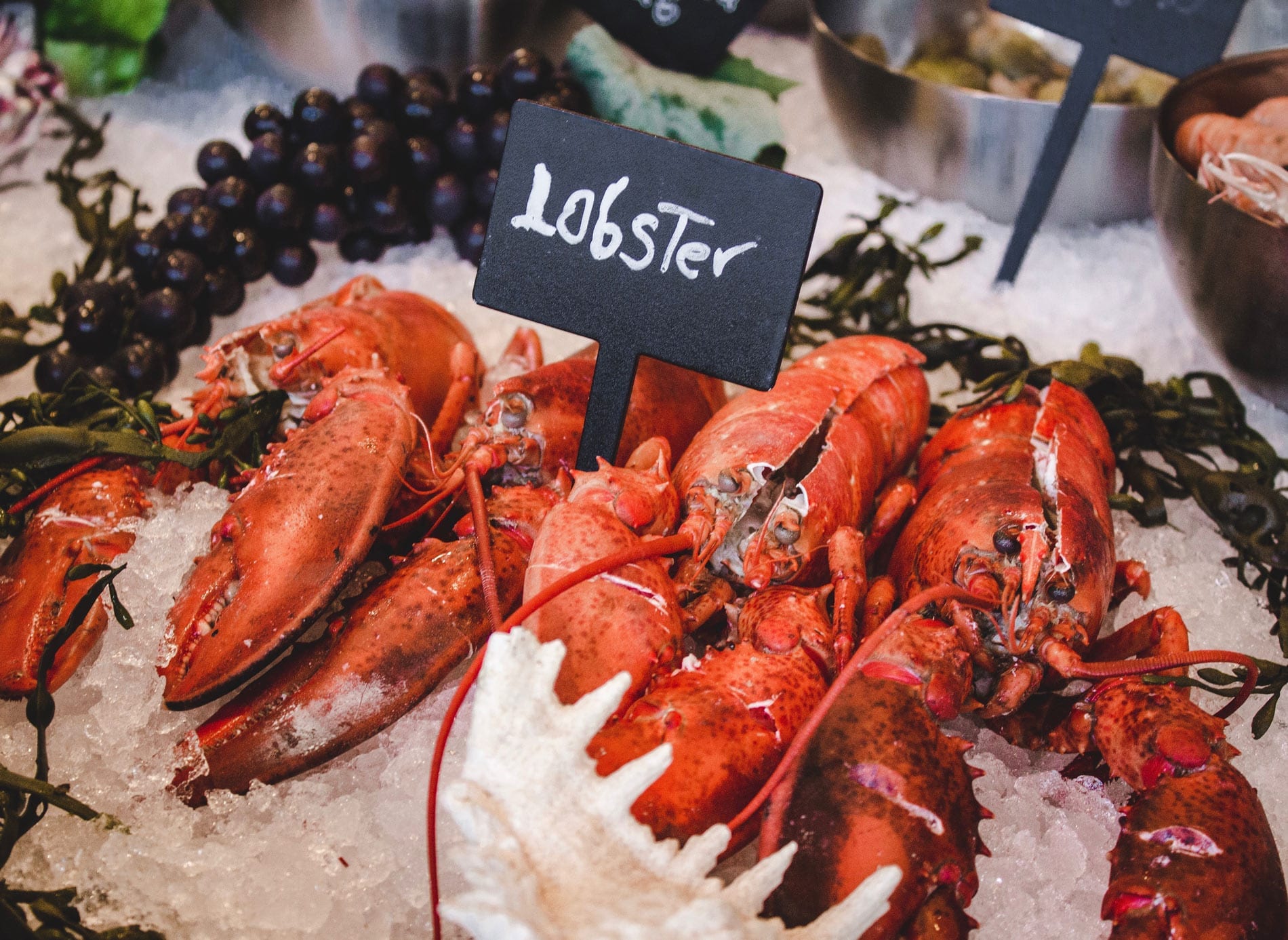
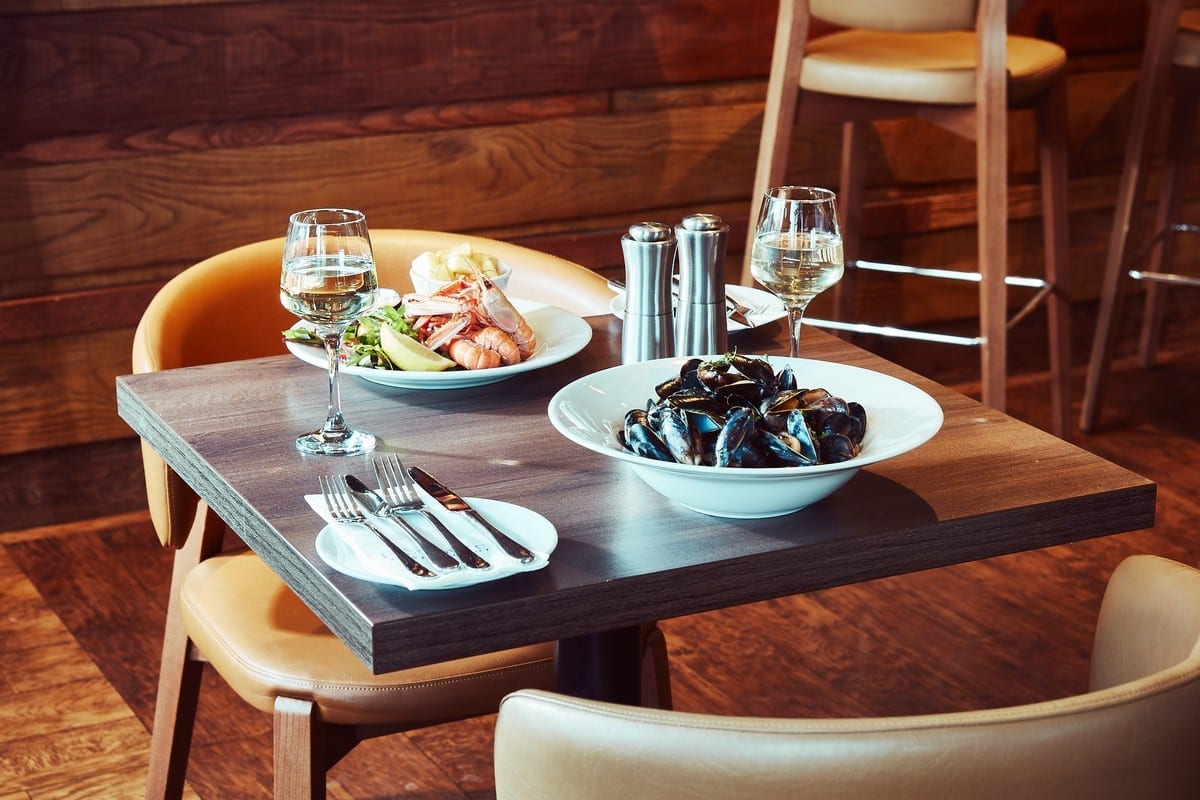
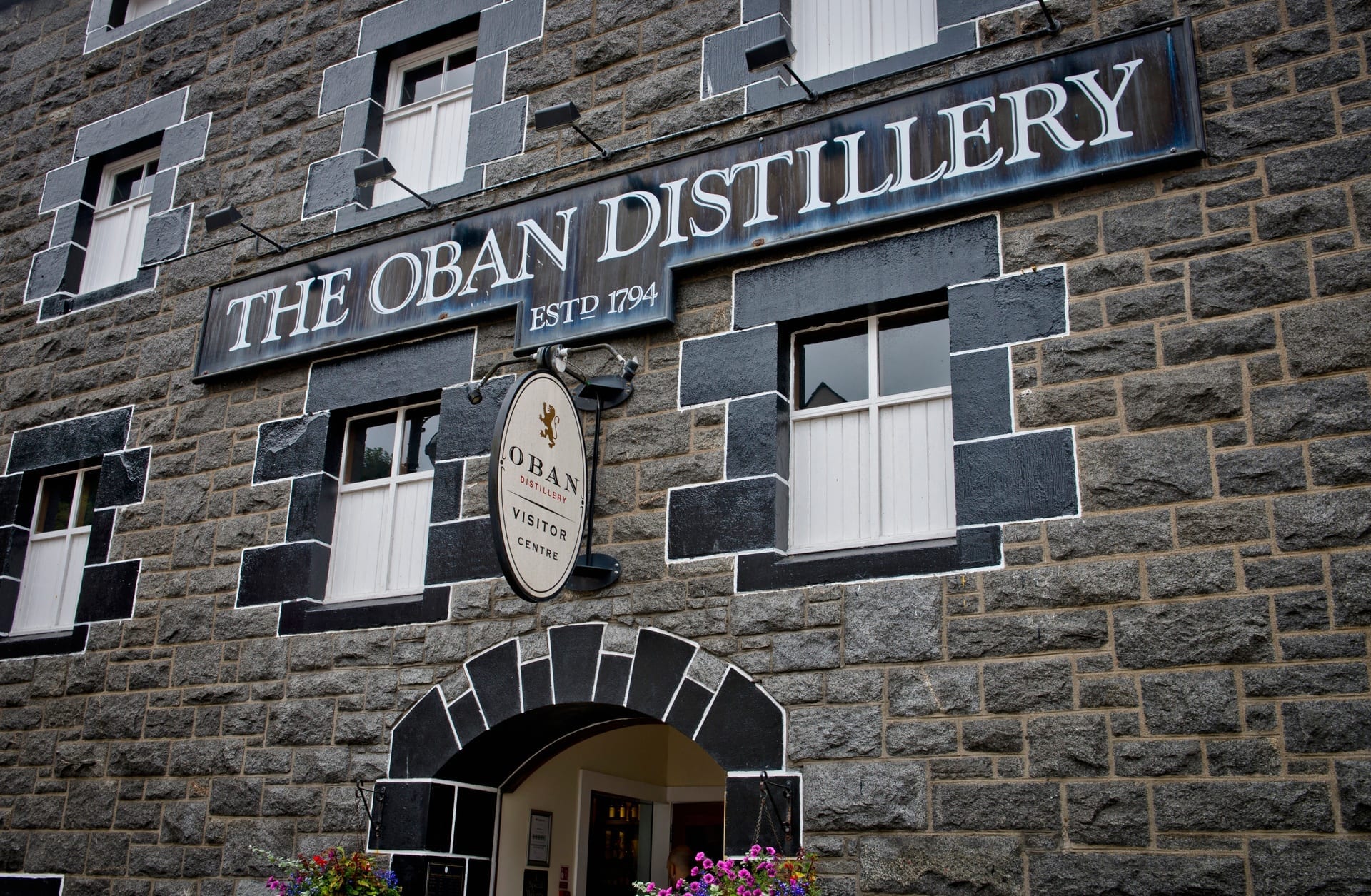
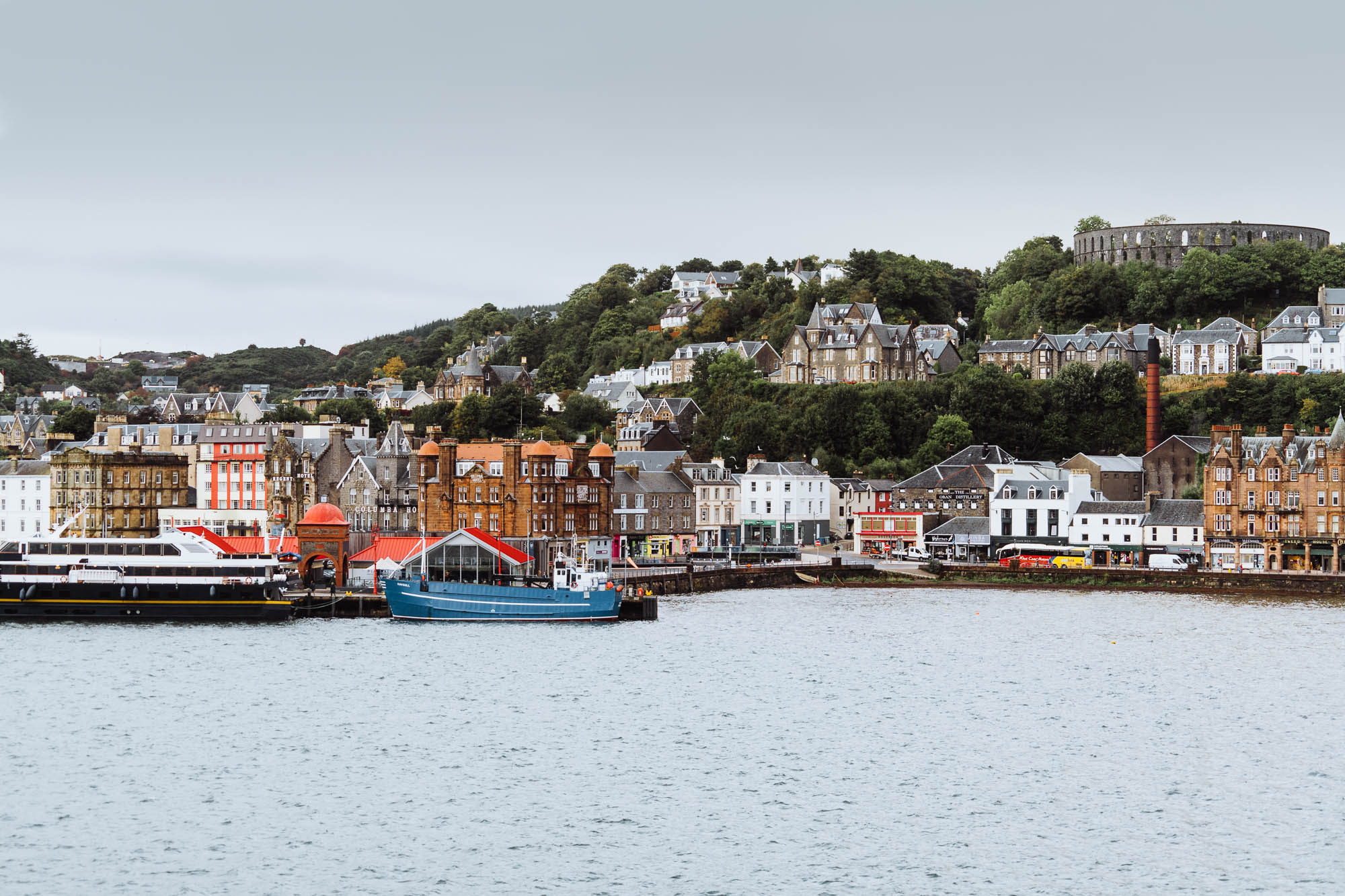
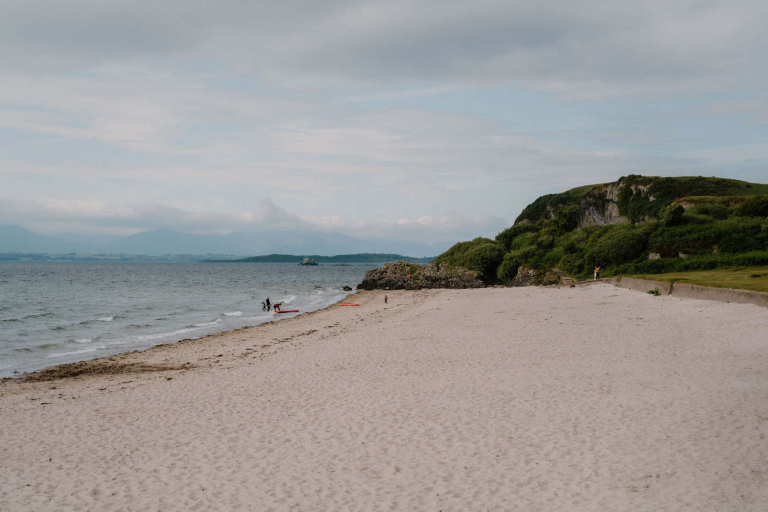
The Kerrera Tea Garden at Lower Gylen, a short distance from the castle, is a well-loved stop for home baking and lunch on the walk (check seasonal opening before relying on it). Horseshoe Bay, passed on the east coast track, is where King Alexander II came ashore and died in 1249 during his campaign to win back the Hebrides, and in 1263 King Haakon of Norway sheltered his fleet of longships in the Sound of Kerrera before defeat at Largs ended Norse rule in the isles. Back on the mainland, Dunollie Castle and its museum, the MacDougalls' other stronghold, sits just north of Oban and makes the natural companion visit, and Oban itself has the distillery, the seafood and the ferries to everywhere else.
-medium-large-1783285021.jpg)
Where to stay nearby





 Sign in with Google
 Sign in with Email