
Argyll and Bute
Lerags Cross
Introduction
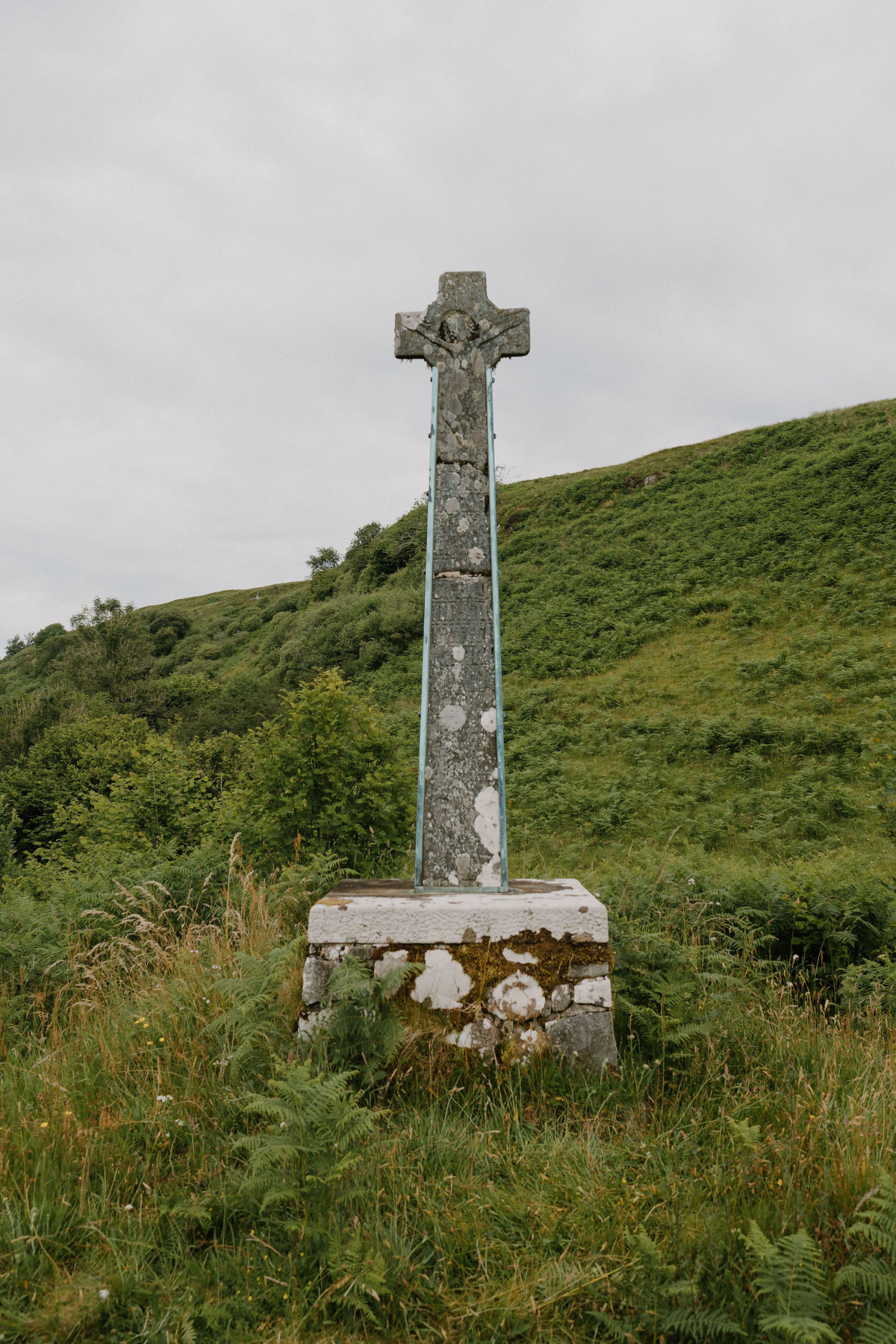
The inscription does the introductions itself. Eleven lines of Gothic script on the west face read, in Latin, "Archibald Campbell of Lerags caused me to be made in the year of Our Lord 1516". Flodden had been fought less than three years earlier, the worst defeat in Scottish history, with the king dead on the field alongside a huge share of the nobility. Archibald went and came back. The long-held view is that the cross was his thank-offering.
It's a rare thing he left behind. Carved from a single block of greenish schist, 3.13 metres tall, it's one of only around ten complete free-standing crosses of the West Highland school known to survive. The front carries the crucified Christ above the inscription, with an interlace panel below and, at the foot, a unicorn, which appears on almost no other stone of this kind. The back has foliage scrolls running up the shaft and Archibald's coat of arms in the top arm, quartered with ships, thought to be the only place that version of the arms survives at all.
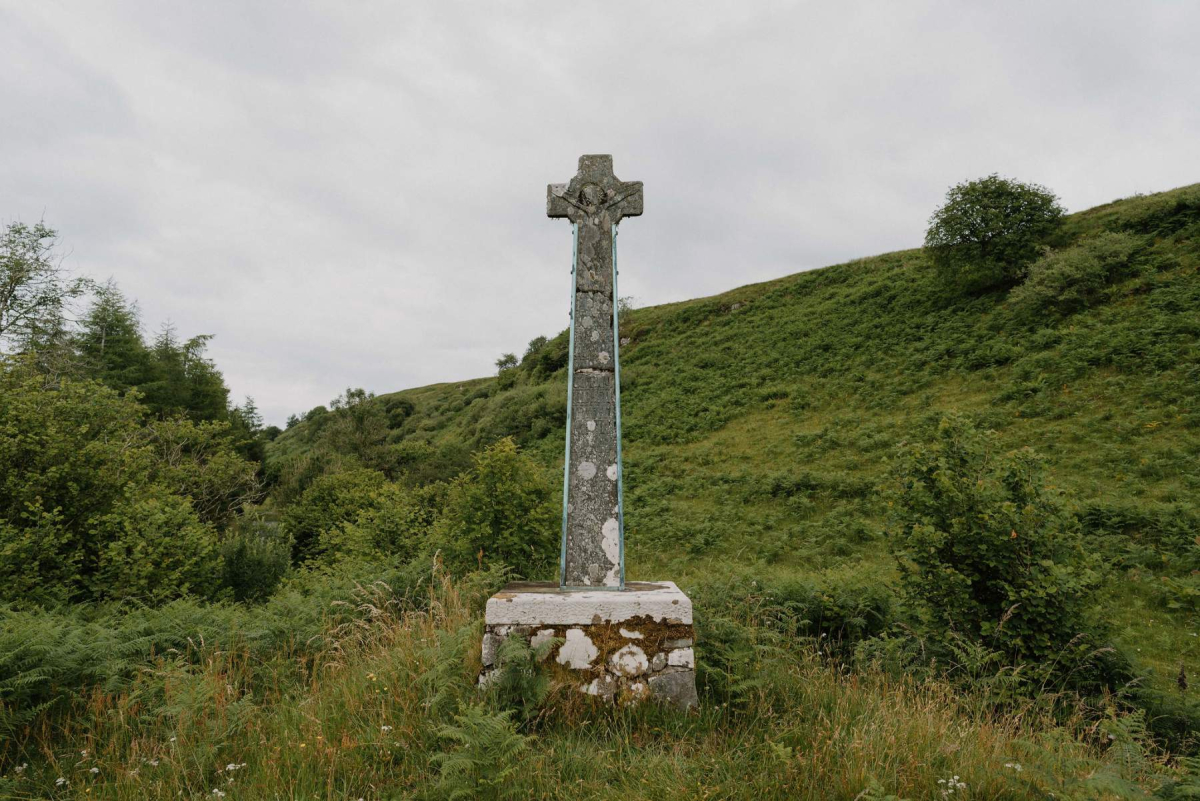
The cross has had a rough time of it. It originally stood about 200 metres away on a mound beside an old road running from the coast at Gallanach towards the Lowlands, a spot remembered as Bealach an t-Sleuchdaidh, the pass of prostration, where travellers knelt as they passed. After the Reformation it was thrown down, and by 1700 the shaft lay broken in three pieces in Kilbride kirkyard, where the fragments spent two centuries doing service as grave markers. In 1926 the pieces were joined and the cross re-erected on the knoll where it stands now, held together by the metal straps you'll see sheathing its sides. The cracks run deep and the lichen has claimed a fair bit of the carving, the poor unicorn especially. Five hundred years of Argyll weather will do that. There's an oak bench beside it, made by a local in memory of a man who lived nearby, and the view runs down the glen to the trees hiding Kilbride kirk. Go see both together.
Location
The Lerags Cross stands beside the Lerags road, three miles south of Oban. Take the A816 out of town, turn onto the single-track road signed for Lerags and follow it down the glen; the cross is on a small mound by the roadside about 200 metres before the Kilbride turn, with the kirk's car park the sensible place to leave a vehicle for visiting both. Access is over rough grass. It's free, always open, and a scheduled monument, so hands off beyond looking.
What's nearby
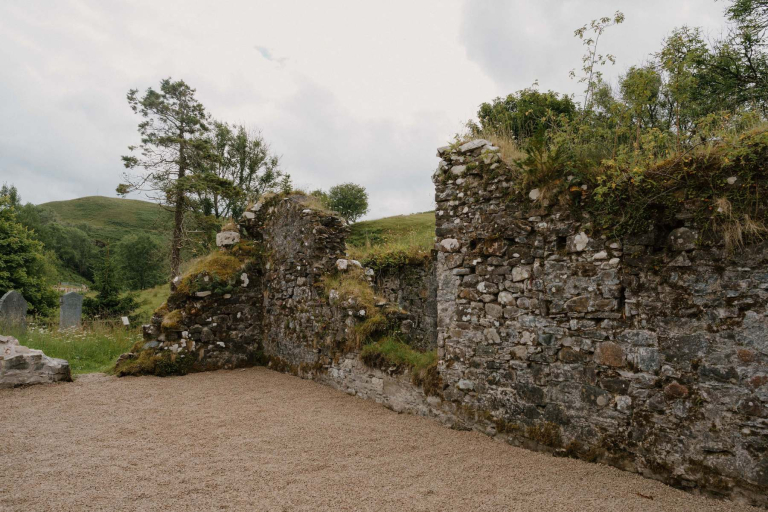
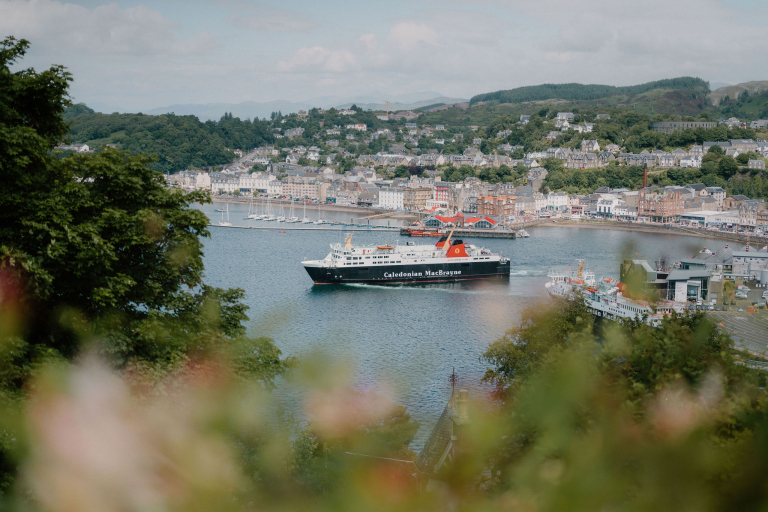
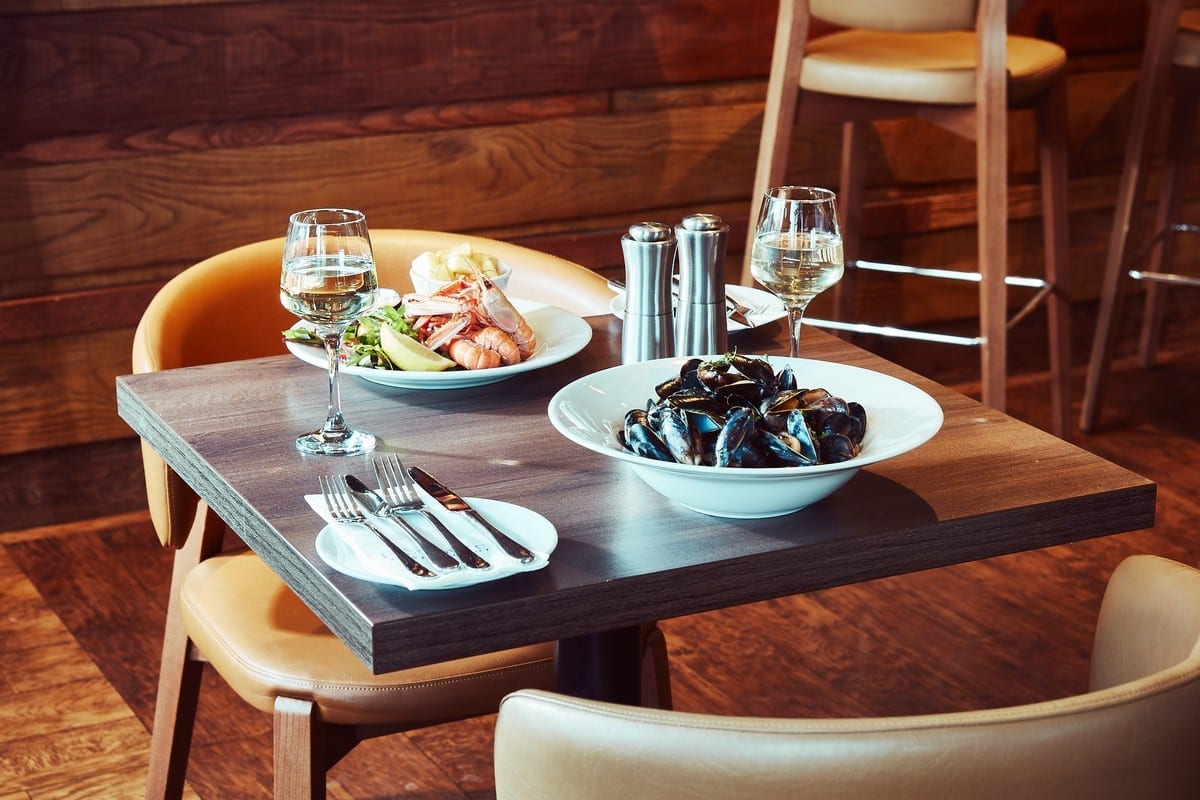
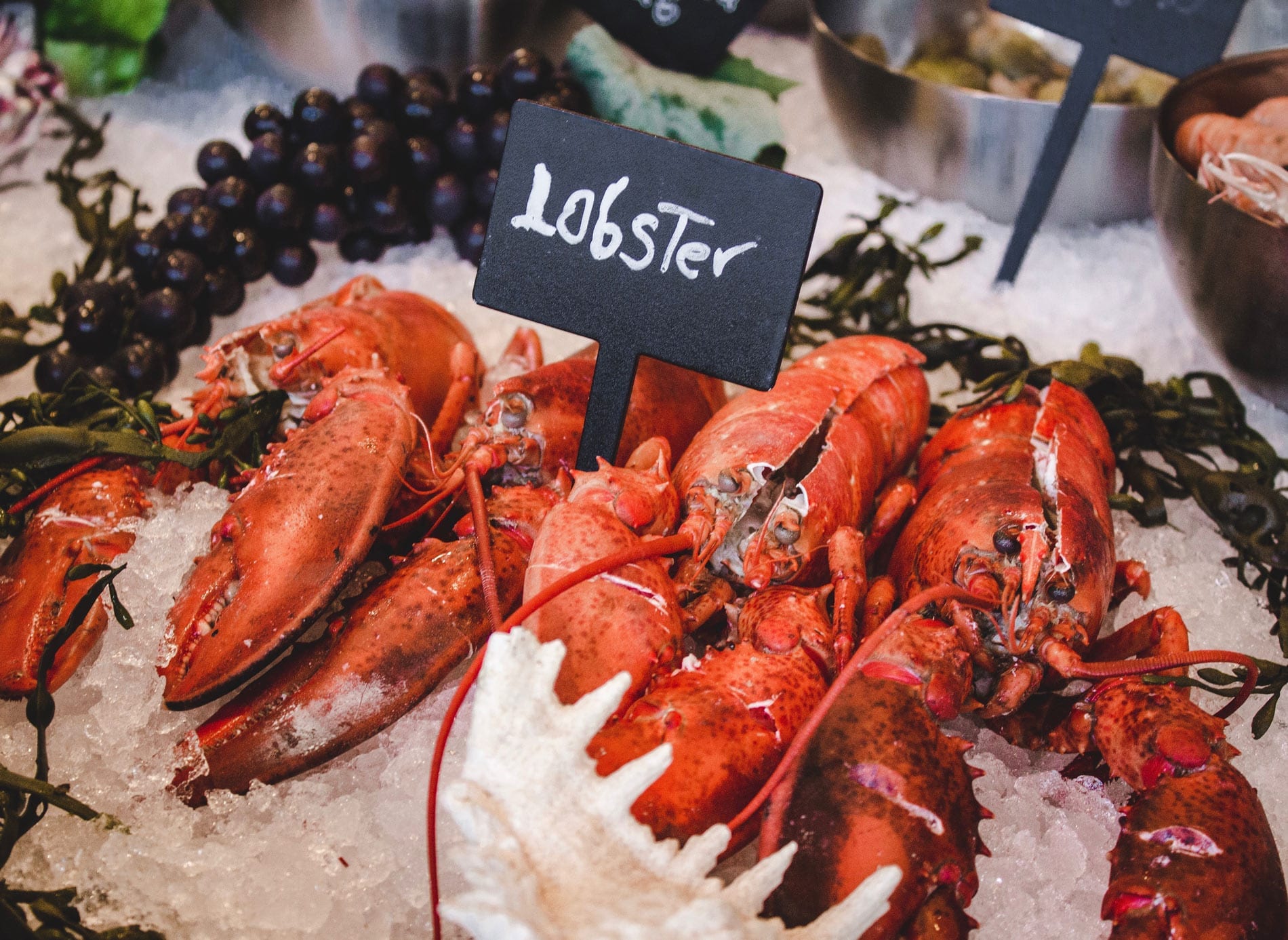
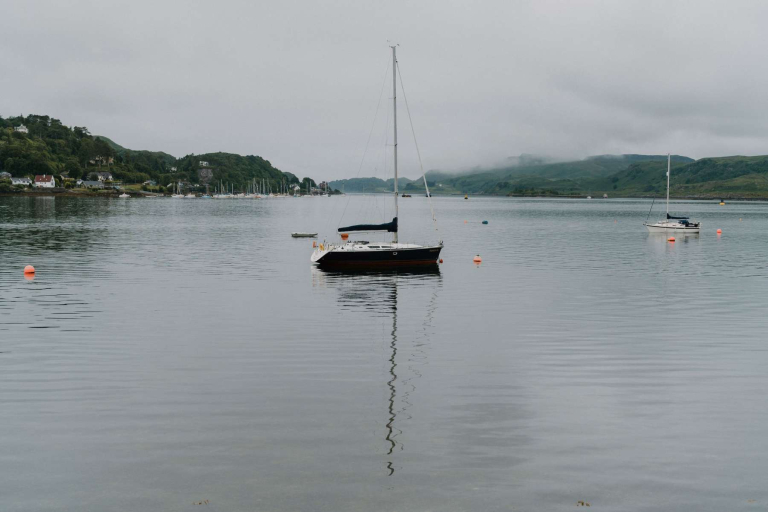
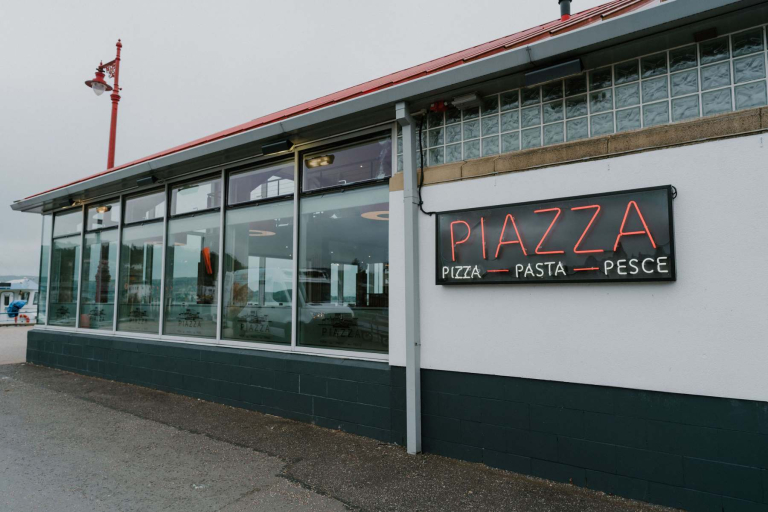
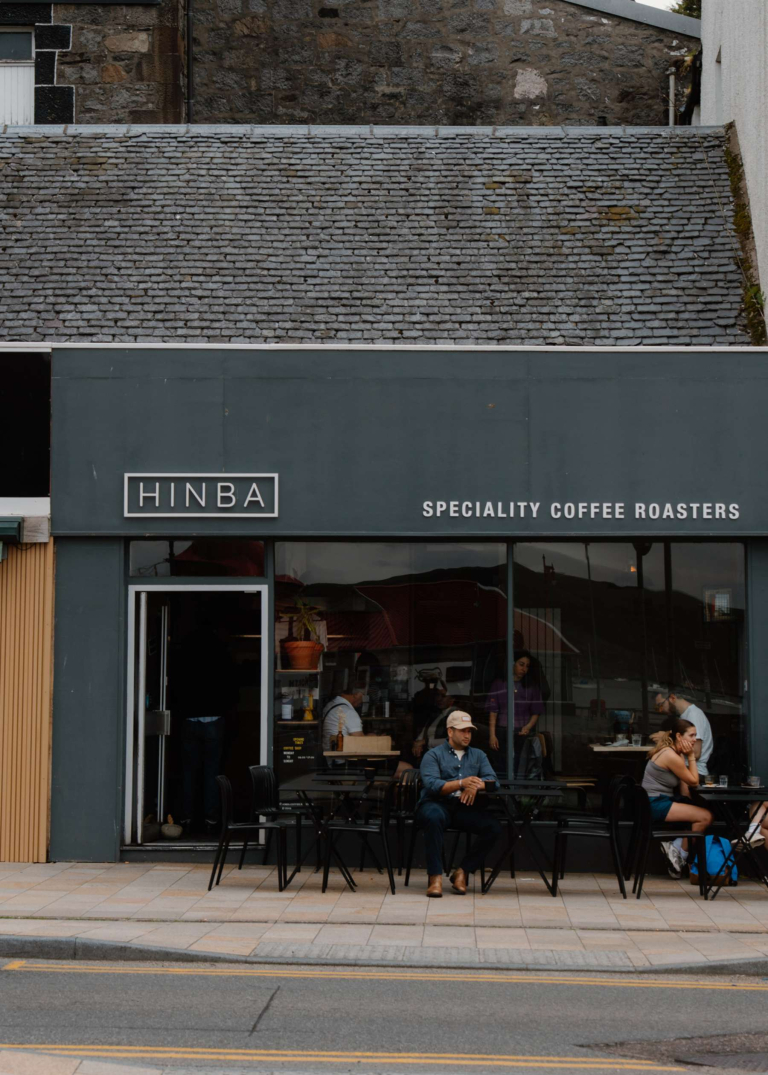
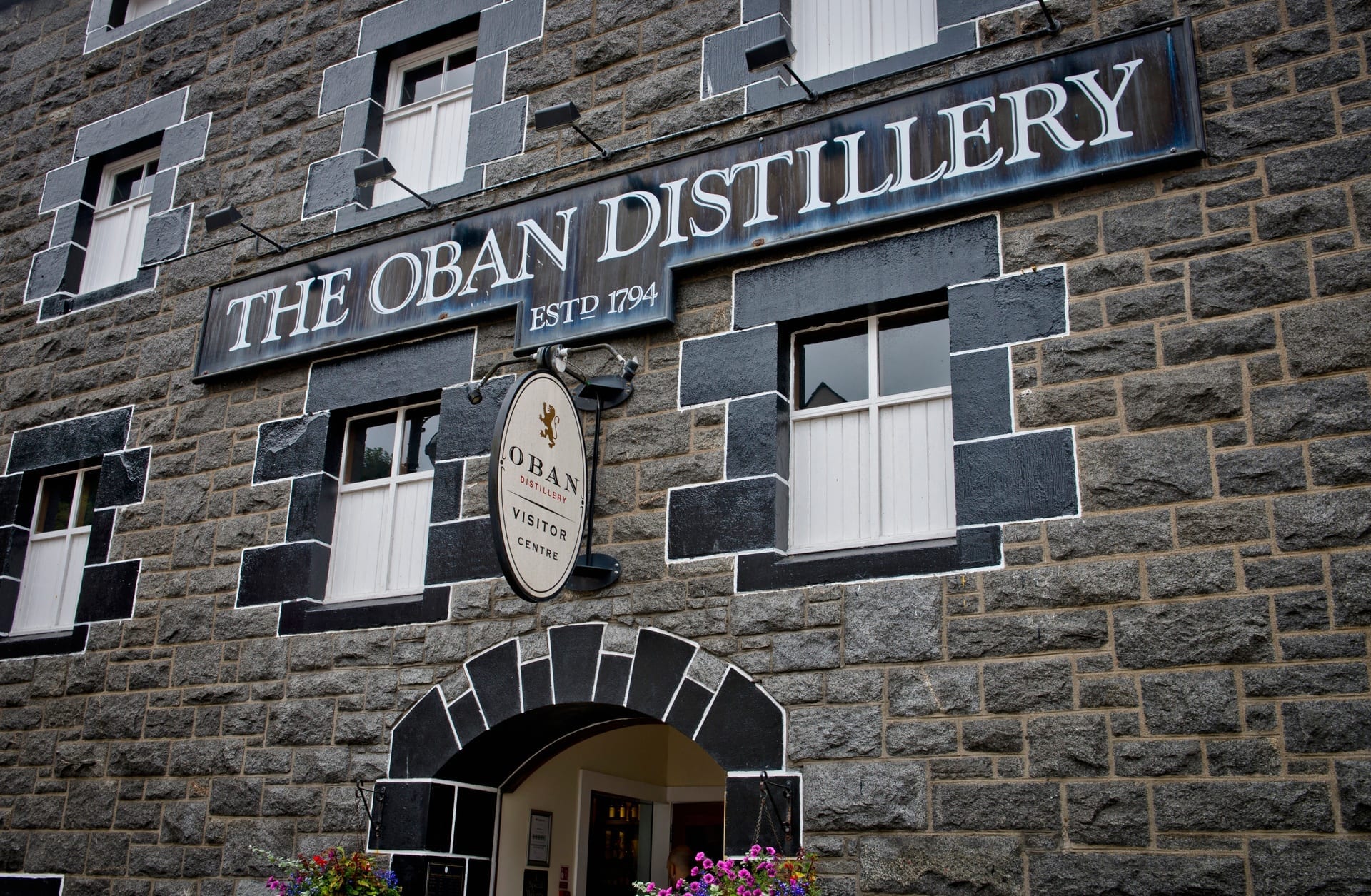
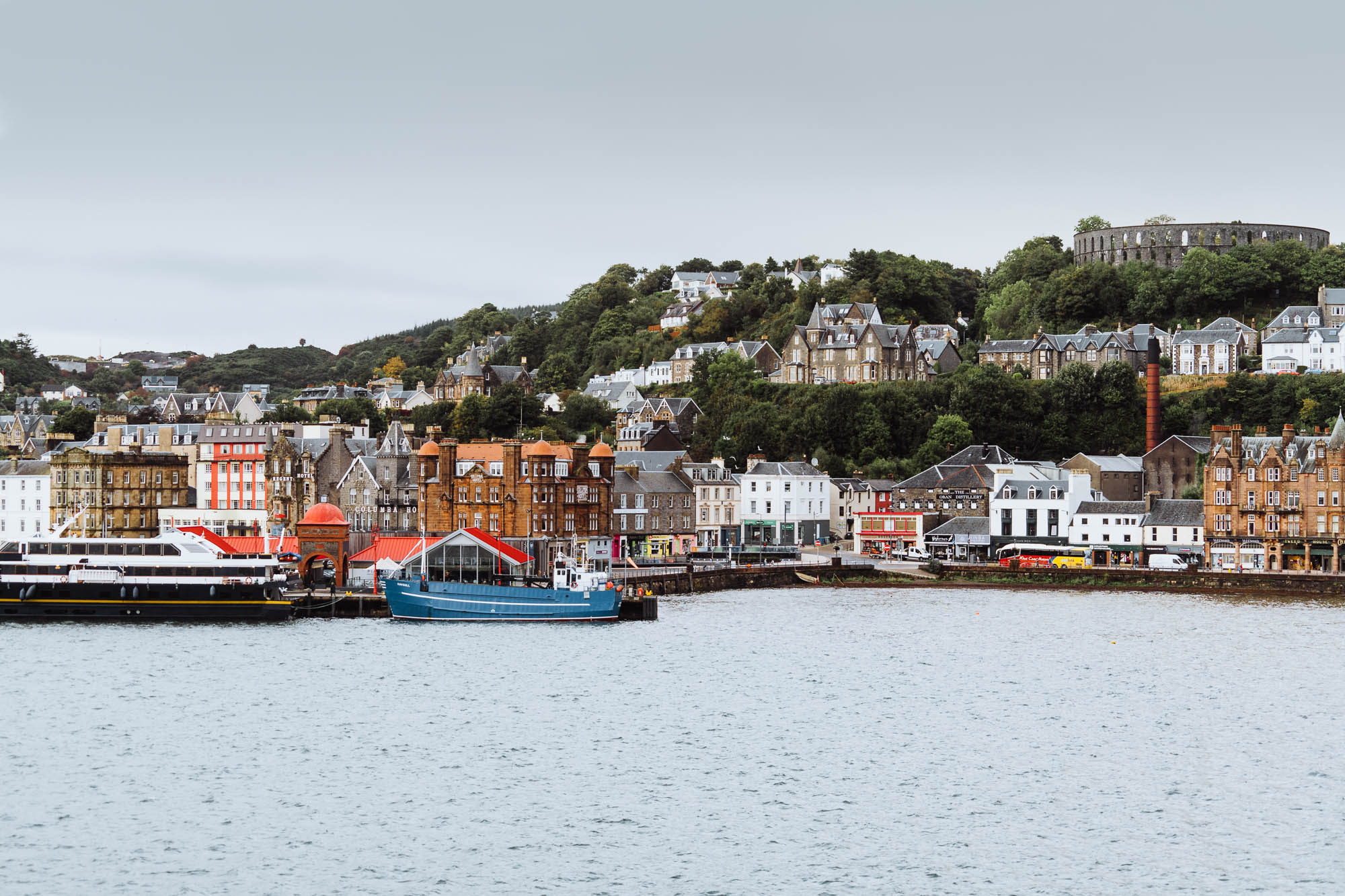
Historic Kilbride is the natural pairing, a few minutes down the glen, the ruined kirk and graveyard where the cross lay broken for 200 years and where the chiefs of Clan MacDougall are buried among 319 graves. The single-track Lerags road carries on down to Loch Feochan. Oban is three miles north with the distillery, the ferries and the seafood, and Dunollie Castle on the far side of town rounds out a good half day of Lorn history without ever joining a queue.
-medium-large-1783285021.jpg)
Where to stay nearby






 Sign in with Google
 Sign in with Email