
Did you know
A late starter.
Oban was only a small fishing and trading village until the steamers of the early Victorian years began to arrive.
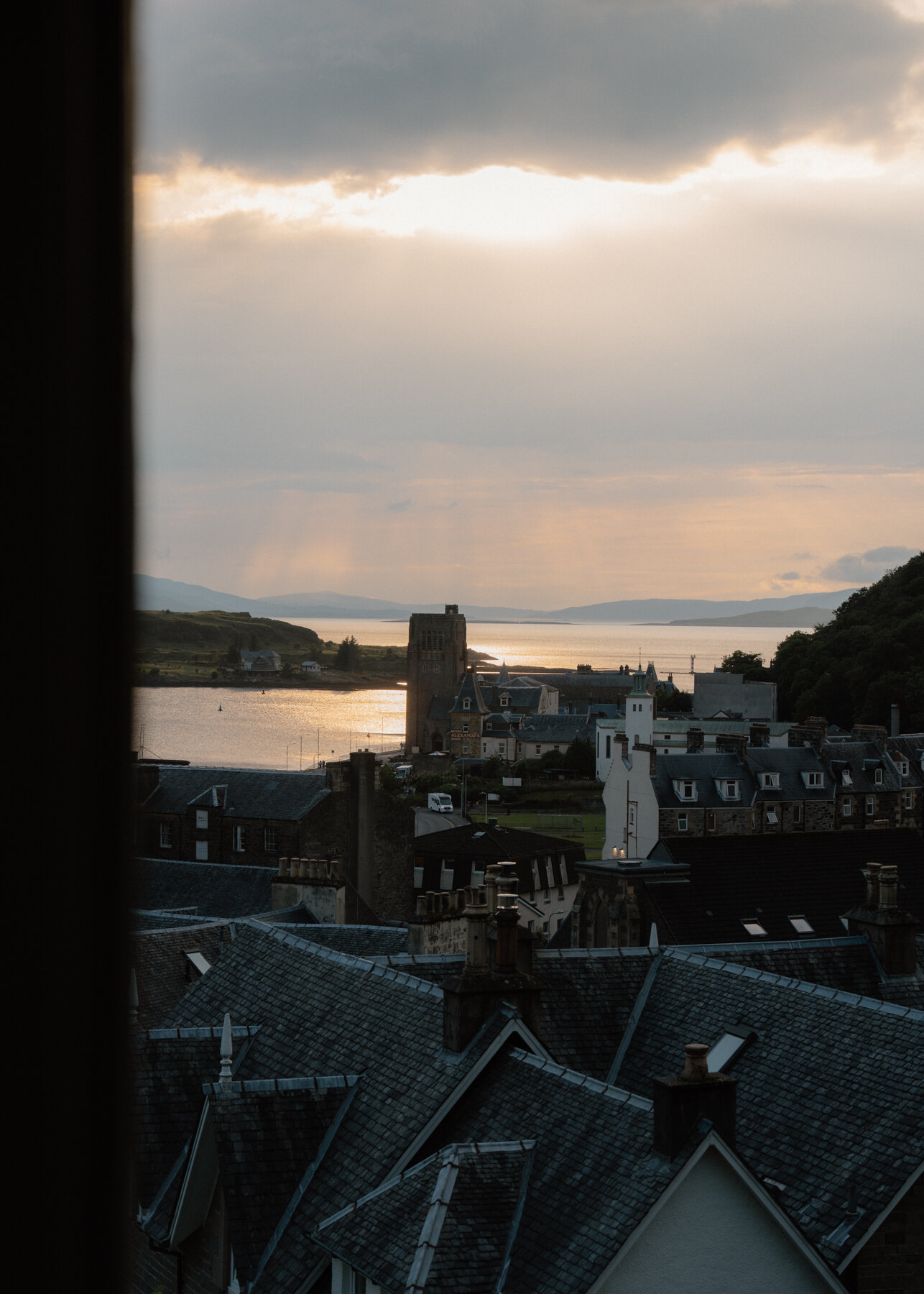
The west coast's busy little capital on a horseshoe bay, the Gateway to the Isles, with McCaig's Tower above it.
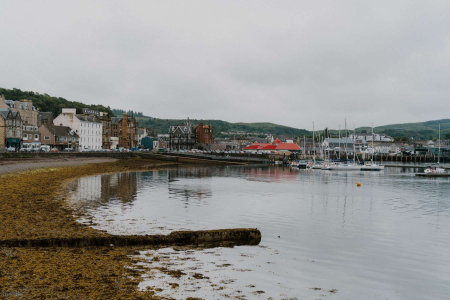
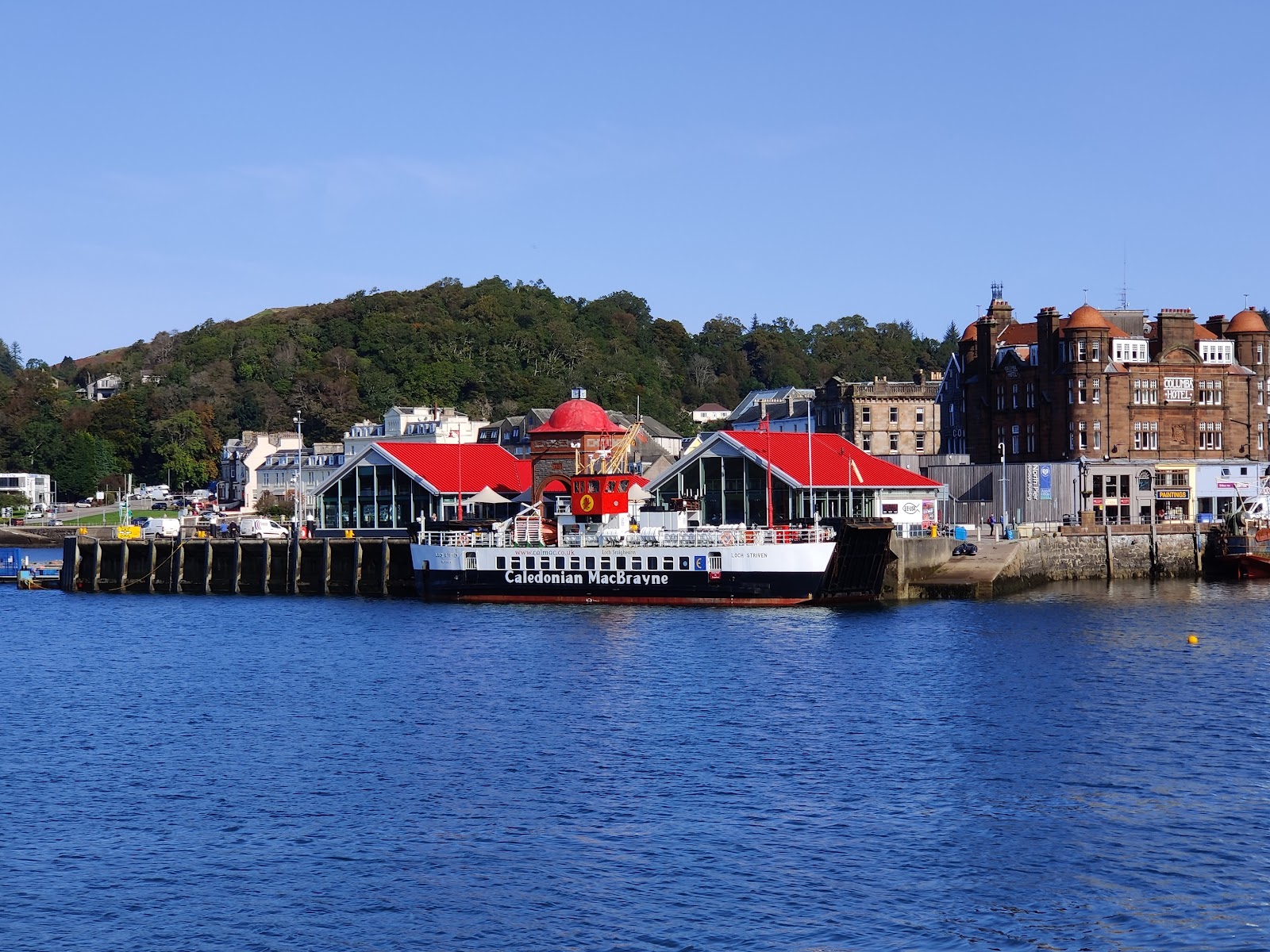
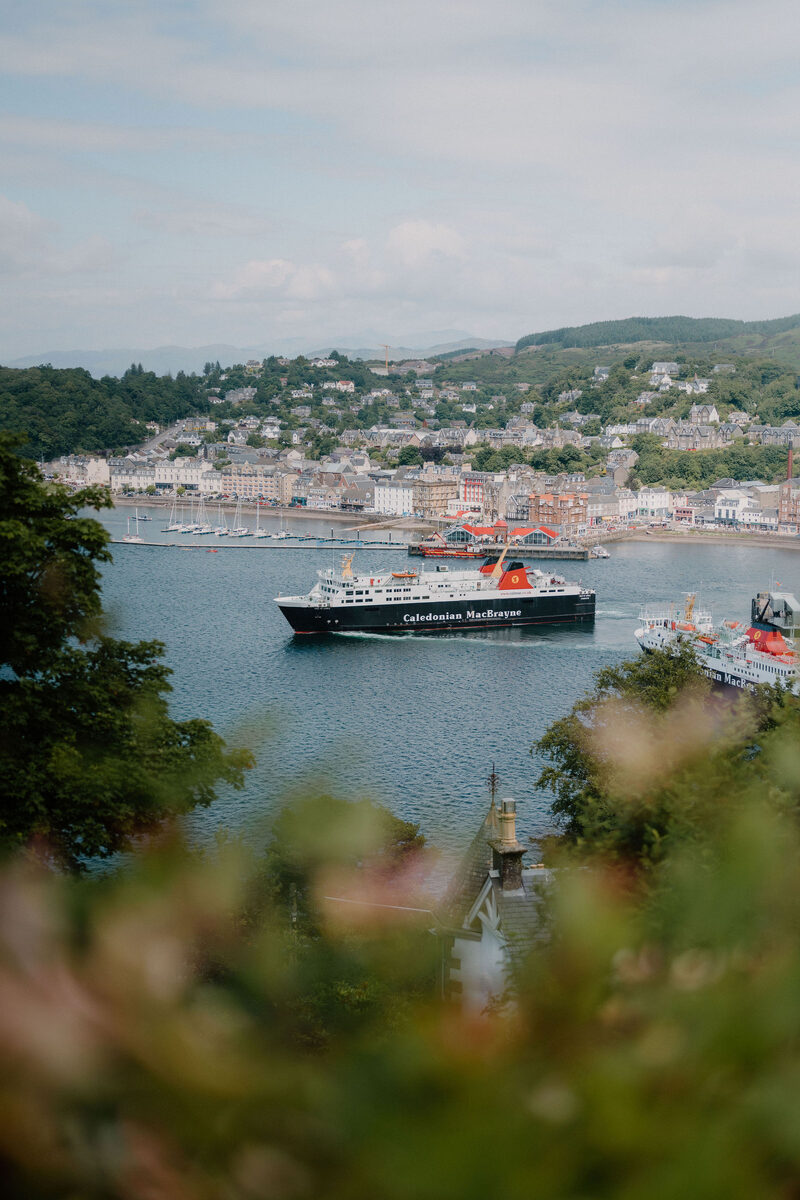
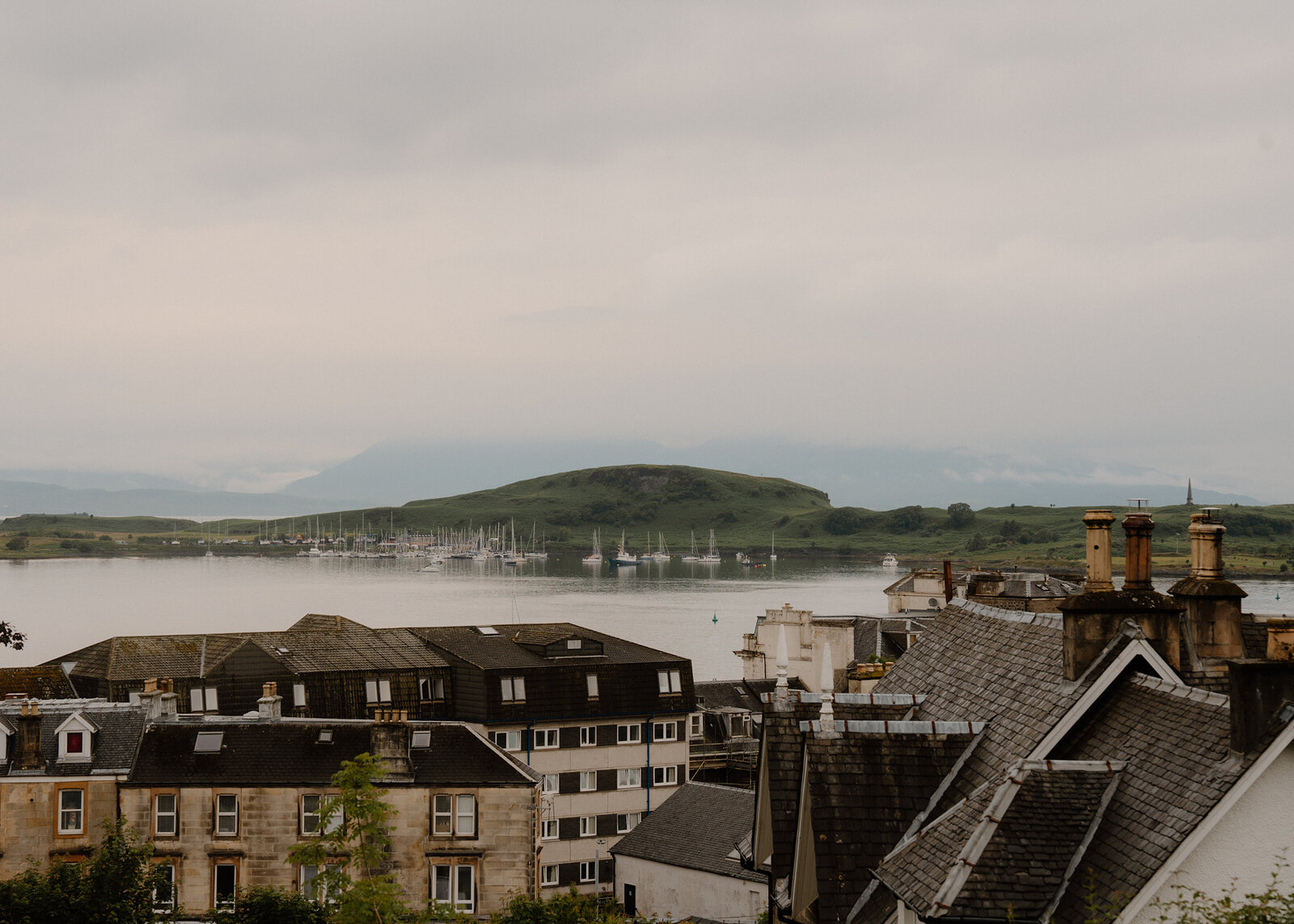
Oban is the little capital of the west coast, a town curving round a horseshoe bay, with the island of Kerrera across the water and the hills of Mull beyond.
Visited and photographed by Jack Cairney
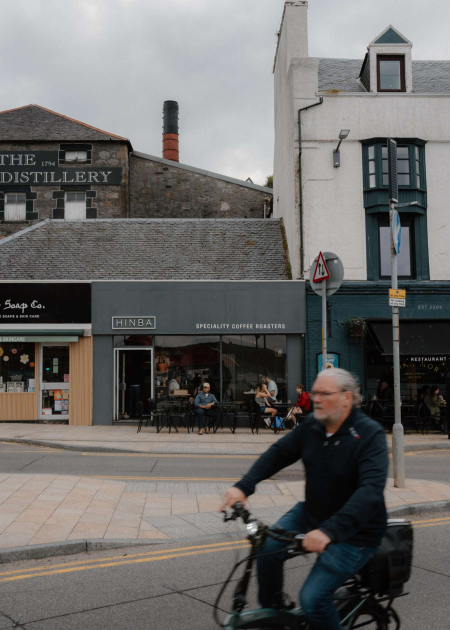
It was a late starter, a small fishing and trading village until the steamers of the early Victorian years began to call; the distillery had opened in the middle of the town in 1794, and the railway arrived in 1880, and the town grew up around them.
Today it is the Gateway to the Isles, the main point of departure for the Western Isles, with ferries leaving the harbour for Mull, Colonsay, Coll, Tiree, Lismore, Barra and South Uist. Above the town stands McCaig's Tower, a great granite ring built between 1895 and 1902, and Pulpit Hill gives magnificent views over the bay. St Columba's Cathedral rises from the shore, and Dunollie Castle stands on its cliff along the road to the north. It is busy in summer, but on a clear evening, with the sun going down behind Kerrera, there are few lovelier harbours.
The Daily
Arrives at 5am every day.
A free morning email to see what’s on this week, catch up on what’s happening in Scotland and find somewhere new to go.

Trains run to Oban from Glasgow, and the ferry terminal is beside the station.
The town centre is small and easily walked.
Been here? Tell others what you know, and the best go on this page with your name.
Add your reviewOban was only a small fishing and trading village until the steamers of the early Victorian years began to arrive.
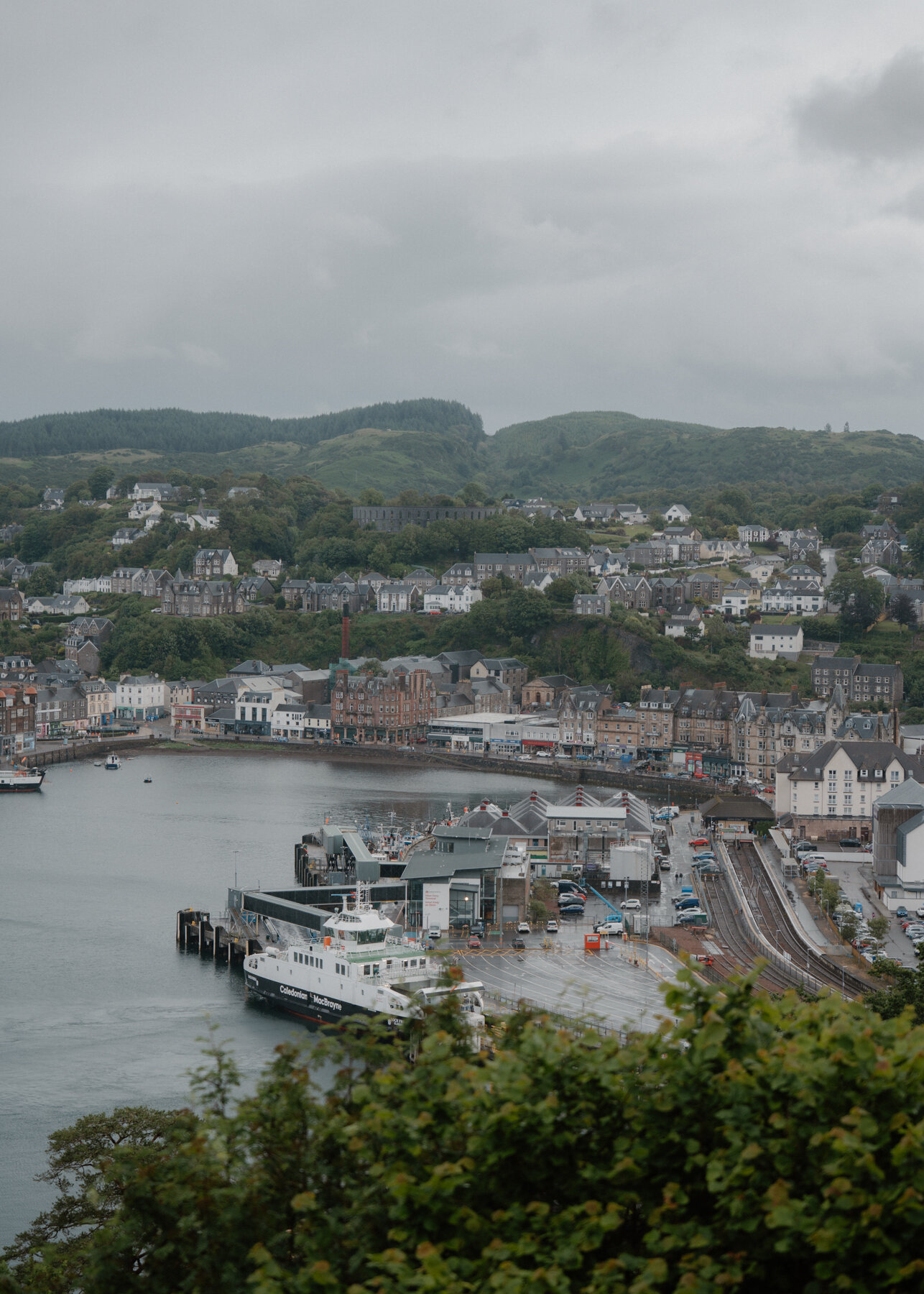
The railway reached Oban in 1880, and the station still stands beside the ferry terminal.
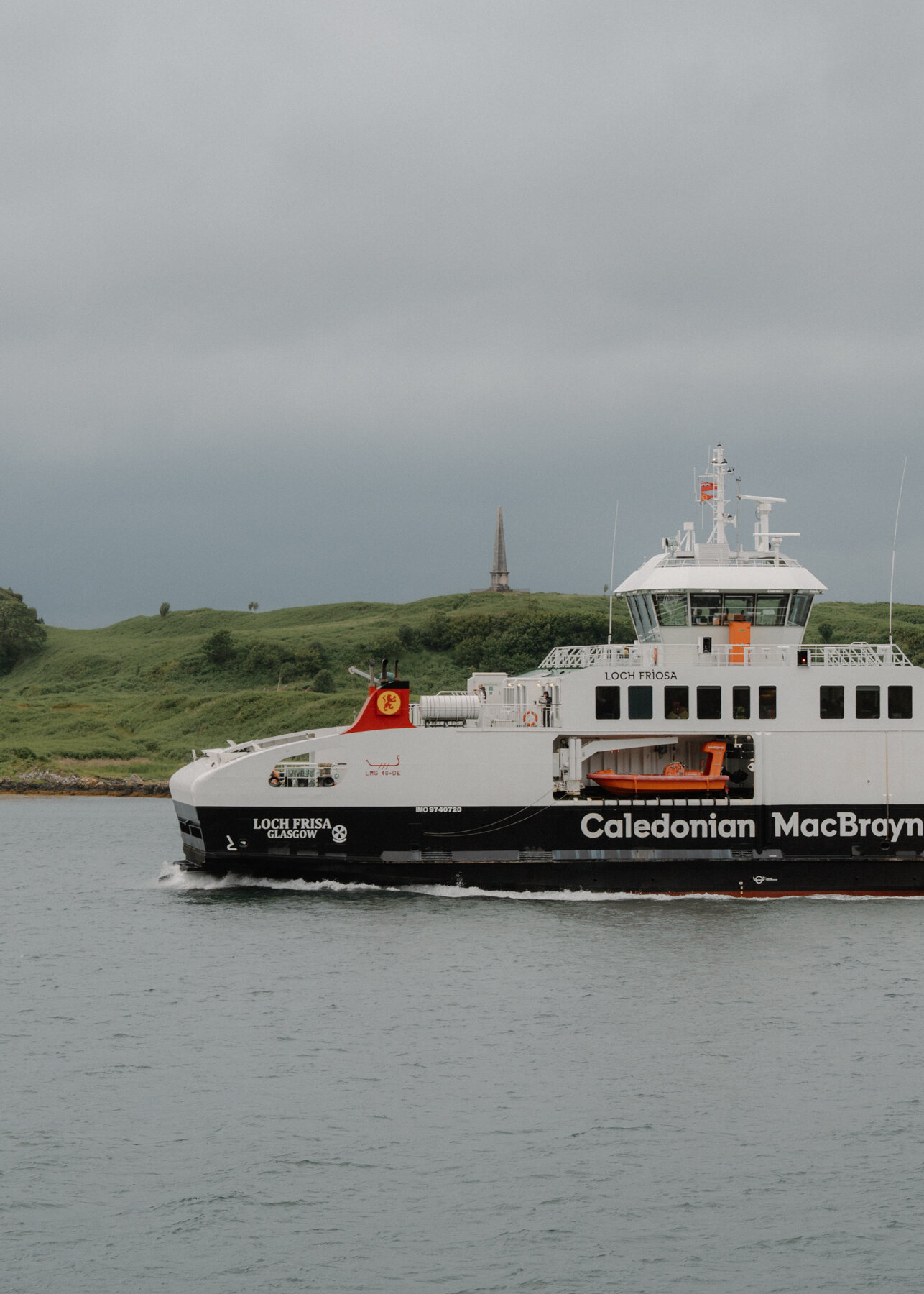
Ferries leave Oban for Mull, Colonsay, Coll, Tiree, Lismore, Barra and South Uist.
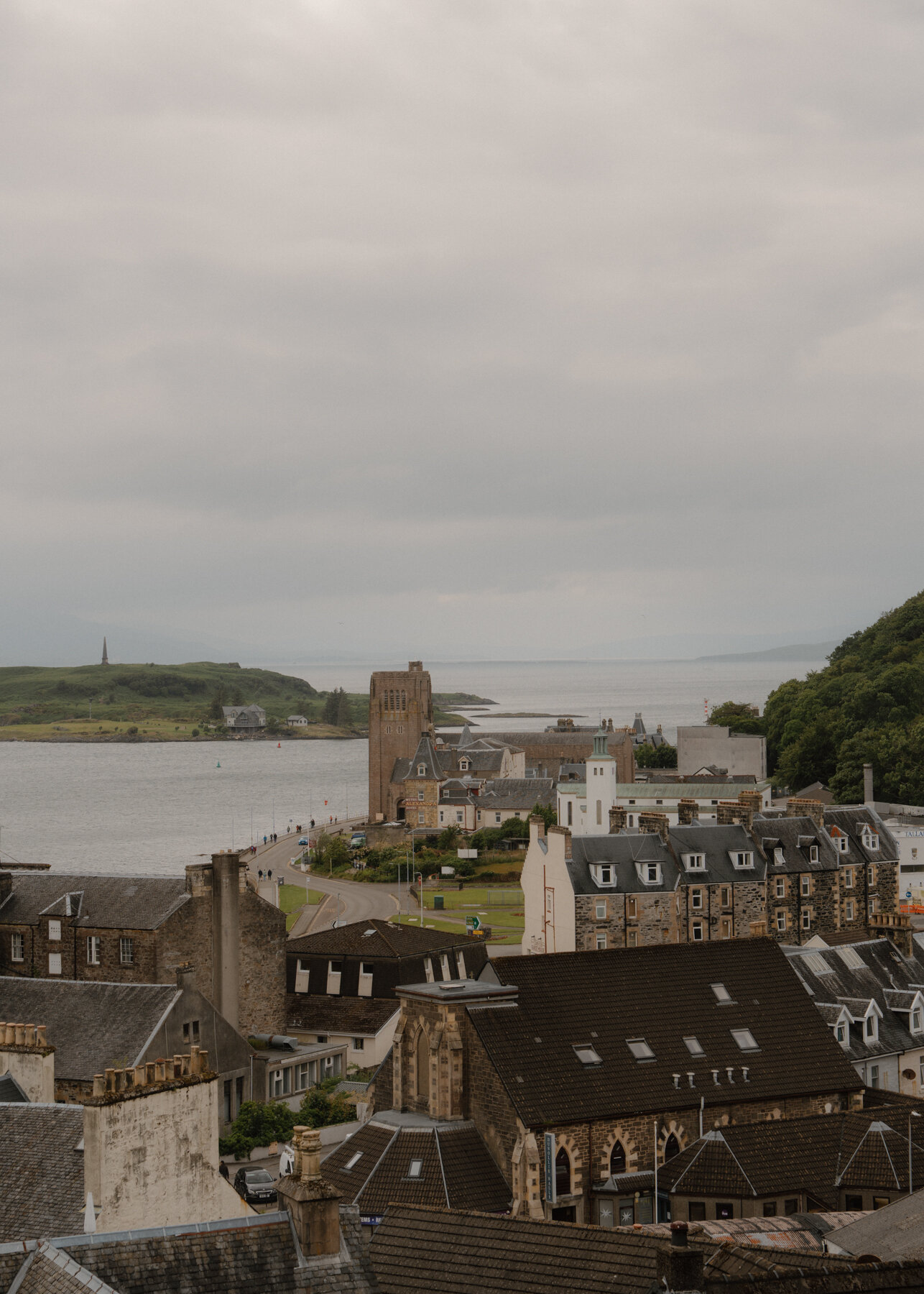
St Columba's Cathedral, the Roman Catholic seat on the shore, was built between the 1930s and the 1950s.
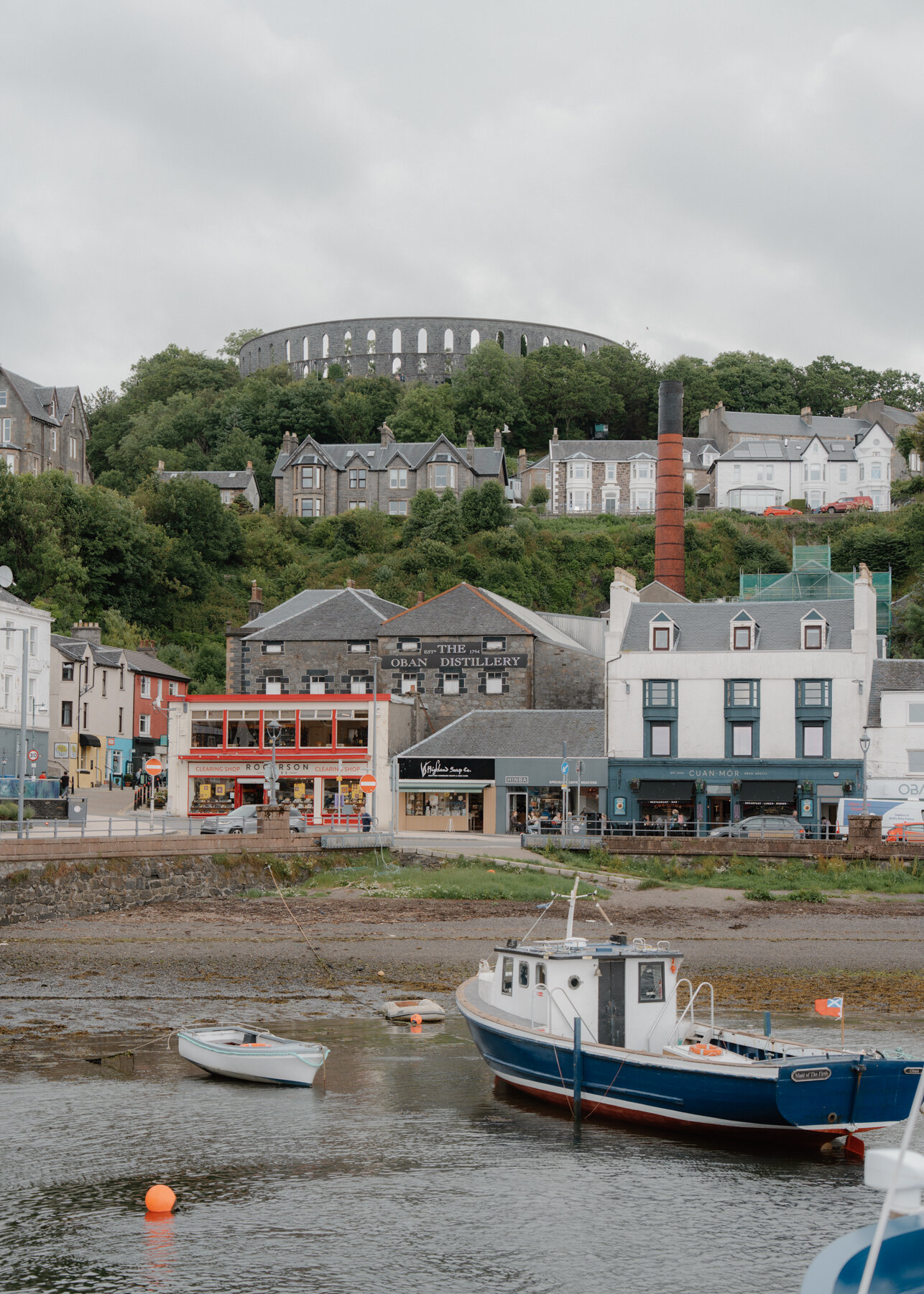
McCaig's Tower, the granite ring above the town, was built between 1895 and 1902.
Pulpit Hill, south of the bay, gives magnificent views over the town and the water.
The Gaelic name for the Victorian seaside resort Oban, once described by Queen Victoria as “one of the finest spots we have seen”, is An t-Òban, or ‘little bay’. But what it lacks in perceived size, it makes up for in appeal. It’s horseshoe-shaped, enjoys some of Argyll’s best sunsets and is dubbed Scotland’s seafood capital. There’s a good range of shops, pubs and eateries, as well as a chocolatier, distillery and a fantastic museum on war and peace, all rippling out from Coliseum-like McCaig’s Tower atop Battery Hill with its views of the Atlantic islands.
Read more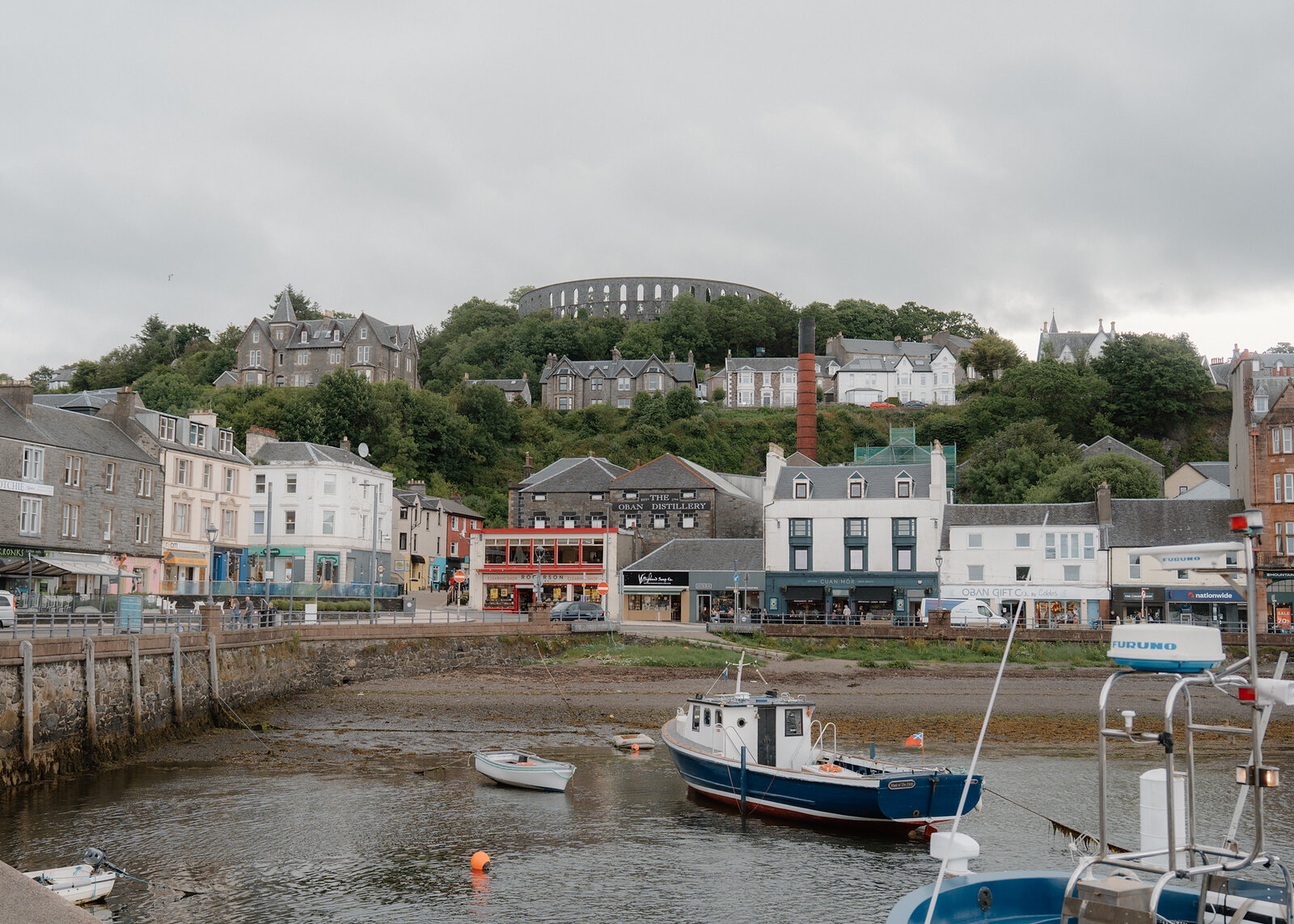
New places, news and stories, as we find them.
What is on in Argyll and ButeThe Firth of Lorn, Argyll.
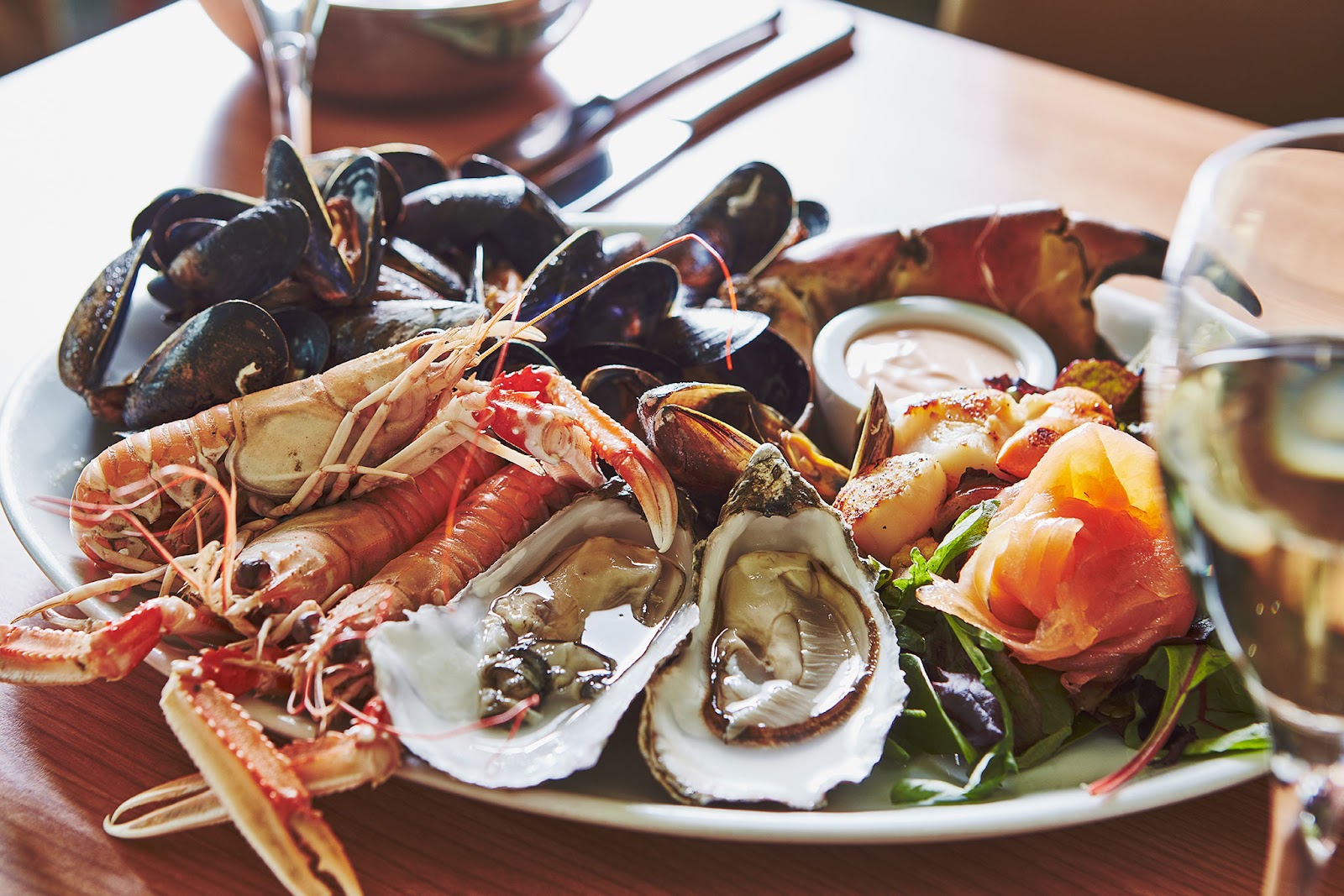 Ee-UskA seafood restaurant on Oban's North Pier, run by the MacLeod family, with local shellfish and windows over the bay to Kerrera and Mull.Under a mile as the crow flies
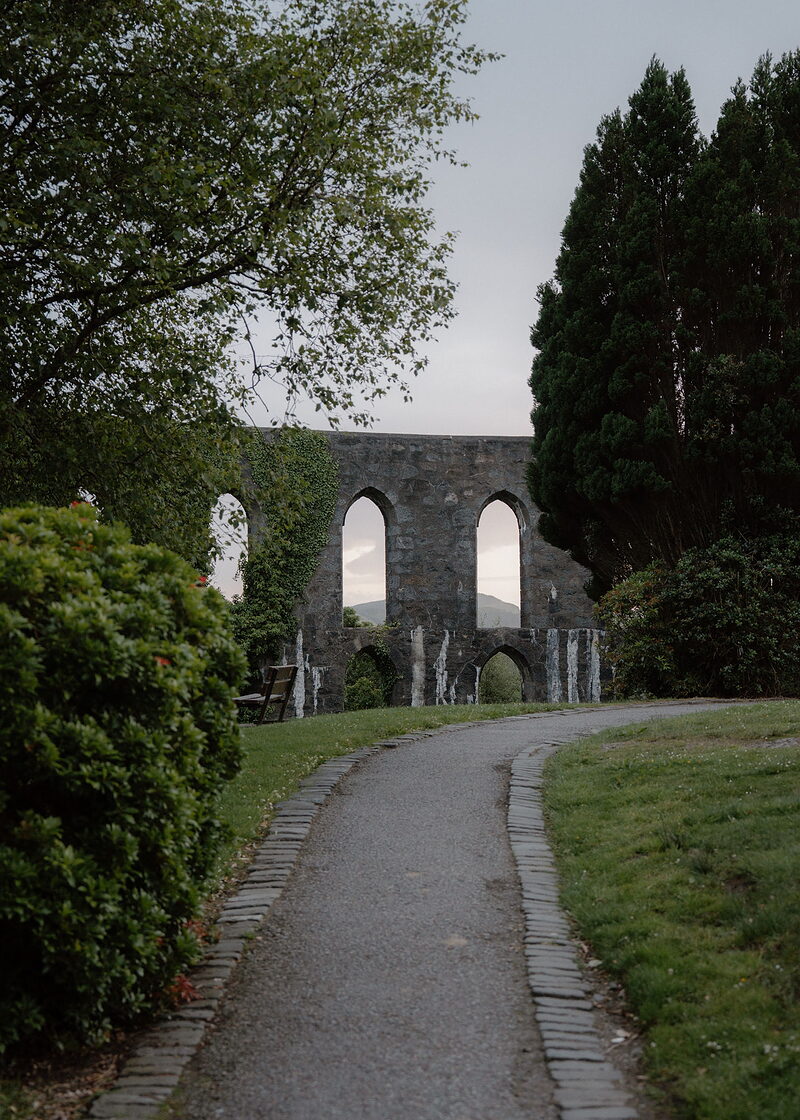 McCaig's TowerThe granite ring on the hill above Oban, a banker's monument left unfinished in 1902, now a garden with views to Mull.Under a mile 1 min by road
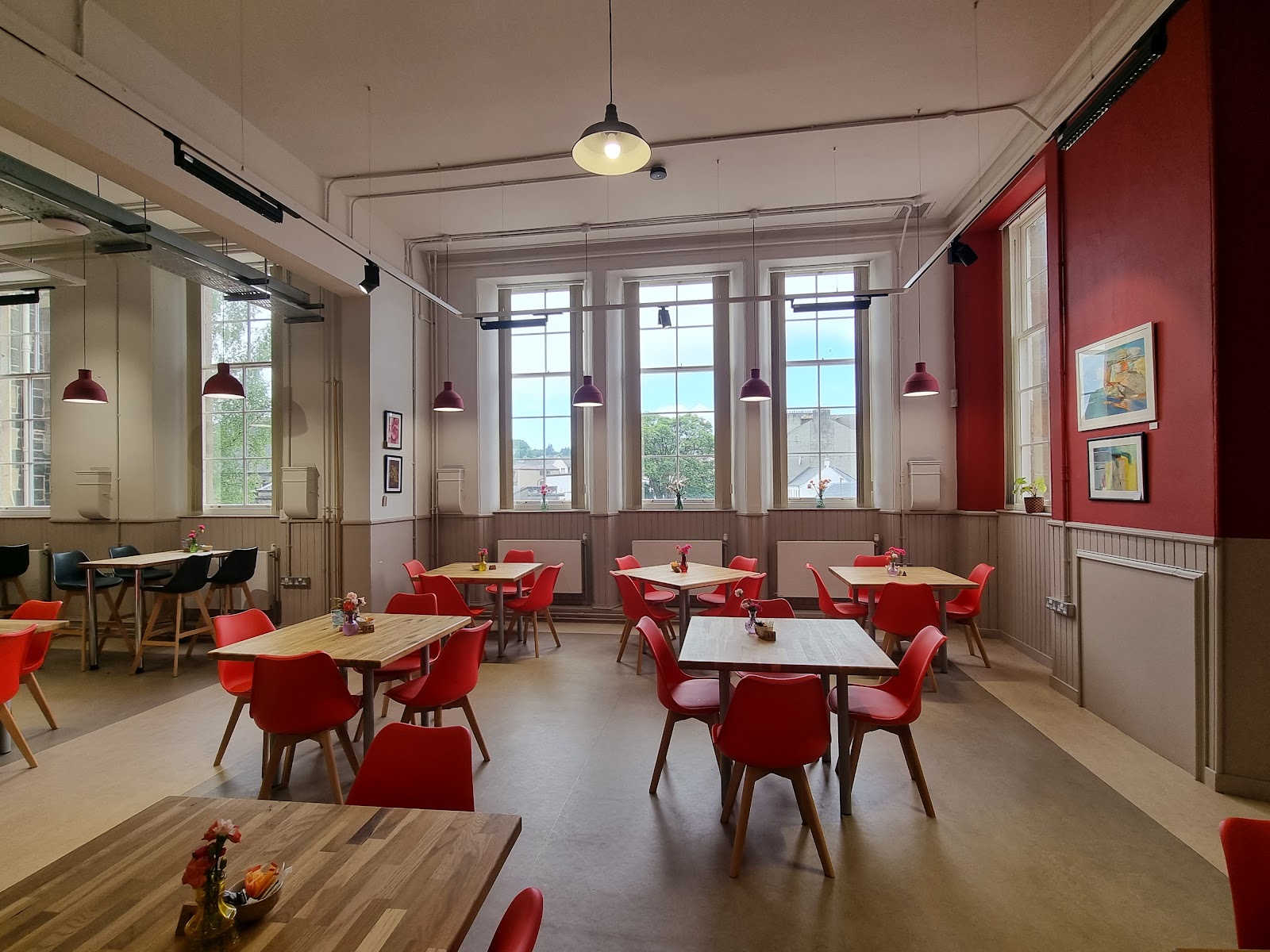 The Rockfield CentreUnder a mile 2 min by road
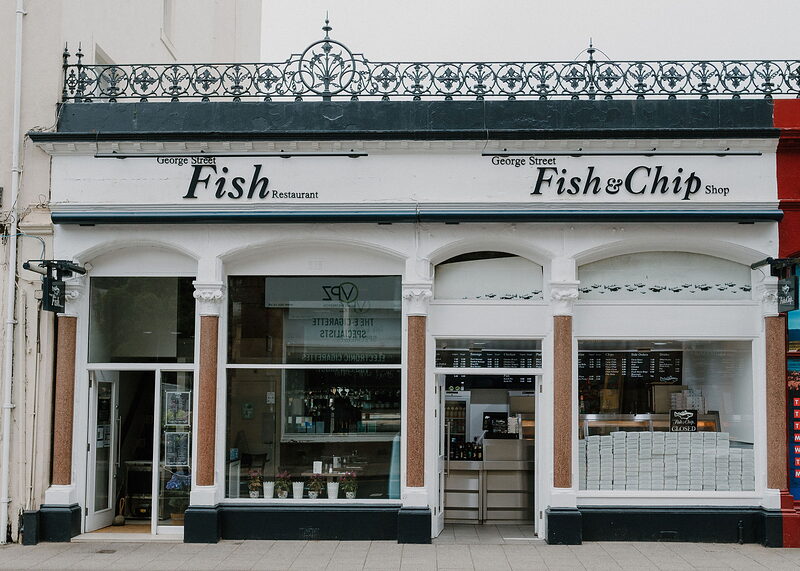 George Street Fish, ObanUnder a mile 2 min by road
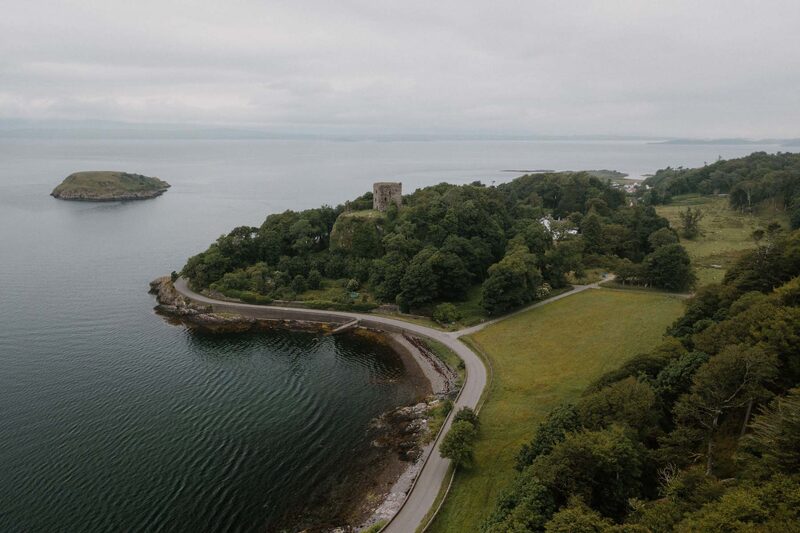
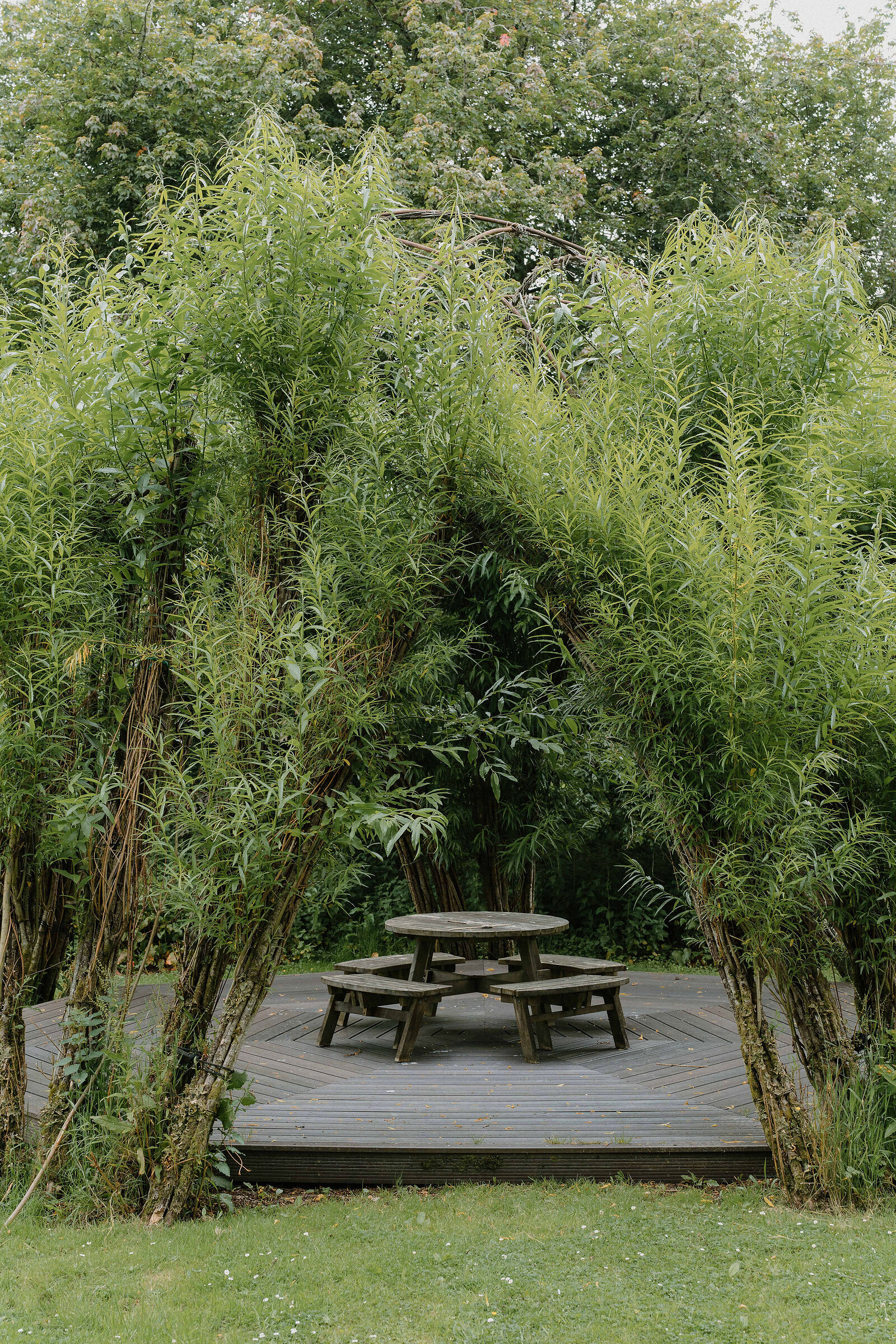 Dunollie Museum, Castle and GroundsThe MacDougalls' castle ruin on its cliff above Oban Bay, with a museum in the 1745 House, woodland grounds and a café.1 mile 5 min by road
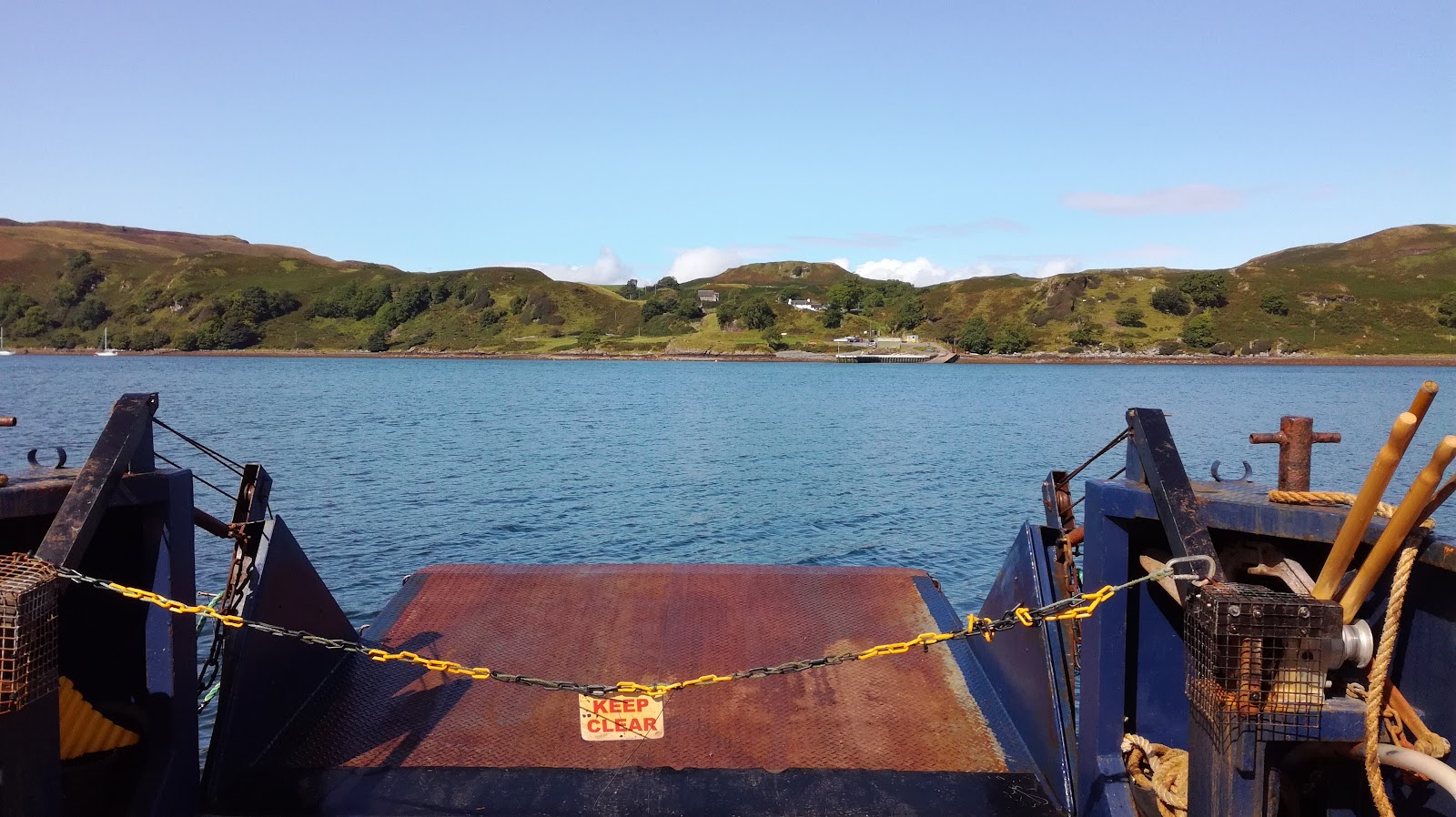 Kerrera FerryThe little turn-up-and-go passenger ferry from Gallanach, south of Oban, across the Sound of Kerrera.3 miles 6 min by road
Places to stay near the town, and when each is next free.
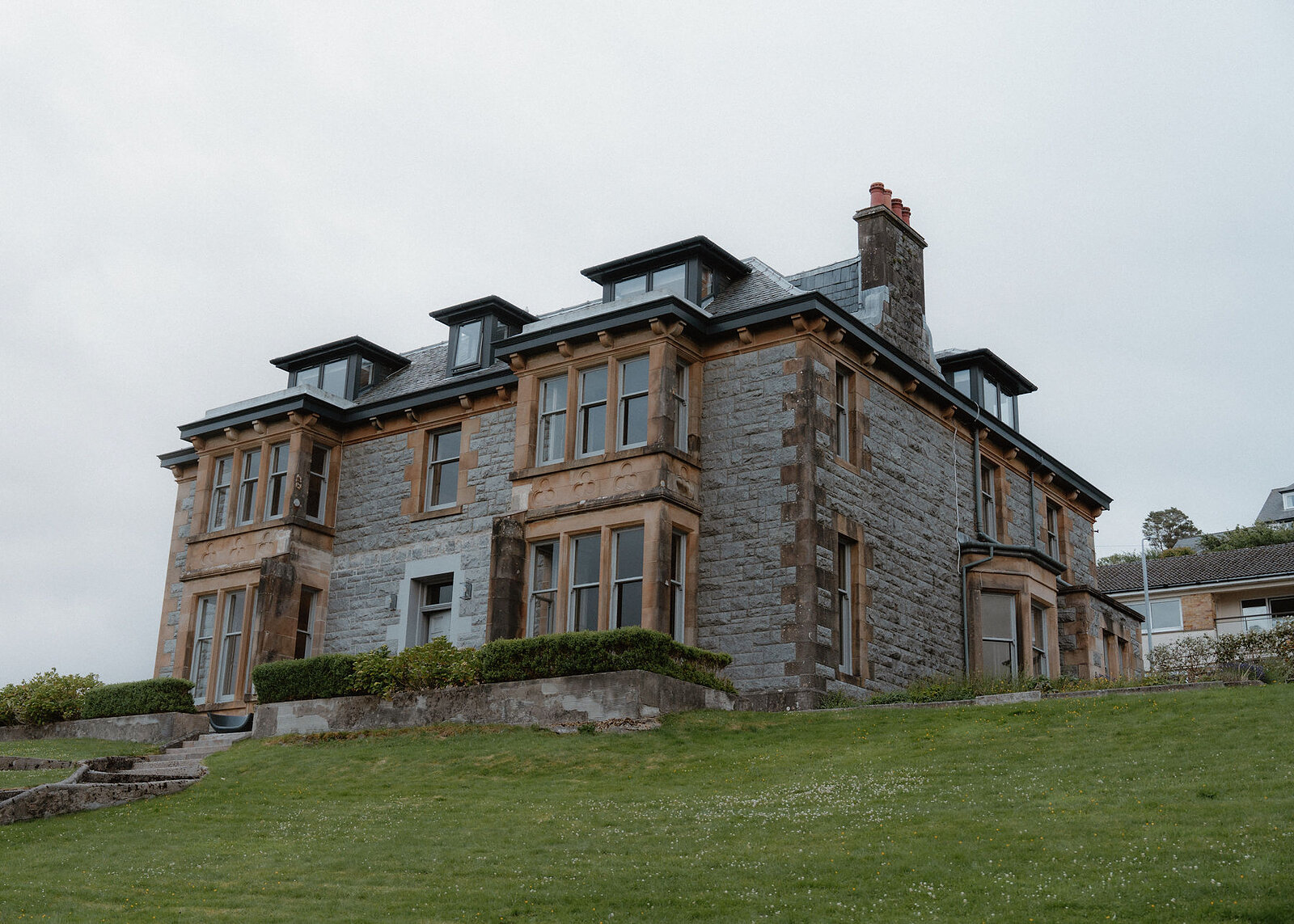 The Drury
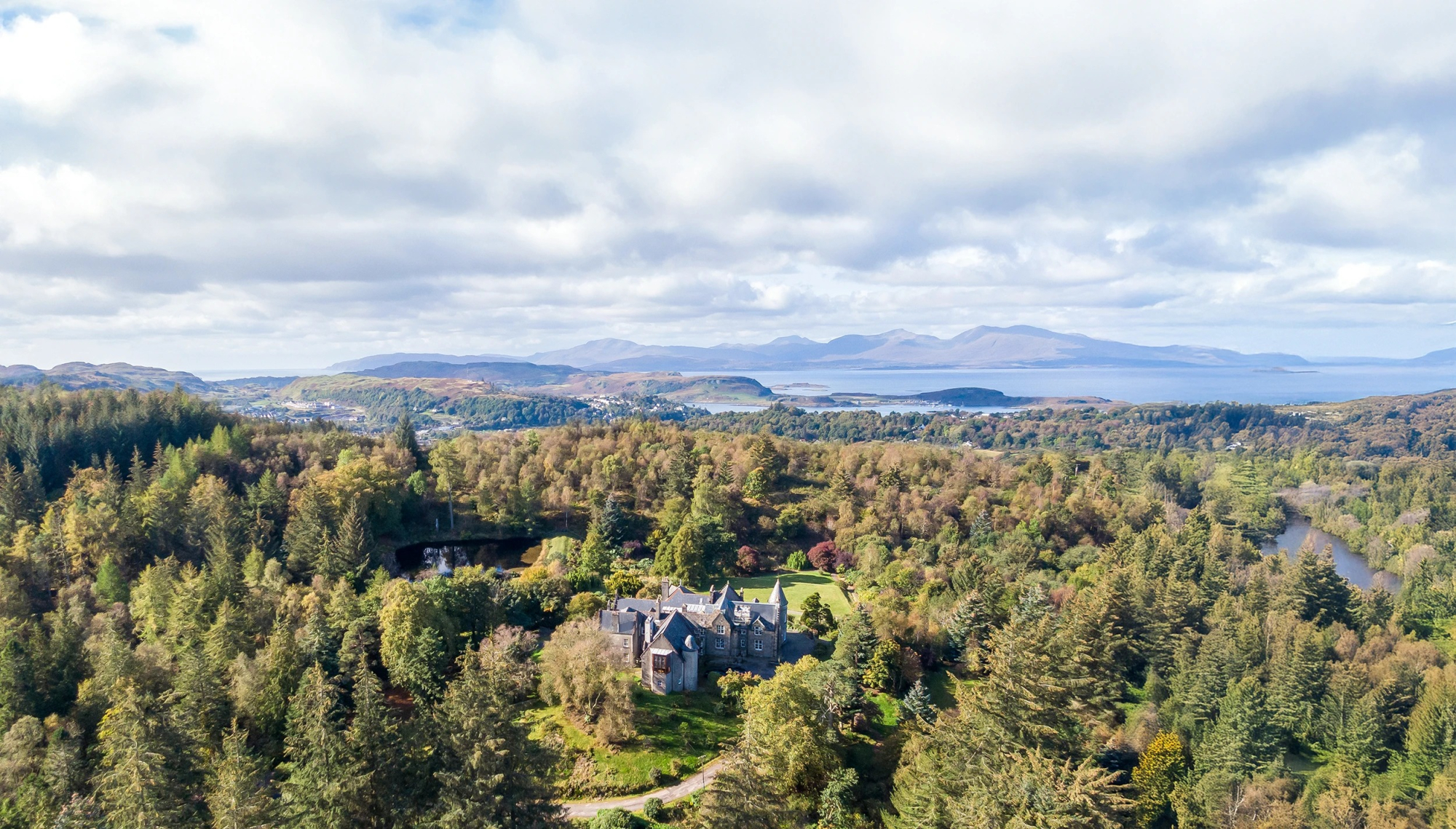 Glencruitten House
 Uisge Bothy
 Beatha
We want to show you the best that Scotland has to offer. The makers and the creatives, the enduring experiences, the evocative tales, the concealed corners. The roads less travelled that take you to places that matter. The adventures that gather you up and sweep you away. The blend of the wild and the artistic that makes Scotland what it is. We’d love for you to join us.
What we have written about it and more in Argyll and Bute.
For further reading, before you go. The details on this page were checked on .