
Oban
The Dog Stone
Introduction
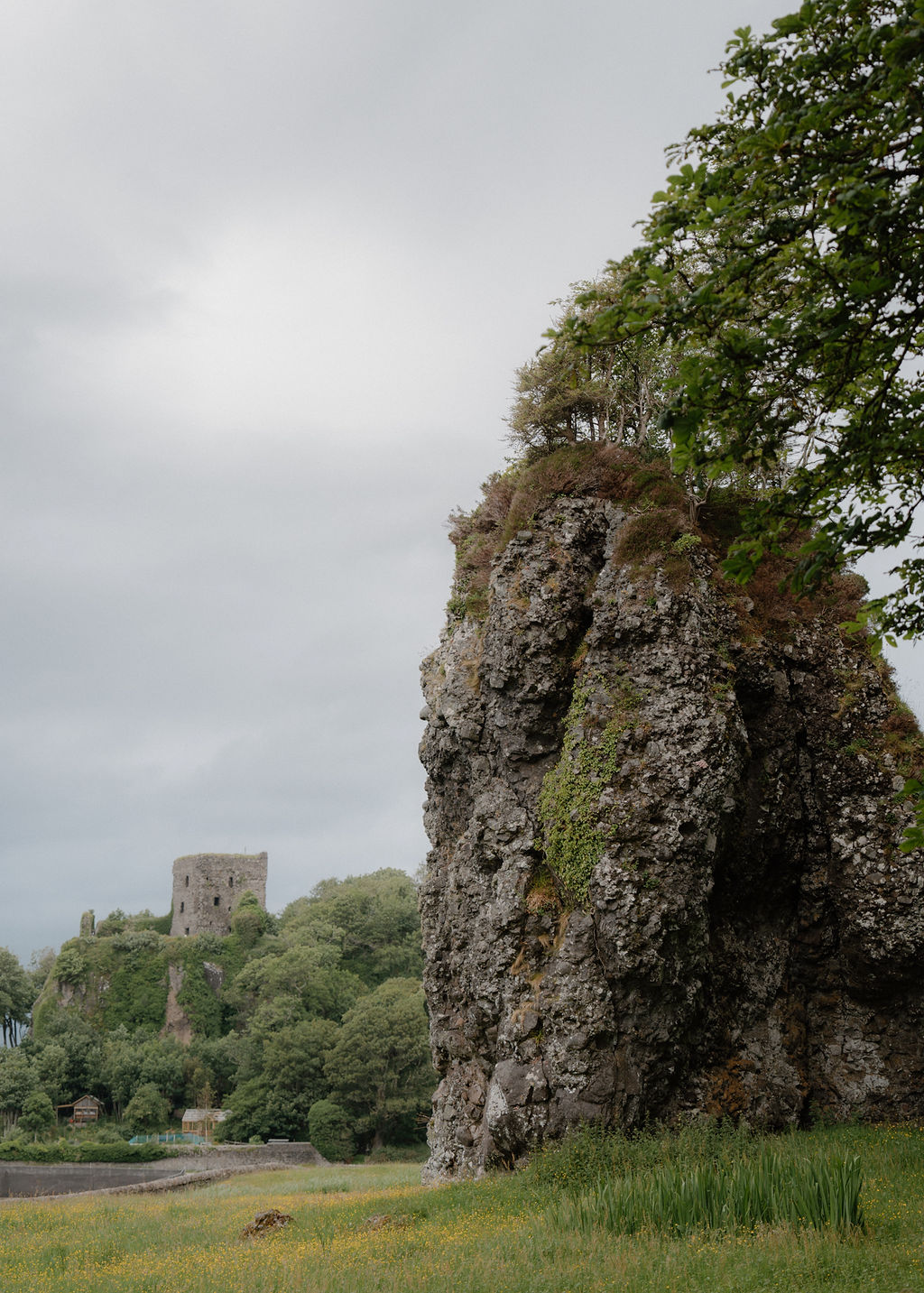
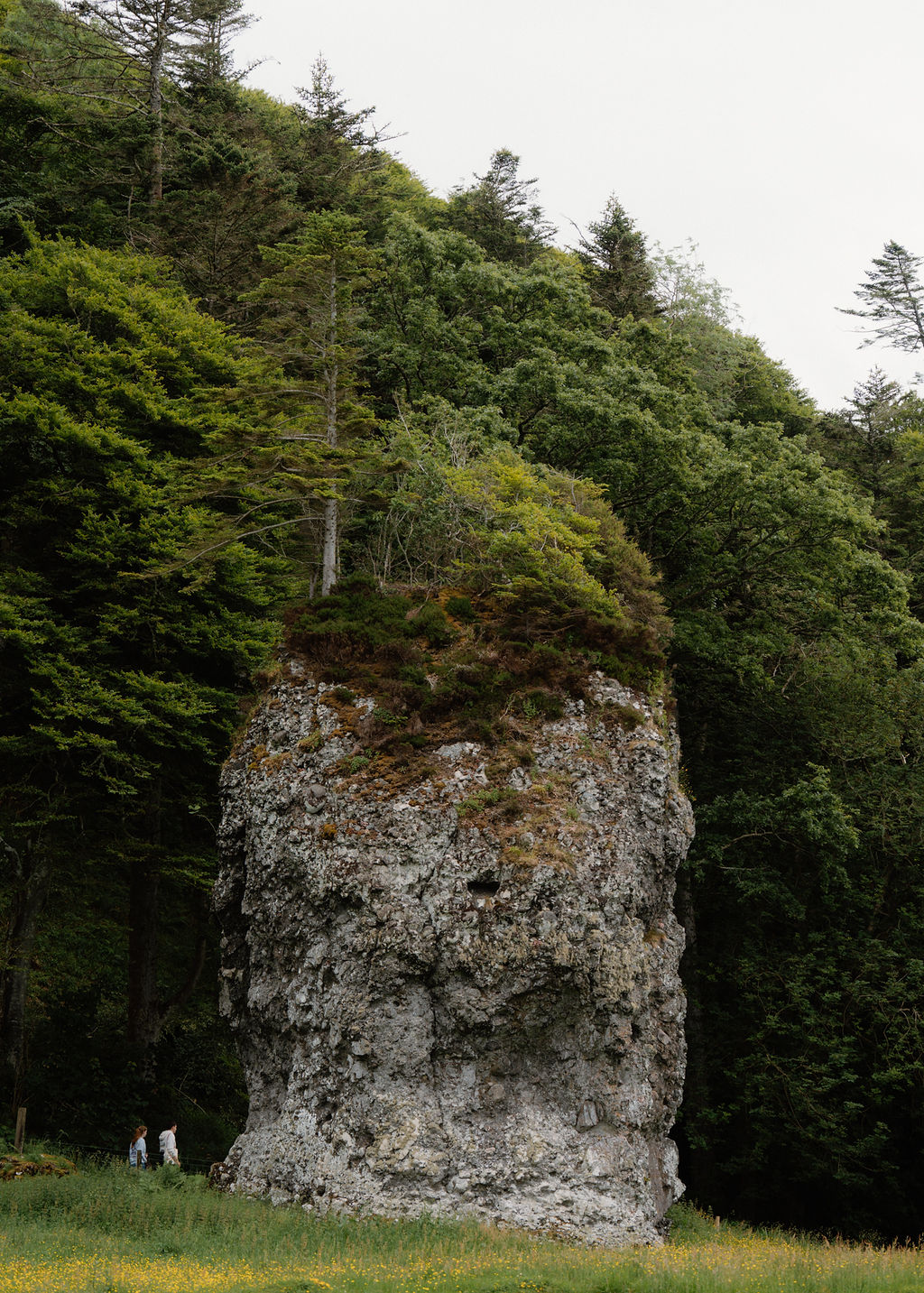
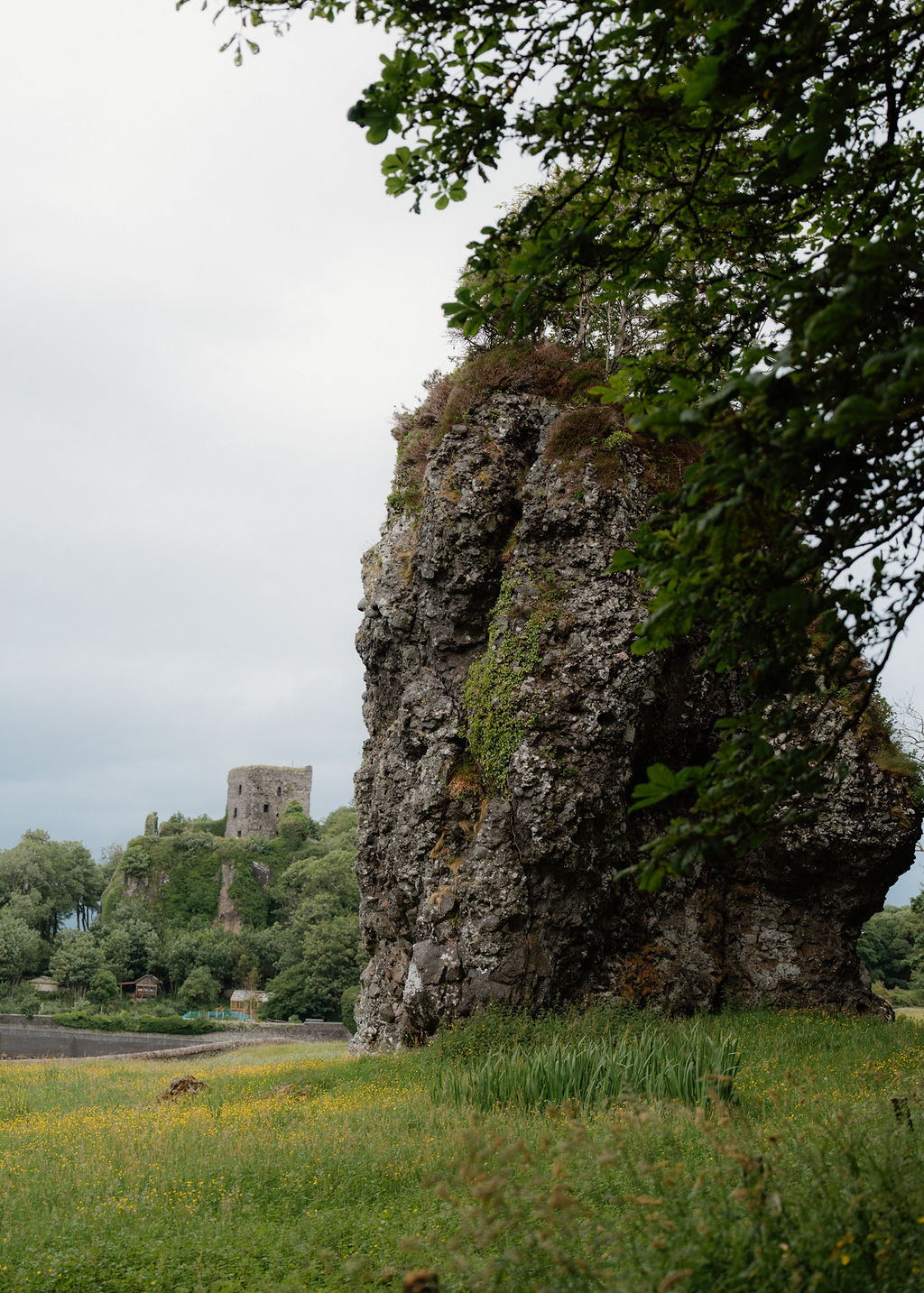
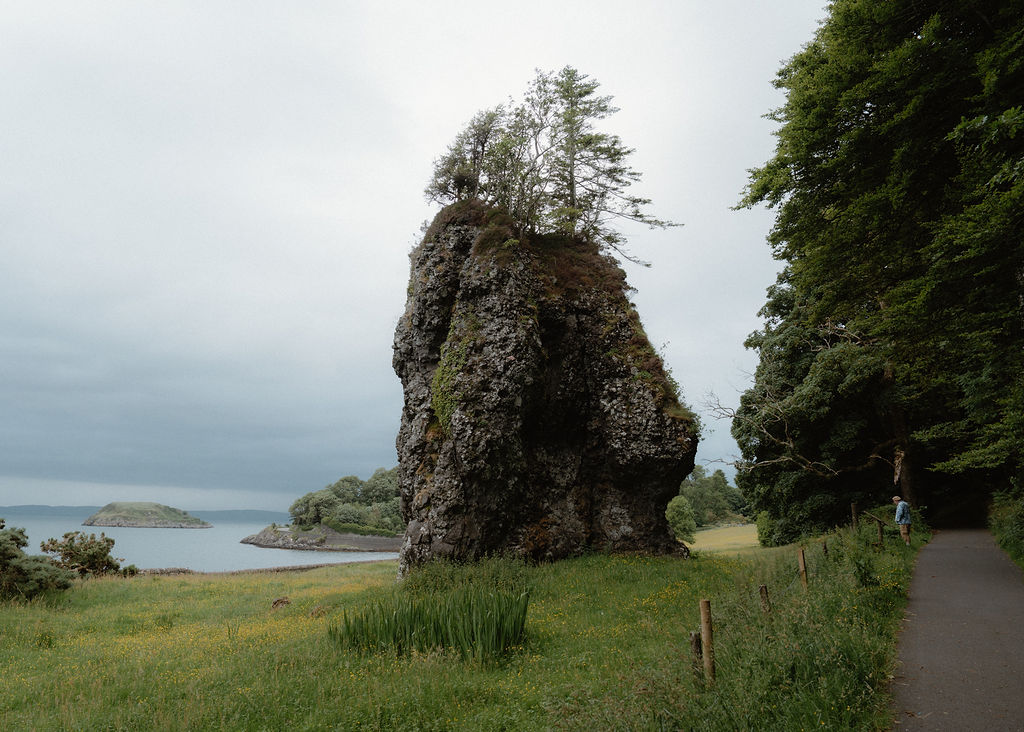
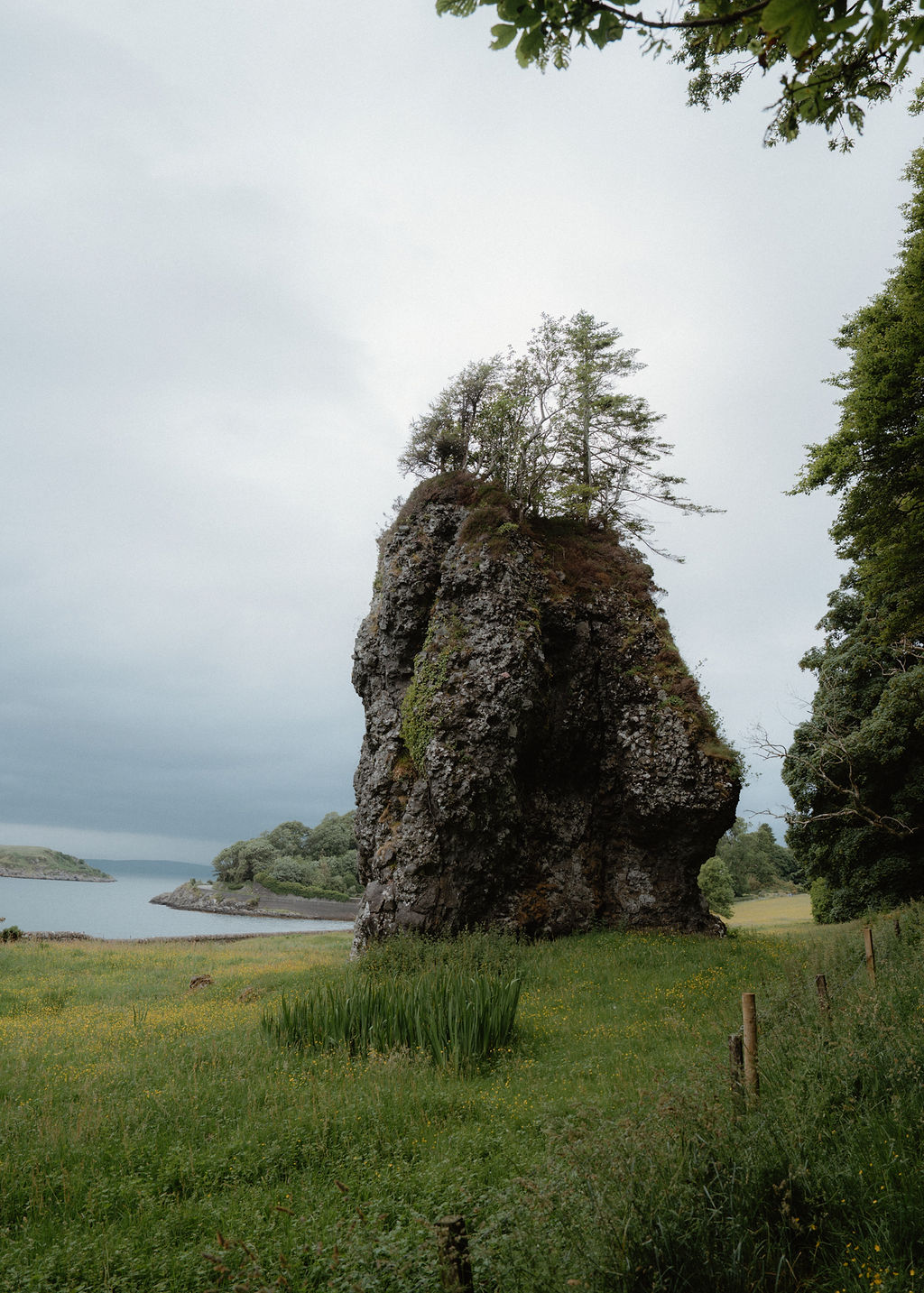
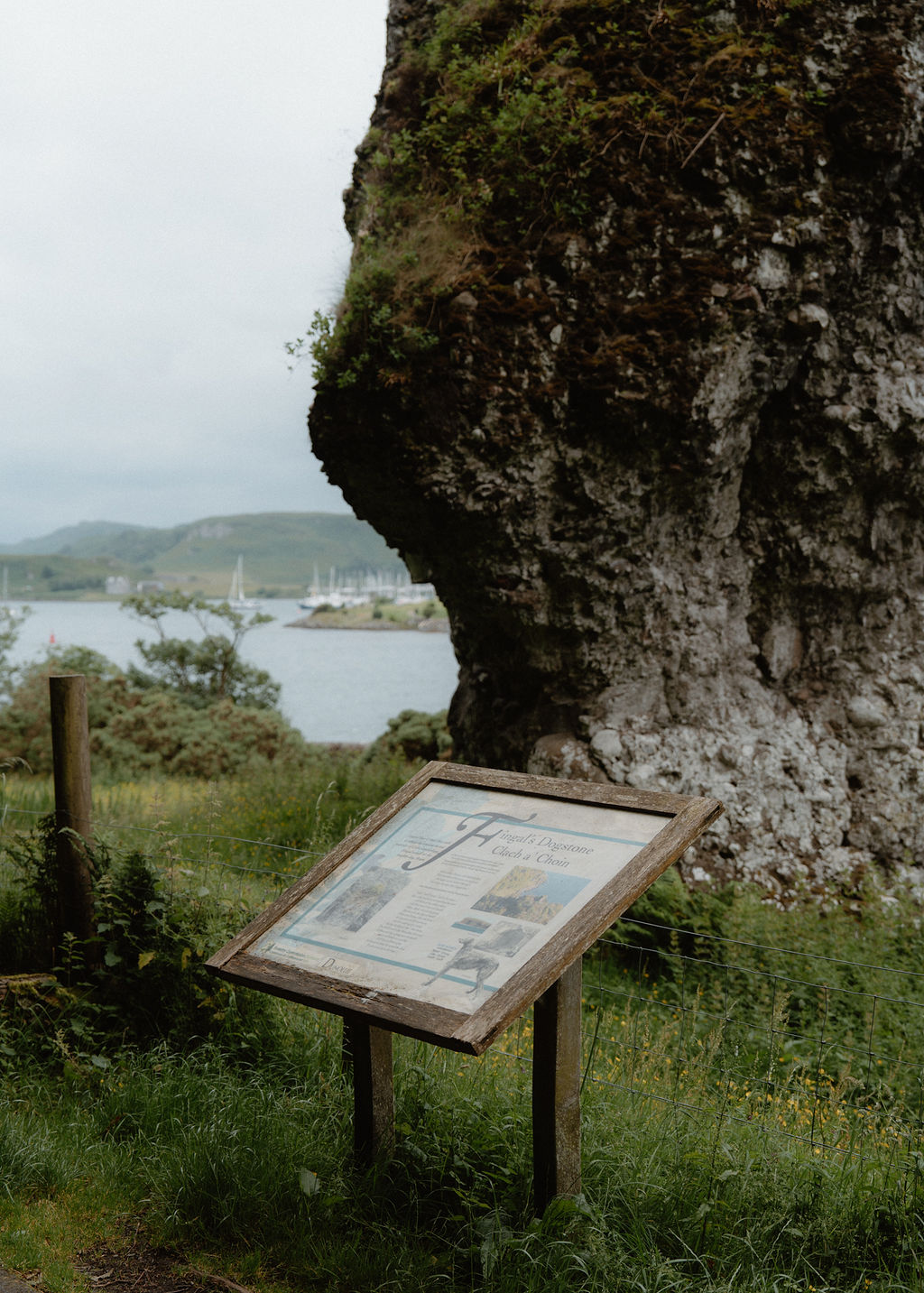
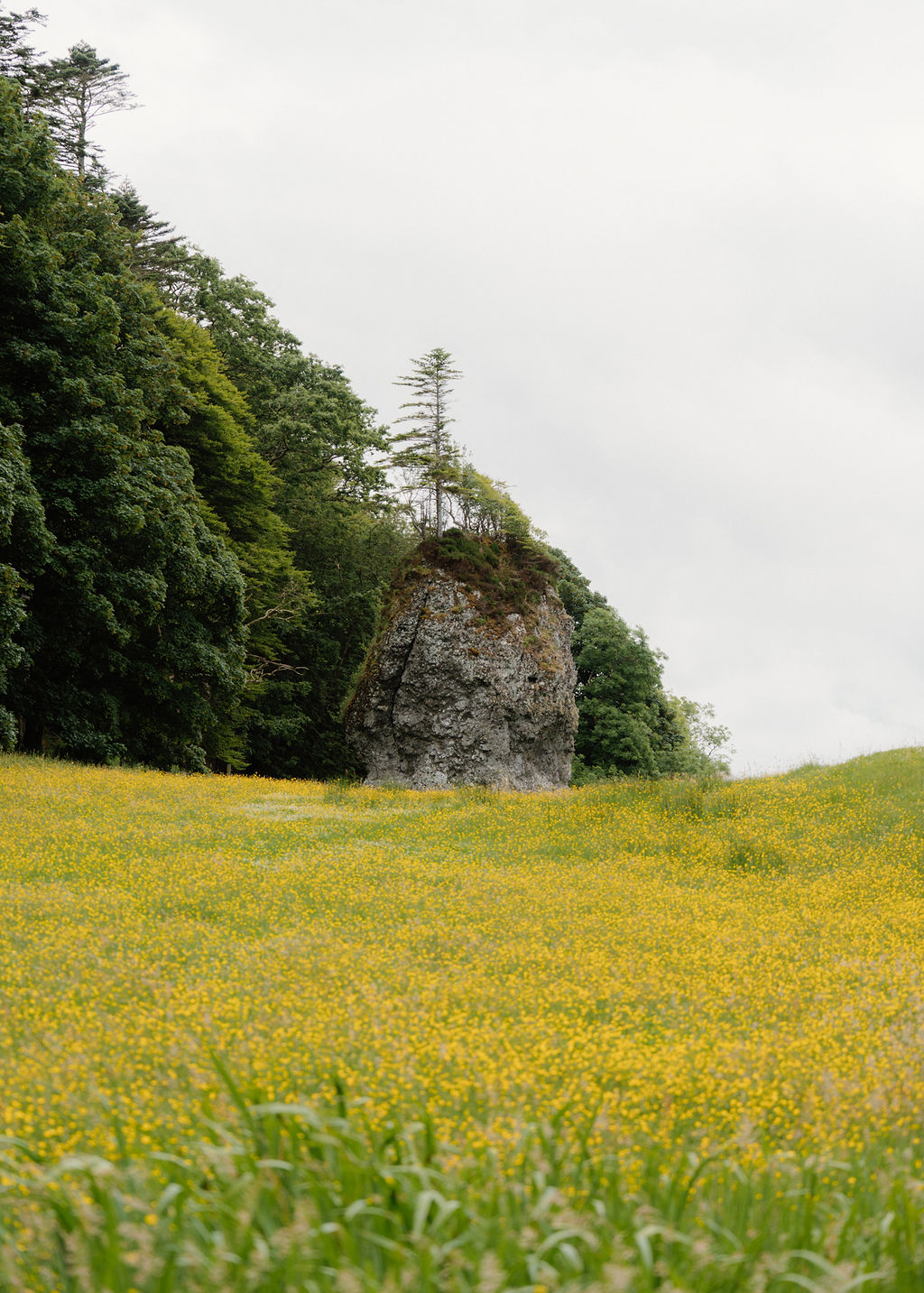
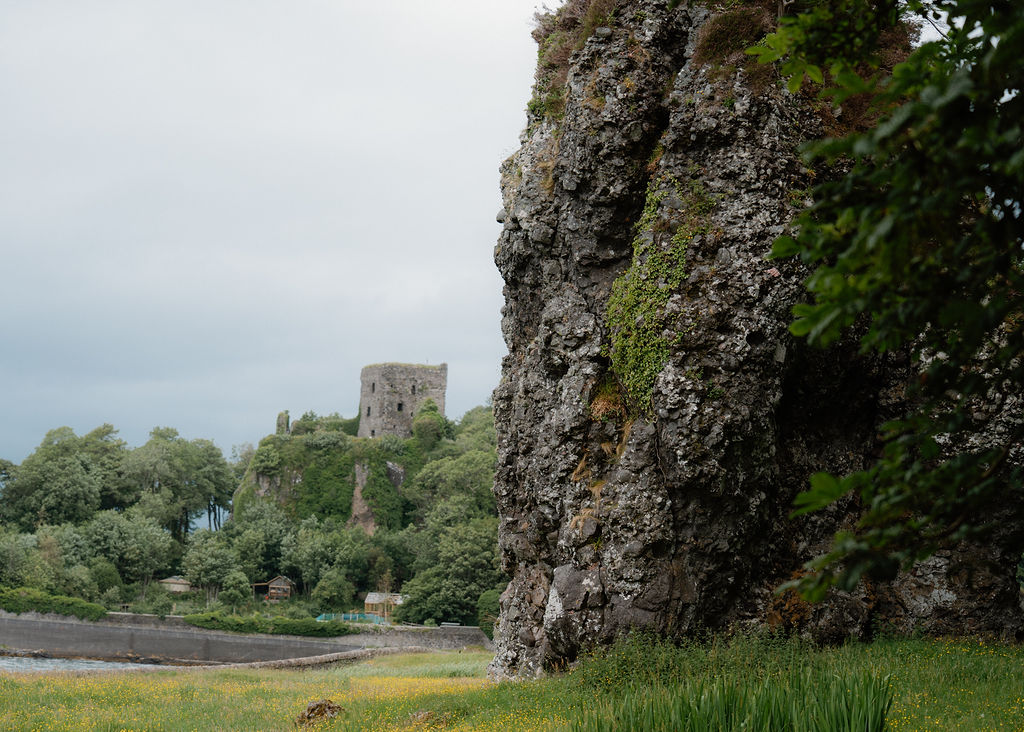
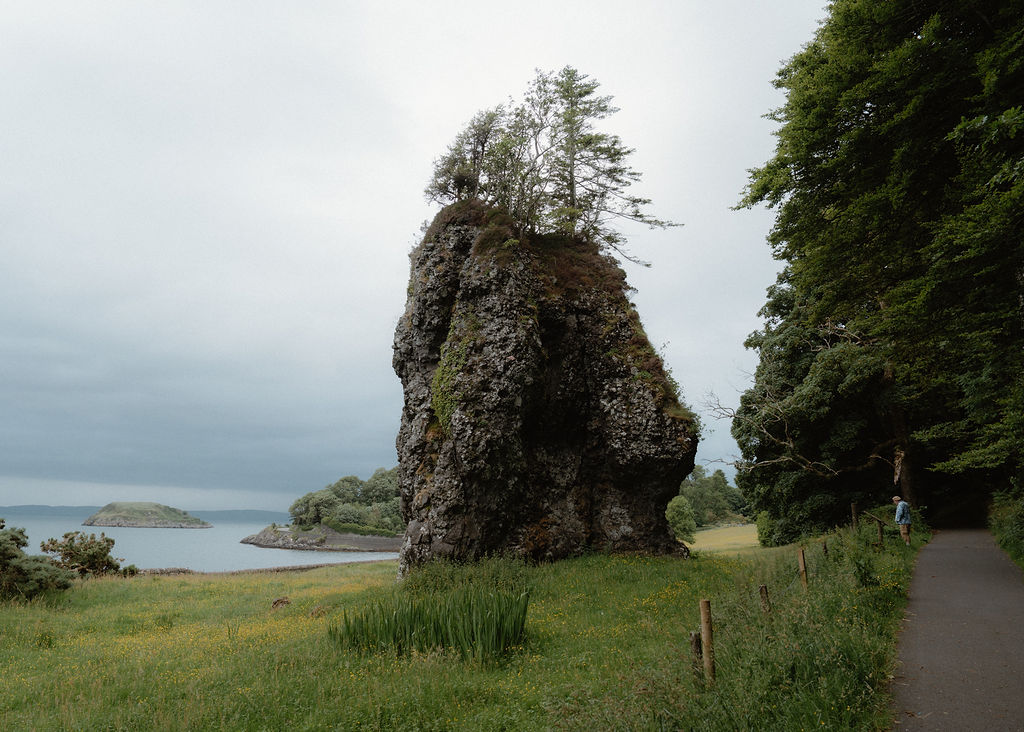
The Dog Stone, Clach a' Choin in Gaelic, is a stranded sea stack standing in the trees just south of Dunollie Castle, on the coast road out of Oban. It's made of conglomerate, a pudding-stone of rounded pebbles cemented together around 415 million years ago, and it once stood in open water, carved into a column by the waves. When the ice sheets melted, the land, freed of all that weight, slowly rose, lifting the stack clear of the sea. The Victorian geologist Hugh Miller cited it as evidence that Scotland's coastline had risen since the Ice Age, and it remains a textbook site for the subject.
The better story is the older one. Fingal, the giant warrior of Celtic legend, Fionn mac Cumhaill to the Irish, is said to have tethered his enormous hound Bran to the stone whenever he went hunting in the Hebrides. Bran strained so hard at his leash that he wore the base of the stack thin, which is exactly how it looks: narrower at the bottom, as if something huge has been circling it for centuries. On stormy nights, they say, you can still hear him howling. Either explanation is a good one.
Location
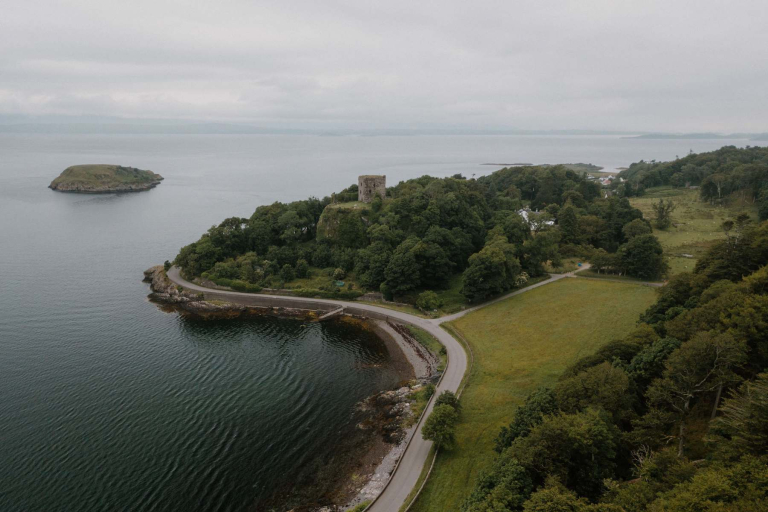
The Dog Stone stands just off the Corran Esplanade on the northern edge of Oban, a short distance south of Dunollie Castle and about 15 minutes' walk from the town centre along the seafront. There's parking on the Esplanade nearby. A path leads to the stone from the roadside, it's free to visit at any time, and it pairs naturally with the walk on to Dunollie or the beach at Ganavan Sands beyond.
What's nearby
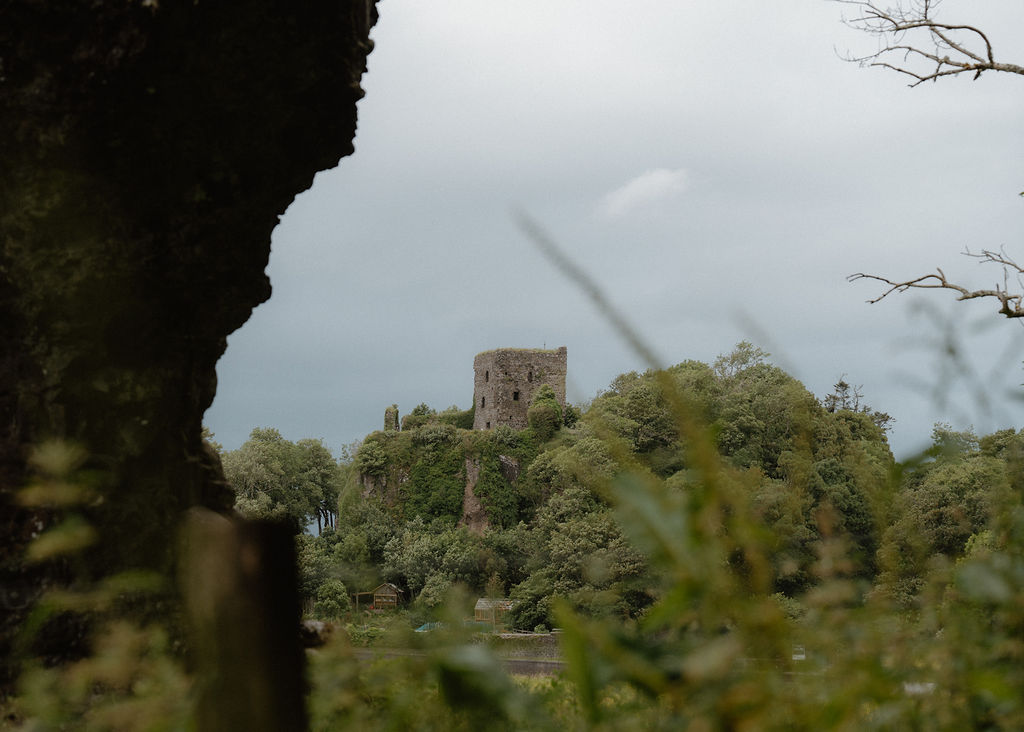
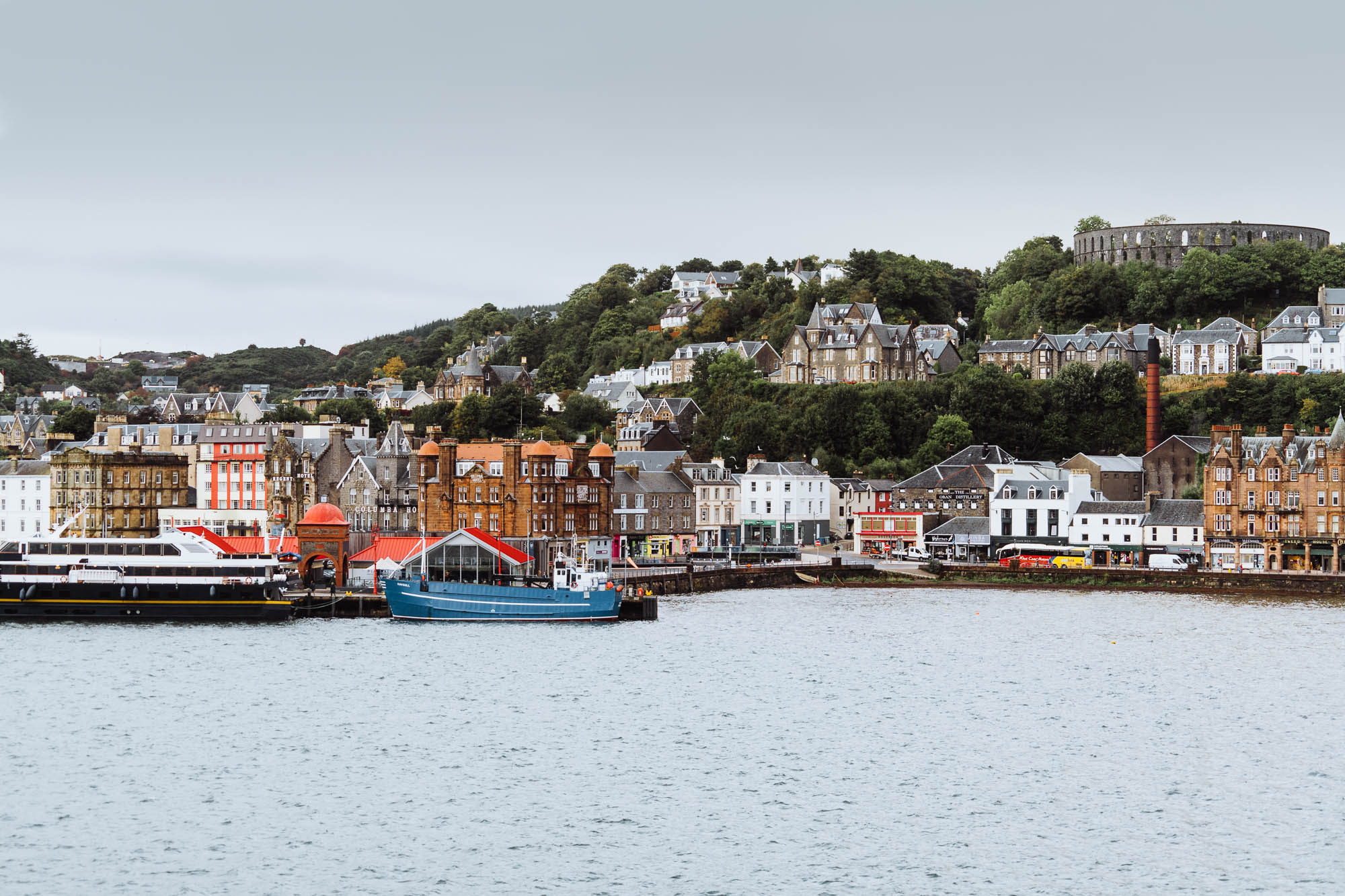
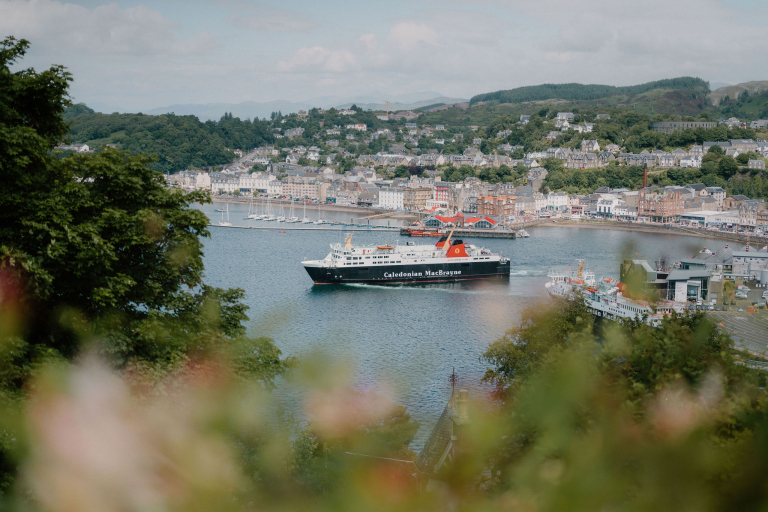
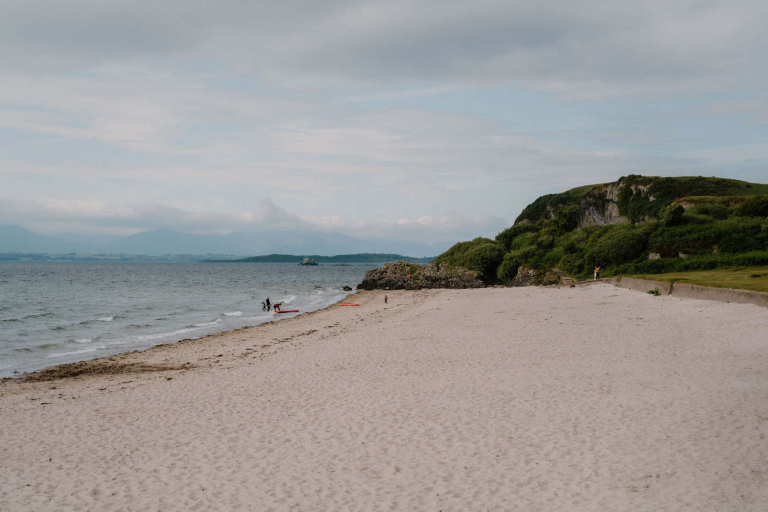
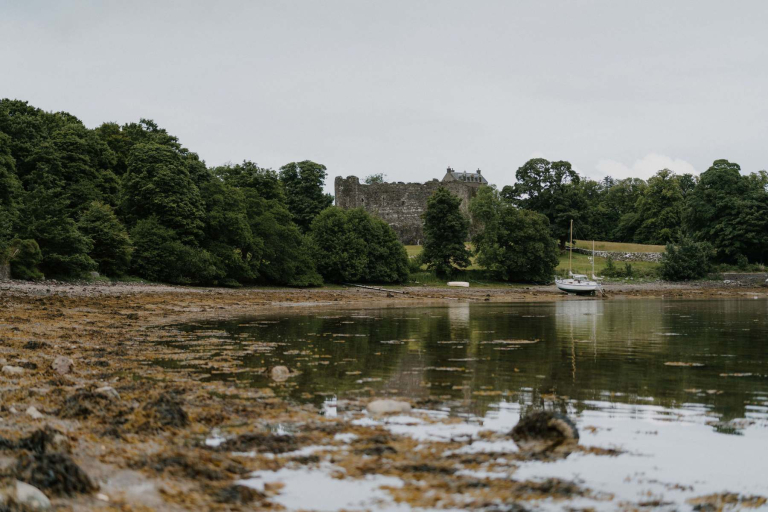
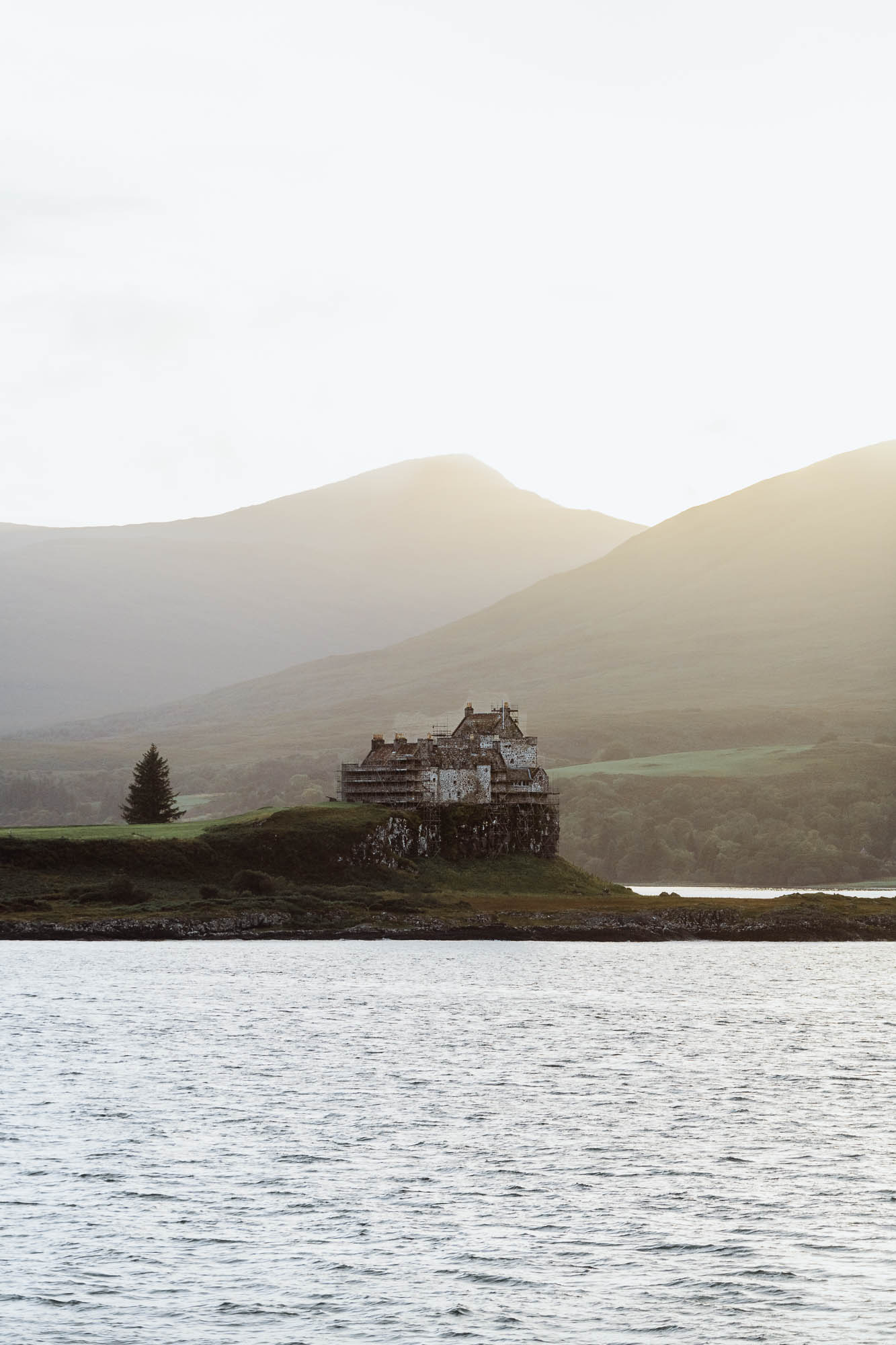
Dunollie Castle and Museum is minutes away, the ruined stronghold of the MacDougalls on its wooded headland above the bay, with the 1745 House museum telling the clan's story. Ganavan Sands, a mile further along the coast road, is Oban's beach, with wide views out to Lismore and Mull. Back towards town, the Corran Esplanade passes St Columba's Cathedral, a granite Giles Gilbert Scott design, on the way to the harbour, the distillery and the seafood. And for the full Fingal experience, boat trips from Oban run to Staffa and Fingal's Cave, the giant's more famous piece of geology.










-medium-large-1783285021.jpg)
Where to stay nearby






 Sign in with Google
 Sign in with Email