
Oban
Oban Harbour
Introduction
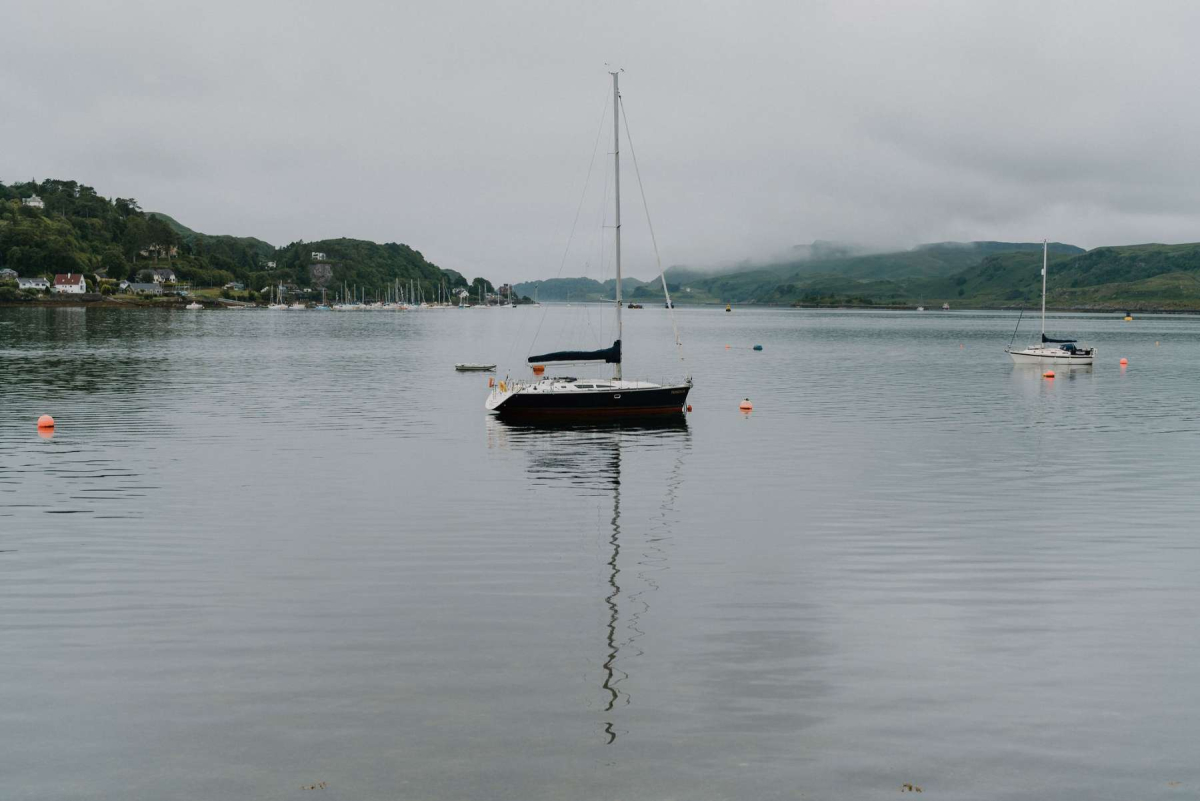
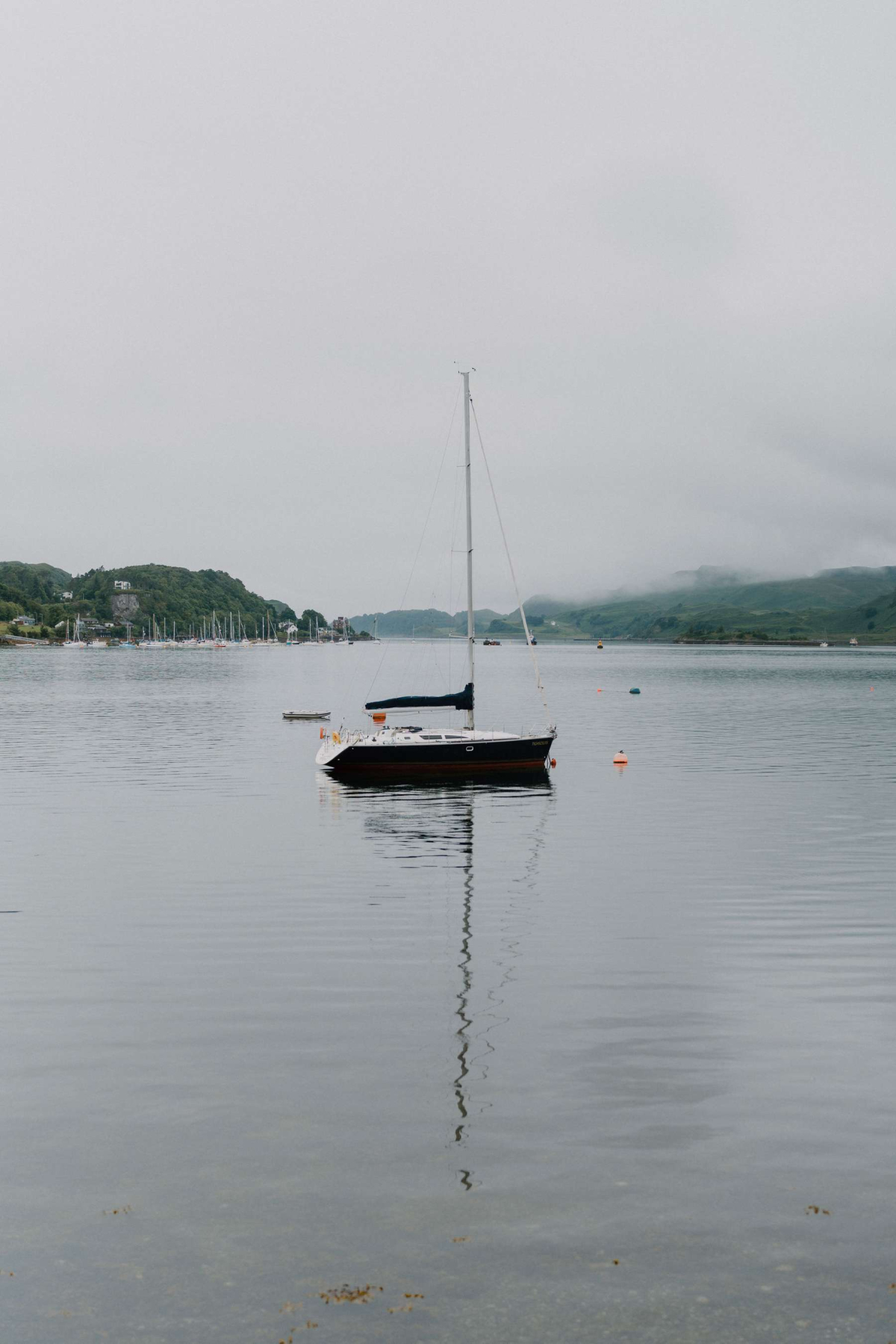
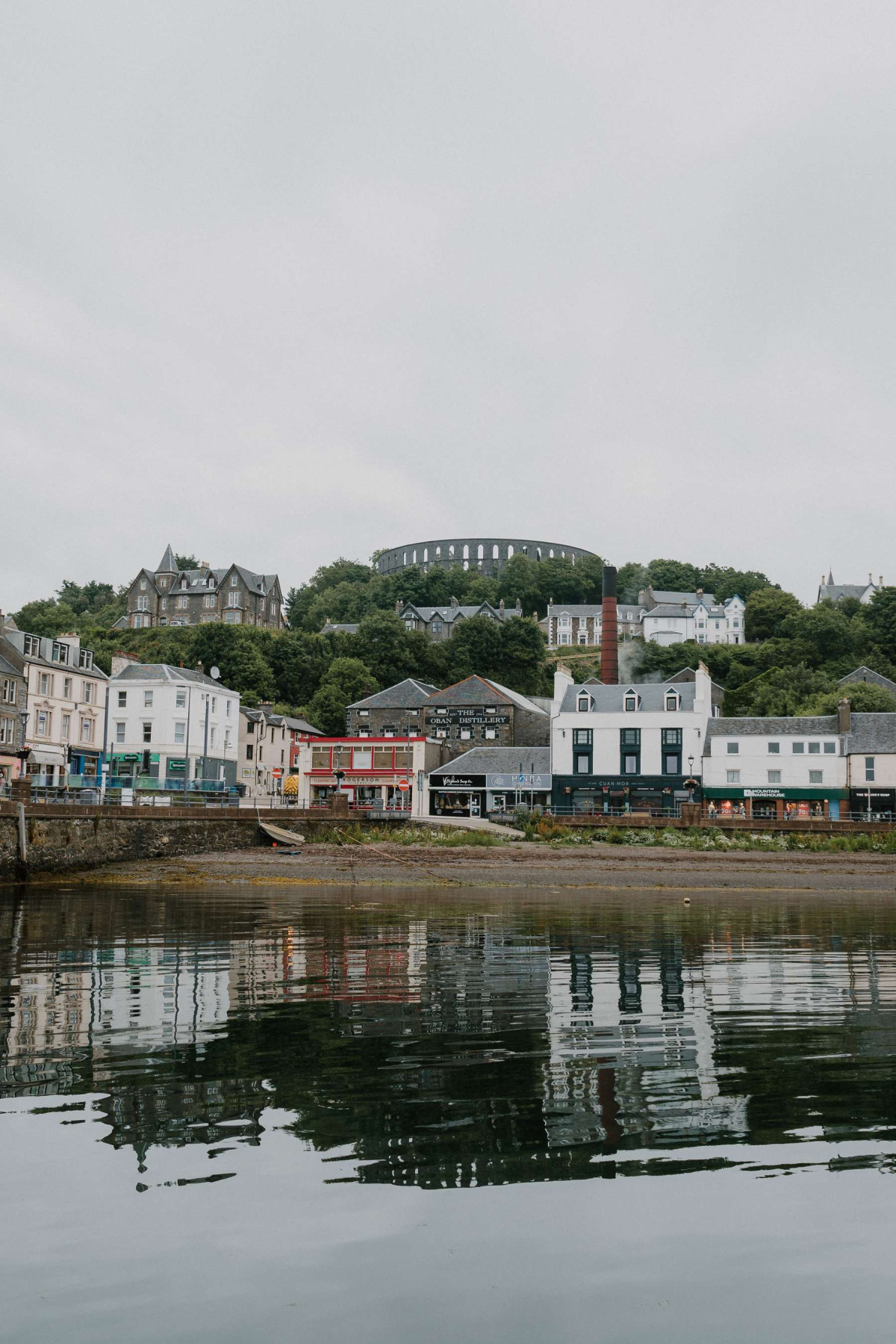
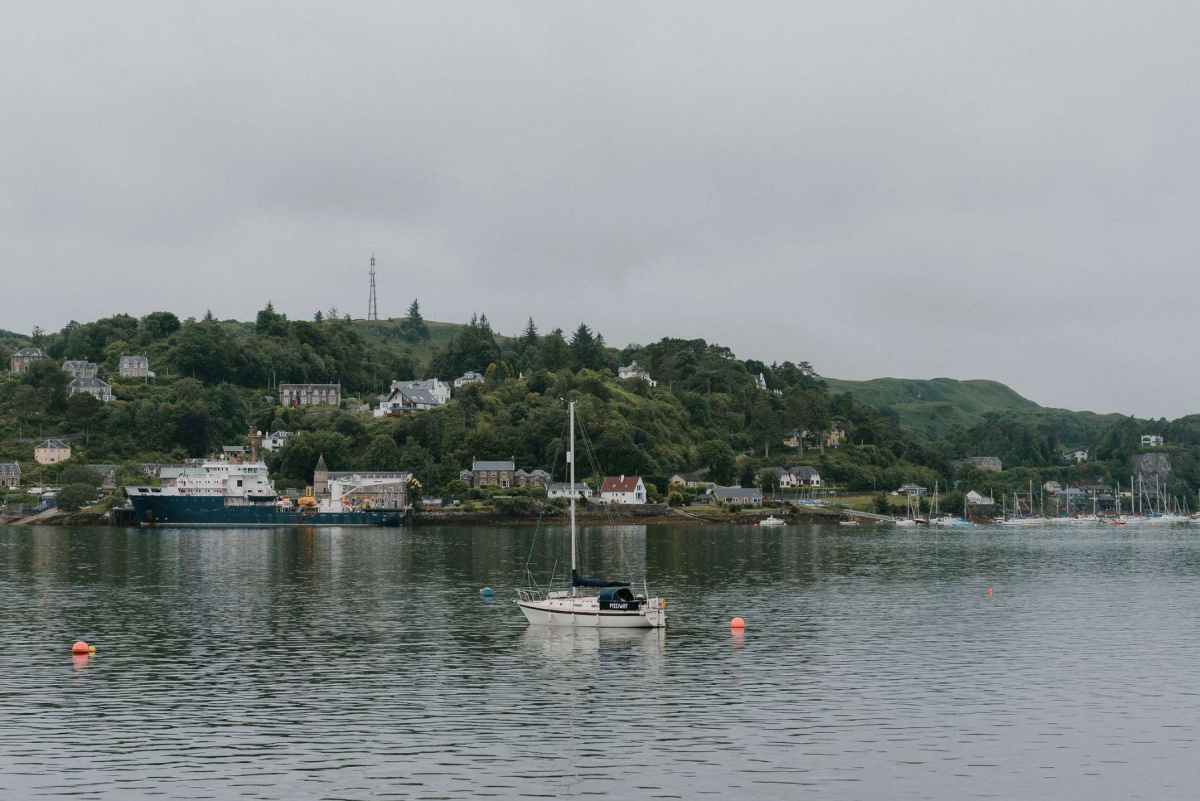
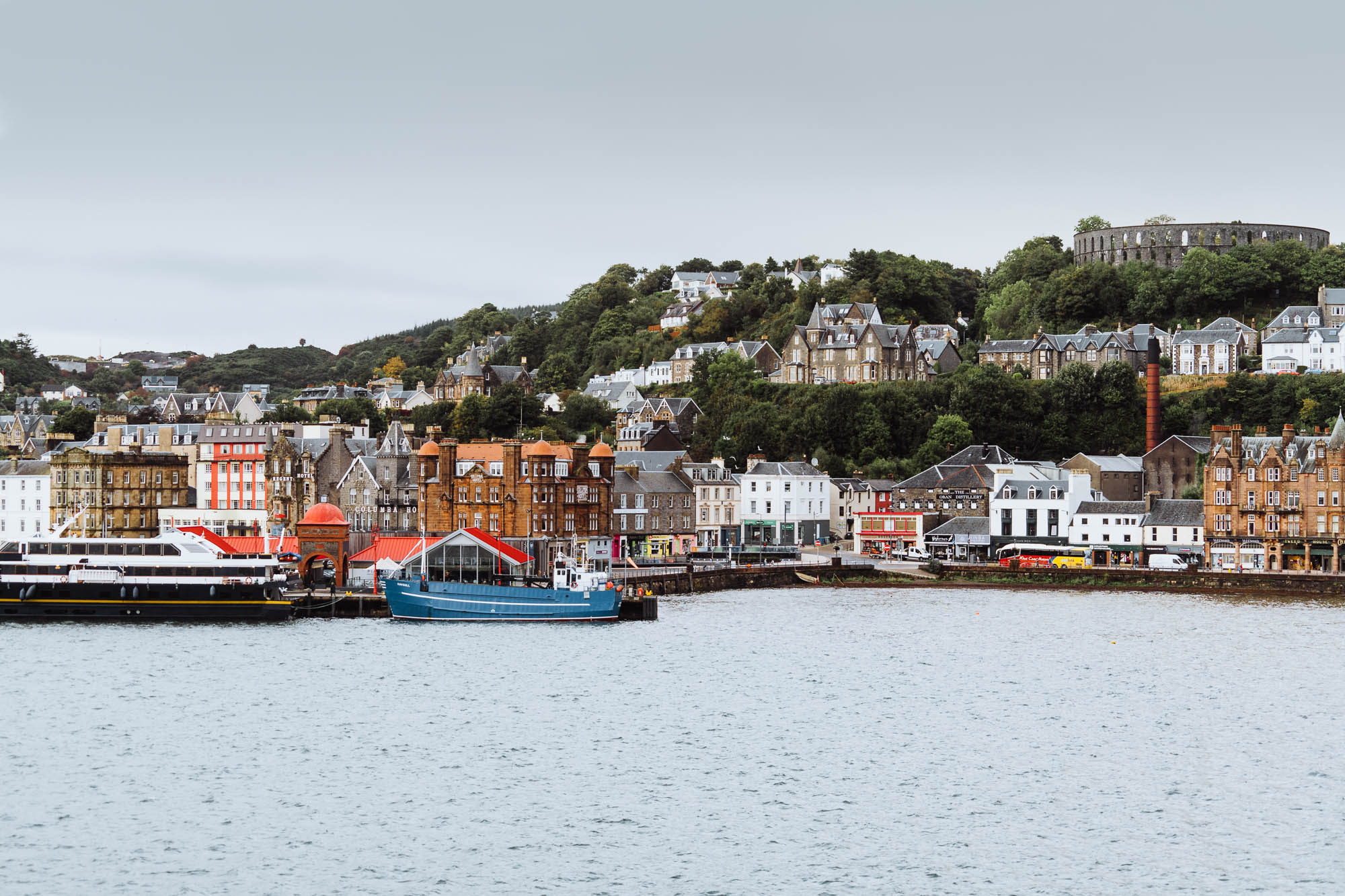
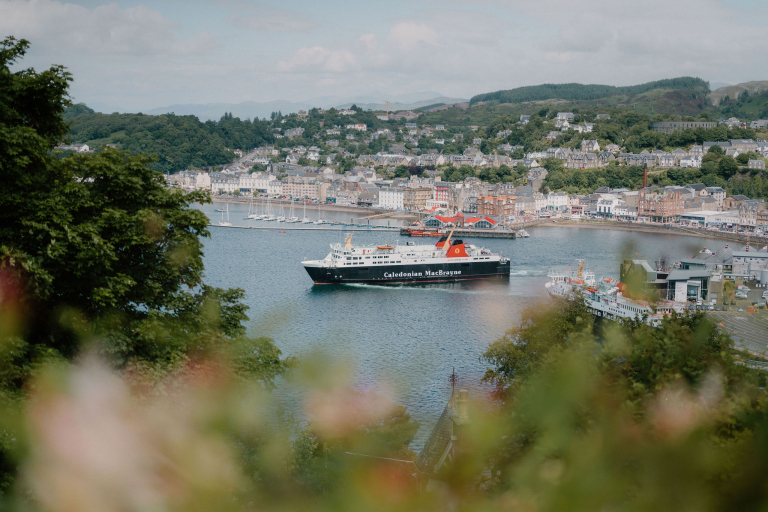
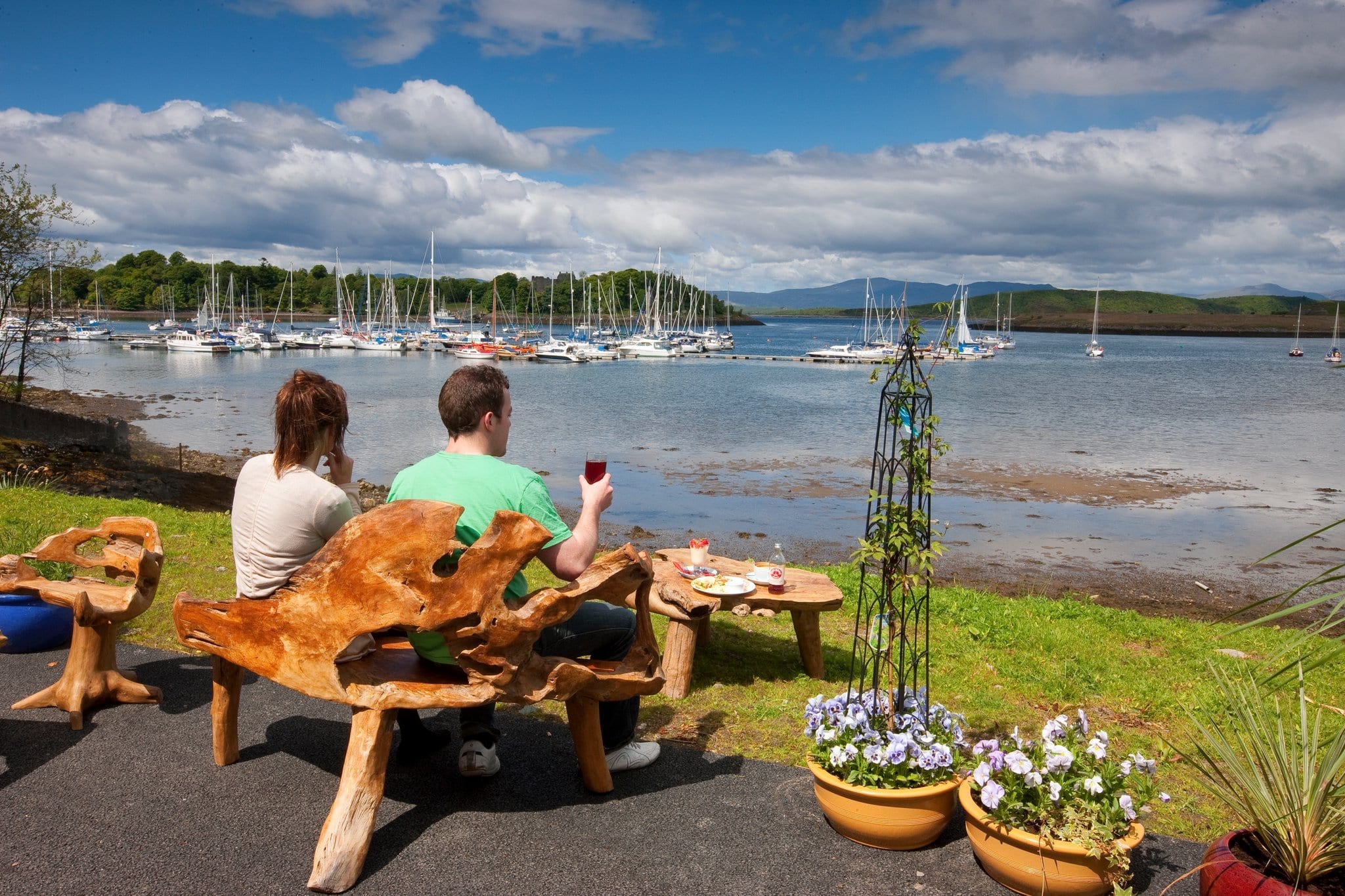
The name gives the game away. Oban comes from the Gaelic An t-Òban, the little bay, and the bay is the whole reason the town exists: a deep natural anchorage sheltered from the Atlantic by the island of Kerrera, which sits across the mouth like a breakwater. A custom house arrived in 1736 to clear boats for the herring fishery, the distillery followed in 1794, and the town grew up around both. The Railway Pier opened in 1880 alongside the station, built on reclaimed land so trains from Glasgow could meet the steamers, and that arrangement still works today, give or take a century and a half of upgrades.
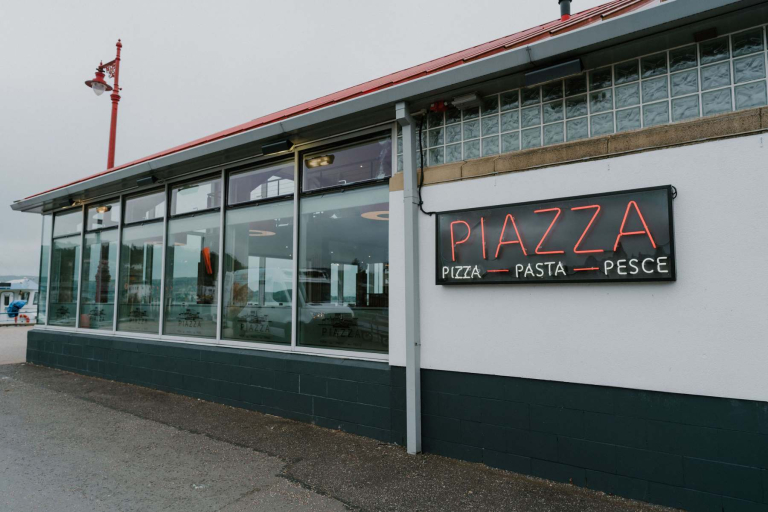
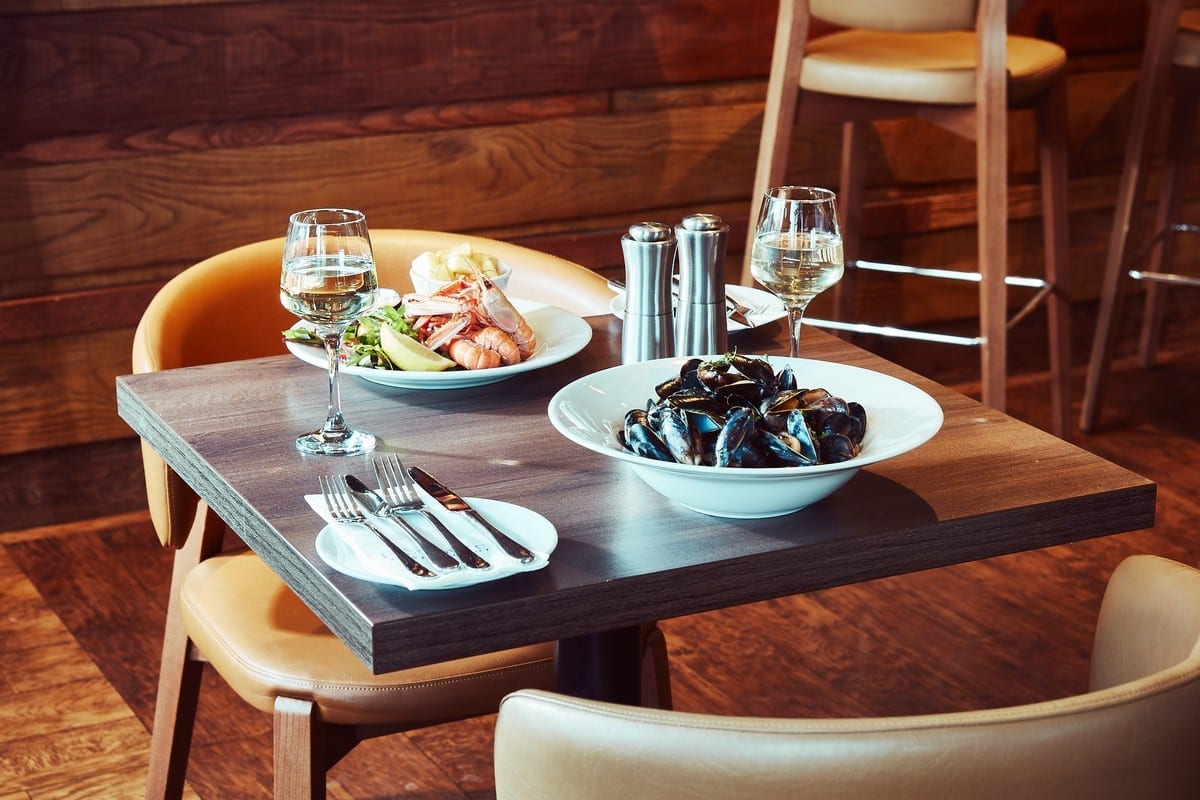
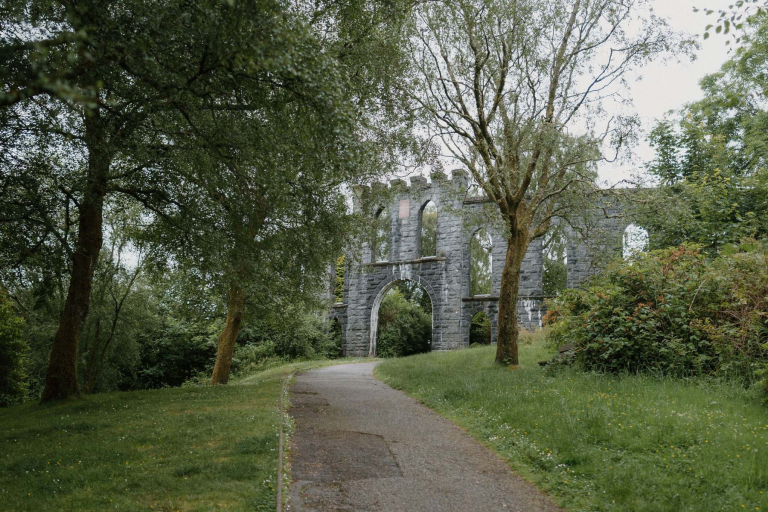
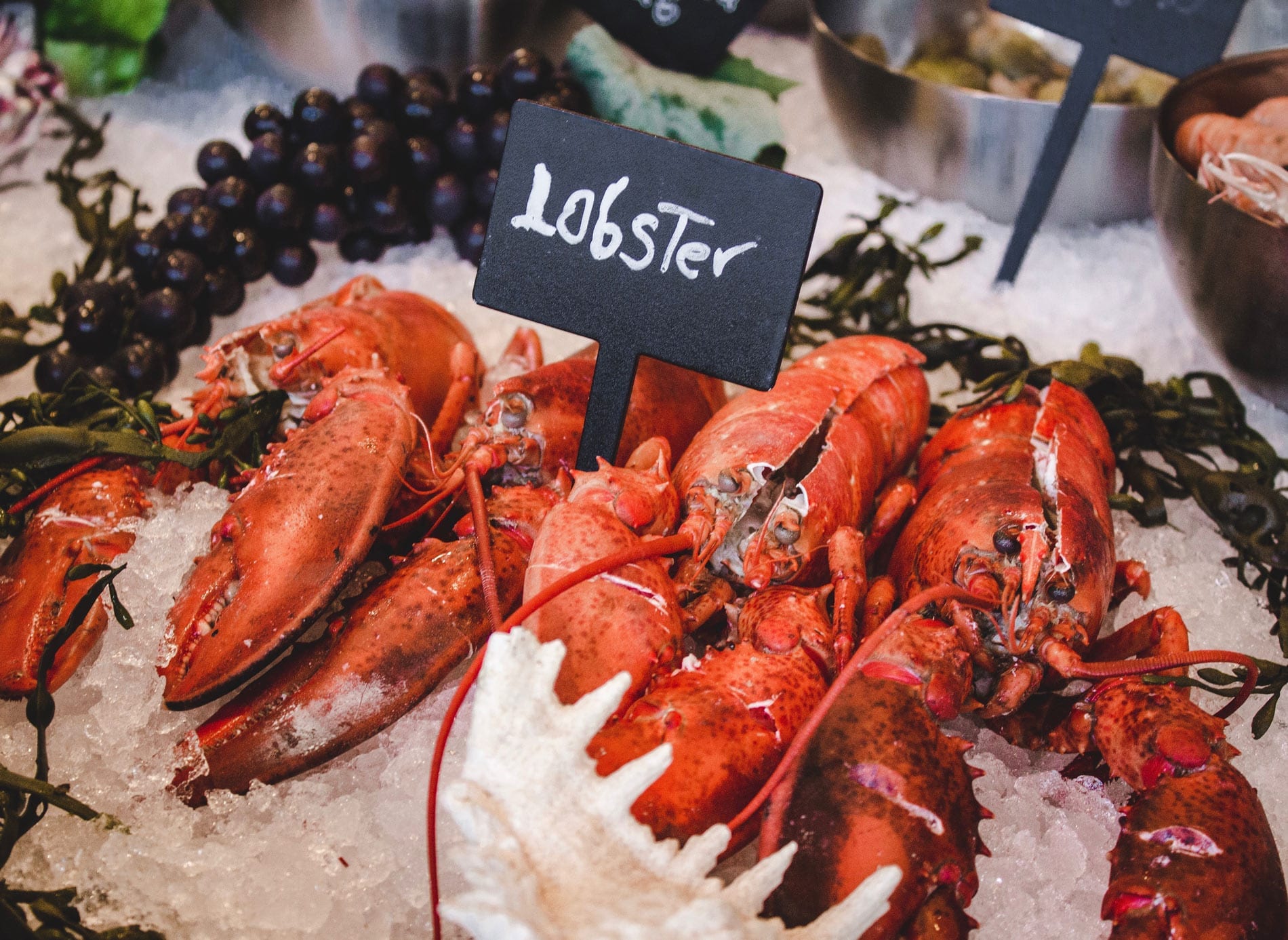
This is CalMac's busiest terminal, the reason Oban gets called the Gateway to the Isles. Ferries sail for Mull, Lismore, Colonsay, Coll, Tiree, Barra and South Uist, and watching them swing in and out of the bay is a spectator sport in its own right, best done from the esplanade or up at McCaig's Tower with a bag of chips. The South Quay is reserved for the fishing fleet landing prawns, crab and scallops, which is where the town's billing as the seafood capital of Scotland stops being marketing. On the Railway Pier itself sits the green-painted Oban Seafood Hut, set up in 1990 by fisherman John Ogden so the local fleet's catch could be sold at sensible prices, and the queue outside it most lunchtimes is deserved. The Waterfront Fishouse occupies the first floor of the old pier building next door, going nearly three decades now.
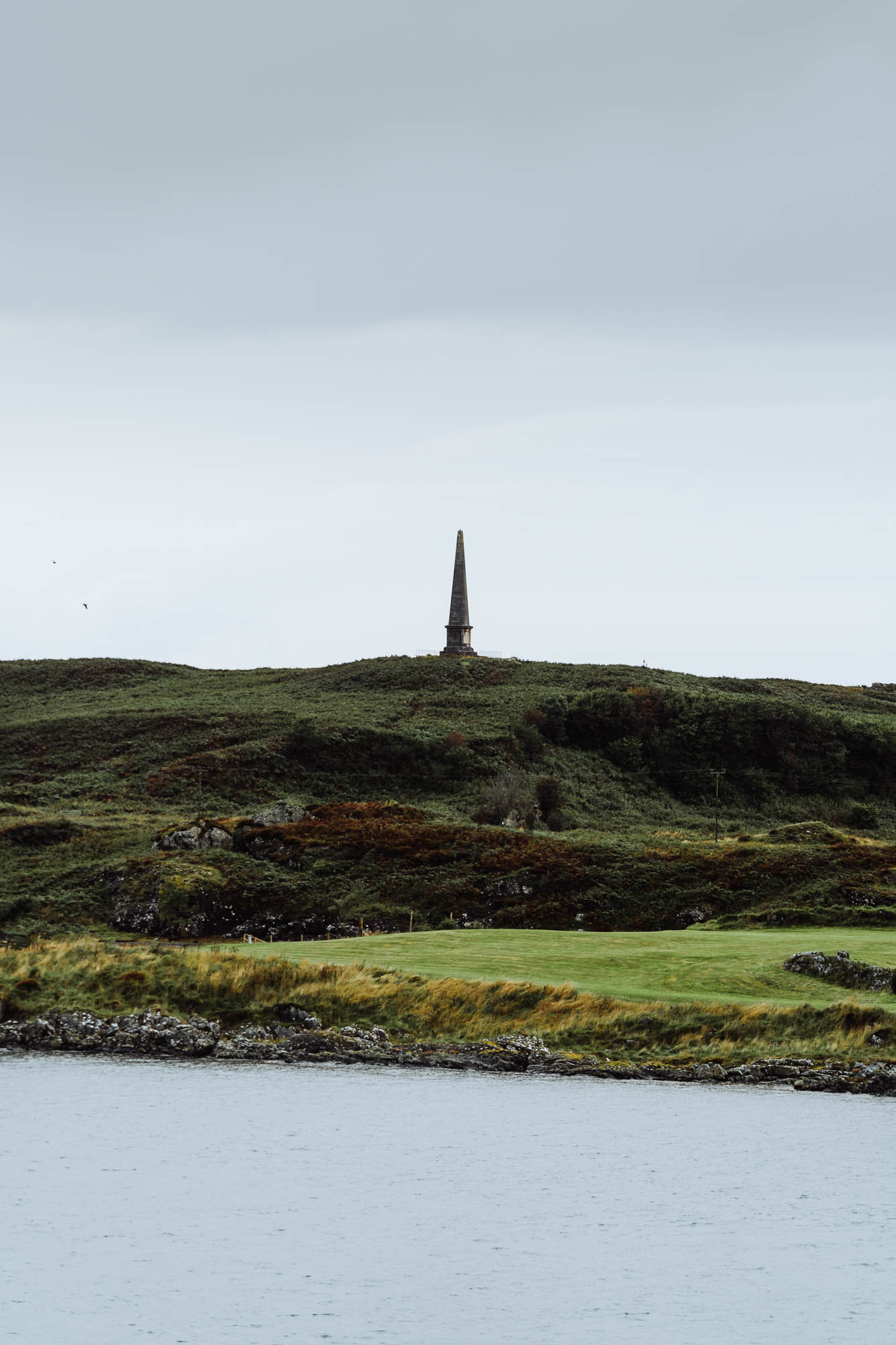
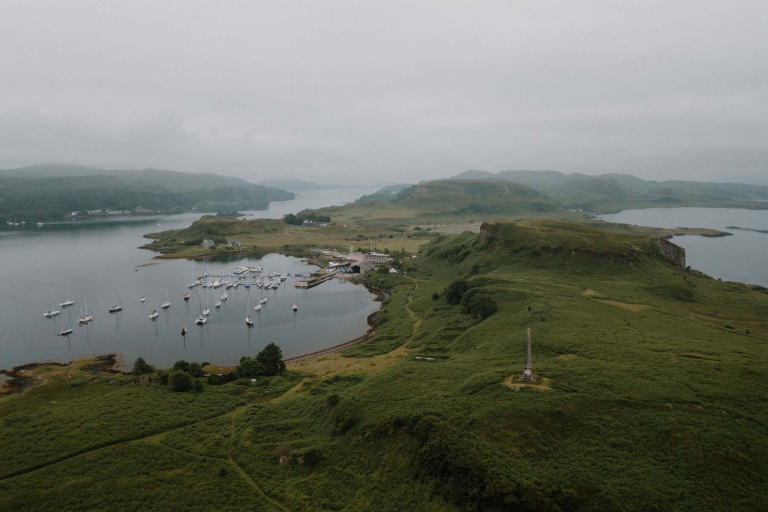
The harbour has quieter stories too. During the Second World War, Oban Bay was a base in the Battle of the Atlantic, with flying boats operating off Ganavan and Kerrera, and the first transatlantic telephone cable came ashore at Gallanach in the 1950s, carrying the hot line between Washington and Moscow. On Kerrera's northern tip, visible from the front, stands the 1883 monument to David Hutcheson, whose shipping firm grew into CalMac. Full circle, more or less.
Location
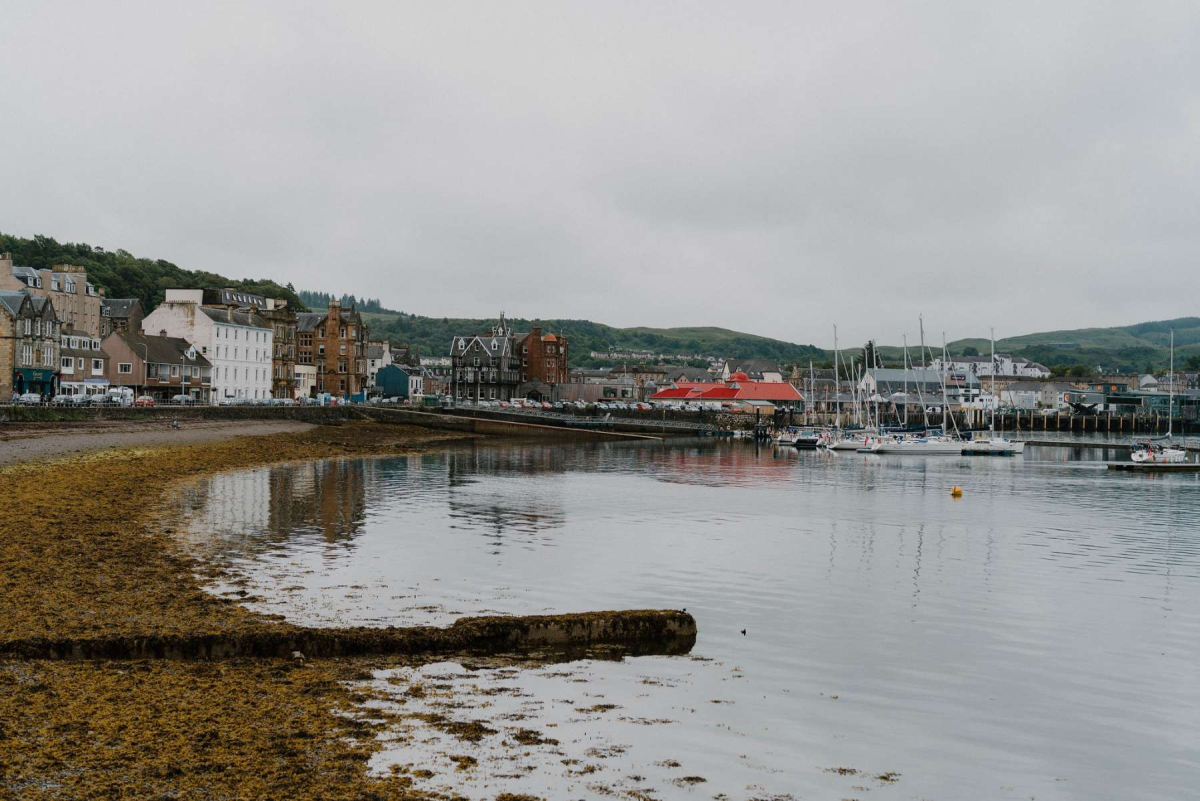
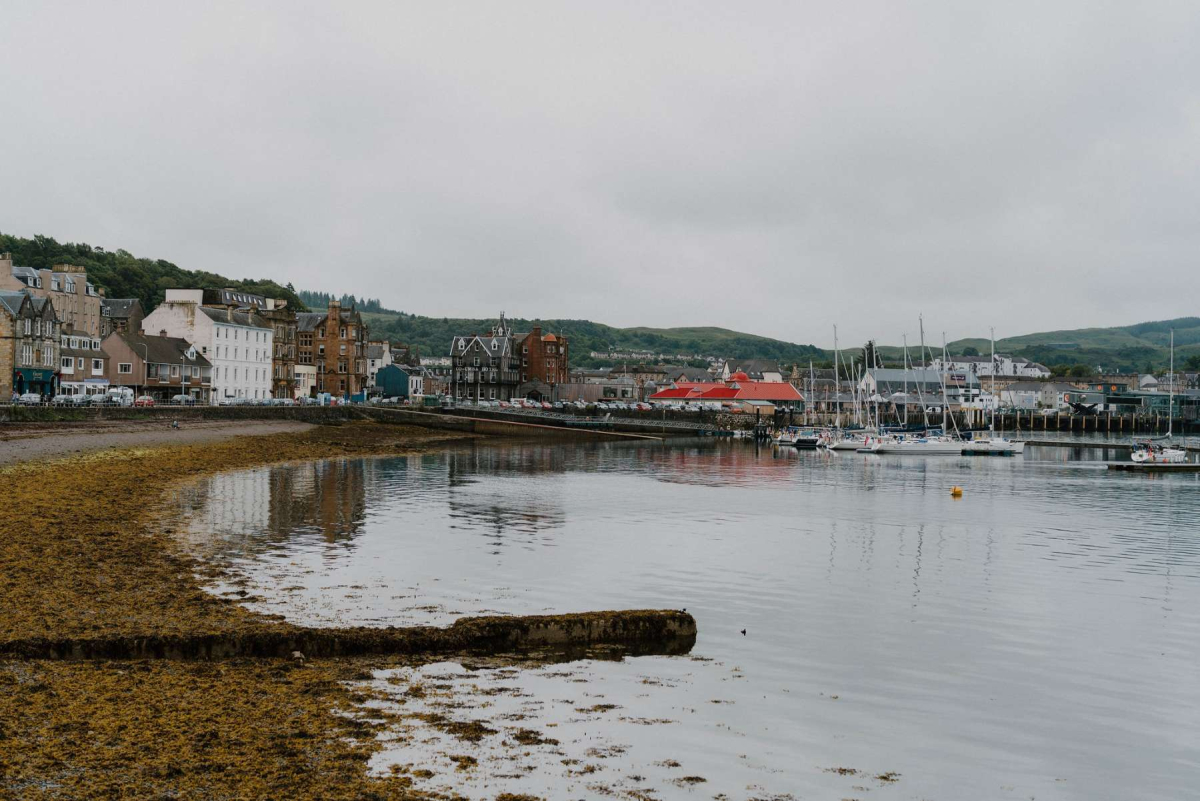
Oban harbour wraps around the town centre, with the CalMac terminal and Railway Pier at the southern end beside the train station, the fishing quay between, and the North Pier a short walk up the front. Oban is around 2 hours 30 from Glasgow by car on the A82 and A85, or three hours on the West Highland Line, which delivers you directly onto the pier. Ferries get busy in summer, so book vehicle space ahead with CalMac. Foot passengers can usually turn up on the day.
What's nearby
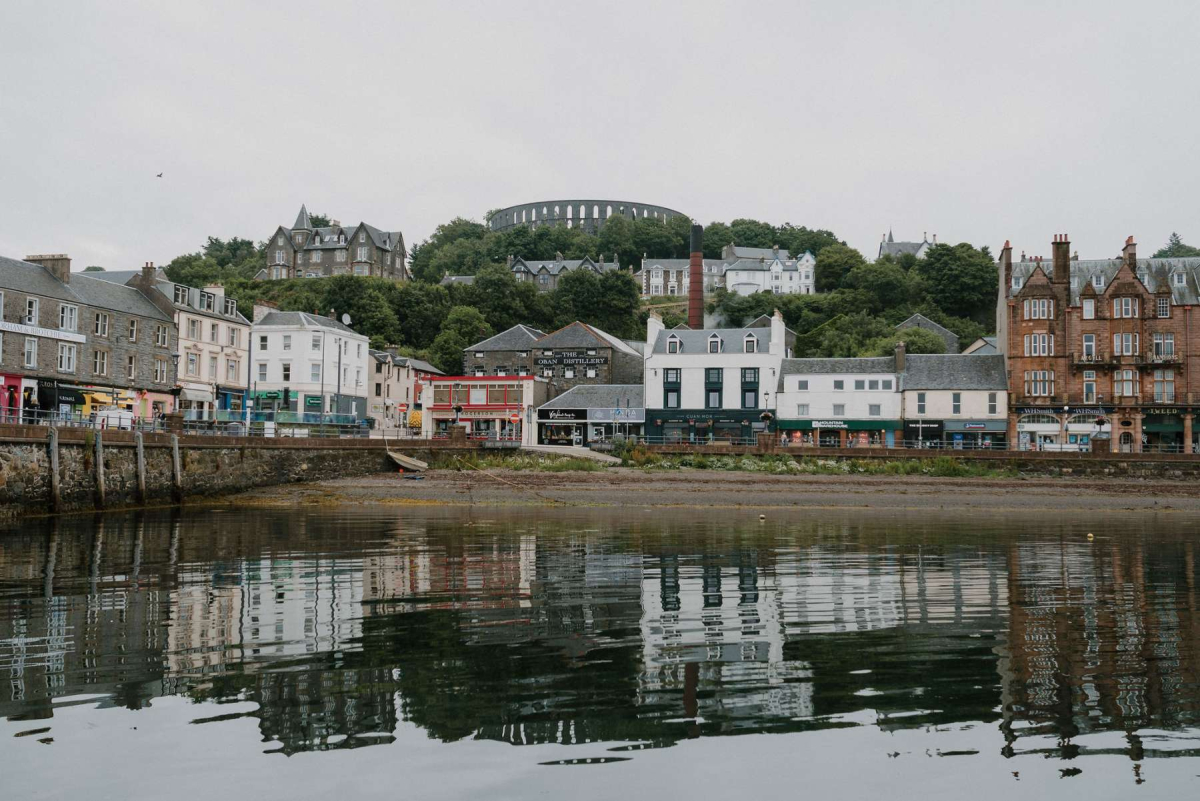
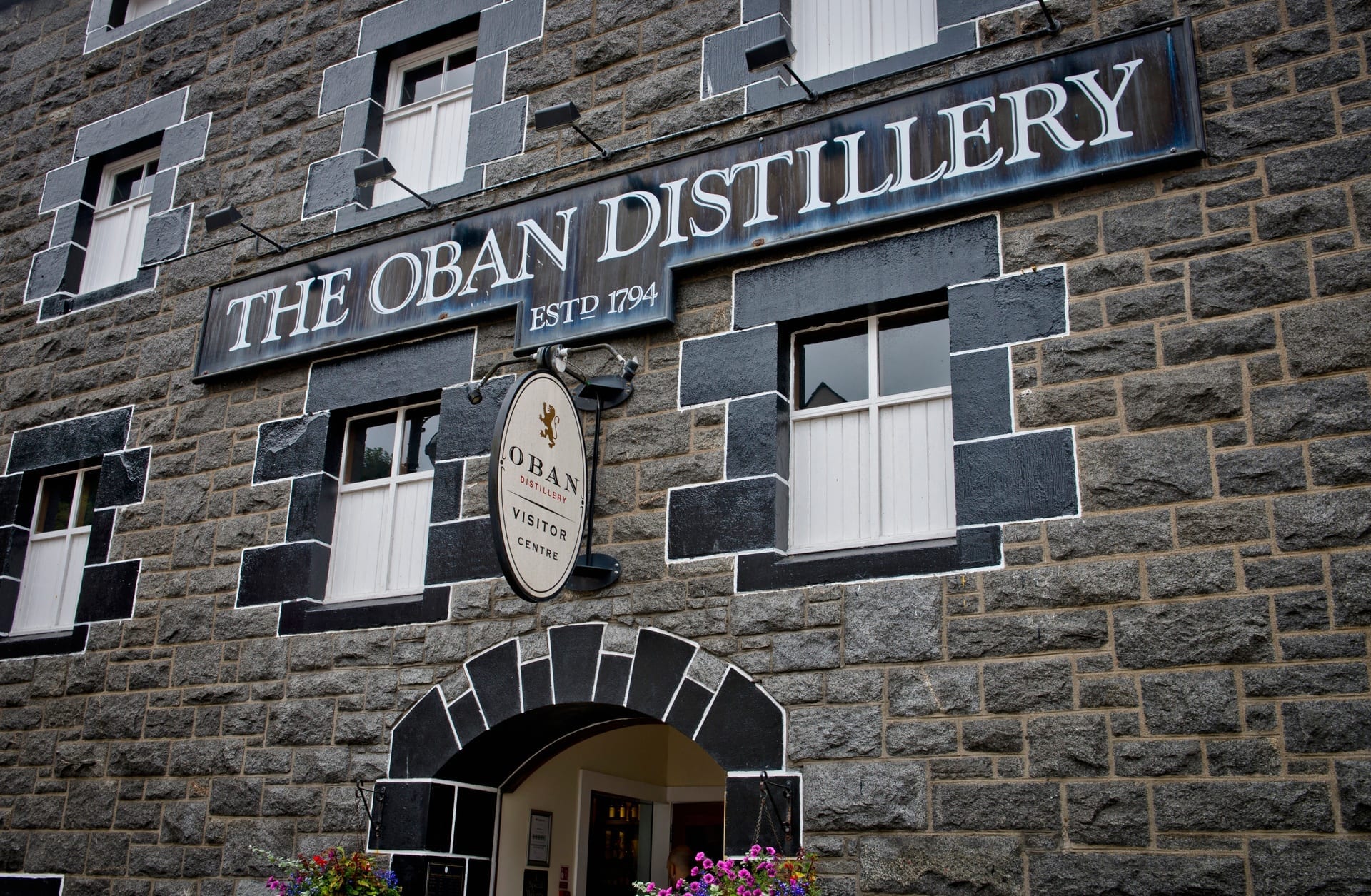
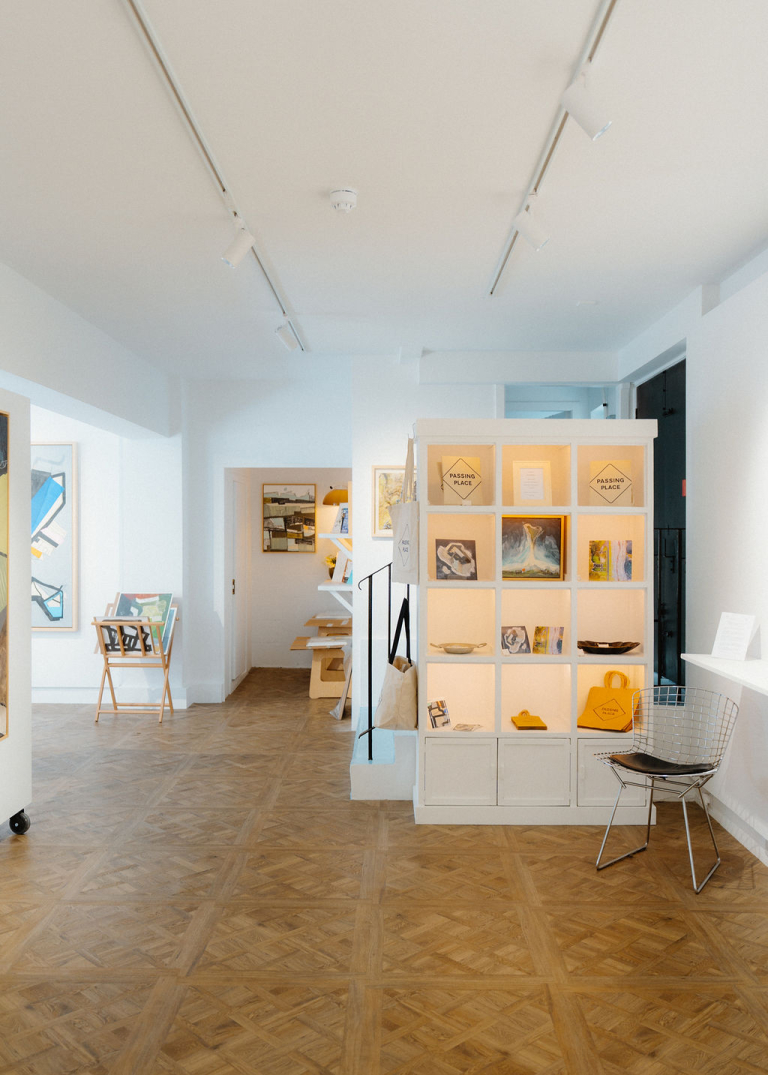
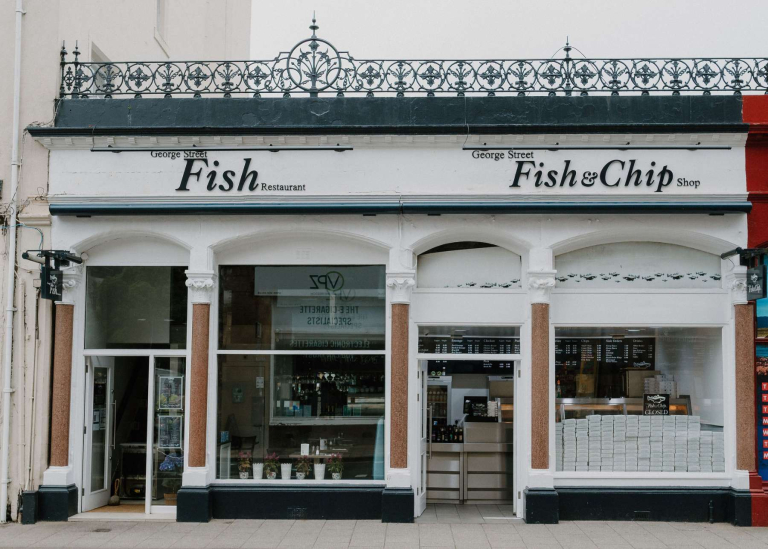
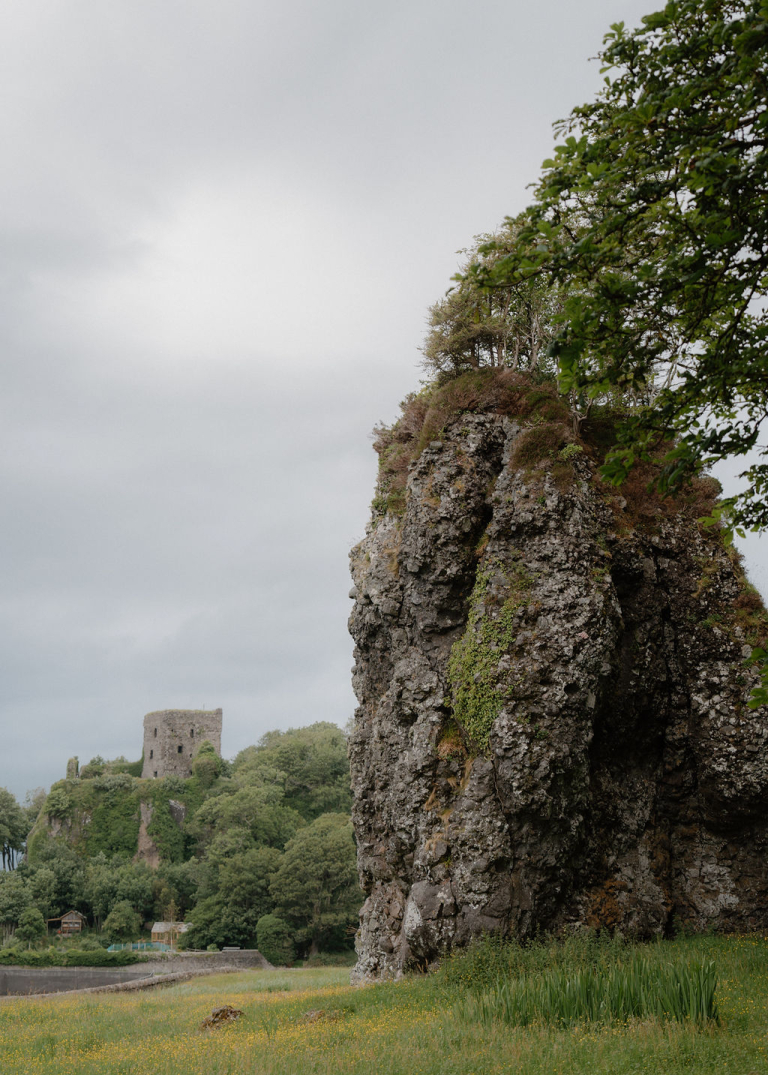
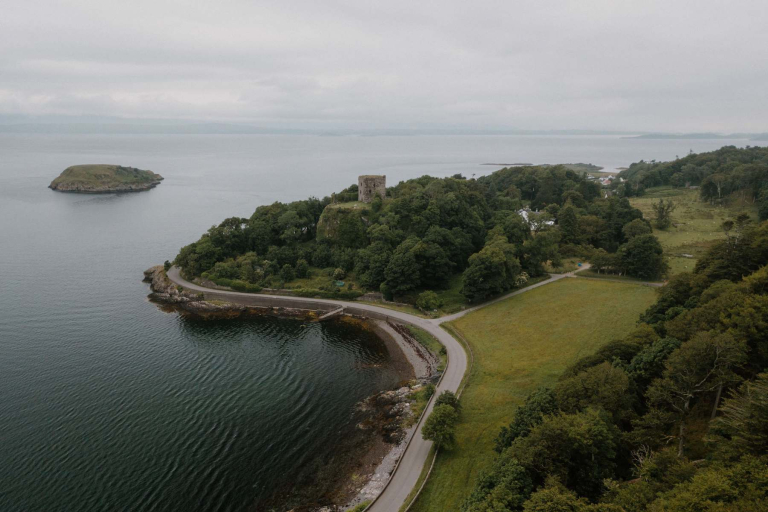
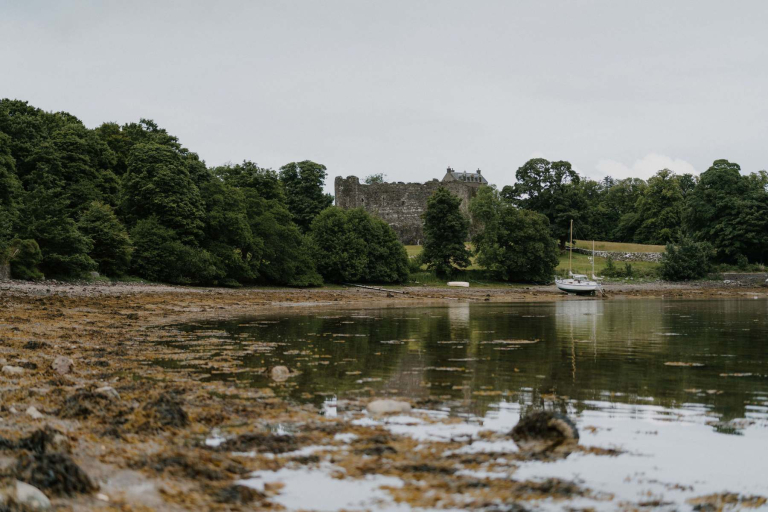
Everything in Oban starts within a few minutes of the water. George Street runs along the front with the shops and galleries, the Oban Distillery, founded in 1794, sits just behind on Stafford Street, and McCaig's Tower crowns the hill above with the definitive view over the bay and its ferries. The North Pier passenger boat crosses to Kerrera's marina, the War and Peace Museum on the esplanade covers the harbour's wartime years, and Dunollie Castle guards the bay's northern entrance a mile up the coast road, as it has since the days of Dál Riata.
-medium-large-1783285021.jpg)
Where to stay nearby






 Sign in with Google
 Sign in with Email