
Three miles south of Oban
Historic Kilbride
Introduction
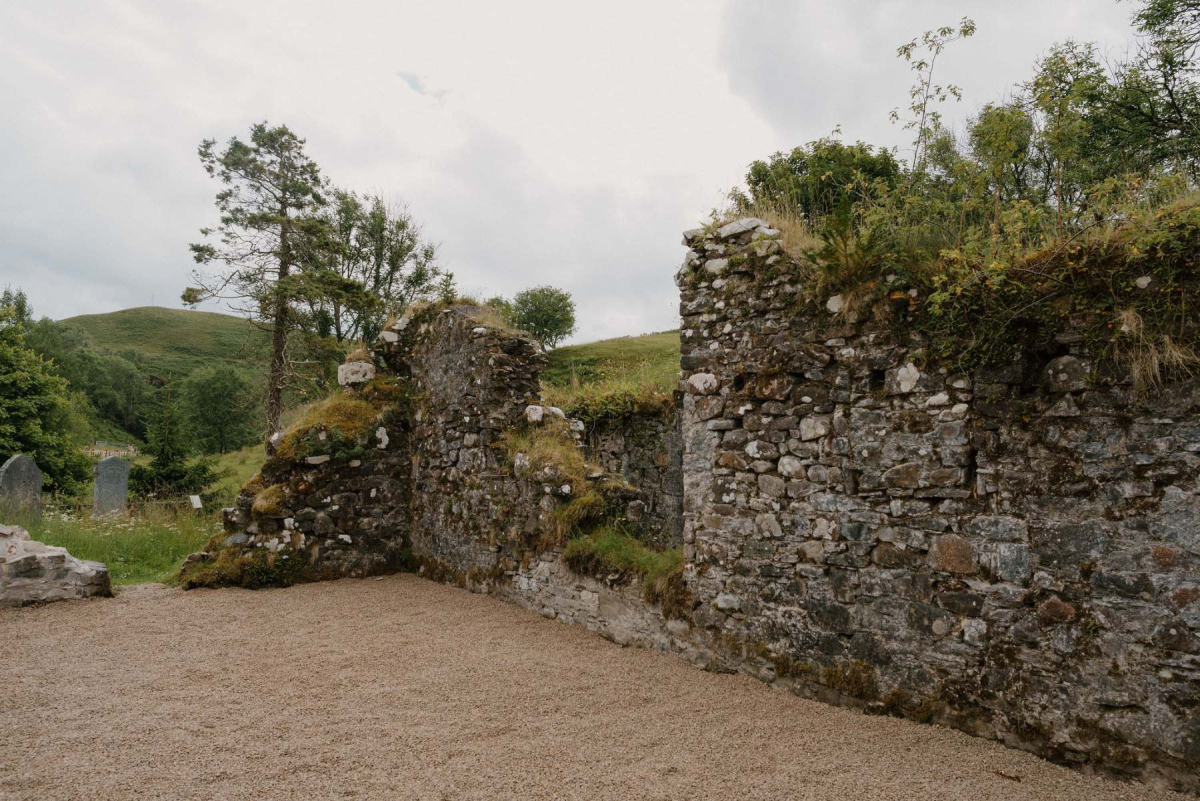
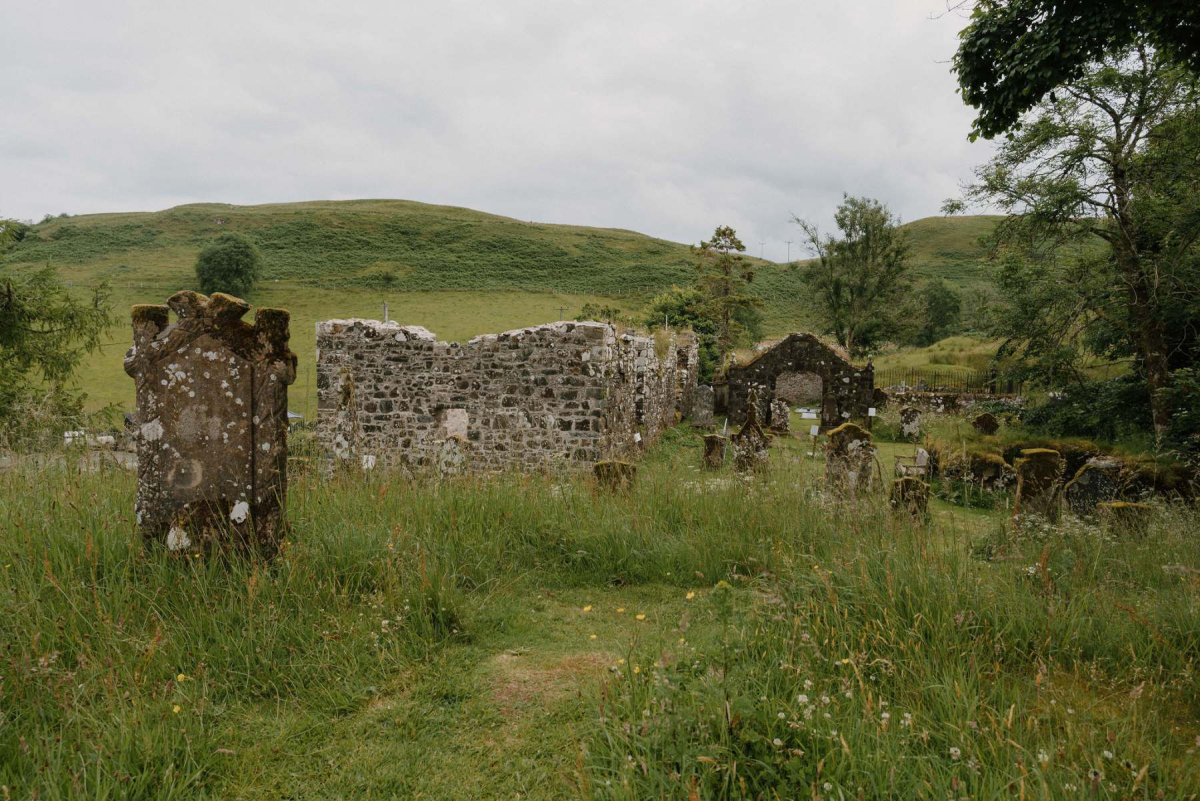
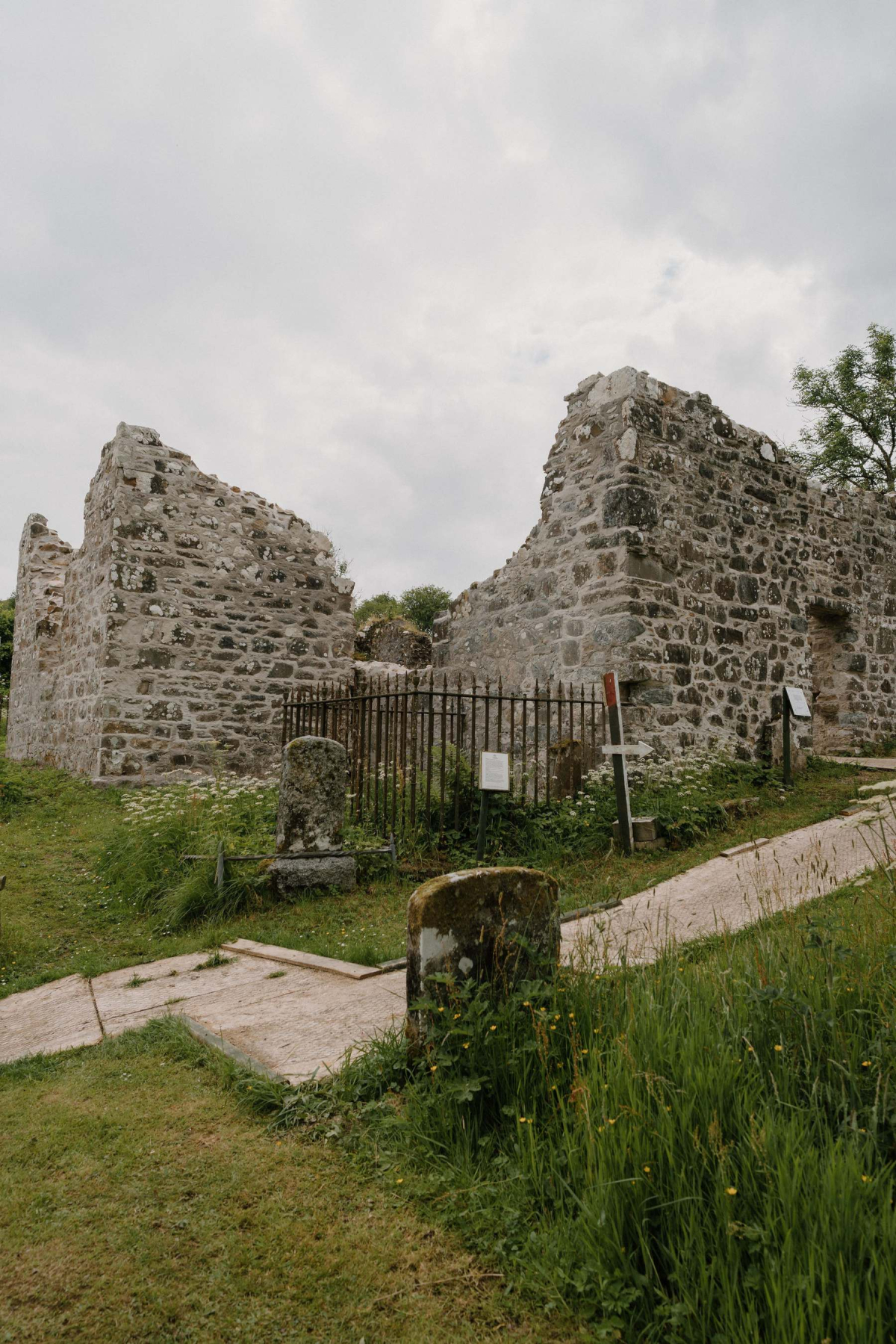
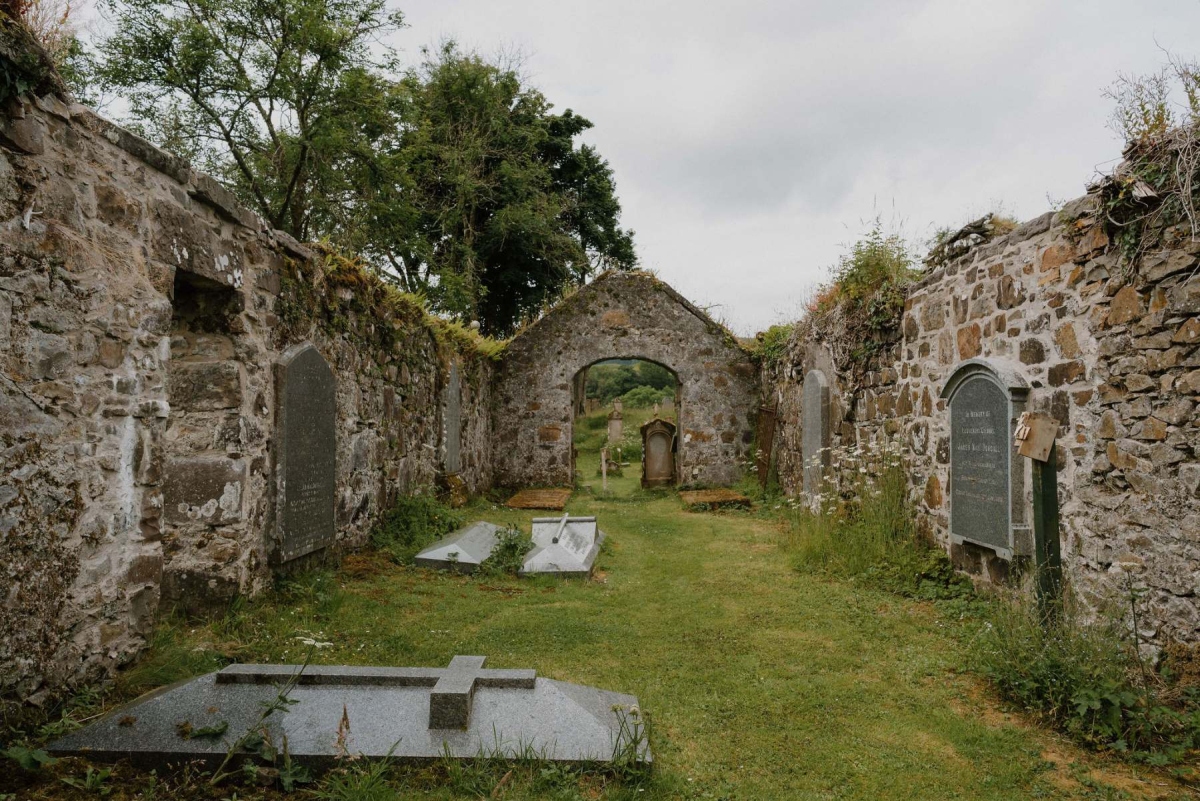
Kilbride mattered a long time before Oban did. The name means the church of St Bride, and worship on this knoll in Lerags Glen goes back to at least the 6th century. Local tradition pushes further still, to a sacred well kept for the Celtic goddess Brigid. The first hard date turns up in 1249, when Alexander II granted the see of Argyll "the Parish Church of St Bride the Virgin in Lorn". For a good stretch of the medieval period this was the most important church on the Argyll mainland. It even kept a school, one of only a hundred-odd in Scotland at the time, after James IV brought in a law requiring the gentry to educate their eldest sons. People walked the four miles from Oban, then a small village, to sit through services here. The ruin standing today is a chapel built in 1706 on the older church's footprint. It was abandoned in the 19th century and the brambles got it.
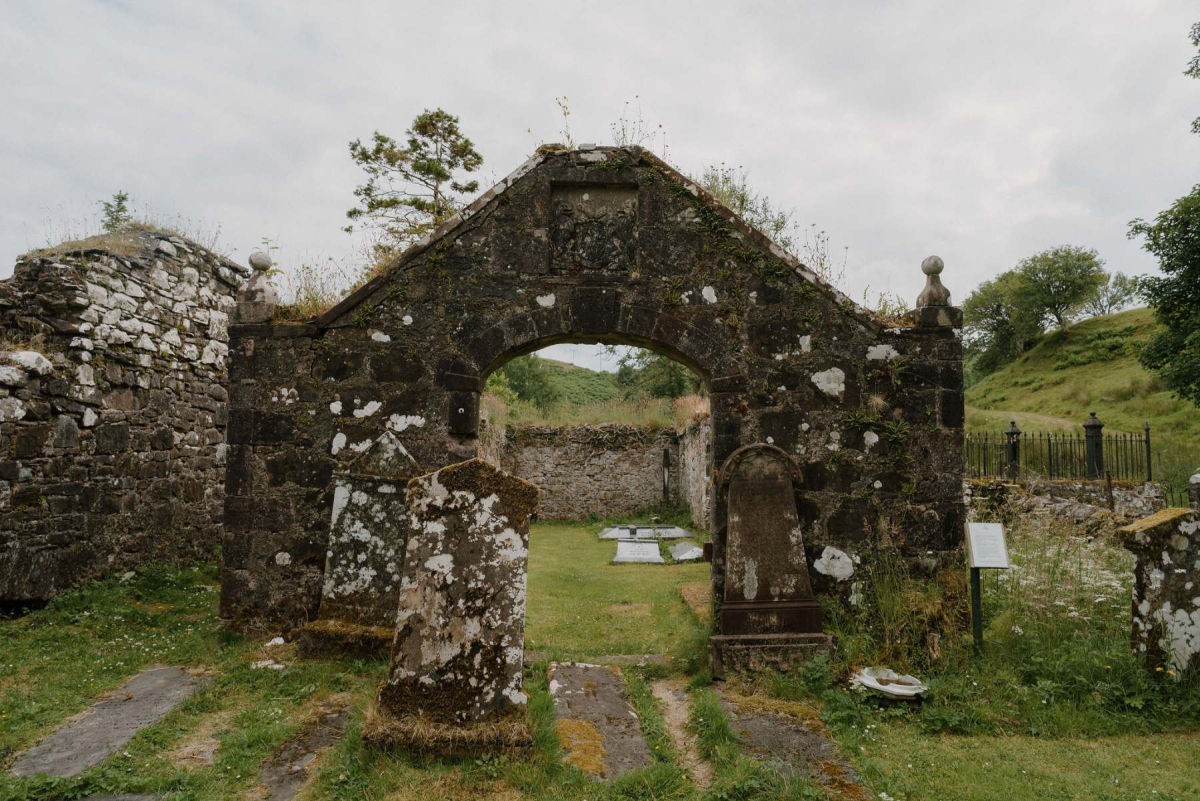
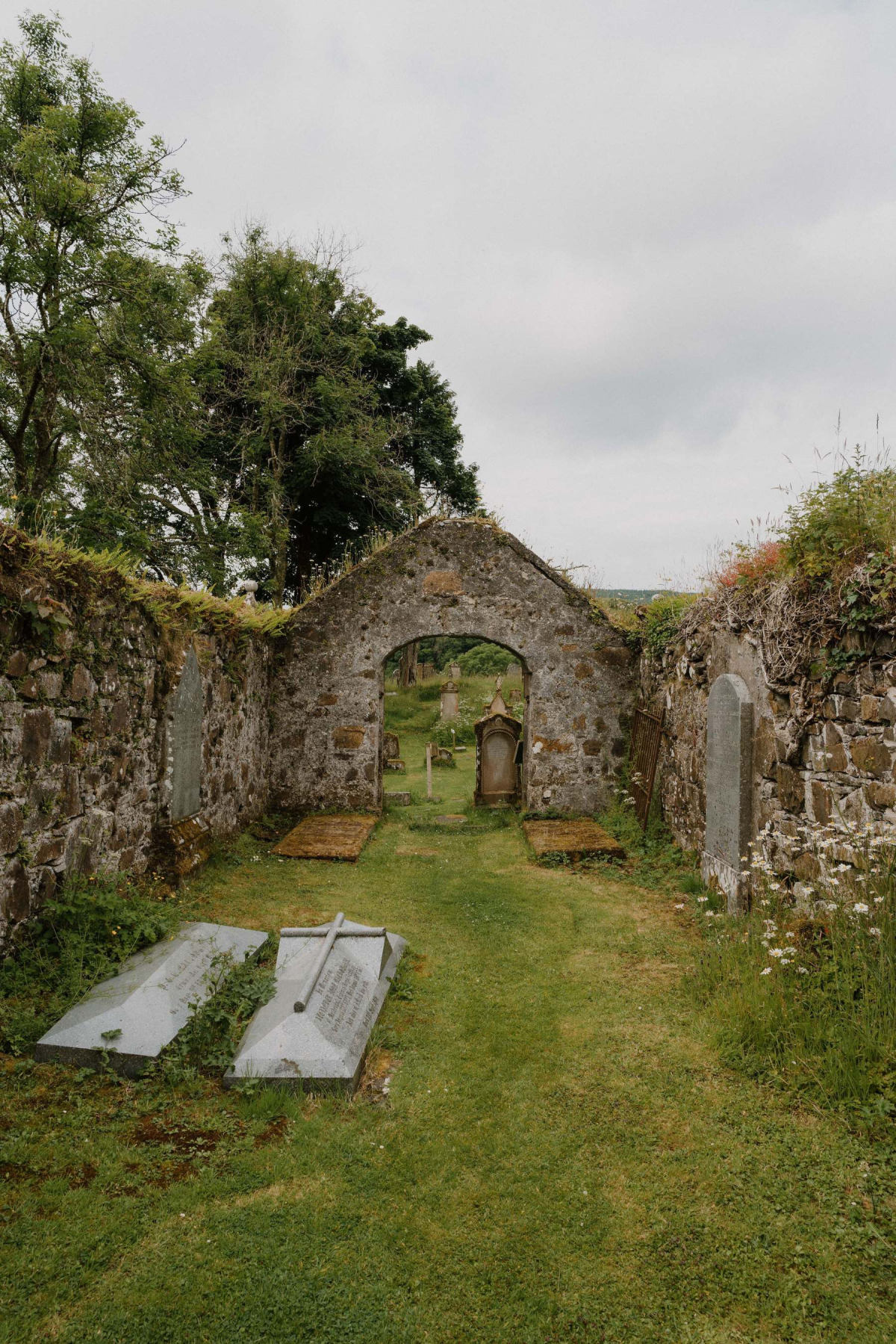
The graveyard is what pulls people down the glen now. There are 319 known graves, the earliest from the 13th century, the newest recent, and among them a concentration of carved West Highland grave slabs that Historic Environment Scotland rates as nationally significant. The MacDougall Memorial Aisle holds the chiefs of one of Scotland's oldest clans, its keystone dated 1786 beneath the clan arms. The first two permanent residents were Iain Ciar, the chief who rose for the Jacobites in 1715, spent years on the run in Ireland, got captured and chained at Chatham Dockyard, then somehow won a pardon and went home to Dunollie as a tenant, and his wife Mary of Sleat, who'd been turned out of the castle in his absence and made to work for her keep. He died in 1737. The family plot was across Loch Etive at Ardchattan, but the weather that week was too foul to cross, so Kilbride got him instead.
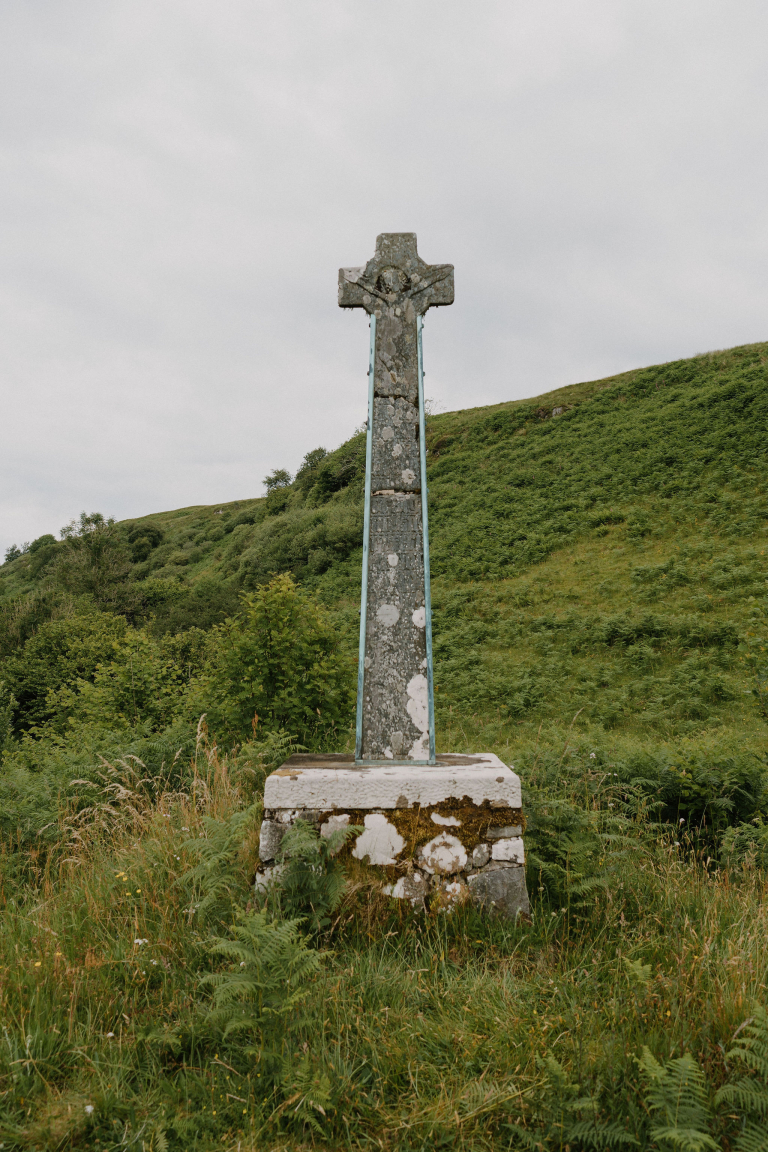
The stones around the aisle keep their own stories. The O'Connachers, hereditary physicians to the MacDougalls, lie right beside the family they served. Somewhere in the long grass is Johnie of the Two Hearts, a 17th-century Campbell whose stone carries two hearts, a pistol and an angel, and nobody is entirely sure why. A short walk away stands the Lerags Cross, raised in 1516 by Archibald Campbell in thanks for coming home from Flodden alive, thrown down after the Reformation for looking too Catholic, and found broken in three bits in the kirkyard before being pieced together again.
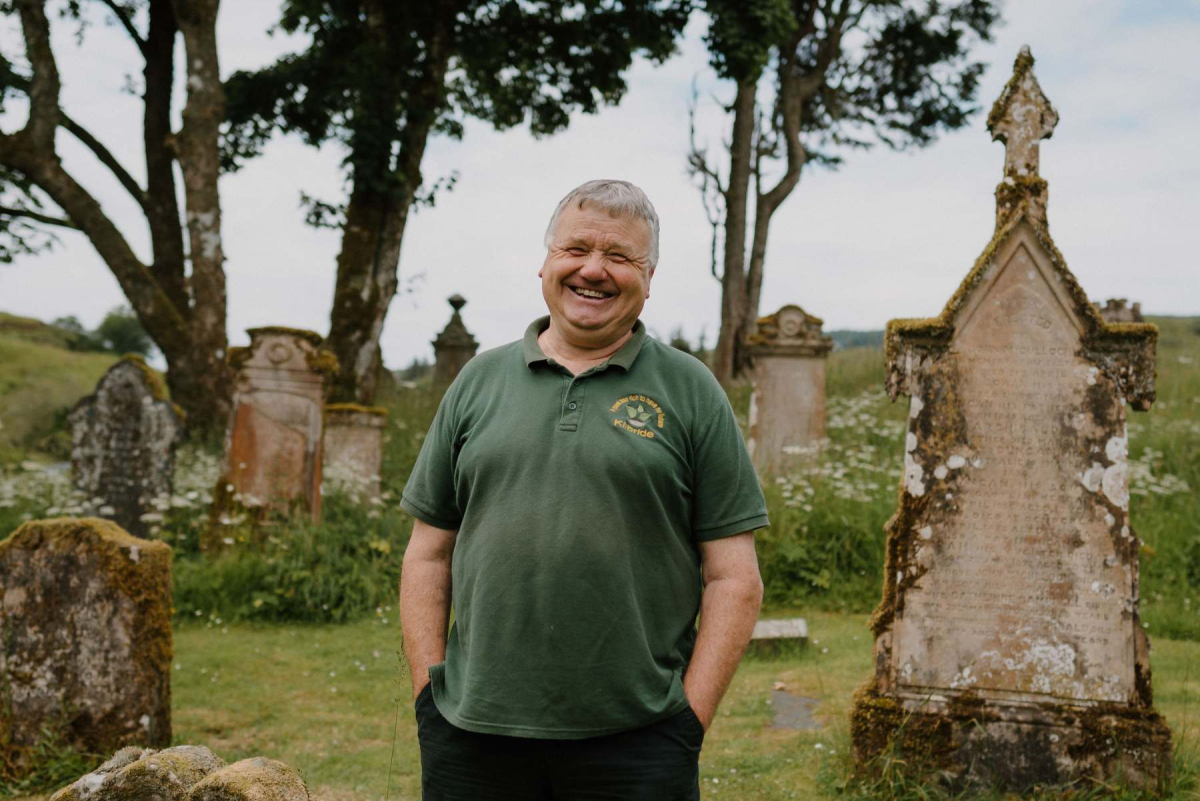
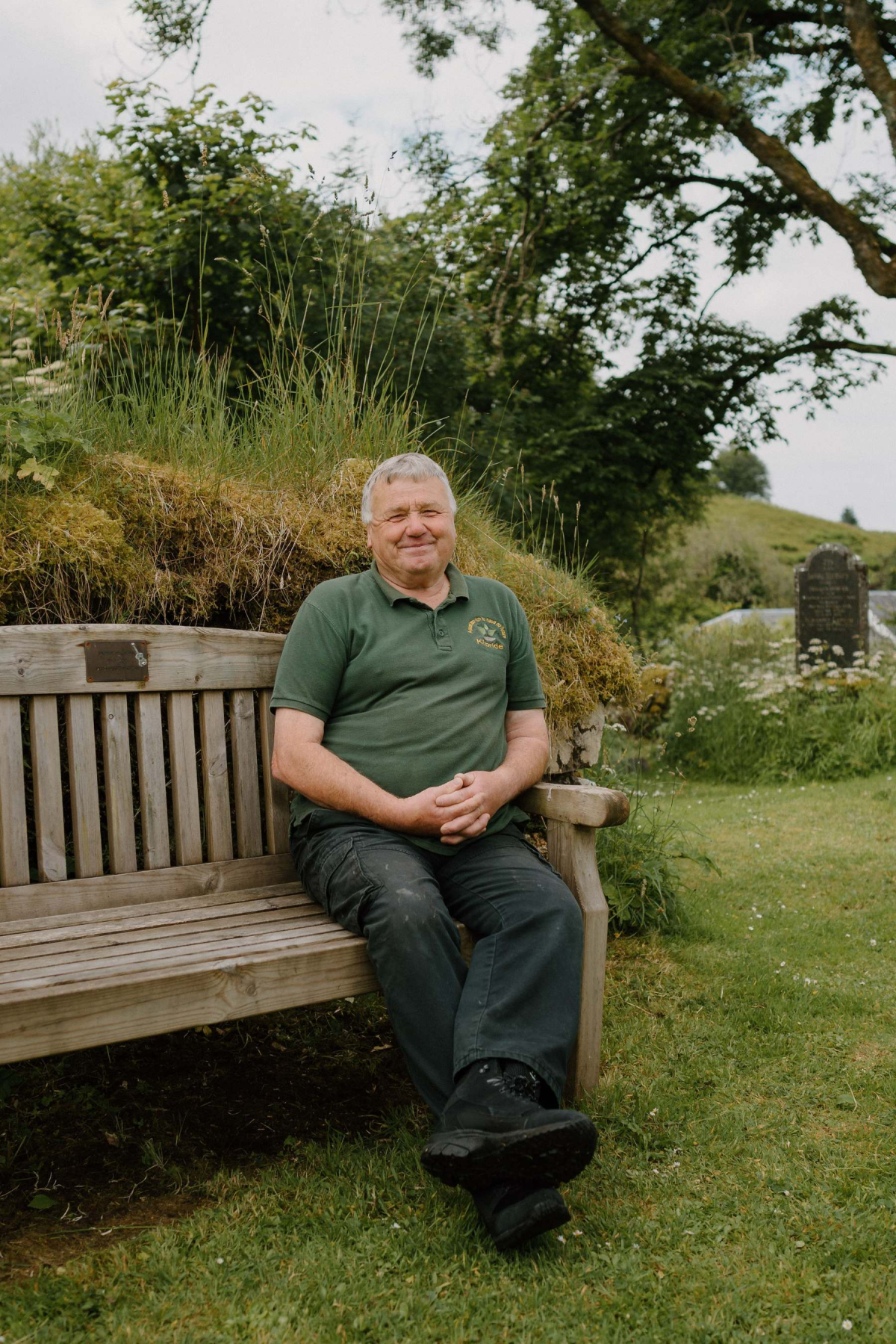
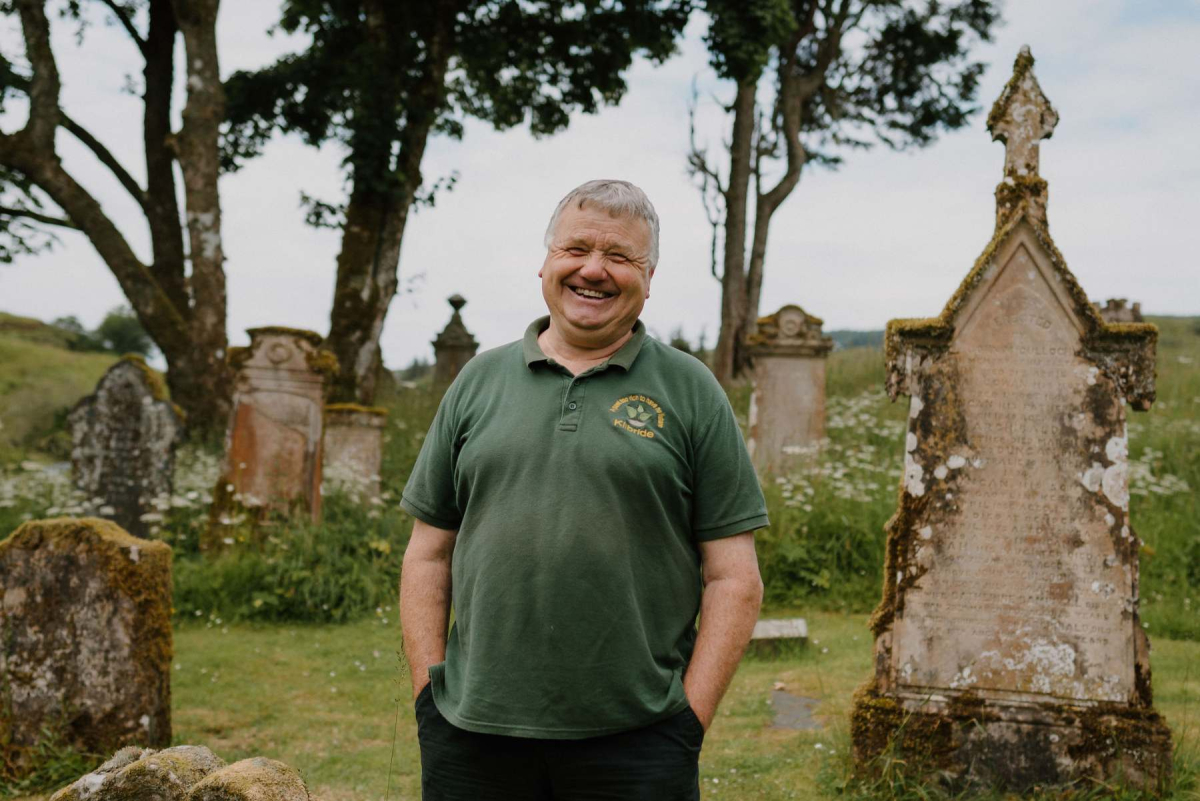
The site owes its survival to the Friends of Kilbride, a charity formed in 2015 that has put the best part of £150,000 into stabilising the walls. Entry is free and donations keep the work going. If the trustee Liam Griffin is about when you visit, let him talk. QR codes dotted round the site carry audio for the quieter days. It's a special place, and hardly anyone knows it's there.
Location
Historic Kilbride is at Lerags, three miles south of Oban, PA34 4SE. Take the A816 south out of town and turn right onto the single-track Lerags road, following it down the glen until the signed farm track doubles back to the kirk. There's a small car park and an information area at the entrance. Entry is free with donations welcomed, the ground is uneven and rises to the graveyard, and guided tours can be arranged through friendsofkilbride.scot. The site occasionally closes for maintenance, so check before making a special trip.
What's nearby
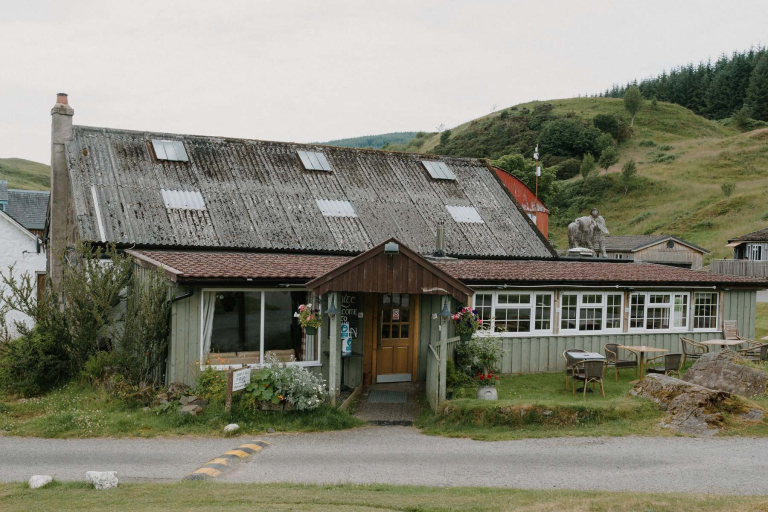
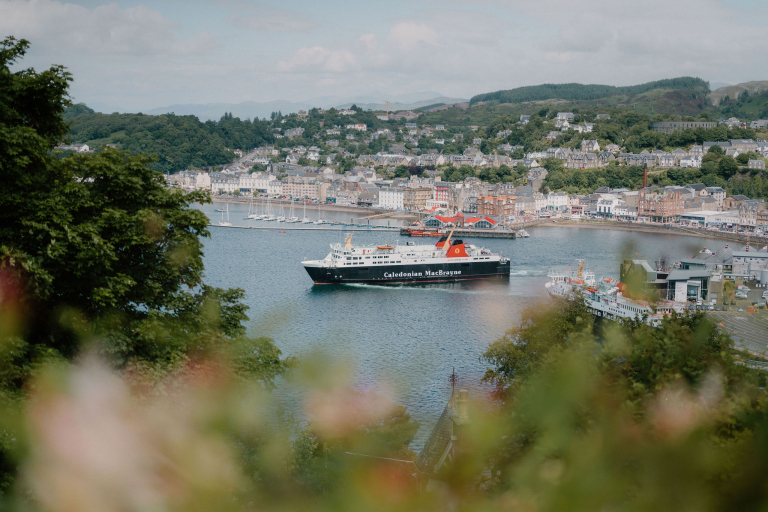
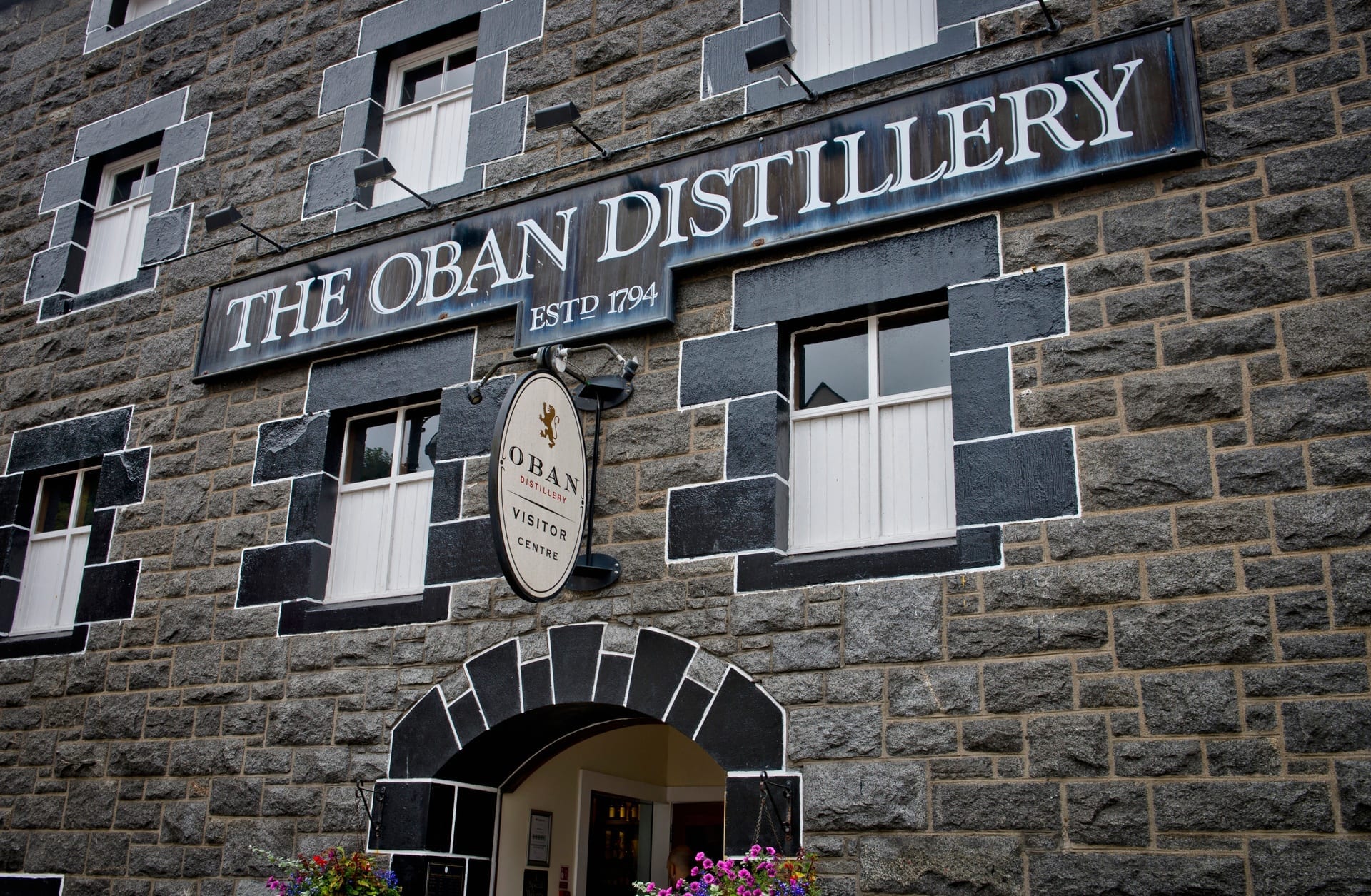
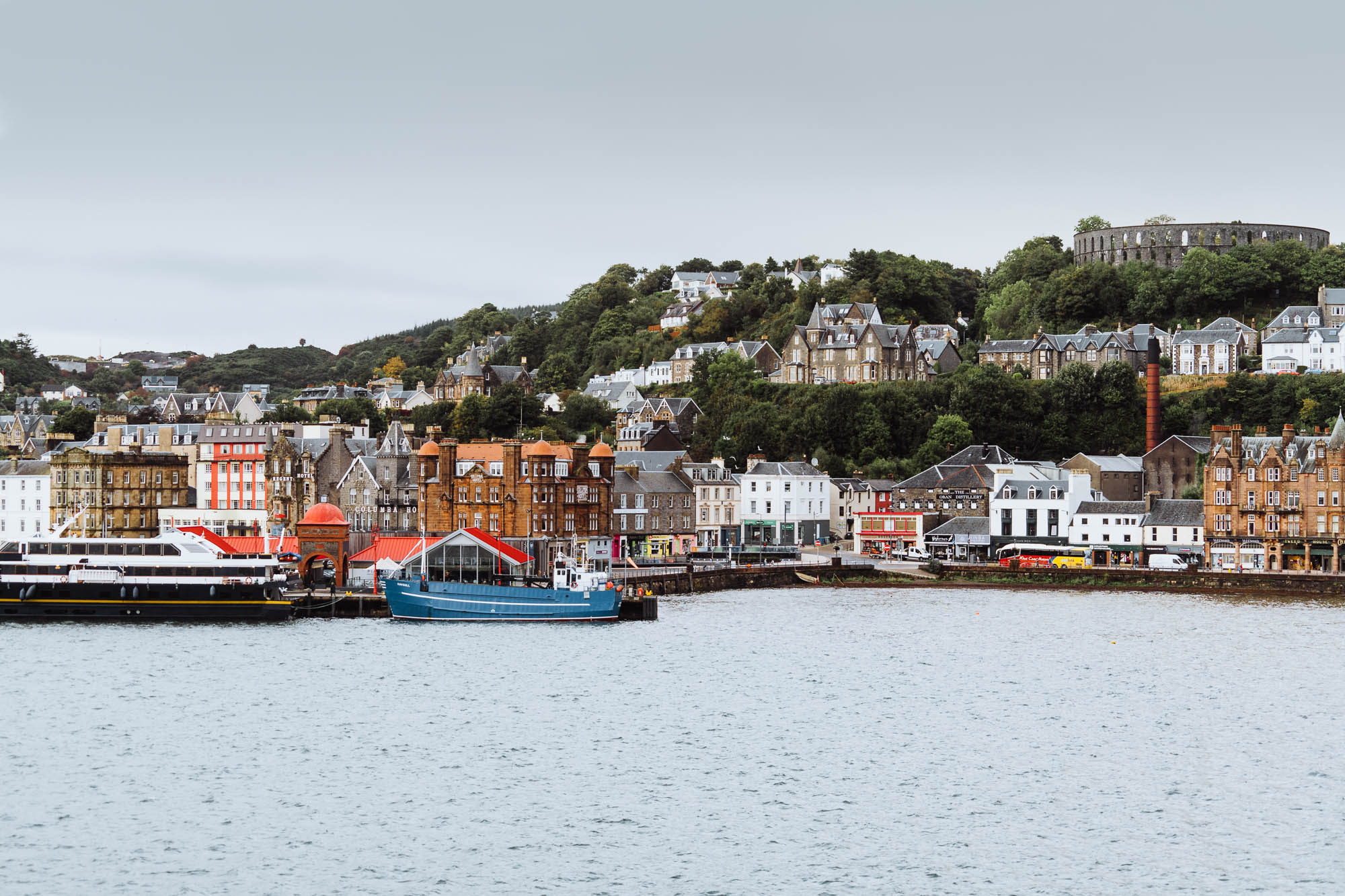
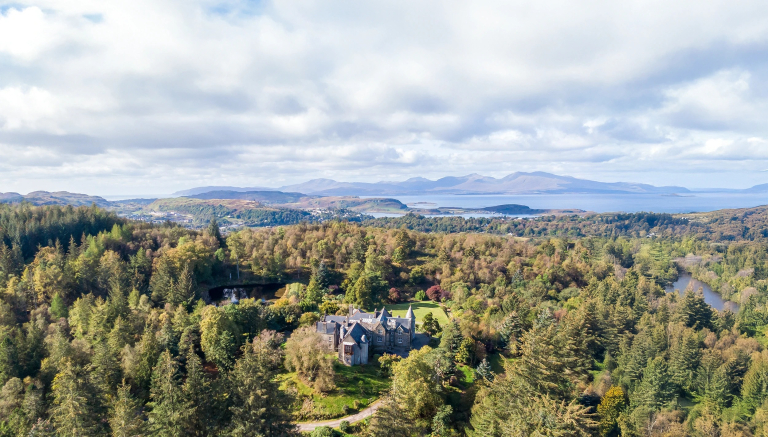
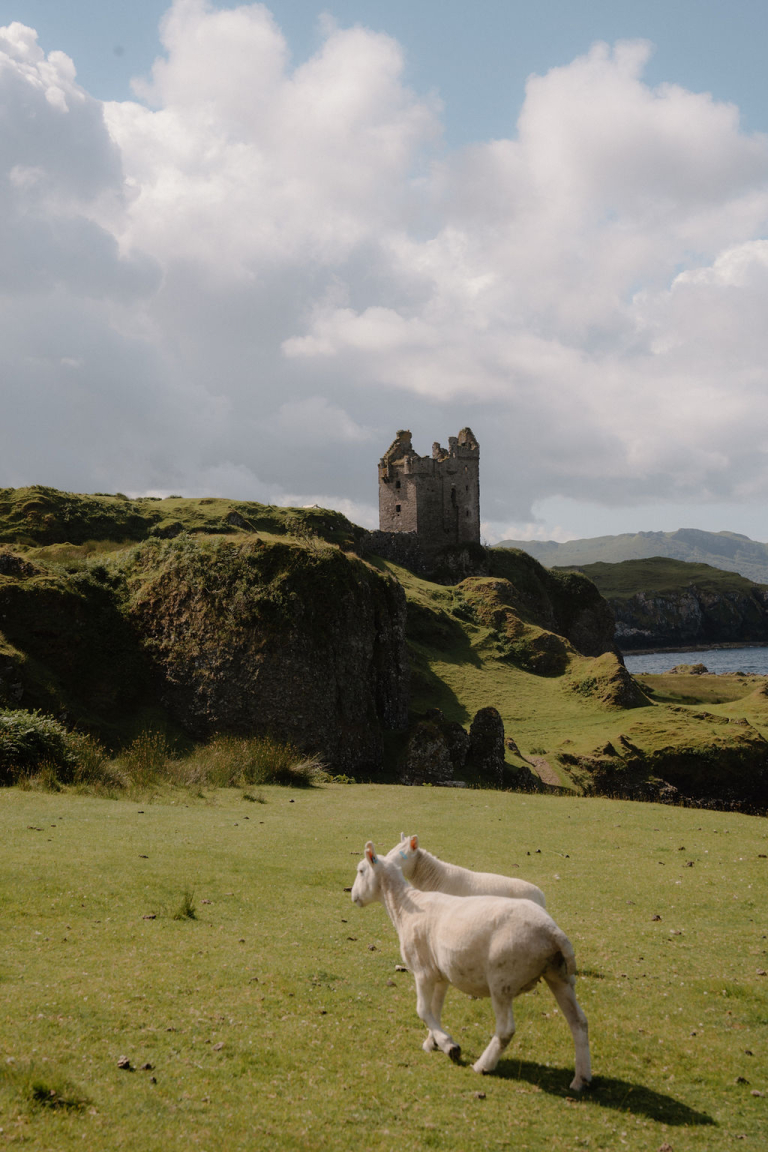
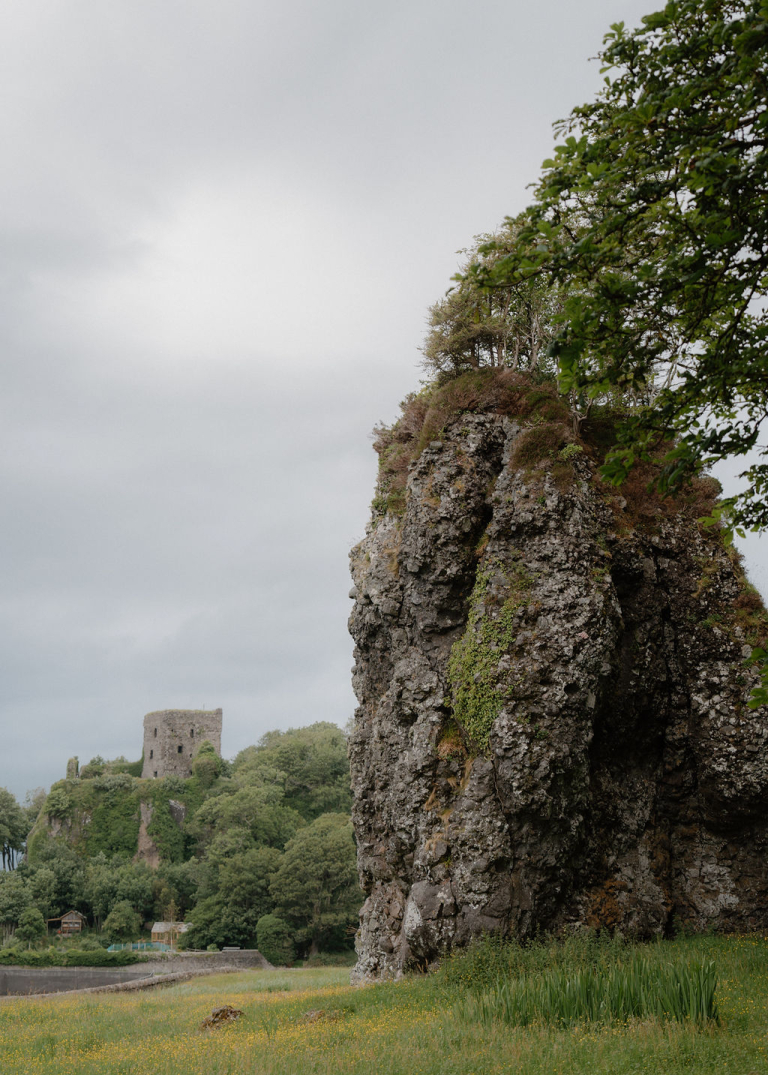
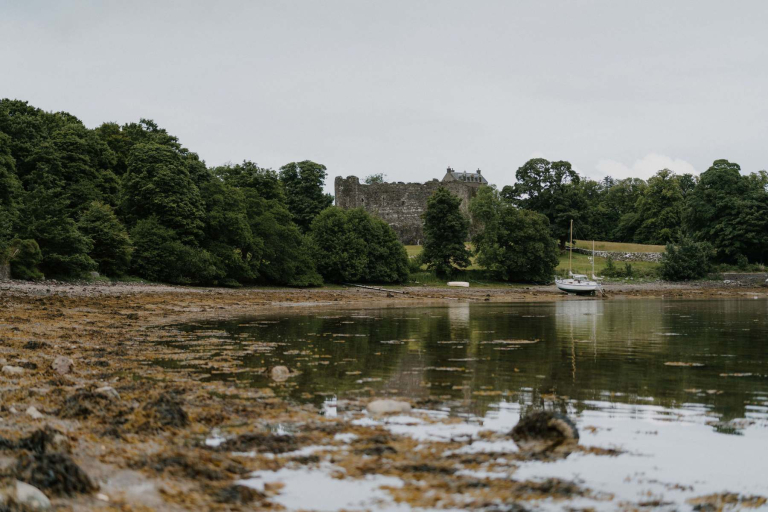
Lerags Glen itself rewards a slow drive, a single-track road running down towards Loch Feochan past the Lerags Cross, with the Barn at Lerags doing food in season. Oban is three miles north for the distillery, the ferries and the seafood. Dunollie Castle, the MacDougall stronghold where Iain Ciar and Mary of Sleat eventually lived out their days, sits on the far side of town and makes the natural companion visit, with Dunstaffnage Castle, the clan's older fortress, a few miles beyond at Dunbeg. Gylen Castle on Kerrera, the third MacDougall hold, is a ferry ride and a walk away for anyone making a full day of the clan.
-medium-large-1783285021.jpg)
Where to stay nearby






 Sign in with Google
 Sign in with Email