
Inner Hebrides
Isle of Kerrera
Overview
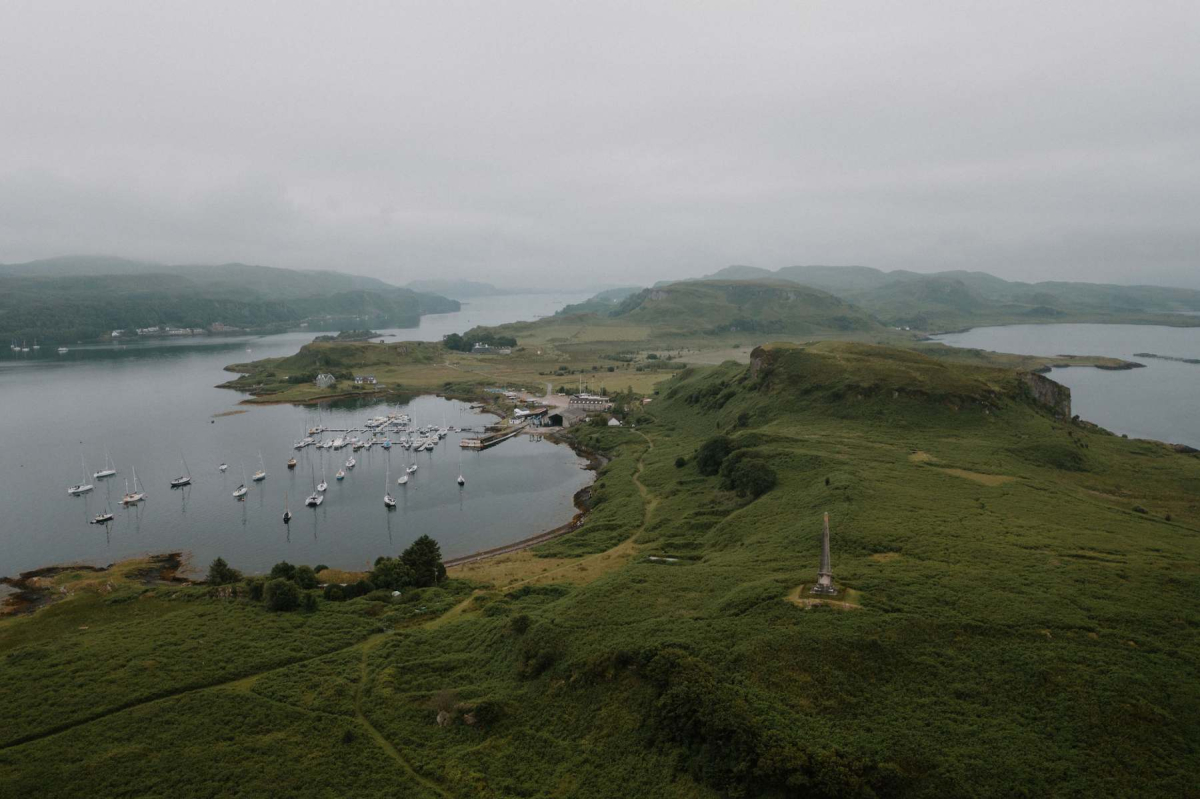
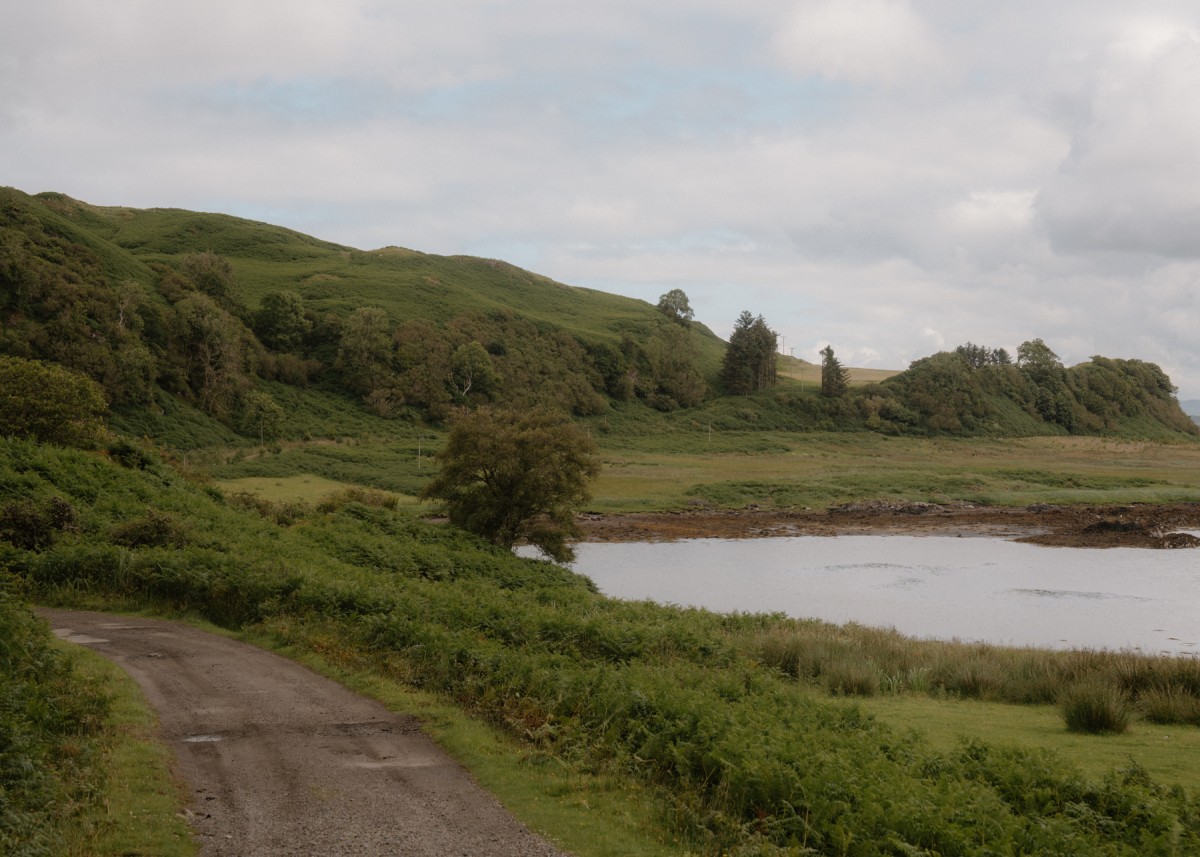
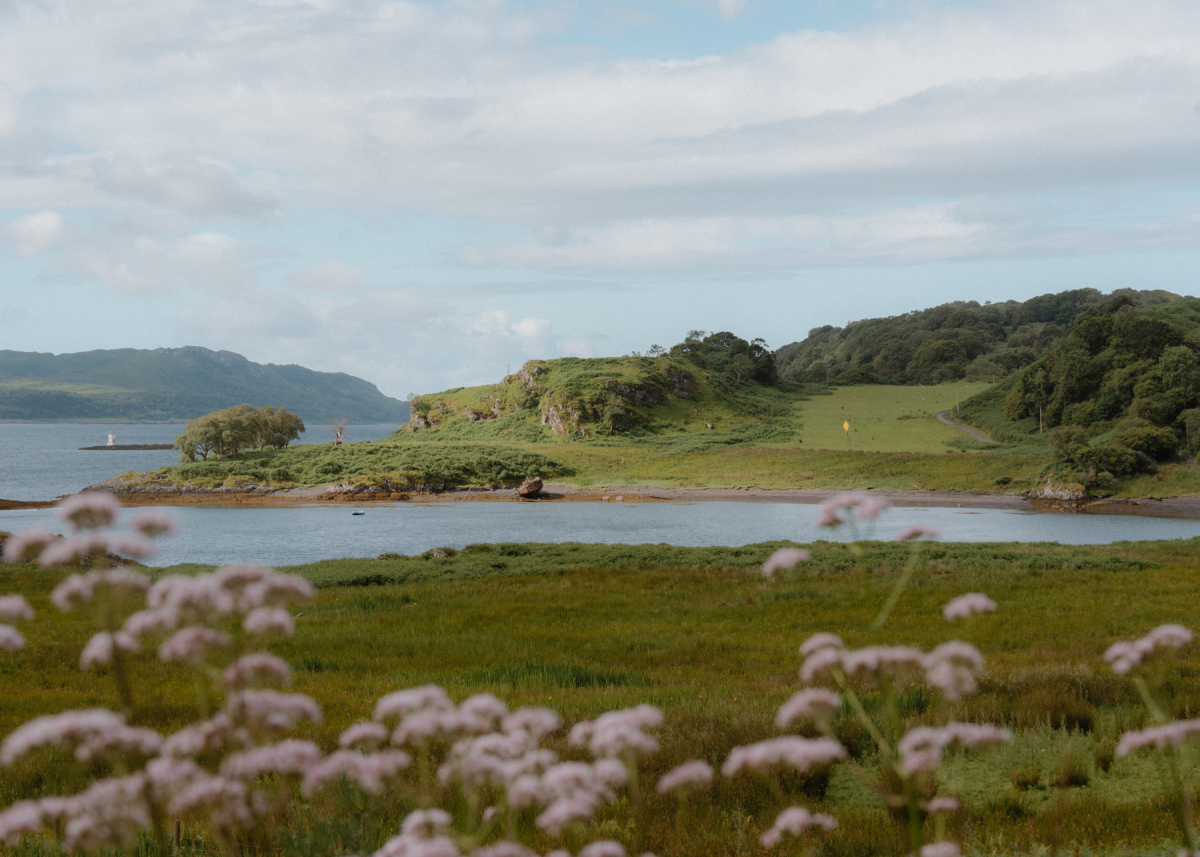
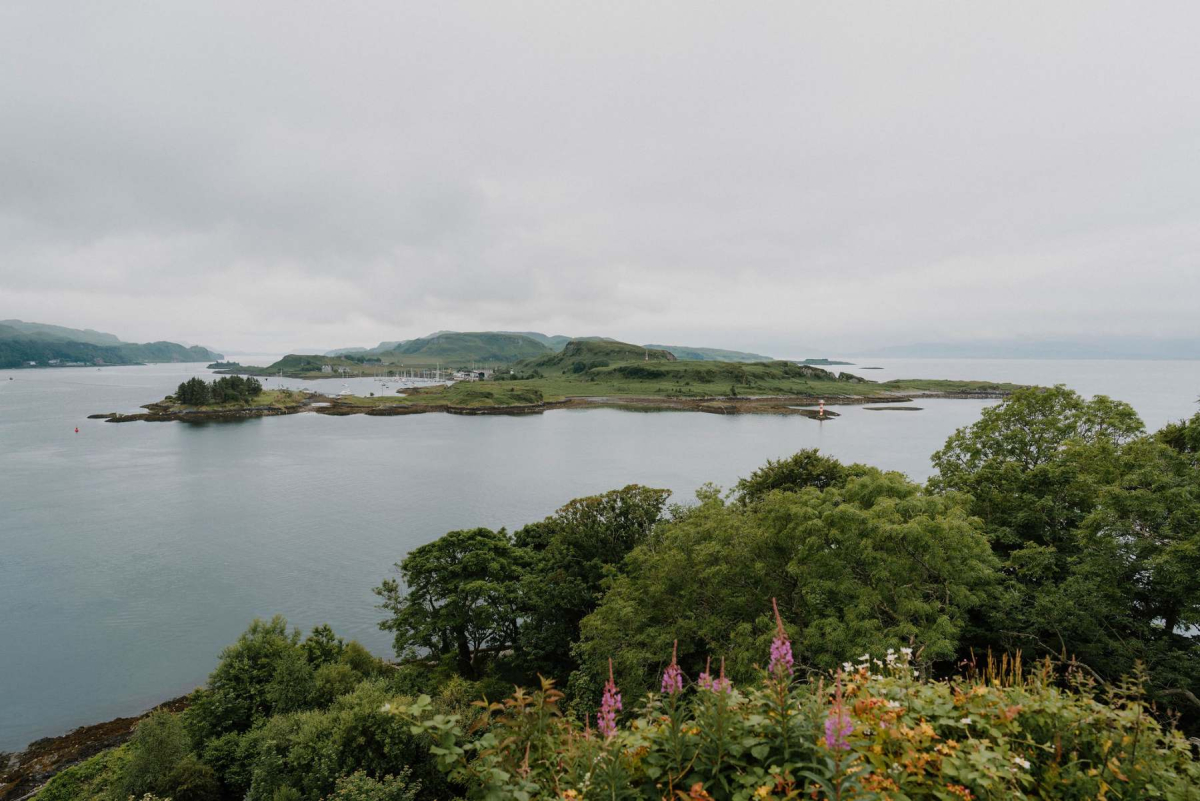
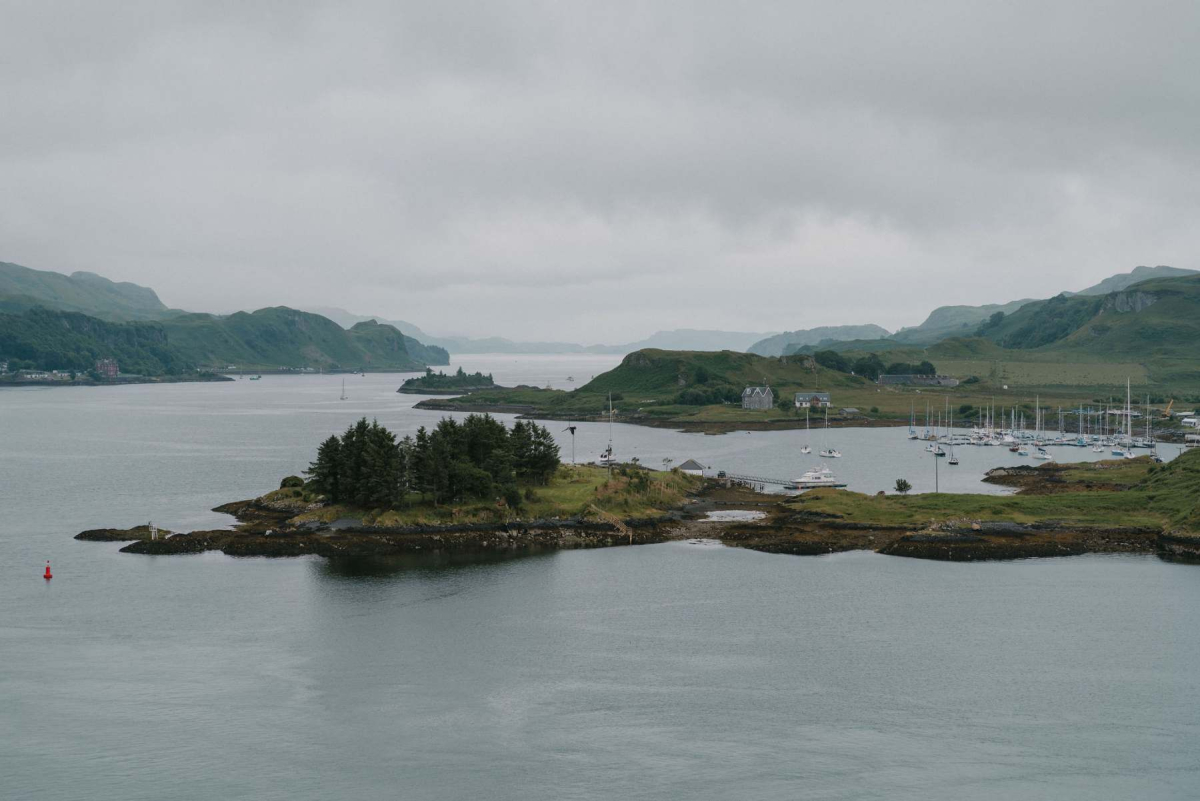
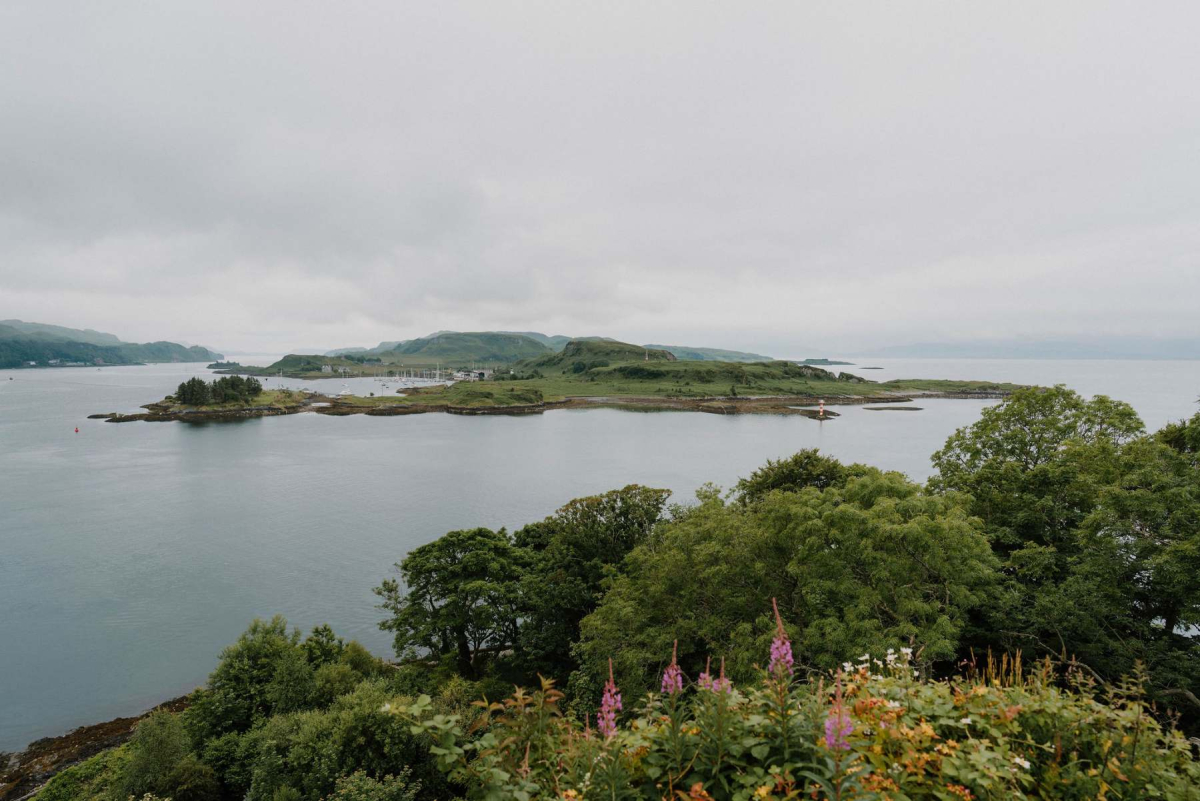
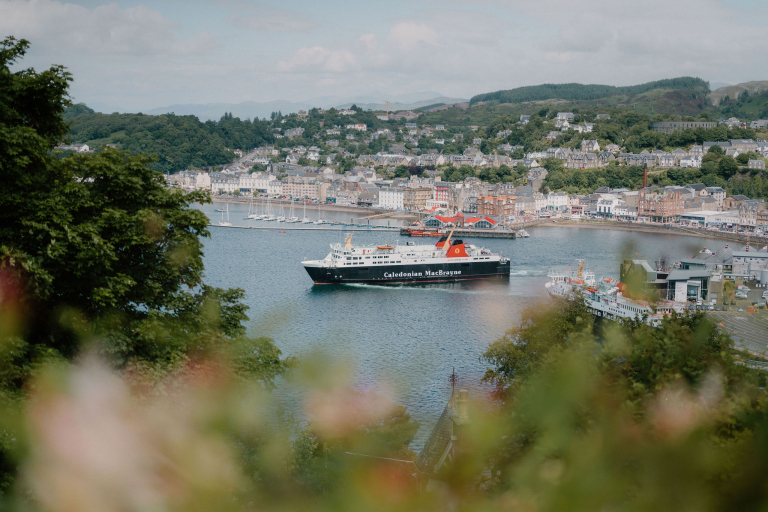
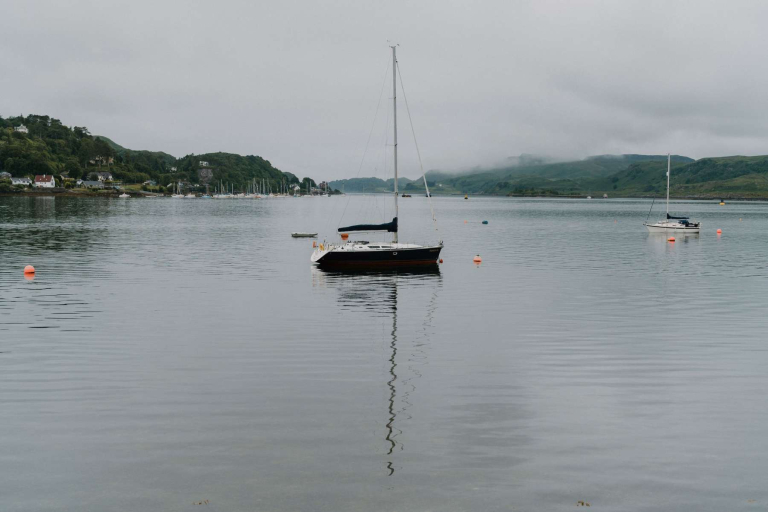
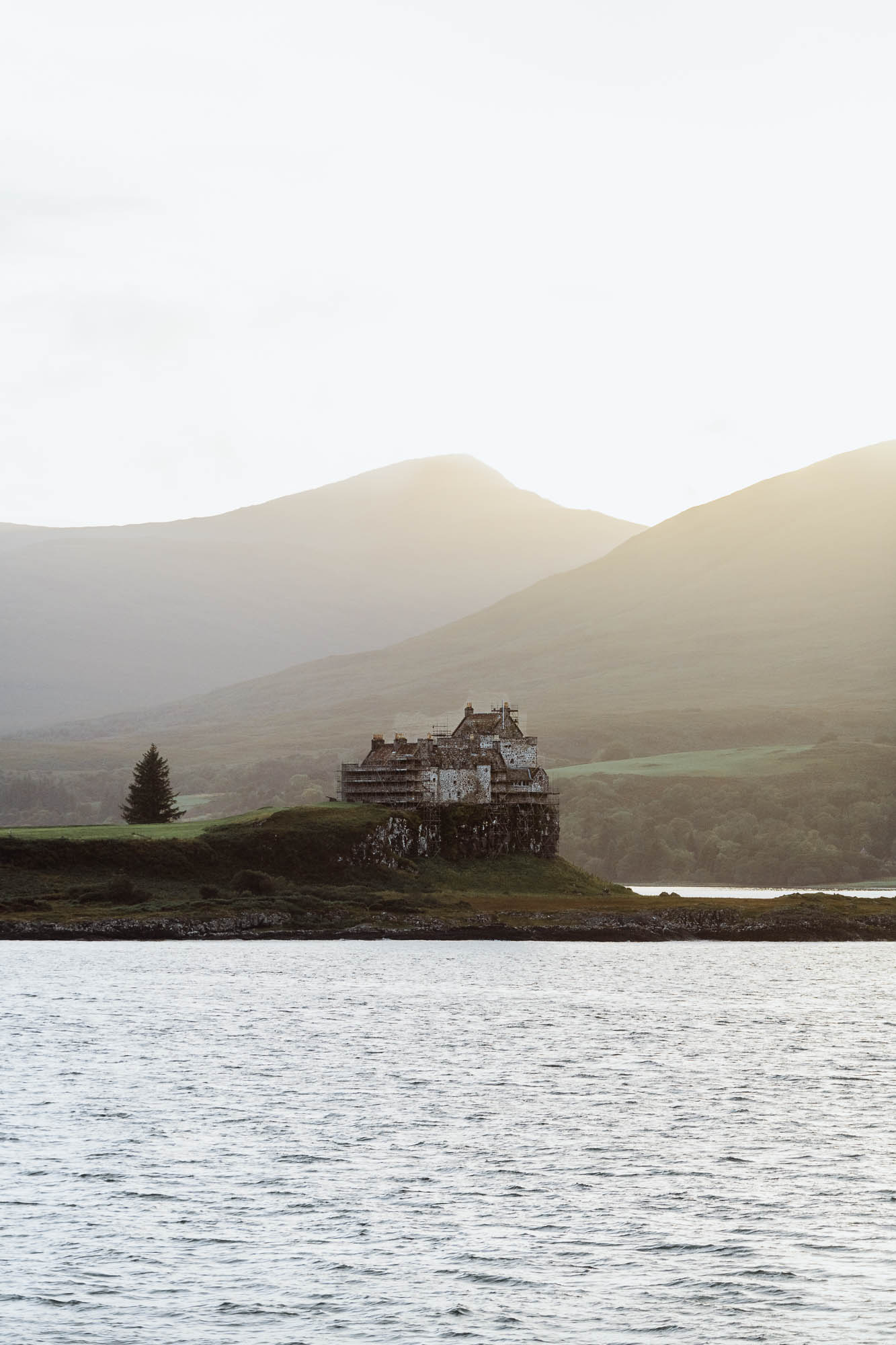
Kerrera sits directly across the bay from Oban, close enough that its green humpbacked ridge shelters the town's harbour from the open sea. Thousands of people look at it every day from the ferry to Mull. Hardly any of them get off and visit, which is odd, and rather good news for those who do.
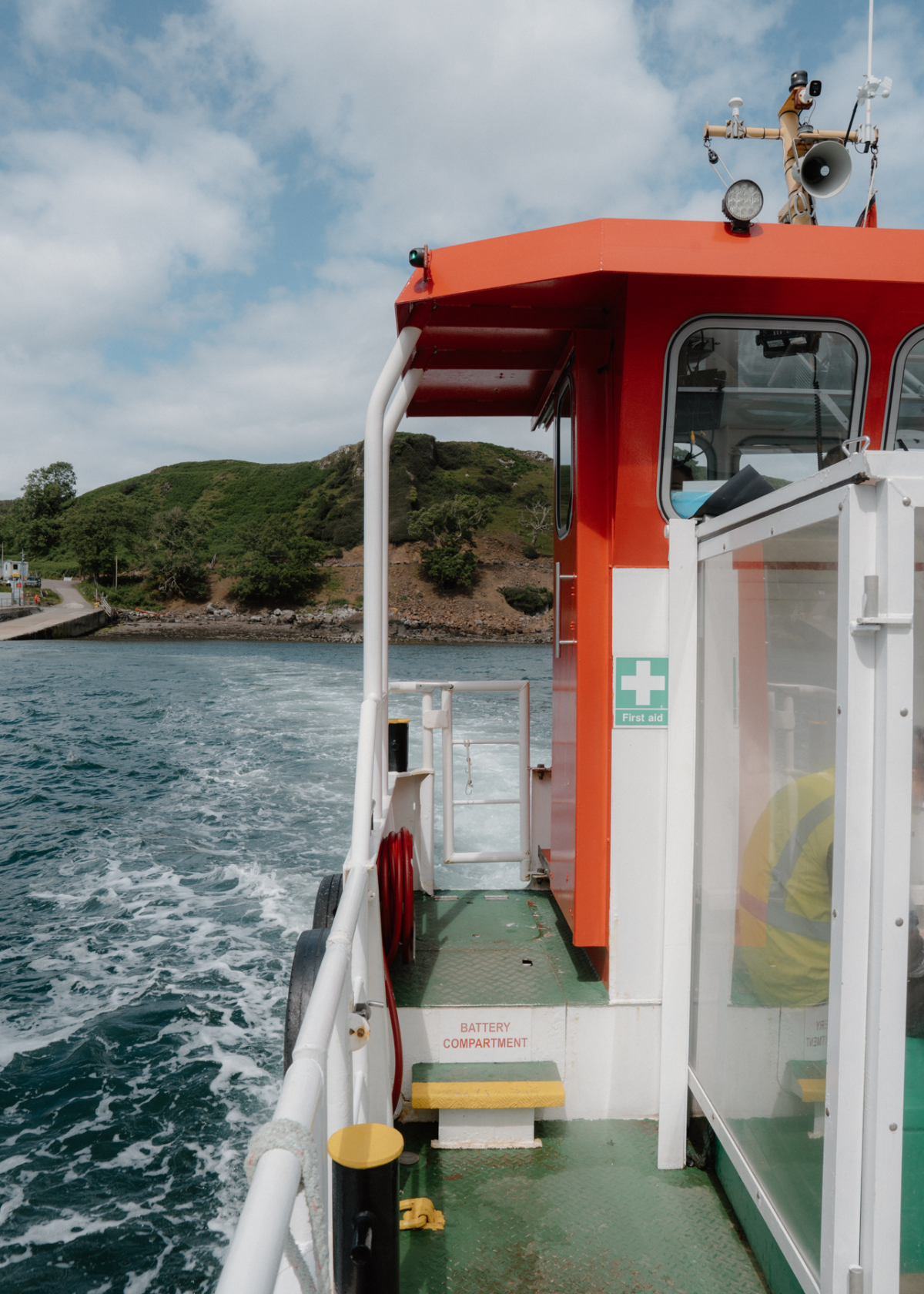
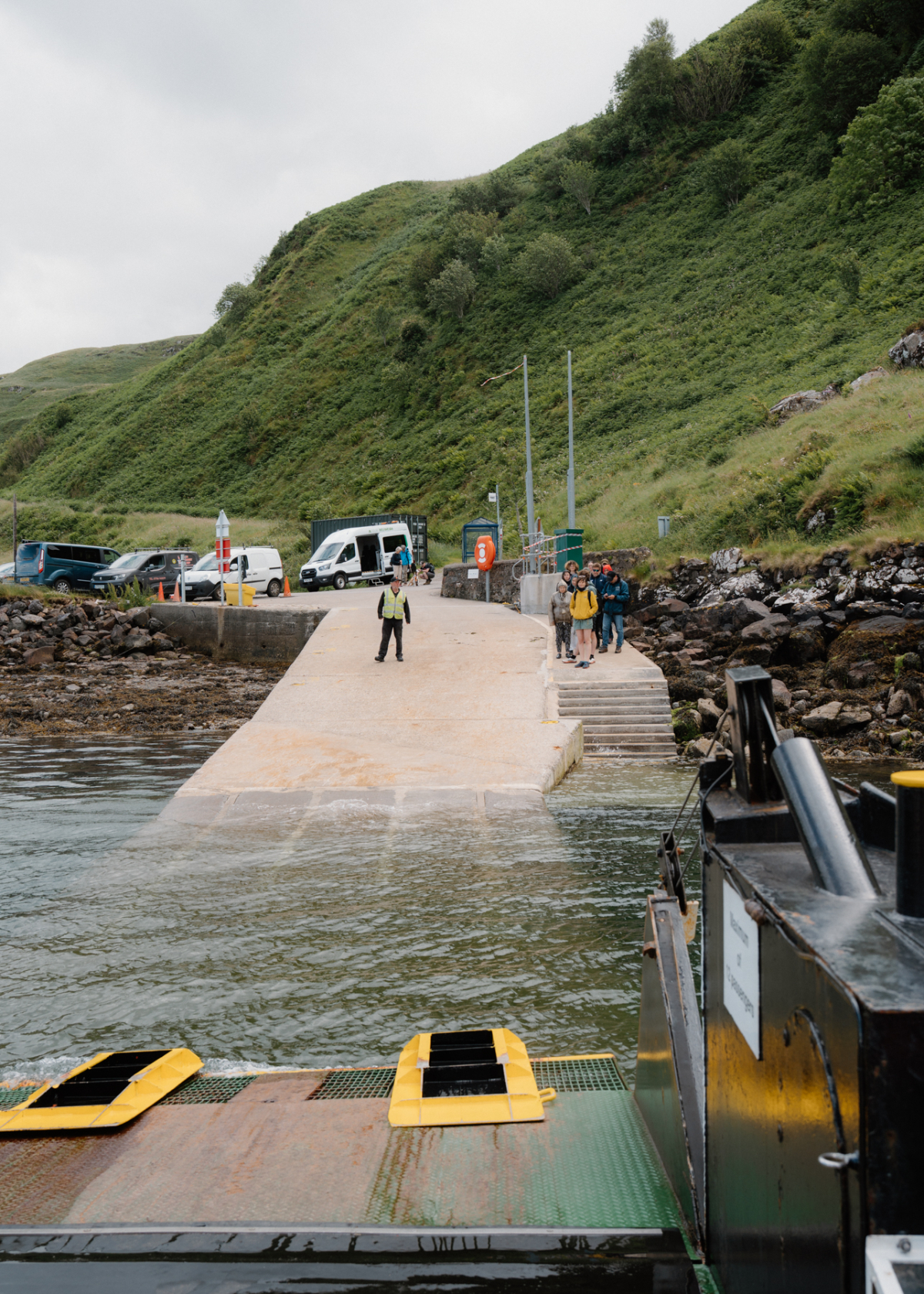
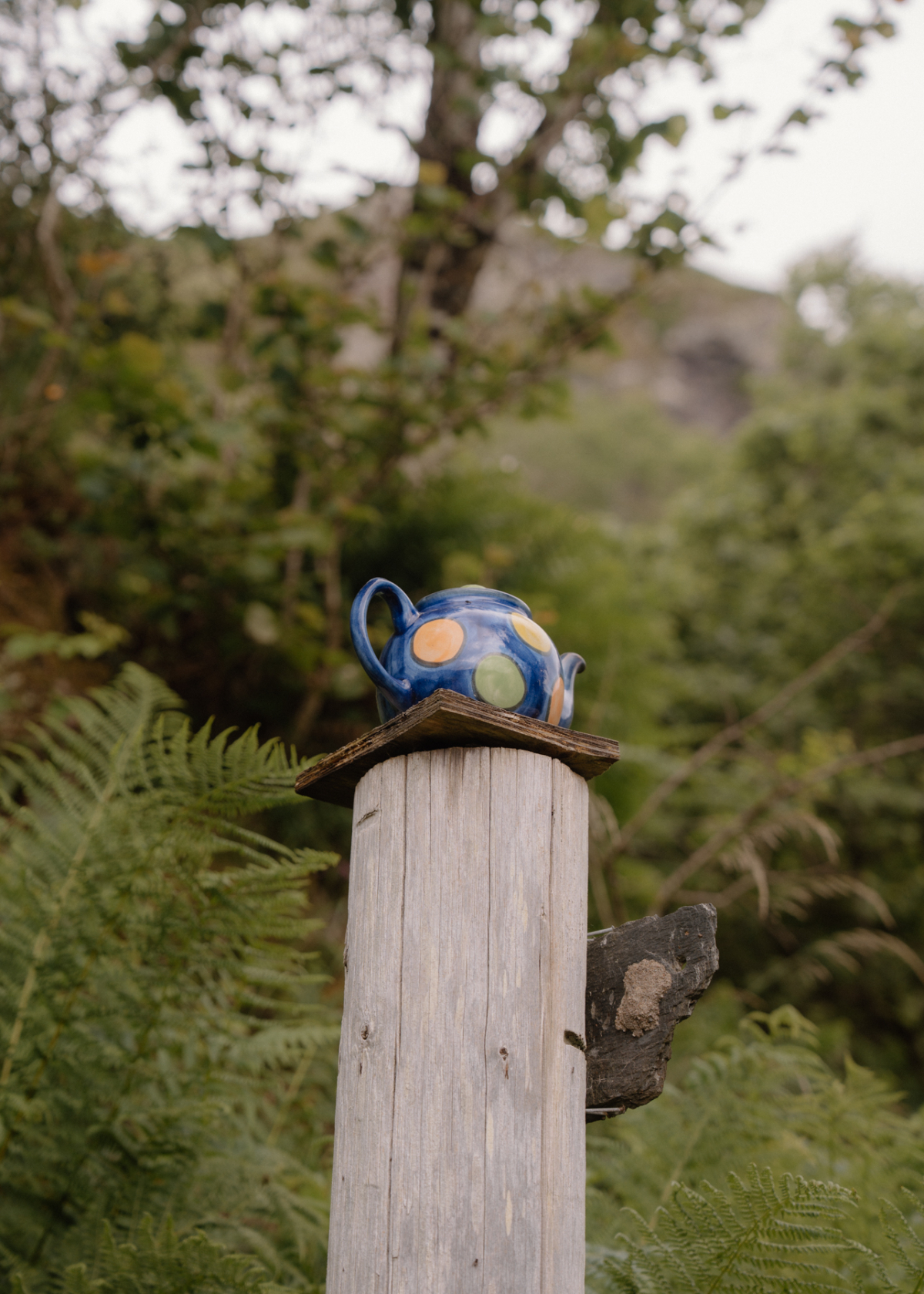
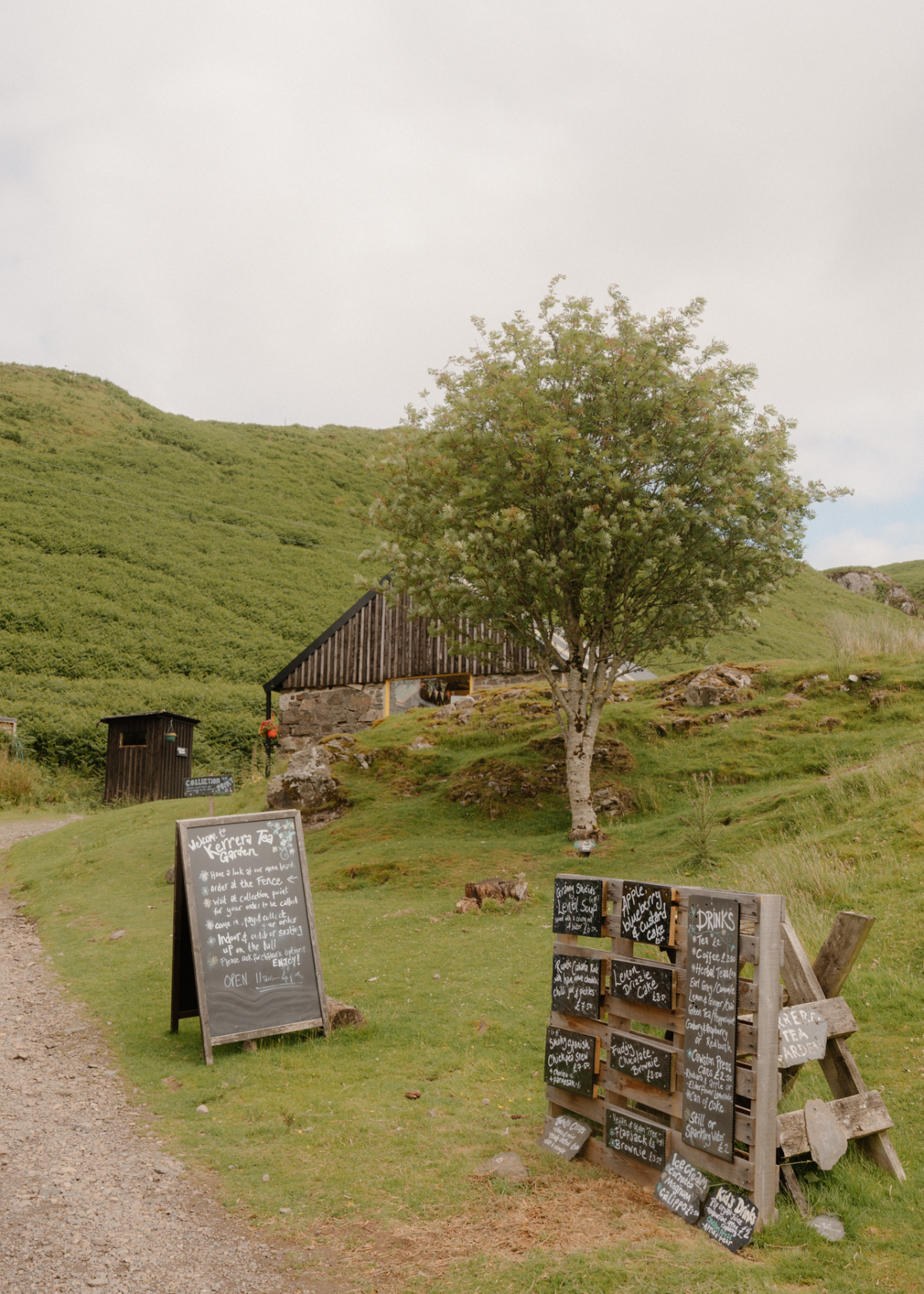
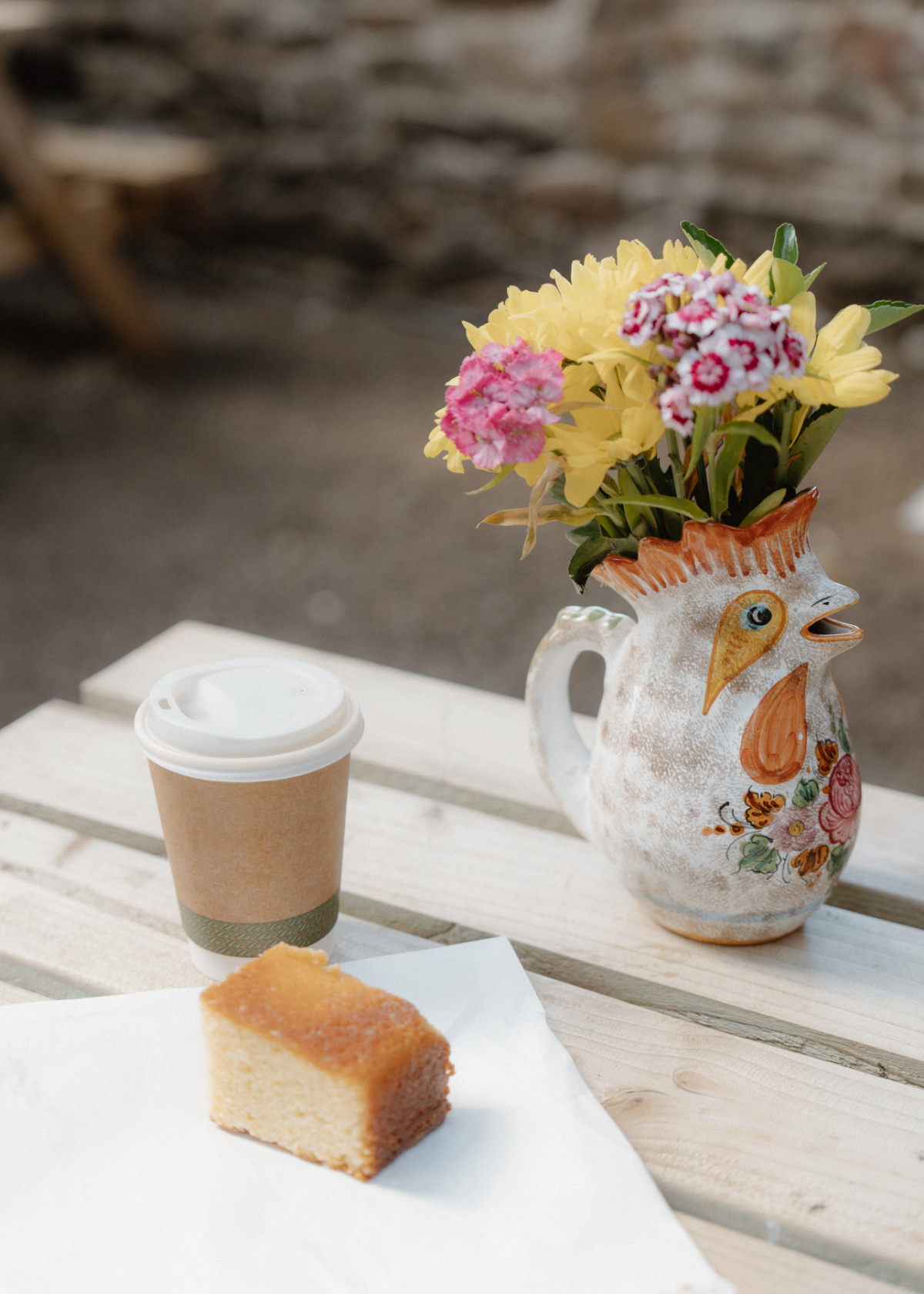
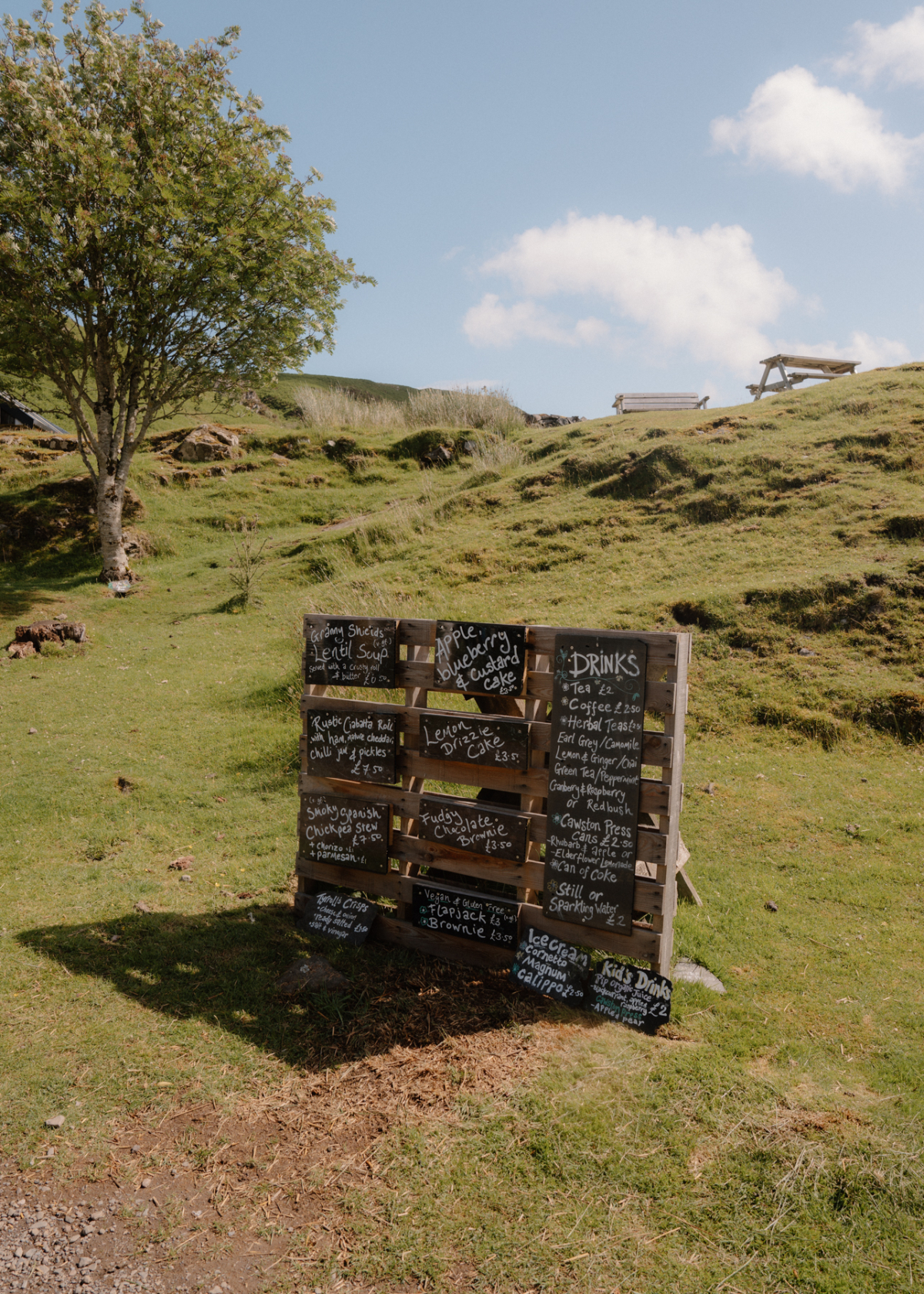
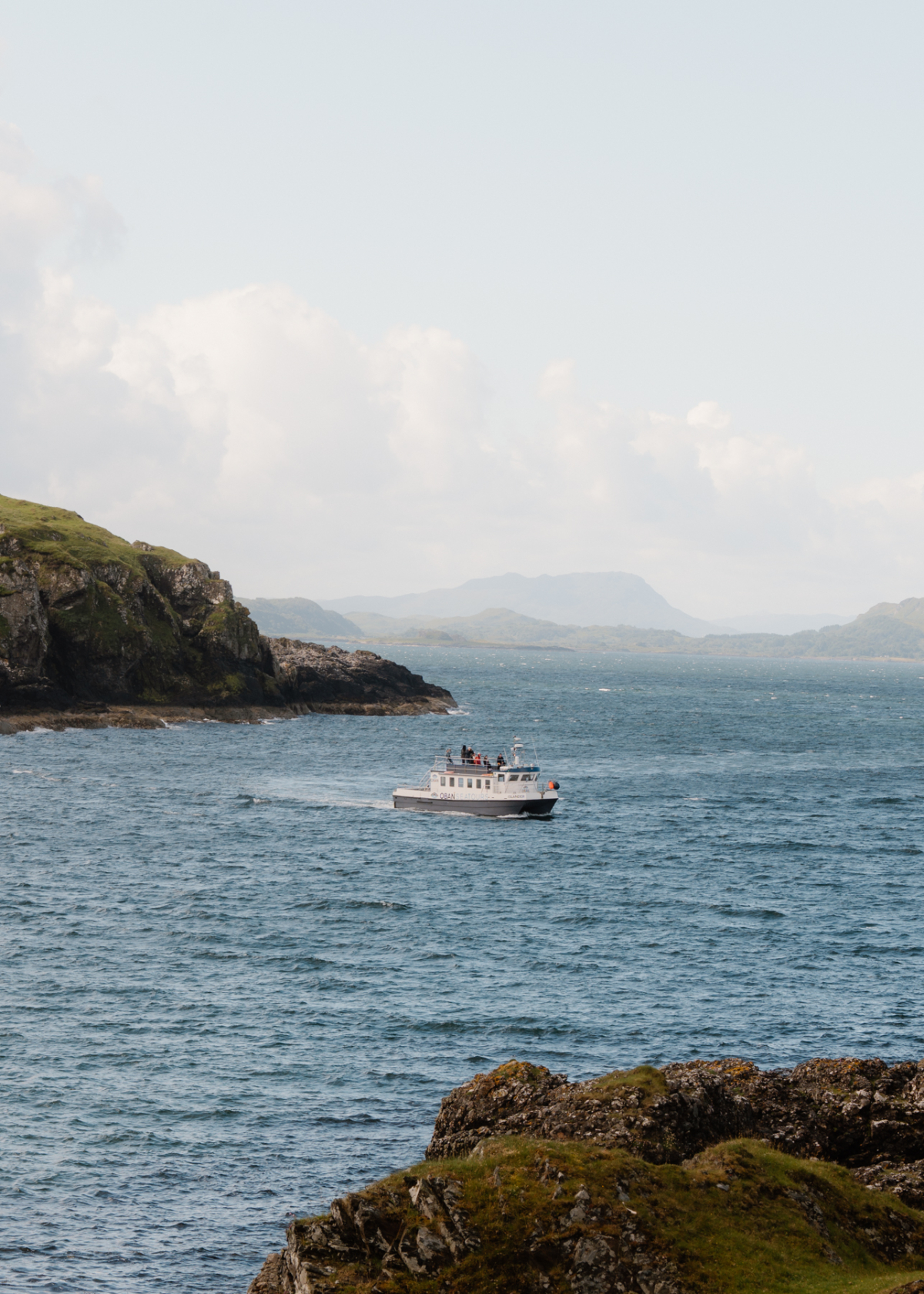
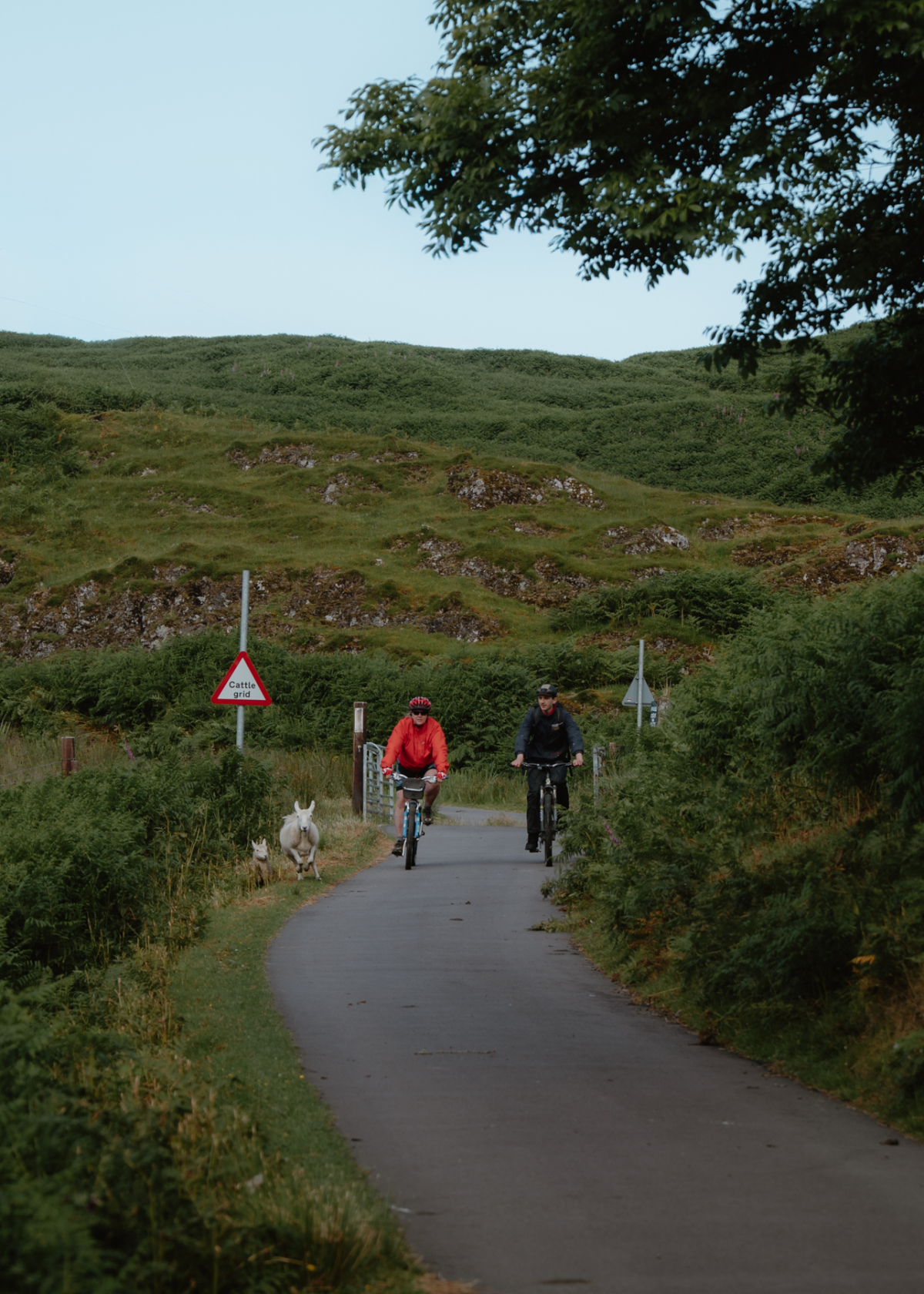
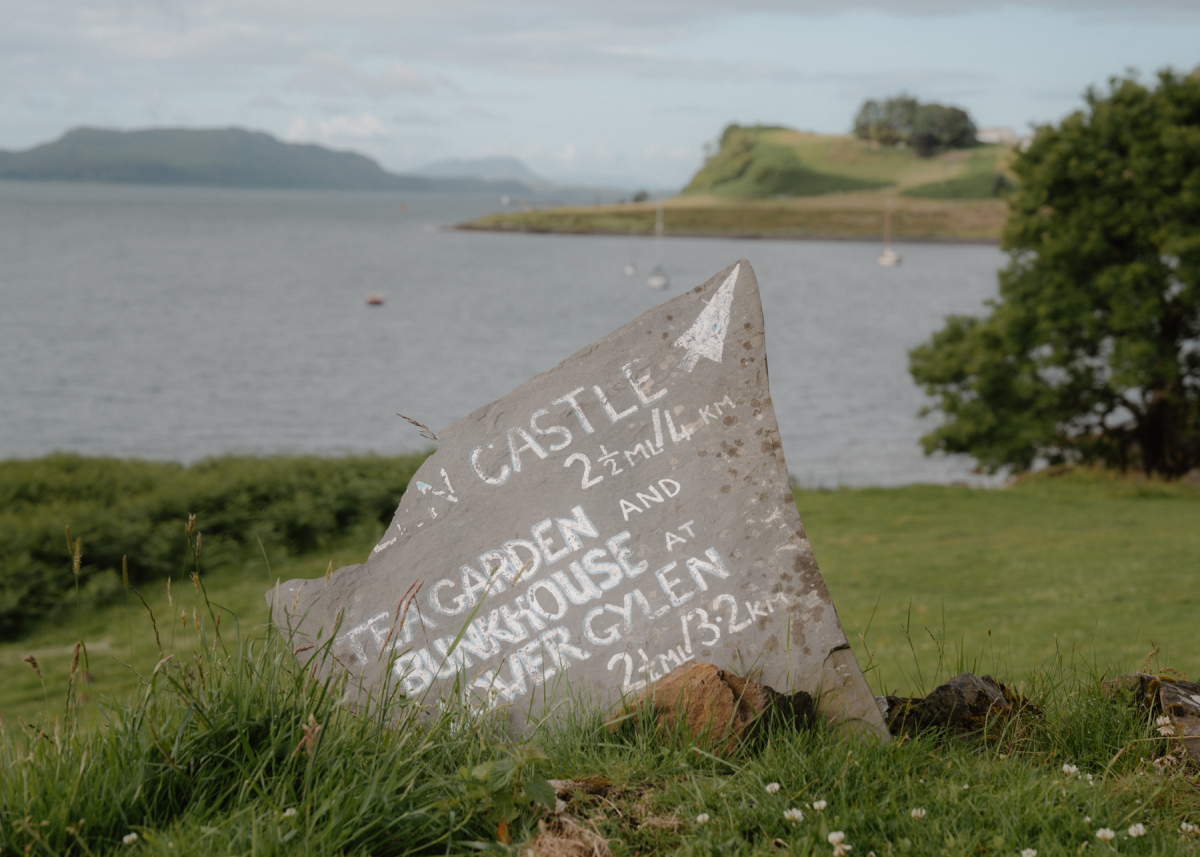
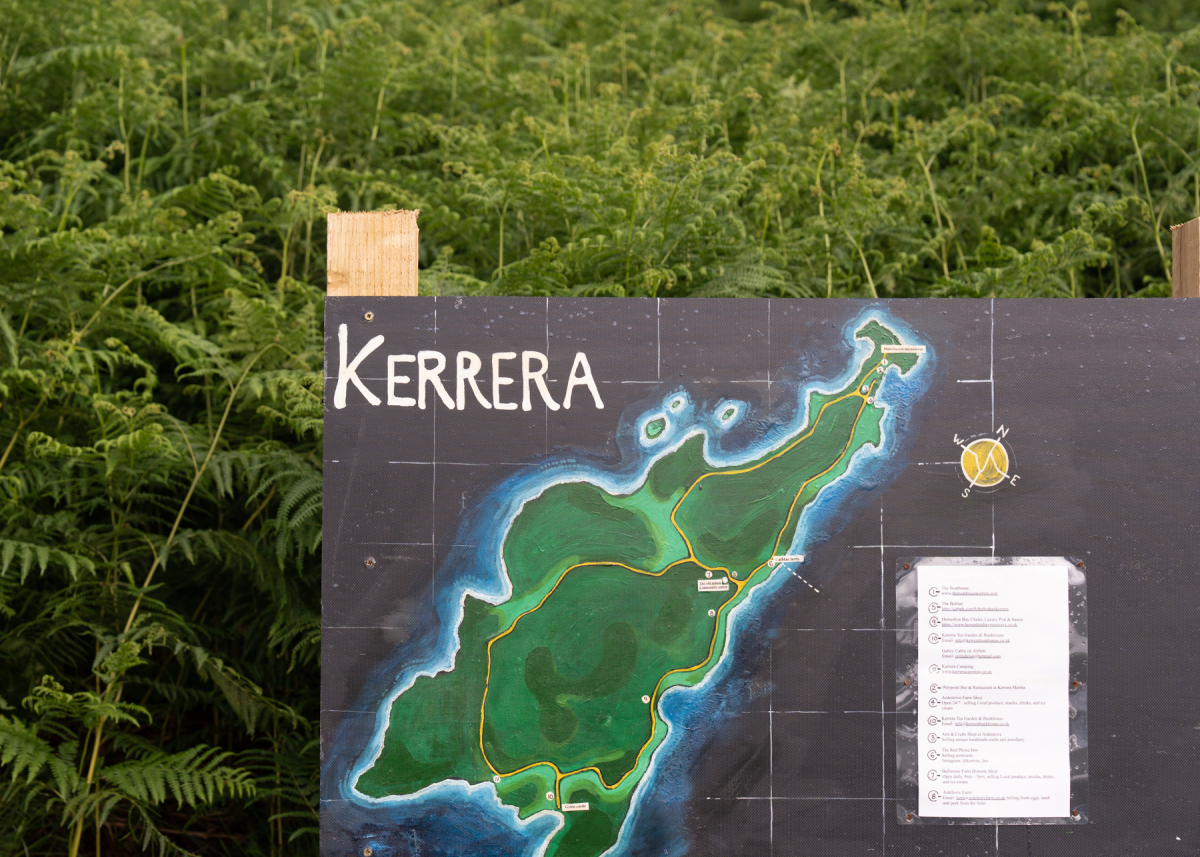
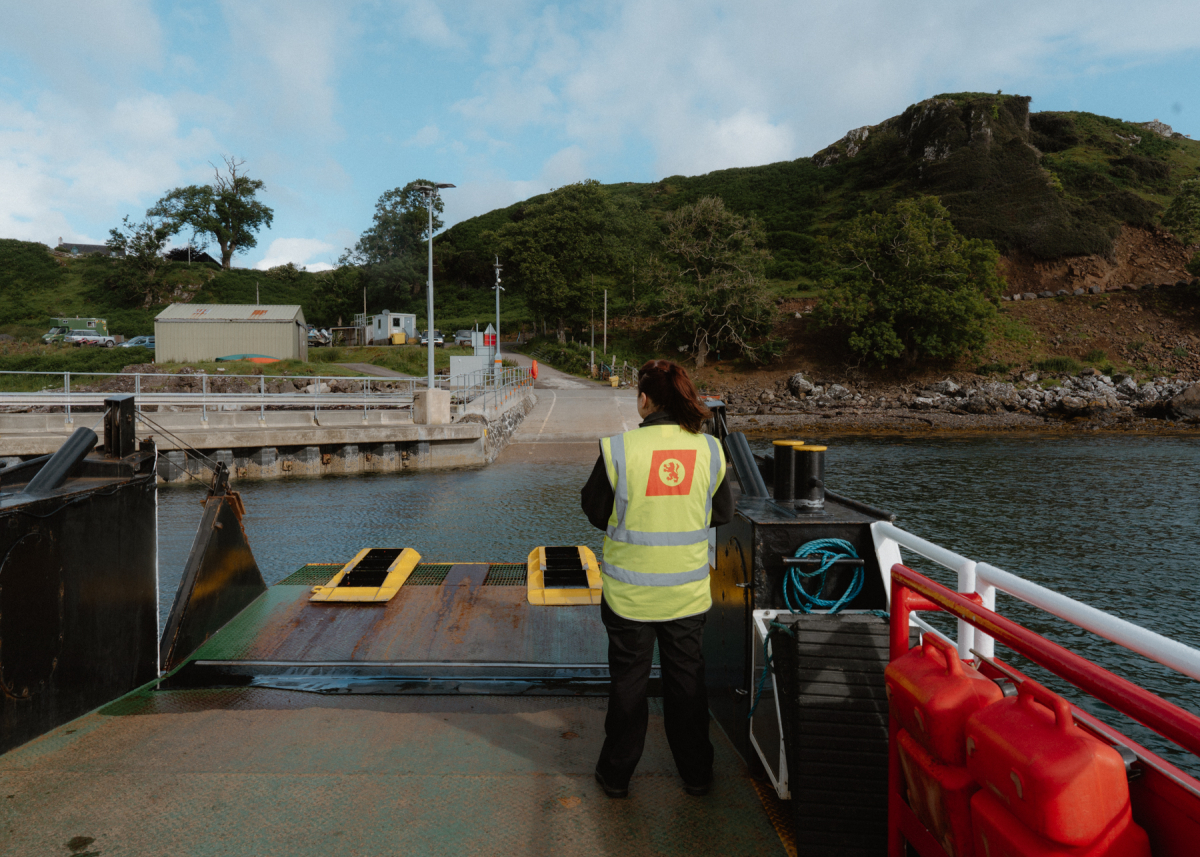
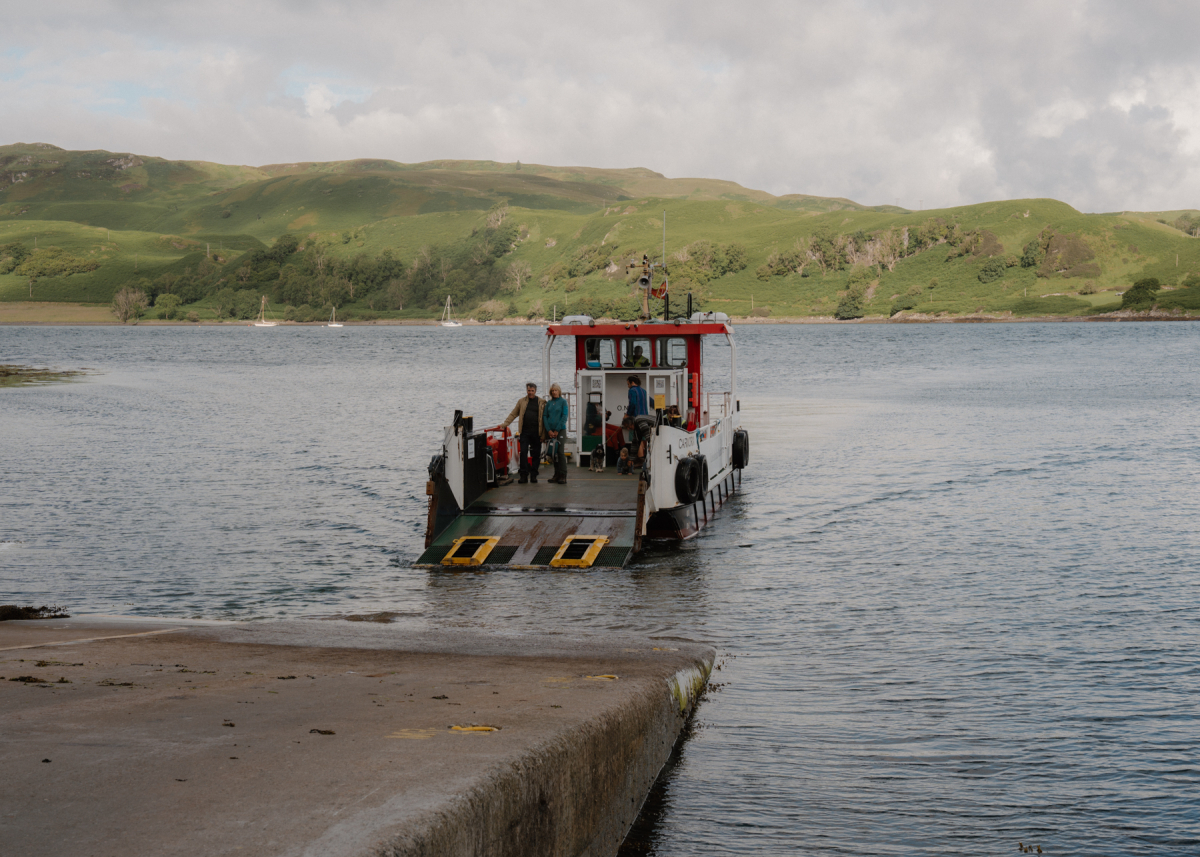
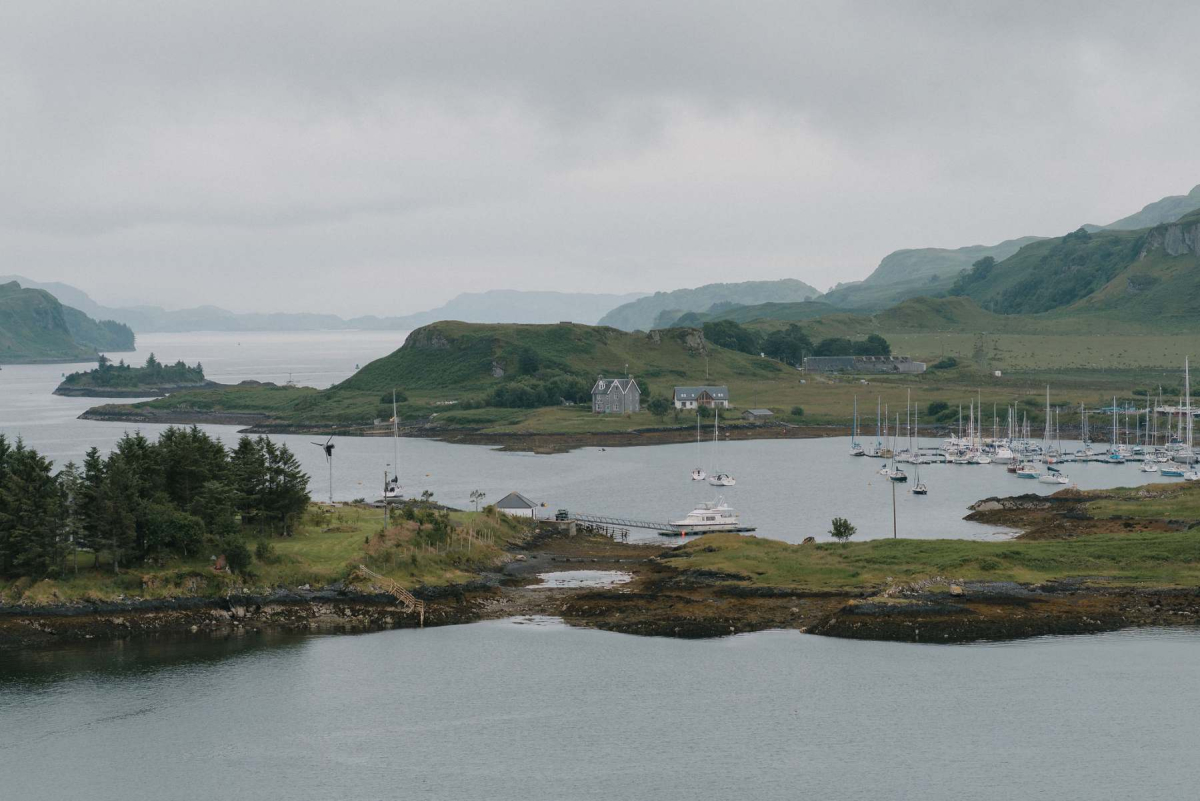
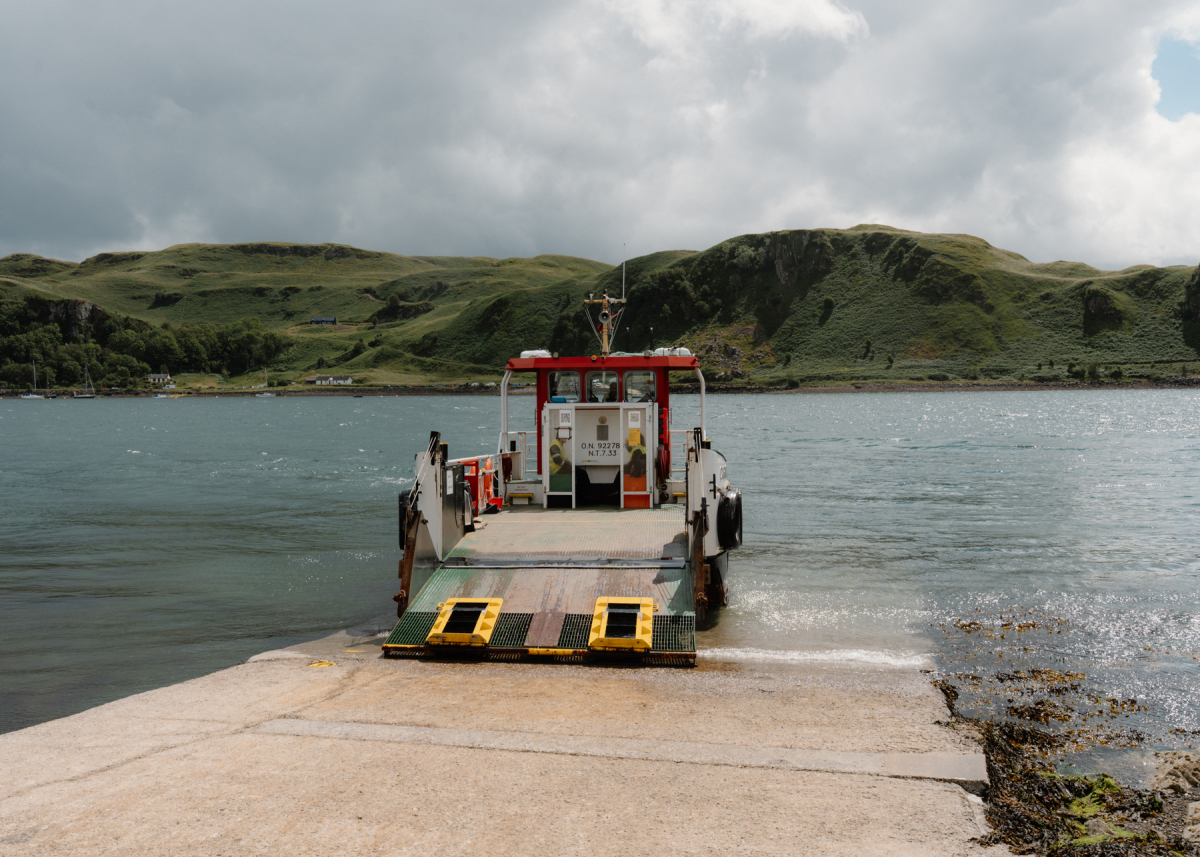
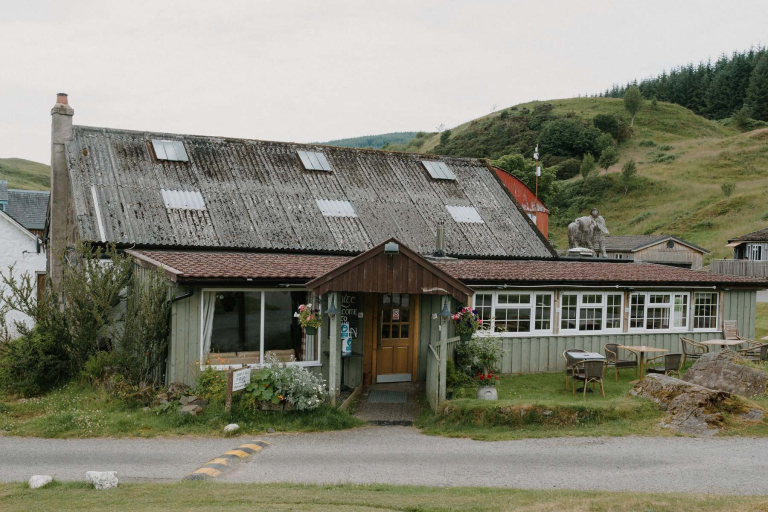
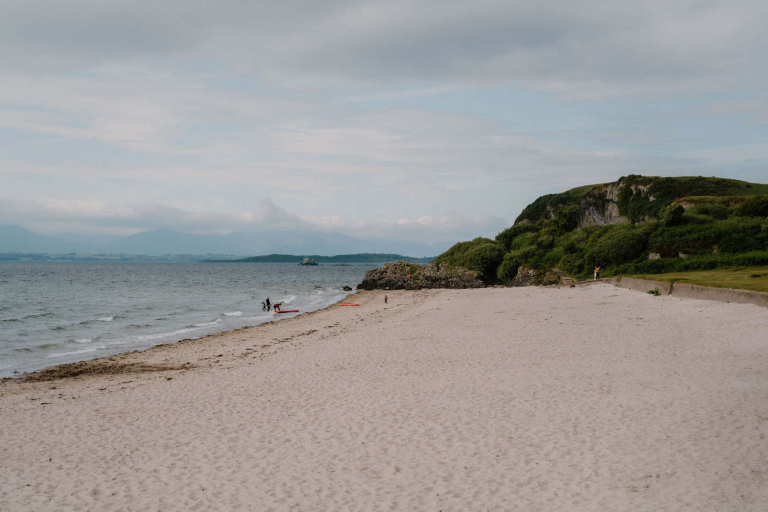
Two boats make the crossing. The CalMac passenger ferry, the MV Carvoria, runs from the slipway at Gallanach, a couple of miles down the coast road from Oban, and takes about five minutes. The second leaves from Oban's North Pier, slap in the town centre, and lands at the marina on the island's north end near Ardentrive Farm. A road now connects the north end to the rest of the island, so either works. Visitors can't bring cars on either boat. There wasn't a single tarred road here until October 2022, when the first one finally went in, and the place still runs on farm tracks. Most day trippers land at the Gallanach side and do the southern loop, a circuit of around 10km taking in Horseshoe Bay, the Kerrera Tea Garden and Gylen Castle before cutting back over the island's rocky spine. Give it three hours. Longer if the cake's good, which it is.
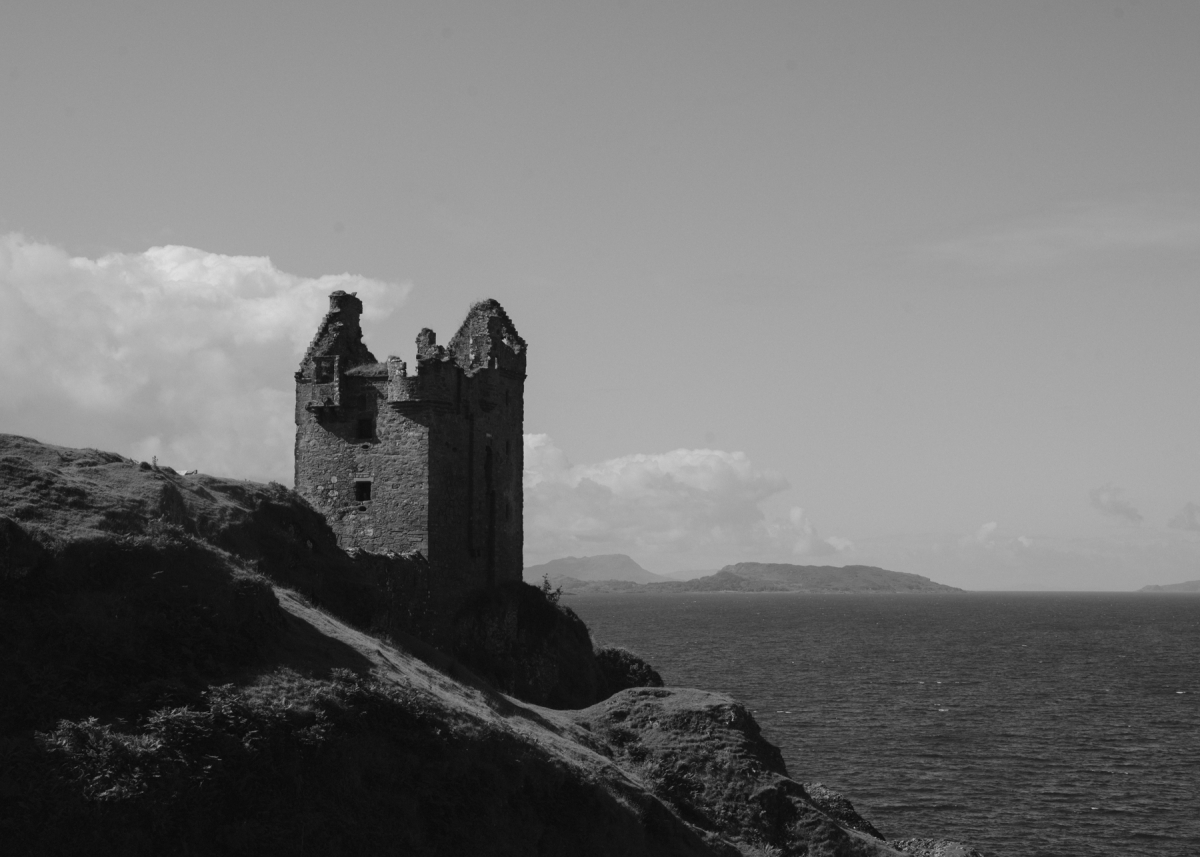
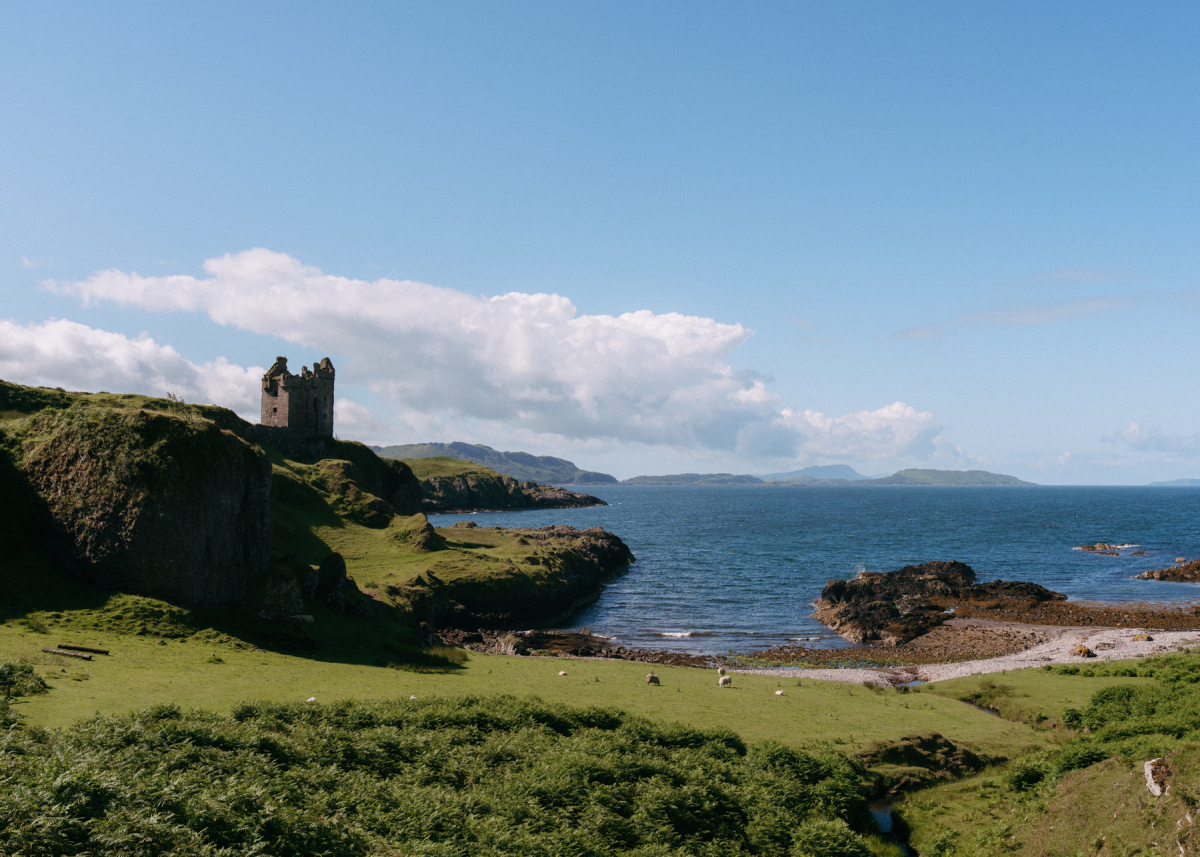
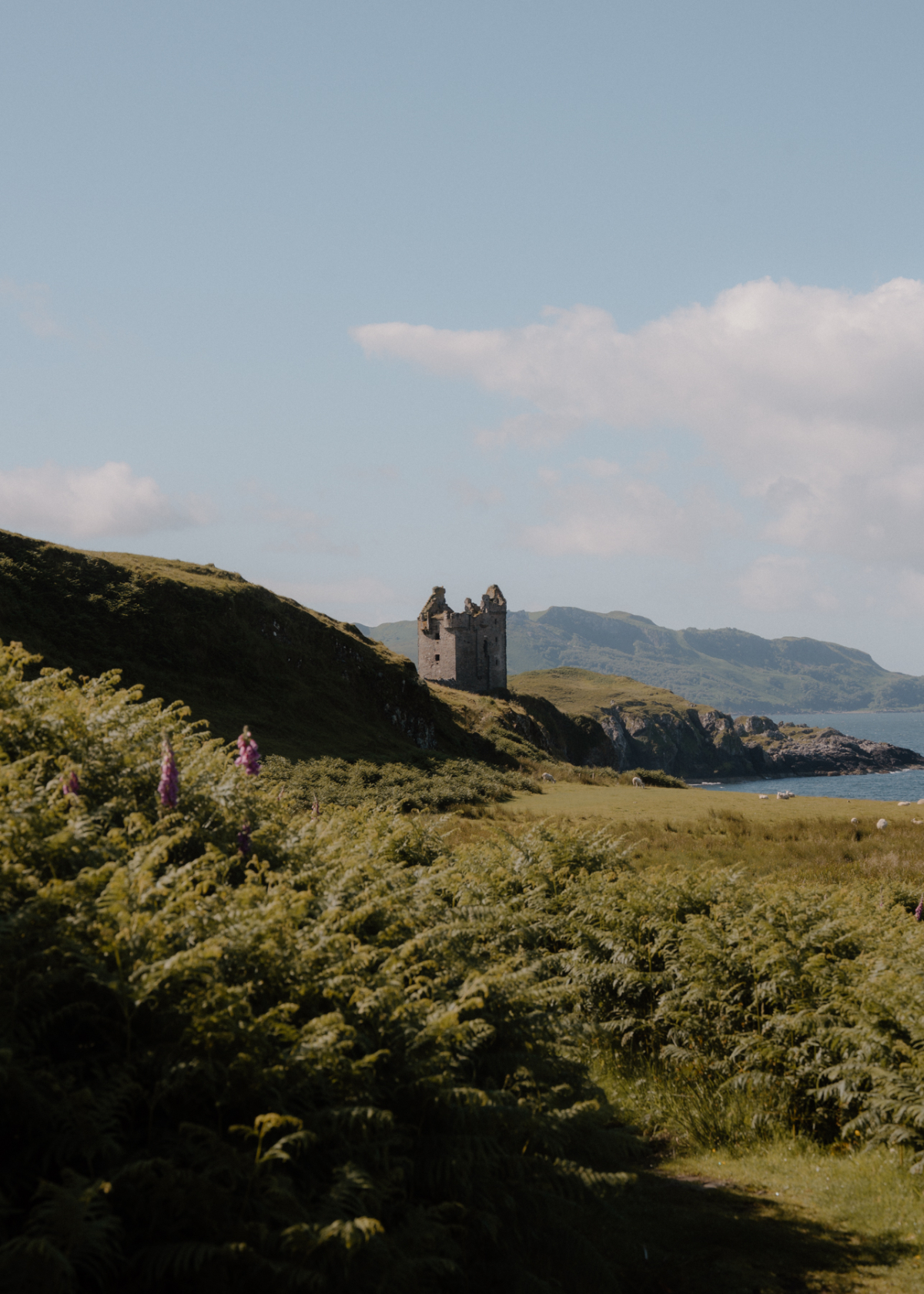
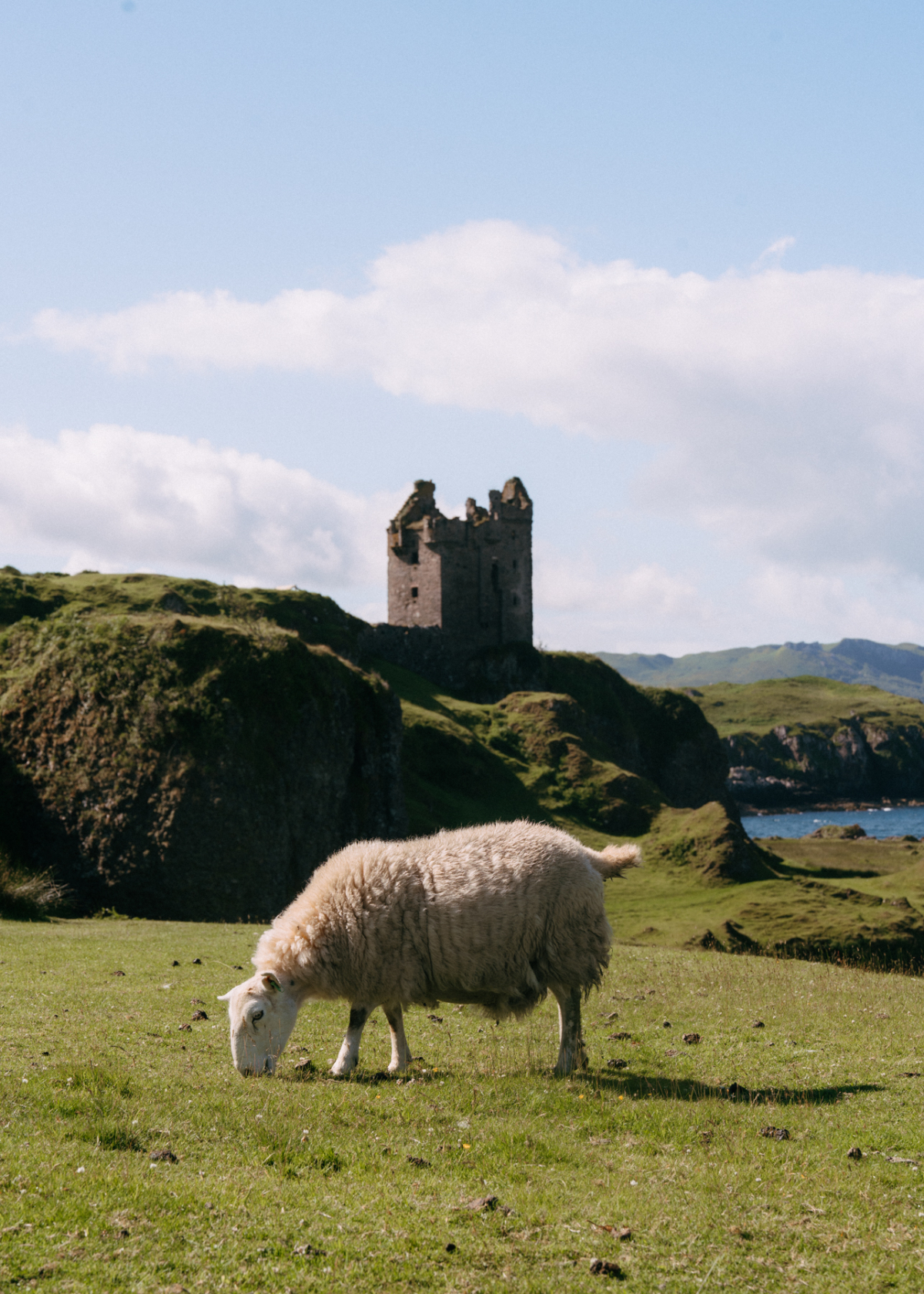
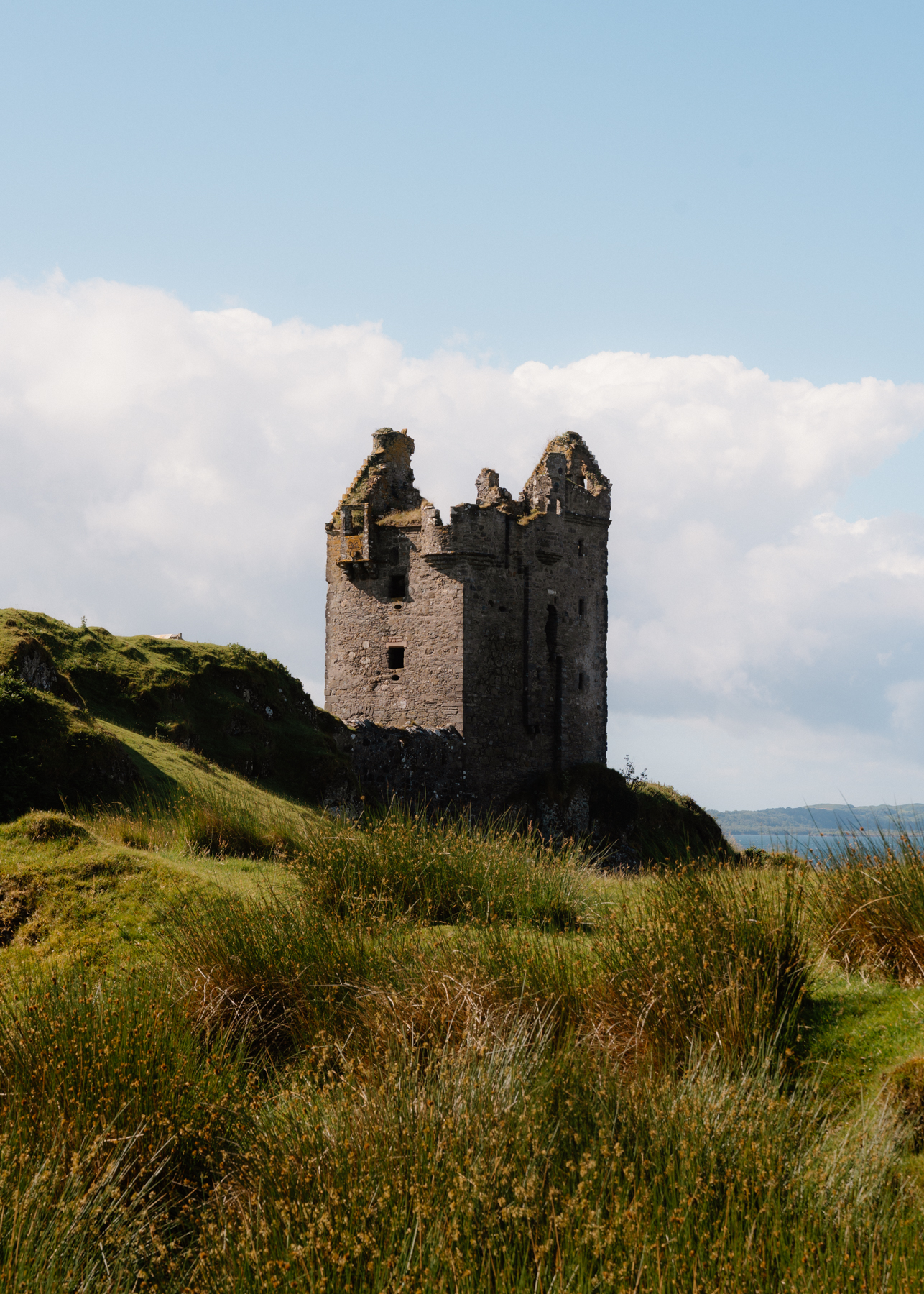
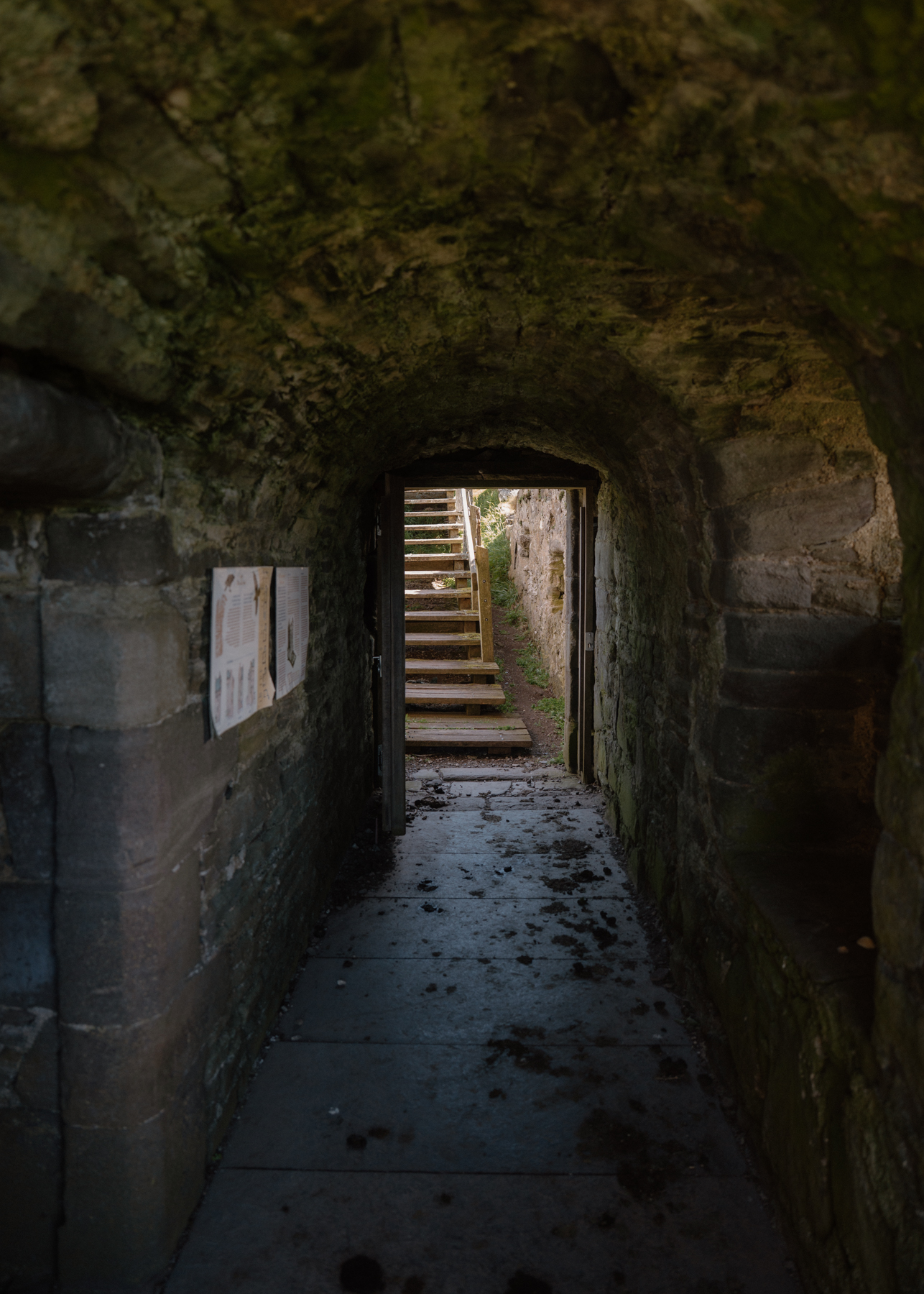
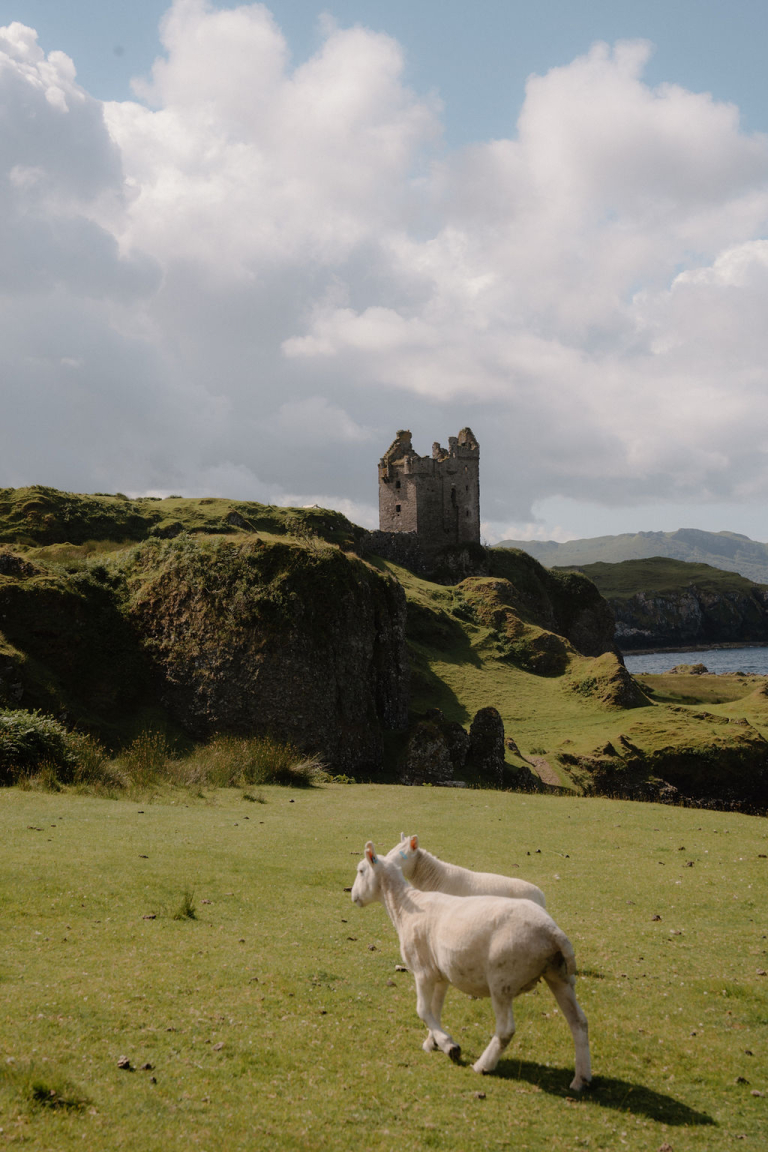
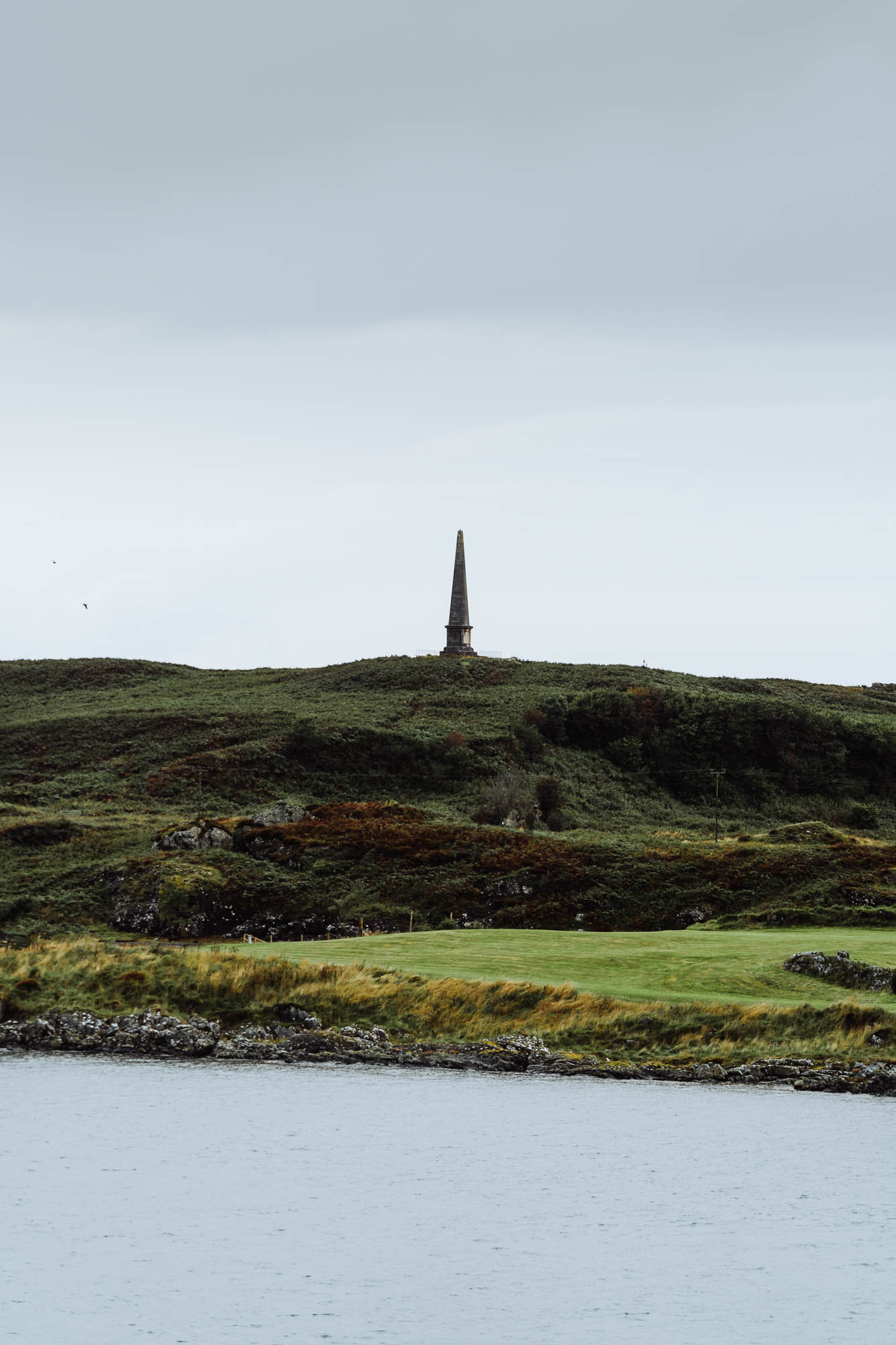
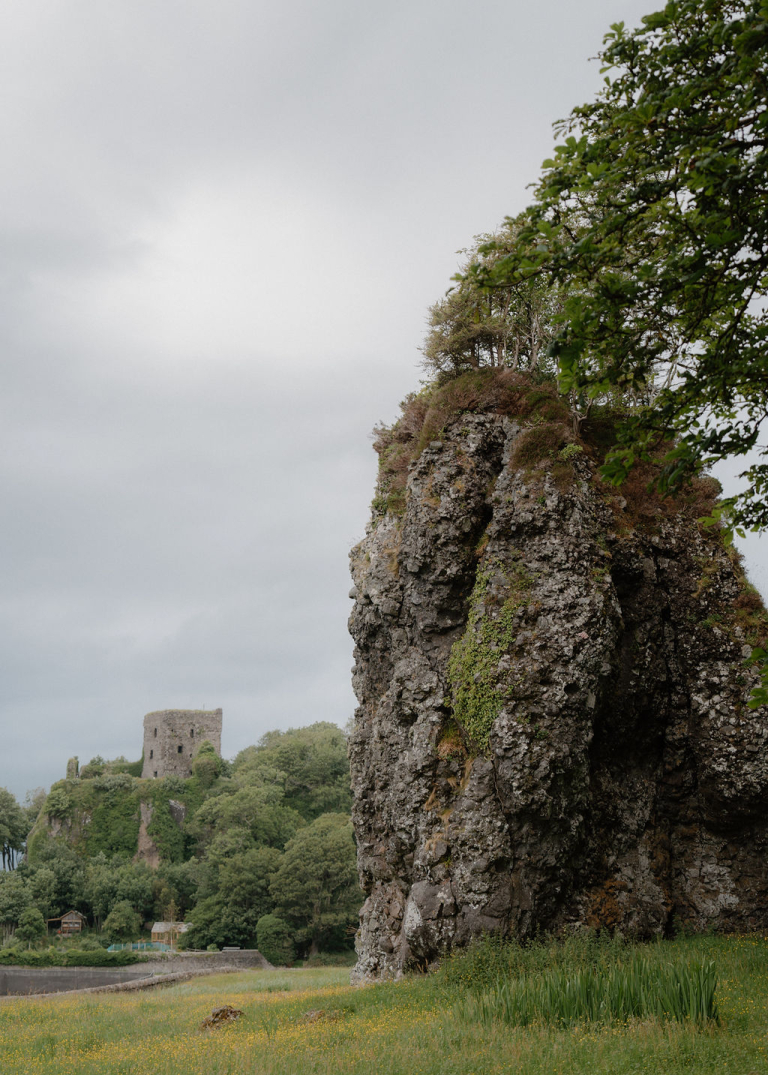
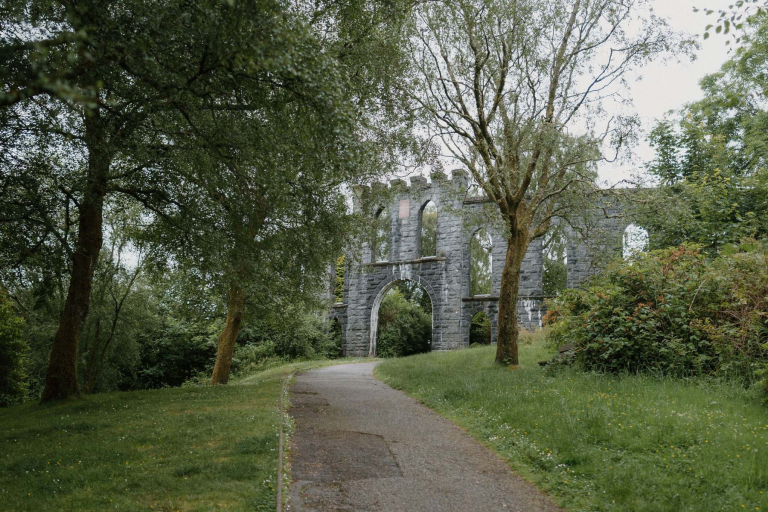
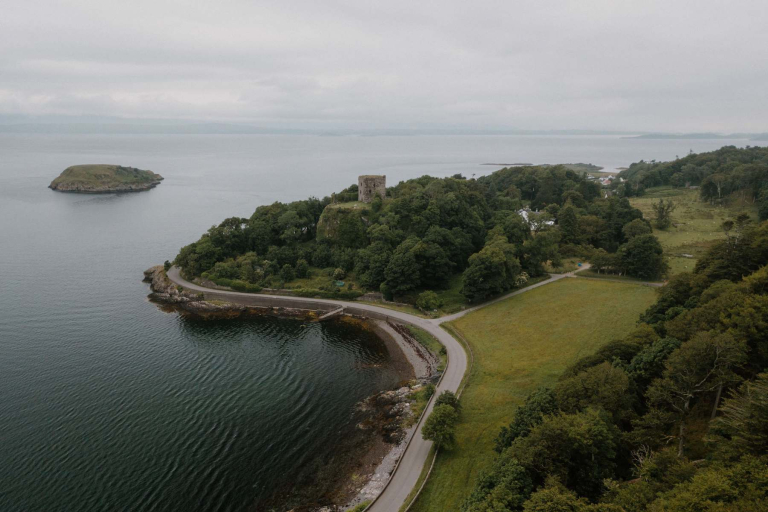
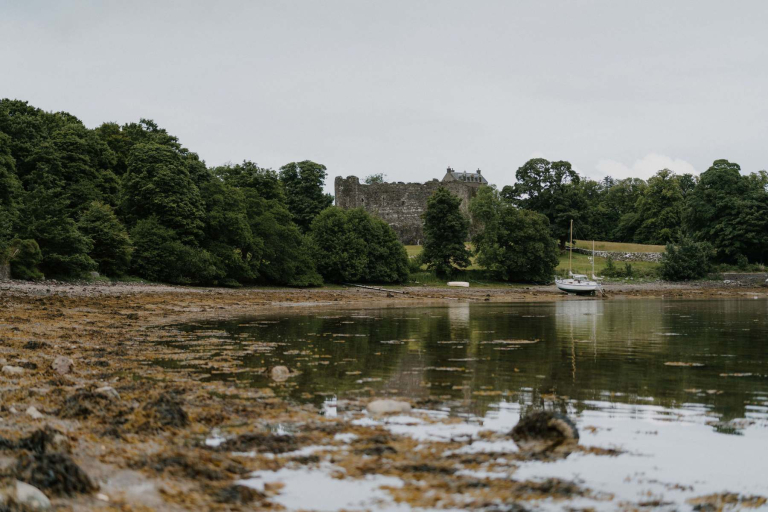
Gylen is the headline. Built in 1582 by the MacDougalls of Dunollie on a rock promontory at the island's south end, it lasted 65 years before a Covenanter army besieged and burned it in 1647. The garrison had strong walls and no water supply. It has stood roofless ever since, though a 2006 consolidation means you can climb the stair to the first floor and find the fireplace, the bread ovens and the medieval toilet arrangements. Turner drew it in 1831. The carved oriel window above the entrance is worth the walk on its own.
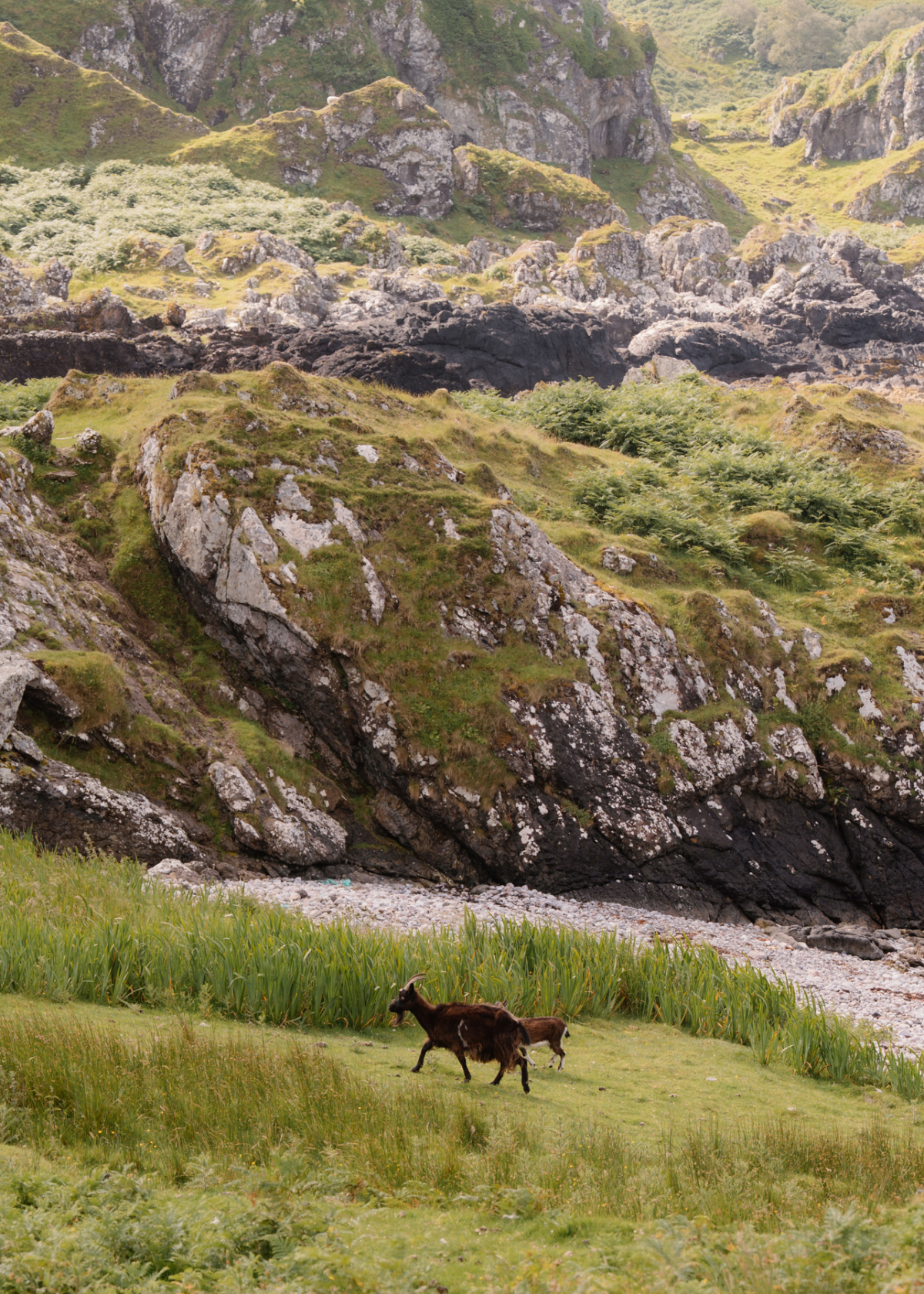
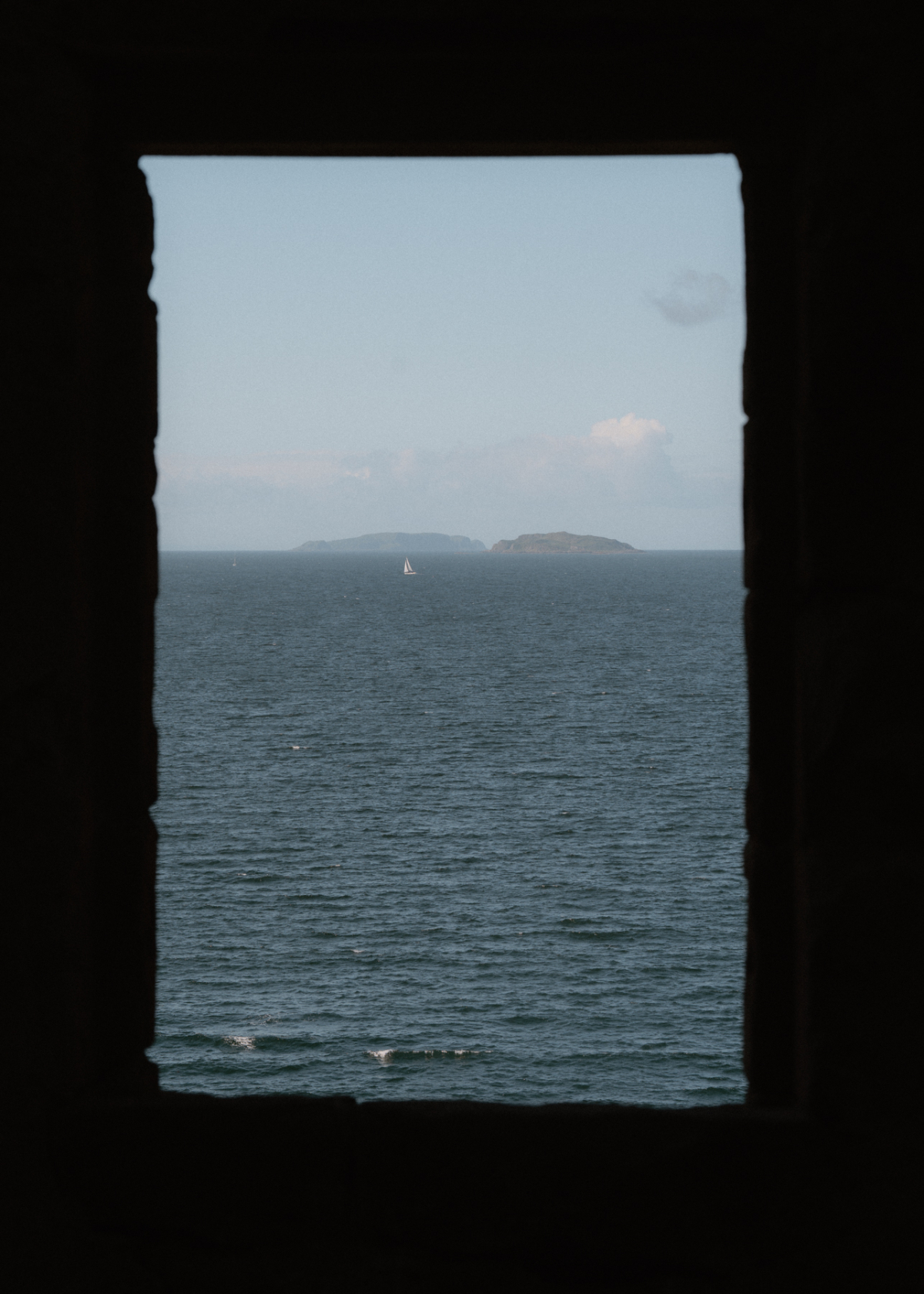
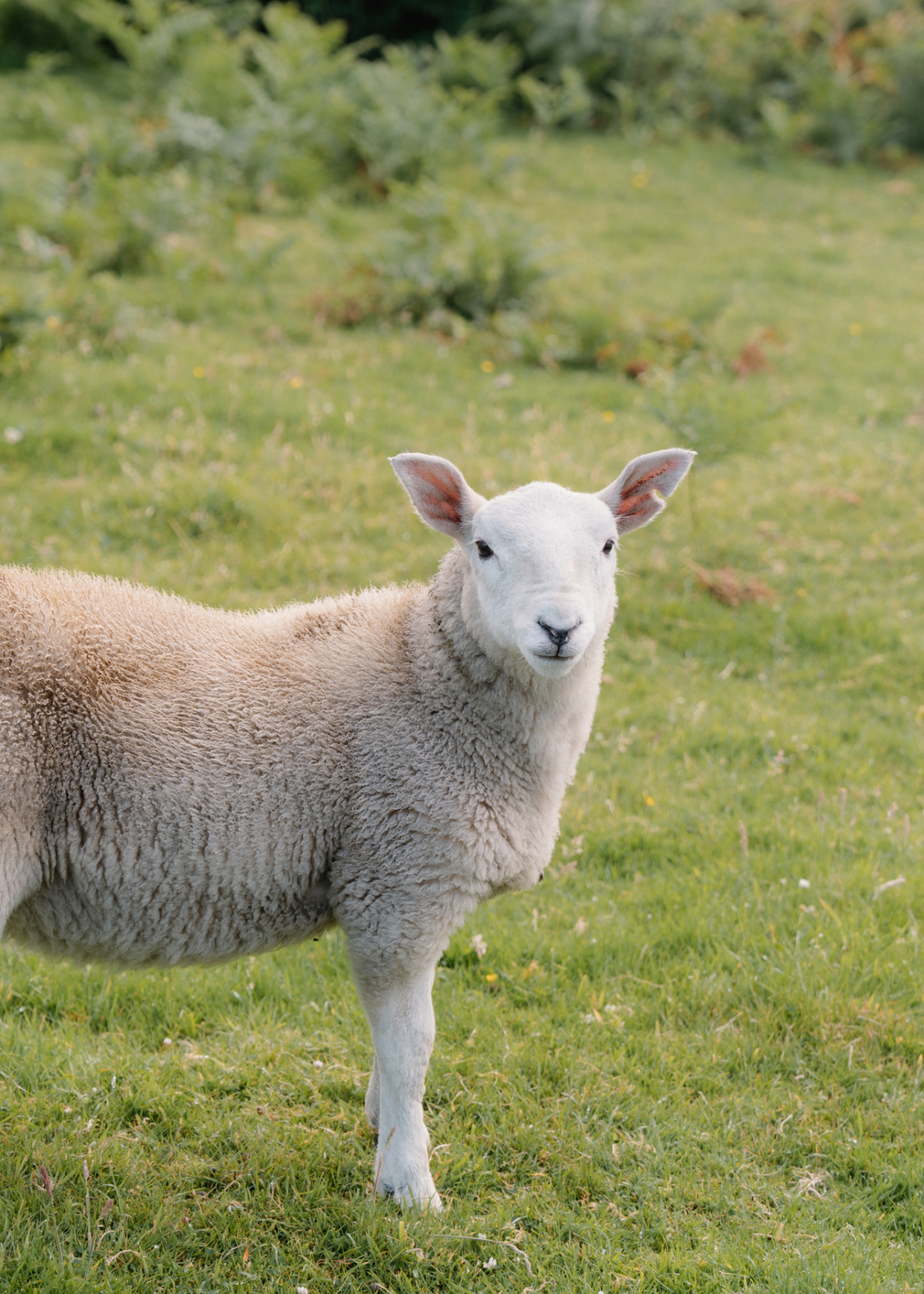
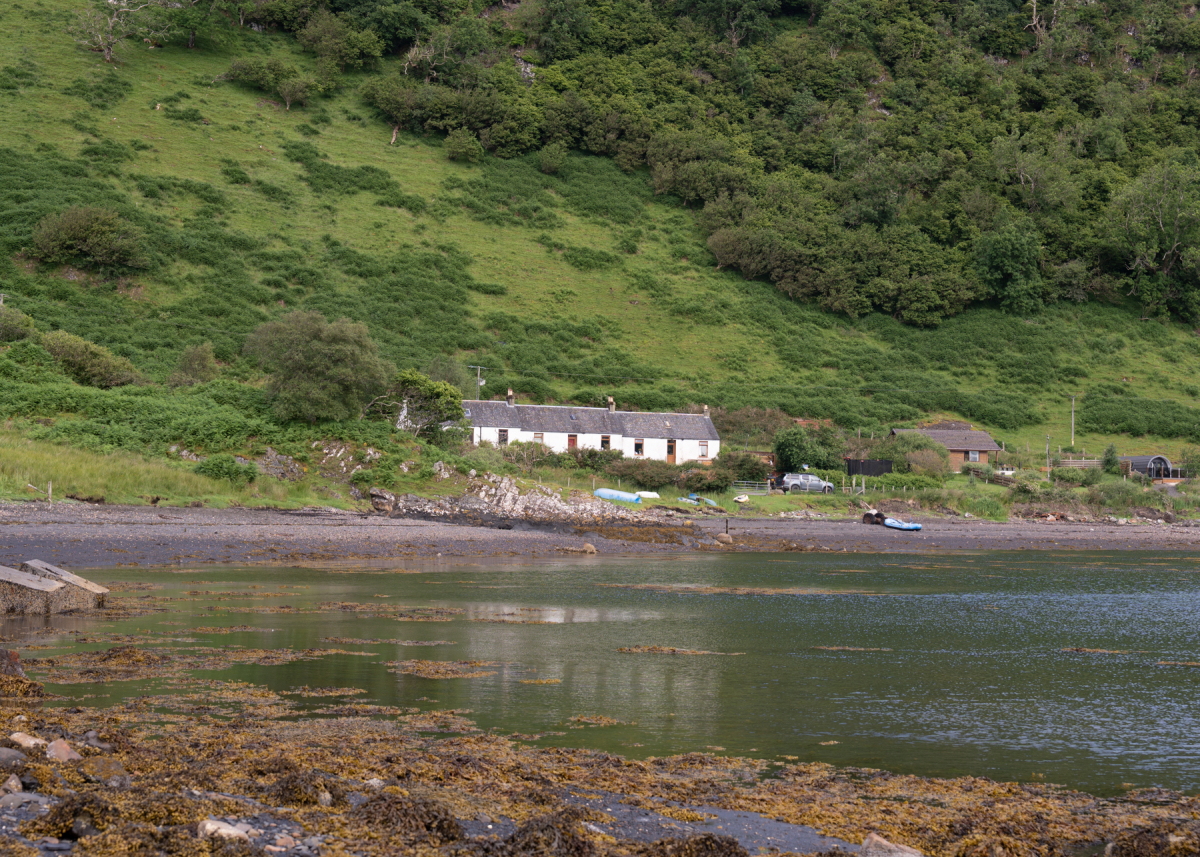
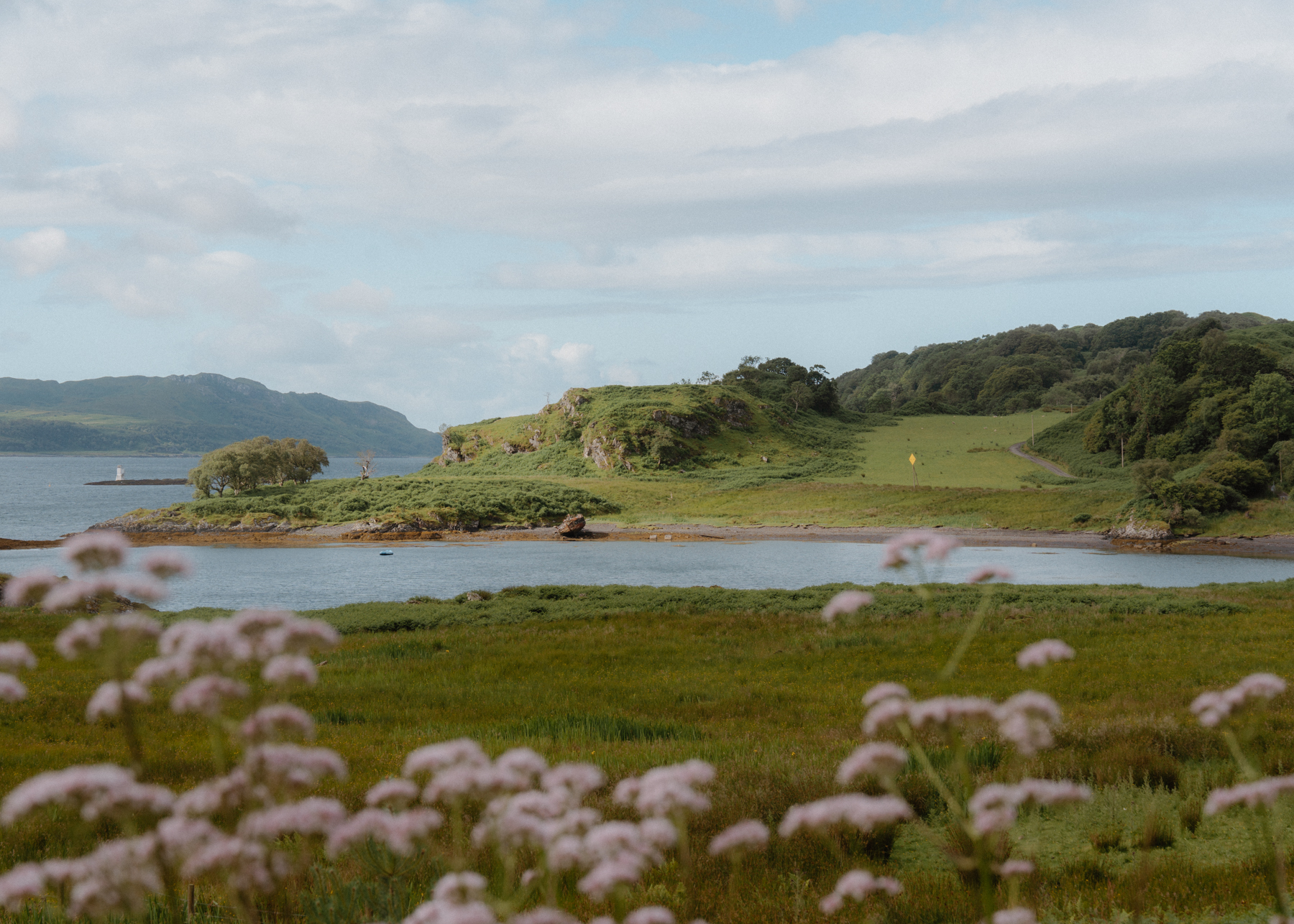
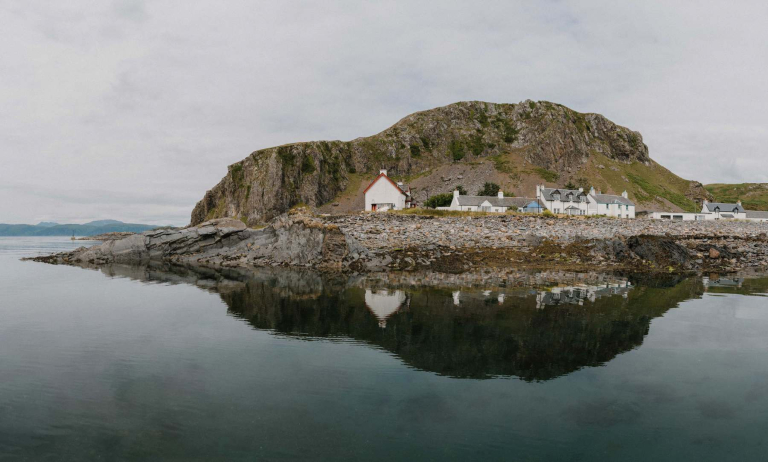
The rest is farmland, rough hill and coast. Around 45 people live here in two loose communities, north and south, farming beef, lamb and pork you can buy from the shop at Ardentrive Farm. Carn Breugach, the high point, is only 189 metres but earns its keep with views over Mull, Lismore, Scarba and the Garvellachs. It's a strange, likeable island. History everywhere, almost nothing built, and Oban's chip shops visible across the water the whole time.
History of Kerrera
For an island this size, an unreasonable amount has happened here. The Vikings arrived in 1193 and set about driving the population back to the mainland, and for the next 70 years Kerrera sat in the contested zone between the Norwegian and Scottish crowns. Alexander II of Scotland sailed here in 1249 on a campaign to claw back the Hebrides, came ashore against the advice of his soothsayer, so the story goes, and died of a fever at a spot near Horseshoe Bay still called Dail Righ, the King's Field. Fourteen years later King Haakon IV of Norway anchored a fleet of over 160 longships in the Sound of Kerrera and gathered his Hebridean chiefs before sailing south to defeat at the Battle of Largs in 1263, the beginning of the end of Norse rule in the isles.
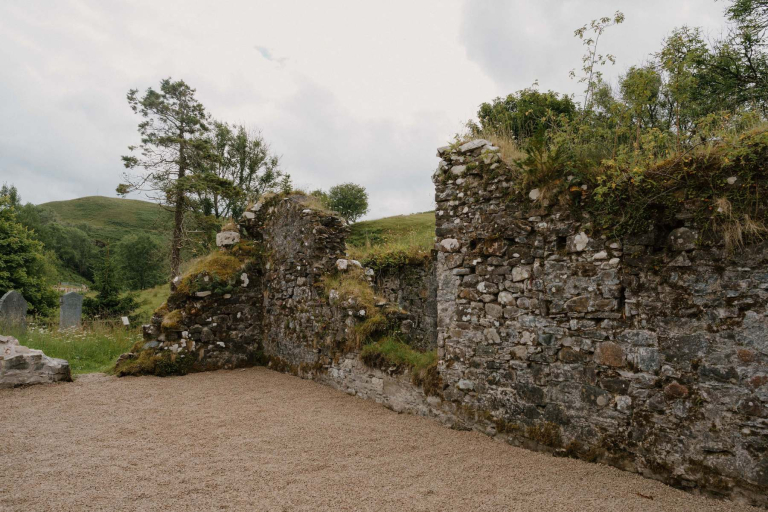
The MacDougalls, descended from the Norse-Gael warlord Somerled, have held much of the island for centuries and still do. Duncan MacDougall completed Gylen Castle in 1582 to watch over the Sound, then one of the busiest shipping lanes on the west coast. When Covenanter troops under General David Leslie took it in 1647 they made off with the Brooch of Lorn, reputedly torn from Robert the Bruce's cloak at the Battle of Dalrigh in 1306. It wasn't returned to the MacDougalls until the 19th century. Since then the island has been quieter. Drovers once landed huge cattle herds here from Mull, walking them across the island on a green road that's now one of its best walks, bound eventually for the trysts at Crieff and Falkirk. These days the population farms, sails and runs the tea garden, and in 2019 the community trust bought the old primary school, shut since 1997, to turn into an island hub.
Location
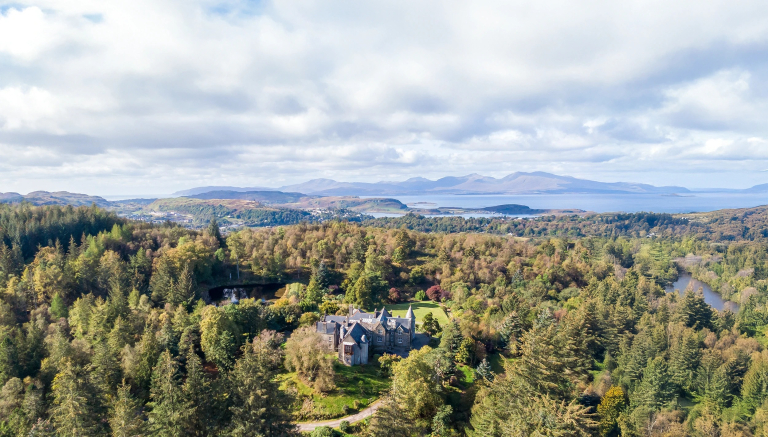
Kerrera lies across the mouth of Oban Bay in the Firth of Lorn, Argyll, about four miles long and rarely more than a mile and a half wide. The main passenger ferry runs from the slipway on the Gallanach road, 3km southwest of Oban, with a car park beside the jetty that fills fast in summer. Crossings take five minutes and can be booked ahead. A second ferry links Oban's North Pier with the marina at the island's north end. Bikes travel free-ish and are a decent shout, as the distances add up on foot.
What's nearby
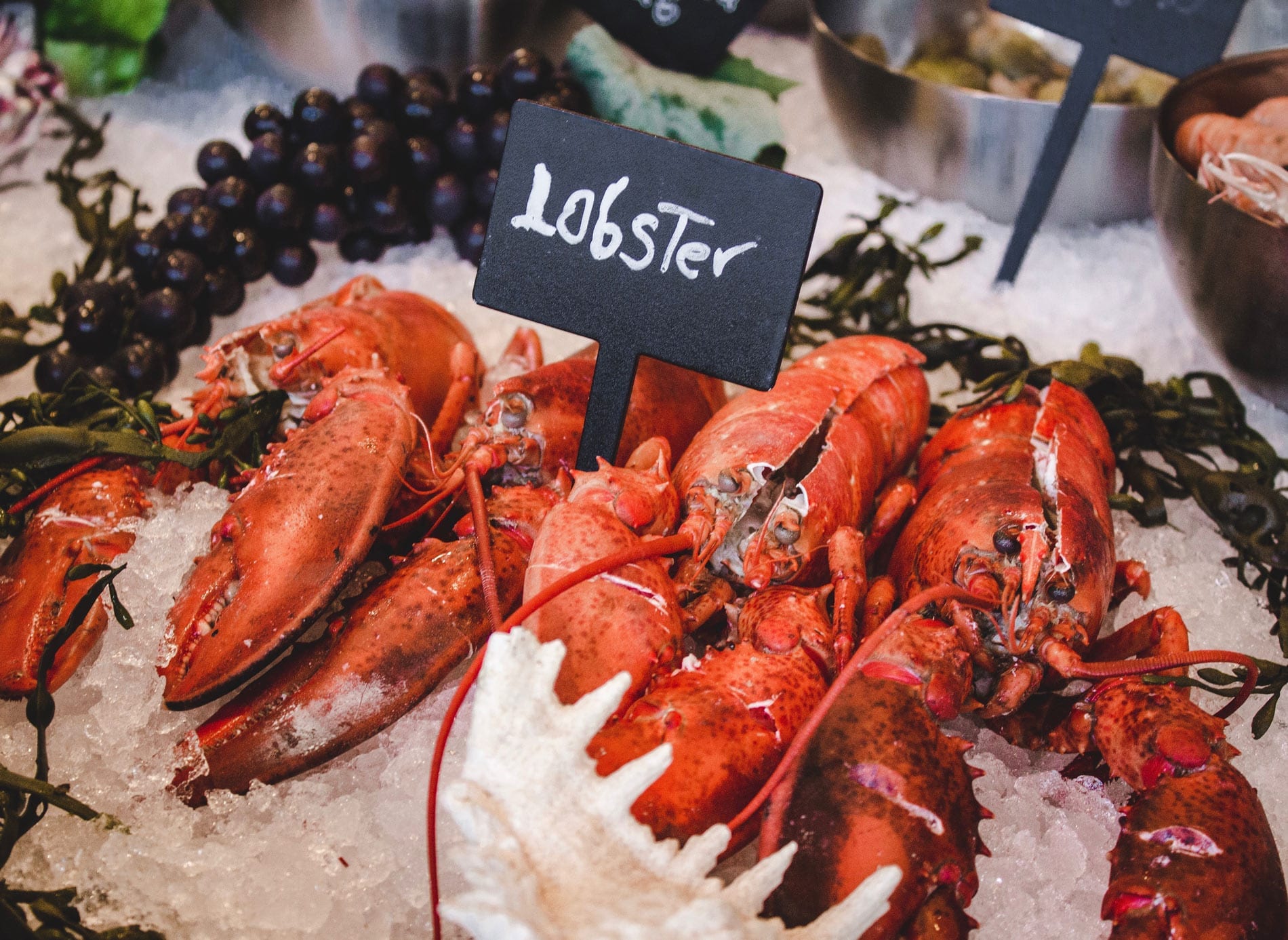
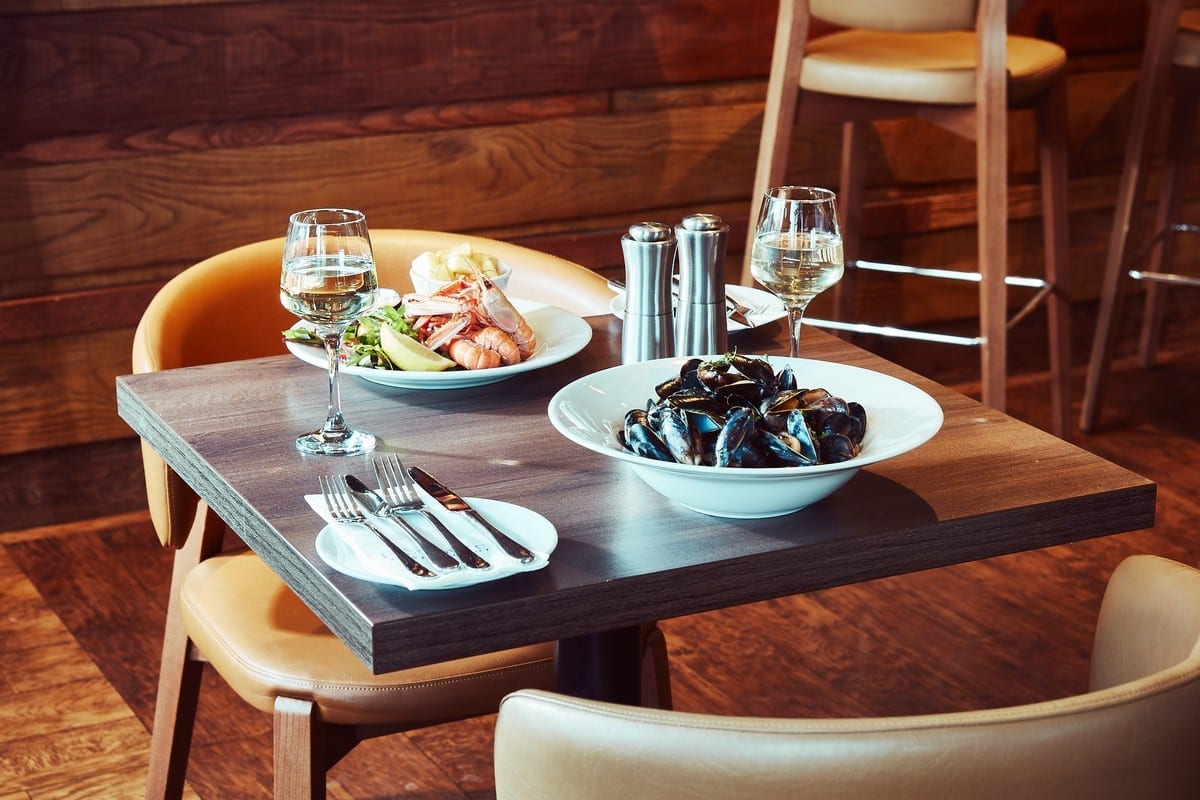
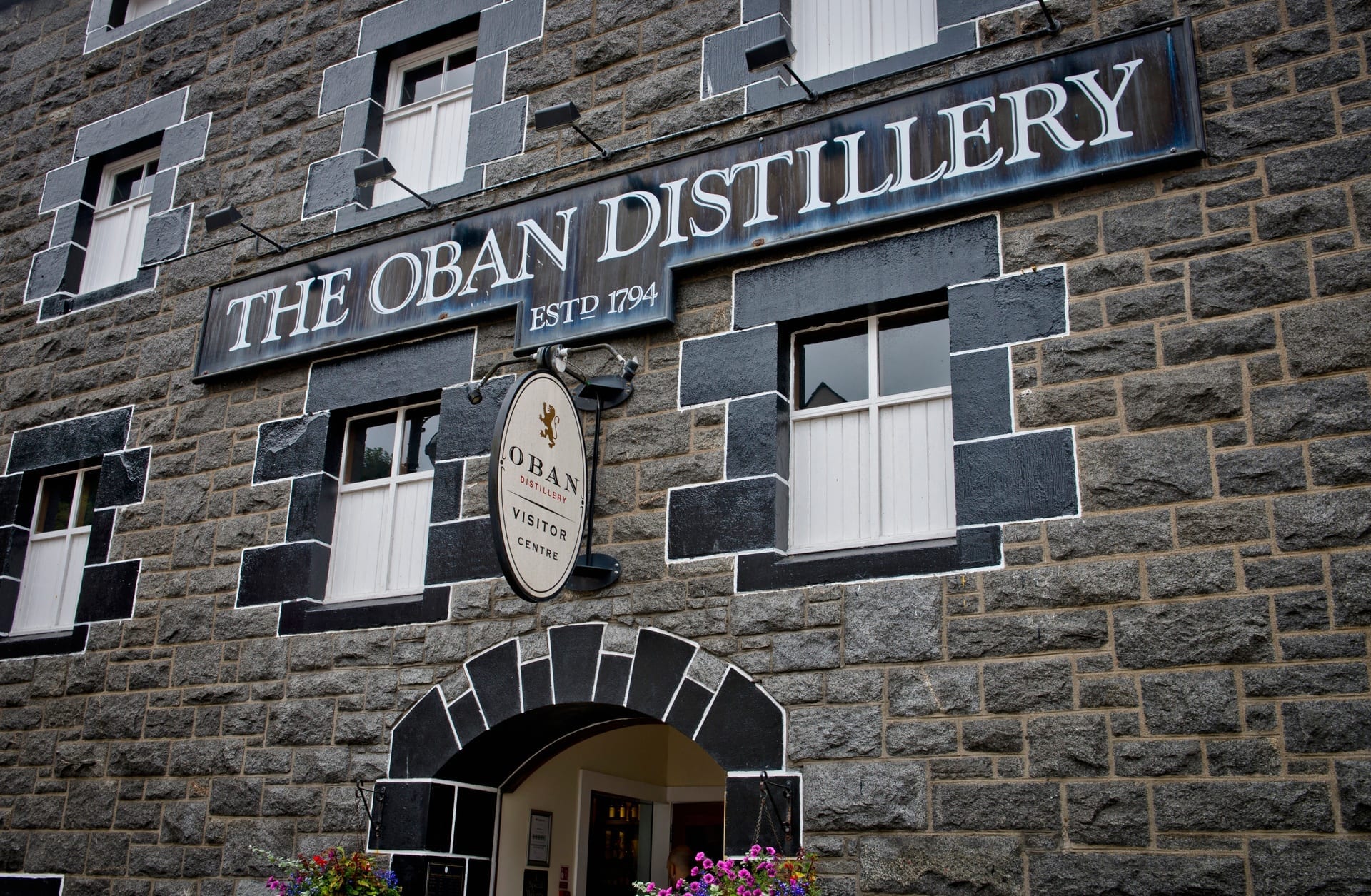
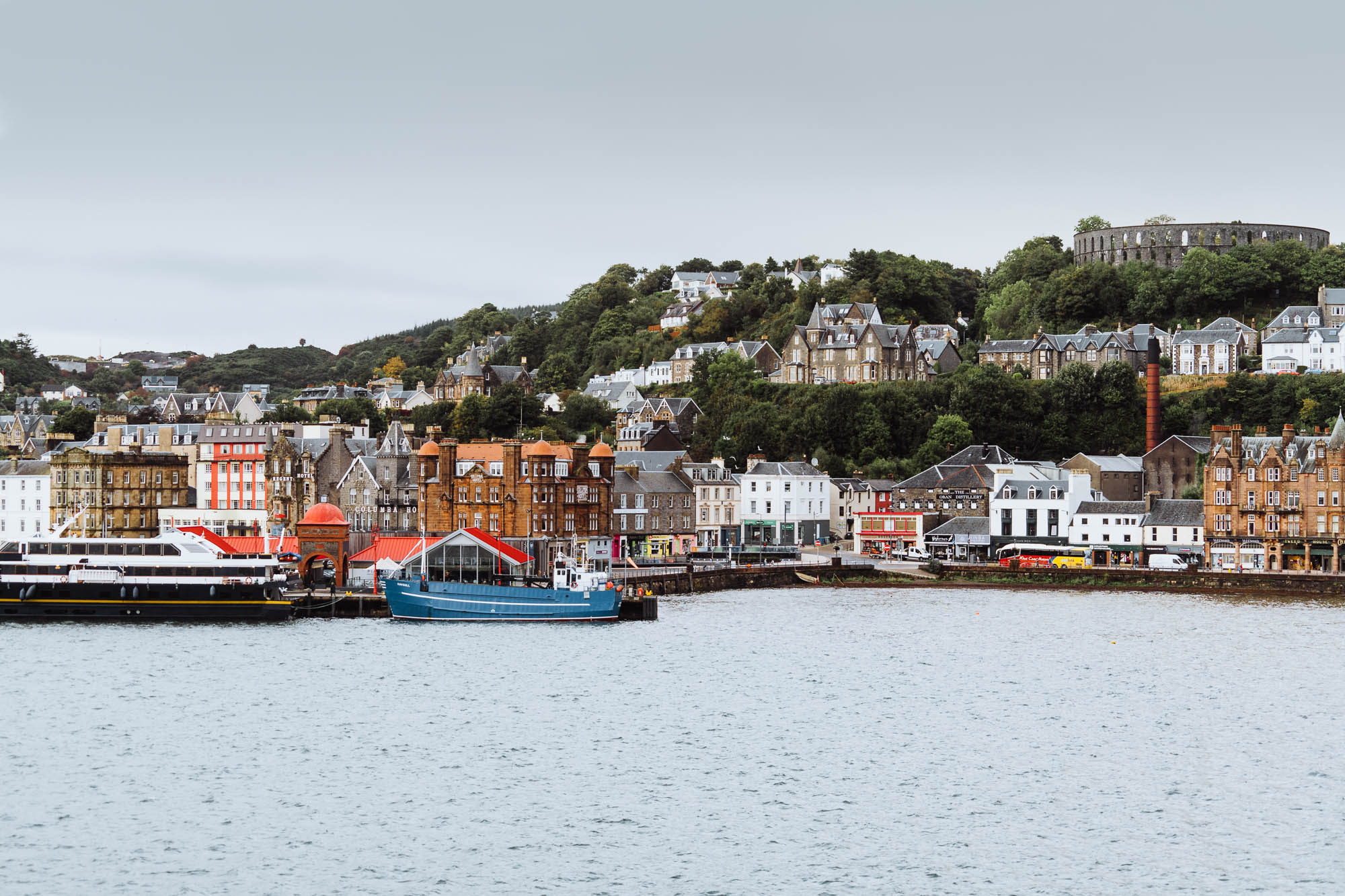
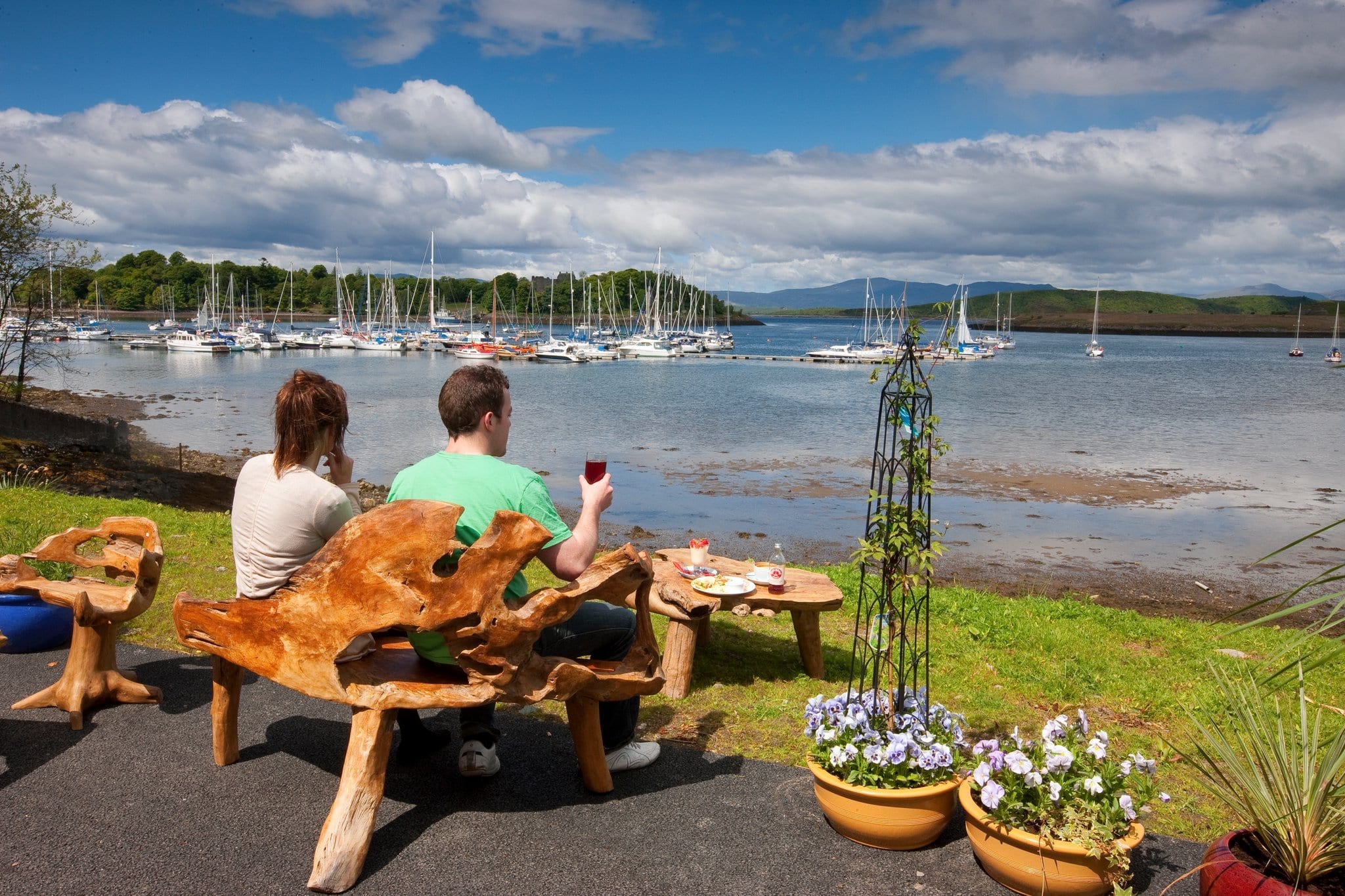
Oban is the obvious pairing, five minutes back across the sound. Ferry capital of the west coast, home to Oban Distillery, founded in 1794, and more seafood than you could reasonably get through. Dunollie Castle and its museum sit just north of the town, the MacDougall seat that Gylen was built to support. The northern tip of Kerrera has its own separate ferry from Oban's North Pier to the marina, where the Waypoint Bar & Grill does dinner in season with sunset views back over the bay. Mull, Iona and Lismore are all a sailing away from Oban's terminal.
-medium-large-1783285021.jpg)
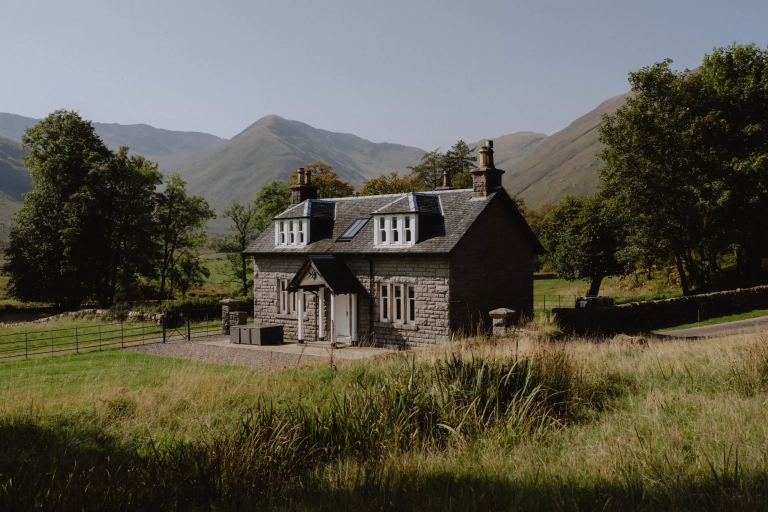
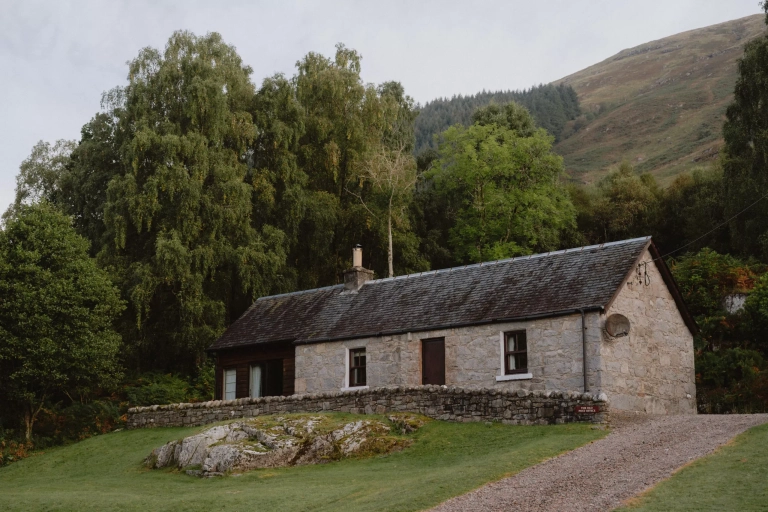
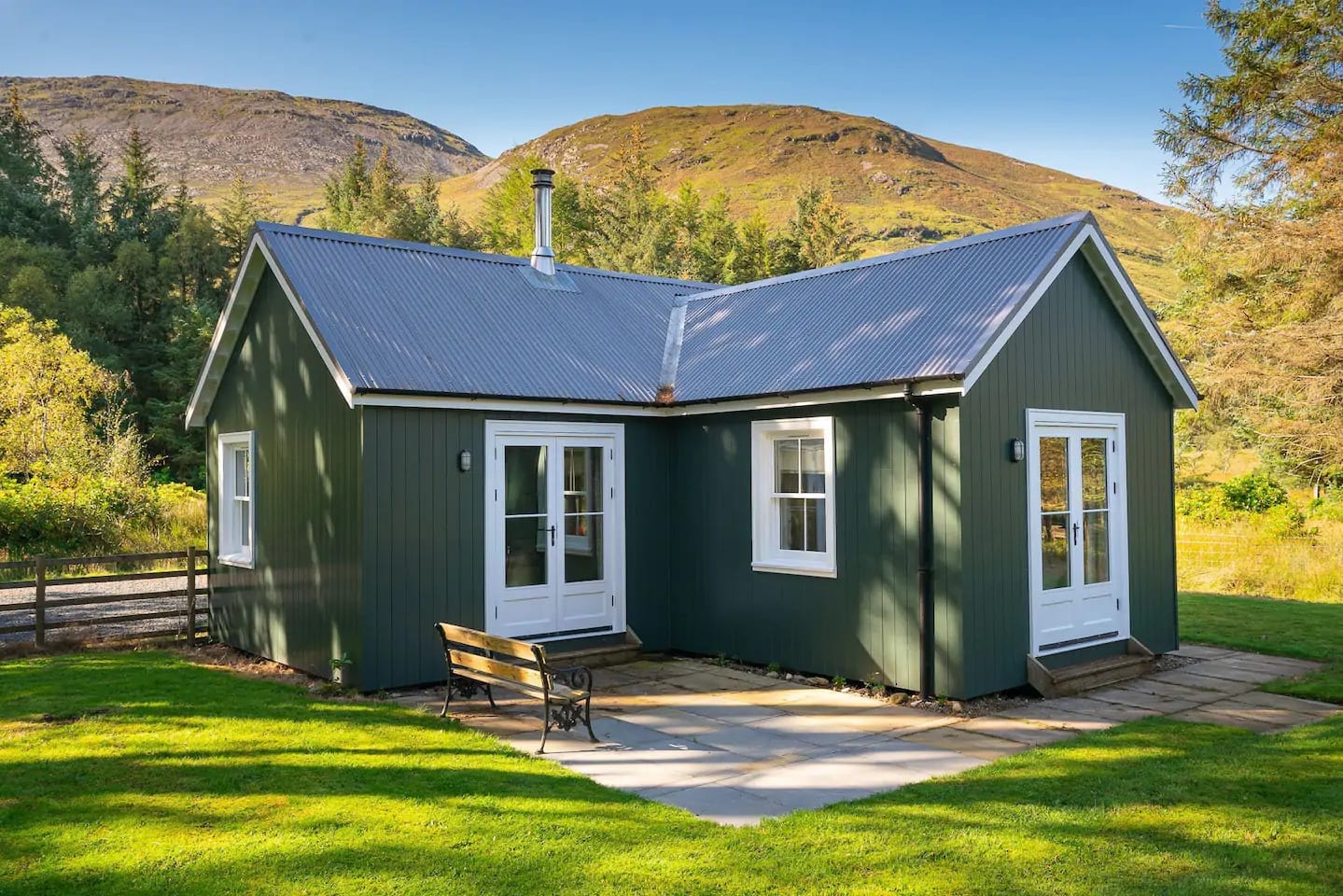
Where to stay nearby





 Sign in with Google
 Sign in with Email