
Did you know
Thought to be impossible.
Until Dolly, scientists believed a specialised adult cell, like a skin or liver cell, held only what it needed for its own job. Dolly grew from a single cell and proved it held the whole animal.
The first mammal ever cloned from an adult cell, born at the Roslin Institute in 1996 and now on show in the National Museum of Scotland.
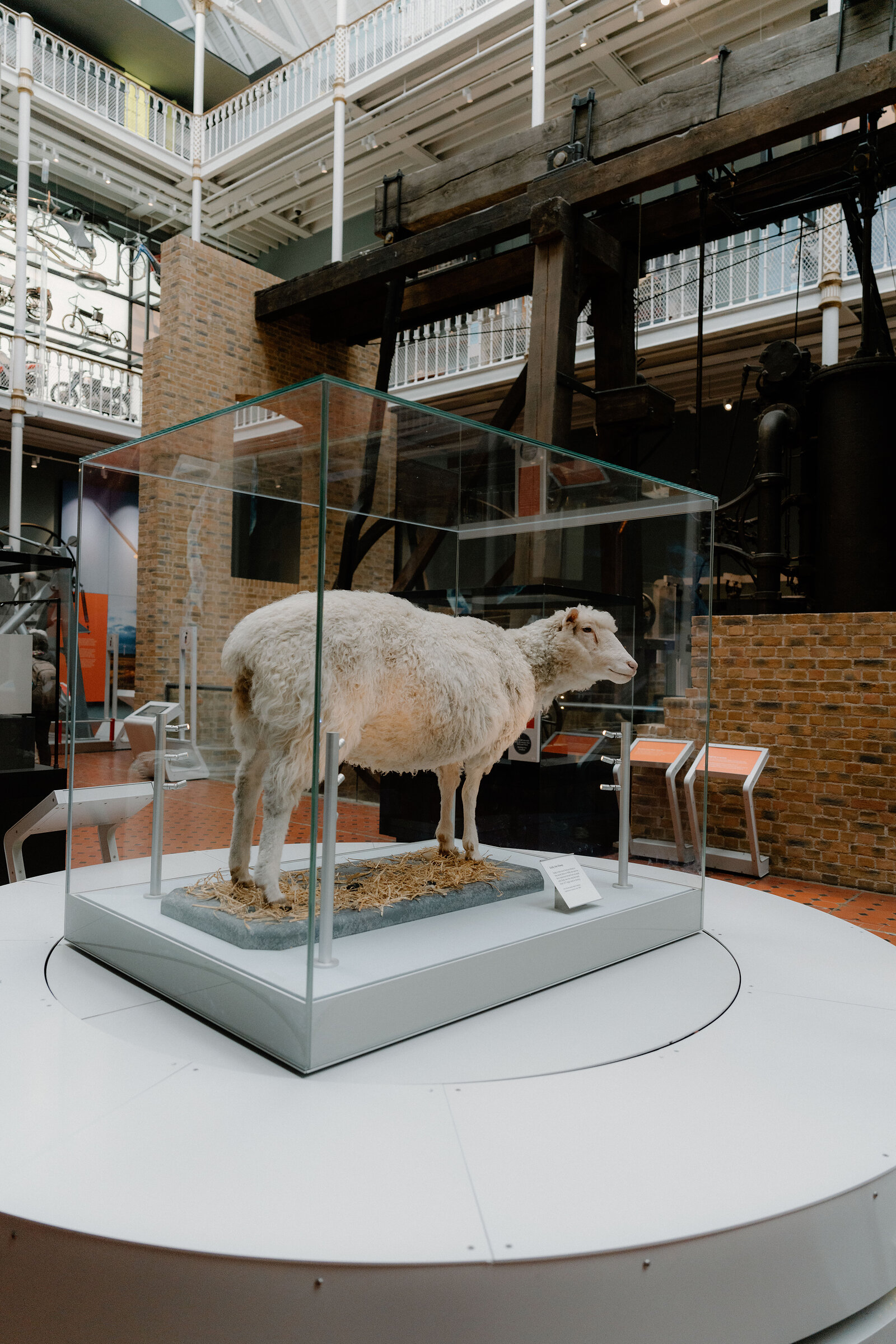
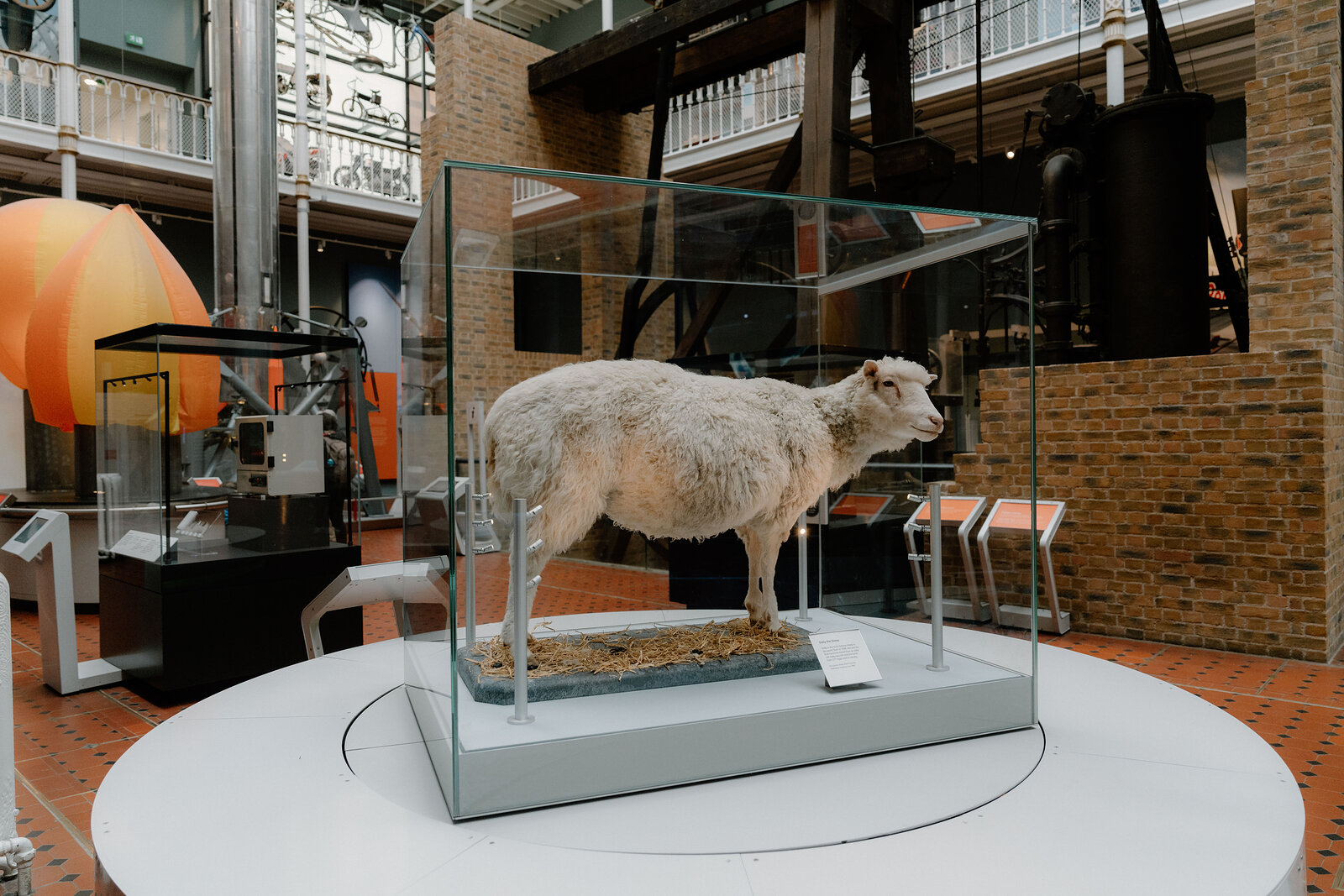
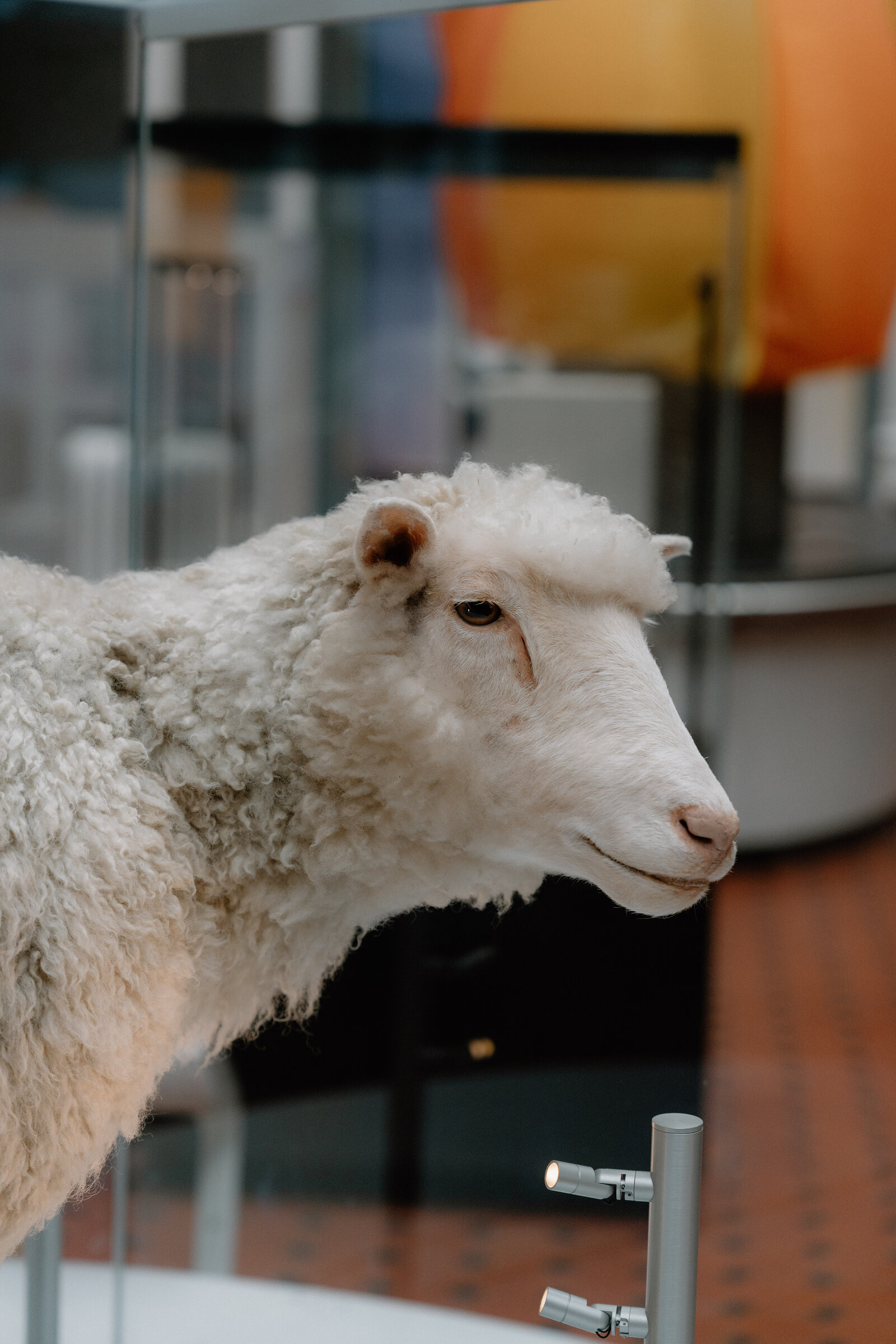
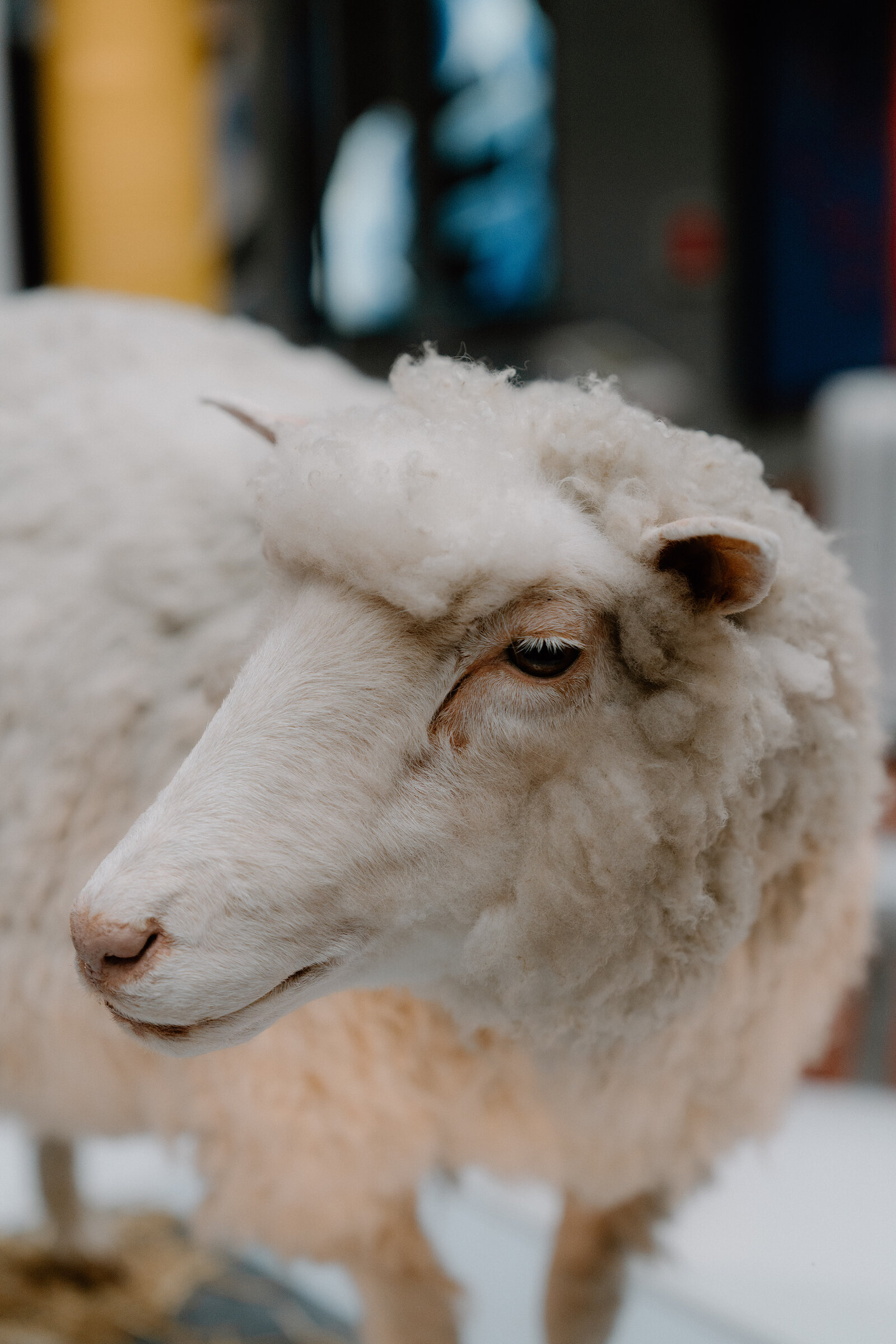
In the science galleries of the National Museum of Scotland, not far from the soaring ironwork of the Victorian Grand Gallery, a white-faced sheep stands in a glass case, looking out at the passing crowds with an air of mild patience.
Visited and photographed by Simon Hird
She is Dolly, and thirty years after her birth she is still an internationally recognised symbol of pioneering science.
Dolly was made at the Roslin Institute, just south of Edinburgh, by a team led by Ian Wilmut, working with the company PPL Therapeutics. Her arrival changed what scientists believed a single adult cell could do, and helped open the way to later work on stem cells, gene editing and regenerative medicine. The museum is free and she is easy to find. Stop for a moment with her, then carry on through the galleries of inventions, machines and discoveries around her.
Arrives at 5am every day.
A free morning email to see what’s on this week, catch up on what’s happening in Scotland and find somewhere new to go.
Dolly stands in a glass case in the Science and Technology galleries of the National Museum of Scotland.
Been here? Tell others what you know, and the best go on this page with your name.
Add your reviewUntil Dolly, scientists believed a specialised adult cell, like a skin or liver cell, held only what it needed for its own job. Dolly grew from a single cell and proved it held the whole animal.
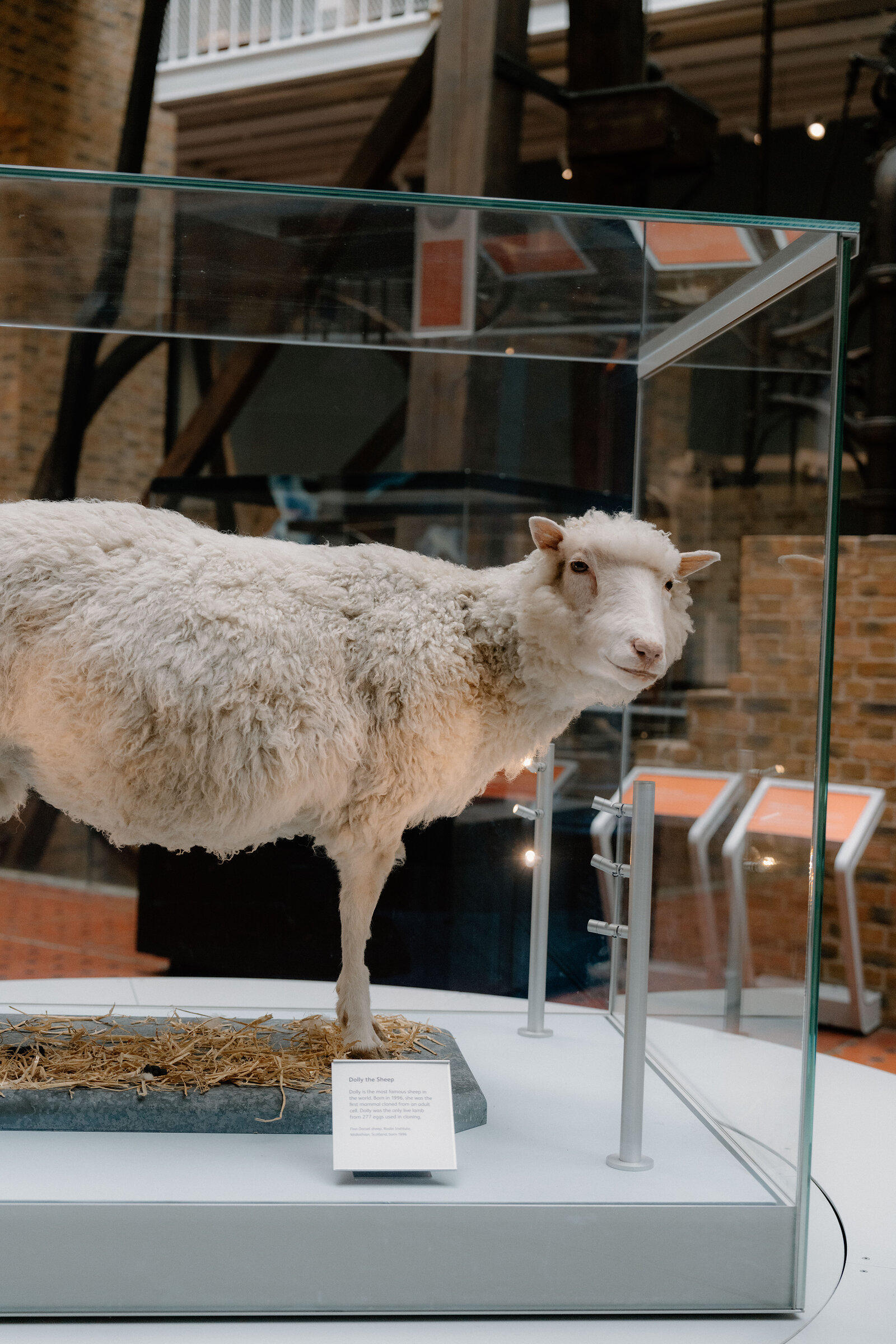
Her nucleus came from a Finn Dorset sheep, the empty egg it was put into came from a Scottish Blackface, and a third ewe carried her. She was born on 5 July 1996.
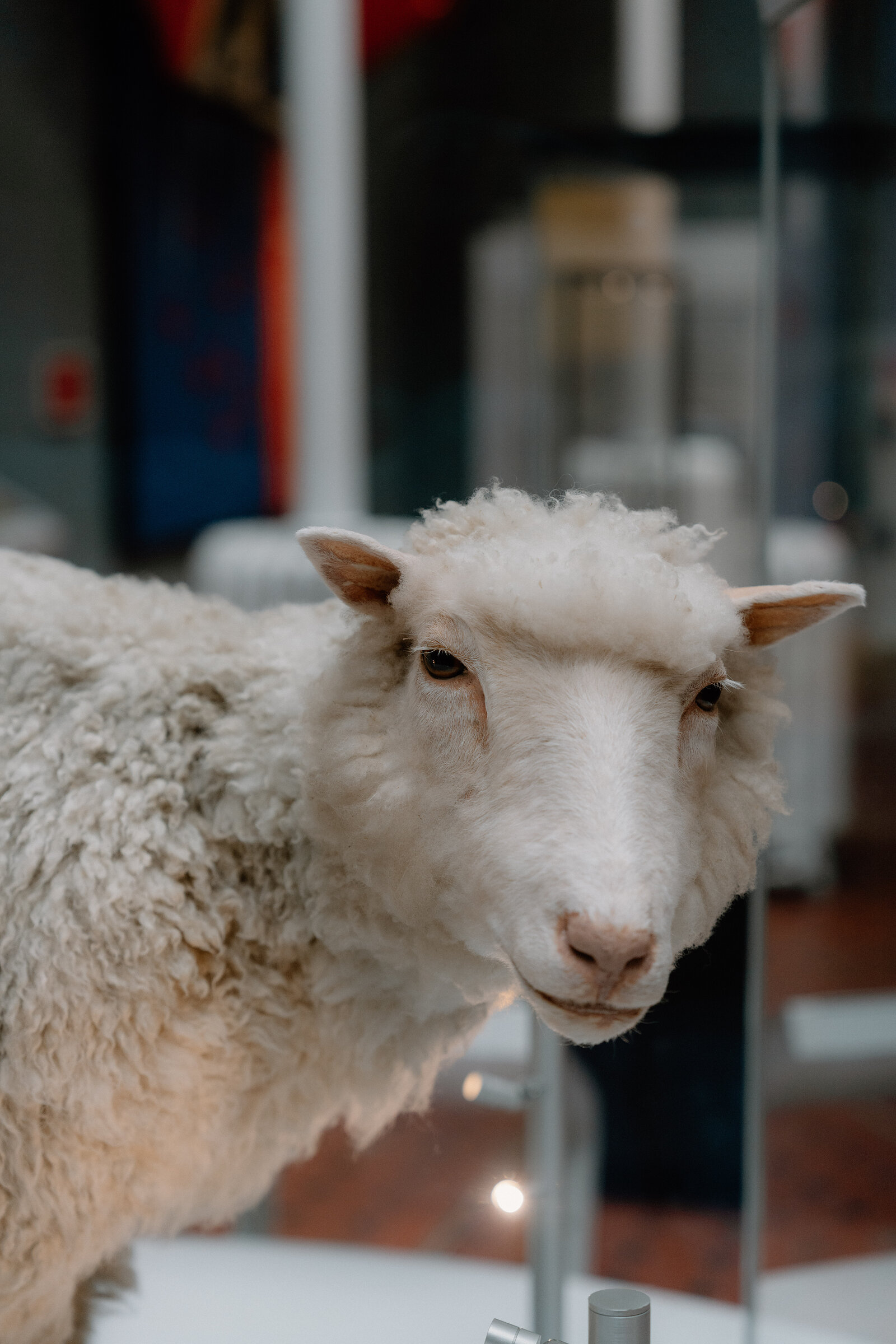
The lamb was named, affectionately, after the country singer Dolly Parton.
Her birth was kept quiet until the research was published. When it was announced on 22 February 1997, the world's press descended on Roslin, and a fierce debate about cloning began.
Dolly lived her whole life in a flock at Roslin and had six lambs with a Welsh Mountain ram called David: Bonny in 1998, then the twins Sally and Rosie, then triplets, Lucy, Darcy and Cotton.
In February 2003, after tumours were found in her lungs, Dolly was put to sleep at the age of six. The Roslin Institute gave her to National Museums Scotland, and she has been on show ever since.
One of the National Museum of Scotland’s most popular exhibits is a stuffed ewe. This is, of course, the now-legendary Dolly the Sheep, who became a scientific phenomenon in the 1990s as the first mammal to be cloned from an adult cell.
Read moreNew places, news and stories, as we find them.
What is on in EdinburghIn the National Museum of Scotland on Chambers Street, in Edinburgh's Old Town.
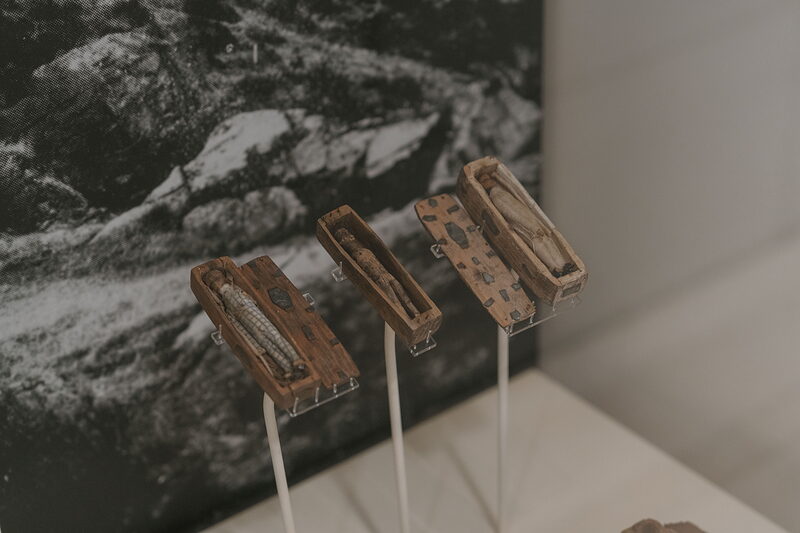 The Arthur's Seat CoffinsEight tiny coffins found hidden on Arthur's Seat in 1836, in the same museum.Under a mile 1 min by road
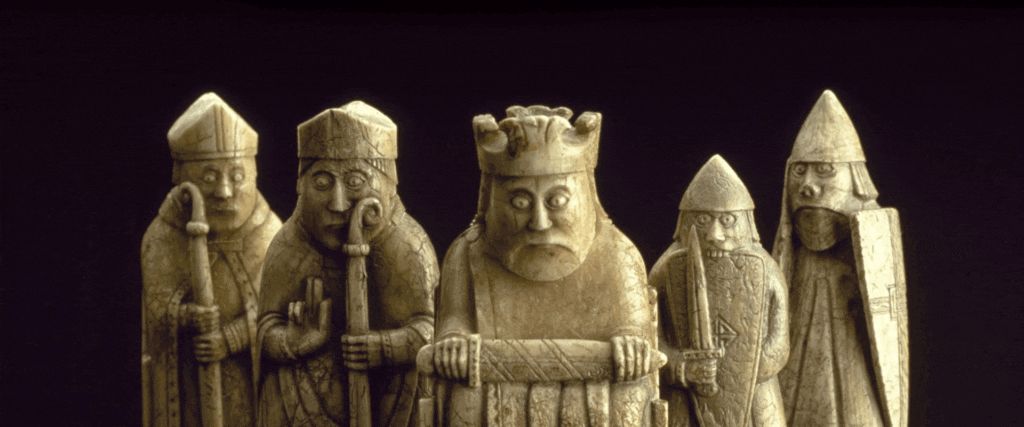 The Lewis Chess PiecesThe Lewis Chess Pieces, medieval chessmen on display at the National Museum of Scotland.Under a mile 1 min by road
 Union of GeniusA small soup kitchen on Forrest Road.Under a mile 1 min by road
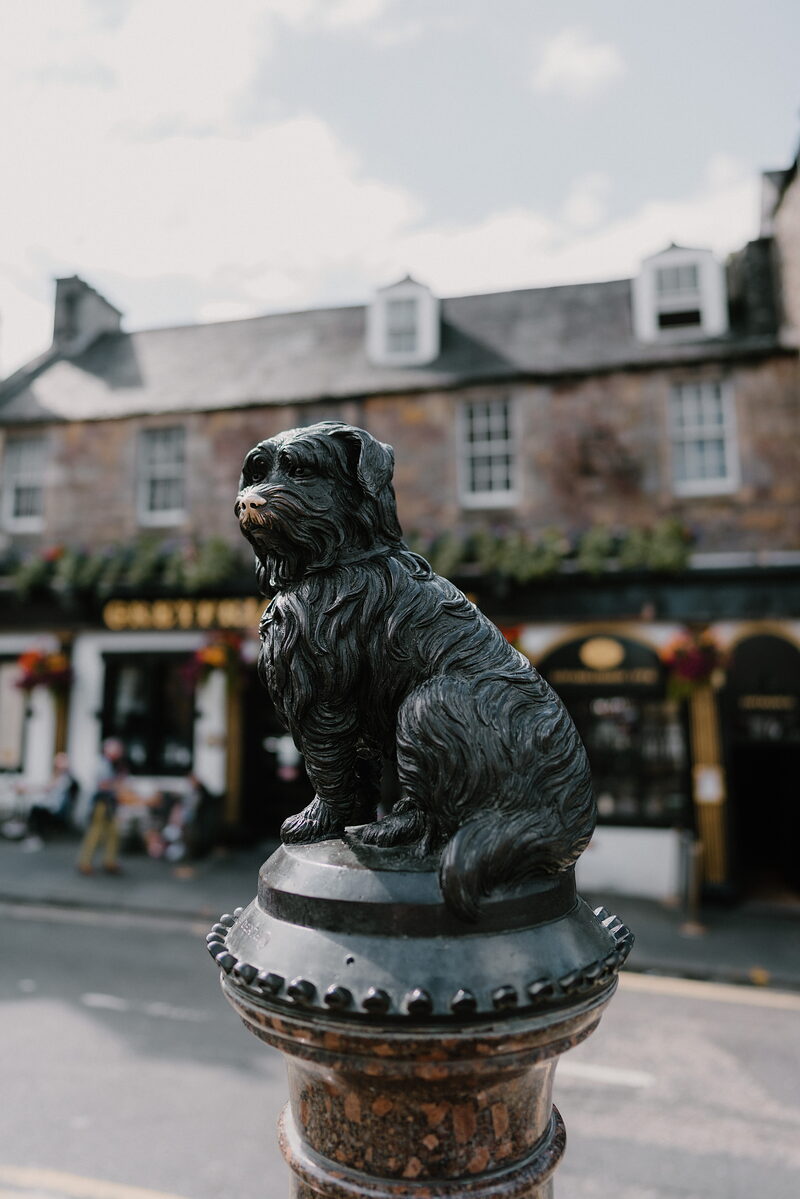 Greyfriars BobbyThe statue of the Skye Terrier who guarded his owner's grave for 14 years.Under a mile 1 min by road
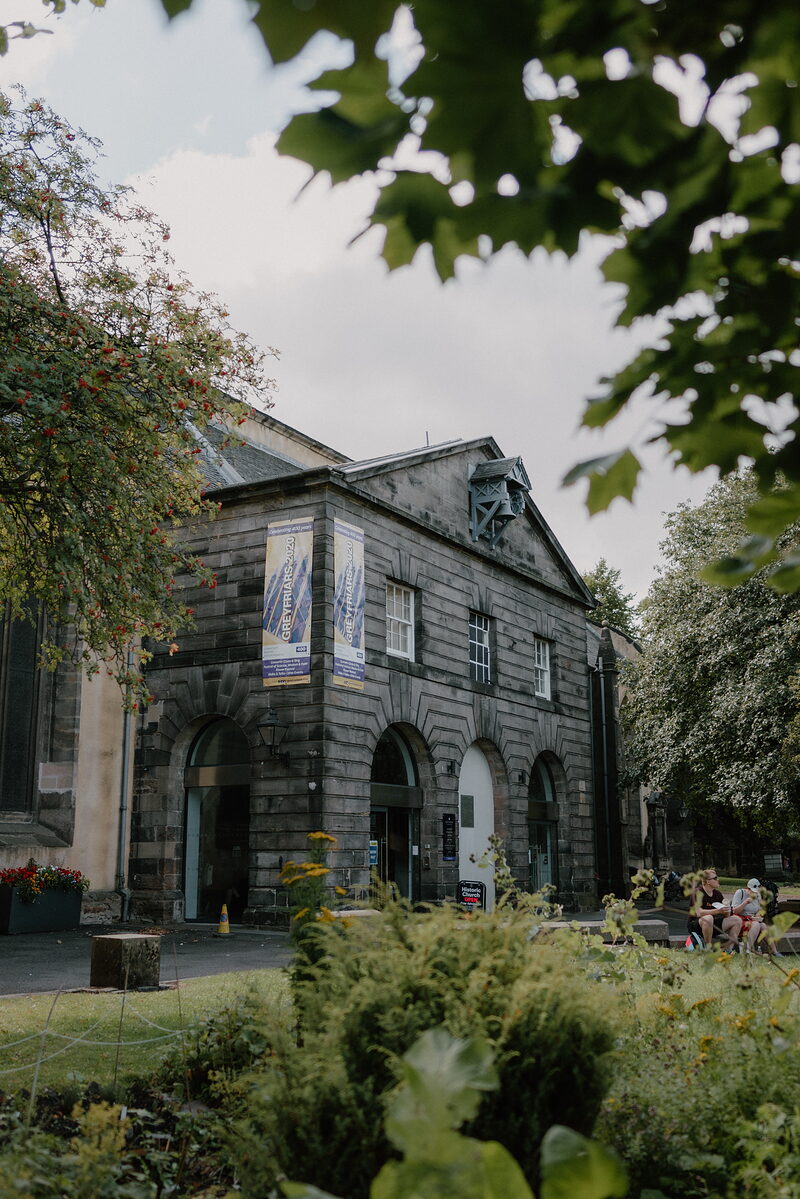 Greyfriars KirkThe kirk just behind the National Museum of Scotland, a short walk from the Royal Mile.Under a mile 2 min by road
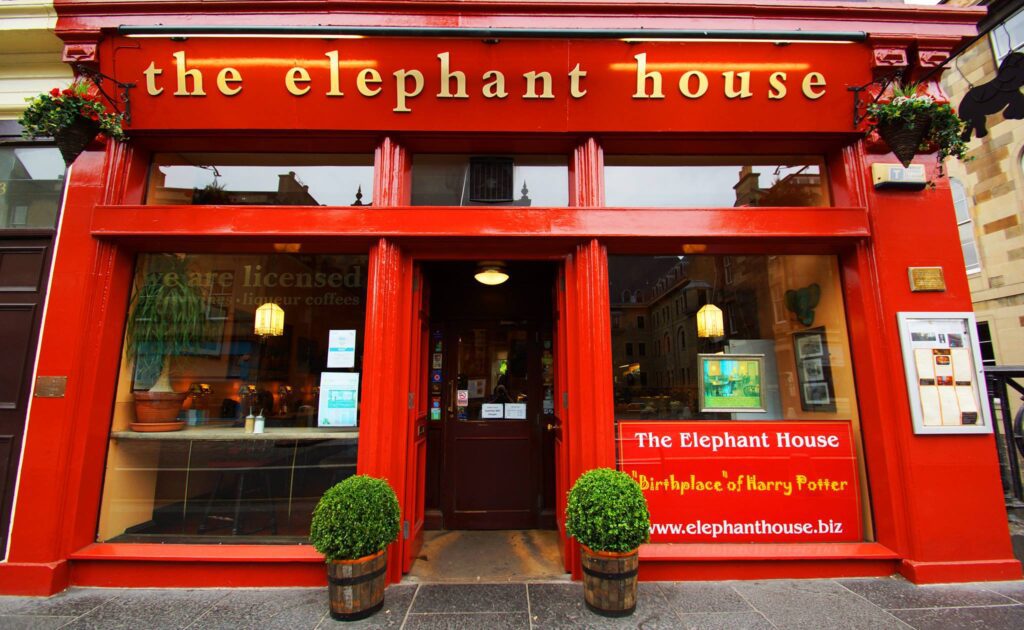 The Elephant HouseA café that has become a pilgrimage site for Harry Potter fans.Under a mile 2 min by road
Places to stay near Dolly, and when each is next free.
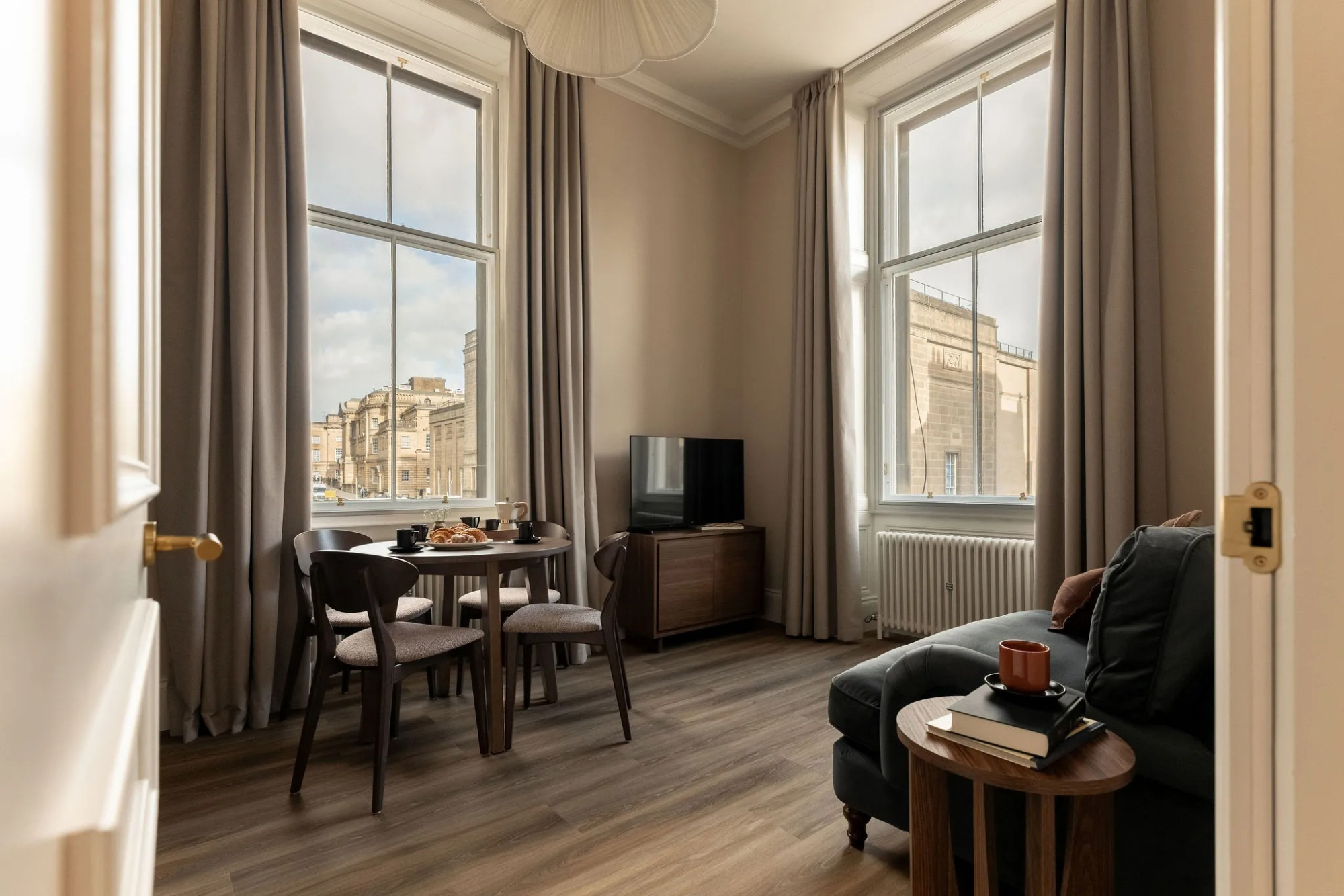 Moment George IV Bridge
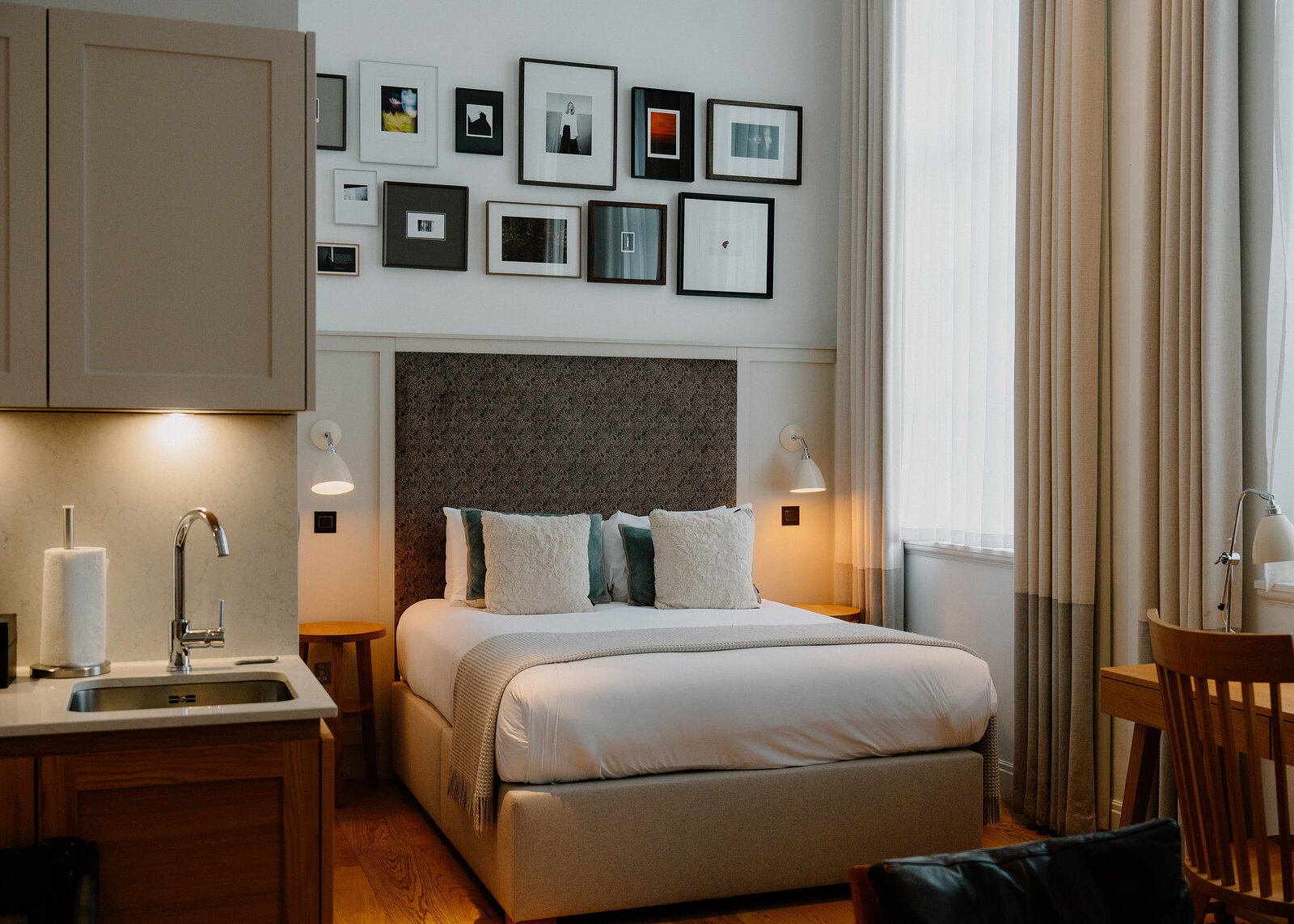 Old Town Chambers
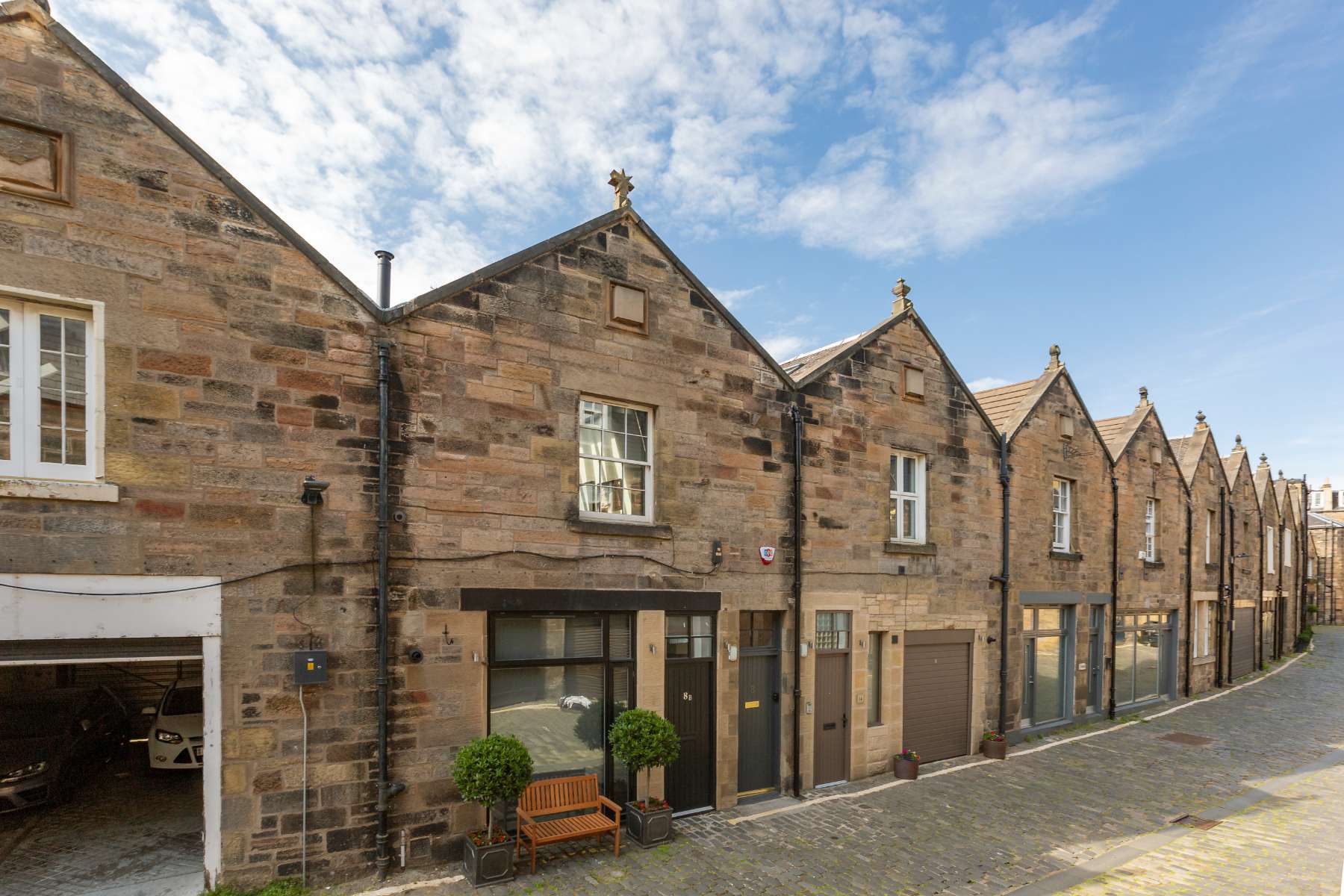 West End Muse
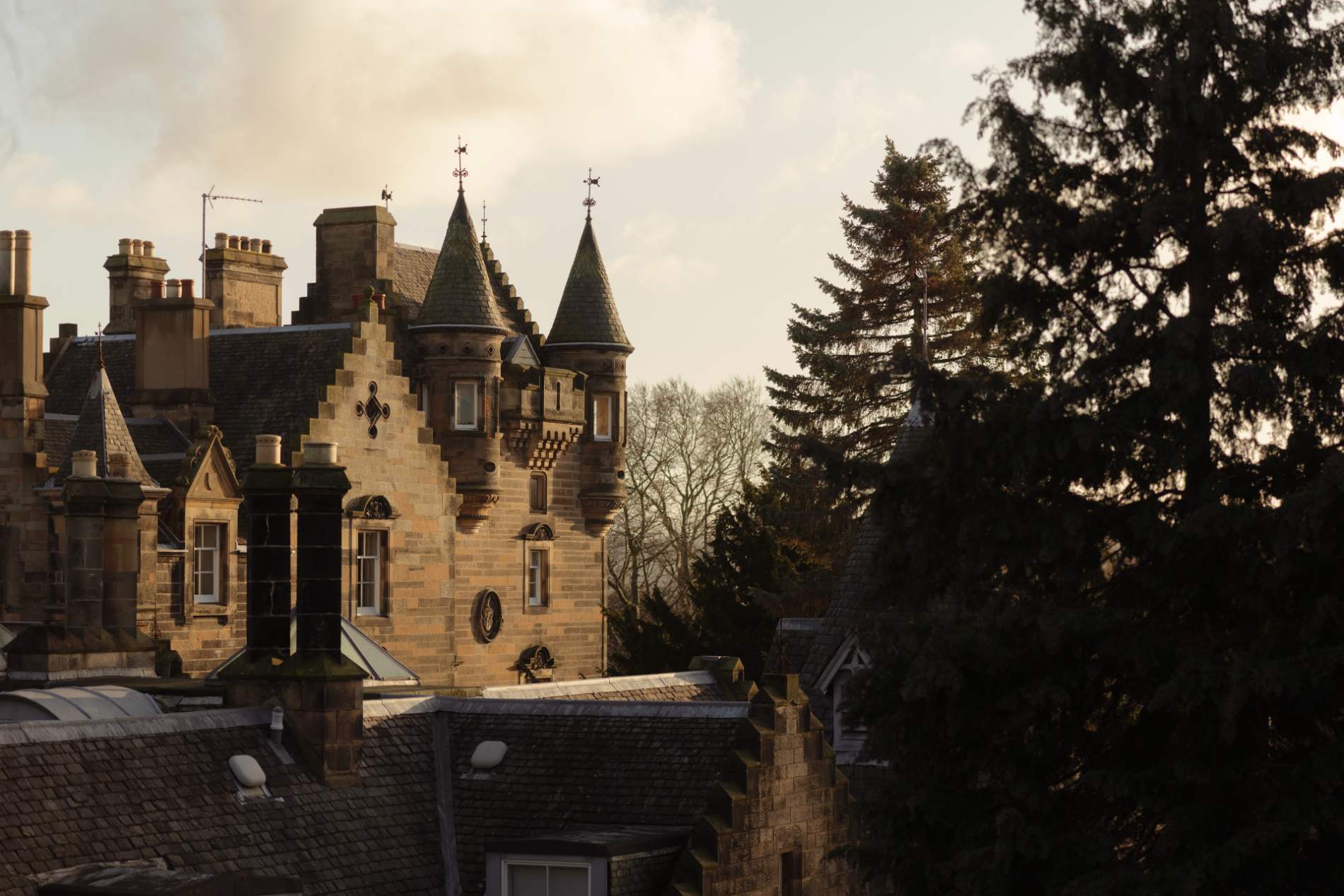 The Scott Hotel
We want to show you the best that Scotland has to offer. The makers and the creatives, the enduring experiences, the evocative tales, the concealed corners. The roads less travelled that take you to places that matter. The adventures that gather you up and sweep you away. The blend of the wild and the artistic that makes Scotland what it is. We’d love for you to join us.
The collections it is in and more in Edinburgh.
For further reading, before you go. The details on this page were checked on .
.jpg)