
Edinburgh, Edinburgh, Old Town, Royal Mile
St. Giles’ Cathedral



Introduction
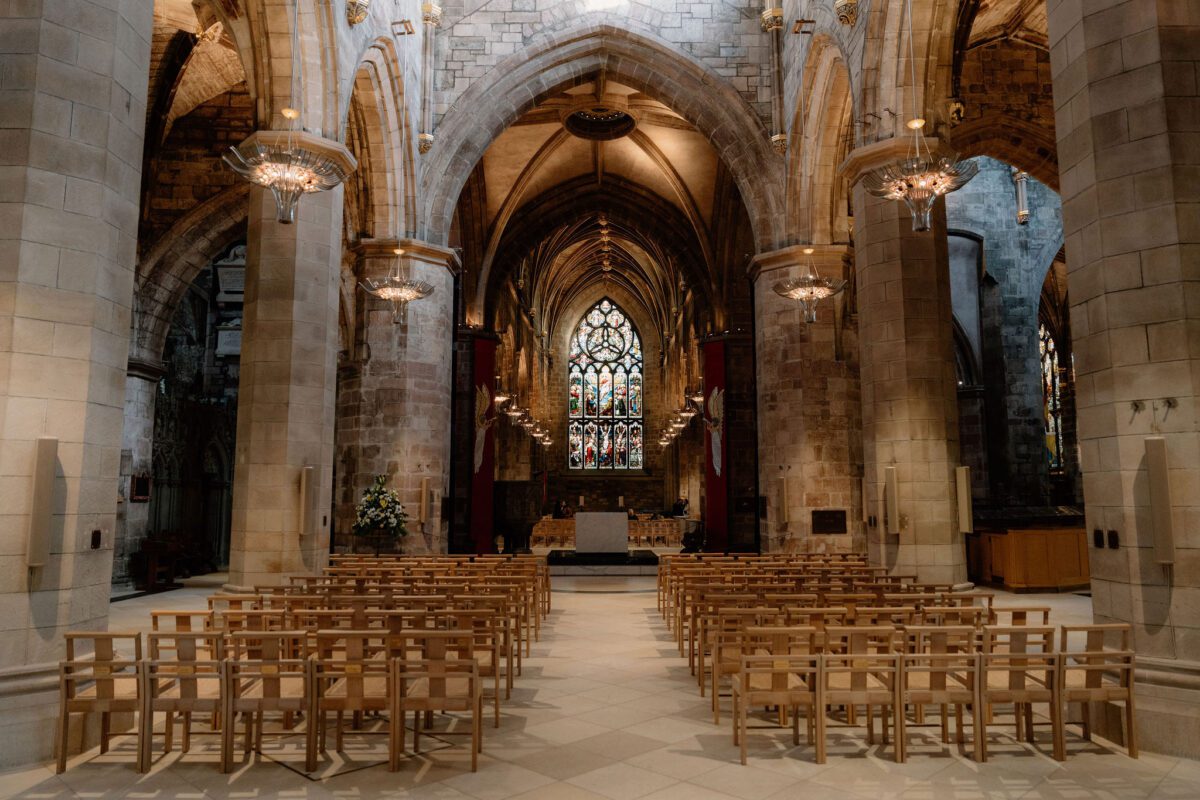
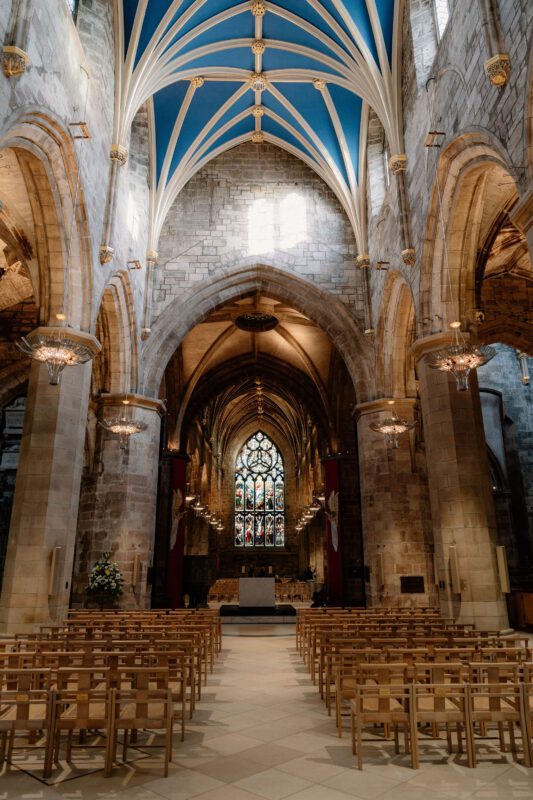
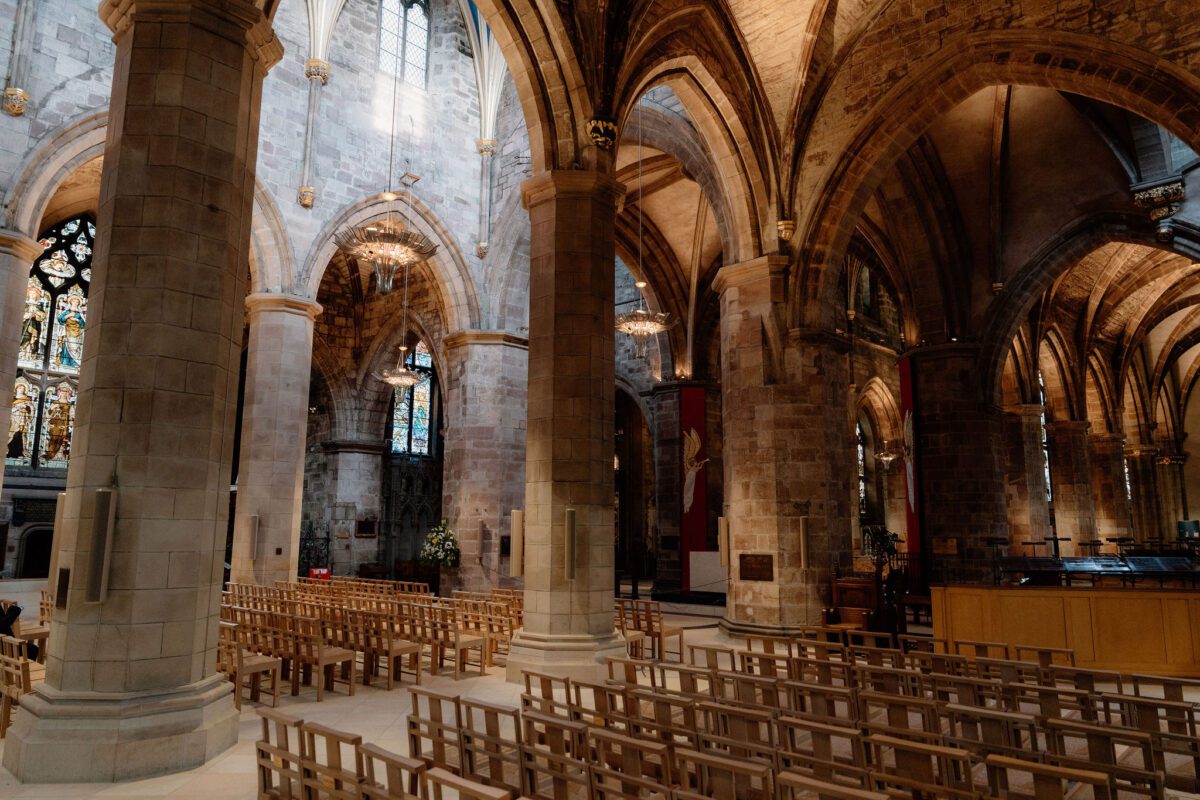
A working church for almost exactly nine centuries—King David I founded it in 1124—and boasting a prime location halfway up the Royal Mile, St Giles’ has a long and eventful past. It was John Knox’s parish church during the Reformation, and in 1633 was made the cathedral of the newly formed Diocese of Edinburgh by King Charles I.
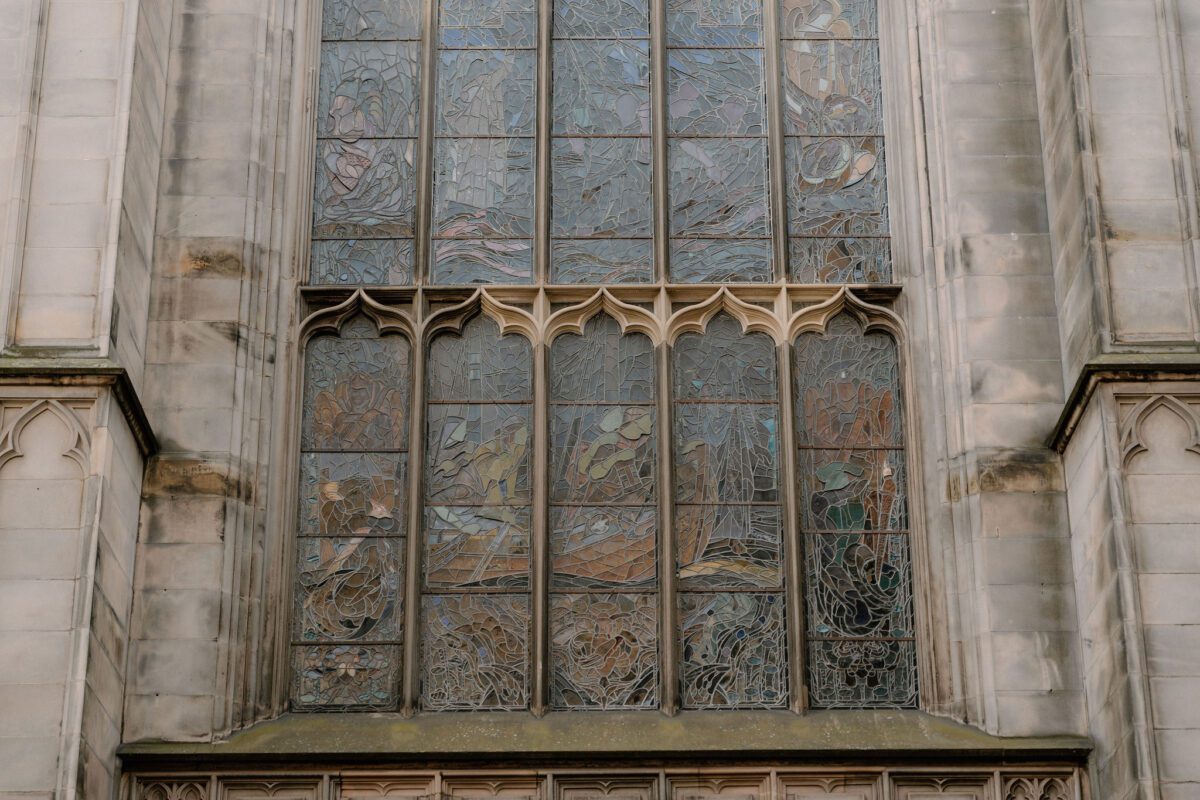
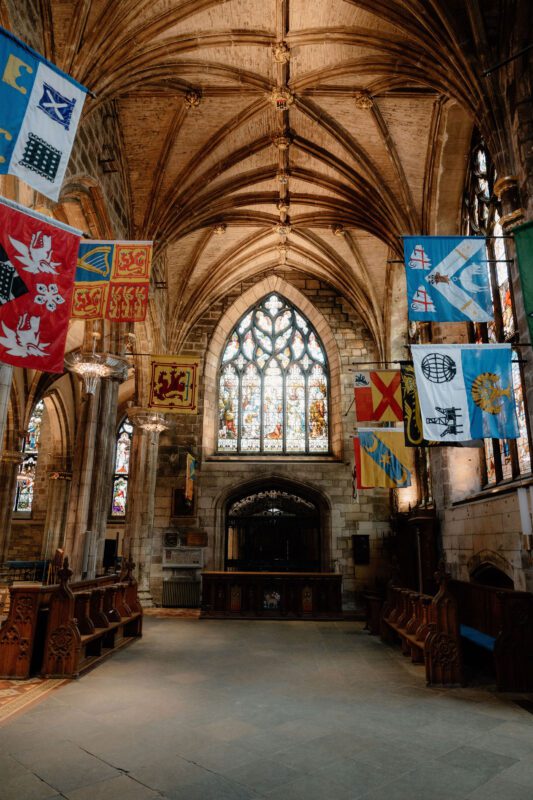
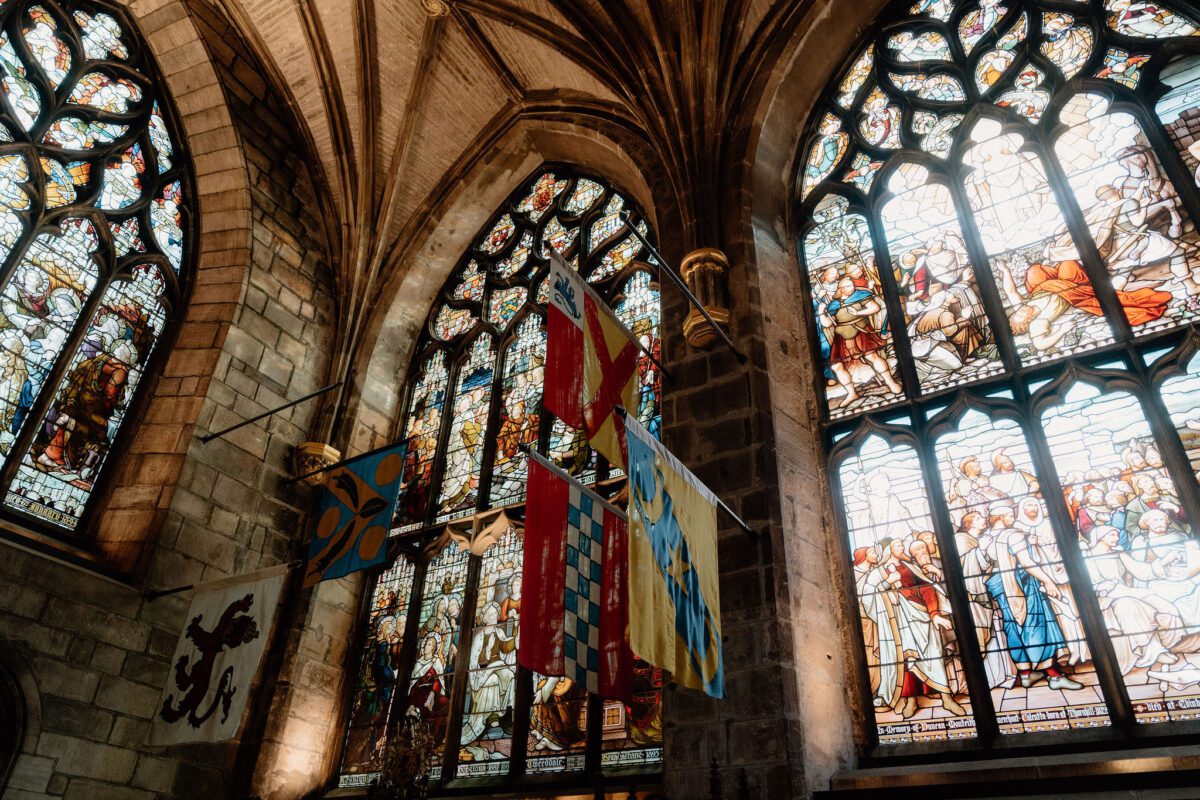
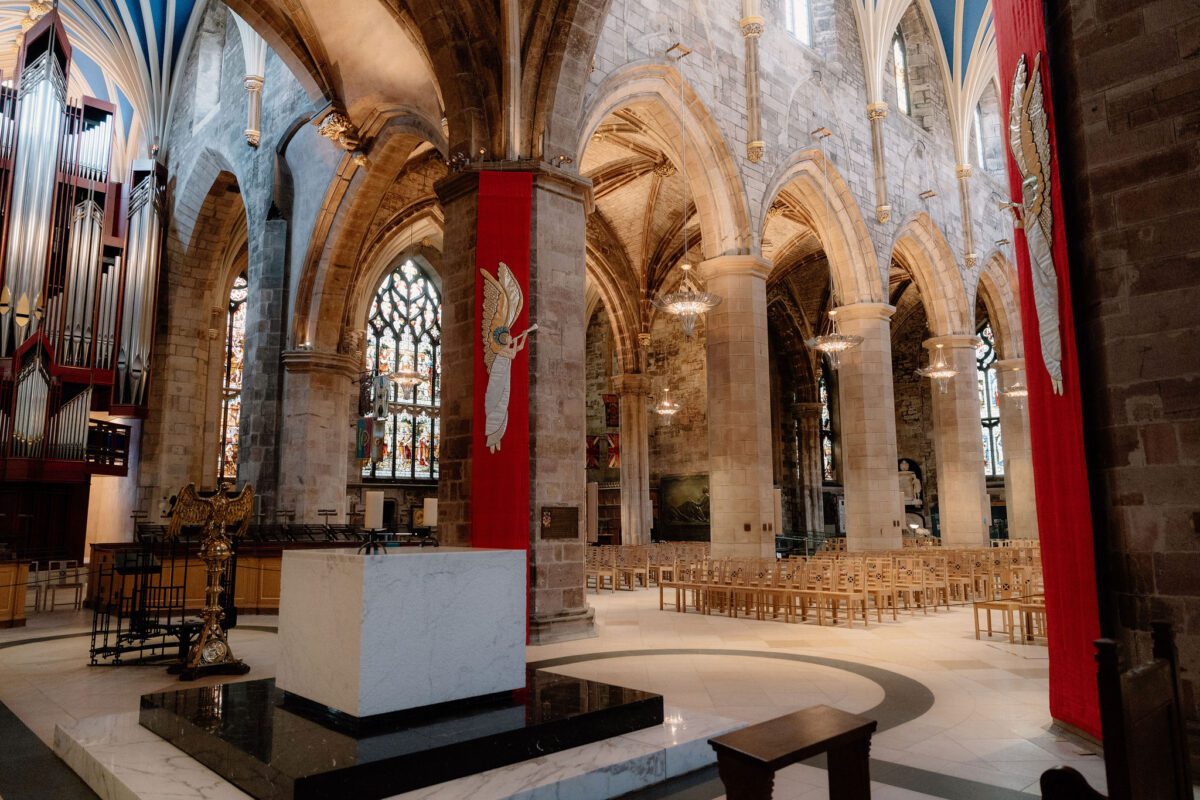
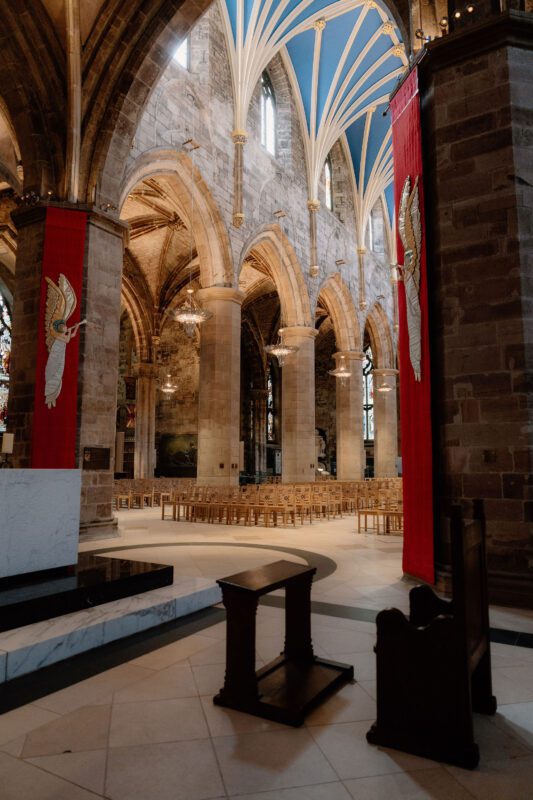
The cathedral is immediately recognisable by its distinctive crown steeple, an architectural feature that has stood as part of Edinburgh’s skyline since the 15th century. Inside, the space is filled with details that tell the story of its long history. The Thistle Chapel, built in 1911, is particularly notable for its intricate wood carvings and elegant stonework, dedicated to the Order of the Thistle, Scotland’s highest order of chivalry.
During the Reformation, St Giles’ played a key role as John Knox’s parish church, where his sermons were pivotal in shaping Scotland’s religious direction. In 1633, King Charles I raised St Giles’ to cathedral status for the newly created Diocese of Edinburgh. It also witnessed events of significant unrest, including the dramatic moment in 1637 when a stool was thrown during a service, sparking broader conflicts within Scotland’s religious landscape.
Today, St Giles’ remains an active place of worship, hosting services and welcoming visitors throughout the year. The cathedral offers walking tours, providing insights into its architectural features and historical events, including its role during key moments in Scotland’s past. Tours are free, though advance booking is recommended.
The area around St Giles’ offers plenty for visitors to explore. Edinburgh Castle is a short walk away, standing at the top of the Royal Mile with commanding views of the city. Nearby, the Mercat Cross marks a site of civic importance, while the surrounding streets feature a mix of shops, cafés, and historical points of interest.
Visiting St Giles’ Cathedral offers an opportunity to experience an iconic part of Edinburgh’s history, from its architectural details to its role in some of the nation’s most defining moments. It remains a central part of the city, blending its historical significance with the vibrancy of its surroundings.
Location
What's nearby




2(1)-medium-large-1737143927.jpg)






































-medium-large-1779474899.webp)

















-medium-large-1737142831.jpg)





Where to stay nearby








 Sign in with Google
 Sign in with Email