Did you know
A road to the railway.
The street was made by the High Street and Railway Station Access Company, under the Railway Station Acts of 1853 and 1860, to give the Old Town a way down to Waverley station.
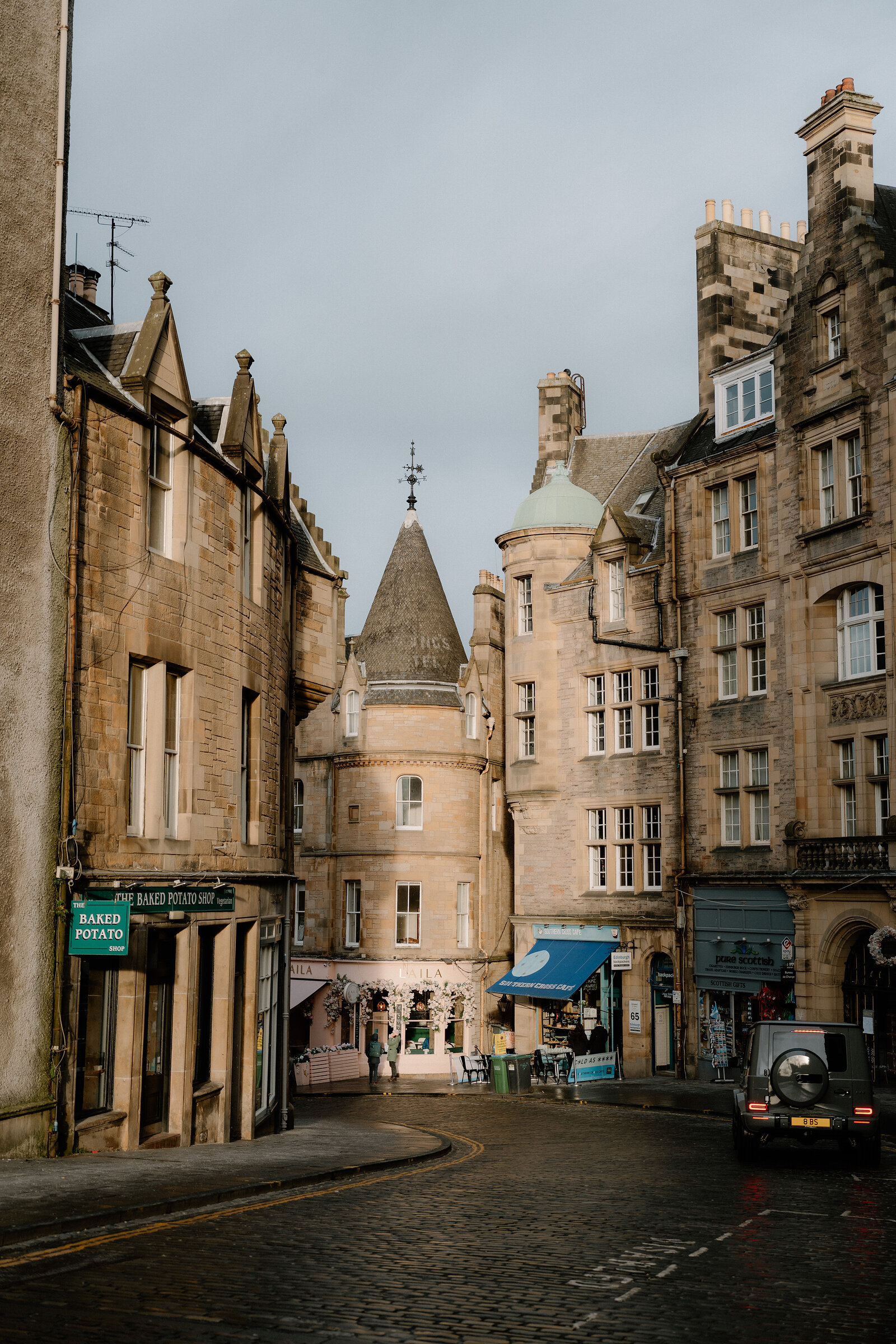
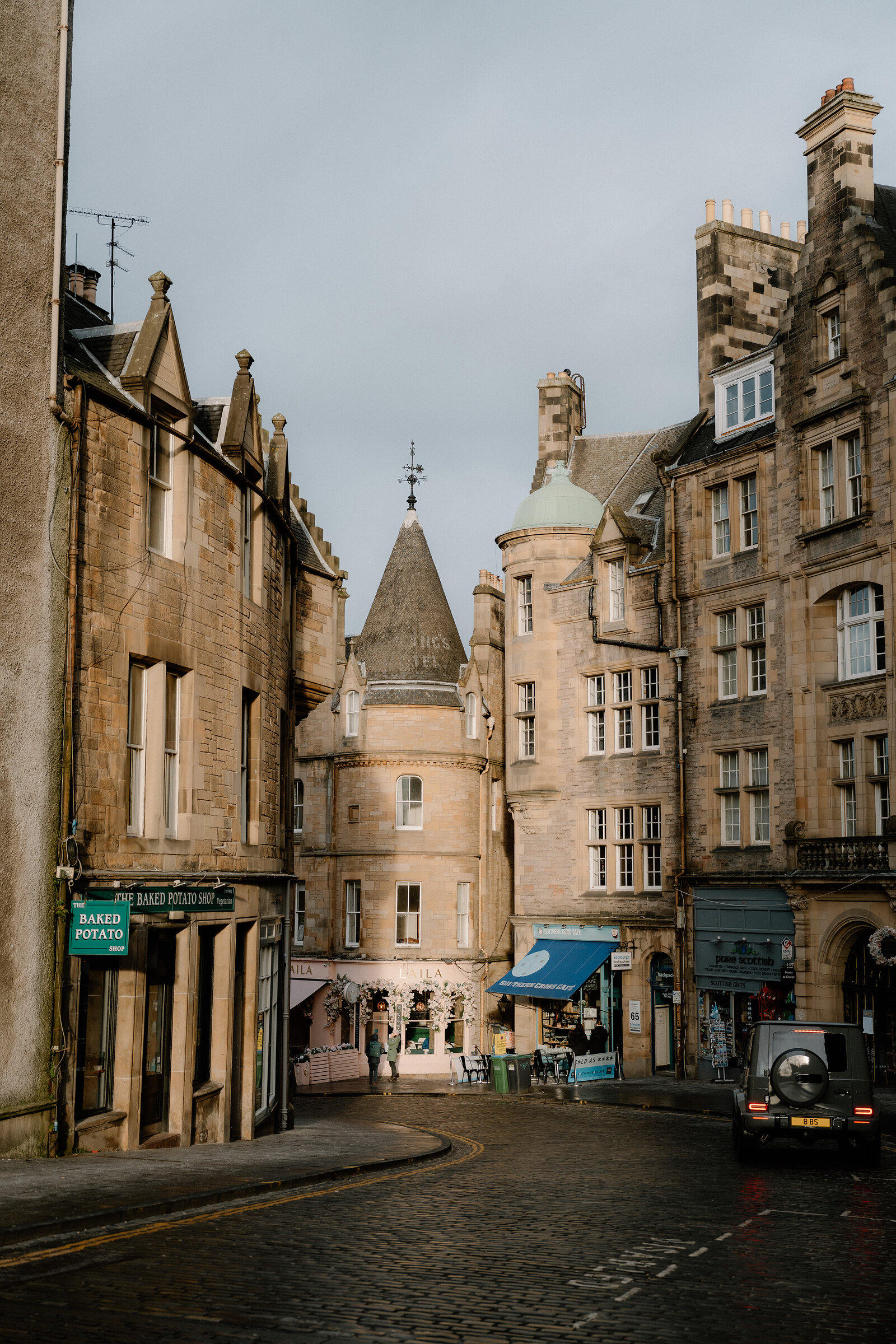
A curving Victorian street of turreted tenements, built in the 1850s to carry the Royal Mile down to Waverley station.
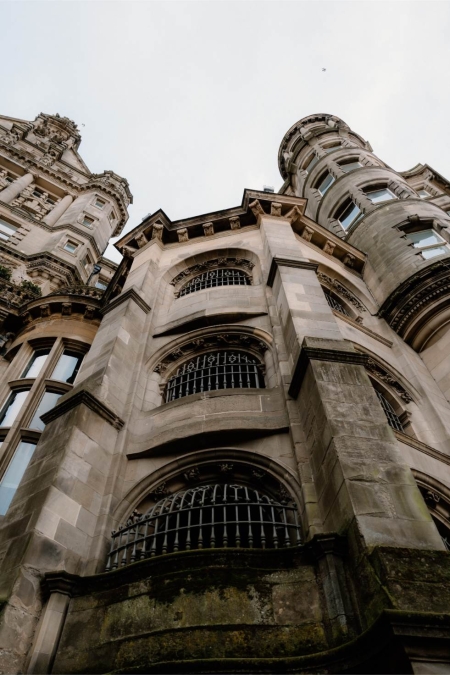
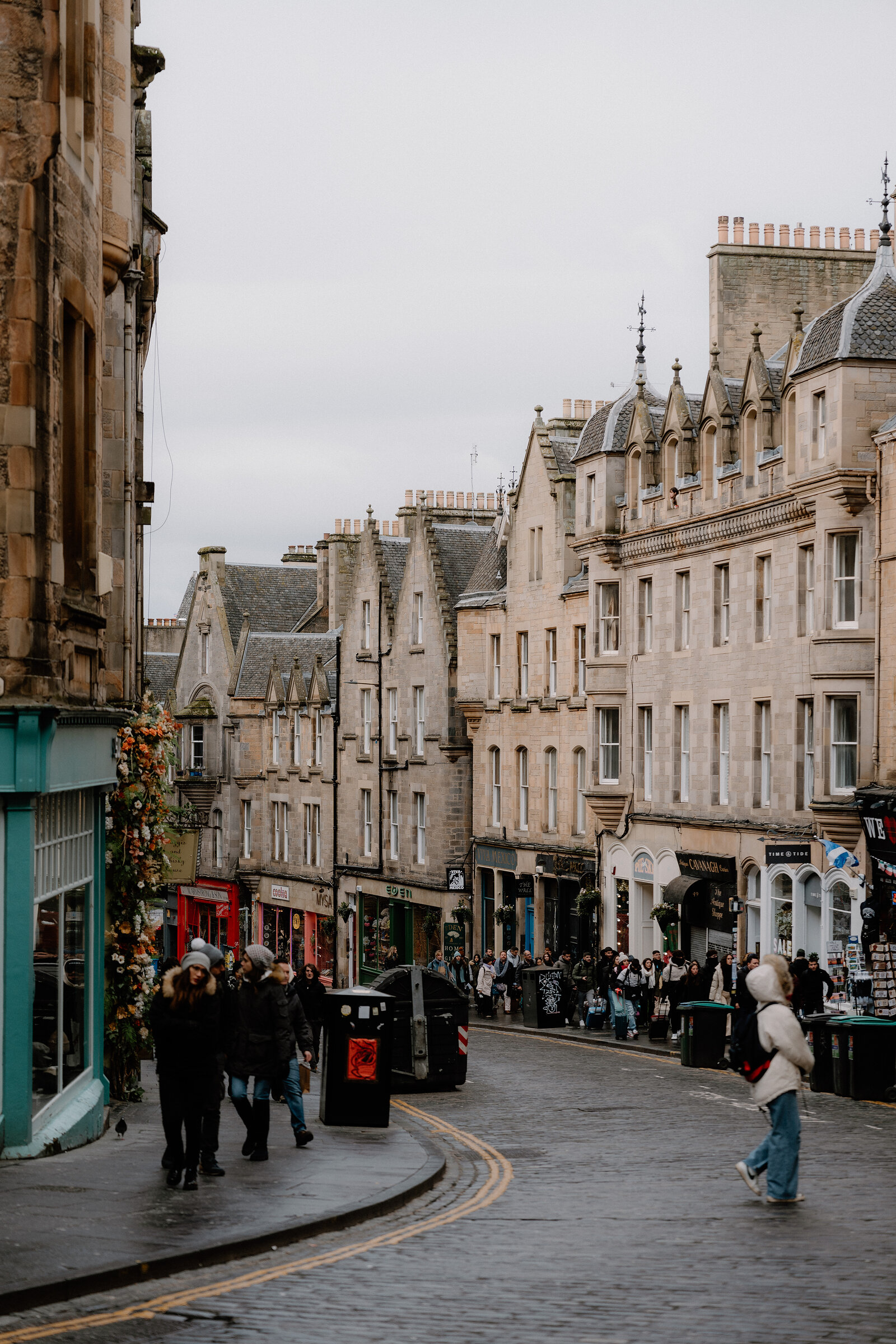
From the Royal Mile near St Giles', Cockburn Street swings down the hillside in a long, slow bend, lined on both sides by tall sandstone tenements with turrets, gables and carved stone, and cobbles underfoot.
Visited and photographed by Simon Hird
From the top you look out across the valley towards the New Town; from the bottom, the street climbs away round the corner and out of sight.
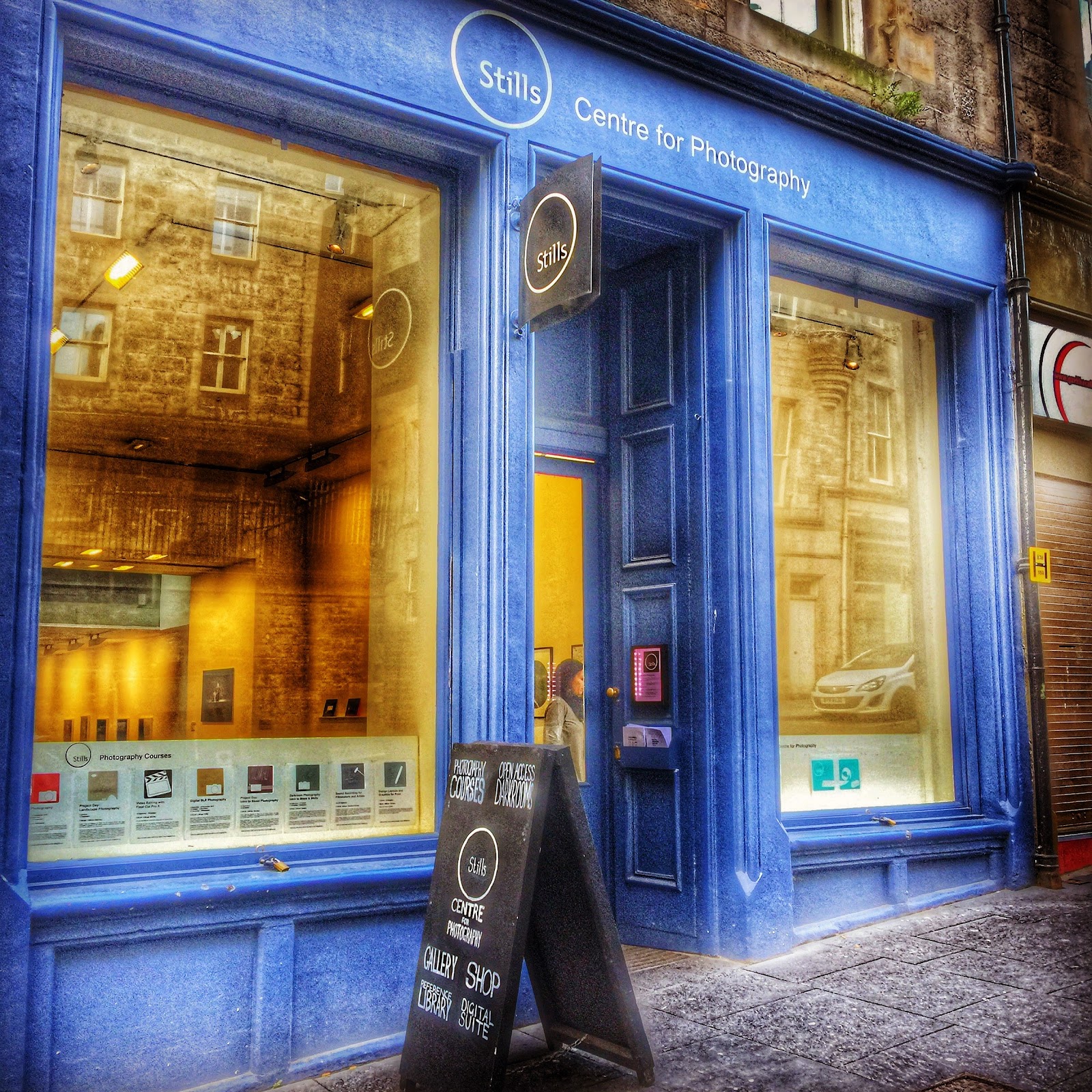
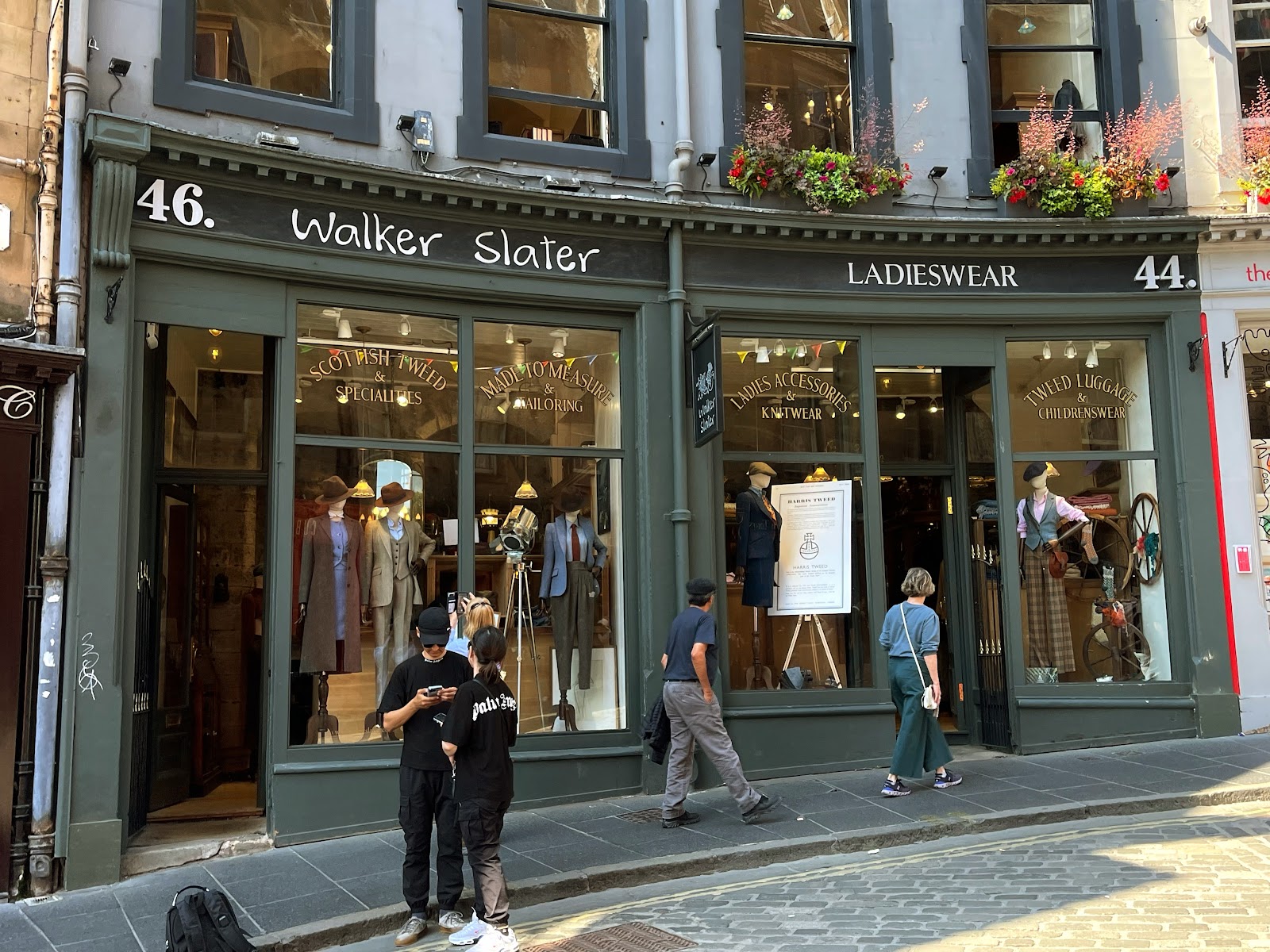
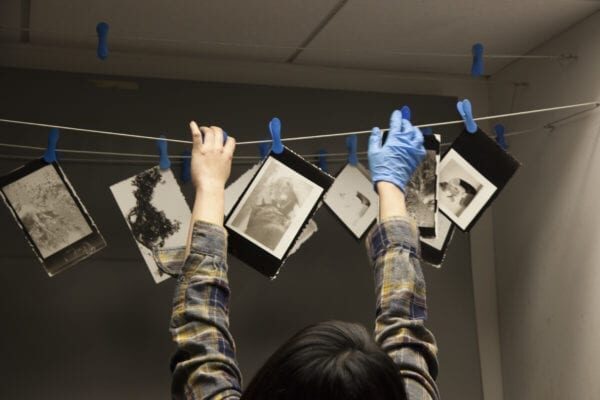
It is a lively street, with small independent shops, bars, cafés and galleries at street level, and Stills, the city's centre for photography, among them. In December, when wreaths and lights hang from the shopfronts and the crowds are wrapped up against the cold, it is at its most cheerful, and a favourite street for photographs. It makes the easiest walk up to the Royal Mile from the station, and a good place to linger on the way down.
The Daily
Arrives at 5am every day.
A free morning email to see what’s on this week, catch up on what’s happening in Scotland and find somewhere new to go.
Cockburn Street runs down from the High Street, near St Giles', to Market Street and the Waverley station entrance, lined with shops, bars and cafés.
Been here? Tell others what you know, and the best go on this page with your name.
Add your reviewThe street was made by the High Street and Railway Station Access Company, under the Railway Station Acts of 1853 and 1860, to give the Old Town a way down to Waverley station.
Its long serpentine curve keeps the slope no steeper than 1 in 14, gentle enough for the traffic of the day to climb.
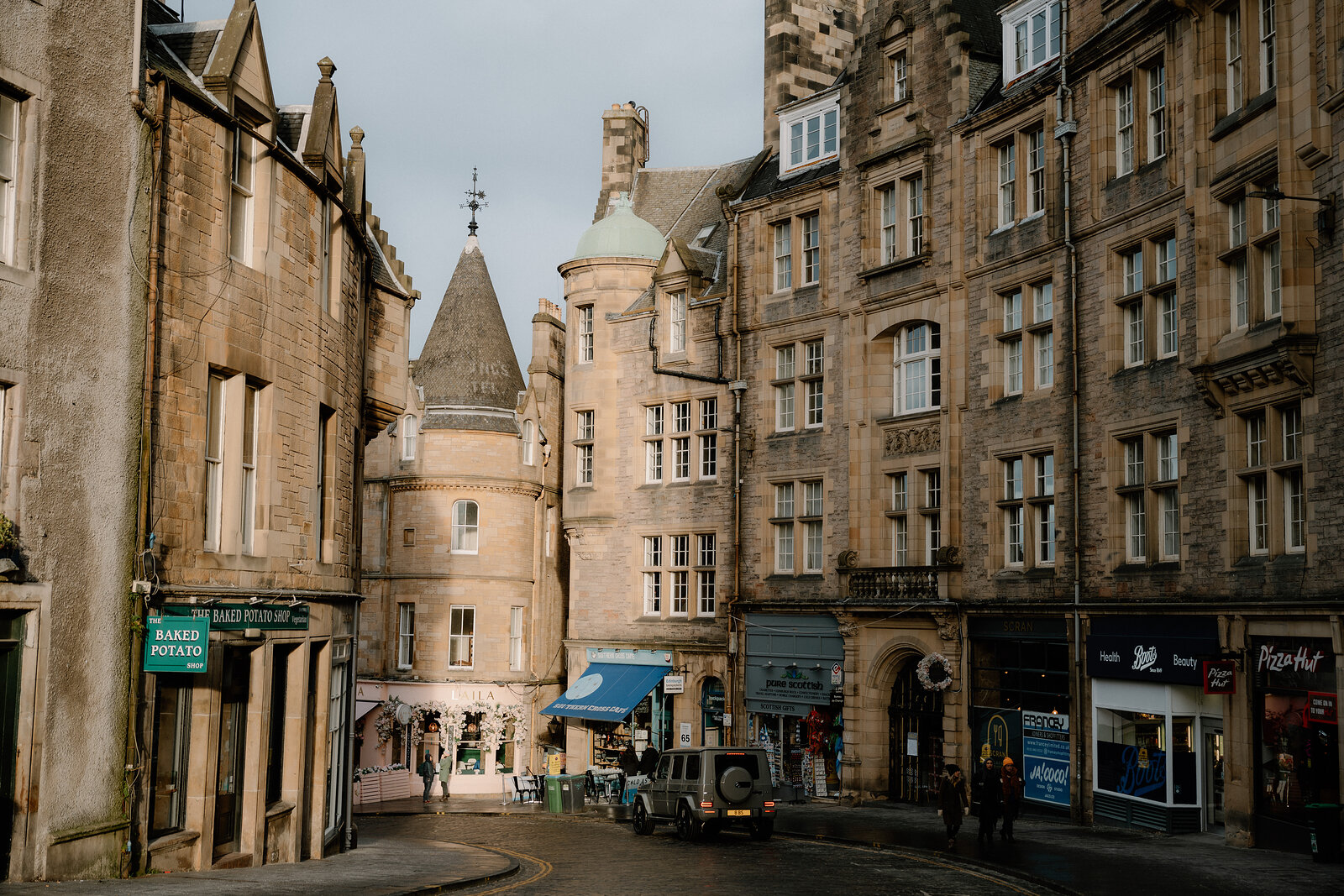
The curve had a second purpose: to hide the diagonal line of the new street from the view across the valley on Princes Street.
It takes its name from Lord Cockburn, a champion of saving Edinburgh's old buildings, who died in 1854. For a short time it was called Lord Cockburn Street.
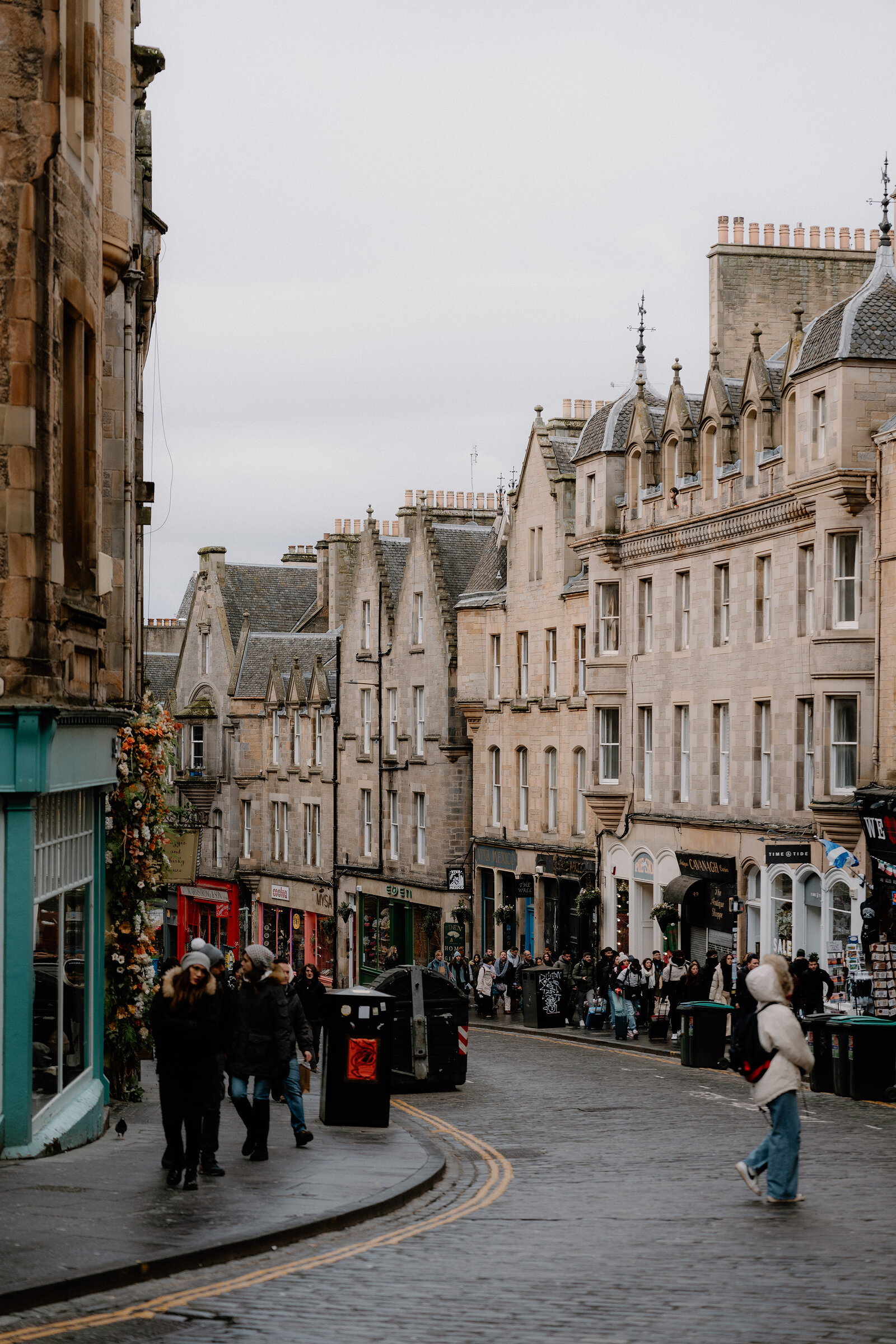
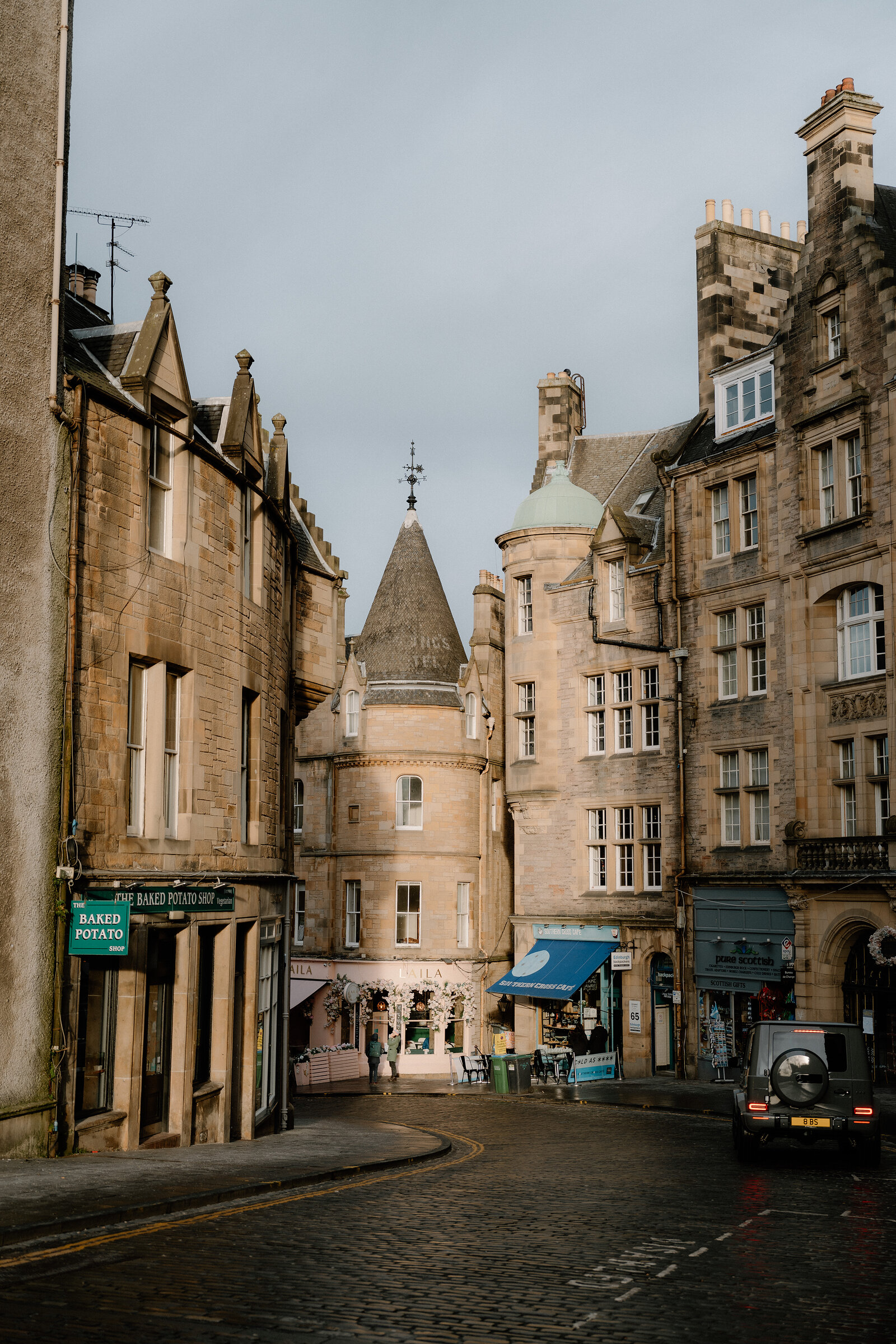
The Victorian builders gave it turrets, crow-stepped gables and Scots Baronial detail on purpose, to keep the antique character of the Old Town around it.
The turreted corner at the foot of the street was built as the Cockburn Hotel, handy for the station at a time of 'a great want of hotels'. A carved profile of Lord Cockburn is set over the door.
New places, news and stories, as we find them.
What is on in EdinburghBetween the High Street on the Royal Mile and Market Street by Waverley station, in the Old Town.
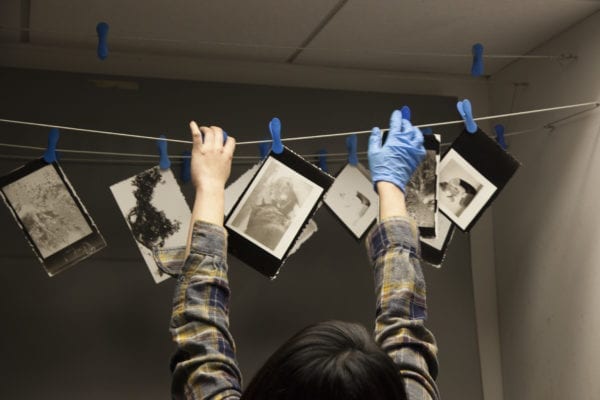 StillsEdinburgh's centre for photography on Cockburn Street since 1977, with free exhibitions.Under a mile 1 min by road
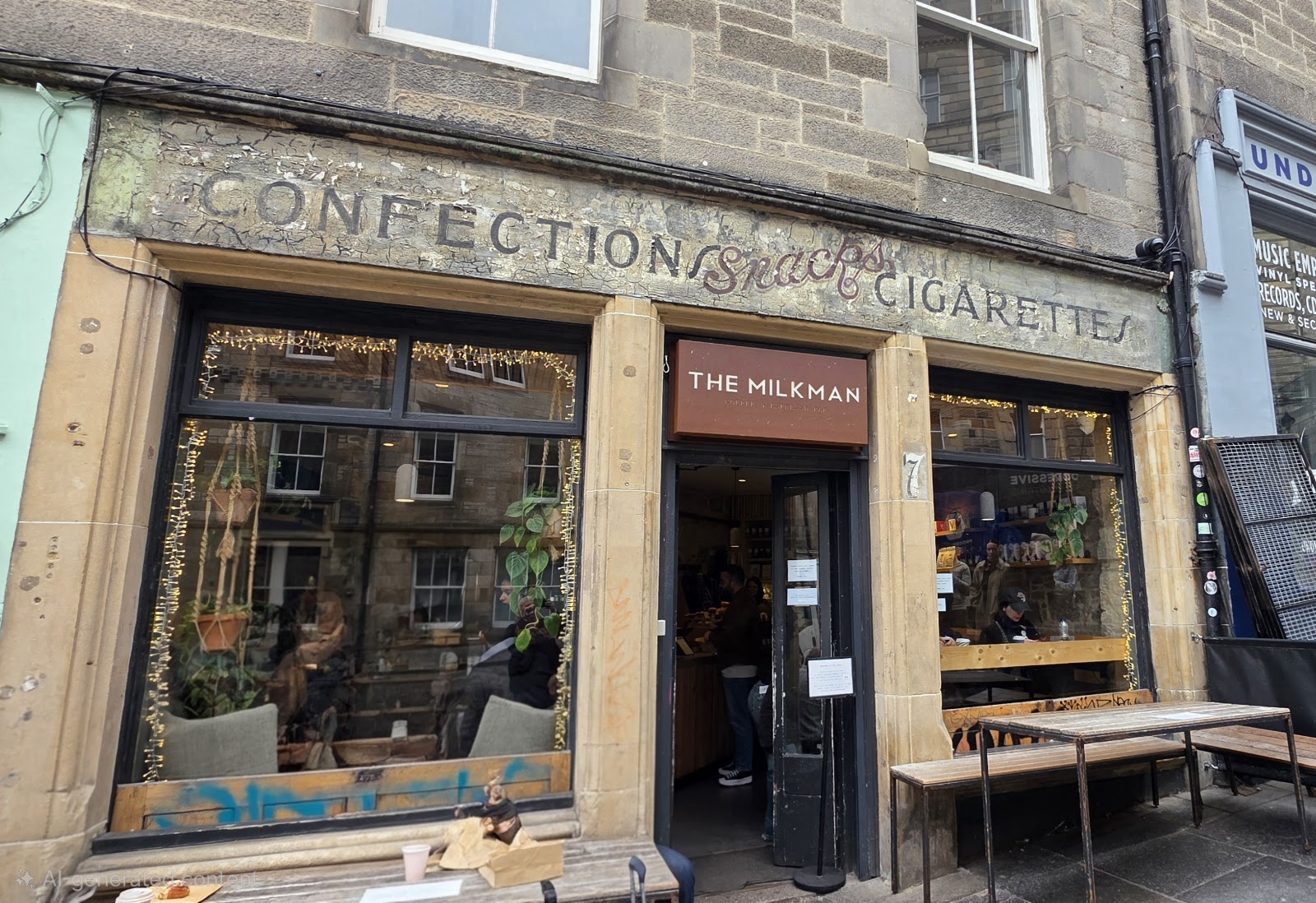
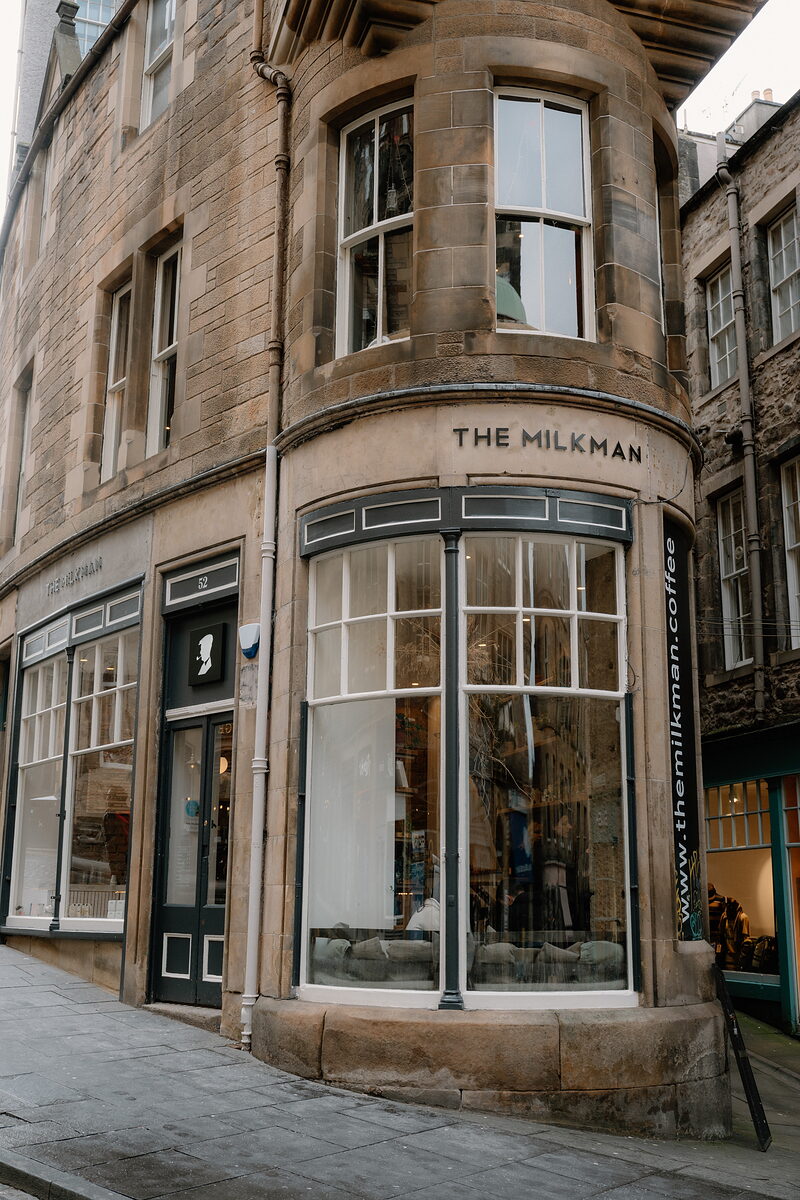 The MilkmanA small coffee shop full of character, a few minutes from Waverley station.Under a mile 1 min by road
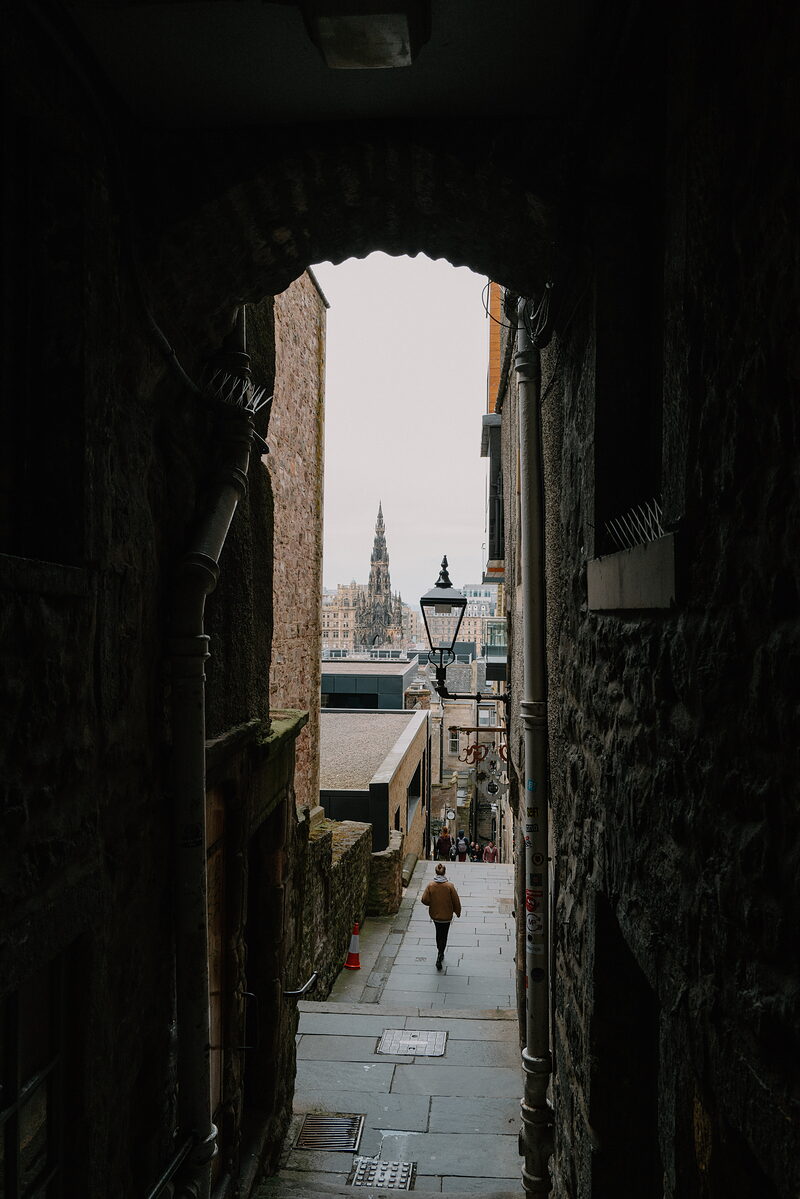 Advocate's CloseA steep, narrow close from the Royal Mile down to Cockburn Street, framing the Scott Monument.Under a mile 1 min by road
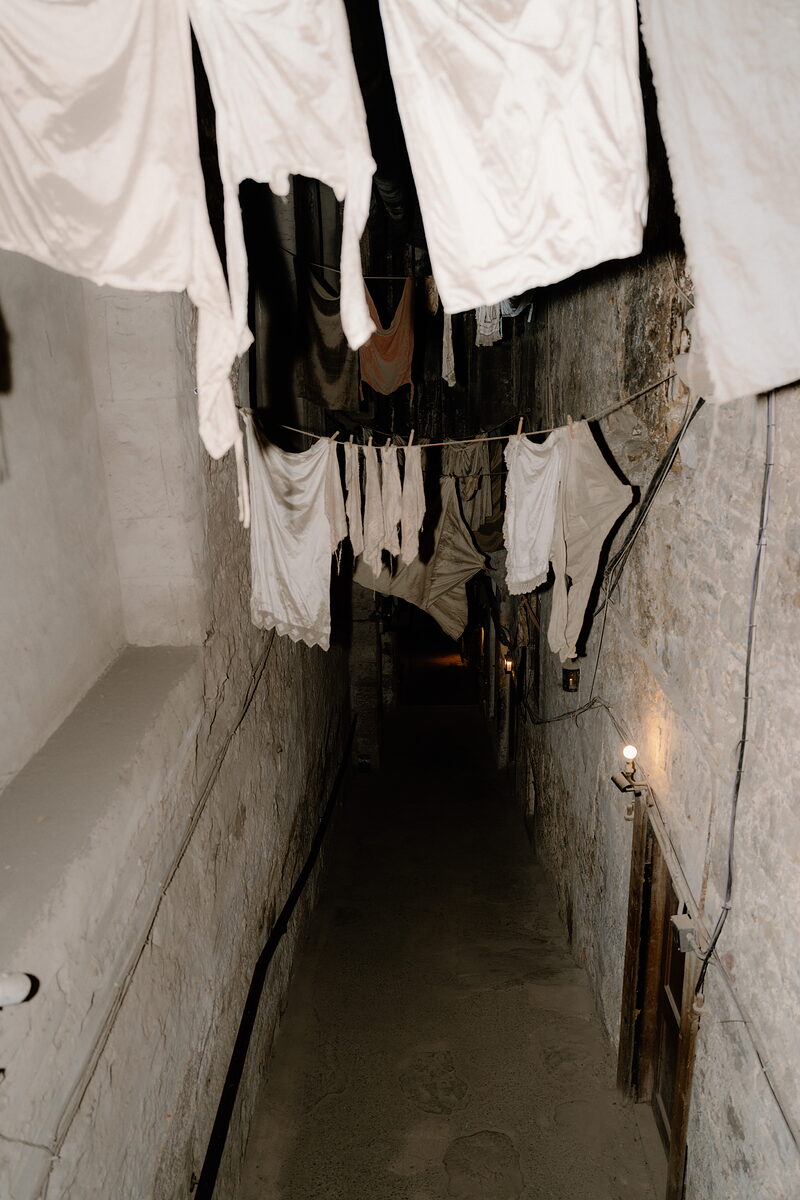 The Real Mary King's CloseHidden streets under the Royal Mile, bringing 400 years of the city's history to life.Under a mile 2 min by road
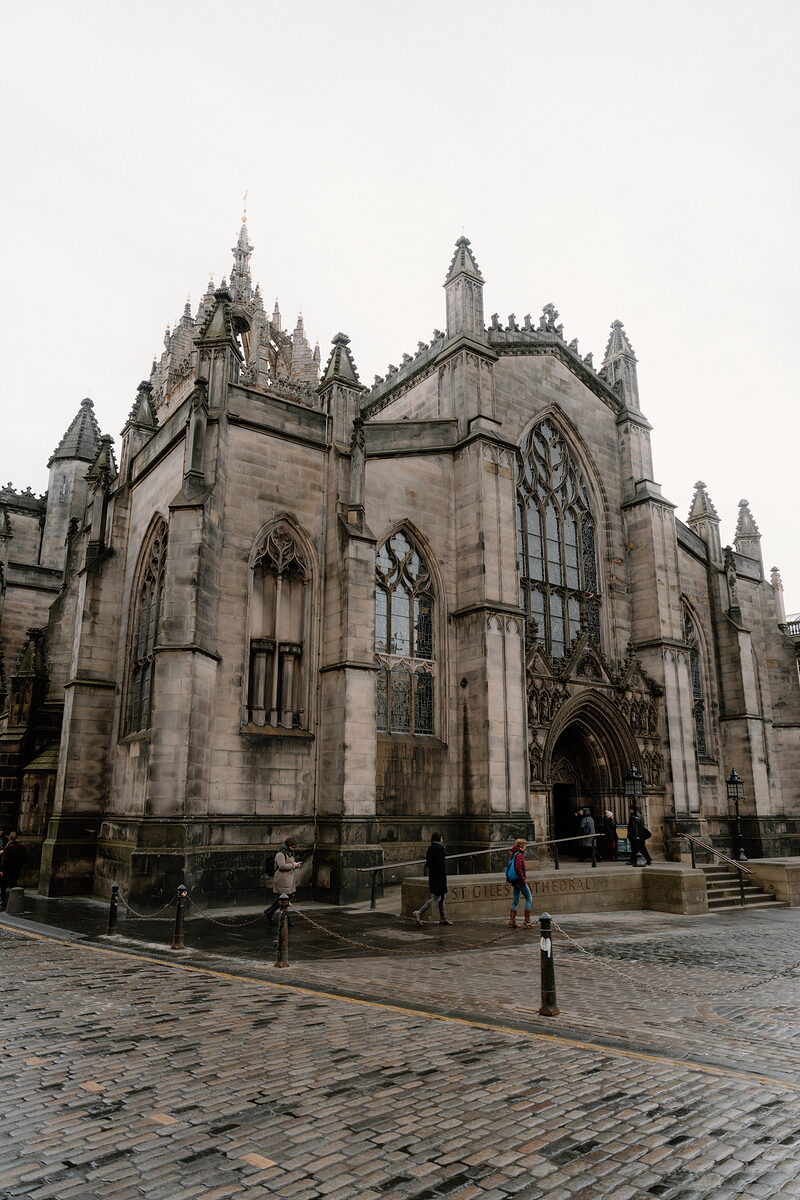 St Giles’ CathedralFounded in 1141, where the ceremonies of the Order of the Thistle take place.Under a mile 2 min by road
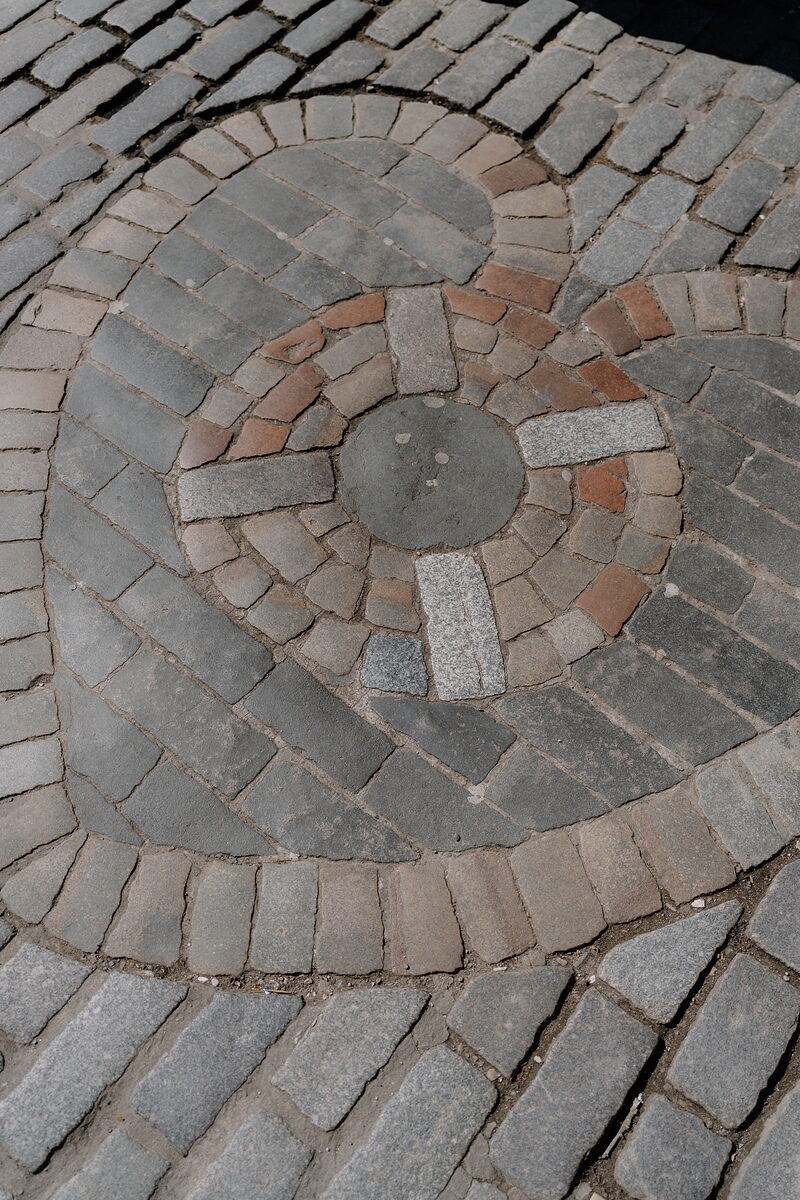 The Heart of MidlothianA small heart set in the cobbles of the Royal Mile.Under a mile 2 min by road
Places to stay near the street, and when each is next free.
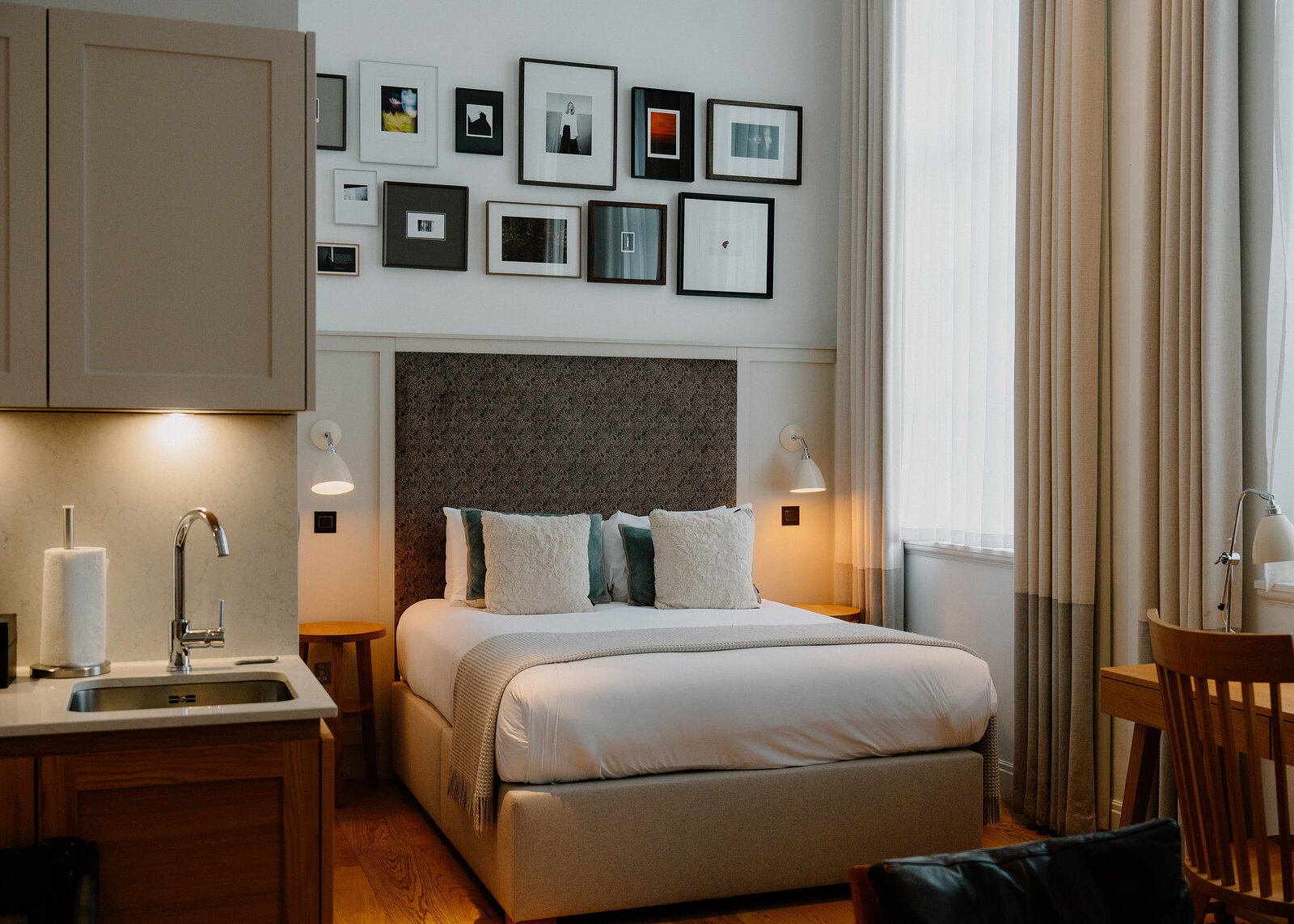 Old Town Chambers
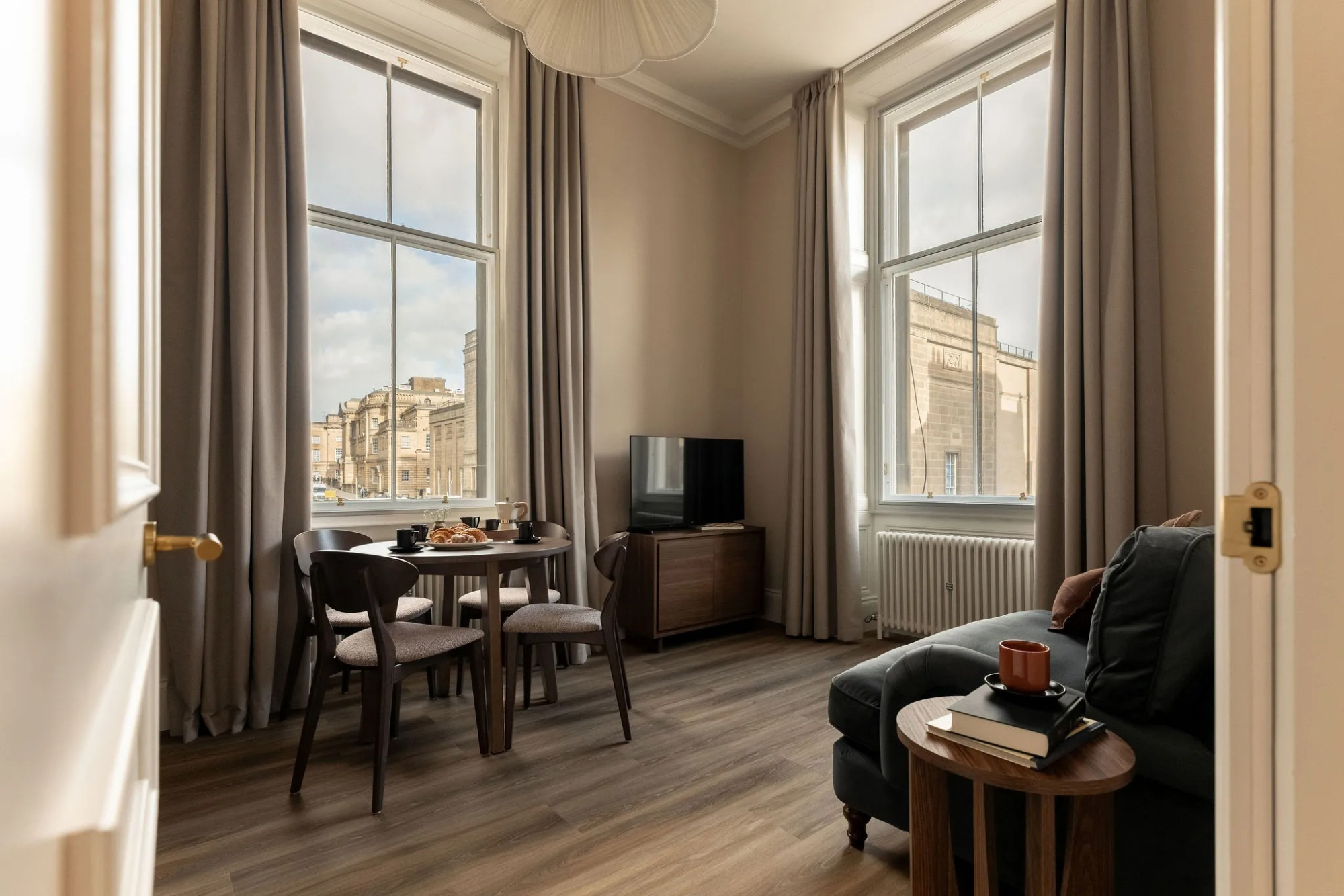 Moment George IV Bridge
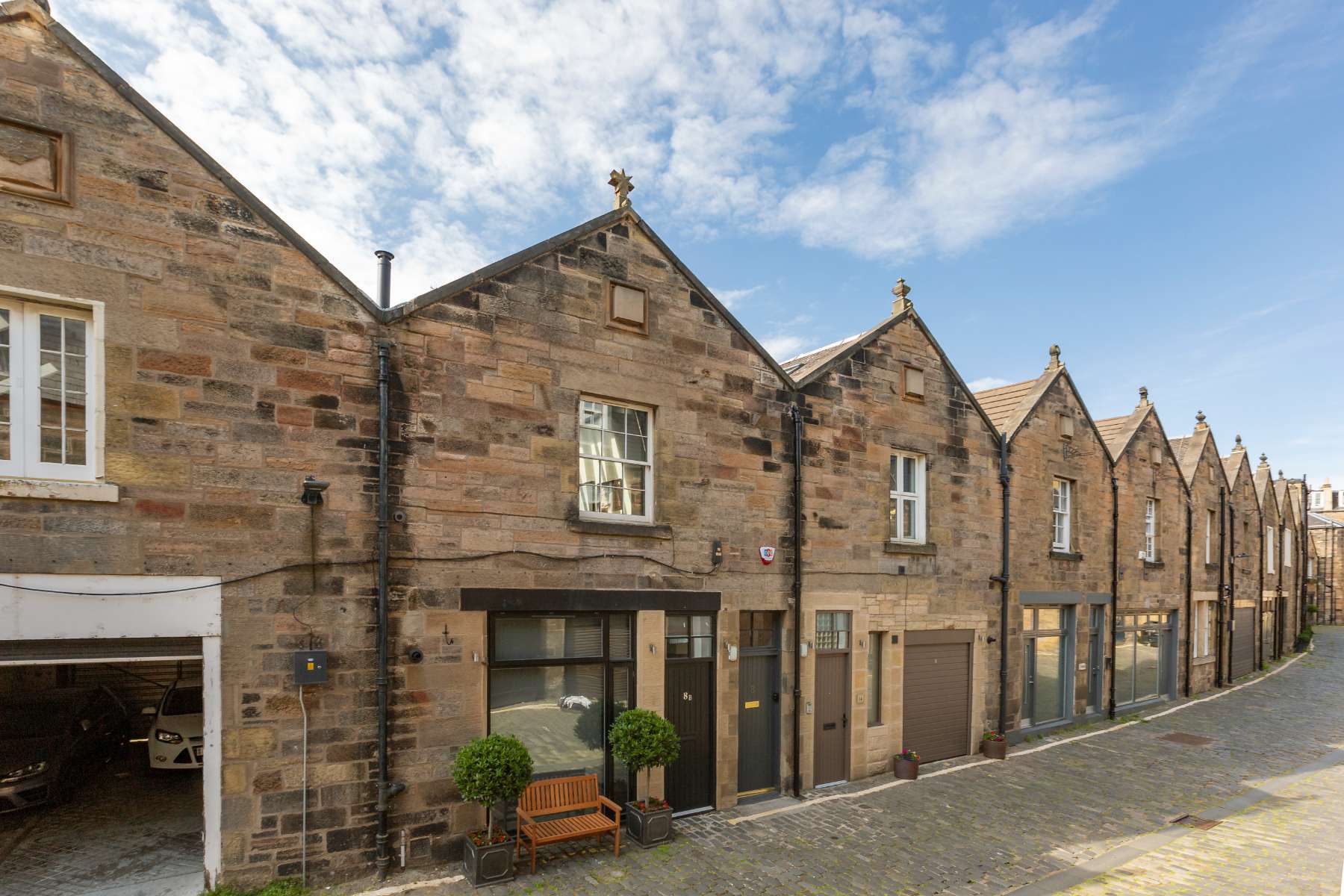 West End Muse
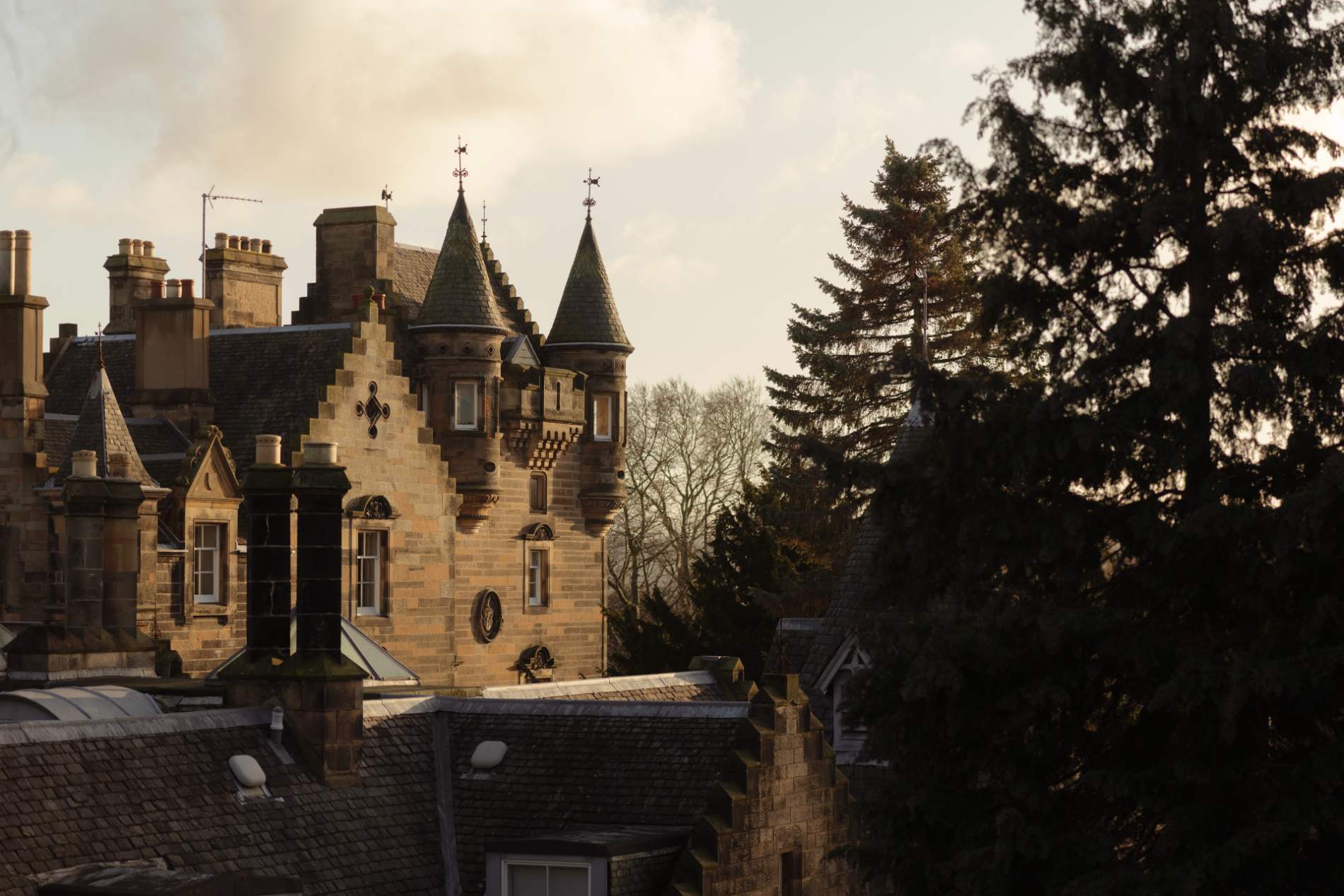 The Scott Hotel
We want to show you the best that Scotland has to offer. The makers and the creatives, the enduring experiences, the evocative tales, the concealed corners. The roads less travelled that take you to places that matter. The adventures that gather you up and sweep you away. The blend of the wild and the artistic that makes Scotland what it is. We’d love for you to join us.
The collections it is in and more in Edinburgh.
For further reading, before you go. The details on this page were checked on .