Did you know
A merchant's house of 1622.
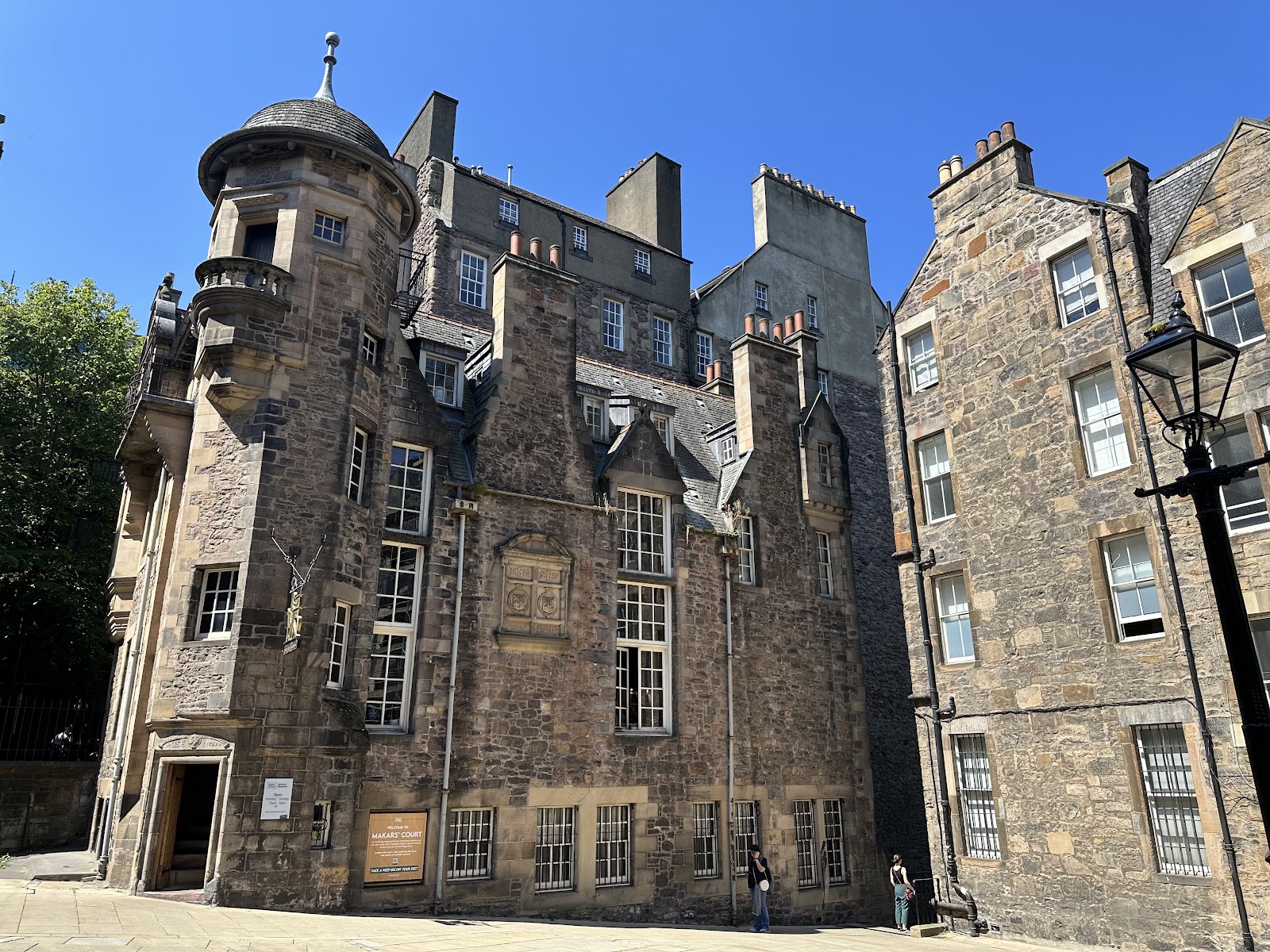
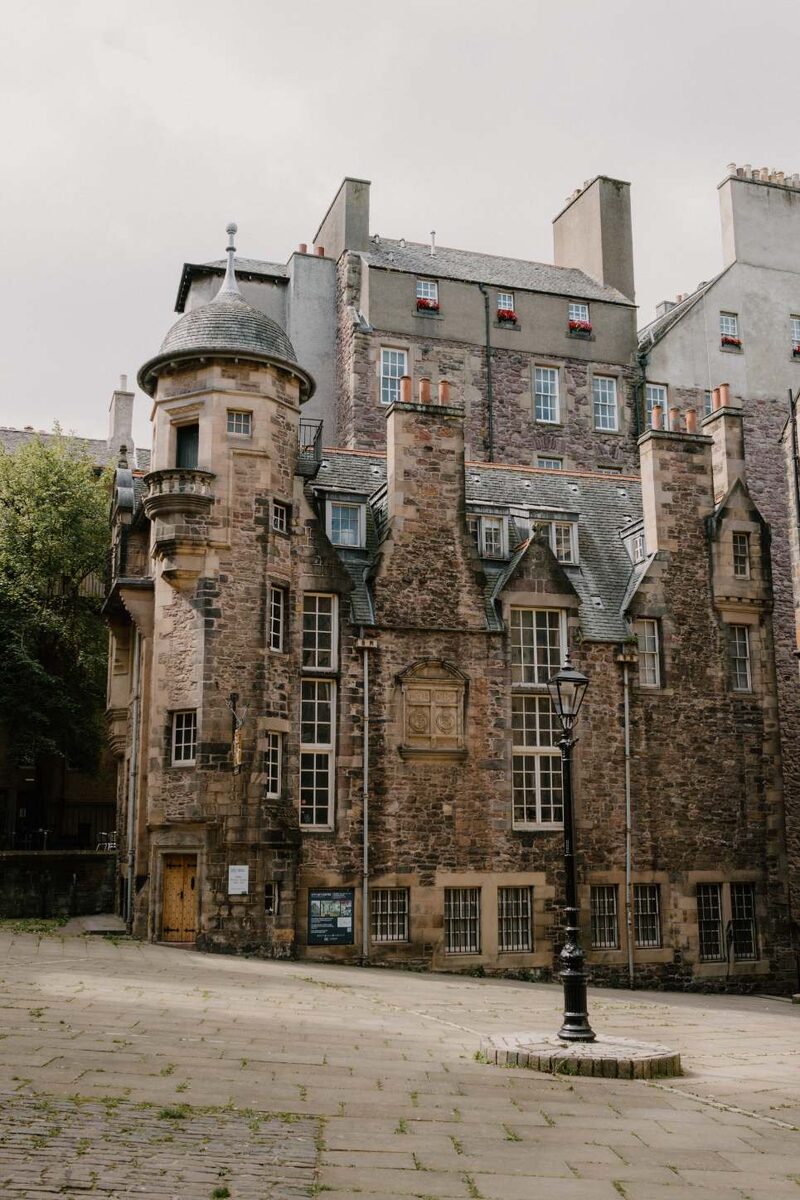
The house at the foot of the close was built in 1622 by Sir William Gray of Pittendrum, a successful Edinburgh merchant.
A close off the Lawnmarket leading to Lady Stair's House, a merchant's townhouse of 1622 that is now the Writers' Museum.
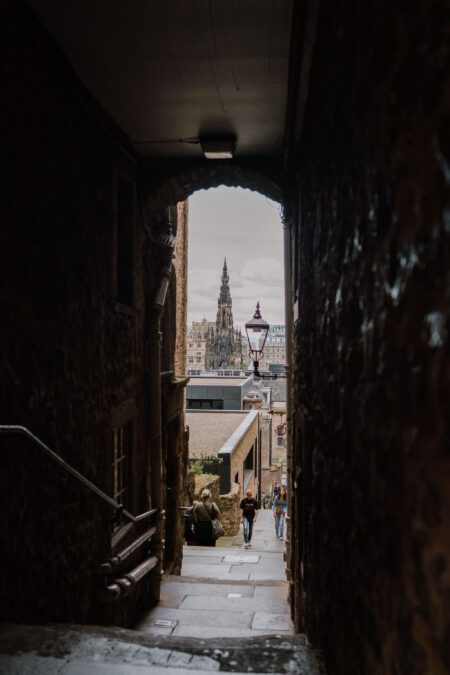
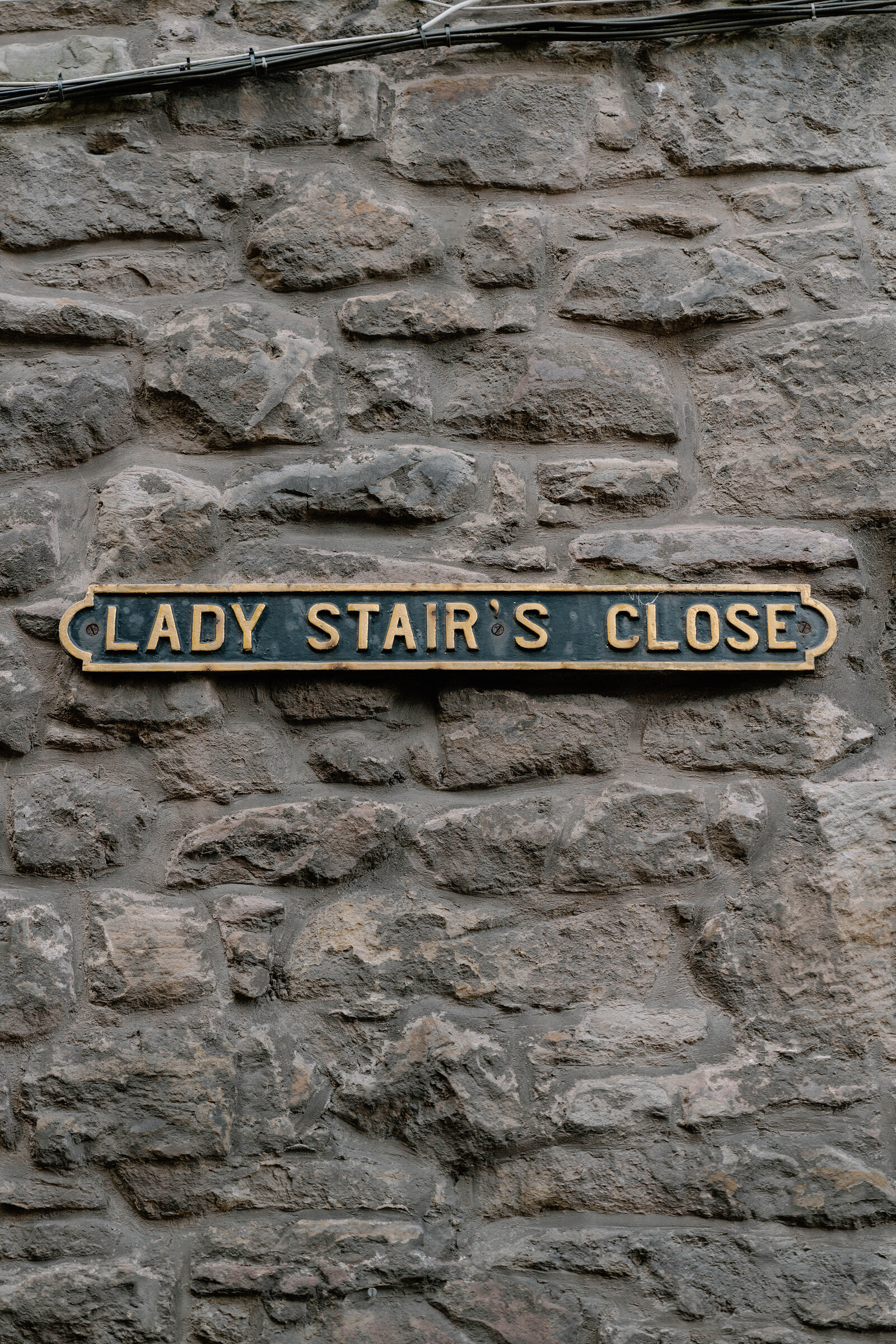
Off the Lawnmarket, a worn sign on a rubble wall marks the way in: a dark, narrow passage that opens without warning into a little paved courtyard.
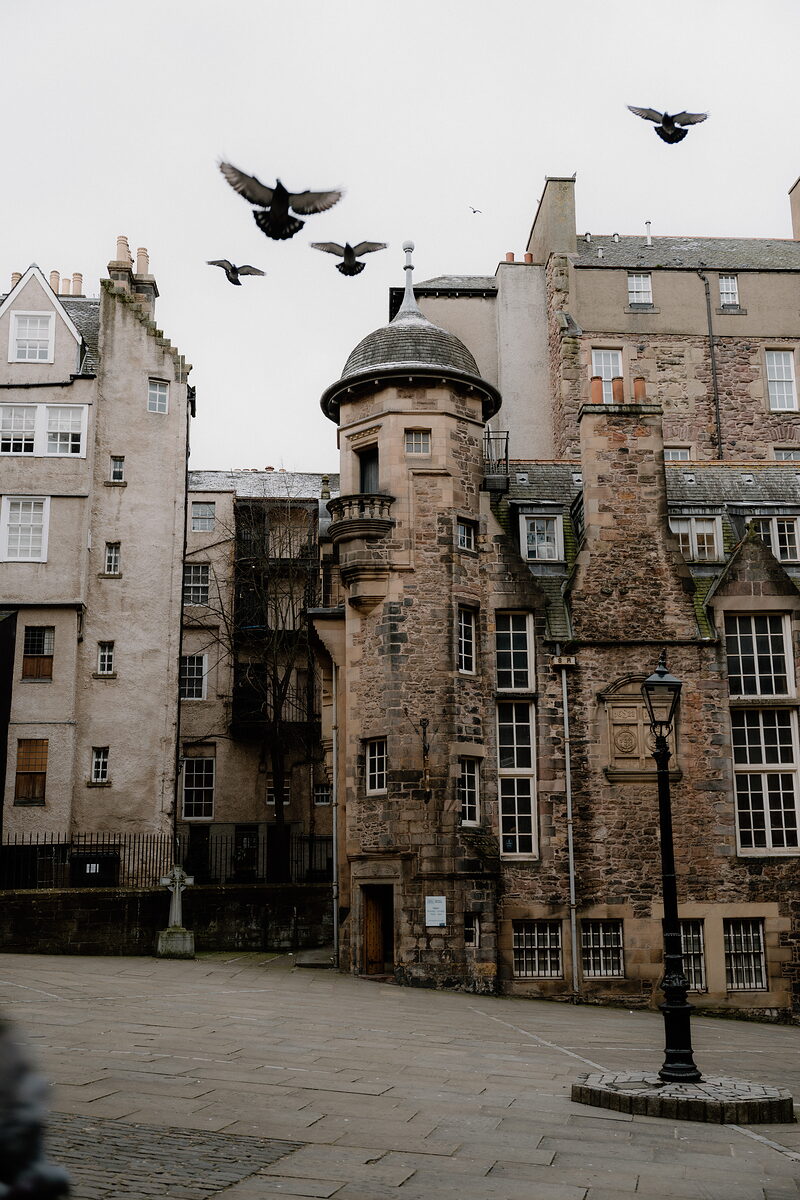
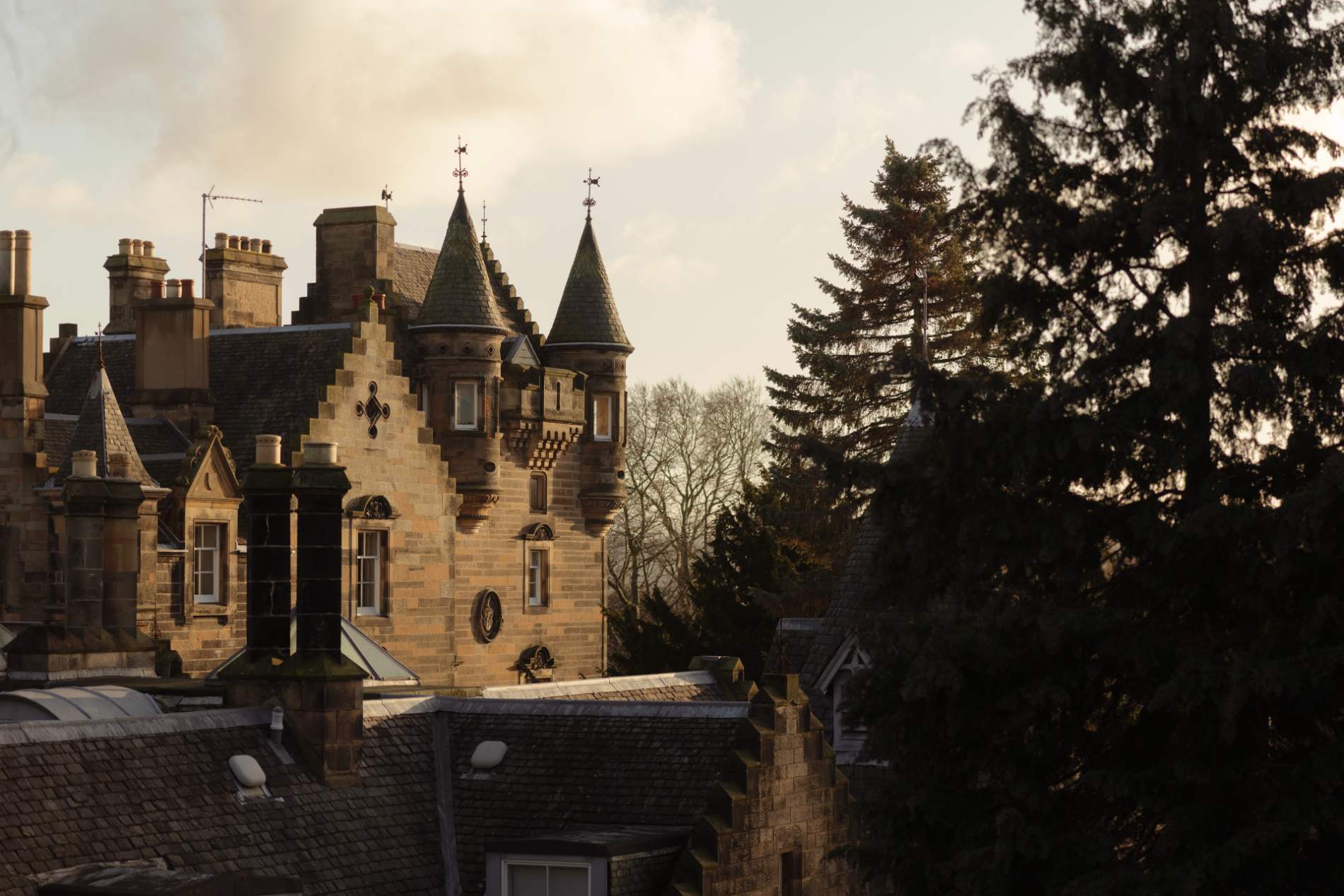
At the far side stands a turreted stone townhouse with a round stair tower, and the crowds on the Royal Mile seem a long way off.
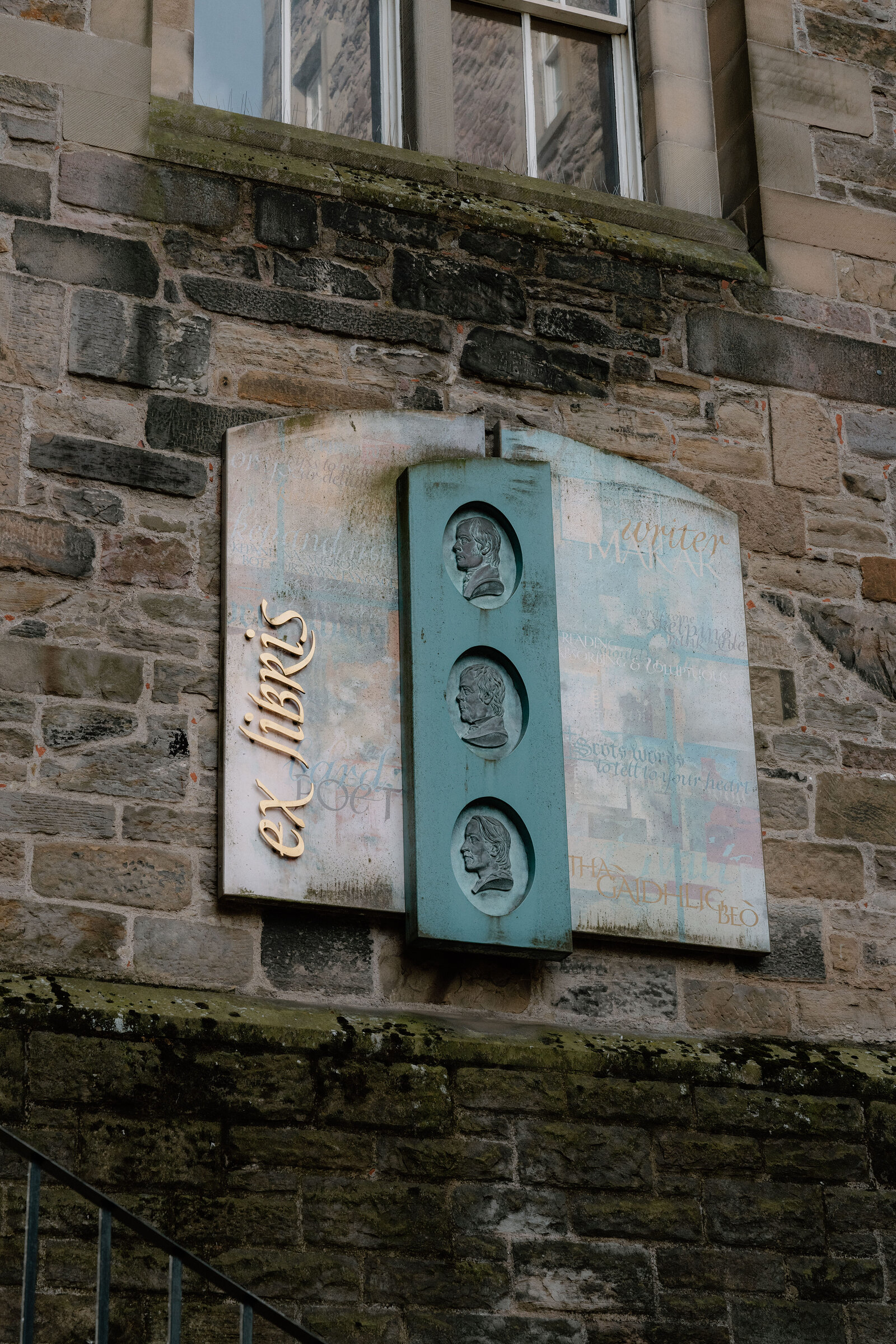
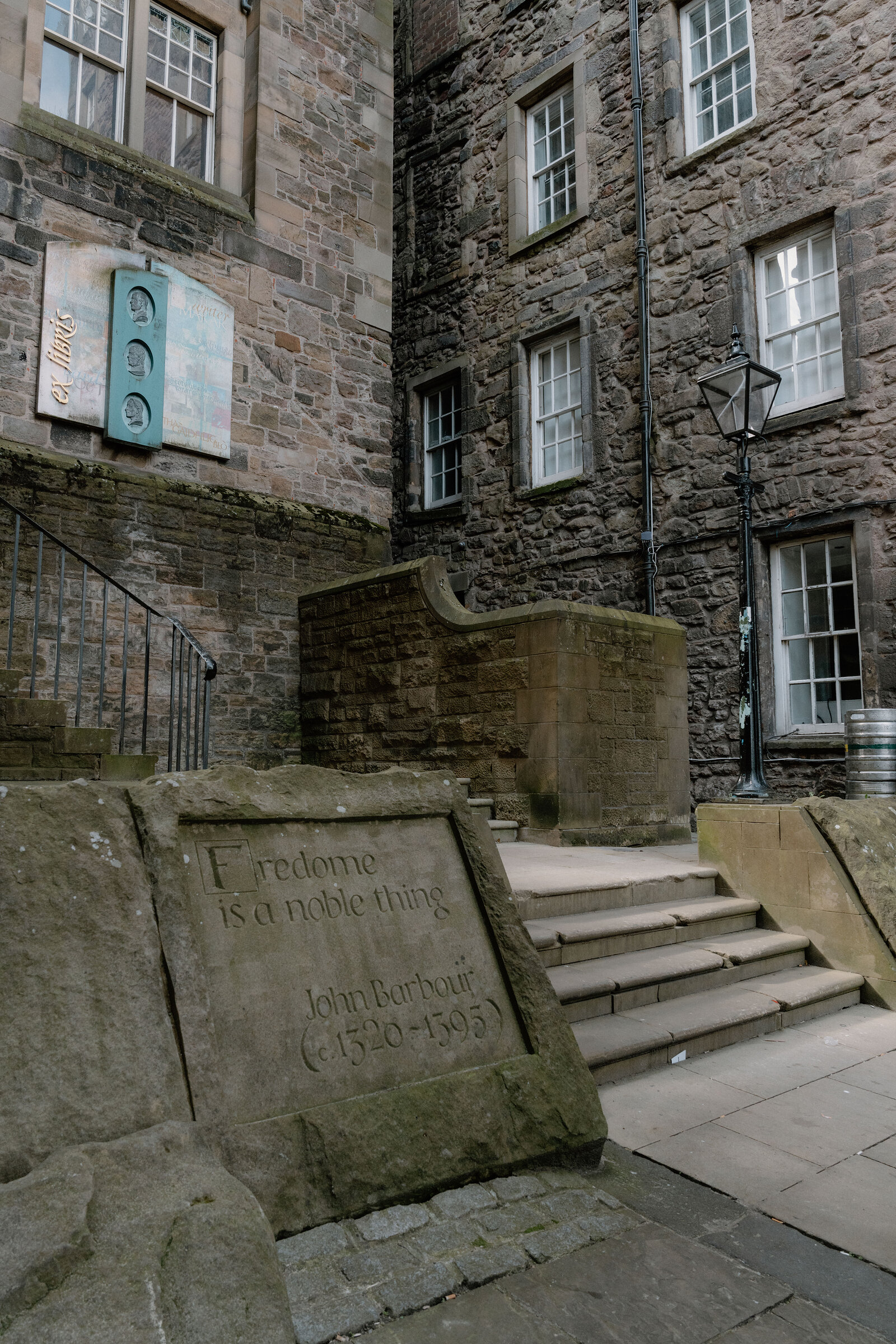
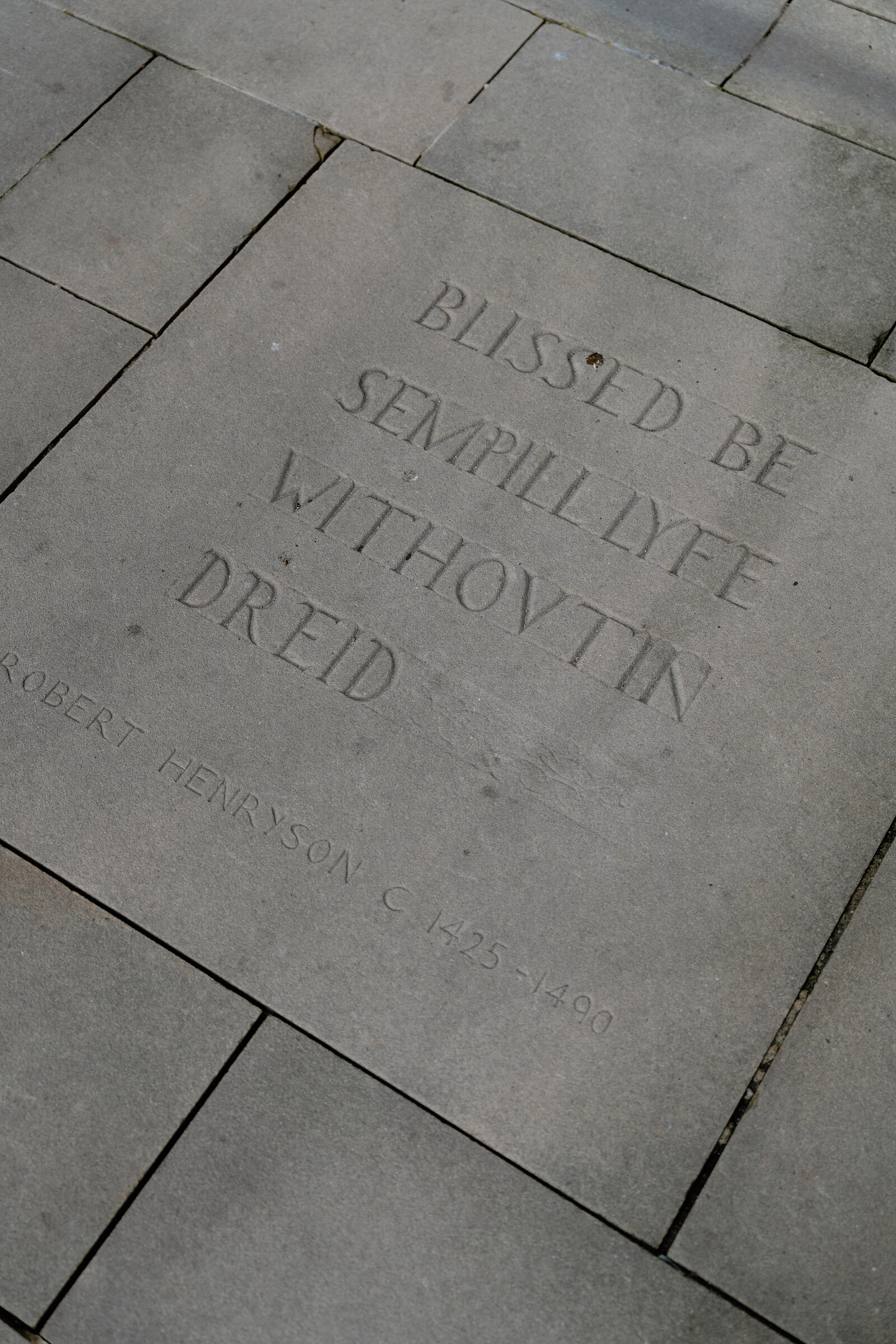
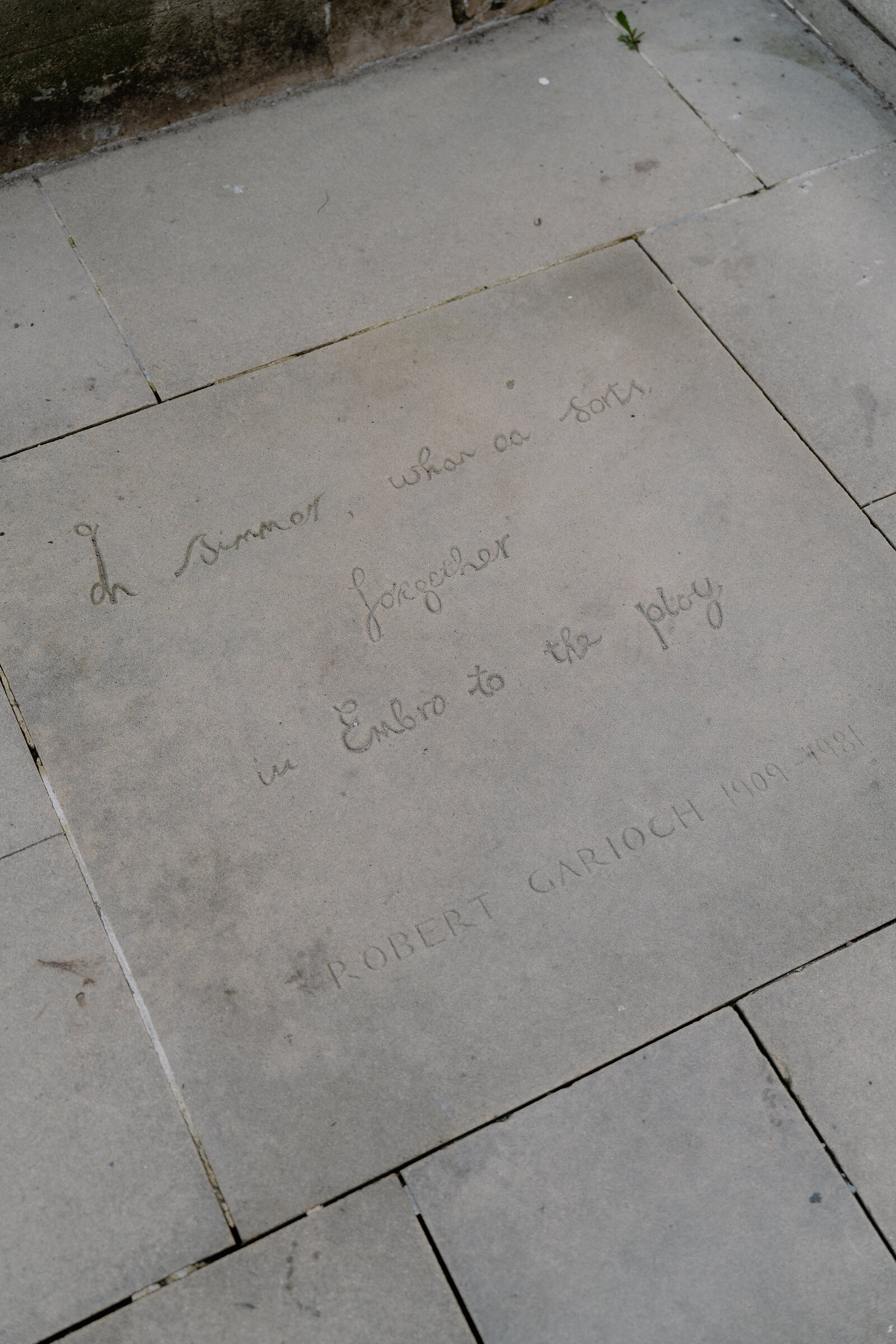
Look down as you cross. Stones set into the paving carry lines by Scottish writers, some in old Scots, some in modern verse, and one reads that freedom is a noble thing. On the wall of the house a weathered plaque shows three carved heads above the words ex libris. It is one of the most atmospheric corners of the Old Town at dusk, when the lamps come on, and the house itself holds the Writers' Museum, free to wander round on the way down the Mile.
The close is open to walk through at any time.
The Writers' Museum in Lady Stair's House is free.
Opening hours
The house at the foot of the close was built in 1622 by Sir William Gray of Pittendrum, a successful Edinburgh merchant.
It was first known as Lady Gray's House, after his widow. Their granddaughter Elizabeth, first Countess of Stair, bought it in 1719, and it has carried her name ever since.
By 1890 the house had fallen into ruin. Patrick Geddes talked Lord Rosebery into paying for it; he bought it in 1895, restored it, and gave it to the city in 1907 as a museum.
Inside is Robert Louis Stevenson's wardrobe, made by Deacon Brodie, the cabinetmaker whose double life may have given Stevenson the idea for Jekyll and Hyde.
The museum also keeps a plaster cast of Robert Burns's skull, one of only three ever made.
There are more than 80 closes off the Royal Mile, but few are as picturesque – or as well known – as this moody little courtyard, reached by a dark passageway and dominated by a 17th-century townhouse, once the home of the first Countess of Stair.
Read moreNew places, news and stories, as we find them.
What is on in EdinburghOff the north side of the Lawnmarket, near the top of the Royal Mile.
 Writers' MuseumA museum of Burns, Scott and Stevenson in Lady Stair's House.Under a mile1 min by road
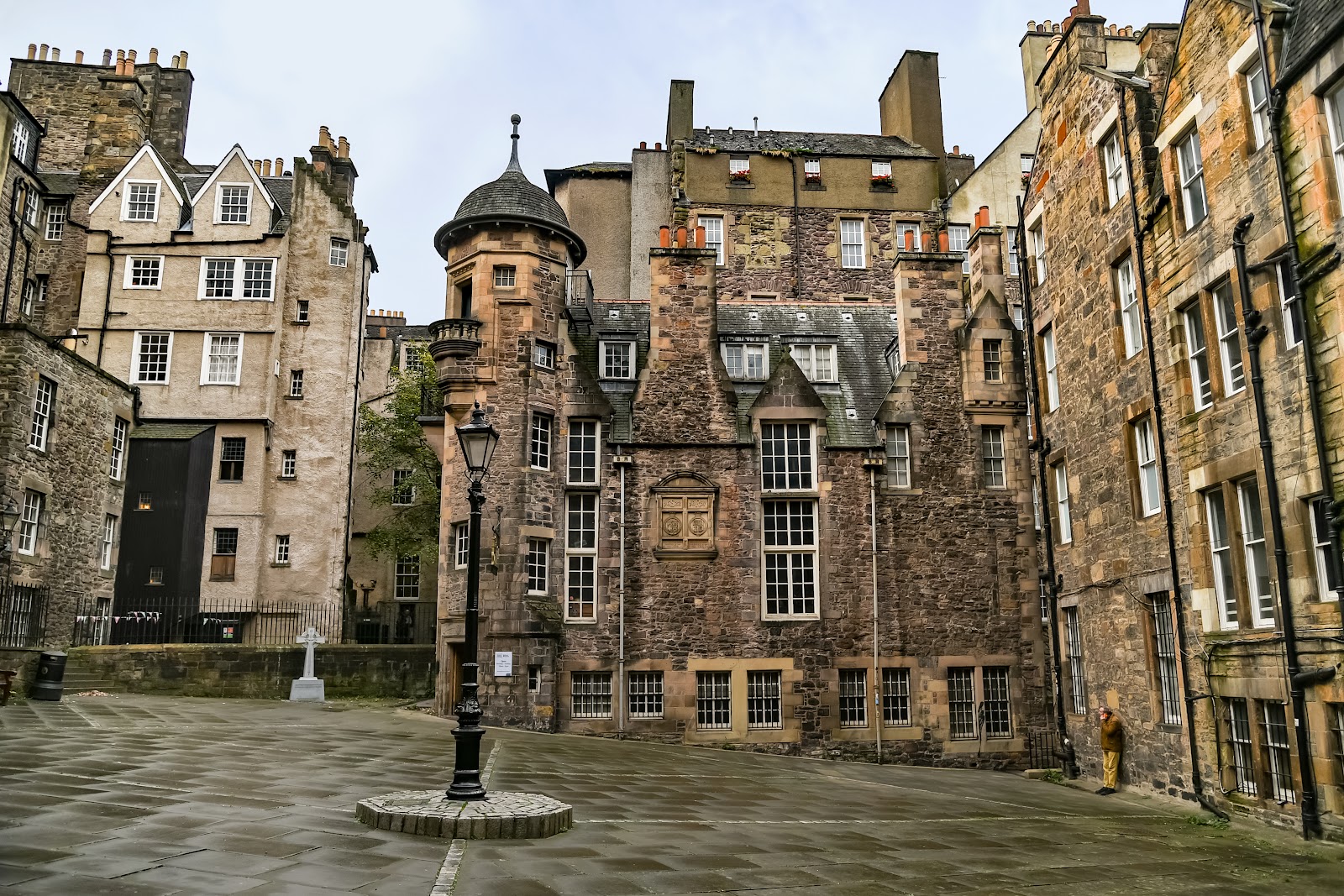 Makars’ CourtThe words of Scottish writers set into the flagstones.Under a mile1 min by road
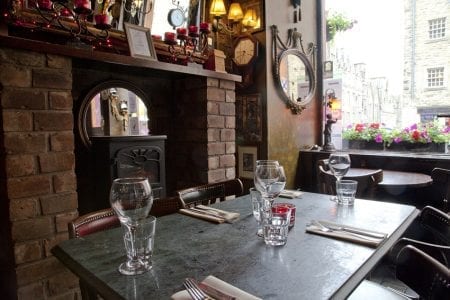
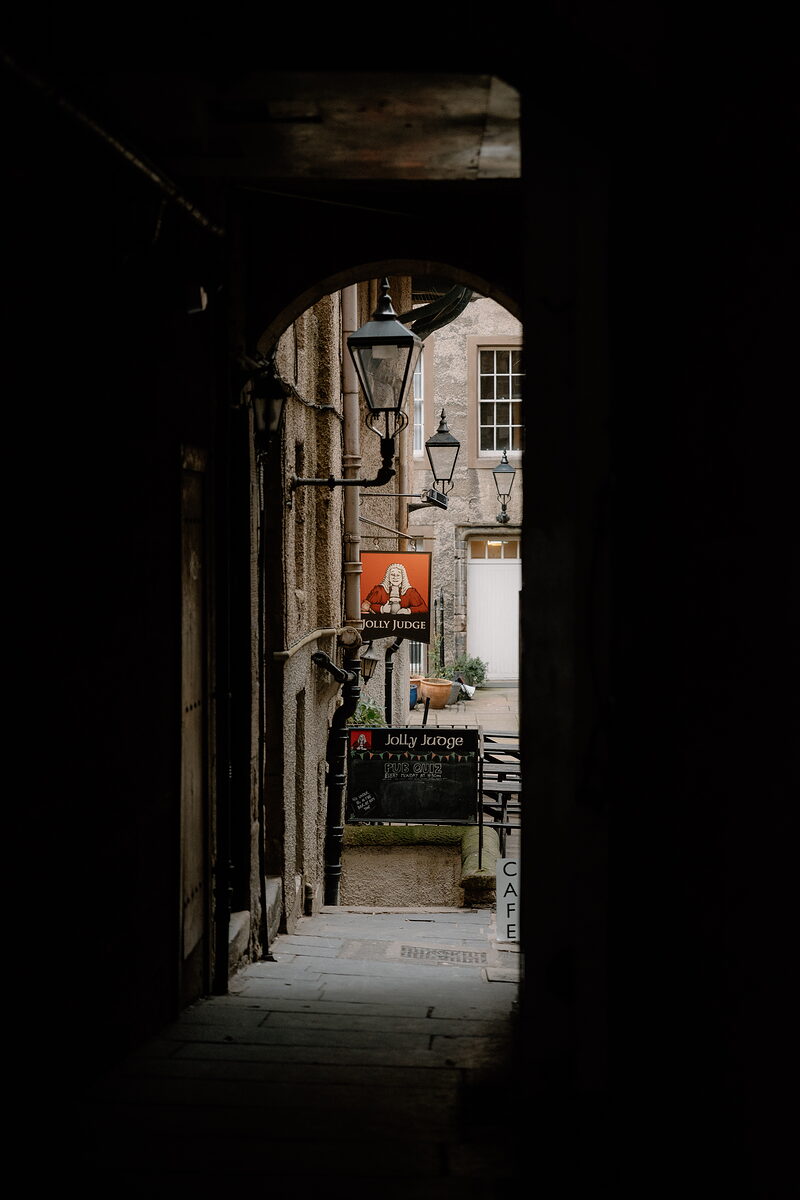 Jolly JudgeA pub with a low painted ceiling and an open fire.Under a mile1 min by road
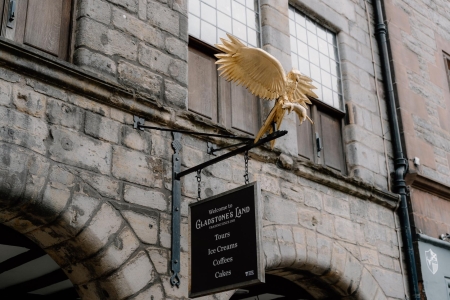
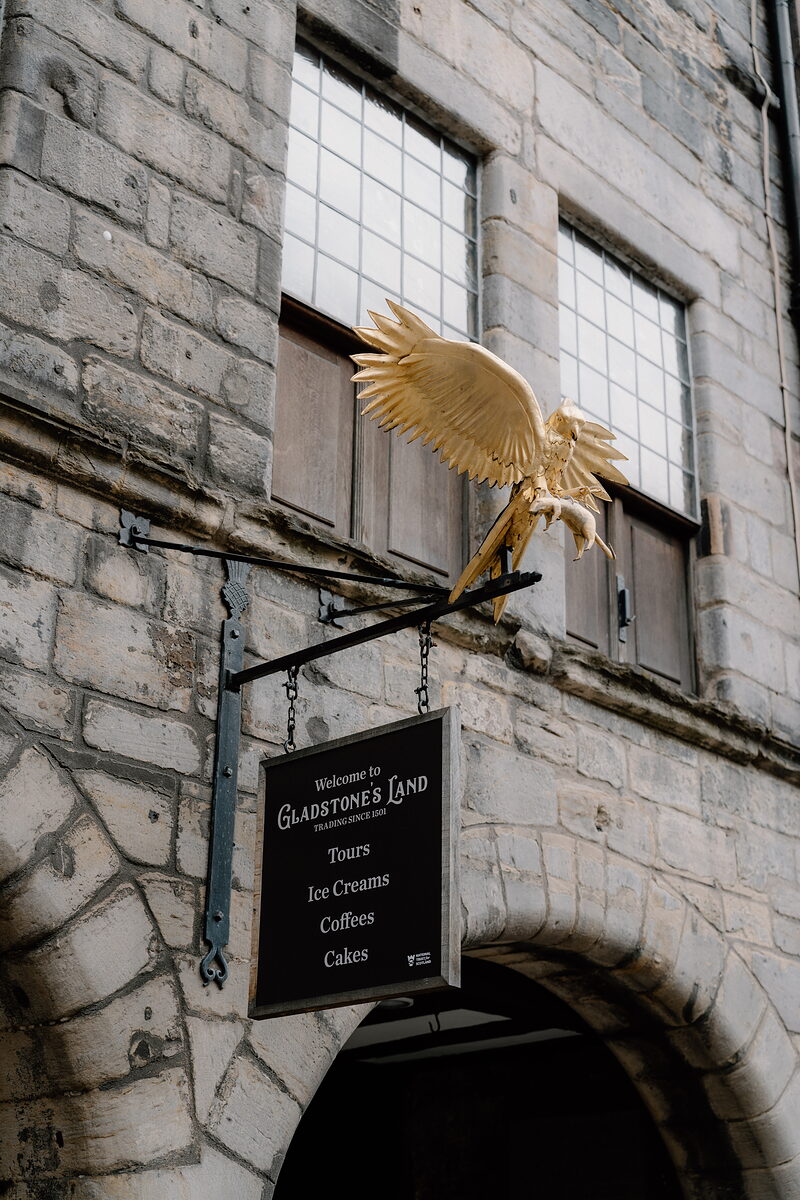 Gladstone’s LandA merchant's tenement of 1617, its rooms furnished for three centuries of households.Under a mile1 min by road
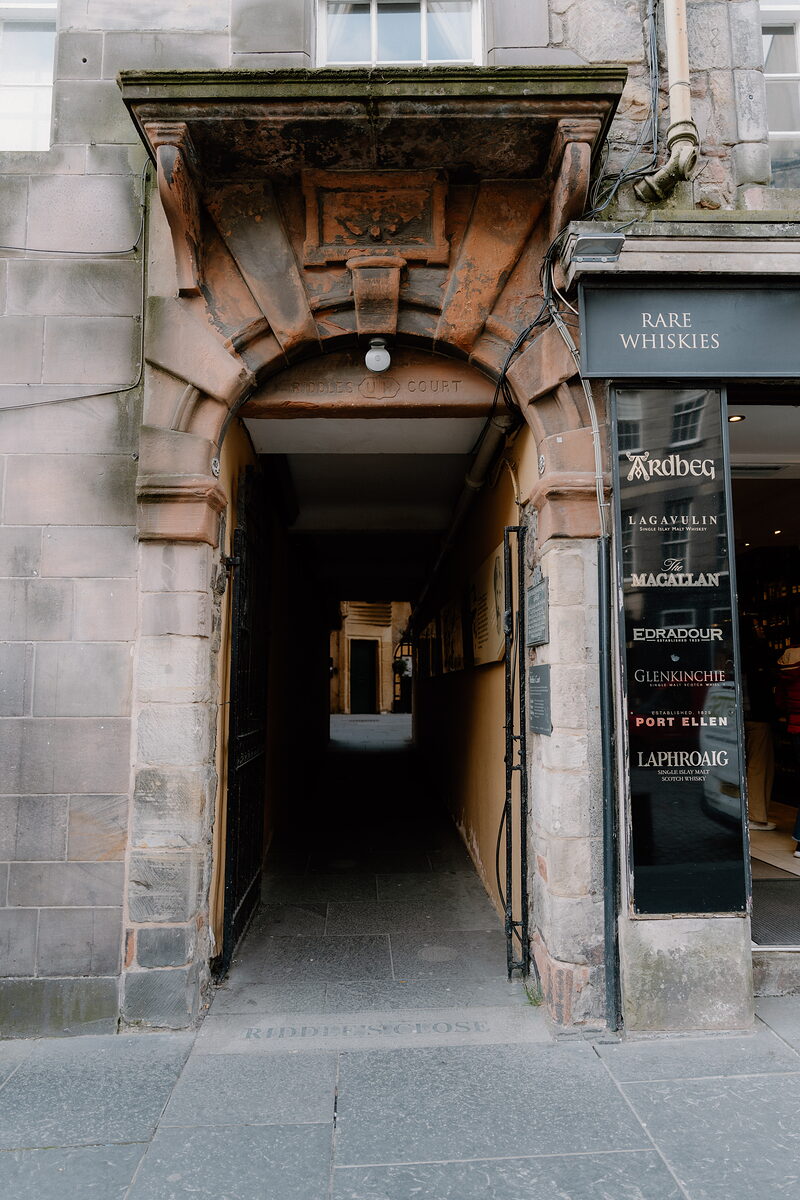 Riddle’s CourtA grand merchant's tenement, refurbished and open to see.Under a mile1 min by road
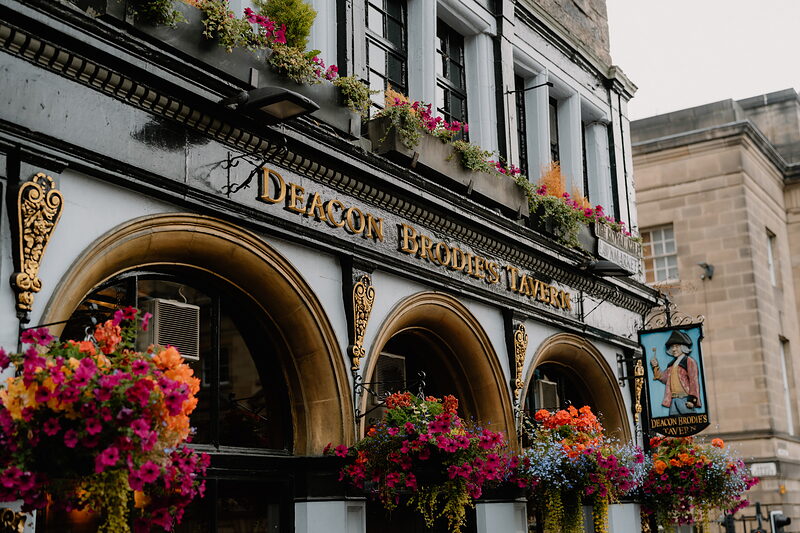 Deacon Brodie's TavernA Royal Mile pub named after Deacon Brodie.Under a mile1 min by road
Places to stay near the close, and when each is next free.
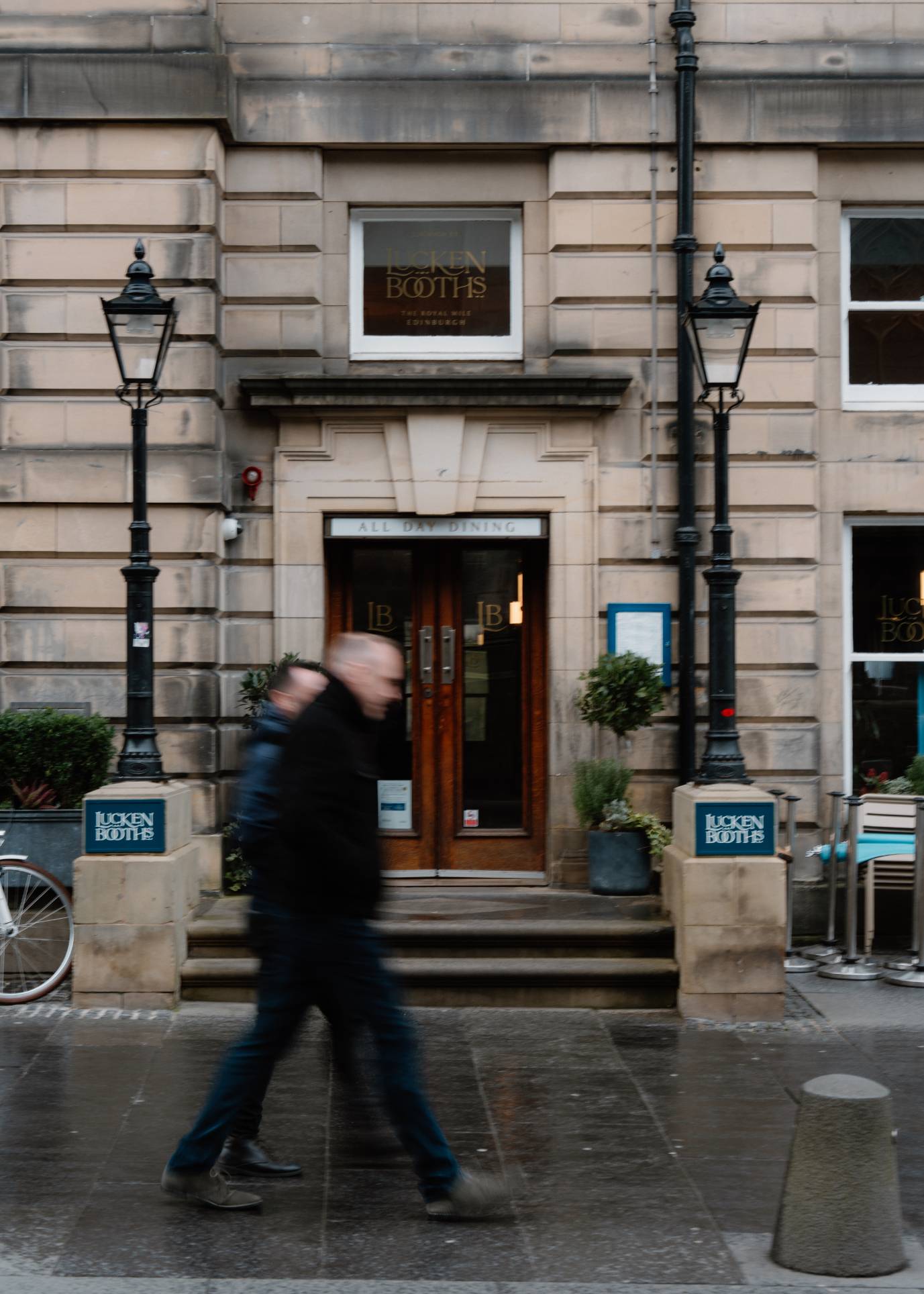 Old Town Chambers
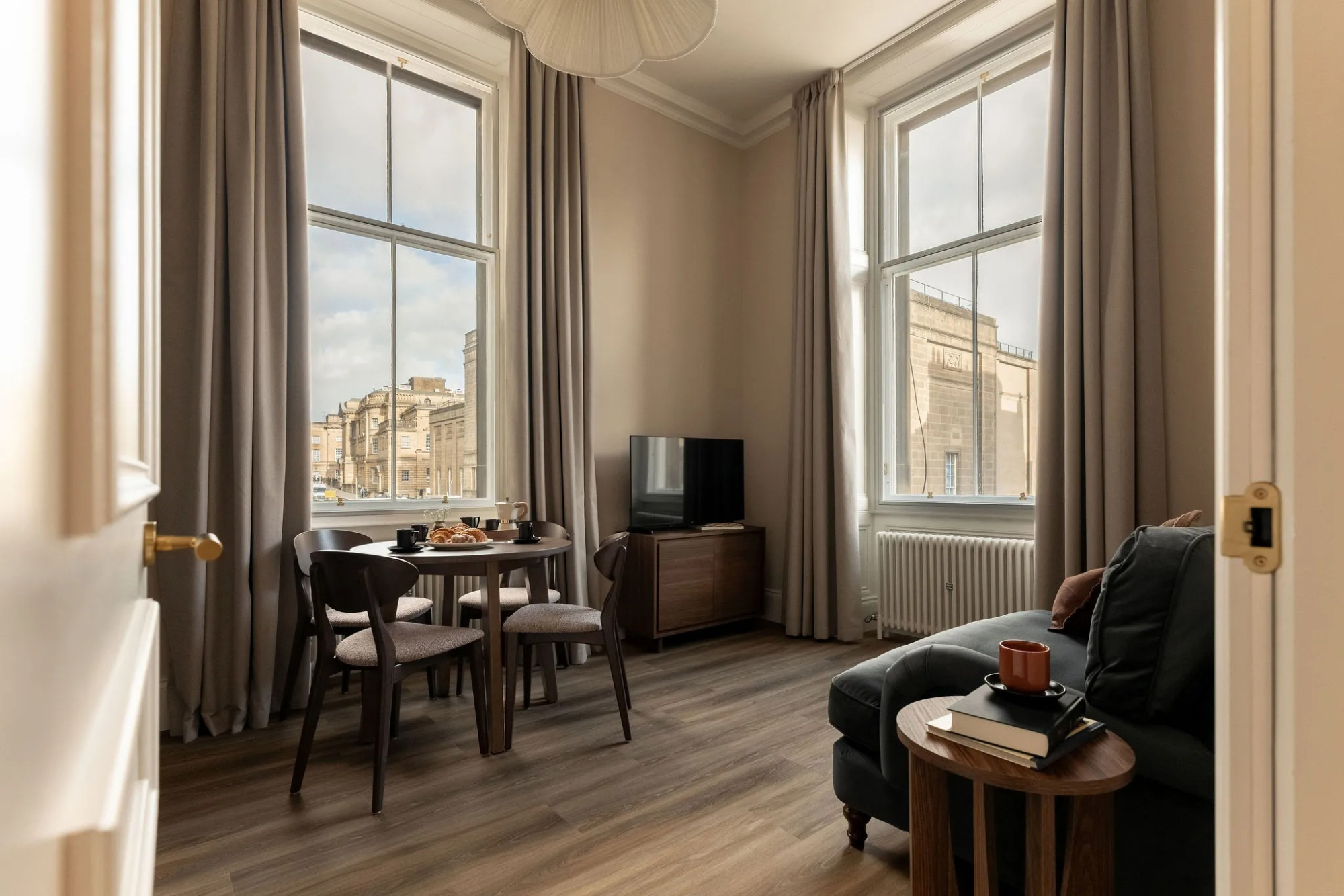 Moment George IV Bridge
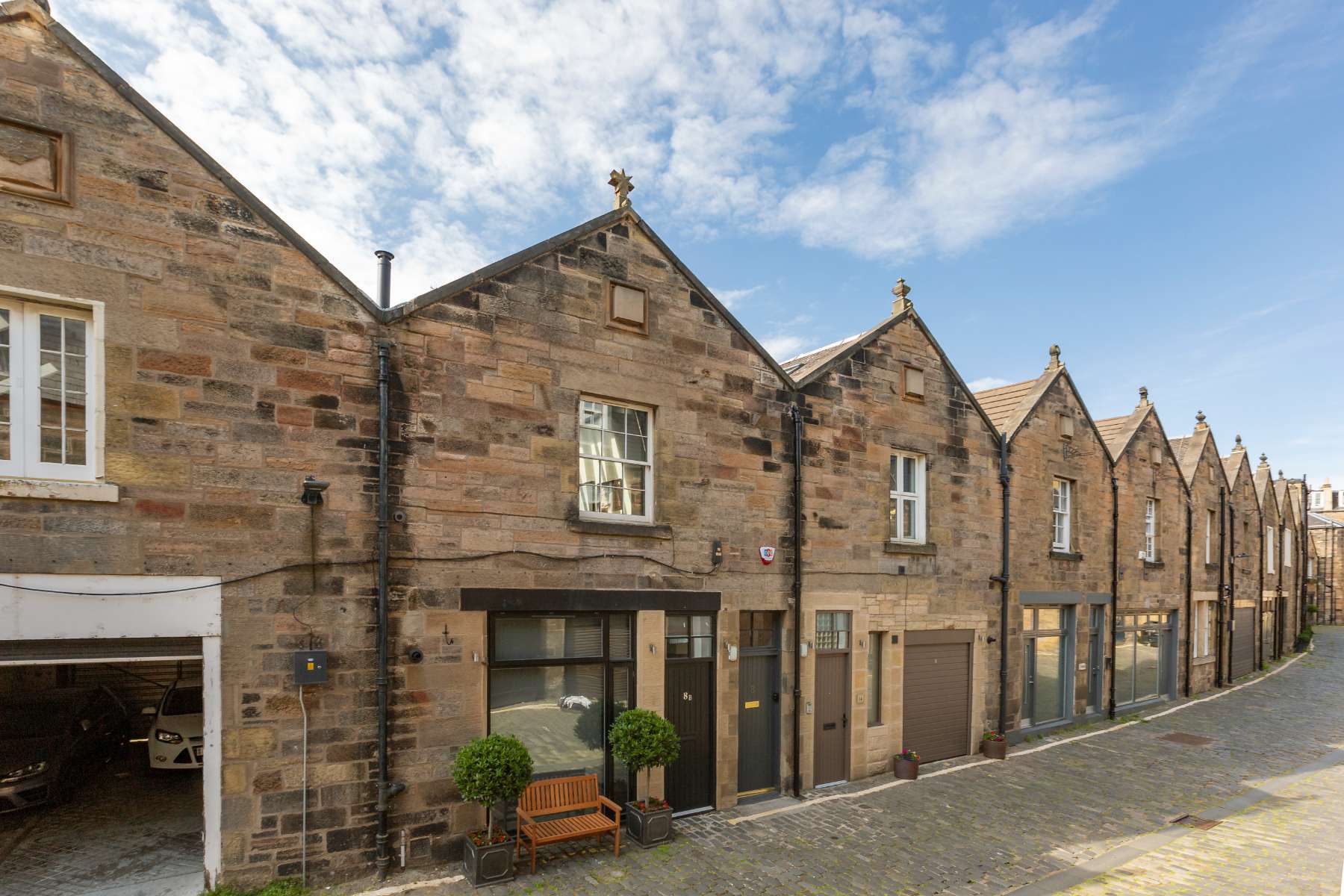 West End Muse
 The Scott Hotel
Every photograph commissioned, every word written by somebody who went. Printed twice a year, made in Scotland.
For further reading, before you go.