Did you know
Two towns, one street.
In the Middle Ages the Royal Mile ran through two separate burghs, Edinburgh and the Canongate. Each needed its own church, tolbooth and market cross.
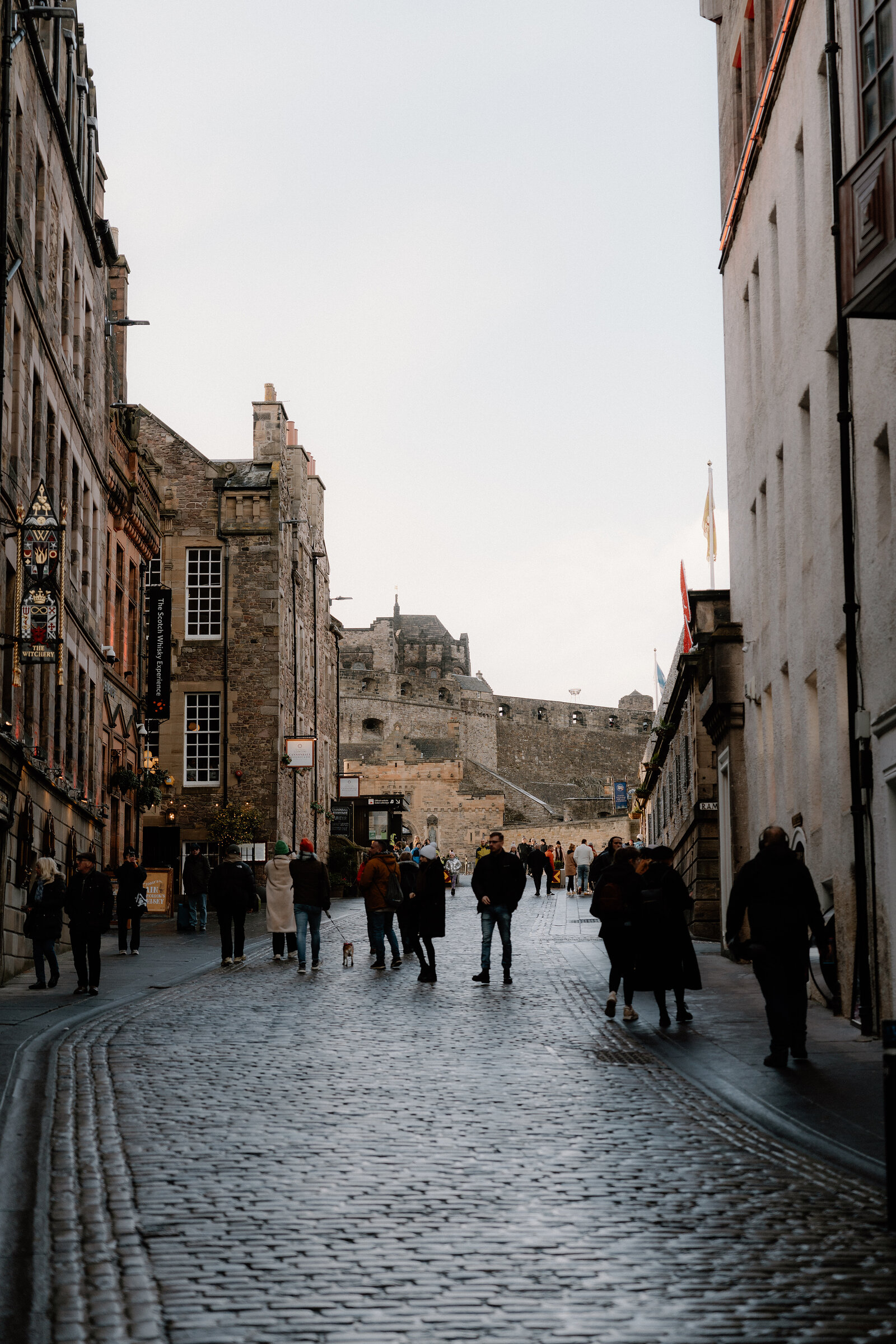
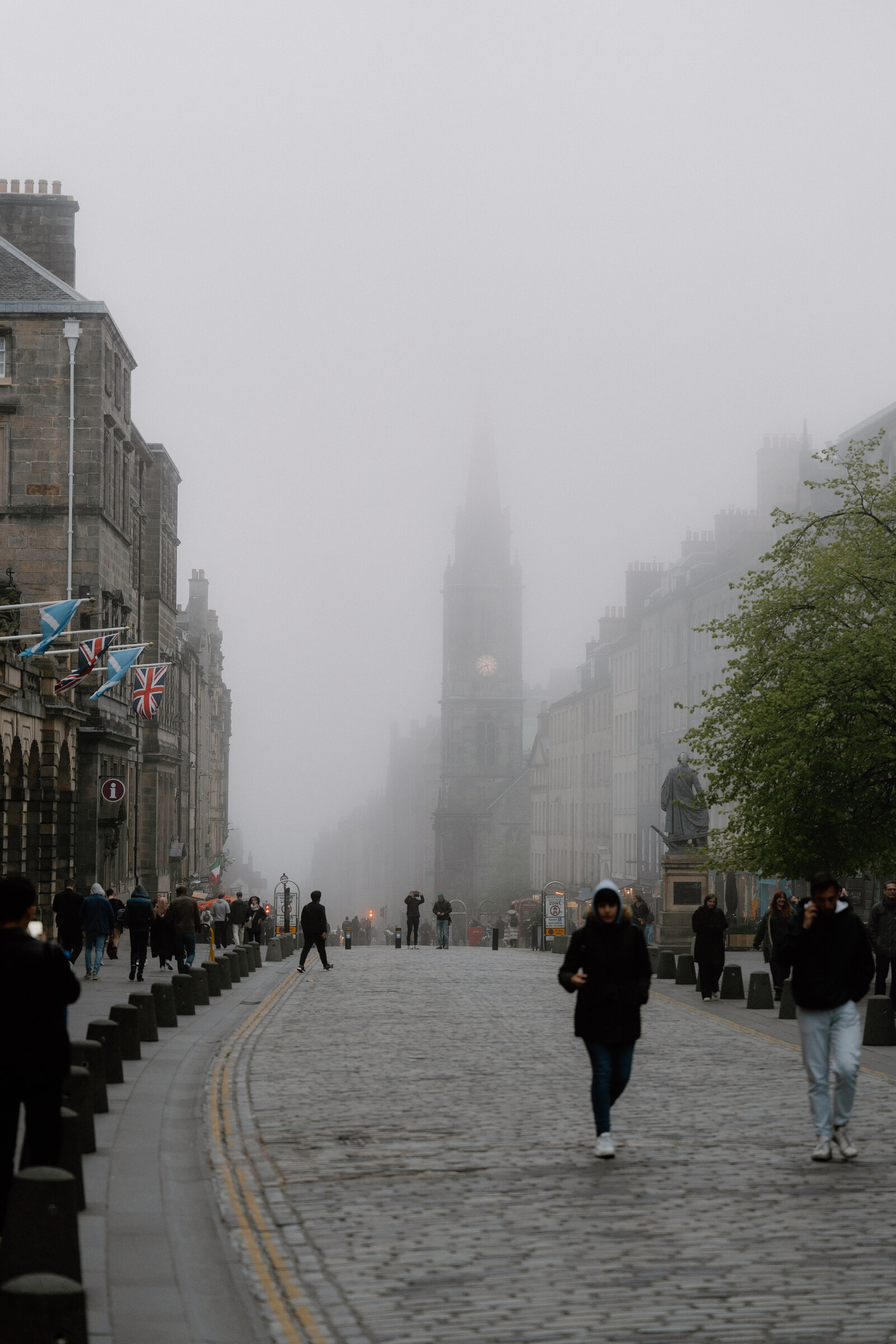
The long cobbled spine of the Old Town, running downhill from the castle to Holyroodhouse, once two separate burghs divided by a city gate.
Start at the top, with the castle behind you, and let the street carry you downhill.
Visited and photographed by Simon Hird
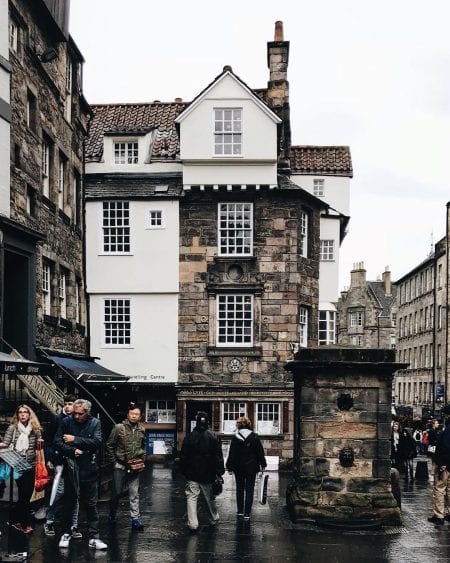
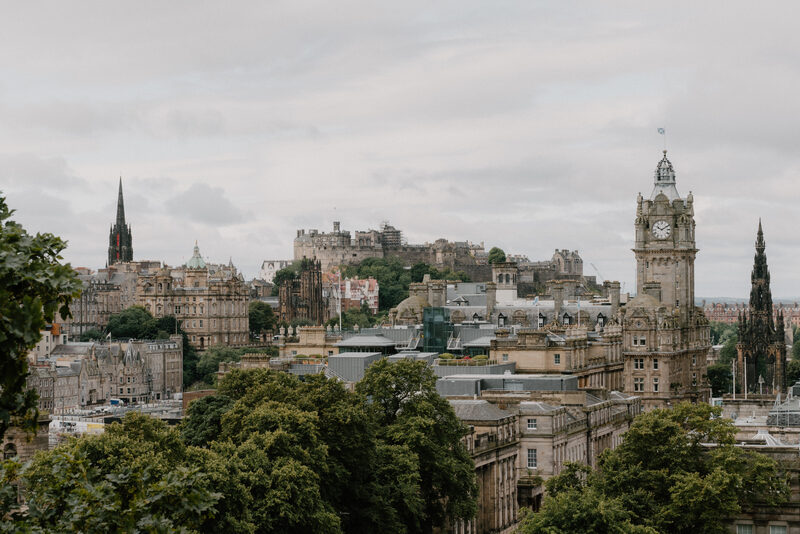
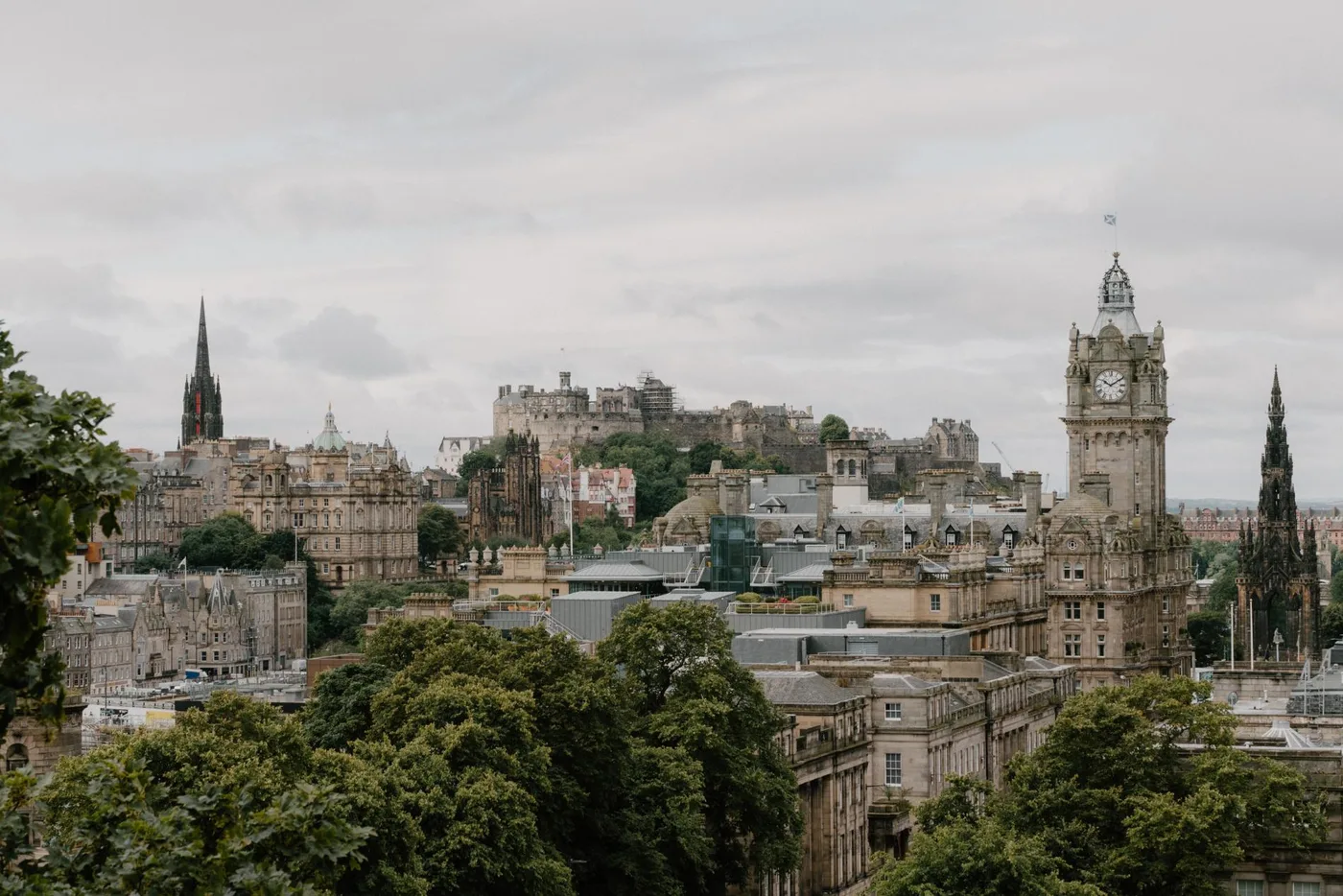
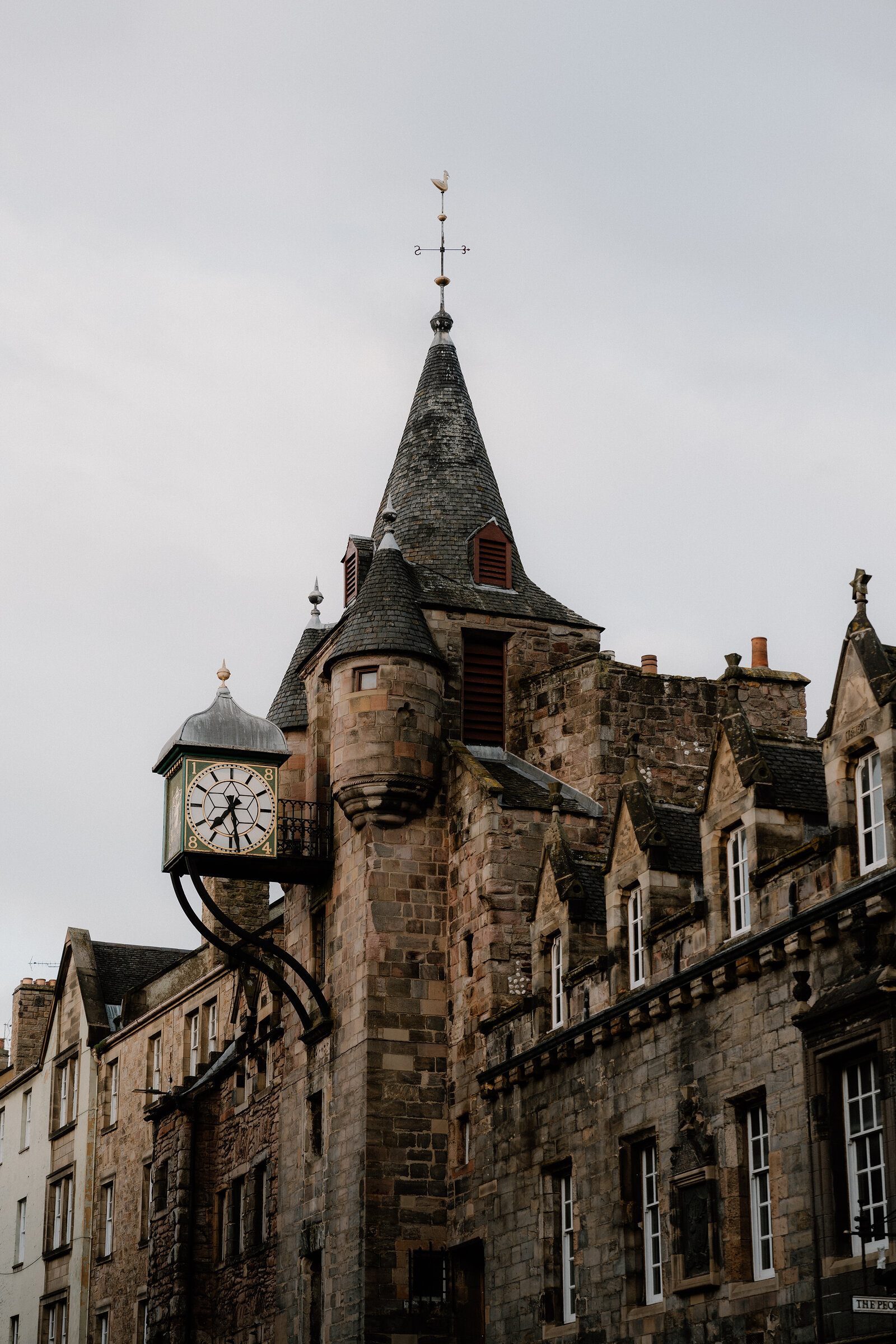
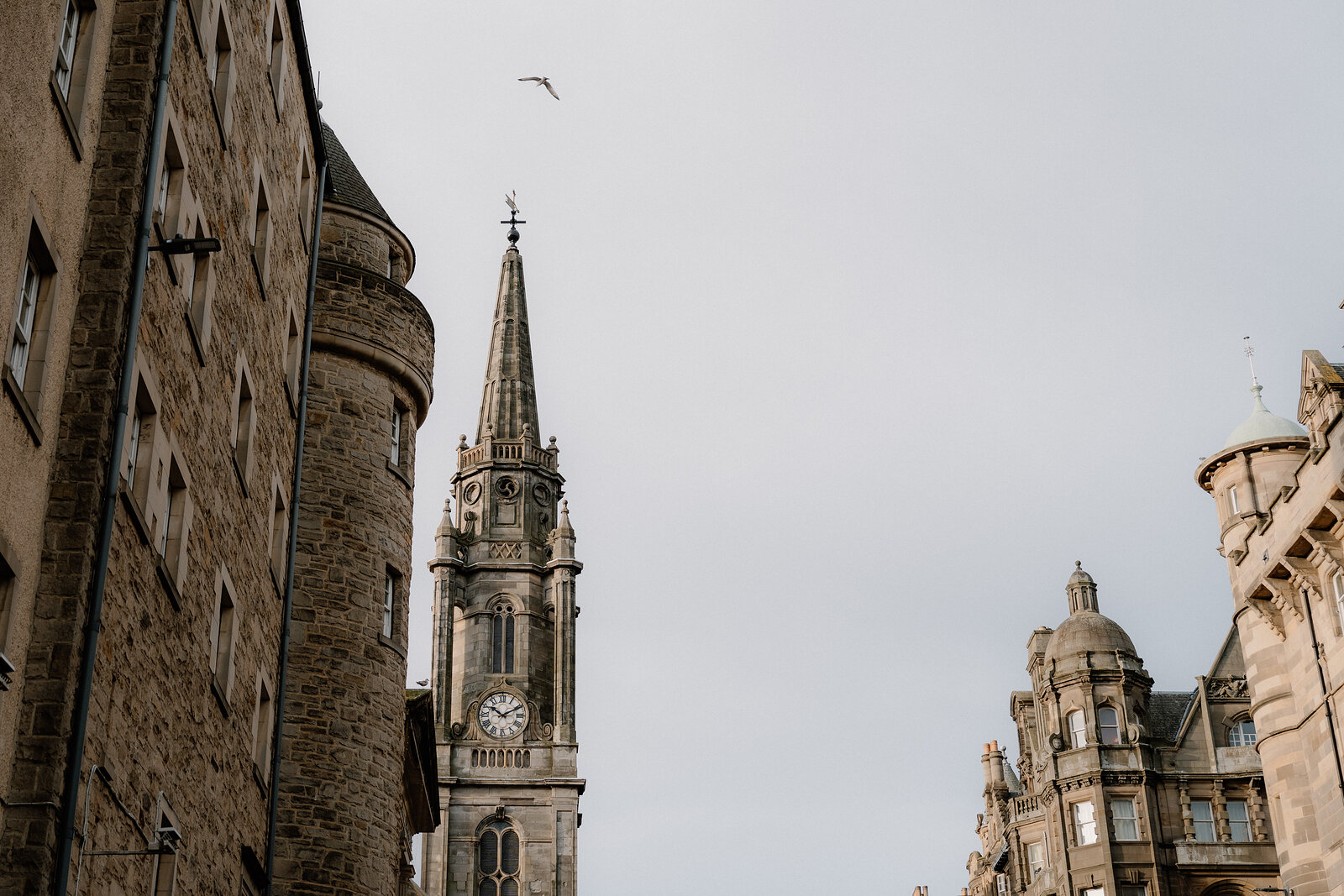
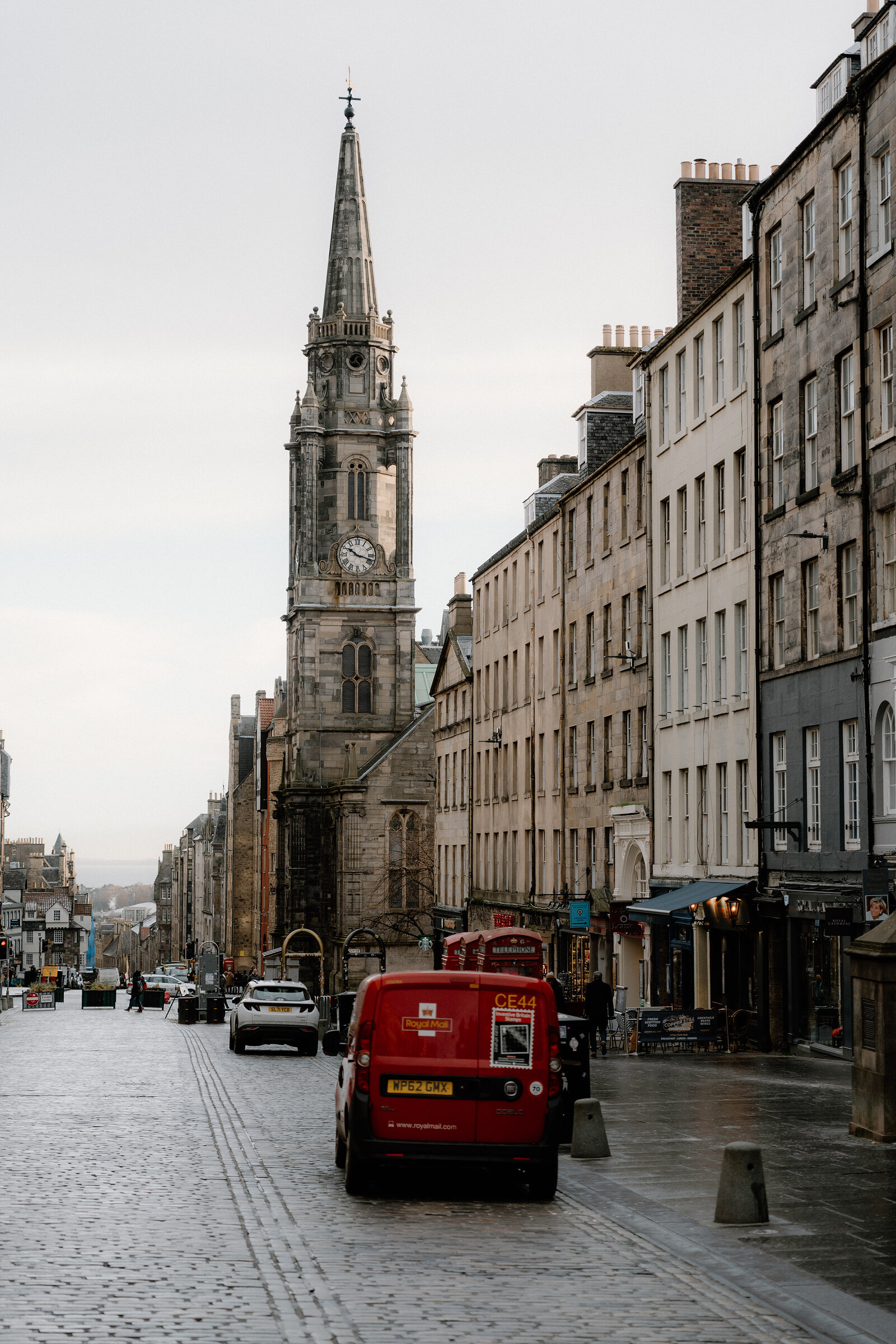
The Royal Mile runs along the spine of the ridge between tall stone tenements, their shopfronts at street level and their chimneys crowding the sky, past the spire of the Hub, the crown of St Giles' and the clock tower of the Tron Kirk.
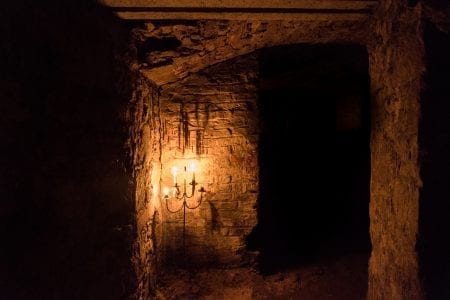
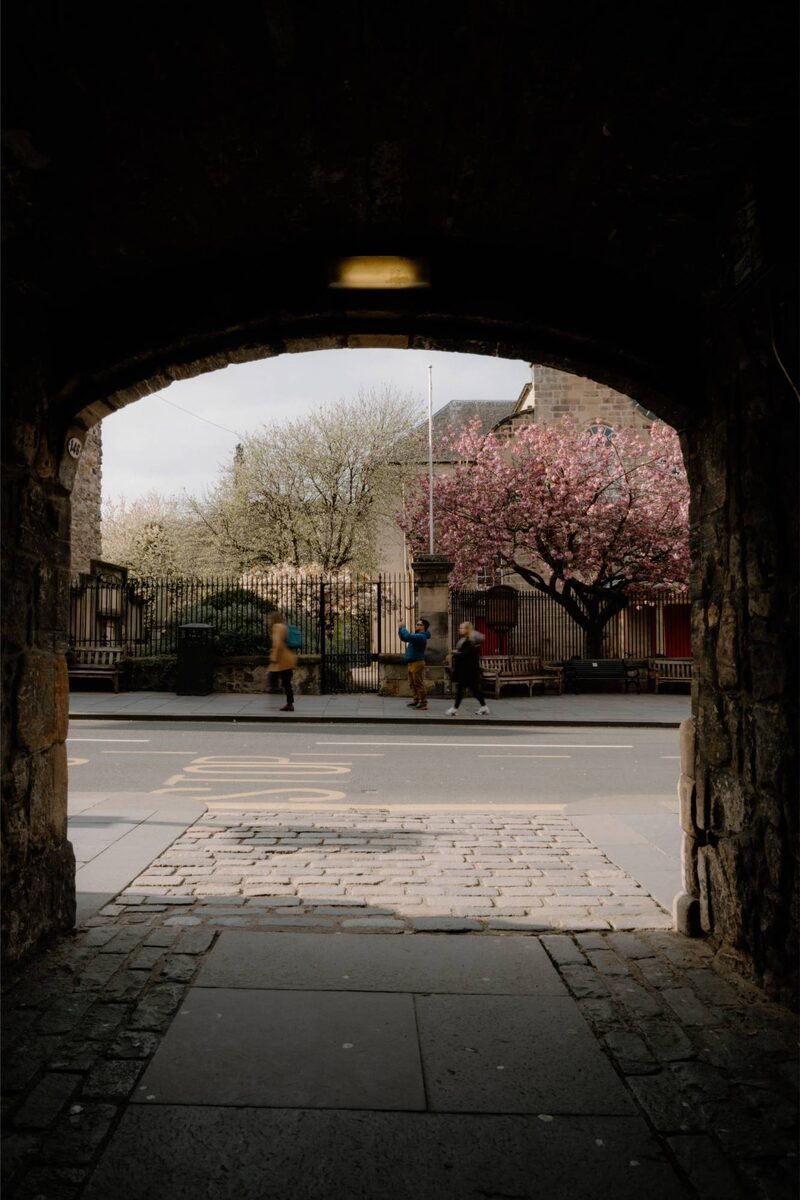
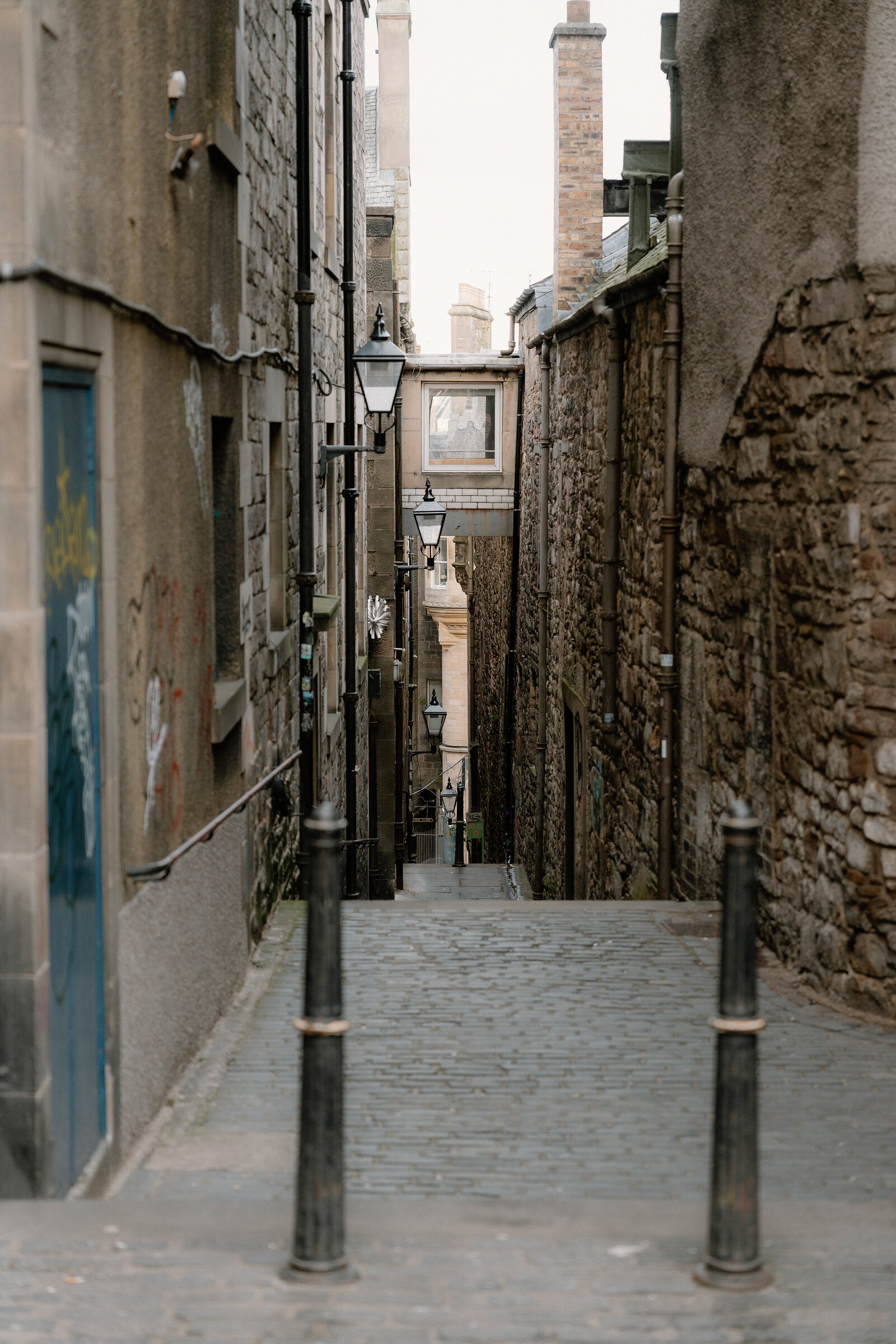
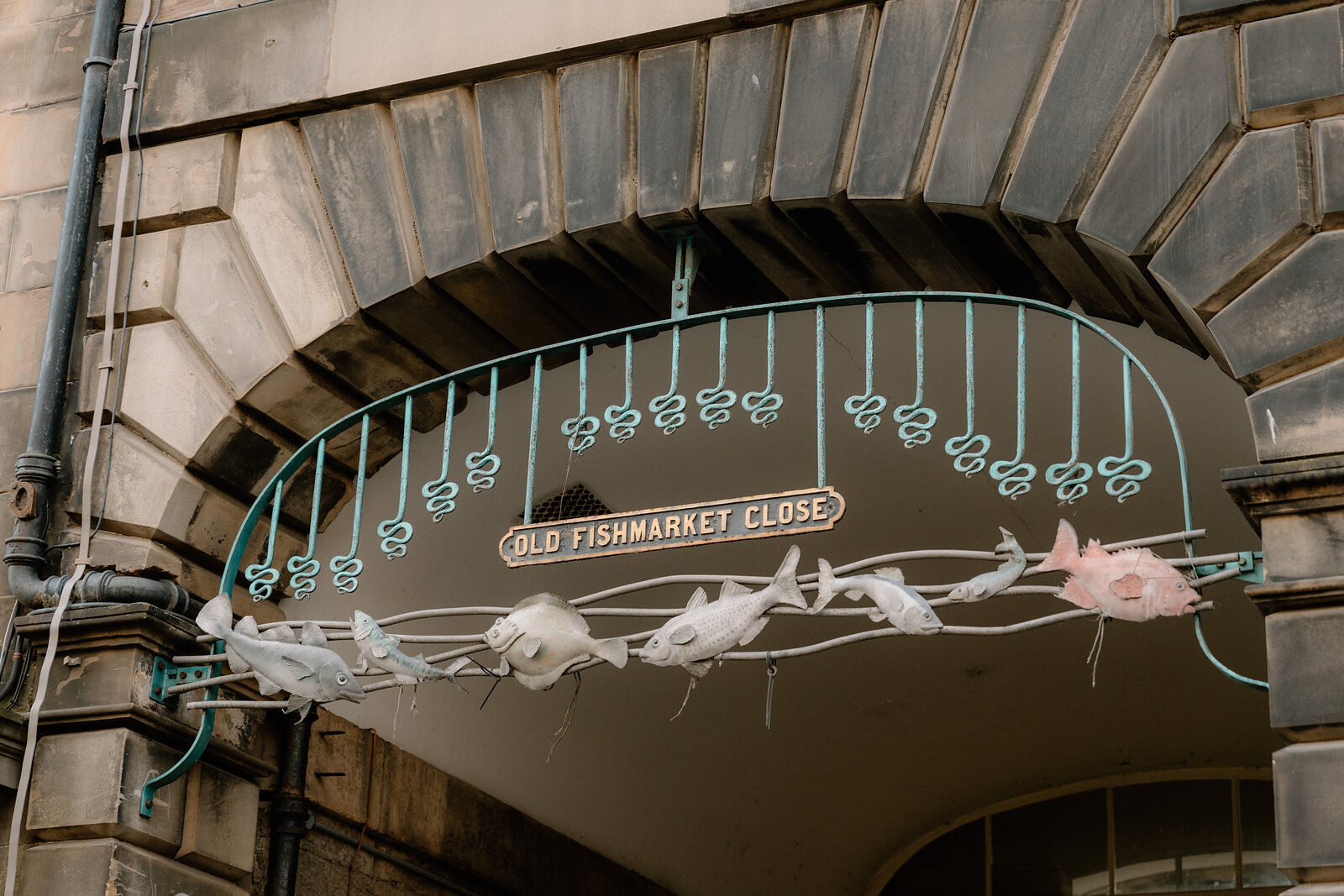
The street itself is only half of it. On either side, narrow closes and wynds drop away steeply through stone archways, some no wider than a doorway, lit by old lamps and opening now and then on a view over the rooftops. Old Fishmarket Close is hung with iron fish; Bakehouse Close leads into a cobbled courtyard. Take your time, duck into as many as you can, and keep going down to the palace at the foot.
Arrives at 5am every day.
A free morning email to see what’s on this week, catch up on what’s happening in Scotland and find somewhere new to go.
The Royal Mile is a public street, open at every hour.
It is downhill all the way from the castle to Holyroodhouse, so most people walk it from the top.
Been here? Tell others what you know, and the best go on this page with your name.
Add your reviewIn the Middle Ages the Royal Mile ran through two separate burghs, Edinburgh and the Canongate. Each needed its own church, tolbooth and market cross.
The Netherbow Port, halfway down the street, was the main way into the old city. It is recorded as early as 1369, and was rebuilt in 1606 with a spired clock tower.
The gateway for carts, horses and people was very small, not for defence but so that every taxed load had to come through it.
Taxes were lower in the Canongate, so Edinburgh folk went down through the gate for cheaper beer.
The magistrates had the Netherbow Port pulled down in 1764. After Culloden it was no longer needed for defence, and it was blocking the traffic.
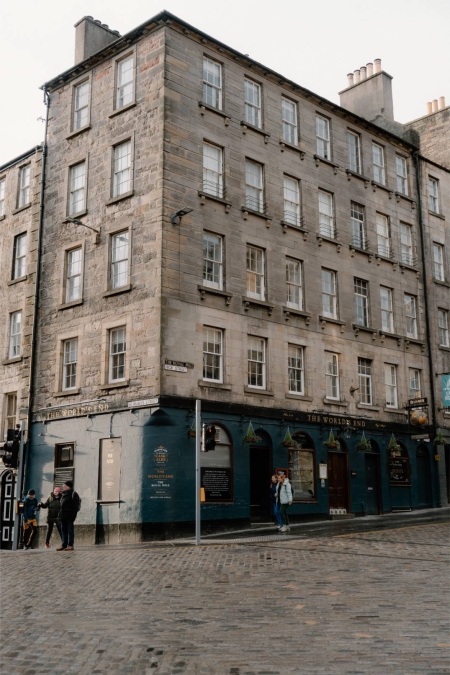
Brass setts in the road outside the World's End pub trace the outline of the old gate, and more further up, by the Heart of Midlothian, mark where the Tolbooth stood.
New places, news and stories, as we find them.
What is on in EdinburghThrough the Old Town, from Edinburgh Castle down to the Palace of Holyroodhouse.
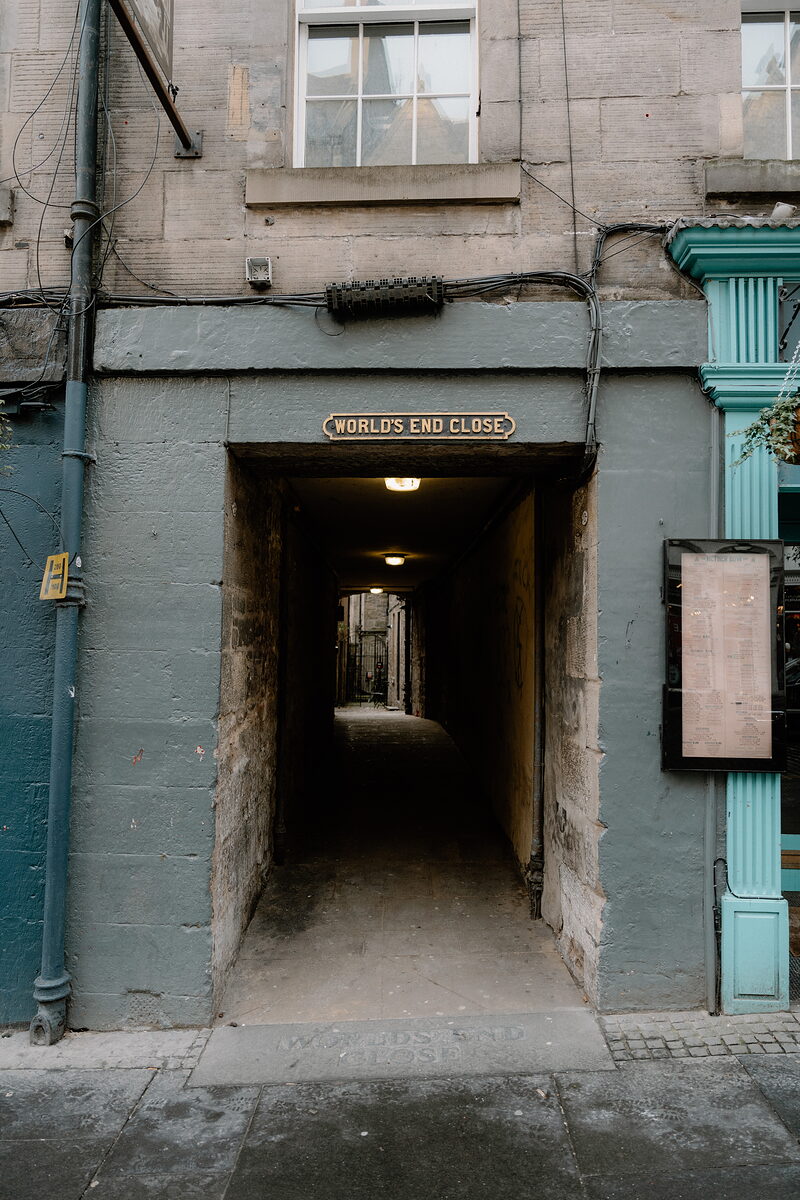 World’s End CloseA close once, quite literally, the end of the world for the city's poorest.Under a mile 1 min by road
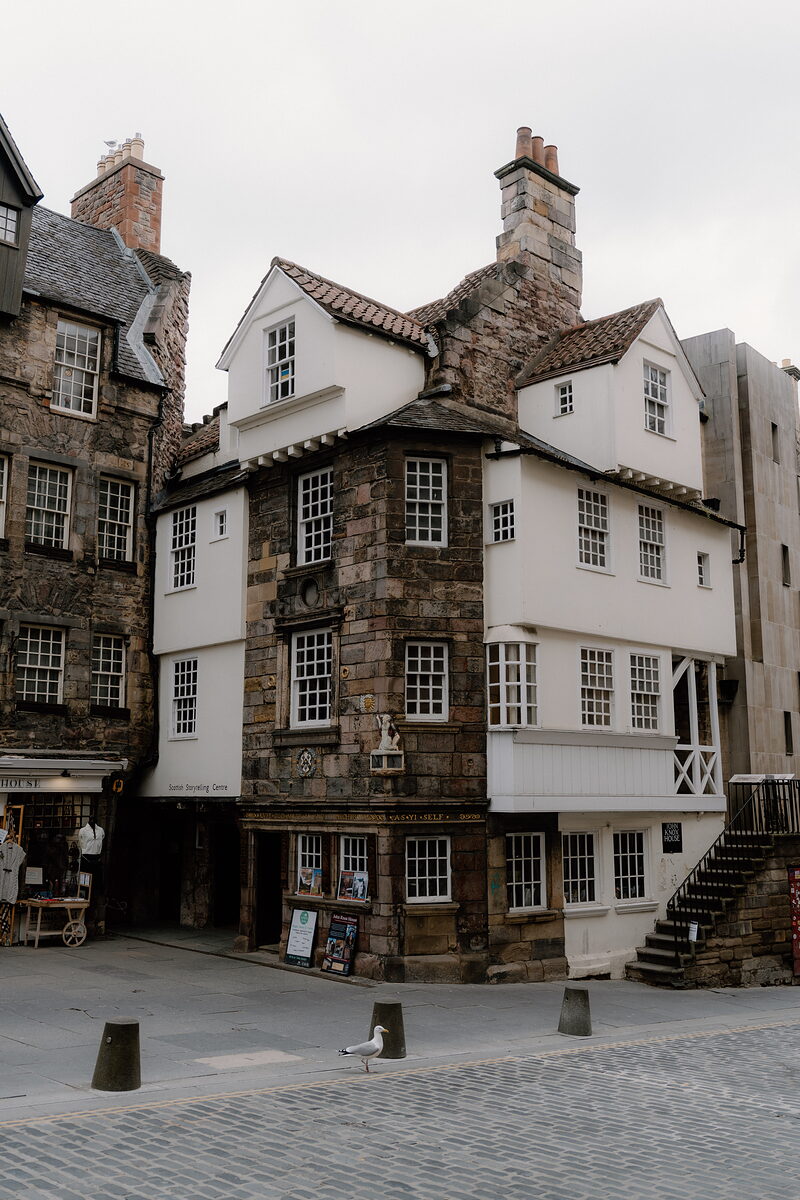 The Scottish Storytelling CentreAn Old Town arts venue for the Scottish art of telling a tale.Under a mile 1 min by road
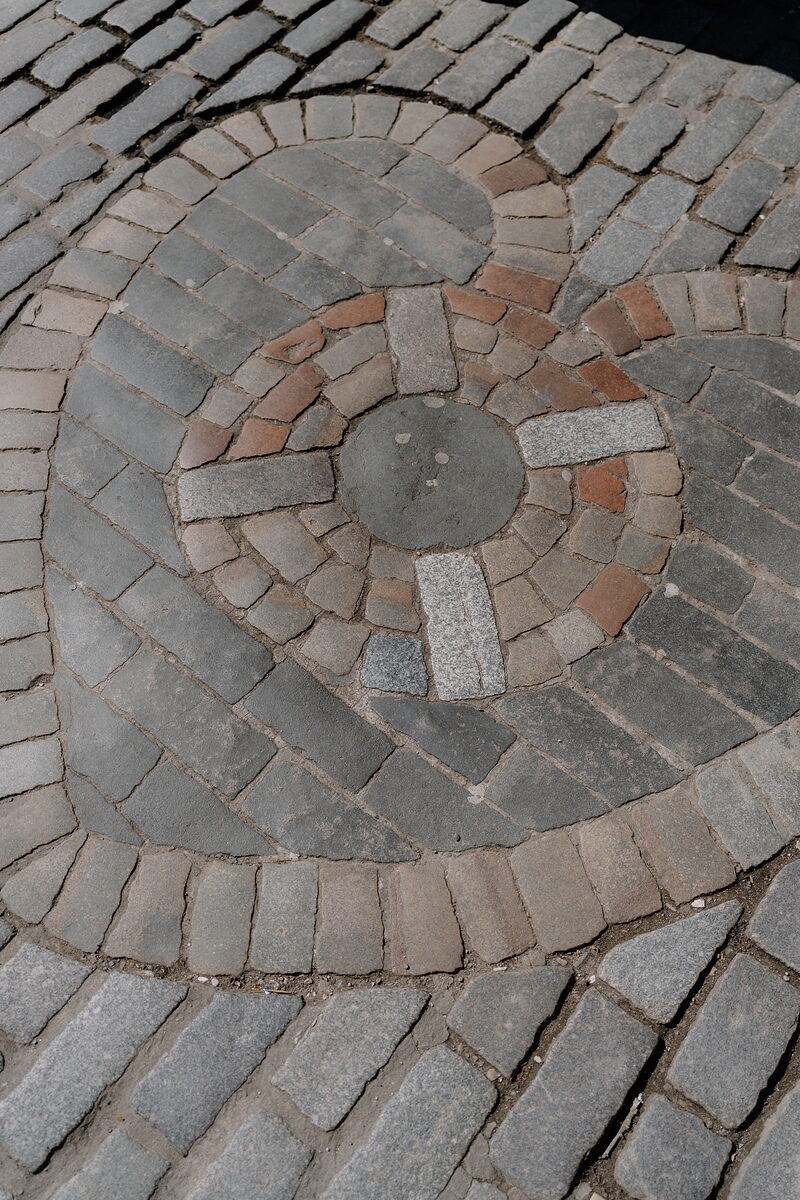 The Heart of MidlothianA heart set into the cobbles where the Tolbooth stood.Under a mile 3 min by road
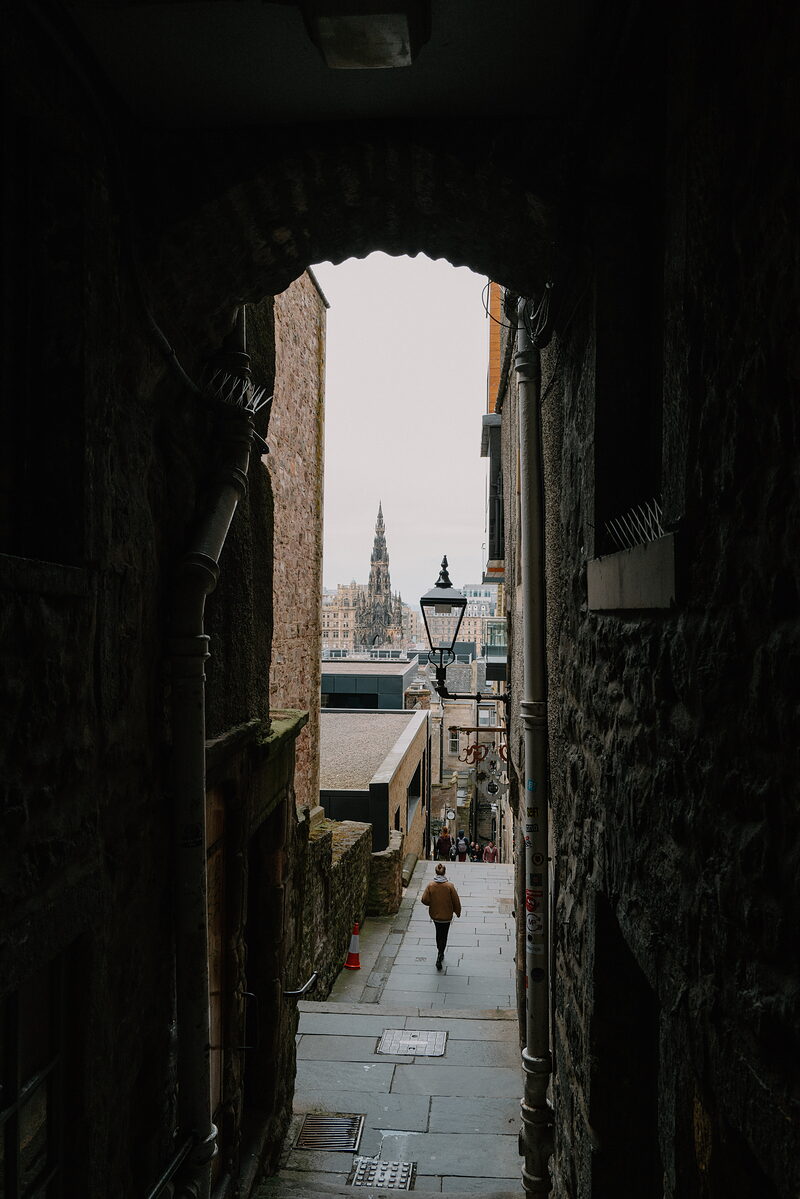 Advocate's CloseA steep close off the High Street, restored round its 16th-century houses.Under a mile 3 min by road
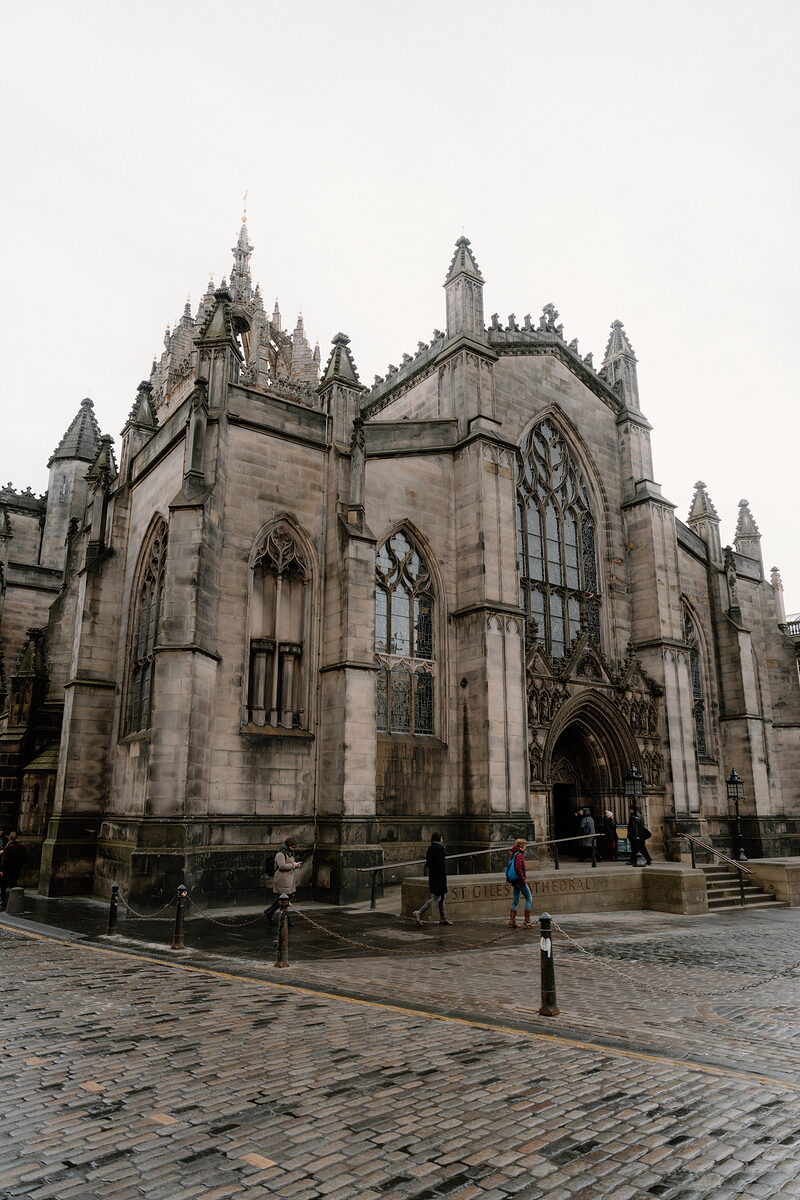 St Giles’ CathedralThe High Kirk of Edinburgh, founded in 1124 under its crown spire.Under a mile 3 min by road
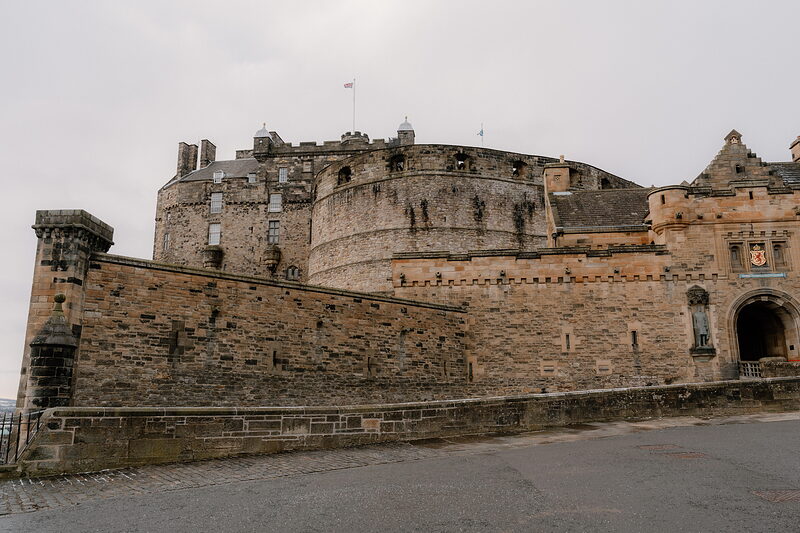 Edinburgh CastleThe royal castle at the top of the Mile, home of the oldest Crown jewels in Britain.1 mile 5 min by road
Places to stay near the Royal Mile, and when each is next free.
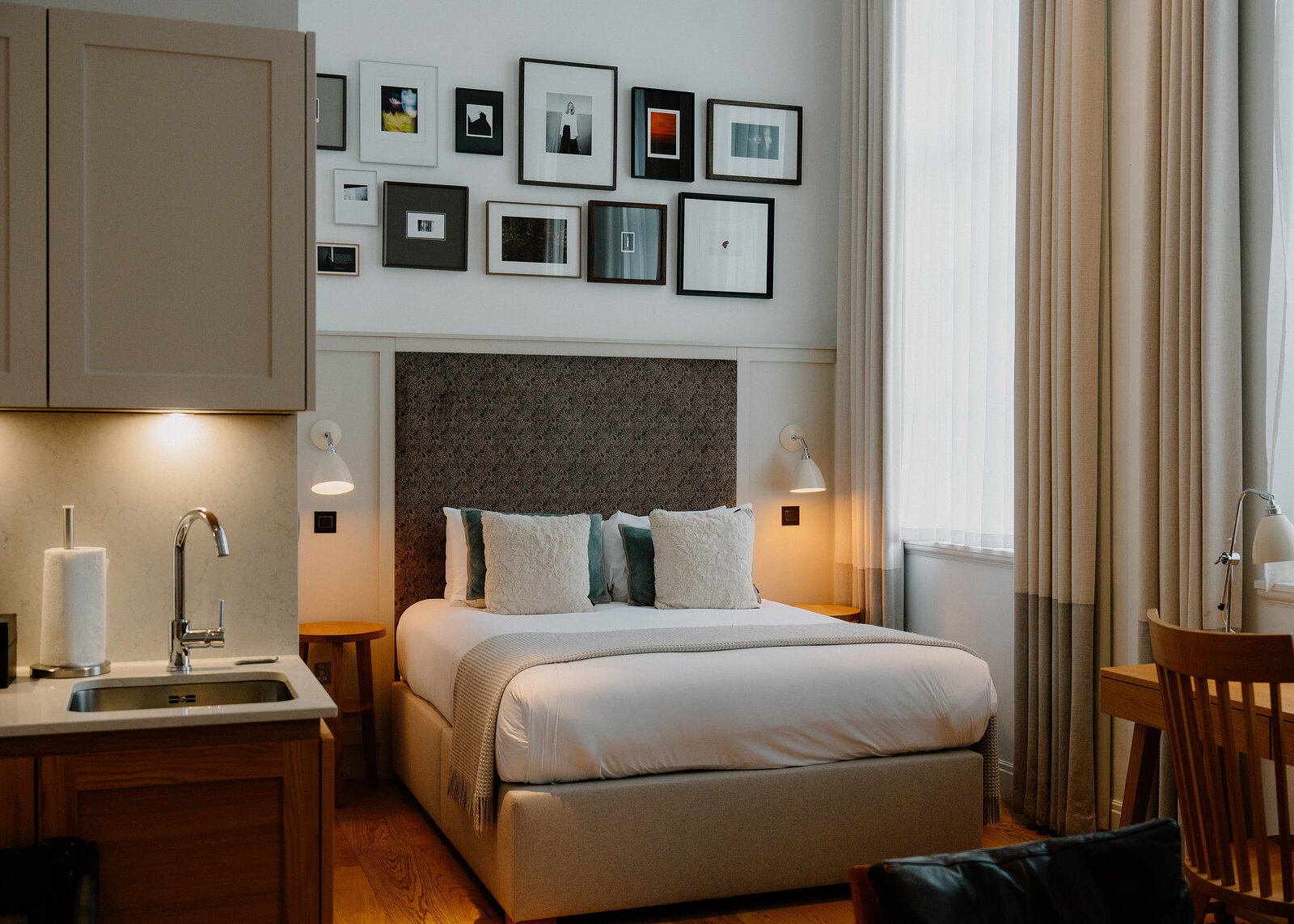 Old Town Chambers
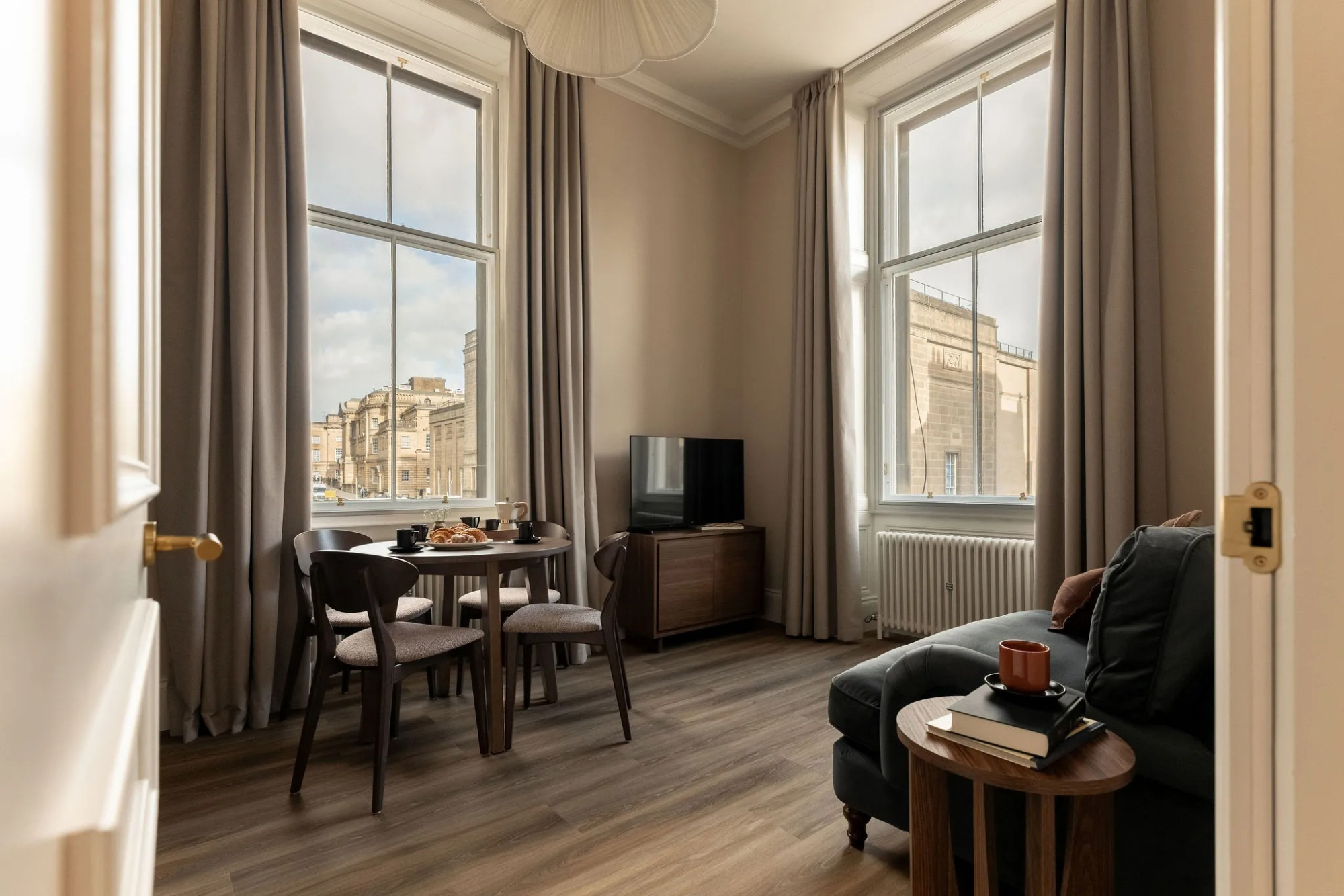 Moment George IV Bridge
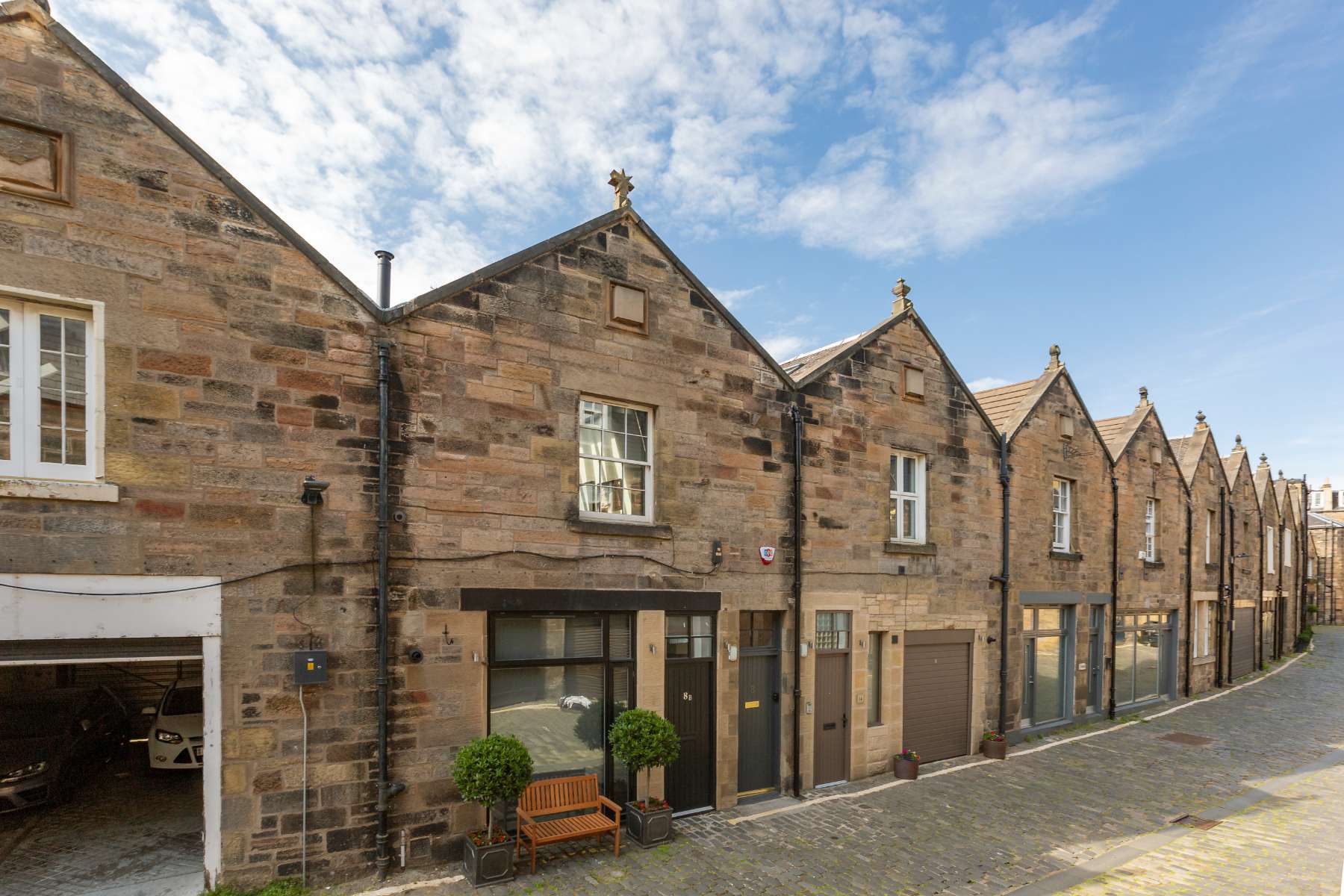 West End Muse
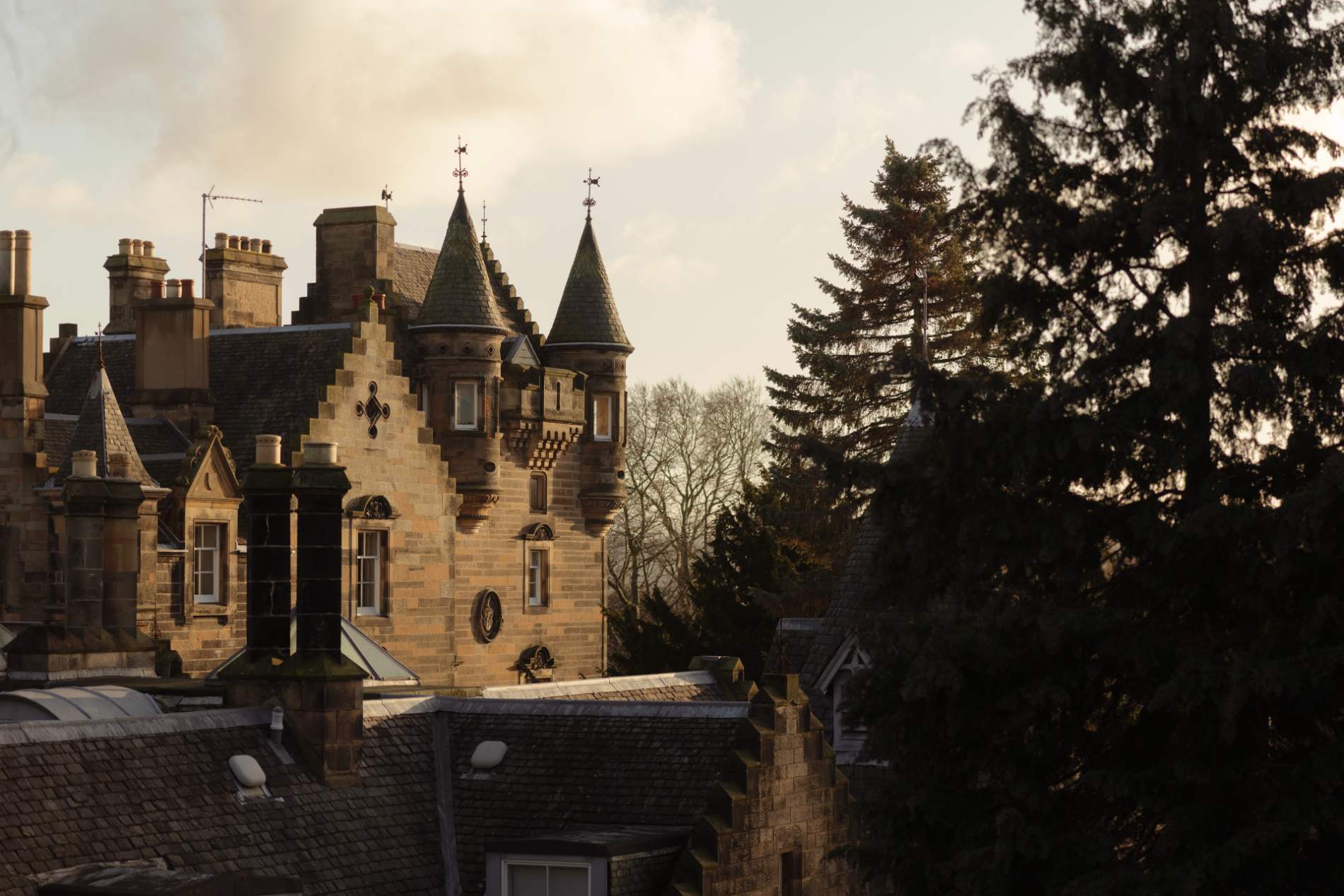 The Scott Hotel
We want to show you the best that Scotland has to offer. The makers and the creatives, the enduring experiences, the evocative tales, the concealed corners. The roads less travelled that take you to places that matter. The adventures that gather you up and sweep you away. The blend of the wild and the artistic that makes Scotland what it is. We’d love for you to join us.
What we have written about it and more in Edinburgh.
For further reading, before you go. The details on this page were checked on .