
Your Guide to Edinburgh’s Neighbourhoods
Edinburgh is a place that isn’t easily contained by the frameworks of a neighbourhood map, with districts that have a tendency to spill into and across each other. Among it all, however, there’s a sense of geographical order, and this guidebook has curated the best of the city across six key areas.

Most cities divide neatly into neighbourhoods. Edinburgh doesn’t. It climbs, dips, squeezes, and stretches in a way that takes time to read. The differences between areas aren’t just visual—they’re historic, architectural, sometimes personal. For a visitor, that can be part of the appeal, but it helps to have a sense of where things begin and end.
This section introduces six areas to help you get your bearings. You’ll start with the obvious ones—the Old Town, where the castle looms above a maze of alleys and tenements, and the New Town, with its broad streets and Georgian order. From there, things widen out: Stockbridge, low-key and local, where the Water of Leith curves past cafés and second-hand bookshops; Leith, once its own town, now a portside mix of food, art, and regeneration.
Further south, the Southside pulls in students, green spaces, and quiet pockets that feel less tourist-tuned. And just west of the centre, the West End offers a mix of culture and comfort—less crowded, but still central.
Each area has its own tempo. You can cross from one to the next in 20 minutes, but you’ll feel the change. This guidebook doesn’t aim to list every street or café, just to give you a sense of where you are when the map stops making sense.
Use it to plan. Or don’t. Some of the best bits are just off the route you thought you were taking. Edinburgh rewards wandering—just keep walking and you’ll start to see how it all fits together, even if it takes a few days.
And when you think you’ve worked it out, the light will change, or the rain will start, and it’ll all shift again.
Old Town
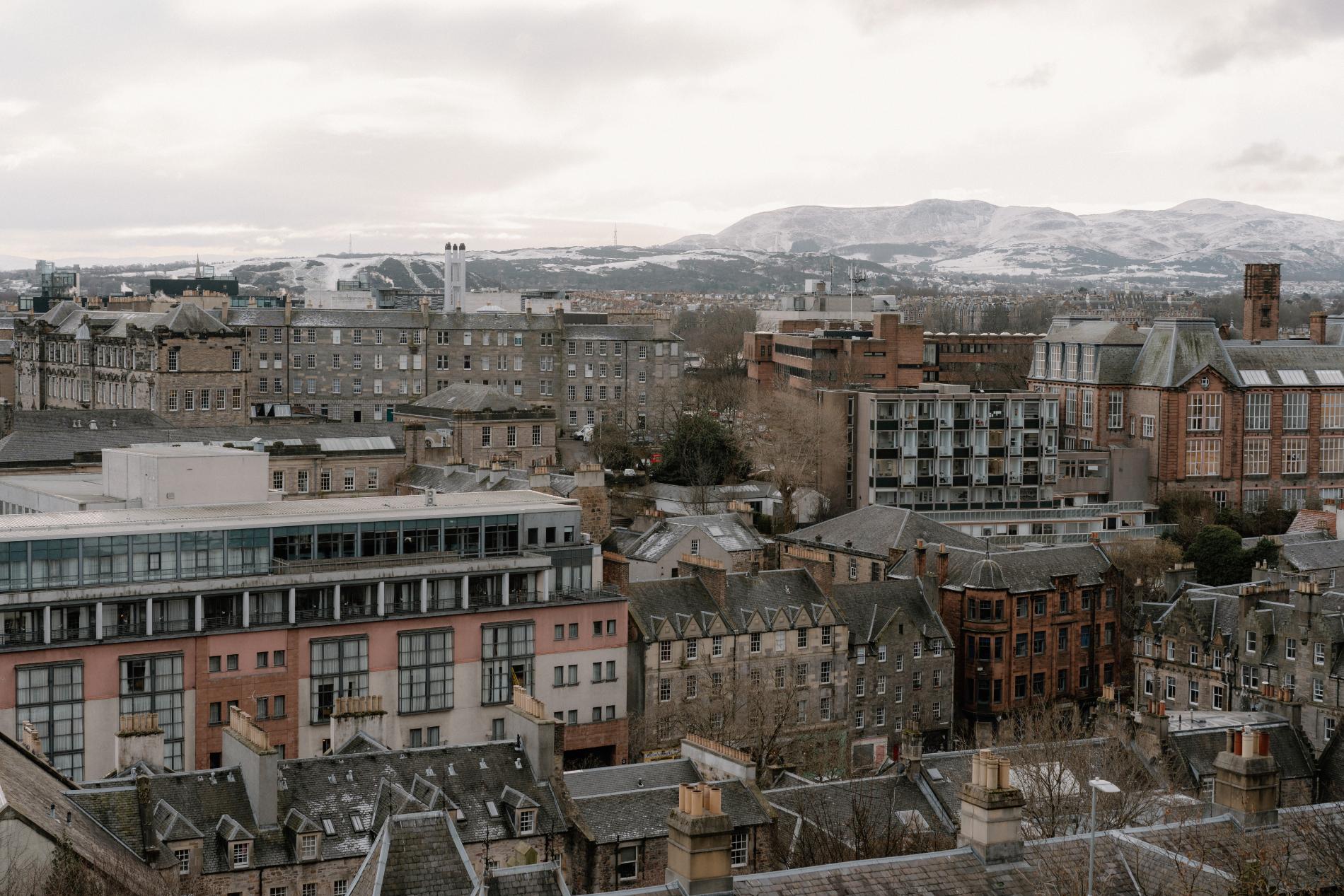
The Old Town is Edinburgh’s oldest quarter, built along the spine of an extinct volcano and shaped over centuries without much planning. It’s compact but layered, with streets that double back on themselves and stairways that drop suddenly into new levels. If you’re arriving for the first time, this is likely where you’ll begin—and even after a few days in the city, you’ll still find new corners here.
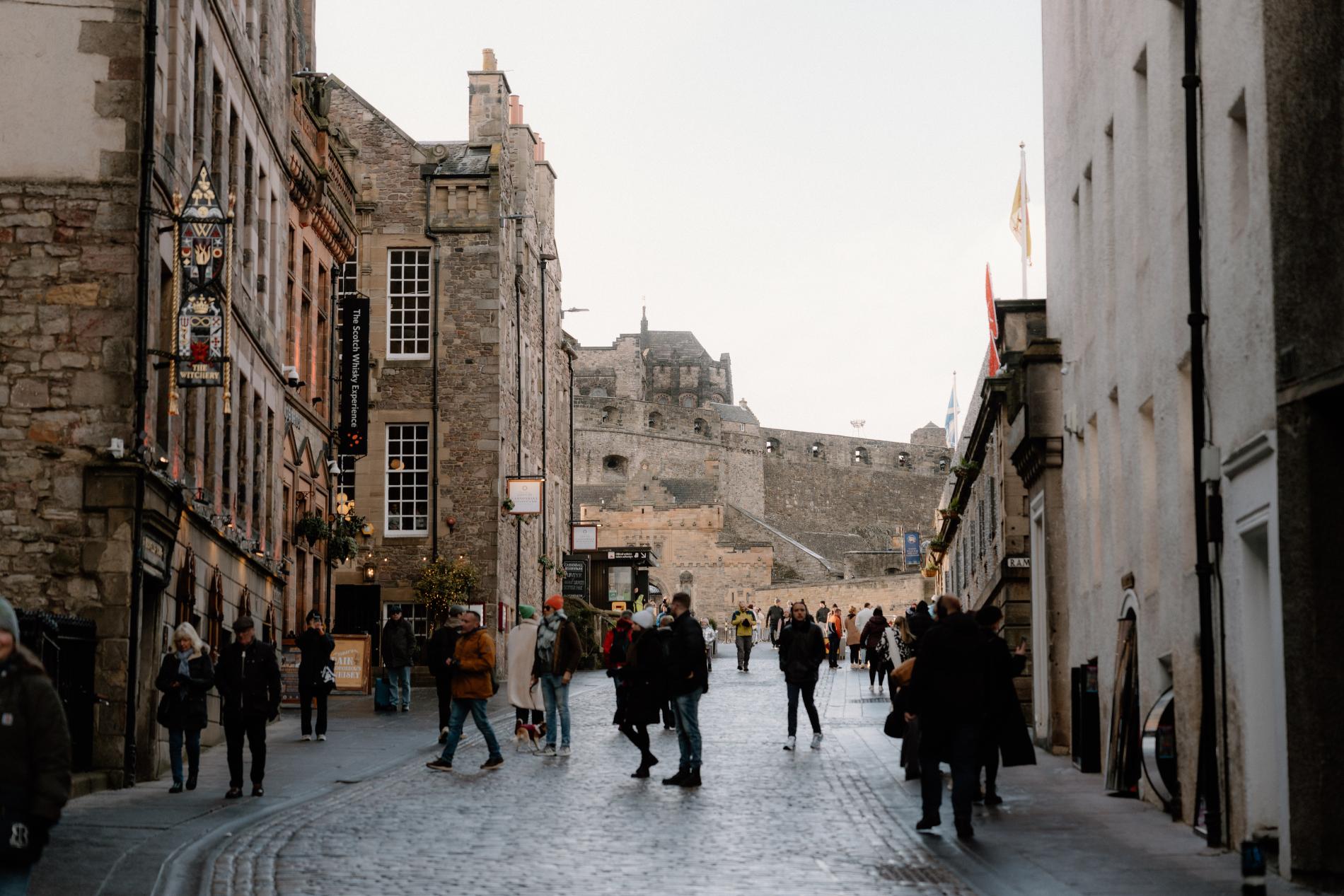
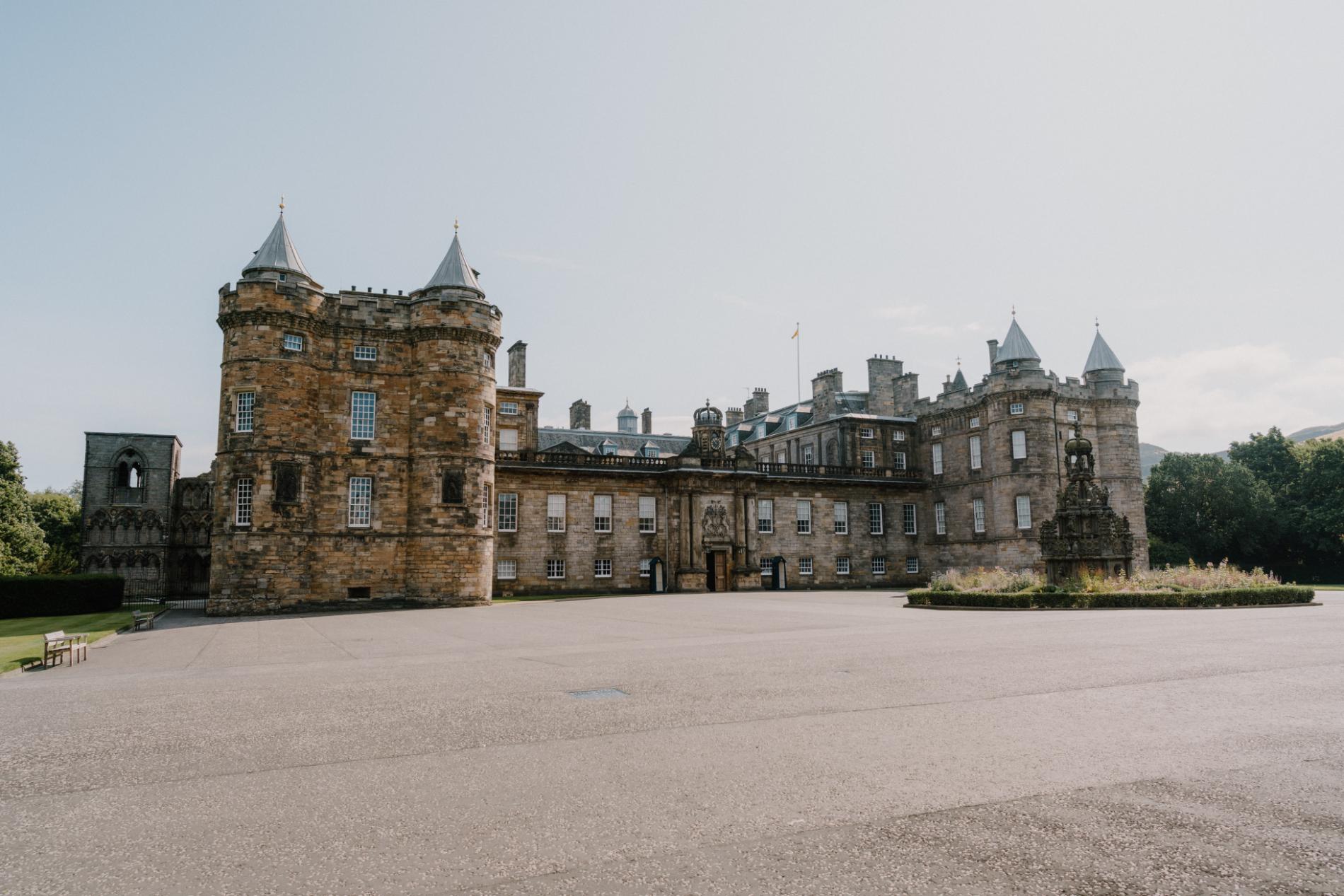
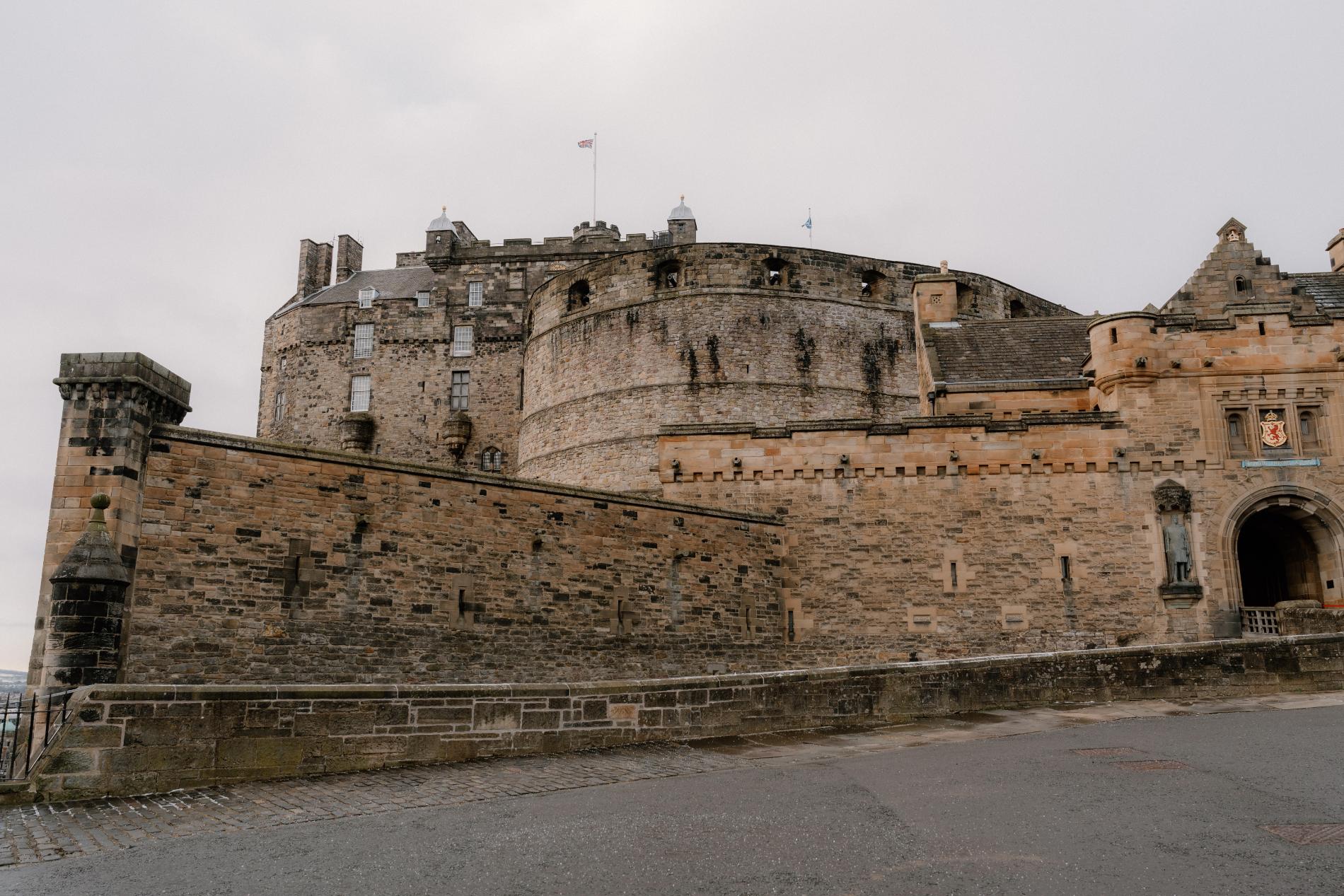
At the centre is the Royal Mile, running from Edinburgh Castle at the top to the Palace of Holyroodhouse at the bottom. That stretch is well-trodden, especially in August during the Fringe, but it’s worth exploring early in the day or later in the evening, when it’s quieter and easier to see the stonework, hear the sound of footsteps, and follow the skyline.
Step off the Royal Mile and things get more interesting. Closes and wynds—narrow lanes—lead to hidden gardens, courtyards, and pubs that look unchanged in decades. Look up and you’ll see how buildings were stacked on top of one another as the city grew upwards in the 1600s. Some tenements are still lived in. Others hold museums, whisky shops, and souvenir places. Don’t let the tourist sheen put you off—there’s real history behind the signage.
Places like St Giles’ Cathedral, John Knox House, and Canongate Kirk help anchor the past, but the real impact of the Old Town comes from walking it. Take it slow. The stones are uneven and the stories come in layers.
New Town
The name might mislead. Edinburgh’s New Town was new in the 18th century—built as a response to the cramped and crumbling conditions of the Old Town across the valley. Today, it offers a very different experience: wider streets, Georgian symmetry, and a feeling of space that still feels deliberate.
You’ll notice the contrast immediately. The layout is planned. Buildings match. There’s air between them. Walking along George Street, Queen Street, or Princes Street, you see the city through the lens of Enlightenment ideals—order, light, and civic pride. It’s still the commercial heart of the city, with shops, restaurants, and offices lining the main thoroughfares, but the atmosphere is more measured than frantic.
Behind the main streets are quieter patches worth exploring. Thistle Court, Moray Place, and Charlotte Square offer some of the best-preserved Georgian architecture in Britain. The doors are bold. The fanlights catch the sun. And the private gardens hint at the wealth that shaped this part of Edinburgh.
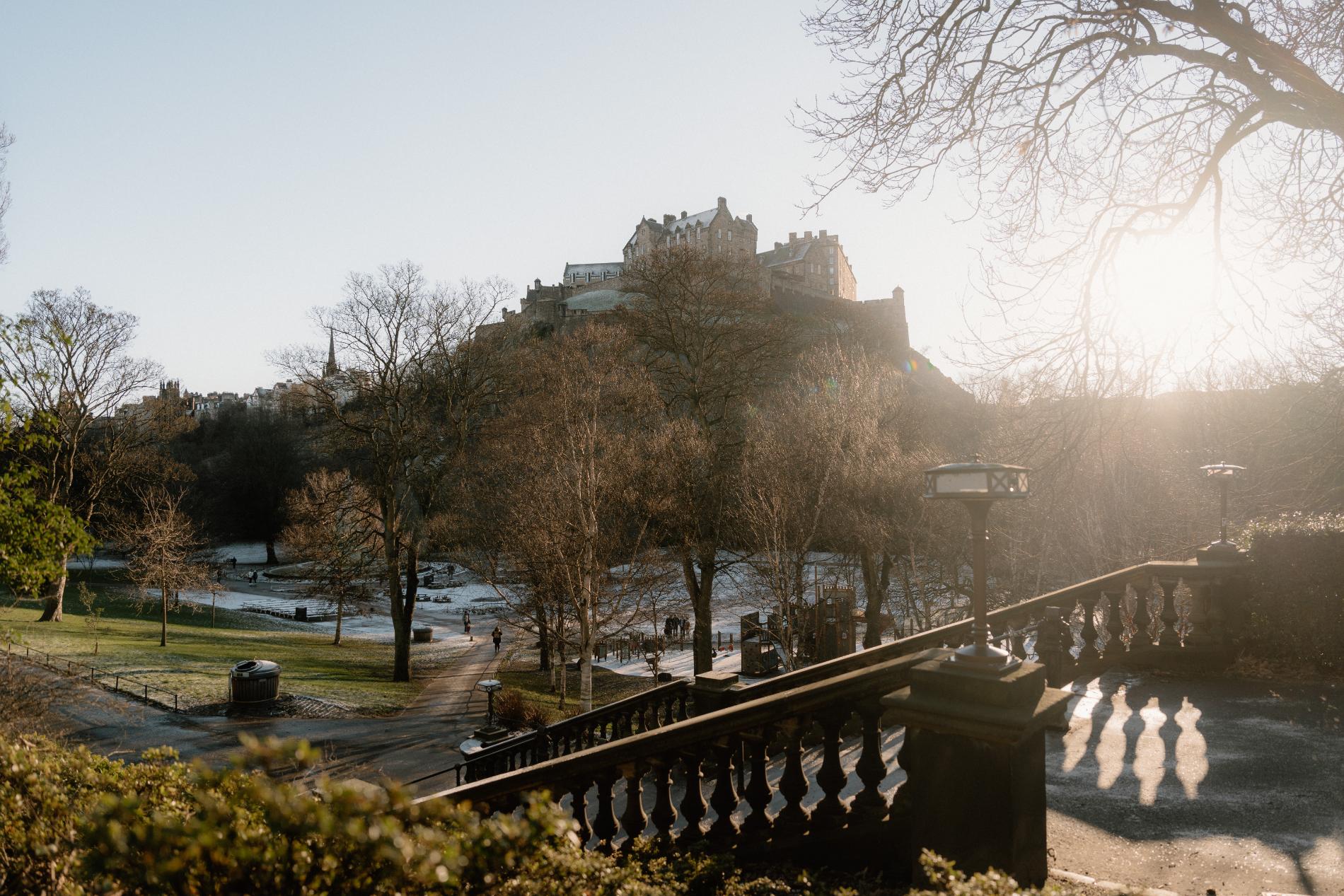
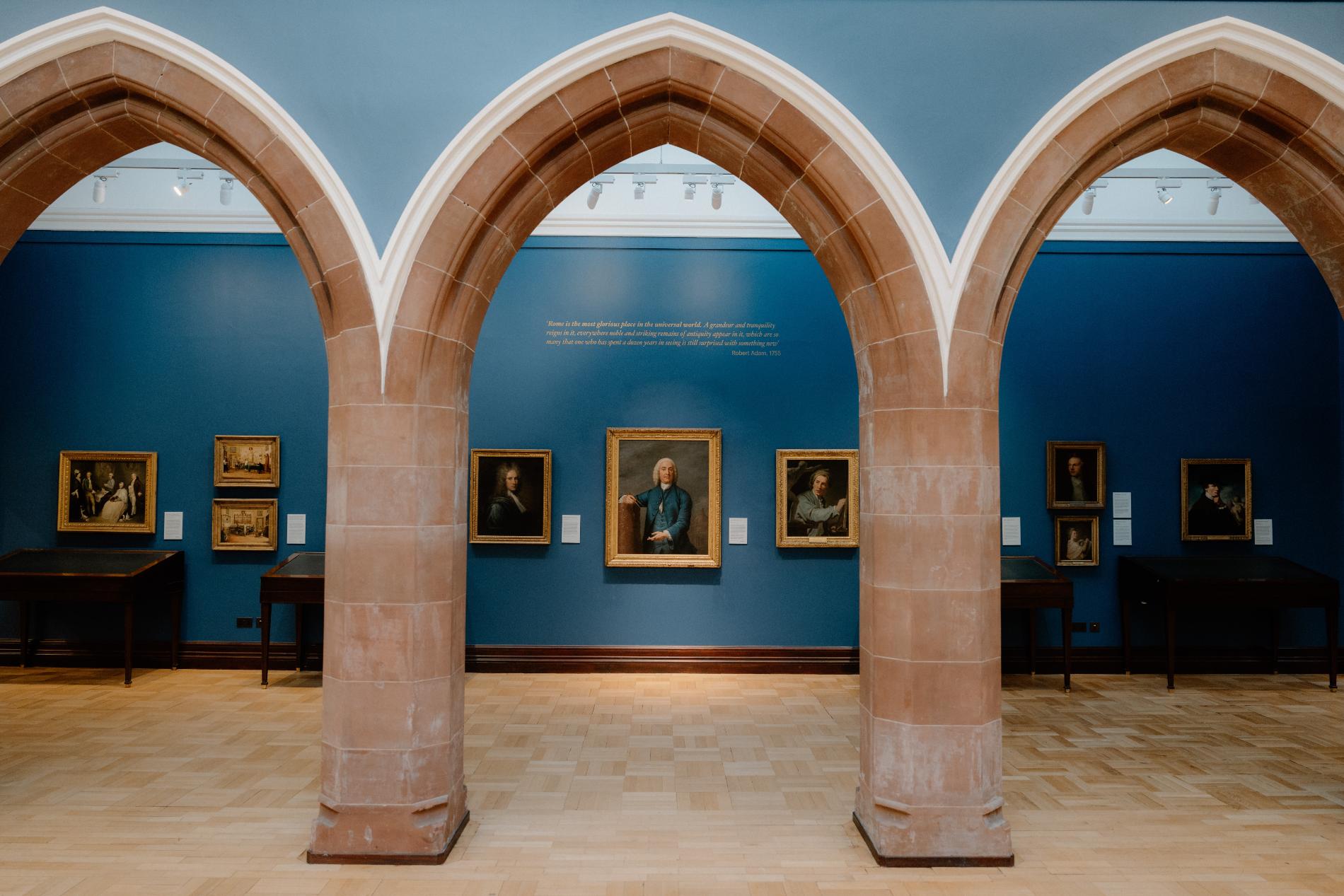
There’s culture here too. The Scottish National Portrait Gallery sits on Queen Street. Downhill, Princes Street Gardens offer a green corridor between the New and Old Towns. At the far end, you’ll find Calton Hill, with its monuments and open views back across the grid of stone below.
While the Old Town is dense and weathered, the New Town feels precise and outward-looking. It’s a place to walk in straight lines for a change—and maybe stop for coffee somewhere where the tables are set just so.
Stockbridge
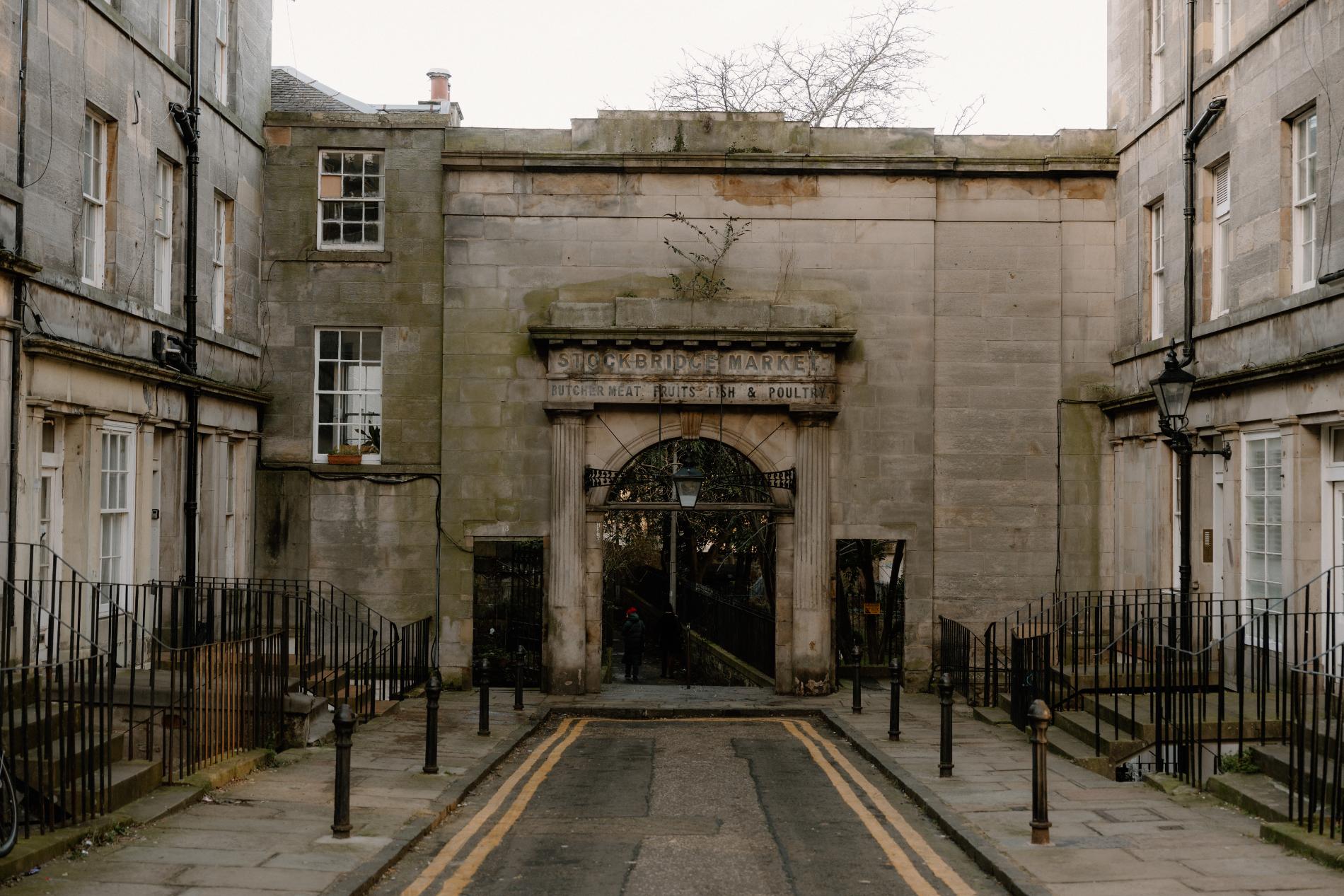
Just north of the New Town, Stockbridge feels like a shift in pace. The grid disappears, replaced by narrower streets, small bridges, and the slow flow of the Water of Leith. It’s a lived-in part of the city, with a strong local feel, but it’s easy for visitors to slip into. You’ll find everything close together: cafés, bakeries, pubs, galleries, and one of the best bookshops in town.
This was once a separate village, absorbed into the growing city in the 19th century. It still carries that feel. Terraced townhouses line the streets. People stop to chat at the market on Sundays. Children feed ducks at St Bernard’s Well or play by the river path. It’s not built for tourists, which makes it one of the easiest places to spend time.
The Royal Botanic Garden Edinburgh sits just on the edge—free to enter and well worth an hour or two, especially in spring and autumn. The Water of Leith walkway runs right through the neighbourhood, connecting Stockbridge with Dean Village and Leith if you want a longer walk. There are a few quiet museums nearby, too, like the Scottish Gallery of Modern Art and Inverleith House.
Stockbridge doesn’t have big landmarks or set-piece attractions. It works best as a place to pause. Pick up cheese or pastries from a local shop. Sit by the river. Read the signs outside the charity bookshops—sometimes they’re more revealing than the museums. You won’t be the only visitor, but you might feel like one of the few who stopped long enough to take it in.
Southside
Cross to the other side of the Meadows and Edinburgh softens. The Southside isn’t made for postcard photos—there are no castles or bold boulevards—but it’s one of the city’s most lived-in quarters. For visitors, that makes it a useful and often overlooked area. You’re close to everything, but the pace is different.
This part of town has long been shaped by students. The University of Edinburgh has buildings scattered throughout, some in converted tenements, others in modern blocks. That brings a casual energy to the streets—plenty of cheap food, second-hand shops, late-night takeaways, and the occasional poetry night or poster-strewn gig venue. It’s messier than the New Town, but more relaxed.
The Meadows, one of the city’s largest green spaces, runs through the heart of it all. In summer, it’s a stretch of barbecues, frisbees, and guitars. In winter, it’s quieter—just dog walkers, runners, and people cutting across on their way home. On the east side, Arthur’s Seat starts to rise behind Holyrood Park, reminding you how close the wild edges of the city really are.
The Southside is also home to theatres and venues used during the Edinburgh Festival Fringe, especially around Summerhall and The Pleasance. Outside of August, these places return to their regular rhythms—student performances, experimental shows, pub quizzes, and locals queueing for falafel.
There’s no single landmark that defines the Southside, but it’s where many visitors find themselves at some point—either staying nearby or walking through. It doesn’t try too hard to impress. That’s part of its usefulness. It lets the rest of the city stretch out around it.
West End
Tucked between the New Town and Haymarket, Edinburgh’s West End is easy to overlook at first. It’s quieter than it should be for its location, with crescents and terraces that feel slightly out of view. But for those staying nearby—or anyone willing to wander slightly off-centre—it offers a calm, refined corner of the city with its own rhythm.
You’ll notice the architecture straight away. This was part of the New Town expansion in the 19th century, and it shows. Georgian townhouses line the streets, many of them converted into hotels, offices, or elegant flats. The details are subtle—cast iron railings, fanlights above the doors, private gardens hidden behind hedges. It feels less tourist-travelled, but still central enough to reach the sights on foot.
Culturally, the West End has depth. The area around Shandwick Place and Queensferry Street leads you into smaller theatres, music venues, and galleries. You’re only a short walk from The Usher Hall, Traverse Theatre, and Filmhouse, though some of these may shift depending on renovation or funding. Keep an eye on posters and local listings—there’s usually something worth seeing.
There’s good eating here too. Small cafés and modern Scottish restaurants sit alongside cocktail bars and pubs that lean more local than themed. For shopping, it’s more boutiques than brands—independent interiors, books, and vintage finds.
It’s also a useful place to stay. Haymarket Station is nearby. Trams run to the airport. And the city centre is just ten minutes away on foot, but far enough to avoid the crowds.
In short, the West End rewards people who walk a little further, turn a corner, and notice what’s there. It doesn’t shout for attention—but if you’re looking for a quieter base or a slower afternoon, this is where you’ll find it.
Leith
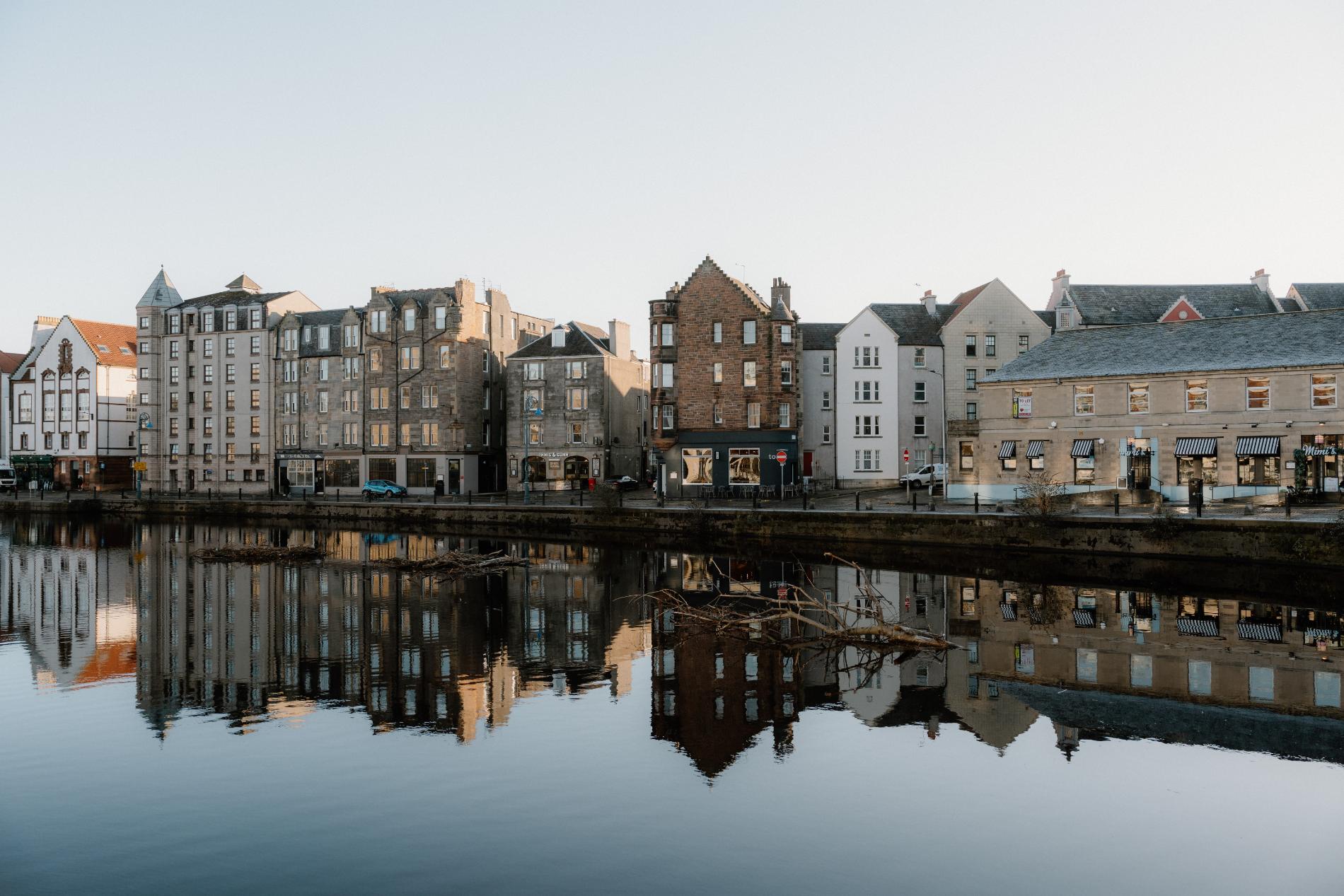
Head north and you’ll hit water. Leith was once Edinburgh’s main port—independent, industrial, and for a long time, left to decline. But that’s changed. In the last two decades, it’s gone from neglected to reimagined, and while some locals worry about how fast it’s shifted, there’s no denying it’s become one of the most interesting parts of the city to visit.
At the centre is The Shore, a dockside stretch lined with restaurants, bars, and converted warehouses. It’s easy to spend a full afternoon here—wandering the cobbles, sitting out by the water, watching the light change. Leith’s food scene has made its name here, from Michelin-starred institutions to ramen joints and sourdough bakeries. If you’re after somewhere to eat or drink that feels local but ambitious, this is where to look.
But Leith isn’t just one square. Keep walking and it widens. The Water of Leith Walkway threads through the area, offering a green corridor that connects to Stockbridge and Dean Village if you keep going. The Leith Walk itself is more hectic—lined with shops, barbers, grocers, tattoo studios, and pubs—but gives a clearer picture of the area’s energy.
At the far end, you’ll find Ocean Terminal and The Royal Yacht Britannia, now permanently docked. That side feels more commercial, but still part of the wider patchwork.
Leith’s appeal lies in its contrasts. Gentrified but still gritty. Historic but changing fast. You don’t need a list of things to see—just time to walk, eat, and take it in. If you want to see where Edinburgh is going, not just where it’s been, start here.
Promoted Post
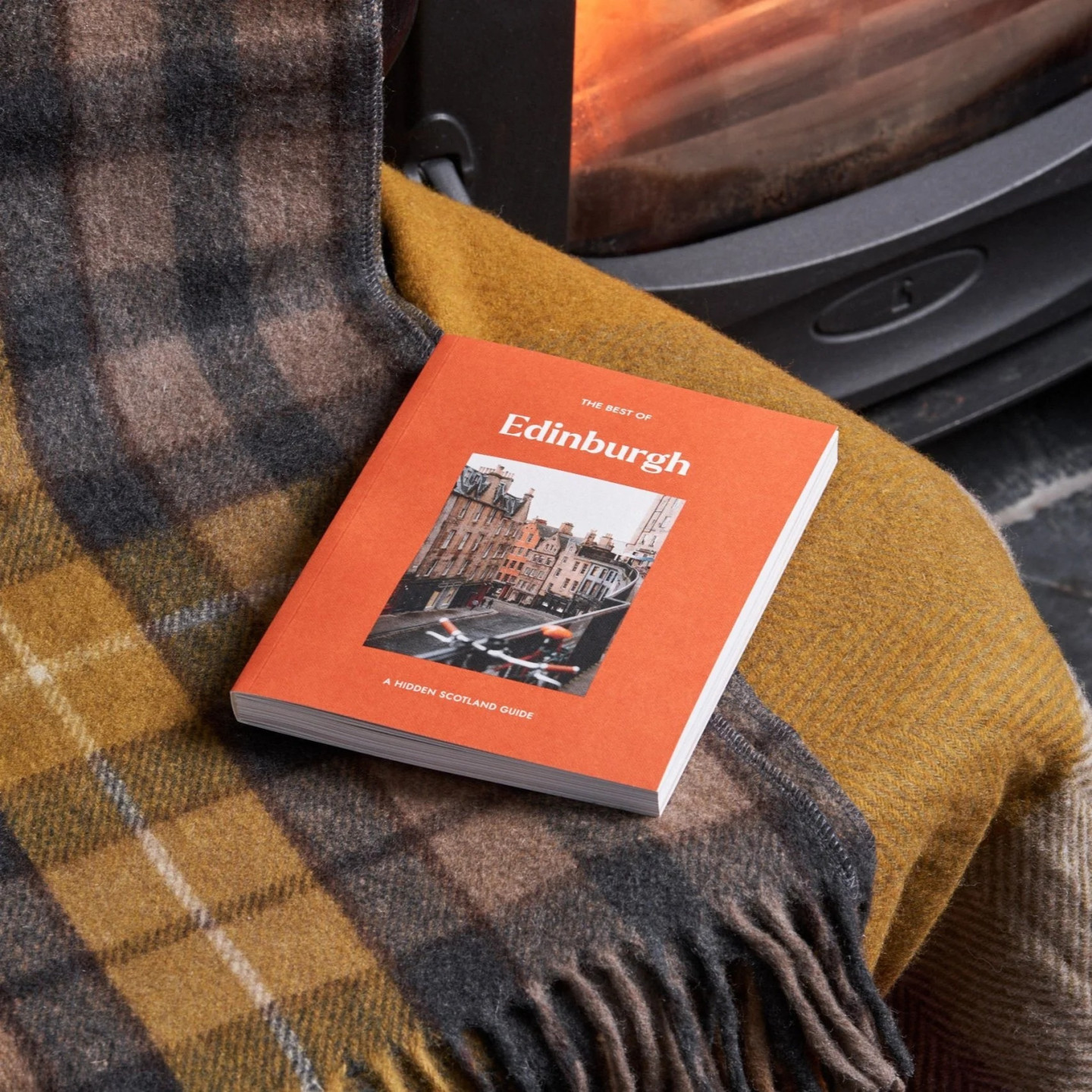
Issue 12 is now shipping worldwide from Scotland.
Issue 12 is now shipping worldwide from Scotland.












 Sign in with Google
 Sign in with Email