
The Best Boutique Hotels in Scotland
A handpicked collection of Scotland’s most distinctive boutique hotels, from lochside retreats to city hideaways. Each stay offers character, comfort, and a strong sense of place, wherever you’re headed.

Written by Hidden Scotland

‘Boutique’ means different things to different people. For some it’s four rooms and a handwritten breakfast menu. For others, it’s polished interiors, a wine list with depth, and staff who know when to appear and when to leave you be. In Scotland, it can be all of the above. Sometimes in the same place.
The country’s best small hotels are less about uniform standards and more about individual perspective. A reimagined farmhouse on a Highland estate. A lochside inn with a serious kitchen. A city townhouse with soft lighting, scalloped headboards, and a rooftop bar that catches the end of the day. The variety is the point. Each of these places has its own rhythm. What connects them is that none of them feel generic.
These are hotels where the details have been considered. Not fussed over or over-designed, just well judged. Spaces with a point of view. Rooms that make you want to stay in, not just sleep. And food that reflects the place you’re in, even if it’s done quietly. You’ll find some on the edge of nowhere. Others just off a main street you’ve walked a hundred times. Either way, they tend to stay with you.
What follows is a collection of Scotland’s most distinctive boutique stays. Not a full list, but a focused one. Places that offer more than comfort. Places with a sense of intention. And places that remind you, without trying too hard, why where you stay still matters.
Glenmorangie House
Tain, Highlands
You come off the main road just north of Tain and the landscape starts to open. There’s a long curve of hedgerows and sheep fields, and then the house appears. Low stone walls, slate roof, nothing grand but it draws you in. There’s a looseness to the way it sits in the land, like it’s been part of the scene for longer than it probably has.
Inside, it’s not what you expect from a whisky-branded hotel. The fire’s on in the drawing room and the shelves are stacked with books that feel thumbed-through. The tartans are warm, not loud. You get the feeling things were chosen because they belonged, not because they matched. The welcome is easy too. Not overly polished, just friendly in the way you hope for when you’re this far north.
Bedrooms each carry their own character. Some have sea views if you’re lucky with the weather. Others look onto the garden, which hums quietly in the summer. Furniture leans traditional but nothing feels stiff. It’s more about comfort than show.
Dinner’s served at a shared table in the dining room. It’s a multi-course affair but done without fuss. Fish from nearby boats, vegetables from the region. Guests end up chatting over the later courses and the whisky that comes after. You might lose track of time in the best way.
Most people come for the distillery, but if you stay longer, the coastline’s worth walking. There are seals not far off and the light has that wide Highland softness. It’s easy to let the days settle.
Things to do nearby
The distillery’s about 20 minutes away, set back from the road and easy to miss if you don’t know what you’re looking for. It sits low in the land, a working place more than a showpiece. Tours move at a steady pace and the people leading them know their way around the stills without needing to say too much.
Further south, Dornoch has a slower kind of draw. There’s the beach, wide and clean, stretching further than you think, and a few good places to stop for coffee or a sandwich. The cathedral holds the quiet well. Nothing overdone, just a solid old building still used the way it always has been.
If you’ve got longer, Cromarty’s worth the drive. Boats run out into the firth, sometimes past dolphins, and the road across the Black Isle takes in farmland, sea views, and a few places to pull over and stay a while.
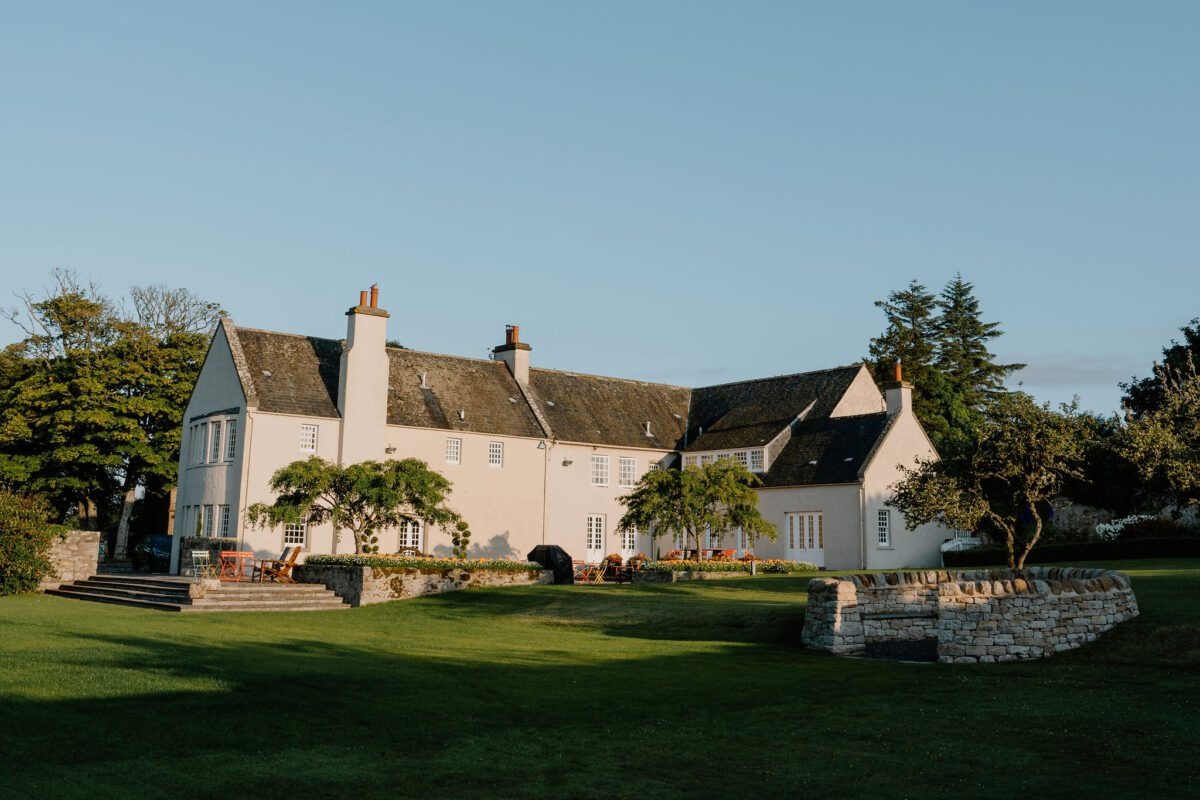
Newhall Mains
Black Isle, Highlands
It’s easy to miss if you’re not looking. Set back from the road behind tall trees and flat fields, Newhall Mains appears like a private estate more than a hotel. But turn through the gates and what unfolds is something far more deliberate. The restored steadings and outbuildings wrap around a gravel courtyard with black timber and clean stonework setting the tone. There’s even a private airstrip, which tells you something about the scale of the place.
Rooms curve in a horseshoe shape, each one distinct. The materials invite touch—heavy textiles, hand-finished wood, and aviation-inspired accents that nod to the estate’s RAF past. Lighting is subtle but intentional. Some rooms open directly onto the courtyard, others are tucked further back. All are thoughtfully assembled rather than styled for effect.
Dinner is served in what used to be a grain store, now the hotel’s restaurant. It’s open to locals as well as guests, and the kitchen, led by Alex Henderson (previously of The Torridon), leans heavily on Highland produce. You’ll find hand-dived scallops, seasonal game, and the kind of broths that speak of time and care. The wine and whisky lists are well considered and quietly updated. In warmer months, you can pre-book a fire-cooked Asado supper in the courtyard.
Mornings begin in the lounge with coffee, fresh juice, and house-made granola. Later in the day, picnic hampers are available for those heading out.
What's nearby?
The Black Isle rewards the slow route. Cromarty is just over 20 minutes away, with narrow streets, painted cottages, and a shoreline that changes with the light. You can take a wildlife cruise from the harbour, or just sit with a coffee and watch the tide come in. Chanonry Point is another stop worth making, especially when the dolphins are moving with the tide. You’ll know you’re in the right place when the line of parked cars appears beside the lighthouse. Further inland, the ruins of Fortrose Cathedral offer a quiet pause, often empty, just off the main road. And if you take the back way through Munlochy or Killen, you’ll get the full mix—fields, forest, the occasional sea view, and that feeling of being somewhere most people haven’t found yet.
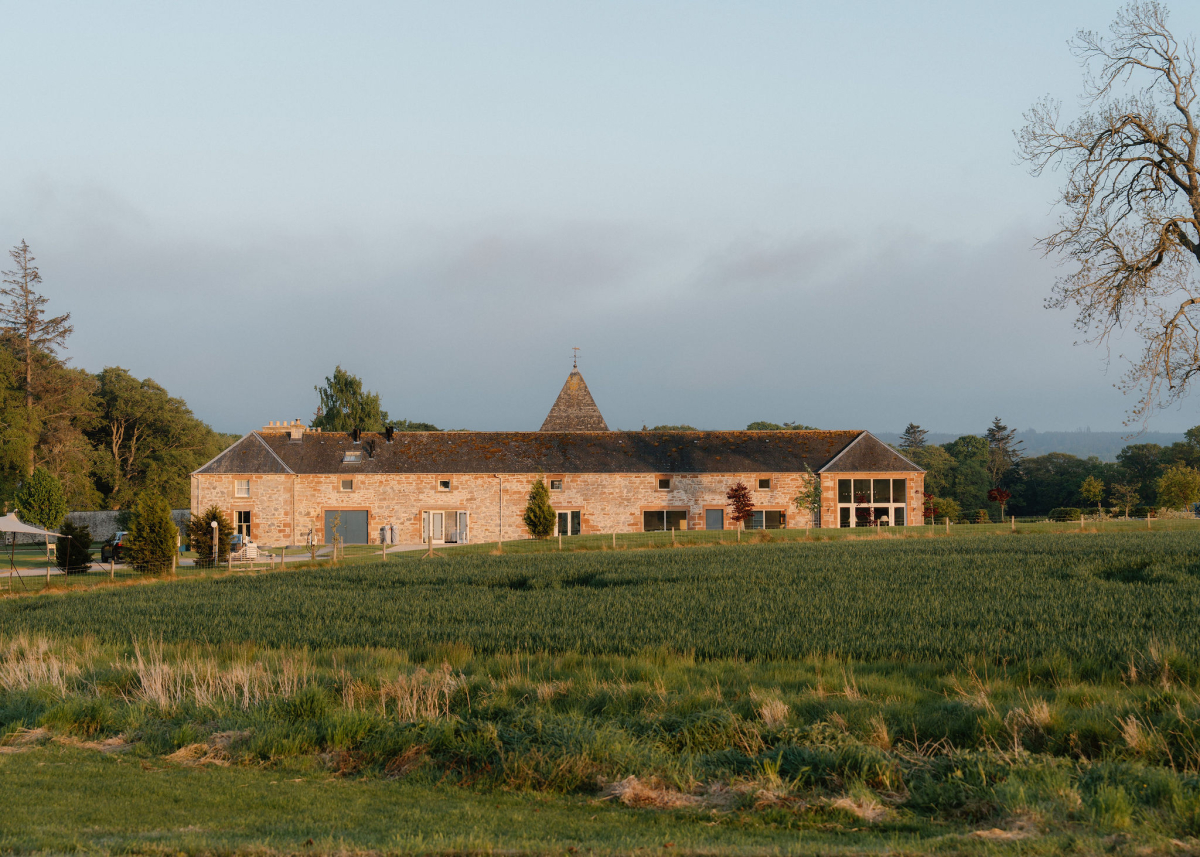
Cromlix
Dunblane
You reach Cromlix along a narrow road that winds through trees and hedgerows before opening onto a broad gravel sweep. The house sits behind stone walls and mature greenery. It doesn’t make a show of itself. You arrive, and the pace shifts.
Step inside and it feels lived in, not polished for effect. There’s a fire going, shoes by the door, staff who say your name without formality. It’s not trying to impress—just offering you a place that’s been looked after.
Owned by Andy and Kim Murray, the house has been updated with care. Interiors mix bold colour with old wood and layered textures. The balance works. There’s no single design theme, just an ease to how everything’s been put together. A sense that decisions were made for comfort, not display.
Each bedroom is different. Some get early sun through tall windows, others look across the lawns. Beds are deep and the bathrooms feel considered. Nothing overly styled, but everything thought through. Afternoon tea is served in the glasshouse, where the light’s soft and everything on the tray is made on site.
The restaurant is now led by James Mearing, who joined in 2025 after time at Summer Lodge in Dorset. His menus rely on what’s nearby—the walled garden just outside, suppliers from around Perthshire. Plates are elegant without being showy, and the service moves at a pace that lets you settle in.
There’s a chapel at the edge of the grounds, still used for weddings. A tennis court and croquet lawn wait out front, and the loch can be fished with advance notice. You might not plan to stay in all day, but Cromlix makes it easy to do just that.
What’s nearby
Dunblane is under ten minutes by car, with its cathedral, old bridge, and small collection of shops and cafés. Head a little farther and you’re into Stirling, where the castle looks out over the town and the Wallace Monument stands watch on the hill. For walks, Sheriffmuir and the Ochil Hills both offer routes with long views, less visited than the bigger name parks. There’s space to explore, and enough variety nearby to make a longer stay worthwhile.
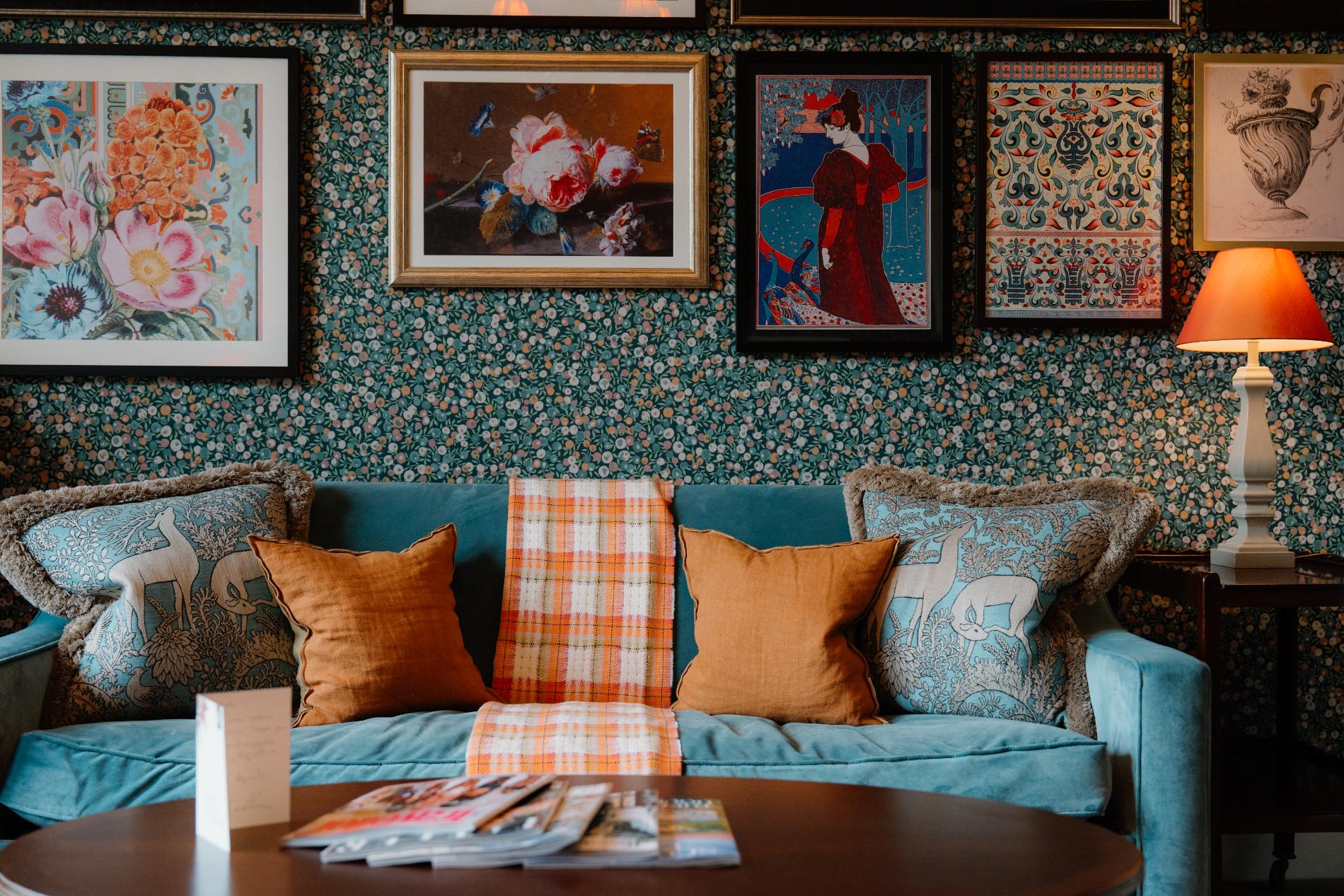
The Fife Arms
Braemar, Cairngorms
You don’t just walk into The Fife Arms. You arrive. The granite façade takes up a commanding spot in the centre of Braemar, and from the moment you step inside, the scale of what’s been done here is obvious. There are more than 14,000 pieces of art and objects throughout the building. Some feel like they belong in a museum. Others don’t belong anywhere else. Taxidermy, oil portraits, carved wood, antique glass, bursts of neon. Bedrooms have names instead of numbers, and many carry stories tied to local myths or literary connections.
For all its extravagance, the hotel holds together. That’s the achievement. It’s bold, but it doesn’t tip into theatre. Rooms are warm and layered, not just dressed for effect. Public spaces feel used, not curated. The team behind it know the place down to its details and run it with a kind of backstage precision. That keeps the energy in check.
Dining spans moods. The Clunie Dining Room leans into drama, with a dark mural-wrapped interior and a kitchen that delivers with intent. Expect carefully composed plates with Highland ingredients given weight. The Flying Stag offers something more informal. You’ll find walkers, locals, and guests side by side, plates of venison burgers and game pie landing beside tumblers of whisky or pints poured straight from the tap.
There’s no single piece that defines the experience. Instead, it’s the conviction behind the whole thing. The Fife Arms was brought back to life by gallerists Iwan and Manuela Wirth, and it shows. But the hotel has gone beyond being their project. It’s changed Braemar. Visitors come more often, and for longer. This place didn’t just respond to that shift. It helped start it.
What’s nearby
Braemar is a gateway to the Cairngorms, with paths heading out towards Morrone, Glen Ey, and the start of higher routes like Lochnagar. Balmoral is a short drive east, and the Linn of Dee sits just beyond the village, where the River Dee narrows between stone banks and forest trails begin. The village itself has a growing collection of small shops and cafés, plus a gallery that occasionally hosts exhibitions tied to the hotel’s creative links. If you’re here in September, the Braemar Gathering brings energy and tradition in equal measure, just a few minutes from the front door.
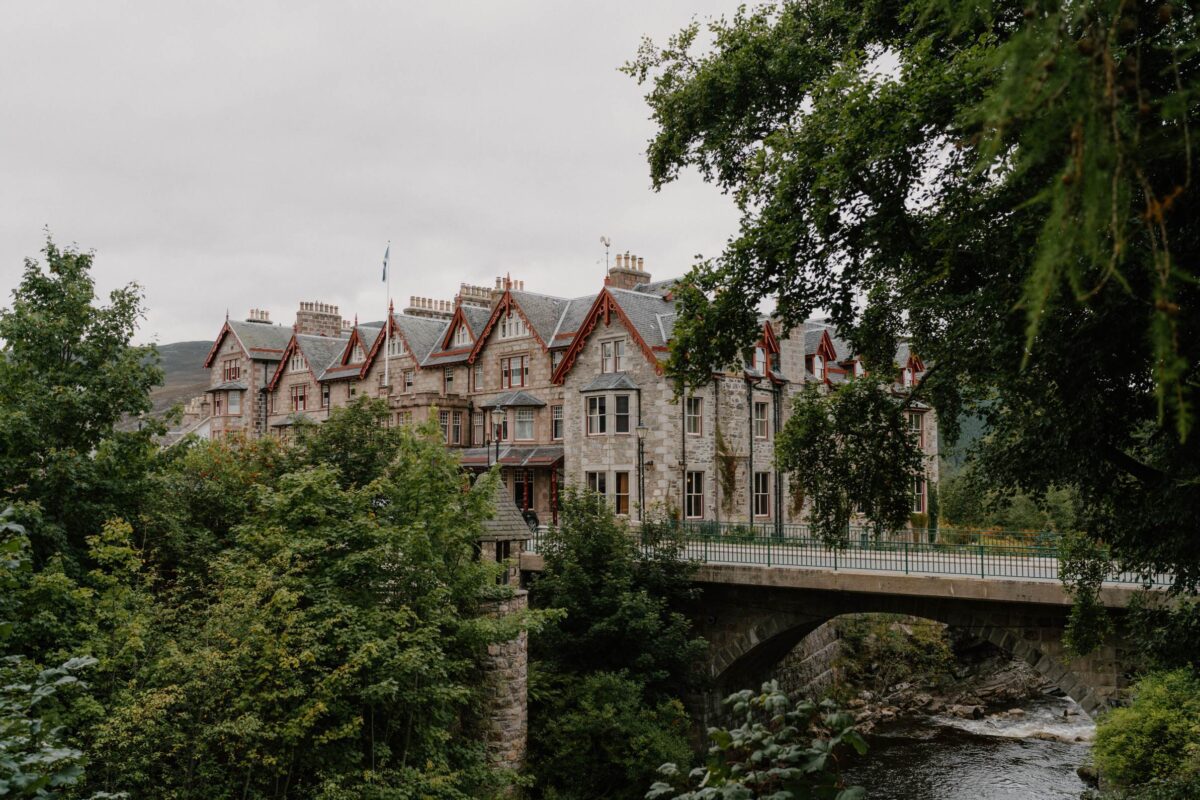
The Witchery by the Castle
Edinburgh, Old Town
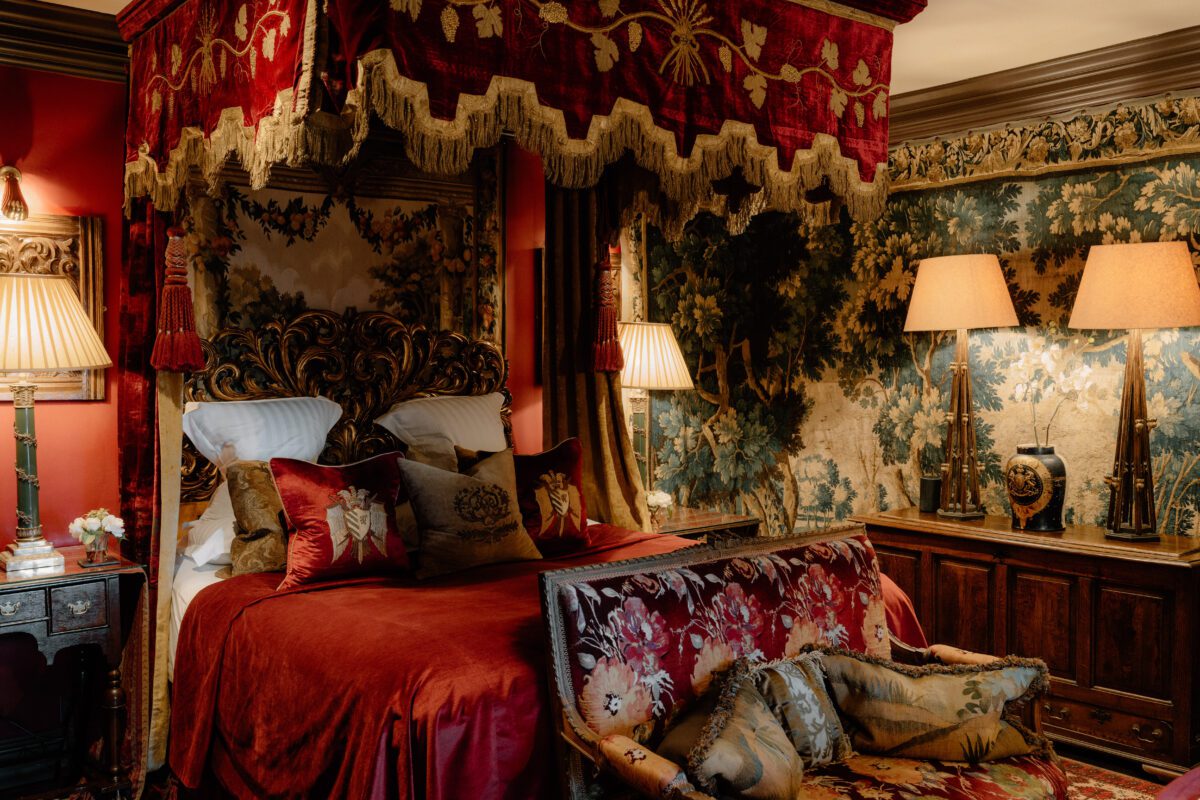
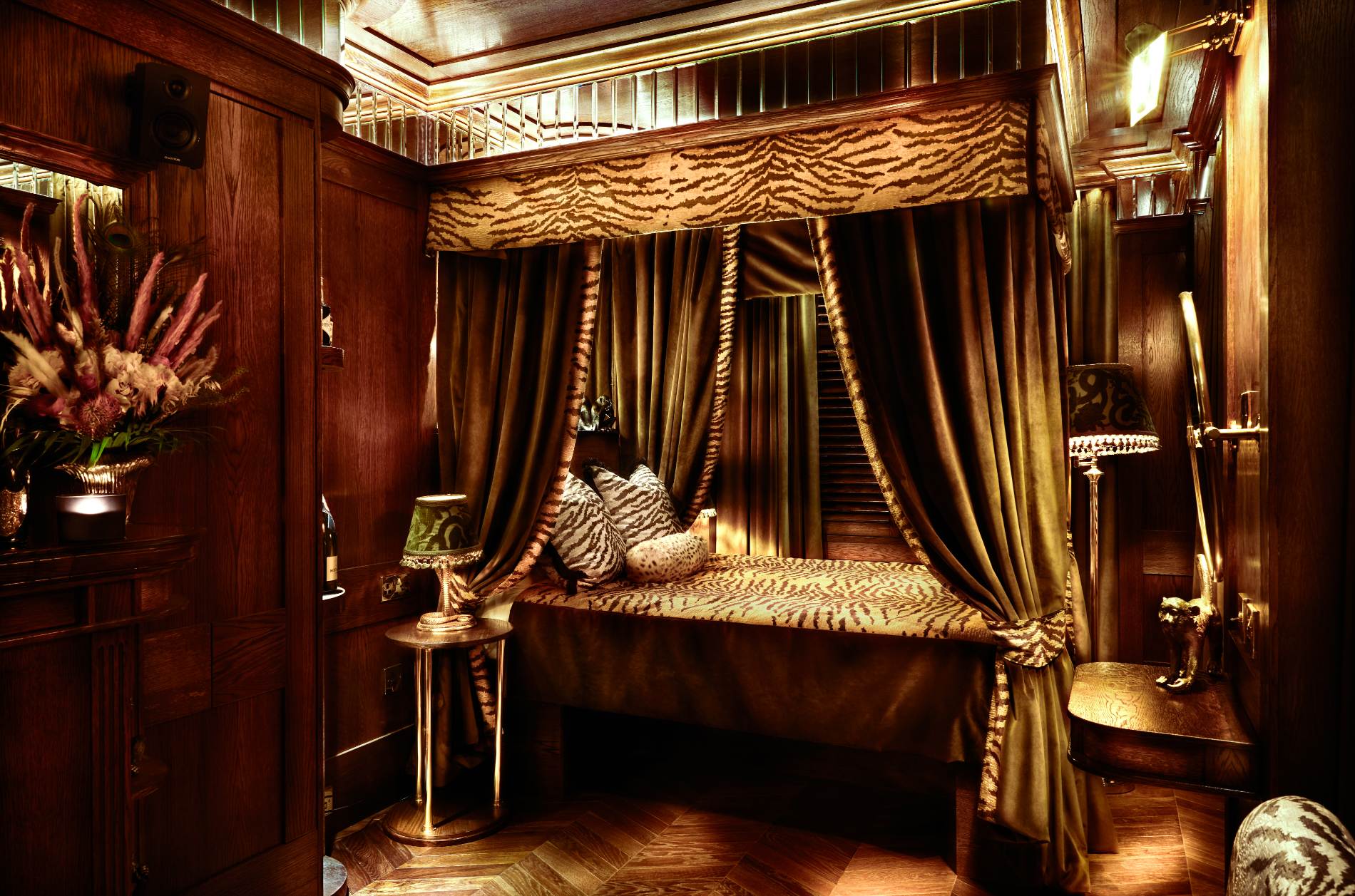
The Witchery doesn’t do subtle. Just off the Royal Mile, almost hidden in plain sight, it offers a kind of theatrical indulgence that few places attempt. Red velvet walls, carved ceilings, and oil paintings in ornate gold frames set the tone. Each of the nine suites carries its own theme, but all follow a similar path. Heavy drapes, four-poster beds, roll-top baths, and candlelight reflected in polished wood. The look is bold, even decadent, and there’s no apology for that.
For some, it’s a one-off experience. For others, a favourite place to return. Either way, the setting makes its mark. Step outside and you’re at the Castle gates. Step back in and it’s easy to forget where you are. Time seems to fold in on itself.
The restaurant still draws attention, and not just from guests. It’s as atmospheric as the rooms above, with a wine list that’s taken seriously. Service is formal without being stiff, and the lighting is kept low. Many choose to have breakfast in their suite, which matches the overall tone. This isn’t the kind of place where people rush out to sightsee.
The Witchery has been around long enough to know exactly what it offers. It doesn’t tone anything down for broader appeal. That clarity gives it presence. In a city full of well-behaved hotel rooms, this one dares to go in another direction. It’s not for everyone. But if you want drama, it delivers.
What’s nearby
The Witchery sits on Castlehill, just steps from Edinburgh Castle. From here, you can walk the length of the Royal Mile, dropping into historic closes, small galleries, and cafés along the way. St Giles’ Cathedral, Camera Obscura, and the Writers’ Museum are all within easy reach. For quieter moments, take a short walk down to Princes Street Gardens or climb Calton Hill for a wider view of the city. At night, the neighbourhood shifts again, with ghost tours, whisky bars, and the glow of the Castle lit up behind you.
The Grandtully Hotel
Perthshire
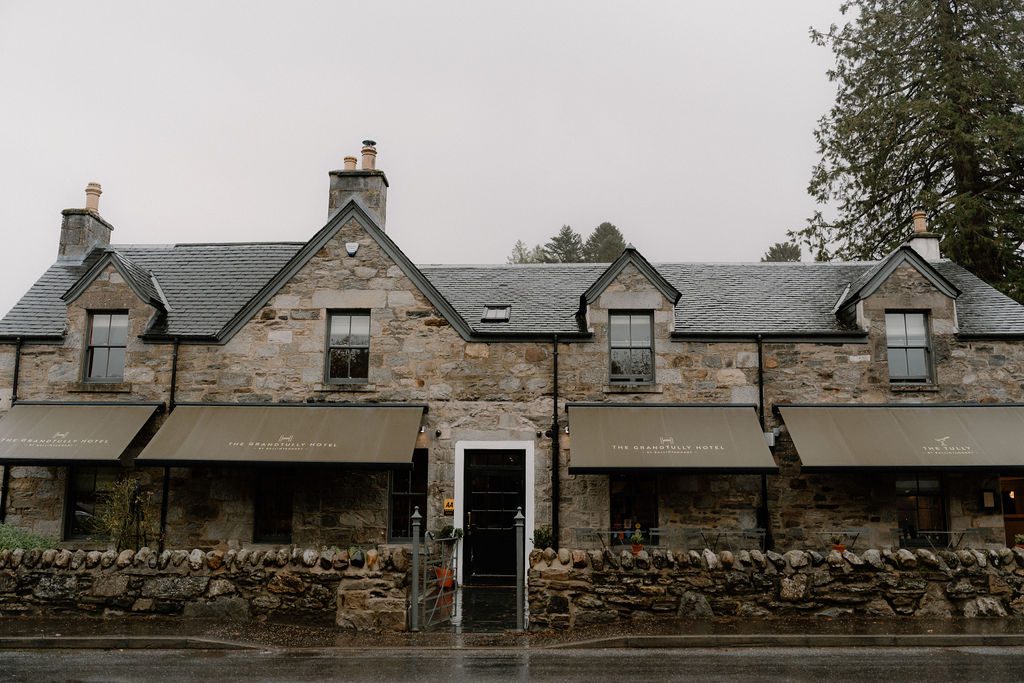
The Grandtully Hotel sits close to the River Tay, a small white inn with eight rooms and a reputation built on its kitchen. It’s run by the team behind Ballintaggart, and food is central to how the place works. The menu changes with what’s fresh and local — trout, lamb, good greens — and dinner is served in a relaxed space with dark wood tables and quiet focus.
Upstairs, bedrooms are simple and practical. Walls are painted in muted tones, beds are deep and comfortable, and bathrooms have powerful showers and neat finishes. There’s no ornament for ornament’s sake. Every room is a little different, but all feel tidy and looked after.
Service is friendly and well paced. There’s a log burner in the front lounge and a small bar with a solid wine list. You’re not far from Aberfeldy, but it feels more rural than roadside. Most guests arrive for the food and end up staying longer than planned.
What’s Nearby
The River Tay is just behind the hotel, with walks leading in both directions. Castle Menzies is ten minutes by car, and the Highland Chocolatier is even closer. For wider views, head west to Loch Tay. The road climbs past Kenmore and runs right along the shoreline, with parking spots where you can stop and take it in.
Gleneagles Townhouse
Edinburgh, New Town
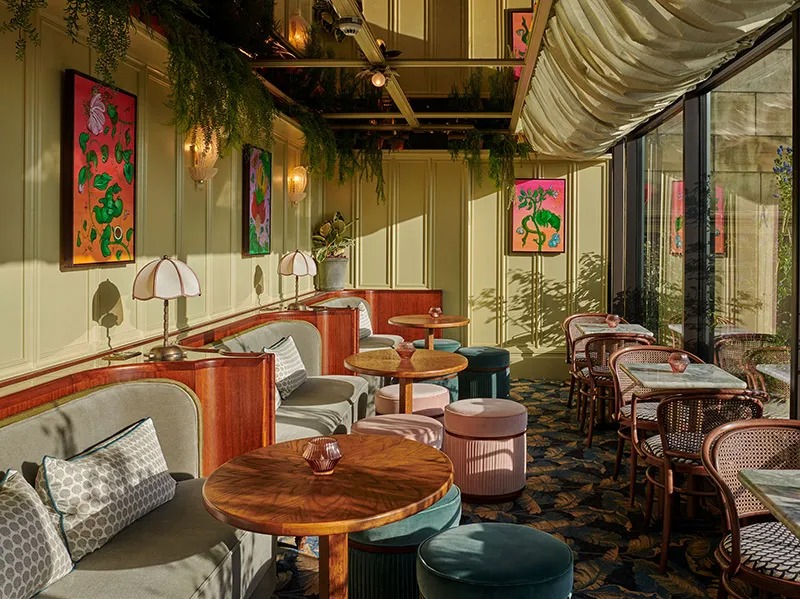
Gleneagles Townhouse is cut from the same cloth as its rural counterpart, but it wears it differently. Set inside a former bank on St Andrew Square, it has the feel of a private club paired with the ease of a well-run hotel. Interiors are plush and well-judged. Marble pillars, velvet chairs, high ceilings, and curved staircases are softened by natural light and well-placed seating.
Rooms are designed for comfort rather than show. Some overlook the square, others look out across the rooftops, but all of them feel deliberately composed. You’re in the middle of Edinburgh, though you’d hardly know it from inside.
The Spence restaurant handles city dining with polish and pace. Upstairs, Lamplighters rooftop bar draws in locals as well as guests, especially at the tail end of the day when the skyline glows. A basement-level gym and wellness space offer a slower start in the mornings.
This isn’t Gleneagles in miniature. It’s built for city stays, shorter trips, and people who want service without fuss. The details are sharp and the mood is confident, making it a solid base for anyone looking to stay central without going corporate.
What’s Nearby
St Andrew Square puts you within easy reach of much of the city. Princes Street Gardens, the Scott Monument, and the National Gallery are all a few minutes on foot. Walk south and you’ll reach the Old Town in ten, passing Waverley Station and a stretch of bookshops and cafés. The Georgian New Town stretches north, with independent stores and restaurants along George Street and Thistle Street. Calton Hill is nearby too, offering one of Edinburgh’s best high-level views.
Inver Restaurant & Rooms
Loch Fyne, Argyll
Inver sits by the water with Castle Lachlan just along the shore. The road ends not far from the restaurant, and you’re left with the sound of the loch and a wide view out across it. It’s quiet, but not isolated. You pass a few houses and trees before it opens up at the edge of the bay.
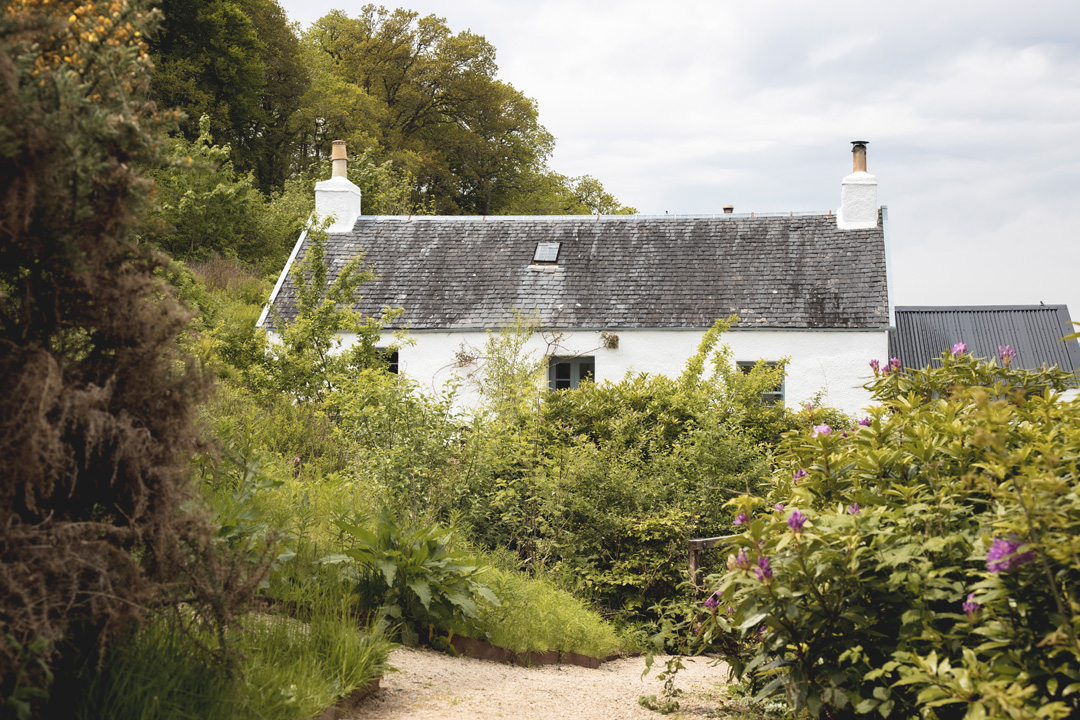
The restaurant is in a whitewashed building that looks like an old croft. Dinner is the main event. The food changes with the season and leans heavily on what’s available nearby — shellfish from the loch, greens from the garden, good bread and careful cooking. It’s a small dining room, softly lit, and the pace is unhurried. Service is low-key but well informed. Breakfast is just as considered, especially when you’ve got time to take it slow.
Accommodation is set a little back from the restaurant. Some rooms are in a converted croft; others are in small, modern bothies. Inside, there’s light wood, natural fabrics, and shelves with books. It’s clean and practical rather than styled. You’ve got what you need, and it all works without calling attention to itself. Evenings tend to wind down early. Most people stay a night or two and leave without rushing.
What’s Nearby
The walk to Castle Lachlan takes about 15 minutes along a rough shoreline track. You can drive further along the Cowal Peninsula to places like Otter Ferry or Cairndow for longer walks and views. Strachur has a small café and shop. This part of Argyll stays quiet through the year — good for lochside drives, forest trails, and time away from crowds.
Fingal
Leith, Edinburgh
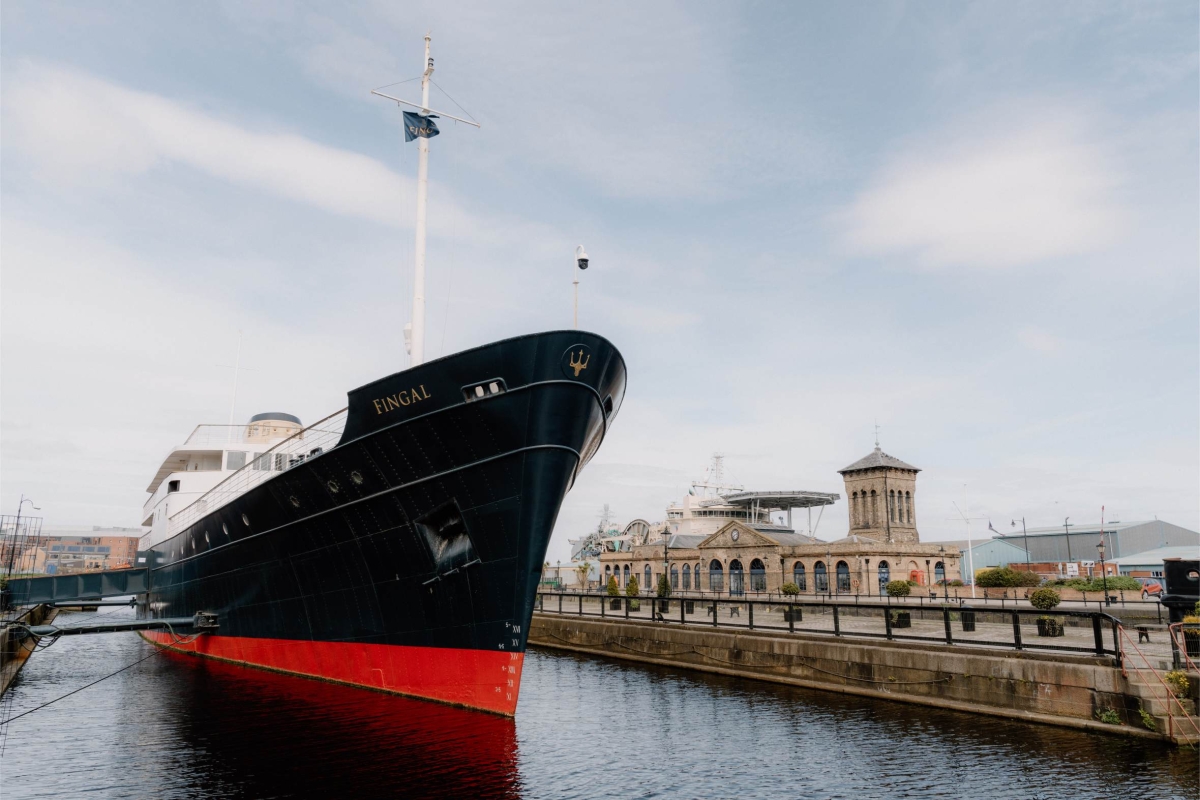
Fingal is moored in Leith’s harbour, just beyond the quay wall, with cranes, containers, and fishing boats still working nearby. The ship once supplied Scotland’s remote lighthouses. Now it’s docked for good, converted into a hotel, but the sense of purpose hasn’t been stripped out. Steel and wood are polished. Everything closes softly. It feels well built.
Cabins are arranged along quiet corridors and follow the line of the hull. Some sit near the waterline with portholes. Others open onto deck spaces with room to sit and watch the harbour. Inside, there’s weight to the doors and warmth in the lighting. Carpets are deep, walls are clad in timber, and fittings are solid. It doesn’t chase a theme. It just works.
Meals are served in the Lighthouse Restaurant toward the bow. Breakfast is included. Dinner and afternoon tea are also offered, with dishes that draw from Scottish produce without showing off. The dining space has harbour views and the staff move easily between formality and friendliness.
You’re close to the city centre, but that slips away once you’re on board. The ship is still, the sound is dampened, and time feels slower. It’s not theatrical or made to impress. What’s there is useful, well chosen, and kept in good condition. Most guests check in, settle quickly, and find the pace suits them.
What’s Nearby
The Shore is just beyond the dock gates, with bars, cafés, and restaurants clustered along the Water of Leith. The Royal Yacht Britannia is a short walk along the harbour. Buses and trams head straight into the city centre in under 20 minutes. For local walks, the path by the water connects to Newhaven and the Granton shoreline.
Find out more
Links House at Royal Dornoch
Dornoch, Sutherland
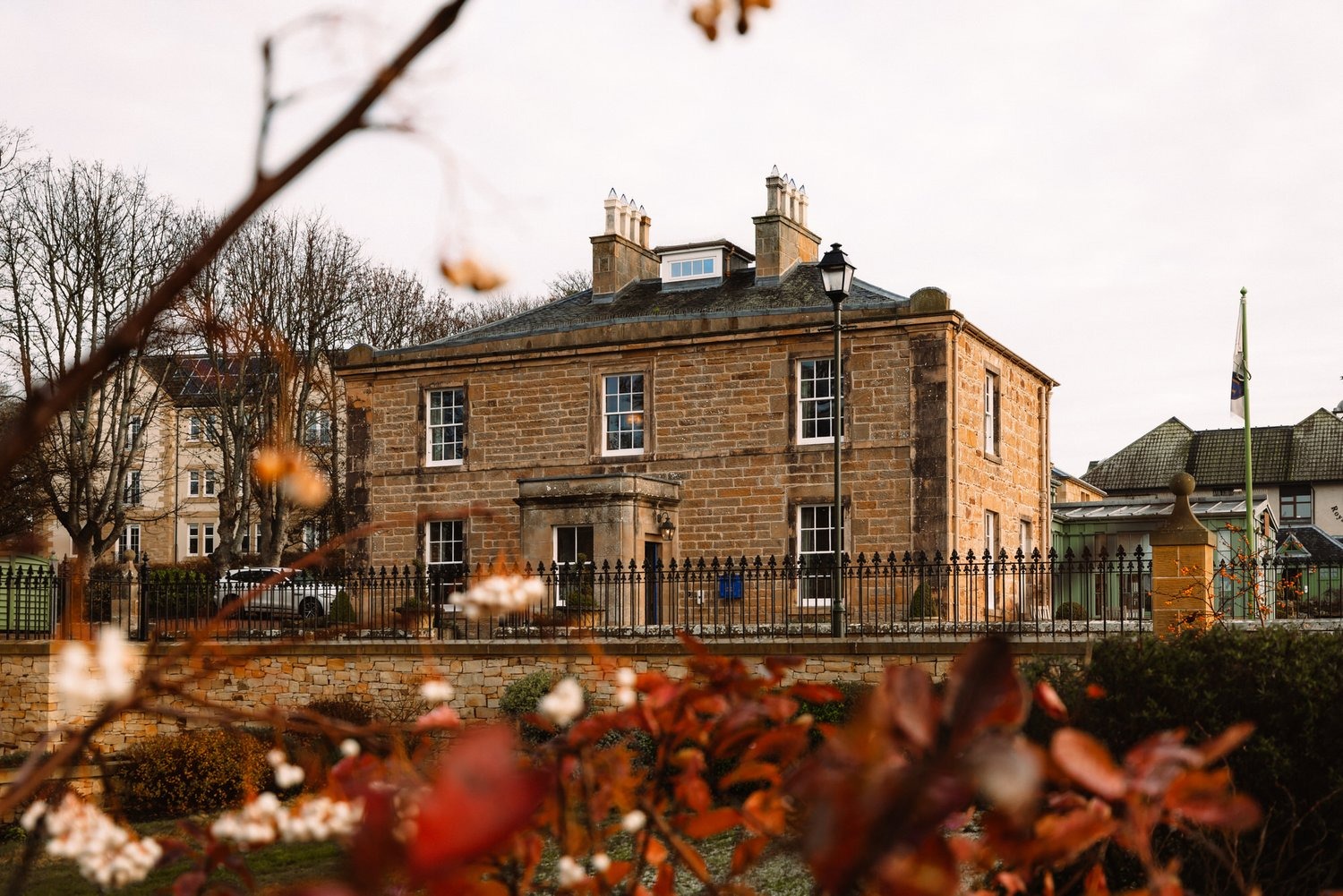
The driveway curves just after Dornoch Cathedral, behind a low stone wall. Golf bags are often lined up outside, and the building itself has the look of a place with a long history. Inside, it’s well kept but not formal. Furniture is solid and traditional. Carpets are thick, lighting is warm, and the common rooms are set up for actual use—chairs angled by the fire, books arranged for reading, not display.
The hotel sits directly across from the first tee at Royal Dornoch. For many guests, that’s the draw. But Dornoch itself holds interest beyond the course. The town centre is small and unhurried. Local shops carry on at their own pace, including a butcher’s shop with full trays in the window and a gallery selling local work. The beach is about ten minutes from the front door and usually quiet, with open views and not much sound beyond wind and gulls.
Dinner is served in Mara, the hotel’s restaurant. The space is comfortable and service is attentive. Food is well prepared and based on seasonal produce. It’s not showy, but it’s dependable. After dinner, guests tend to move to the drawing room or the library. Staff check in just enough, and someone usually offers a whisky.
The appeal here is steady. Rooms are smart and traditional. Service is experienced. Things run smoothly without being showy. It’s a hotel that’s good at what it does, and people tend to return without needing convincing.
What’s Nearby
Dornoch’s beach is less than a ten-minute walk from the hotel, with long stretches of sand and open views across the Dornoch Firth. The town itself is worth exploring on foot—shops are locally run, and Dornoch Cathedral often hosts concerts and events. Just outside town, you’ll find the Balblair and Glenmorangie distilleries, both offering tastings and tours. For a longer drive, head north along the coast toward Dunrobin Castle, which is open seasonally and has formal gardens overlooking the sea.
Lundies House
Tongue, Sutherland
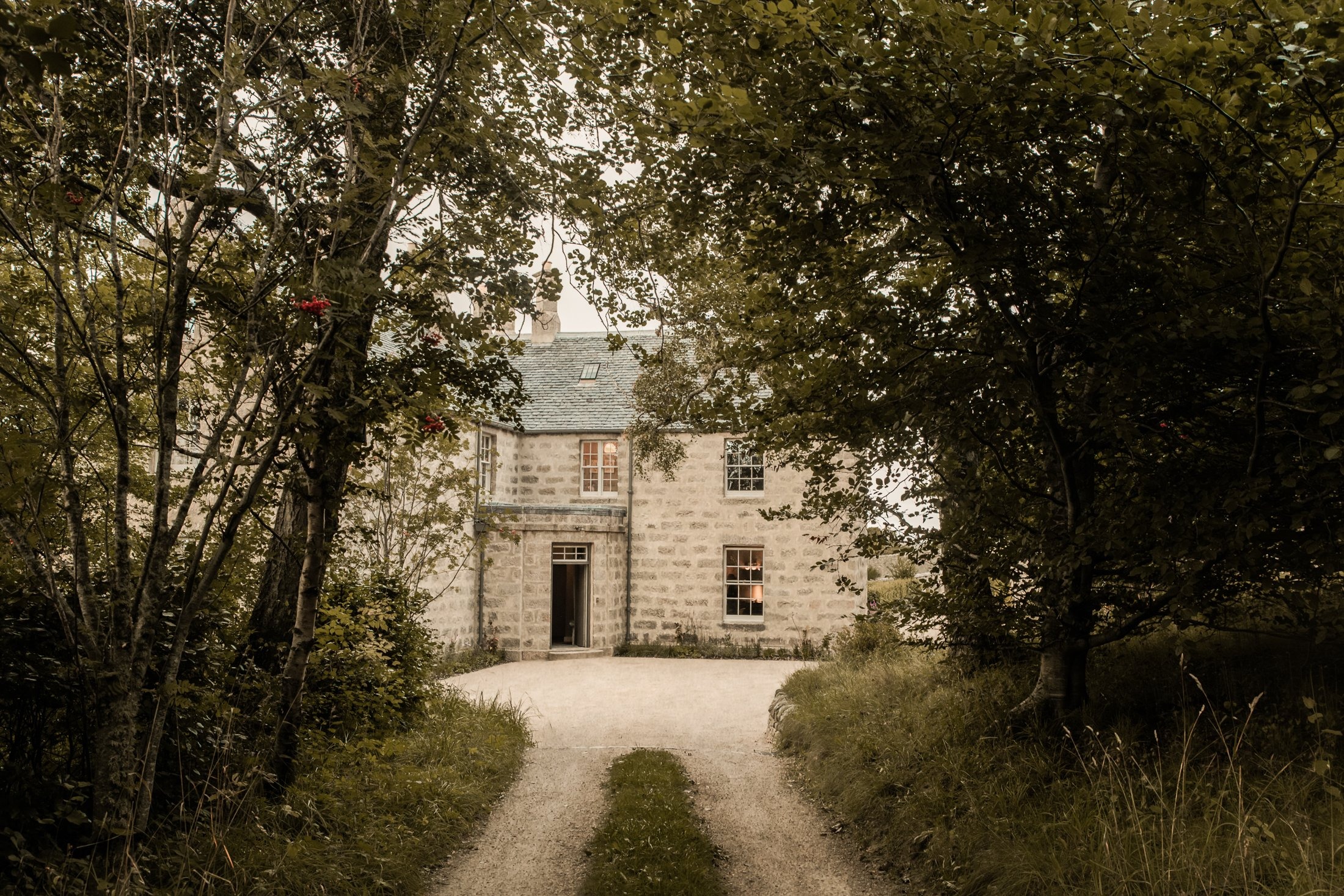
Lundies sits just above the village with a view that stretches across the Kyle of Tongue to the hills beyond. It’s a solid stone house with neat gardens and few outward signs of being a hotel. Inside, the atmosphere is pared back and steady. Pale wood floors, white walls, soft fabrics and well-made furniture. There’s not much on display, but everything has its place.
Bedrooms are simple and quiet. Some face the sea, others the mountains. You’ll find shelves with binoculars, books and maps, and a well-stocked honesty bar tucked into a cabinet. Nothing is over-explained. It all works without needing to be pointed out.
Breakfast is well prepared and unhurried. In the evening, dinner is served at a communal table. Menus focus on what’s in season and come together without show. Local fish, vegetables from nearby gardens, and dishes that are clear in their intention. It feels relaxed but deliberate, and the service follows suit.
There’s no attempt to brand the experience or add unnecessary layers. The house is steady, personal and quiet. You’re given space, and it’s easy to settle in without needing a plan.
What’s Nearby
Castle Varrich is five minutes by car, with a short walk up to the ruins and wide views across the loch. Coldbackie Beach is even closer, hidden just off the main road with soft sand and open sky. You’re near the northern edge of Scotland here, and the drive west towards Durness offers long views, empty roads, and a strong sense of distance.
No. 26 by the Sea
Oban, Argyll
The first thing you notice here is the view. The whole front of the house faces west, looking out over Oban Bay. Ferries pass by on their way to the islands, and when the windows are open, you can hear the water. Inside, the look is clean but lived-in—soft greys, weathered wood, and warm lighting that suits the place. Rooms feel considered rather than styled. Shelves hold books and local artwork. The shared spaces have enough character to feel welcoming without being too busy.
Breakfast is served in the front dining room. Local eggs, smoked fish, homemade bread. You can watch the morning walkers on the promenade and see gulls moving across the shoreline. There’s an honesty bar later in the day, and plenty of space to sit and read, talk, or just watch the light shift over the bay. Evenings are often quiet, and if you leave the windows open, you’ll likely fall asleep to the sound of the tide. It’s that sort of place—steady, well kept, and easy to return to.
What’s Nearby
Oban town centre is five minutes on foot, with its harbourfront shops, cafés, and the ferry terminal. McCaig’s Tower is just above, with views over the bay and out to Mull. Walk along the coast to Dunollie Castle, then on to the beaches beyond Ganavan Sands. For seafood, the Green Shack on the pier is still a favourite, or try local spots like Ee-Usk and The Waterfront Fishouse. Day trips to Kerrera and Lismore leave from the harbour.
The Lovat
Fort Augustus
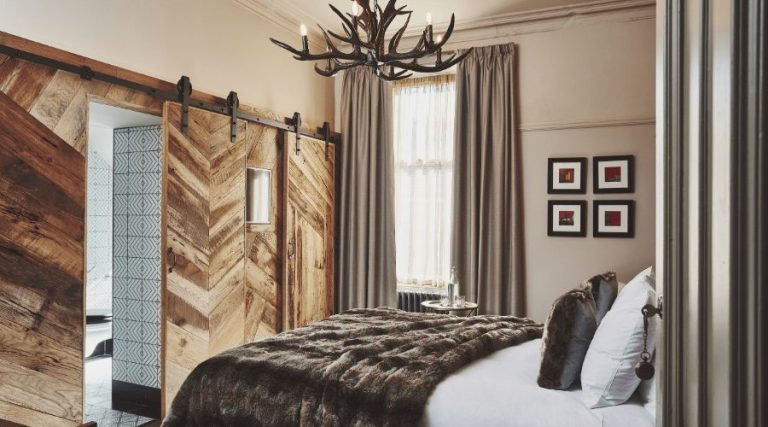
The Lovat sits just back from the centre of Fort Augustus, close enough to walk to the loch and the locks, but far enough removed to feel separate from the through-traffic. The welcome is easy. You check in without fuss, and the tone of the place settles in quickly—thoughtful, unforced, and well cared for.
The building has stood here since the 1860s. Inside, the old bones remain, but the design has moved on. Rooms are simple and bright, with solid beds, good water pressure, and just enough Highland detail to place you, without tipping into theme. Public areas are comfortable without being dressed up. You get the sense that decisions have been made with care.
The restaurant, Station Road, carries the same thinking into the food. Sean Kelly leads the kitchen, working with local game, foraged herbs, and seasonal produce. The dishes are considered but never stiff. There’s a bar menu too if you want something more casual. Either way, you eat well.
Evenings tend to be low key. Some guests head into the village for a walk, others stay on the lawn with a drink. You can follow the canal path out of town, or just sit and watch the hills when they show themselves. The Lovat does what it does with clarity. You sleep well, you eat properly, and the pace of everything slows on its own.
What’s Nearby
The Caledonian Canal is a minute’s walk away and leads north toward Kytra Lock for a longer flat stroll. Loch Ness is right on the edge of the village, with boat tours leaving daily. You’re well placed for Glen Affric to the north or the road to Skye if you’re heading west. Fort Augustus itself has cafés, a few small shops, and a handful of places to stop for coffee by the water.
Kinloch Lodge
Isle of Skye
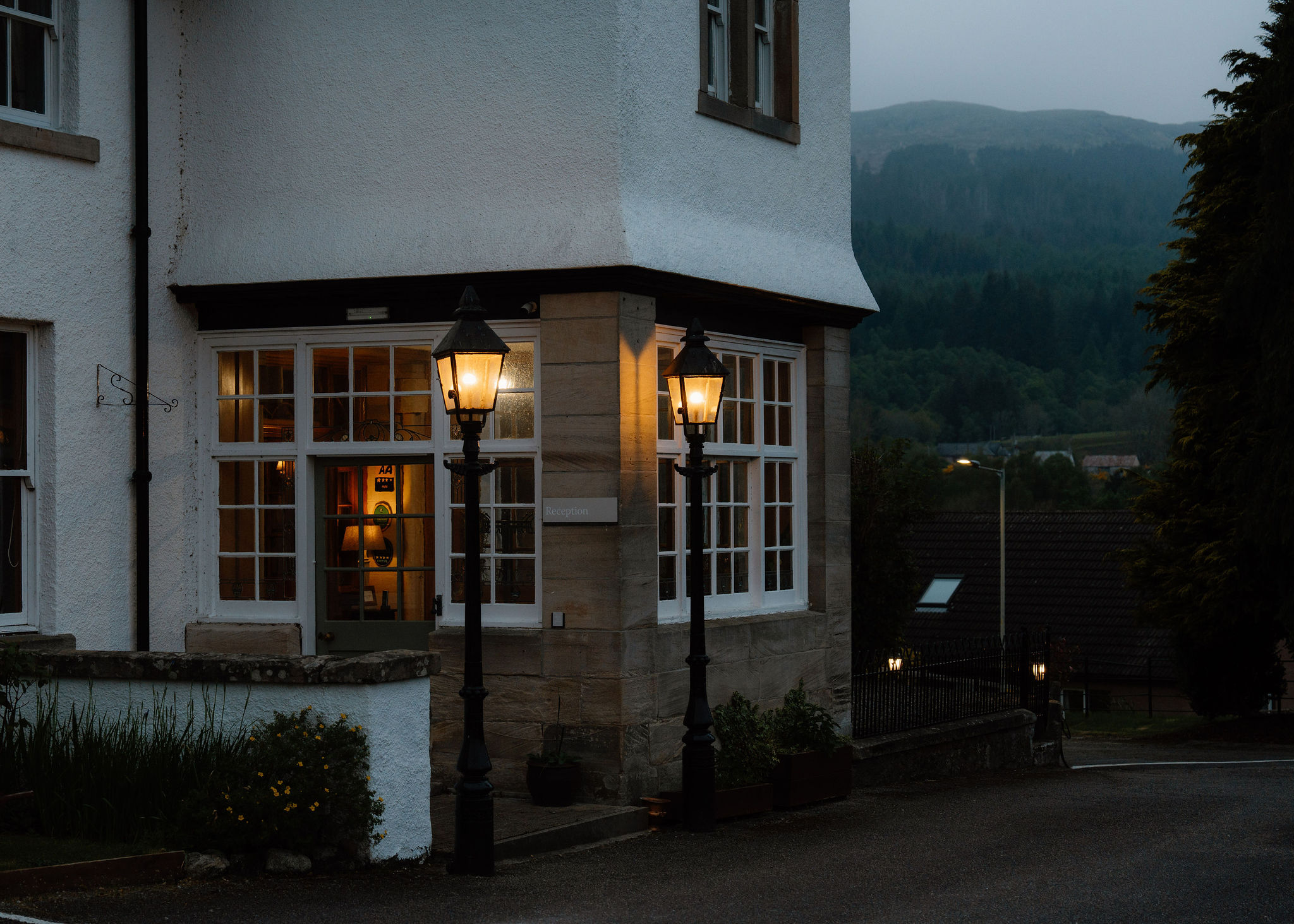
Kinloch Lodge sits just above the shore of Loch na Dal, backed by moorland and facing the water with a quiet steadiness. The building itself goes back centuries. It was once a Macdonald hunting lodge, and though it has grown and changed, the character still feels intact. You don’t come here for spectacle. You come because someone told you it would be looked after.
There’s a gentleness to how the place is run. Fires are lit before you ask. Tea appears when it’s needed. The drawing room has the kind of furniture people actually use—sofas you lean into, shelves with books that have clearly been read, and a view that tends to slow the conversation. Some guests talk, others stay quiet. Either way, it works.
Rooms are comfortable without being styled into anything too defined. There are antique pieces and family touches, but the standout feature is often the light through the window, especially late in the day. Nights are still and the quiet settles in without effort.
The kitchen remains central. Kinloch built its name through food, and that focus continues. Menus change with the seasons but always draw from the same landscape—venison, crab, fresh herbs, orchard fruit. The cooking is steady and assured, with no interest in fuss. Dinner is a highlight, but breakfast carries just as much care.
What’s Nearby
Kinloch is well placed for exploring the southern half of Skye. Broadford is fifteen minutes north, with cafés, shops, and a long, curving bay. The Sleat Peninsula stretches south with beaches, forest walks, and the museum at Armadale. The Cuillin Hills rise to the west if the weather’s clear, while smaller trails begin right from the lodge, some leading down to the loch and others up into the hills.
Cuillin Hills Hotel
Portree, Isle of Skye
The Cuillin Hills Hotel sits above Portree Bay with one of the best outlooks on the island. From the drive in, the view opens up, the bay below, the harbour off to one side, and the mountains rising behind it all. The hotel holds its position well. It doesn’t feel tucked away, just quietly above it.
Once a private estate, the house has grown into a welcoming base for exploring Skye. Interiors are relaxed but purposeful. Rooms are spread across the building and grounds, many with large windows that frame the landscape. Some look south to the Cuillin, others across the water. Either way, the light comes in strong and shifts through the day.
The lounge and bar give guests space to pause without distraction. The drinks list is serious, especially when it comes to whisky, and the staff know their way around it. The restaurant focuses on local ingredients without making a statement about it. Fish, shellfish, and Highland beef show up often, prepared simply and served in a room where the view stays part of the experience.
Even when Portree is at full tilt, the hotel sits slightly apart. You’re close enough for a short drive or a downhill walk into town, but the atmosphere shifts once you're back. The day quietens, the view takes over again, and there’s little reason to head elsewhere. Guests tend to stay in, have a drink, and let the evening unfold slowly.
What’s Nearby
Portree is the island’s main hub, with a small harbour, shops, and regular boat trips to Raasay and the Trotternish coast. Head north for walks at the Old Man of Storr or the Quiraing, or take the road west towards Dunvegan Castle. Staff at the hotel often have good tips depending on the weather and season.
Promoted Post
Issue 12 is now shipping worldwide from Scotland.
Issue 12 is now shipping worldwide from Scotland.






 Sign in with Google
 Sign in with Email