
Hidden Kingdom of Fife Part 4 - Kings and Queens
Writer Louis D. Hall sets out across Fife on foot, uncovering layers of history, folklore and memory along the way. From saints and shipbuilders to accused witches and forgotten ruins, he reveals a place still quietly changing — and still worth walking for. This is Fife, rediscovered.
Written by Louis D. Hall
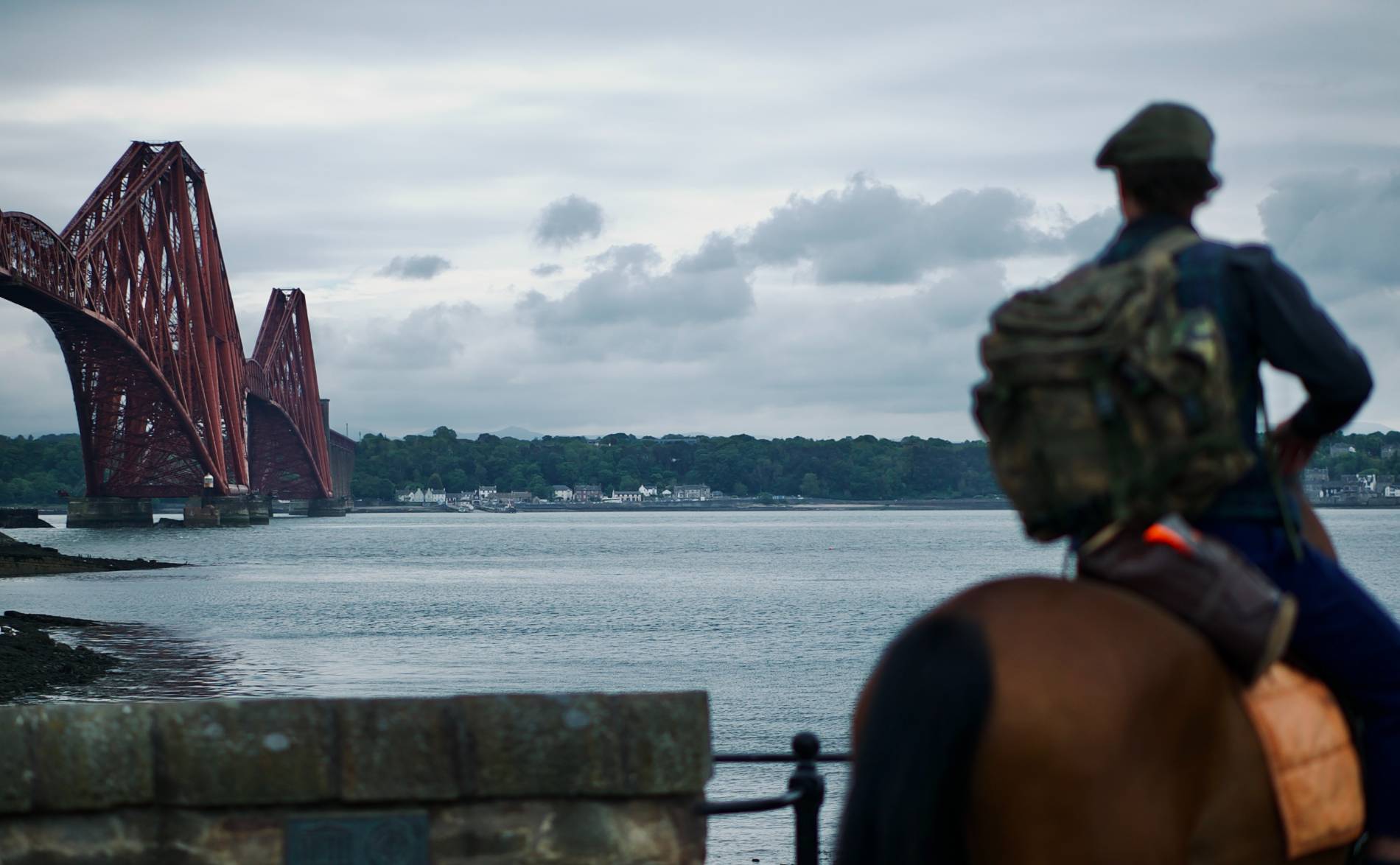
The kingdom of Fife is home to one of the most revered women in Scotland’s history. Yet remarkably, the influence of her work was once at risk of being lost forever beneath a car park. Perhaps there is a lesson here - to look beyond the surface. On a road map, Fife appears to be a mere thoroughfare; the necessary route beyond Edinburgh, taking you to Perthshire and the Highlands. Take a step back and it forms the shape of a peninsula, bordered by the Firth of Tay to the north, the North Sea to the east, and the Firth of the Forth to the south. Ostensibly, it is notorious for the red oxide Forth Rail Bridge (finished in 1882 and recognised as a UNESCO World Heritage Site in 2015), the Forth Road Bridge (opened by Queen Elizabeth II in 1958) and the newly erected Queensferry Crossing (the longest three-tower, cable-stayed bridge in the world). Further afield, Fife is perhaps known for the town of St Andrews - the home of golf, the oldest university in Scotland, and St Andrews Abbey. King James IV defined the region as a ‘beggar’s mantle fringed with gold.’ But from the 117-mile coastline to the interior, there is far more than what meets the eye. Fife is a land of Roman settlements, medieval battles, kings and queens, Pictish stones and Mesolithic beginnings. Its misted coastline fascinated the likes of Robert Louis Stevenson and French Science fiction writer Jules Verne; the dark rocks saved the life of 6th century Saint Teneu, pregnant with Saint Mungo. Fife has a dark past of witchhunts and myth, a proud history of saints and explorers, and a heritage of North Sea trade, coal mining, agriculture and industry. It also became the adopted home of the lesser known patroness of Scotland: Saint Margaret
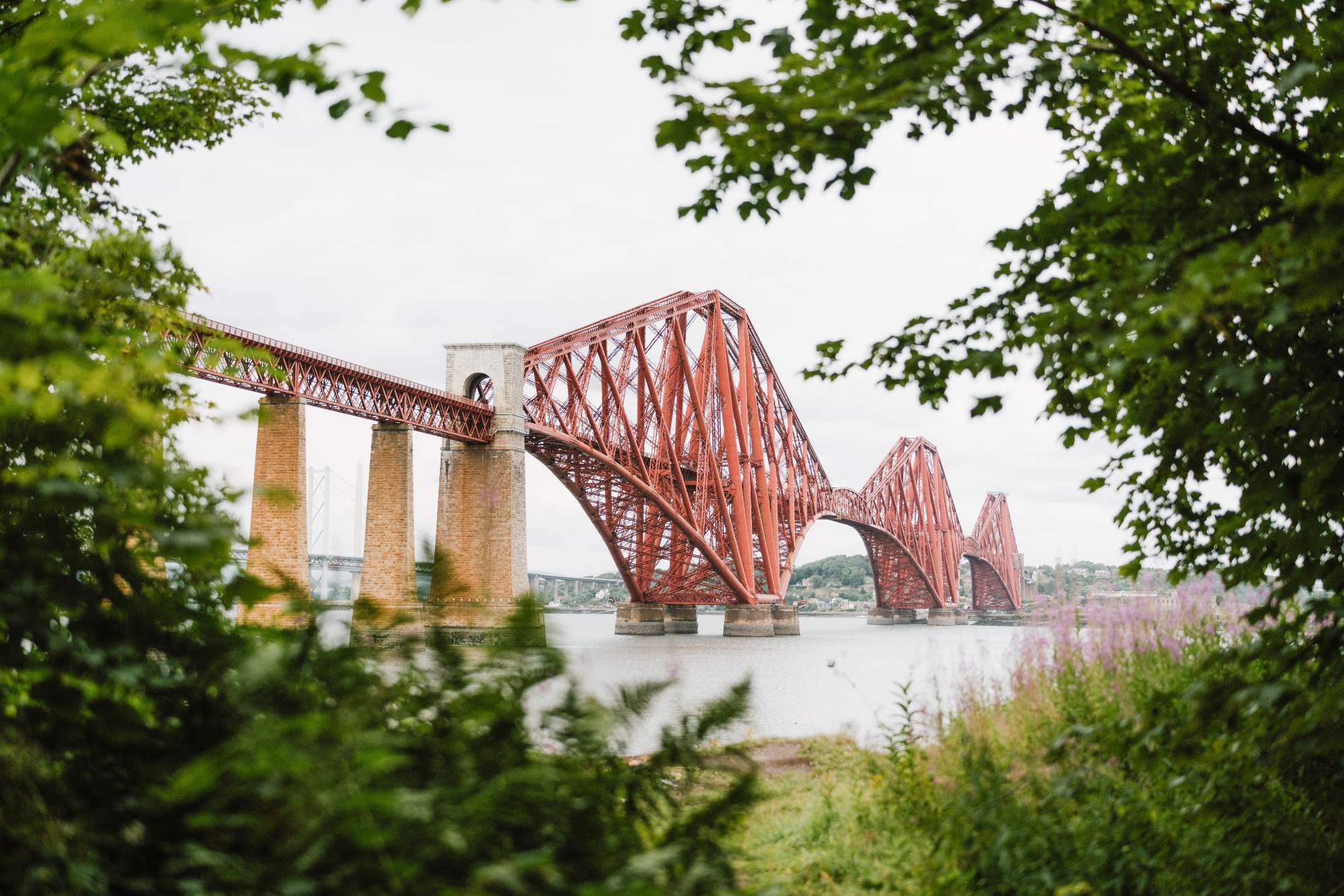
Forth Bridge
If you travel five miles east from the west Fife mining villages (Valleyfield, Newmills, Torryburn, Crombie) you reach the Royal Burgh of Dunfermline - the original capital of Scotland. There, opposite Carnegie Hall, one of the smallest clues to Fife and Scotland’s history is on display: the shoulder bone of Saint Margaret. The daughter of the exiled English prince, Edward Atheling, Margaret was born around 1045 under the protection of the Catholic Kingdom of Hungary. Upon the death of her childless great-uncle (Edward the Confessor), Margaret’s family returned to England in the hope that her father might be named the new king of England. Fate, and William of Normandy, had other plans. Soon after arriving on the English shores, Margaret’s father died in mysterious circumstances (murder the most plausible), and her brother, Edgar Atheling, was deemed too young to take up the throne. With William the Conqueror sensing an opportunity, Margaret’s widowed mother took her two daughters north for safety. Edgar was exiled to Normandy.
While some historians insist they were already engaged to marry, and others suggesting that Margaret and Malcolm had long since planned to meet, the next chapter of the young woman’s life has been romanticised throughout the ages. After two years in Northumbria, Margaret’s mother decided it was time to take her family back to the continent, possibly in a bid to retrieve her exiled son. Legend has it that a violent storm drove the family north to the Kingdom of Scotland, where they were shipwrecked in 1068. The widowed King Malcolm III welcomed the lost family, and he and Margaret soon fell in love. They were married in 1070.
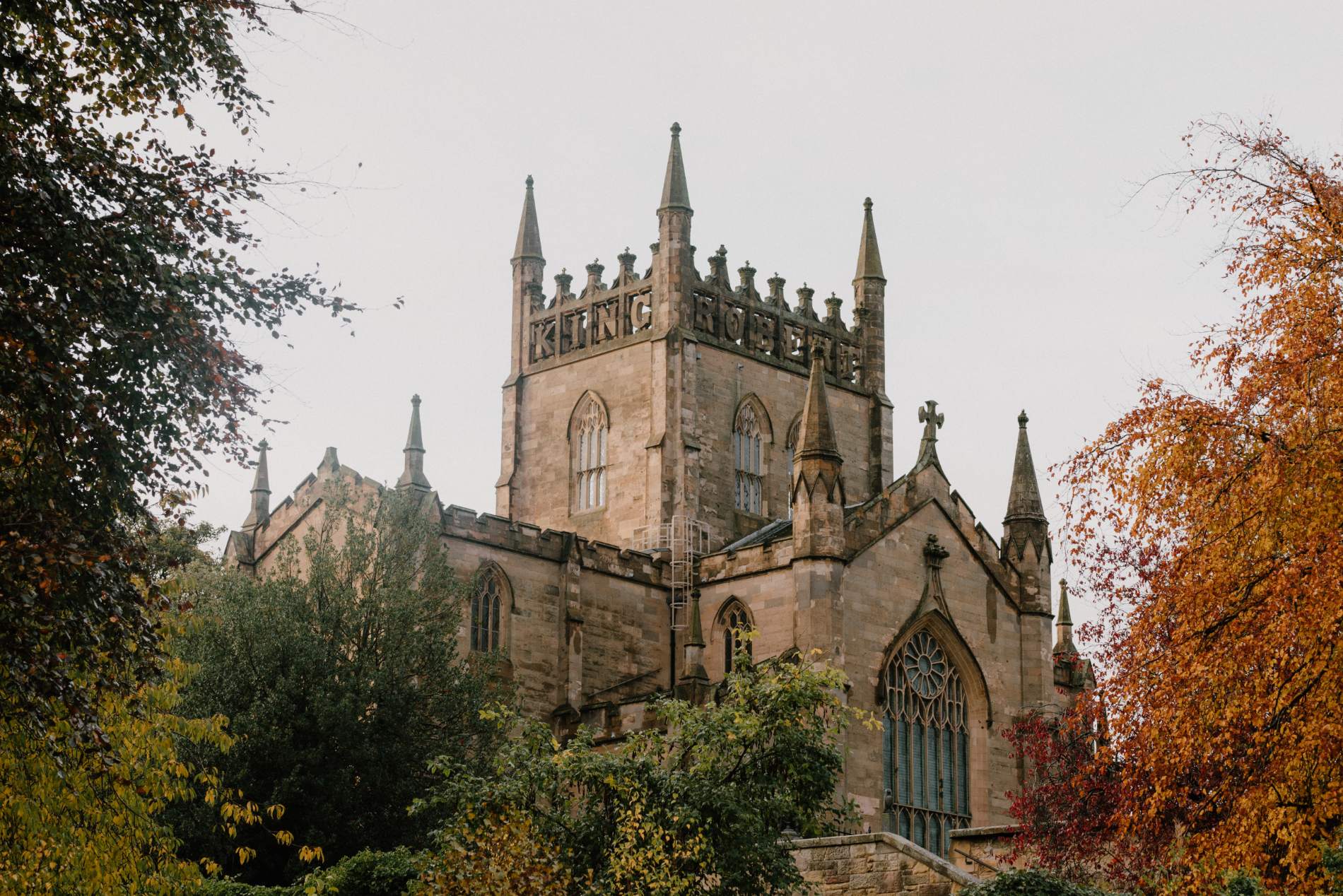
Margaret Atheling was King Malcolm III’s Queen consort until her death in 1093. Known throughout Europe as the ‘Pearl of Scotland’, as a devout Catholic Margaret became recognised for her pious influence on ‘wild’ Malcolm, focussing her reign on the needs of the poor, establishing Dunfermline Abbey with Benedictine monks (still a working church today), restoring Iona Abbey, celebrating pilgrimages, and in personally providing food for orphans and the seriously ill. Margaret created the original Queen’s ferry crossing, allowing pilgrims to better make their journeys to the relics of Andrew the Apostle (Saint Andrew), washing the feet of travellers on their way. Today Queensferry Crossing Bridge, the bustling town of South Queensferry (featured in Robert Louis Stevenson’s ‘Kidnapped’) and the cobbled village of North Queensferry, are testament to one of her lasting legacies (and named after her). She also had eight children, with four of the boys – Edmund, Edgar, Alexander and Saint David I – becoming future kings of Scotland, and one of her two daughters, Matilda, marrying Henry I of England. Tragically, Margaret’s husband and their eldest son, Edward, were killed in the Battle of Alnwick on 13 November 1093. Not yet 50 years old, Margaret died of grief just three days later. Along with Scottish kings, queens and Robert the Bruce, Malcolm and Margaret are buried together in Dunfermline Abbey - the abbey that she founded
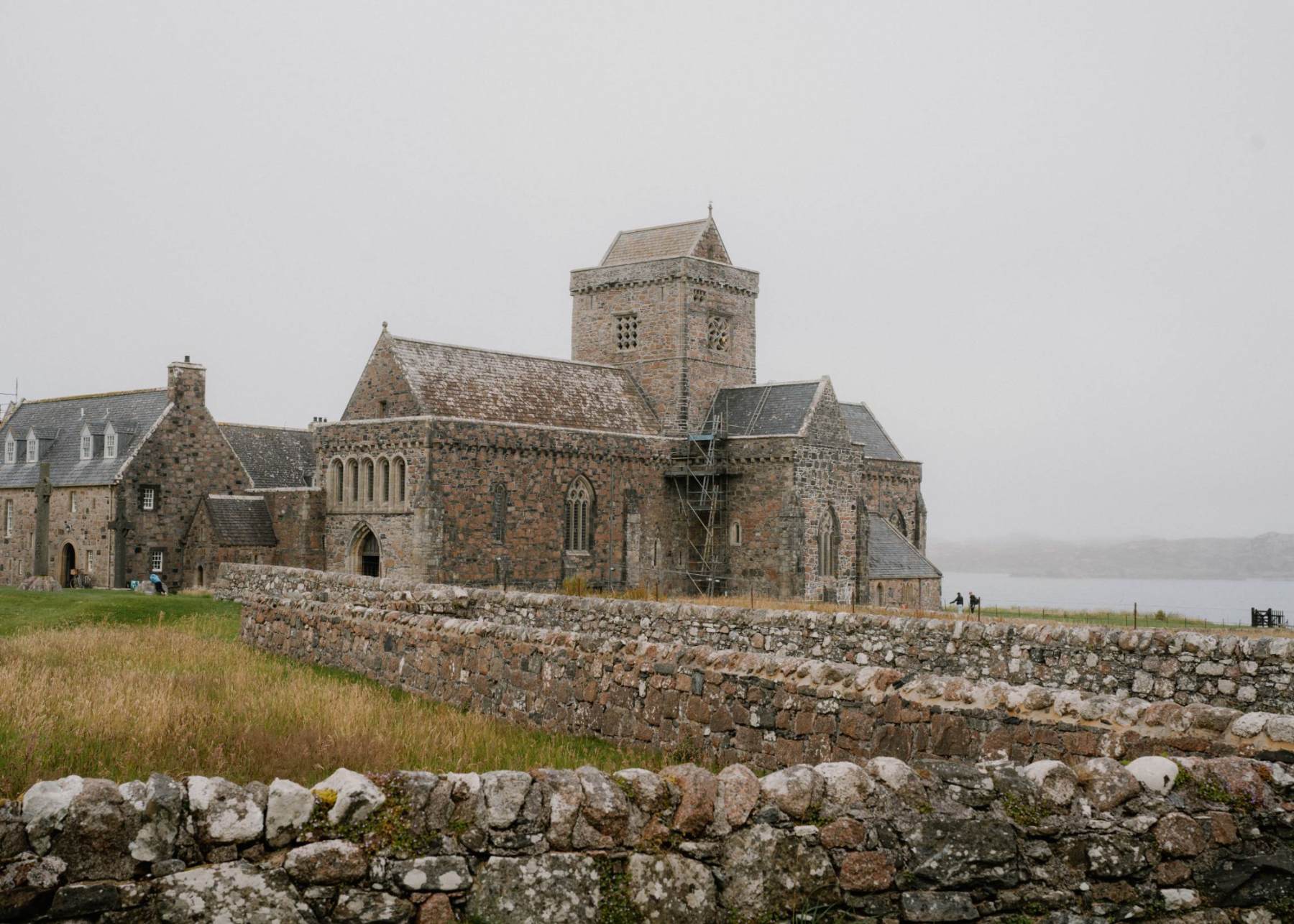
Iona Abbey
As a consequence of Margaret’s canonisation by Pope Innocent IV in 1250, Dunfermline became a prominent centre of pilgrimage throughout Medieval Europe. On 8 October 1290, Pope Nicholas IV stated that those pilgrims who visited the shrine of Saint Margaret would benefit from ‘an indulgence of a year and 40 days penance’ - a much-desired guarantee of relief of the time to be spent purifying the soul in purgatory. There is evidence of the persistence of Margaret’s following all the way up until the time of the Reformation, and her name is attributed to various places and objects - many visitable today: St Margaret’s Stone, St Margaret’s Cave, St Margaret’s Well, St Margaret’s Hope, and, of course, North and South Queensferry.
In Part 3, I came across a weather worn plaque detailing the Battle of Inverkeithing: 20 July, 1651. The bloody conflict resulted in Oliver Cromwell’s men slaying over 750 of the Maclean Clan (not least their twenty-seven year old chief, Sir Hector), and the fleeing of Charles II. It was a huge moment in Scottish history. Yet were it not for the plaque, the site of the battle would be all but lost under the layers of concrete that make up the Inverkeithing Ferry Toll car park. Testament to both the silent humility of her life, and the blind march of urbanisation, perhaps the most profound trace we have of Margaret’s life is also to be found beneath a car park. Wedged between the end of the West Fife Cycle Way and the beginning of the historic old town, Saint Margaret’s Cave sits in the corner, saved from total submersion in 1962 thanks to local outcry. To many it may be a simple, unassuming cave, but to Scotland’s most influential woman in history, it was the humble space that proved signficant for her extraordinary life and works - a life lived for others.
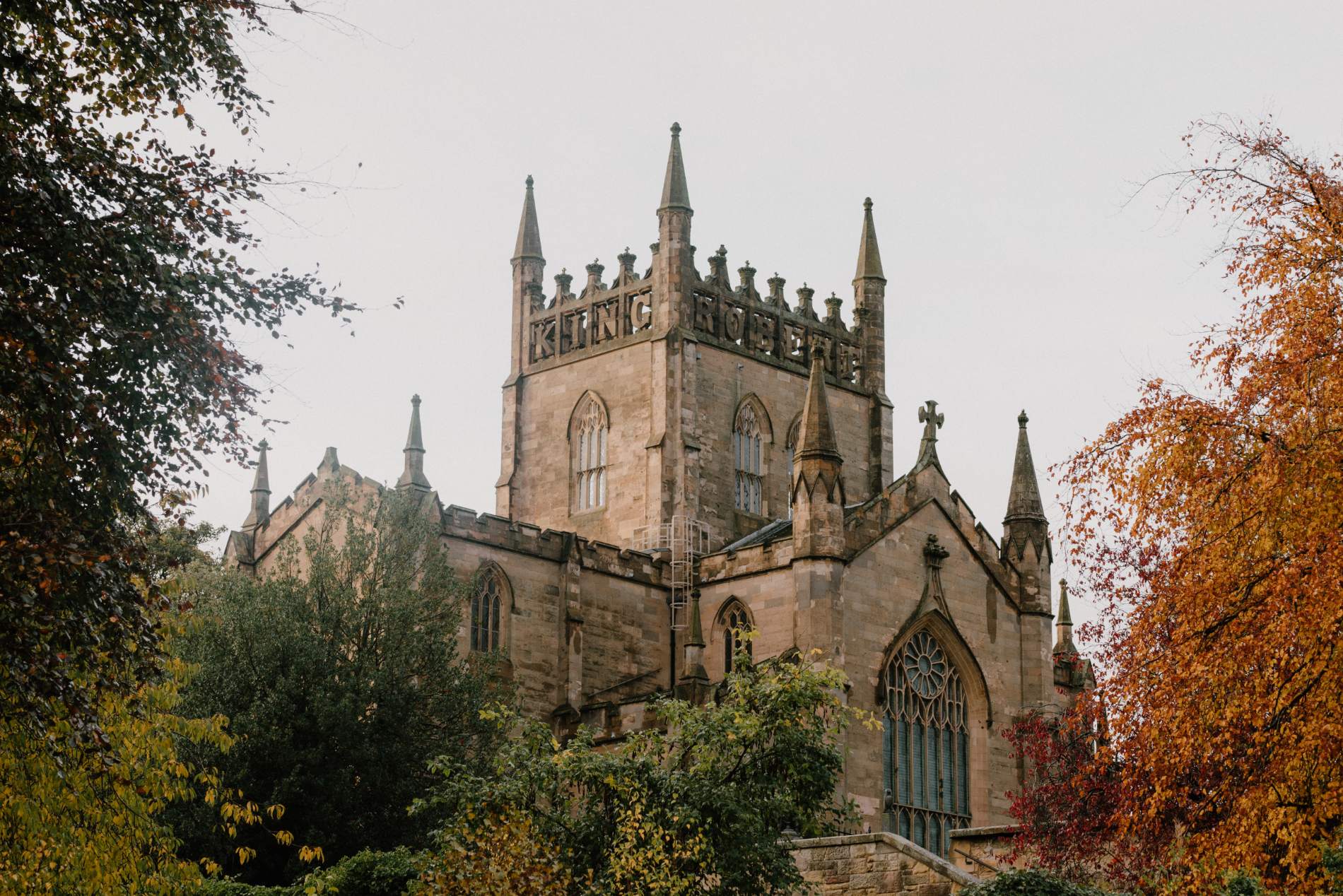
Dunfermline Abbey
Promoted Post
Stormhouse
Escape to the wild, rugged landscape of Scotland’s west coast, perfectly located between mountain and sea

-full-1741009545.jpg)






 Sign in with Google
 Sign in with Email