
A Roundup of Scotland’s Historical Fishing Villages
Over the following article we’ll be focusing on ten of Scotland’s most quintessential fishing towns and villages. These are places with tales to tell – locations that have retained much of their historical character and culture while also holding real rewards for visitors. And if you’re a fan of fresh seafood, so much the better.
-full-1740651887-full-1740747902-full-1740751031.jpg)
“If wishes were fishes I know where I’d be/ casting my net in the dark rolling sea.” So sang the legendary Borders-born folk singer Eric Bogle, using one of Scotland’s oldest trades as a metaphor for life itself. History tells us that fishing has been used as means of survival since early settlers arrived here around 7,000BC. Leaping forward around nine millennia, meanwhile, a 2023 survey carried out by the Scottish Fishermen’s Federation showed that 19 out of 20 Scots believe fishing is still vital to coastal communities.
This longevity, of course, is nothing shocking. Scotland’s lengthy shoreline and rich coastal waters have left it with countless fishing towns and villages – many of which seem as old and immutable as the bays and headlands they inhabit. Their histories tend to be fascinating and their settings tend to be spectacular, this being a country where the scenery is rarely more dramatic than at those points where the land meets the sea.
With this in mind, over the following pages we’ll be focusing on ten of Scotland’s most quintessential fishing towns and villages. These are places with tales to tell – locations that have retained much of their historical character and culture while also holding real rewards for visitors. And if you’re a fan of fresh seafood, so much the better.
Pittenweem
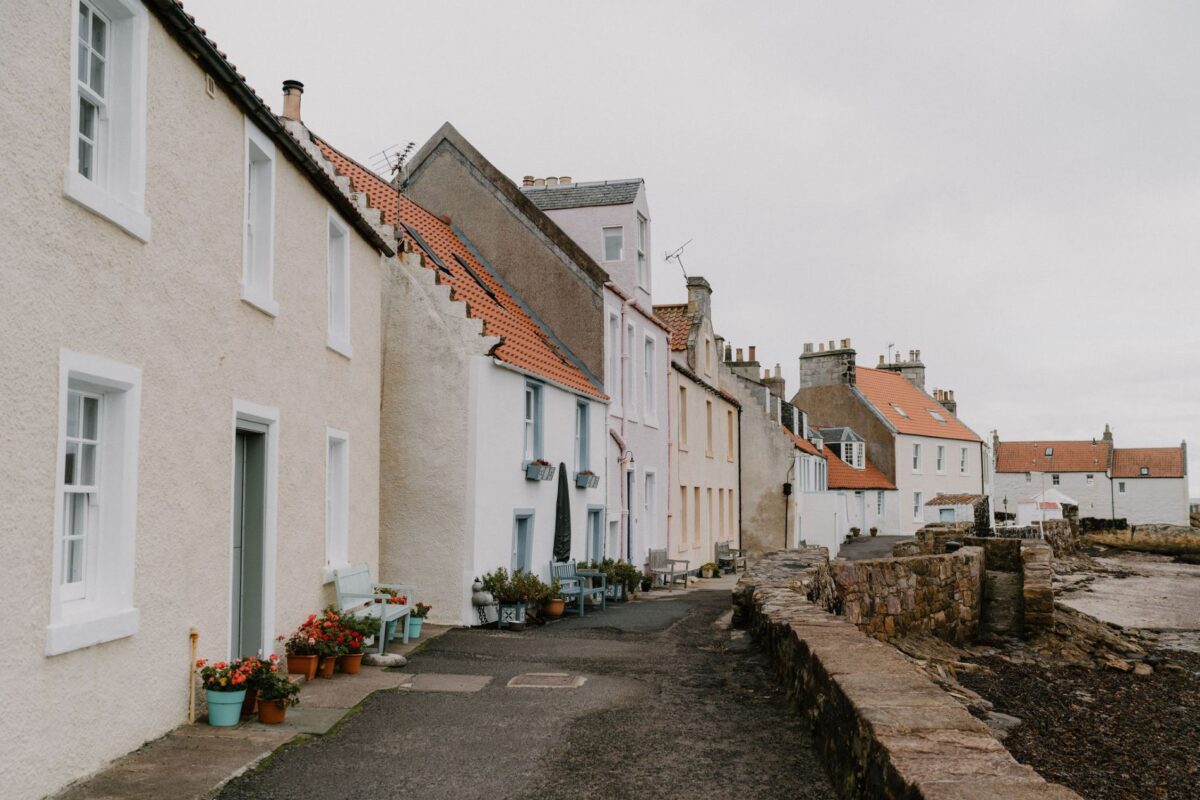
Where traditional fishing villages are concerned, the East Neuk of Fife has a whole shoal of them. Pittenweem, unarguably one of the most charming and almost certainly the busiest, has real character: fishing boats still return to the harbour early each morning as the covered fish market starts up on the quay, while whitewashed houses with pantile roofs and crowstep gables add to the old-world feel.
The unusual name is Pictish and translates as ‘place of the cave’ – a reference to St Fillan’s Cave, a natural rock hollow now tucked down a lane in town – and while the village holds dear to its fishing heritage, it’s no one-dimensional destination. Each August, as a prime example, it holds a brilliant week-long visual arts festival involving more than 140 artists. They exhibit at venues large and small, from front rooms to garden sheds.
In 2021, meanwhile, Pittenweem’s 130-year-old outdoor swimming pool was reopened and now gets filled twice a day by the tide. The entry’s a little uneven underfoot – it’s on a rocky beach – but there’s a good chance of seal-spotting, and as a way of getting your blood pumping before your evening fish and chips, it takes some beating. Having said all this, don’t expect a visit here – at any time of year – to be purely about teashops, artworks and tourist attractions. This is a living, working fishing town, its quaysides piled with nets and its harbour filled with creel boats and trawlers. Fishing for a livelihood is no easy business, and if you’re here at dawn, with the sun inching over the horizon and the night boats coming back in with their catches, you’ll get a fuller sense of how these tough daily routines are ingrained in local life.
Getting there
The Stagecoach number 95 bus service runs regularly between Leven and St Andrews, calling in at all the main East Neuk fishing villages, including Pittenweem.
See & Do nearby
Fife Coastal Path: Walk the length of this lovely long distance footpath, stretching for 116 miles from Kincardine to Newburgh, via Pittenweem and its surrounds.
Kellie Castle: A couple of miles north of the village is this fascinating fortress, mixing medieval masonry with Victorian verve.
St Fillan’s Cave: Pittenweem’s famous cave can still be visited for a suggested £1 donation, by picking up the key from
Pittenweem Chocolate Company: on the High Street.
Places to eat and drink nearby
Dory Bistro: A top-notch seafood restaurant with an art gallery – the daily specials board changes according to what’s come in overnight.
Nicholson’s Sweet & Ice Cream Shop: An old-school shop lined with jars of every sweet imaginable. It also sells homemade ice cream.
-full-1740998379.jpg)
Mallaig
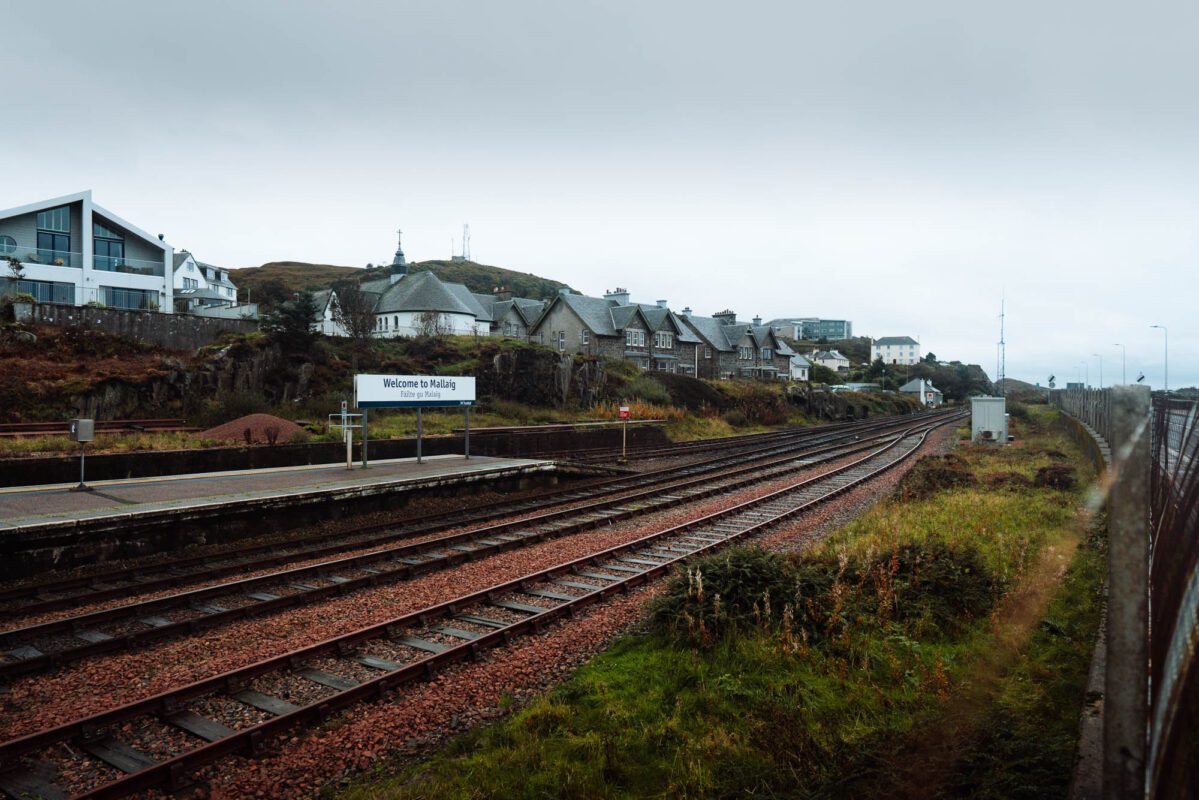
Mallaig wears many hats. For raillovers, this west coast port town is famed as the terminus of the West Highland Line, the train journey that winds through staggering mountainscapes from Fort William to the coast via the iconic Glenfinnan Viaduct (Muggles welcome). For roadtrippers the town forms part of the spectacular Road to the Isles, while for island-hoppers it’s also a muchused departure point for reaching Skye and the Small Isles by boat.
But what of the town itself? Well, it’s far more than a mere staging post. It was founded as a coastal village in the 1840s, when a local landowner encouraged his tenants to settle here and take up fishing as a profession. Things initially moved slowly. By 1851 its population stood at a modest 134, and in late 1881 a storm tore in and destroyed many of the village’s vessels.
Better times were ahead. When the railway opened in 1901, it brought with it the chance for long-lasting prosperity. Remarkably, given its relatively short timeframe, Mallaig has become the leading commercial port on the west coast and a few decades ago was deemed to be the busiest herring port in Europe. Today, white fish, crab, prawn and lobster are the main catches.
Surrounded by sweeping Atlantic scenery, it’s well accustomed to visitors, with guesthouses, restaurants and a dedicated circular walking trail that gives fine views across the area. If you want to take to the water yourself, meanwhile, you can charter a family-operated boat through Minch Adventures for wildlife-watching (or indeed a fishing safari) – it’s a brilliant chance to try and catch sight of dolphins, eagles and more amid some of Scotland’s most ravishing coastal panoramas.
Getting there
Come via train or boat, or drive here via the Road to the Isles (officially the A830). If you don’t have your own vehicle, Shiel Buses runs regular services between Fort William and Mallaig.
See and do nearby
Mallaig Heritage Centre: A diverting little museum near the train station, giving detailed info on the harbour’s past through photos and more.
West Highland Line: The Jacobite Steam Train runs tourist services along this much famed line between Fort William and Mallaig, but regular passenger trains also travel the route.
Silver Sands of Morar: A short distance to the south of town you’ll find a series of magnificent sandy beaches.
Eat and drink nearby
Chlachain Inn: Expect local beers and whiskies aplenty at this Mallaig pub, which is been in situ since around 1900.
The Cabin Restaurant & Takeaway: There’s nothing fancy about this restaurant, but the seafood’s the real deal – and a takeaway hatch caters for meals on the go.
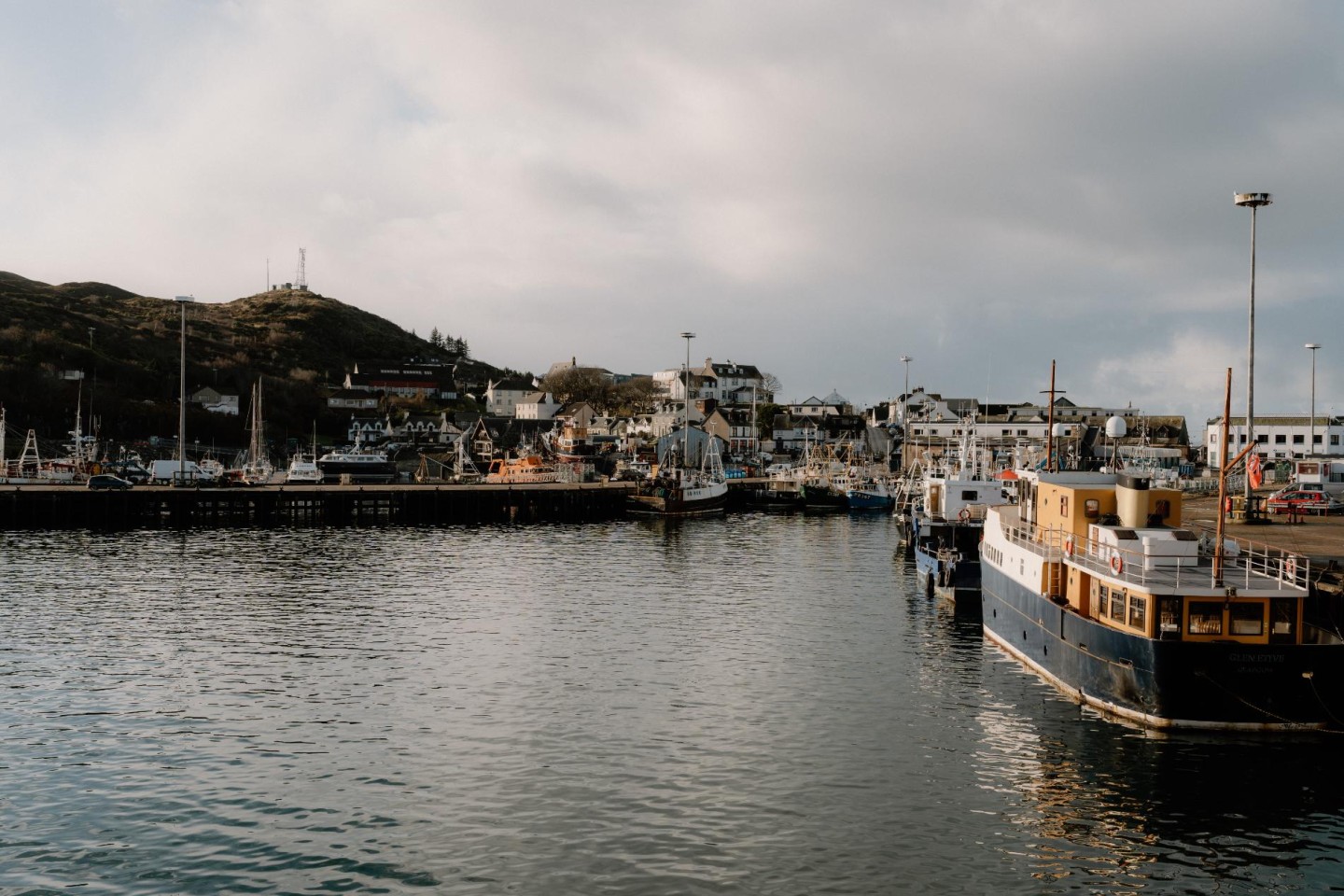
Stonehaven
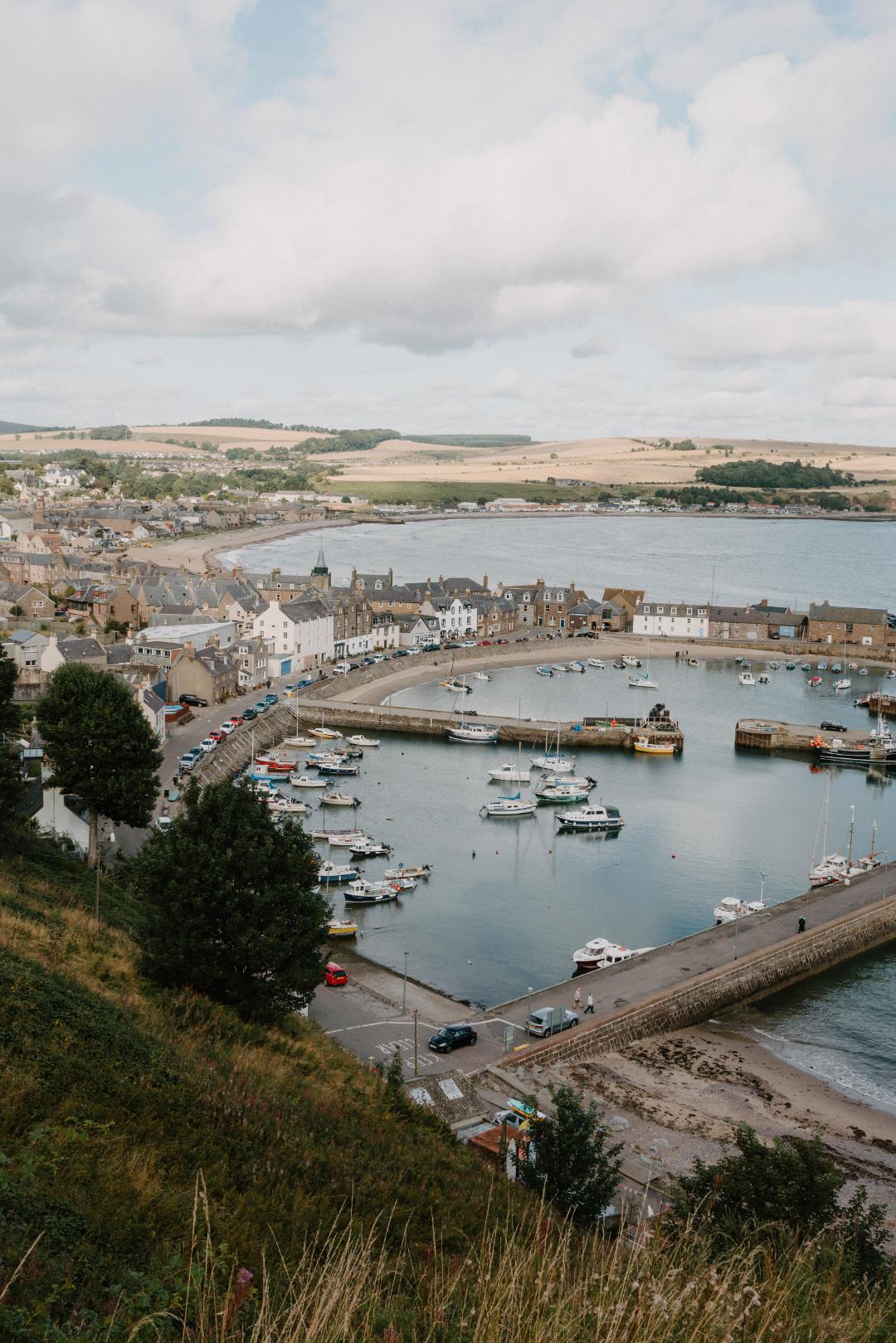
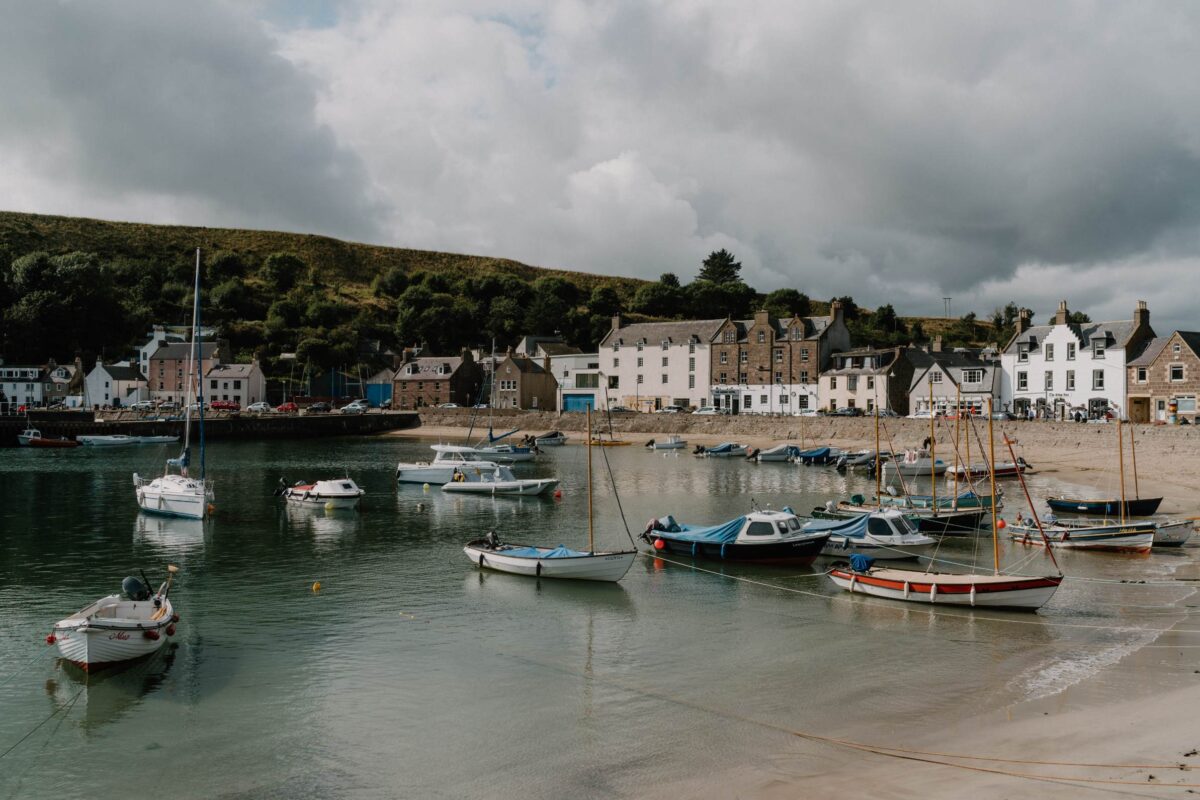
More a fully-blown harbour town than a fishing village – and still busy with anglers and sailors – Stonehaven has a current population of some 11,000, a far cry from its misty origins as a tiny Iron Age fishing village. Its chief harbour, however, has always been right where it is today, at one end of a long sheltered bay on the Aberdeenshire coast. Some maps from the medieval era name the settlement as Stonehive (or Stonehyve), although many modern-day locals plump for the simplest version of all: Stoney.
Fishing has underpinned daily life since the earliest days, most notably in the form of the local herring industry, which grew so large here in the late 19th century that some 1,280 people were employed in the trade and around 15 million herring were landed per annum. These statistics have, of course, dwindled massively, with tourism now more important than ever. And when you cast your eyes across the bay on a fine day – its blonde sands and green hills shimmering in the sun – you’ll understand why people are drawn here.
Visitor attention often focuses on the incredible cliff-perched ruins of Dunnottar Castle – where the Scottish Crown Jewels were famously concealed from Cromwell’s forces in the 17th century – but Stonehaven itself is a fine place to enjoy in its own right. Its chief attractions include the portside Stonehaven Tolbooth, a hefty sandstone building that had a former life as a prison (it once detained three Episcopalian clergymen for holding services for more than nine people) but is now in use as a local museum.
On a slightly more contemporary note, the town also has an outdoor Olympic-sized swimming pool, open since 1934 and still the UK’s largest art deco saltwater lido. Even more appealingly, it’s heated. And if you prefer the open water? Stonehaven also has a well-deserved reputation for paddleboarding.
See & do nearby
RSPB Fowlsheugh Reserve: The cliffs at this coastal nature reserve draw thousands of breeding seabirds in spring and early summer, creating a memorable avian spectacle.
Dunnottar Castle: Come and see for yourself why Disney chose this spectacularly located castle as the inspiration for the lead character’s home in the movie Brave.
Stonehaven Tolbooth: Closed by the council then reopened by the community, this excellent local museum is only open between 1.30 and 4.30pm, and closed on Tuesdays.
Places to eat & drink
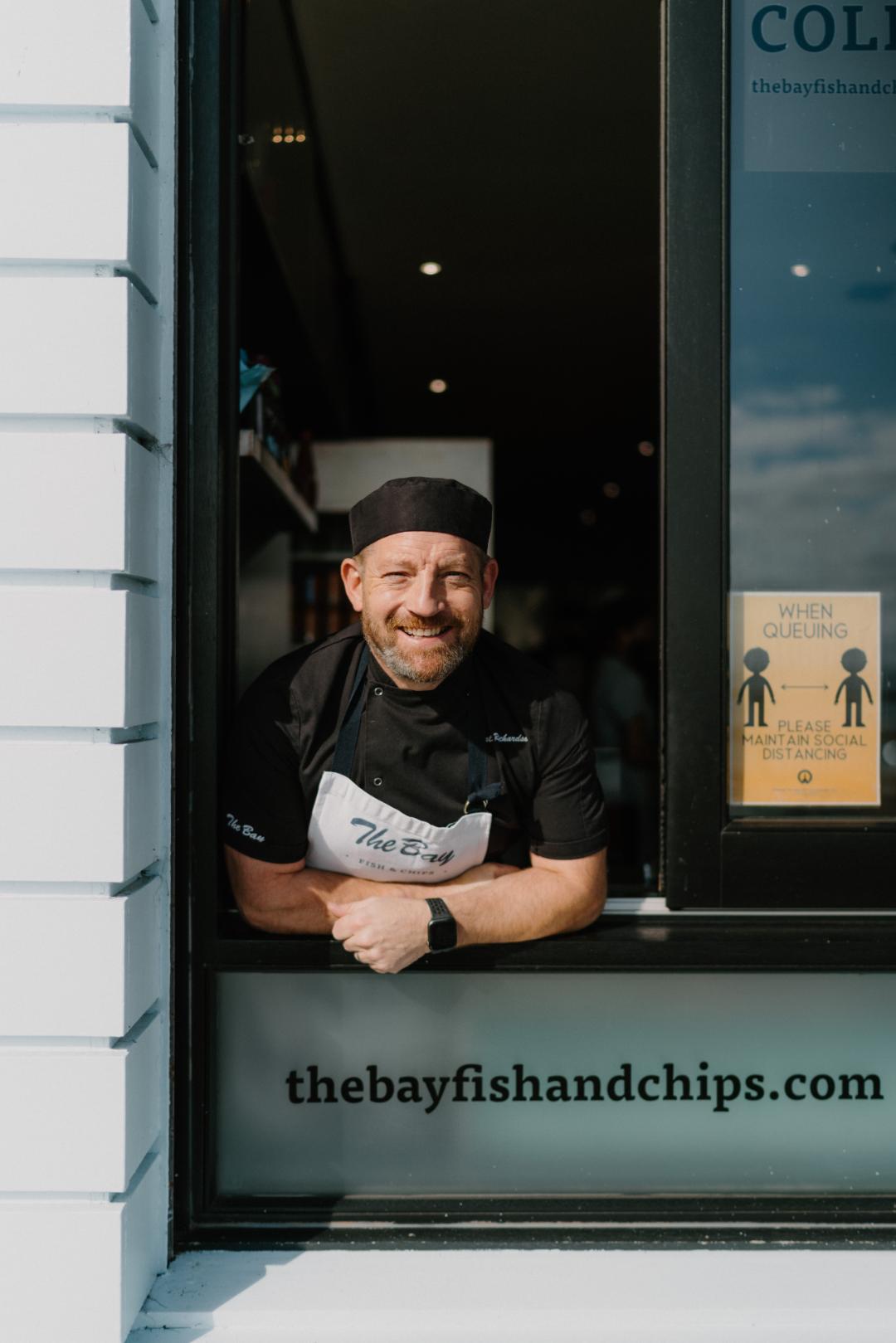
The Bay Fish & Chips: Having scooped all manner of awards over the years, this is where to head for a proper fix of local fish and chips.
Tolbooth: Seafood From langoustine bisque to rock turbot with samphire, the seafood at this harbourside restaurant goes beyond the everyday.
Cullen
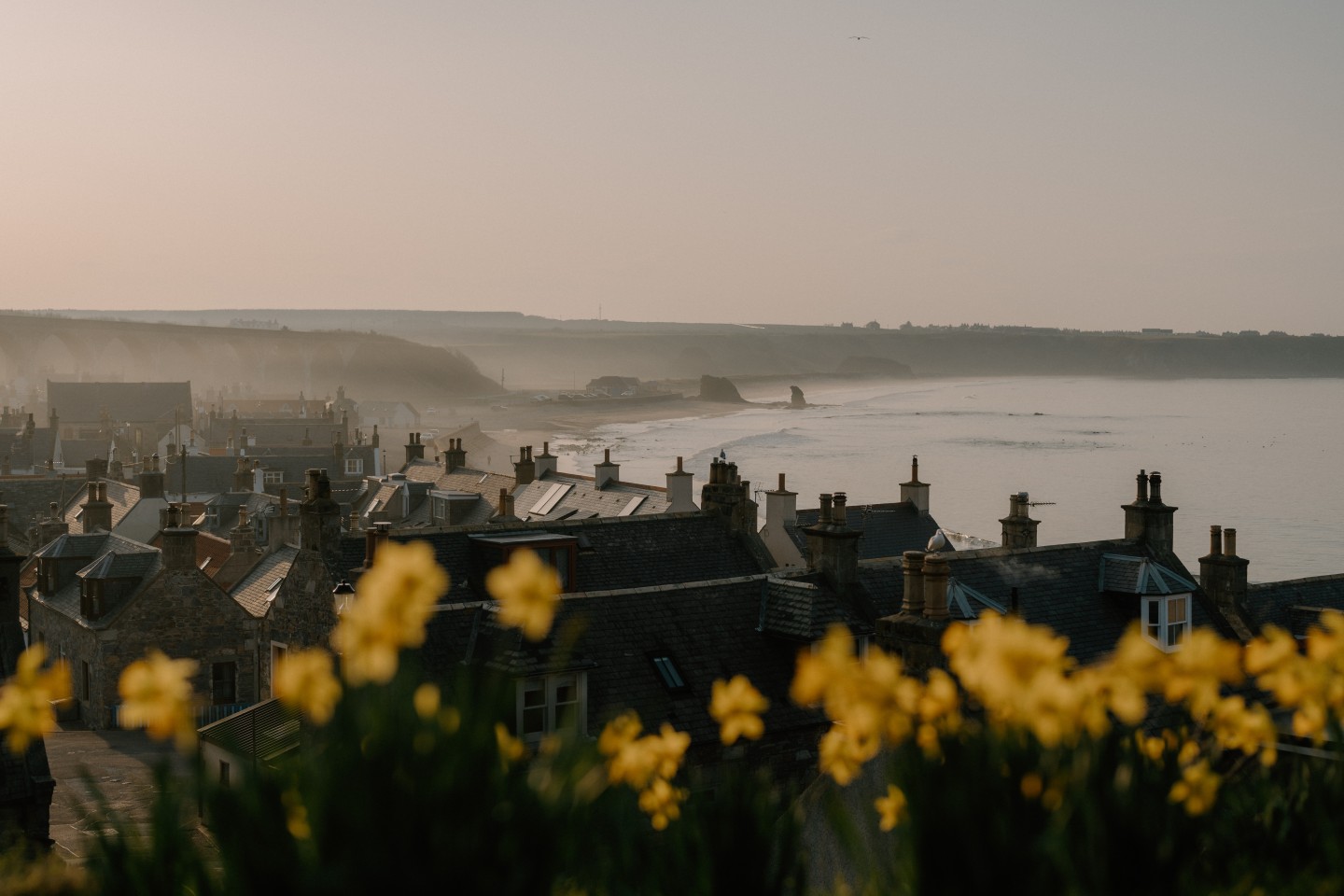
Not many Scottish villages can claim meaningful contributions to the nation’s cookbooks, but the former royal burgh of Cullen – sitting pretty on the Moray Firth, some 20 miles east of Elgin – has managed just that. Cullen skink, the thick haddock soup beloved by traditional restaurants up and down the country, has its origins right here, and the good news if you’re hungry is that you won’t have to look far to sample the dish in its original home.
Soup aside, Cullen has a prestigious past. It received royal burgh status under the reigns of Malcolm IV and William I in the late 12th and early 13th centuries, then later received a charter from James II in 1455. Its first mention, however, dates way back to the year 962, when records describe the slaughter of King Indulf at the mouth of the River Cullen.
Thankfully, the welcome’s warmer these days. Robert Burns is known to have stayed here in 1787 on his tour of the Highlands, and while the Old Town has since been demolished and moved, the place still feels heavy with history. The fishing trade expanded significantly here in the 1880s, although visitors today will encounter somewhere that still feels small, unrushed, and enfolded in the landscape.
A long sandy beach, an 18-hole links golf course and a smattering of antique shops are among the reasons to come calling, and the fact that holiday homes are in good supply tells its own story. The town’s Auld Kirk, meanwhile, has a claim to fame of its own – Robert the Bruce founded a chaplainry here in 1327, and his wife’s remains are said to still be buried on the site.
See and do nearby
Sauna at the Kings: New for 2024 is this wood-fired barrel sauna with wide views across Cullen Beach. It holds up to eight people and can be booked privately.
Cullen Heritage Centre: The place to discover more about the history of the village, with a scale model of the Old Town.
Findlater Castle: Further along the coast is this clifftop castle, once the seat of the Earls of Findlater and Seafield and now a picturesque ruin.
Places to eat and drink
Rockpool Café: One of the best places to try authentic Cullen skink, as well as all manner of traybakes and other local goodies.
Seafield Arms: A four-star hotel with an upmarket restaurant, serving fresh seafood, Highland steaks and vegetarian options.
Portmahomack
Way up in Easter Ross, on the shoreline of the windswept Tarbat Peninsula, sits a fishing village with an unusual aspect: despite being on Scotland’s east coast, the quirks of the local geography mean it faces west, back across the Dornoch Firth. This partially sheltered location has evidently drawn settlers for millennia, with shell middens dating back to at least 1,000 BC and the remnants of an Iron Age broch nearby.
By the 17th century, halibut, turbot and ling were all being brought ashore in large quantities, as were lobsters – records show some 40,000 were caught in the spring of 1792 alone. Sailing in the other direction, meanwhile, were shipments of grain, with well over 100 vessels exporting local cereals to London, Leith and Liverpool in 1839.
By this time, the north of the village had welcomed a proper harbour – designed by influential Scottish engineer Thomas Telford – and following the boom-and-bust of the herring industry, Portmahomack has now evolved into a popular spot for sailing, fishing and wildlife boat trips. It sits within the Moray Firth Special Area of Conservation, which is renowned for its dolphins.
To give some indication of the harbour’s regular usage, it’s estimated that anyone applying for a berth here will need to join a waiting list of 25 to 30 years. Visitors with slightly less time on their hands can content themselves with exploring the locality on foot, clambering over low-tide rock pools, wandering over the wide sandy beach or taking a hike out to the towering Tarbat Ness Lighthouse, here since 1830. At 43 metres high – with no less than 203 steps to negotiate for anyone tasked with changing the bulb – it’s the tallest lighthouse on the Scottish mainland.
See & do nearby
Tarbat Discovery Centre: Set on the grounds of an ancient church, this museum holds various archaeological treasures from the area.
Glenmorangie Distillery: This big-name distillery is just a short drive to the west of Portmahomack, with tours and tastings.
Wilkhaven Point: Take a walk out to this headland, at the foot of Tarbat Ness Lighthouse, for farreaching sea views.
Eat & drink nearby
The Oystercatcher: Small but well reputed, serving up good shellfish dishes and an extensive dessert menu.
Castle Hotel: A traditional hotel with an uncomplicated food menu and weekly specials.
Plockton
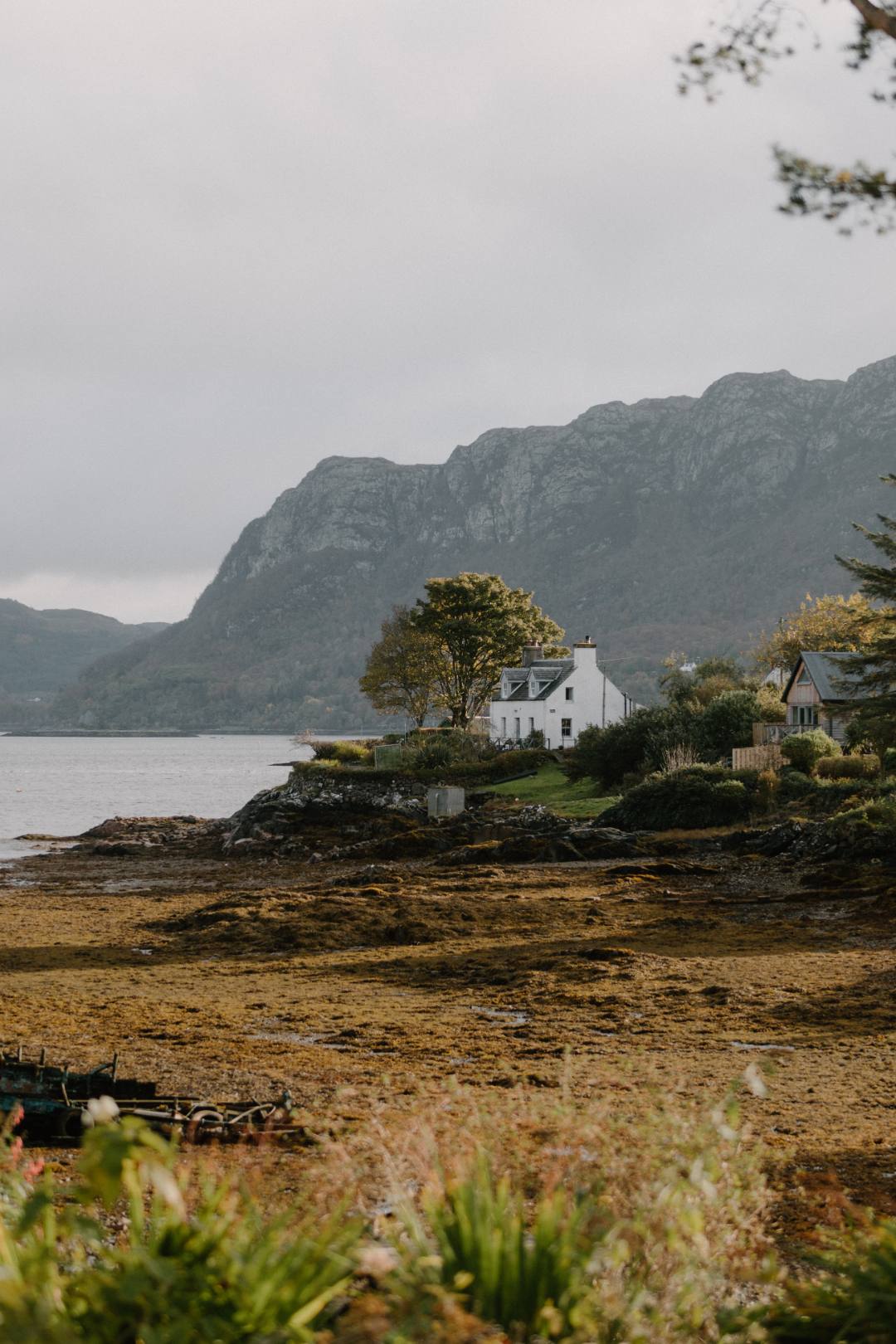
When the BBC was looking for somewhere to film Hamish Macbeth – the long-running 1990s crime drama starring Robert Carlyle – they came up trumps when they found Plockton. The village has a location to wow even the most immovable viewer, being spread across a sheltered sea loch and ringed by stunning Highland scenery on the coast of Wester Ross. The place is valued so dearly that it’s been preserved as a National Trust of Scotland conservation village.
Improbably, Plockton even plays home to a series of cabbage palm trees, able to grow here thanks to the mild influence of the North Atlantic Current, and the fact that the village faces away from the prevailing westerlies. So if you’ve ever wondered what Scotland looks like with a subtropical vibe – or you’re just looking for somewhere to base yourself for a few days of coastal exploration close to Skye – you’re very much in the right place.
Created as a planned village in the early 1800s, Plockton was dominated by fishing and crofting until the demise of the herring industry and the loss of local men to World War One. Tourism has since taken over as the dominant trade, while the village’s micro-climate has also helped draw countless artists over the years, including renowned landscapists David Macbeth Sutherland and Adam Bruce Thomson.
Should you be here in the first half of July, meanwhile, there’s a good chance your trip might coincide with the annual fortnight-long regatta held by the Plockton Small Boat Sailing Club, which tends to be a lively occasion both on and off the water. The main trophy was first raced for in 1934, and nine decades on the event is still going strong. It’s hard to imagine a dreamier summer setting.
See & do nearby
Calum’s Seal Trips: This longstanding boat operator runs popular seal-watching trips from Plockton onto the waters of Loch Carron.
Visit the Isle of Skye: A few miles to the south of Plockton, a road bridge leads to one of the biggest visitor draws in Scotland – the stunning Isle of Skye.
Craig Highland Farm: If you’re on a family trip – and frankly, even if you’re not – this 17-acre holding makes a great place to see rare native breeds up close.
Eat & drink nearby
Plockton Shores: Local and seasonal are the buzzwords at this restaurant, where you can expect – among many other things – king scallops, lobster and regional single malts.
Plockton Inn: Focused mainly on locally caught seafood, with langoustines (aka “Plockton prawns”) often the star of the menu.
-full-1741008567.jpg)
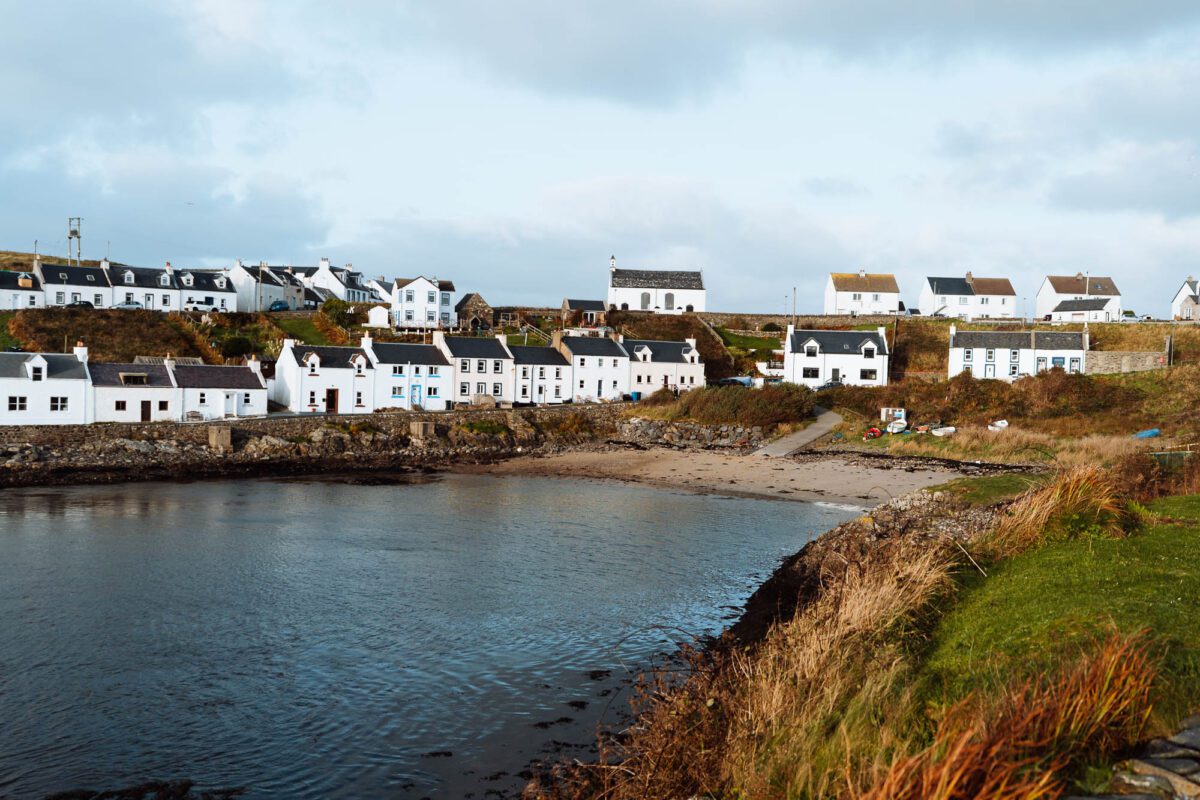
Portpatrick
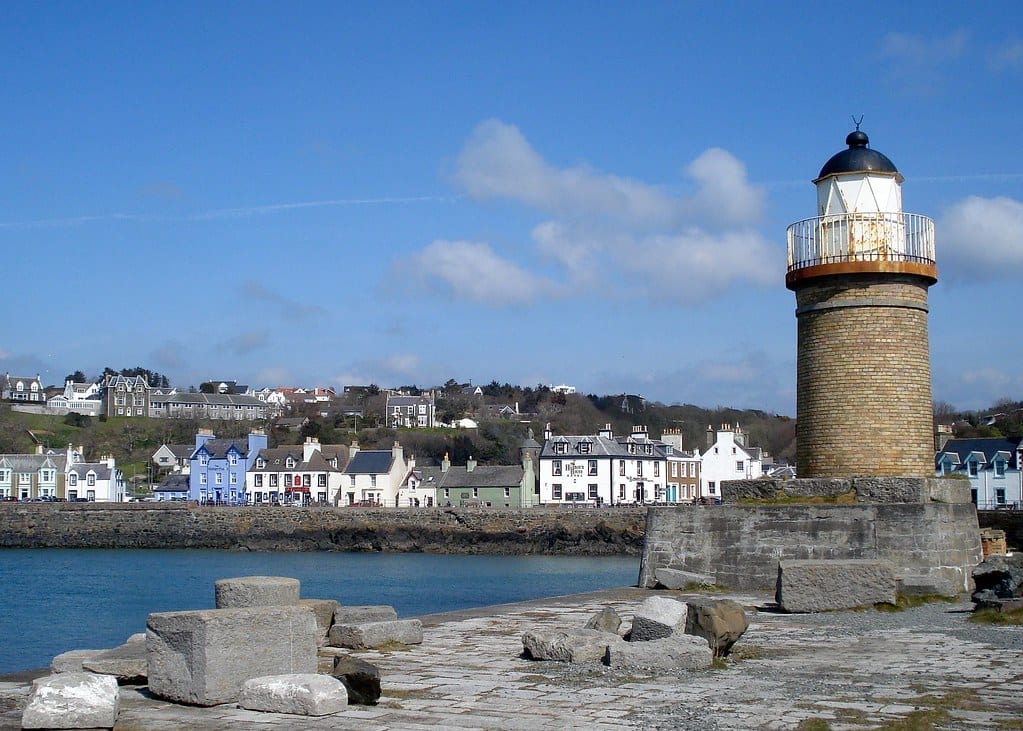
When it opened in 1984, the Southern Upland Way was the UK’s first official coast-to-coast long-distance hiking trail. Stretching for 214 miles, it begins on the east coast at the Berwickshire settlement of Cockburnspath before traversing the remote hills of the interior, eventually depositing walkers – elated but exhausted – at Portpatrick. The west coast village makes a fitting end point for such a mighty trek.
Its extreme westerly location on the Rhinns of Galloway means the coast of Northern Ireland is often visible, just 21 miles away across the waves. Unsurprisingly, much of the village’s history is tied into its proximity to the Emerald Isle, with regular ferries to the Irish port of Donaghadee recorded as long ago as 1616. It later became a key transport gateway across the Irish Sea for everything from mail and cattle to foot passengers.
Fishing, too, was once an absolutely integral part of Portpatrick life, with the “ring netters” of the 1950s able to drag in huge quantities of herring. A further connection to the sea still comes in the form of the village’s annual RNLI Lifeboat Week, a summer fundraiser featuring all manner of old-fashioned fun, from a pet show and family bingo to raft races and an evening disco. After all, if you’re in search of somewhere to let your hair down, a Scottish seaside village with glorious sunsets is as fine a place as any.
Sea angling remains a popular pastime for locals and visitors – plaice, wrasse and coalfish are all plentiful – and the clifftops that furl out along the coastline are much-loved by walkers.
The village itself, meanwhile, is a prime case of somewhere that’s successfully held onto its looks, its pastel-coloured houses dotted around a pretty bay.
See & do nearby
Dunskey Castle: Originally constructed in the 16th century, this time-ravaged towerhouse makes for a striking sight.
Smugglers Cove Gift Shop: Where to head for a coastal keepsake, including gemstones, stone carvings and a miscellany of other quirky gifts.
Portpatrick Folk Festival: Here in September? Try timing your travels to catch this three-day festival, which sees the village come alive with music and song.
Eat & drink nearby
Port Pantry: Set in an old grocer’s shop, this popular tearoom keeps visitors happy with proper tea, coffee and cakes.
DINE at Dunskey Guest House: An atmospheric restaurant set in a guest house, with a friendly welcome and seasonal menus.
-full-1741008567.jpg)
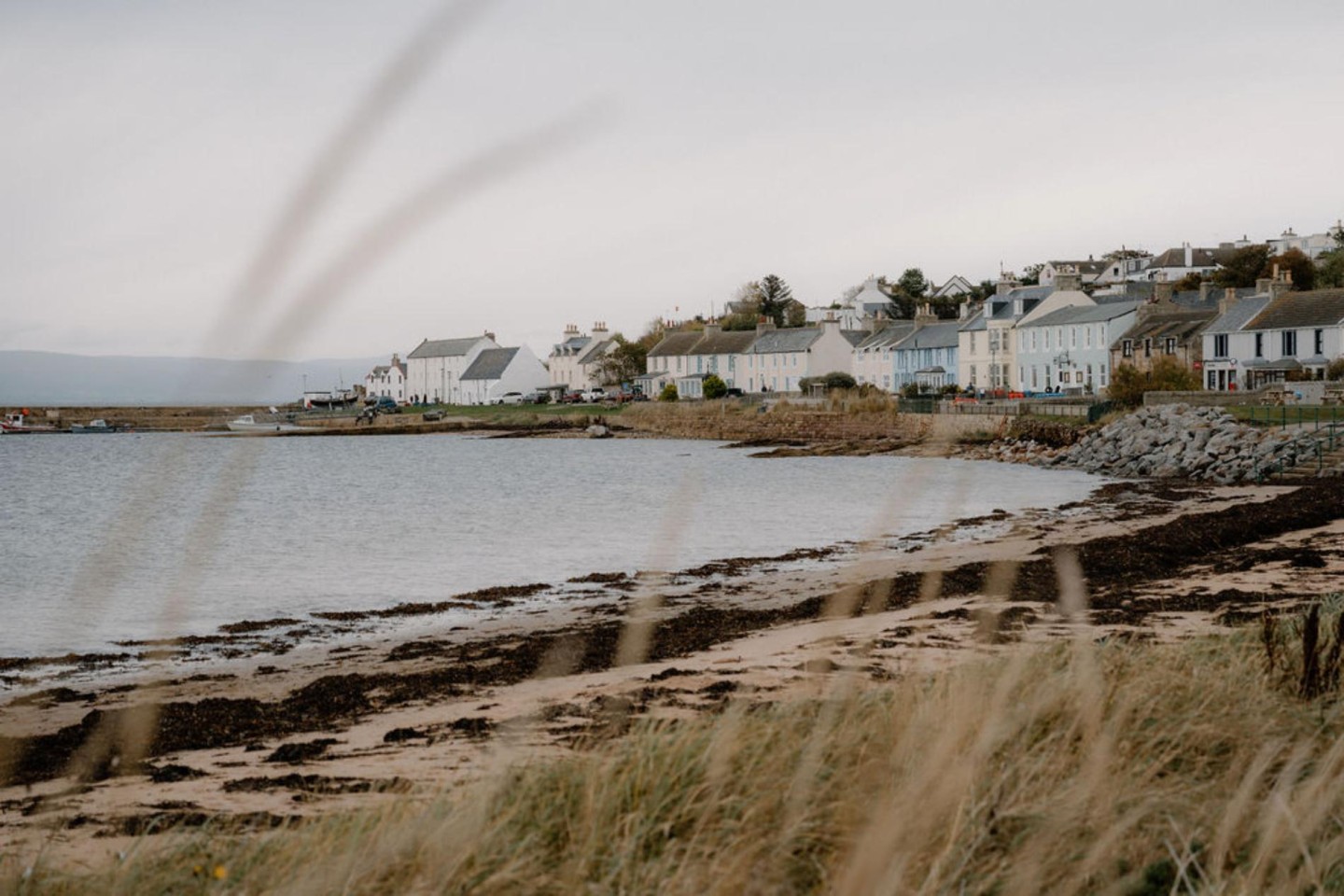
Port Askaig
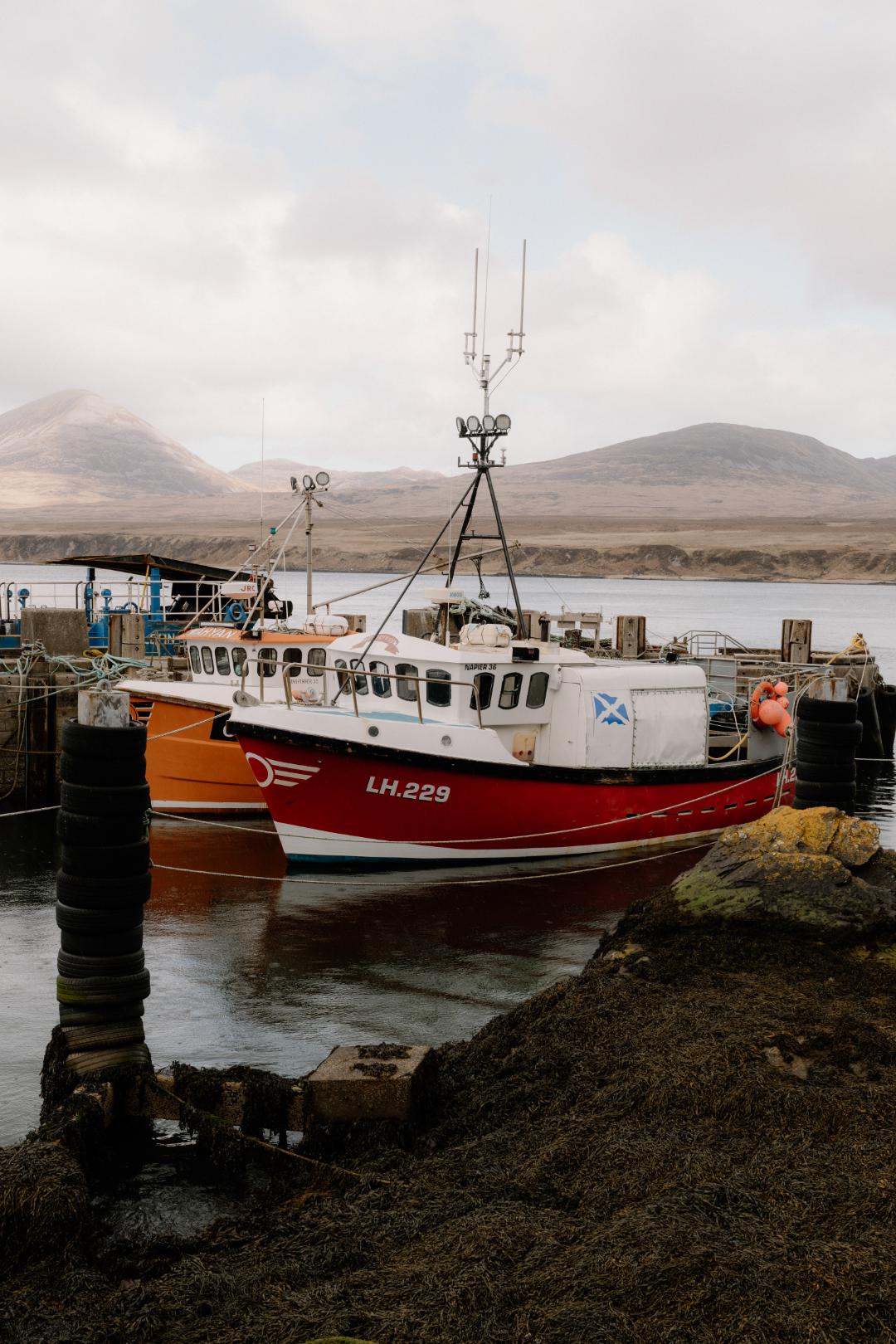
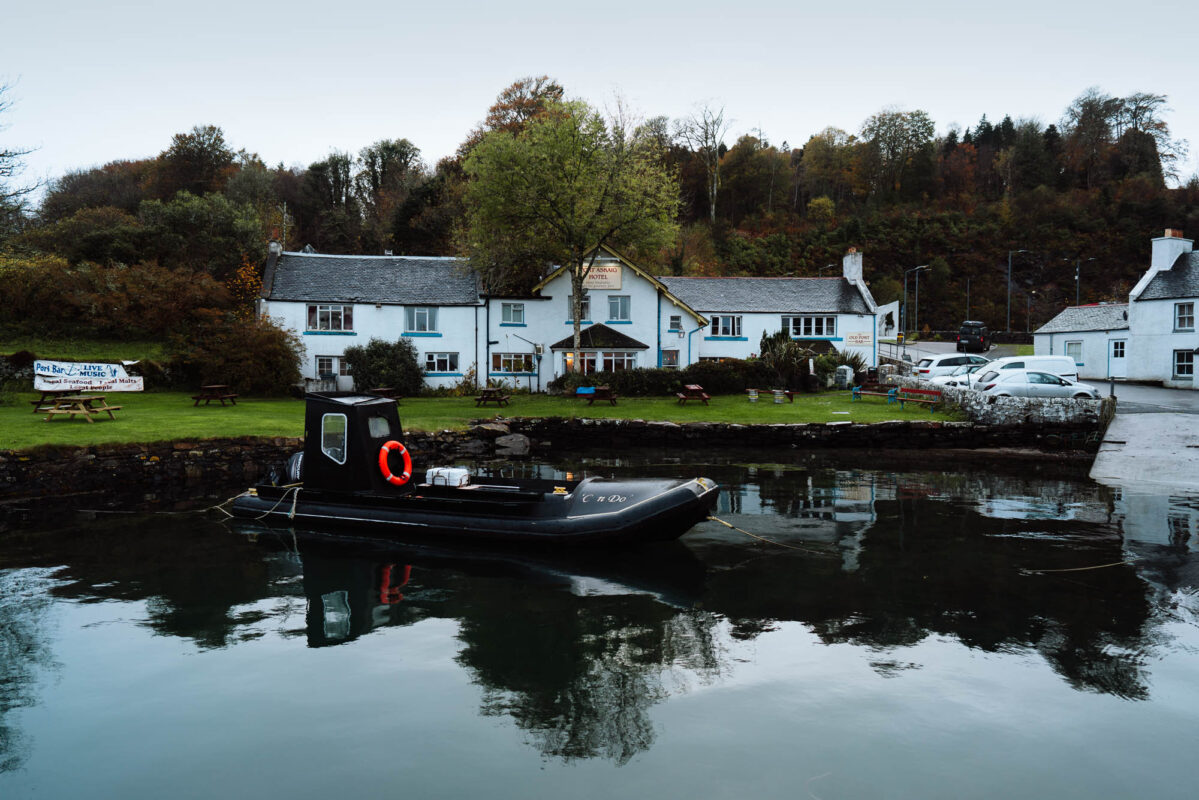
For many visitors to Islay, little Port Askaig is their entry point onto the island. The crossing from Kennacraig on the mainland takes around two hours, but the rewards on arrival are hefty. The port sits directly across the narrow Sound of Islay from Jura, giving the sense of somewhere hidden among the granite slopes and watery folds of the Inner Hebrides. It plays home to only a smattering of houses and other buildings, although what it lacks in size it more than makes up for in island character.
Islay is synonymous with its ultrapeaty world-class whiskies, and the stretch of coast immediately to the north of the port gives as fine an introduction to single malts as you’ll find anywhere. The distilleries of Bunnahabhain, Caol Ila and new(ish) kid on the block Ardnahoe all craft their wares within a few miles of Port Askaig. Caol Ila, the nearest of the three, was founded way back in 1846, and to give some sense of the port’s heritage, a steamer service to Glasgow was in place some two decades earlier, in 1825. To this day, in fact, there remains a popular bagpipe tune named “Leaving Port Askaig”, written by prolific pipe major Willie Ross.
Unlike many of the villages featured here, Port Askaig is best seen as a portal onto the island rather than a destination in its own right – although anywhere that gives access to Islay is a place of rare distinction. The walks, the wildlife, the seafood and the whisky all make a trip to the island a thrill – and if you’re here in Port Askaig, you’re also just a ten-minute sailing away from Jura, which offers more of the same.
See & do nearby
Caol Ila Distillery: The closest distillery to the port offers behind-the-scenes tours, complete with the obligatory dram tastings.
Persabus Pottery: You’ll find beautiful, hand-painted pieces at this pottery, a mile up the main road from the port. Everything is glazed and fired on site.
Visit Jura: Hop across the water to enjoy Jura, where seafood, hill walks and beaches lie in wait.
Eat & drink nearby
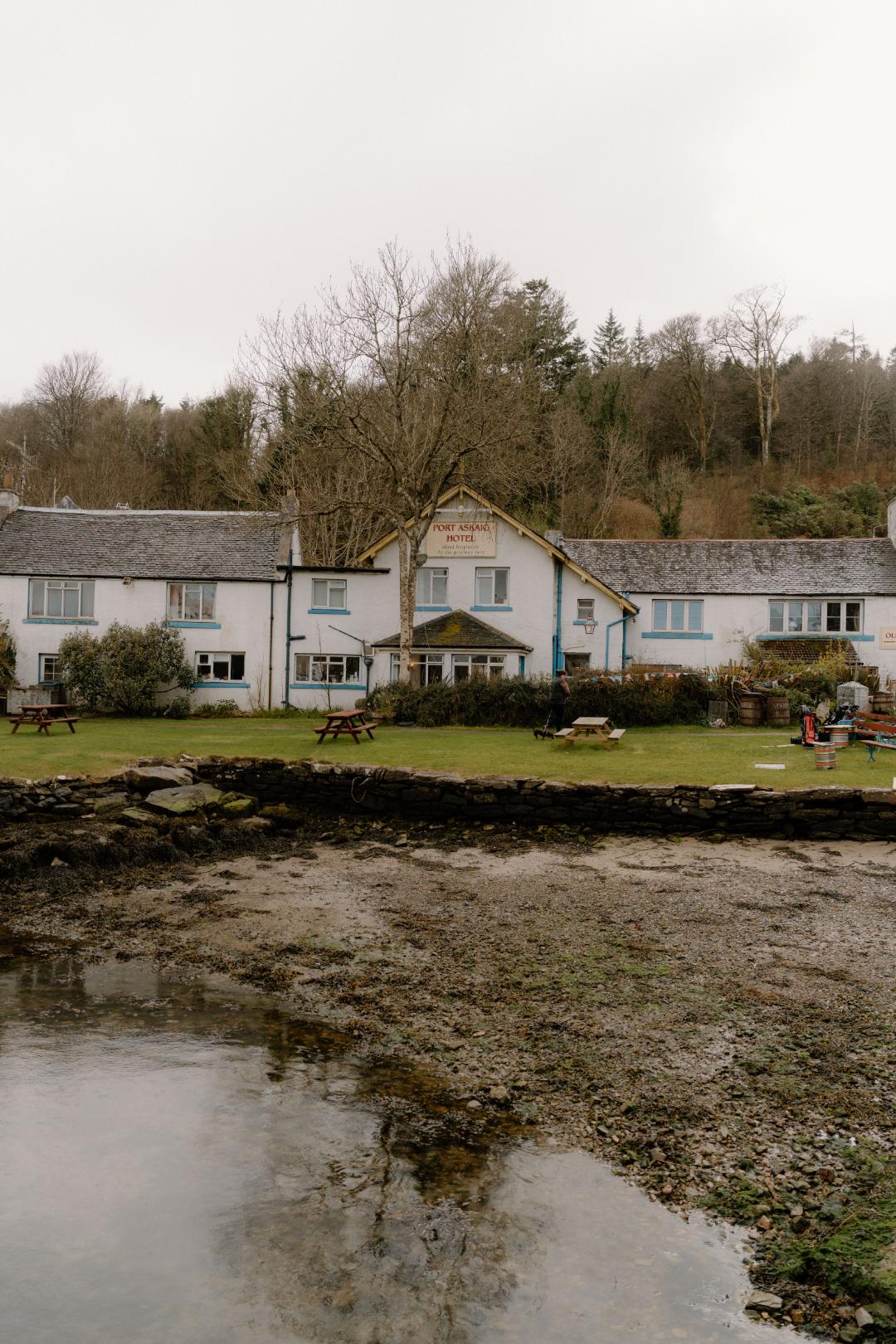
Port Askaig Hotel: Adjacent to the port is this familyrun hotel, which also has the oldest continually licensed premises on Islay.
Ballygrant Inn: This traditional whitewashed inn is three miles from the ferry terminal, with a seafood-heavy restaurant menu and a whisky bar.
Arbroath
When William I founded Arbroath Abbey in 1198, it marked the first chapter for a seaside town that would go on to become the largest settlement in Angus – a distinction it still holds today. The abbey once stood as Scotland’s richest (famously witnessing the signing of the Declaration of Arbroath in 1320, sealing Scottish independence) and the town’s mills once produced huge quantities of jute and sailcloth, although its harbour has been as important as anything in shaping Arbroath’s fortunes.
Men and supplies were landed here during the Jacobite rising, while from 1839 – the year in which the harbour was redeveloped – its fishing industry expanded significantly. Up to 40 whitefish vessels were working regularly out of the port until the 1980s, and even now the town is widely famed for its fishy delicacy: the Arbroath smokie.
Essentially a well-smoked haddock, an authentic Arbroath smokie is prepared in a smokehouse (the town still has several), where it gets salted, tied in a pair then dried, before being hung over a length of wood to smoke over burning oak chips. This technique dates back to the late 19th century – the end product, meanwhile, can still be sampled in cafés and restaurants around town. Golden-skinned and succulent, it’s best eaten warm.
O’The Toon, is still the epicentre of traditional smokie preparation. From here, the sea wall and Victoria Park promenade lead out to the northeast, where they meet the sandstone cliffs of Whiting Ness – just the place for big views, hidden sea inlets and blustery walks. On a wind-whipped day, you’ll get a full sense of the power of the North Sea.
See & do nearby
Signal Tower Museum: Near the harbour, this museum occupies what was once the operations base for the iconic Bell Rock Lighthouse.
Arbroath Abbey: Visit the ruins of one of the most historic abbeys in the country, with an exhibition telling its full story. Arbroath to Auchmithie walk Head up onto the clifftops for a memorable eight-mile coastal walk out to the old fishing village of Auchmithie.
Eat & drink
Gordon’s Restaurant: It’s worth the detour out of town to reach this Michelin-recommended fine dining restaurant, established more than 30 years ago.
The Grill: 21 Carnivores can cut loose at this popular Turkish restaurant, which specialises in grills and kebabs.
-full-1741009126.jpg)
St Abbs
During the breeding season between April and July, the east coast cliffs of St Abb’s Head attract large numbers of nesting seabirds, among them guillemots, razorbills, kittiwakes and – if you’re lucky – the odd puffin. These remarkable birds spend most of their lives at sea, only coming ashore to breed, so they tend to be picky about where they choose. St Abb’s Head – with its wild, jagged cliffs – is a mighty fine option.
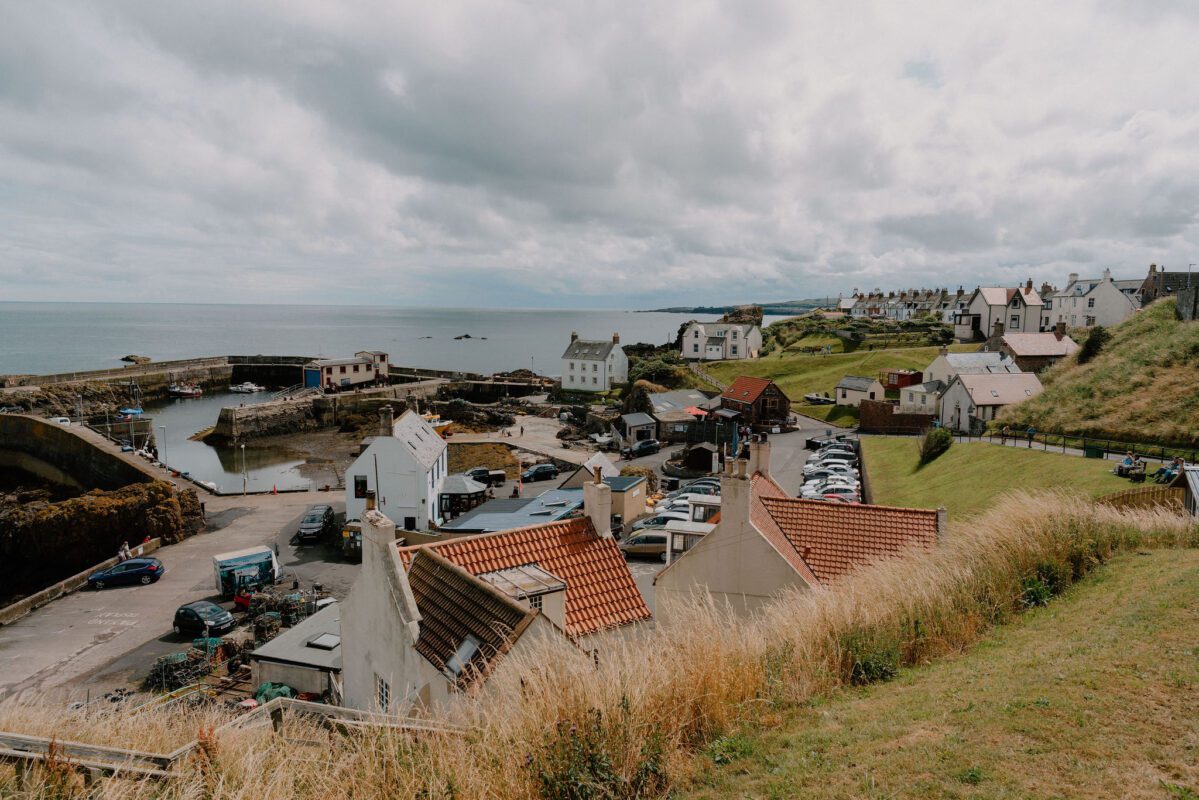
The fishing village of St Abb’s, a mile or so to the south, benefits from the same rugged scenery and dates back as far as the middle of the 18th century. Until the 1890s, it went by the more prosaic name of Coldingham Shore, eventually changing its title to honour an ancient princess who did much to spread Christianity and who passed away in these parts.
Records don’t show whether she also had a taste for fish, but her namesake village has had seafaring at its core from the start. Its handsome harbour, where boats bob next to the jetty, is still surrounded by a huddle of whitewashed cottages, while the local waters are known for their clarity. This in turn draws scuba divers, here to enjoy somewhere that since 1984 has been part of the Berwickshire Marine Reserve, the only voluntary marine reserve in the country.
The picturesque village also has two other claims to fame, both of which say plenty about its scenic drama. It takes a starring role in the music video for Harry Styles’ 2019 hit Adore You, while in the hugely successful Avengers: Endgame movie it plays the part of New Asgard, a hideaway for Chris Hemsworth’s overweight Thor. After all, even Norse gods need somewhere special to get away from it all.
See & do nearby
St Abb’s Head National Nature Reserve: It’s a joy to wander this headland, even if you’re not here during the seabird breeding season.
Number Four Gallery: A high-quality gallery stocking contemporary art pieces, from prints and paintings to ceramics and jewellery.
St Abb’s Charters: This local operator offers scuba diving, snorkelling, wild swimming and wildlife tours, with lessons for new divers.
Eat & drink nearby
Ebbcarrs Café: Right on the harbourfront in St Abb’s, this café is great for light lunches and local seafood.
The Heathers Restaurant: A seafood restaurant with great coastal views in the nearby fishing town of Eyemouth, surrounded by a golf course.
-full-1741009545.jpg)
Promoted Post
Issue 12 is now shipping worldwide from Scotland.
Issue 12 is now shipping worldwide from Scotland.







 Sign in with Google
 Sign in with Email