
Dumfries and Galloway: The Land of Peter Pan
Dumfries and Galloway has long drawn storytellers, from Barrie’s Neverland to Burns, Reivers and writers who followed. Louis D. Hall traces its art, dark skies, forests, coasts and communities, and the wildness that sits close by.
Written by Louis D. Hall
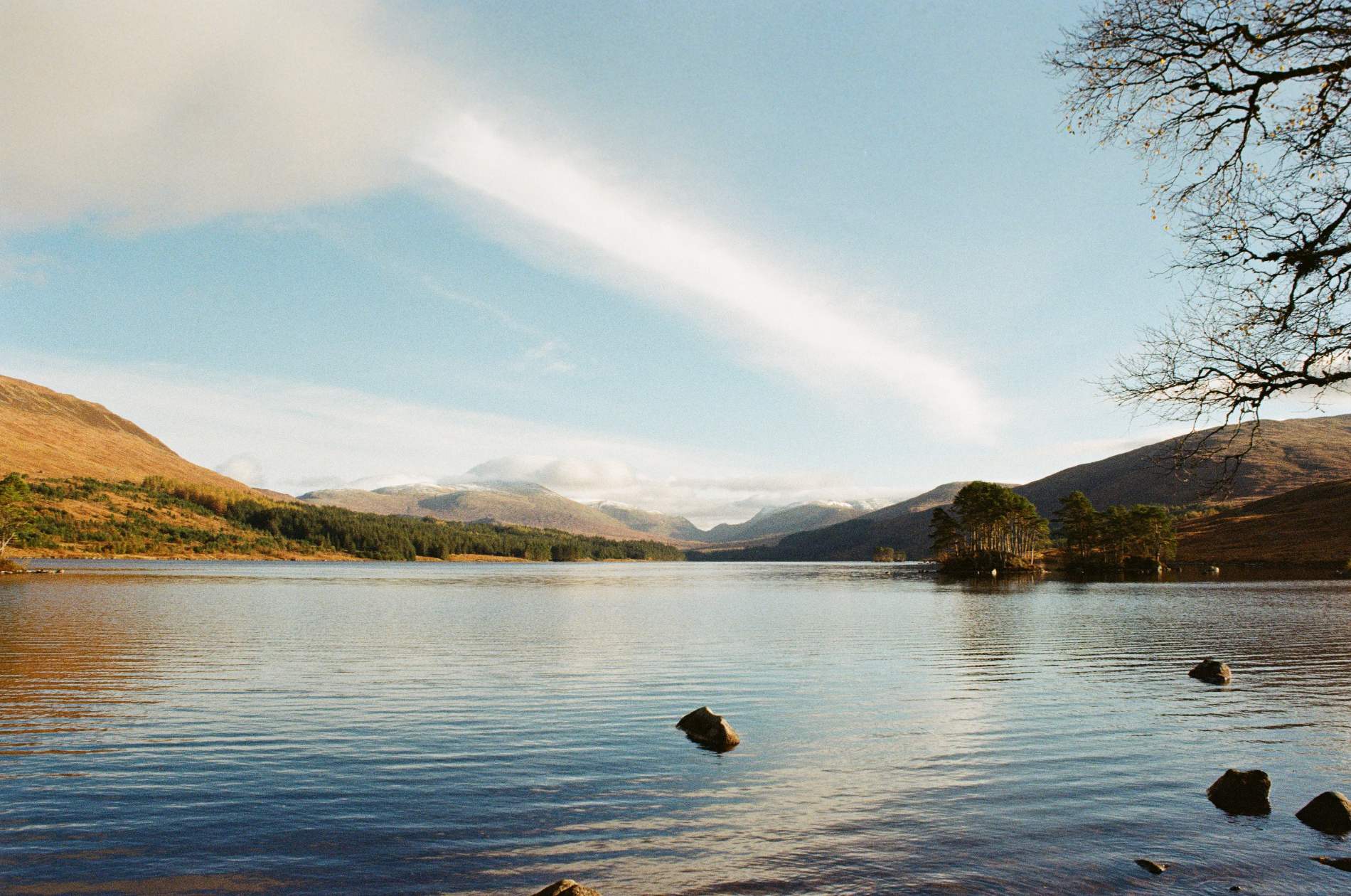
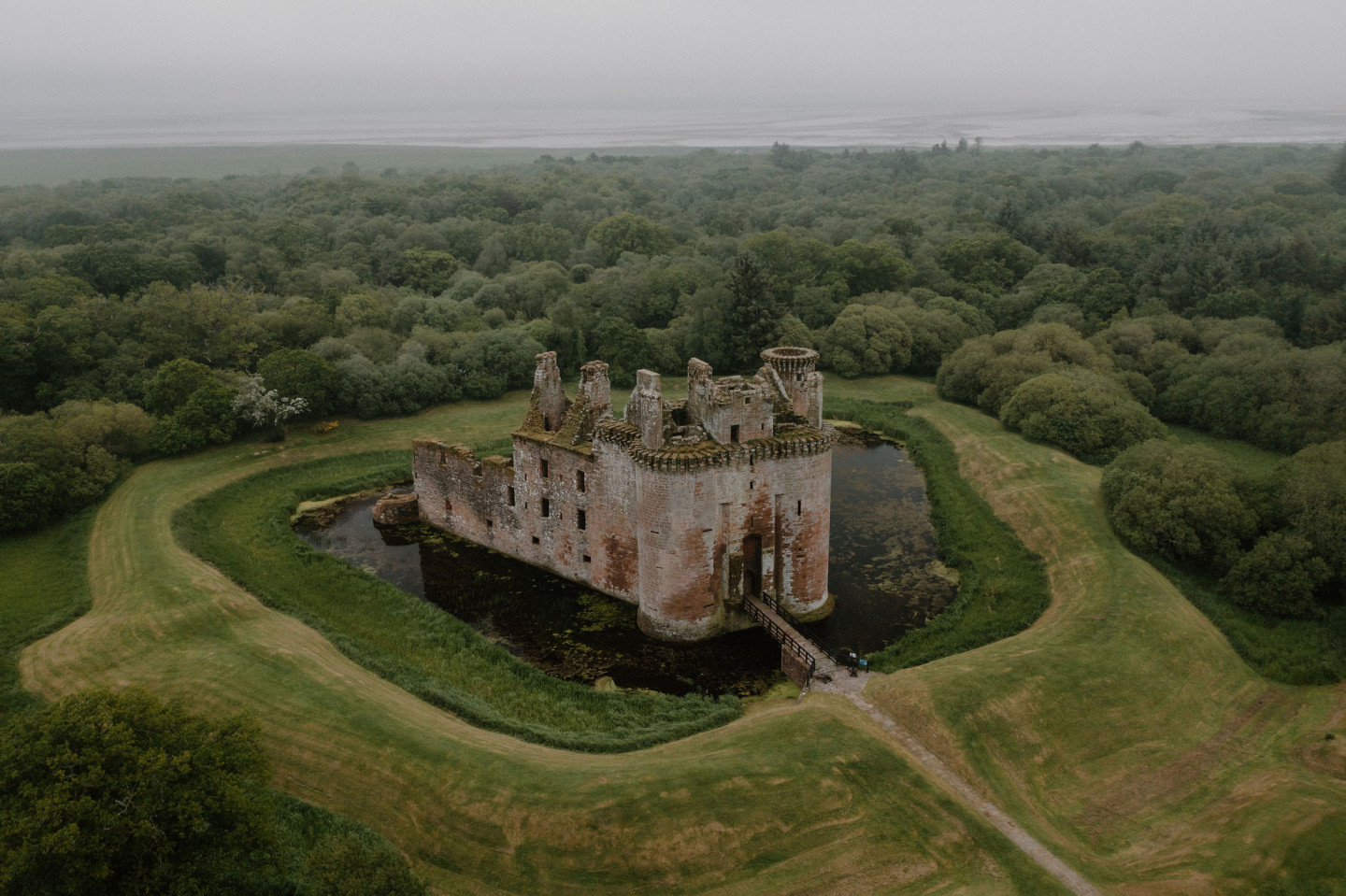
Defining this region depends on who you ask. Author of Peter Pan, J.M. Barrie, attributed the creation of his neverland tale to the ‘enchanted’ land where he spent much of his youth, ‘our escapades in a certain Dumfries garden… was certainly the genesis of this work.’ Inspiring Jessie M. King, EA Taylor and many of ‘The Glasgow Boys’, artists from Kirkcudbright might also agree. Fearing French invasion, however, over one hundred years previously, crouched over an ale in Dumfries’ Globe Tavern, Robert Burns illustrated the area with scenes of patriotism: The Nith shall run to Corsincon, And Criffel sink in Solway, Ere we permit a foreign foe. Before the Act of Union in 1603, hardy inhabitants in the east of the region may have disclosed a realm of violence and secrecy; Reivers - sheep and cattle thieves from both sides - roamed in darkness across the ‘Debatable Lands’ between England and Scotland. Beyond the UK, Sir Walter Scott brought Dumfries and Galloway to international fame in fictional books such as Guy Mannering and Redgauntlet, while writer John Buchan fuelled the romantic mirage of an escapists’ realm in Thirty-Nine Steps. Yet as words and depictions continue to evolve, the essence of this place remains the same: eclectic in production, rich in history, and centred around community. Although one county, Dumfries and Galloway was once divided into three: Dumfriesshire, Wigtownshire and Kirkcudbrightshire (the last two collectively known as Galloway). Forging the border at the most easterly point of Dumfriesshire is the tweed, craft and textiles town of Langholm and the Famous Blacksmiths Shop of Gretna Green - a notorious elopement destination since the 1760s. If you head northwest up the river Annan, you come across Moffat, UK’s first ‘Dark Sky Town’ set in the heart of the Southern Uplands. With its own distillery and at the crossroads of three national trails, it’s a great spot for unrushed explorers and star gazers alike. Six miles north lies the historic hollow in the hills (1400 feet deep): The Devil’s Beef Tub. Named after the cow hustling Border Reivers, it also claims host to ancient woodland, the notorious sixth century ‘wizard’ Merlin, and Robert the Bruce; the King of Scots made use of this area during the Wars of Independence against the bordering English.
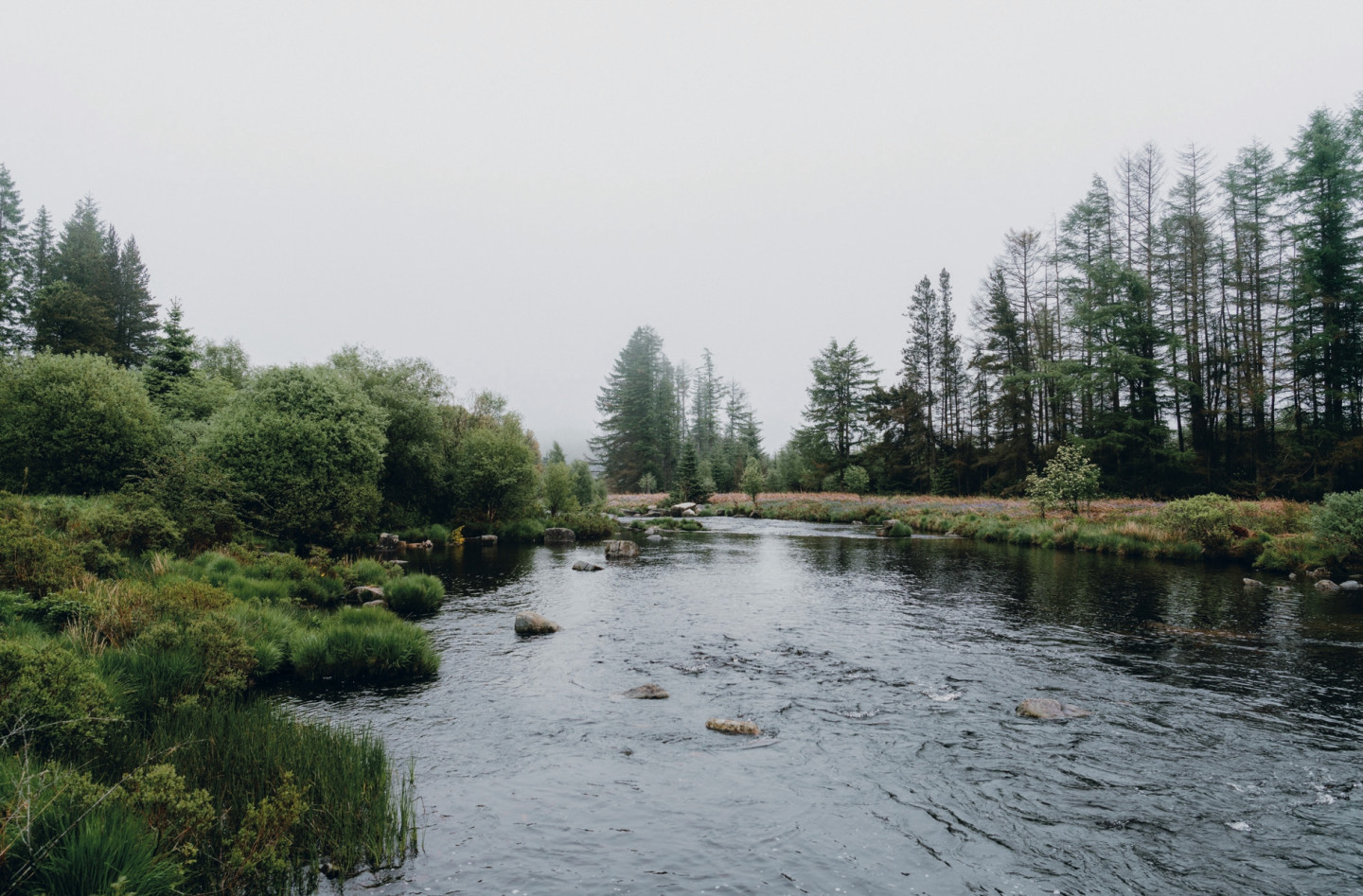
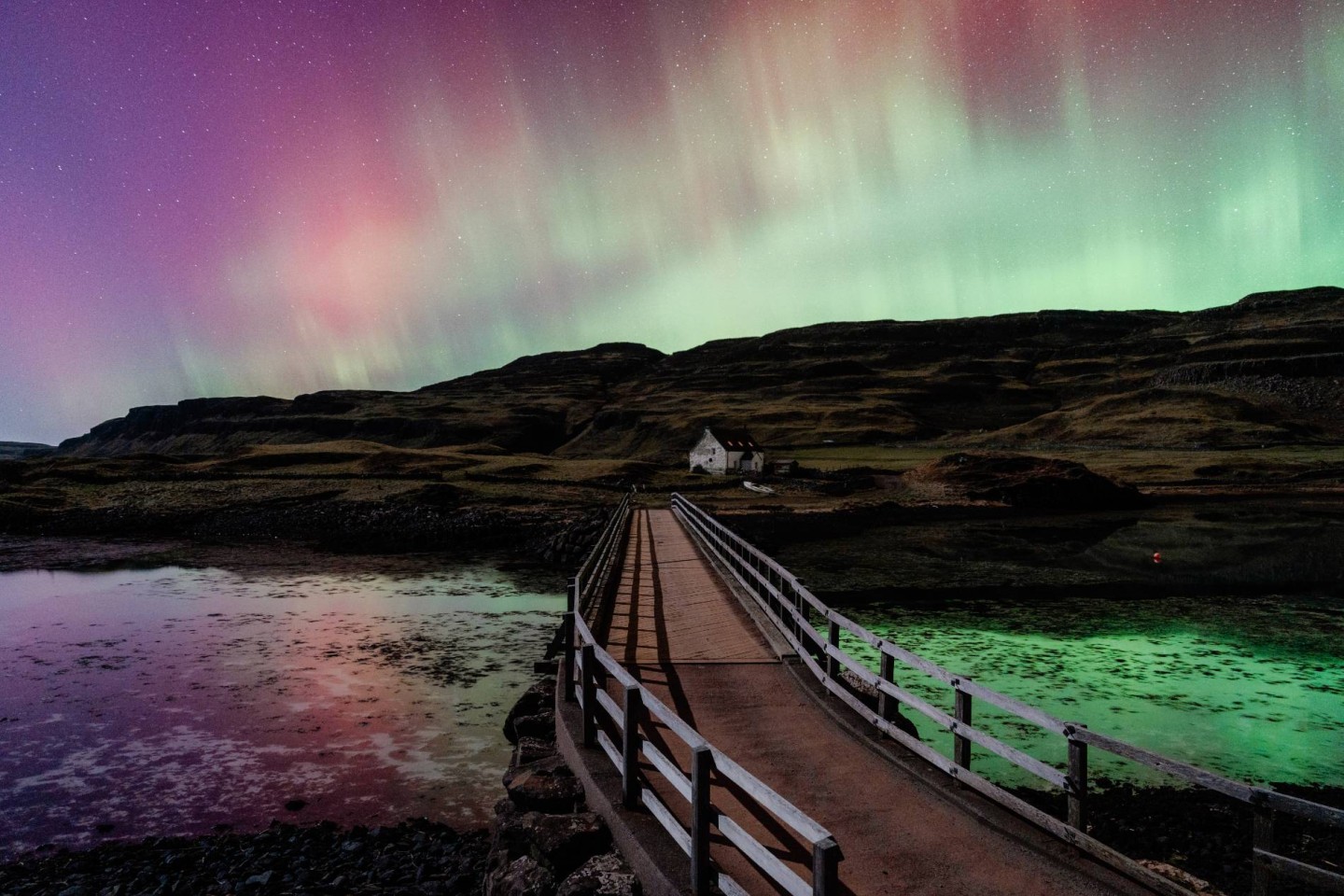
As impossible a task as it may be through words, attempting to impress the sheer extent of Dumfries and Galloway’s natural beauty is worthwhile. Once described as a ‘rural backwater,’ a sure source of the area’s rich biodiversity surely relies on its ‘out of the way’ location. In 2012, Galloway was recognised as Scotland’s first UNESCO biosphere, ‘a world-class environment for people and nature.’ At a local level, with centuries of sheep, dairy and beef farming, the area thrives chiefly on agriculture. While traveling through, nothing quite beats the sight of a herd of Belted Galloway cows roaming on a lush green hill, a thick white stripe belting their black bellies. Forestry is key here too. Dumfries and Galloway is home to the largest wooded region in Britain: the 300 square mile Galloway Forest Park. With over 7,000 stars and planets visible, and attracting rare birds such as Capercaillie, Golden Eagle, and Ospreys, nature’s hold is real and flourishing.
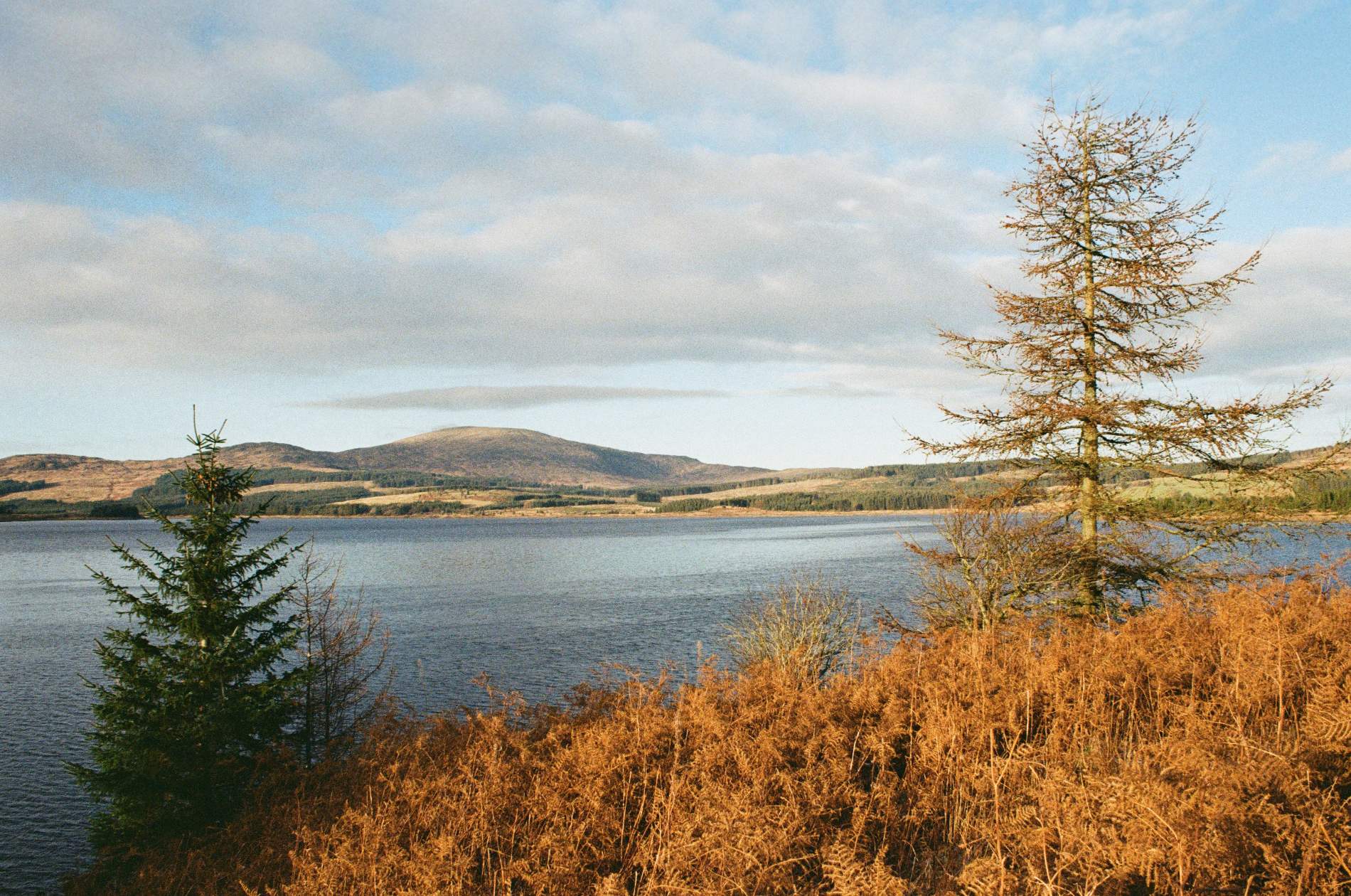
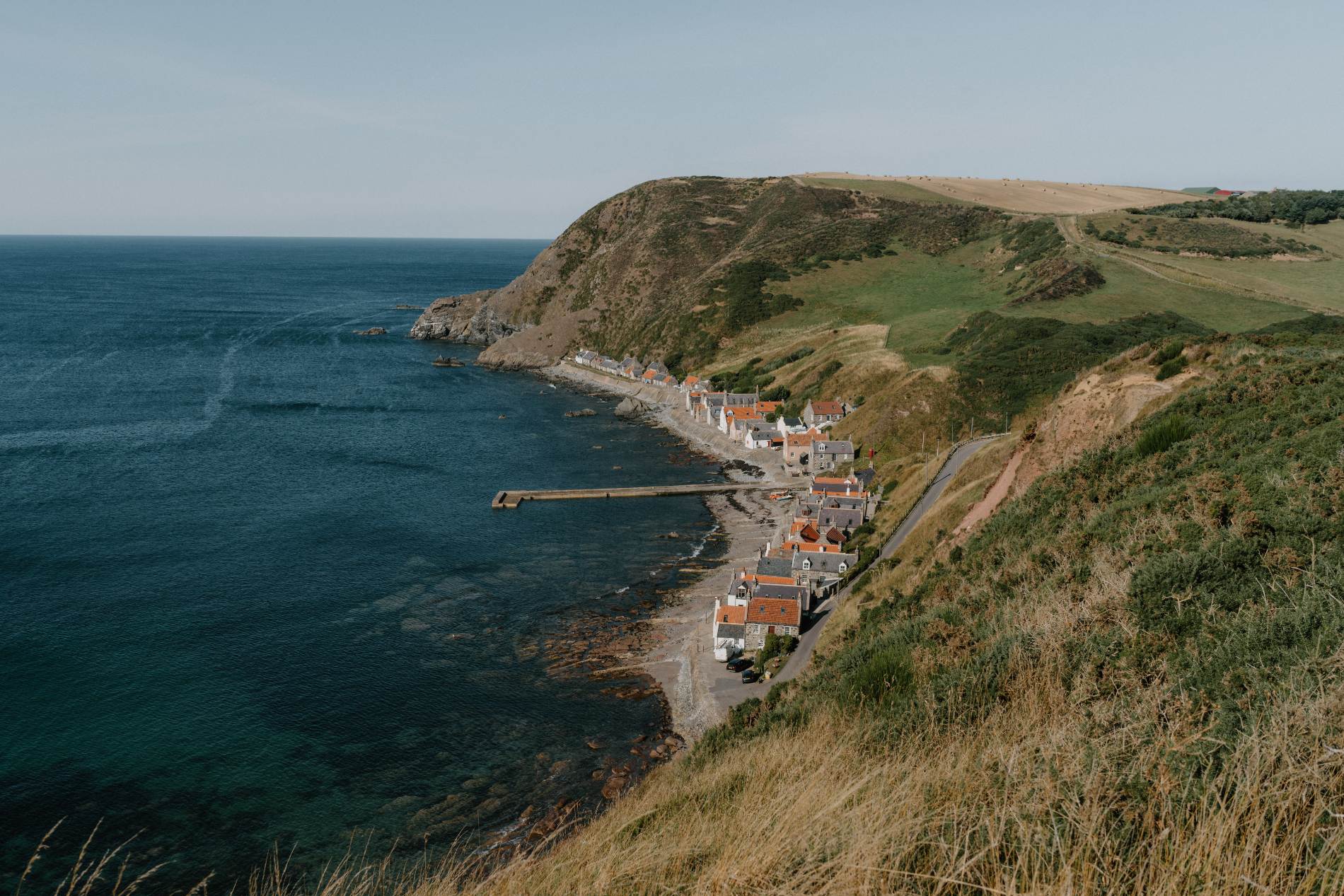
On the west side of the park lies Glentrool, otherwise known as the Galloway Highlands. While boasting Southern Scotland’s highest peak (the Merrick), it was from Loch Trool that Robert the Bruce launched his campaign which culminated in the Battle of Bannockburn. Beyond the dense life found among the forests, lochs, skies and verdant hills, the region has a multitude of protected areas that maintain the county’s immense biodiversity. To name but a few: Stranraer’s Glenwhan Gardens, ‘the most beautiful gardens in Scotland’; the birdwatchers paradise of RSPB Mersehead; Grey Mare’s Waterfall in Moffat Water Valley; the 20,000 acre Caerlaverock National Nature Reserve (a unique expanse of sand, sea, mud and merse along the Solway Coast), and Scotland’s most southerly point, the Mull of Galloway. Identifiable offshore by the operational 85-foot lighthouse, the Mull is a hidden gem beading out into the Irish Sea. Like much of the North Channel coastline, the Mull’s warm climate from the Gulf Stream allows for stunning gardens above, most notably the Logan Botanic Garden (‘Scotland’s Most Exotic Garden’). The wide stretching beaches below provide some of the best places in the UK to view mink whales, dolphins, puffins, kittiwakes and guillemots. Arrive on the last Sunday of the month and you’ll hear the lighthouse foghorn reverberate along the cliffs, booming across the water.
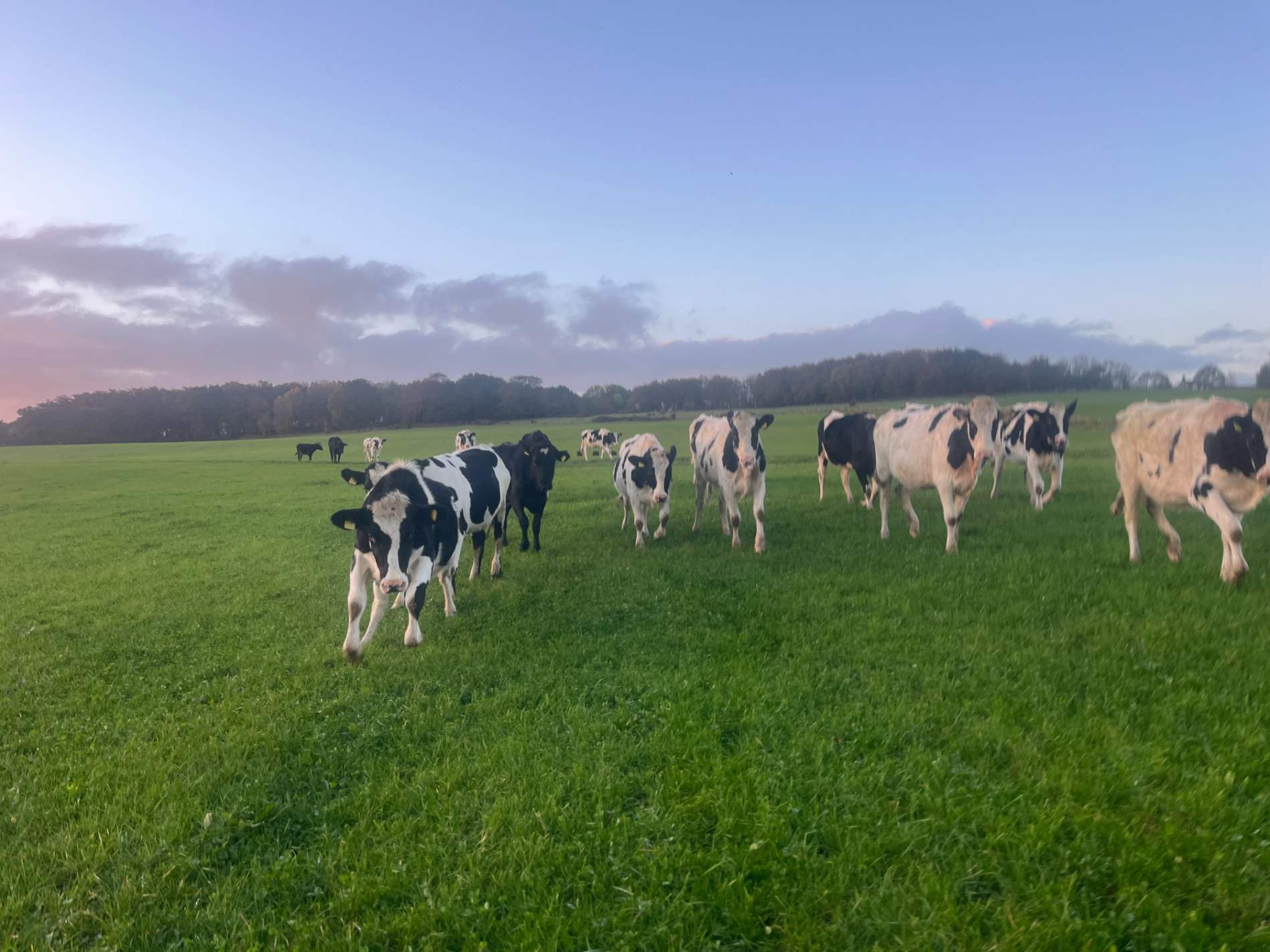
The verdant fields of Dumfries and Galloway
Promoted Post
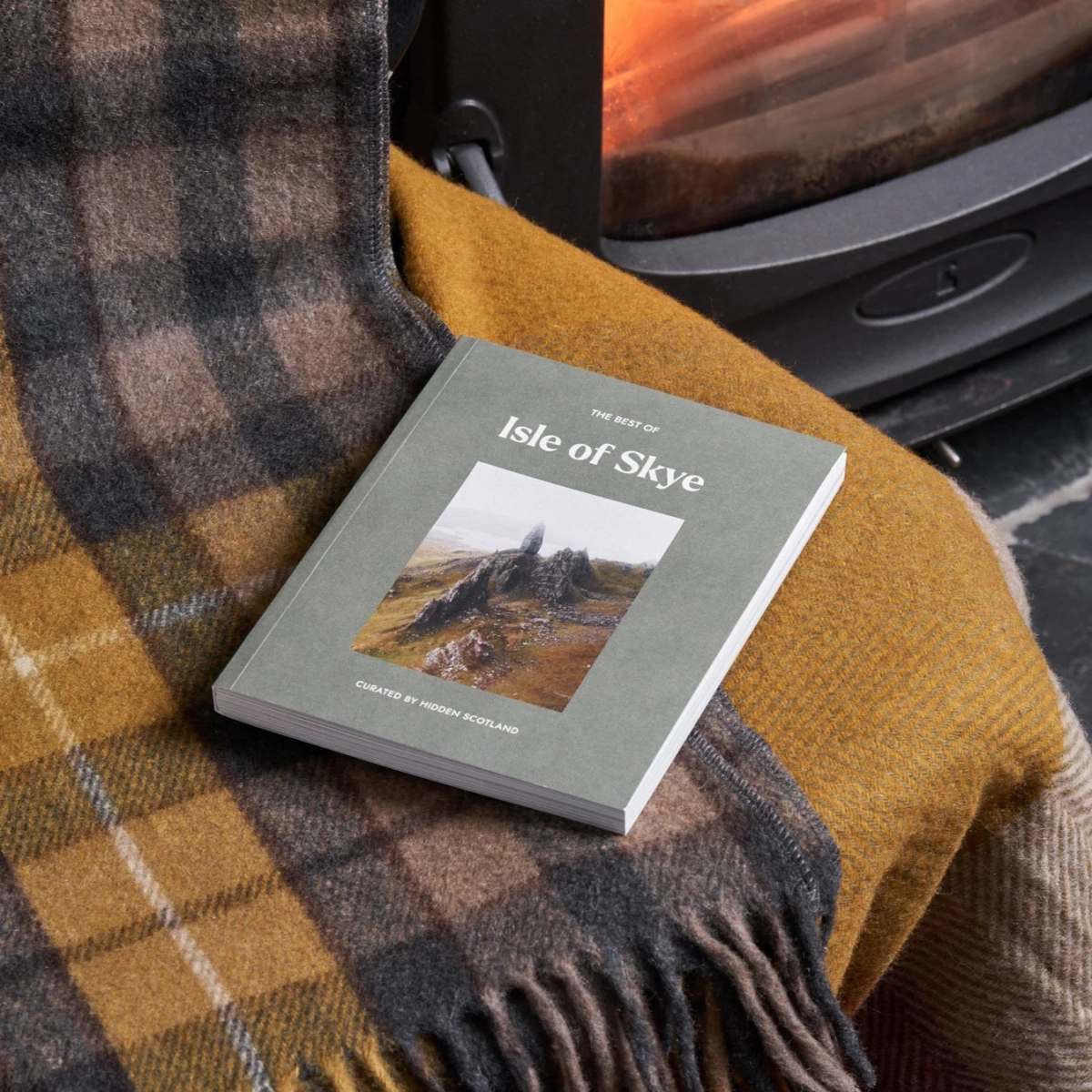
The Best of Skye Guidebook
The Isle of Skye is a place of rare wonder, a wildlife-rich spread of bays, peaks, cliffs and ridges. The views are big, but the prospect of adventure is even bigger. We hope this curated Hidden Scotland guide – which takes in everything from the best walks to the finest restaurants – helps you to have your own unforgettable island escape.
-full-1741009545.jpg)





 Sign in with Google
 Sign in with Email