
Caerlaverock Castle: Scotland’s Only Triangular Fortress
Caerlaverock Castle doesn’t loom so much as linger. Set against the Solway marshes, this unusual triangular fortress was built for conflict but now stands quiet, its broken towers open to the sky. Few castles in Scotland carry such a distinct shape—or such a vivid record of siege, retreat, and survival.

Written by Jack Cairney
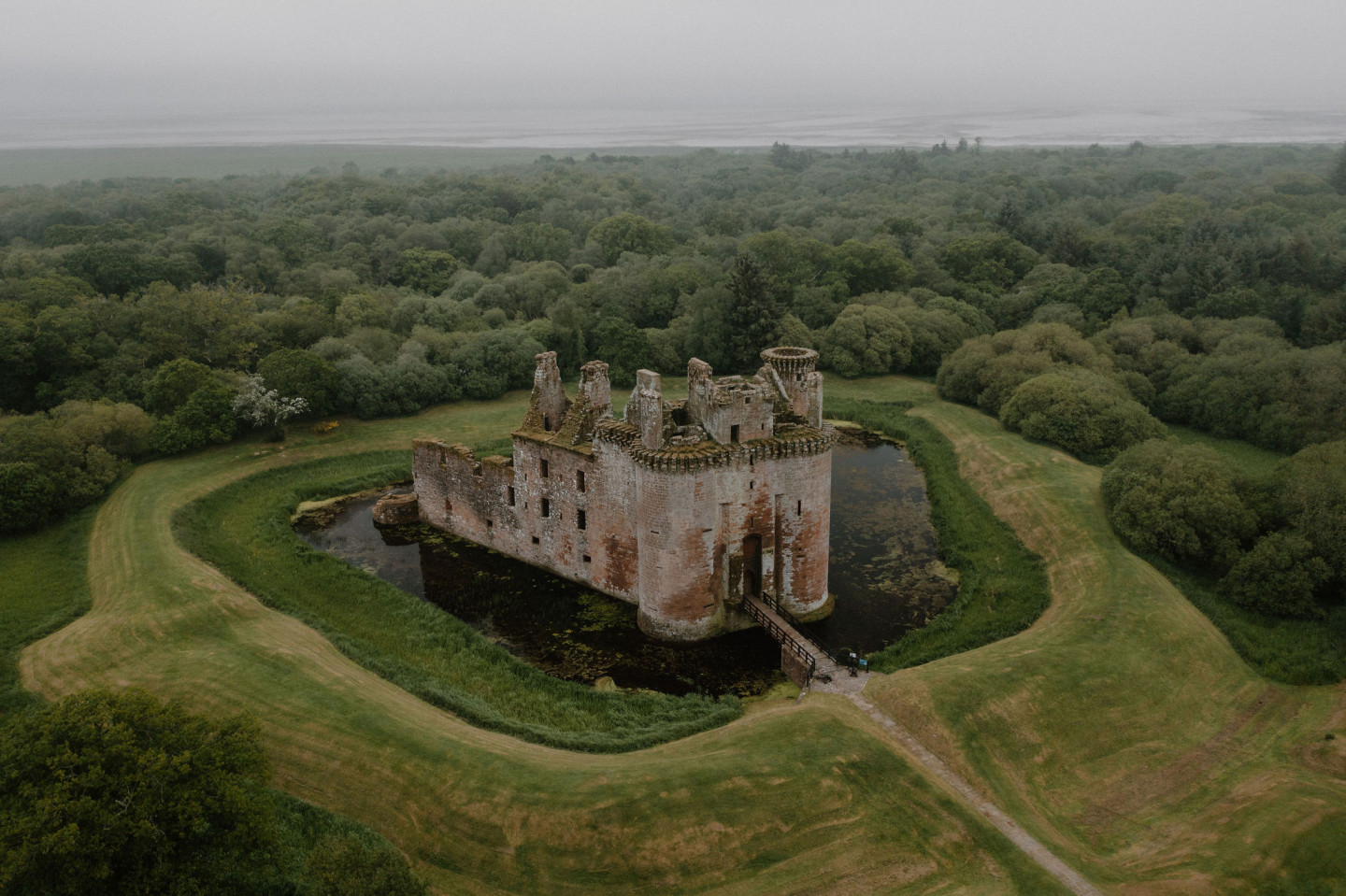
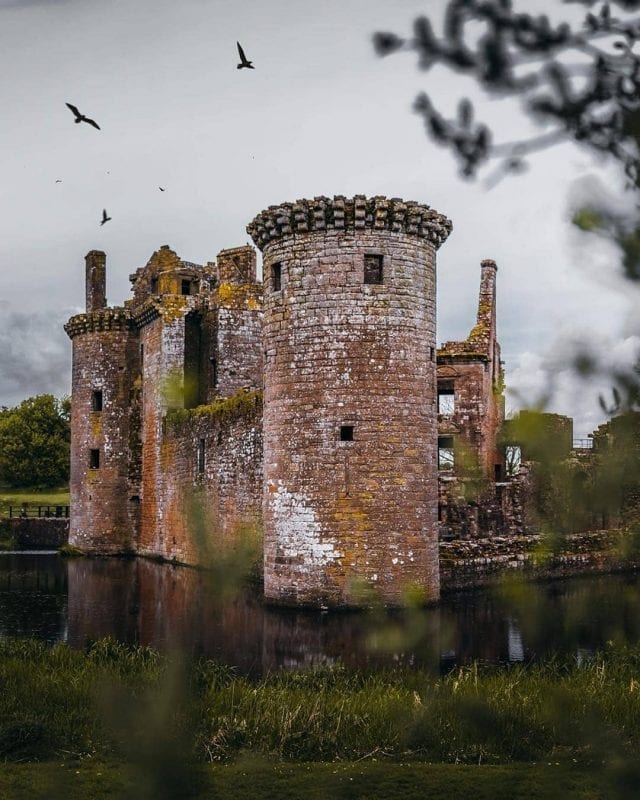
The air changed just before the woods cleared. The road was quiet, flat, lined with hedgerows and flicks of late summer grass. Then the castle appeared—half in shadow, sitting in its own reflection. Caerlaverock looks built to be seen from above. Its walls curve gently at the corners, forming a near-equilateral triangle that points south like a warning. Sharp edge first, aimed straight at the English border.
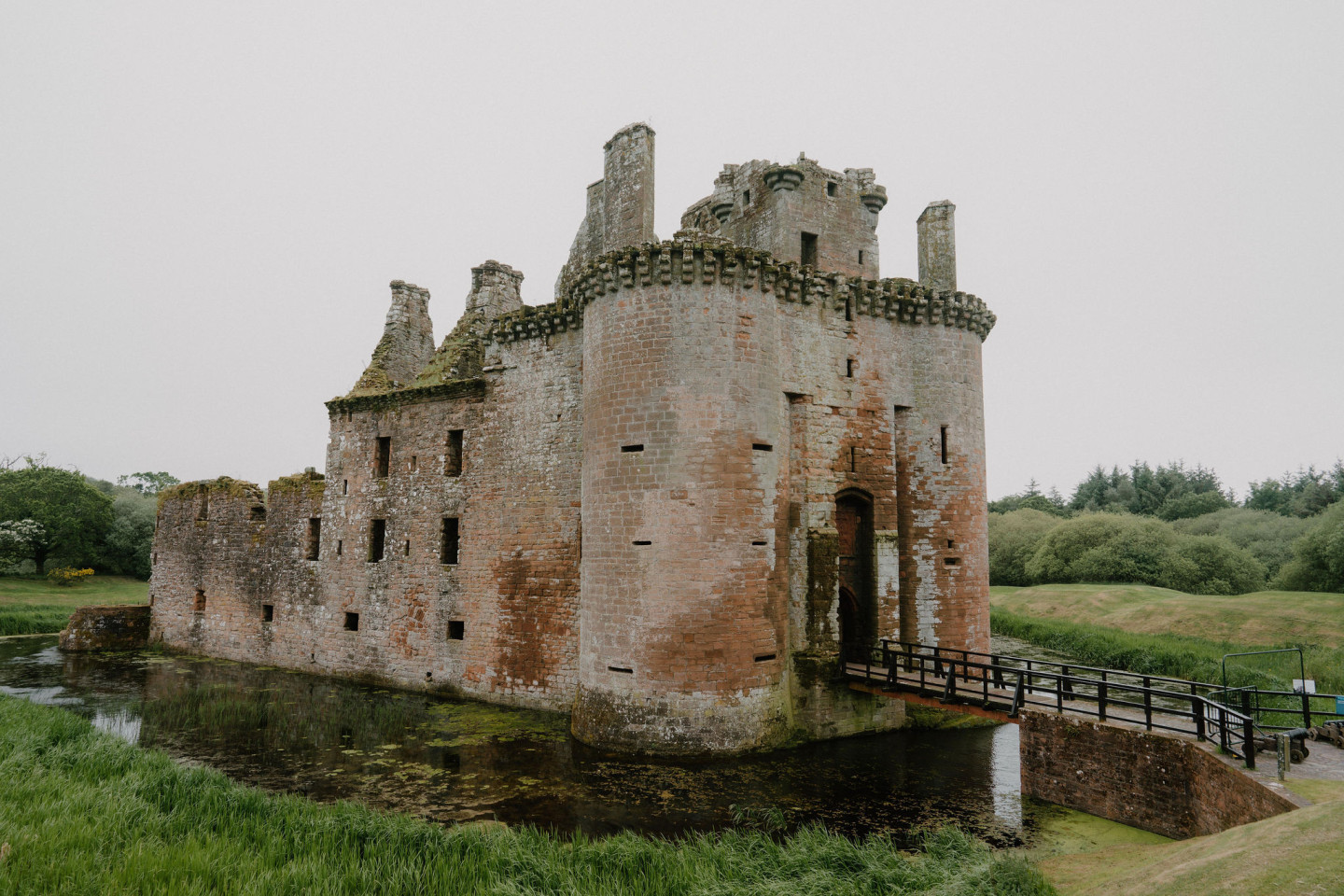
You can call it the only triangular castle in Scotland, but the word doesn’t quite hold it. The lines arc rather than angle. The towers are squat and broad, rising clean from the marsh. There’s water on all sides. Not a deep moat, but wetland—flat, glinting, slow. The ruin seems to float in it.
I arrived on a weekday afternoon. One car in the gravel car park. No tour groups, no sound but birds in the reeds and a slow wind stirring the grass. The outer curtain wall lies broken in places, but the inner fortress still holds shape. You can walk through the entrance, follow the echo of old rooms—chambers, fireplaces, arrow loops. The walls are thick enough to muffle time.
Caerlaverock was built for the border. Late 13th century. The Maxwells controlled it—one of the dominant families in the southwest—but their keep was never just a home. In 1300, during the Wars of Independence, Edward I brought an army of over 3,000 men to lay siege here. Inside the castle were fewer than 70 defenders. They held out for two days. Chroniclers say the king’s men were impressed by the defence and spared the garrison.
The siege was recorded in the Roll of Caerlaverock, a French heraldic poem that lists the coats of arms of those present. It’s half war report, half pageant. That detail—of men catalogued by colour and crest—says something about the performance of power at the time. Even war had its theatre, if your name was known.
The Maxwells rebuilt, and the castle remained active well into the 17th century. Gun loops were added. Walls thickened. But cannon changed everything. In 1640, Caerlaverock was besieged again—this time by Covenanter forces during the Civil Wars. Once it fell, they dismantled what they could to make sure it wouldn’t be used again. What’s left now is what couldn’t be pulled down.
You can still climb the towers. The staircases are narrow but solid. Inside, there’s enough left to imagine life: a kitchen hearth, stone seats in the windows, the remains of a chapel above the hall. The shape gives the castle its presence, but these details keep it human. It’s not a cold site. Just emptied.
Behind the ruin, a short path cuts through grass to the site of an earlier fortification—lost to the soft ground. And beyond that, the Caerlaverock National Nature Reserve stretches wide toward the Solway Firth. The sky opens. The marshland flattens and spreads. On clear days, you can see right across the water to Cumbria. The border’s still there. Less defined now, but always implied.
Visiting Caerlaverock Castle
Managed by Historic Environment Scotland, Caerlaverock Castle is open throughout the year, though opening times shift with the seasons. The site includes a small exhibition area, a gift shop, and toilets. While much of the ground level is accessible, the upper levels have narrow spiral stairs and worn stone surfaces that require careful footing. The grounds around the castle are spacious, offering walking paths along the moat and picnic areas with views of the towers. Admission is ticketed, but free for HES members.
Families often bring children for castle trails and spot-the-archer activities, and wildlife-watchers come prepared for the surrounding wetlands. Dogs on leads are welcome in the outdoor areas, though not inside the buildings.
What to Do Nearby
Caerlaverock National Nature Reserve lies just south of the castle, a haven for birdwatchers and nature photographers. Winter brings thousands of barnacle geese from Svalbard, while summer is good for spotting ospreys, lapwings and dragonflies. The visitor centre provides trail maps, viewing platforms, and seasonal information.
Nearby Dumfries offers several cultural stops: Robert Burns House, where Scotland’s national poet spent his last years; the Dumfries Museum and Camera Obscura; and Moat Brae, the inspiration behind Peter Pan. Around 20 minutes east is Sweetheart Abbey in New Abbey, founded in memory of a husband and home to one of the most moving medieval love stories in Scotland. The ruin sits beside a quiet village and is often quieter than more famous historic sites, ideal for those seeking a slower pace.
Words by Jack Cairney, Photography by Simon Hird
Promoted Post
Stormhouse
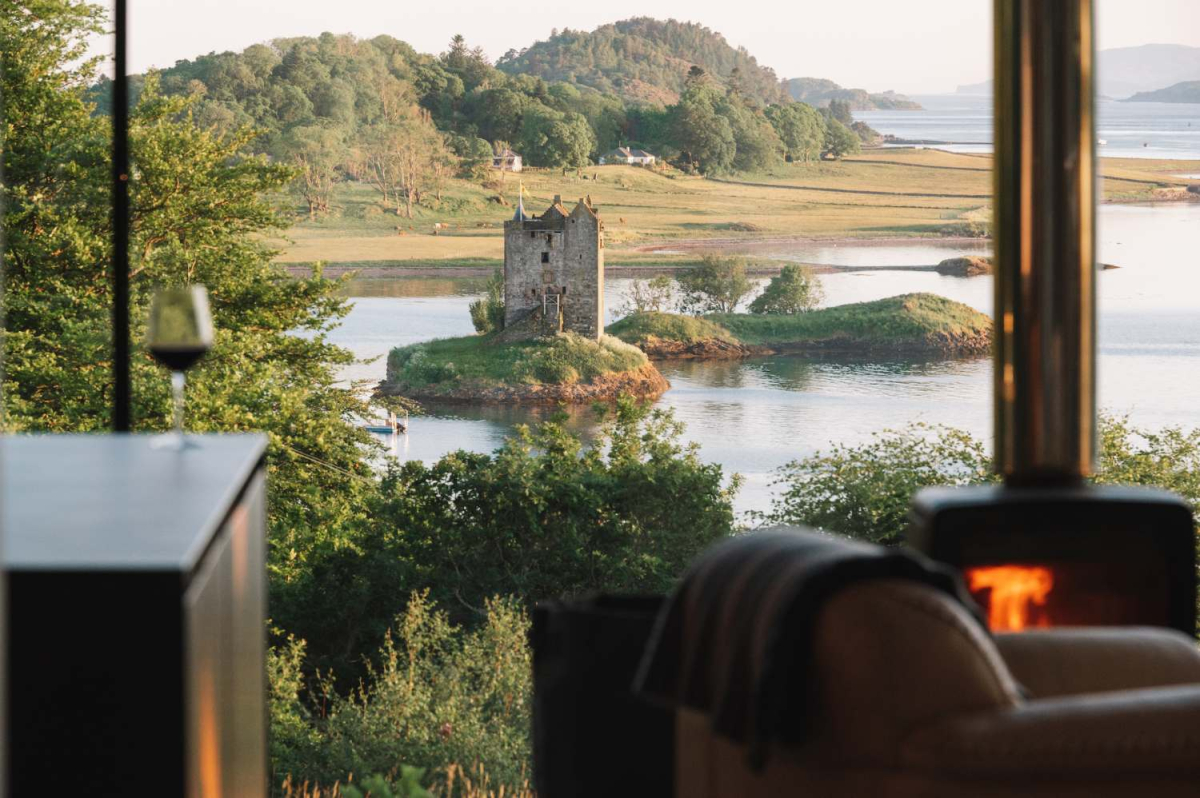
Escape to the wild, rugged landscape of Scotland’s west coast, perfectly located between mountain and sea
-full-1741009545.jpg)






 Sign in with Google
 Sign in with Email