Did you know
The only one of its shape.
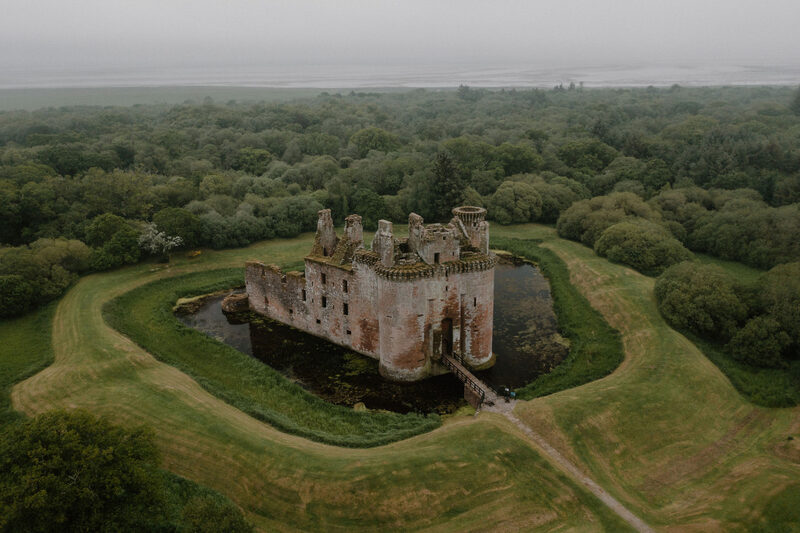
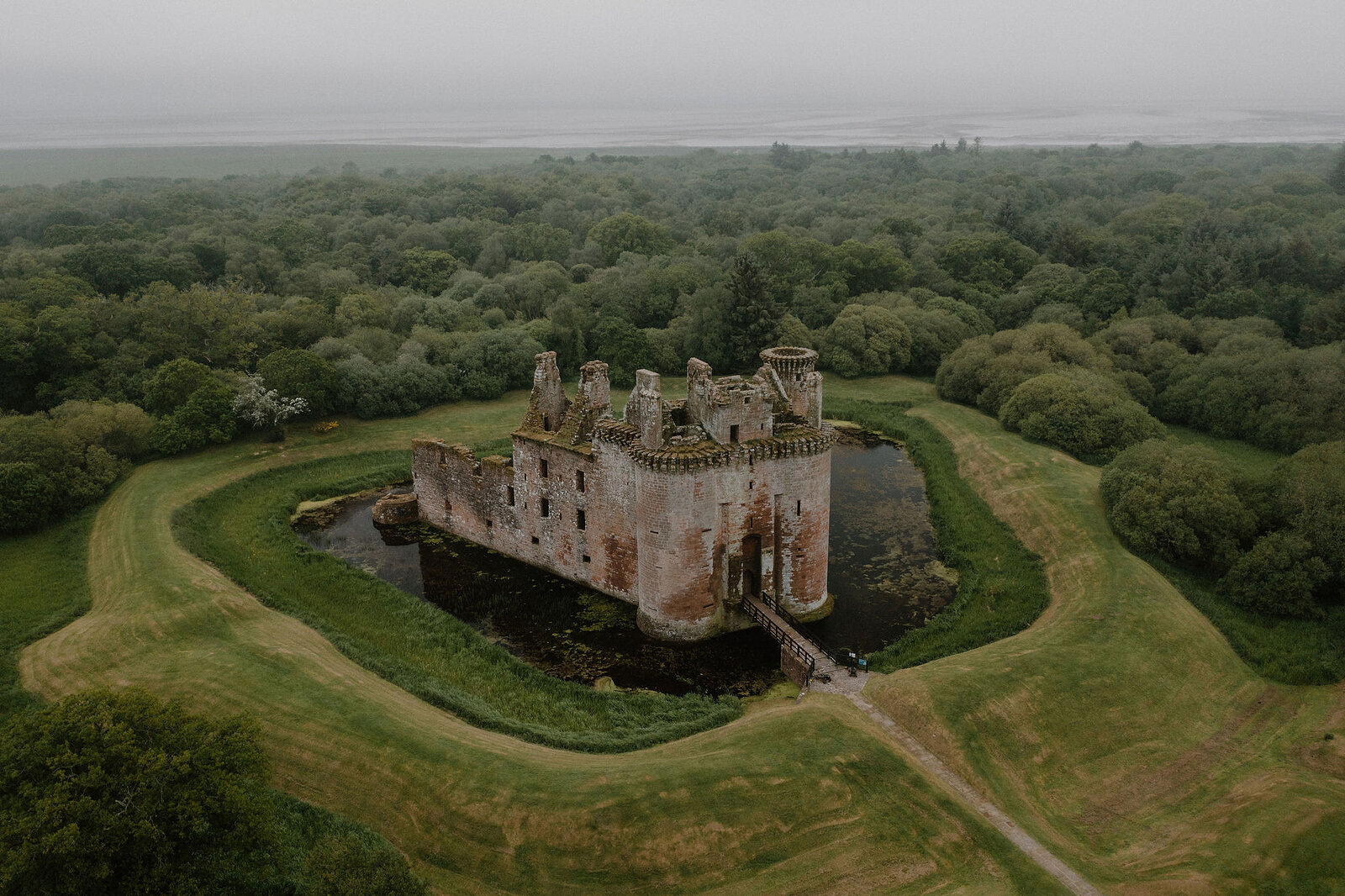
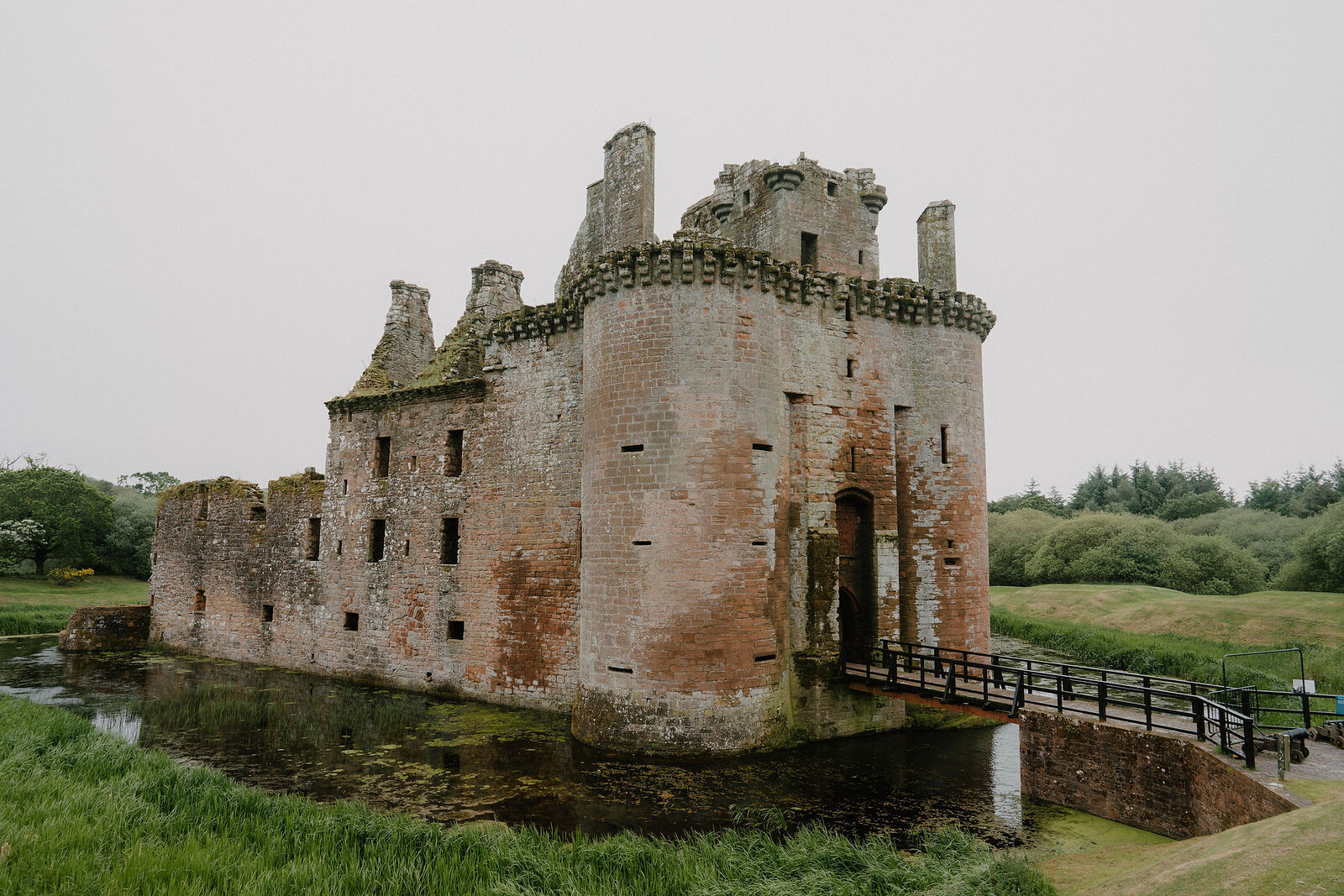
Caerlaverock is triangular, two sides running back from a twin-towered gatehouse to a single tower at the point, and no other castle in Britain is built that way.
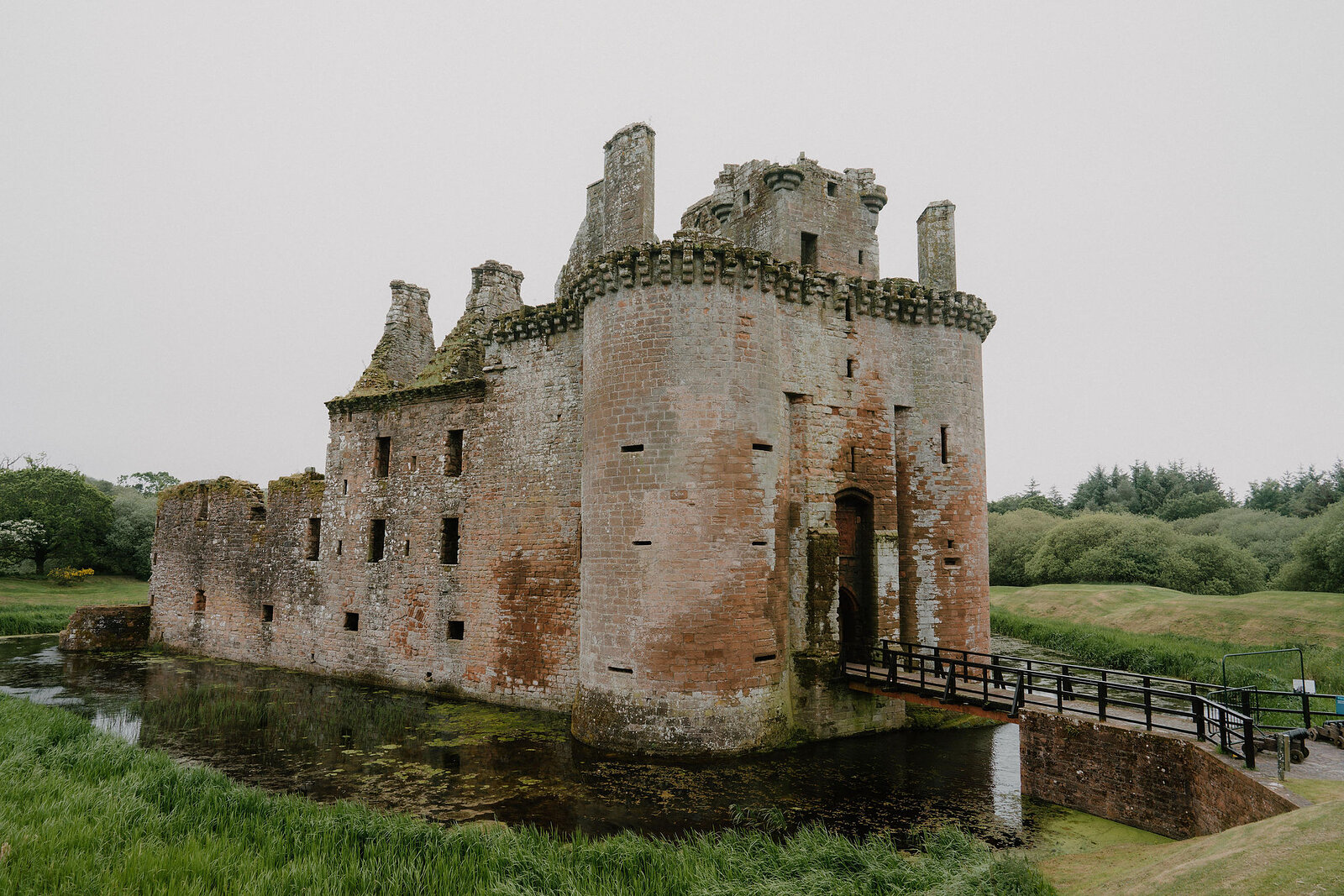
A triangular castle inside its own moat, on the Solway south of Dumfries.
There is no other castle in Britain shaped like Caerlaverock.
Visited and photographed by Simon Hird
It is a triangle, two sides running back from a great twin-towered gatehouse to a single tower at the point, and it sits inside a moat that still holds water, in red sandstone that glows against the grass. It was besieged by Edward I in 1300, in an action so admired that a herald with the army wrote a poem about it, and it was slighted, rebuilt and besieged again over the next three centuries before the Covenanters brought it down in 1640. Inside the walls, incongruously, stands a Renaissance range with carved stonework of the 1630s, built by a Maxwell who wanted a comfortable house within his defences. A nature trail through the wood leads to the earthwork of an earlier castle, abandoned when this one was begun. Some parts are closed while conservation work goes on, so check before you travel.
The Daily
Arrives at 5am every day.
A free morning email to see what’s on this week, catch up on what’s happening in Scotland and find somewhere new to go.
Opening hours
Their websiteBeen here? Tell others what you know, and the best go on this page with your name.
Add your reviewCaerlaverock is triangular, two sides running back from a twin-towered gatehouse to a single tower at the point, and no other castle in Britain is built that way.
Edward I took it in 1300, and a herald with the English army thought enough of the siege to write a poem about it.
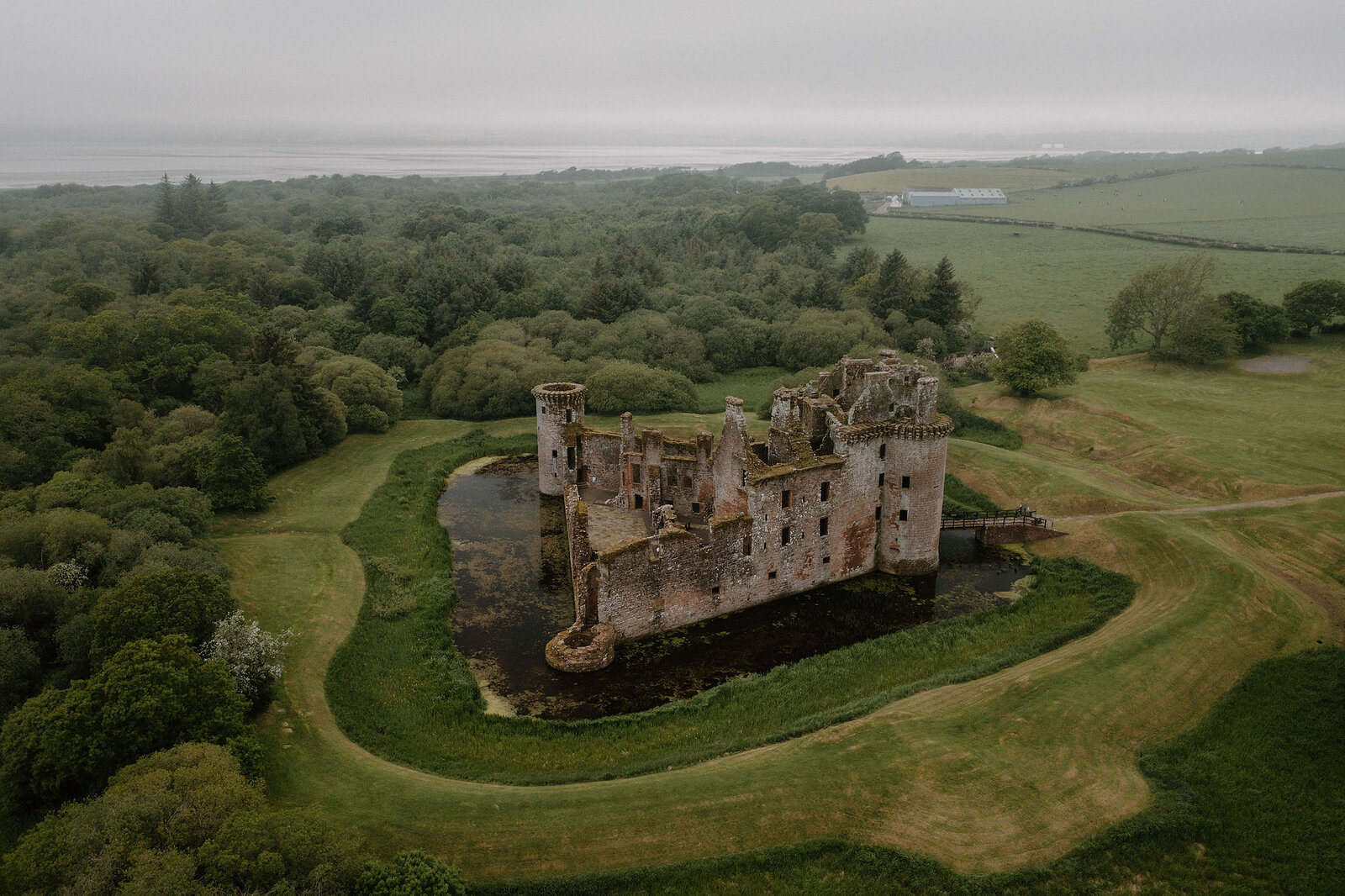
Conservation work is under way and some of the castle is closed to visitors, so it is worth checking what is open before you set off.
A wide moat encircles this 13th-century castle, whose tall towers and lofty battlements are arranged into a distinctive triangular layout in a tranquil setting on the Solway Firth. Not always so peaceful, it was the site of bloody border battles during the Scottish Wars of Independence. In 1300, its garrison of 60 stood strong but eventually fell during a siege by 3,000 of Prince Edward’s men.
Read moreNew places, news and stories, as we find them.
What is on in Dumfries and GallowayEight miles south of Dumfries on the Solway coast, signed off the B725.
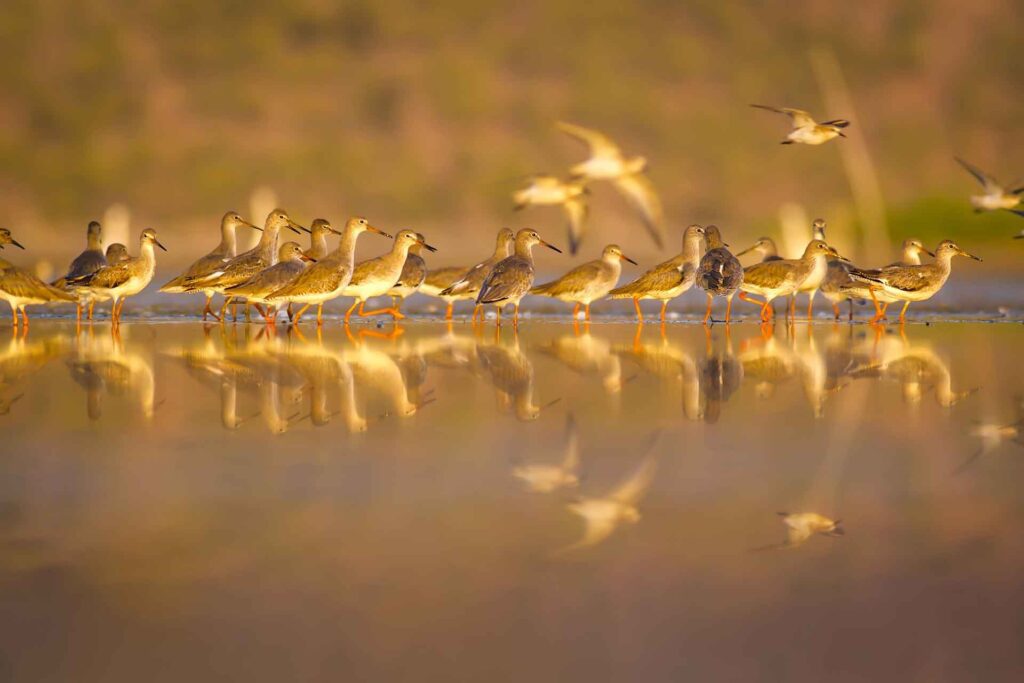 WWT Caerlaverock3 miles 5 min by road
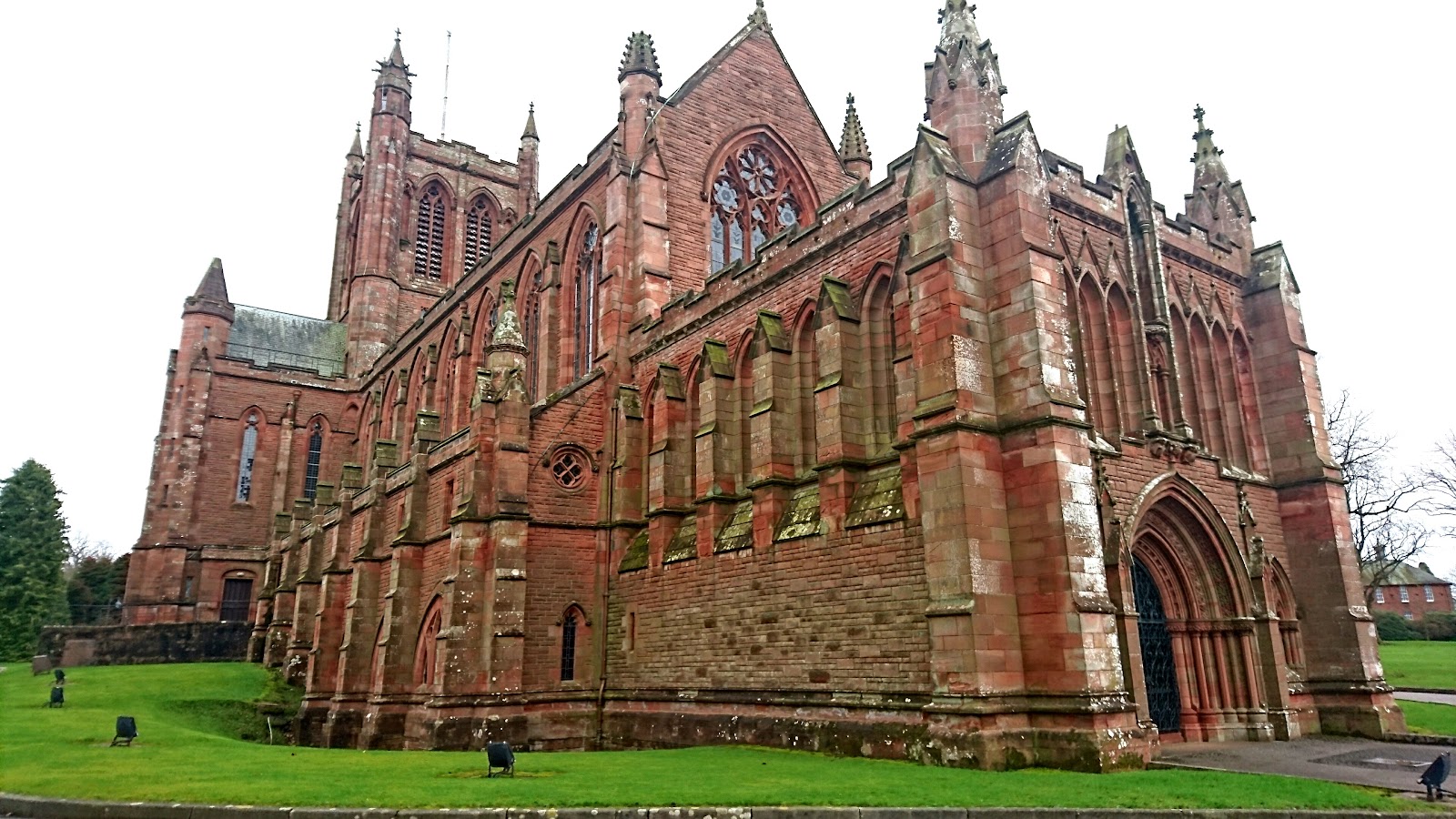 The Crichton, Dumfries7 miles 13 min by road
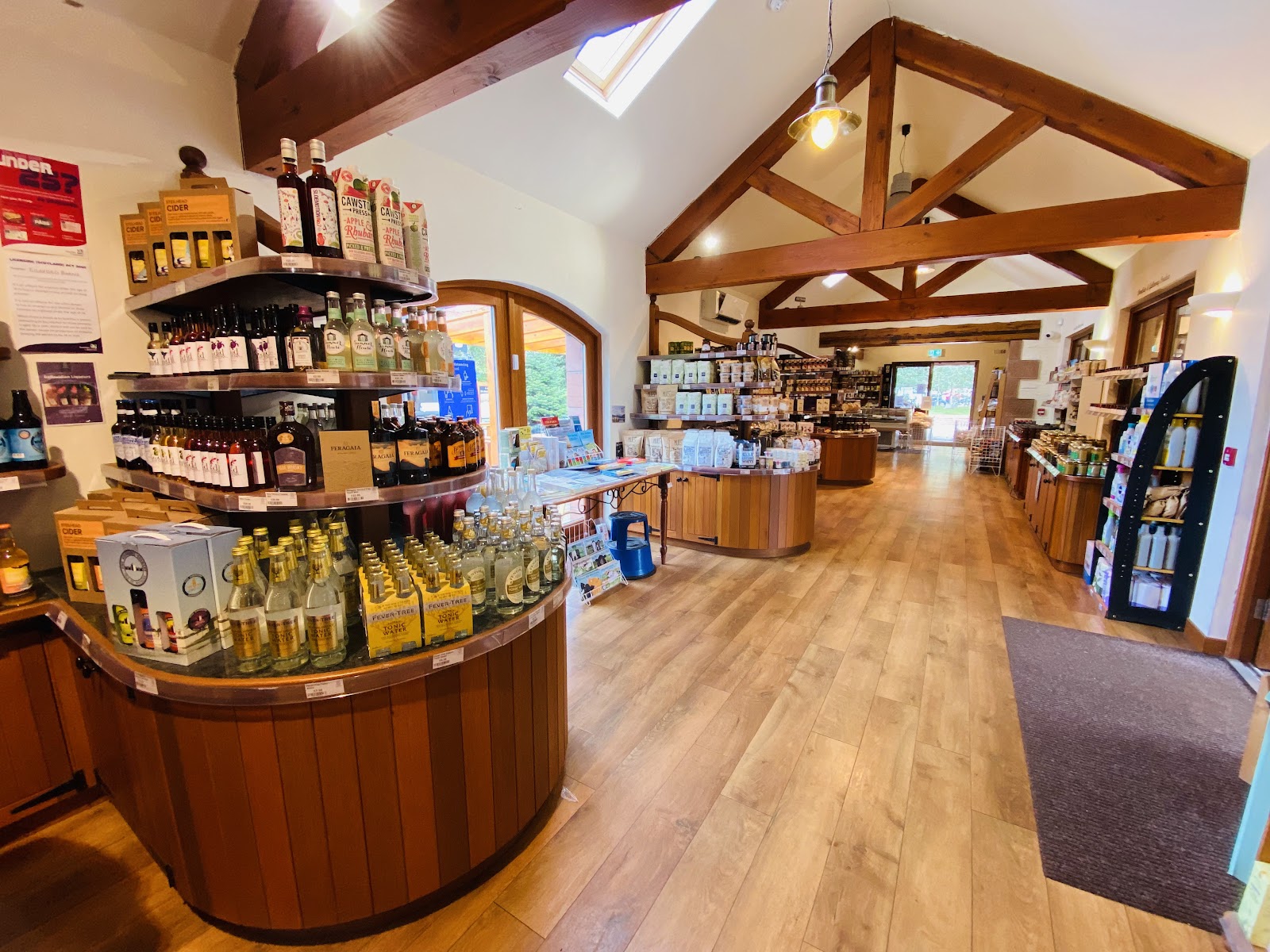 Kilnford Farm ShopA farm shop, butchery and café in restored barns on the edge of Dumfries, selling the farm's own Galloway beef and Blackface lamb.8 miles as the crow flies
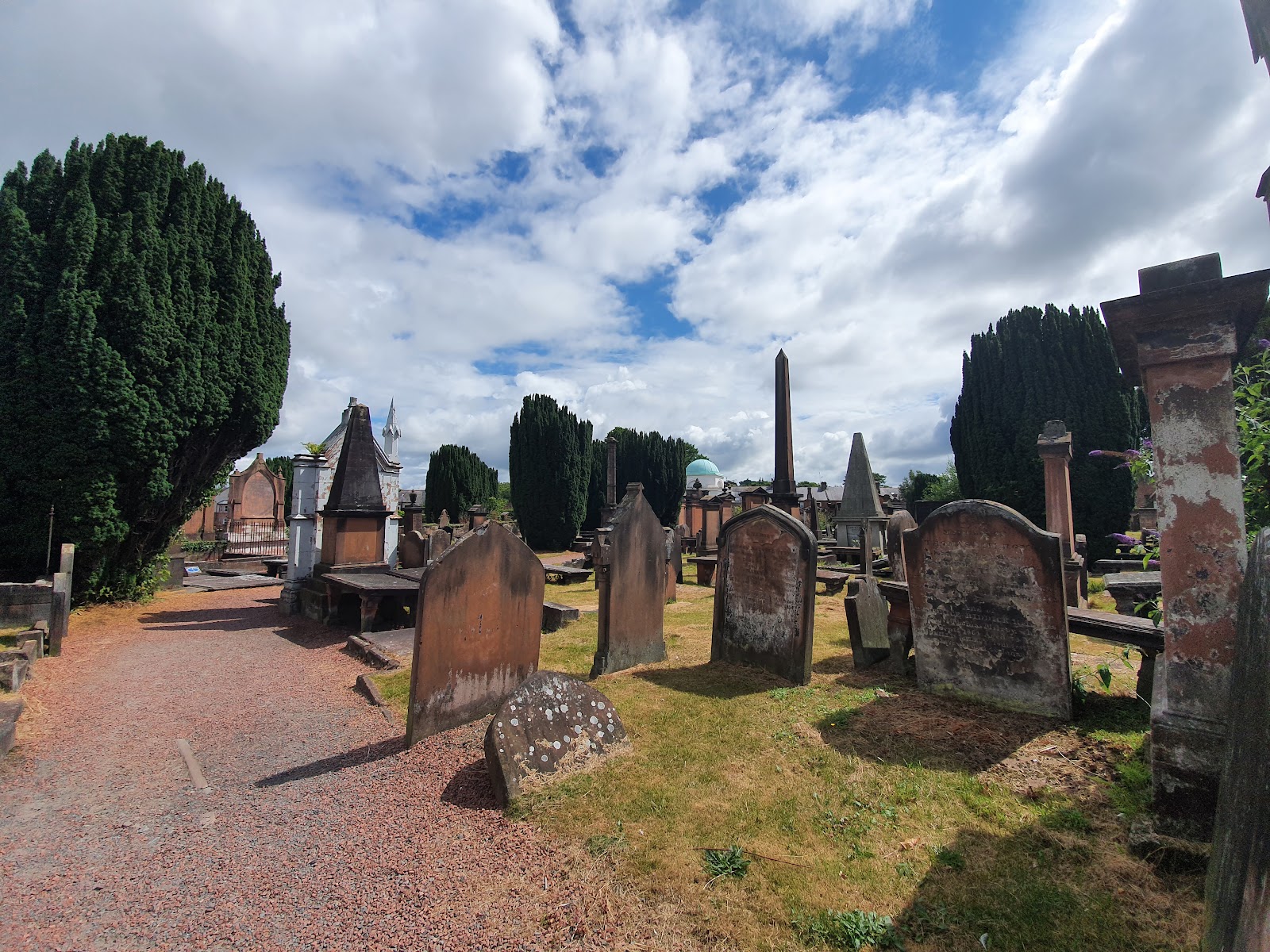 St Michael's Church, DumfriesThe old parish kirk of Dumfries, with a history of over 1,000 years, where Robert Burns lies buried in the churchyard.9 miles 15 min by road
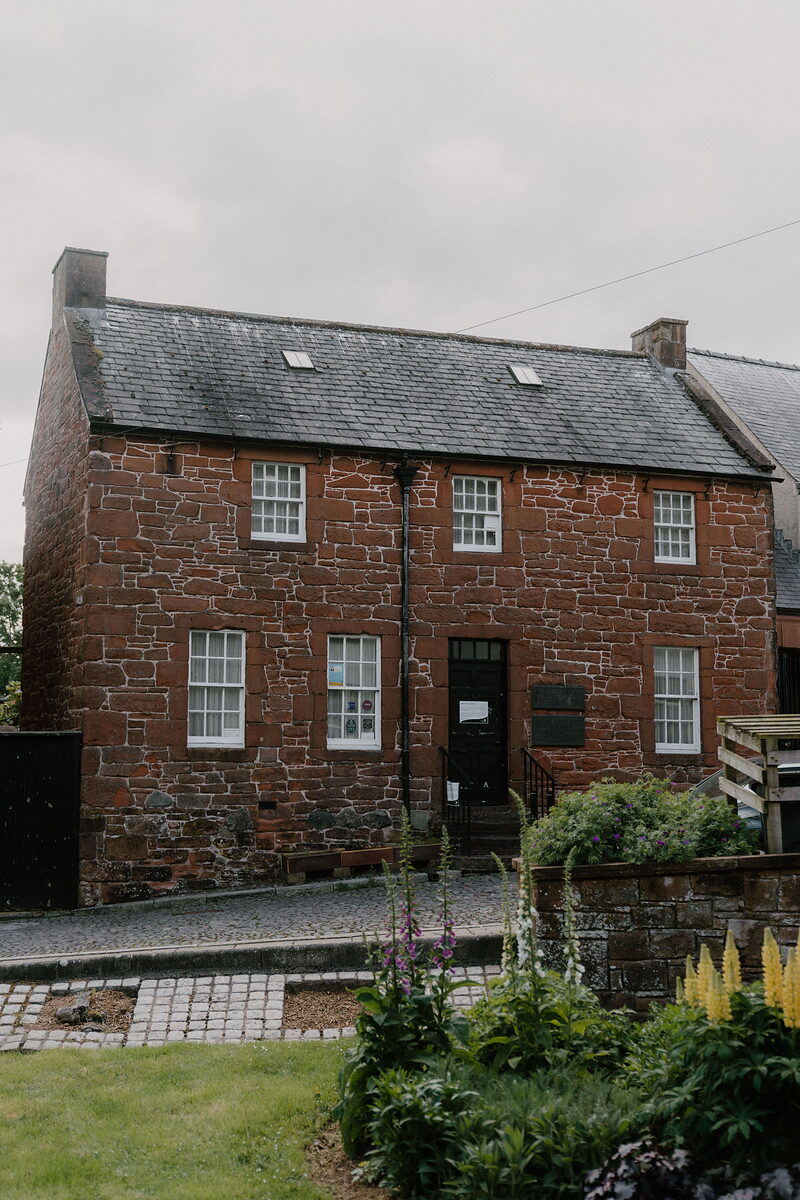 Robert Burns HouseThe simple sandstone house in Dumfries where Robert Burns spent his last years and died in 1796, now a free museum.9 miles 15 min by road
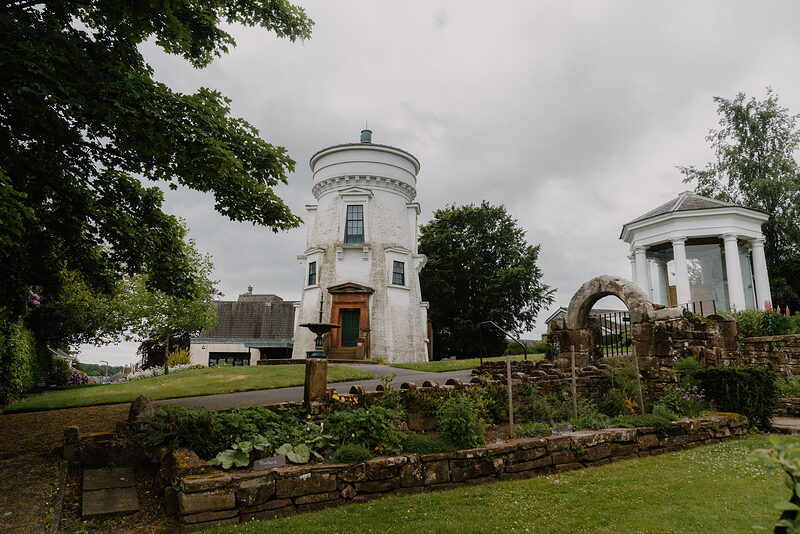 Dumfries Museum and Camera ObscuraA windmill tower with the oldest working camera obscura in the world on top.9 miles 16 min by road
We want to show you the best that Scotland has to offer. The makers and the creatives, the enduring experiences, the evocative tales, the concealed corners. The roads less travelled that take you to places that matter. The adventures that gather you up and sweep you away. The blend of the wild and the artistic that makes Scotland what it is. We’d love for you to join us.
What we have written about it, the collections it is in and more in Dumfries and Galloway.
For further reading, before you go. The details on this page were checked on .