
25 of the Prettiest Towns and Villages in Scotland
Scotland is home to hundreds of small towns and villages, but some stand out for their setting, architecture, or sheer sense of place. From coastal harbours to hillside hamlets, these 25 are among the prettiest — places where the streets invite a pause and the views speak for themselves.
Written by Jack Cairney
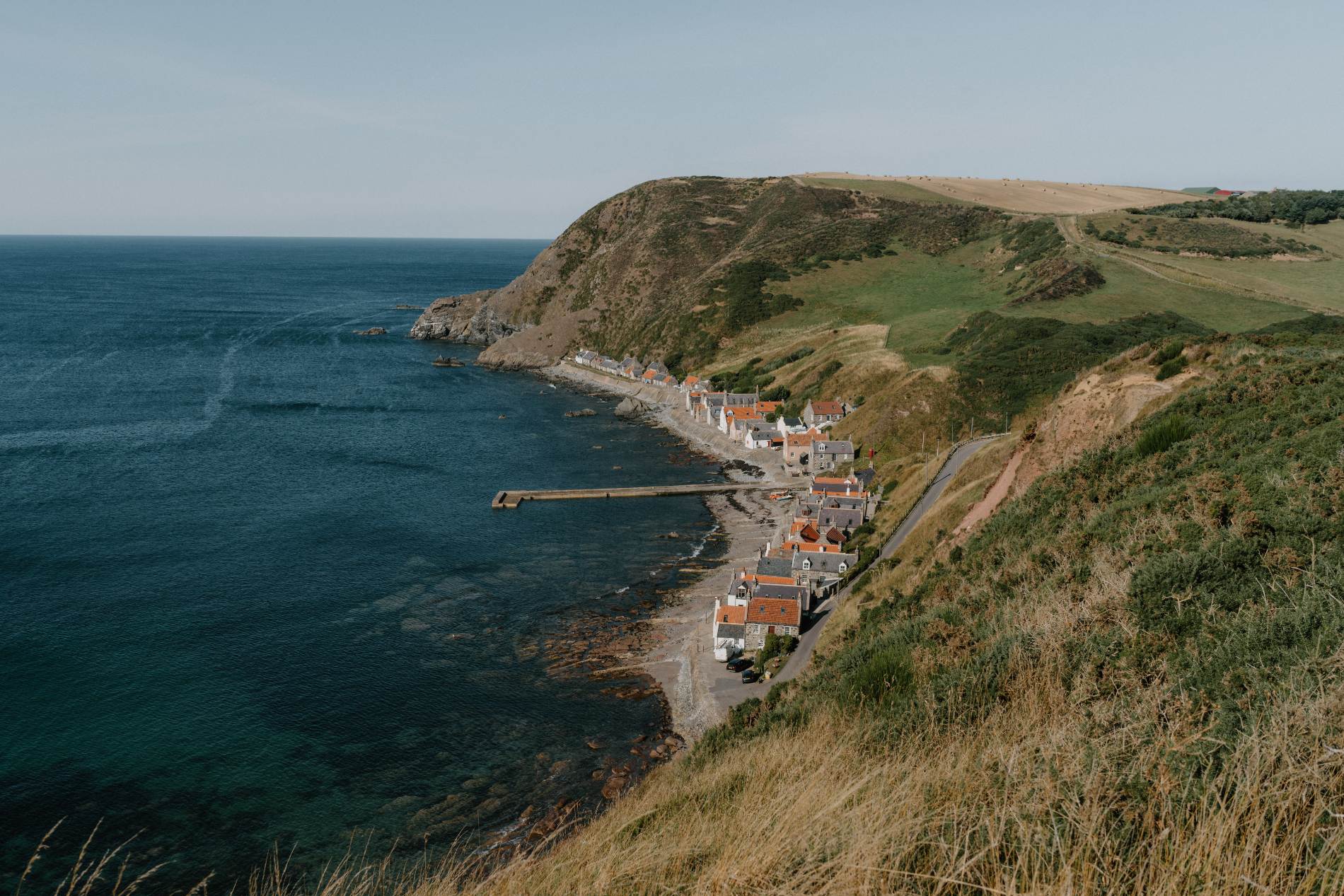
Some of the most memorable places in Scotland aren’t the ones with the biggest landmarks or the longest entries in the guidebooks. They’re smaller. Often quieter. A row of cottages along a harbour wall. A corner shop with hand-painted signs. A bench with a view that nobody’s advertising. These are places where things still feel local. Where the buildings fit the scale of the landscape and the pace of the day.
This list brings together 25 of the prettiest towns and villages across the country. From the east coast fishing communities of Fife to the tucked-away crofts of the Hebrides, they’re united less by location and more by atmosphere. Some are built of weathered stone, others painted bright to lift a grey day. Many still follow the shape they had a hundred years ago — a harbour, a kirk, a post office, a handful of lanes.
Some will be familiar — places that have appeared on postcards and social media feeds. Others are less obvious, though no less photogenic. The idea isn’t to draw a boundary around what counts as beautiful, but to notice the details that make a place feel well-kept, well-loved or just quietly distinctive. A village square that hasn’t changed much. The sound of gulls above a tiled roof. The way the light catches a row of windows in the early evening.
What follows isn’t a ranking, and it’s not about polished perfection either. It’s a collection of places that have kept their character. Places you might pass through slowly, or stay in for a couple of nights, or turn back to once you’ve gone. Each one offers something simple: the pleasure of arriving somewhere that looks right, feels right, and doesn’t need to try too hard.
Crail
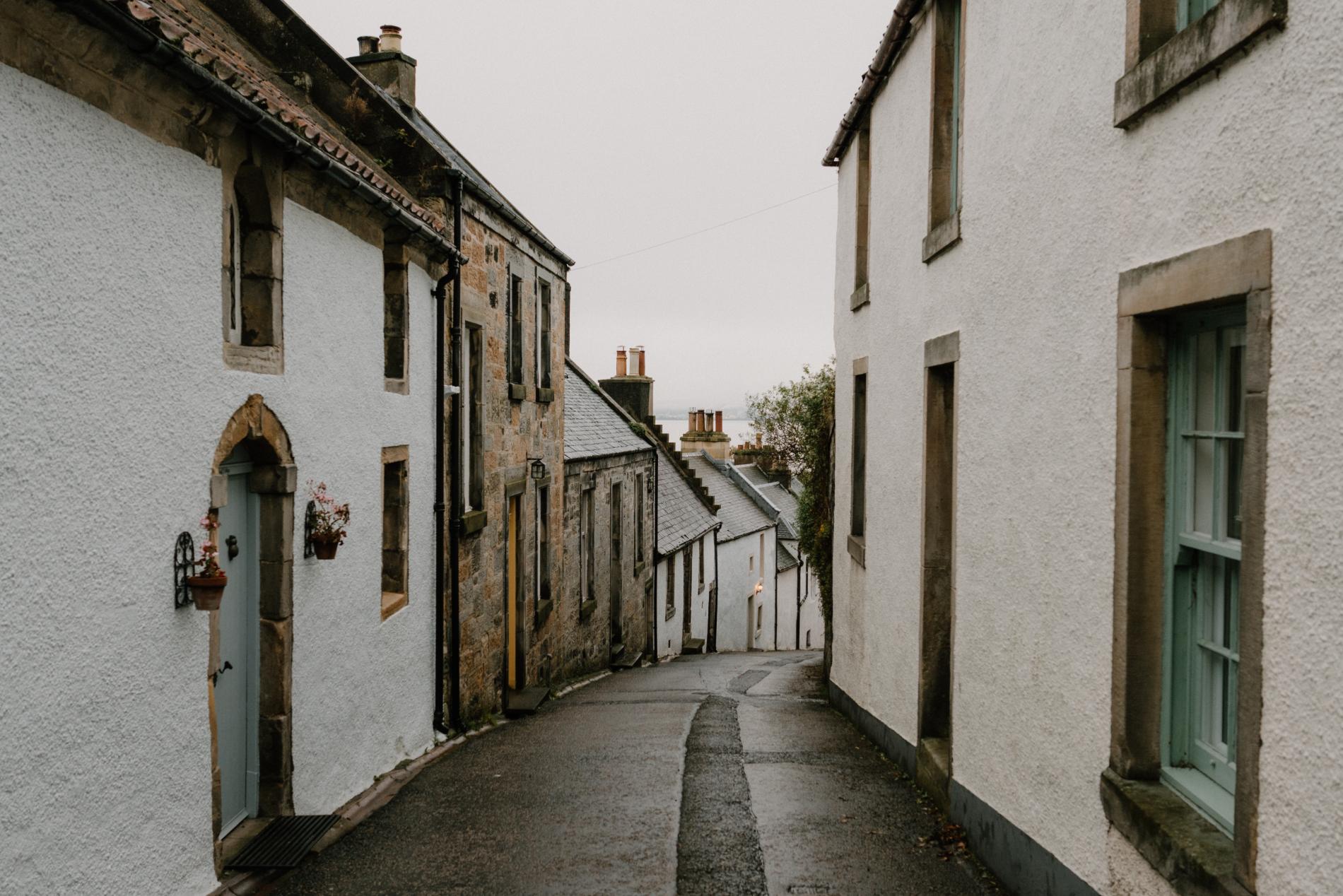
The cobbled streets of Crail lead gently downhill towards the harbour, where rows of pantiled roofs and weathered stone create one of the most distinctive scenes on the Fife coast. Boats are pulled onto the slipway, ropes hanging loose, lobster pots stacked neatly beside painted doors. It’s easy to photograph, but that’s not what makes it interesting.
There’s a lived-in quality to Crail that sits beneath the surface. The harbour isn’t a showpiece — it’s still used. You’ll find fish sold from huts, shelves of jam and chutney in honesty boxes, and a pottery studio that’s been there for decades. The shops don’t feel curated; they feel steady. The kind of place where you’ll find a proper loaf, or a spade, or a postcard that hasn’t been redesigned in twenty years.
The houses follow the slope, leaning into each other slightly, as if shaped by wind and time. Behind the harbour, lanes climb past gardens and gables until you reach the kirkyard, where the view opens up again — stone walls, low tide, gulls cutting across the sky. It doesn’t take long to walk the village from end to end, but it invites pauses. A bench beside a boat. A window with old net curtains. The curve of a vennel leading somewhere quieter.
Even on a still day, there’s movement here — creaking rigging, distant voices, a wheelbarrow pushed uphill. Crail hasn’t stopped being a place where ordinary things happen. That’s part of the appeal.
Tobermory
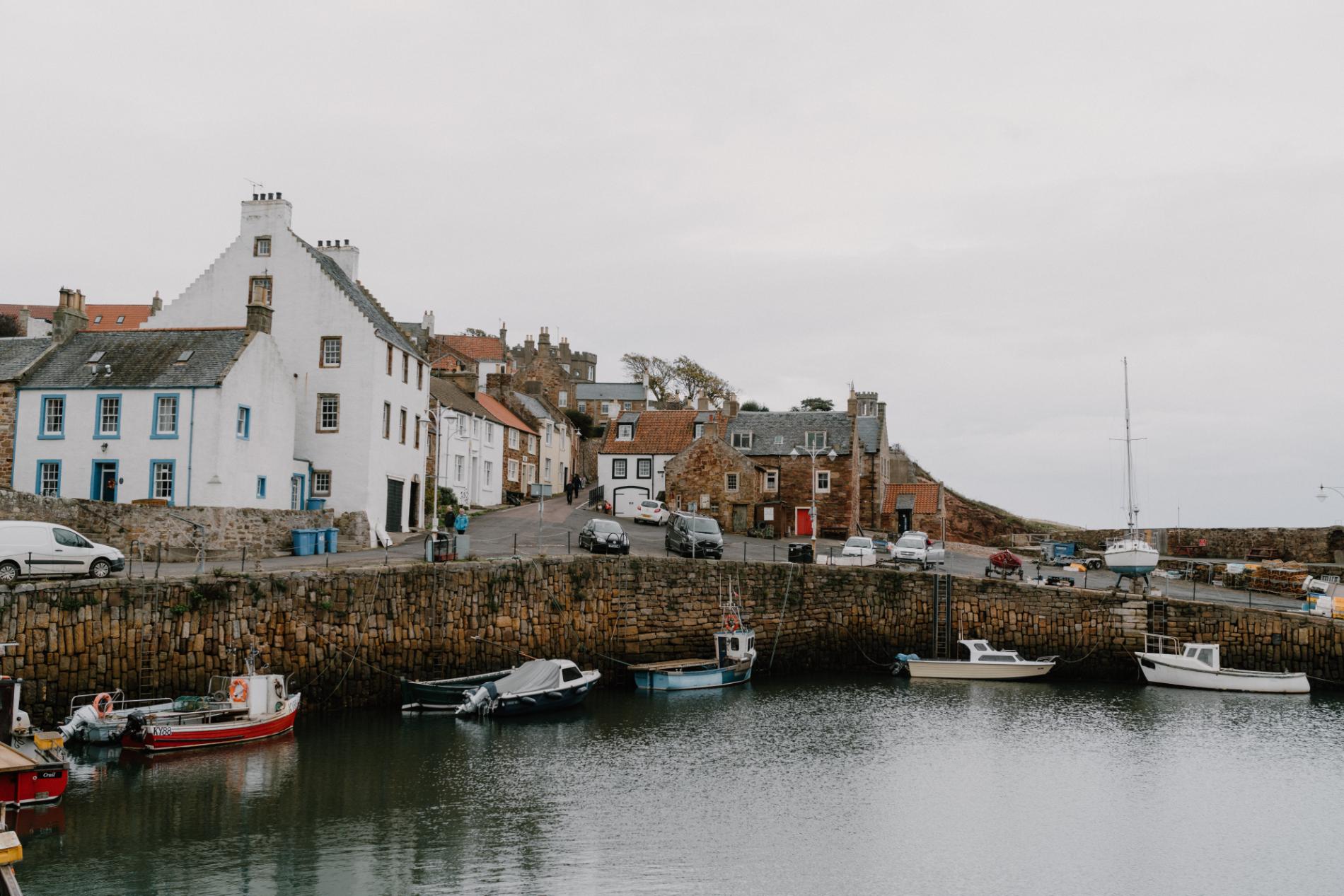
Tobermory curves around a natural harbour on the Isle of Mull’s northern edge, with buildings painted in solid primary colours that stand out even on a grey day. The layout is clear and compact — one main street hugging the shoreline, a wooded slope behind, and boats anchored across the bay. It’s easy to see why it’s so widely recognised, but the town hasn’t become decorative. It still works.
Shops open early. The distillery is in use. You can buy hardware, catch a post van, or sit in the same café for hours without being hurried out. There are galleries and gift shops, but also laundrettes and local noticeboards. That mix — tourist-facing but still practical — keeps Tobermory from tipping into cliché.
Most people arrive by ferry from Kilchoan or Craignure, and the best views are often just before you get there, as the town appears in full from the road above or the boat deck. The harbour path is the obvious route through it, passing the pier, the old clock tower, and a string of small businesses. Behind the main street, quiet steps lead up into the trees, where a few benches look out over the water.
By early evening, the shoreline quiets. The last of the foot traffic moves inland, and fishing gear is left out by sheds along the water. You notice the smell of salt and diesel. A few gulls pick through the shallows. It’s a working port as much as a postcard — and that’s what gives it weight.
Culross
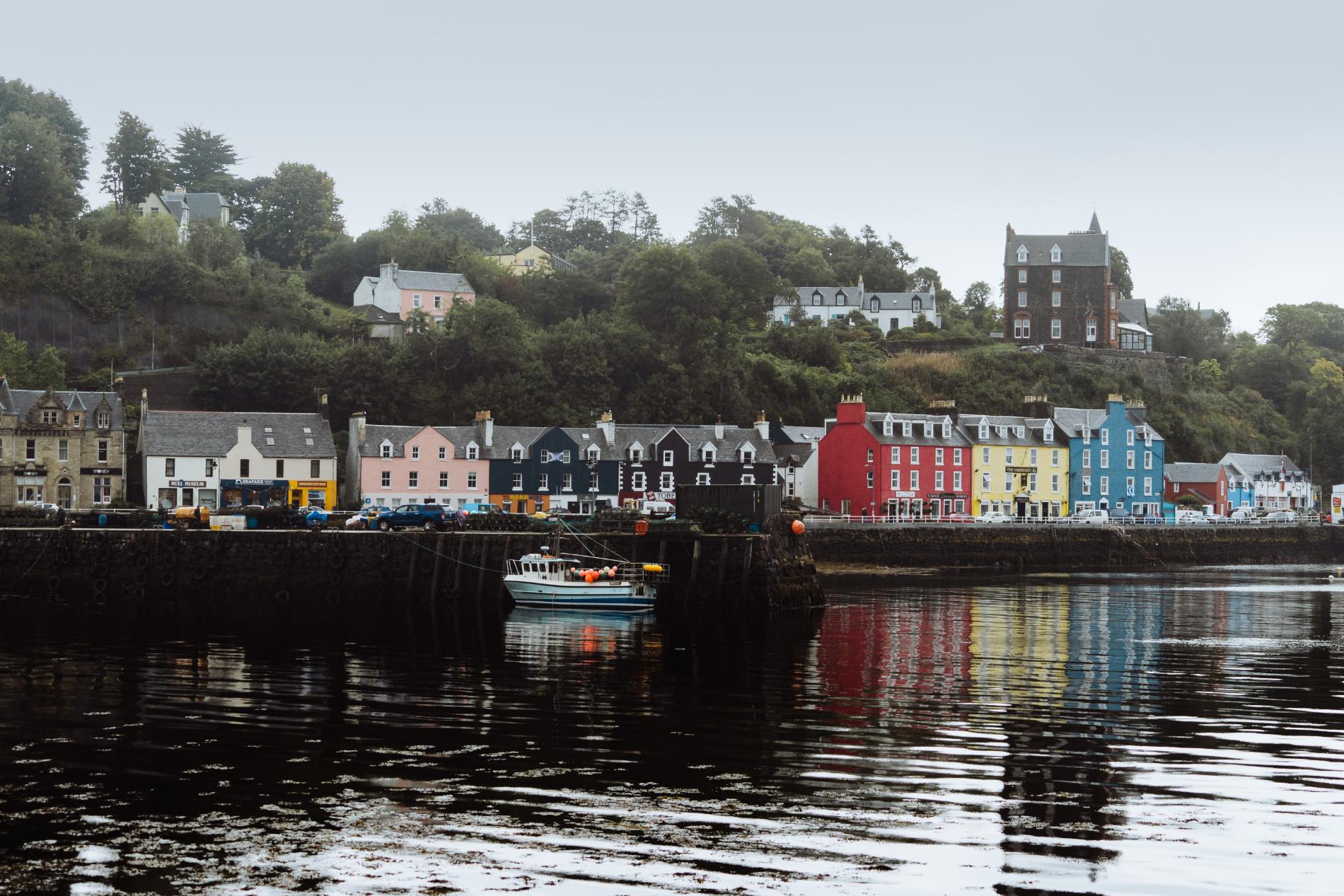
Culross sits on the edge of the Firth of Forth, its steep lanes and ochre-washed buildings offering one of the most complete historic townscapes in Scotland. Much of what you see dates back to the 16th and 17th centuries — a time when the village was a trading port, built on coal and salt. Today, it holds that shape with surprising clarity.
The heart of Culross is the palace, a former merchant’s house with crow-stepped gables, painted ceilings and a well-kept garden behind, planted with medicinal herbs and vegetables. You can step inside on a self-guided tour and walk the flagged floors past carved bedframes and panelled rooms. Nearby, the Town House and tolbooth building adds to the historic core. There’s a National Trust gift shop, a small tearoom, and often a display or local exhibition running inside.
Beyond that, the village moves at a slower pace. Stone cottages line narrow streets. Some lean slightly. Some carry dates above their doors. Small details — wrought iron latches, old painted signs, a bricked-up window — speak to generations of use. You can follow the Back Causeway uphill towards the 13th-century Culross Abbey and churchyard, or walk the shoreline path east towards Preston Island.
It’s not busy with cafés or galleries. What Culross offers instead is a rare kind of continuity — architecture, street layout and materials that belong together, and a sense that the past has been cared for without being oversold. It’s easy to spend a couple of hours here and feel like you’ve covered something whole.
Pennan
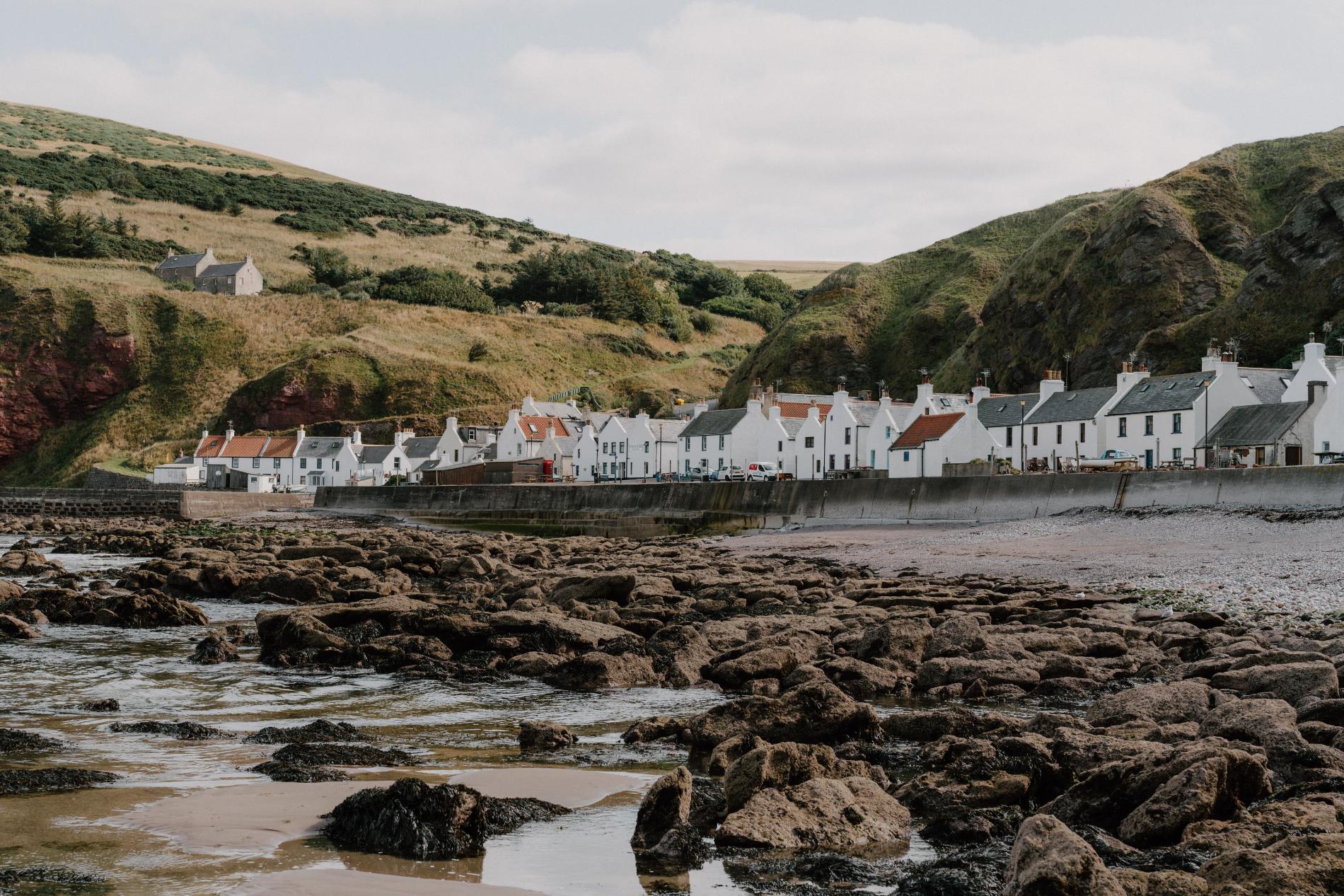
Pennan is one street wide and backs straight onto the cliffs of the Moray coast, facing the North Sea with no buffer. The houses form a near-perfect line — white walls, slate roofs, chimneys in a row — with just enough variation in height and detail to keep the view interesting. The road ends as abruptly as it begins. You arrive down a steep, narrow lane and leave the same way.
The village is best known for its appearance in the 1983 film Local Hero, and the red phone box made famous in the story still stands opposite the hotel. Visitors come for the view and the quiet, but many also stop to take photos of that box or book lunch at the Pennan Inn, which serves food and drink with an unforced welcome. On sunny days, look out for the small trailer known as Coastal Cuppie — a mobile coffee stop that sometimes sets up near the slipway, serving hot drinks and cakes to walkers and day-trippers.
There’s a narrow strip of pebble beach just below the houses, where the sea often comes right up to the wall. In calm weather, you can walk its length, scanning the horizon or watching seabirds move along the cliffs above. The sound of the tide carries through the village — shingle rolling in the wash, gulls overhead, occasional wind between houses.
Pennan isn’t built for browsing or touring. The village itself is the reason to come — small, self-contained, and remarkably clear in its shape and setting.
The village is best known for its appearance in the 1983 film Local Hero, and the red phone box made famous in the story still stands opposite the hotel. Visitors come for the view and the quiet, but many also stop to take photos of that box or book lunch at the Pennan Inn, which serves food and drink with an unforced welcome. On sunny days, look out for the small trailer known as Coastal Cuppie — a mobile coffee stop that sometimes sets up near the slipway, serving hot drinks and cakes to walkers and day-trippers.
There’s a narrow strip of pebble beach just below the houses, where the sea often comes right up to the wall. In calm weather, you can walk its length, scanning the horizon or watching seabirds move along the cliffs above. The sound of the tide carries through the village — shingle rolling in the wash, gulls overhead, occasional wind between houses.
Pennan isn’t built for browsing or touring. The village itself is the reason to come — small, self-contained, and remarkably clear in its shape and setting.
Braemar
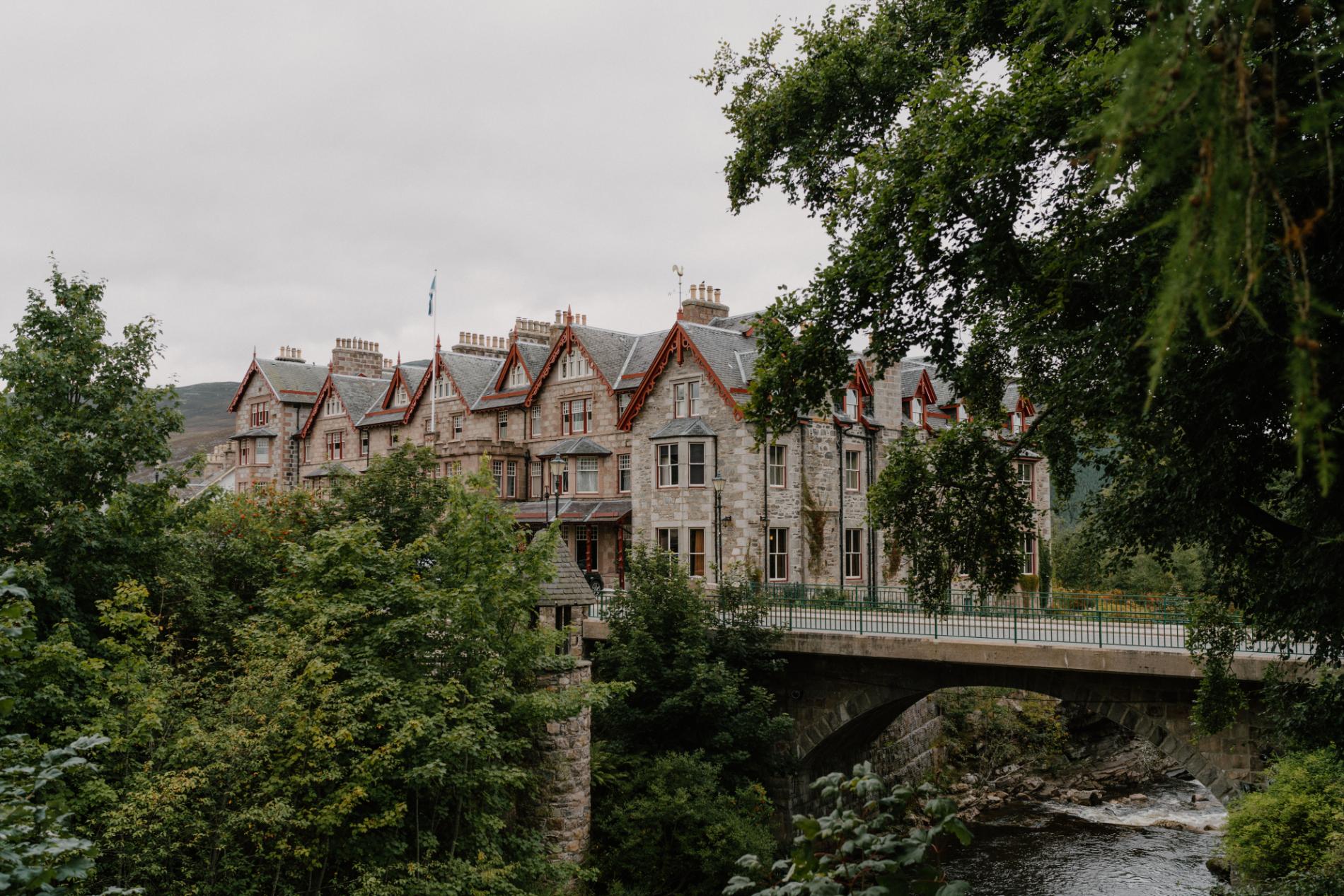
Braemar sits high in the Cairngorms, surrounded by moorland, forest and fast-running rivers. The village is compact but well-appointed — a row of shops, cafés and hotels set against a wide backdrop of hills. In colder months, the air feels sharper here. In summer, it’s green and full of walkers. You can drive in from Ballater or come over the high pass of the Cairnwell, where the road opens out before dropping steeply into the Dee valley.
The village itself is known for its royal connections. Balmoral is just down the glen, and Braemar Castle — with its distinctive star-shaped design — stands above the road on the eastern edge of the village. The castle is currently undergoing community-led restoration, and you can visit for a tour when open. Elsewhere, the Braemar Highland Games Centre explores the history of the annual Gathering, held each September at the Princess Royal and Duke of Fife Memorial Park, often attended by the royal family.
In the village centre, you’ll find The Bothy for coffee and baked goods, a well-stocked butcher and deli, and a number of independent shops selling outdoor gear and local crafts. Just beyond, the Linn of Dee and Morrone Birkwood offer accessible walks with views over the river and into the heart of the national park.
What makes Braemar feel different is its altitude and openness. The buildings are low and solid, often made of granite, and spaced in a way that keeps the sky visible. There’s a clarity to the air and a sense that the place has always faced outward.
Pornahaven
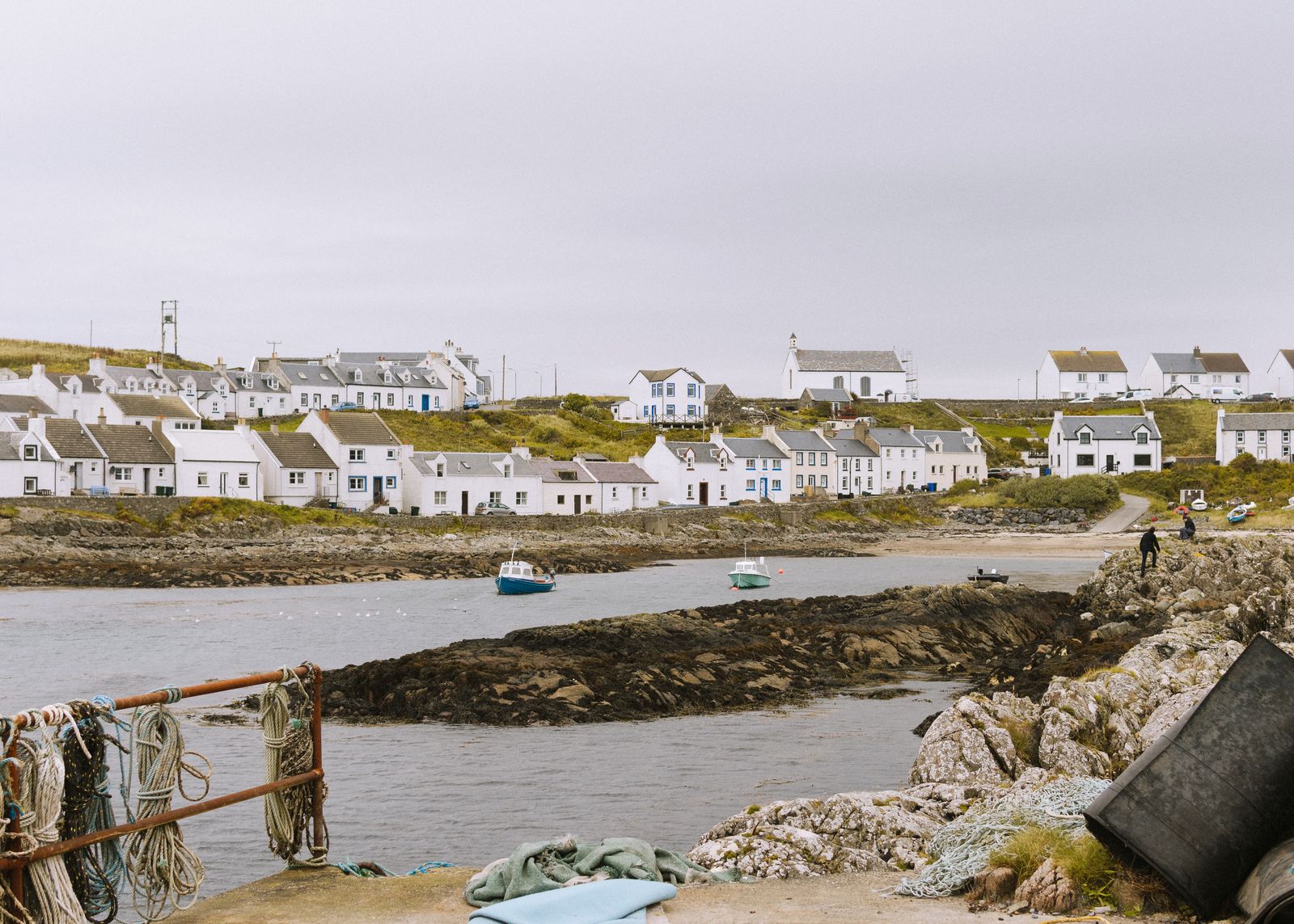
Portnahaven sits at the very southwestern tip of Islay, where the Atlantic swells push between rocks and into a sheltered bay shared with the neighbouring hamlet of Port Wemyss. The approach takes you through open moorland and single-track roads. Then the village appears — a curve of cottages set back from the water, each one low and solid, most painted white, all with their windows facing west.
The harbour is narrow and often filled with seals. They gather on the rocks and rise in the shallows, watching as visitors walk the shoreline. You can follow the loop road through the village, or continue on foot along the short coastal path to Port Wemyss, where there’s a good lookout point across to Orsay Island and its old lighthouse. The lighthouse is no longer manned, but the building still stands clearly on the horizon.
There’s a single pub in the village — An Tigh Seinnse — which serves food and drink with views out to sea. It’s one of the most westerly spots on the island to stop for a meal, and often has a fire lit even in summer. Visitors also come here for the wildlife; dolphins, gannets and even basking sharks are sometimes spotted offshore, especially on calm days. Binoculars aren’t essential, but they help.
Portnahaven is small, and it stays that way. There are no shops or galleries, no signage telling you what to see. The attraction is the setting itself — wind, water, rock, and the quiet presence of the sea, always close.
Falkland
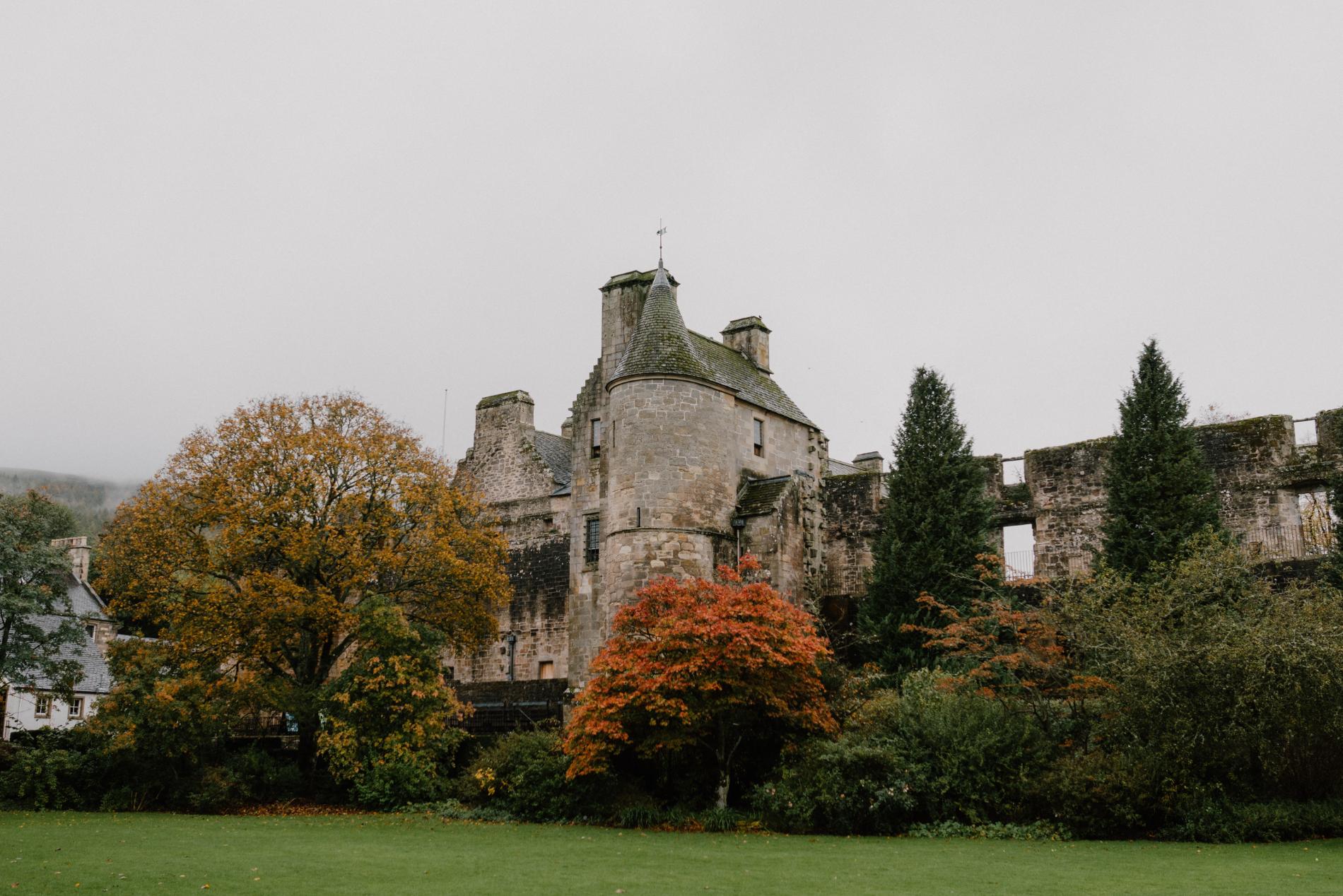
At the foot of the Lomond Hills, Falkland appears almost as a stage set — not because it’s artificial, but because so much of it has survived intact. The old square is bordered by stone buildings with deep windows and uneven walls. Small lanes open out unexpectedly, and almost every turn reveals a detail worth pausing for — a carved lintel, an iron bracket, a tiled sign faded by weather.
Falkland Palace dominates the centre, with its turrets, royal tennis court and grounds open to visitors through the National Trust. Once a hunting lodge for the Stewarts, it still feels embedded in the village rather than separate from it. You can walk through the gardens, visit the chapel, or stand inside the old kitchen where the stone hearth is worn smooth.
But there’s more here than history. Local businesses line the high street: a bakery, a few antique shops, cafés and a well-stocked village store. The Covenanter Hotel looks out across the square and makes a steady spot for food or drink. Walkers use Falkland as a base too — the path up East Lomond rises directly from the edge of the village, offering a panoramic view over Fife for those willing to climb.
It doesn’t feel preserved. It feels used — by locals going about their day and by visitors who tend to linger. There’s no single moment that defines Falkland, which is part of its appeal. The place works as a whole, and rewards attention across its edges.
Wigtown
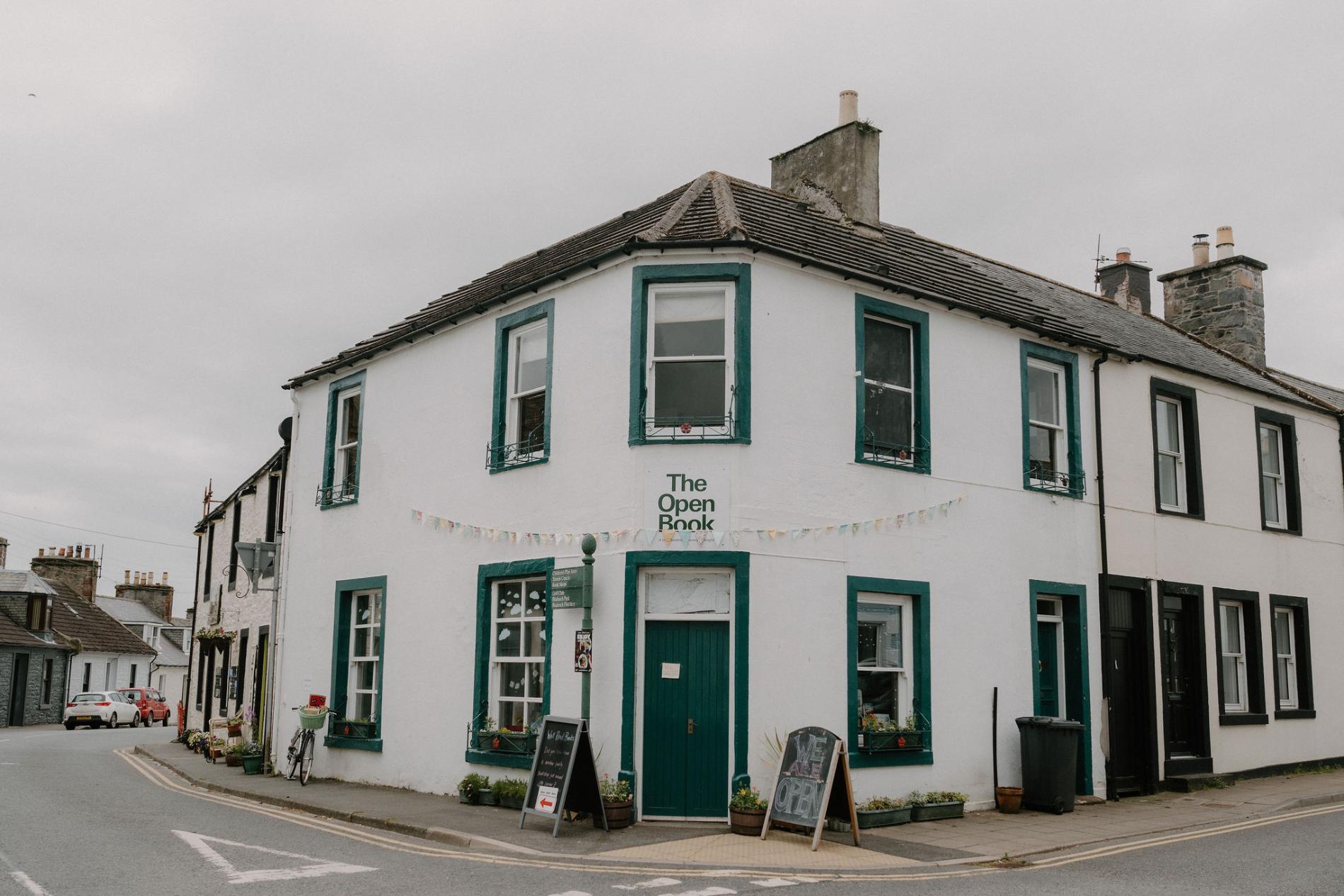
There’s a quiet confidence to Wigtown. It doesn’t shout for attention, but once you’re there, it’s easy to see why people return. Known as Scotland’s National Book Town since the late 1990s, it’s home to more bookshops than you’d expect for its size — not just one or two, but nearly a dozen, each with its own focus, rhythm, and stock shaped by the person behind the counter.
The main square is wide and orderly, with a mix of Georgian buildings, a former county building turned event space, and a low green at the centre. There’s always a chalkboard somewhere advertising readings, signings, or local poetry. The Wigtown Book Festival, held each autumn, draws writers and readers from across the UK. Even outside of festival season, the town feels set up for browsing and drifting — bookshops with sofas, tearooms with shelves, small galleries with handwritten labels on the walls.
The Old Bank Bookshop is worth a look for its size and atmosphere, while The Bookshop — the largest second-hand bookshop in Scotland — holds tens of thousands of volumes across a maze of rooms. The town also has a heritage museum, a nature reserve down at the Bladnoch Estuary, and walking paths leading to Martyrs' Stake, a memorial to the two women executed during the 17th-century Covenanter period.
Wigtown is shaped more by conversation than by views. It’s a place where you can stop for coffee, pick up a second-hand hardback, and find yourself chatting to the person who stocked it.
Aberfeldy
A bridge leads you in — the Wade Bridge, built in the 1730s, crossing the River Tay in a single, elegant arc. On the other side, Aberfeldy opens out slowly. It’s a small town, but one with a clear sense of itself. There’s a bookshop, a cinema, a well-stocked deli, and more than one place to sit with a coffee and watch the day settle around the square.
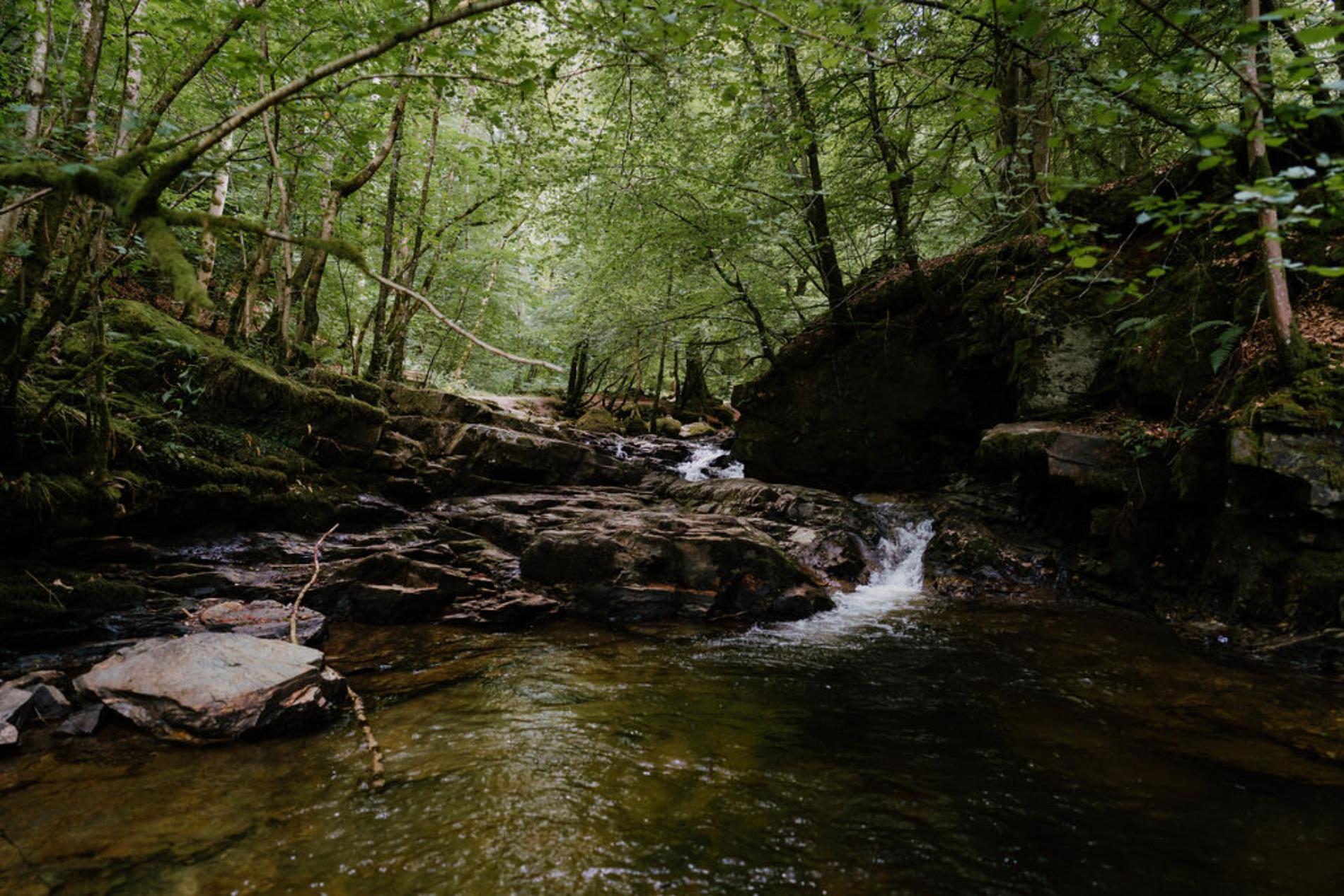
Aberfeldy is often used as a base for walking and cycling in Highland Perthshire. The Birks of Aberfeldy — a circular woodland path made famous by Robert Burns — begins just beyond the main street, winding up through a steep-sided gorge of moss, water, and beech trees. It’s short but steep, and gives wide views back down over the town from its upper reaches.
In the town centre, The Watermill is a gallery, bookshop and café all in one, housed inside a restored oatmeal mill with a working waterwheel at the back. Next door, a small art gallery holds changing exhibitions. There’s also a whisky distillery — Dewar’s — on the edge of town, offering guided tours and tastings, with a heritage centre that covers both local and global strands of the brand’s history.
Aberfeldy doesn’t push for attention. It serves its community first, but there’s room for visitors too — walkers in boots, families passing through, regulars picking up a paper with their bread. It’s tidy but not fussy. The kind of place where everything you need is within a few minutes’ walk.
The Birks of Aberfeldy
Stonehaven
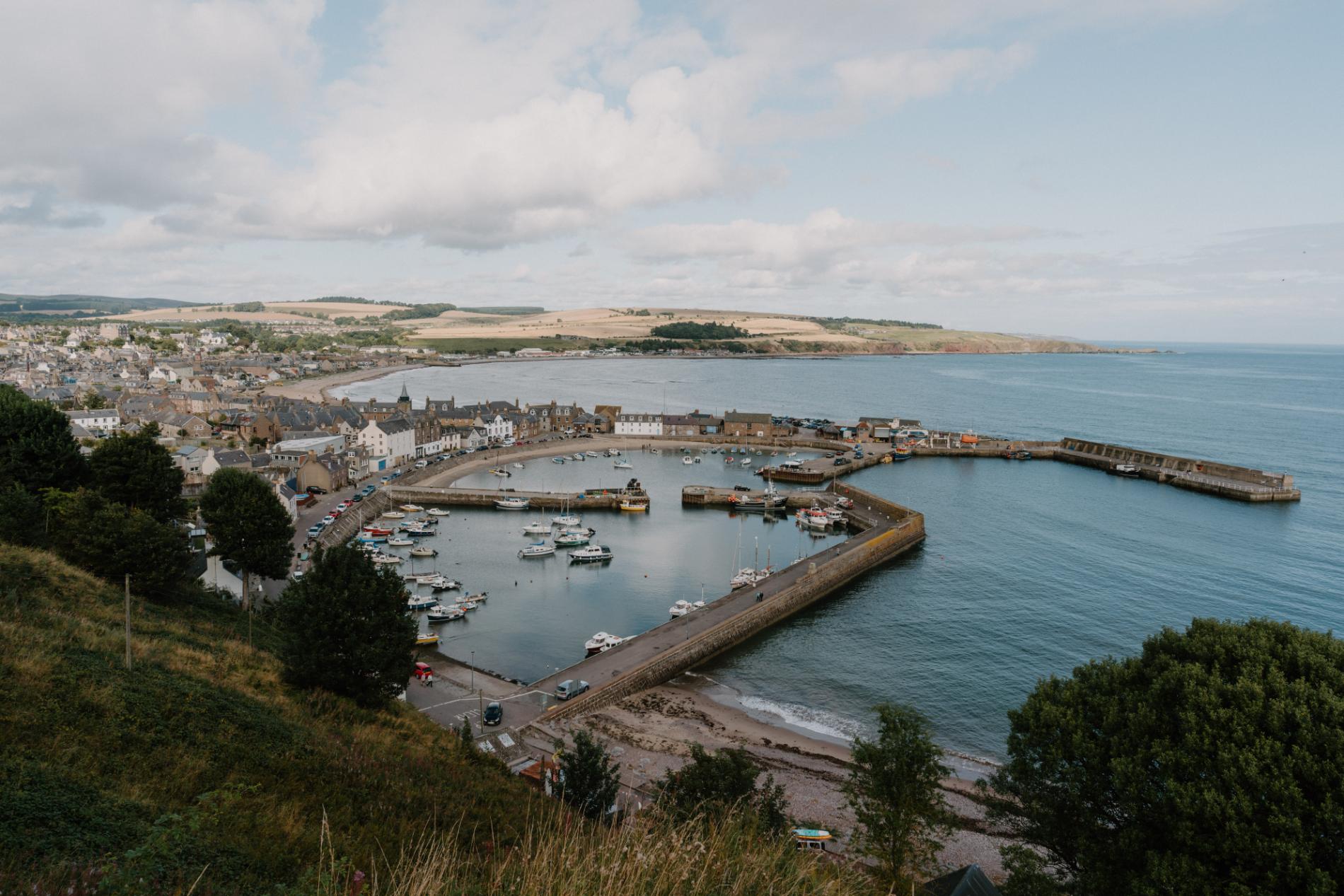
You first see Stonehaven from above. The road in from Aberdeen drops down into the bay, revealing a sweep of shoreline, rooftops, and the ruins of Dunnottar Castle set high on a cliff just south of town. It’s an arresting view, but the town itself rewards closer attention — not just for what’s nearby, but for what’s held within.
The harbour is at the heart of it. A curved breakwater shelters working boats and day-trippers alike, with pubs and cafés tucked into the surrounding lanes. The Tolbooth Museum, housed in one of the oldest buildings by the quayside, gives a straightforward account of Stonehaven’s maritime past. There’s also an art gallery upstairs, usually showing local work.
Beyond the harbour, a walk along the boardwalk leads past the beach — shingle, with patches of sand at low tide — towards the outdoor swimming pool. This art deco lido is one of only a handful left in the country and opens seasonally, complete with saltwater and sea views. Further on, a steep clifftop path begins the route to Dunnottar Castle, which is open to visitors and stands dramatically on its own headland.
In the town centre, Market Square holds weekly events and is ringed by shops and places to eat. There’s a railway station, a handful of guesthouses, and a mix of older cottages and newer builds as you move inland. Stonehaven isn’t decorative. It’s a functioning coastal town with enough to fill a day or two — and a backdrop that tends to stay with you.
Stonehaven Harbour
Anstruther
The sound of gulls, the smell of salt and batter, and a long row of fishing boats gently shifting in the harbour — that’s often the first impression of Anstruther. Larger and livelier than its neighbours along the East Neuk, it’s still a village in scale, but one with more movement: day-trippers queueing for fish and chips, walkers passing through on the coastal path, locals chatting outside the Co-op.
The harbour divides the village into two parts: Anstruther Easter and Anstruther Wester, with a narrow channel of water and a road bridge between them. On the eastern side, shops and takeaways line the shore, including the well-known Anstruther Fish Bar, where queues form early on warm weekends. Alongside it are more modest cafés, a deli, a second-hand bookshop, and ice cream counters that stay open late in summer.
For those curious about history, the Scottish Fisheries Museum is one of the best of its kind — a cluster of old buildings holding boats, photographs, and stories from Scotland’s coastal communities. Boat trips to the Isle of May also leave from the harbour here, usually from April to September, offering a chance to see puffins, seals, and even dolphins if the sea is calm.
Wander along the pier, watch the tide shift in the basin, or take the short walk to Cellardyke, where the lanes narrow and the buildings close in. Anstruther has more footfall than other villages on this list, but it hasn’t lost shape. The work of the harbour, and the draw of the shore, still hold it together.
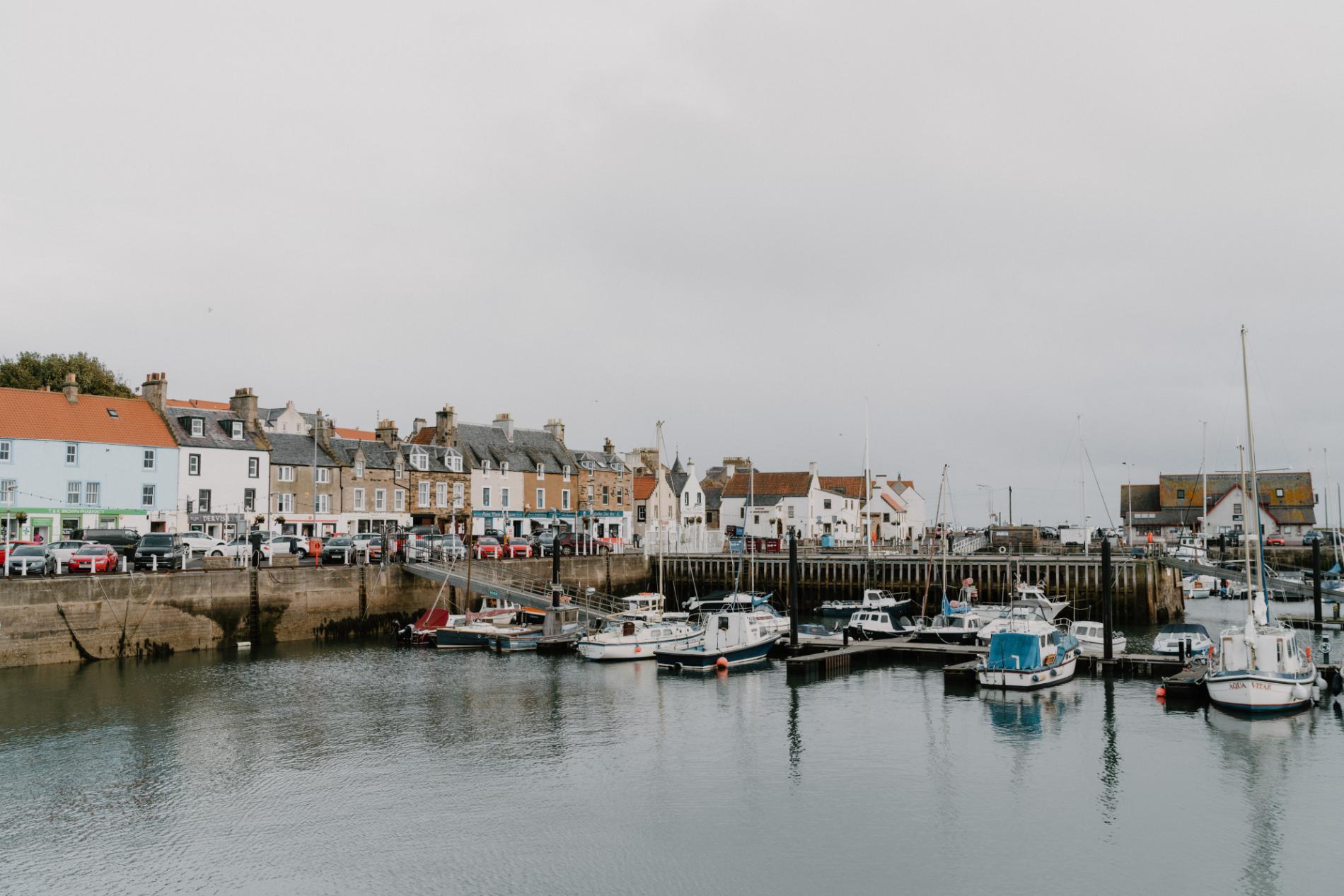
Anstruther Harbour
Pittenweem
Fishing boats still land their catch here. In the early hours, you’ll hear them returning to the harbour — diesel engines, ropes pulled taut, crates lifted ashore. Pittenweem remains one of the most active working ports in the East Neuk of Fife, and that activity shapes the village more than any postcard scene.
The harbour is the focus, edged by gables, stone sheds, and weathered walls. Narrow lanes climb steeply behind, revealing terraced gardens, washing lines, and close-packed cottages with names on slate plaques beside their doors. The red pantiles on the roofs, a legacy of old trade with the Low Countries, catch the light as the day turns. At street level, you’ll find a mix of homes and small businesses, including The Cocoa Tree café and a handful of independent studios.
Each August, the village hosts the Pittenweem Arts Festival, when local halls, garages, and front rooms are turned into pop-up galleries. The rest of the year, a few permanent spaces remain open, including the carefully curated exhibitions at the harbourfront gallery run by the Pittenweem Arts Festival trust. The village also has a working tidal pool tucked beyond the west pier — hard to spot unless you know it’s there, but well used by locals and visiting swimmers.
You can follow the Fife Coastal Path from here in either direction — west to St Monans or east towards Anstruther. But even without walking far, Pittenweem holds attention. It isn’t dressed up. Its character comes from the work that continues, and the way the buildings hold their shape around it.
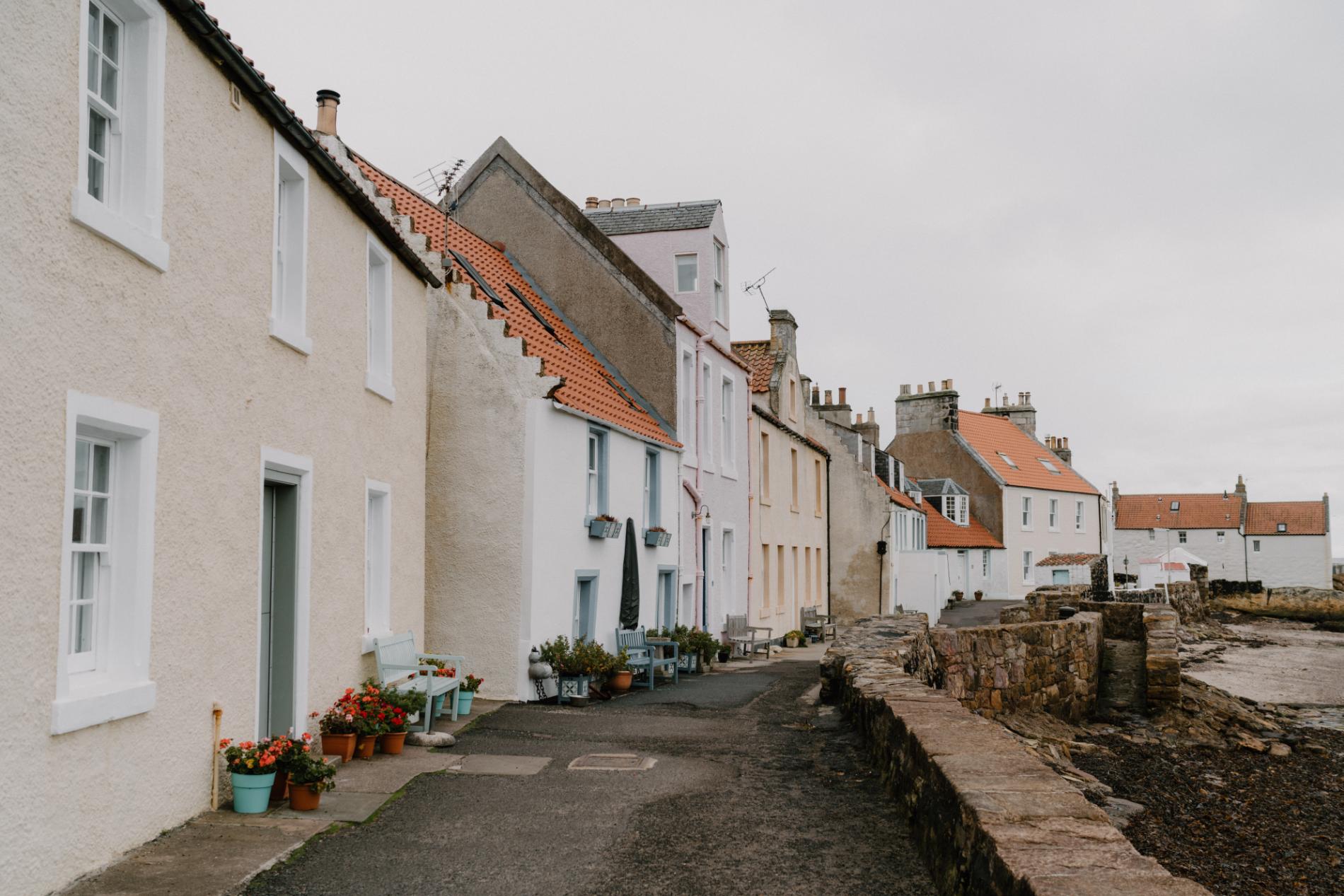
Bowmore
On Islay, almost everything leads back to the sea or the distillery. In Bowmore, both sit at the centre of things. The village curves gently downhill towards Loch Indaal, where small boats are moored near the shore and the tide moves slowly across the bay. On the opposite side, the whitewashed walls of Bowmore Distillery rise above the water — bold black lettering, pagoda roofs, the scent of malt sometimes drifting through the air.
The village itself is laid out on a neat grid, unusual for the west coast, planned in the 18th century with the church at the top of the hill. That church is round — deliberately built without corners to stop the devil hiding in them, according to local tradition. From its steps, you get a clear view down to the loch and across the village rooftops.
Bowmore Distillery offers daily tours, and there’s a well-stocked visitor centre with tastings, gifts, and information on Islay’s whisky-making history. A few minutes’ walk away, you’ll find the local swimming pool and leisure centre, heated in part by excess warmth from the distillery’s stills — one of the more practical arrangements of island life. The village also has a small Co-op, a bookshop, galleries, and cafés, making it one of the most functional and self-contained places on the island.
It’s not showy, but Bowmore carries weight. It’s a working village, a ferry stop, and a centre for visitors — all held together by clear lines, white walls, and the sound of water never far off.
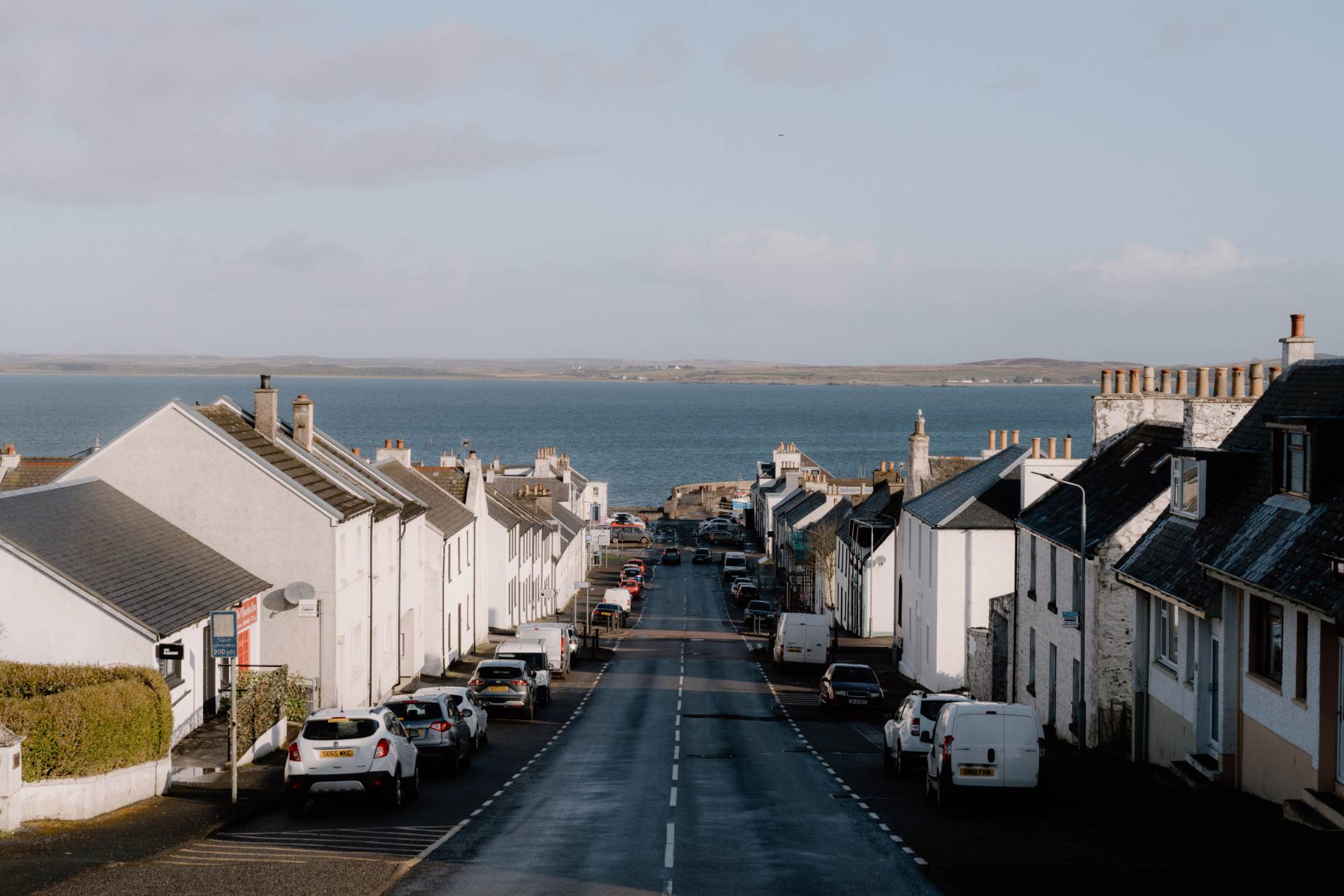
Footdee
Tucked into the far corner of Aberdeen’s harbour mouth, Footdee isn’t visible from the main road. You have to know it’s there — beyond the esplanade, past the last of the seafront flats, behind a low wall that gives little away. But once inside, the space opens into a tight-knit grid of squares lined with some of the most distinctive cottages in the northeast.
Locally known as “Fittie,” the village was designed in the 19th century to house fishermen and their families. What stands today is a collection of single-storey homes, each one fronting a communal green, with brightly painted sheds and shelters added over time in what once were shared drying greens. These outhouses are eccentric and individual — painted doors, porthole windows, sloping roofs, plastic flowers, carved signs. They’re part of what gives the area its appeal.
Visitors come to wander. There’s no formal entrance or signage, and nothing is arranged for tourism. Instead, Footdee feels self-contained — still home to a community, and best approached on foot and with a bit of care. People live here, and you’re walking past their gardens and windows.
There’s a café nearby along the beach boulevard, and the marina sits just beyond, filled with modern yachts and sea birds drifting over the dock walls. On a still morning or late in the day, the contrast between the quiet of Footdee and the noise of the working harbour is clear. One holds still. The other never stops. The balance works.
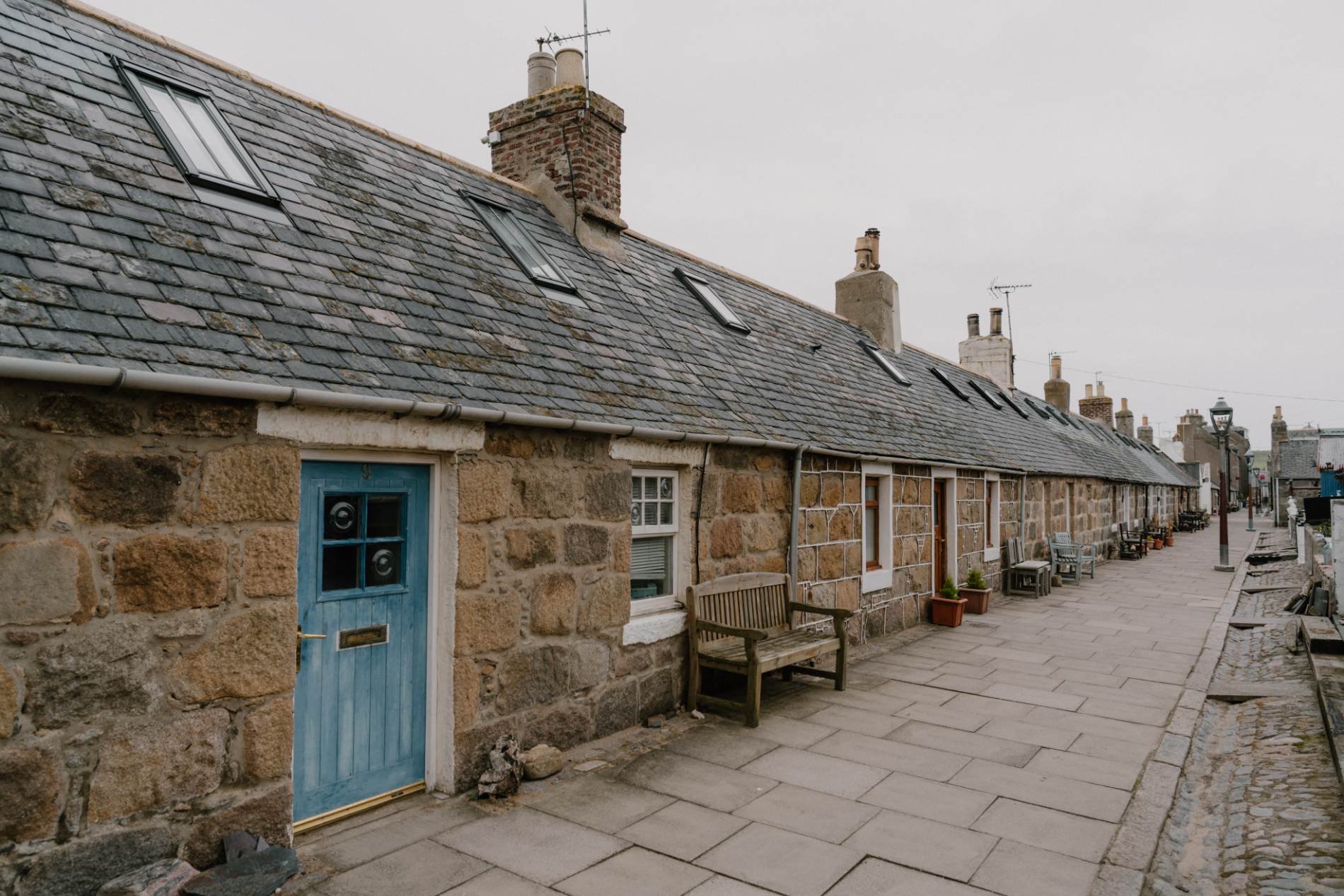
Kenmore
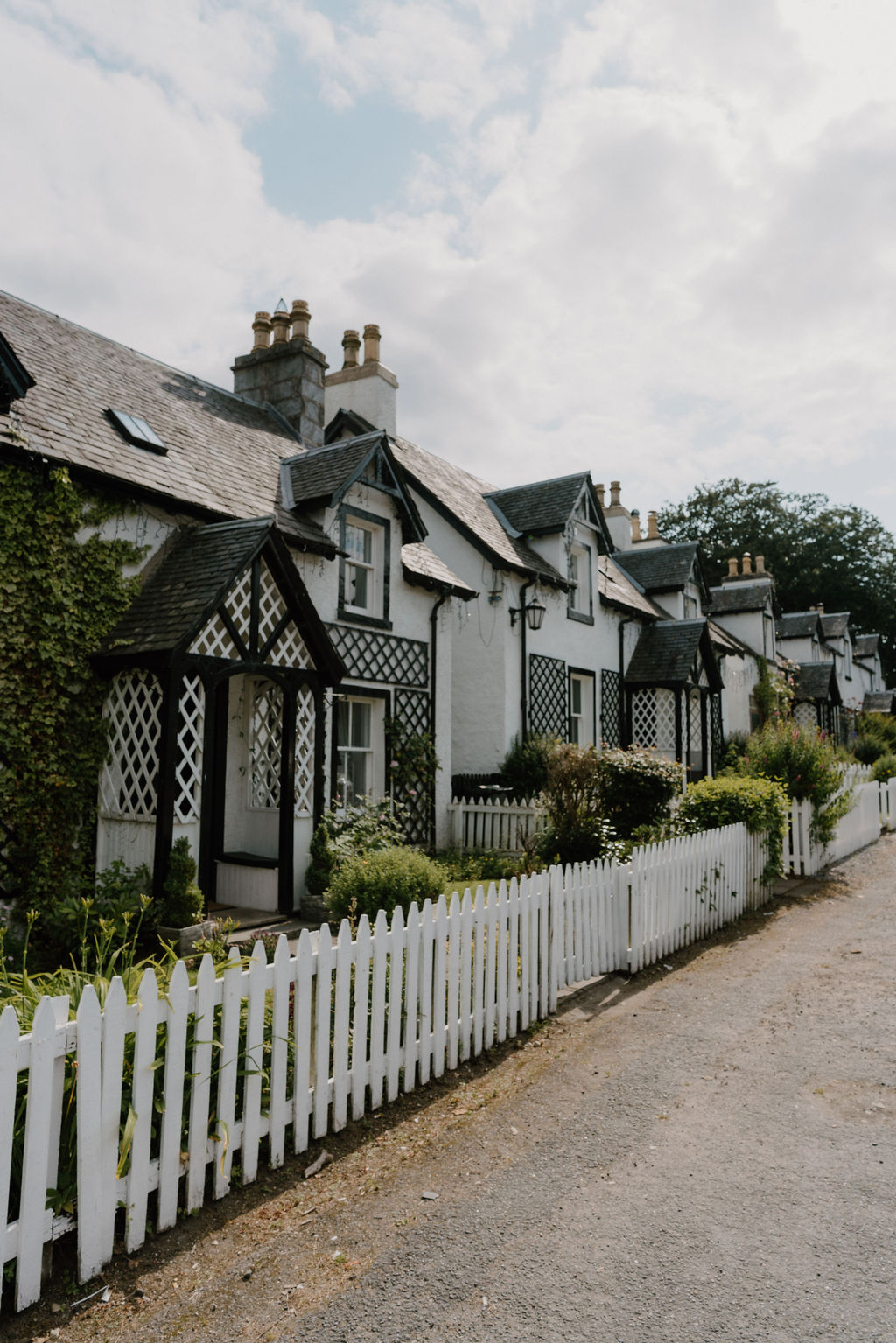
The road into Kenmore comes with a view — Loch Tay stretching out ahead, flat and long, with hills rising on both sides. The village sits right at the eastern tip of the loch, its small collection of stone buildings arranged neatly around a central green. There’s a bridge, a hotel, a few houses, and that’s about it. But the setting makes it feel larger.
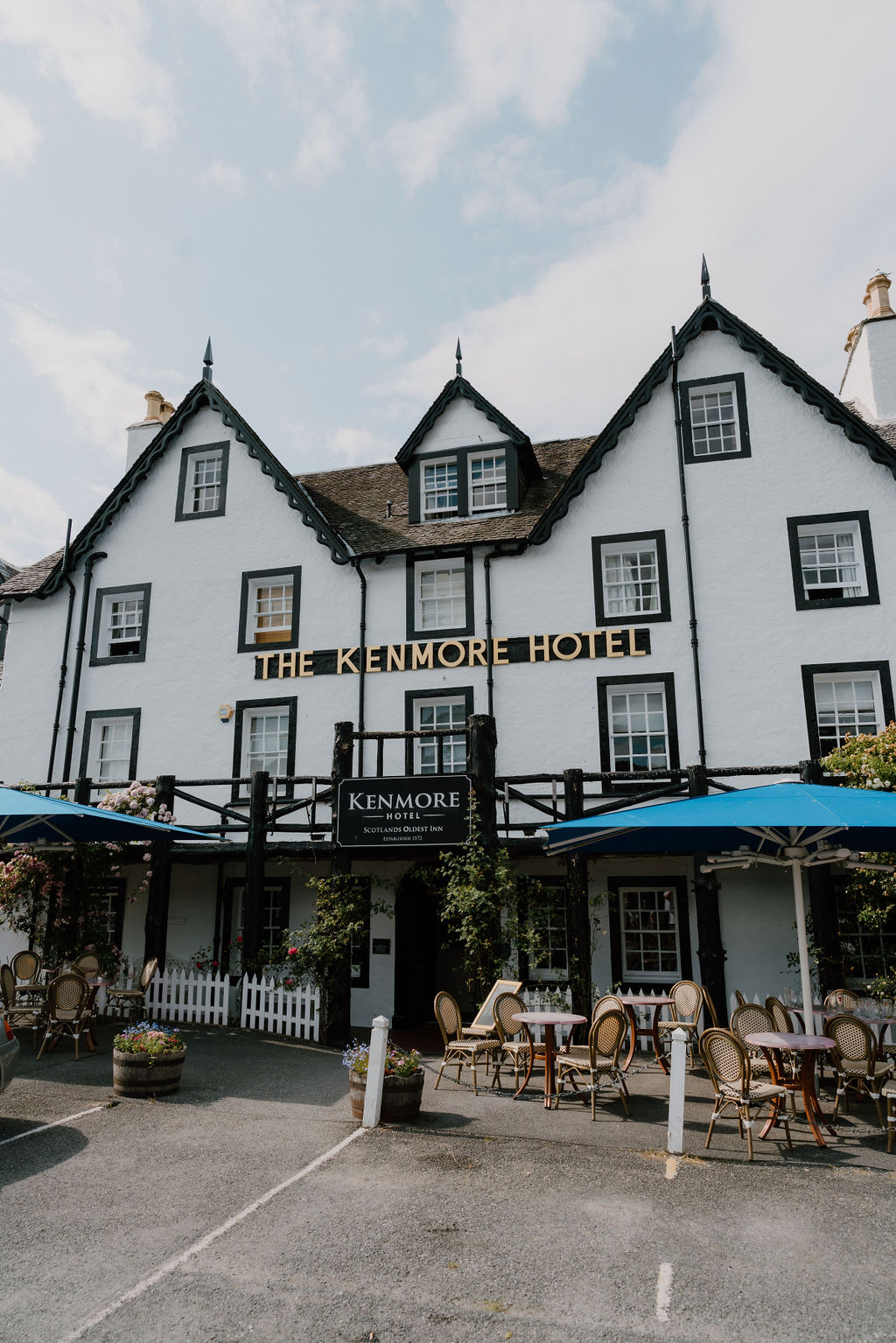
The Kenmore Hotel, one of the oldest inns in Scotland, anchors the main square. Across the road, the lochside beach is often quiet, used by paddleboarders in summer and dog walkers the rest of the year. Nearby, you’ll find the Scottish Crannog Centre, which has recently relocated across the loch and still offers engaging, hands-on interpretation of Iron Age life — a strong draw for families and history-minded travellers alike.
There are paths leading along the River Tay, past fields and over stiles, and a signed trail through Drummond Hill forest, which climbs steeply but rewards with views back across the loch. In the village itself, the post office doubles as a general store, and there’s a café with outdoor seating for warmer days. Across the bridge, a group of cottages and a well-placed bench offer one of the best viewpoints on the water.
Kenmore doesn’t ask for long, but it holds you for longer than you expect. The layout is simple, the architecture modest, but the location — hemmed in by loch and hill — gives it a stillness that’s hard to fake.
Pitlochry
Trains pull in slowly at Pitlochry, and it suits the pace of the place. The station, with its iron footbridge and tidy platforms, sits just above the town centre. From there, it’s a short walk to the high street — a line of Victorian shopfronts, guesthouses, and cafés that manage to feel lively without being loud.
Pitlochry has long been a stop on the Highland tourist circuit, but it hasn’t tipped into excess. You’ll find outdoor shops, bakeries, bookshops, and a few good places to eat, including a handful of pubs and a deli with local produce. The Festival Theatre sits just beyond the centre, surrounded by trees and gardens, with a full calendar of performances throughout the year.
A short walk away is the dam and salmon ladder — one of the town’s better-known sights — where visitors can sometimes see fish making their way upstream during the migration season. There’s also a visitor centre with displays on hydroelectric power and the history of the site. On the other side of the river, paths lead into Faskally Wood and along Loch Faskally, where reflections settle easily on the still water.
Pitlochry is often used as a base for exploring the wider area — Blair Castle, Ben Vrackie, and Queen’s View are all within easy reach — but the town holds enough interest in its own right. It’s tidy, accessible, and well-positioned, with a steady draw of visitors that doesn’t seem to shake its footing.
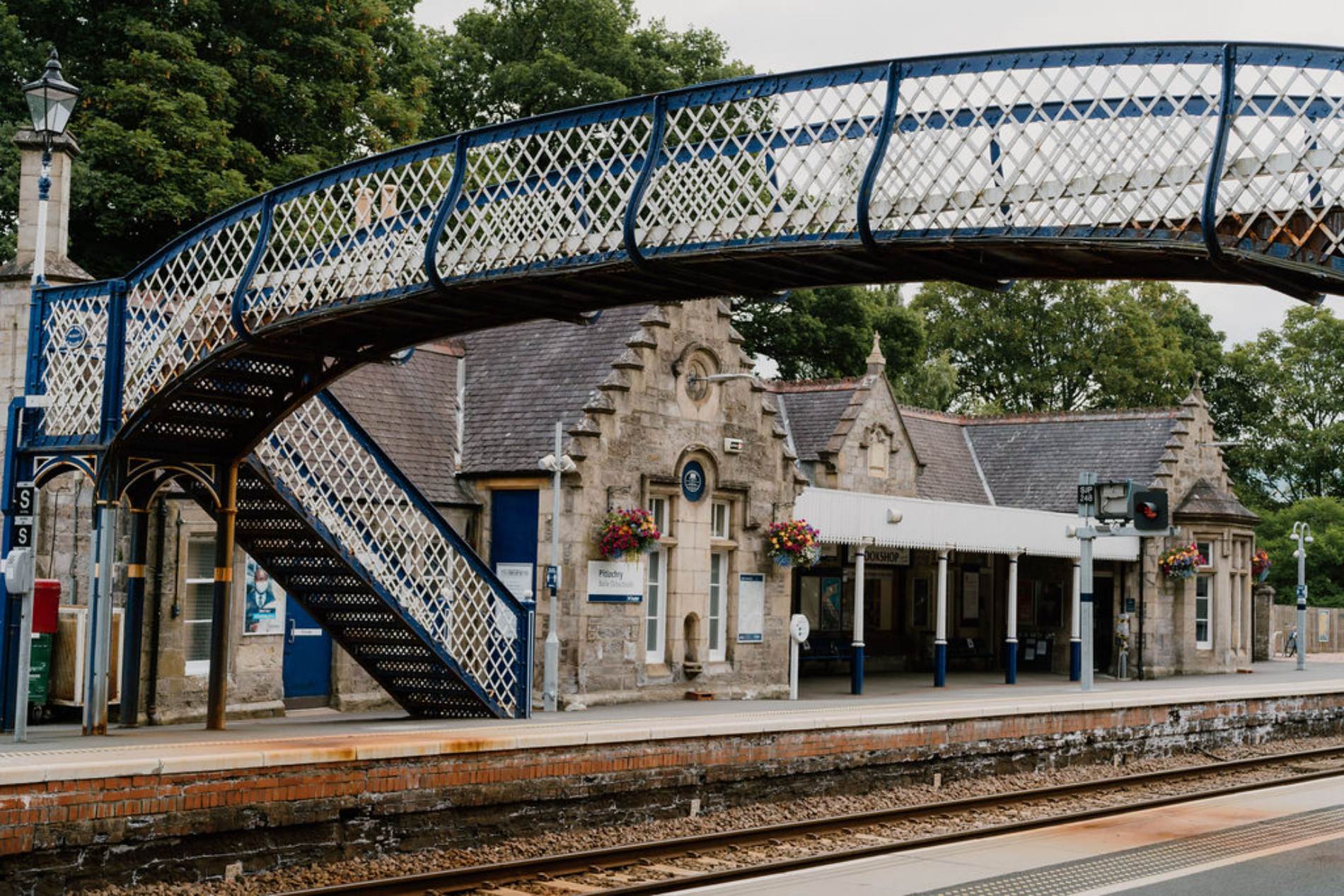
Pitlochry Railway Station
Melrose
Approaching Melrose from the west, the Eildon Hills come into view first — rounded, heather-covered peaks that rise gently above the town. Below them, Melrose spreads out in stone and slate, its centre wrapped around a handful of streets that haven’t changed much in layout for generations. The pace is steady here. There’s enough to do, but nothing rushes you.
The main draw is Melrose Abbey, a partly ruined structure with pointed arches, delicate stonework, and a long association with Robert the Bruce. His heart is said to be buried here, and a small plaque in the grounds marks the spot. You can explore the abbey ruins on a self-guided visit, with access to the cloisters and upper levels when conditions allow. The adjoining museum offers more detail on the area’s monastic past.
Beyond the abbey, the high street holds a mix of independent shops, cafés, and bookshops. Henderson’s is a good stop for homewares and local gifts, while Apples for Jam does reliable lunch and coffee. There’s also a small monthly market in the square, and walking paths that lead out towards the River Tweed and along the Southern Upland Way.
Nearby, the gardens at Priorwood and Harmony are open to visitors in the warmer months, and Abbotsford — the former home of Sir Walter Scott — is just a short drive away. Melrose doesn’t overextend. It holds its shape through stone, scale and routine — a quiet Borders town with enough history to hold your interest and enough space to take your time.
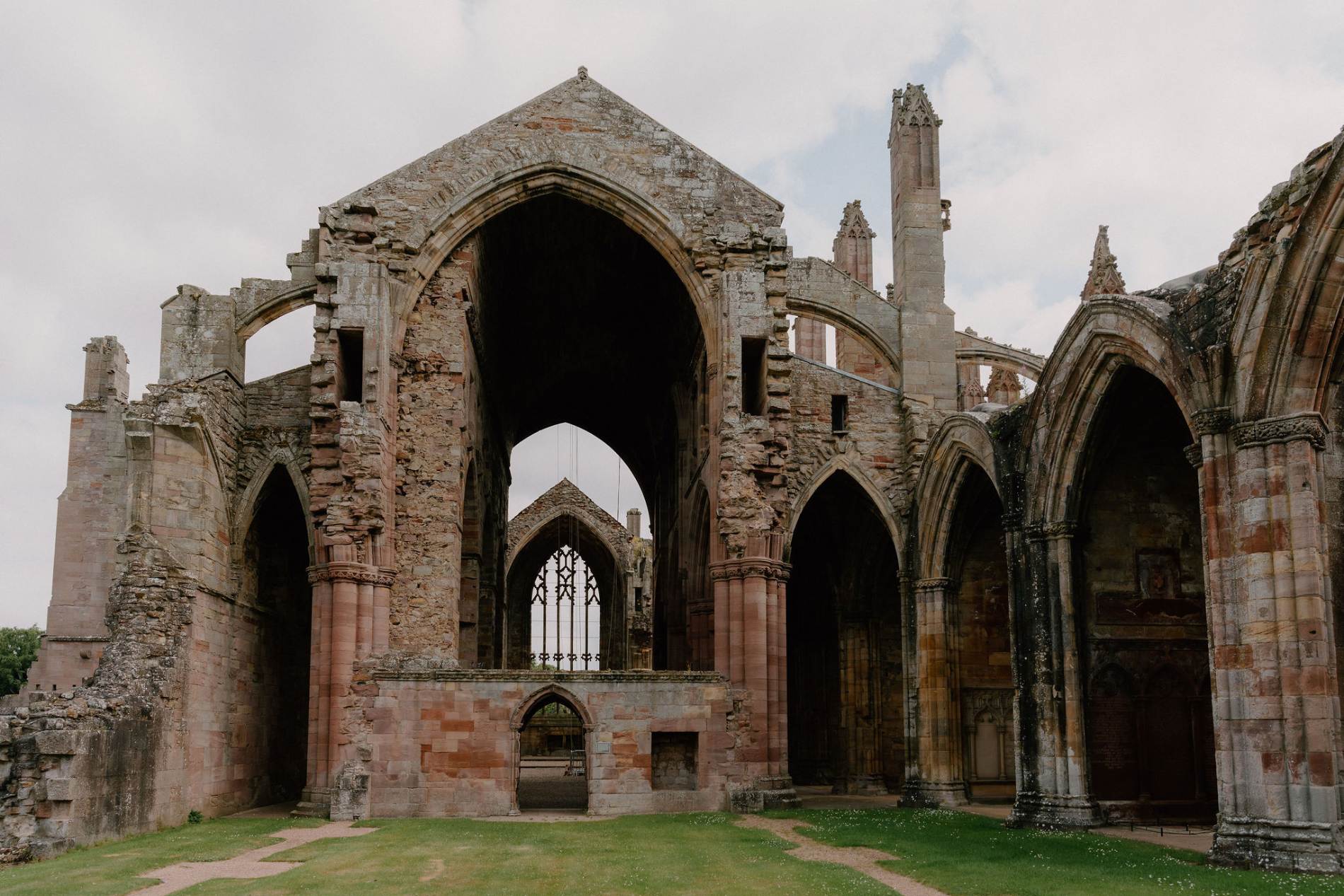
Melrose Abbey
Stein
A single row of whitewashed buildings is all it takes. Stein sits right on the edge of Loch Bay, its handful of cottages and houses facing out across the water towards Harris. There's little here in the way of facilities — no shops, no visitor centre — but what it does offer, it does well.
The village was partly laid out by Thomas Telford in the early 19th century as part of a wider plan for fishing settlements across the Highlands and Islands. Stein is the only one on Skye that saw the full plan realised, though on a modest scale. The result is a clean, linear layout with a clear relationship to the shore — houses tight to the road, the loch just a few metres away.
At its centre is the Stein Inn, the oldest inn on Skye, offering food, drink, and rooms in a setting that hasn’t changed much in decades. The pub has a reputation for local seafood, live music on occasion, and a quiet pint by the fire. Further along the row, you’ll find a gallery with work by regional artists and a small jetty used by fishing boats and tour operators.
Most visitors come as part of a longer drive through Waternish, often linking Stein with the SkyeSkyns tannery or the nearby Fairy Bridge. Others come just for the view — low light over the loch, a line of buildings, and the sound of water lapping against stone. Stein doesn’t pull focus. It’s enough on its own.
Luss
Luss is easy to reach and often busy, but there’s a reason people stop. Set on the western shore of Loch Lomond, just off the A82, the village is neatly arranged with rows of 19th-century cottages leading directly to the water. The setting is immediate — loch, islands, and distant hills framed by slate rooftops and small, well-kept gardens.
Originally built to house workers from nearby slate quarries, the village has held onto its form. Cottages are single-storey and uniform in size, with thick stone walls and flower beds that seem to do well even in mixed weather. Most are still lived in full-time, though a few now operate as holiday lets or small guesthouses.
Visitors can walk out along the short pier, where you’ll often find paddleboarders setting off or boats running trips out onto the loch. There’s a visitor centre near the car park with a café and shop, and the main street holds a few places to eat, as well as a small church that dates back to the late 19th century. Behind the village, a trail leads up through woodland to a quiet viewpoint above the water.
It’s not remote, and it can feel busy in the middle of the day, but early mornings or late evenings offer something different — a stillness over the loch, cottages lit by low sun, and only the sound of water moving against the shore. Luss isn’t large, but it holds together well, and its setting carries most of the weight.
Crovie
You can’t drive into Crovie. The single road ends at a turning circle above the village, and from there it’s on foot — a steep descent, then a narrow path that runs along the seafront with cottages on one side and the sea on the other. It’s one of the most distinctive settlements on the Moray coast: a tight, linear strip of stone houses tucked between cliffs and water, with no room to spare.
Originally built as a fishing village in the 18th century, Crovie was formed when inland tenants, cleared from their land, moved to the coast. What remains today is remarkably intact. The houses face east, catching the morning light, and sit low to the ground, built for wind resistance rather than views. Some are lived in permanently, others let as holiday cottages, but there’s no signage or commercial front — just a line of homes, sheds, benches, and steps down to the shingle.
There’s no café or shop in the village itself, but nearby Gardenstown offers both, and walkers often take the clifftop path that links the two. Along the way, you’ll pass wildflowers in summer, seabirds overhead, and one of the best coastal panoramas in the region. From Crovie’s shoreline, the view stretches across the Moray Firth. On a clear day, you might spot dolphins moving through the water offshore.
What makes Crovie memorable isn’t what’s there, but what’s been left alone. It’s quiet, visually exact, and shaped more by necessity than design — the kind of place where time feels dictated by weather and tide.
Gardenstown
From above, Gardenstown appears almost stacked — houses rising in tiers from the harbour up to the cliffs behind, each one with its own view out across the Moray Firth. The village follows the curve of the shoreline, built into a steep slope that shapes how people move through it: slow climbs, narrow turns, and paths that seem to drop away as you walk.
Gardenstown, or “Gamrie” to locals, has been a fishing village since the 18th century. The harbour is still in use, though on a smaller scale than in the past. You’ll see creels, small boats, and sheds patched together with corrugated metal. It’s rough in parts, but real. The waterfront is the best place to start — benches, gulls, and the sound of the tide on stone.
There’s a café and a gallery near the lower part of the village, along with a couple of guesthouses and a pottery studio open to visitors. A small church sits further up, and if you follow the signs for the cliff path, you’ll eventually reach Crovie on foot — a well-used track that offers expansive views across the water, with seabirds overhead and gorse in bloom through spring and early summer.
Gardenstown doesn’t tidy itself up for visitors, and that’s part of the appeal. The scale is close, the streets feel lived-in, and there’s always the sense of the sea just beyond the next corner. It’s a working village, not a display, but the setting makes it easy to stay a while.
St Abbs
The harbour at St Abbs is small but precise — a handful of stone piers, boats tied neatly, and clear green water that deepens quickly beyond the wall. Set into the Berwickshire coast just north of Eyemouth, the village feels shaped by its position: cliffs behind, open sea in front, and not much room in between.
It’s a place that draws walkers, divers, and birdwatchers. The St Abbs Head National Nature Reserve begins just outside the village, with trails that climb to the cliff tops and follow the coastline past sea stacks, wildflowers, and one of the largest seabird colonies in mainland Scotland. Fulmars, guillemots, kittiwakes — in the right season, the air is thick with movement and sound. The lighthouse, perched at the very tip of the headland, marks the end of the trail.
Back in the village, the harbour remains active, though most boats now serve divers or wildlife tours. Trips run from the small slipway out to view the cliffs from the water, or to reach offshore dive sites known for their clarity and marine life. There’s a café in the old school building, a gallery, and a visitor centre with displays on the fishing heritage and local ecology.
St Abbs is quiet, even in summer. The streets are few, the houses solid and close to the shore. Wind carries easily through the lanes, and the sea is always within earshot. There’s no pretence to it — a working harbour, a well-used path, and a village that fits naturally into its setting.
Kirkcudbright
Kirkcudbright sits slightly inland, along the tidal reach of the River Dee, though it’s often thought of as a coastal town. The water widens into the Solway Firth not far downstream, and the harbour here still sees small fishing vessels and yachts passing through with the tide. The name’s pronounced “Kir-koo-bree,” and it’s known as much for its art history as its location.
The town became an artists’ hub in the late 19th century, drawing painters like E. A. Hornel and Jessie M. King, many of whom stayed for good. That past is visible in the number of galleries and studios around town — some working, some converted into exhibition spaces. The Kirkcudbright Galleries, housed in the old town hall, hold a changing programme of shows, including pieces from the permanent collection and touring exhibitions.
The town is easy to explore on foot. The main streets are wide, the buildings a mix of pastel-painted terraces and older stone houses, and there’s a steady sense of use — hardware stores, a good butcher, bakeries, cafés. At the harbour, boats moor close to the quay, and walking paths lead out along the water’s edge or up toward the castle ruins, which sit just behind the main square. Though mostly a shell now, the walls of MacLellan’s Castle still give structure to the view.
Kirkcudbright works quietly. It has history, creative energy, and day-to-day life all running side by side. You don’t need to search for atmosphere — it’s already there in the detail.
Portree
Portree is the main town on Skye, but it’s not large. Most of the action happens within a few streets — the harbour, the square, the road that climbs inland past shops, cafés, and hotels. It’s where most people arrive, and where many choose to stay. Ferries don’t come here, but buses do, and there’s enough infrastructure to support a steady flow of visitors without losing the scale of the place.
The harbour is the obvious centre. Boats sit against the stone wall or anchor further out in the bay, and the row of painted buildings facing the water has become one of the most recognisable images of Skye. Walk along the shore road and you’ll find a few benches, a seafood stall in season, and paths that rise into the wooded slope behind the quay. It’s not dramatic, but it feels useful.
In town, there’s a mix of shops — some aimed at visitors, others clearly for locals. Supermarkets, a pharmacy, outdoor clothing, bakeries, bookshops. You’ll find several places to eat, from takeaway windows to sit-down restaurants, and accommodation that ranges from guesthouses to more modern hotels. The Aros Centre just outside town offers exhibitions, film screenings and live music, while the small arts centre on the square hosts regular events and exhibitions.
Portree is often busy — a base for walkers heading north to the Trotternish Ridge, or for those circling the island by car. But early morning or after dark, the streets quiet down. The water stills, lights appear in the hillside, and the town takes on a different pace. It’s not the most remote place on Skye, but it’s often the most returned to.
Plockton
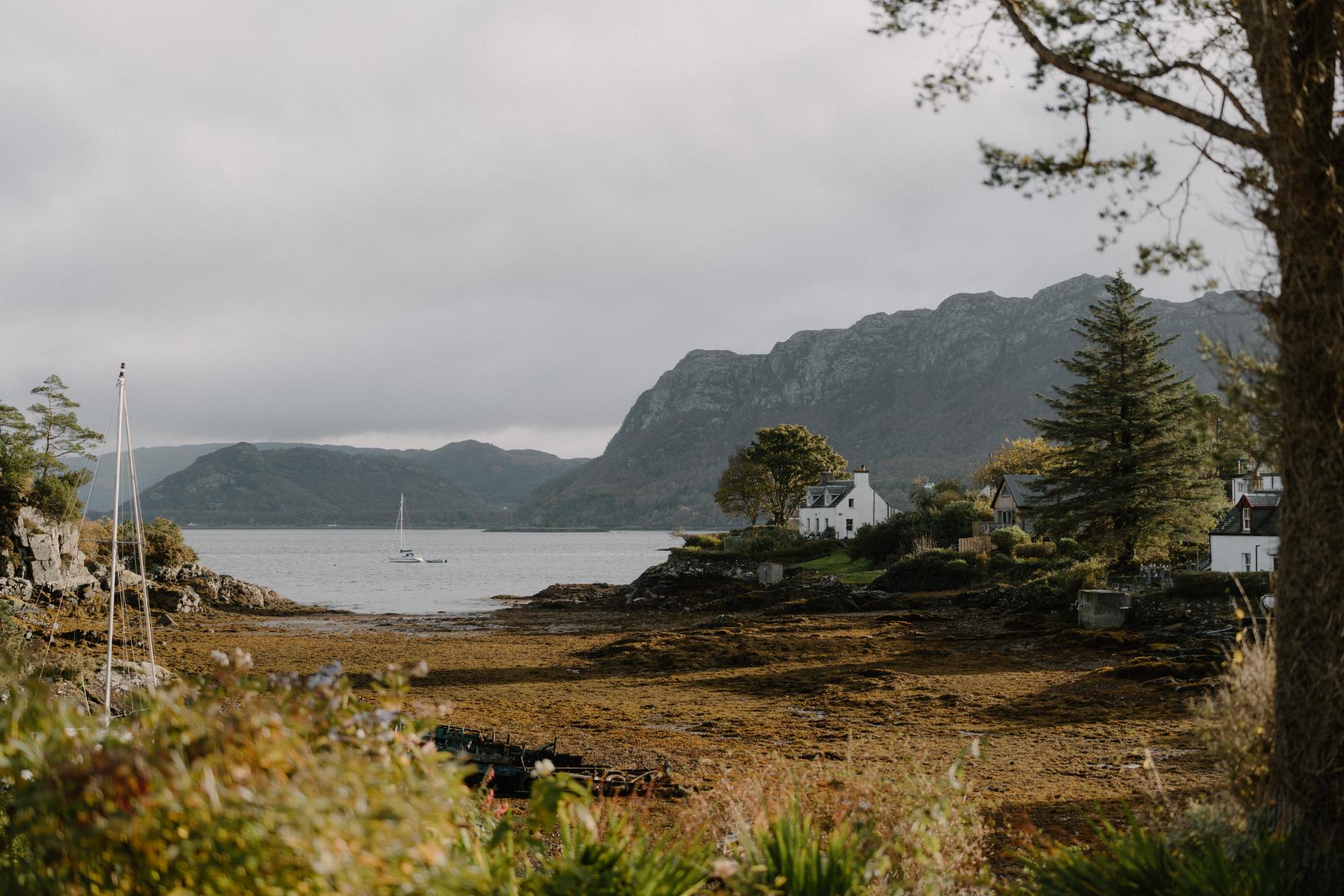
Plockton isn’t large, but its setting does a lot of the work. The village sits on the edge of Loch Carron, tucked into a natural bay and sheltered by wooded hills. A row of whitewashed houses follows the curve of the water, facing across to small islands and the distant outline of the Applecross peninsula. The sea here is often calm, and the light shifts gently throughout the day — soft in the morning, gold-edged by evening.
Originally built as a planned fishing village in the early 1800s, Plockton still carries traces of that design — a single main street, neat front gardens, and a shoreline that remains open and accessible. Palm trees, encouraged by the mild coastal climate, line parts of the waterfront, though it’s the stone walls, timber gates and lived-in cottages that give the village its texture.
The harbour is a quiet one. Boats rise and fall with the tide, and seals are often seen offshore. You can take short boat trips from the pier, or follow paths into the hills above the village for views across the loch. The railway station sits just behind, part of the scenic line from Kyle of Lochalsh to Inverness. There are a few cafés and guesthouses, and the pub near the harbour is a reliable stop for food and a view.
It’s a place that suits slow days. You don’t need a list of things to do. Walking the length of the waterfront, watching the tide shift, and sitting awhile on a bench are enough.
Promoted Post
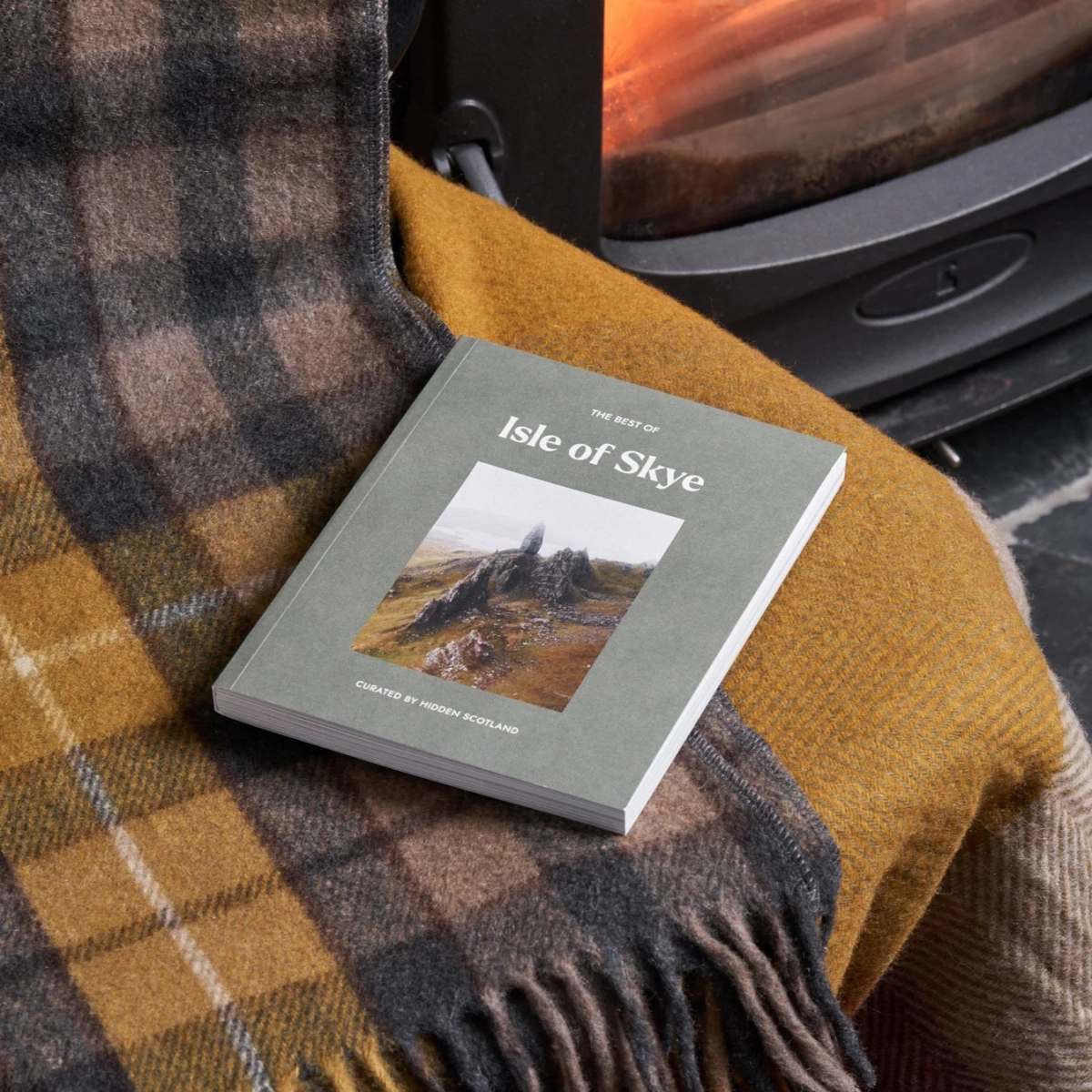
The Best of Skye Guidebook
The Isle of Skye is a place of rare wonder, a wildlife-rich spread of bays, peaks, cliffs and ridges. The views are big, but the prospect of adventure is even bigger. We hope this curated Hidden Scotland guide – which takes in everything from the best walks to the finest restaurants – helps you to have your own unforgettable island escape.






 Sign in with Google
 Sign in with Email