
Inside The Tower Portobello, a Restored 1785 Landmark by the Sea
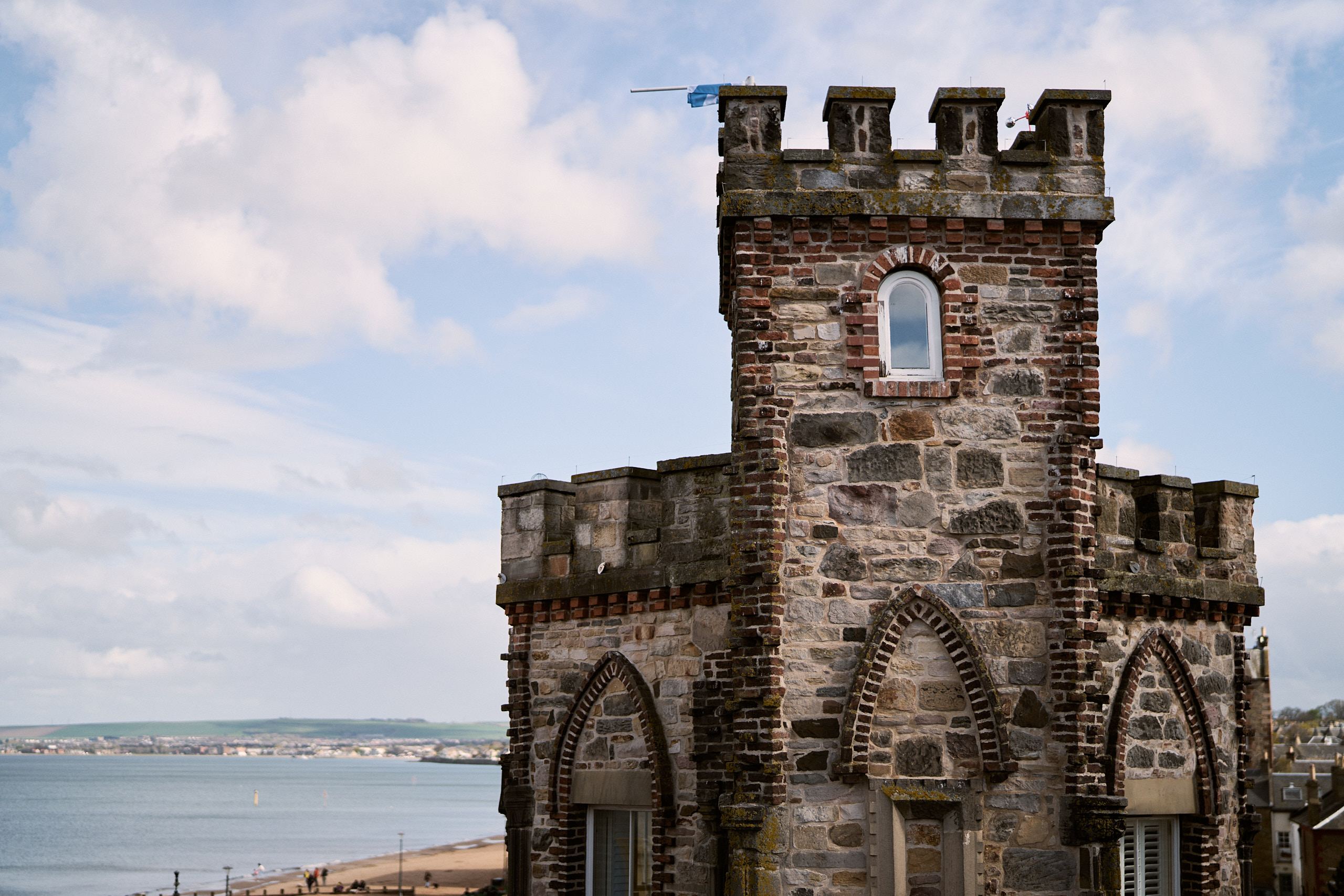
Just off Portobello’s promenade, The Tower rises from the shoreline with a long, layered past. For Zahra, it was once a crumbling part of her childhood home. After years of careful restoration, it has opened as an exclusive space for gatherings, shoots, filming, brand and chef takeovers, elopements, private celebrations, and supper clubs.
1. For those discovering it for the first time, what is The Tower Portobello?
The Tower is a privately restored 1785 beachfront landmark sitting directly on Portobello Beach, Edinburgh. We opened for private hire last year and offer shoots, filming, brand takeovers, chef takeovers, elopements, private celebrations and supper clubs — as well as a Wedding Planning Experience where couples spend a full day at the Tower meeting and tasting with their suppliers all in one place. One booking at a time, always exclusive. People seem to feel genuinely proud when they find us — like they've stumbled onto something most people haven't. Which, for now, they have.
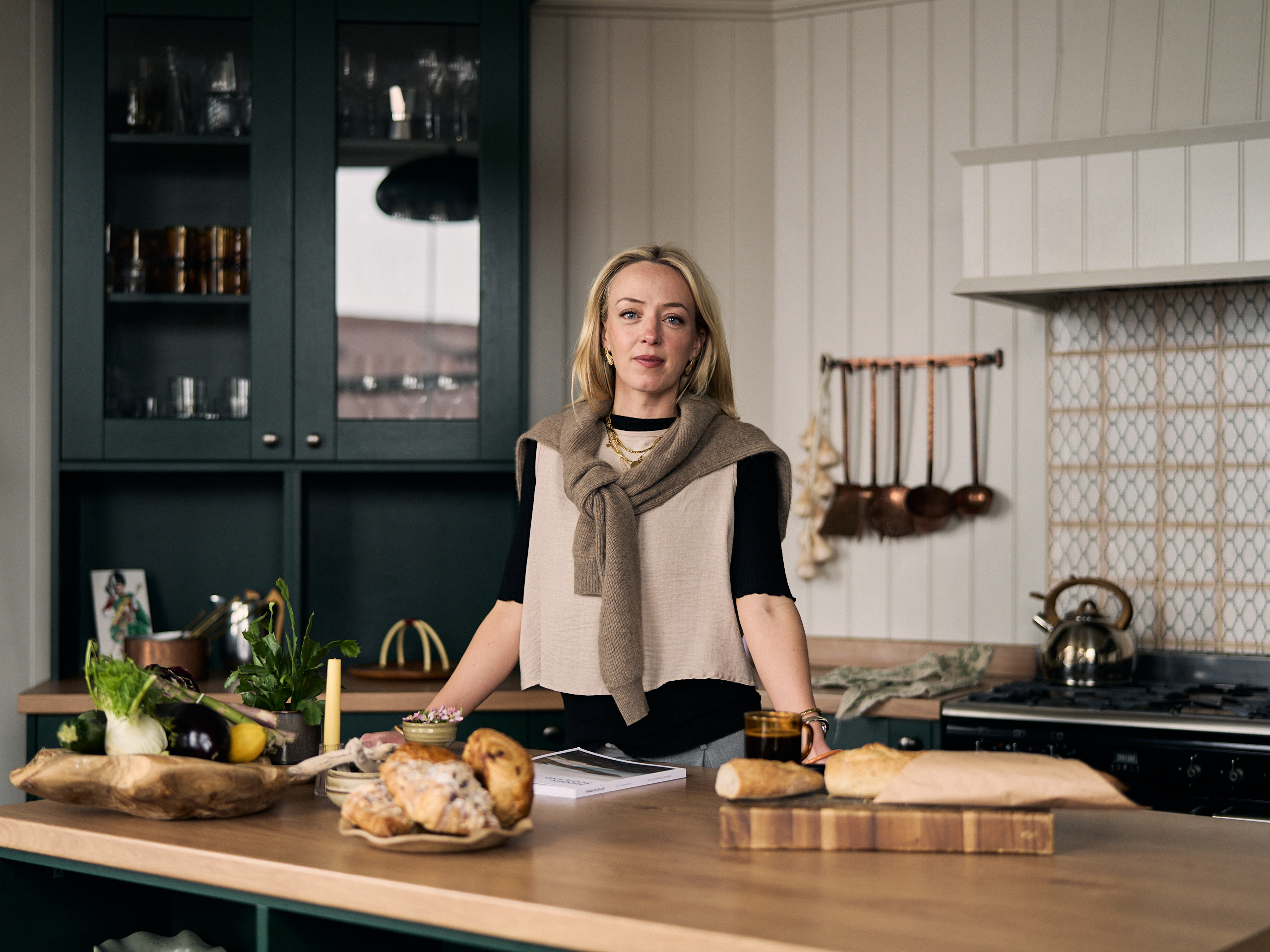
Zahra
2. It has a very interesting history, can you share this?
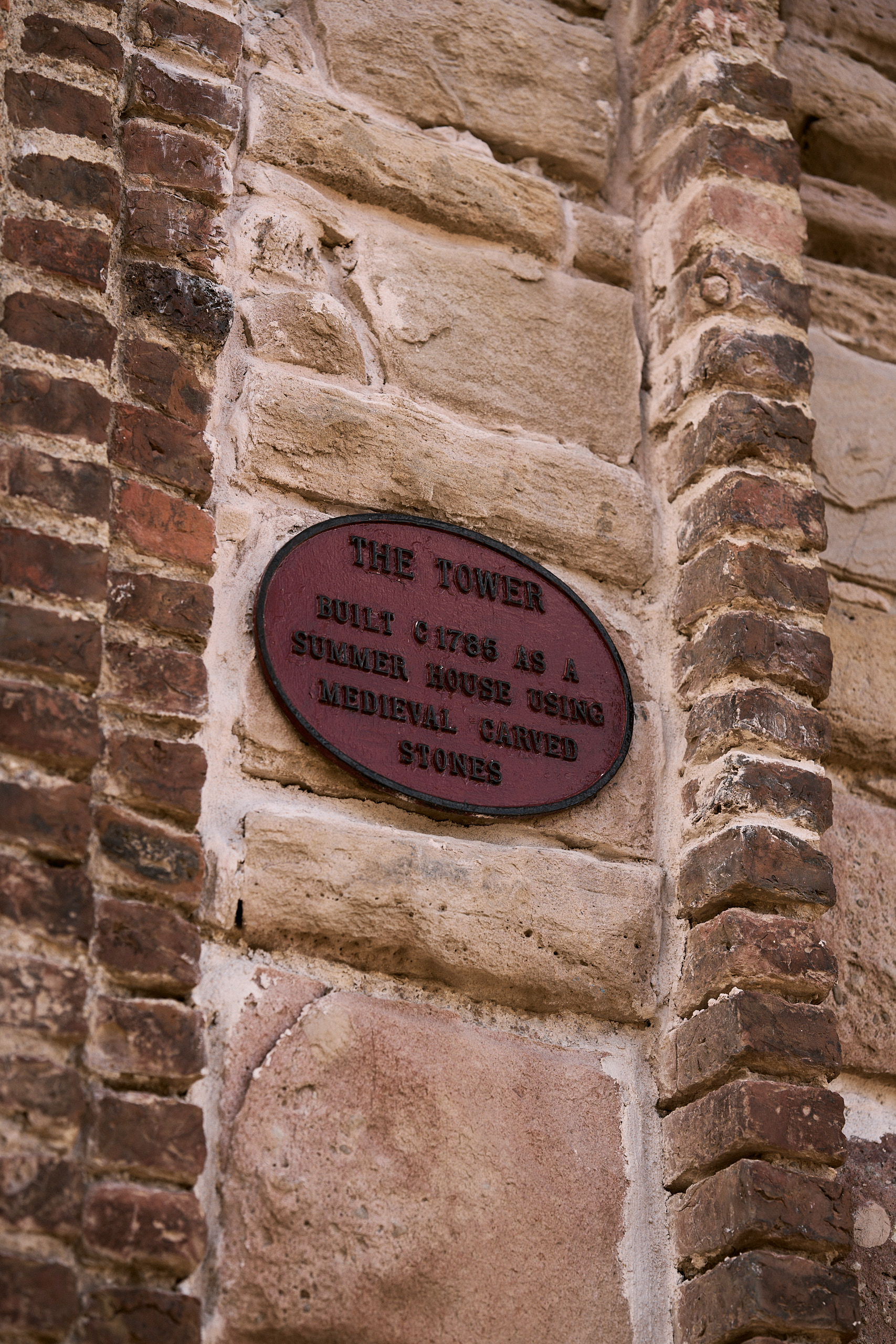
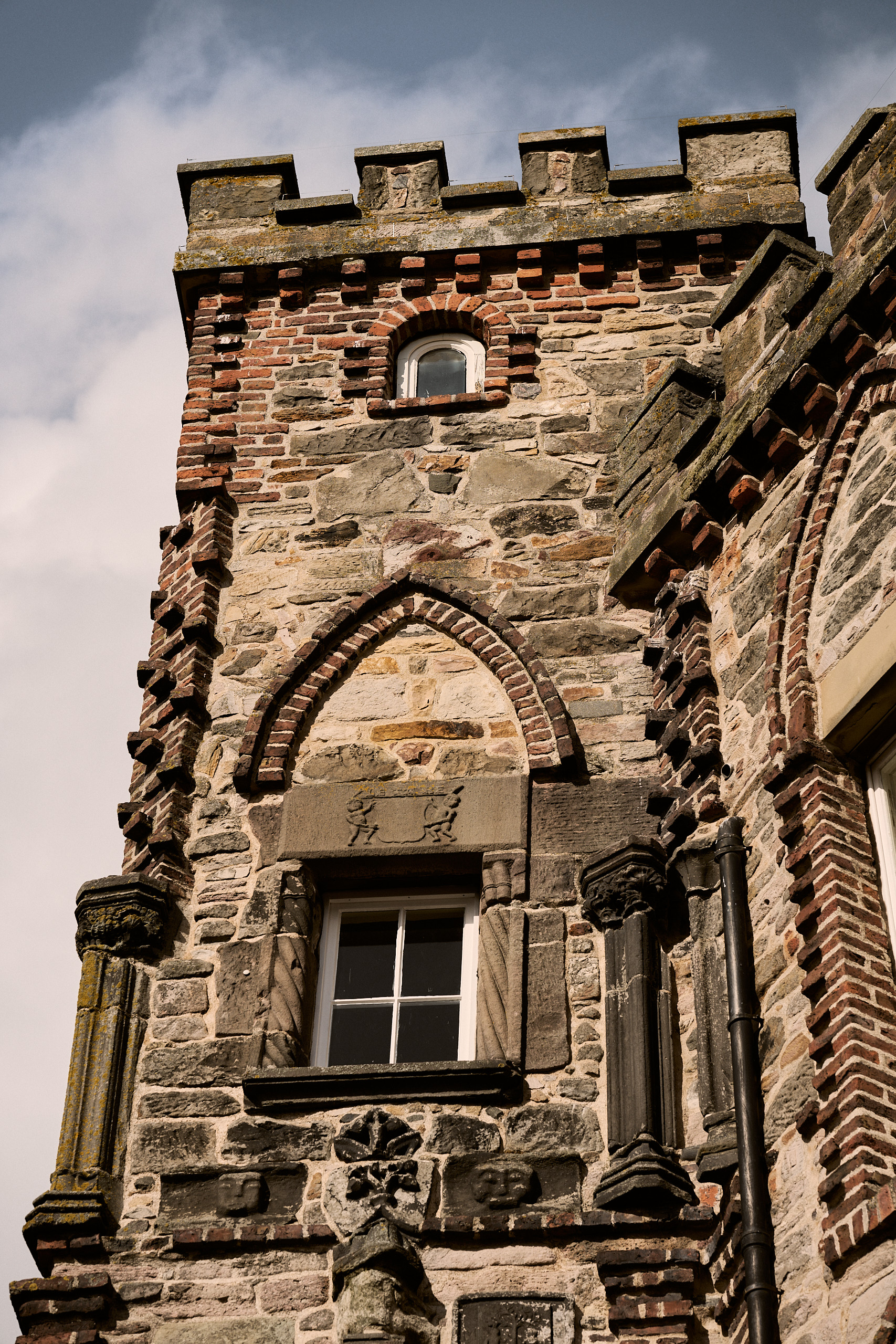
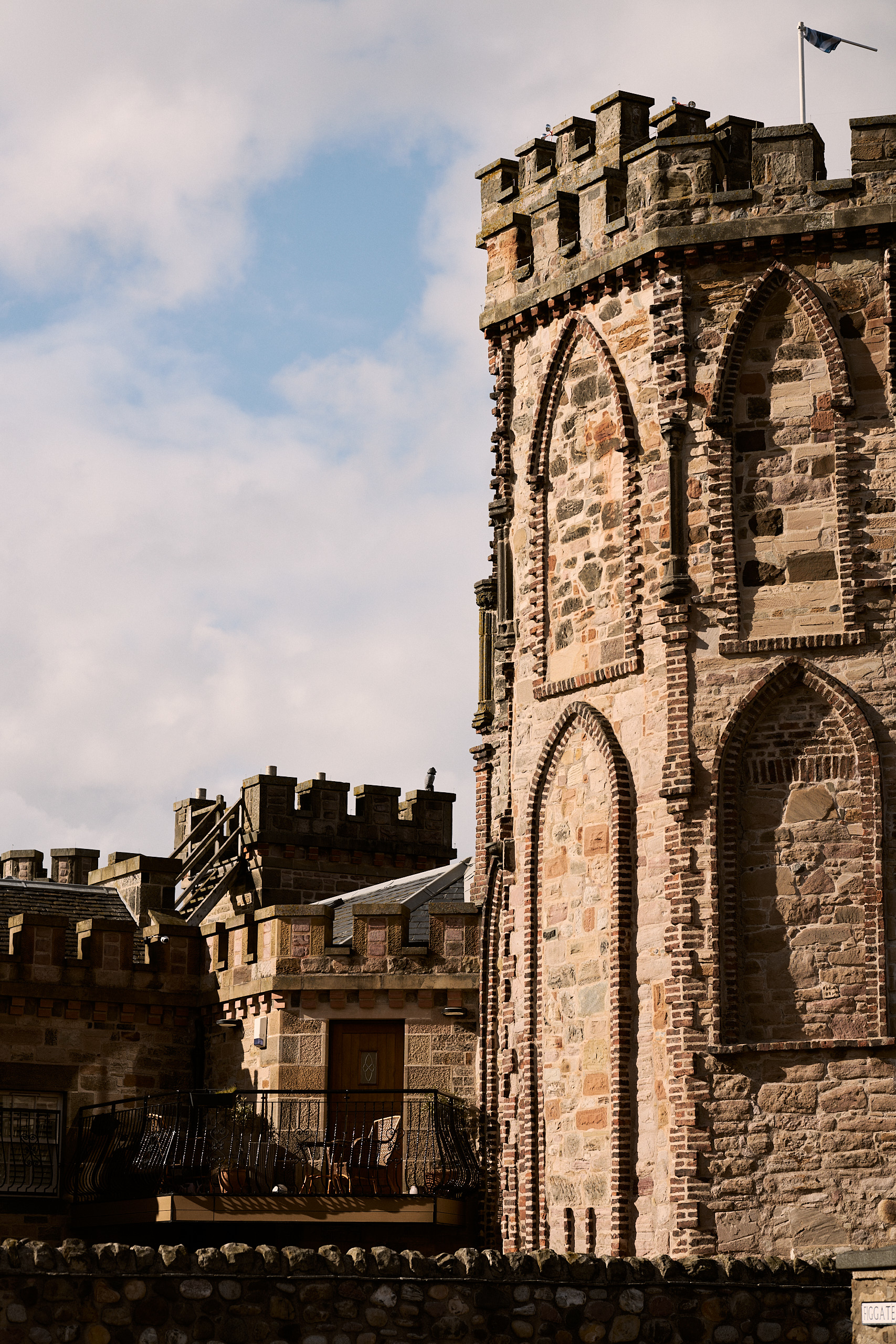
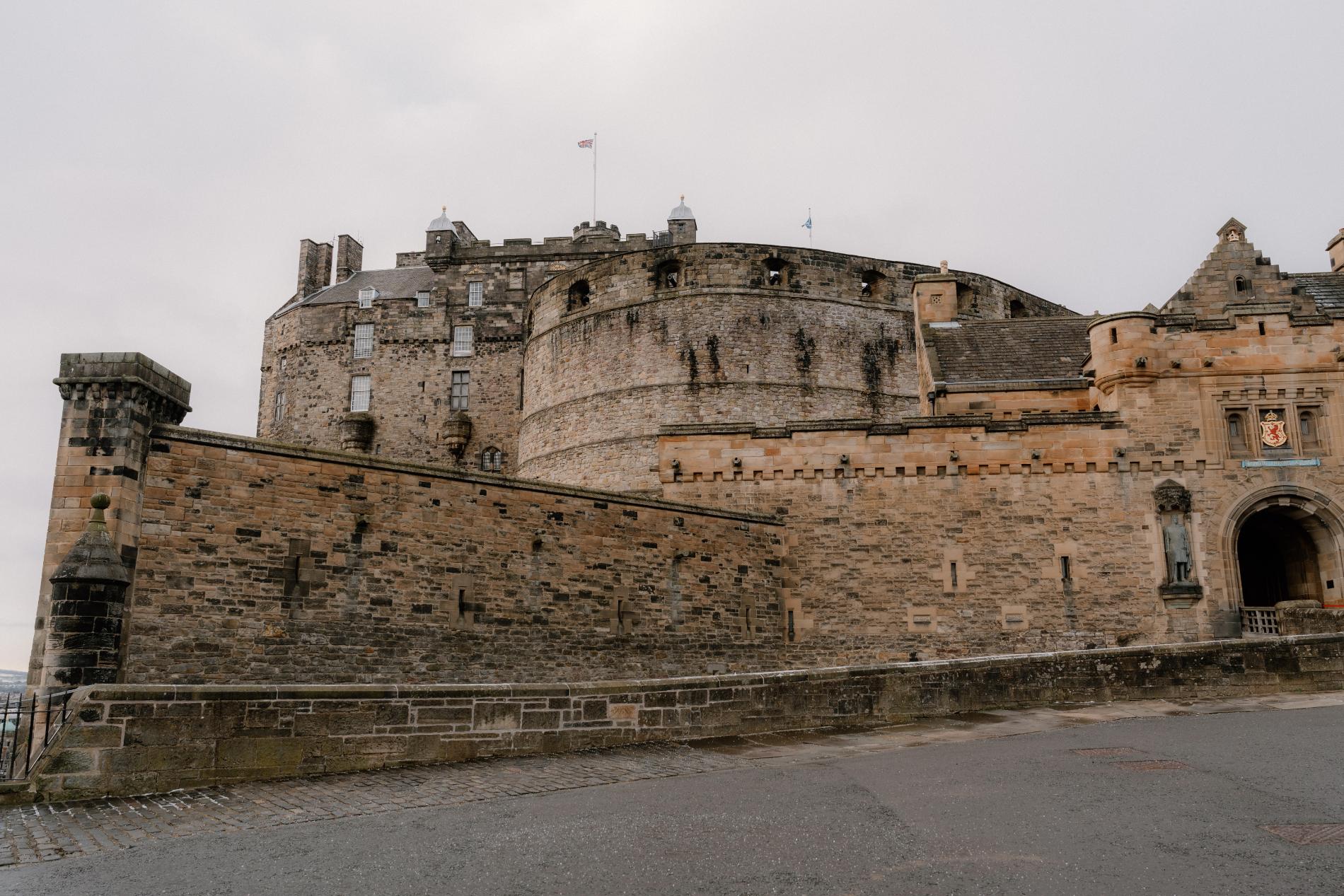
The Tower was built in 1785 by William Jamieson using stones, window sills and lintels salvaged from buildings demolished to make way for Edinburgh's South Bridge — so it's a building made of other buildings, which feels right for a place that keeps reinventing itself.
The chapter most people are surprised by involves Harry Marvello — a close associate of Harry Houdini, a performer for Queen Victoria, and one of the great illusionists of his era. His mirror tunnel illusion is still paid homage to by David Copperfield and Penn & Teller. In 1906 he brought his Geisha Entertainers to Portobello, staged the first large open-air show on the beach, doubled capacity within weeks, then bought The Tower and built his entertainment pavilion directly in front of it — what is now the amusement arcade on the promenade. Portobello's first variety hall, right on our doorstep.
There are gaps we're still tracing, particularly around the 1850s. A building this old keeps its secrets. But that's part of it — every so often something new surfaces and the story gets a little richer.
3. What is your connection to The Tower and Portobello?
My parents were in their early twenties when they took over the business in front — and The Tower came as part of the sale. Growing up, it was a crumbling ruin in our back garden. Genuinely crumbling — my dad spent years with a giant net trying to hold the structure together while they replaced stones, made way for windows, laid proper foundations, got plumbing and electricity in. The basics took years. I used to sneak inside and balance on planks above holes in the floor, absolutely terrified trying to find ghosts.
Then came the slower, more considered part — all of us in salvage yards hunting for the right piece of stone, the right chair, the right door. We restored it as a family, with no particular rush. It was going to be here long after all of us — so what's a decade or two? Every decision was made carefully, nothing was forced. If something wasn't right, we waited until it was.
To now be able to open it up and show it off — to have people walk in and feel what it is — I'm just incredibly proud. Of my parents, of the building, of everything that went into it.
4. What was the biggest challenge in bringing the Tower back to life?
The building itself. When the renovation started we quickly realised the dire situation we were actually in. The Tower was built below sea level, on top of sand, with no proper foundations. And then came the real shock — none of the walls were connected to each other. All four standing completely independently, held together by nothing but rotting floorboards. It was, to put it mildly, not what we'd hoped to find.
So the first years were about survival more than restoration — getting the structure stable, replacing stone, laying foundations that should have been there from the beginning, making it safe enough to even think about what came next. It took as long as it took. You can't rush a building like this and you can't cut corners either. It tells you what it needs.
5. What was your inspiration for the interior?
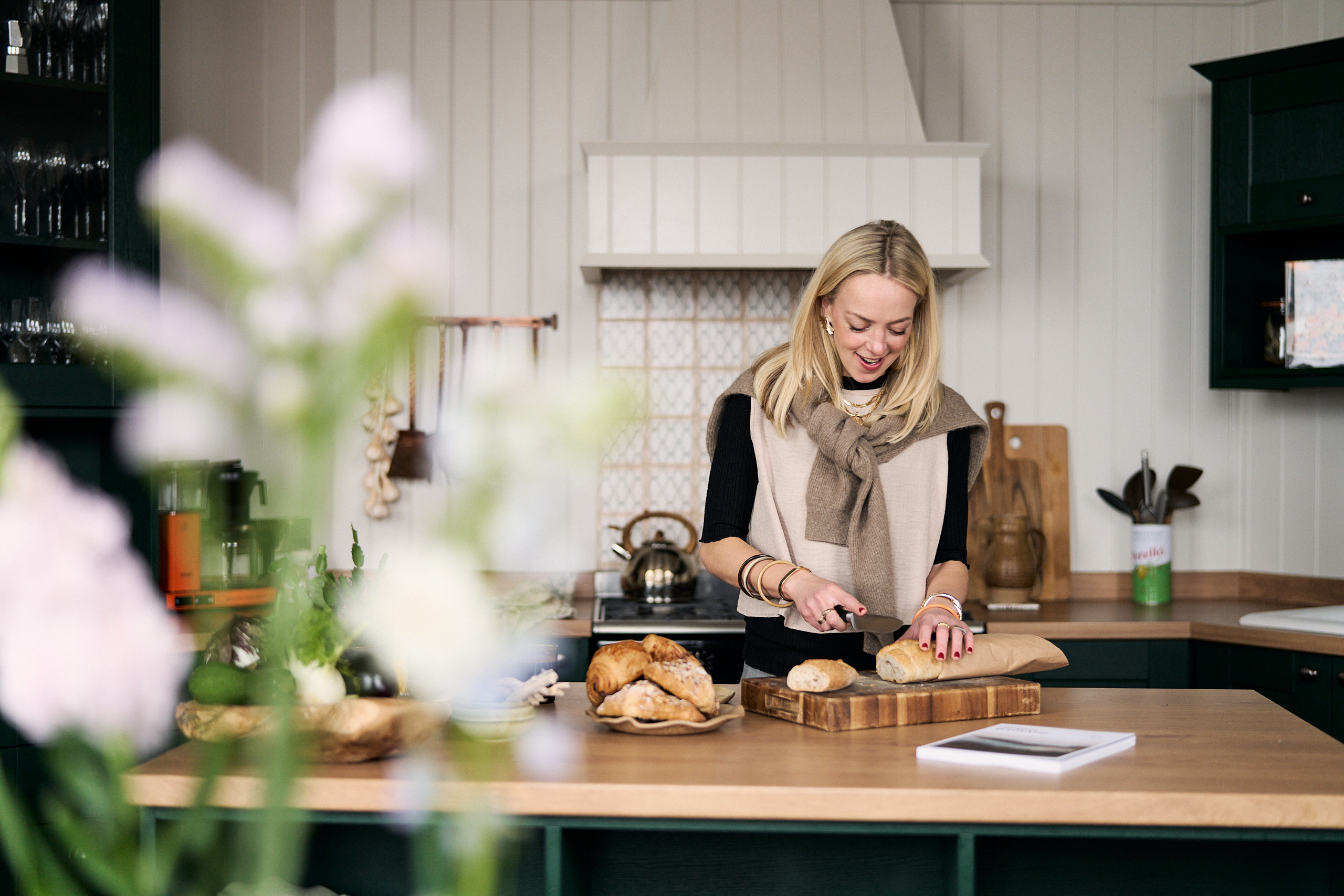
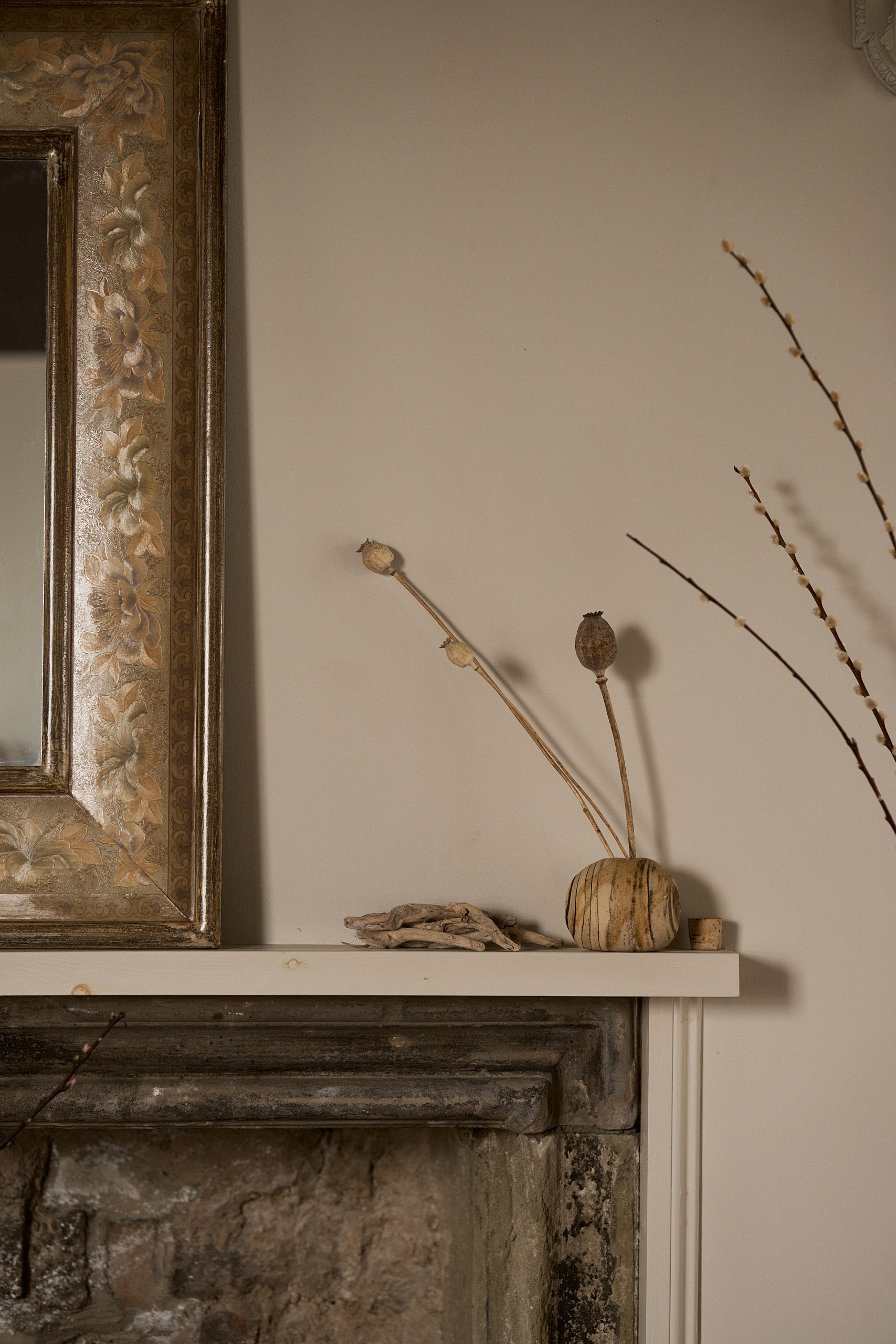
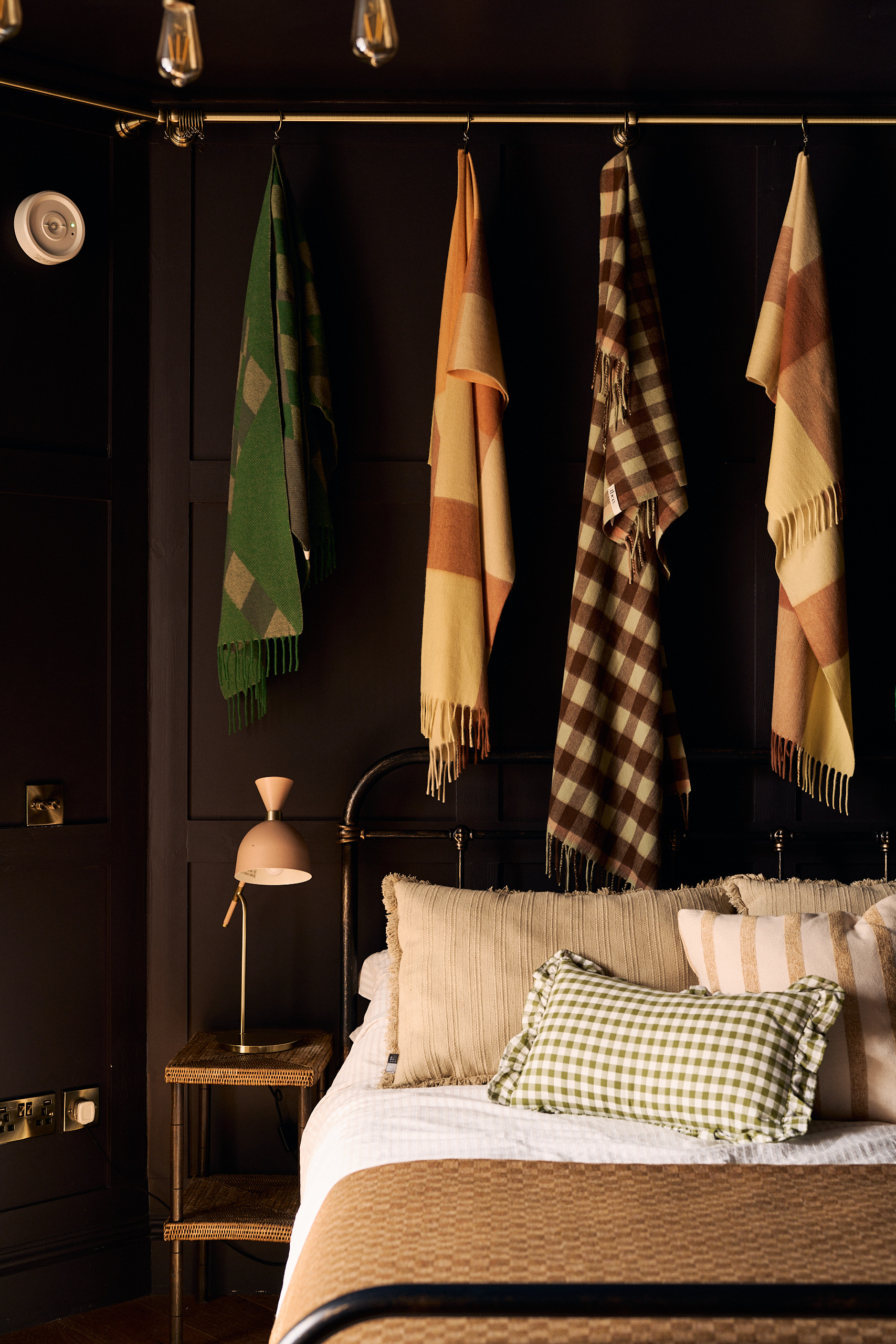
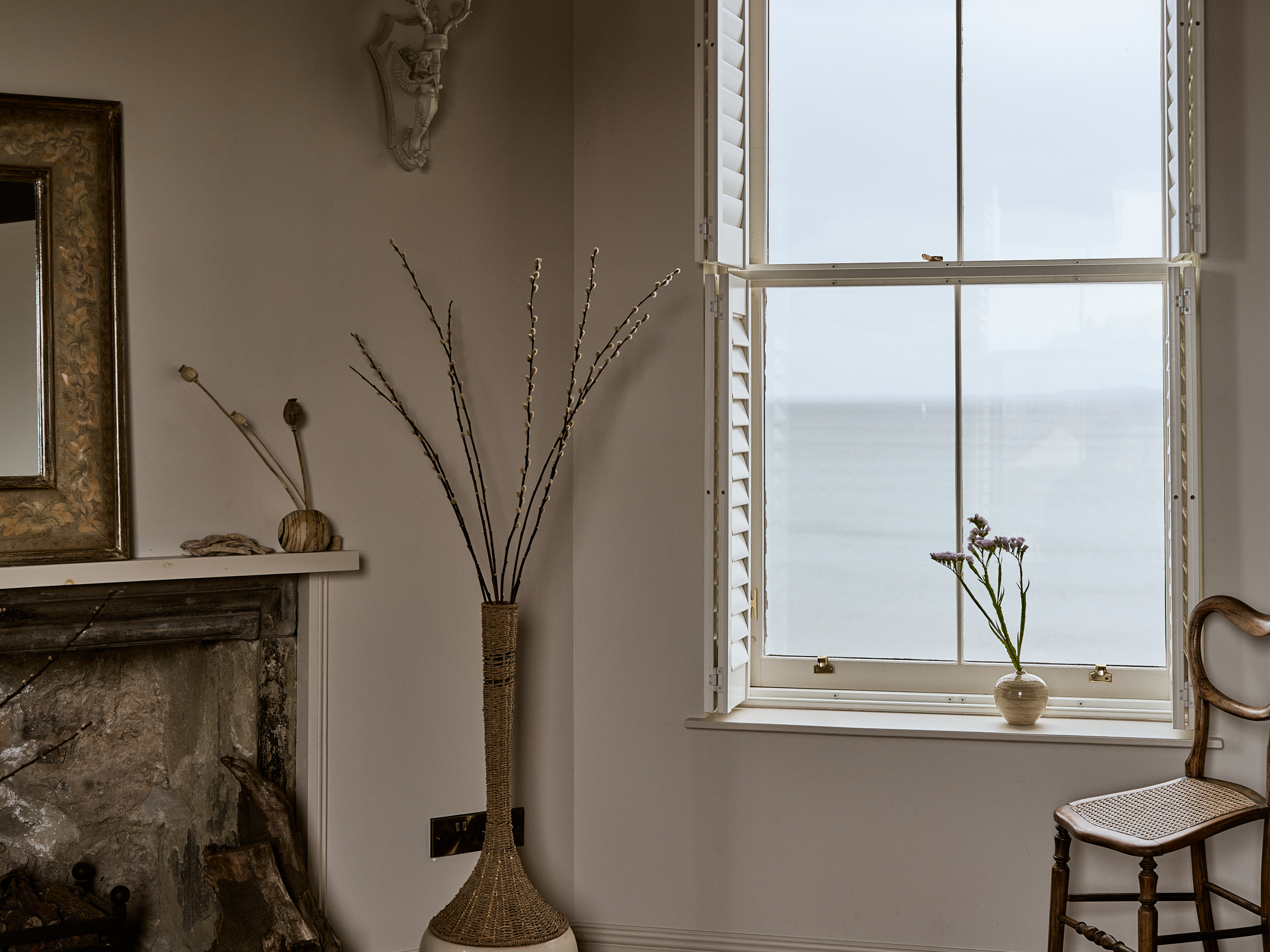
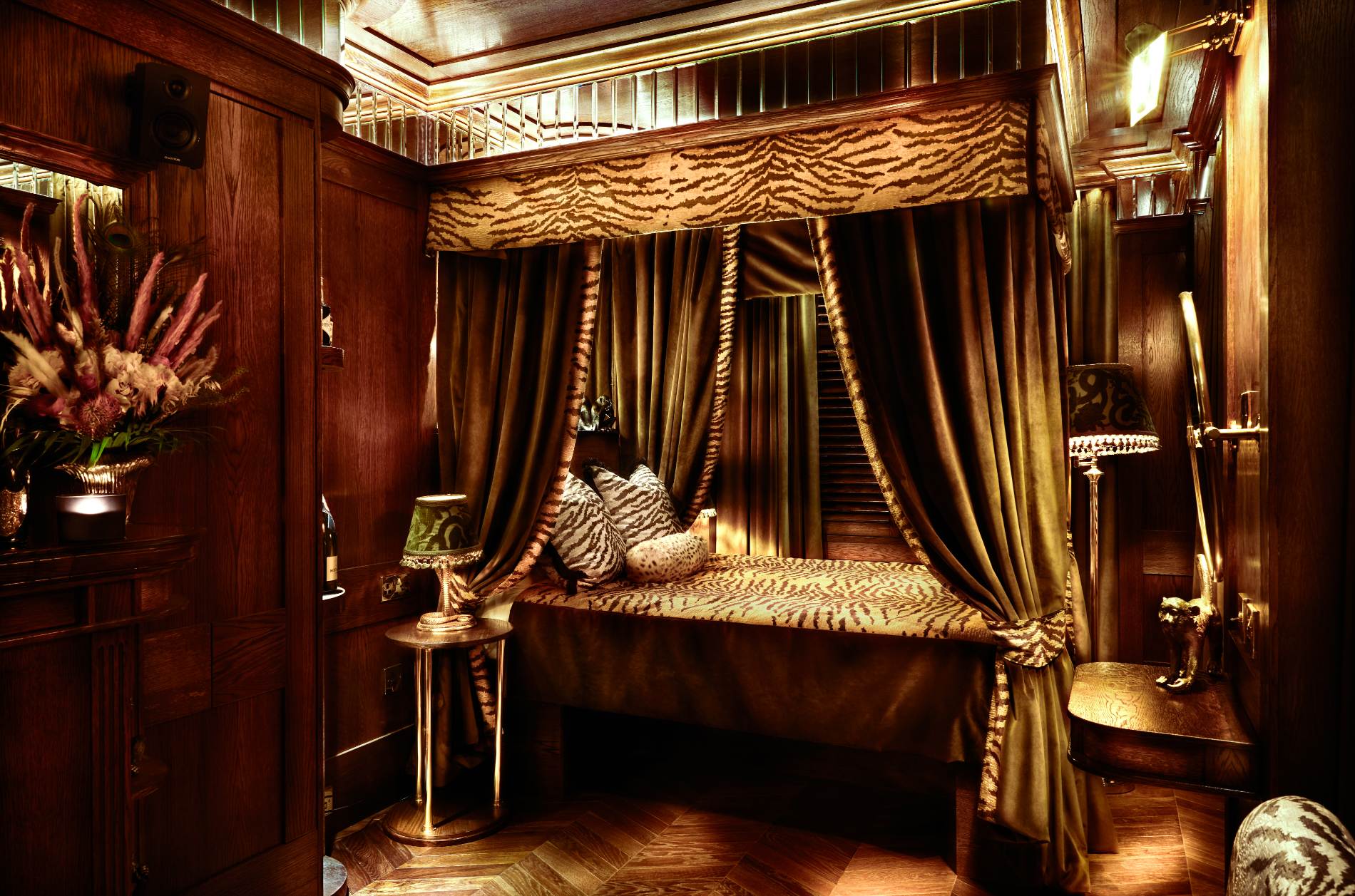
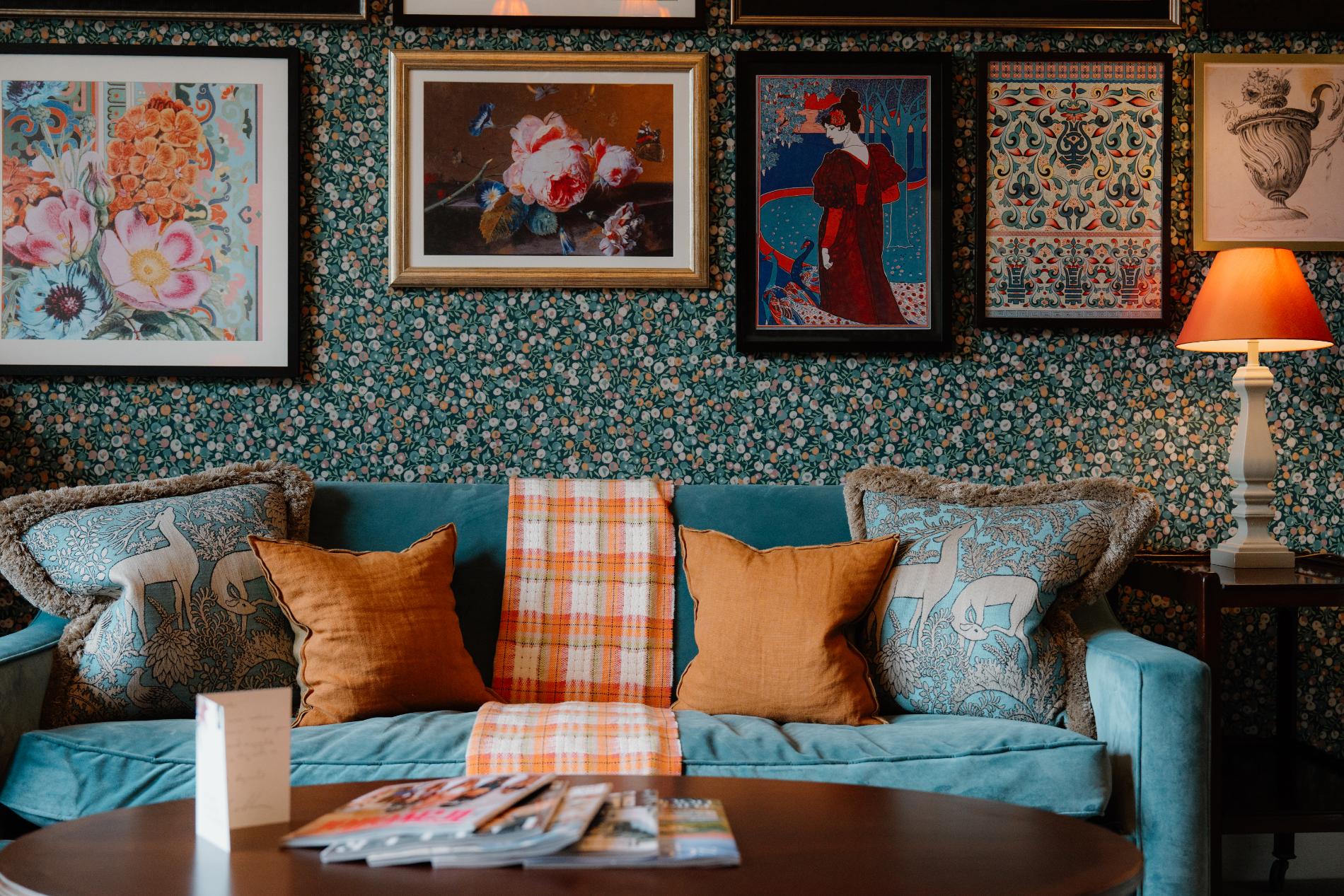
The sand, honestly. The way the light changes out there — the colour of the beach shifts depending on the tide, the time of day, the season — and all of that reflects back into the building. We wanted the interior to feel like a continuation of what was outside the windows rather than something set against it. Muted, warm, considered. Colours that made sense with the stone and the sea and the particular quality of light you only get on this stretch of coast.
We could have gone medieval — leaned into the tower aesthetic, the gargoyles, the age of it. Or we could have gone the other way and done something coastal and breezy. Neither felt right. Both would have felt like a costume. The building has too much dignity for that.
So we kept it understated. Proper furniture, things collected slowly over time, nothing that announces itself too loudly. The kind of space where you notice the light before you notice anything else. Beautiful, we hope — but quietly so.
6. Are there original features you felt strongly about keeping?
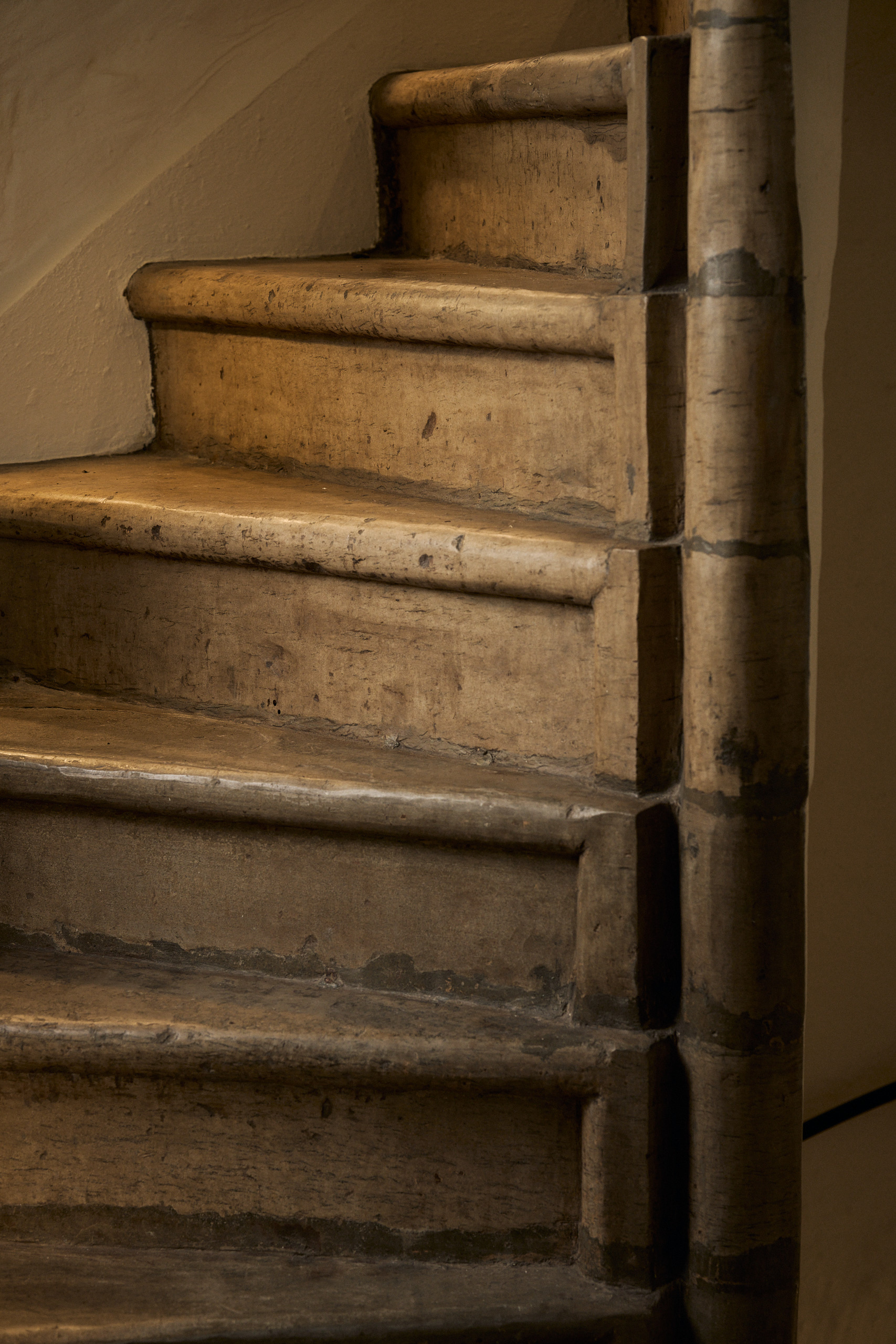
The stairs. They were always going to stay exactly as they were — we polished them up a little, but they're standing as they would have done from day one. Winding, steep, full of character. In my opinion they're the most important feature in the building. Every single person who walks through the door stops on that staircase.
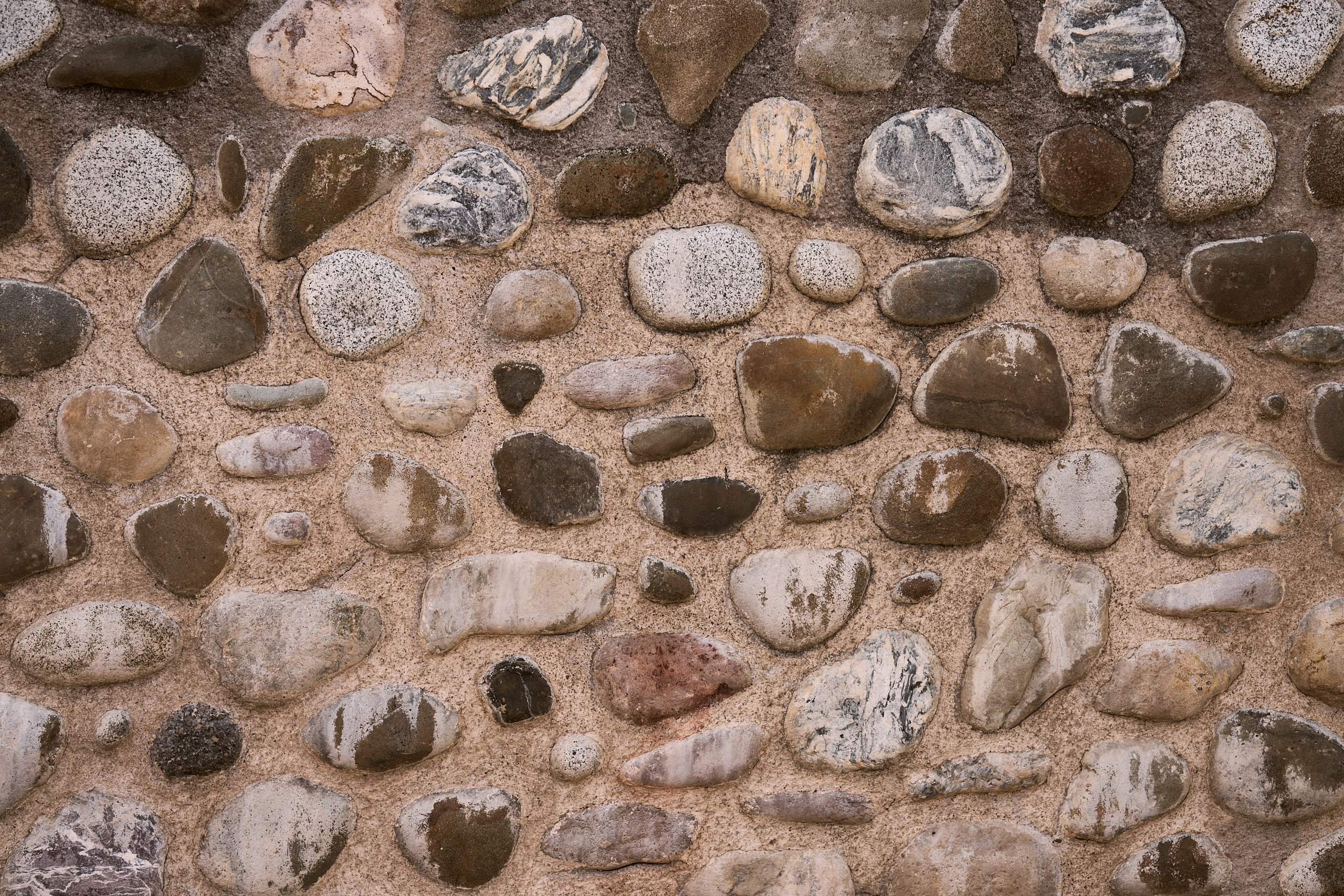
And the stones outside. The higgledy-piggledy nature of them — the way they sit together, imperfect and uneven and completely themselves. We had to replace many over the years, but we were particular about it. Every replacement stone came from the same era, chosen to match that perfectly imperfect look. Nothing new pretending to be old. Just the building, as it always was.
7. Can you tell us about some of the events, workshops, shoots that have taken place since opening?
Coming from a production background, I initially assumed I'd mostly be offering it as a filming and shoot location — handing over the keys to a production team and walking away. But I quickly realised that wasn't very fun for me. I'm a creative. I wanted to be involved, to be in the room, to see what happened when the right people came together in the space.
So I started reaching out. Getting as many people through the door as possible, just to talk and brainstorm and see what felt right. Our first big event was a pop-up restaurant with Joanna from Còmhla — an outstanding chef — which ran over multiple days in June and July last year. It was wonderful. From there things grew naturally: private dinners, private celebrations, corporate events, workshops, elopements. Brands have used it to shoot ad campaigns and commercials. And then — one that genuinely caught us by surprise — it was used as a location for a major Bollywood film, which was incredibly exciting.
Each one has felt different. That's the thing about the space — it doesn't push people in any particular direction. It just gives them somewhere extraordinary to do their best work.
8. Are there ideas or formats you'd love to see happen here?
Brand takeovers and trunk shows feel like such a natural fit — there's something about the space that lends itself to that kind of intimate, curated experience. I love working with brands on storytelling, finding the thread between what they stand for and what this building is, and letting that shape something really specific to this place.
I'd also love The Tower to become somewhere tourists genuinely discover — not as a tick-box attraction but as a way into a different side of Edinburgh. Portobello isn't on most people's itinerary, and it should be. Wanting to remain a hidden gem is probably my biggest downfall in business — but I can't help it. There's something about watching someone walk off the busy promenade and into our tranquil courtyard for the first time. That moment of realising something is there. That's what I want people to have.
Beyond that — a long table dinner with a writer reading between courses. A visiting chef doing one week of very particular food in a very particular room. And the Edinburgh Fringe Takeover, which is very much in motion — one company or individual taking the whole building as their private Edinburgh base for the entire month of August. Full use of the space, hosting rights, press evenings. The Tower as a Fringe home rather than just a venue. That one excites me enormously.
9. What does the future look like for The Tower?
More of the same, but deeper. Working with brands and people who share the same values — who care about place, about craft, about doing things properly. Championing Scottish creatives and independent makers, being a space that genuinely represents how special this country is. There's so much extraordinary talent here and I want The Tower to be somewhere that platforms it — whether that's a visiting chef, a designer doing a trunk show, an artist in residence, a filmmaker who needs somewhere that feels like nowhere else.
I feel strongly about that Scottish thread running through everything we do. Not in a tokenistic way — just in the sense that this building is of this place, and the people who come through it should feel that. And to be Scottish doesn't require a long lineage or a particular surname. So many people from so many different backgrounds are proud to call this country home — and that breadth is what makes Scotland so special. The warmth here is real. The welcome is genuine. The best version of The Tower reflects all of that.
We're not trying to scale it — we're trying to protect what makes it worth coming to. The aim is that anyone who spends a day at The Tower leaves feeling like they found something.
10. Favourite spot to visit nearby?
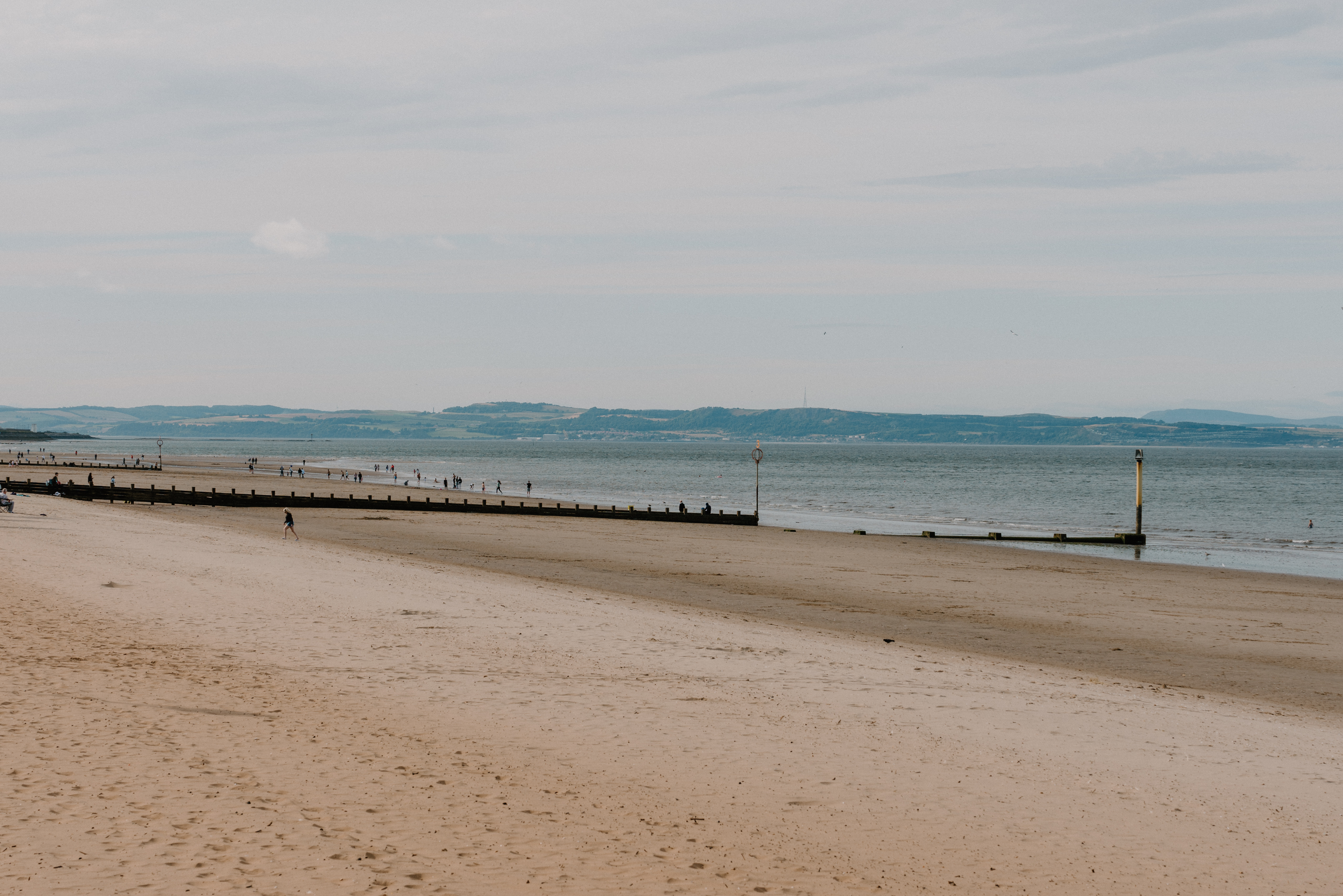
Portobello itself, honestly. All of it. The beach first — there's nowhere quite like it, especially early morning or when the light drops in the evening and the whole stretch goes golden. The promenade, the parks, the particular pace of it that Edinburgh's centre simply doesn't have.
The people too. I've been seeing the same faces here since I was a child, and that continuity means something. It's a proper community — independent, a little defiant, completely itself.
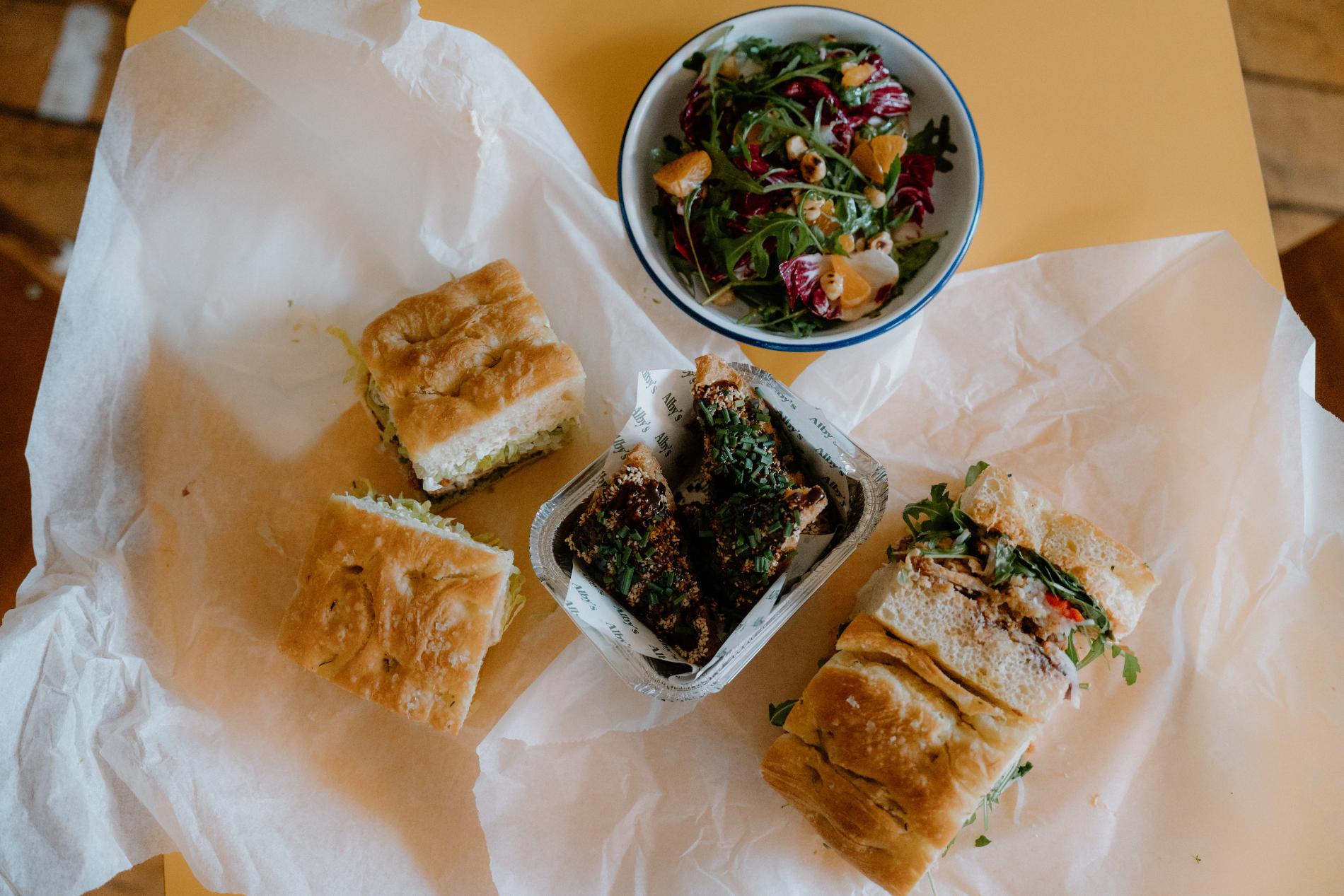
The food and coffee alone could fill a day. Via Emilia for pasta that has no right being this good in a seaside suburb. Crumbs of Portobello on the beach for the best breakfast roll going. Smith & Gertrude for wine and cheese on a slow afternoon. And then there's the fishmonger, the bookshop, all the independents tucked along the high street and down the side streets —it's the kind of neighbourhood where you can spend a whole Saturday without going near a chain or a tourist trap.
And Soul Water sauna on the promenade — cold water, sea air, the whole thing. If you haven't done it, it's the most Portobello experience there is.
It's a place that rewards slowness. Come with no particular plan and you'll leave wanting to move here.
Promoted Post
Eagle Brae
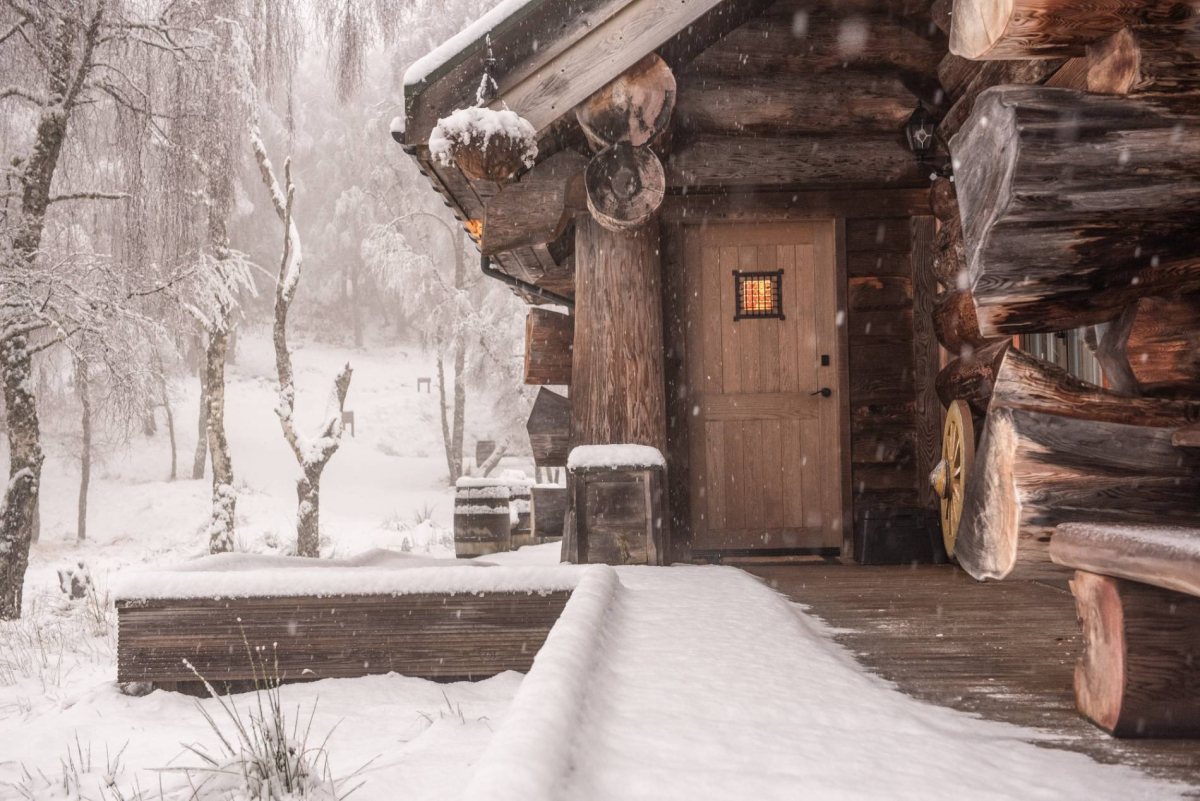
Escape to Eagle Brae, a secluded collection of Highland log cabins near Beauly. Handcrafted cedar, big skies, and deer on the hillside, with a fireside welcome that makes it easy to slow down.








 Sign in with Google
 Sign in with Email