
Edinburgh Castle’s Darkest Day - The Burning of Janet Douglas
Lady Glamis, executed on the castle esplanade in July 1537 on thin evidence of treason.
Words by Jack Cairney
In July 1537, Lady Janet Douglas was burned alive outside Edinburgh Castle, accused of treason in one of the most brutal miscarriages of justice in Scottish history. Nearly 500 years later, her story remains a stark reminder of how power and revenge shaped the lives of the innocent.
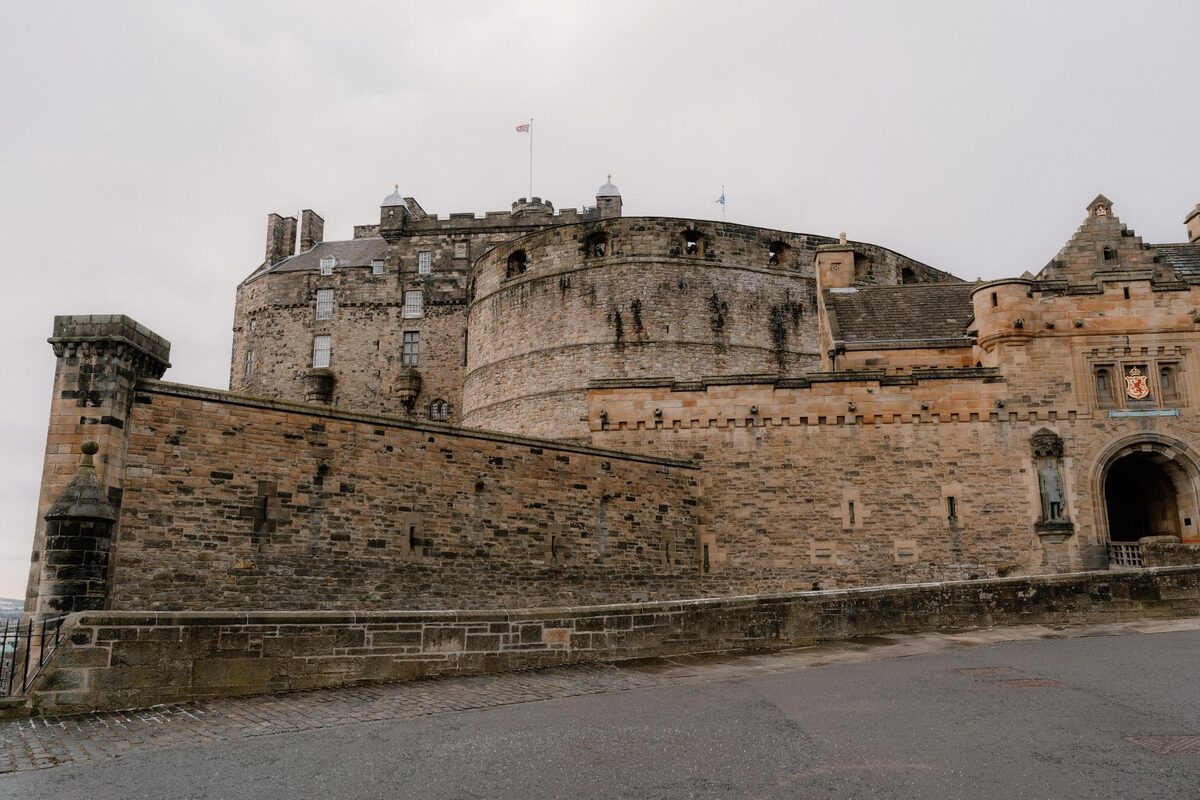
It’s the kind of story you don’t forget once you’ve heard it, not because it’s grand or heroic, but because it stays with you. You don’t walk the esplanade of Edinburgh Castle expecting to stand on ground where someone was set alight. Yet that’s what happened here, on 17 July 1537. Her name was Janet Douglas, Lady Glamis. And the people who watched her die would talk of it for generations.
By all accounts, Janet wasn’t unusual among noblewomen of her time. She came from the Douglas family, one of the most powerful dynasties in Scotland. Her brother, Archibald Douglas, had been guardian to the young James V, who never forgave the family for keeping him from his mother. The moment he took control of the throne, he began systematically dismantling the Douglas hold on power. Janet was caught in the middle, not because of anything she’d done, but because of who she was.
The official charge was treason, more specifically, conspiring to poison the king. Some versions also mention witchcraft, but that detail emerged later, in the shadow of what had already been done. The evidence was thin. Testimony was pulled from servants under torture. The trial was more performance than justice, and the outcome was never in doubt.
She was sentenced to die by fire. Not the axe, as would have been expected for a noblewoman. A public burning. In front of a crowd. In front of her son.
John Lyon, her child, stood nearby, made to watch as they dragged his mother to the pyre. He was later imprisoned, though he would eventually be freed and reclaim his family title. But he would never forget what he saw that day.
Most people walk right past the site now. There’s a plaque if you know where to look, a quiet marker between the cobbles and gift shops. The castle fills with noise most days: tour groups, the one o’clock gun, music from the esplanade during festival season. But in 1537, the air here would have been thick with woodsmoke and sweat. The fire wasn’t meant to end quickly. It was meant to humiliate. It was meant to frighten.
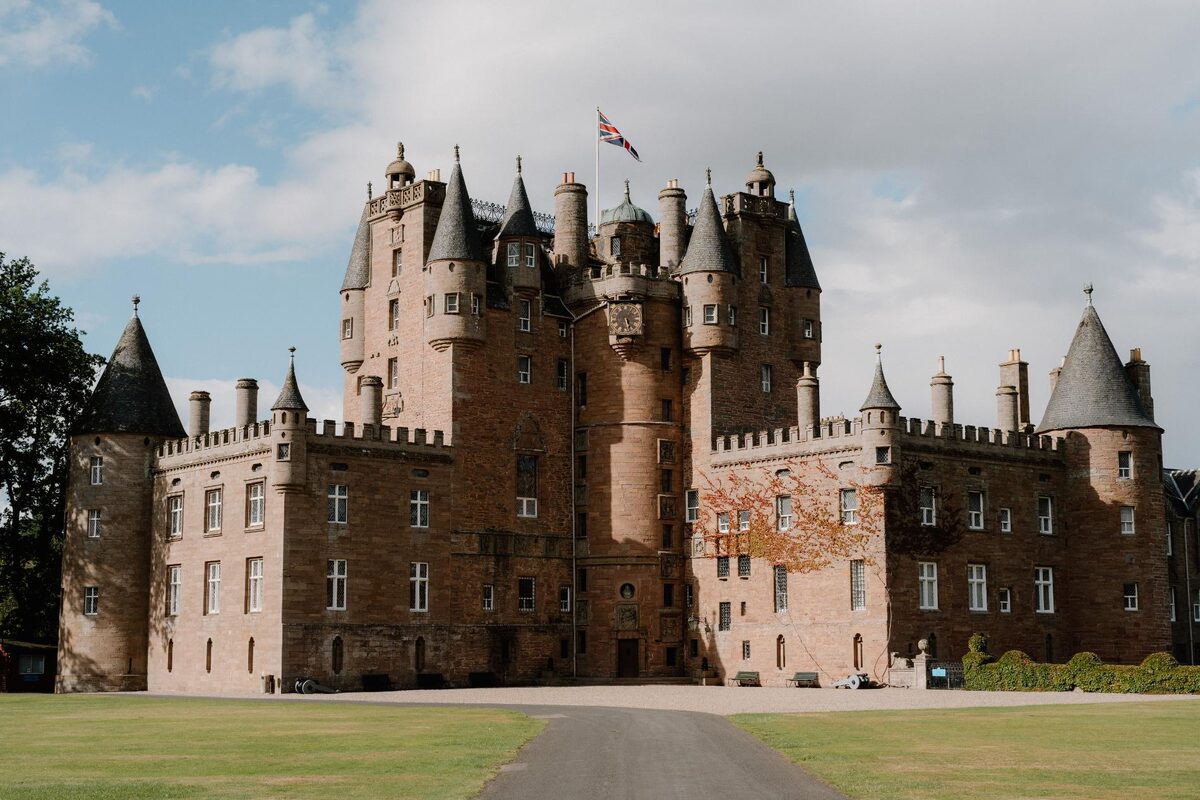
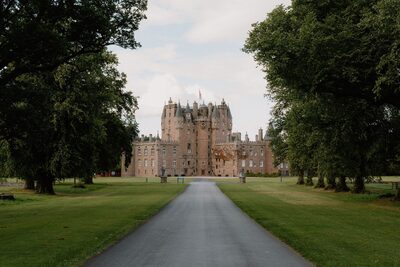
At Glamis Castle, where Janet once lived, her story has taken on other shapes. She’s said to haunt the halls, wandering the old stone passages or weeping behind a sealed door. Some call her the “Grey Lady of Glamis,” though that title now carries less malice and more sympathy. The sealed room, according to one version of the story, was bricked up after someone saw her face at the window. Whether or not you believe in ghosts, there’s something unsettled about the place.
What strikes you more than anything is how little we know about her. No portrait survives. No letters in her hand. Just the record of a trial, and the silence that followed it. But the stories passed down all agree on one thing, she didn’t break. She denied the charges, and when the flames came, she did not beg.
It’s easy to imagine her now as a symbol of justice denied, of political revenge, of how quickly a crown can become a weapon. But she was a real woman, with a child, with a life, who was dragged into a feud she didn’t start and given no chance to escape it. They burned her not to punish what she’d done, but to make sure no one forgot what the king could do.

The Daily
Arrives at 5am every day.
A free morning email to see what’s on this week, catch up on what’s happening in Scotland and find somewhere new to go.
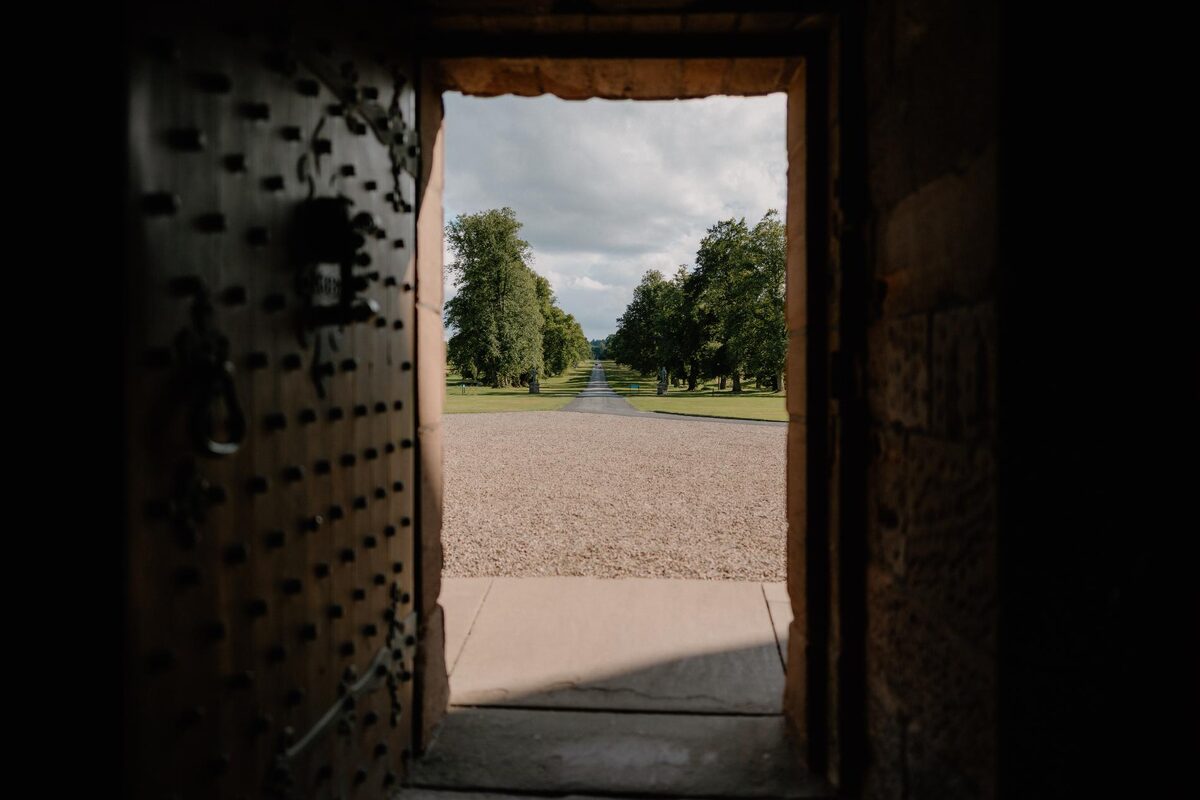
On a spring afternoon at Glamis, with the ground soft underfoot after rain, the old tower where the so-called ghost room is hidden is quiet and still. It is strange how the most violent stories in history so often leave behind the calmest places. Castles, stones, old walls, what they’ve seen doesn’t show on the surface.
We don’t remember Janet Douglas for a battle won or a treaty signed. We remember her because someone powerful wanted her name erased. Instead, it endured.
On 17 July 1537, she stood on that hill and faced the fire. Whatever else history has done to her memory, it’s worth pausing to remember that much.
 Out now
Twice a year, to your door
One hundred and sixty pages of Scotland, every photograph commissioned, every word written by someone who went. Members get both issues posted and everything on screen.
 Tracing Your Scottish Roots
 Burns Night in Scotland
 Braemar Castle