
Hidden Kingdom of Fife Part 3 - Double, double toil and trouble
Writer Louis D. Hall sets out across Fife on foot, uncovering layers of history, folklore and memory along the way. From saints and shipbuilders to accused witches and forgotten ruins, he reveals a place still quietly changing — and still worth walking for. This is Fife, rediscovered.
Written by Louis D. Hall
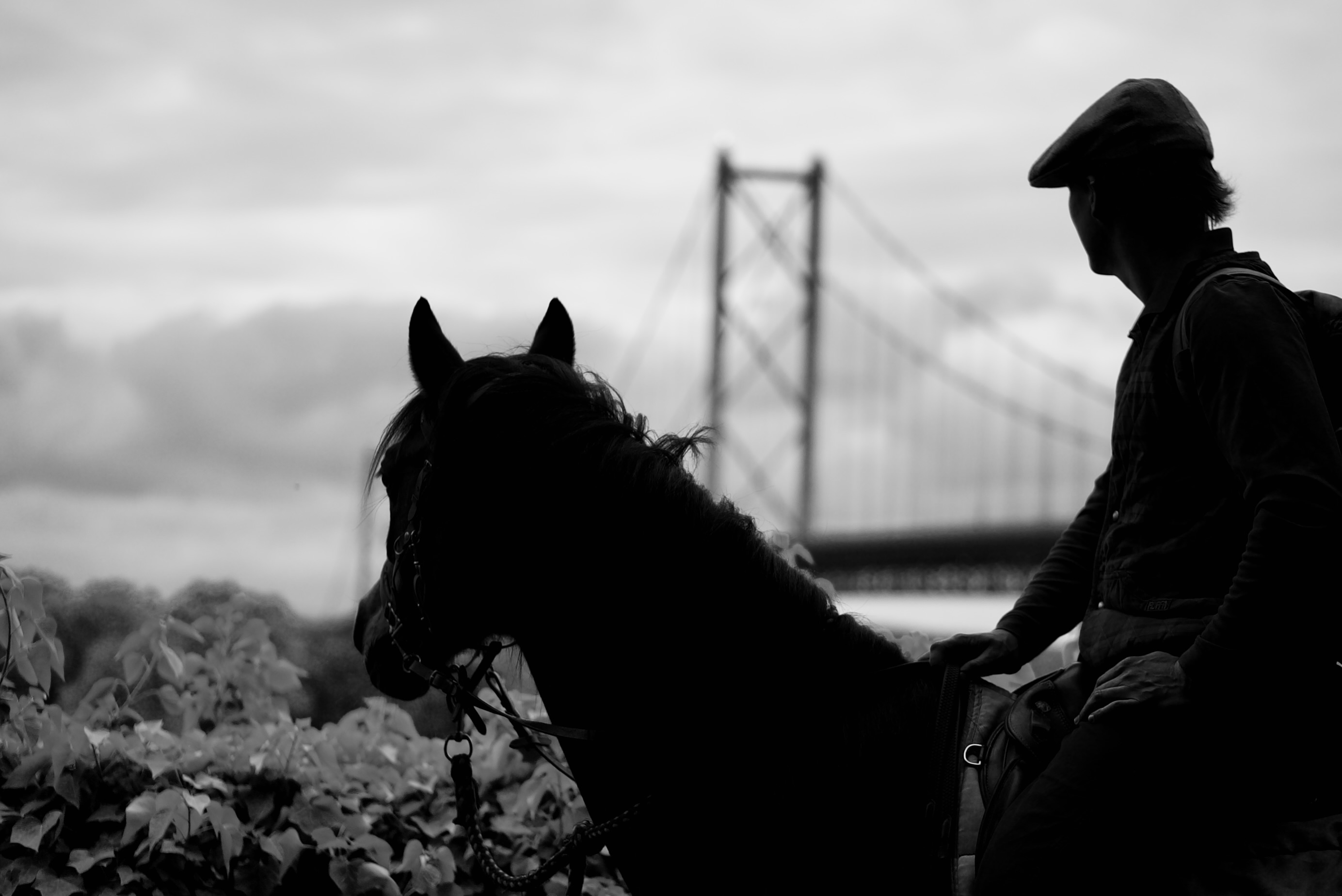
Farewell to the mountains high-cover'd with snow; / Farewell to the straths and green vallies below. As I made my way inland from ‘the black river’ that leads into the Forth, I began to wonder how many of Fife’s stories have been lost over time? In an area this old, with evidence of the first settlers dating back as far as 10,000 BC, it is surely inevitable. But then who chooses which ones remain? As it is with Burns’ poetry, it is often through song and fiction that kernels of the past survive the ages. From Carol Ann Duffy to Sir Walter Scott, Sorley MacLean to Robert Louis Stevenson, Scotland is a country full of storytellers, bringing this land to life.
The haunting calls of geese from behind me darkened my train of thought. No culture as old as Scotland’s can survive without art and stories, I concluded, but then there must be limits to this too. As discussed in Part 1, between 1450 and as late as 1750, it is estimated that around 2,500 women were executed in Scotland for practices relating to ‘witchcraft.’ These murders of innocent people were caused through terror. Many of these tragedies occurred in Fife, ‘The Torryburn Witch’ the most notorious. First performed in 1606, the fear of witches in Scotland was perpetuated by Shakespeare’s Macbeth. While ‘The Three Witches’ themselves were his invention of fiction, their existence in the story allows us to better understand the culture of the time. There are historical elements to this play, too, that allude to Fife’s history. In 1034 King Malcolm II of Scotland died leaving his young grandson to become King Duncan I. The real Macbeth, a feared warrior and charismatic leader, was appointed by the new king as his Dux (war leader). This was a grave error of judgment, an appointment that would foretell Duncan’s death. Seeking the crown for himself, Macbeth turned against his king at the Battle of Bothnagowan, and assumed the throne. For seventeen years he reigned peacefully until, in 1054, he was faced with an English invasion. With a force loyal to Malcolm III, led by a man named Siward (immortalised by Shakespeare’s ‘Macduff’), Macbeth was killed in 1057. King Malcolm III’s descendants ruled Scotland until the late 13th century. Thus the real Kingdom of Fife was born.
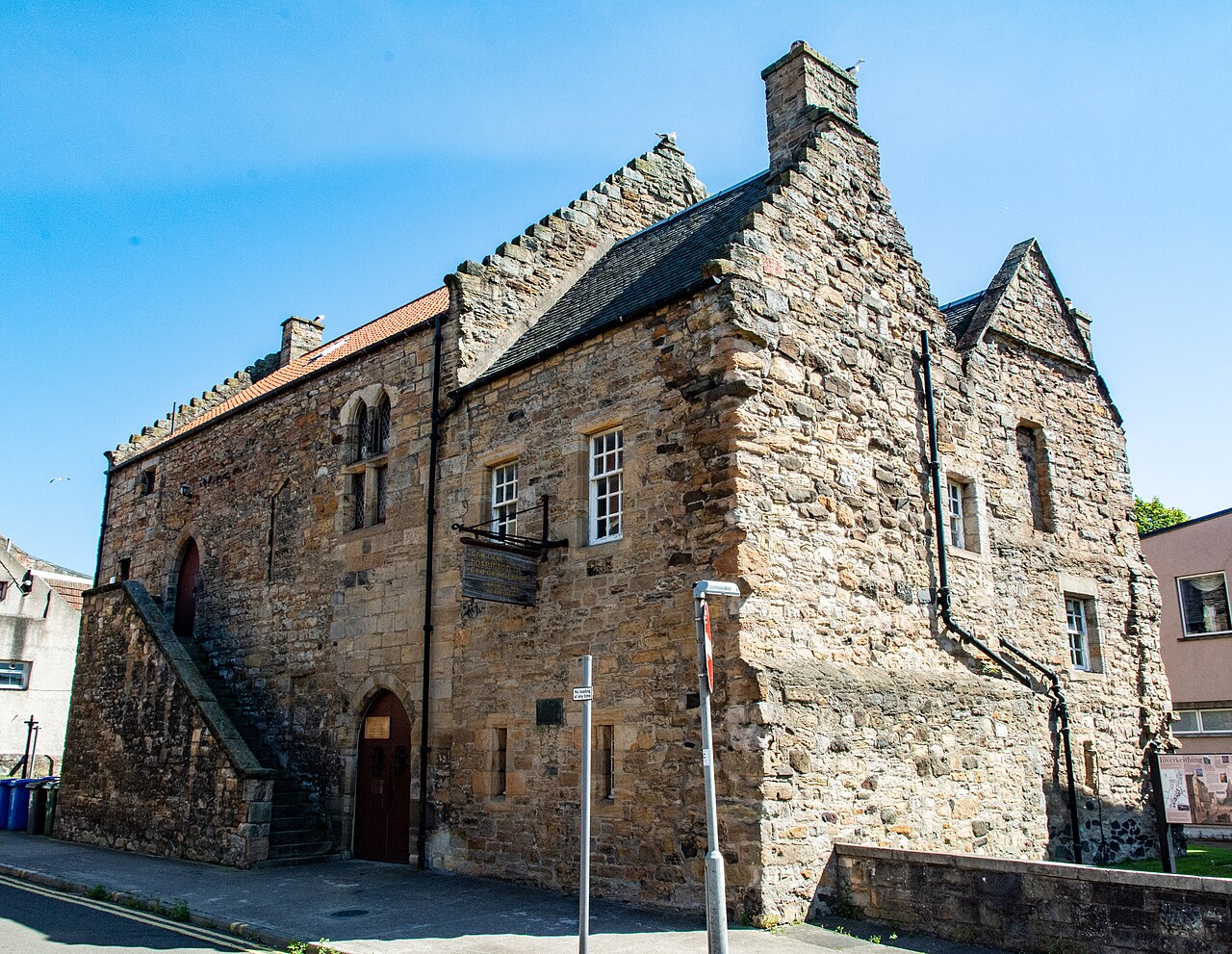
Shaking off thoughts of witches and deceit, I headed towards the historic town of Inverkeithing. Now dominated by metalworks and recycling (a leftover from its role as a centre of distilling, quarrying and shipbreaking in the Industrial Revolution), it is strange to think just how ancient this community really is. Remarkably, there is evidence of Agricola, a Roman governor, establishing an encampment here sometime between 78-85 AD, during his conquest to overcome the Caledonians (culminating in the Battle of Mons Graupius in 84 AD - a site still visitable today). By 1161, Inverkeithing was granted Royal burgh status and, in 1354, became the meeting place of the Parliament of Scotland. During the Middle Ages it morphed into a hub of pilgrimage and trade, with ‘the best-preserved medieval friary in Scotland’ still standing today. Despite 41 historic listed buildings, and with links to the past still in practice, such as the annual Highland Games and Lammas Fair (both originating in the 17th century), the modern world has left much behind. As I approached the Inverkeithing Ferry Toll car park, I came across a small information plaque - a little battered by years of rain, but legible nonetheless - that transported me to a different world. There was no myth here; hidden underneath layer upon layer of cement, the car park I was standing in was the physical site of one of the most bloody and significant battles in Scottish history.
Between 1639-1653 the people of Scotland, England and Ireland were torn apart by the War of the Three Kingdoms. Charles I, King of Scotland and England, was beheaded in 1649, and republican Oliver Cromwell swiftly took control. Meanwhile, the rightful heir to the throne, Charles II, fled with his life and eventually found his way to the shores of Scotland. In January 1651, Charles II was crowned King of Scotland by the marquess of Argyll. Sensing Royalist support, the exiled king set out to raise an army to reclaim the English throne by force. But anticipating this threat from the north, Cromwell marched his New Model army from London to Edinburgh, ready to face the fight. Closer and closer the English came, keen to quell the Royalist uprising, but a Scots’ army loyal to Charles was recruiting and gathering beyond the water; it was only the Forth that stood between the invaders and the defenders. The Scots held their position at Burnisland and had reinforcements incoming from Stirling and Dunfermline - including much of Clan MacLean. The English moved fast. Constructing 50 flat-bottomed boats, they managed to cross the Forth unscathed with 2,000 Cromwellian troops, taking position in the Ferry Hills above North Queensferry. The invaders waited. The defenders too, fearing a trap to engage, hesitated their attack. All the while, Cromwell called more reinforcements across the water until, on 20 July, fighting became inevitable. The Battle of Inverkeithing began. The day was fought hard, with over 750 MacLean clansmen dying in protection of their country and their young chief, twenty-seven year old Sir Hector Maclean. Shot down by cannon fire, trampled under horses' hooves and finally overcome by Cromwellian pike-men, they sold their lives dearly. Eight of them are said to have thrown themselves between their chief and the enemy pike-men crying out as they did so: ‘Another for Hector', Fear eu airson Echuin. 750 Macleans were slaughtered, with only 40 eventually finding their way back to Mull. The legend of Clan MacLean’s bravery has gone down in history, with a dedicatory cairn to be found in Pitreavie, three miles from where the fighting took place: Many a white-headed champion fell into rank around your banner, and many a handsome youth was mangled under horses' hooves.
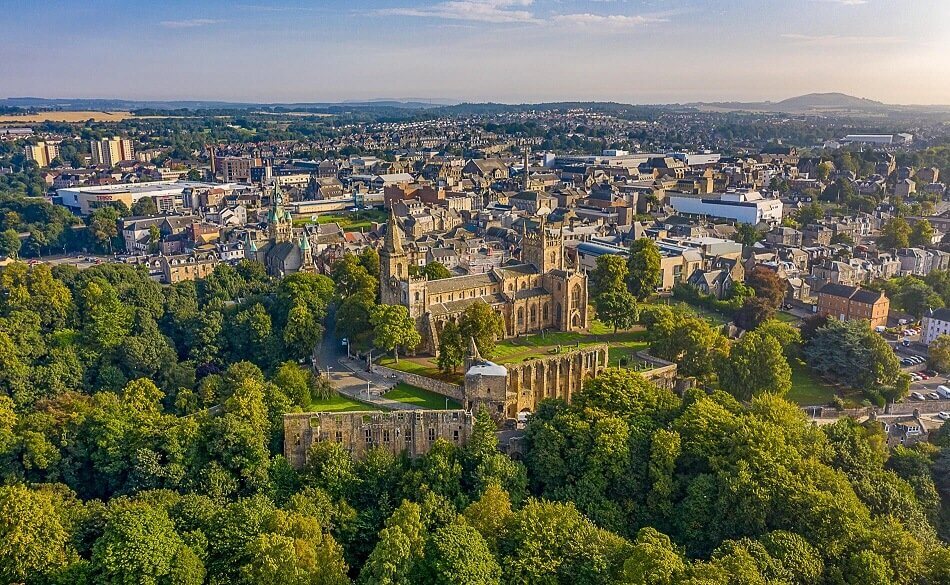
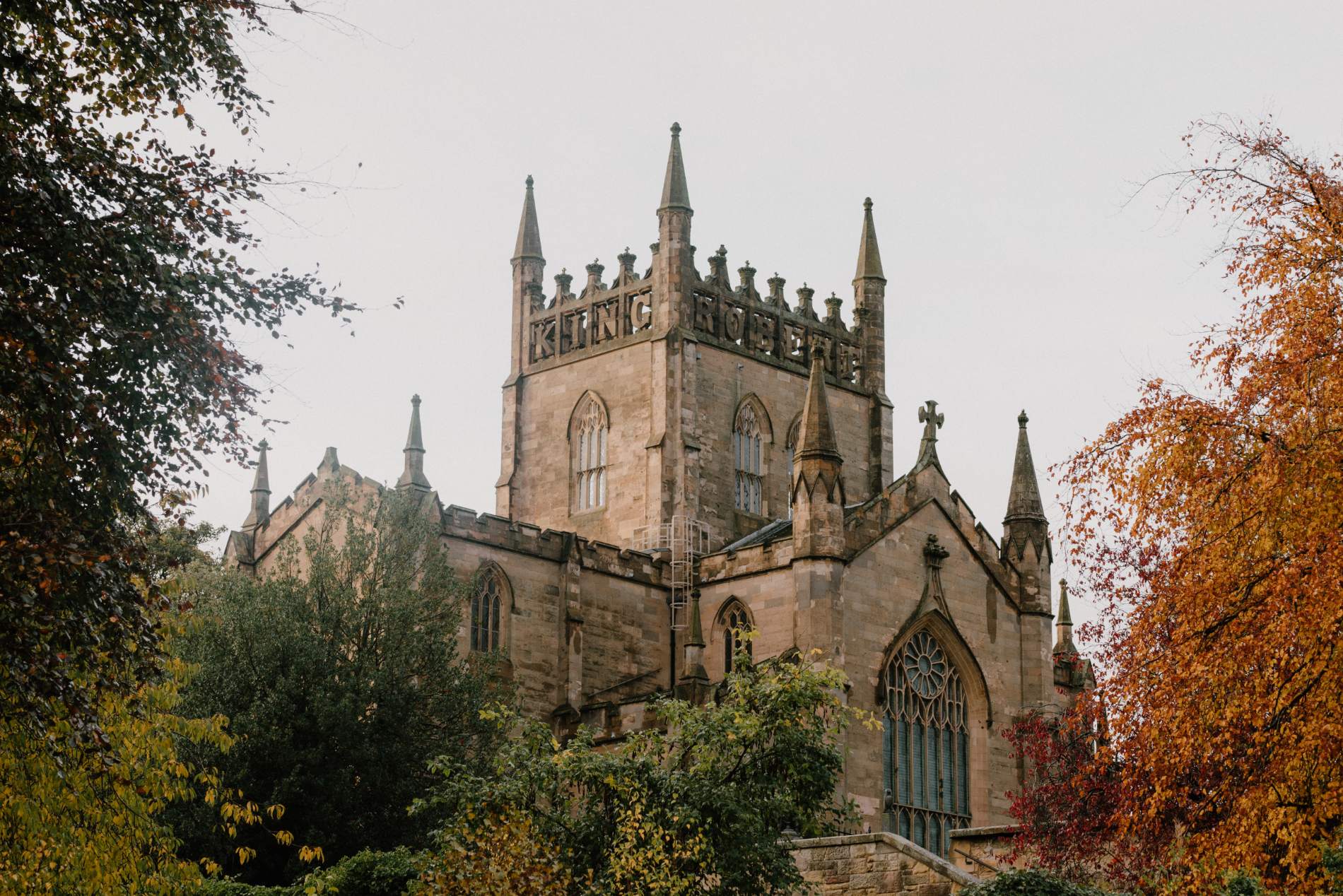
While the Battle of Inverkeithing may have been a loss for the defending Scots, those that died for Scotland did not do so in vain. Eleven years later, after the death of Cromwell, Charles II was officially crowned King of Scotland, England and Ireland on 23 April 1661. The Ferry Toll car park was a concrete reminder of the importance of deciphering fact from fiction. While some stories remain, others fade - it is up to us to keep the fragments of truth together. I walked on to Dunfermline, the original capital of Scotland.
Promoted Post
The Scullery
Tucked away in the heart of the Yarrow Valley, The Scullery is a one-bedroom boutique hideaway, eloquently designed for comfort, calm, and connection. Whether you’re escaping the city or craving a countryside reset, this is your space to slow down and just be.
-listable-carousel-1769292770.jpg)

-full-1741009545.jpg)





 Sign in with Google
 Sign in with Email