
Walking Through Time in Culross
Culross may be best known for its grand architecture and preserved streets, but much of its character lies in the small details left behind by everyday residents. From carved lintels and modest cottages to ancient wells and folklore-soaked abbey ruins, the village reveals its layered past through quiet markers of work, faith, and community.
Ever since appearing on screens disguised as Cranesmuir in Outlander, the small village of Culross in Fife has found itself enjoying a tourist boom. Few places deserve it more; the winding, cobbled streets and rows of historic, harled buildings are incredible fuel for the imagination. If it wasn’t for the occasional car or street bin, you could easily believe you had stepped back into another era.
This time capsule is the best representation of a 17th-Century burgh found anywhere in Scotland, its present state owing much to the National Trust for Scotland. Culross might look like a film set but this is the real deal, with buildings appearing much as they would have more than 300 years ago.
This isn’t somewhere to just park, take some pictures and then move on. To really appreciate Culross, take the time to walk the old streets and immerse yourself in the history of this royal burgh.
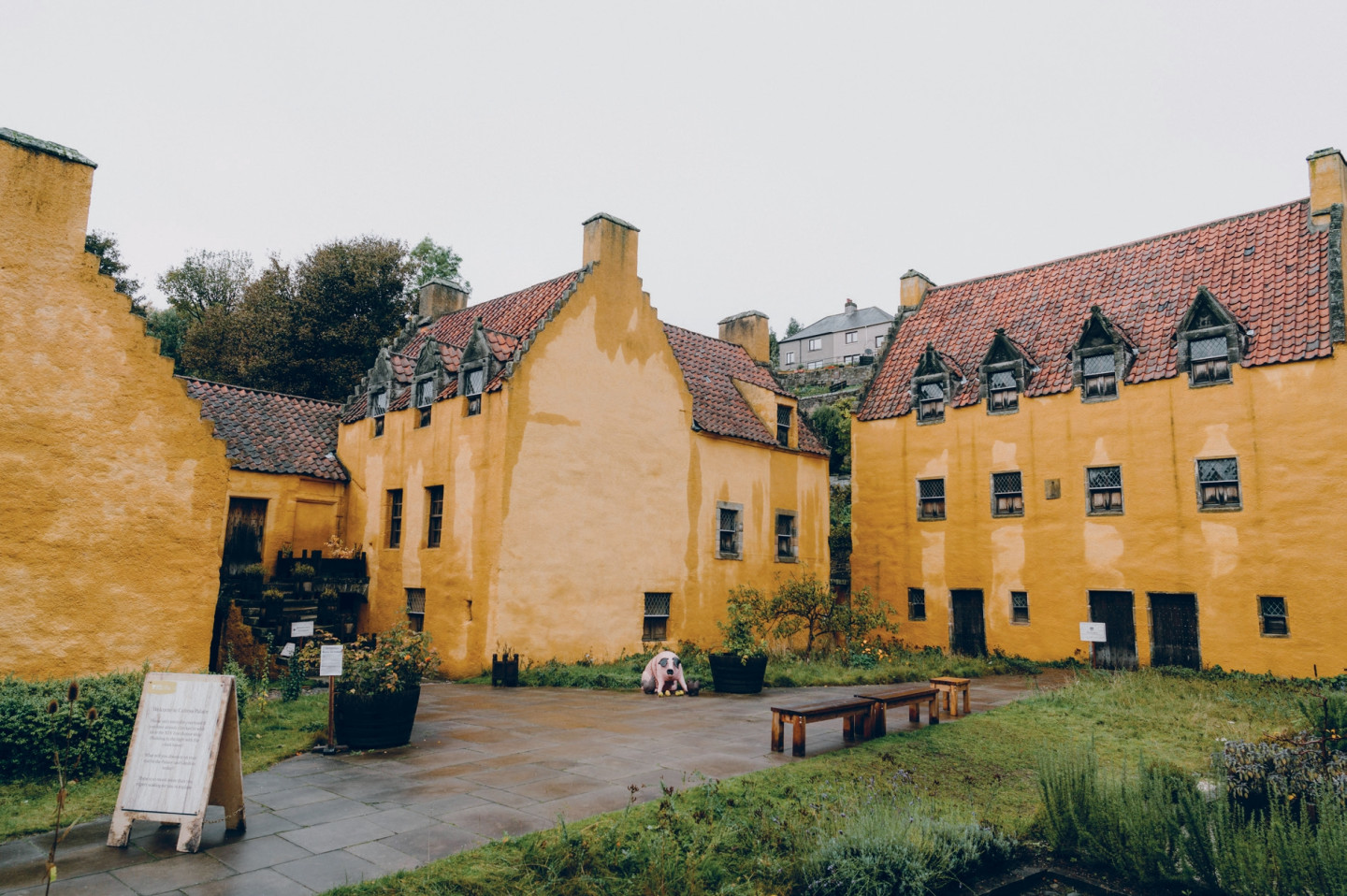
The natural starting point for a historical tour is the gateway of Culross Palace. Although visited by King James VI, it was never actually a royal residence and the name is a misinterpretation of the term Palatial Home. Built by businessman George Bruce in stages between 1597 and 1611, this small mansion is a clear symbol of the wealth that put Culross on the map.
While a small settlement already existed, it was completely transformed after George began exploiting the area’s coal seams. His innovative techniques allowed miners to extract coal from right underneath the River Forth, fuelling 50 local salt pans and the expansion of the village. Back then, Culross would have been full of loud noises and thick smoke, a far cry from the peace and tranquillity of today.
His home in Culross Palace has been perfectly trapped in time, decorated inside with beautiful furniture, panelled walls and painted ceilings. Outside, even the tiered garden has been authentically restored, full of medicinal herbs and useful vegetables.
Less than a hundred years after its construction, George’s descendants had lost their fortune and Culross Palace was sold to the highest bidder. It passed from owner to owner, until this once prestigious building found itself divided into homes for 16 different families. Things deteriorated fast and by the time it was bought by the NTS in the early 20th century, Culross Palace was little more than a ruined playground for local children.
Now used as the NTS café, Bessie Bar Hall next door is linked to the Palace by more than just their matching yellow colour. Bessie is believed to have been one of George Bruce’s relatives and this building was where she made beer for the village.
On the other side of the Palace gates, old merchant’s buildings line the shore. Typical of the period, their iconic orange roof tiles were carried as ballast in ships arriving from the Low Countries and their walls display small signs of wealth like the ornamental sundial.
Here, in the area known as Sandhaven, merchants could easily view their ships arriving at the harbour. This would have been a thriving hub of business and the remains of the Tron still stand in the centre, where goods were weighed and taxed.
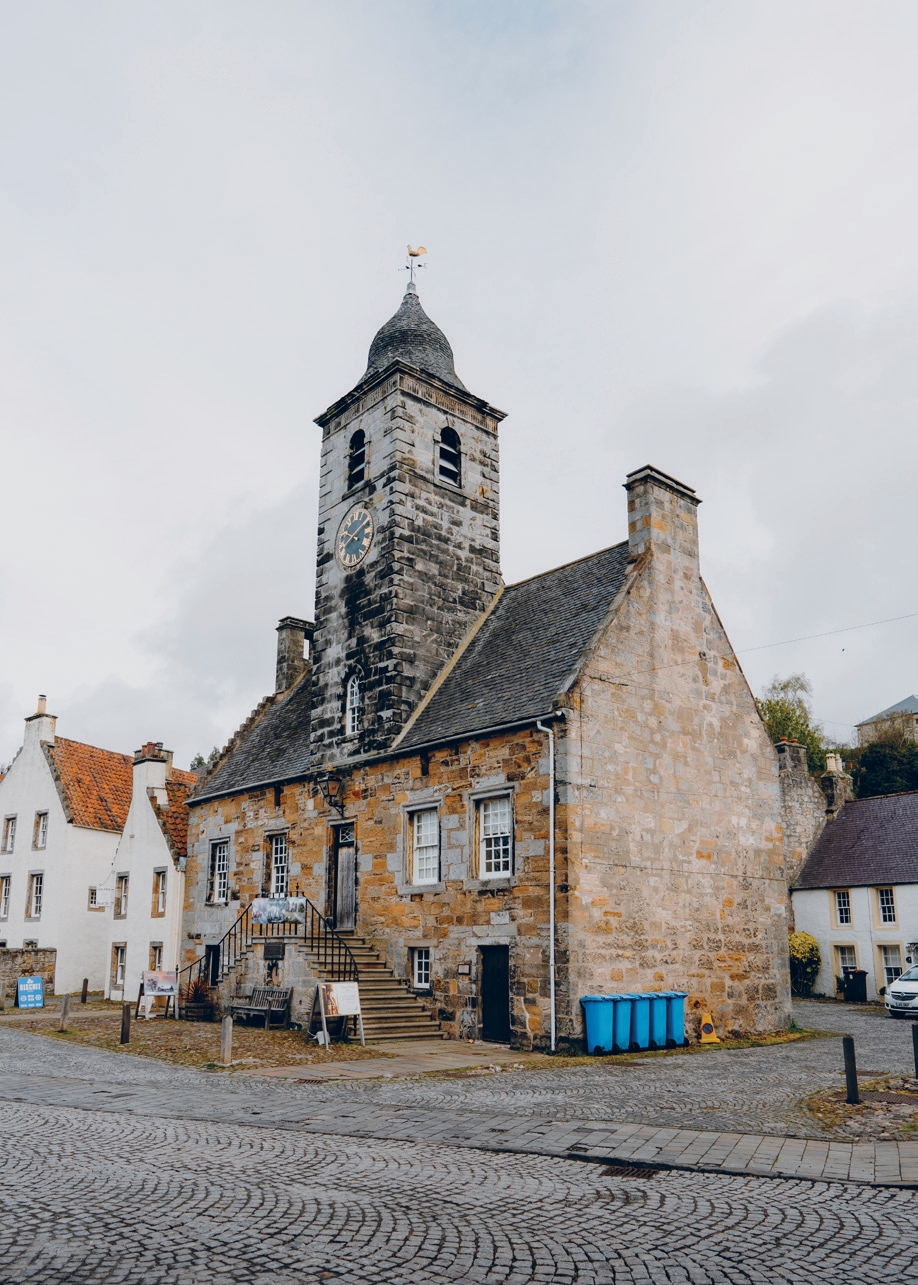
Those taxes were kept in the nearby Town House, built in 1626 as the centre of local authority. Every burgh had a similar building often called a Tolbooth, where council leaders met, courts were held and official measures stored. However, Culross Town House has a more gruesome past than most.
Witch hunts were particularly ruthless in Fife, and any residents of Culross who were accused found themselves imprisoned in cells inside the Town House. A plaque by the bus stop across the street marks the start of the Fife Witches Trail, adorned with 32 crosses to represent each innocent person tried here.
Moving away from the old shore, it’s soon apparent that the history of Culross isn’t found just in the buildings or landmarks lining the streets, it can be found in the streets themselves. This jumble of steep, sprawling wynds and narrow, cobbled passageways tells us stories of the residents who walked here.
When you discover that The Haggs is also known as Stinking Wynd, the peculiar road construction suddenly makes sense. A high camber in the middle of the cobbles allowed some to keep their shoes clean, while others were forced to trudge through the muck that rolled into the gutter.
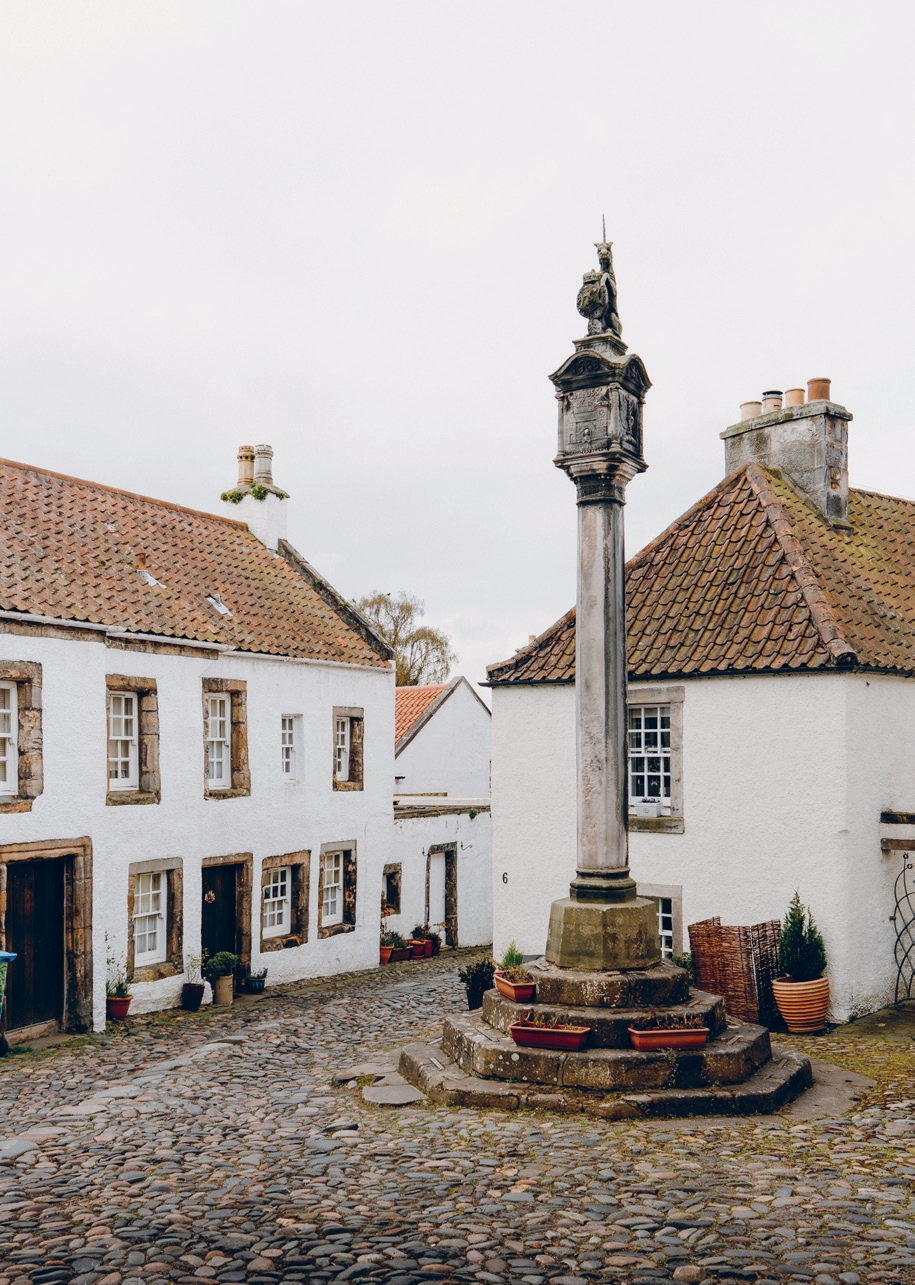
In the very centre of the old village, Culross proudly marks its special status as a Royal Burgh by displaying a Mercat Cross. This was much more than just a pretty decoration; being raised to a Burgh of Barony in 1490 allowed the village to hold weekly markets. Once it had successfully obtained Royal Burgh status in 1588, Culross was then able to trade its goods internationally.
Sitting in its prominent position, halfway between Culross Abbey and Sandhaven, this was once the heart of the village and the location for many important, public proclamations.
Almost as grand as Culross Palace, The Study is an impressive home towering elegantly beside the cross. This building gets its name from the belief that Bishop Leighton of Dunblane used it for writing while visiting Culross on official church business, enjoying dramatic views of the River Forth from the Outlook Tower. Leighton served in the 17th century, an incredibly turbulent time for the Scottish Church and would no doubt have enjoyed the relative quiet here.
Culross isn’t just an example of how the rich and powerful lived. Keep your eyes open as you traverse the streets for signs of the regular people who once made up this community. A Greek inscription on one lintel reveals a sea captain’s love of the classics, while the unmistakable carving of a meat cleaver betrays the home of a local butcher.
A window above the doorway to Snuff Cottage displays one half of an old rhyme common to merchants selling powdered tobacco. Other small homes like Coachman’s Cottage and The Tanhouse have no obvious signs but are still named for their previous residents’ professions.
Steadily moving higher up the village, you will find one of the oldest landmarks in Culross, the deep Lockit Well which provided safe drinking water to the area’s earliest inhabitants. Tradition says that Culross was founded by St Serf in the 6th century and this natural spring was the only available water source for his community.
For ease of use, the well was eventually modernised with the addition of a spout, pump handle and drinking cup. Once your bucket was filled with water, the handle would be locked in place, giving the well its name.
Further up the curved road, the peaceful remains of Culross Abbey appear. Established in the 13th century, the impressive ruins of this once grand building are now a confusing jumble of broken pillars and floating doorways. Unusually, the monks of Culross were skilled coal miners, amazing foreign travellers with strange black rocks that burned with intense heat.
Legend says there’s a secret tunnel somewhere beneath Culross Abbey leading to a man sitting in a golden chair, waiting to reward whoever finds him. Only one person is ever said to have braved the entrance, disappearing inside with his faithful hound, while playing the bagpipes to mark his location. The dog managed to escape from whatever confronted them, but sadly the piper was never seen again.
Marking the highest point on the historical walk, the Abbey Church looms over the ruins of its predecessor below. After the Protestant Reformation in 1560, Culross Abbey fell out of use and the congregation began to use part of the old building as a parish church. Eventually, stone from the rest of the now redundant abbey was recycled into the walls of places such as the manse.
Fascinating graves can be seen around the graveyard for people from all walks of life and when the Abbey Church is open, the lifelike effigies of George Bruce and his wife can be found inside.
All the way back down near the shoreline, residents of Glasgow might recognise the name of their city’s patron in St Mungo’s Chapel. Culross is where he was supposedly born and raised by St Serf after his mother fled to safety here while pregnant. These easily missed ruins only date from 1503 but were supposedly built on the foundations of the saint’s birthplace.
Wandering back towards Sandhaven, one of the stranger inclusions for a historical tour can be found in the Culross electricity substation. After the efforts of the National Trust for Scotland to rescue the village from its unfortunate state, other companies later followed suit.
When a new electricity substation was required, the South of Scotland Electricity Board hid their equipment inside this small, traditional corner building. If it wasn’t for the sign, passers-by would be none the wiser.
Before long the familiar sights of the Town House and Culross Palace are reached and sadly, it will soon be time to return to the 21st century.
Promoted Post
The Scullery
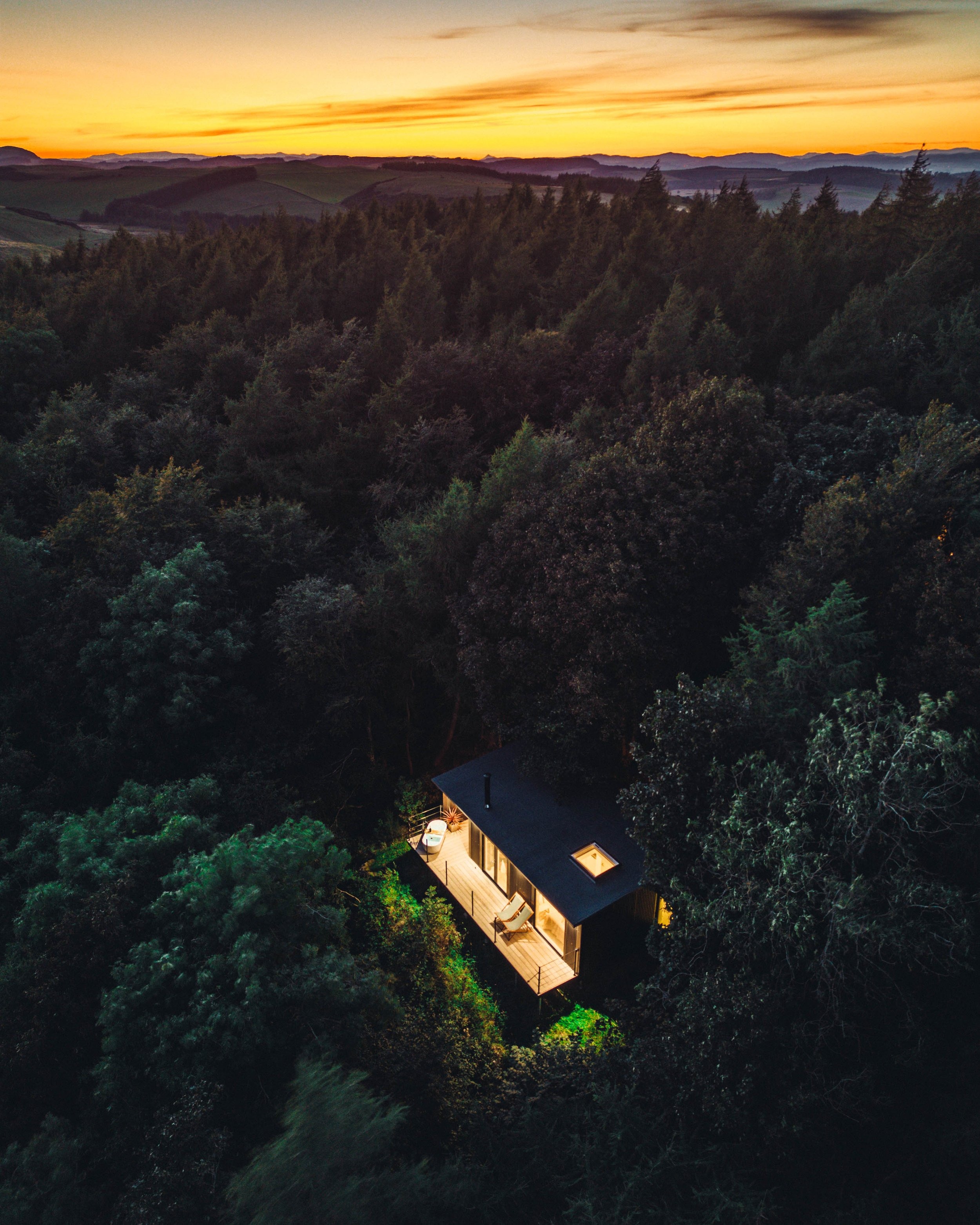
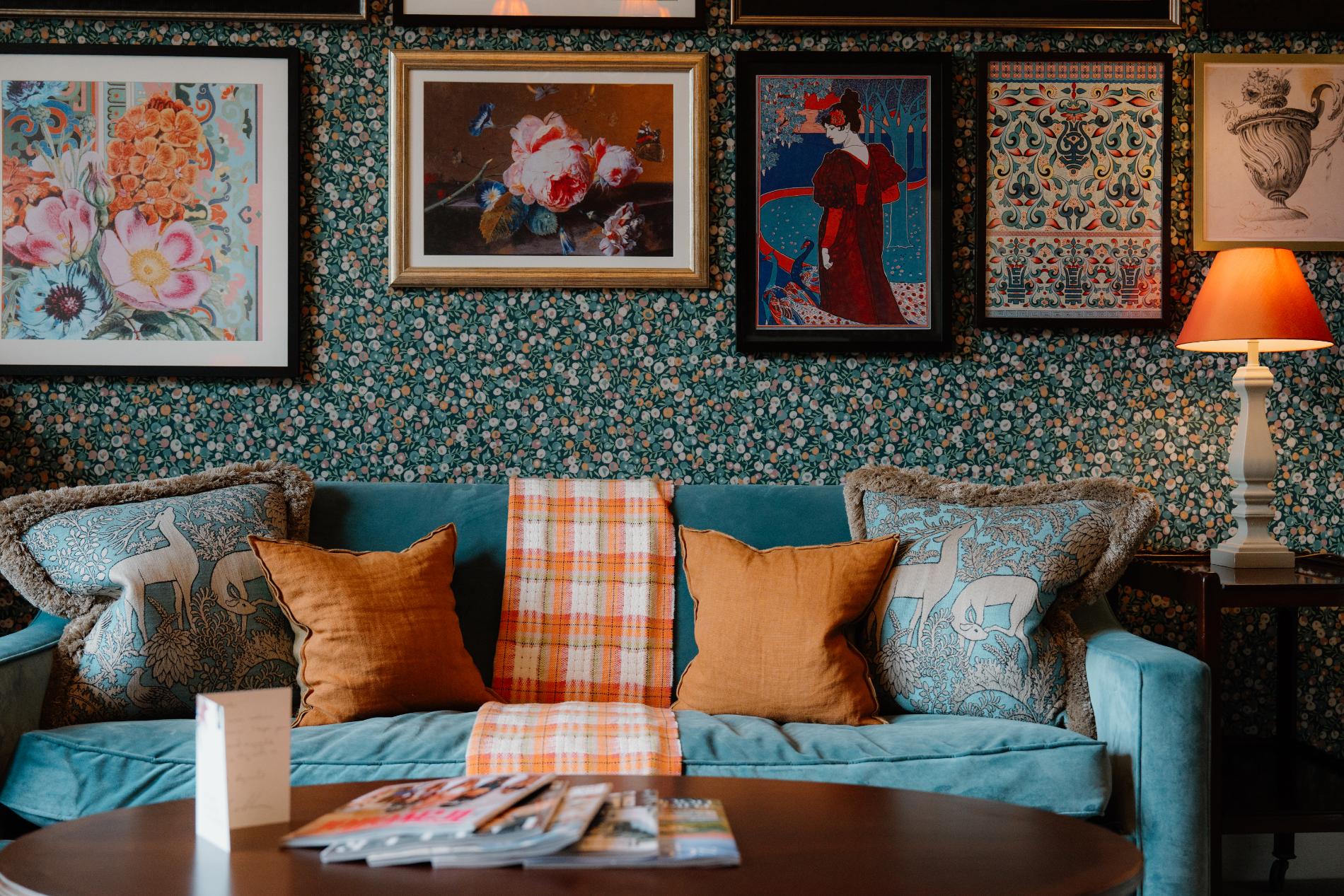
Tucked away in the heart of the Yarrow Valley, The Scullery is a one-bedroom boutique hideaway, eloquently designed for comfort, calm, and connection. Whether you’re escaping the city or craving a countryside reset, this is your space to slow down and just be.
-listable-carousel-1769292770.jpg)
-full-1741009545.jpg)







 Sign in with Google
 Sign in with Email