
A Walking Guide to Aberdour
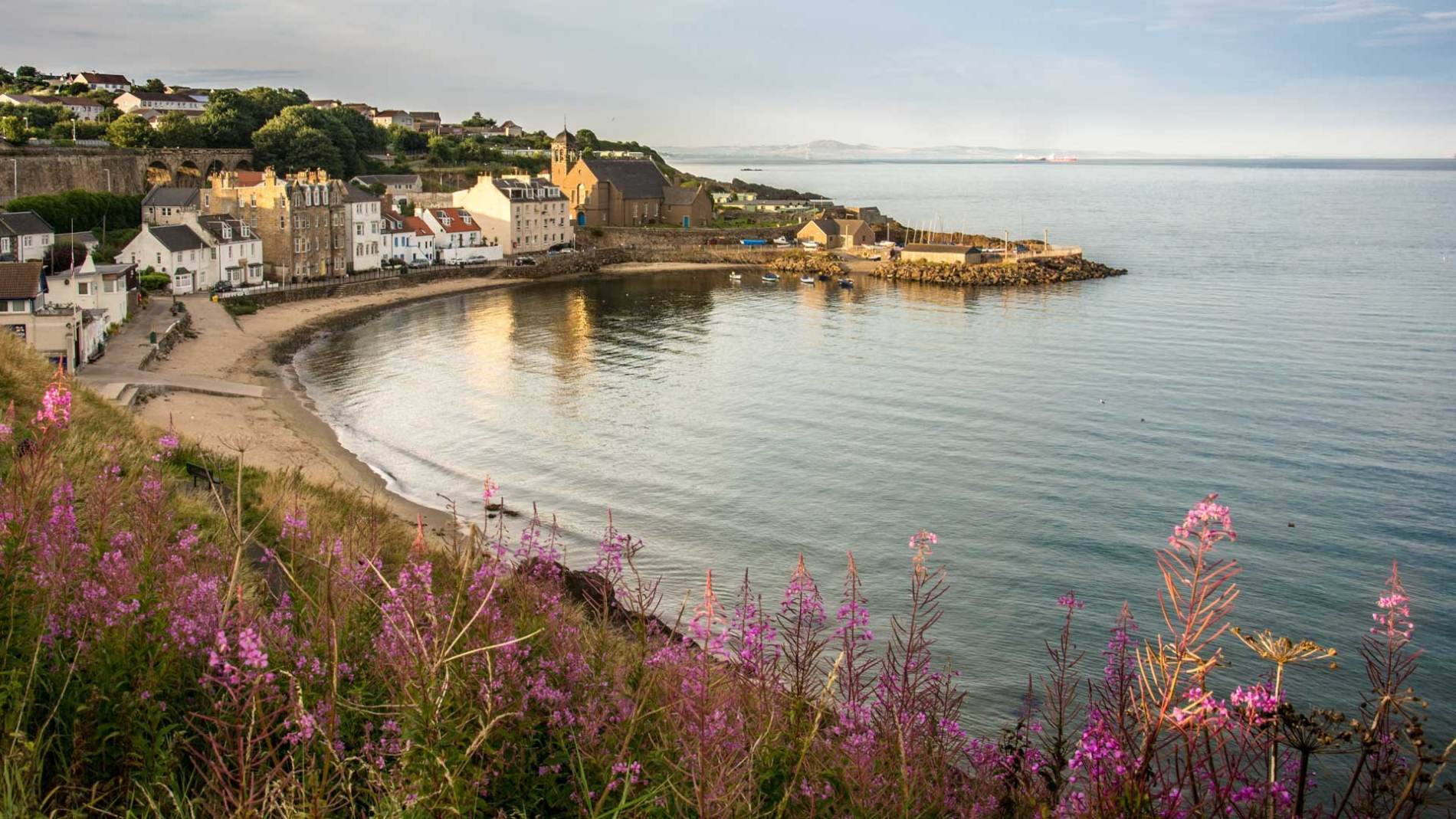
Just half an hour by train from Edinburgh, the Fife village of Aberdour is both a coastal haven for nature and steeped in history.
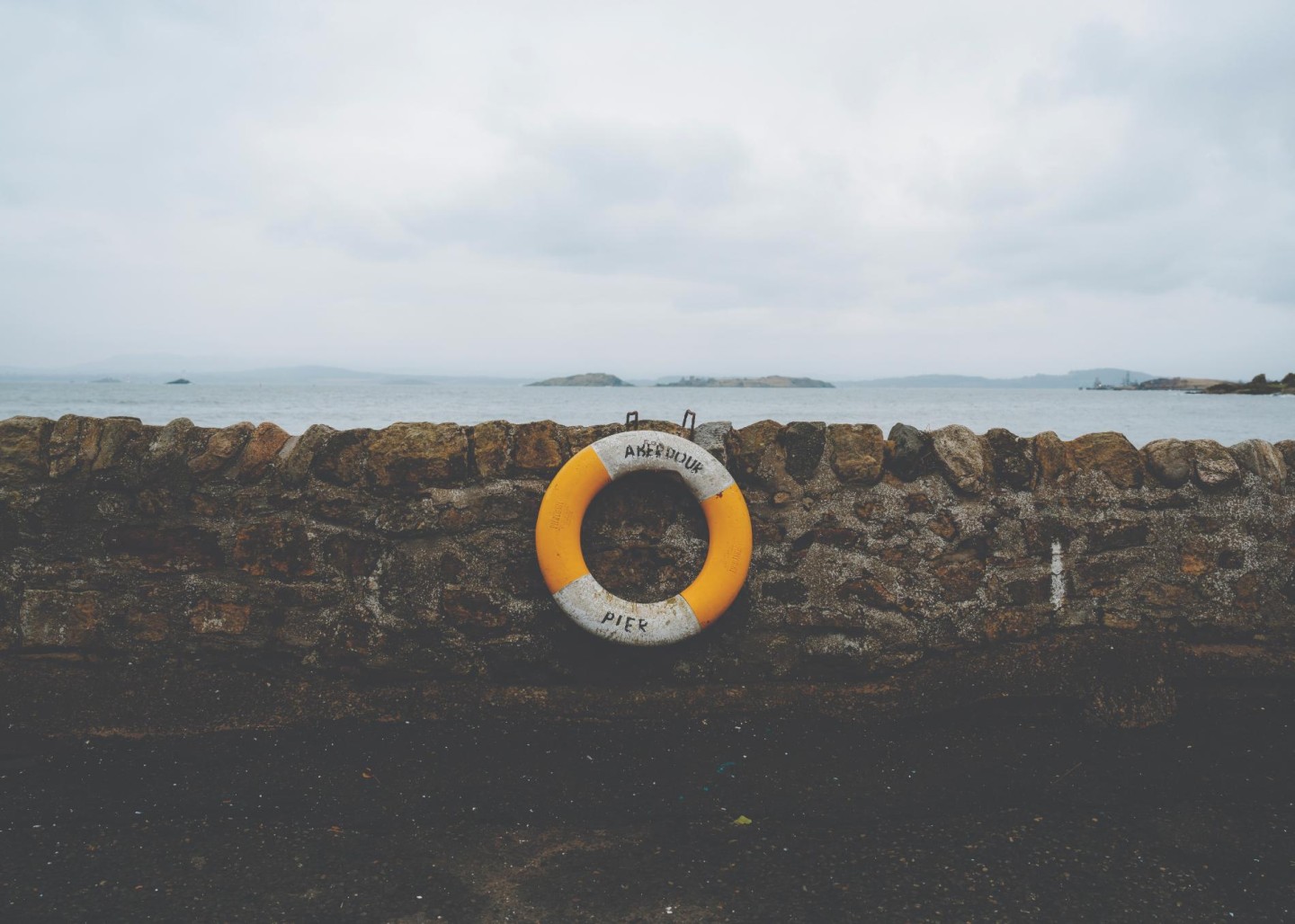
The Victorians called it the “Jewel of the Fife Riviera”, and it’s easy to see why: both scenic and historic, the village on the South coast of Fife overlooks the Firth of Forth with views all the way to Edinburgh. The arrival of the railway in 1890 after the building of the Forth Rail Bridge saw the merging of the two villages, Easter and Wester Aberdour, and the spot became a popular destination for Victorian day-trippers.
These days, the journey by rail is still pretty (and efficient!). As soon as you step off the train in Aberdour, you are greeted by the first of the village’s many sites of interest, seen just across the tracks: Aberdour Castle. Crossing the bridge over the platform, then turning left as you leave the station (where you can park for free if you’re taking the car), is a path down to the Castle where you can stroll the grounds and learn about the rich history of this now ruined landmark.
Aberdour Castle is one of the two oldest standing stone castles in Scotland, with parts dating back to the 1100s. It is located next to 12th-century St Fillan’s Church - the oldest active church in Scotland - and has views over to the Capital and the Dour Burn, which gives its name to the village - Aber being Pictish for “mouth of”. You might recognise parts of the Castle (the kitchen, stables and gallery) as Outlander filming locations.
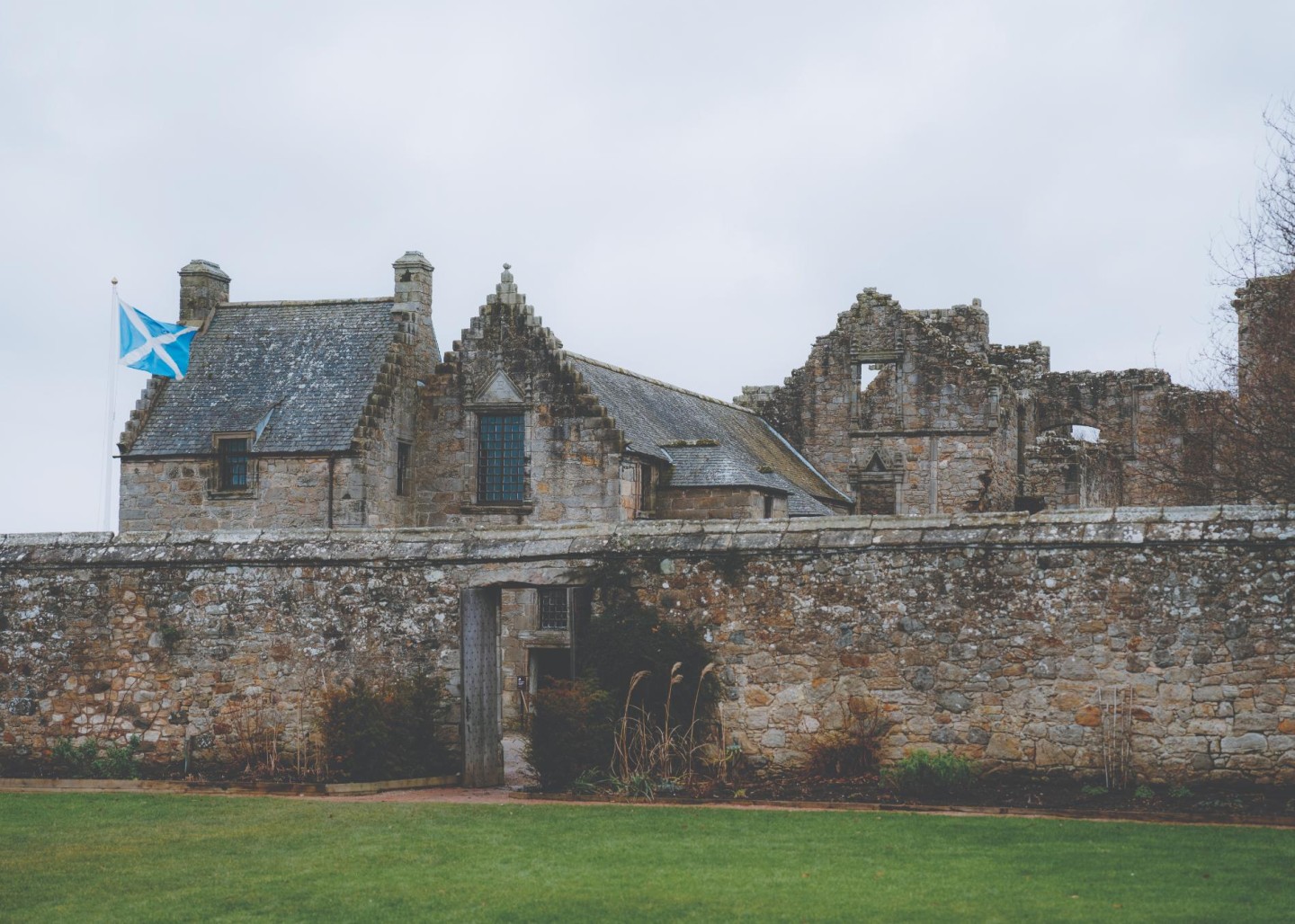
Aberlour Castle
The Castle has been privy to plenty of real life politics too, housing three generations of noble families including James Douglas, 4th Earl of Morton, who was Regent of Scotland. Over four hundred years the Castle was expanded, evolving from a small hall house into a 15th-century tower house. It was further extended in the 17th-century, and you can still see the painted Renaissance ceiling with its heraldic images, fruits and foliage in the East range.
In the late 17th-century the Castle was damaged in a fire, and a second fire in 1715 caused extensive damage when government soldiers were stationed there during the Jacobite Rising. The Earls of Morton moved to neighbouring Aberdour House in the 18th Century and the Castle was used for different purposes, including as a school room and barracks, but eventually fell into disrepair. The Castle and grounds are now looked after by Historic Environment Scotland and are open to visitors throughout the year, with tours in the Summer.
The Castle’s walled and terraced gardens were inspired by Hampton Court; added in the 1550s, they are among the oldest gardens in Scotland. After taking a stroll past the beehive- shaped doocot and scented flowers, it’s probably time for a coffee break. Before heading down to explore the beach you could refuel at one of the lovely cafés on Aberdour High Street. Coffee and homemade cake at The Curator - next to the locally famous Willie’s Newsagent (a real treasure trove) - comes highly recommended, plus there’s a small selection of vintage ephemera and homewares by local makers if you want to take home a memory of your day out. On this same run of shops you’ll find other boutiques specialising in beautiful old objects: Blakes Vintage has an excellent selection of clothing and Antiques and Gifts sells vintage china and glassware alongside more contemporary offerings.
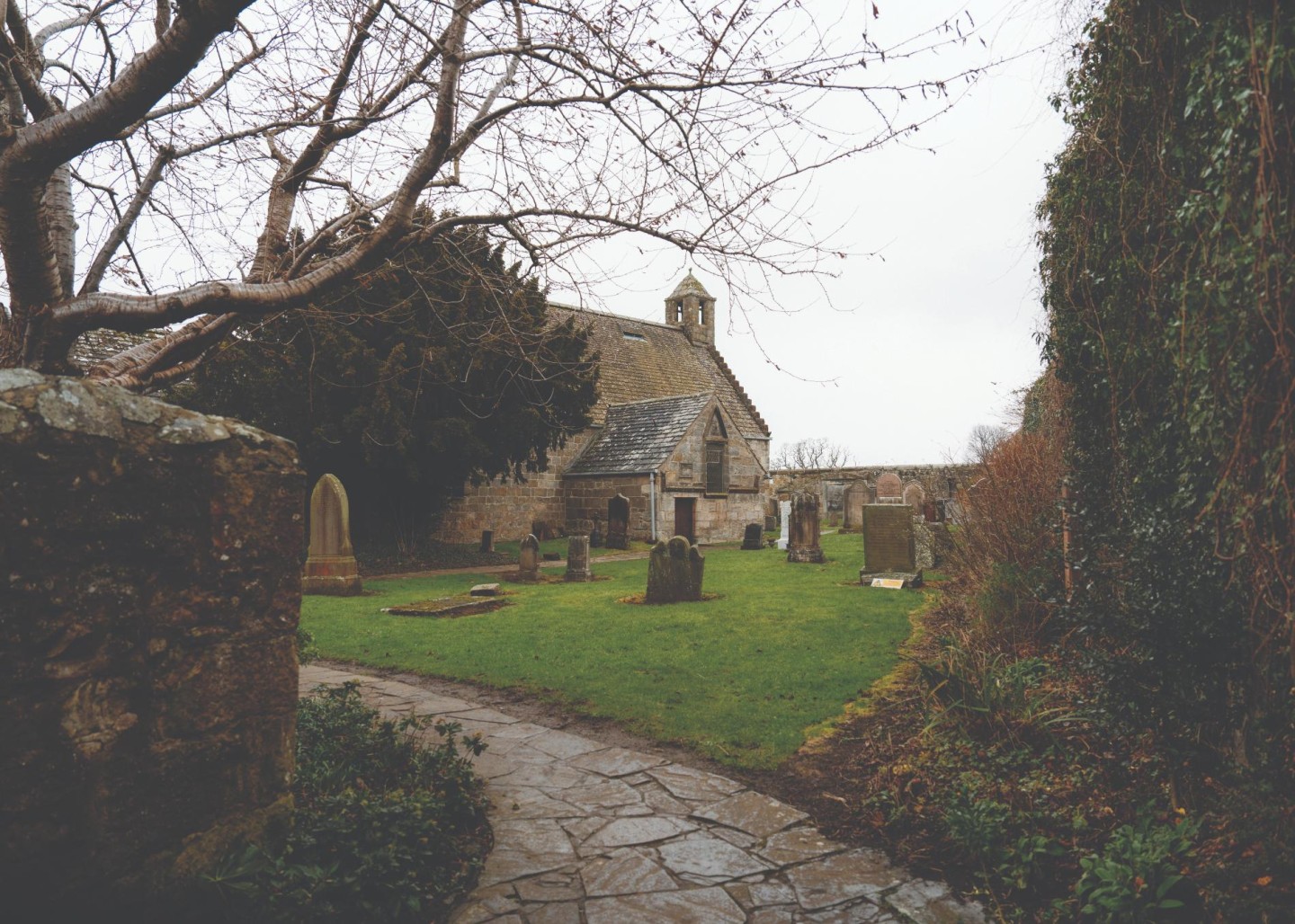
St Fillan's Church
Head down Shore Road past Café @ Number 16 (which serves breakfast, lunch, coffee and cake) and beautiful houses that must have an enviable outlook onto the Forth, and at the bottom of the hill you will reach the smaller of Aberdour’s sandy bays: Black Sands. Linger a while on one of the benches with views of Arthur’s Seat and Edinburgh Castle in the distance. To the West, you will see Inchcolm Island, which has been home to a monastery and Abbey since the 13th Century. It is sometimes known as “Iona of the East” thanks to its association with Saint Columba. Its strategic position in the Forth means Inchcolm has also been a site of conflict, from the 13th Century when it was attacked by English raiders in the Wars of Scottish Independence, to the 20th, when it was known as “Fortress Forth”, equipped as a defensive base in both World Wars. You can visit the island - though you’ll have to cross the Firth of Forth and hop on a boat from South Queensferry - and take a tour where you can see the beautifully preserved medieval Abbey, 9th Century hermit’s cells and military defenses up close. You can look out for seals, puffins and fulmars on this island haven too.
Continue your walking tour around Aberdour Harbour and along the pier, where you’ll get the best views over the water. Stop by Cosagach at Harbour Studio, which hosts art exhibitions and has been part of the Aberdour Art Festival. On leaving the studio take a sharp right up the hill and follow it round and over the bridge. For a longer walk you can follow the ‘Ladies’ Walk’ below the cliffs to the East of the Harbour, eventually arriving at Hawkcraig, a listed Wildlife Site with rare plants such as wild basil and dropwort.
For a shorter walk, head up the stepped path and you arrive at the entrance to Silver Sands. Along with Black Sands it boasts a “blue flag” - two of only six such beaches in Scotland to be awarded the accolade for safety, cleanliness and accessibility. Silver Sands is a popular place for picnicking, building sandcastles and wild swimming. Be sure to get there early in Summer! From the beach you can see Inchmickery Island, an RSPB Special Site of Scientific Interest, with colonies of puffins, guillemots and rare Roseate Terns.
To get back to the village, walk along Hawkcraig Road past Aberdour Primary and you’ll re-emerge back at Aberdour Castle where you can cut through to the High Street. It’s maybe time for lunch - why not refuel with some homemade soup from Aberdour Bistro? The menu boasts meat from Tom Court’s local butchers, cheese from IJ Mellis and fish from C Sinclair fishmongers and there are vegetarian, vegan and NCGI options.
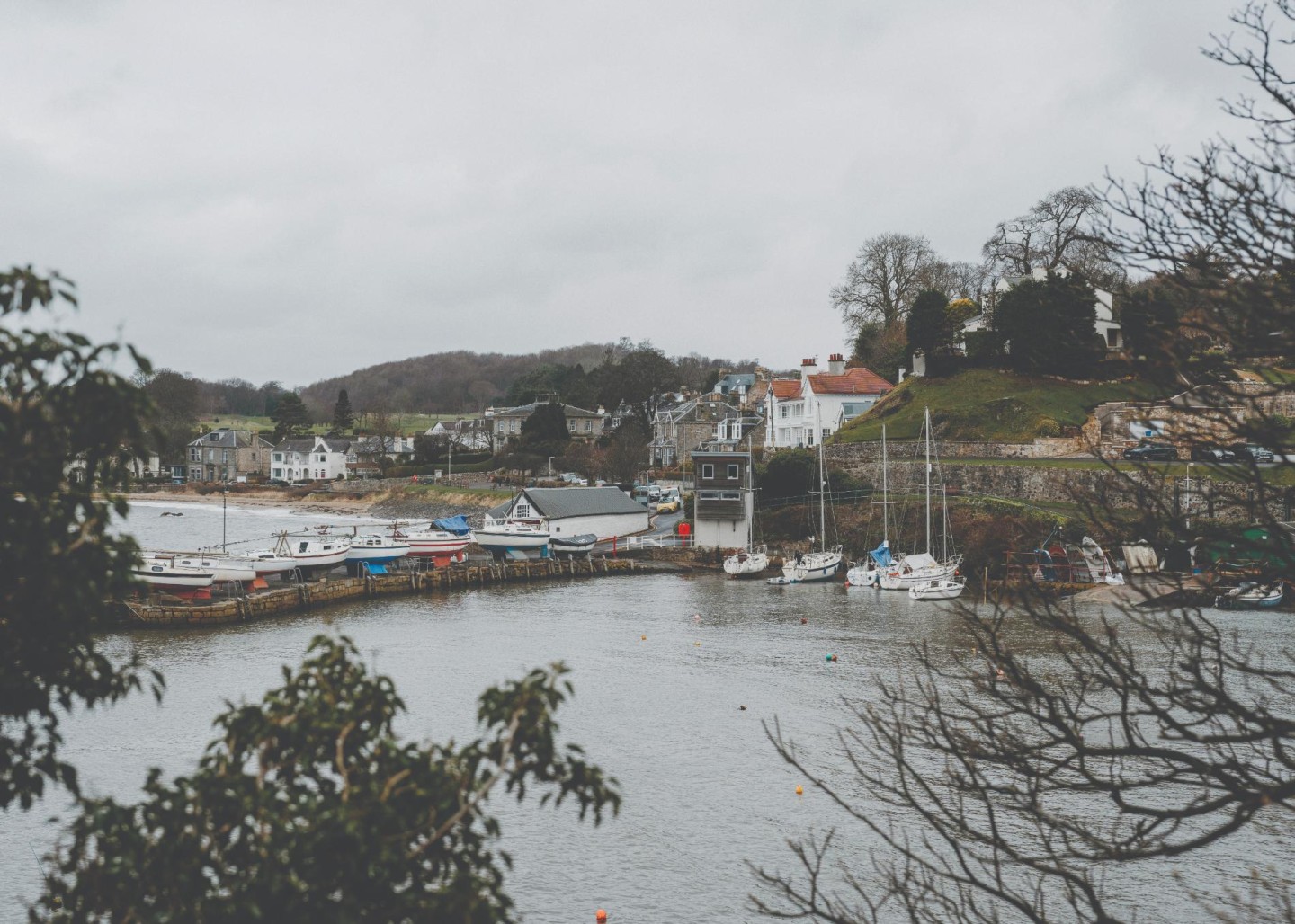
Aberlour Harbour
For a postprandial walk, you can take in the Fife Coastal Path between Aberdour and Dalgety Bay. Head through the black gates opposite the old Woodside Hotel and along onto Dovecot Park where you will find the entrance to the stretch of the Coastal Path known locally as “The Avenue”. It has recently been resurfaced and widened and takes in a variety of landscapes, passing by Aberdour Golf Course with its spectacular views over the Forth, through woodland and alongside fields and the ruins of 12th-century St Bridget’s Kirk before arriving at commuter town Dalgety Bay.
In the Spring, masses of daffodils line the route, framing the panoramas of Edinburgh. The daffodils are picked by volunteers to raise money for Cancer Research, so you can take some stems home with you for a wee donation.
Retracing your steps along The Avenue and back through the village to catch your train home, you can get provisions from P&P Delicatessen, which showcases local artisans and makers, and maybe even a tipple from The Drinks Cabinet a few doors along, which sells specialist wine, beer and spirits.
In August, Aberdour plays host to the Aberdour Festival,so if you’re visiting then it’s worth checking out the programme of family friendly events, performances and sport (including the famous “Donkey Brae” coastal run). Blending history, nature and culture, Aberdour is still the Jewel in Fife’s crown.
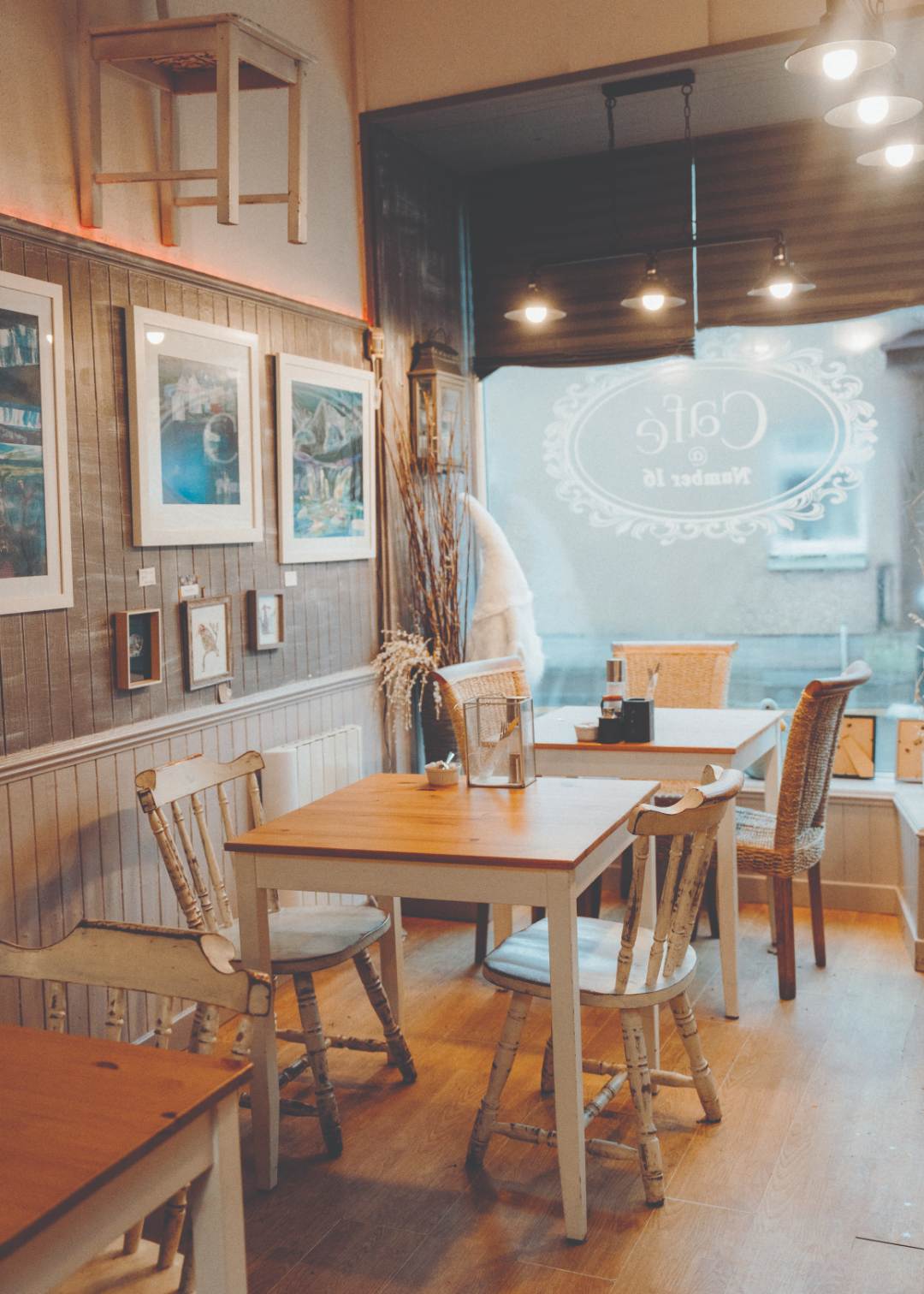
Café @ Number 16

Drinks Cabinet
Promoted Post
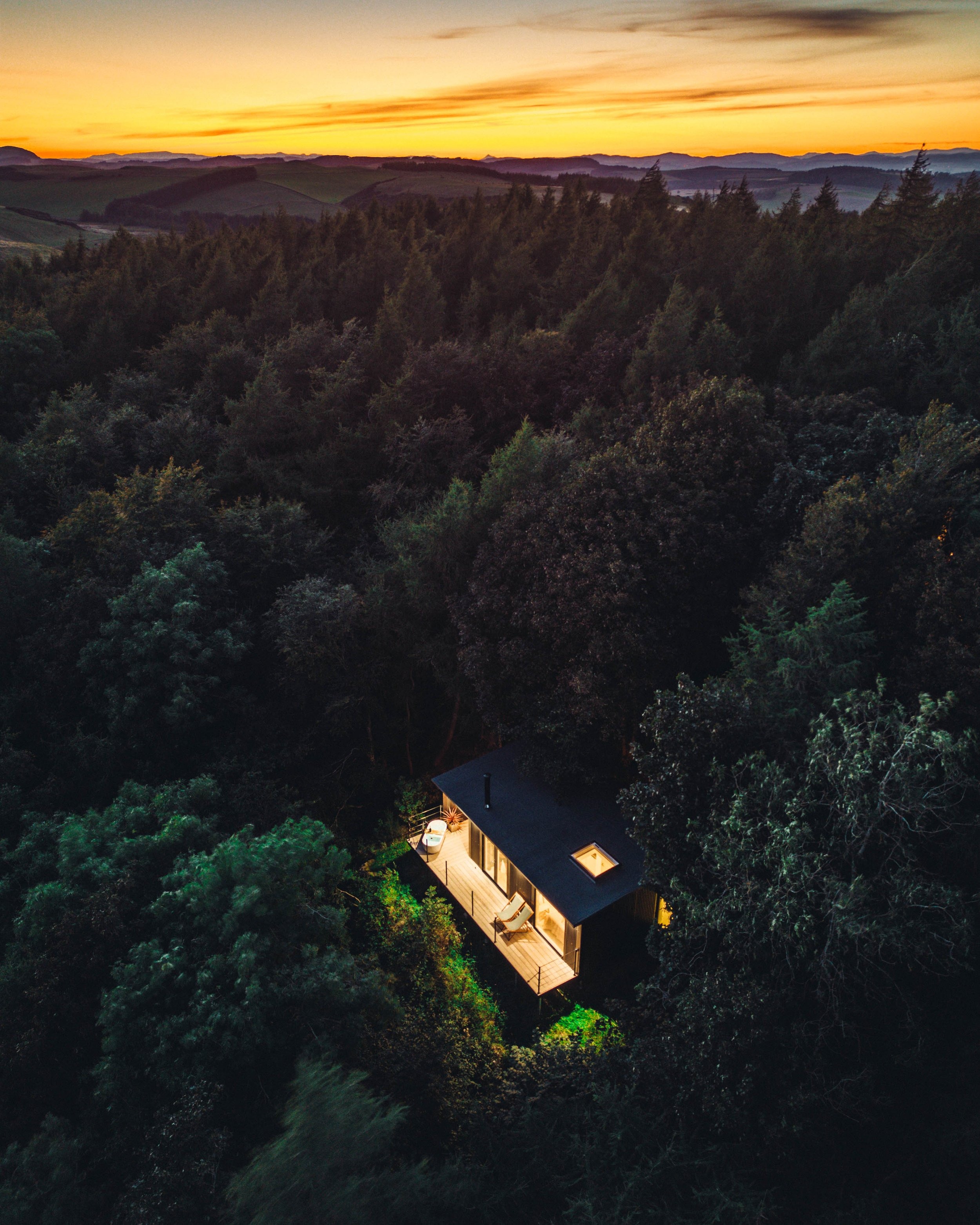
The Scullery
Tucked away in the heart of the Yarrow Valley, The Scullery is a one-bedroom boutique hideaway, eloquently designed for comfort, calm, and connection. Whether you’re escaping the city or craving a countryside reset, this is your space to slow down and just be.
-listable-carousel-1769292770.jpg)

-full-1741009545.jpg)






 Sign in with Google
 Sign in with Email