
Hidden Kingdom of Fife Part 2 - What Lies Beneath
Writer Louis D. Hall sets out across Fife on foot, uncovering layers of history, folklore and memory along the way. From saints and shipbuilders to accused witches and forgotten ruins, he reveals a place still quietly changing — and still worth walking for. This is Fife, rediscovered.
Written by Louis D. Hall
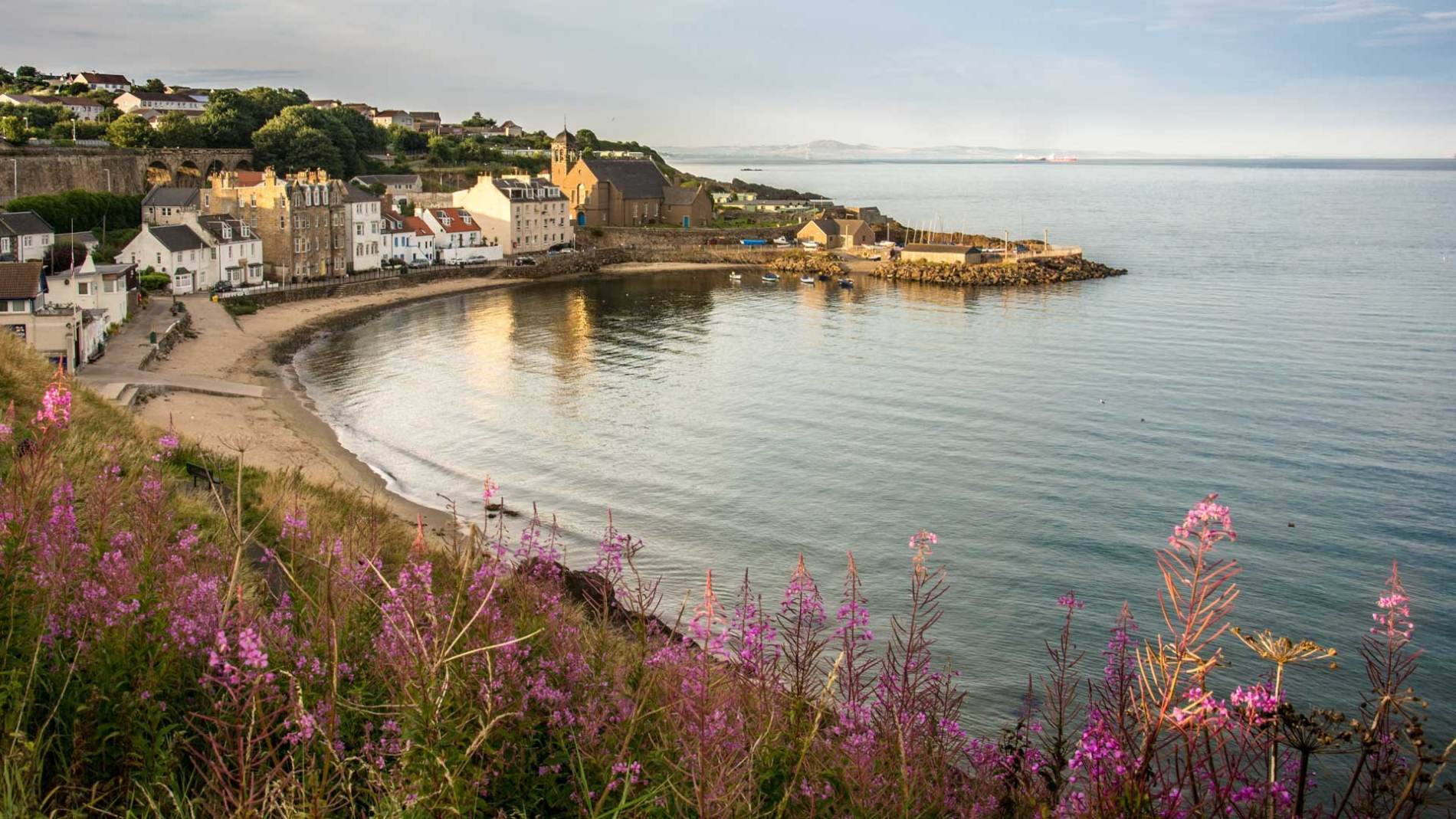
In Part 1 of The Hidden Kingdom of Fife, I discovered the birthplace and chapel of Saint Mungo; the statue and explorations of Admiral Thomas Cochrane (Culross born and bred); and the only known grave of a witch in Scotland (found in 2014, in the village of Torryburn). Before heading inland towards Dunfermline, I wanted to continue a little further along the Coastal Path. Beginning at Kincardine and finishing in Newburgh, Fife’s iconic 117-mile shoreline is teeming with life, past and present. While beaches, artist communities, festivals, golf courses and ancient fishing villages colour the east of Fife, a deeper, hidden story in the west requires a little more digging to uncover.
It had just gone six o’clock. The sun was setting and the sky was burning pink and orange. I could see the houses of Torryburn burrowed into the shore, less visible now in the failing light, smoke drifting from a chimney. The tide was out. Geese shawled the treeline and abruptly descended onto the flat stretch of mud, seaweed, rock and sand - exhausted from their autumn migration. For two weeks they had been flocking in their thousands from Greenland, Iceland and Scandinavia, ready to nest down for the winter. Their numbers will reach 90,000 by the end of November. Beyond the tideline, the converging waters of the Firth were sifting together like layers of dark cloth. Eerily, the electric lights of Carridon and Grangemouth opposite had encrusted themselves upon the surface; beads of yellow, amber, green and garish red. Known as ‘the black river,’ the main source of the Firth begins 29 miles west, trickling down from the slopes of Ben Lomond. Remarkably, despite a century of overfishing and pollution, in the last twenty years the river Forth has once again become a home to trout and salmon, as have the contributing rivers of the Teith, the Carron and the Devon. Native to these shores, oysters too have successfully made a comeback, reintroduced for the first time in 100 years as part of the Restoration Forth project, aiming to restore reefs and seagrass meadows. My eyes followed the lights of the opposite shore until I found myself facing east. I tried to make out the stencilled silhouette of the three bridges in the distance but instead, as the Fife shoreline curves towards Limekilns and Inverkeithing, I noticed the faint shape of a small cottage, jutting out upon the end of Crombie Pier. On a stormy night this would have been impossible to see, as would have the shapes of bodies going in and out of the pubs that I could now decipher too, their voices echoing across the sand: The Bruce Arms and The Ship Inn my personal favourites. In 1859, French novelist, playwright and poet Jules Verne was said to have been shipwrecked here, trying to make his way across the Firth. Seeing him from afar, Reverend Smith, a local to Torryburn, directed Verne to the Black Anchor Tavern (dating from 1770). Today, it now stands as Black Anchor cottage, standing alone at the end of the pier.
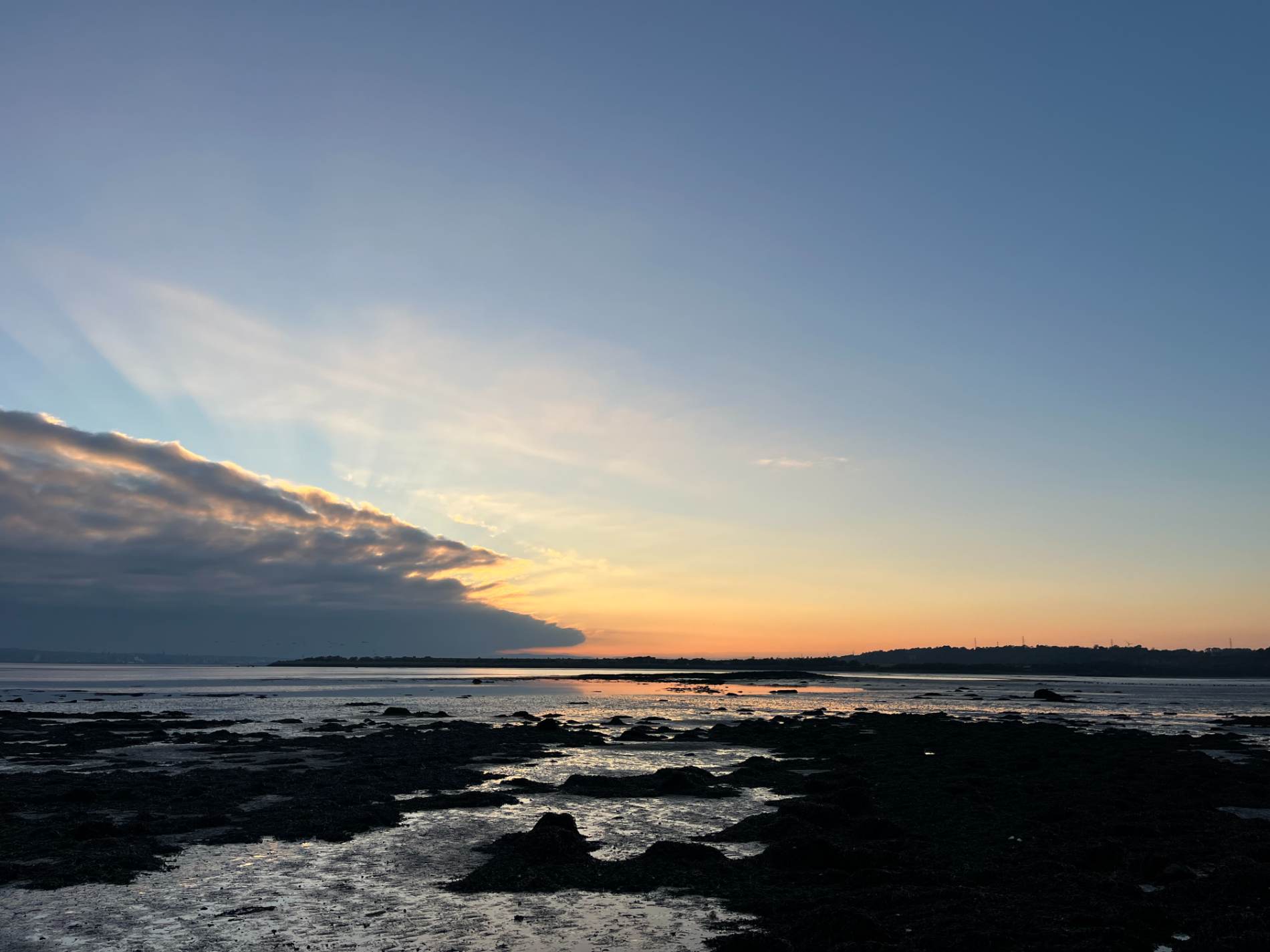
Torryburn shore before sunset
From the 16th century until the 1970s, the Forth and ‘the black river’ were a flow of fish, trade and commerce. Mimicking the flocking birds, goods would come into Scotland from the North Sea, and be exported south into Europe. As a result, Fife and Stirling had very close ties with the Hansa towns, Belgium, and the Netherlands. After 1707, trade with America became the new focus, and so activity shifted from Fife in the east to the port of Glasgow in the west. After the Second World War, many of the harbours of west Fife fell into disuse. Beyond Torryburn, the community of Limekilns is one such example. Beginning as a fishing community in the 14th century, the town gets its name from its prolific 18th century limestone industry, with the ruins of the enormous kilns still there today. With a large natural harbour, ships once traded with ports as far away as the Baltic Sea and France. At one point, Limekilns even served as a port for Dunfermline, Scotland’s original capital. Today, however, a handful of old sailing yachts sit neglected in the harbour, hefted to one side when the tide is out.
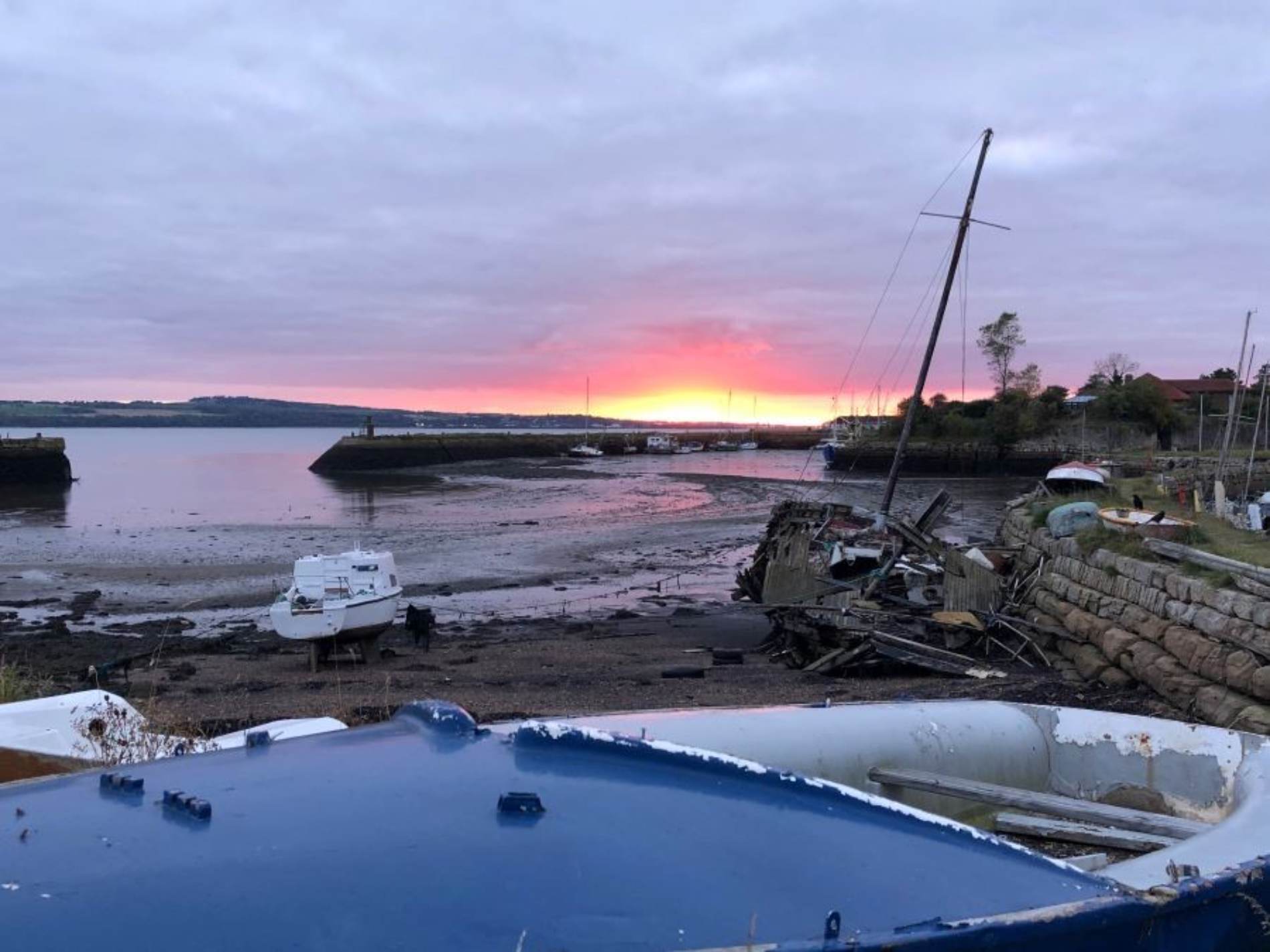
Limekilns
While ‘the black river’ is a nickname, much of the dark water and gritted earth of the area is a result of Fife's historic coal mining industry. From the 13th century until the late 1980s, mining played a significant role in the life of Fifers, and its legacy is poignantly felt today. Sunk in 1911 and closed in 1978, the Valleyfield Colliery, just east of Culross, was once the most notable mining site across the country; the colliery produced the best coking and navigational coal in Scotland. Yet behind Fife’s legacy, there remains a side less visible. In nearby High Valleyfield there’s a small memorial dedicated to the 35 men who died in the 1939 explosion. The closure of the mines caused devastation across Fife, with communities like Blairhall, Steelend, Buckhaven, Townhill, Lochgelly and Lassodie still experiencing the financial and social impacts, two generations later. Yet, despite the change, there remains a strong sense of pride. Welfare clubs have sprung up; artefacts, information and sculptures are being built and displayed for the first time (as seen in Lochore Meadows Country Park); and ex-mining organisations have been born to help combat the inherited issues - and to maintain Fife’s disappearing heritage. Oakley’s White Gates pub, standing since the 17th century, has a vast mural of a miner painted upon the outside wall. Home to the Scottish School of Mining, Cowdenbeath has an even bigger painting in the city centre. Once heralded the ‘kingdom of coal’, as a local it is hard not to be affected by the presence of the area’s mining history, and as a visitor, you need only to visit a local pub to feel the strong sense of community that remains. But, of course, beyond the stories we continue to tell, time has its way of hiding what once was. Almost all of the mining sites have been cemented over or repurposed, cleared away for retail parks, housing estates, retirement homes and leisure centres. As one ex-miner said, ‘where other people are seeing nice green meadows, a loch and ponds, I see me as a young boy sitting by the old railway, playing on the slag heap, fishing for perch and the putt-putt of the pug running up and down.’
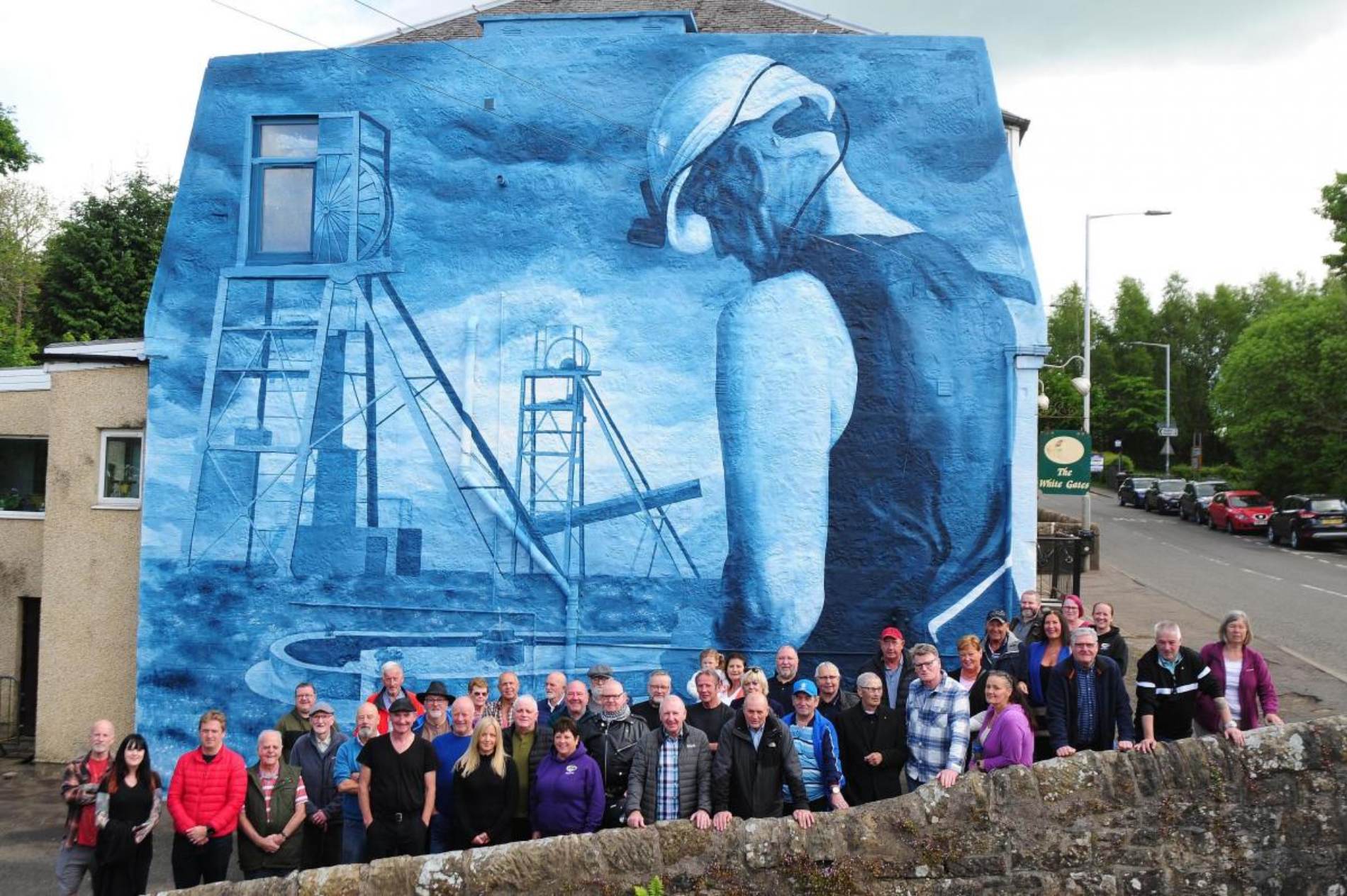
White Gates Mural
The surreal mingling of electric light upon dark water made everything appear new. What we see shining upon the surface can glare out the roots, the pits and the foundations below. It was a side to Fife that I hadn’t truly considered. Some stories are told forever, handed down from generation to generation, while others are left for someone to read on a plaque, scribbled into the periphery and shores, covered over by neglect. The last dyes of the sun had faded to black. The wind was picking up. It was time to turn inland.
Promoted Post
The Scullery
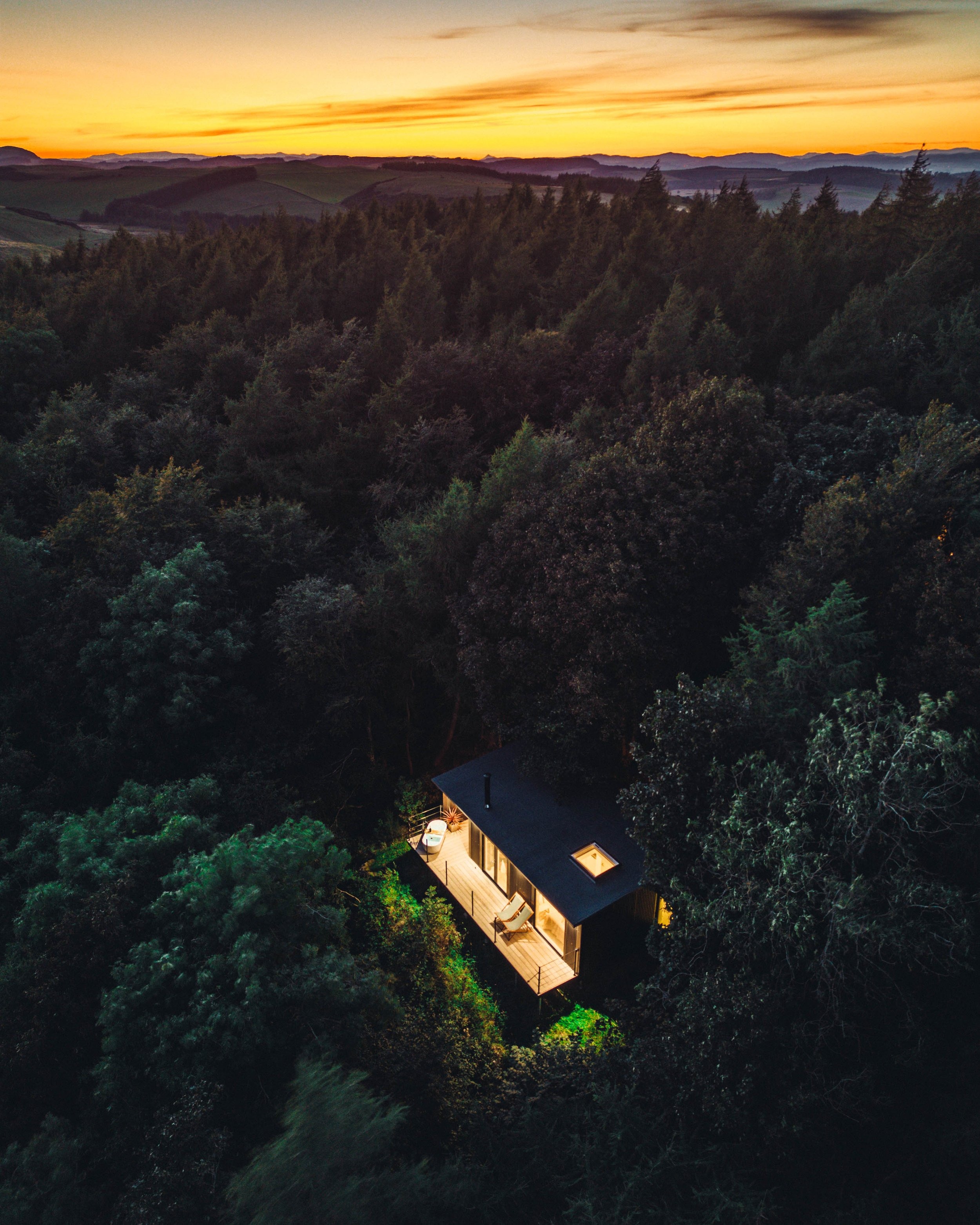
Tucked away in the heart of the Yarrow Valley, The Scullery is a one-bedroom boutique hideaway, eloquently designed for comfort, calm, and connection. Whether you’re escaping the city or craving a countryside reset, this is your space to slow down and just be.
-listable-carousel-1769292770.jpg)

-full-1741009545.jpg)






 Sign in with Google
 Sign in with Email