
Illusive Creatures - Wildlife spotting by day and night
As winter draws in, night shortens the window for spotting wildlife. But creature watching after dark brings its own advantages – and thrill, says Emily Rose Mawson, as she discovers five wildlife hides for day and night.
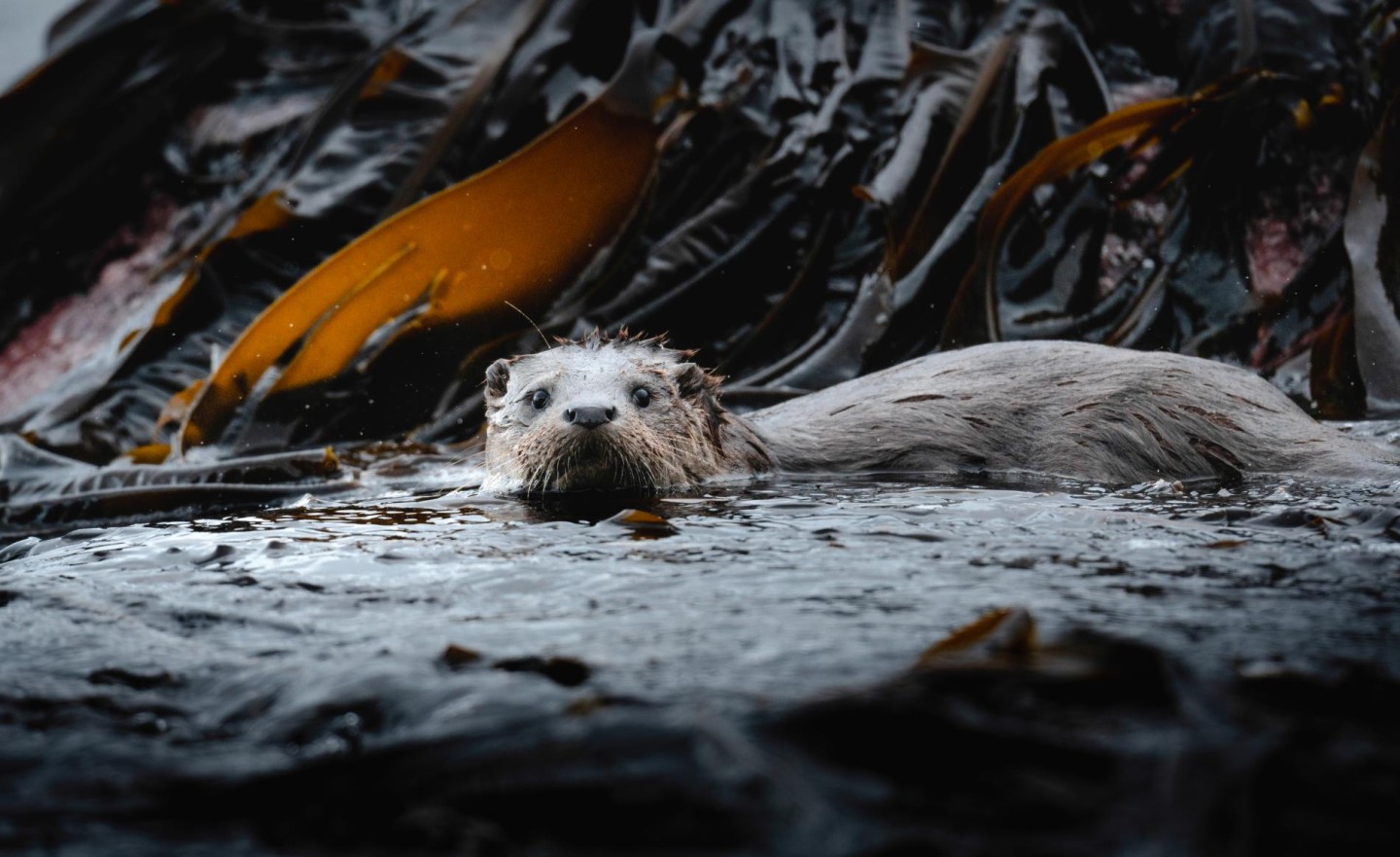
Scotland: A wilderness. A place where creatures forage unseen. A place where too it’s not uncommon for an otter to slink across the path in front of you. Or to feel the magic of coming face-to-face with a red stag. The experience amps up in spine-tingling-ness when it takes place after dark: when eye shine pierces the cloak of nighttime.
“Wildlife watching at night definitely has its own brand of attraction, just as watching wildlife in daytime does,” says Harris Brooker, an evening guide with Speyside Wildlife in the Cairngorms National Park. “Even for things that are not strictly nocturnal, such as red and roe deer, if light conditions are poorer there’s a certain thrill in coming across them suddenly. It can make even benign creatures seem more exciting and otherworldly.”
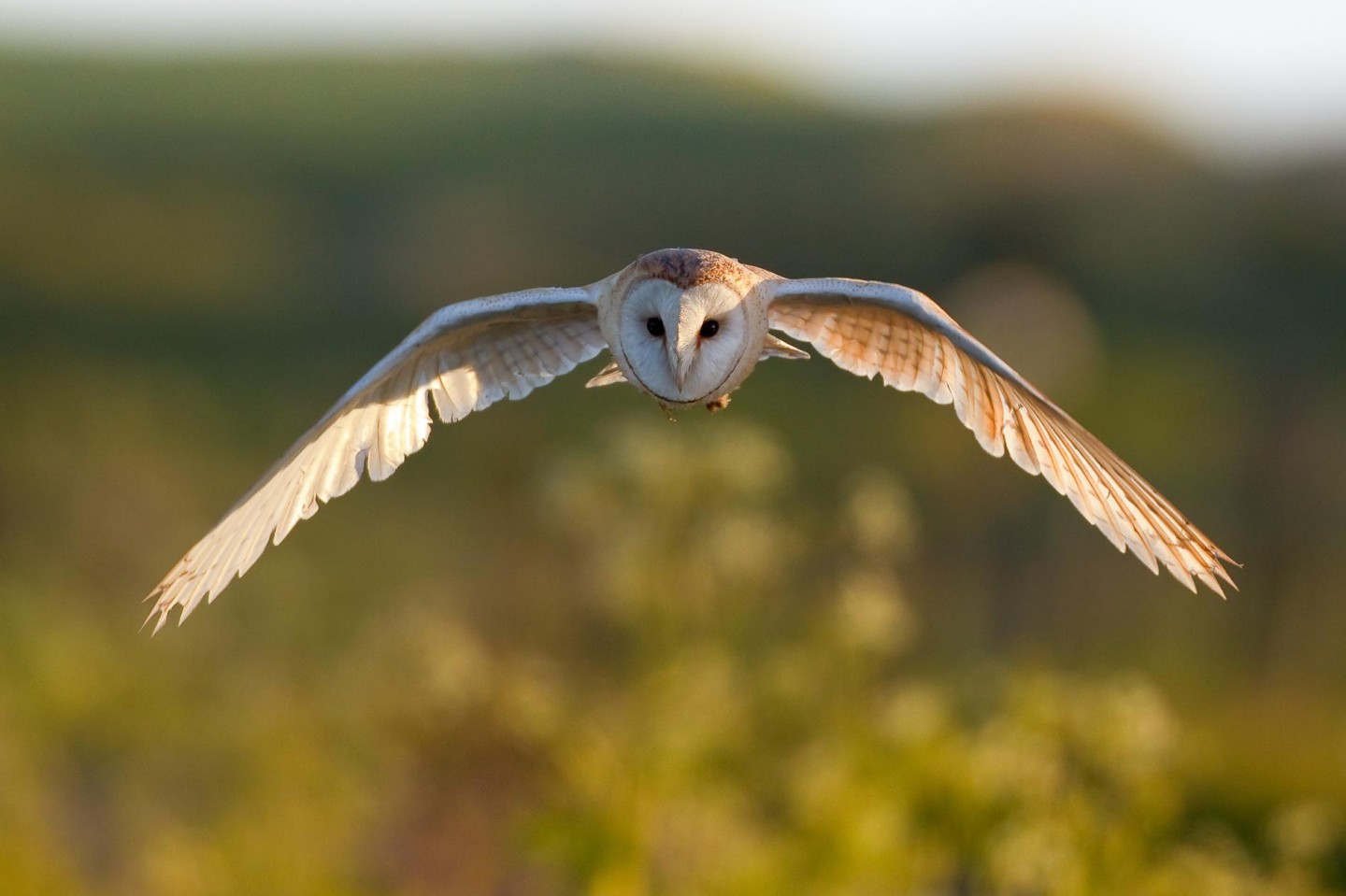
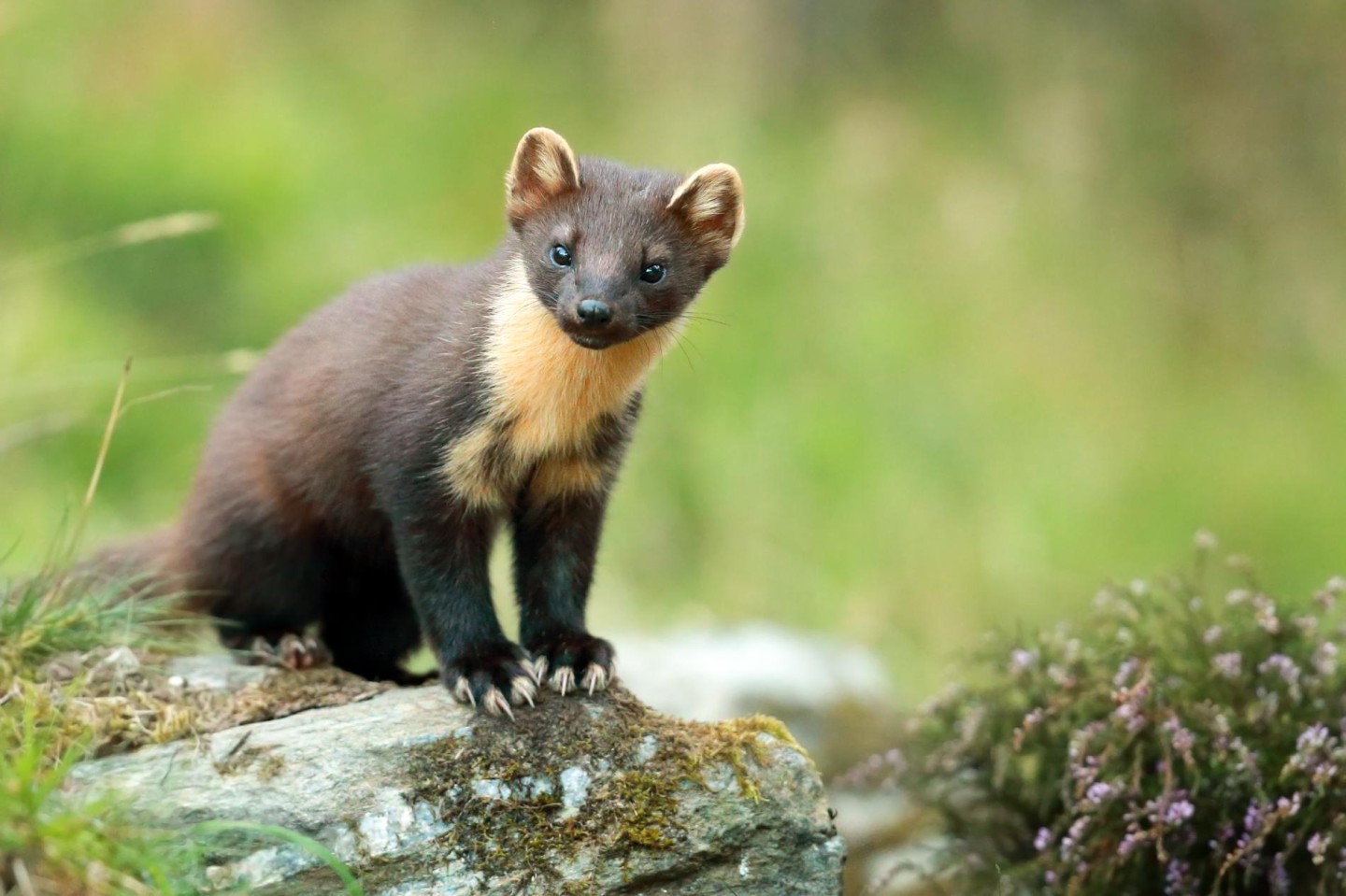
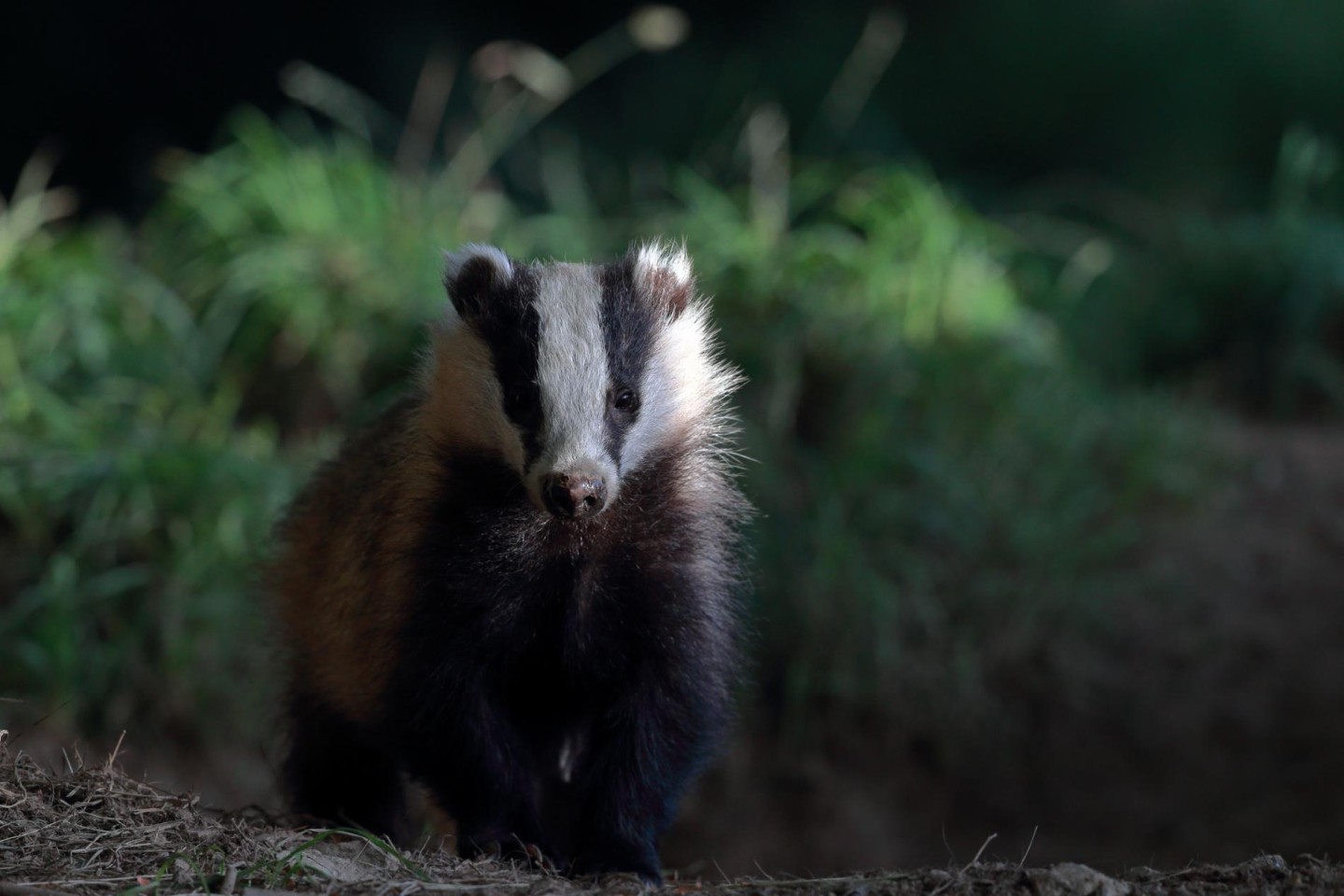
In fact, nighttime viewing is “virtually mandatory” for some birds, including barn, tawny and long-eared owls, says Harris, as well as pine martens and badgers, which can be best observed from specialised wildlife hides. When preparing for an evening hide visit, he recommends wearing warm, waterproof clothing – especially jackets, hats and gloves in winter, in case it is cold and wet.
To improve your chances of spotting wildlife in the dark, he says, “bring torches, or better still, a night vision scope – the latter can be helpful in watching wildlife without disturbing it”. He adds that it is a good idea to do some reconnaissance during the day so you can survey the habitats. “Any tracks, scat and paths that look as though they’ve been made by animals should be noted as this can give you ideas where to go when it’s dark.”
This is also why he recommends bringing binoculars – “as sometimes you’ll be there while it’s light and interesting things can be seen during this period”. But if you plan to take cameras or tripods, check in advance that there will be space. “Photographing wildlife is a different activity to watching wildlife,” he says, “so photographers have use of an exclusive hide where they have space to set up.”
As for guides, it can be helpful to go with someone who knows the area. Harris says they will have experience of what can emerge and from where: “Guides can add value, especially if you have limited time, in making sure you’re looking for the right signs at the right time and knowing where animals may appear.”
And while spontaneous encounters will always be enchanting, hides can provide comfort when watching for the long-haul. They also offer perfectly hidden windows, right in the wildlife’s habitat, that give you closer glimpses. Here are five to choose from – with some for day and night.
Garbh Eilean Wildlife Hide Loch Sunart
Birdsong carries with the breeze up Loch Sunart and through the peephole windows of this loch-shore hide, in ancient Atlantic oak woodland on the Ardnamurchan Peninsula. Look out to Garbh Eilean and neighbouring Eilean a Chuilinn for sightings of seals and herons. Watch too for otters, waders, ducks and seabirds such as common tern, as well as rarer species like golden eagles and whitetailed eagles. To get there, park at Ardery then follow the easy path through oaks, hazel and birch to the hide, which has viewing slots at different heights, fact sheets and a telescope.
Find out more: forestryandland.gov.scot/visit/garbh-eilean-wildlife-hide
Speyside Wildlife Cairngorms National Park
In the Caledonian Pine Forest near Aviemore, Speyside Wildlife run guided evening wildlife watching experiences from their baited hide – so animals come right up to the picture windows. There are infrared cameras to give notice of wildlife moving in the nearby forest, as well as lighting to illuminate the viewing area and a microphone so you can listen in on the animals’ activities. The most frequent visitors are badgers and pine martens, but you might also spot roe and red deer, and tawny owls. Each visit lasts around three hours. There is also a badger photography hide for exclusive hire.
Find out more: speysidewildlife.co.uk
Machrihanish Seabird & Wildlife Observatory, Kintyre
Uisaed Point at the southern end of Machrihanish Bay on the northern coast of the Kintyre Peninsula juts into the Atlantic, where this hide, in a wind-beaten shed right on the shore, witnesses the migration of more than 200 species of seabirds. The likes of Leach’s petrel, Balearic shearwater and Sabine’s gull are all granted steady passage thanks to the configuration of the coast. Otters and grey and common seals are frequently spotted, and if you’re lucky, you’ll witness basking sharks, minke whale and bottlenose dolphins. There is wheelchair access and an outdoor viewing platform. Check opening times before visiting.
Find out more: machrihanishbirdobservatory.org.uk
Falls of Clyde Lanark
This Scottish Wildlife Trust reserve is entangled in the gorge-spliced woodland around the Falls of Clyde, where some of Scotland’s oldest oak, ash, hazel and rowan trees house a variety of secretive species. Follow the riverside trail to look for otters; join an evening badger watch, which run year-round; and pack your binoculars to spot more than 100 species of birds, including kingfishers and dippers. There is an unmanned visitor centre with badger camera footage, games and information panels, as well as a Victorian self-guided trail.
Find out more: scottishwildlifetrust.org.uk/reserve/falls-of-clyde/
Kylerhea Otter Hide, Isle of Skye
Otters are notoriously difficult to spot when you set out to spot them. But with patience and a little luck, visitors to Kylerhea otter hide may get a glimpse of the elusive marine mammals playing on the remote shore. The hide overlooks the Kylerhea narrows on Skye – once an important crossing for drovers taking cattle to market – but these days, be sure to take your binoculars to look out for seals, porpoises and the white-tailed sea eagle. While you wait, soak up the views of Glenelg across the water. To get there, follow the easy one-mile Marine Mammal Trail from Kylerhea car park (charges apply).
Find out more: forestryandland.gov.scot/visit/kylerhea
words // Emily Rose Mawson - photography on this page // Sarah Afiqah Rodgers & David Dinsley
Promoted Post
The Scullery
Tucked away in the heart of the Yarrow Valley, The Scullery is a one-bedroom boutique hideaway, eloquently designed for comfort, calm, and connection. Whether you’re escaping the city or craving a countryside reset, this is your space to slow down and just be.
-listable-carousel-1769292770.jpg)








 Sign in with Google
 Sign in with Email