
Discover Borradill with owner and interior designer Claire Mookerjee
Claire Mookerjee spent years working in masterplanning and interior design, and a stint living in Copenhagen got her hooked on Scandinavian cabin culture: the wild swimming, the foraging, the way good design makes a remote holiday feel inviting. Borradill is what happened when she brought that thinking back to the Scottish west coast.
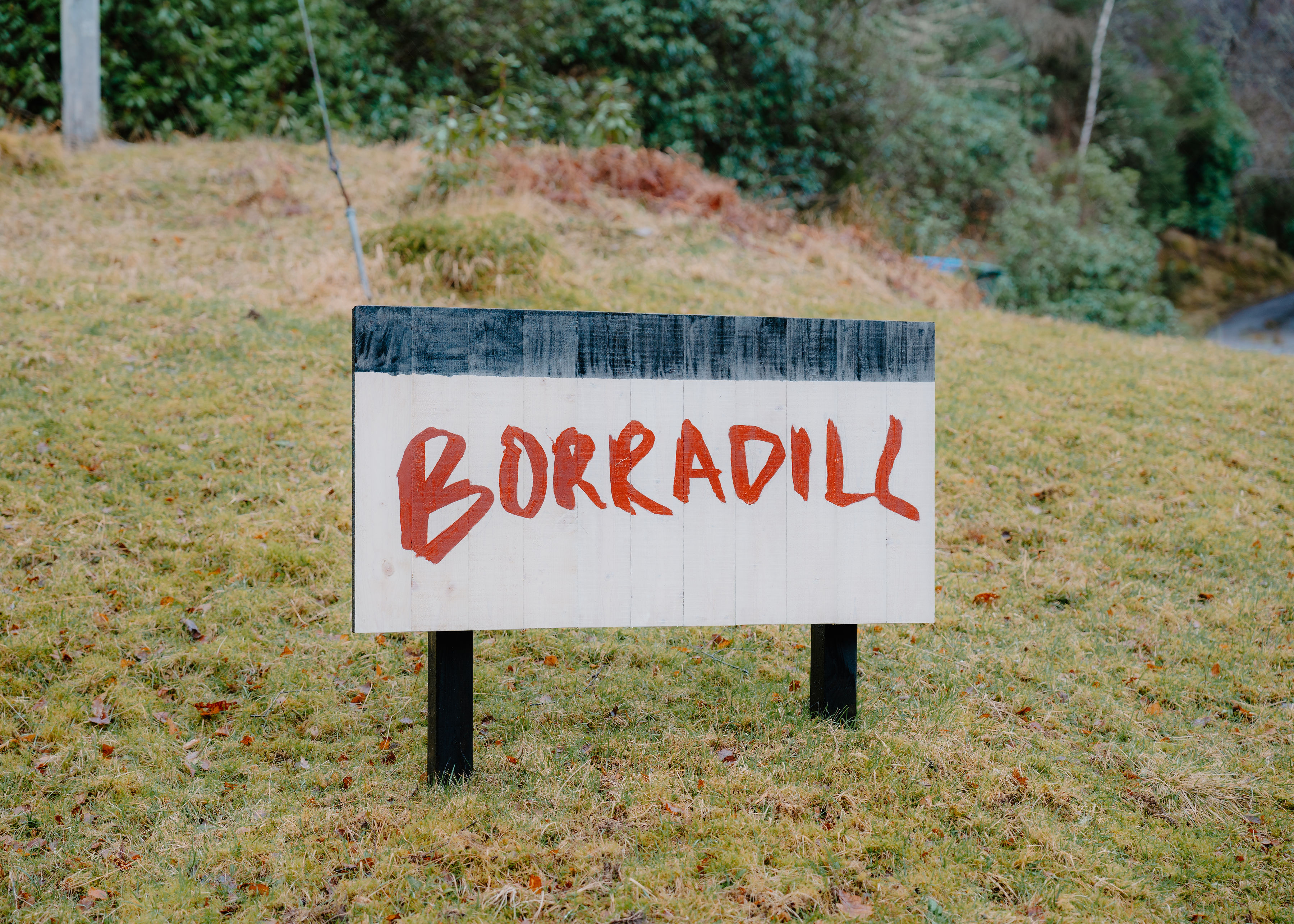
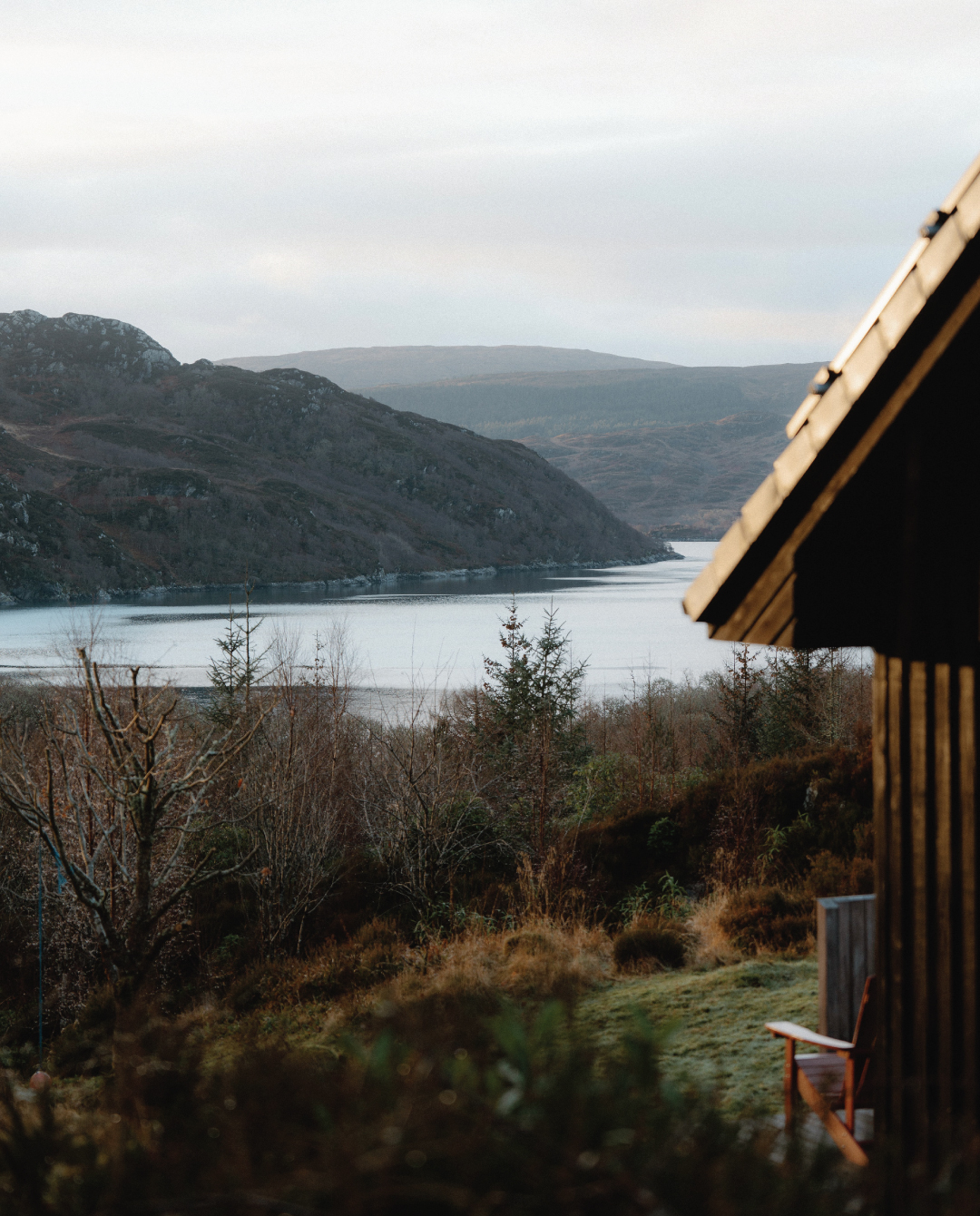
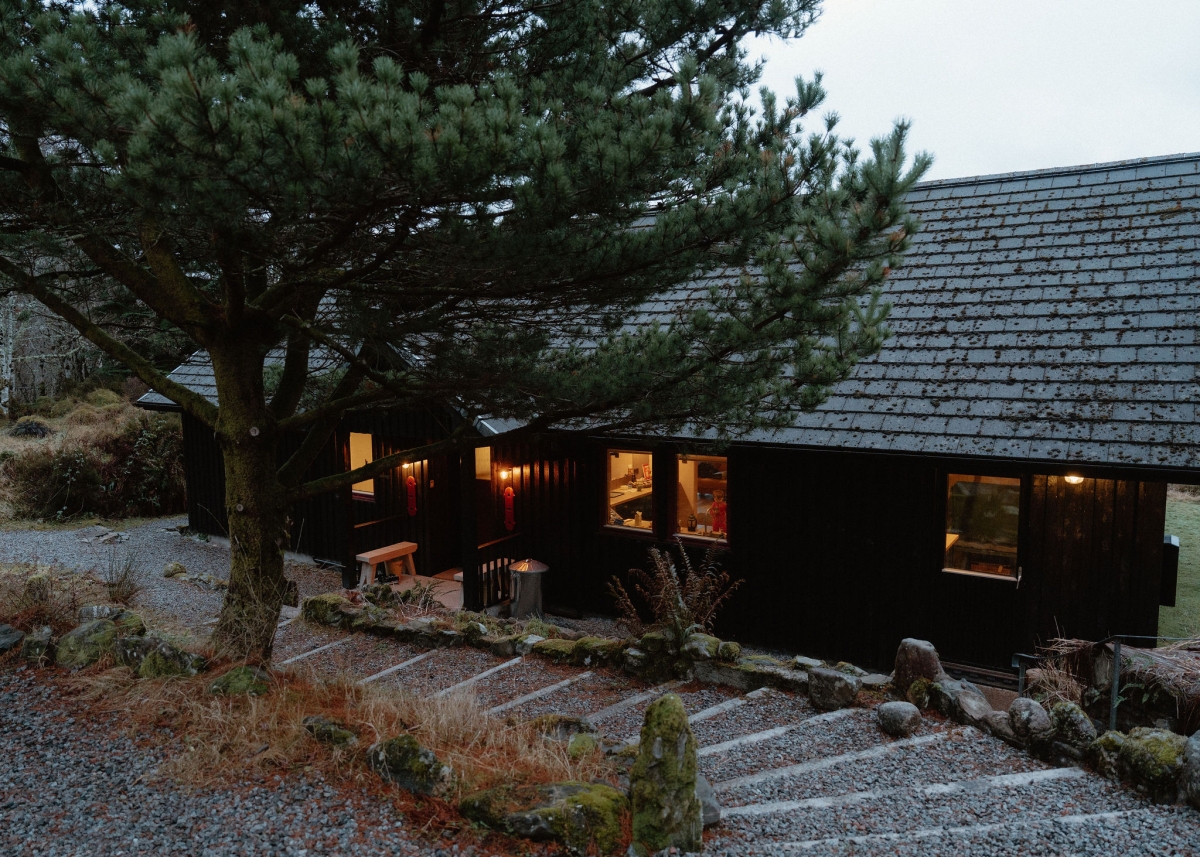
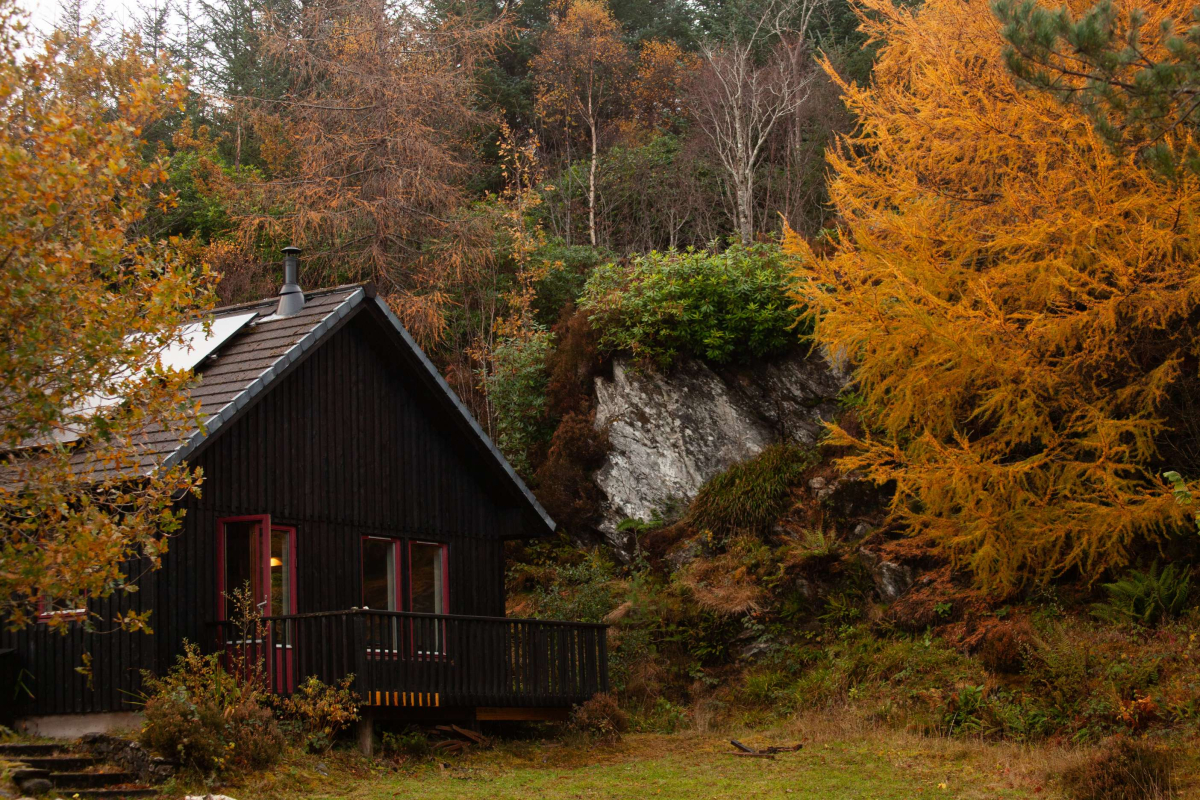
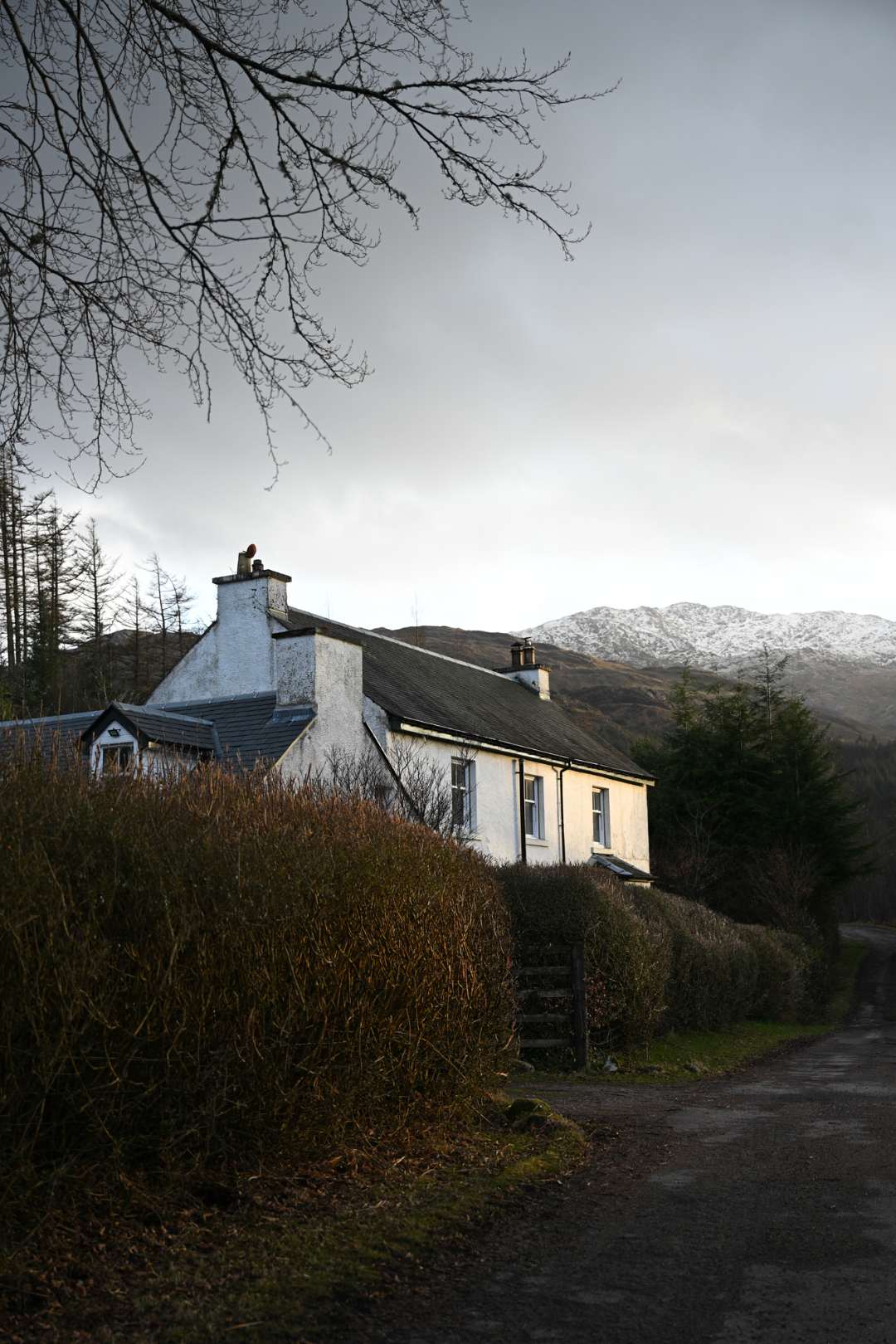
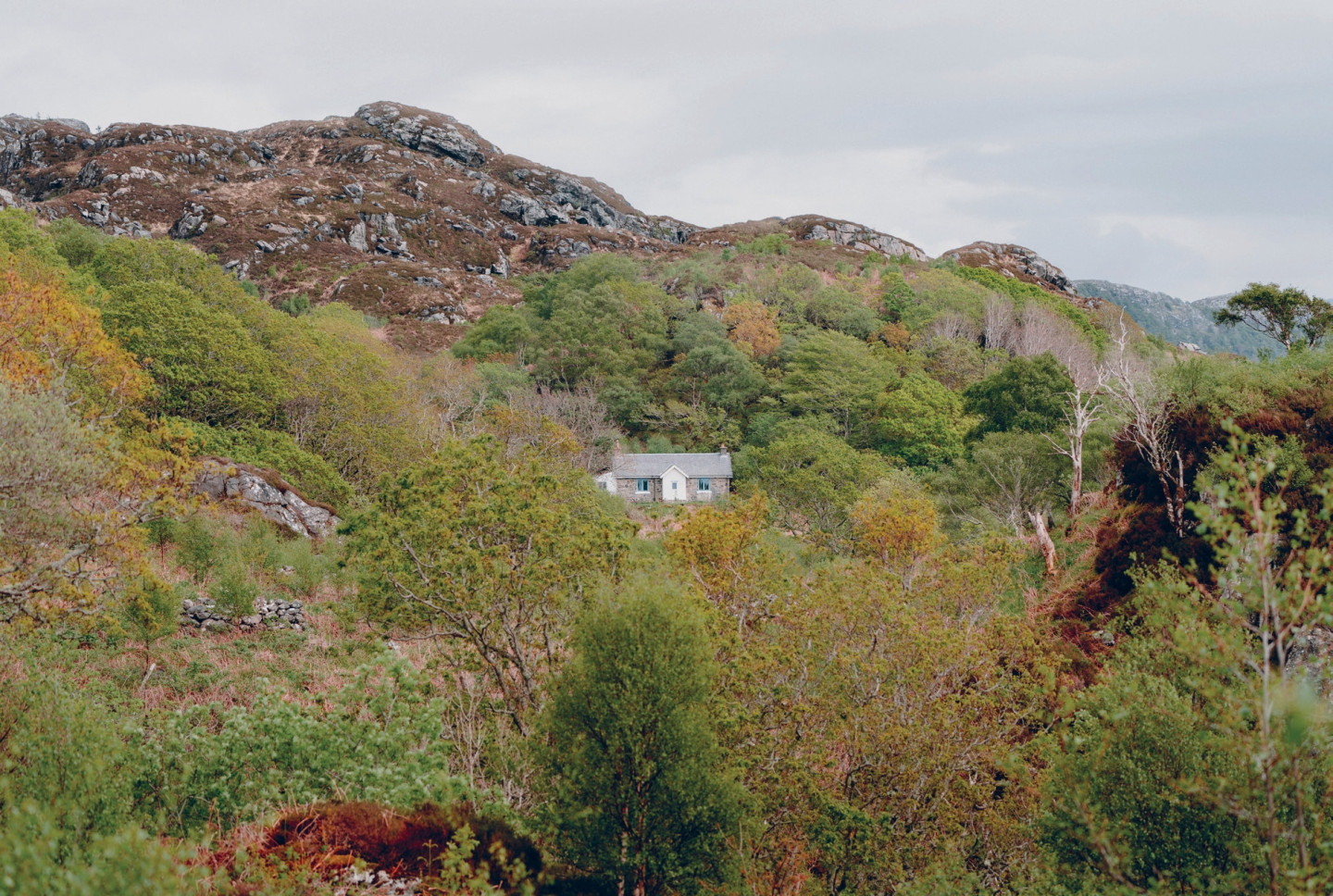
It sits on 25 acres of woodland above Loch Sunart, on the Ardnamurchan peninsula. Two timber cabins, the House and the Cottage, with views across to the Isle of Carna and not another building in sight. Claire and her family had been visiting this stretch of coast for years before they took the place on. We spoke to her about the design, the challenges of building somewhere this remote, and why she thinks Ardnamurchan is where the Highlands becomes the Hebrides.
How would you describe Borradill to someone discovering it for the first time?
Borradill is a woodland set into the hillside between the sea loch below and the moors behind, with two timber secluded cabins at its heart, offering spectacular views across to the Isle of Carna and the hills of Morvern beyond. It’s a place where the view dominates and the changing weather is operatic in both scale and drama.
The secluded cabins are designed for old-fashioned adventures and romantic getaways. In the woods around them, paths lead you to chanterelle mushrooms and blueberry bushes; down on the shoreline, scallops and starfish can be found. Herons by the ponds, frogs, occasional otters, pine martens, Eagles overhead and Dolphins down on the beach. It’s a place to be enchanted by nature, yes, but also by a sense of time and the unchanging character of the land.
From the House and Cottage, not another building is in sight, and over the course of a week the feeling that this view is unchanged — possibly for thousands of years — becomes cathartic. That sense of smallness we seek in the wilderness is something you experience all week while staying here, and you leave with a renewed perspective.
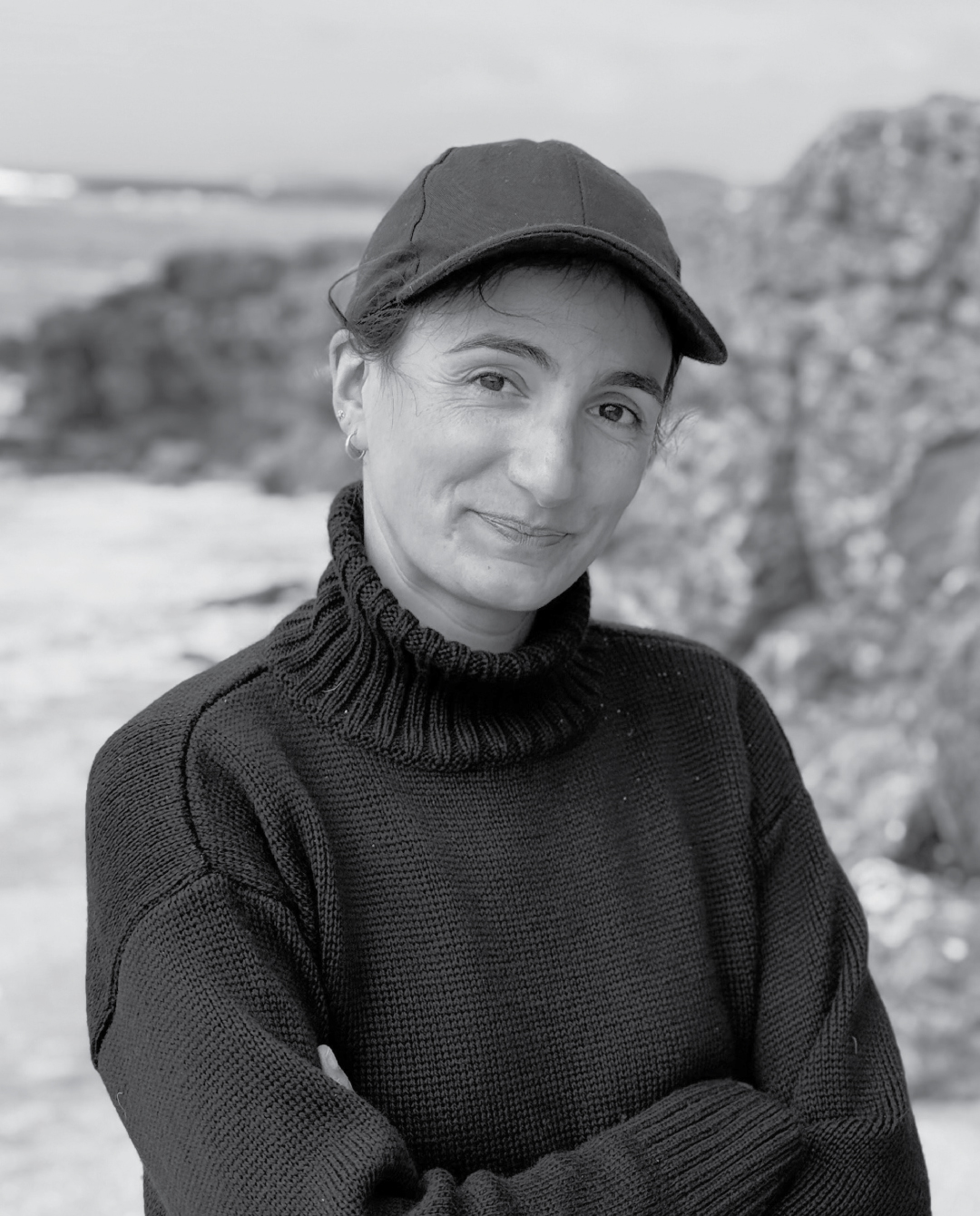
Could you tell us a little about yourselves and how the idea for Borradill first came about?
While living in Copenhagen for work, I became very taken with cabin culture and, more broadly, the way Scandinavians use design to make wilderness holidays inviting, comfortable and cool. Wild swimming, foraging, kayaking — these are all completely standard for many Scandinavians.
Around the same time, I stayed in a number of Scottish bothies and had some wildly wonderful experiences. It occurred to me that combining these two ideas could work beautifully in a Scottish context - creating family friendly scottish cabins in remote locations.
My career spans masterplanning, strategy and interior design, and from a professional perspective I could see an opportunity in the UK for elemental, nature-immersed stays — with well-insulated, modular, timber-framed buildings (which is exactly what the Borradill cabins are). I firmly believe that there is a strong future for this kind of holiday across Scotland, and that creating a variety that builds on local vernacular design and craft could be really significant for local economies.
You had been visiting Ardnamurchan for many years before starting the project. What first drew you to this part of the west coast?
We had a few friends with connections up here who not only showed us some of the most beautiful places, but whose infectious enthusiasm — for the stories, the botanising, the foraging, the fishing, the conservation projects — had us utterly hooked.
Then a friend of my husband’s asked if we’d like to share his caravan at the very end of the peninsula on the most incredible white sand beach. We had tiny children at the time; they fell in love with the place, and in doing so planted the seed for a much bigger project.
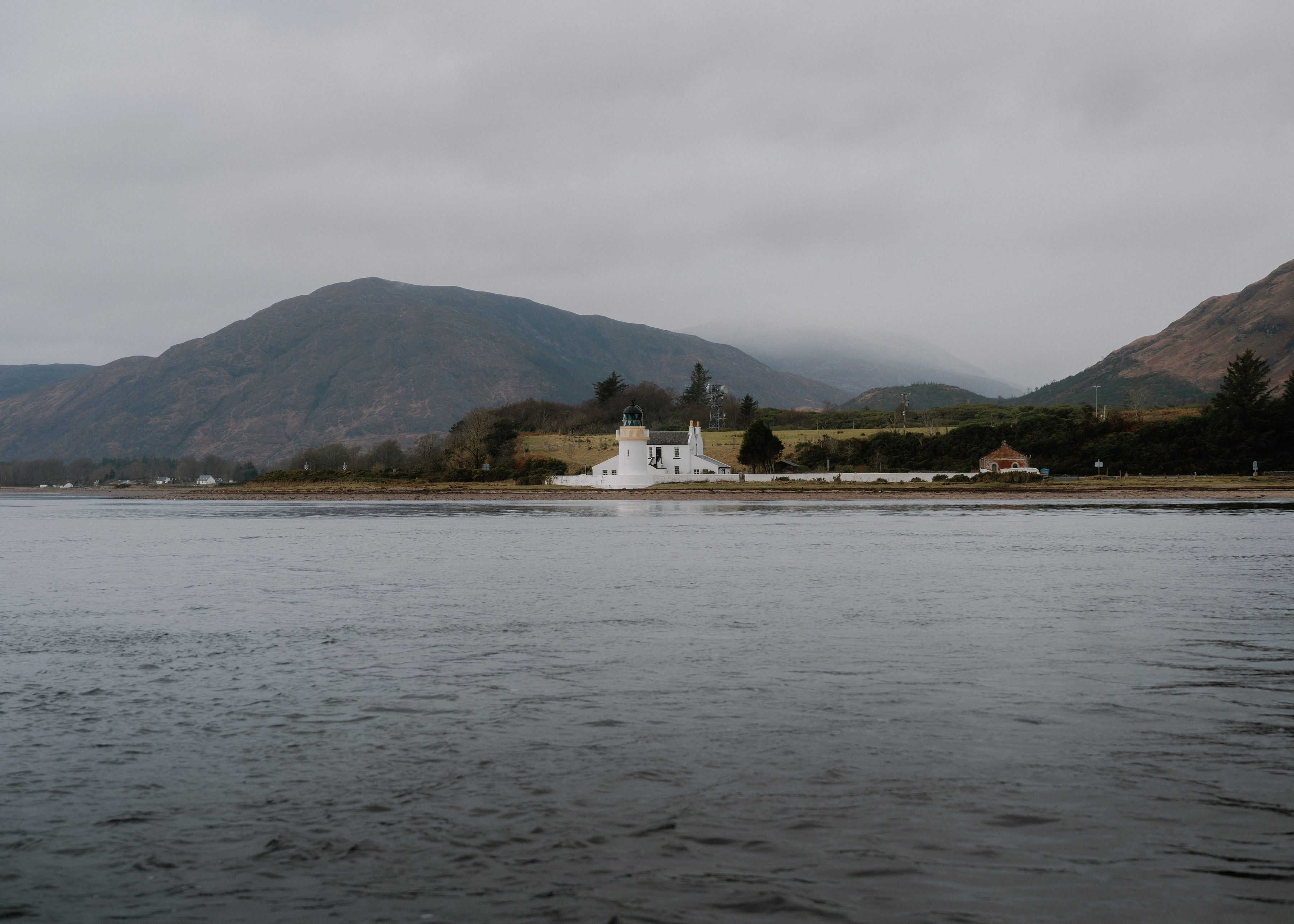
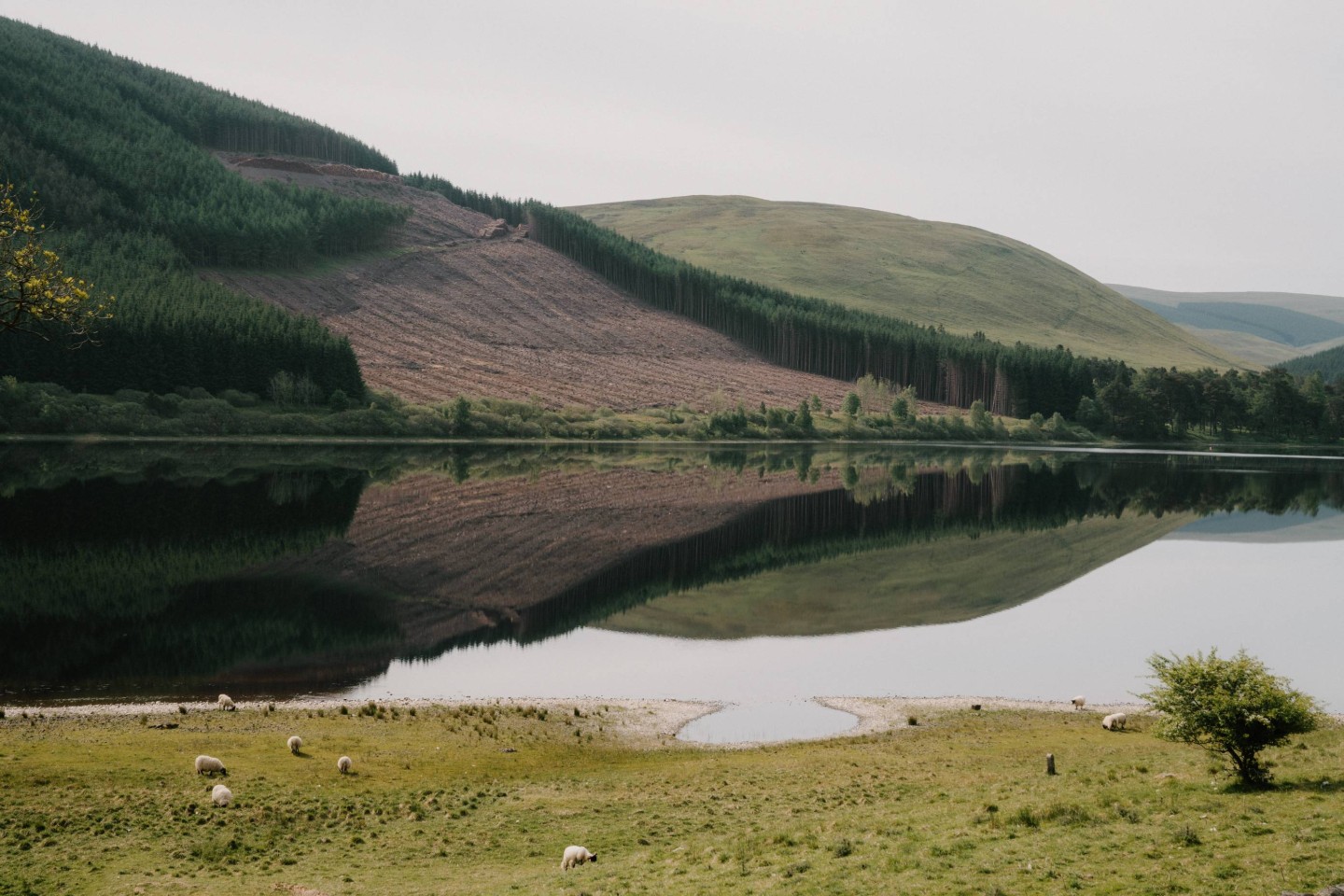
There is a unique gentleness to the coastline of the Sea Loch here with ancient oaks falling into the smooth rocks and small inlets and islands. This all then becomes a hebridean landscape a few miles down the road, with dramatic volcanic peaks and white sand beaches. It just feels like the most magical landscape, where the Highlands meets the Hebrides.
How did the design process for Borradill begin once you decided to take on the cabins?
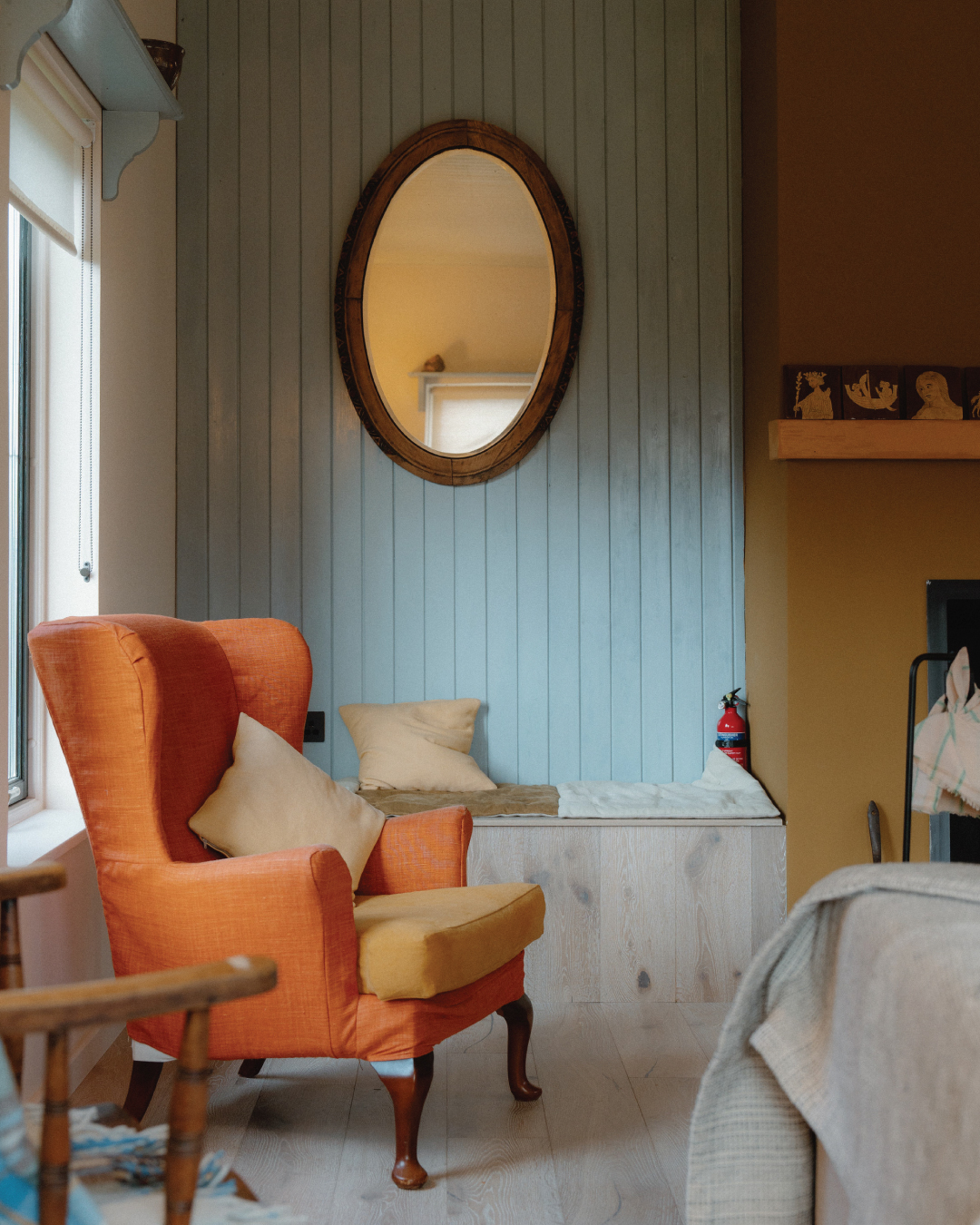
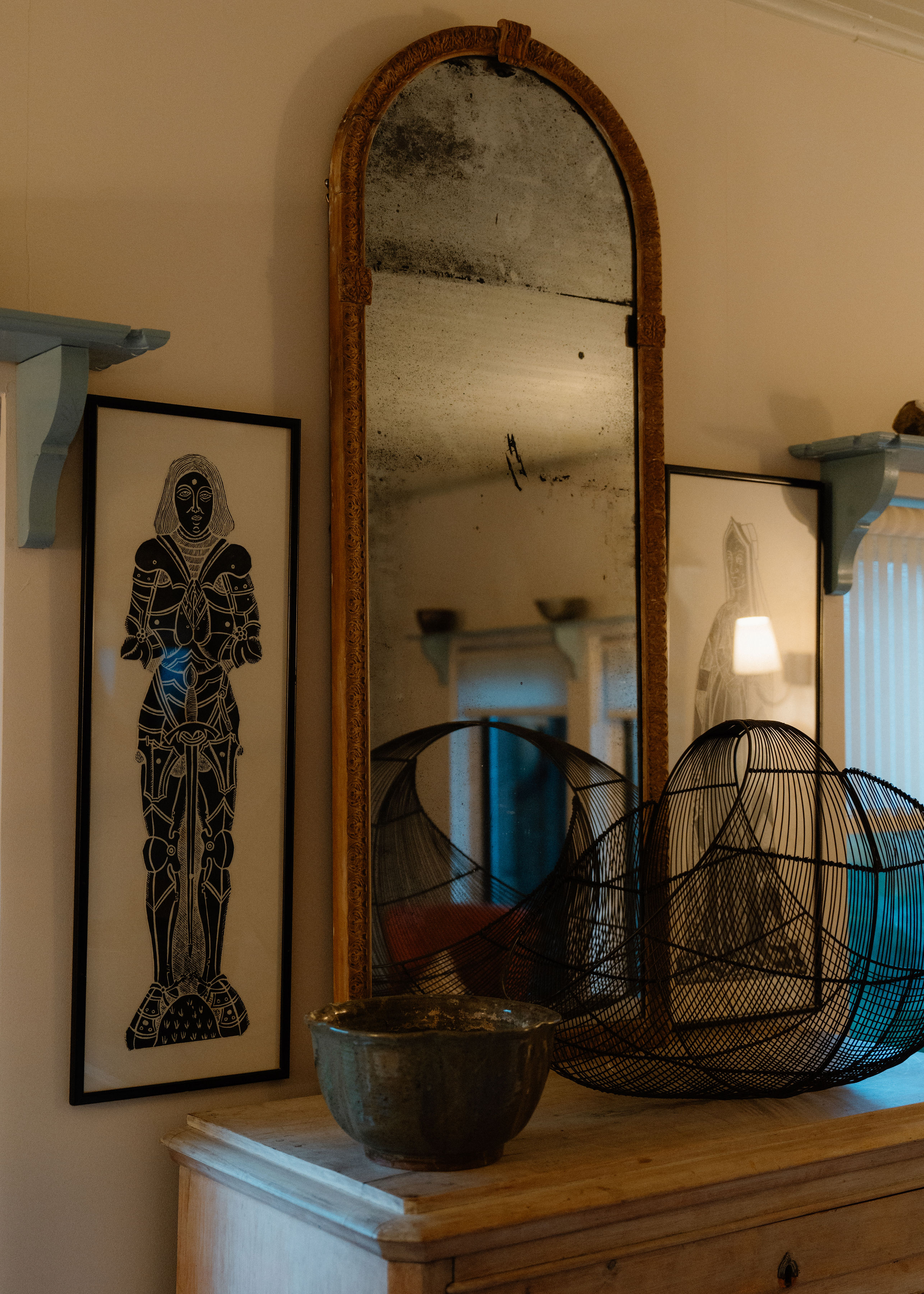
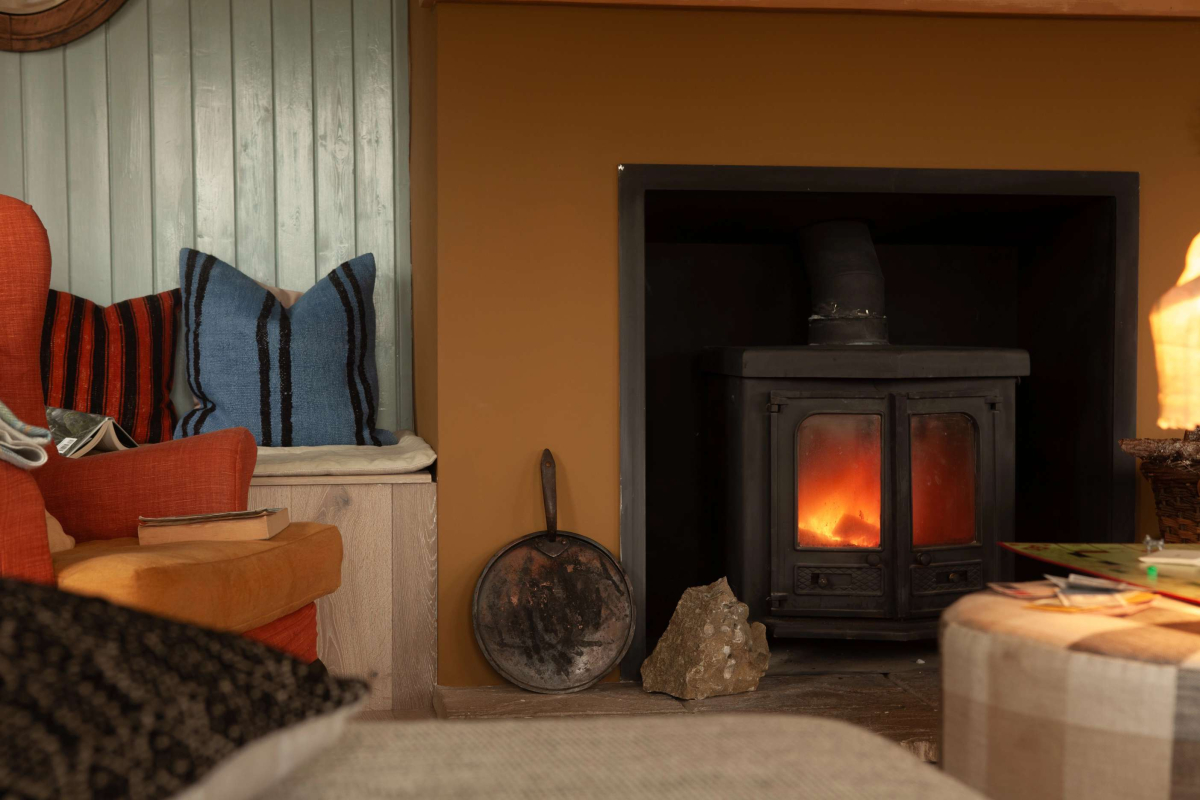
We had in mind a distinct segment of who this place is for. People escaping city and screen based life and wanting to take a slower pace. To land and just be here - exploring and nurturing their creativity and curiosity like Victorian botanists - long chats by the fire and big nature adventures like whale watching and sea kayaking. Wild swims in frigid temperatures, beach fires. The backdrop for this kind of old fashioned leisure is robust, colourful, fun and materially solid. Plenty of interest and also plenty of calm. I achieved the balance with materials and pieces that all descend from Bothy and Cabin heritages - captains tub chairs, windsor chairs, over sized oban checks and weaves from Finish mills. Stained and colourfully painted wood. It all has the language of leisure. I also discovered a range of art and artists which has turned into Borradill Editions, pieces made about or from this place. Art is plays such an important part in getting to know a place and our first guests kept asking if they could buy pieces so Borradill Editions came into being.
What were some of the biggest challenges in transforming the buildings into the place they are today?
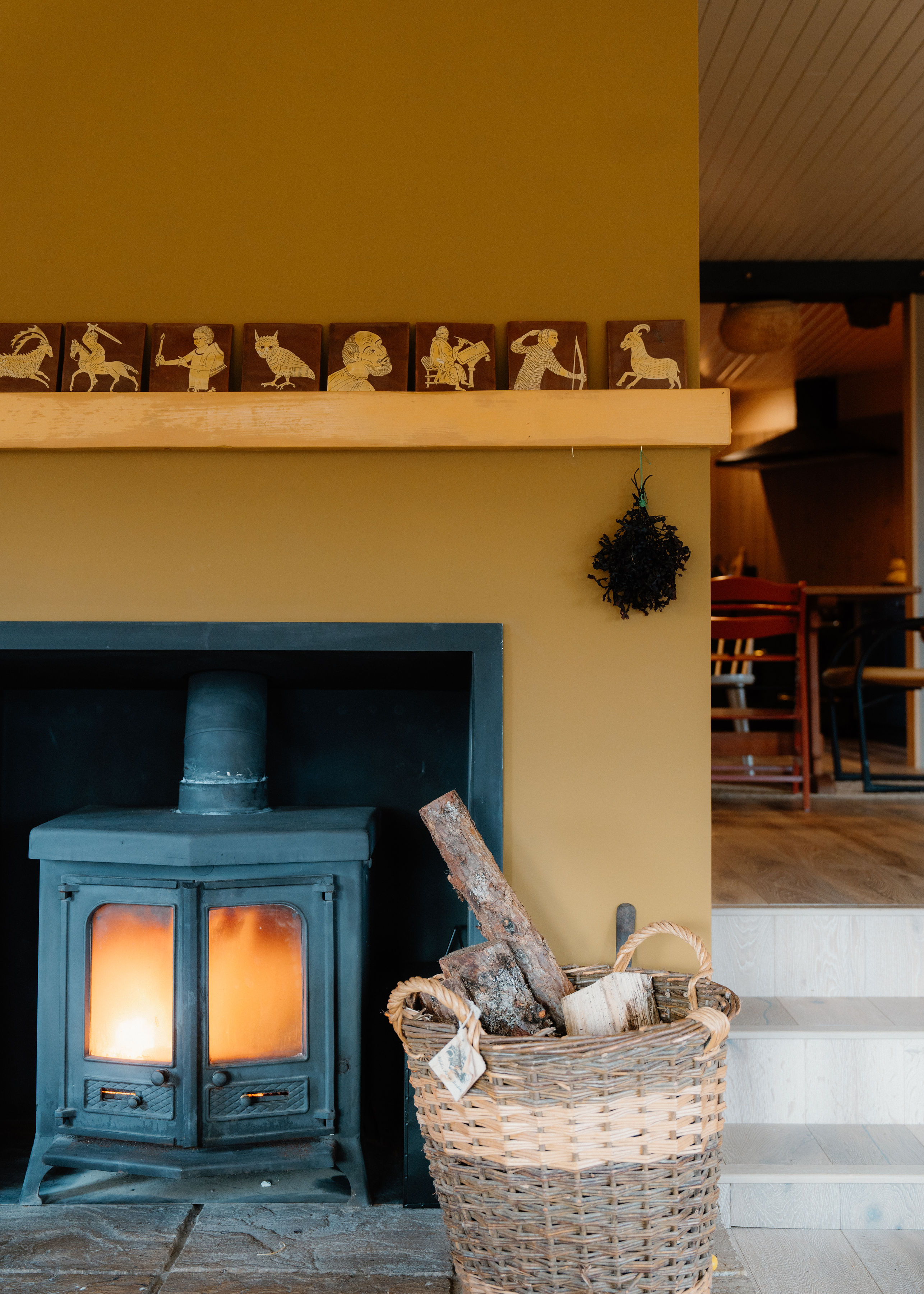
The layouts and interiors were very dated and had been created as a home — not a wild retreat — so we had to rethink them entirely, introducing dog-friendly boot rooms, proper places for kit, and truly evocative wood-burning stove areas.
The practicalities and constraints of renovating somewhere this remote are significant. It’s not just about materials and logistics, but also about who is around and what skills are available. In a sense, we always began with the question: what can you do? — and then designed from there.
The process was far more ad hoc than the projects I usually work on. There was a lot of making do and making decisions on the spot, rather than working entirely from drawings. Wherever possible, we used local timber and local businesses, such as the brilliant Russwood, and we were lucky to find some very skilled local joiners and woodworkers.
Borradill sits within 25 acres of woodland overlooking Loch Sunart. How did the surrounding landscape influence the way the cabins were designed and used?
With huge picture windows and the views as the main attraction, all the colours inside needed to harmonise with and echo the landscape. By using natural clay-based and linseed oil pigment paints, I think that’s exactly what we’ve achieved.
The woodland itself is a long-term restoration project, which we will undertake over many years — gradually removing non-native species. Guests, along with their children and dogs, are free to roam the full extent of the 25 acres, which is incredibly special.
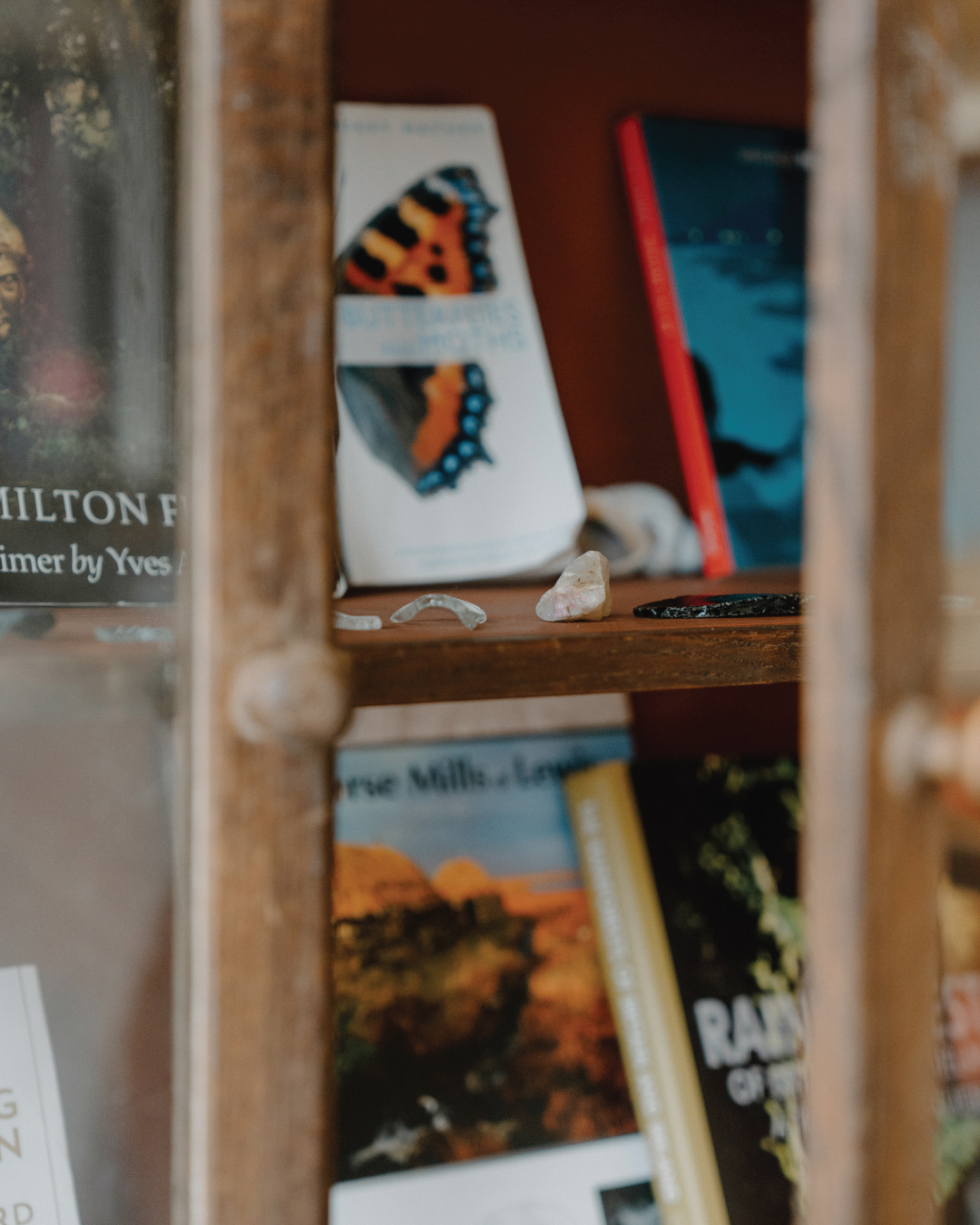
With a children’s den area, streams, ponds and abundant wildlife, it’s a perfect place to sit with a coffee and watch the world go by — or to set up a landscape painting, or make sound recordings of the birds. The paths traverse different areas: pretty birch stands, deep, dark larch woods, and high viewpoints looking out to the Atlantic Ocean, Mull and beyond. Other paths lead directly onto the moor and onwards to ancient oaks, waterfalls and hidden pools.
It really is an adventure from the door.
Do you have favourite spots around the property where you like to spend time when you’re there yourselves?
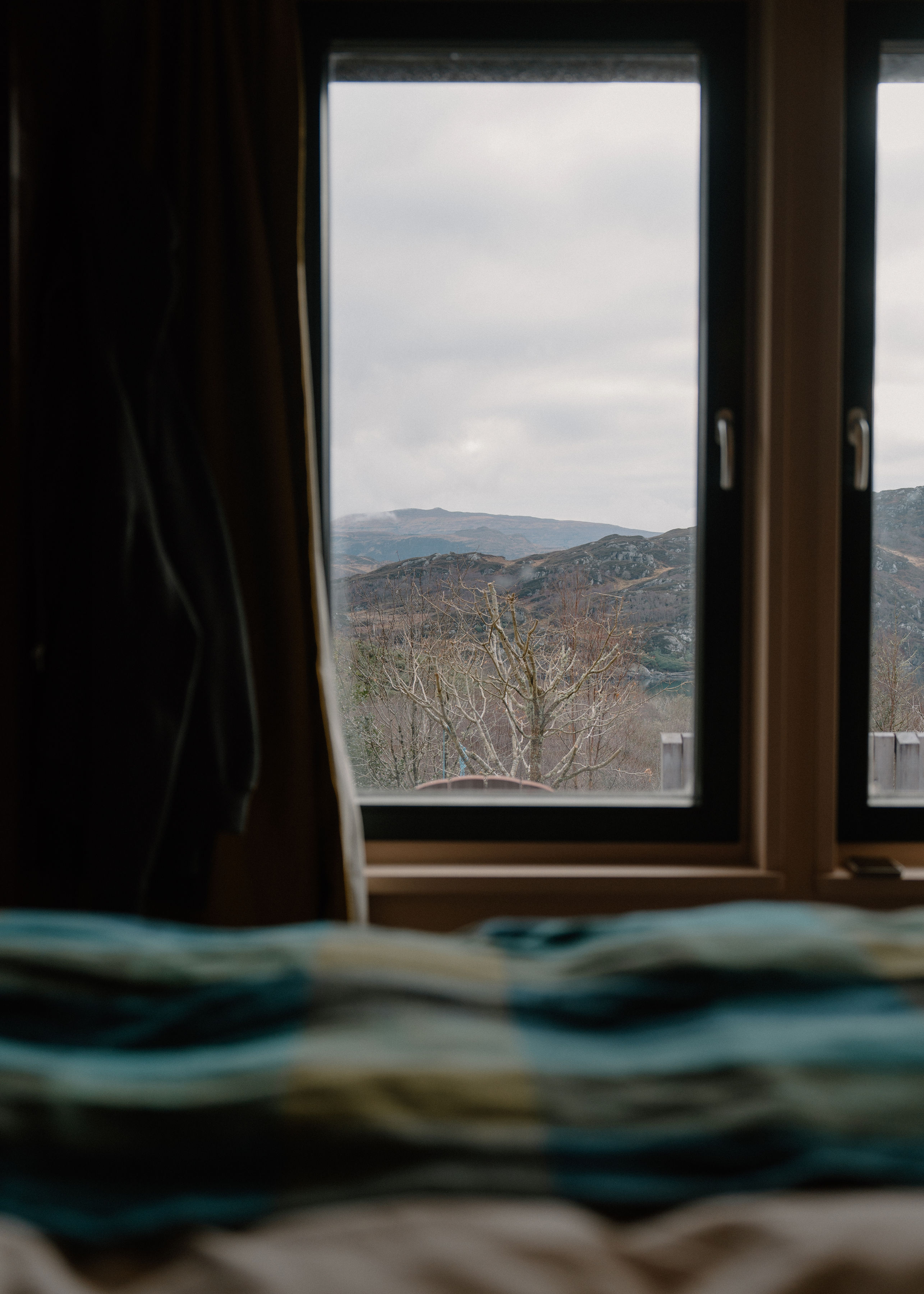
Watching the sunrise over the loch from bed is my perfect start to the day - followed by taking a cup of coffee into the birch woods and watching the place come to life as the sun gets higher in the sky.
in the evenings the sunsets in the west cause the Island Carna in front to turn a neon pinkish colour which is truly mesmeric.
Ardnamurchan is often described as one of the wildest corners of mainland Britain. What do you think makes the peninsula so special?
Whilst it’s truly wild, I find that it is it’s gentleness - combined with the feeling of being completely unspoilt which is so magical. Like you’ve uncovered a precious jewel by turning up a rock. We say it is where the Highlands becomes the Hebrides - so there is something magical about that transition.
For someone visiting the area for the first time, what do you think they often find most surprising about it?
The landscape is very varied and in a way is a medley of the best of what the Highlands and Hebrides have to offer - big scale moorland, ancient craggy oaks falling into the water, stands of Caledonian pines on little islands and massive volcanic vastness and white sand beaches.
If you were planning your own perfect day staying at Borradill, how would you spend it?
I’d start the day with a run up the hill to the waterfalls for a cold dip, followed by coffee back on the decking at the House, watching the sun rise over the loch.
Then perhaps a bit of child-friendly foraging before a picnic lunch on the local beach. In the afternoon, a big group walk up Ben Hiant, finishing the day with some kayaking out at Bay McNeil and a beach fire. It doesn’t get dark until almost midnight in midsummer, so it’s a long, golden day.
Are there particular walks, beaches or places nearby that you always recommend guests explore?
Oh yes — many. But our absolute favourites are climbing Ben Laga behind Borradill, then driving out to Portuairk to walk the coast from there to the white sands of Sanna Beach.
Which local cafés, restaurants or food spots do you usually suggest guests try during their stay?
We love dinner — or Sunday lunch — at Mingary Castle. Chips at the pub in Kilchoan after the beach are a must. A quick drink at Ardnamurchan Distillery is always a treat.
Lunch or supper at Glenuig Inn, combined with a walk and swim for the views, is hard to beat. And for real food lovers, hopping on the ferry to Isle of Mull to visit Isle of Mull Cheese’s Glass Barn, then heading over on the Ulva Ferry to the new The Boathouse, makes for such a fun day out.
Promoted Post
Issue 12 is now shipping worldwide from Scotland.
Issue 12 is now shipping worldwide from Scotland.
-full-1741009545.jpg)






 Sign in with Google
 Sign in with Email