
Hunting for History on the Black Isle
Written by Beth Reid
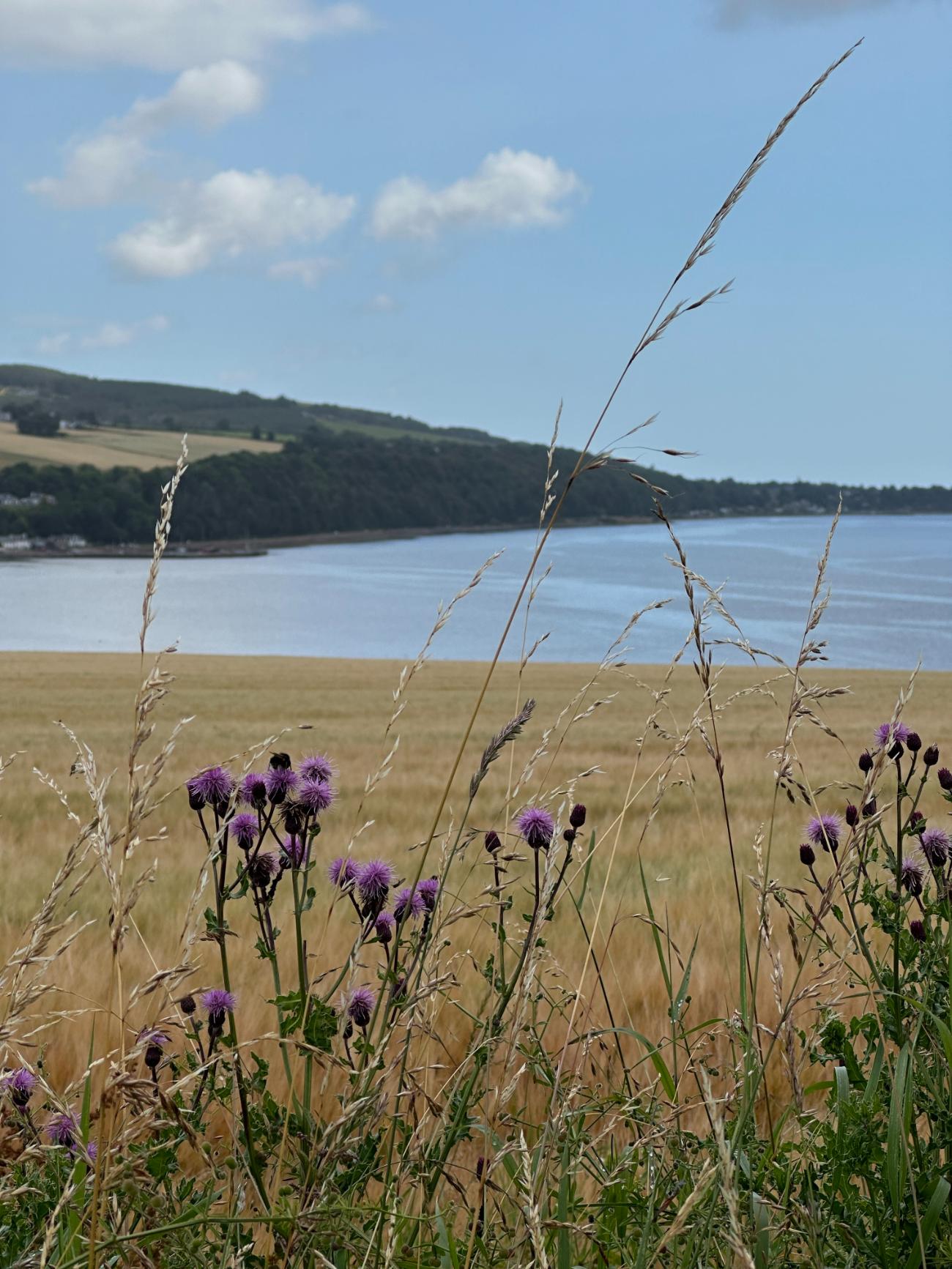
I have only begun to properly explore the Black Isle in the past year and have been overwhelmed by its beauty and rich history. This peninsula’s rolling fields and lush green woodland are surrounded on three sides by water, namely the Firths of Cromarty, Beauly, and Moray. In addition to its strong maritime relationship, this location pins the Black Isle between Inverness and the far north of Scotland, meaning that it has been a site of historical importance for centuries.
The history of the Black Isle can be discovered across the peninsula, from castle ruins and tower houses to Pictish stones and historic fishing villages. Today, I want to take you to Fortrose and its surrounding villages to explore its offering of Scottish history.
Avoch Castle
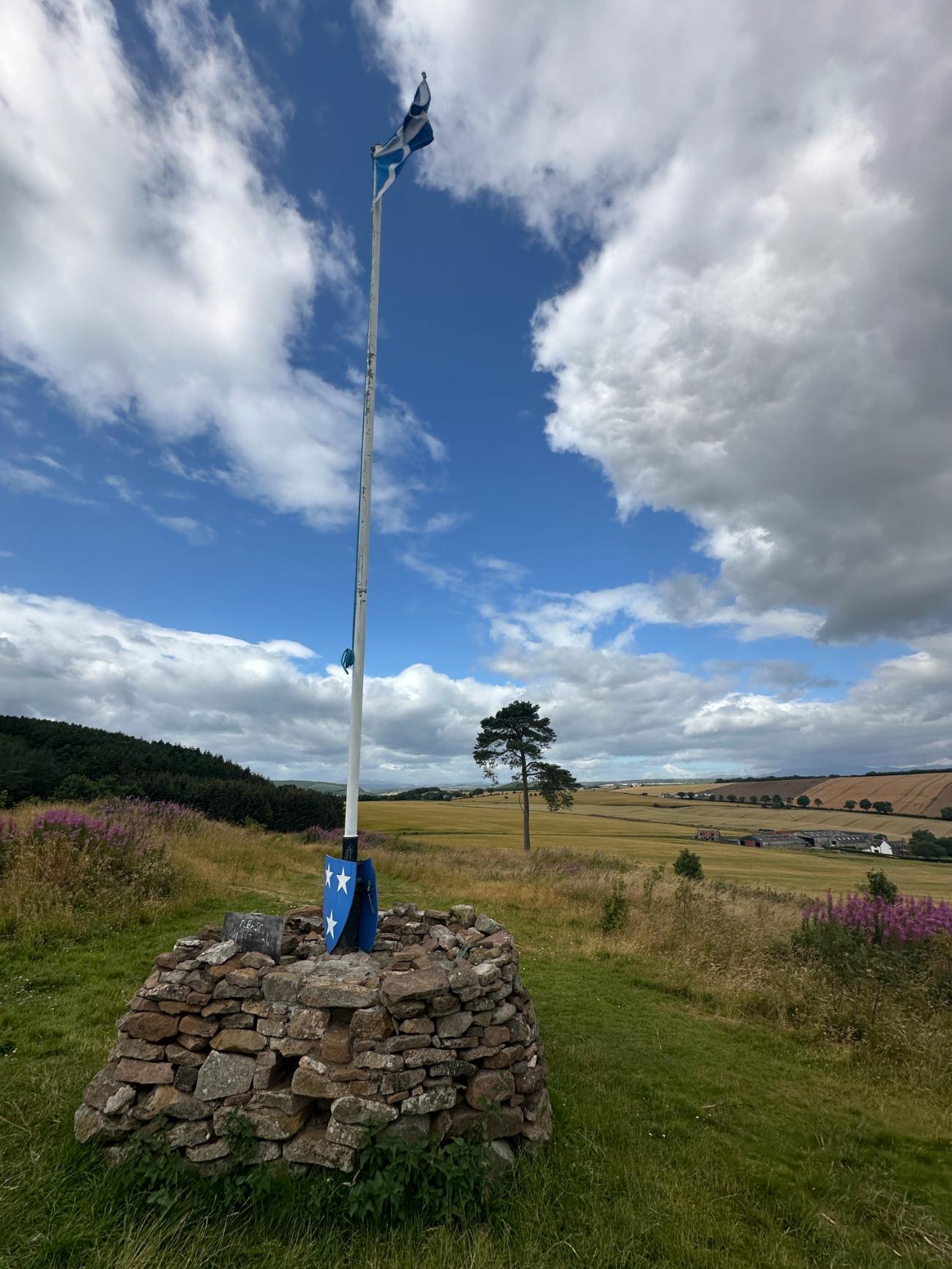
If you fancy a walk to stretch your legs as well as immersing yourself in history, then begin your adventure by making your way to the site of Avoch Castle. Unfortunately, the castle itself is no longer visible, thanks to Oliver Cromwell’s dismantling of the castle to use the stone for his construction of a new fort in Inverness during the 1650s. However, this is very much still worth a visit, particularly to experience a location that was pivotal during the Scottish Wars of Independence.
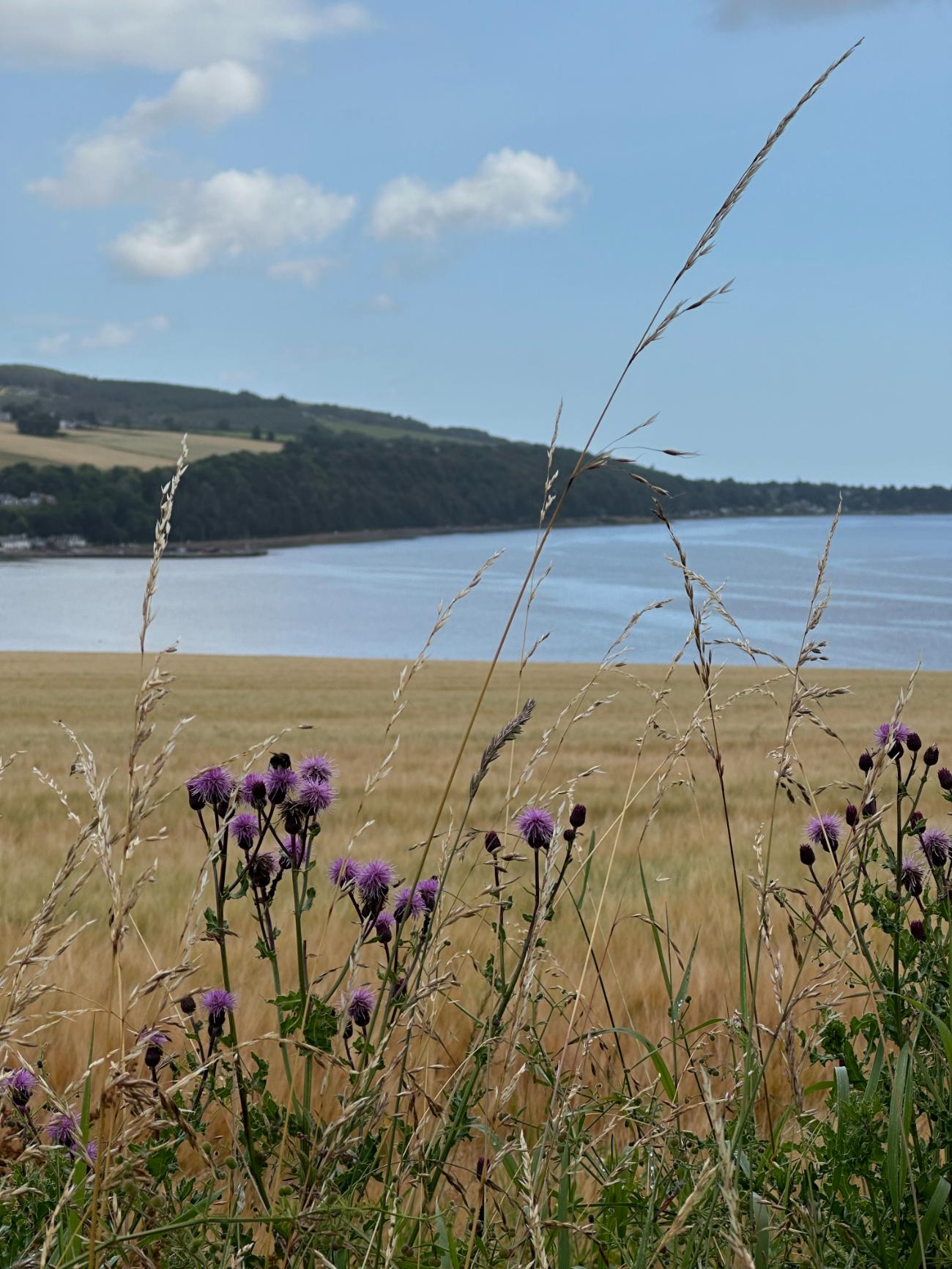
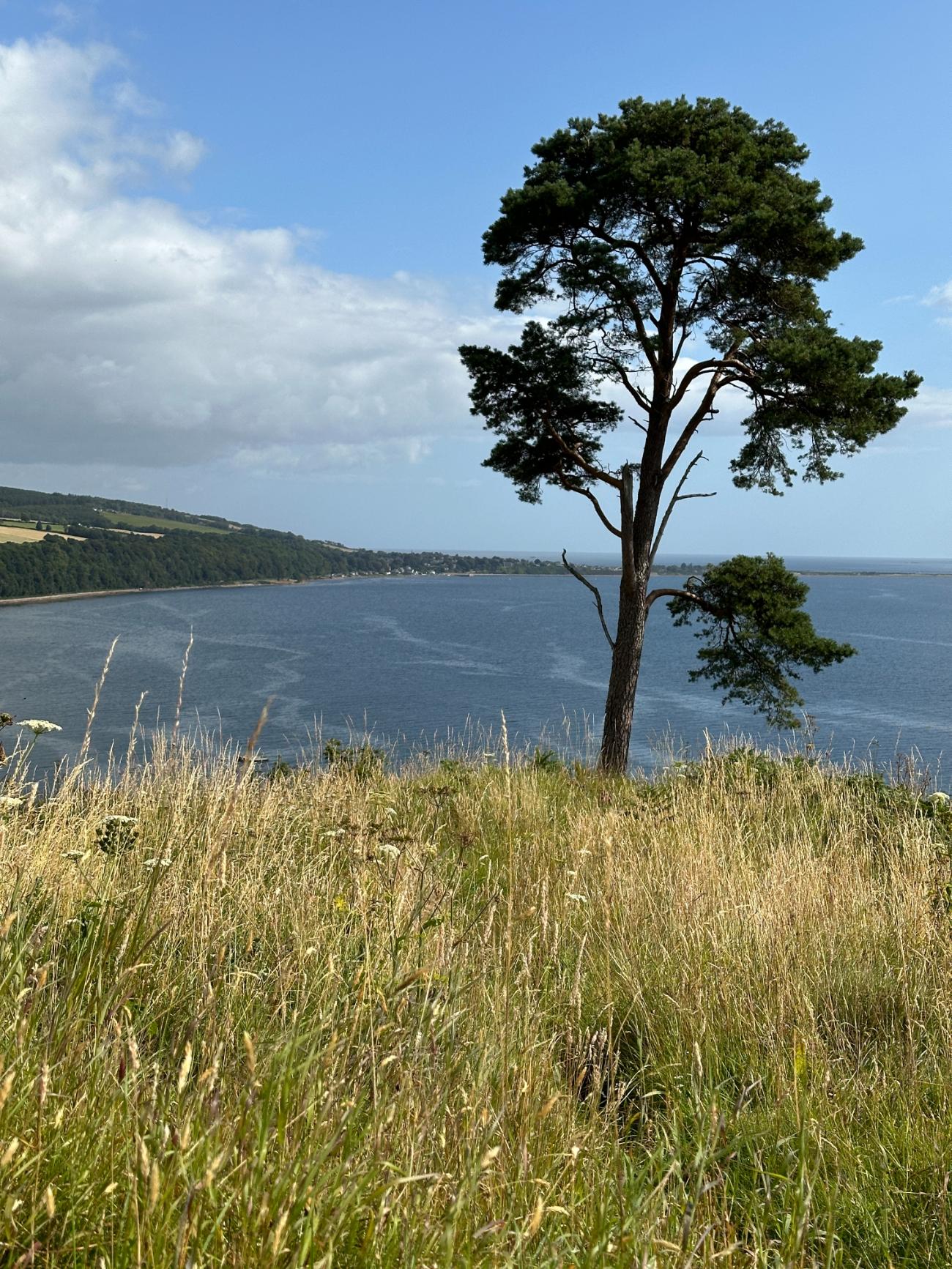
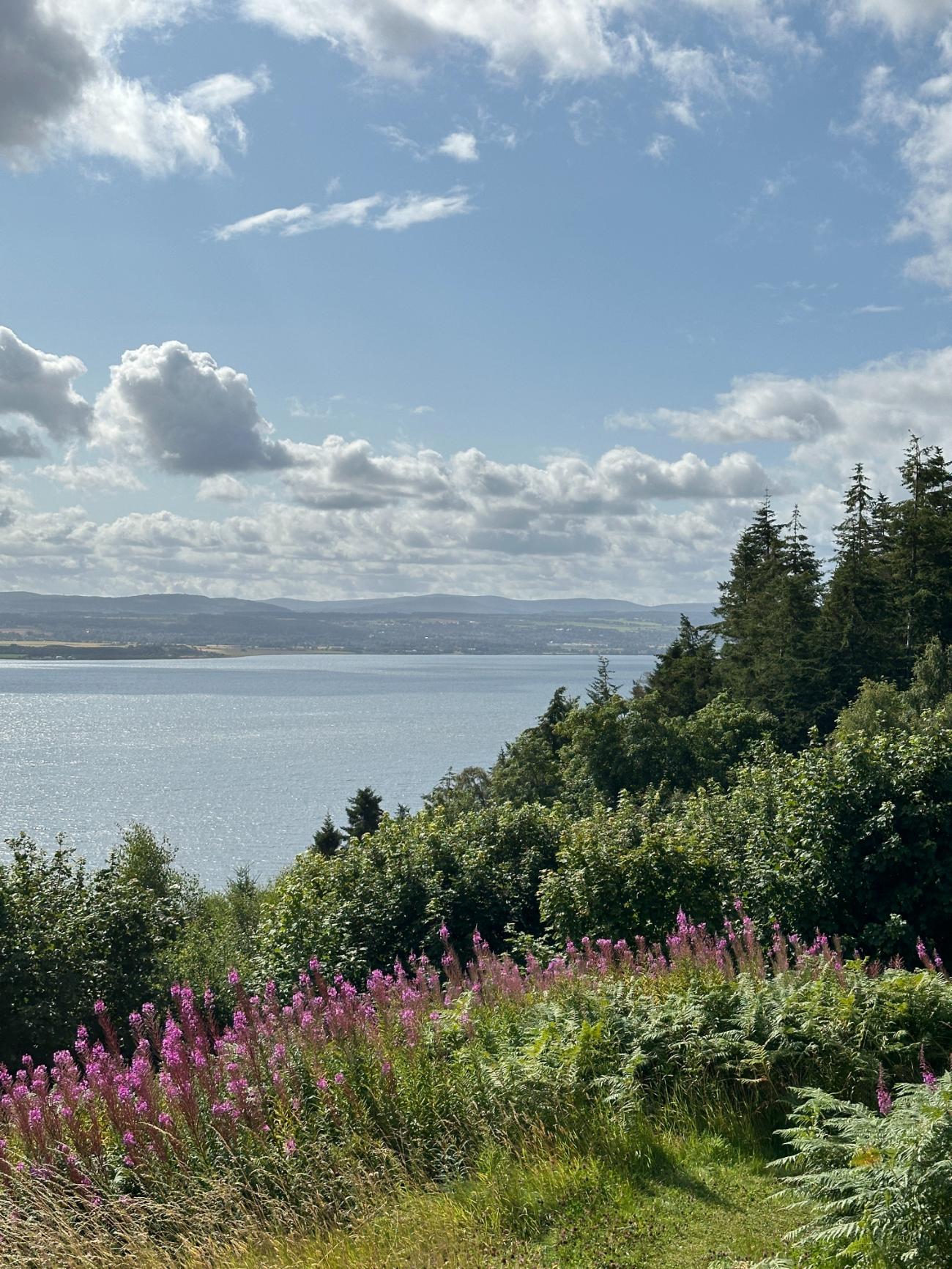
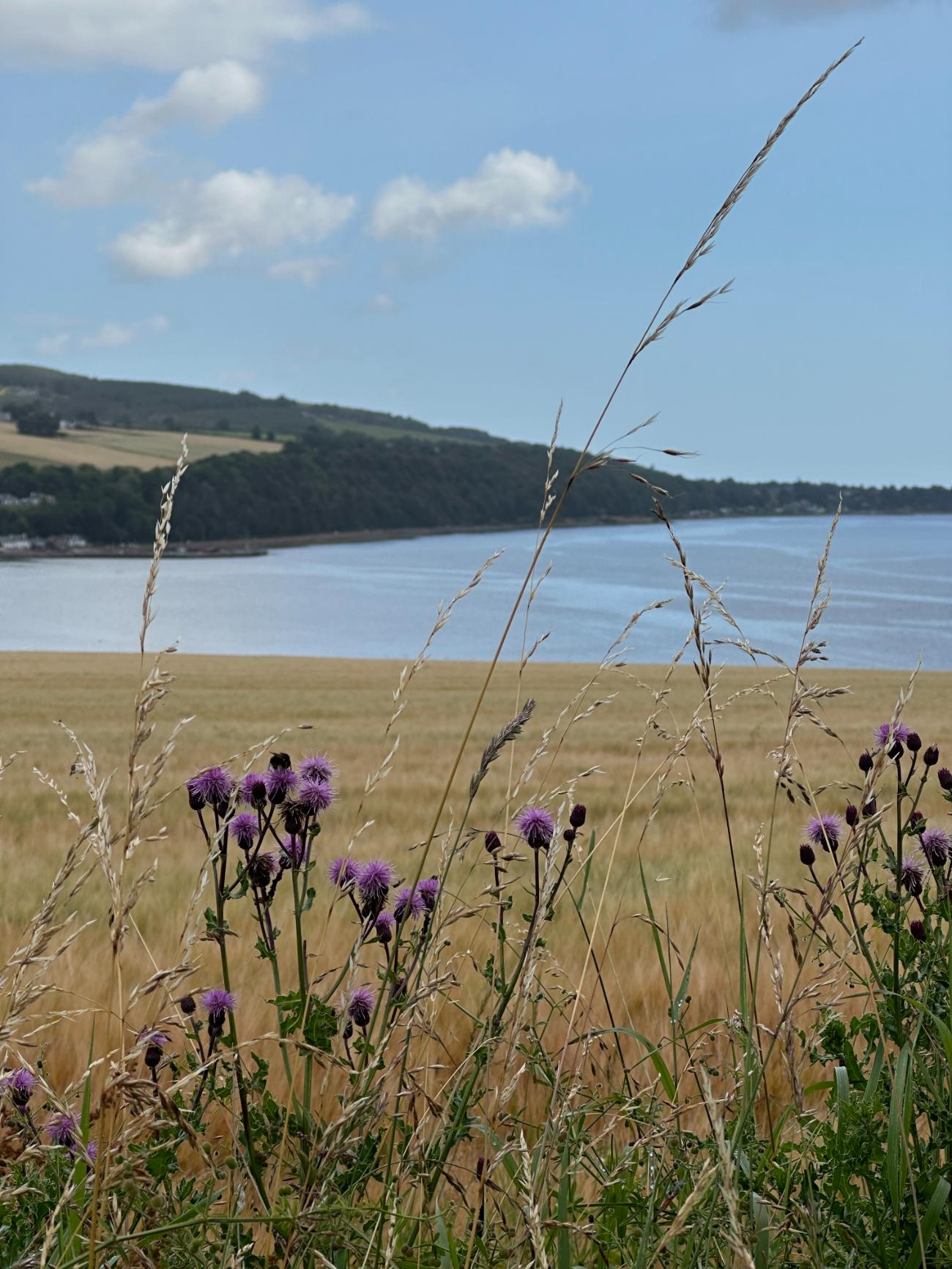
Avoch Castle was perched atop Ormond Hill, overlooking the village of Avoch and with spectacular views across the Moray Firth to the south, and across the Black Isle to the far north. It was built in the late 11th century during the reign of William the Lion, as one of two royal castles constructed on the Black Isle to boost royal authority in the area in response to the MacWilliam rebellions. It was in the 13th century that Avoch fell into the hands of the de Morays. In 1297, Andrew de Moray raised his standard at Avoch Castle as a call to arms in rebellion against the overlordship of Edward I of England. His rebellion would sweep across northern Scotland before joining forces with William Wallace and defeating the English at the Battle of Stirling Bridge, after which Andrew would die from wounds sustained in battle. Standing atop Ormond Hill on the site of Andrew’s family castle and gazing across the surrounding landscape, you can almost imagine what it must have been like to experience the turmoil and tension of that era of Scottish history.
Fortrose Cathedral
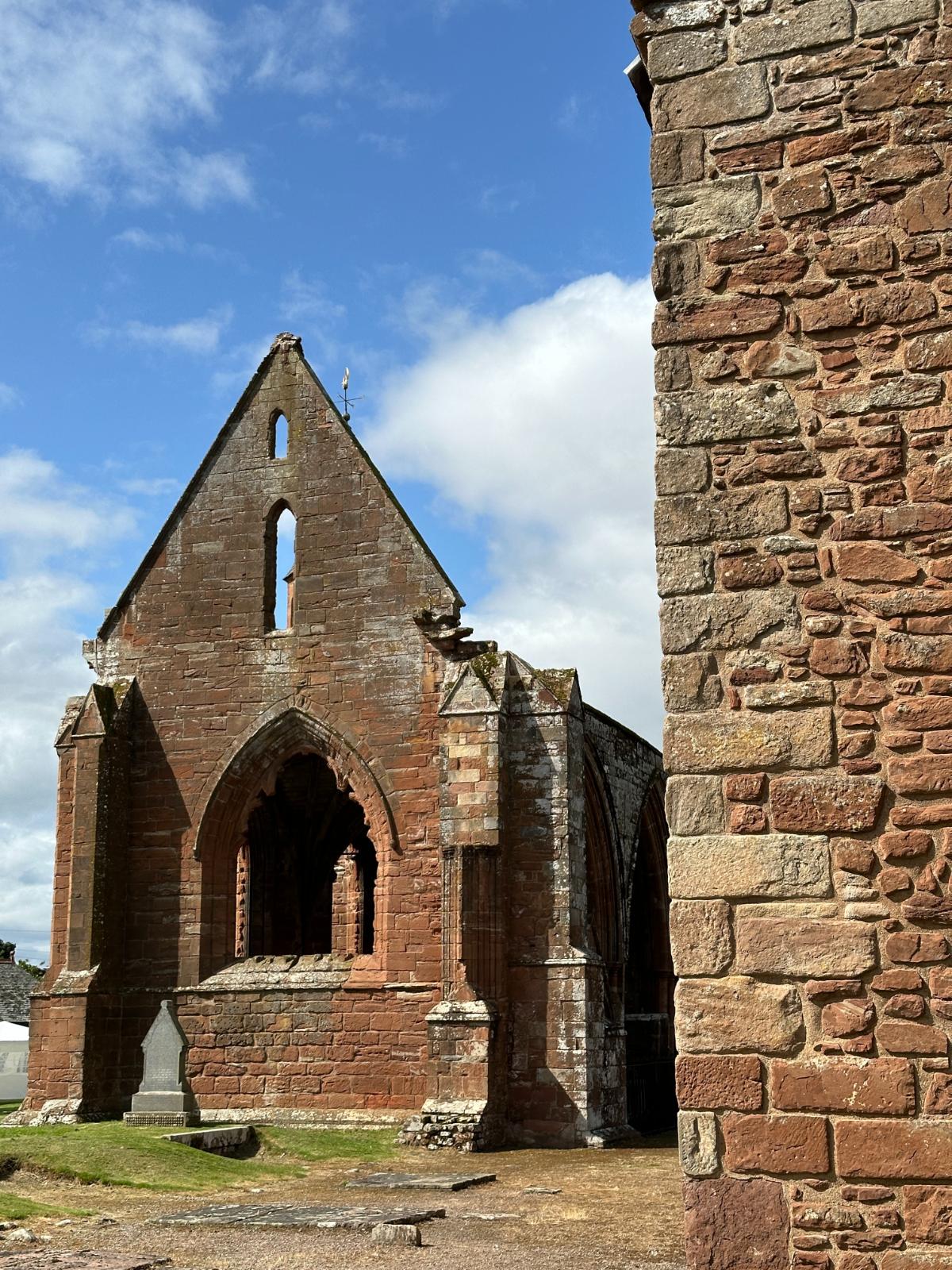
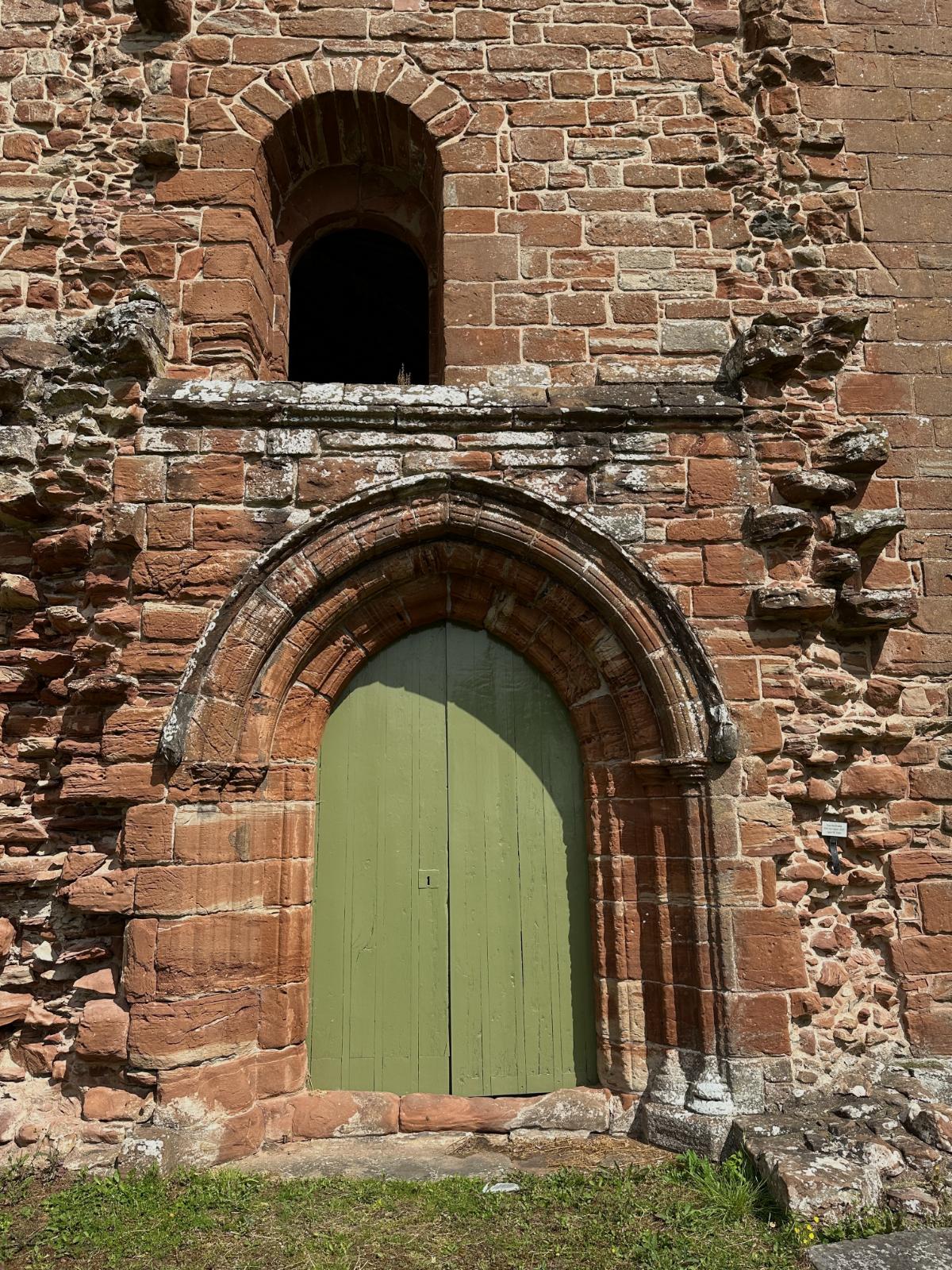
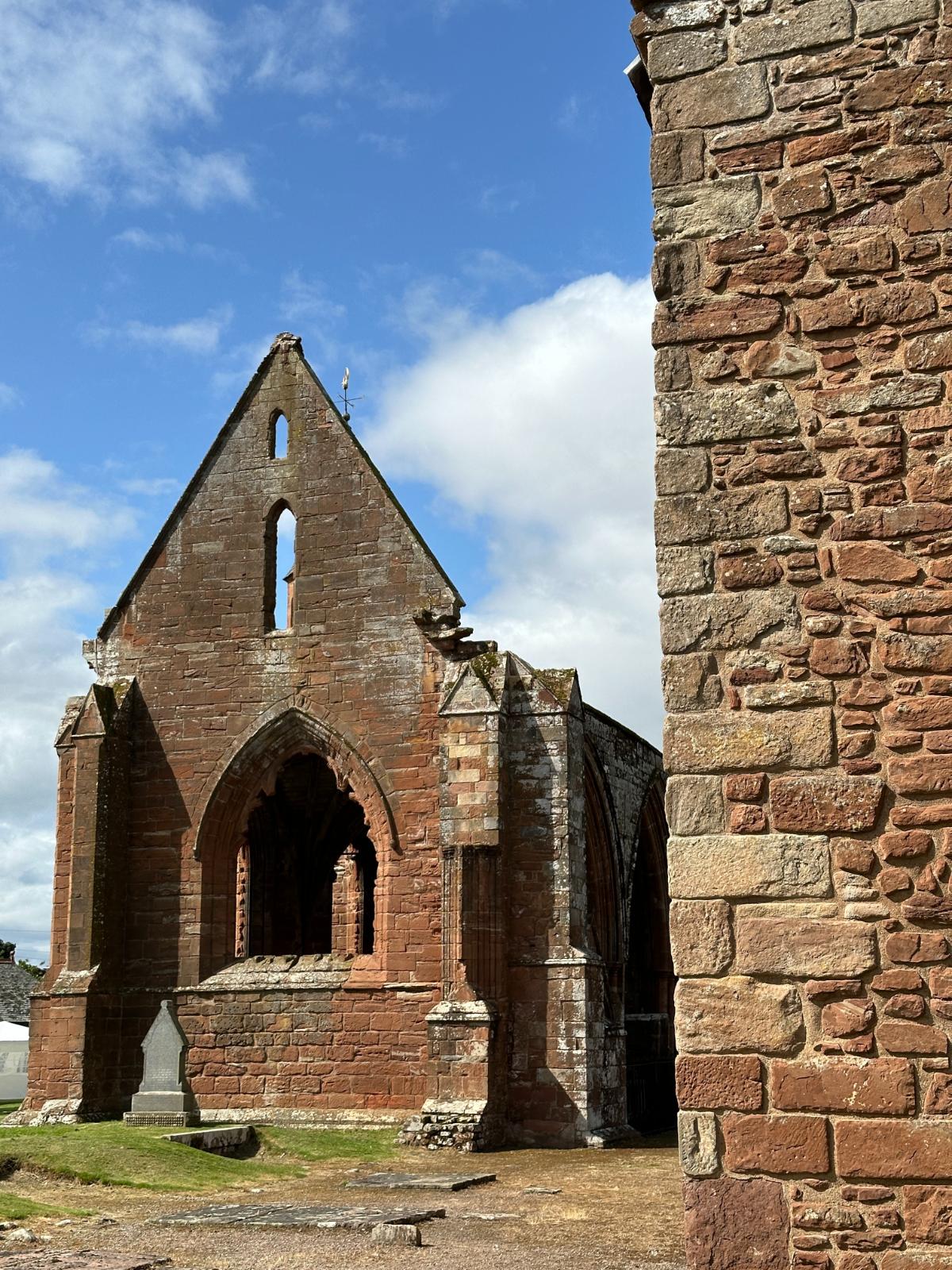
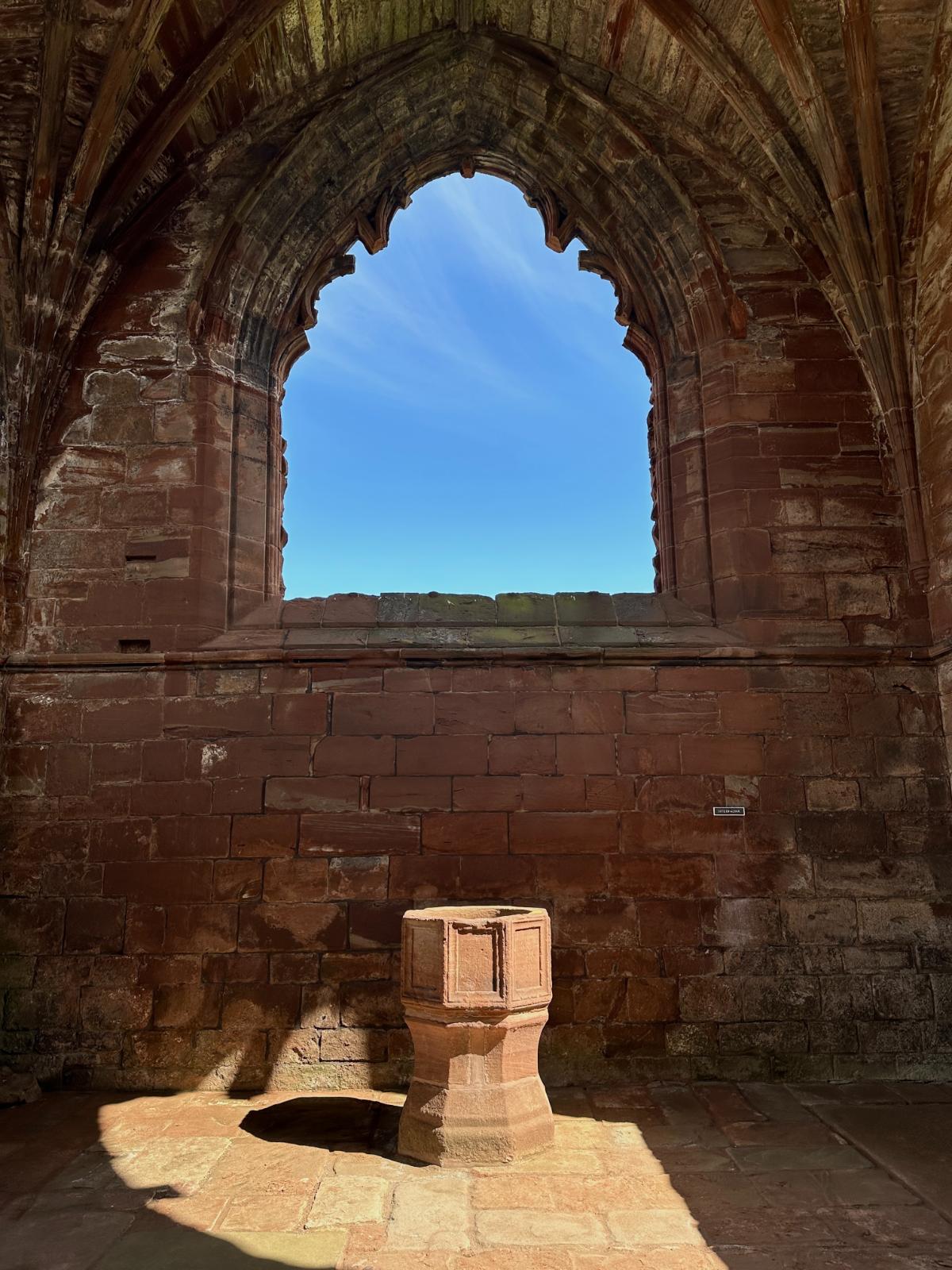
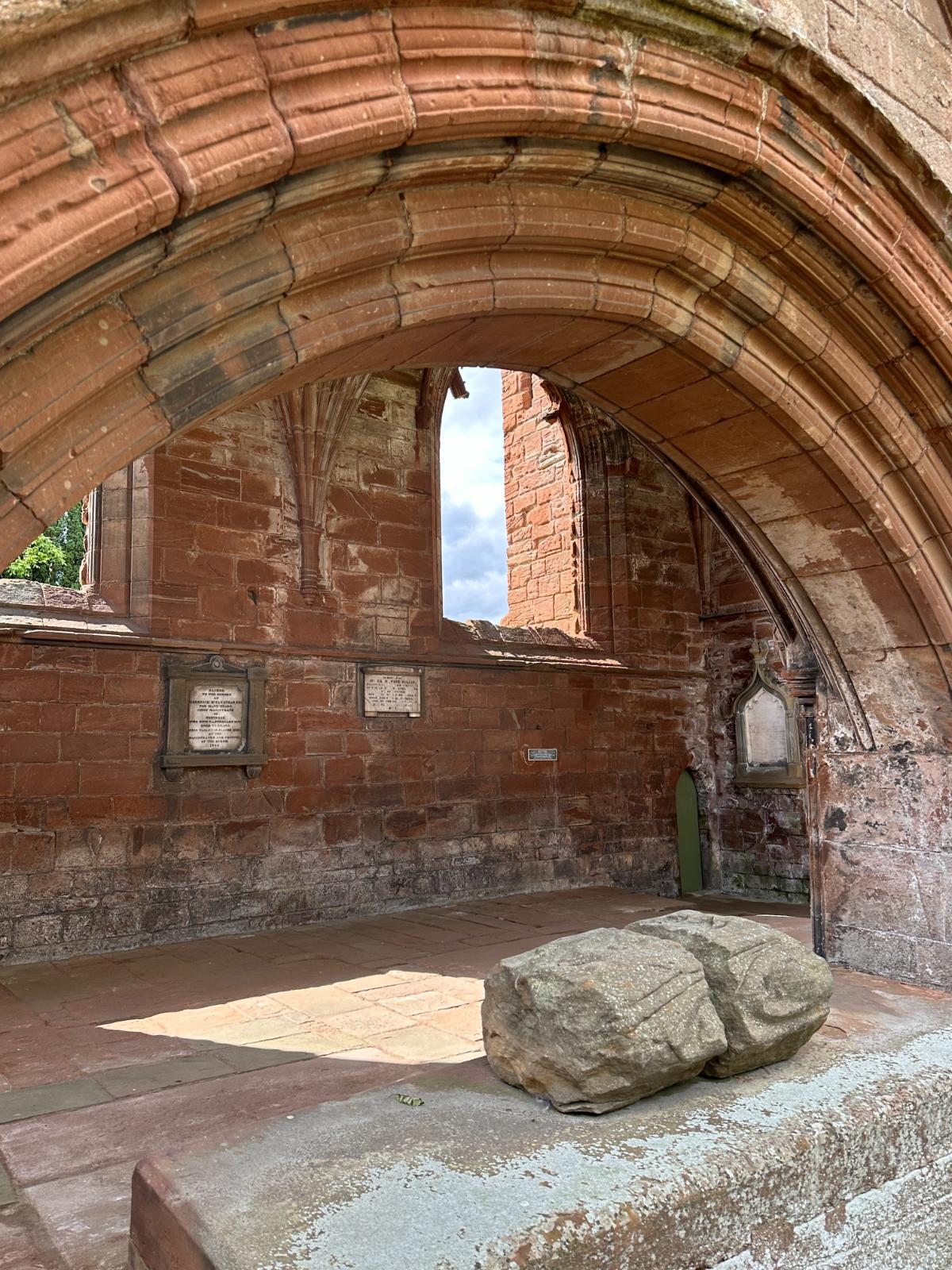
Head further along the coast of the Black Isle to Fortrose, a former royal burgh with its own incredible history. This was once the episcopal seat of the medieval diocese of Ross and the remnants of Fortrose Cathedral are still visible in the centre square of the town. These beautiful ruins of red sandstone were once much larger, with only the south aisle, chapel, and chapter house remaining. Built in the 13th century to replace a religious site at Rosemarkie, the Scottish Reformation of 1560 led to the abandonment and decaying of Fortrose Cathedral. Its fate was sealed in the 1650s, when stone from the nave and choir were removed for the construction of Cromwell’s fort at Inverness (a similar fate to Avoch Castle). I absolutely love the ruins of Fortrose Cathedral, particularly the south aisle and chapel, as these were commissioned in the late 14th to early 15th century by Euphemia Ross, Countess of Ross. Much of my background and current work in historical research focuses on women of medieval Scotland, and these ruins are a spectacular display of the wealth and power that noblewomen of this period could hold. Euphemia commissioned the new south aisle and chapel before her death and was interred here in a grand tomb to immortalise her influence as the Countess of Ross. I find it quite fitting that the surviving section of Fortrose Cathedral was hers
Lunch/Coffee Break - IV10 or Bakhoos Bakery
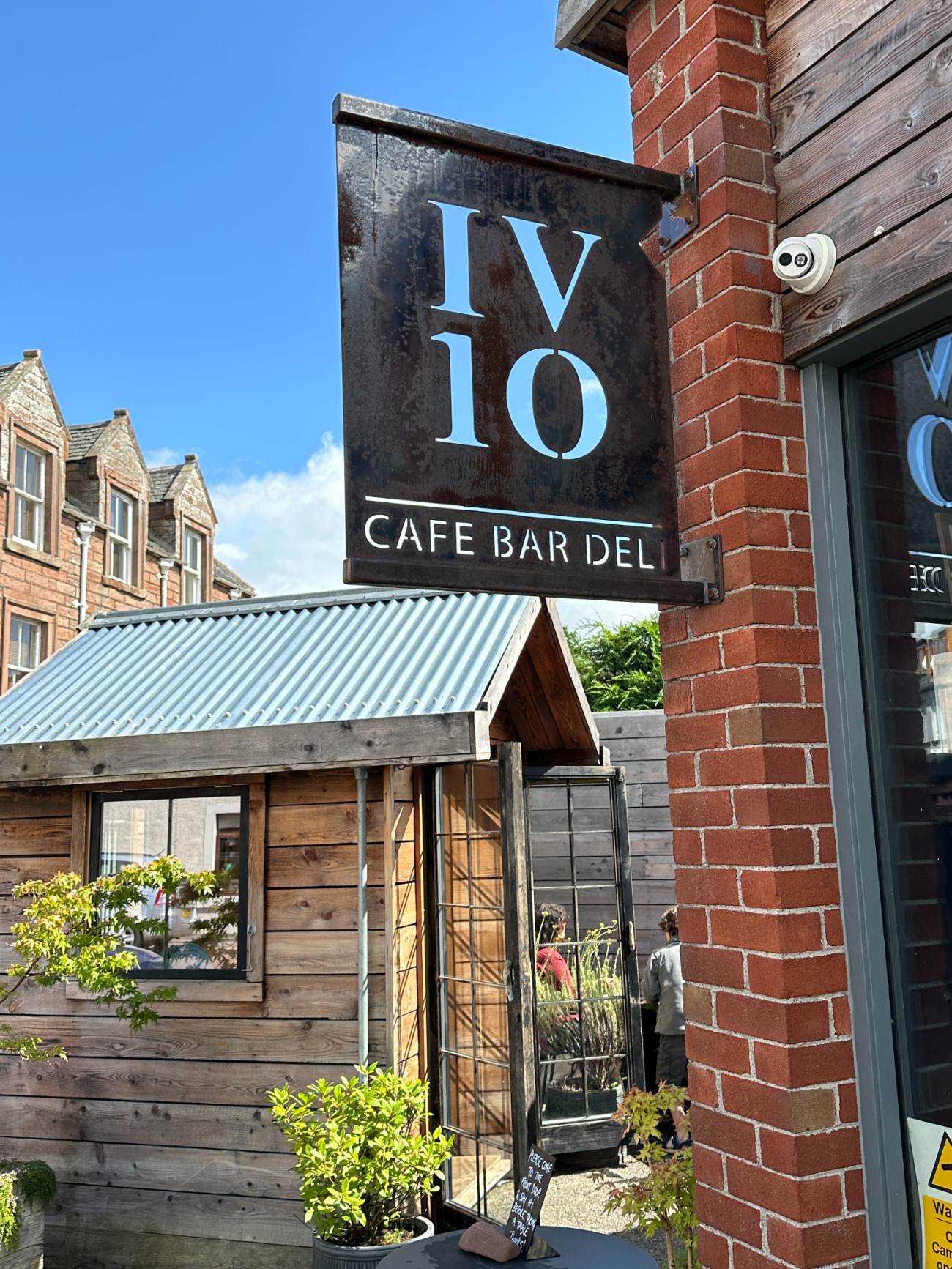
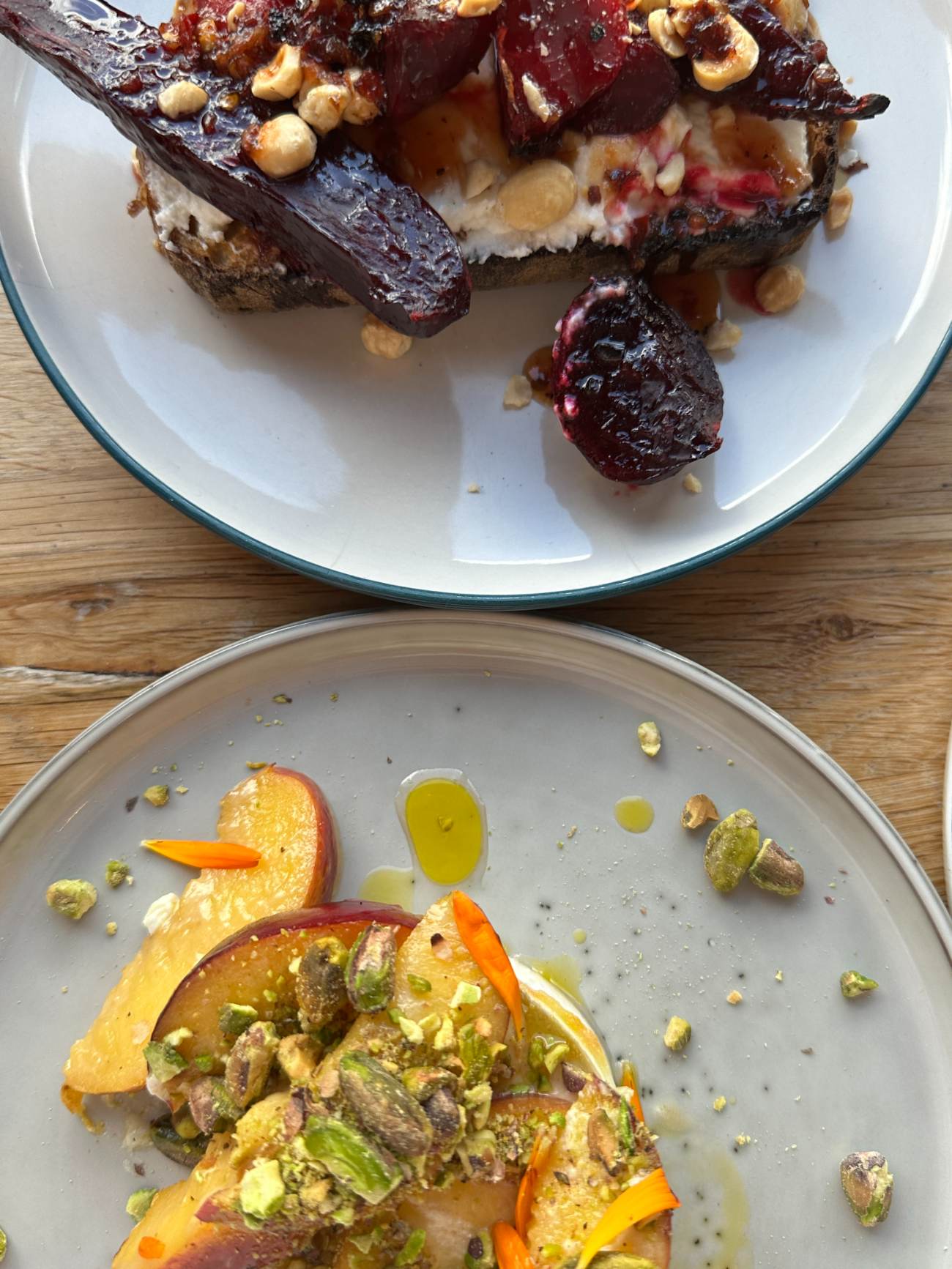
The Black Isle has an incredible food scene, with two of my favourite spots being in Fortrose. IV10 is a cafe and deli with beautifully crafted food and a seasonally influenced menu, and is also one of those places that has such a welcoming and relaxed energy for taking a break from your historic adventure. If sourdough and cakes are more what you are craving, then head along the street to Bakhoos Bakery for some absolutely delicious baked gems and speciality coffee. Don’t make me choose between the two!
Rosemarkie
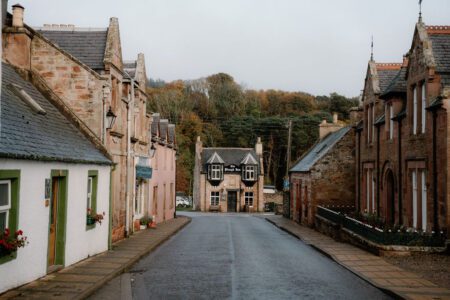
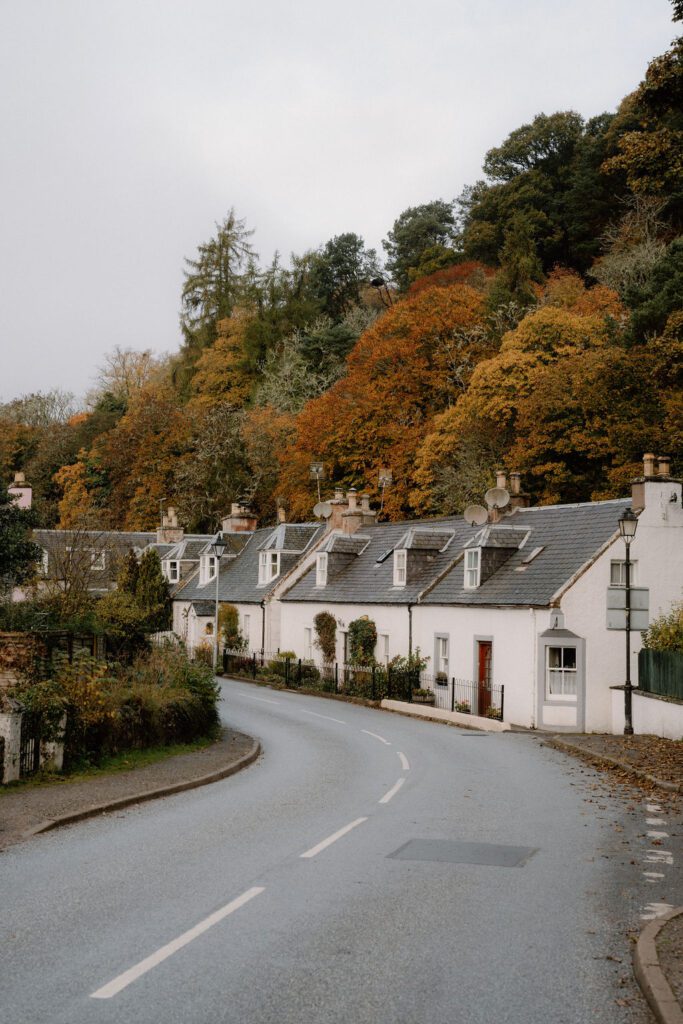
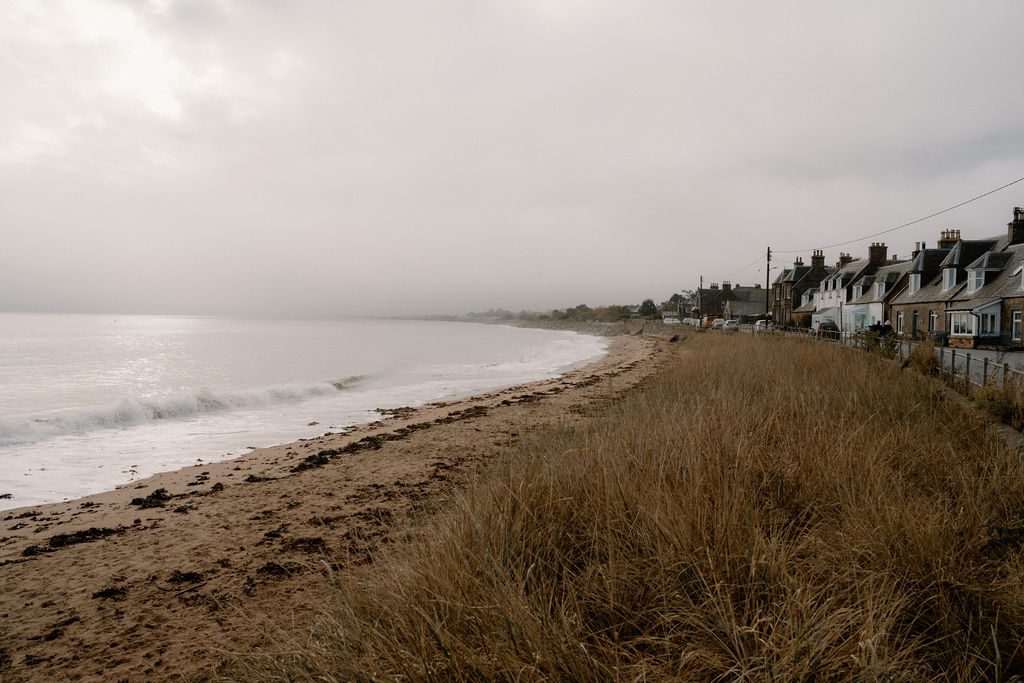
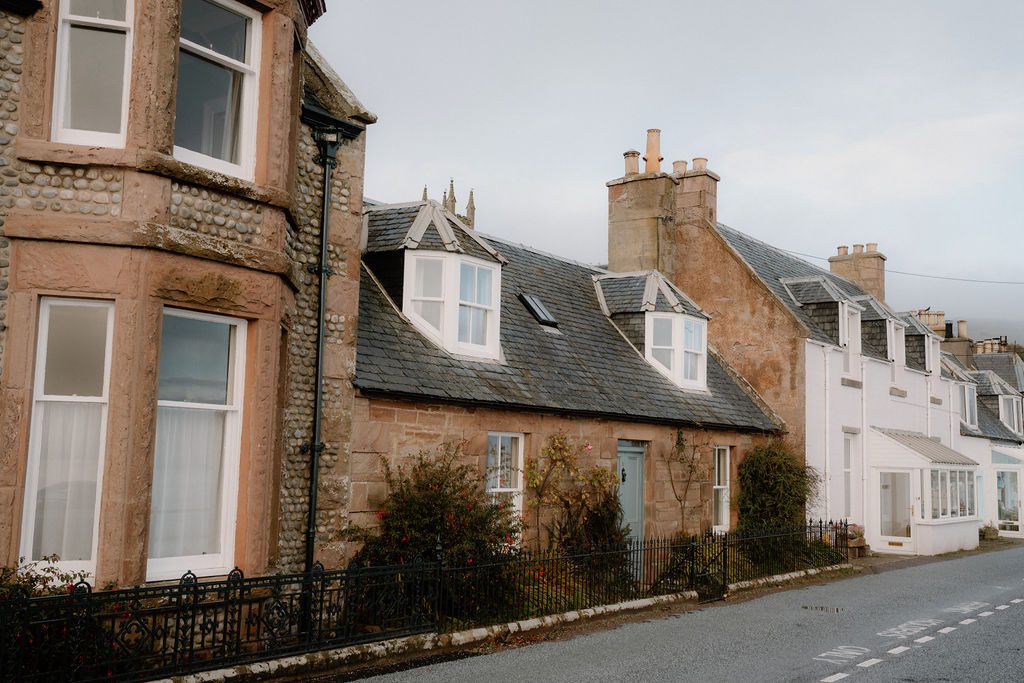
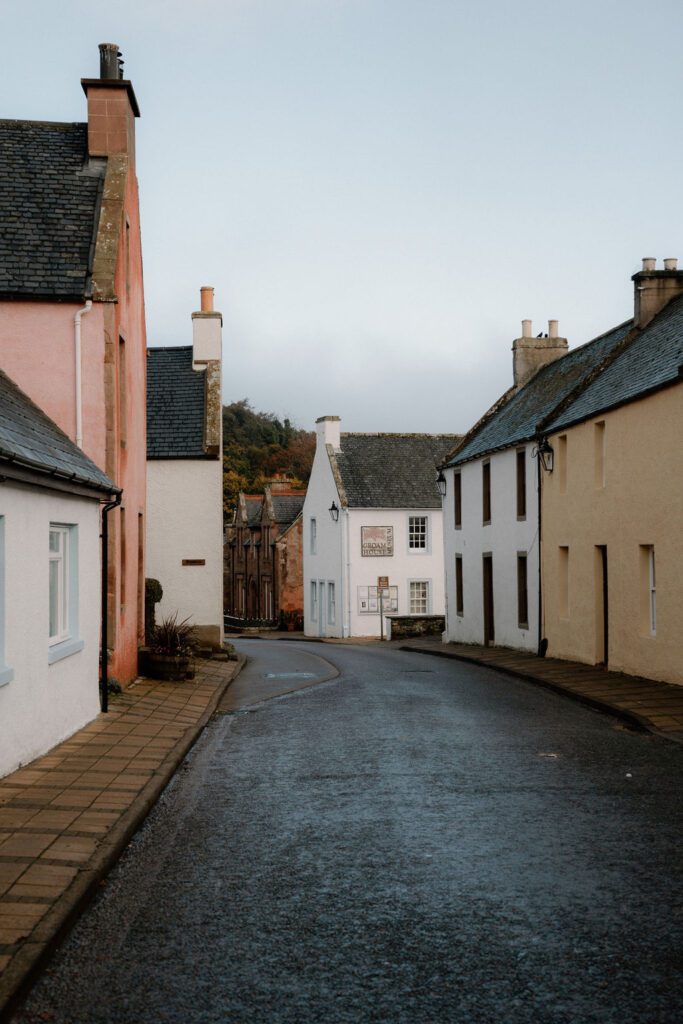
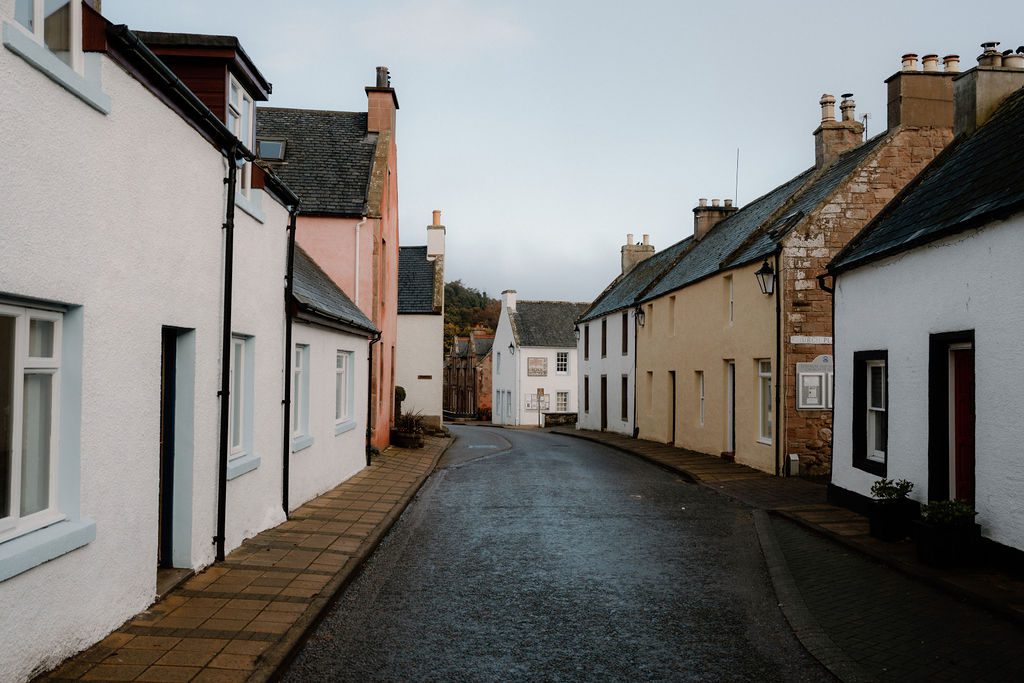
A 6 minute drive along the coast or a 30 minute walk along the beach from Chanonry Point will bring to you our final spot for the day, the historic seaside village of Rosemarkie. Rosemarkie may appear as a small fishing village today, but this is an ancient site of extensive Pictish activity and religious significance. It has the perfect place to explore this history: the Groam House Museum. The Groam House Museum is an independent museum in Rosemarkie containing an impressive collection of Pictish stones, Celtic artwork, and artefacts from local history. The jewel in the museum’s crown is the Rosemarkie Cross, a 2.6 metre tall Pictish cross slab dating to the 8th century and intricately carved with Pictish and Christian symbols. Surrounded by more Pictish stones from around Rosemarkie, the historical importance of this area has earned the museum its place on the Highland Pictish Trail. In addition to its Pictish collection, the museum has extensive artefacts from across the centuries which immortalise Rosemarkie’s local history. It also holds the George Bain Collection, a selection of sketches, designs, and craftwork by the artist George Bain, who worked tirelessly to preserve Celtic style art and was committed to promoting Scotland’s rich art history. This is a museum not to be missed for anyone wanting to explore and understand the history of this particular area of the Black Isle.






 Sign in with Google
 Sign in with Email