Did you know
The first cathedral.
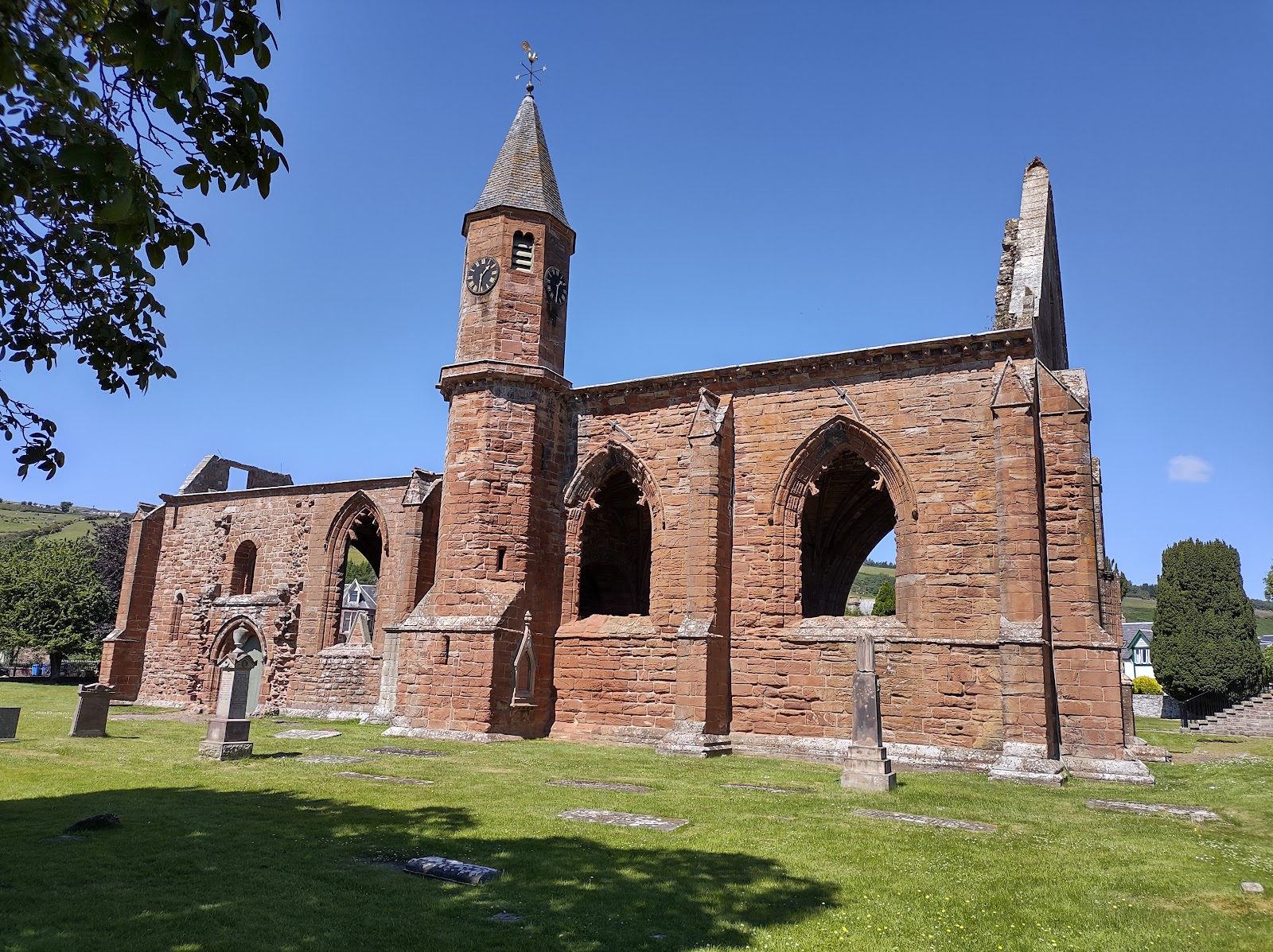
In 1125 King David founded the first Cathedral of Ross at Rosemarkie, before it moved to Fortrose.
An ancient village on the Black Isle, settled by the Picts, with a High Street of old cottages, the Plough Inn, the Groam House Museum and a beach on the Moray Firth.
Rosemarkie is one of the oldest places in the north of Scotland.
Visited and photographed by Simon Hird
The Picts lived here, and left more than a dozen carved stones; a chapel was founded in the late 500s, a monastery followed, and in 1125 King David made it the seat of the first Cathedral of Ross. The bishops later moved along the road to Fortrose, and Rosemarkie settled into being a quiet village.
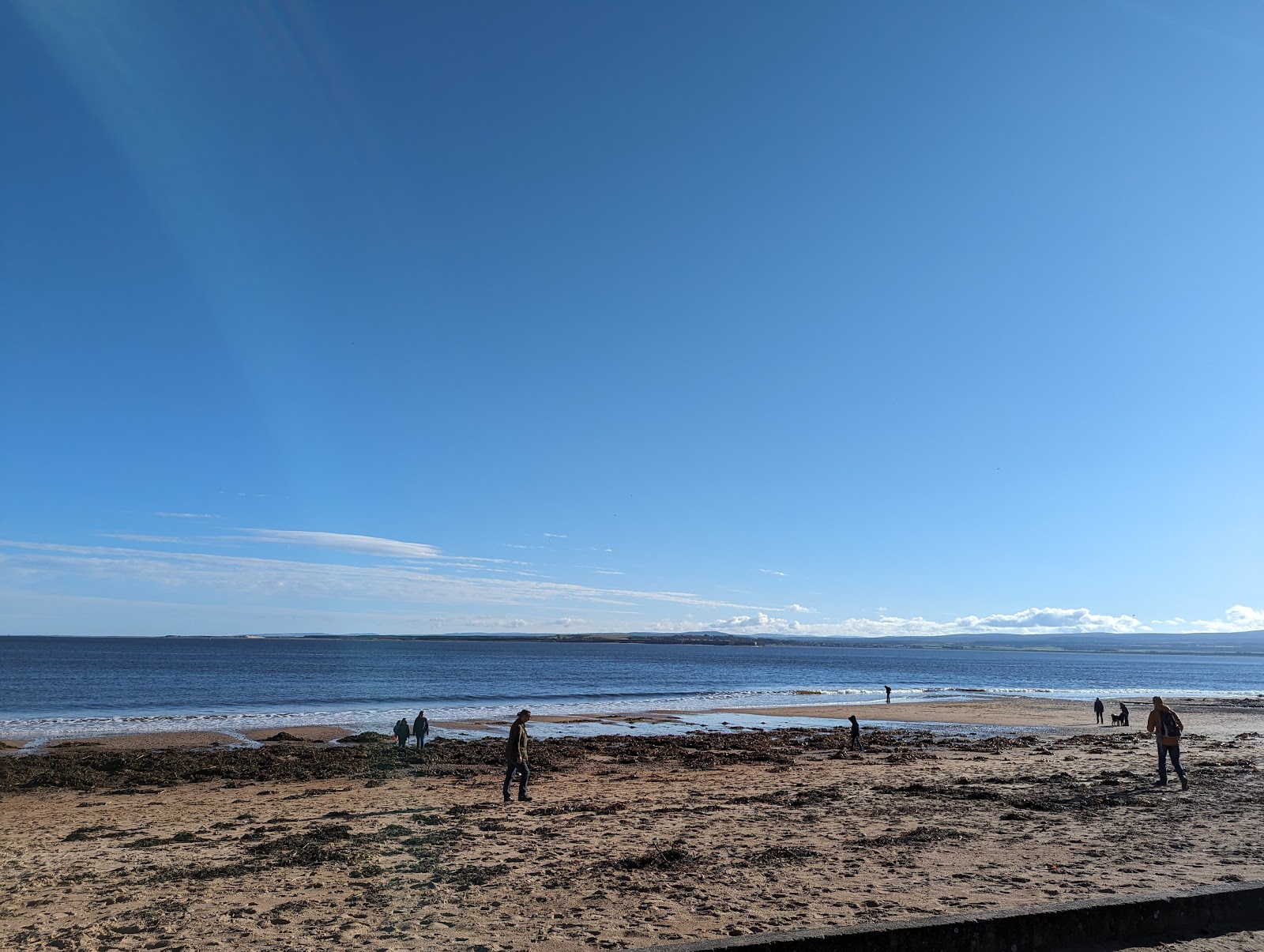
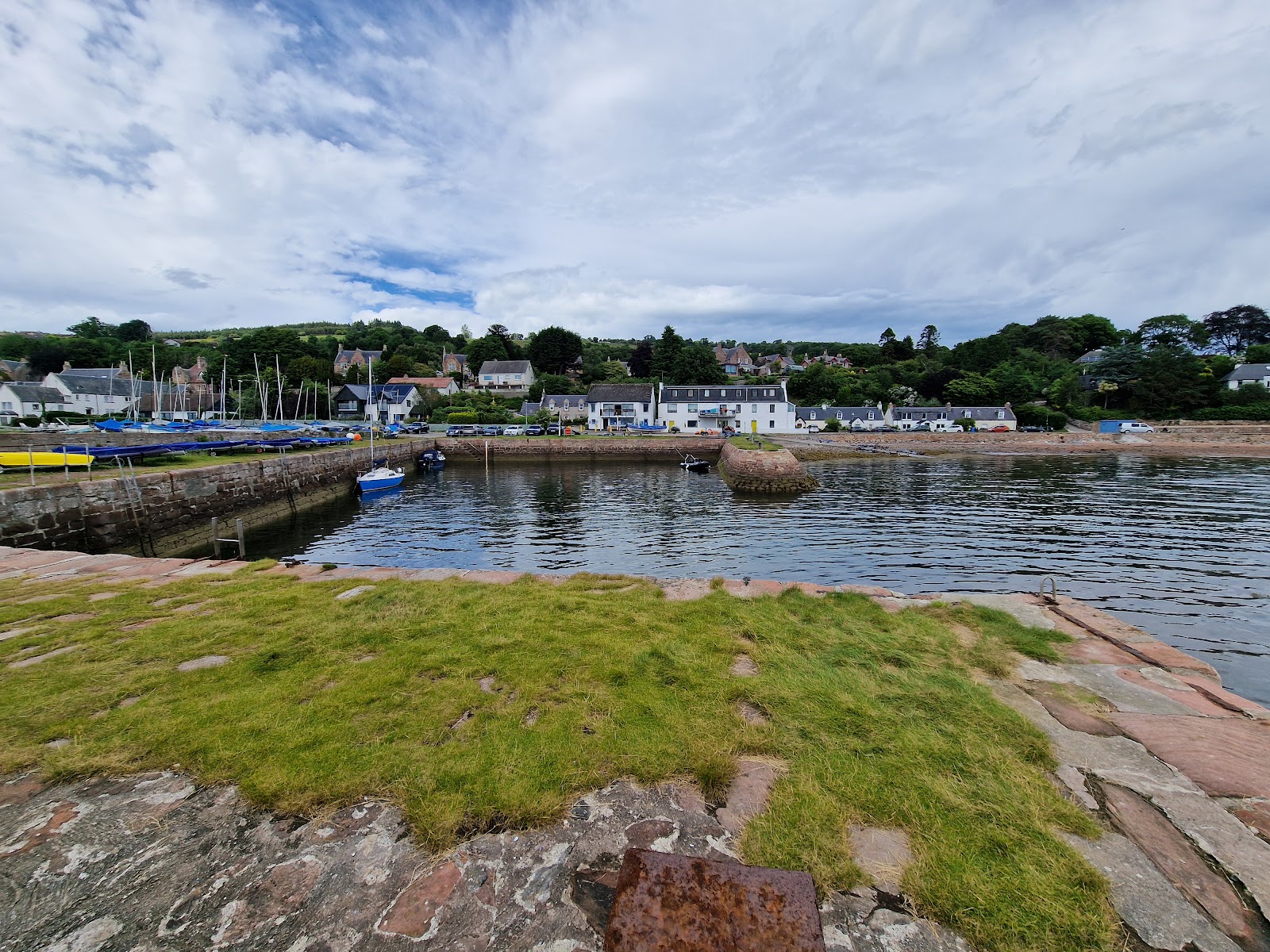
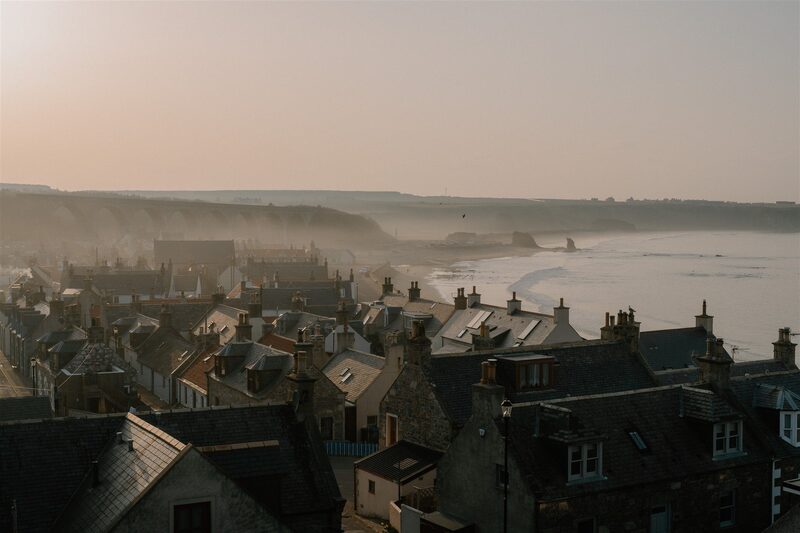
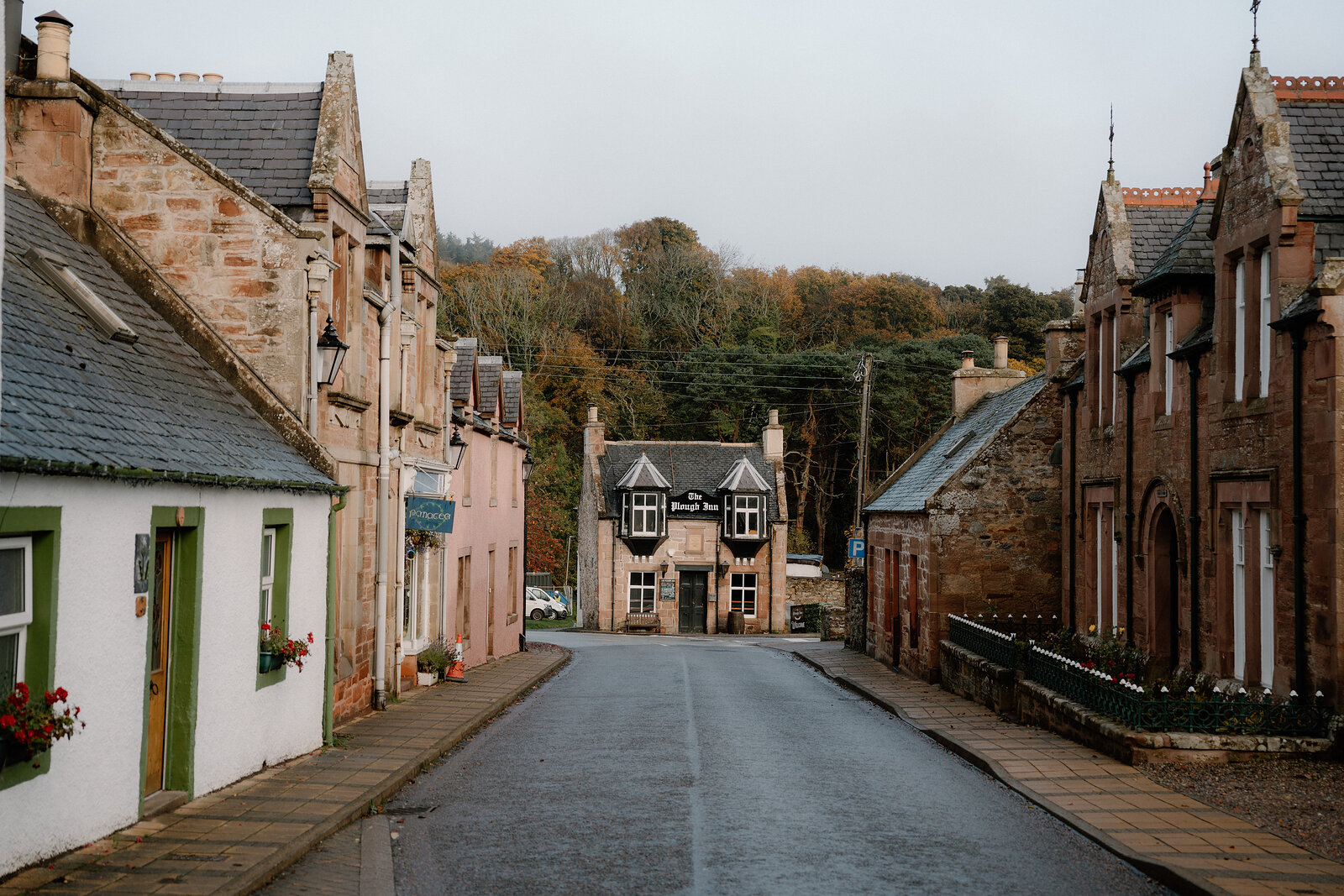
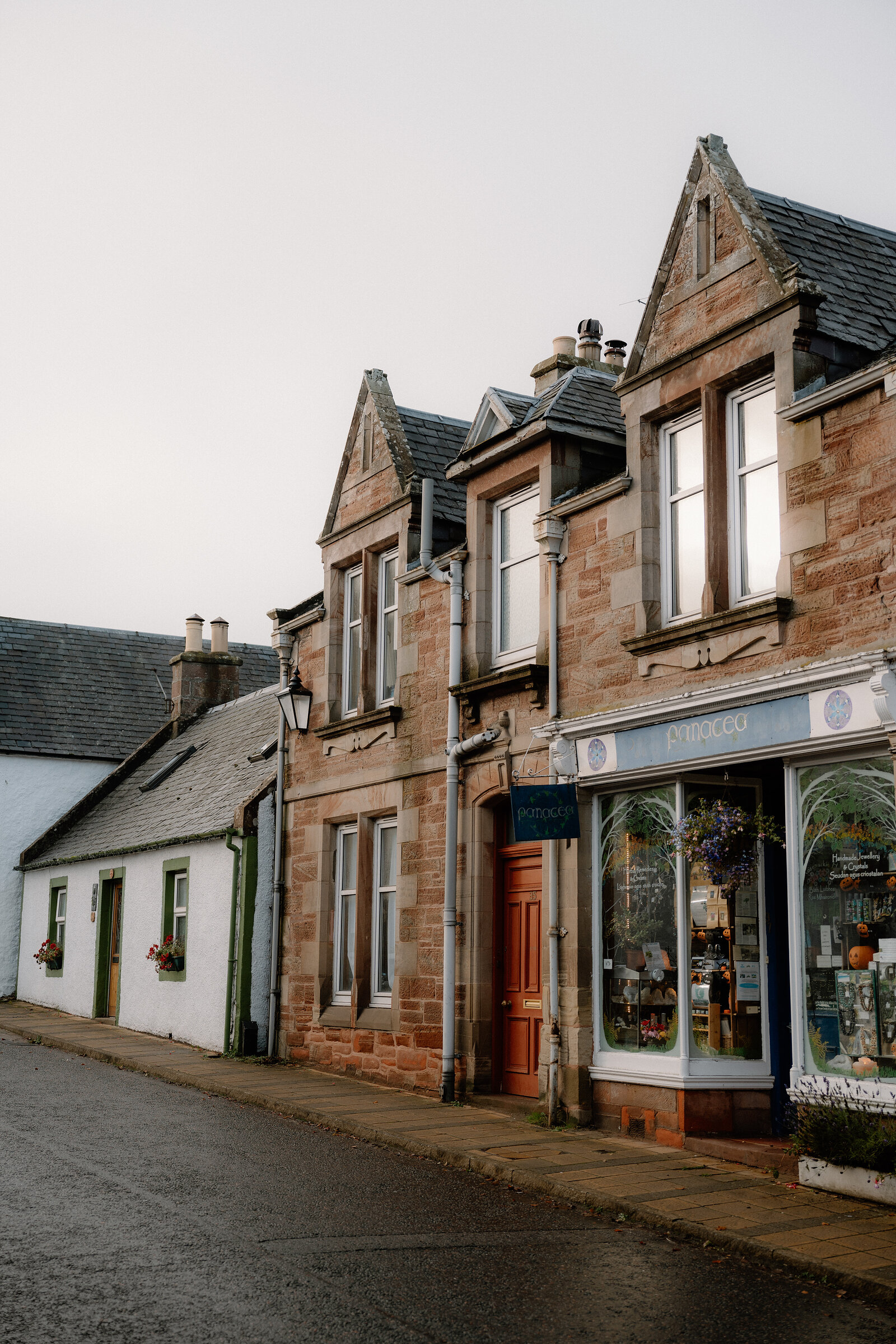
It is a lovely one. The narrow High Street is lined with cottages and houses of the late 1700s and early 1800s, and at its northern end the road bends sharply in front of the Plough Inn, founded in 1651. Beneath wooded cliffs, Marine Terrace runs along the shore, looking across the beach to the Moray Firth.
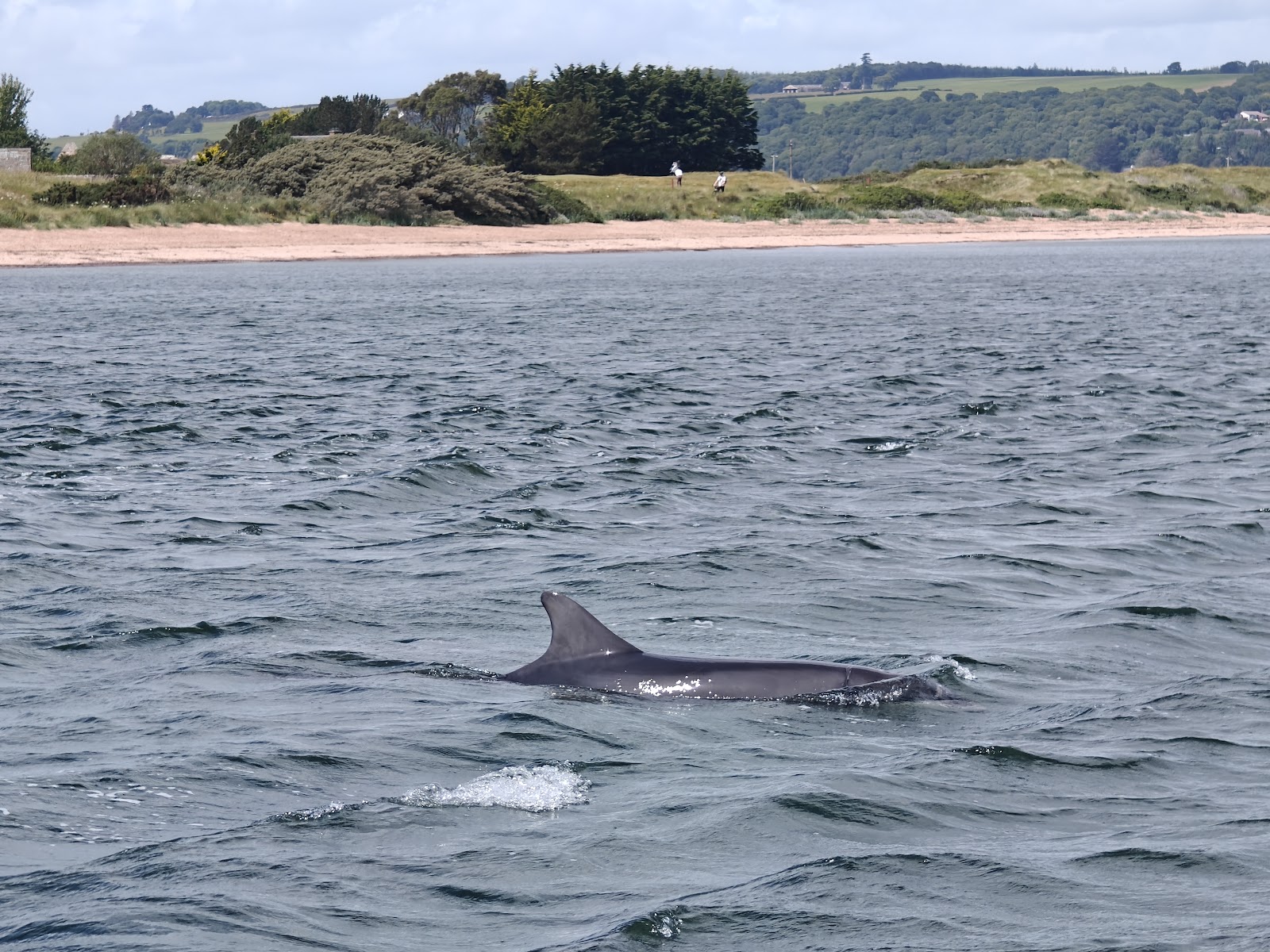
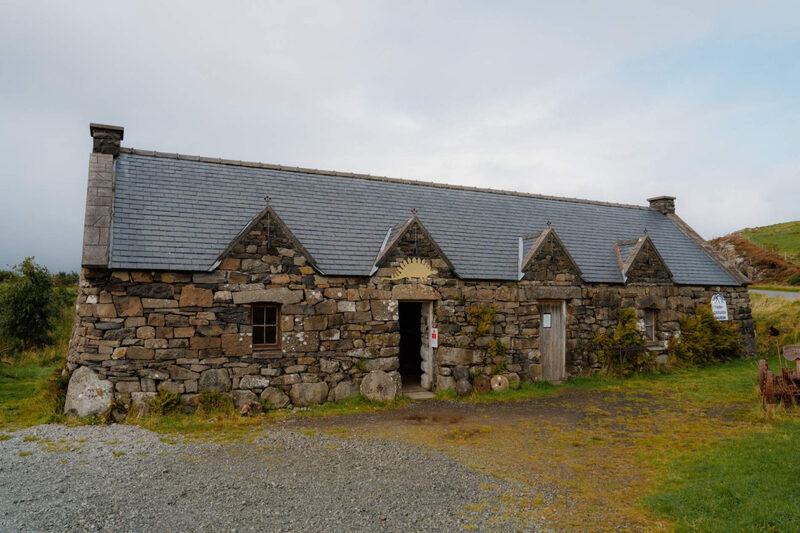
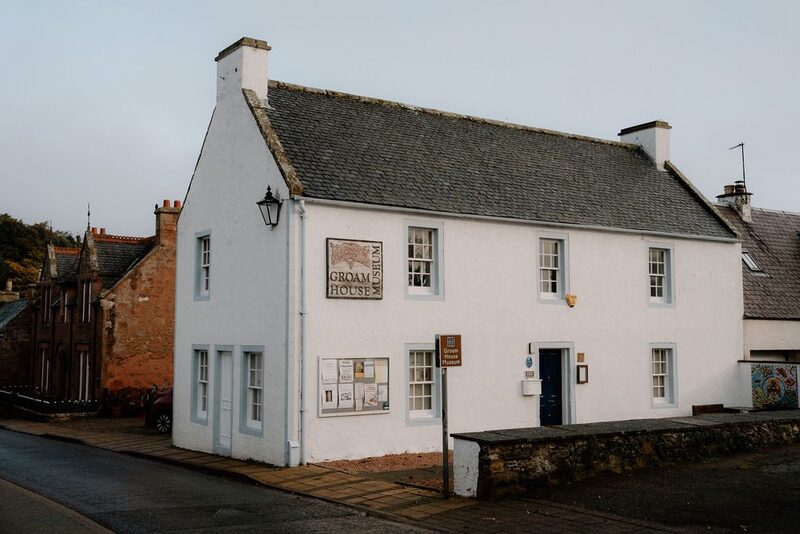
The Groam House Museum on the High Street keeps the Pictish stones, among them the tall Rosemarkie Cross Slab. Behind the village, a path leads up the Fairy Glen to two waterfalls, and along the shore lies Chanonry Point, where dolphins are often seen.
The Daily
Arrives at 5am every day.
A free morning email to see what’s on this week, catch up on what’s happening in Scotland and find somewhere new to go.
The Groam House Museum opens daily, 10.30am to 4pm, entry by donation.
Been here? Tell others what you know, and the best go on this page with your name.
Add your reviewIn 1125 King David founded the first Cathedral of Ross at Rosemarkie, before it moved to Fortrose.
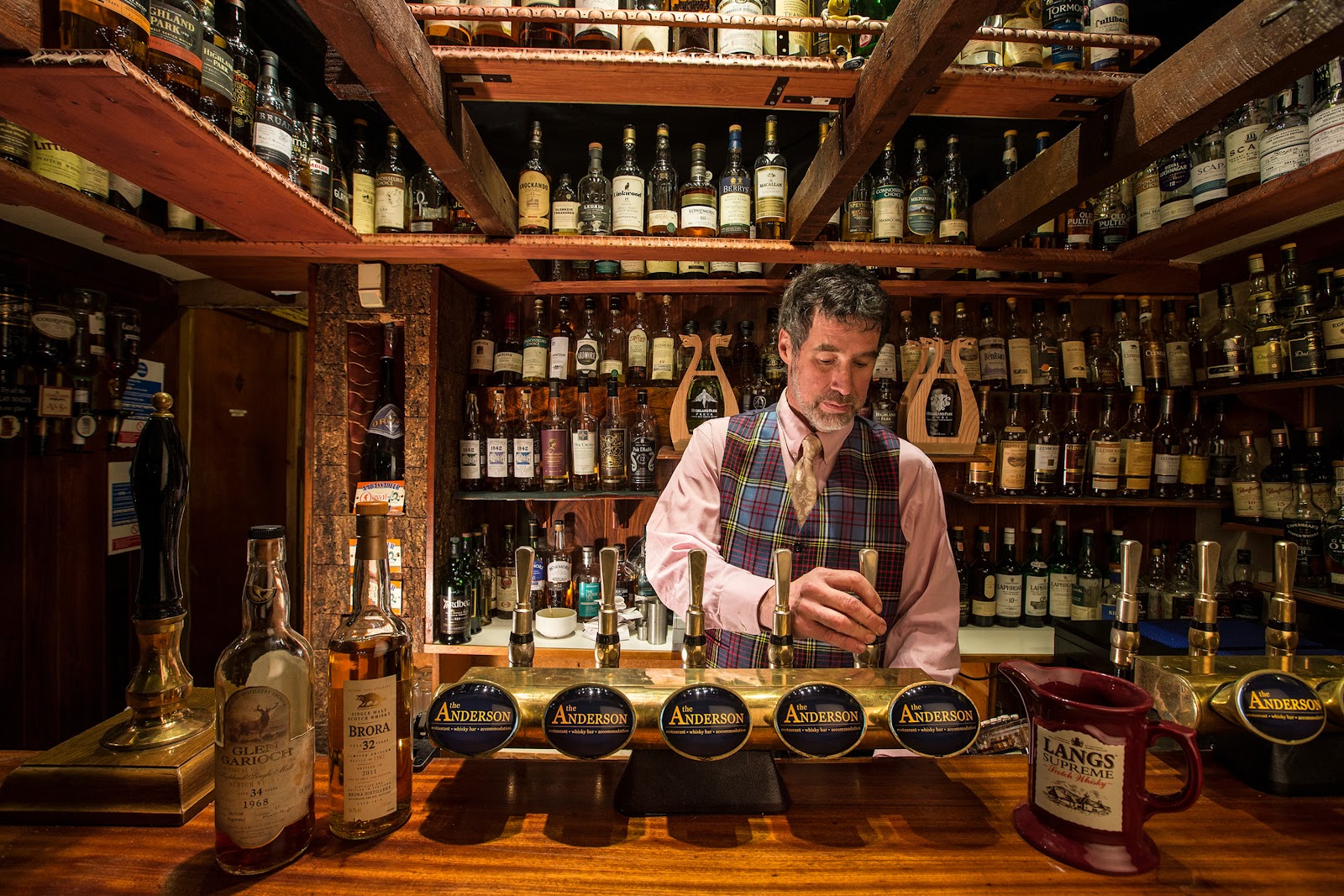
The Plough Inn at the end of the High Street was established in 1651, though its building dates from 1907.
Rosemarkie is a small village with a very long story. The Picts lived here, a chapel was founded in the late 500s, and in 1125 King David made it the first seat of the bishops of Ross. Today it is a quiet and lovely place. The narrow High Street is lined with cottages from the late 1700s and early 1800s, and the Plough Inn, with a lintel dated 1691, stands at the bend at its northern end. Marine Terrace runs along the shore beside a sandy beach. Walk the sand, call into the museum for the Pictish stones, then head up the Fairy Glen.
Read moreNew places, news and stories, as we find them.
What is on in Ross and CromartyOn the A832 on the Black Isle, just beyond Fortrose, on the Moray Firth.
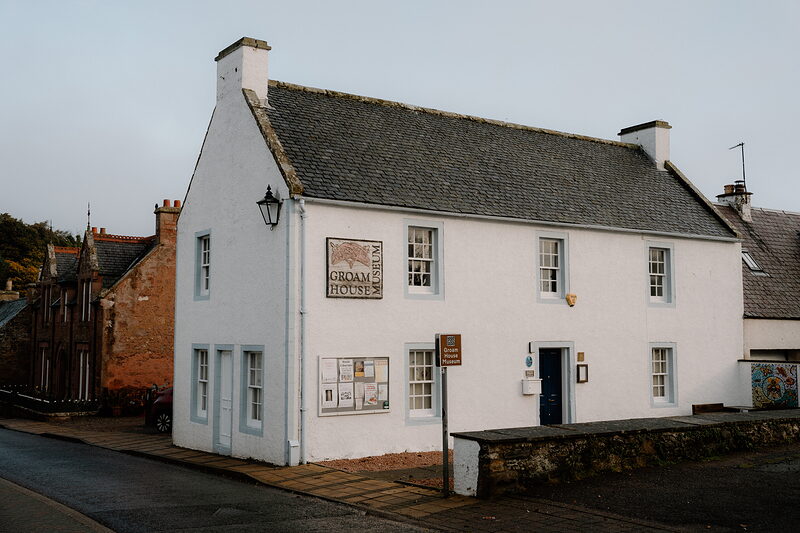 Groam House MuseumPictish stones on the High Street.Under a mile 1 min by road
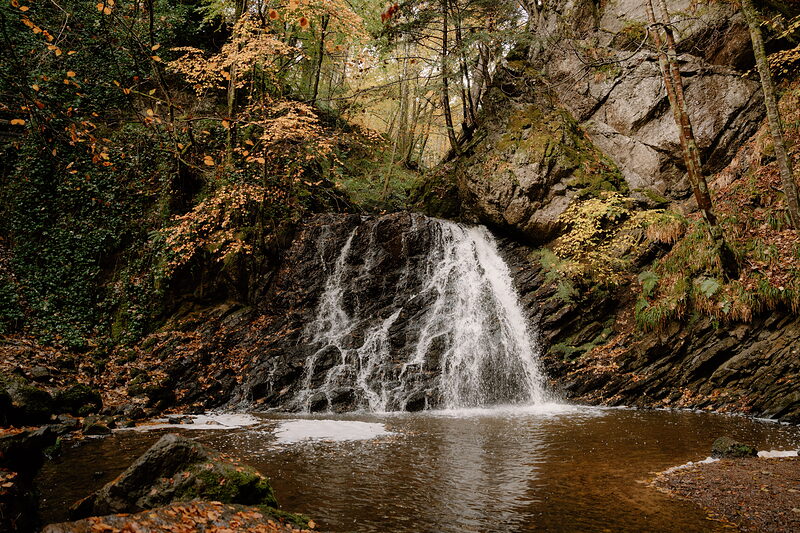 Fairy Glen, RosemarkieTwo waterfalls up a wooded glen.Under a mile 1 min by road
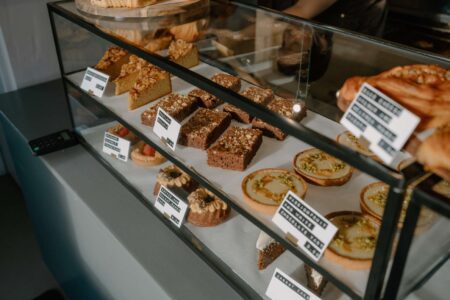
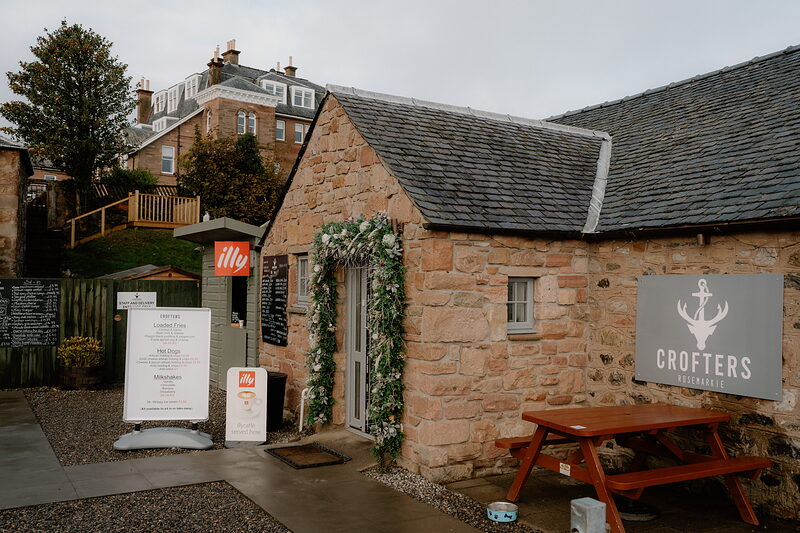 Crofters Café, RosemarkieUnder a mile 1 min by road
 Highland Mobile SaunaA wood-fired barrel sauna parked above Rosemarkie beach for public and private sessions, and a mobile sauna for hire across the Highlands.Under a mile 1 min by road
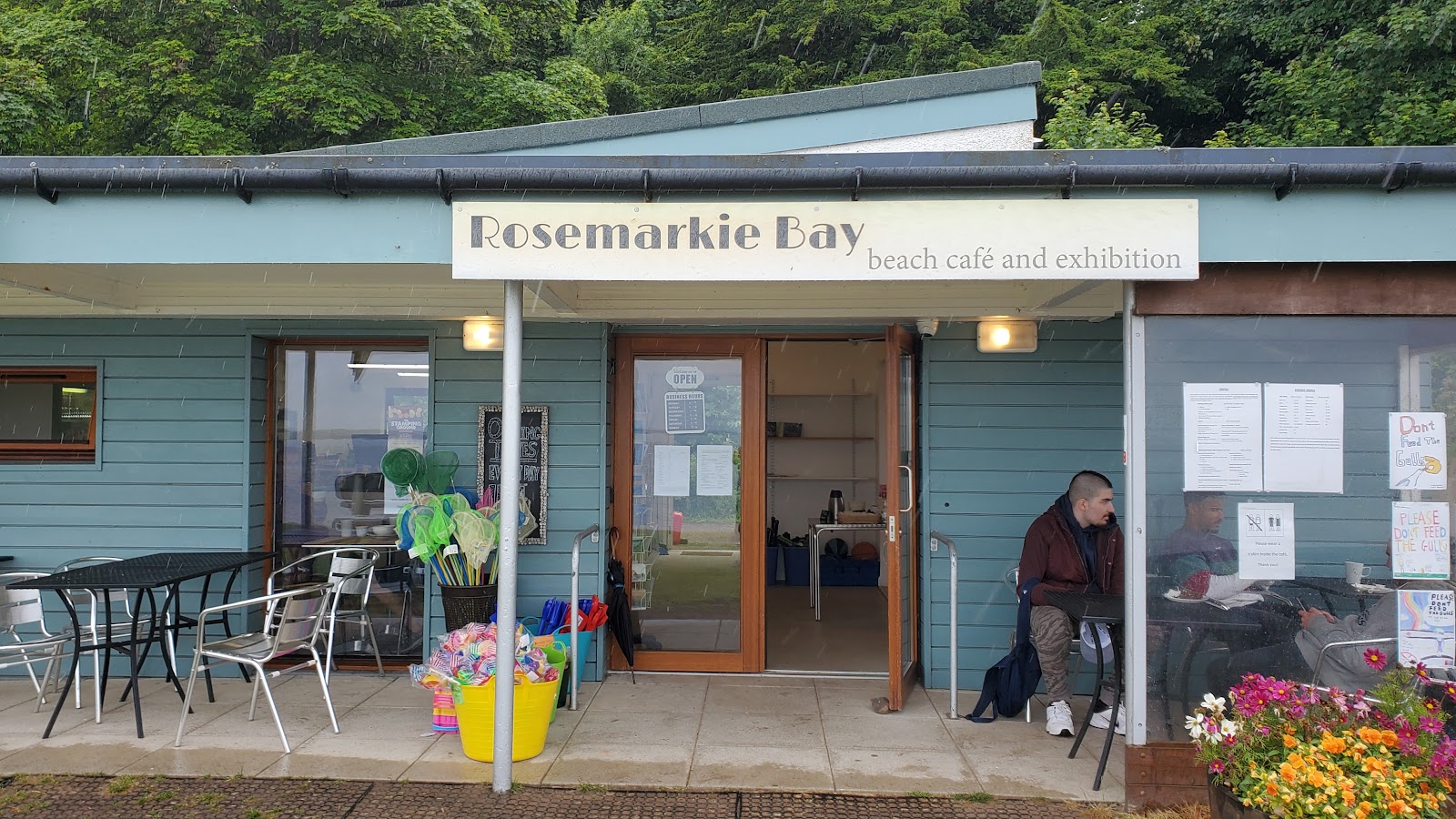 Rosemarkie Beach CaféA friendly community cafe on the beach at Rosemarkie, serving sandwiches on soft fresh bread, soup and home-made cakes every day.Under a mile 1 min by road
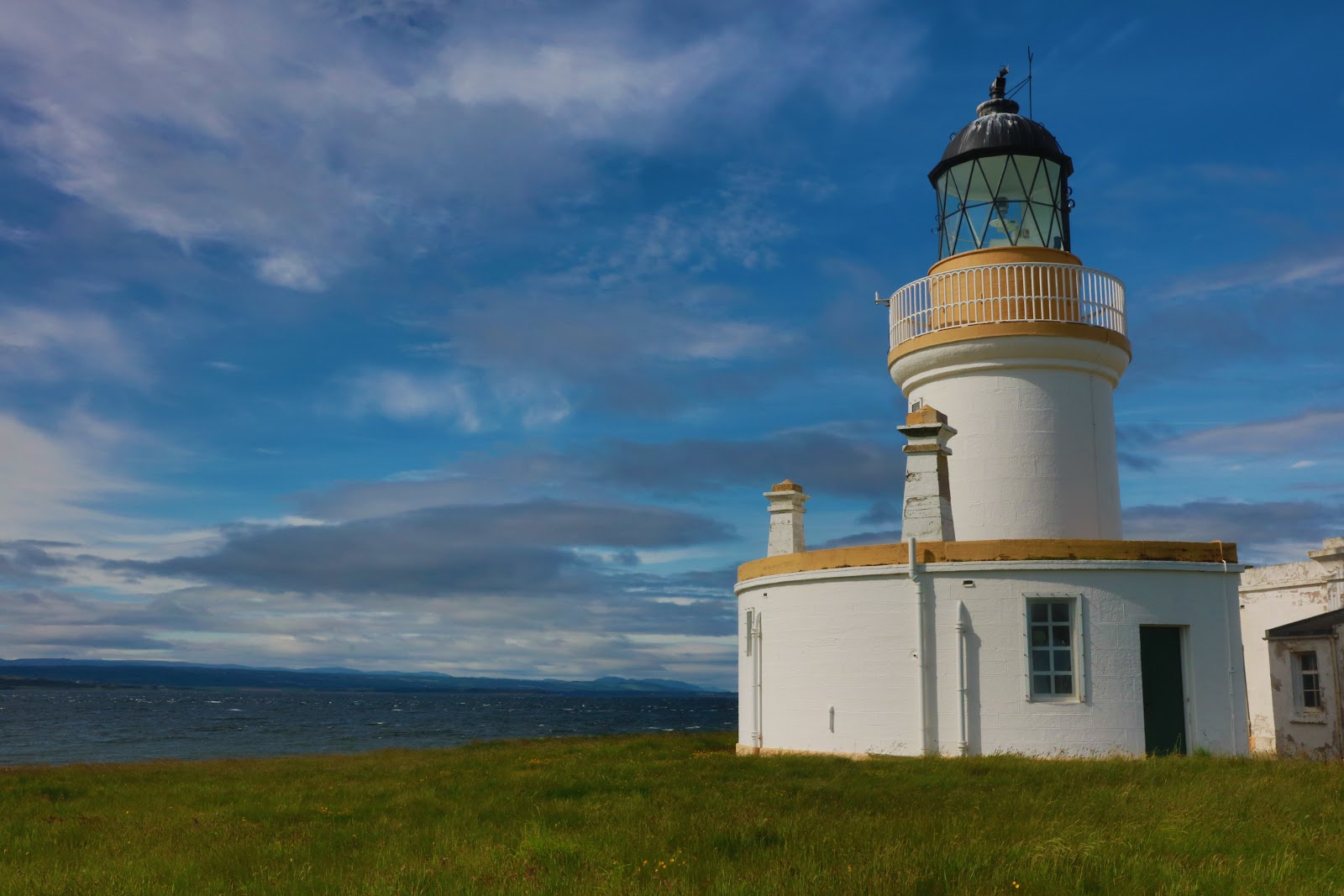
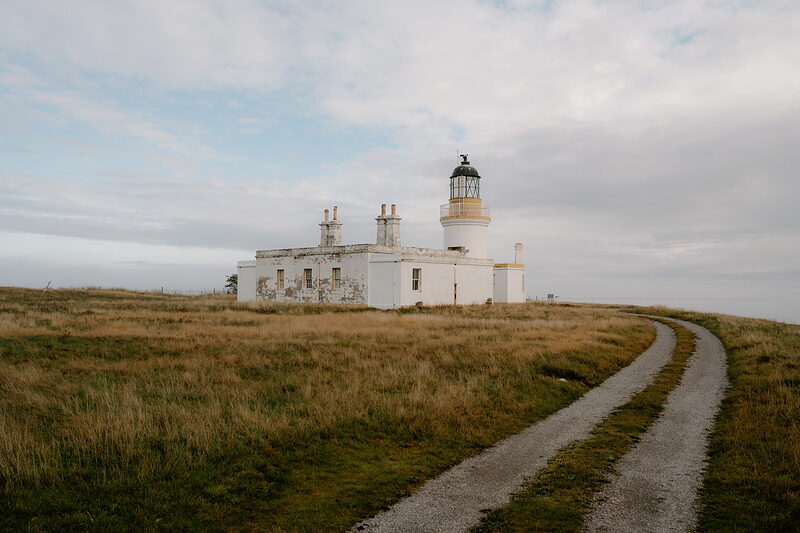 Chanonry PointDolphins off the point.2 miles 7 min by road
Places to stay near the village, and when each is next free.
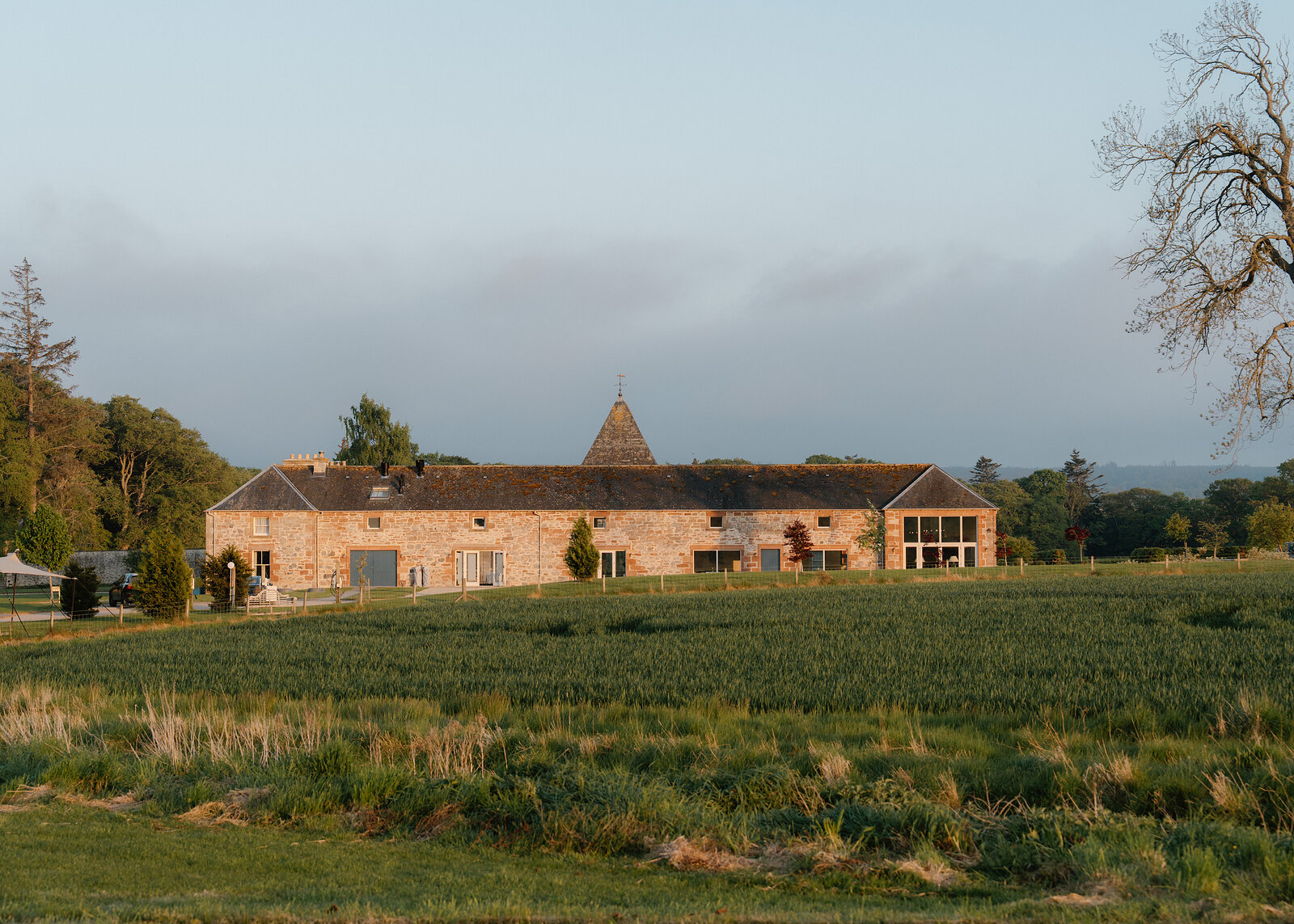 Newhall Mains
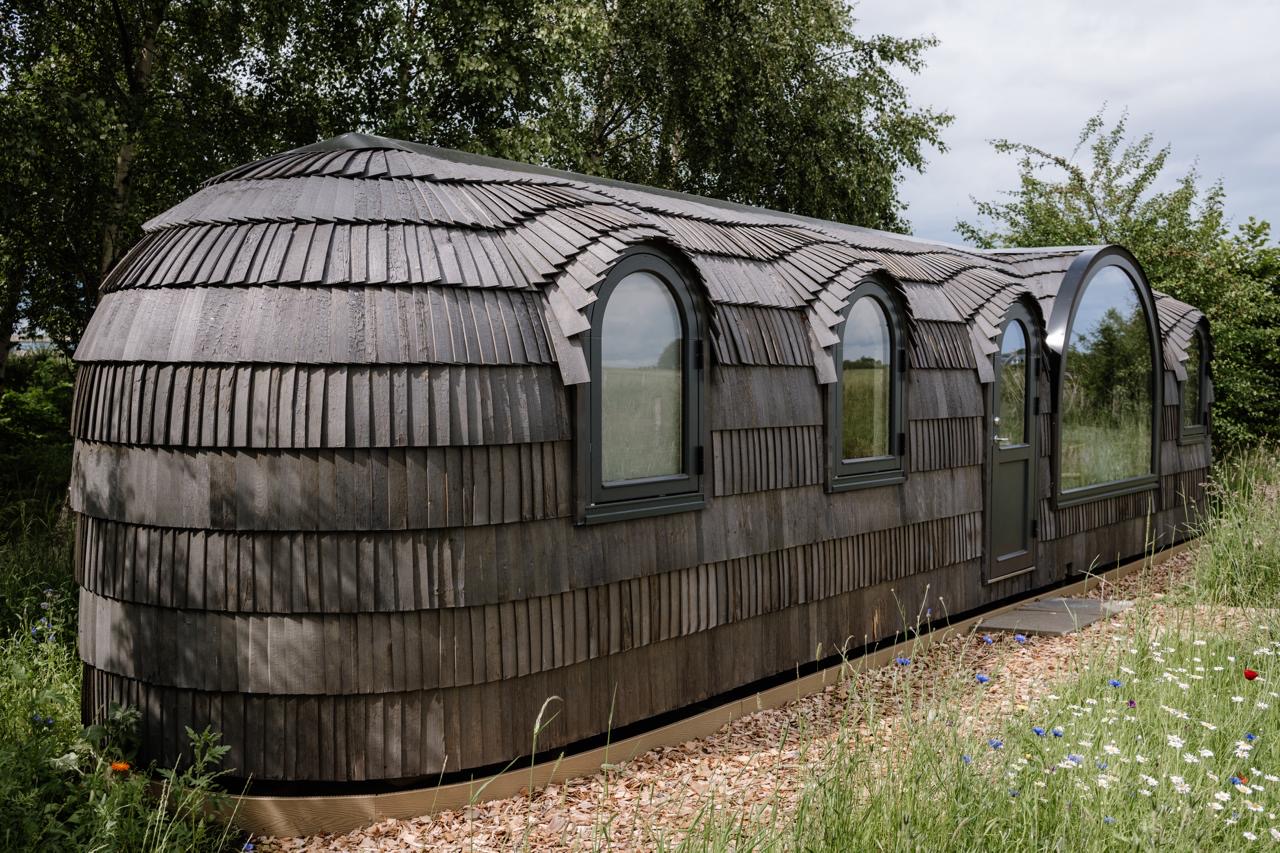 Boath Cabin
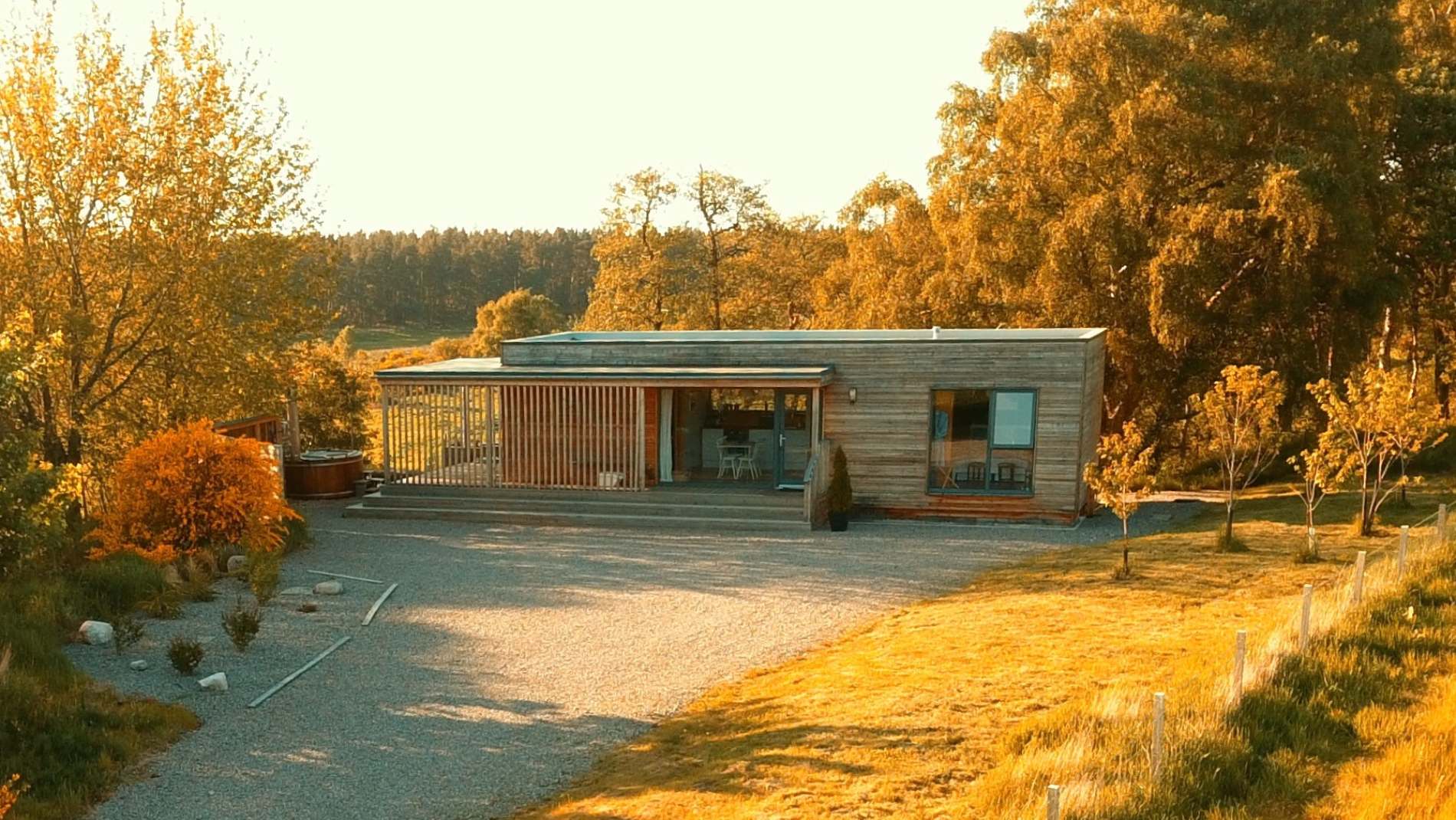 Culbin Edge
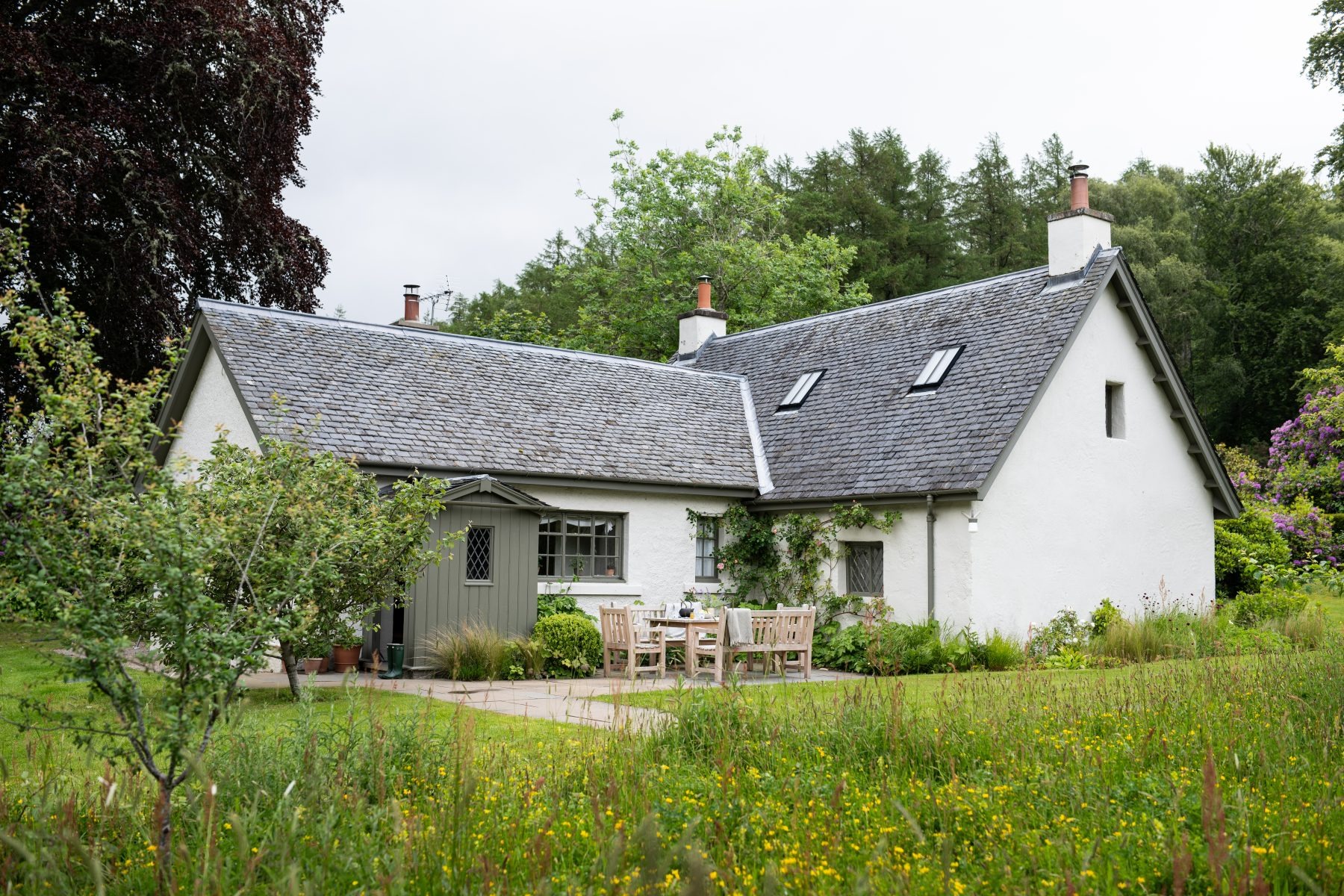 Garden Cottage
We want to show you the best that Scotland has to offer. The makers and the creatives, the enduring experiences, the evocative tales, the concealed corners. The roads less travelled that take you to places that matter. The adventures that gather you up and sweep you away. The blend of the wild and the artistic that makes Scotland what it is. We’d love for you to join us.
What we have written about it, the collections it is in and more in Ross and Cromarty.
For further reading, before you go. The details on this page were checked on .