
The Last Soutar’s Shop - Preserving a Forgotten Piece of Rural Scotland
Across Scotland, the soutar was once as essential as the smith or miller, shaping and repairing the boots that kept rural life moving. By the early twentieth century, the trade had faded, overtaken by factories and mass production. Then, in 1999, a soutar’s workshop was found untouched in Ballogie, Aberdeenshire — tools, shoes, and scraps of leather lying exactly as they’d been left half a century earlier. This rare discovery offers a remarkable glimpse into a craft that quite literally kept Scotland on its feet.
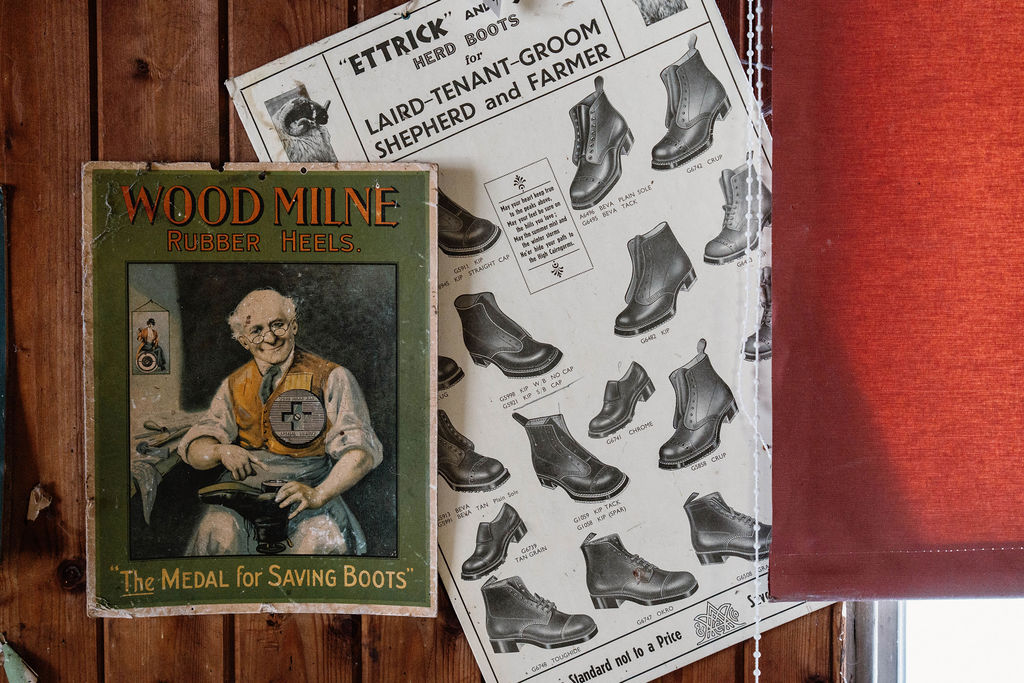
There was once a time when you would be hardpressed not to find a soutar’s shop, whether in cities and towns or across rural Scotland.
The role of the soutar was crucial, especially in rural communities where people lived and worked on the wider landscape. Without a soutar to mend or make boots and shoes, working the land became a greater challenge, and travelling to the nearest town was not an option for everyone. The soutar, therefore, was a hugely significant part of rural life in Scotland. But soutar’s shops are now gone. By the beginning of the 20th century, shoe manufacturing had greatly expanded, with an increasing number of factories employing thousands of workers to mass-produce footwear. Independent, home-run soutar’s shops continued to provide an essential service across rural Scotland, but as the 20th century progressed these too began to close. Shoemaking had become commercialised, and the soutar quietly slipped into the pages of Scottish history.
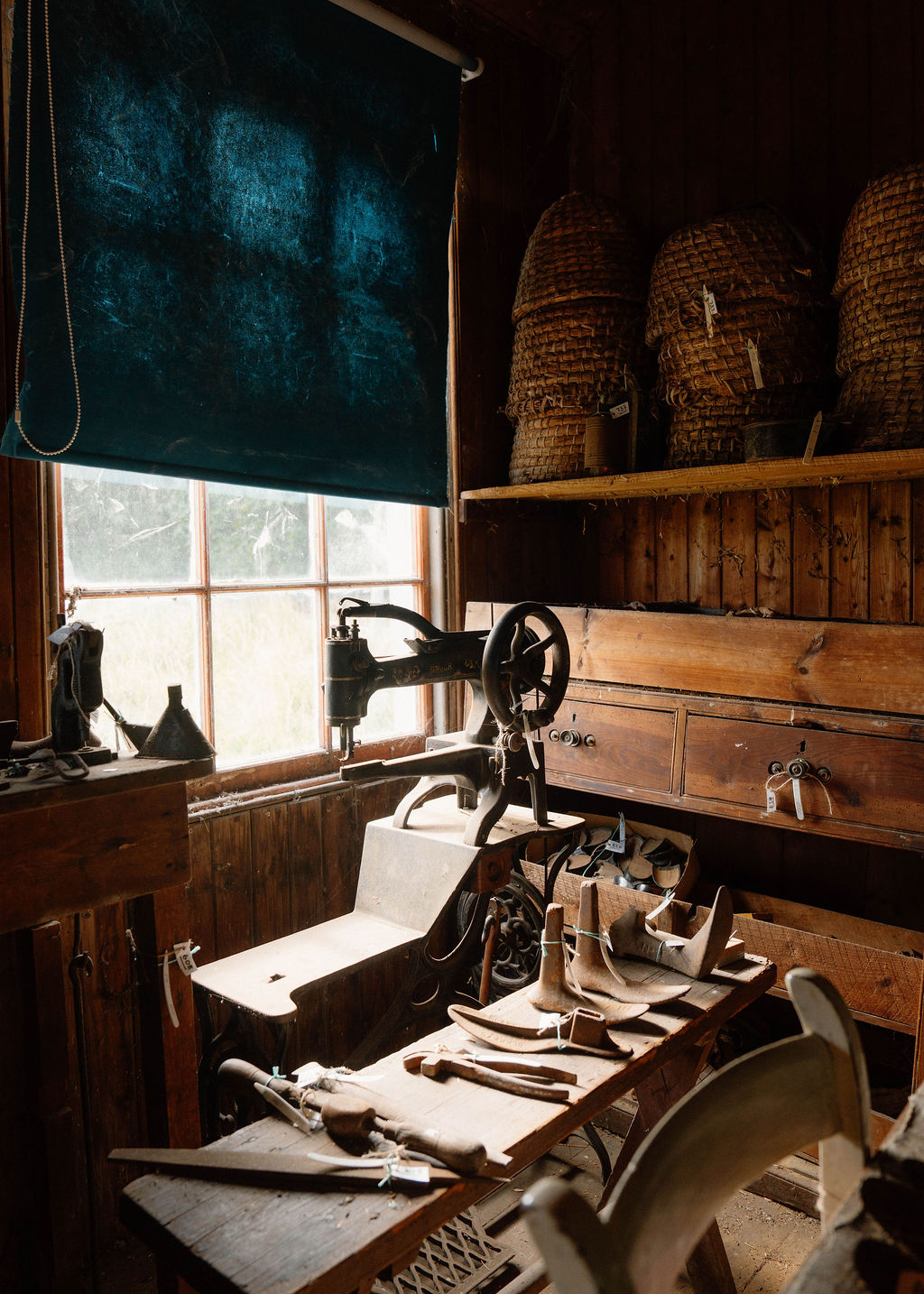
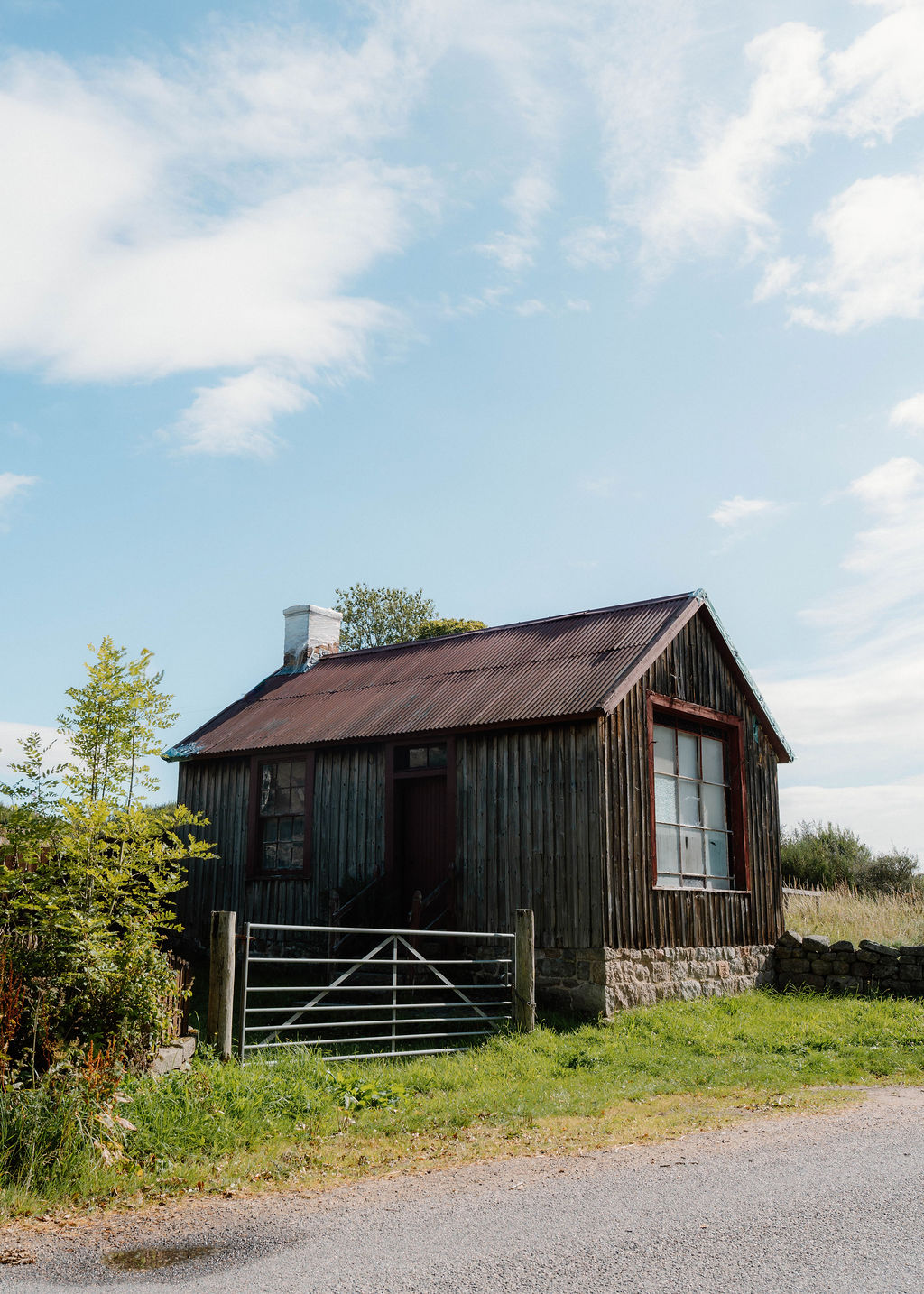
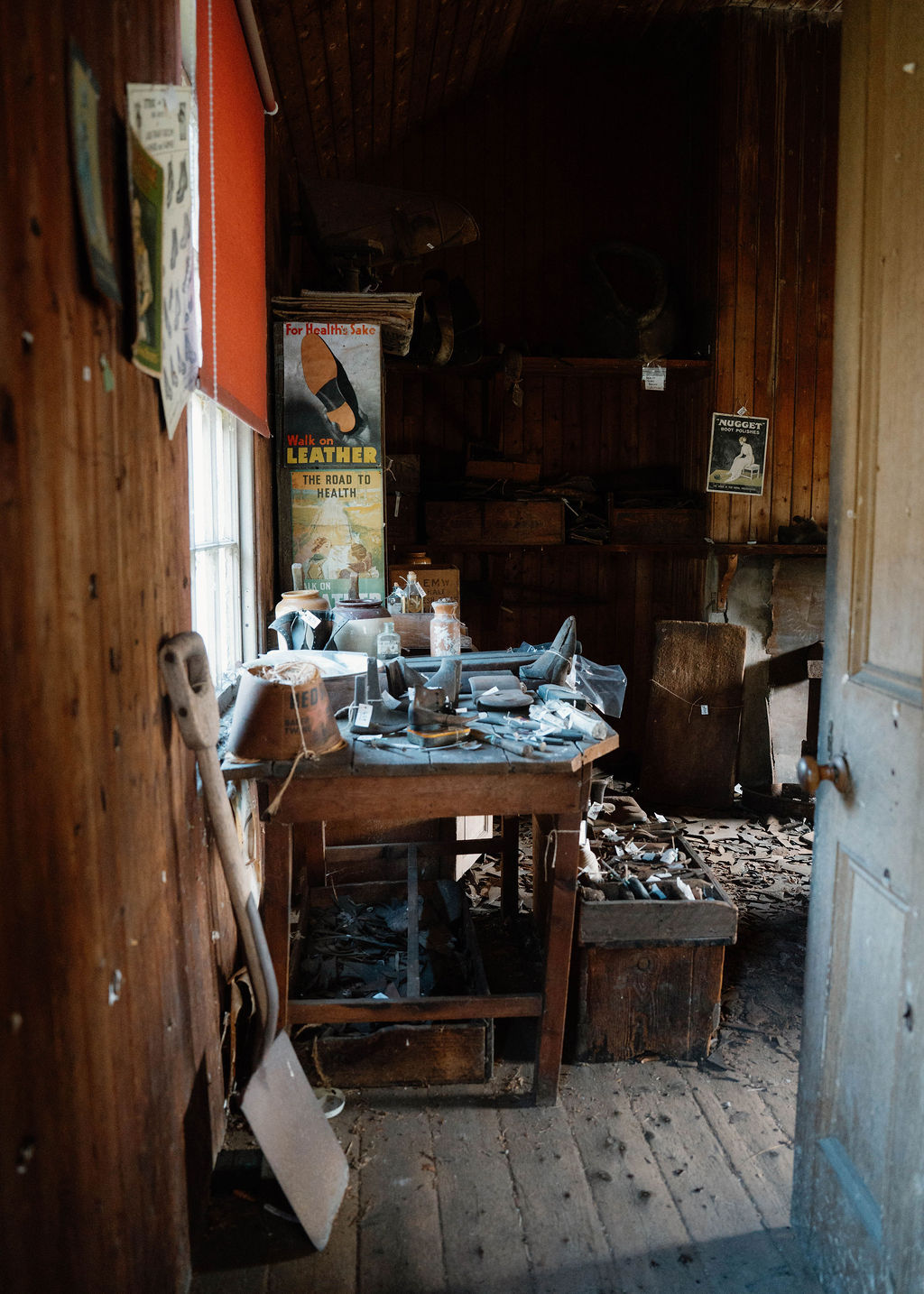
That was until 1999 when an extraordinary discovery was made upon a croft in Ballogie, Aberdeenshire. In what was simply thought to have been a shed, a soutar’s shop and workshop had sat untouched since it stopped business in the 1940s. All of the soutar’s original tools, machinery, shoes, shoeboxes, paperwork – even beekeeping equipment – had survived for over fifty years, left undisturbed by the passage of time.
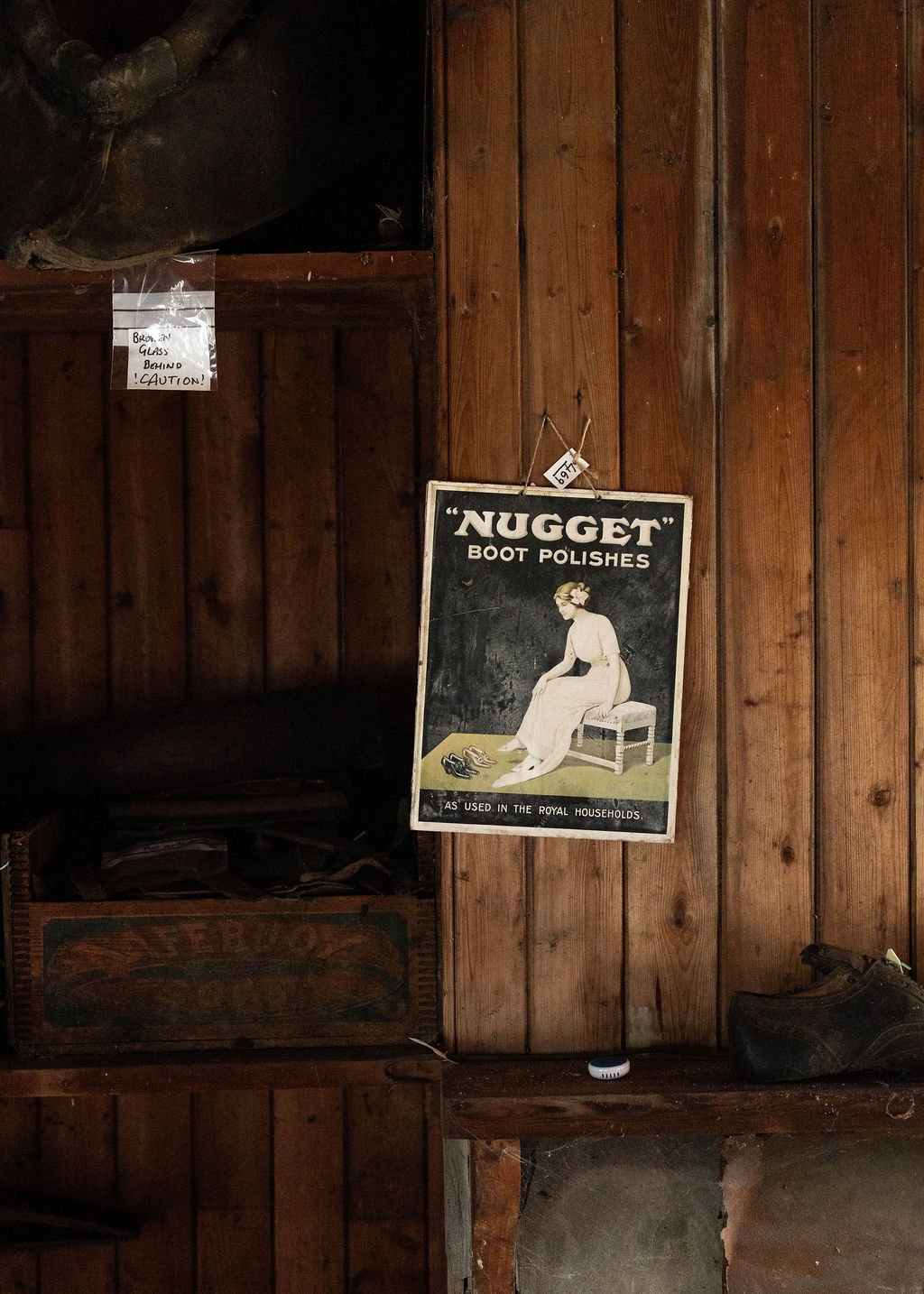
This was an extremely rare discovery. Despite being an essential part of rural life in Scotland for centuries, this remains the only known surviving soutar’s shop in the country.
Who was the soutar behind this incredible discovery? In 1896, James Merchant built a shop and workshop opposite his home at Muir Croft Cottage. It was here that he would work as a soutar and crofter until his death in 1941. His son briefly ran the shop, but this didn’t last and it was closed soon after – only to be rediscovered in 1999 after the death of Merchant’s daughter.
After the shop’s discovery, it came into the care of Birse Community Trust, a charity working for the benefit of the Birse parish through a variety of projects, including promoting the area’s natural and cultural heritage. The Soutar’s Shop at Ballogie is just one of many historic sites managed by the charity, but it is a particular source of pride and joy.
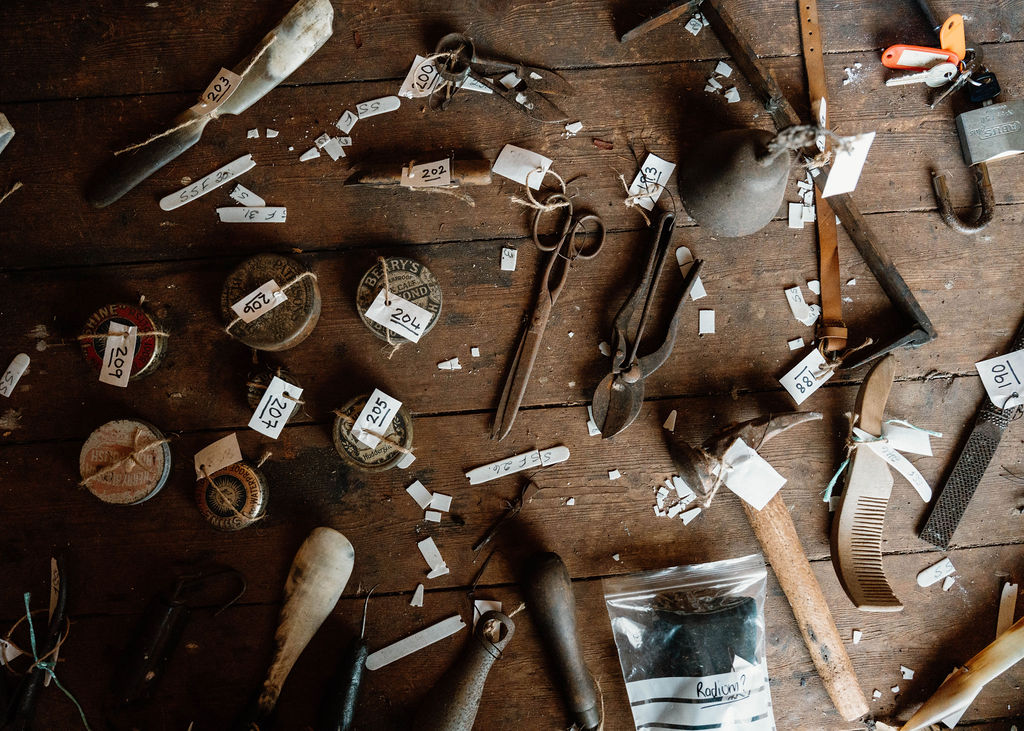
Toni Watt, manager at Birse Community Trust is passionate about the cultural value of the Soutar’s Shop. ‘It really is a time capsule of a rural way of life,’ Toni describes. ‘When you walk inside, it feels as if the soutar has just gone home for lunch and could return at any minute. Every visit reveals something new – from shoes to lovely decorative shoeboxes, worn and well-used tools, and leather scraps still lying on the floor where the soutar left them.
’ To Toni, it is more than just the preservation of artefacts and history that makes the Soutar’s Shop so special. ‘It is the people you meet on a tour, their stories, memories and specialisms,’ Toni explains. ‘The soutar kept bees to supplement his income. We have welcomed visits from beekeepers, keen to see his old equipment, hives, and beautifully woven bee skeps. We have had leather workers fascinated by his tools, textile and fashion specialists interested in the shoe collection, families who worked as soutars or in the footwear industry. So many memories, so many stories. It is their stories that really bring the Soutar’s Shop to life.
’ However, the Soutar’s Shop at Ballogie needs our help. While decades of being untouched have preserved this shop as a time capsule of the past, they have also contributed to the growing issues now faced by the Birse Community Trust in conserving the building and its artefacts. As the timber panels and corrugated iron begin to deteriorate – with rotting wood and an unstable chimney just two of the problems – the precious collection inside is also at risk.
That’s why the Birse Community Trust is fundraising for the conservation and promotion of this remarkable piece of Scottish history. In addition to building a digital presence to increase online access to the shop’s collection, this funding will also go towards the training of the charity’s local volunteers in essential skills for caring for the artefacts from the shop. Just as James Merchant used his skills in shoemaking to serve the local community around Ballogie, this funded training will bring new skills into a rural area that will help preserve its history. The survival of the Soutar’s Shop is fuelled by a community’s passion for its heritage – an inspiring reminder of how we should value our local history.
birsecommunitytrust.org.uk/souters-shop-project
Words: Beth Reid // Photography: Jack Cairney
Promoted Post
The Scullery
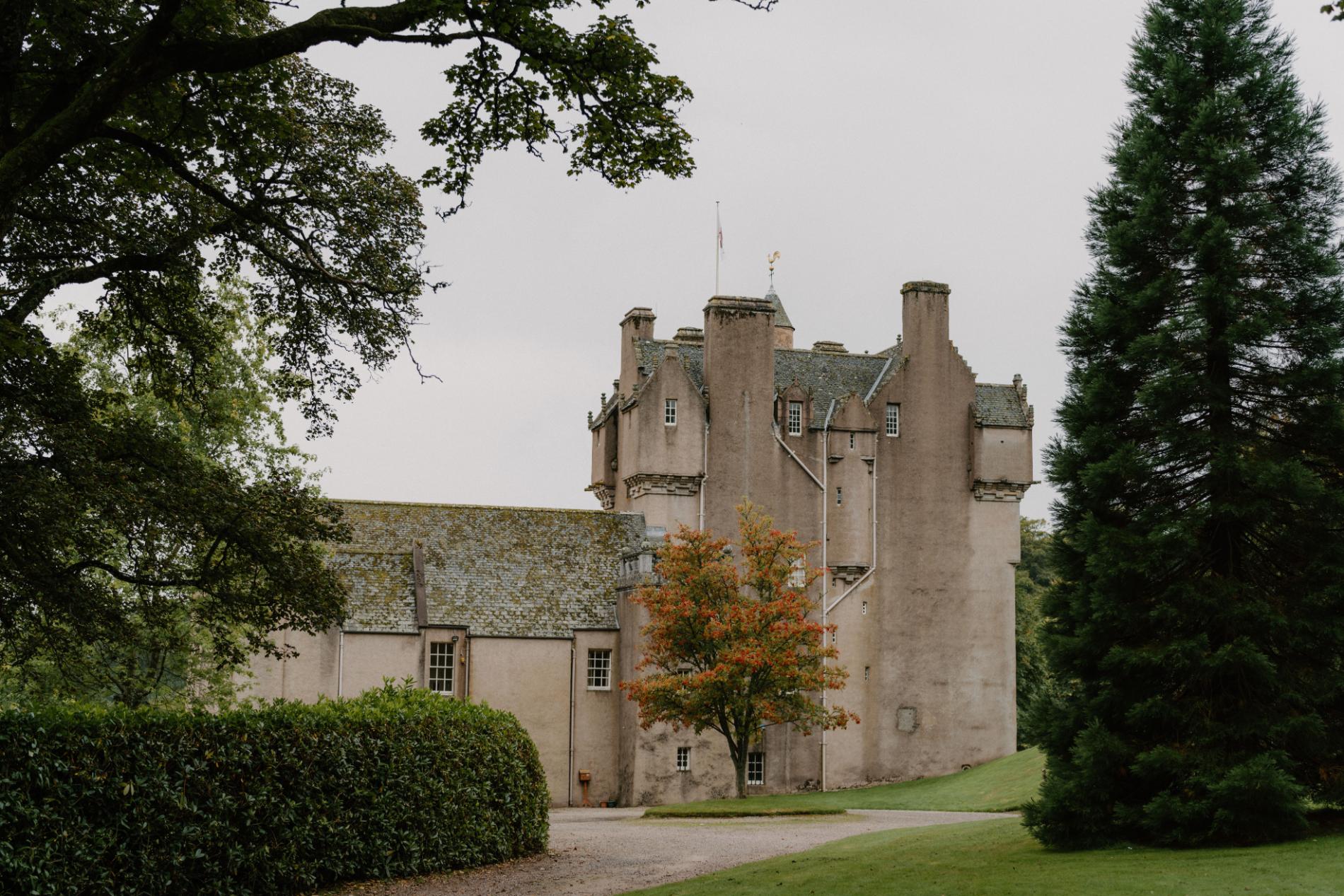
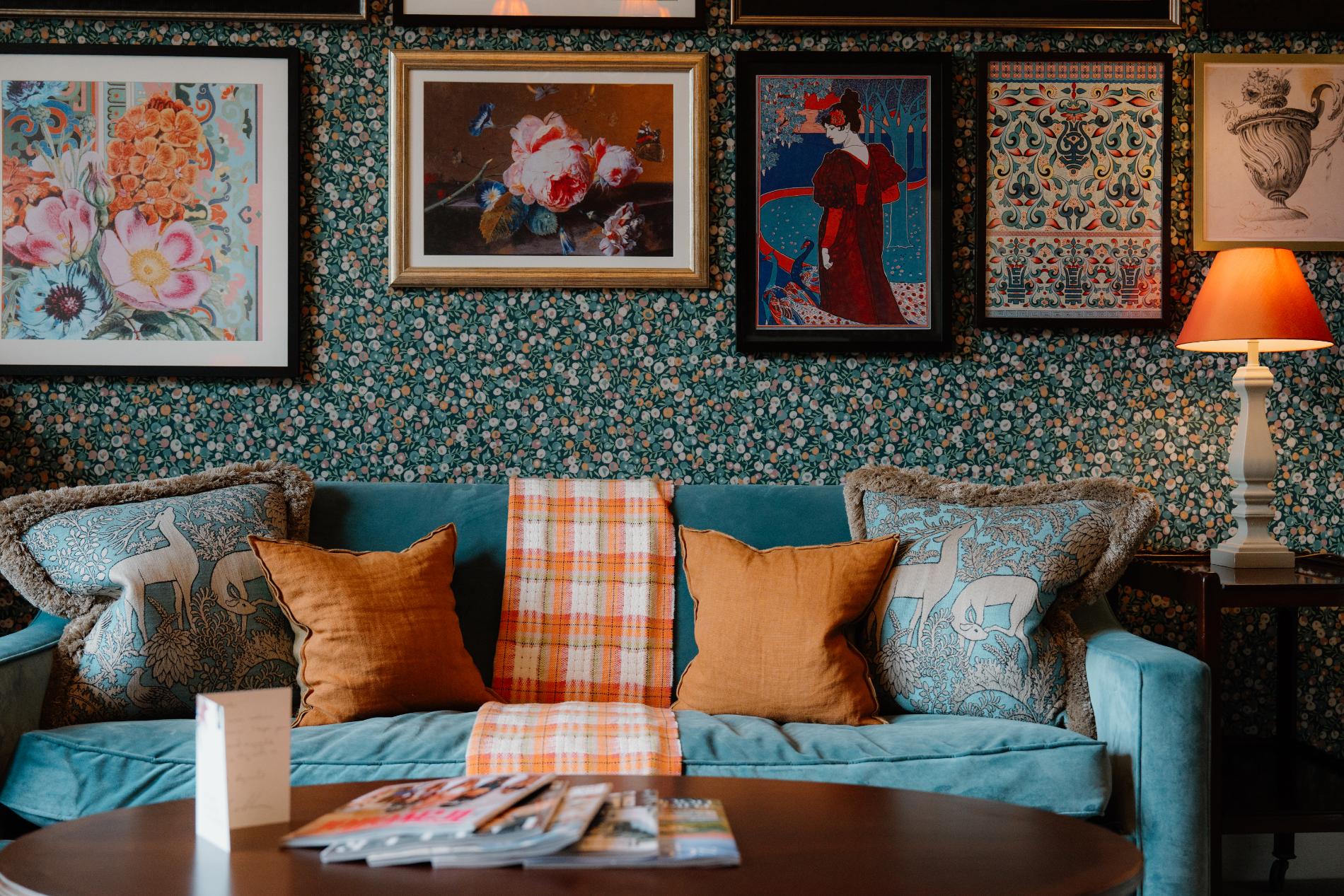
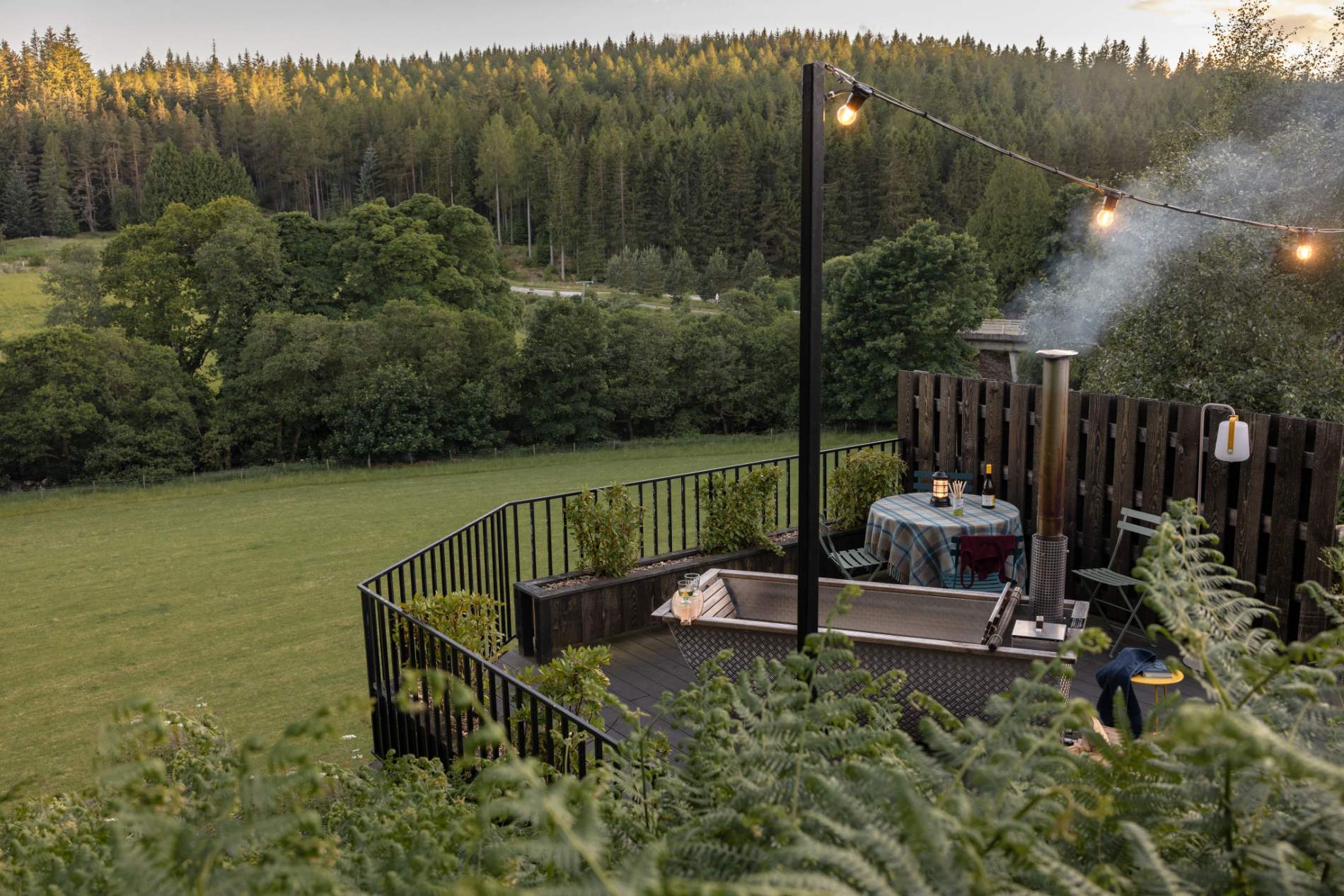
Tucked away in the heart of the Yarrow Valley, The Scullery is a one-bedroom boutique hideaway, eloquently designed for comfort, calm, and connection. Whether you’re escaping the city or craving a countryside reset, this is your space to slow down and just be.
-listable-carousel-1769292770.jpg)
-full-1749645255.jpg)
-full-1749413136.jpg)







 Sign in with Google
 Sign in with Email