
The Whisky Queen of the Cairngorms - Katy Fennema
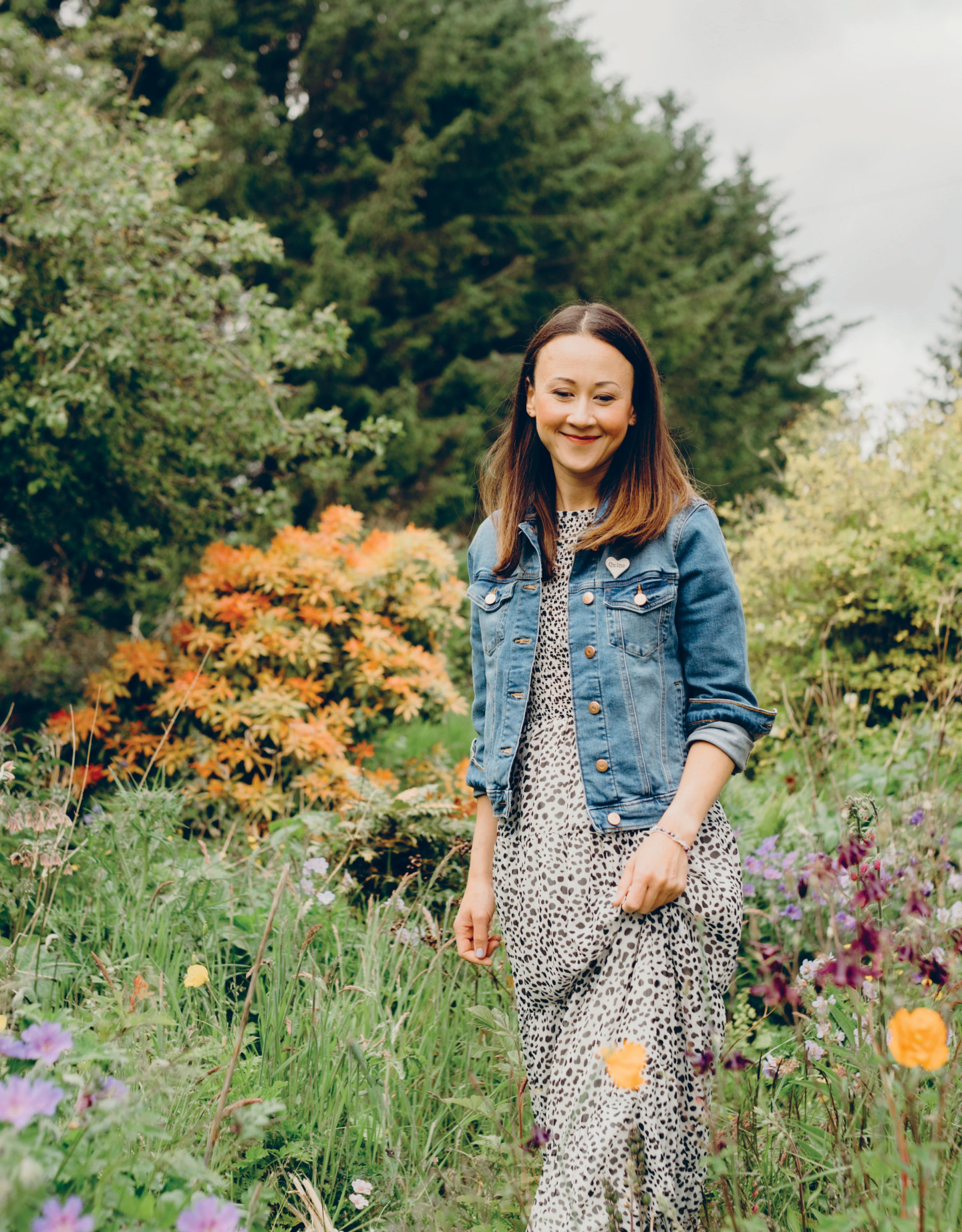
Katy Fennema is the Whisky Ambassador at the Fife Arms in Braemar and co-founder of Braemar Highland Experience. From her roots as a classical musician to leading tastings in one of Scotland’s most renowned whisky bars, she shares stories of home, heritage, and how whisky connects people to place.
-full-1749645255.jpg)
The call of the wild, and of whisky, can bring you home. Meet Katy Fennema. To guests at the Fife Arms - the acclaimed art hotel in Braemar - Katy’s known as their Whisky Ambassador. But just like the spirits she shares during tastings, there are stories to uncover. As autumn comes to the Cairngorms, Katy tells us about her varied career, working at the magical Fife Arms, and what it’s like sharing her love of Scotland’s national park — and national drink — with visitors.
Can you please introduce yourself and what you do to our readers?
I’m Katy Fennema, and I live, work and play in the Cairngorms National Park. I’m very fortunate that the boundaries between work and play are rather blurred as my careers combine all of my passions. I’m the Whisky Ambassador at the Fife Arms Hotel in Braemar, and also I run Braemar Highland Experience alongside my husband, Julian.
You started out as a classical musician. Tell us a bit about what brought you back to Braemar?
I initially worked as a freelance musician in orchestras across the UK as a professional oboist. This gave me plenty of opportunities to travel, although my base for eight years was London. I then moved to Glasgow and for 13 years I was Associate Principal Oboe of the Royal Scottish National Orchestra. As well as playing in the orchestra, I had the opportunity to develop my education work in children’s hospices and hospitals and in various care settings.
But Braemar has always had a special place in my heart. My family has lived here for at least 300 years, and the landscape and history of the area drew me back to my home.
Now you’re both a tour guide and whisky connoisseur. How did you develop such passion and knowledge for Scotland’s national drink?
My first memory of whisky is enjoying a dram of Glenmorangie with my father. I can still remember its taste to this day – honeyed, floral and malty. Its complexity astonished me.
When I started travelling as a musician, I made sure I always had a hip flask of whisky with me. Whisky is ingrained in the culture, history and landscape of Scotland, and so it felt like I was carrying a little bit of the country with me.
It’s easy to make friends with a hip flask in your back pocket, and I always enjoyed introducing people to whisky. When my husband and I moved to Braemar, we initially ran a small hotel that specialised in whisky tastings. Over time we began to appreciate just how important our tastings were to us, so we decided to sell our hotel and open Braemar Highland Experience.
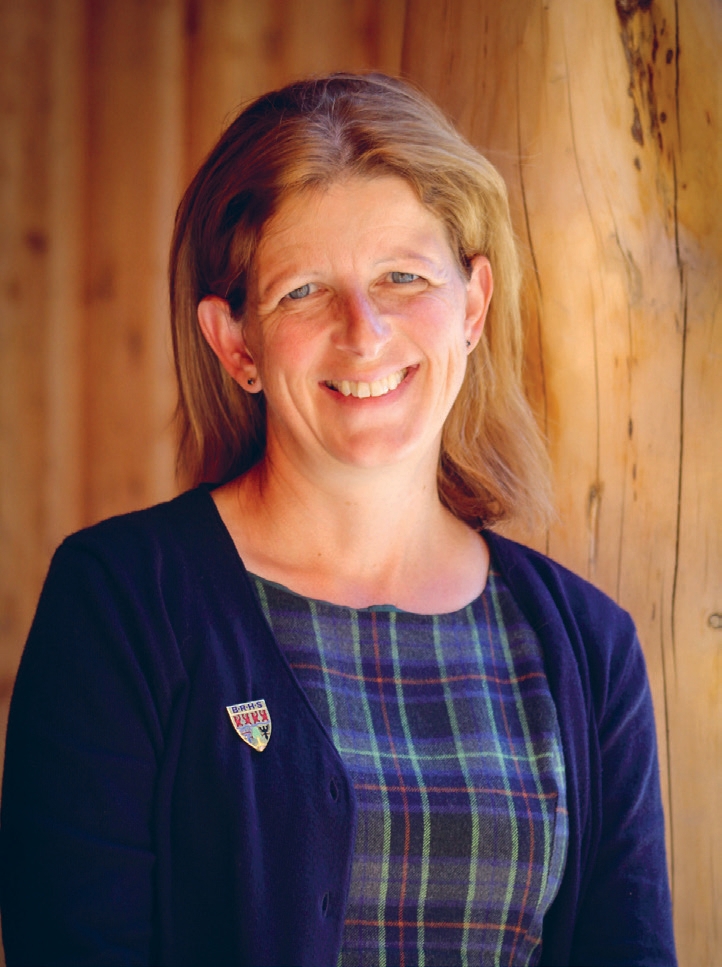
“Whisky is ingrained in the culture, history and landscape of Scotland, and so it felt like I was carrying a little bit of the country with me.”
Katy Fennema
You’re the Whisky Ambassador at the Fife Arms, billed as “Scotland’s hottest hotel”. What does your job involve?
I’m incredibly lucky to be able to call Bertie’s Whisky Bar my office. It’s an inspiring place to sit when I’m writing content for our podcasts, or giving whisky tastings to our guests. I’m also responsible for delivering and developing a whisky training programme for the Fife Arms staff. Like most of my working life, no two days are the same.
I always enjoy sourcing a rare bottle of whisky for a guest that has attended one of our tastings. A particularly rewarding example of this was when I managed to source a rare Highland Park bottling for a client looking to surprise her fiancé who was unable to attend my tasting due to work commitments.
We hear there are hundreds of different whiskies at Bertie’s, with the bottles arranged as if in a library. What can we expect from a tasting?
There are four members in the Bertie’s team and we all deliver tastings. Each of us has slightly different interests, whether that’s the history of whisky, the chemistry and science behind making it, or its breadth of flavours – which means that no two sessions are ever the same.
During my tastings, I look at how and why whisky has formed a bond amongst Scottish people for hundreds of years. I enjoy sharing the wider story of whisky in Scotland, its social and cultural resonance, as well as how to taste, and the whisky making process.
In each tasting, I introduce a whisky from each of our four different flavour profiles at Bertie’s. I find this approach helpful as it narrows down which whisky to use. That said, on the last count, we have 406 whiskies at Bertie’s, so it’s not unusual to find me swithering between two different bottlings at the last moment!
The whisky industry in Scotland is transforming, from sustainable single malts to female-run distilleries. What’s the best example you’ve discovered recently?
I’m a big fan of the Isle of Raasay Distillery. Raasay is a small island on the west coast of Scotland, off the east coast of Skye. The island was cleared of many of its inhabitants in the 18th century and since then it’s suffered from persistent under-investment. In 2017 it was announced that a distillery was to open on Raasay, and this proved to be a pivotal moment in the history of the island.
Today, Raasay Distillery employs 25 people, bringing employment and industry to the island. The distillery has become part of the close-knit community of Raasay, celebrating local production and provenance. It’s also attracting additional tourists, and locals tell me that for the first time in a long time there is a buzz on the island.
You also run Braemar Highland Experience with your husband, offering guided tours spirited by whisky tasting and local lore. What’s it like running a business in rural Scotland?
I don’t perceive working in a rural area as a challenge, but instead view it as an enabler. We have a wonderful and endlessly contrasting landscape right on our doorstep, which gives us the opportunity to offer whisky tastings on the hill, in a bothy, or in the intimate and cosy environment of Bertie’s. We can guide at high and low levels, walk long distances over several days, or look at the small details on a shorter walk.
The one unknown is what conditions winter will throw at us. Last year, we experienced violent storms, power cuts and minimal snow cover. This contrasted sharply with the year before when we had endless days of blue skies and plenty of snow.
When my mother was a child growing up in Braemar, six feet of snow was the norm, with the road to the south closed for one to two months each year. Climate change has meant that conditions today are more uncertain, making it difficult for our business to plan ahead for the spring season.
Talk us through what a perfect weekend would look like for you in Braemar and the surrounding area. What would you do, see, eat and drink?
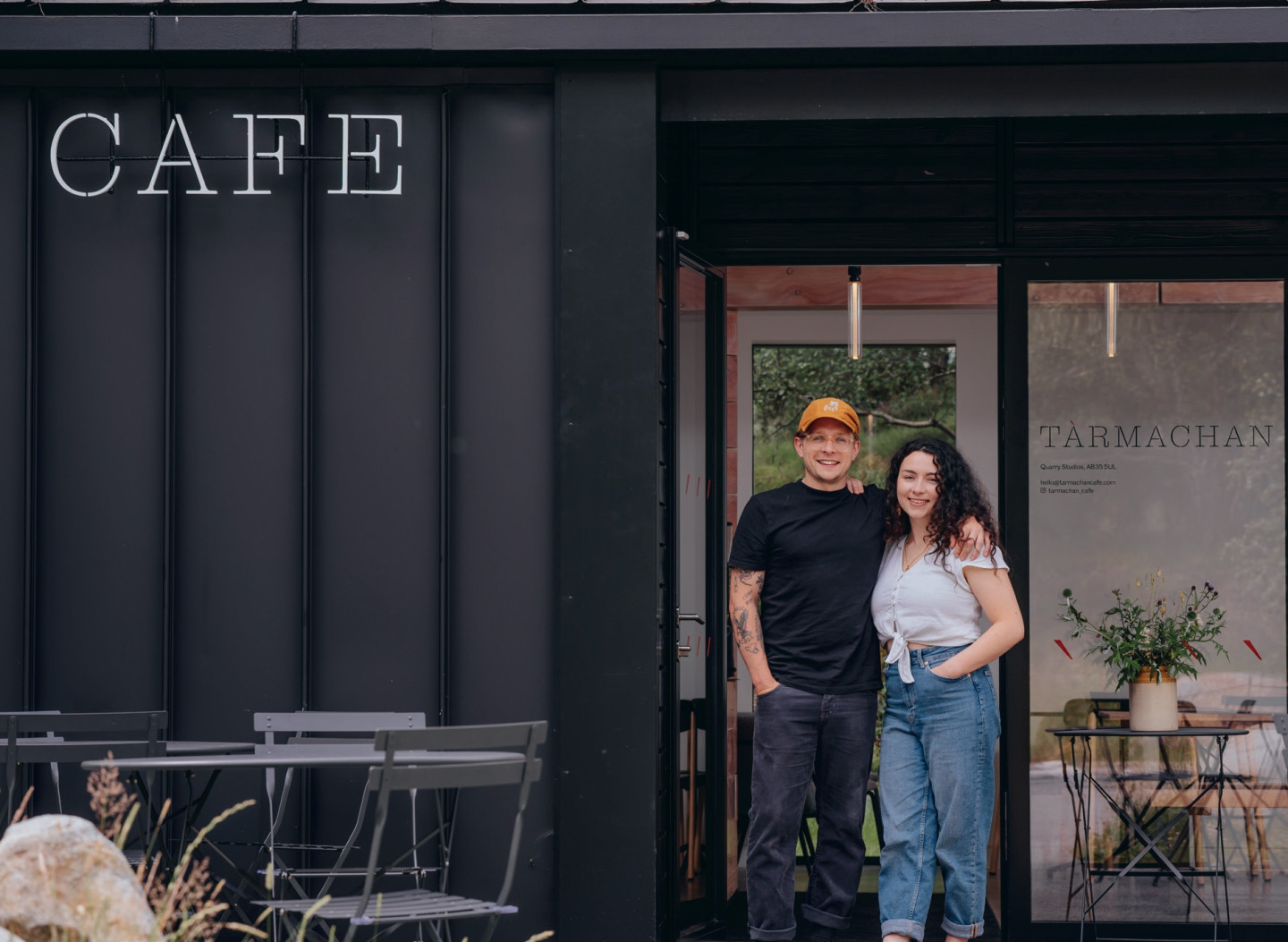
It would start with an early morning run on the Balmoral Estate with my husband and two spaniels. Suitably hungry, we would then head to Tarmachan Café in Crathie for lunch. Tarmachan specialise in vegan cookery, and all of their dishes are packed full of flavour. That said, my husband can’t be dragged away without eating at least one of their venison sausage rolls!
Hopefully, we would have left enough space to enjoy dinner later that night in the Clunie Dining Room at the Fife Arms. We’re so lucky to have such extraordinary restaurants on our doorstep. The Clunie specialises in wood-fired cooking – nothing beats their wood-fired vegetables, like wood-fired hispi cabbage alongside their current fish dish.
Sunday would begin in a leisurely fashion to Tomintoul for another run. The route takes you over the Lecht, which is the second highest through road in the UK. There are wonderful views down remote glens and up to the highest mountains in the Cairngorms. The Ailnack Gorge just outside Tomintoul is one of our favourite running spots. The gorge is six miles long, and at 600 feet wide, it is Scotland’s largest glacial meltwater channel.
Tomintoul is also home to the Whisky Castle, which specialises in single cask whiskies. With an ever-changing stock, we feel we can justify popping in to stock up on whiskies for our private tastings. We would then take a leisurely drive back, stopping at the Watcher’s Art Installation to enjoy views of the Cairngorm mountains and Corgarff Castle.
Music, landscapes, history, and whisky are just a few of your many interests. How do you make space for so many passions in your life?
I love taking the opportunity to combine my various passions – music in awe-inspiring landscapes, whisky on mountain tops, introducing clients to the history of our glens while I’m guiding. This approach helps me squeeze in as much as possible.
That said, I think the biggest lesson I have learnt in the last few years is to slow down and allow time for each of my passions. Maybe one will take centre stage for a while, and I enjoy giving it the space to do just that. Music has taken a back seat in the last few years for various reasons, but I know that it is still there, waiting to be enjoyed when time permits.
These interests together seem to sum up the spirit of Scotland. What tips would you give to visitors wanting to really connect with the country?
The most important thing when visiting Scotland is to take your time! We so often hear from clients with aspirations to explore Scotland in a week. A glance at a map might suggest this is possible. But our roads are winding, often single track, and our landscape and geology are constantly changing. Exploring Scotland takes time. I think it’s important to give it the space it requires, discovering an area in more depth and enjoying the smaller details.
Don’t forget to look up – golden eagles soar above the wide, open landscapes of the Cairngorms. Look to the hills and marvel at the herds of deer. At first they appear as indistinct brown dots, but as your eyes become accustomed to the landscape you’ll often spot large herds scattered across the hillsides. Look down to the small details at your feet and enjoy the wide range of plants, insects and fungi, many of them found only in Scotland.
What’s next on the horizon for you, Katy?
It’s fair to say that the last ten years of my life have been rather hectic. I am looking forward to digging deeper into my passions in life, taking more time for friends and family, and developing our whisky tastings and consultancy work.
Lastly, send us off with a dram! Some of our readers will already be whisky lovers, and others novices. Can you recommend a whisky both will love?
Glenmorangie Distillery are constantly innovating and are currently producing some fascinating, tasty whiskies. Glenmorangie was one of the first distilleries to pioneer cask finishing, completing the maturation of whisky in a different type of cask. Their Nectar d’Or is finished in an ex-Sauternes cask, as the sweetness from the cask contributes apricot and syrupy flavours.
I’d recommend my current favourite from Glenmorangie’s range — Allta, which has been fermented with wild yeasts collected from barley growing close to the distillery. It also has notes of apricot, and a herbal and floral freshness.
Promoted Post
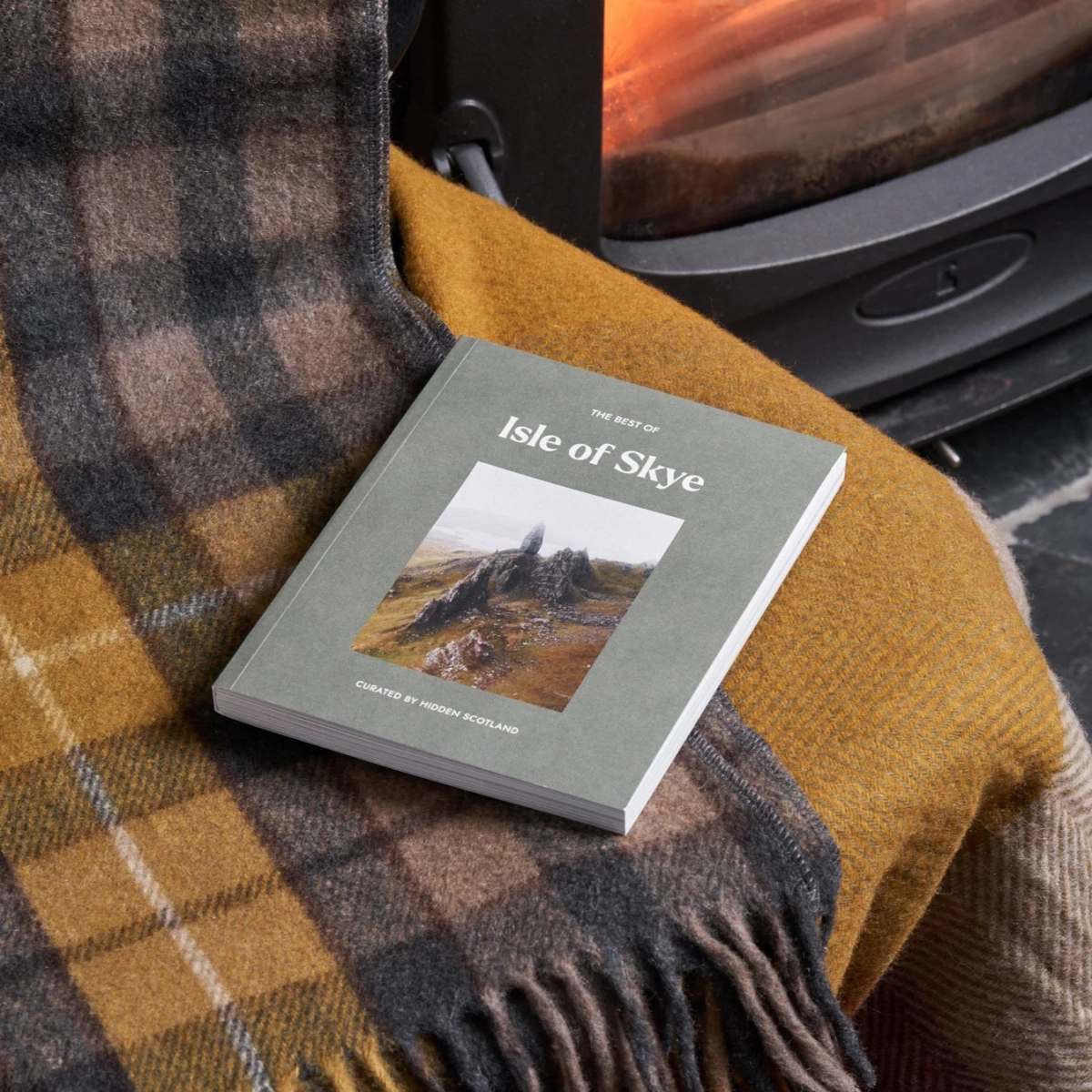
The Best of Skye Guidebook
The Isle of Skye is a place of rare wonder, a wildlife-rich spread of bays, peaks, cliffs and ridges. The views are big, but the prospect of adventure is even bigger. We hope this curated Hidden Scotland guide – which takes in everything from the best walks to the finest restaurants – helps you to have your own unforgettable island escape.
-full-1749413136.jpg)






 Sign in with Google
 Sign in with Email