
Foraging for Wild Food
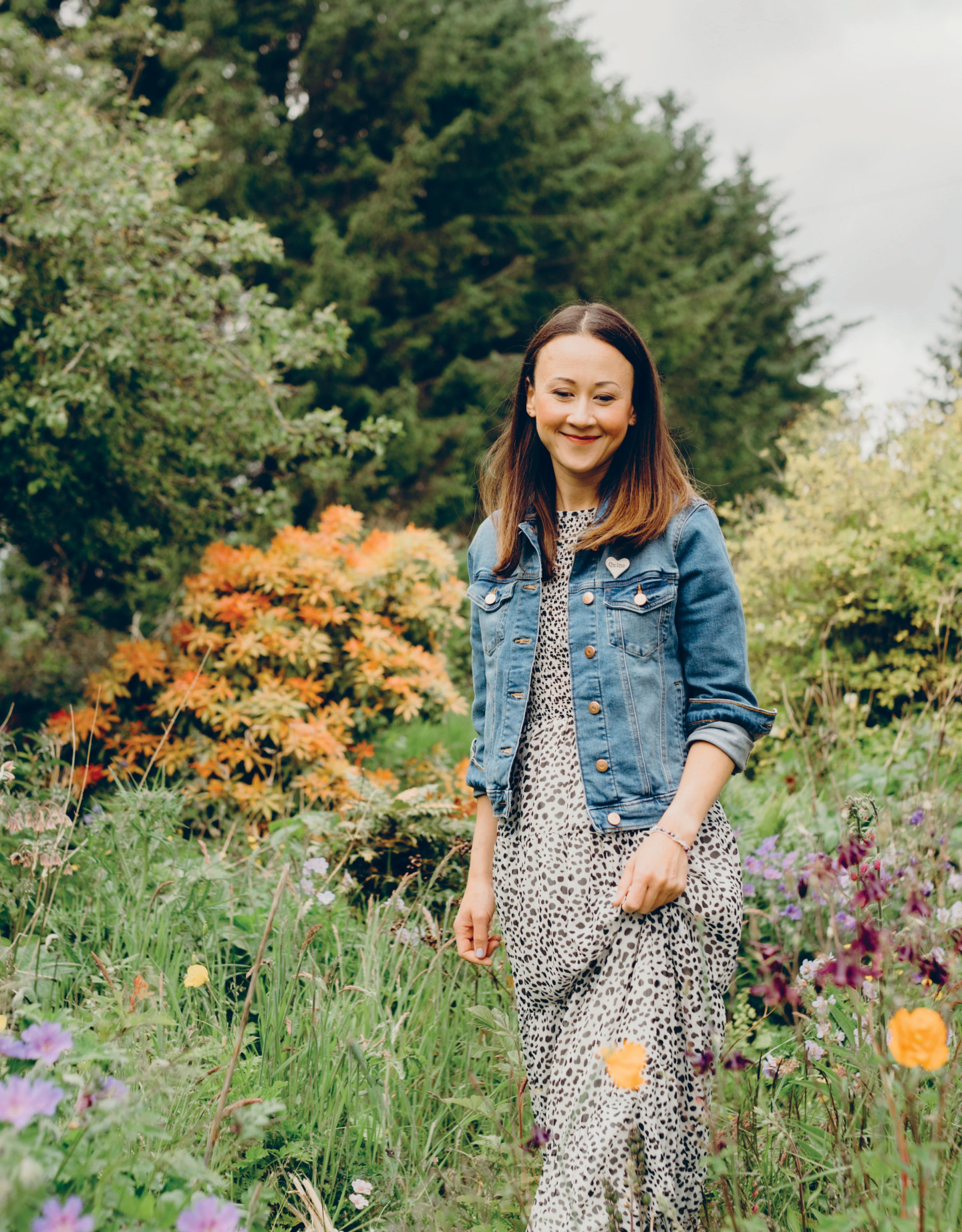
with Leanne Townsend of Wild Food Stories
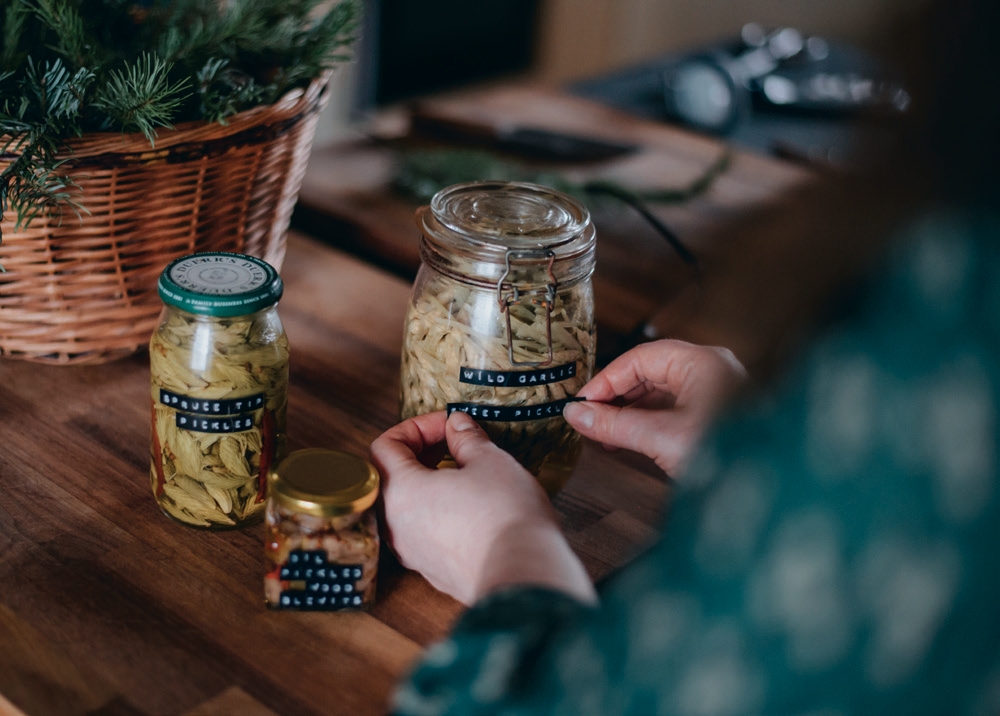
There are many ways to enjoy the beautiful wild spaces that Scotland has to offer. Hillwalking, cycling, horse riding, fishing – these are all activities that bring us face to face with nature, and immerse us in the wonderful Scottish countryside. But for me, there is one outdoor activity that stands out above all others – foraging for wild food. Scotland boasts a diverse range of habitats: forests, riversides, lochs, meadows, coastal areas and hedgerows are all abundant sources of wild food. Imagine a natural larder packed with delicious flavours – spring greens, bittersweet fruits, nutty wild mushrooms and savoury seaweeds, not to mention the vast array of native wild herbs and spices. It’s easy to see why wild foods are so highly prized by chefs and food writers, especially those who value local and seasonal produce.
Foraging is a pastime that is growing in popularity, especially amongst those looking to form deeper connections with nature, source more local food and add interest to their plates. But this isn’t a new, fashionable hobby – foraging forms a big part of our heritage and was once a major source of nutrition for our hunter-gatherer ancestors. As populations grew, many societies (including in Scotland) moved away from hunting and gathering in favour of agricultural food systems. This changing connection with the land resulted in a loss of the skills needed for gathering wilds foods. The knowledge of how to safely forage for wild foods, once passed down through the generations, was to a large extent lost - until a resurgence in interest over the last two decades put foraging back on the agenda. There is now a growing community of enthusiasts and professionals quite literally putting wild food back on the menu.
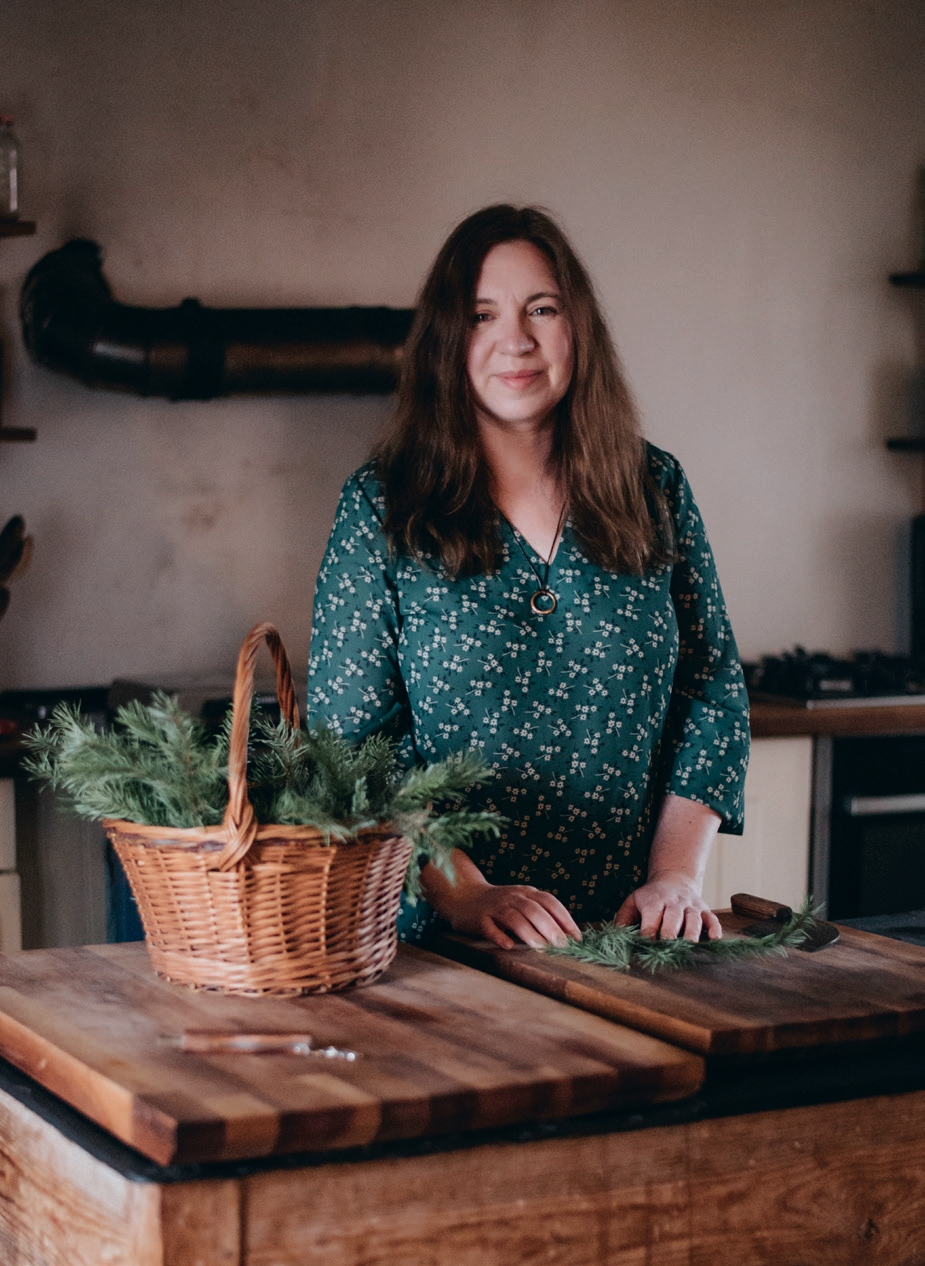
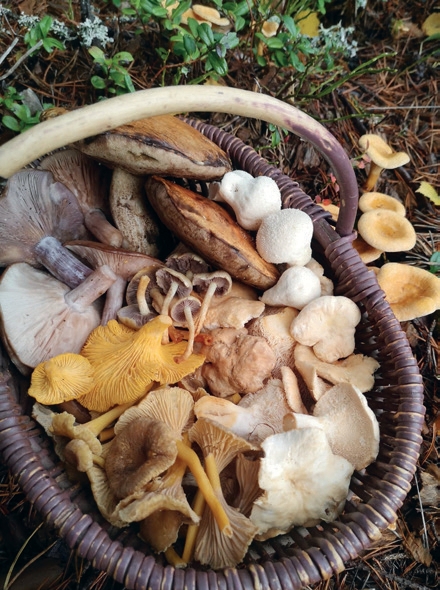
My own foraging journey began as a small child when my Grandmother would take me ‘brambling’ in the hedgerows. We’d take our precious blackberry harvest home to make delicious pies and crumbles, as well as preserving them for the year ahead in jams and jellies. This traditional practice is still reasonably common in the Scottish countryside. It wasn’t until many years later that, as a young woman who had just moved to rural Aberdeenshire, I really embraced foraging as an interest (and later, a way of life). My new passion began with the yellow chanterelles (Cantharellus cibarius) I found in the mossy birch woods. Before long I had widened my repertoire to include many more wild mushroom species, and after that, the multitude of other wild foods on my doorstep – greens, fruits, flowers, seeds, nuts, seaweeds and herbs.
The wonderful thing about foraging is that even the most seasoned expert still has a lot to learn. Foraging is a lifelong learning journey – even once you are familiar with your own local wild food species, there are always other habitats to explore and new species to learn. Foraging isn’t just the art of finding and safely harvesting wild plants and mushrooms – it is also the skill involved in preparing and preserving those ingredients in the kitchen. The practice of working with wild food is hugely rewarding. From incorporating wild ingredients into everyday dishes, to creating culinary innovations which elevate wild ingredients to the next level – the scope for creativity is huge. I take great enjoyment from creating new recipes using wild foods. I also preserve my harvests in various ways (jams, jellies, pickles, ferments, various dried herbs and mushrooms) and incorporate wild flavours into homemade liqueurs and wild cocktails.
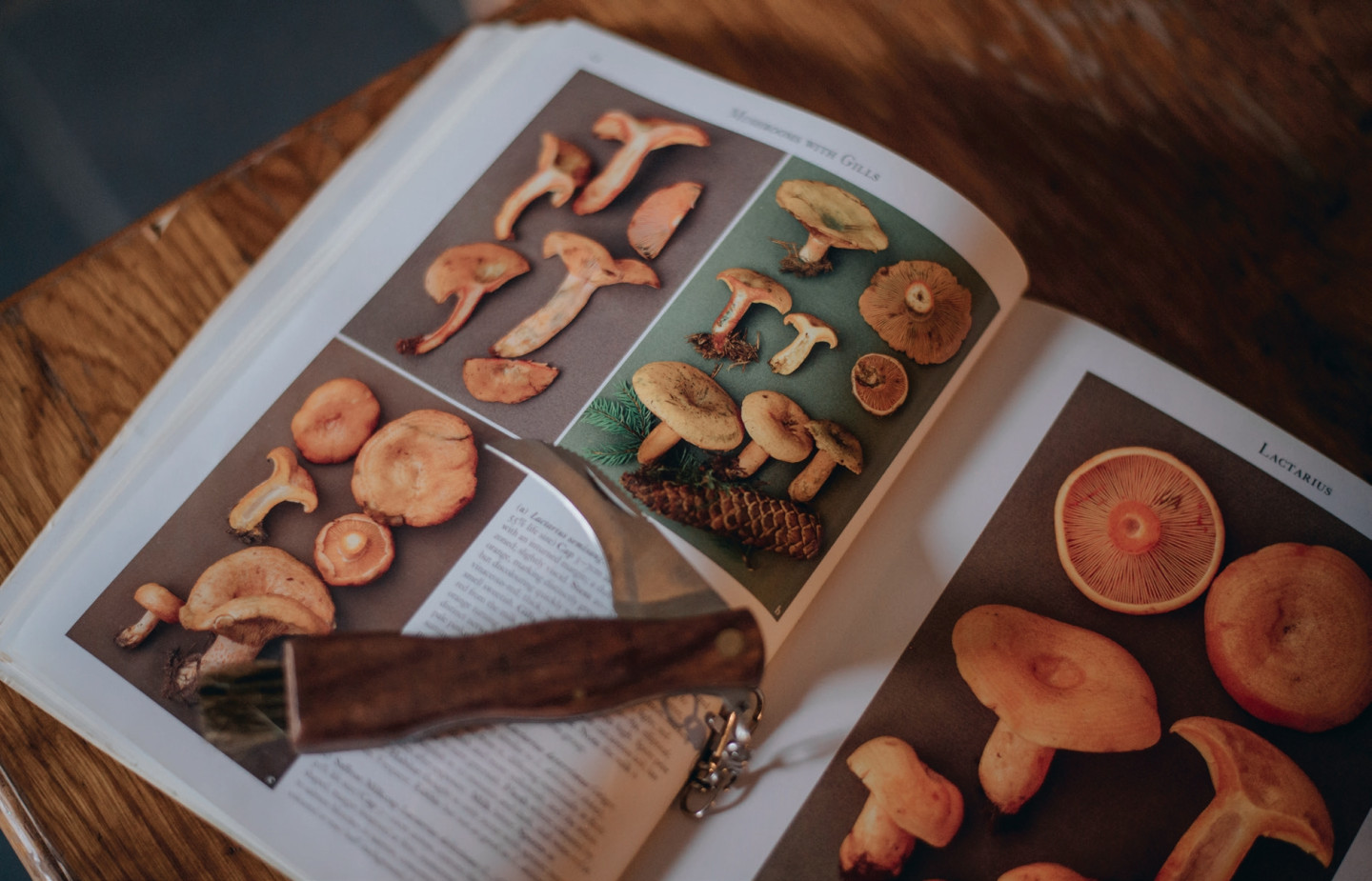
So you think you’d like to get out there and give foraging a go? There are some important things to consider before you head out with your basket, the first of which is of course safety. A large proportion of the general population are fearful of foraged foods, and for good reason. There are plenty of toxic (sometimes deadly) plants and mushrooms native to Scotland, and in some cases, these can be similar to edible species. A reasonable amount of fear is a good thing (it’s what protected our huntergatherer ancestors after all), but it shouldn’t put you off if you are serious about learning the practice. The best place to start is by investing in some good foraging guidebooks and learning some key beginner edible species that are in season. Consider signing up to a foraging course near you – there are instructors located in various parts of Scotland (see https://foragers-association. org/ for a comprehensive directory of instructors in your area). When learning a new species, check against multiple sources (books, websites) before confirming the identity. There is also a thriving online foraging community ready to help you with your learning journey, on Instagram and in various Facebook groups (but remember that people offering advice on the identity of plants and mushrooms aren’t always correct!). Take it one step at a time, always being 100% certain of what you have before eating anything or serving it to someone else.
Another consideration is sustainability. Ethical foraging entails treading lightly on natural habitats and being considerate of the needs of other species. In other words, leave some behind for other animals, and avoid harvesting species which are protected or known to be scarce. The law is very much in the forager’s favour - we are entitled to harvest food for our own table without landowner permission (though foraging for commercial purposes is another matter). In Scotland we have more freedom than other parts of the UK, thanks to the Land Reform Act of 2003 which gives us freedom to roam on any land (subject to some specific exclusions), as long as we act responsibly towards other people and the environment. Foraging is a mindful practice; the forager must be fully present in the moment in order to find the treasure hiding below the undergrowth. It’s an incredibly rewarding practice that deepens our connection with nature – a connection that has arguably been lost over time. Foraging allows you to see the world a little differently – to consider yourself as a part of nature, rather than separate from it.
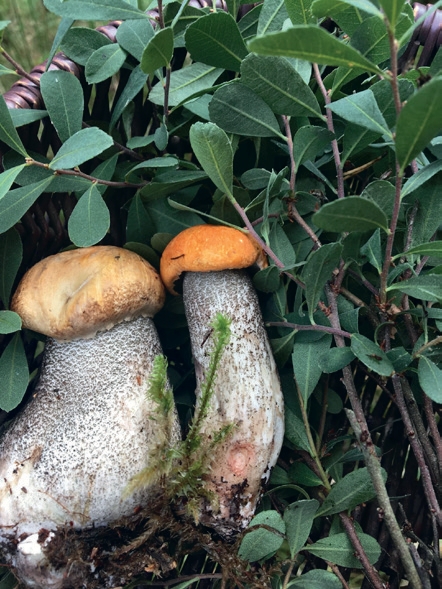
Orange birch boletes and bog myrtle
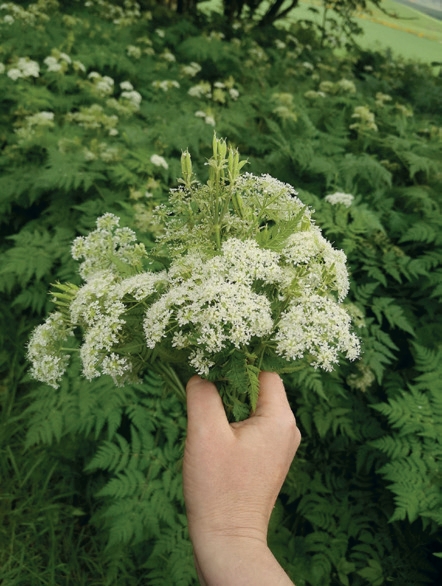
Sweet cicily
This interconnectedness means that foragers tend to care deeply for the natural habitats that they frequent.
When practiced sustainably, foraging has a host of benefits for our wellbeing. It gives us access to more nutrientdense foods and brings greater diversity to our diet. It takes us into new territories and encourages exercise, which in itself has positive impacts for physical and mental health. Since the beginning of the Covid-19 pandemic and the first lockdown there has been a surge in interest in foraging, as people seek to find new ways to spend time in nature and enhance their wellbeing. For me the rewards of foraging are greater every year, as I find new secret locations for my favourite wild mushrooms, new ways to prepare and preserve my harvest, and new species to identify and add to my repertoire. My courses and workshops allow me to share my passion and introduce other people to this life-changing practice. I’m lucky to live in a wild part of Scotland with plenty of forests which are perfect habitats for my favourite species. But whether you live near to the wild mountains and forests of the Cairngorms National Park, the coastal paths of Fife, or Edinburgh and Glasgow’s city parks, foraging is accessible to all. What better way to reconnect with nature and with your own heritage?
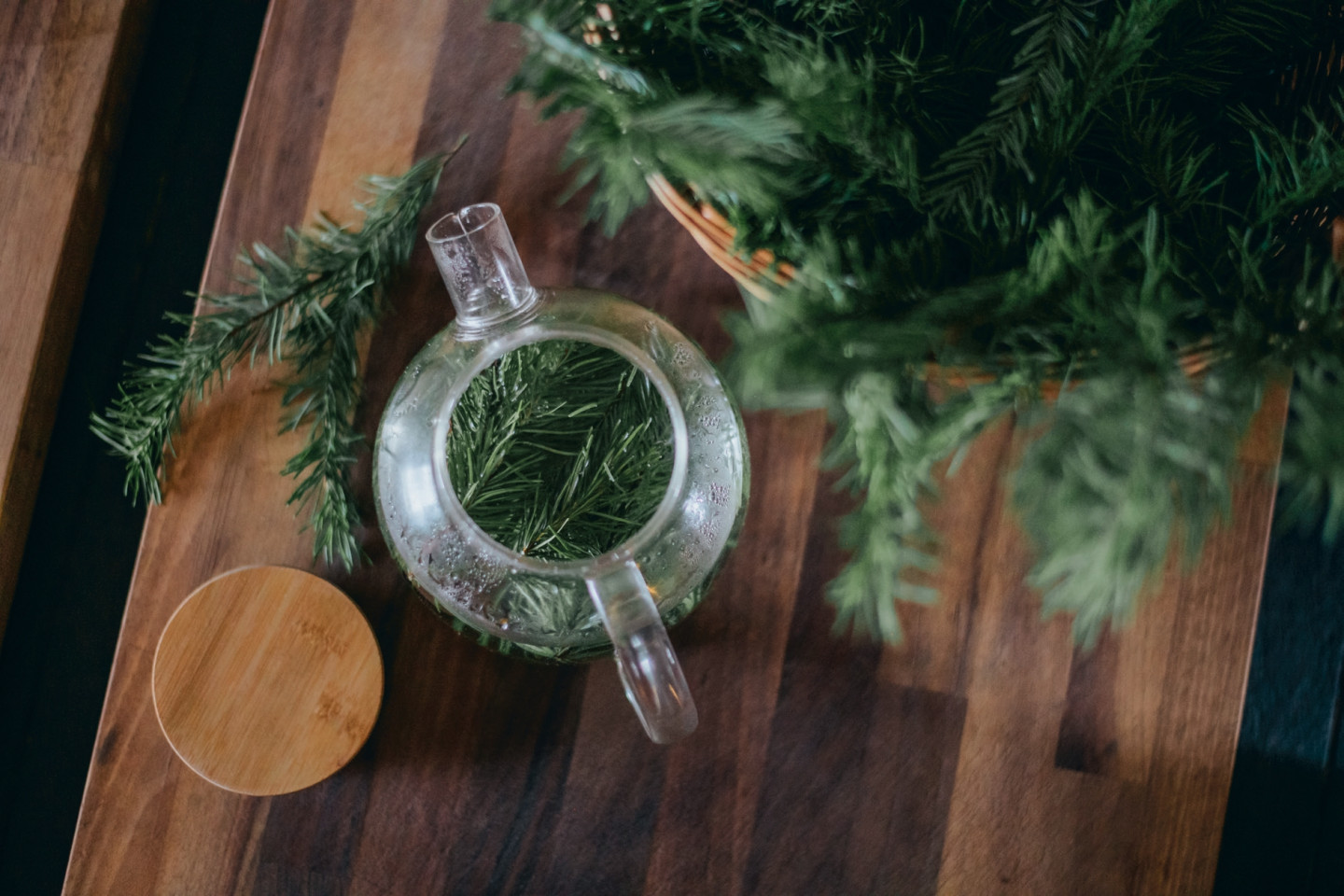
What to target in Spring/Summer
Nettles (Urtica dioica): in season between March and December.
Nettles are perhaps one of the best known of the wild plants in the UK (once you’ve been stung once, you remember them for life!). They are very abundant in Scotland, growing commonly as ‘weeds’, maybe even in your garden! Nettles have a long history of use in food and are high in nutrients including iron, calcium and vitamins A and C. They are best harvested in the spring when they are fairly young, taking the top two or three pairs of leaves. It is advisable to avoid harvesting nettles for food once they have flowered – at this stage they contain oxalate crystals which can irritate the urinary tract – though if cut back the plants will produce new shoots which can be harvested. It’s advisable to harvest (as well as wash and prepare) nettle tops using gloves! Nettles shouldn’t be eaten raw for obvious reasons, but cooking the leaves removes the sting. They have a delicious flavour which works well in a cordial that can either be topped up with sparkling water or added to a delicious gin-based cocktail. They can be wilted and used like spinach – for example in soups, curries and stir fries.
Elderflower (Sambucus nigra): in flower from late May.
Elderflowers are the beautiful sprays of fragrant white flowers appearing on Elder trees from early summer. Elderflower is a real forager’s favourite, with diverse culinary uses. It is easy to find, identify and work with. It has a distinctive floral summery flavour. Elderflower is perhaps best known for cordial and wine, and it is used in a lightly sparkling low alcohol ‘champagne’. The flower heads can be dipped in batter and deep fried, then served with ice cream as a delicious dessert. I make litres of cordial every year which I use to infuse cakes and desserts, as well as for adding to various cocktails. The cordial also makes refreshing ice lollies, perfect on a hot sunny day. The flowers can be infused into vinegar which can be used in pickles and salad dressings. When cooking with elderflowers, it’s important to remove as much of the stalk as possible as it is very mildly toxic. In the autumn, the flowers make way for dark purple berries which taste rich and earthy and work wonderfully in syrups, wines and dipping sauces. Spiced elderberry syrup is traditionally used as a medicinal winter tonic due to the berry’s powerful antioxidant and immunityboosting properties. The berries are toxic raw and should be cooked before consumption.
Leanne’s book recommendations
Food for Free (Richard Mabey): this classic text is over 40 years old but is still one of the most comprehensive and useful field guides for edible plants native to the UK. Includes information on identification of different species as well as traditional uses and recipes.
River Cottage Handbook no. 7 - Hedgerow (John Wright): one of the classic series of handbooks from River Cottage (which includes other foraging-relevant books such as “Mushrooms”, “Edible Seashore” and “Preserves”)
Collins - How to Identify Edible Mushrooms (Patrick Harding, Tony Lyon and Gill Tomblin): great entry-level guide to wild mushrooms in the UK, with useful detailed illustrations. Includes information on edibility/toxicity, habitat and season.
words // Leanne Townsend - photography // Aboyne Photographics - aboynephotographics.com
Promoted Post
Whitehill Farmhouse
Located on Colquhalzie Estate, this 19th Century farmhouse has been lovingly restored into a family home, having previously been home to the Shepherd who lived there for 40 years. We welcome friends and families of up to 8 people on a self-catered basis for at least 4 nights.




-full-1749645255.jpg)
-full-1749413136.jpg)






 Sign in with Google
 Sign in with Email