
From Painted Ceilings to Walled Gardens: A Day at Crathes Castle
Crathes Castle is a 16th-century tower house near Banchory, known for its painted ceilings, walled gardens, and woodland trails. This guide covers what to see, where to go, and practical details.

Written by Hidden Scotland
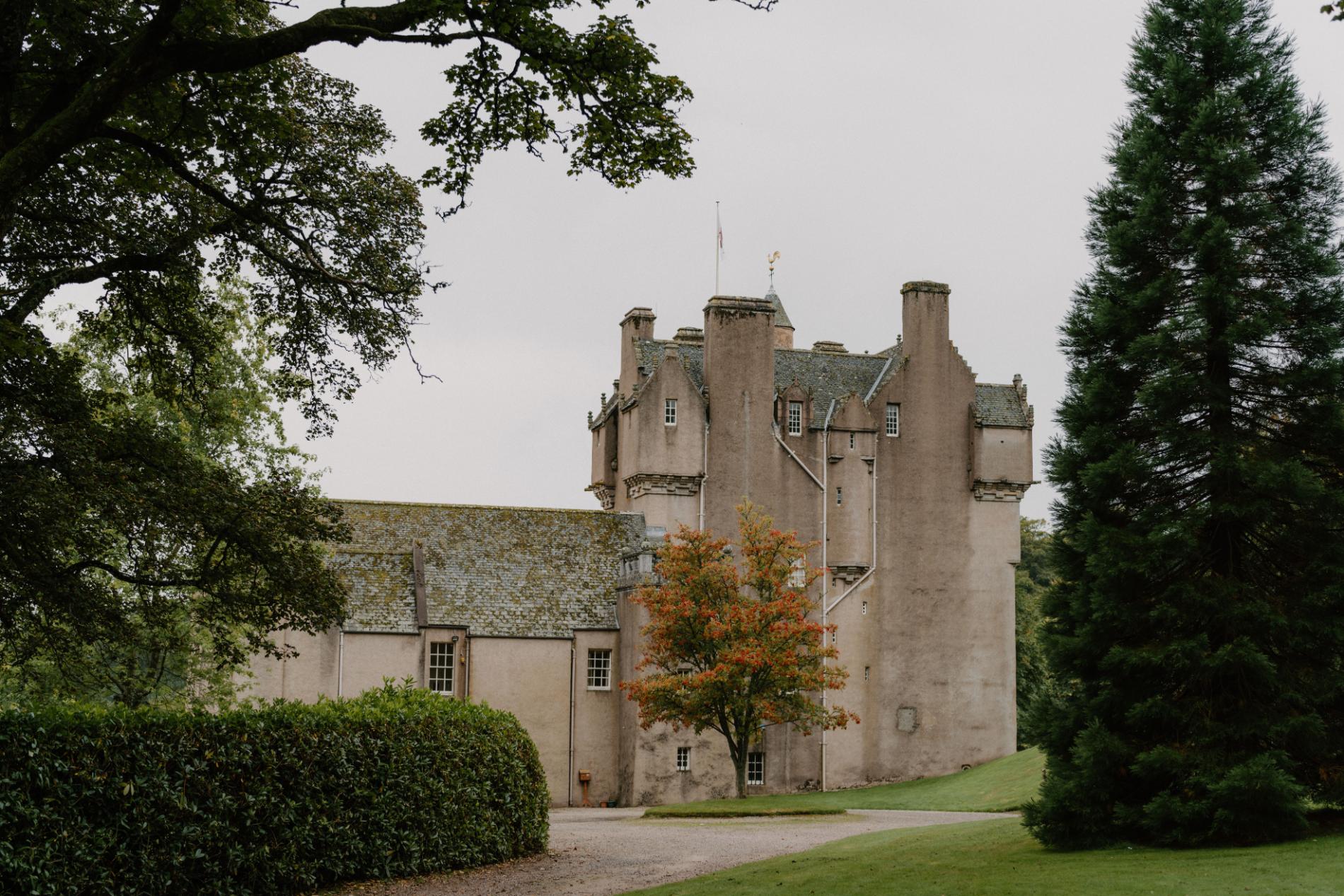
Crathes Castle stands just outside Banchory, roughly half an hour inland from Aberdeen. It was built by the Burnett of Leys family, whose connection to this patch of land goes back to the early 14th century. They were granted the estate in 1323, during the reign of Robert the Bruce, and for generations lived in a timber stronghold on a nearby loch before shifting uphill to build in stone.
Building work started in the mid-1500s but didn’t go quickly. Political trouble during the reign of Mary, Queen of Scots stalled progress, and the castle wasn’t finished until 1596. What they ended up with was a practical home for the period—strong walls, defensive corners, and just enough room for the family to live, entertain, and pass it on.
The Burnetts remained at Crathes for more than 350 years. Each generation made changes. New sections were added, some rooms were modernised, and the gardens expanded. In the 1950s, the family handed the property over to the National Trust for Scotland. A fire in the 1960s destroyed one of the wings, and that part now serves as the visitor centre. The rest of the building remains largely as it was.
You can visit most rooms independently. Entry is self-guided, with staff on hand and information boards in each space. It’s hard not to stop and look up. The original painted ceilings stretch across several upstairs rooms, completed in the late 16th and early 17th centuries. They show religious figures, zodiac symbols, and scenes drawn from classical stories. The Chamber of the Nine Worthies has some of the most vivid panels. For years these ceilings were hidden behind plaster. Since being uncovered in the 1800s, much of their colour and detail has survived.
The Green Lady’s Room is the most talked about. A local servant girl, pregnant and unmarried, disappeared without explanation. Her remains, along with a child’s, were later found beneath the hearthstone. Some say her ghost still appears, dressed in green and holding an infant, walking the room in silence. Visitors report sudden chills or a strange stillness. Whether you believe in ghosts or not, the story adds weight to the space.
The Great Hall holds older pieces. Carved oak chairs show the family’s coat of arms. A four-poster bed stands along the wall. Above the fireplace hangs the Horn of Leys, an ivory hunting horn, gifted by Robert the Bruce in 1323. These aren’t curated props. They stayed here because they belonged here.
The gardens sit a few minutes’ walk from the main entrance. They’re divided by thick yew hedges into distinct compartments. The hedging alone has been shaped and maintained since the early 1700s. Each section focuses on a different planting style – topiary, roses, structured borders. Labelling is clear and subtle, with plant names tucked at the edge of beds. There’s also an Evolution Garden, set apart to one side, which presents plant species in geological order.
Beyond the formal areas, the estate opens into woodland. Waymarked trails cross through beech, pine, and oak. Most paths are easy going. The Coy Burn runs along part of the route, passing under small footbridges. You might notice the old icehouse, a dovecote, and rows of lime trees planted long ago to mark the way. Red squirrels are sometimes seen. Woodpeckers, buzzards, and herons are regulars in the canopy or down by the burn.
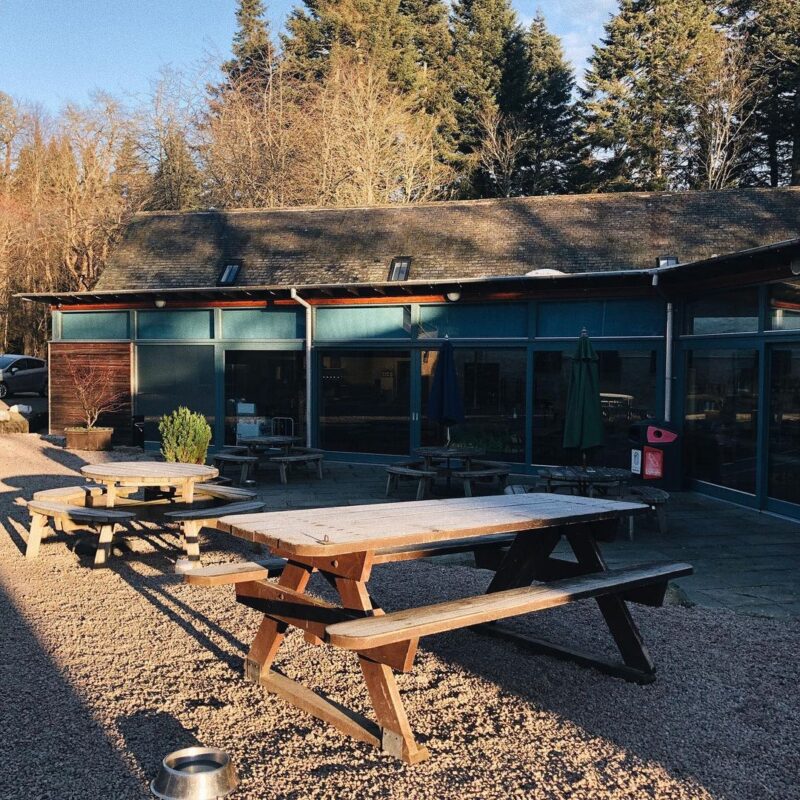
Crathes has a café on-site called Café 1702. They serve homemade soups, quiches, sandwiches, scones, and cakes. There’s a generous hot chocolate, often piled high for kids, and a play area outside where younger children can move about. Dogs are welcome at the outdoor tables, and water bowls are available. It’s useful for a quick stop between the gardens and the rest of the grounds.
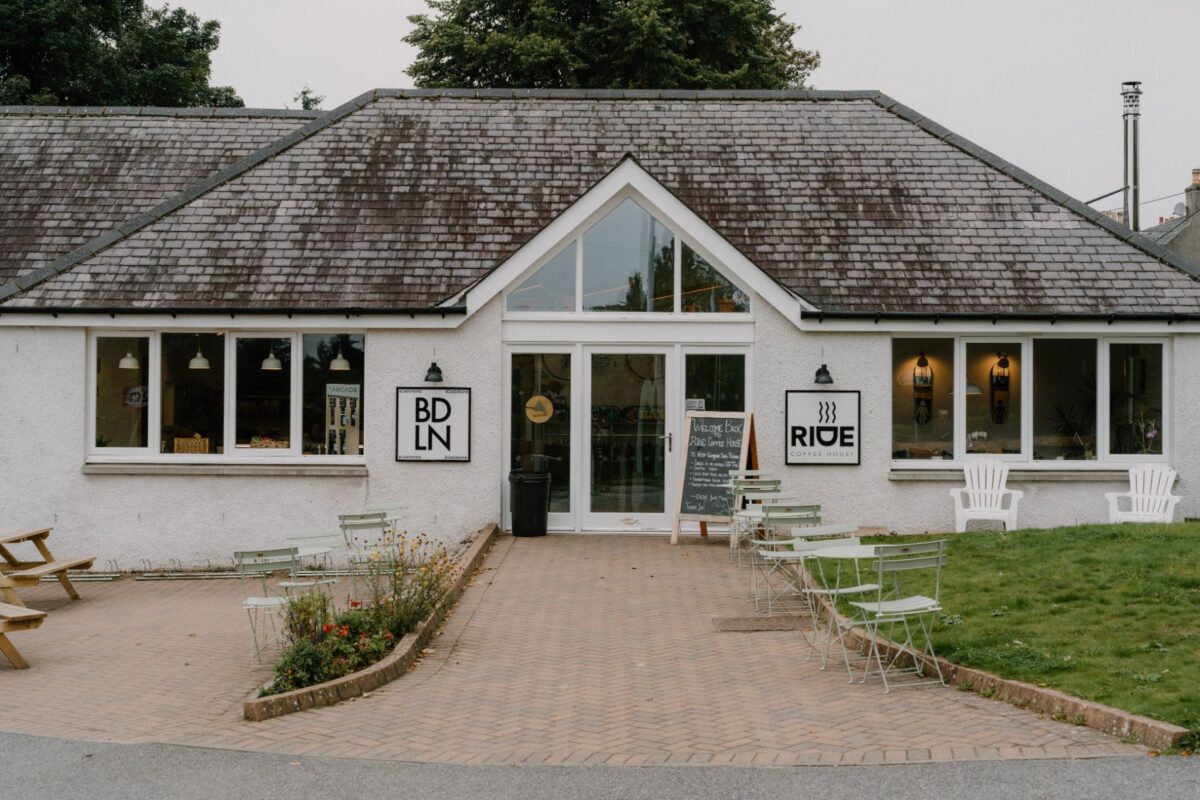
If you're heading into Banchory, Ride Coffee House is nearby and worth a visit. It’s five minutes from Crathes by car and offers soup, hot rolls, home baking, and a relaxed setup. Staff are friendly, and there’s enough seating inside to stay a while. Dogs are welcome, and it rarely feels overcrowded.
Just across from the entrance to the estate, you’ll find the Hidden Scotland Shop. It’s our own space, and we keep it stocked with books, prints, guides, and work from Scottish makers. If you’re coming out of the gardens or finishing the castle, it’s an easy place to stop in before heading on.
Banchory itself has a few simple attractions. There’s a riverside walk that follows the Dee and a few small independent shops in the town centre. You’ll also find parking, groceries, and basic services here if needed. The area serves as a good base for exploring Royal Deeside more broadly.
Crathes is open year-round, though hours vary by season. From spring to early autumn, the castle and gardens are open daily from 10am to 5pm, with the last admission around 4.15pm. In winter, the site generally runs on shorter hours, and parts of the interior may close for maintenance. Entry is free for National Trust for Scotland members. For others, tickets are available on arrival and include access to the castle and gardens. The walking trails are open to the public at no cost.
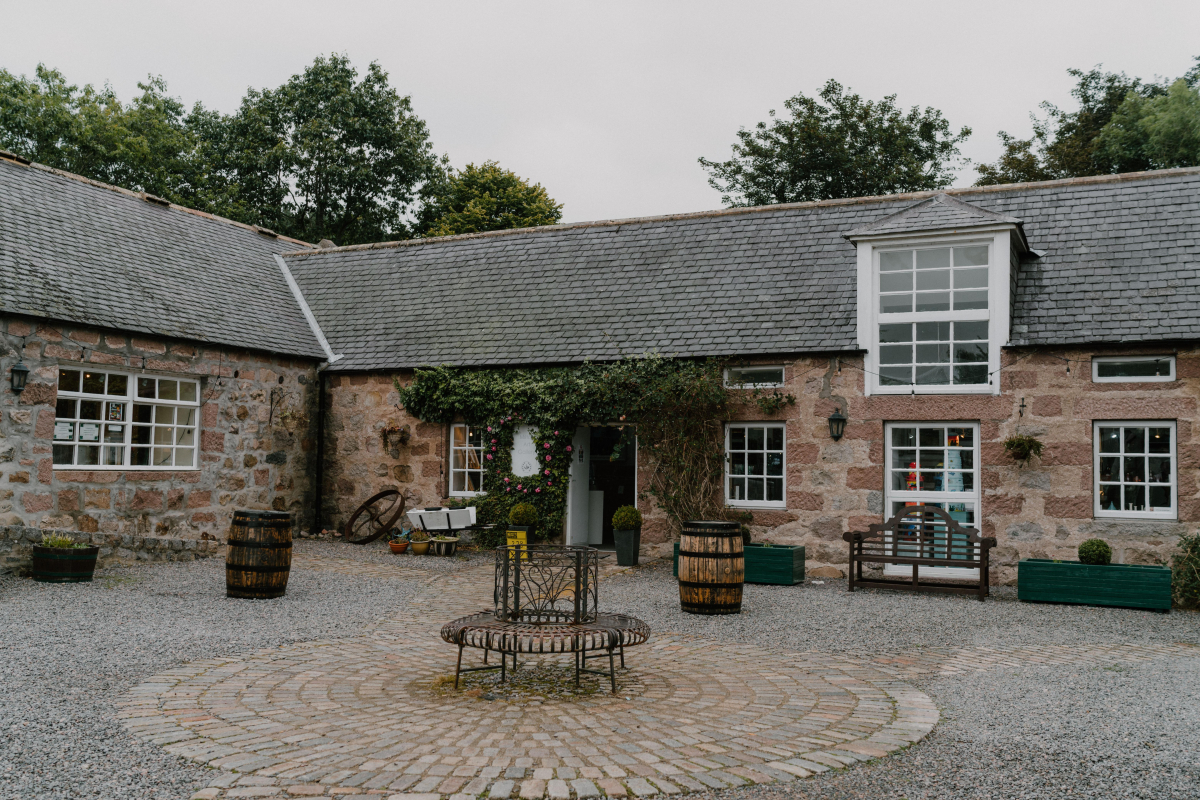
There’s parking near the visitor centre, including accessible bays. In the courtyard, there are toilets, a small shop, and an information point. Some areas of the visitor centre and the garden paths are suitable for wheelchair users, though the upper floors of the castle are not.
The walking trails lead back toward the main path without much warning. You pass the dovecote again, maybe hear water from the burn, then find yourself back at the car park or the courtyard without needing to think about it.
Promoted Post
Stormhouse
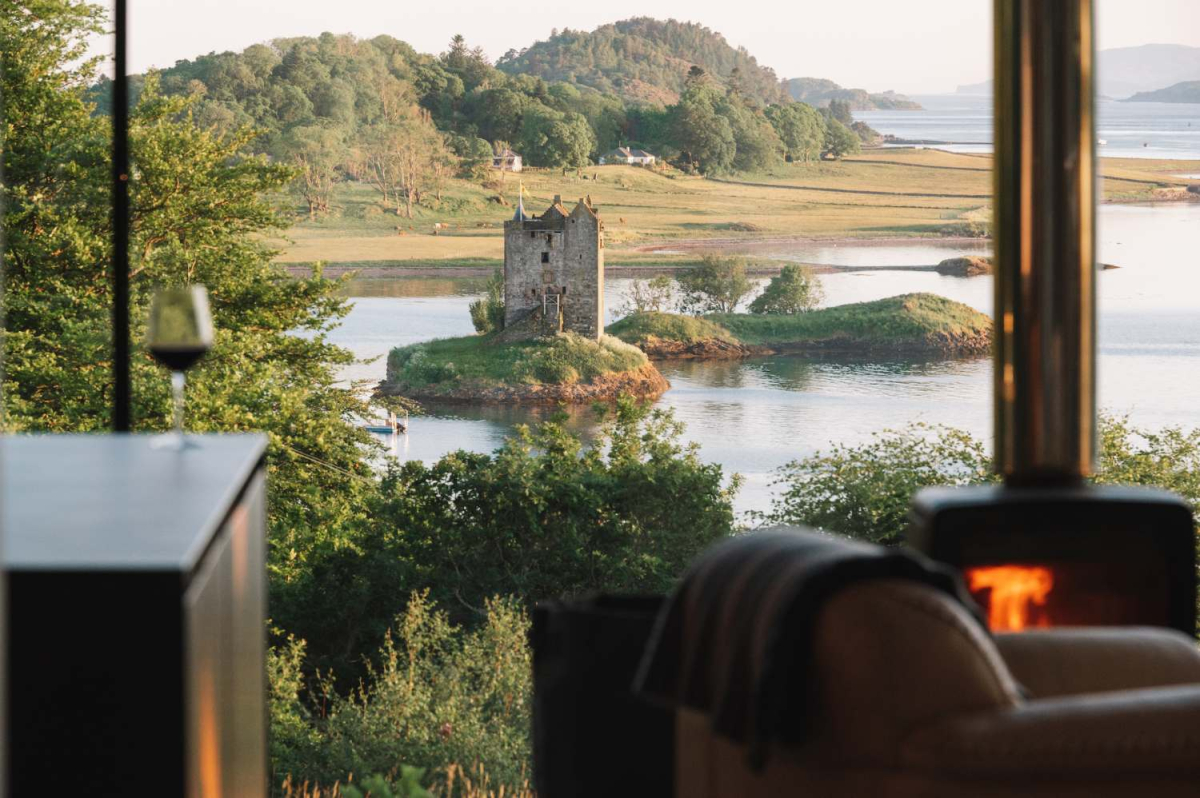
Escape to the wild, rugged landscape of Scotland’s west coast, perfectly located between mountain and sea
-full-1749645255.jpg)
-full-1749413136.jpg)






 Sign in with Google
 Sign in with Email