
How Dunnottar Castle Hid the Honours of Scotland
Discover how Dunnottar Castle sheltered Scotland’s Crown Jewels from Cromwell’s army—and the quiet bravery that saved them—on a windswept headland just south of Stonehaven.

Written by Jack Cairney
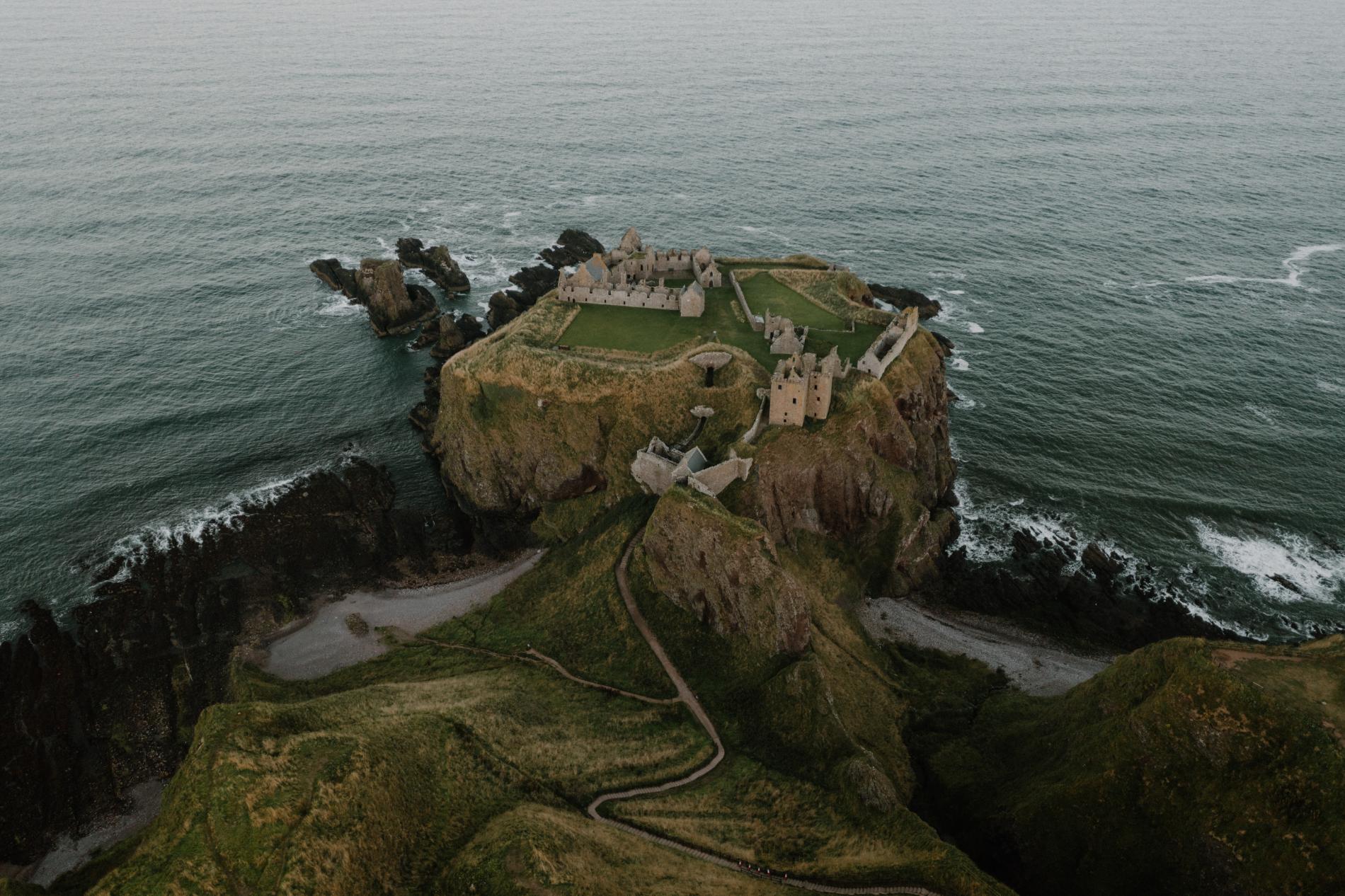
I grew up near here, but for years I barely looked at it. Dunnottar was just part of the background—something you pointed out on walks or took visitors to see when the weather was decent. It wasn’t until I moved away and came back older that I stopped properly. Walked the full path. Read the panels. Let the place speak.
Once you know what happened here, it feels different.
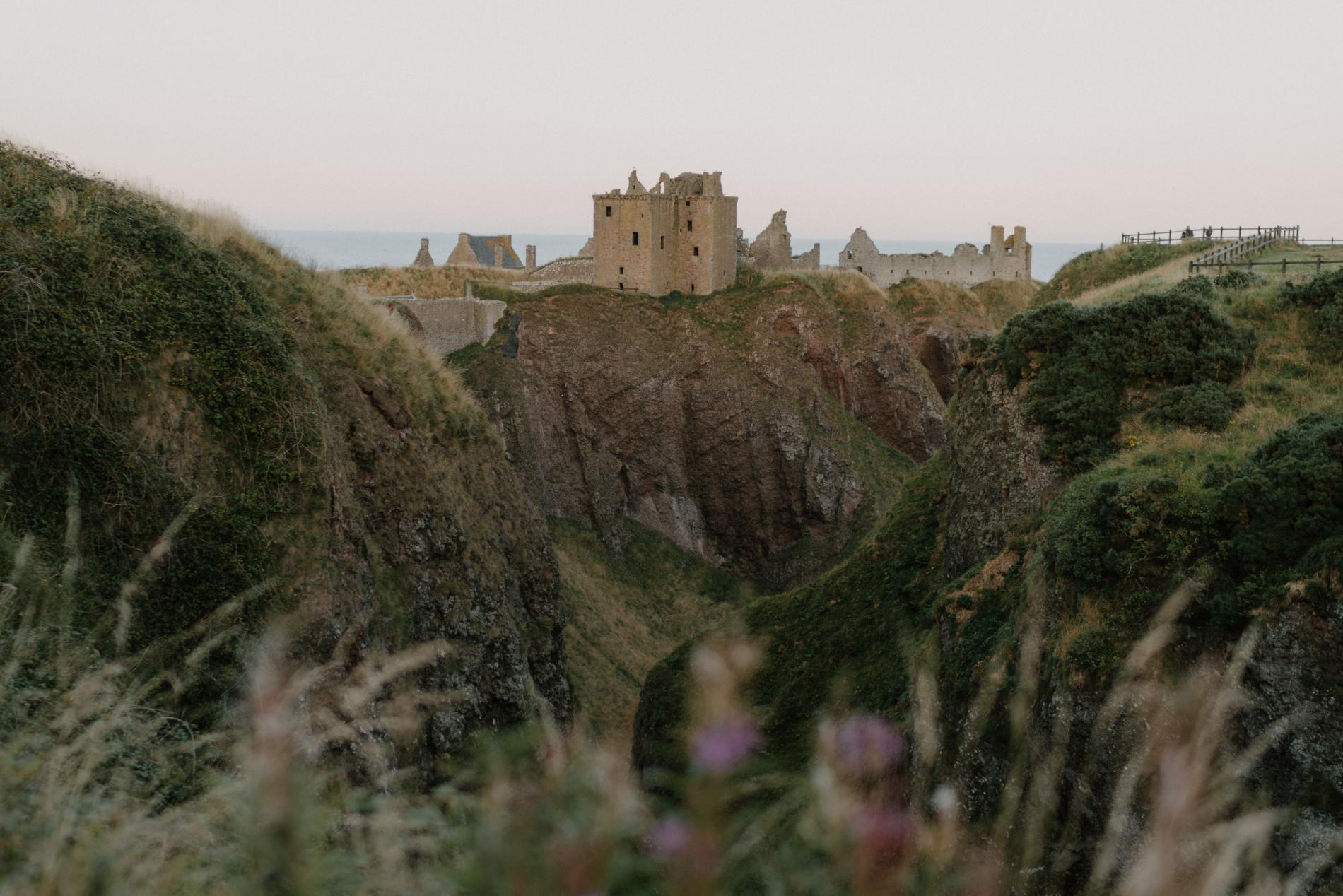
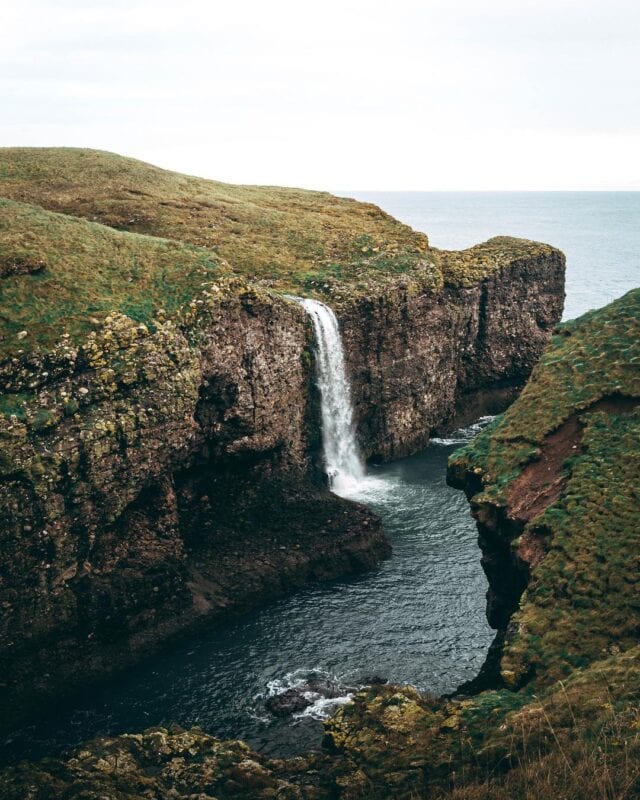
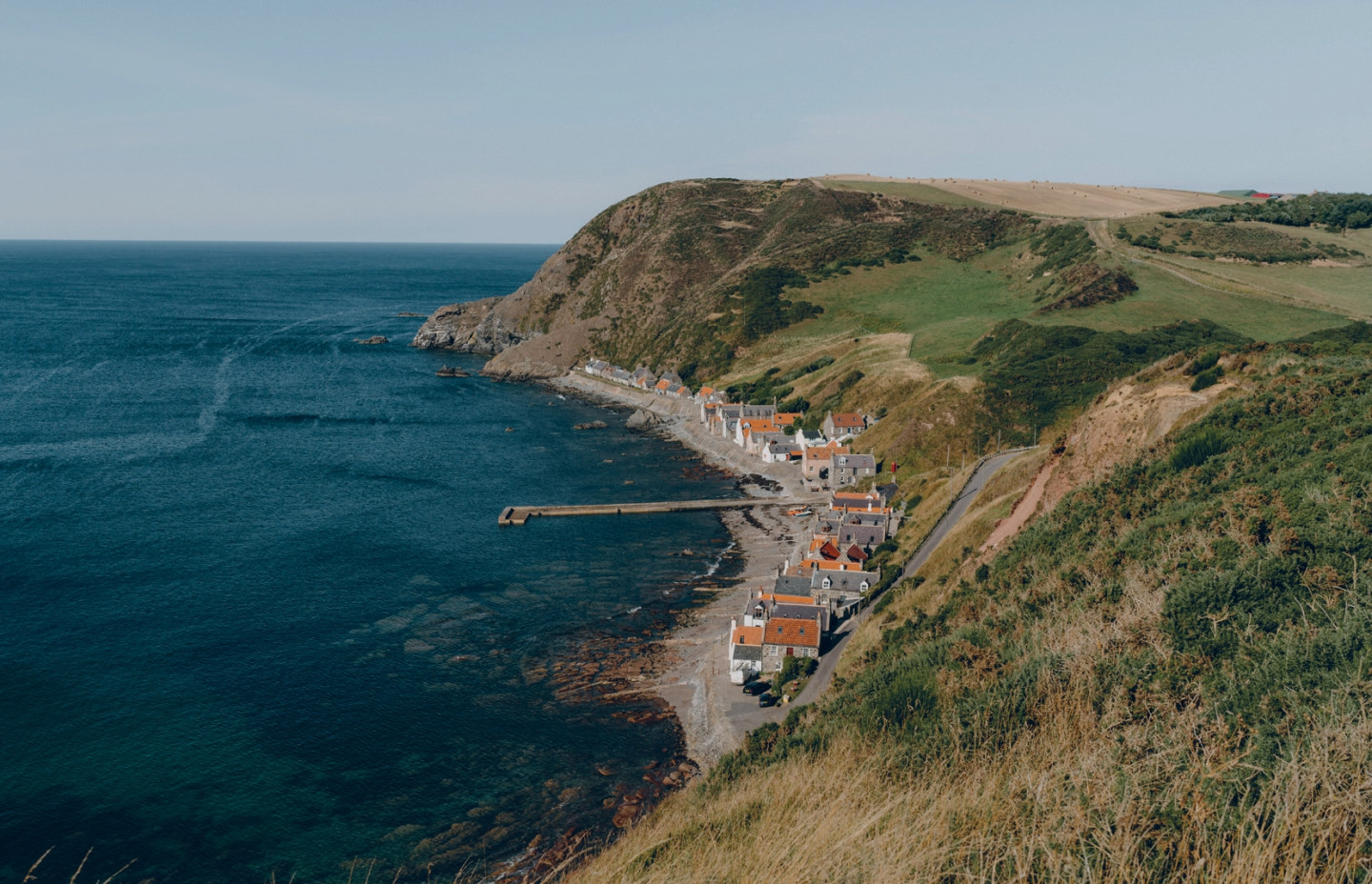
From the cliffs above Stonehaven, the castle looks as if it was dropped onto the headland from a height. The sea surrounds it on three sides. There’s one steep path in, winding through gorse and stone, with nothing to hold onto but cold air. The wind pushes straight off the sea. Salt gathers on your lips. Gulls call overhead. On damp days, the rock underfoot stays slick well into the afternoon.
In 1651, that isolation was an advantage. Cromwell’s army had overrun most of Scotland. Edinburgh was taken. Stirling had fallen. The Crown, sceptre, and sword of state—the Honours of Scotland—had been used earlier that year to crown Charles II at Scone, and Cromwell wanted them destroyed. To destroy them would be to symbolically dismantle Scotland’s sovereignty.
So the Honours were sent north. They arrived at Dunnottar in the spring, placed in the care of the Earl Marischal’s garrison. The castle, still well-fortified at that point, was one of the few places left that could hold out.
Later that year, Cromwell’s men laid siege. It lasted eight months. Just seventy defenders held the castle, while cannon fire from the cliffs battered the walls. Supplies dwindled. Water ran short. The governor, Sir George Ogilvy of Barras, knew surrender was only a matter of time.
That’s when the smuggling began.
Christian Fletcher, the wife of the minister at nearby Kinneff, was known to the garrison. She visited the castle during the siege—on foot, under scrutiny—carrying messages, food, or so it seemed. What she actually carried was far more valuable.
The accounts vary. One version claims the Honours were lowered down the cliffs in a basket disguised with seaweed, where Christian collected them from a cove below. The more enduring version is simpler: she walked out of the castle, one item at a time, hidden beneath her skirts or bundled in sacks of linen.
Either way, they made it out. The English never knew.
She took them to Kinneff Kirk. There, she and her husband buried them beneath the floor or behind the pulpit, depending on which version you read. When the castle finally fell in May 1652, soldiers found only an empty box hidden in a wall.
The story didn’t end there. Ogilvy and his wife Elizabeth Douglas were arrested and interrogated. So were the Fletchers. None of them revealed the truth. They held their silence long after the act itself was over.
The Honours stayed hidden for nearly a decade. In 1660, when the monarchy was restored, they were brought back into the open. Today they’re displayed in Edinburgh Castle—used again in 2023 during the coronation of Charles III. Same crown. Same sceptre. Same sword.
Kinneff Kirk still stands, though it’s no longer in regular use. A board outside tells part of the story. Dunnottar remains one of the most striking ruins in the country. There are no actors. No re-enactments. Just the wind, the stone, and the sound of the sea.
Tourists take photos now where soldiers once rationed water. But the place hasn’t lost what it carried.
On my last visit, the ruins were quiet. Just the wind through the stone and the sea moving below. I stopped at the panel that mentions the Honours and read it again, even though I already knew the story. Standing there, it was easier to picture how it might have happened.
I used to see it as a ruin. Just part of the view. Now I see a stronghold that once held the last of Scotland’s Crown.
Planning a Visit to Dunnottar Castle
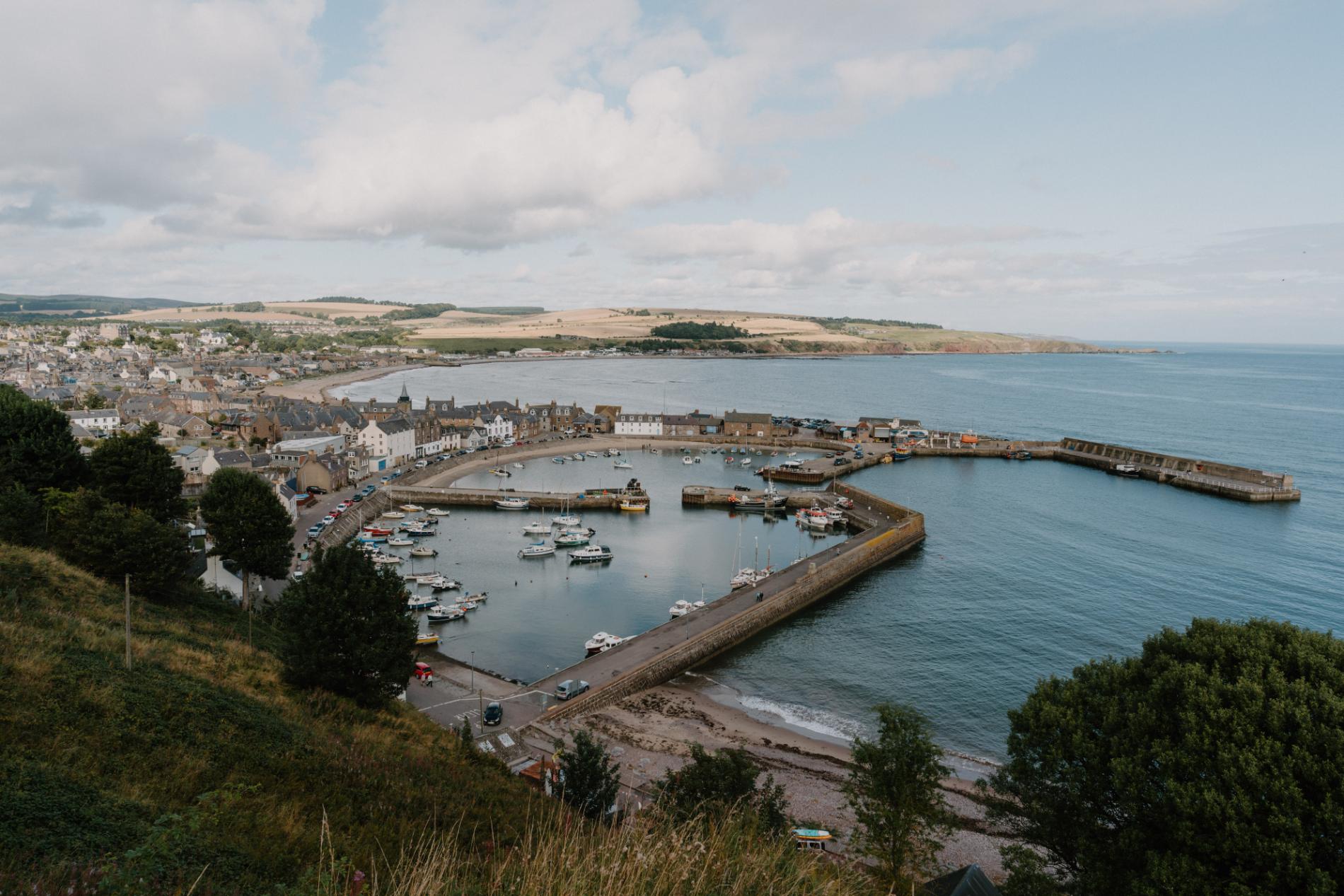
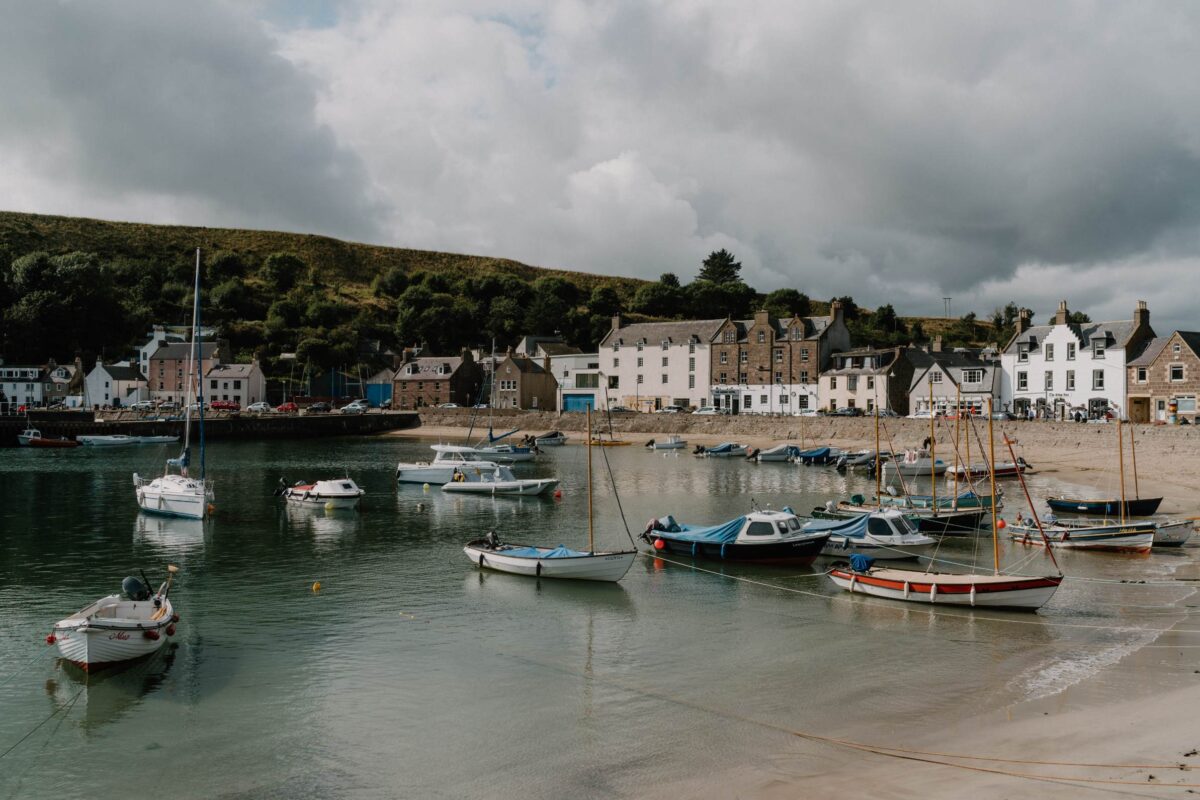
Dunnottar Castle sits just over a mile south of Stonehaven, on a headland above the North Sea. The best way to reach it is on foot from the harbour, where fishing boats still moor beside the old granary and the pubs open out toward the sea. From there, a clifftop path leads past gorse and grasses, with wide views back across the bay. It takes around 30 minutes at a steady pace.
There’s also a car park closer to the site, with a short, steep path down to the entrance. Wear decent shoes—the steps are worn and uneven, especially after rain. Tickets can be bought on arrival. The castle is open most days, though hours are shorter in winter and access can be limited in bad weather.
Inside, there are no facilities—no café, shelter, or toilets. Dogs are welcome on leads. Most of the ruins require climbing steps, but there are good views from the upper path for those not going inside. Interpretation panels give a clear overview of the site’s history, including the story of the Honours.
If you’re visiting in spring or early summer, it’s worth continuing a few miles further south to Fowlsheugh, an RSPB reserve where seabirds nest along the cliffs. Puffins are here in small numbers, along with fulmars, guillemots, razorbills, and kittiwakes—tens of thousands of them lining the ledges above the sea.
Back in Stonehaven, the harbour’s a good place to end the day. The Marine sits at the far end, overlooking the water. It’s a reliable spot for a pint, with a wide selection of local ales and plenty of room upstairs to watch the boats. You’re still close enough to see the castle from the clifftops—but just far enough to let the wind settle.
Photography by Simon Hird
Promoted Post
Stormhouse
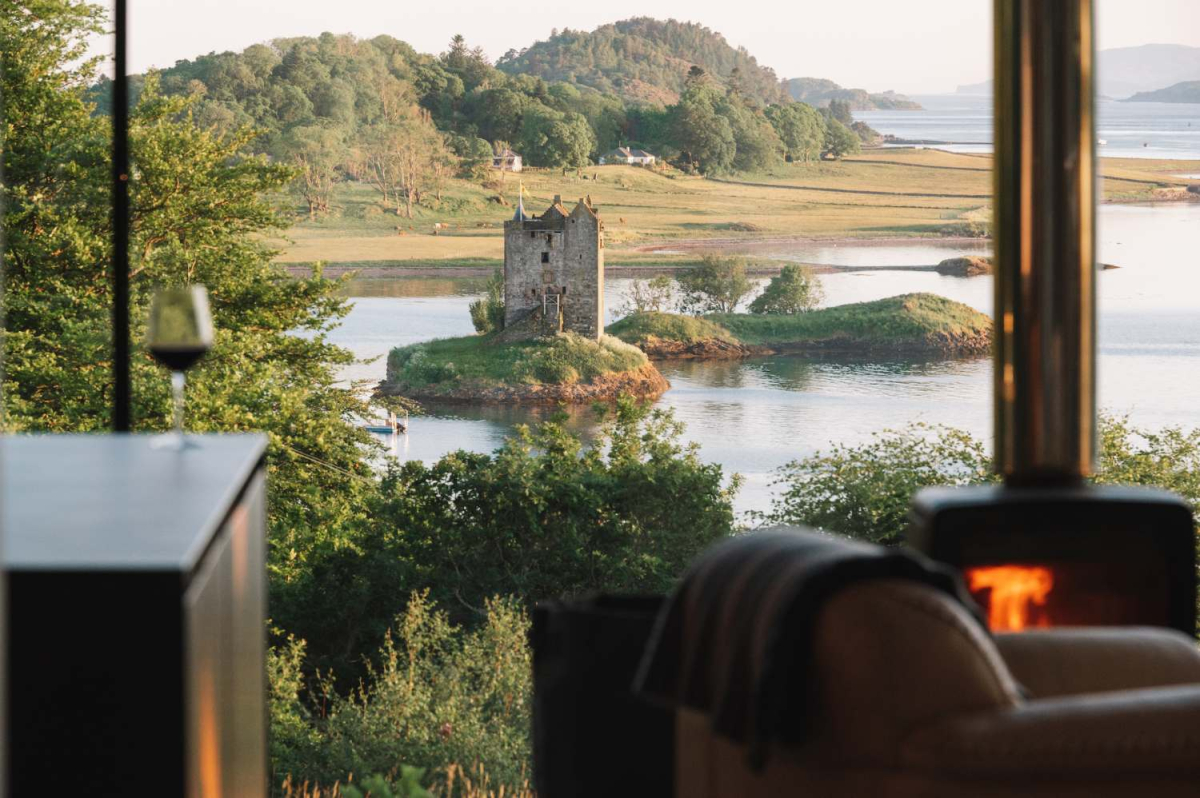
Escape to the wild, rugged landscape of Scotland’s west coast, perfectly located between mountain and sea
-full-1749645255.jpg)
-full-1749413136.jpg)









 Sign in with Google
 Sign in with Email