
An Introduction to Edinburgh
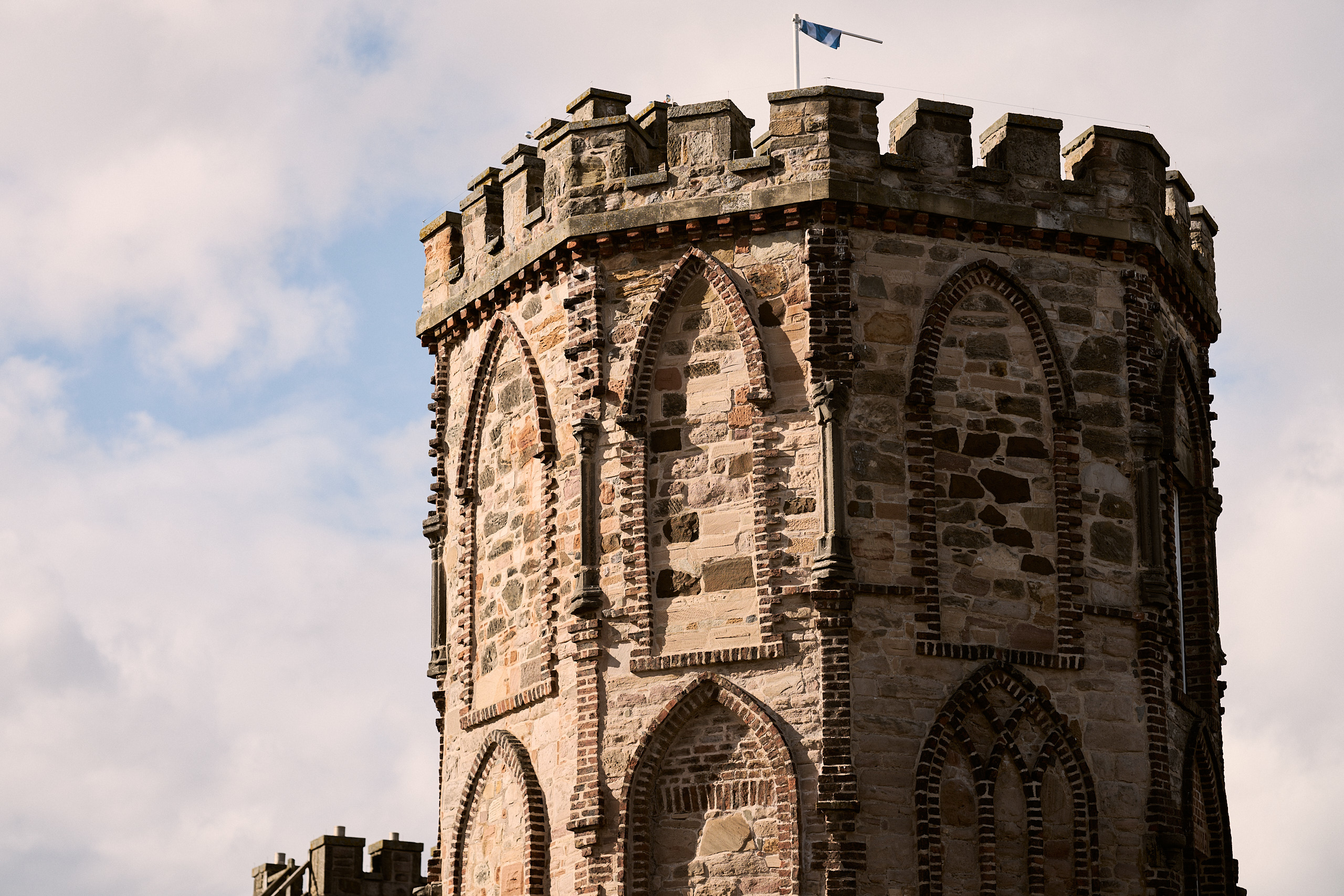
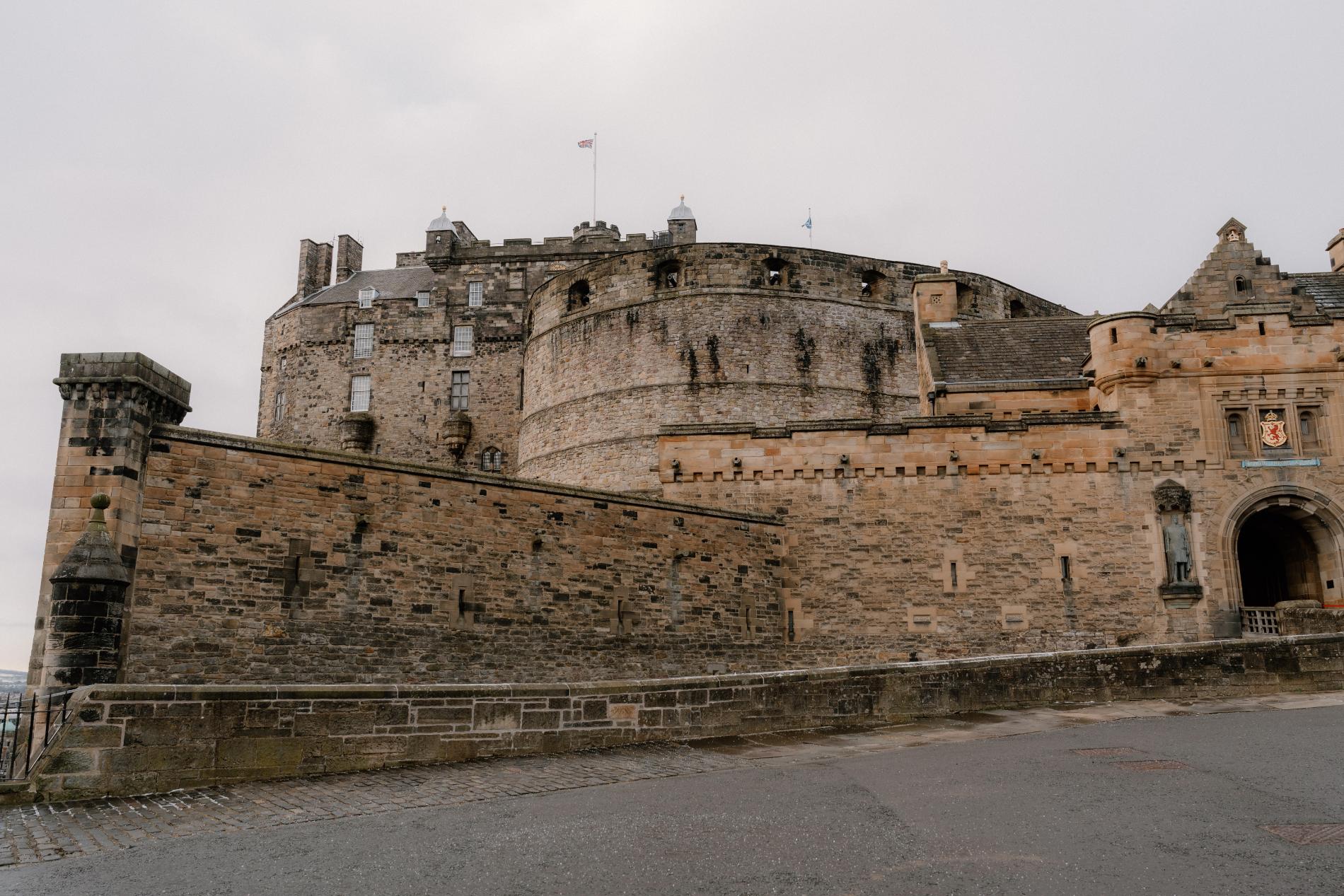
History hangs on Edinburgh like a cloak. Even on a gloomy day, Scotland’s national capital can feel like something from a gilt-edged storybook. It’s a city of taverns and tenements, of steep cobbled streets and ancient hills, of grand townhouses and age-old churches. The whole destination is at once real and unreal: tour guides patrol the pavements just as ghosts flitter in the shadows. That the whole urban scene is topped by a mighty, cliff-perched castle – complete with endless tales of its own – seems only fitting.
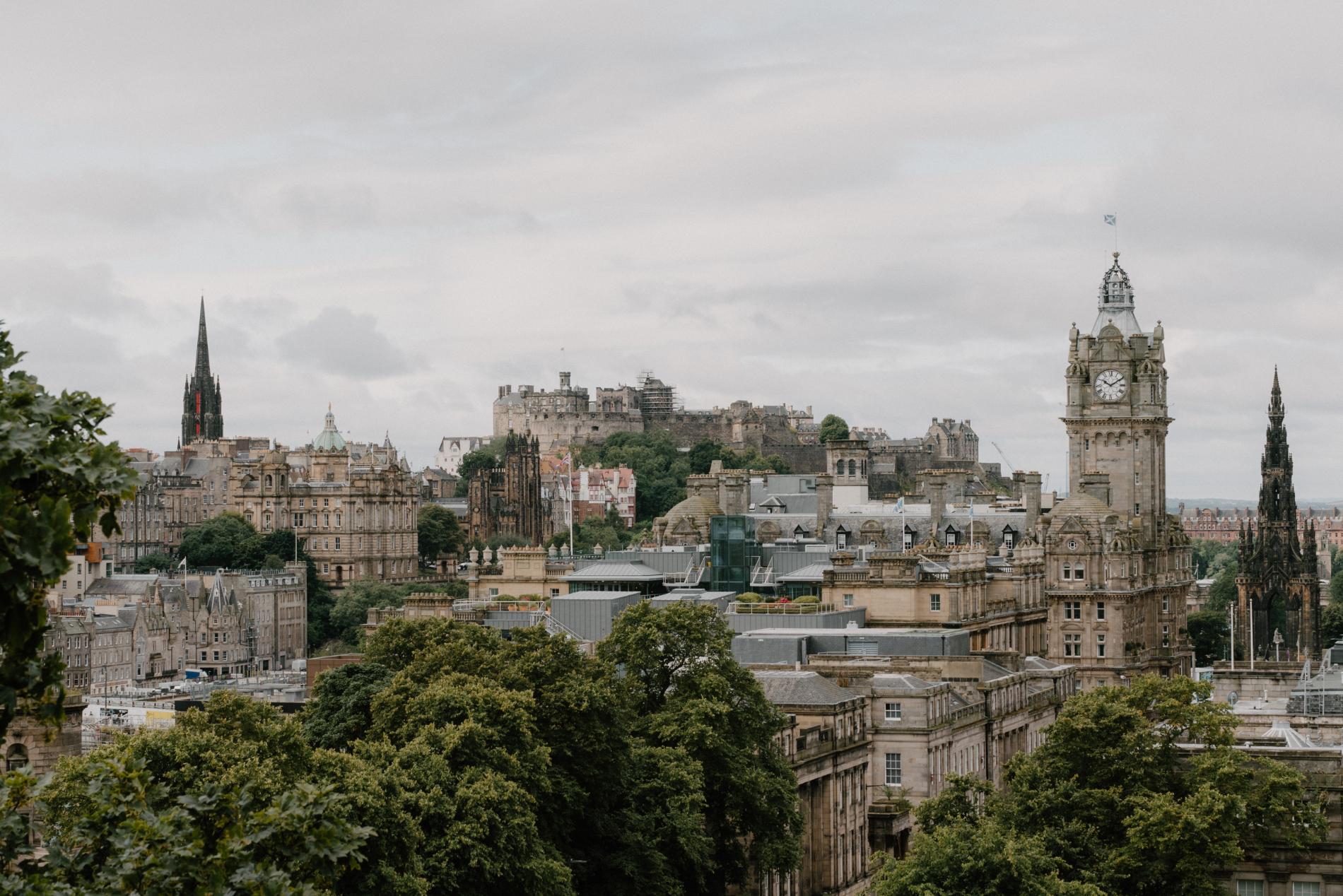
Best-selling local author Alexander McCall Smith called it “a city of shifting light, of changing skies, of sudden vistas – a city so beautiful it breaks the heart again and again”. But Edinburgh is no mere museum piece. To the half a million or so people who call it home, this is a place of energy and hard graft, a living, sleepless metropolis with a thousandsided personality and serious culinary and creative pedigree.
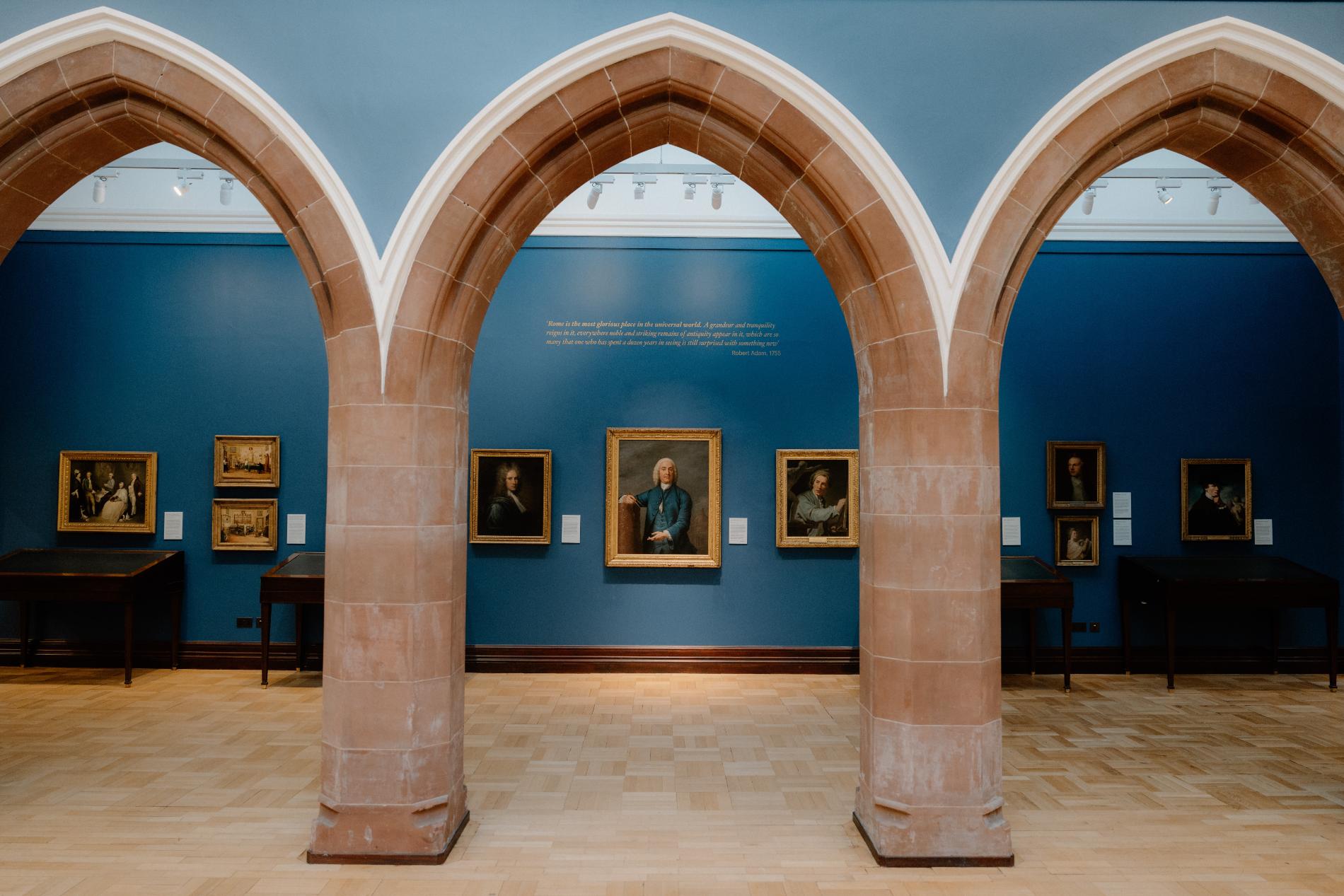
The sloping Royal Mile – with the castle at its top and the Palace of Holyroodhouse at its bottom – is the most obvious focal point, but be sure to spread your gaze elsewhere. The city as a whole is almost brimming over with quality galleries, restaurants, pubs, museums and other diversions. For many visitors, of course, the city is also synonymous with its extraordinary summer festivals – most notably the all-conquering Fringe – when the streets and theatres fizz with crowds and performers.
This pairing of the historic and the dynamic – medieval bulwarks on one hand, cutting-edge arts on the other – is one of the main reasons why the population can at times treble with the influx of visitors. Other cities might have big-name sights, hard-held traditions and world-famous events, but nowhere packages them up in quite the same way as Edinburgh. The pull is perhaps best summed up by a quote from cityborn artist Richard DeMarco, a tireless champion of the visual and performing arts. “The Scots think of it as their capital”, he has said. “They’re too possessive. Edinburgh belongs to the world.”
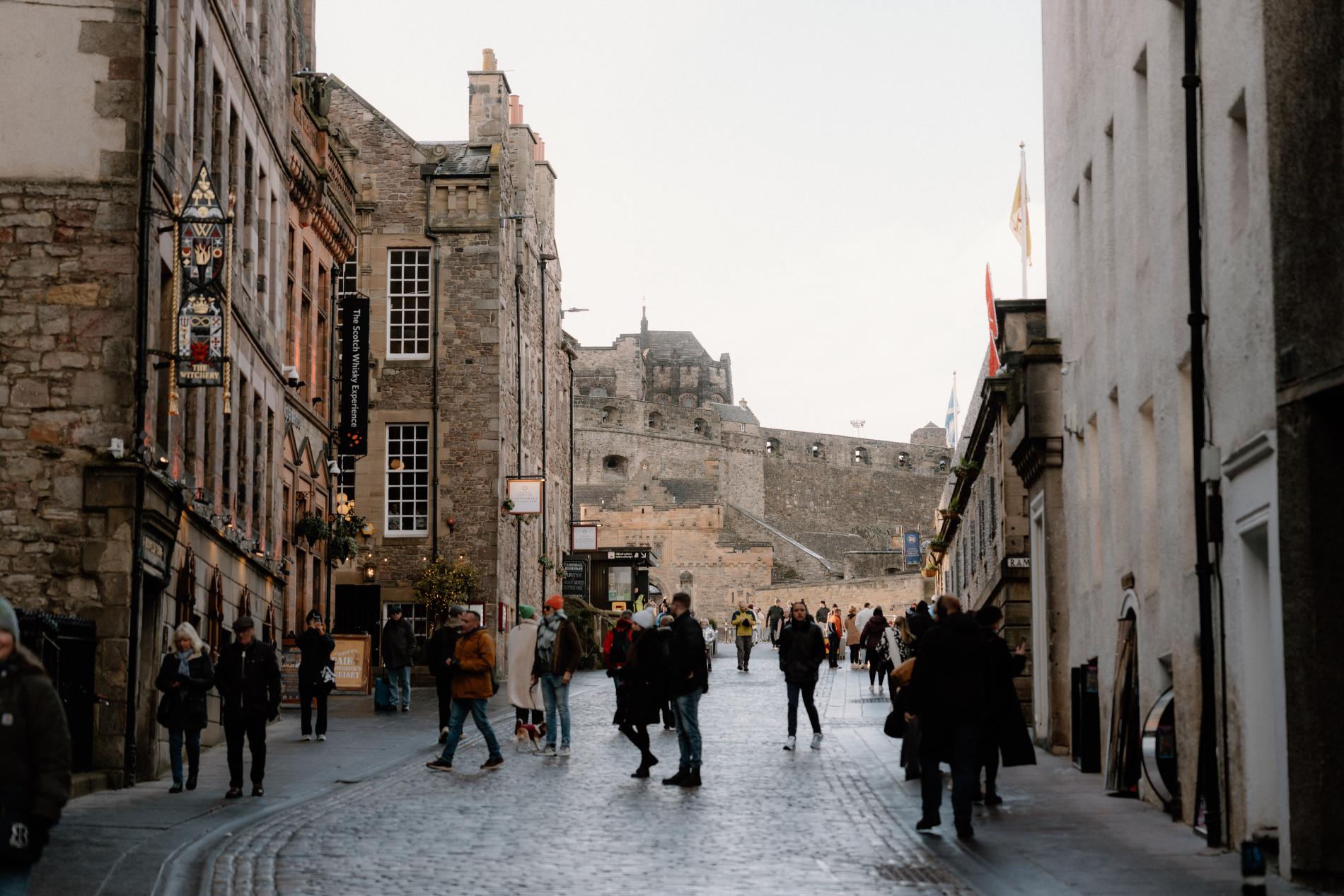
It helps, too, that the scale is so manageable. You can get your bearings quickly, and most of the central attractions are walkable. From the lanes of Stockbridge to the rooftops of the Old Town, much of what makes Edinburgh special is best seen on foot, with time to take it in. One moment you’re in a Georgian drawing room, the next by a loch or on a windswept crag with gulls overhead and the Firth of Forth shimmering in the distance. The city’s green spaces – Holyrood Park, the Meadows, Princes Street Gardens – are not mere decoration but part of everyday life, offering contrast and breathing space within the stone-built grandeur.
Then there are the neighbourhoods. Each has its own texture. Leith, with its docks, warehouses and Michelin-starred menus. Newington and Bruntsfield, where students mix with families and second-hand shops sit beside long-standing cafes. The West End curves around galleries and boutiques. The Southside leans into its literary credentials, with plaques and stories marking the past. It’s all connected by an impressive public transport system, but never so far apart that you can’t feel the joins.
At its core, Edinburgh is a city that rewards curiosity. It has the scale of a capital, the atmosphere of a village, and a personality that shifts with the seasons. There’s no single version of the place, and no perfect way to see it – which is part of the appeal. You might come for the culture, or the food, or the sense of history. You might arrive during festival season or in the quieter lull of winter. Whatever the case, Edinburgh doesn’t try to sell itself too loudly. It doesn’t need to.
What you’re left with, in the end, is a place that lingers. Whether it’s the sound of bagpipes on a side street, the echo of footsteps on a wet vennel, or the smell of roasting coffee drifting from a cellar café, Edinburgh knows how to stay with you. And that’s why people keep coming back.
Promoted Post
The Scullery
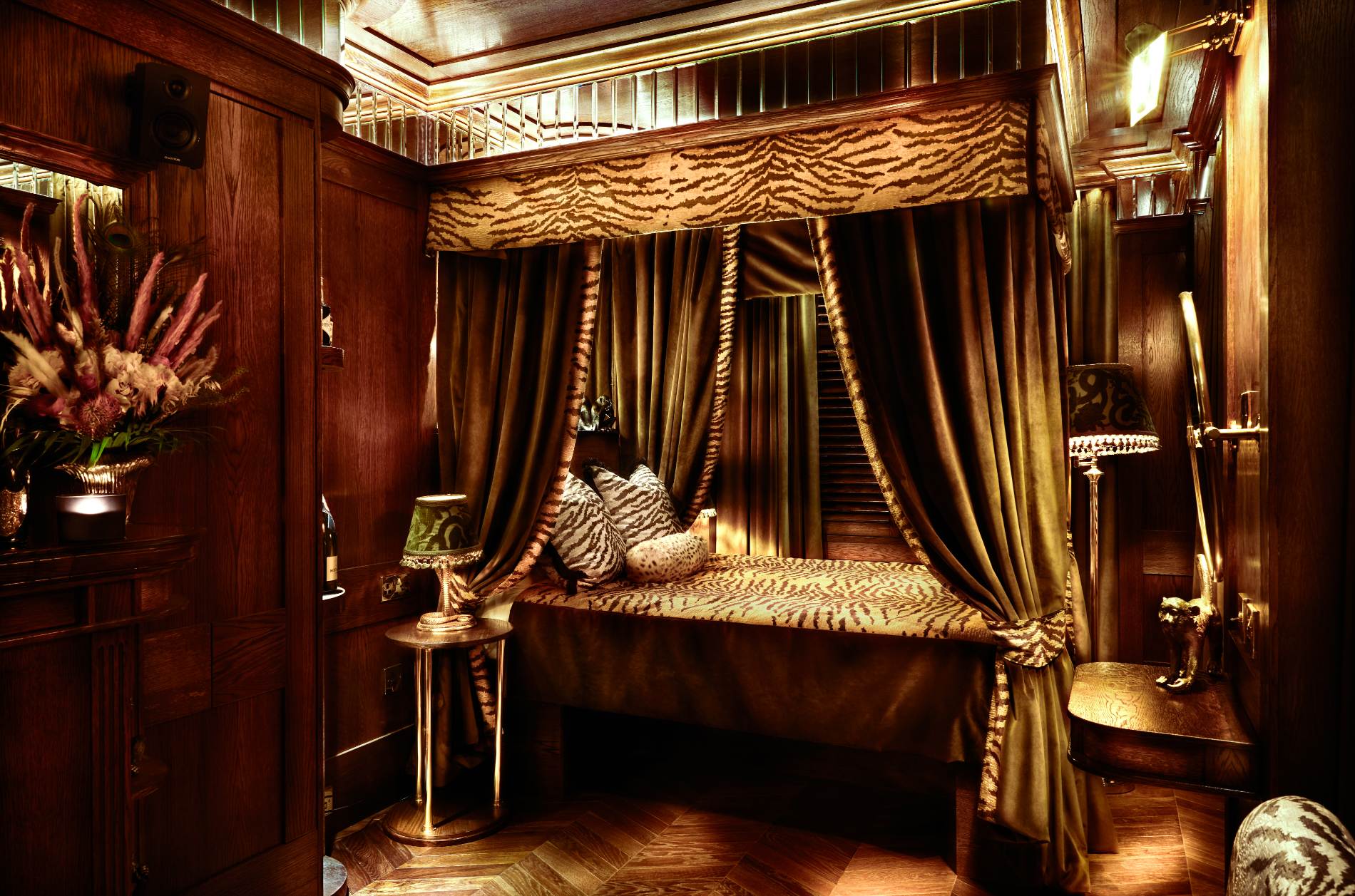
Tucked away in the heart of the Yarrow Valley, The Scullery is a one-bedroom boutique hideaway, eloquently designed for comfort, calm, and connection. Whether you’re escaping the city or craving a countryside reset, this is your space to slow down and just be.
-listable-carousel-1769292770.jpg)







 Sign in with Google
 Sign in with Email