Edinburgh, Edinburgh, Grassmarket, Old Town
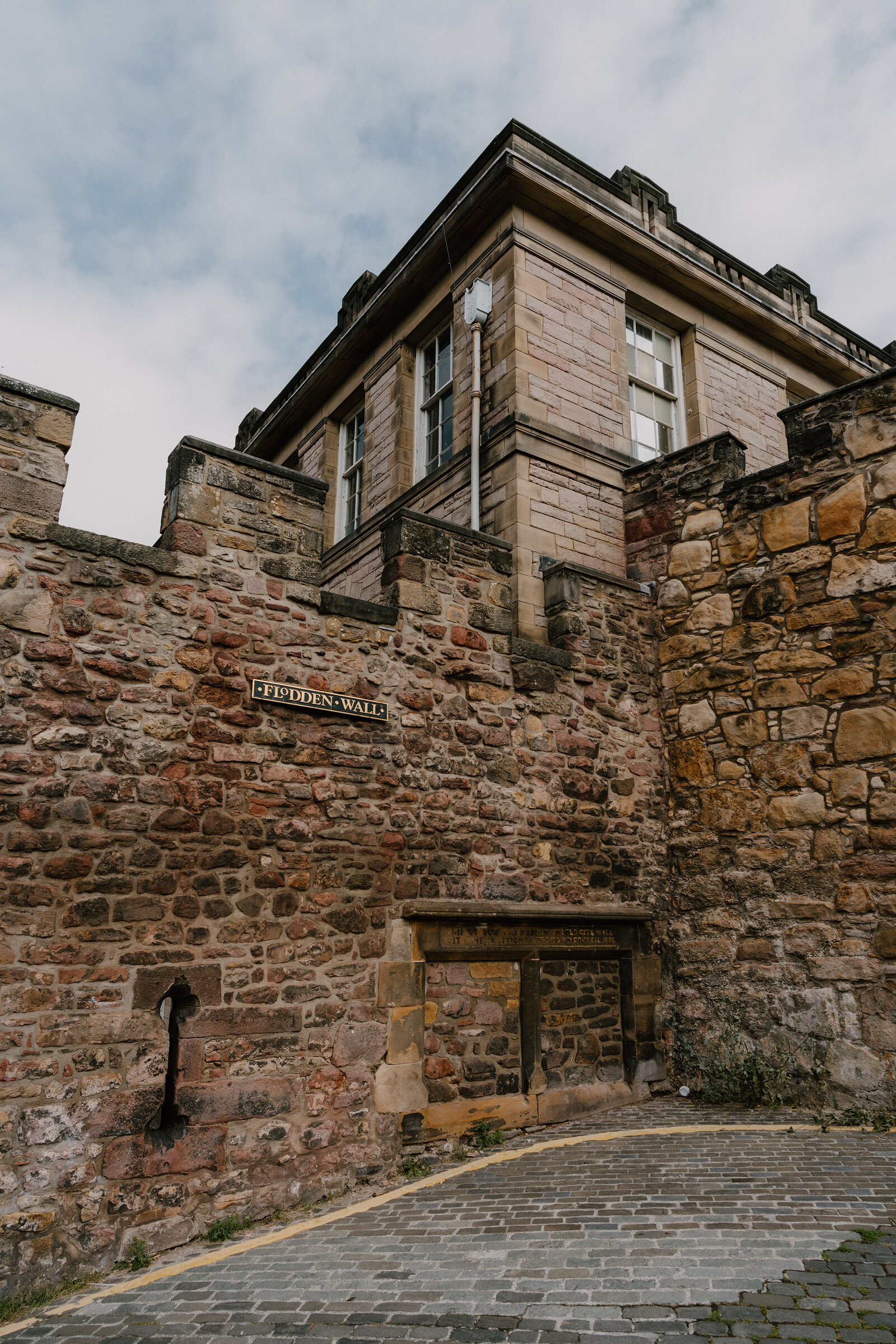
Flodden Wall
Introduction
Introduction
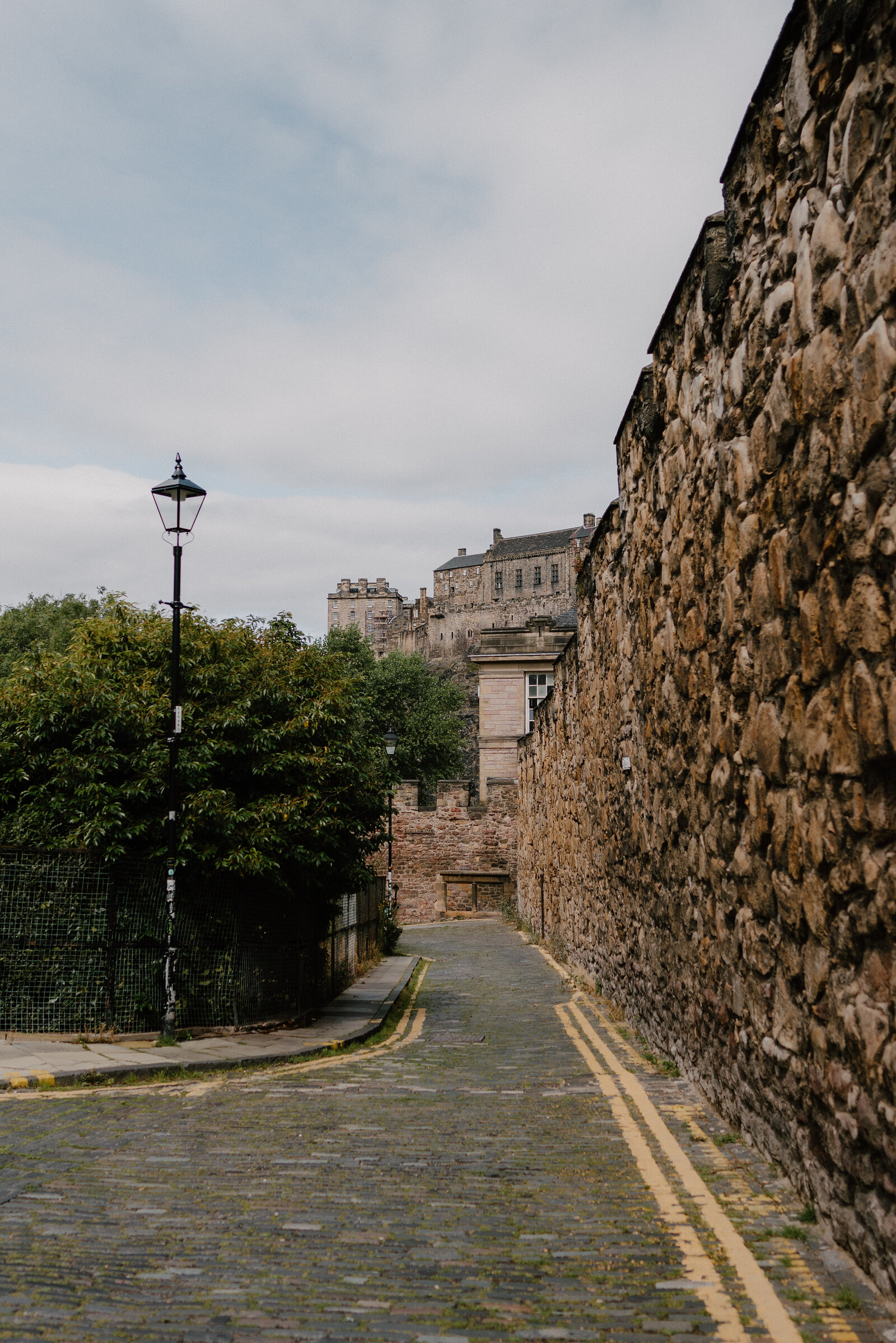
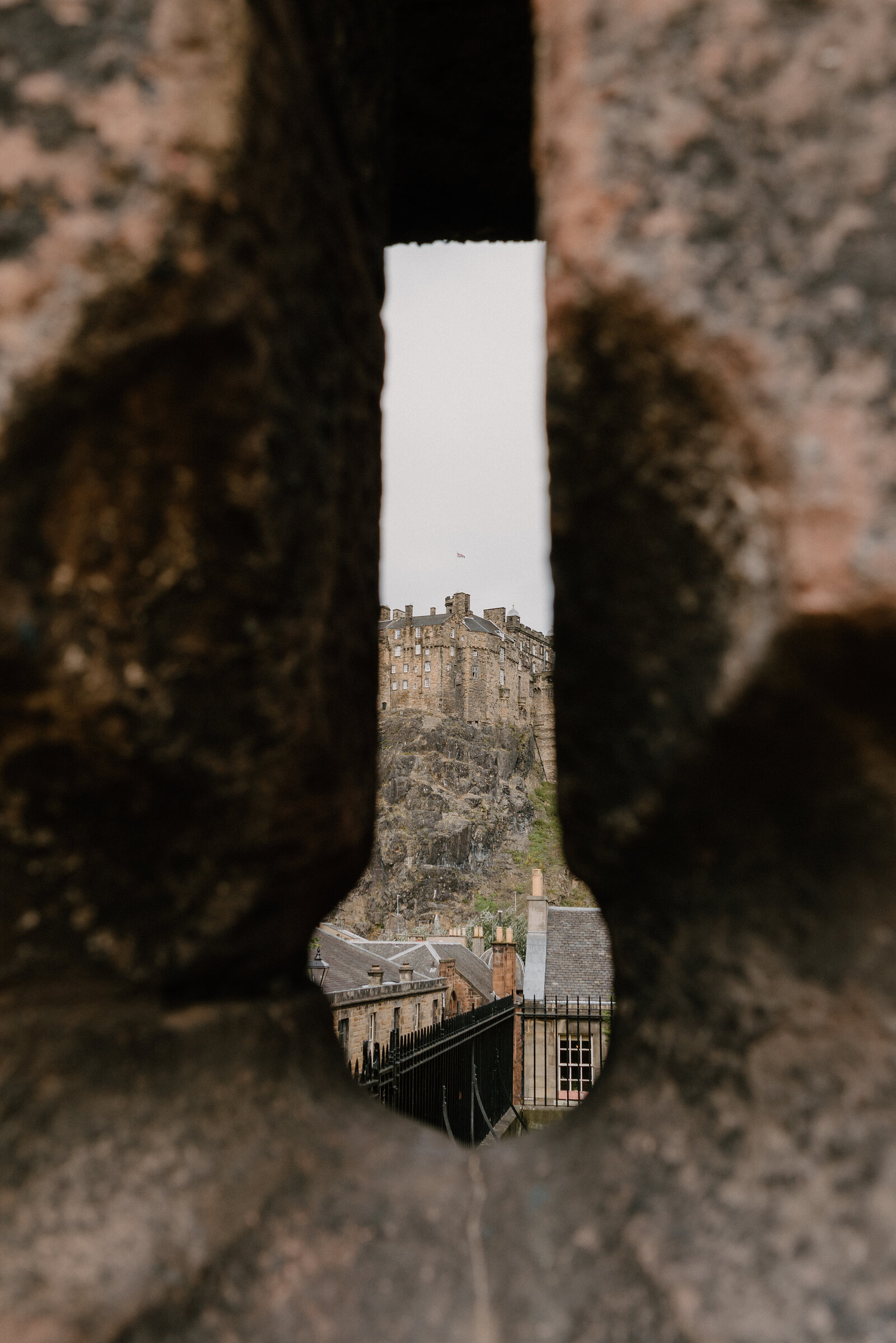
The Flodden Wall in Edinburgh was established in the early 16th century after the Scottish defeat at the Battle of Flodden. It served as a defensive boundary for a growing population anxious about future attacks. Although much of it has been dismantled or covered by modern development, certain sections remain visible around the Old Town. These remnants provide a glimpse of how the city once fortified its perimeter and managed safety concerns. Stones from this period can be spotted in courtyards, within alleys, and along parts of Greyfriars Kirkyard. Despite urban expansion over the centuries, observers may still detect the outline of a structure designed to stand firm against external threats.
Highlights
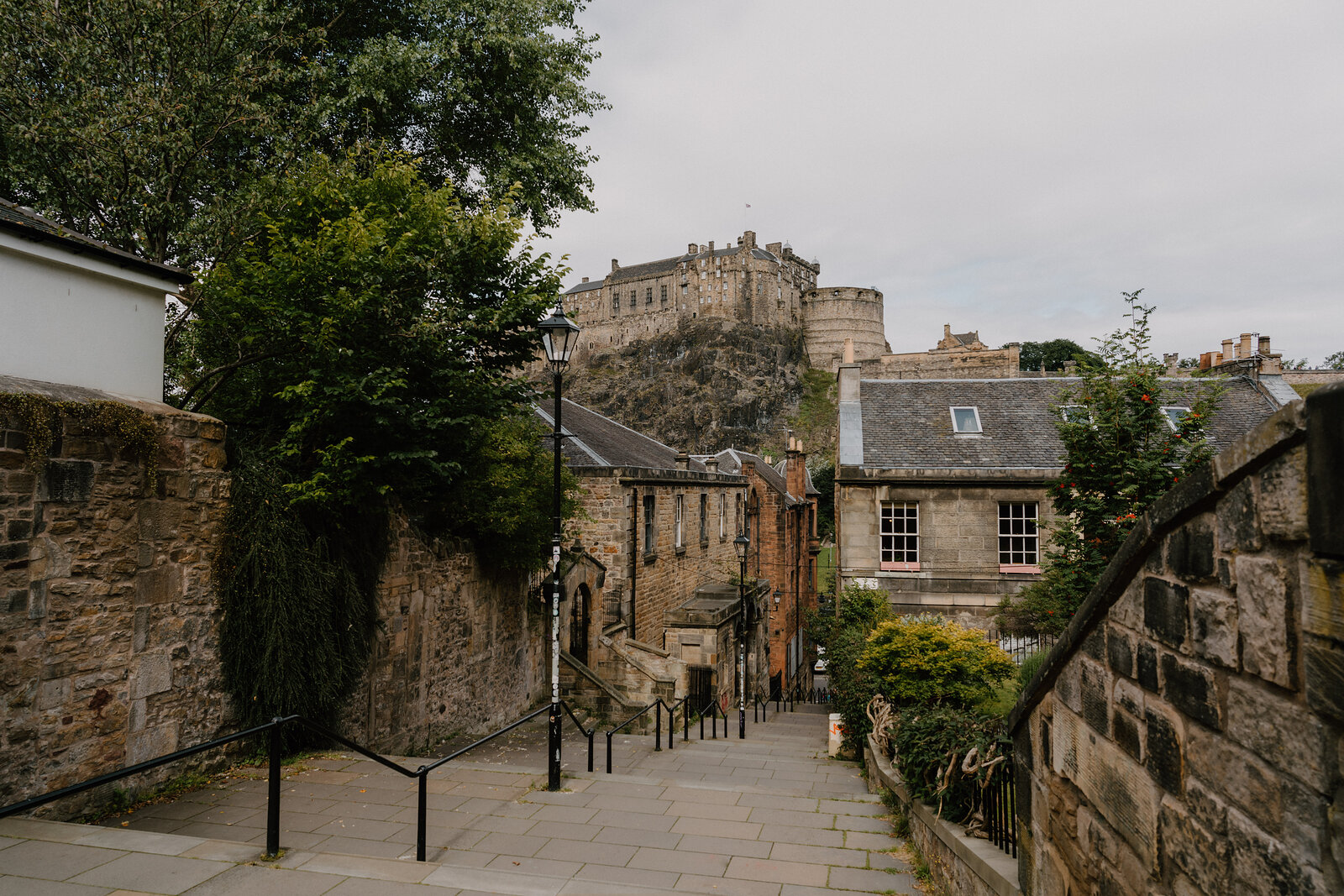
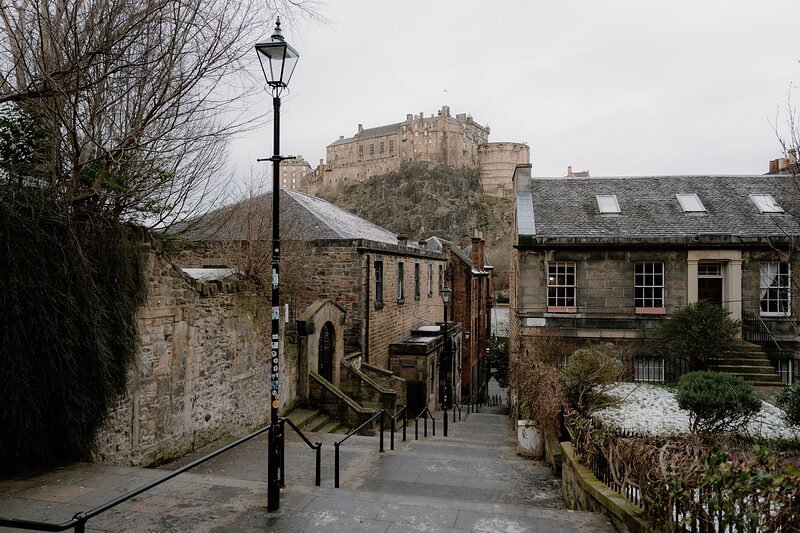
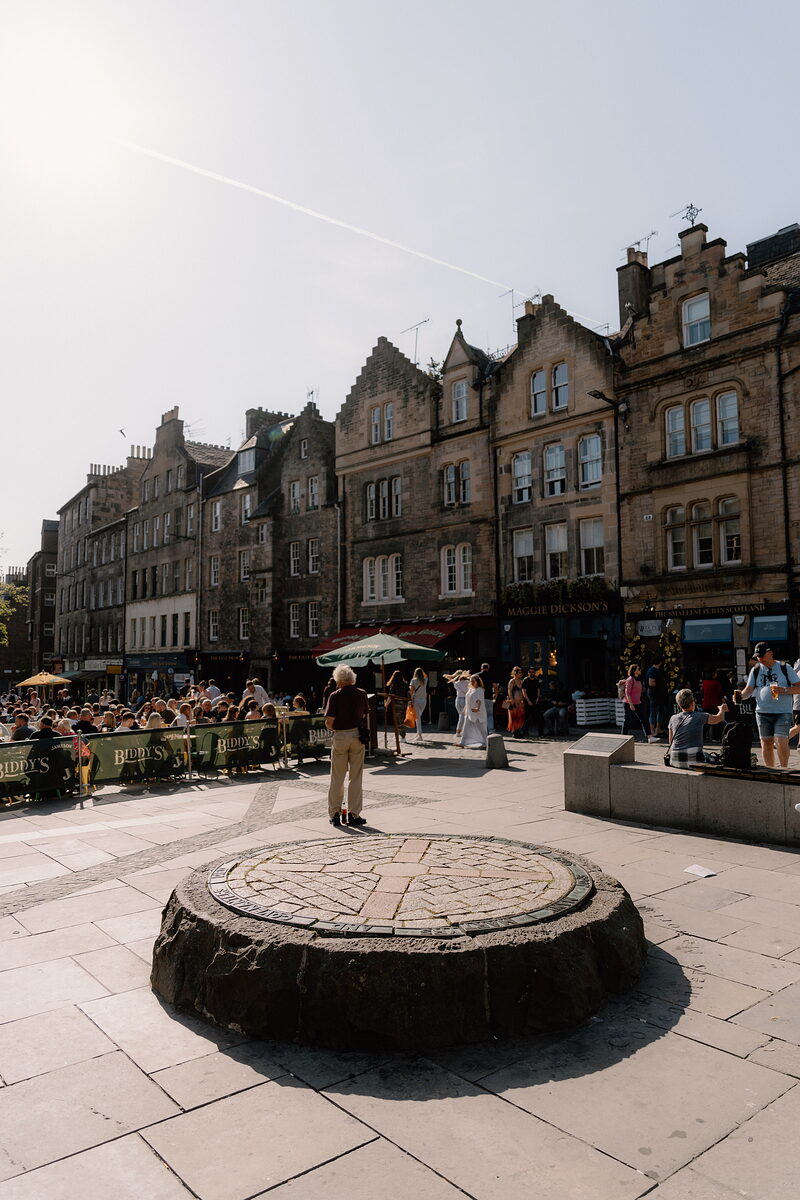
Parts of the wall near Greyfriars Kirkyard display original stonework, with blocks that have endured centuries of weather and occasional restoration efforts. One portion stands alongside the Vennel steps, where weathered masonry contrasts with newer construction in the vicinity. Another notable stretch rests close to the Grassmarket, allowing those passing by to compare the older structure with surrounding buildings. These fragments connect the present-day visitor to turbulent events in Scottish history, including siege preparations and the broader context of post-Flodden anxieties. Guided walking tours sometimes pause at these segments to share stories of how the city’s leaders responded to the risk of invasion.
Location
The wall traces a route around central Edinburgh, though it is not always immediately apparent. Greyfriars Kirkyard is a reliable spot for locating visible remains. The Grassmarket and surrounding lanes contain further clues, where stones emerge behind railings or within shared courtyards. Public transport options, including local buses and trains via Waverley Station, provide straightforward access to the Old Town. Walking through the area offers a chance to follow quiet side streets that reveal small details, such as a carved mark on a block or the way mortar has aged. Cobblestones and slight inclines may pose a mild challenge, so practical footwear is recommended.
Things Nearby
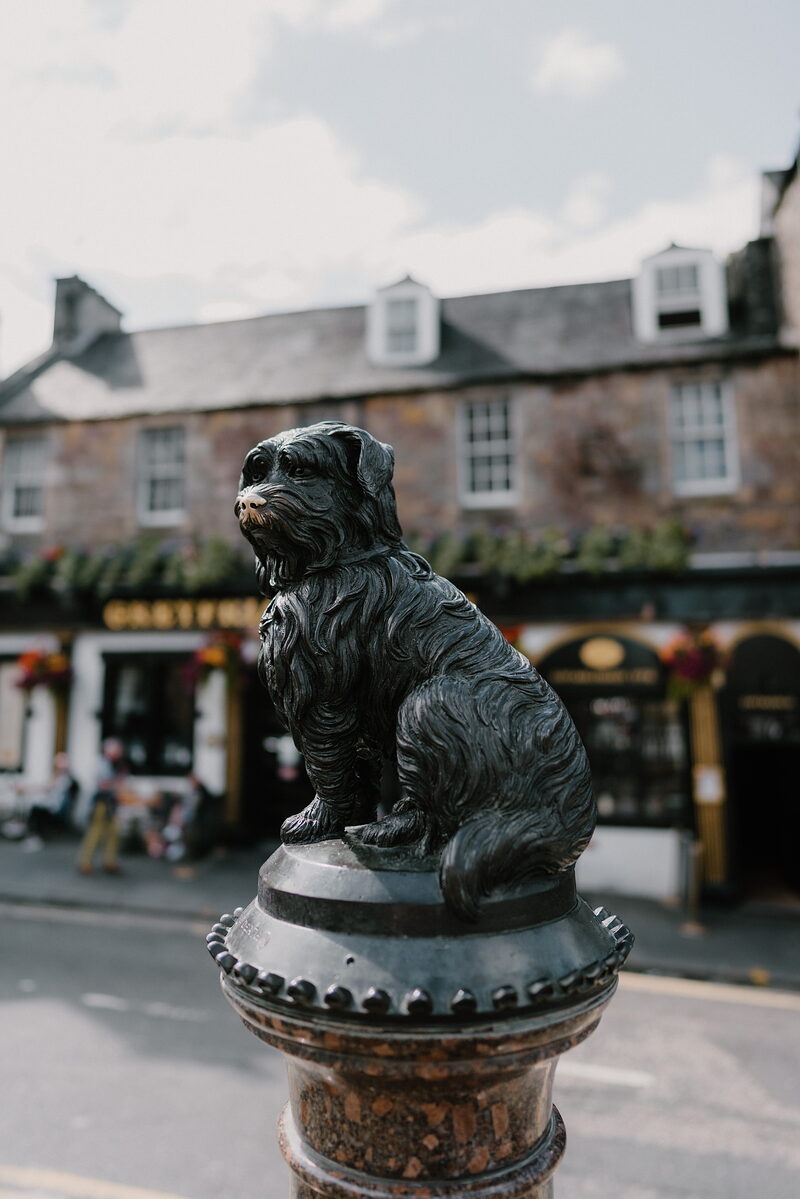
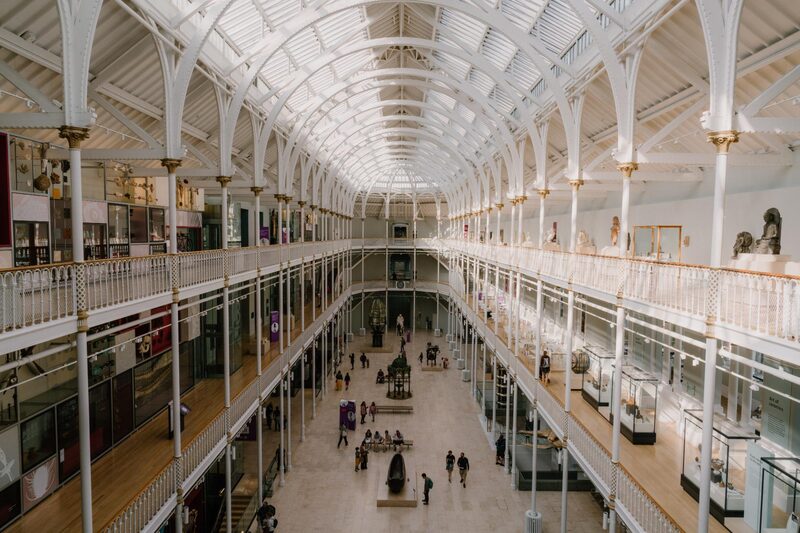
Visitors can incorporate the wall into a broader tour of Edinburgh’s Old Town. The National Museum of Scotland is within walking distance for those eager to learn more about the nation’s cultural heritage. St Giles’ Cathedral stands along the Royal Mile, showcasing Gothic architecture and ornate stonework. The Grassmarket features shops and places to eat, while traditional pubs in the area cater to travellers seeking local dishes. A short climb up the hill leads to Edinburgh Castle, where panoramic views highlight how the city expanded beyond the original defensive barriers. Greyfriars Kirkyard itself draws attention for its historic monuments and connections to various notable figures.
Visitor Tips
No admission fee applies for viewing the Flodden Wall, and it remains accessible at all hours in public streets or open courtyards. Early morning can be calmer, allowing more time to study the masonry without crowds. Later in the day, the atmosphere shifts with nearby pubs and cafés welcoming patrons, though that can add a different perspective. Photography is usually permitted in outdoor areas, although private property boundaries deserve respect. A walking route that threads through the Old Town will likely reveal multiple sections without the need for tickets or scheduling. Guided tours can enhance the experience with context on the wall’s origins and the city’s defensive strategies, but a self-guided walk is equally feasible for independent travellers. This relic of Edinburgh’s history quietly endures, waiting to be discovered by those who take the time to look.
Location
What's nearby
Where to stay nearby


-medium-large-1720035176.jpg)

-medium-large-1779474899.webp)


-medium-large-1737142831.jpg)
Sign in with Google
Sign in with Email