
A Guide to Edinburgh’s Historic Sites and Museums
Edinburgh holds centuries of stories in its streets, closes, and buildings. From castles to reformers, science to superstition, these are some of the best places to explore the city’s layered past.
History is hard to avoid in Edinburgh. It’s in the street names, the stonework, and the way the buildings shift with the hill. But knowing where to start can be difficult. Some stories are loud and well-marked—others are quieter, tucked behind doors or down side streets.
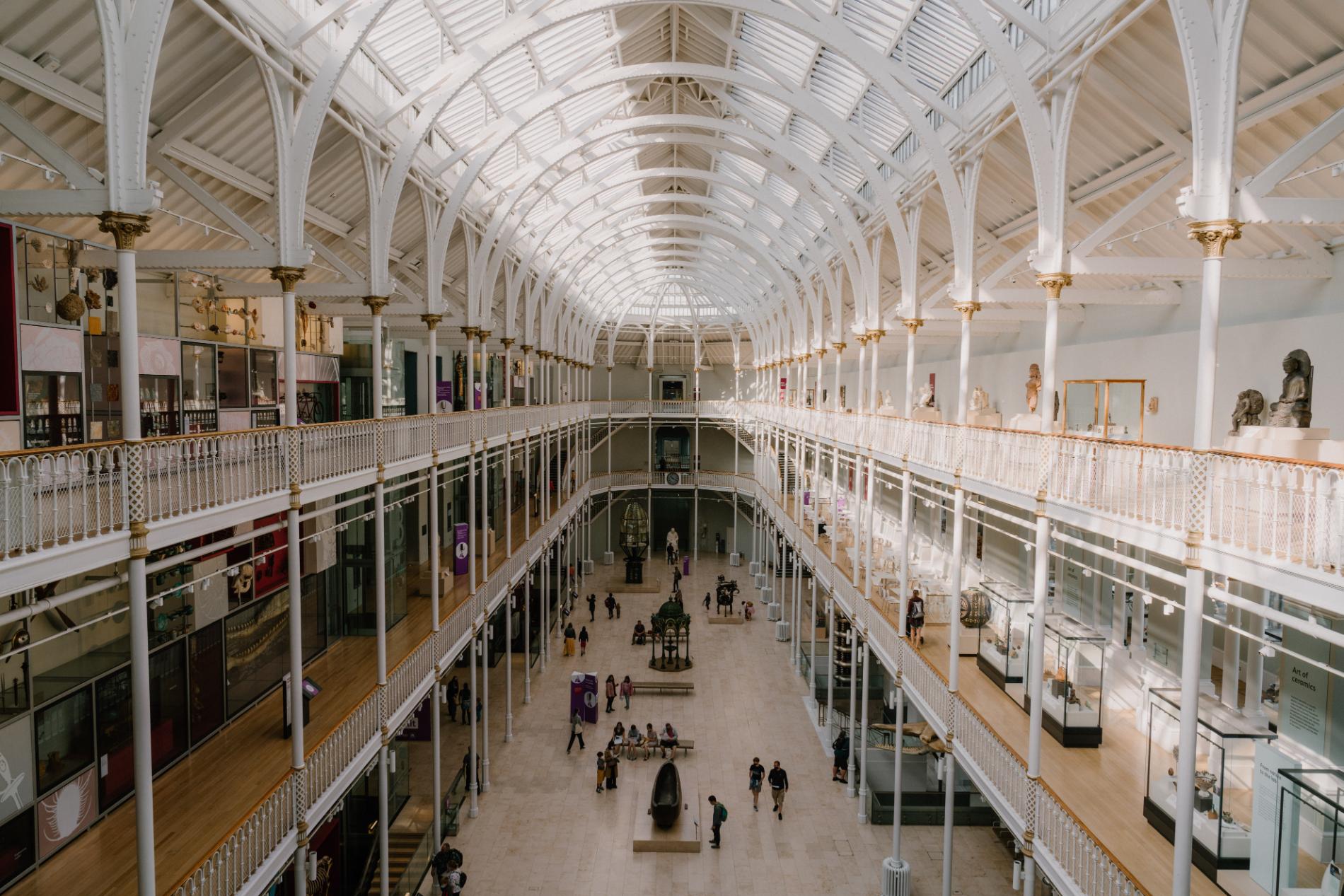
This section brings together places that offer more than just facts. These are buildings and institutions where you can see how the city has changed over time, and how it continues to shape the present. The National Museum of Scotland is an obvious first stop. It’s vast, free to enter, and wide-ranging—covering everything from early geology to Dolly the Sheep. But there’s depth elsewhere too. Surgeons’ Hall tells its story through bone, wax, and preserved skin. The People’s Story Museum focuses on ordinary lives. And The Museum of Edinburgh digs into local specifics, from clocks to collar tags.
Walk the Royal Mile and you’ll pass cathedrals, closes, tenements, and towers—some still in use, some turned over to visitors. Holyroodhouse, Gladstone’s Land, and Riddle’s Court all show different versions of domestic life. Magdalen Chapel and St Giles’ reflect the city’s religious shifts. Even the parliament building, despite its modern angles, is part of the historical thread.
Not everything is indoors. Greyfriars Kirkyard, Warriston Cemetery, and The Flodden Wall still hold their place in the city’s structure. They’re free to visit, and still used by residents today—not as monuments, but as part of the route.
This list won’t tell you everything. But it will point you toward some of the places where Edinburgh’s past feels close. Take your time. Ask questions. And don’t be surprised if one museum visit leads to five. That’s usually how it starts.
Riddle’s Court
Old Town
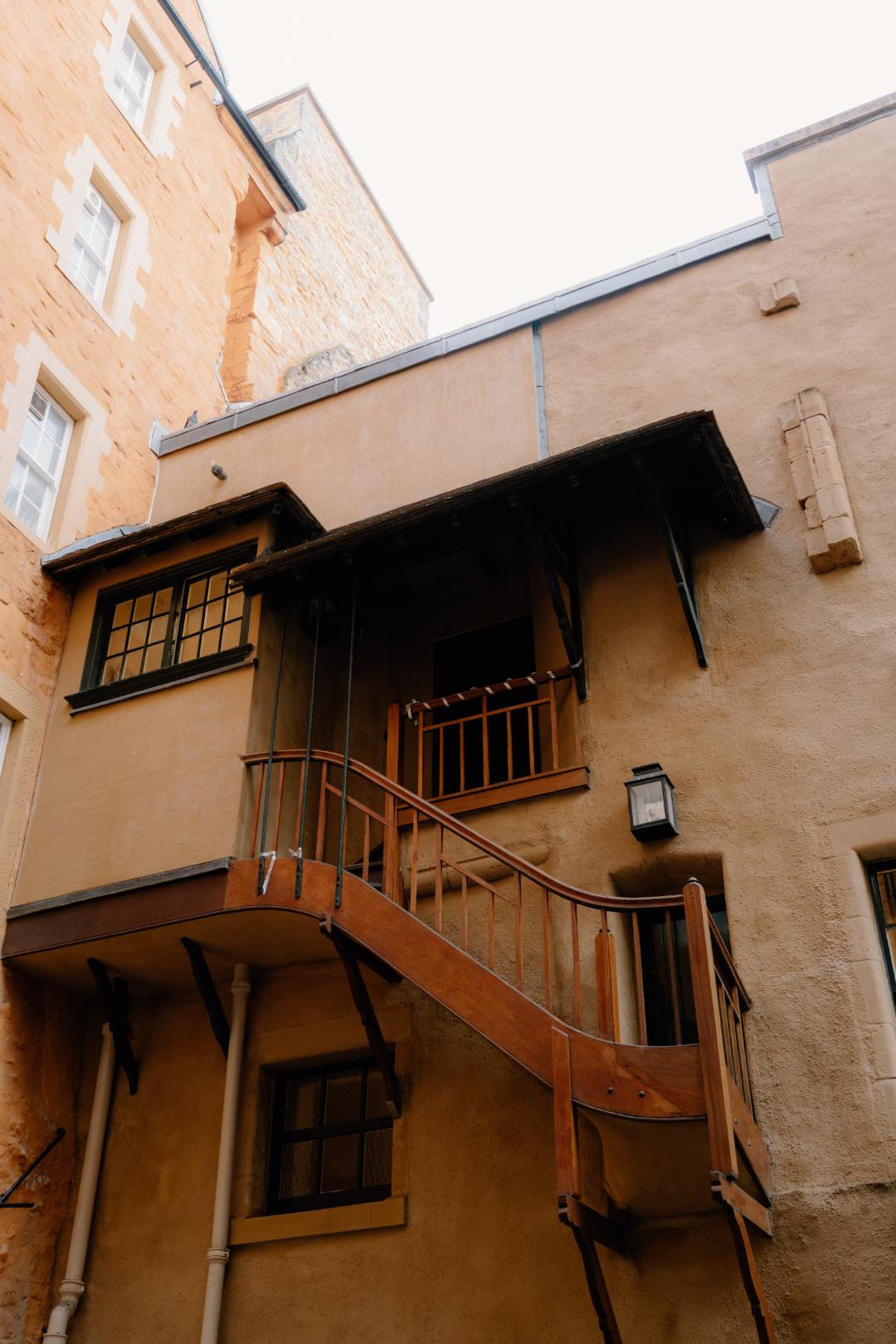
For an immersive look inside a grand tenement building, this Category A-listed attraction is hard to beat. The former merchant’s house has been refurbished to the tune of £6 million, resulting in an interior full of panelling, paintings and other period details.
Surgeons’ Hall Museums
Old Town
Reopened in 2015, the museums hold a gruesomely compelling collection of "natural and artificial curiosities" from the world of surgical pathology, including human remains and medical instruments. The complex is entered via an attractive garden.
The Flodden Wall and The Vennel Steps
Old Town
Part of the city’s boundary defences in the 1560s, the crenellated remains of Flodden Wall still stand strong, close to where the so-called Vennel Steps give arguably the best – and some of the closest – castle views in the city.
The Writers' Museum
Old Town
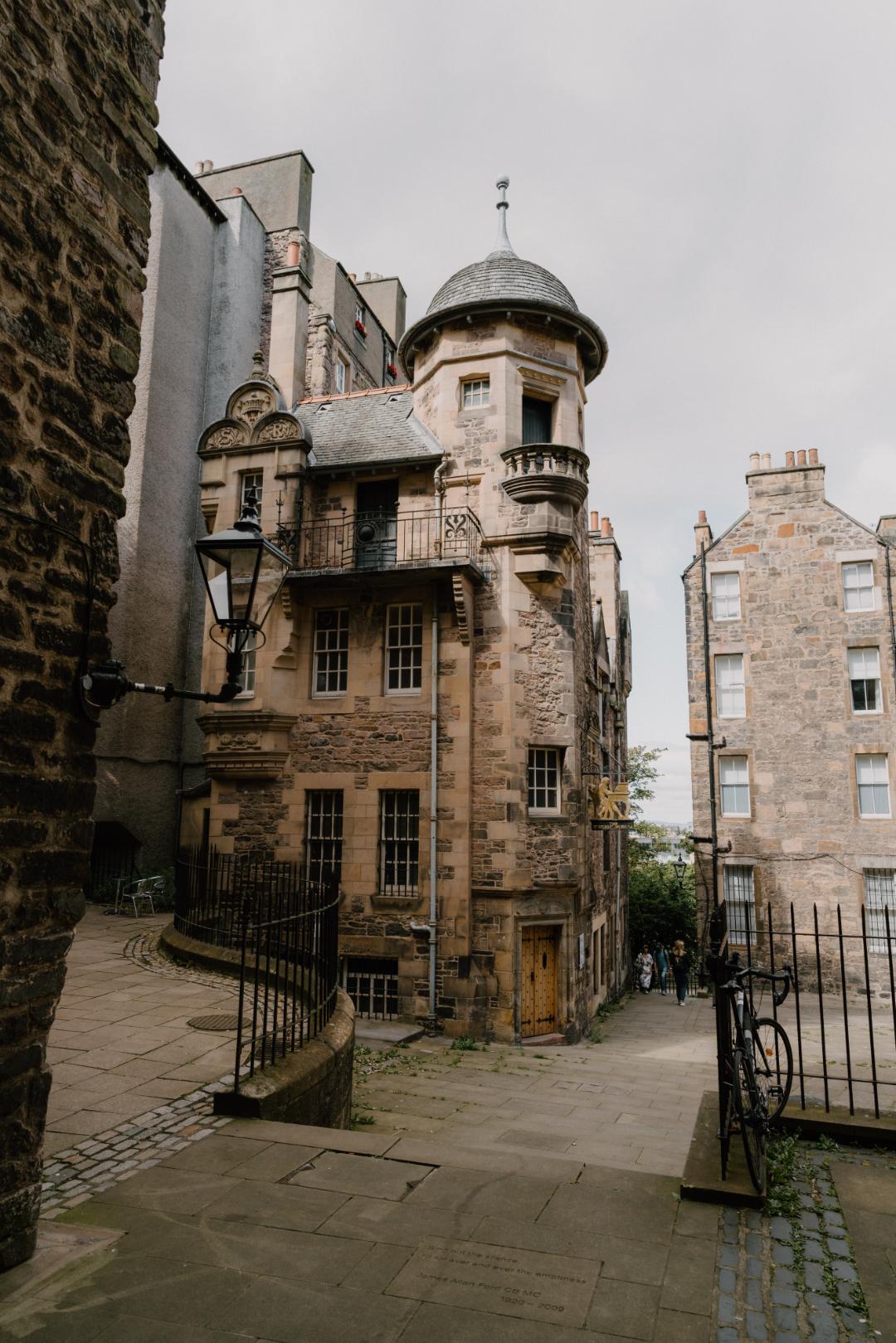
Literary titans don’t come much bigger than Robert Louis Stevenson, Sir Walter Scott and Robert Burns and this deservedly popular museum celebrates the lives and works of all three.
The Writers' Museum
Riddles Court
Greyfriars Kirkyard
Old Town
One of Edinburgh’s more unlikely historical heroes is Greyfriars Bobby, the little Skye terrier who reportedly spent the last 14 years of his life sitting patiently by his late owner’s grave. Bobby’s statue now sits atop a granite fountain on the corner of George IV Bridge and Candlemaker Row, close to Greyfriars Kirkyard, the cemetery where he’s now buried near his master.
Scotsman Steps
Old Town
Leading between Waverley Station’s Market Street entrance and North Bridge, these 104 steps were reworked in 2010 by Turner Prize-winning artist Martin Creed, who formed each one of the stairs from a different type of marble.
Edinburgh Castle
Old Town
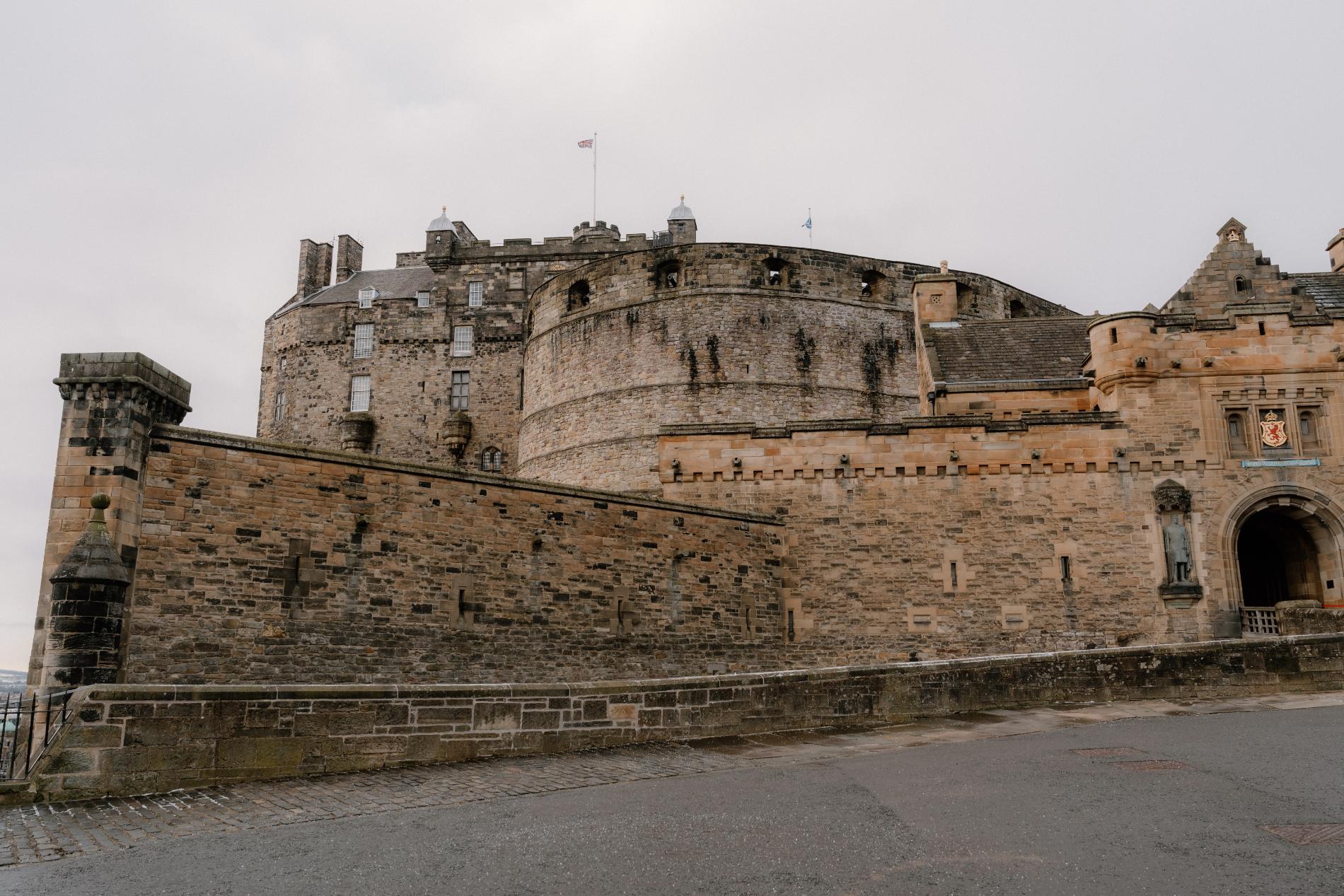
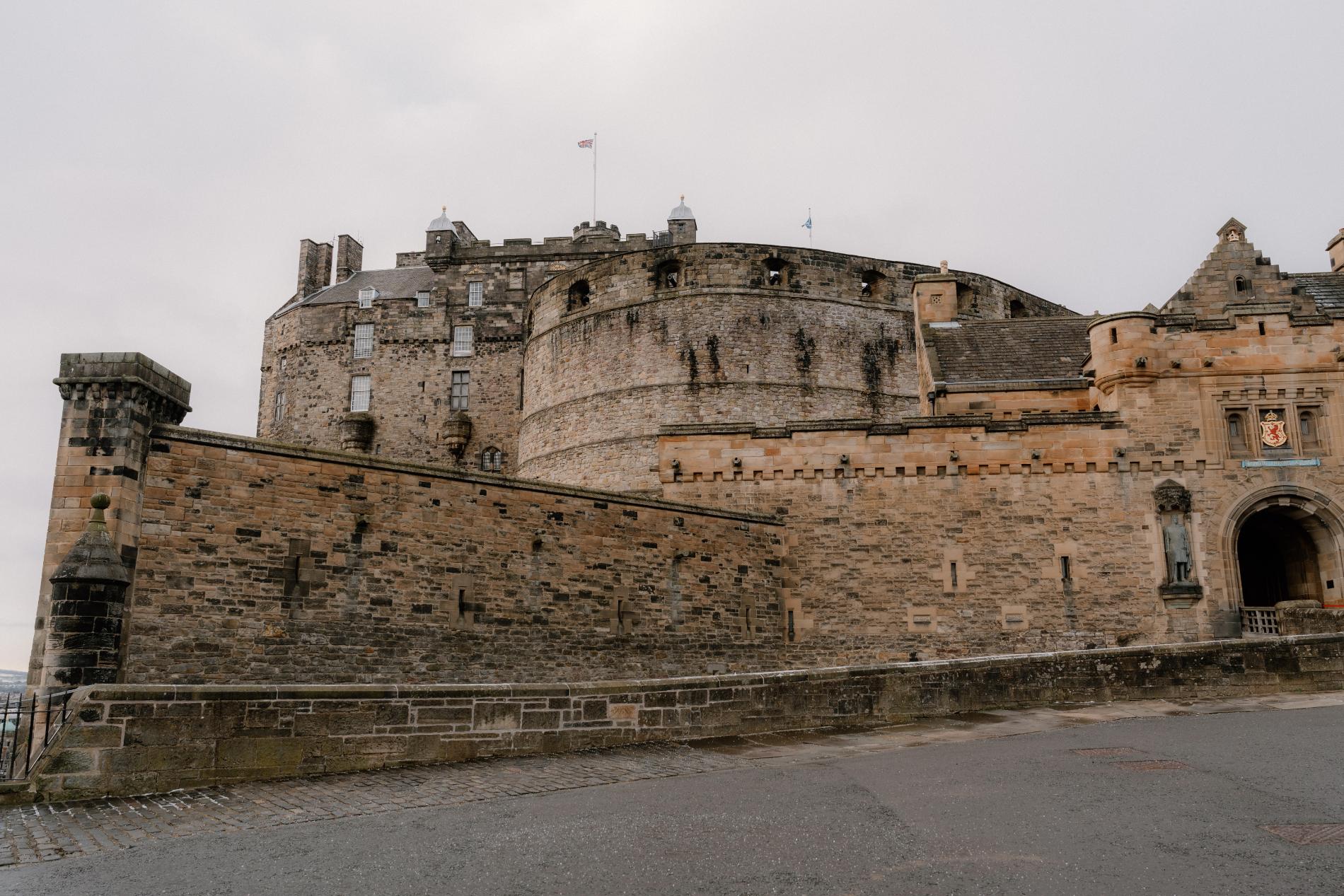
Set aside several hours for a trip to the biggest ticket in town. Much of what you see today dates from the 18th and 19th centuries, when the complex evolved from a monarch’s retreat to a garrison fortress. There’s much to explore on a visit, including the hammer-beamed Great Hall, the tiny St Margaret’s Chapel, the giant Mons Meg cannon and the glittering crown jewels known as the Honours of Scotland. The castle’s famed one o’clock Gun is still fired each day at the requisite hour – be warned that it’s loud.
Edinburgh Castle
The Scottish Parliament Building
Old Town
An eye-catching vision of steel, oak and granite, the Scottish Parliament Building sits at the bottom of the Royal Mile. It was designed by Barcelona architect Enric Miralles and formally opened in 2004.
Palace of Holyroodhouse
Old Town
Still an official royal residence, and previously frequented by everyone from Mary Queen of Scots to Queen Elizabeth II – even Bonnie Prince Charlie reportedly used the Great Gallery for opulent evening balls – the lavish Palace of Holyroodhouse makes for an absorbing place to visit.
Magdalen Chapel
Old Town
Built in the 1540s – and therefore Edinburgh’s last pre-Reformation Catholic chapel – this gem of a chapel on Cowgate is notable for lively historical details such as its age-old stained glass windows.
National Museum of Scotland
Old Town
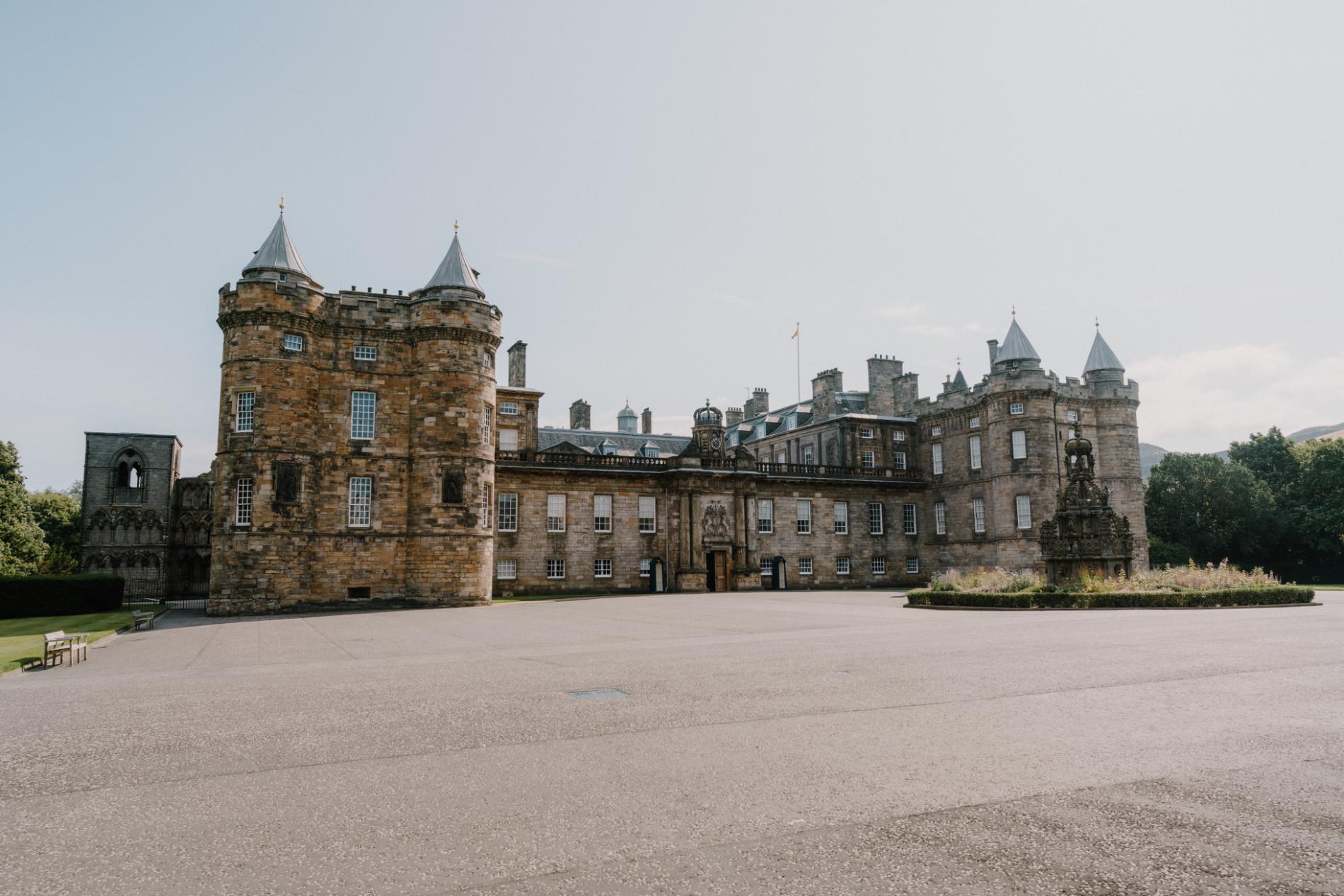
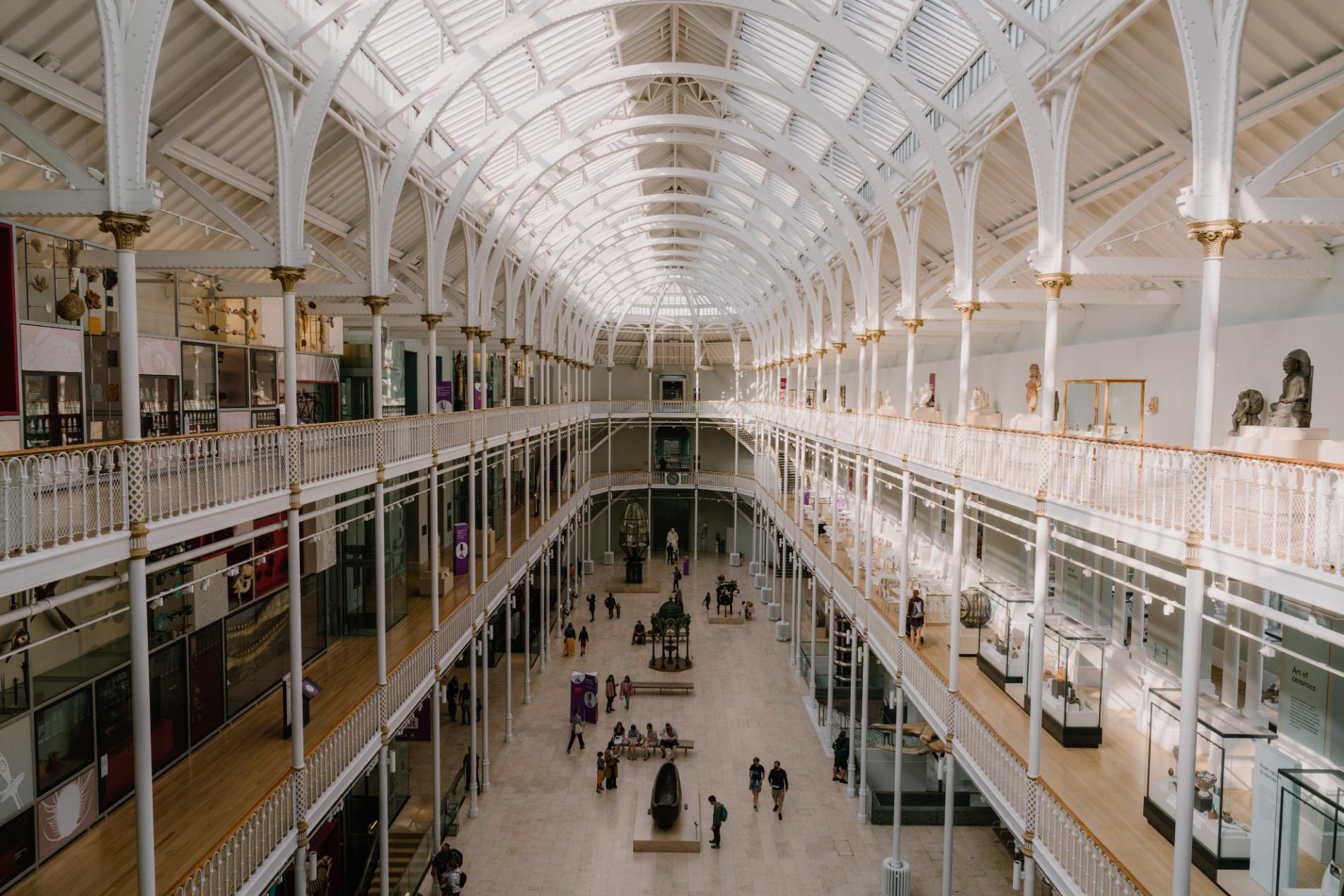
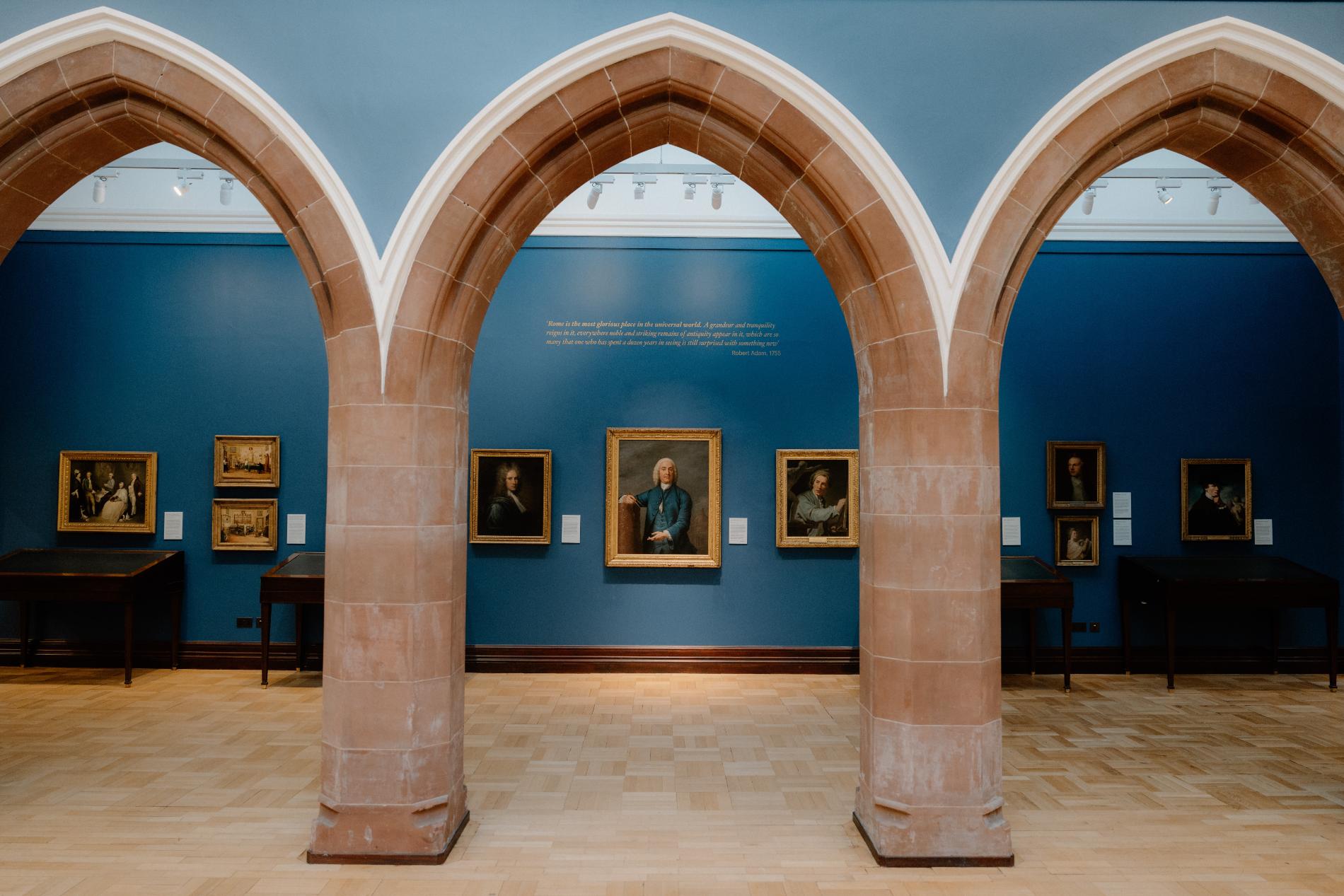
A colossus of a museum charting the long story of the nation, touching on everything from prehistoric geology and the ups and downs of Scotland’s medieval history to the developments of the 21st century. Art, design, science and tech all get a look in, while the building itself is a remarkable sight in its own right, centred on the cavernous atrium of the Grand Gallery.
St Giles’ Cathedral
Old Town
A working church for almost exactly nine centuries (King David I founded it in 1124), and boasting a plum location halfway up the Royal Mile, St Giles’ has a long and eventful past. It was John Knox’s parish church during the Reformation, and in 1633 was made the cathedral of the newly formed Diocese of Edinburgh, by King Charles I.
Mercat Cross
Old Town
A Royal Mile landmark standing just outside St Giles’ Cathedral, the Mercat (or Market) Cross has origins dating back almost seven centuries, although the current version – bearing royal arms and Latin inscriptions – was erected in the Victorian era.
Lady Stair’s Close
Old Town
There are more than 80 closes off the Royal Mile, but few are as picturesque – or as well-known – as this moody little courtyard, reached by a dark passageway and dominated by a 17th-century townhouse, once the home of the first Countess of Stair.
National Museum of Scotland
Advocate’s Close
Old Town
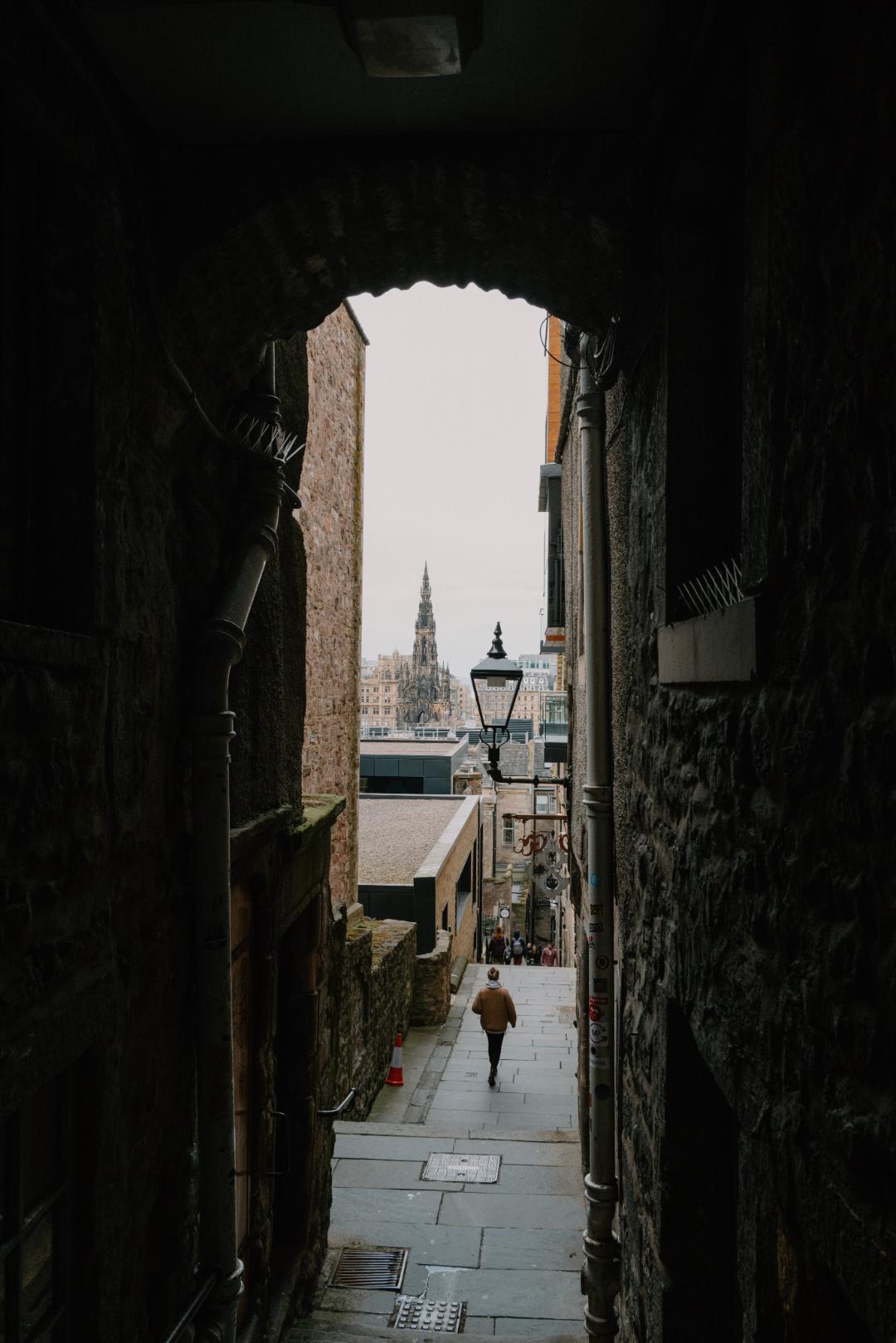
Leading off the Royal Mile, this narrow, 500-year-old close is notable among other things for the fine views it affords over the Scott Monument and Princes Street. It’s named in honour of Sir James Stewart, a former Lord Advocate of Scotland in the early 18th century.
Bakehouse Close
Old Town
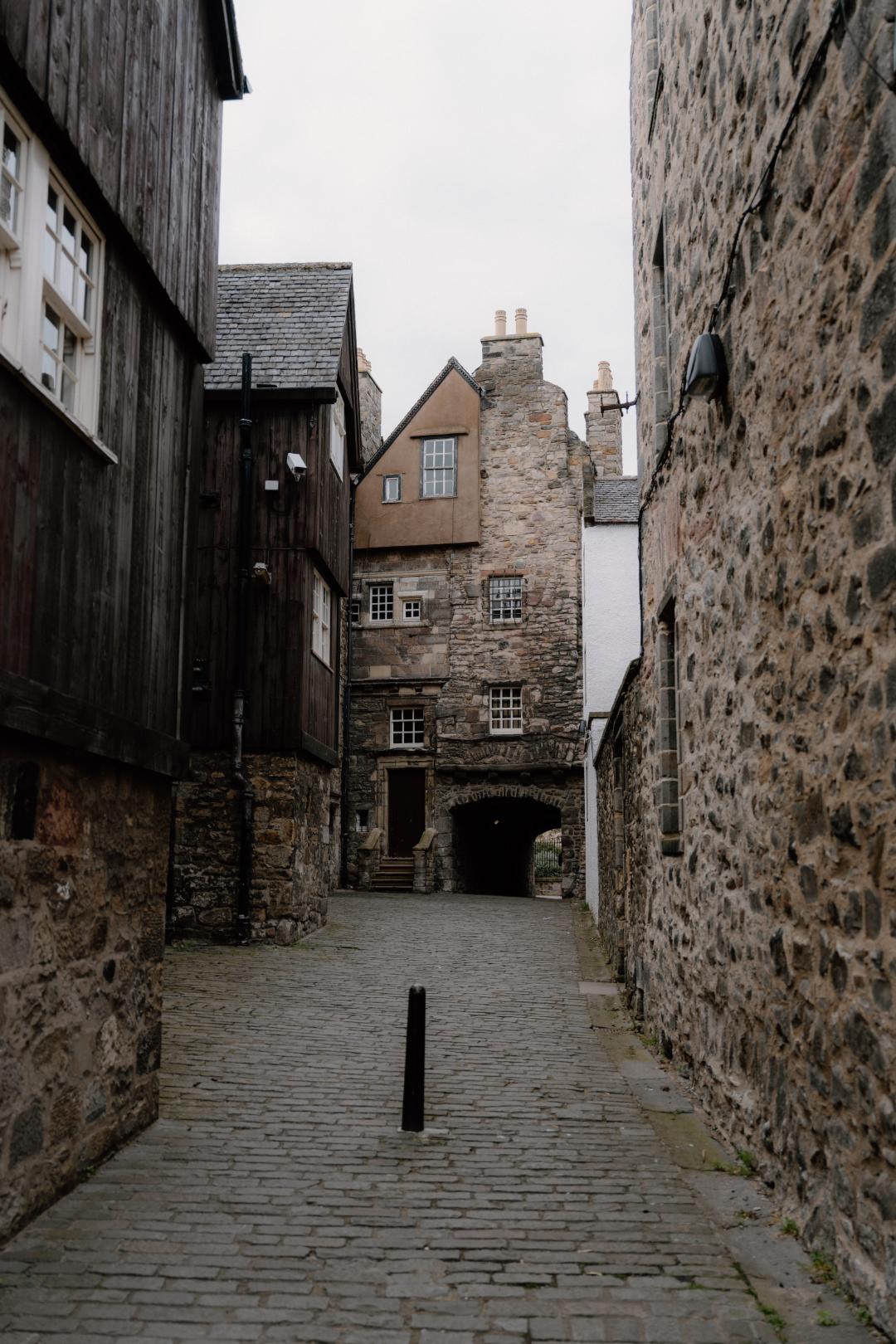
Fans of historical drama Outlander might recognise this courtyard from several key scenes – on screen, Alexander Malcolm’s print shop is based here, and it’s also where Jamie is reunited with Claire – but the close’s real-life past is rather more salacious, as a notorious red-light area.
The People’s Story Museum
Old Town
Housed in the former Canongate Tolbooth on the Royal Mile, this absorbing museum focuses on the stories of Edinburgh’s working-class population from the 18th century to the modern day. Various tableaux from the past are recreated, including a war-era kitchen and a bookbinder’s workshop.
Museum of Edinburgh
Old Town
The bowl and collar of Greyfriars Bobby and a handsome collection of longcase clocks are among the exhibits at this museum on the Royal Mile. It’s located in a former slum building and gives a colourful look at the city’s past.
Advocates Close
Bakehouse Close
White Horse Close
Old Town
The origins of the name might remain something of a puzzle (one almost certainly apocryphal tale states that Mary Queen of Scots’ mare was stabbed here) but there’s no doubting the historical beauty of this courtyard off the Canongate, where a cluster of old buildings stand cheek by jowl over the flagstones.
Museum on the Mound
Old Town
Money, money, money. This museum, which is indeed on the Mound, sits in what was once the head office of the Bank of Scotland. It takes a look at money and finance in all its forms – and, perhaps ironically, it’s free.
The Stones of Scotland
Old Town
Edinburgh’s very own stone circle may not be ancient, but it has powerful symbolism nonetheless – the 32 stones that make up its perimeter come from each of the councils of Scotland. The sculpture, on Regent Park Road, was put in place in 2002.
Gladstone’s Land
Old Town
Sitting on the Royal Mile for more than four centuries, this high-tenement house has witnessed the comings and goings of countless traders, rogues and other Edinburgh characters. It’s now an immersive visitor attraction, with guided tours giving insight into the building’s story-rich past.
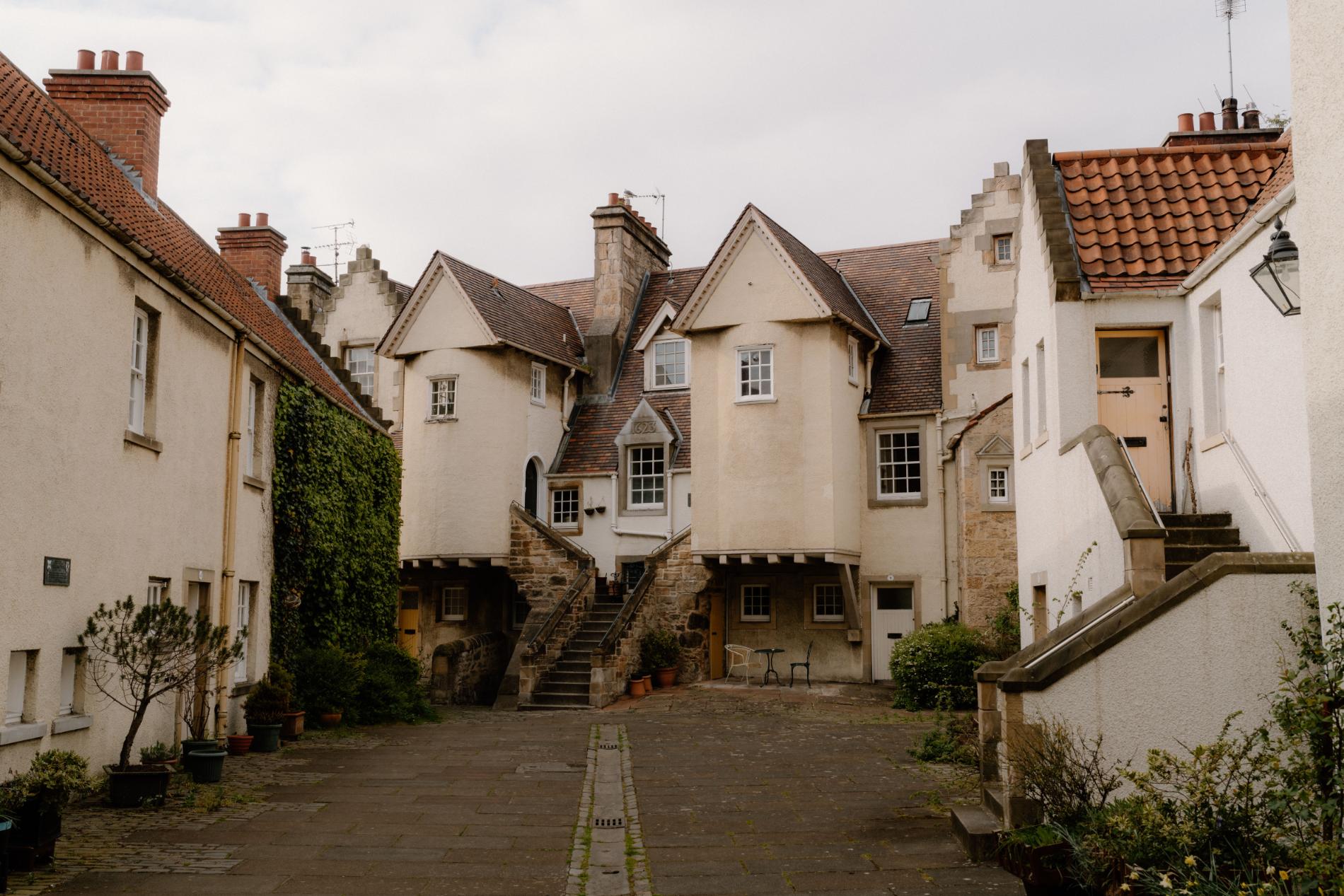
White Horse Close
Walter Scott Monument
New Town
Reaching a height of more than 60 metres, this Victorian Gothic totem of richly decorated sandstone features spiral staircases and almost seventy different statues, most notably Scott himself, who sits in marbled splendour in the centre space next to his dog Maida. The design was one of many submitted to a public competition in the 1830s. Given that the whole structure is essentially a tribute to a novelist, it’s a remarkable sight.
The Georgian House
New Town
You know what you’re getting with this does-what-it-says-on-the-tin New Town attraction – but it’s still mightily impressive. Expect grand artworks, architectural pomp and intricate period furniture.
Dundas House
New Town
This imposing 18th-century townhouse was built for one of the wealthiest men in Scotland, businessman (and, regrettably, enabler of the slave trade) Sir Lawrence Dundas. These days it’s a branch of the Royal Bank of Scotland, and can be visited by all.
Stockbridge Colonies
Stockbridge
Just to the south of the Royal Botanic Garden you’ll find a remarkable piece of living history. The Stockbridge Colonies are made up of rows of terraced stone houses, constructed in the 19th century when the Industrial Revolution saw the city’s population boom. These split-level Victorian workers’ cottages are designed in a remarkable way, with the upper and lower apartments of each terrace accessed from different streets.
Warriston Cemetery
Stockbridge
Tens of thousands of graves have been erected in this atmospheric, wildlife-rich cemetery since it was designed by architect David Cousins in the 1840s. Now sloping across 40 acres, it’s the final resting place of several notable characters, including physician Sir James Young Simpson.
Leith Shore
Leith
The Shore in Leith boasts a long maritime history, dating back to the Anglo-Saxon era. It has played host to monarchs like Mary Queen of Scots and George IV and saw critical events like the 1544 Rough Wooing. Pioneering in urban illumination, it introduced oil lamps in 1771 and electric lighting in 1895.
The Signal Tower
Leith
One of the most eye-catching buildings on the harbourside at Leith is this bulky, cylindrical tower, originally built as a windmill before being converted into a signal tower – a kind of beacon from which to send fire or smoke signals – in 1805. A ring of battlements adds to the drama.
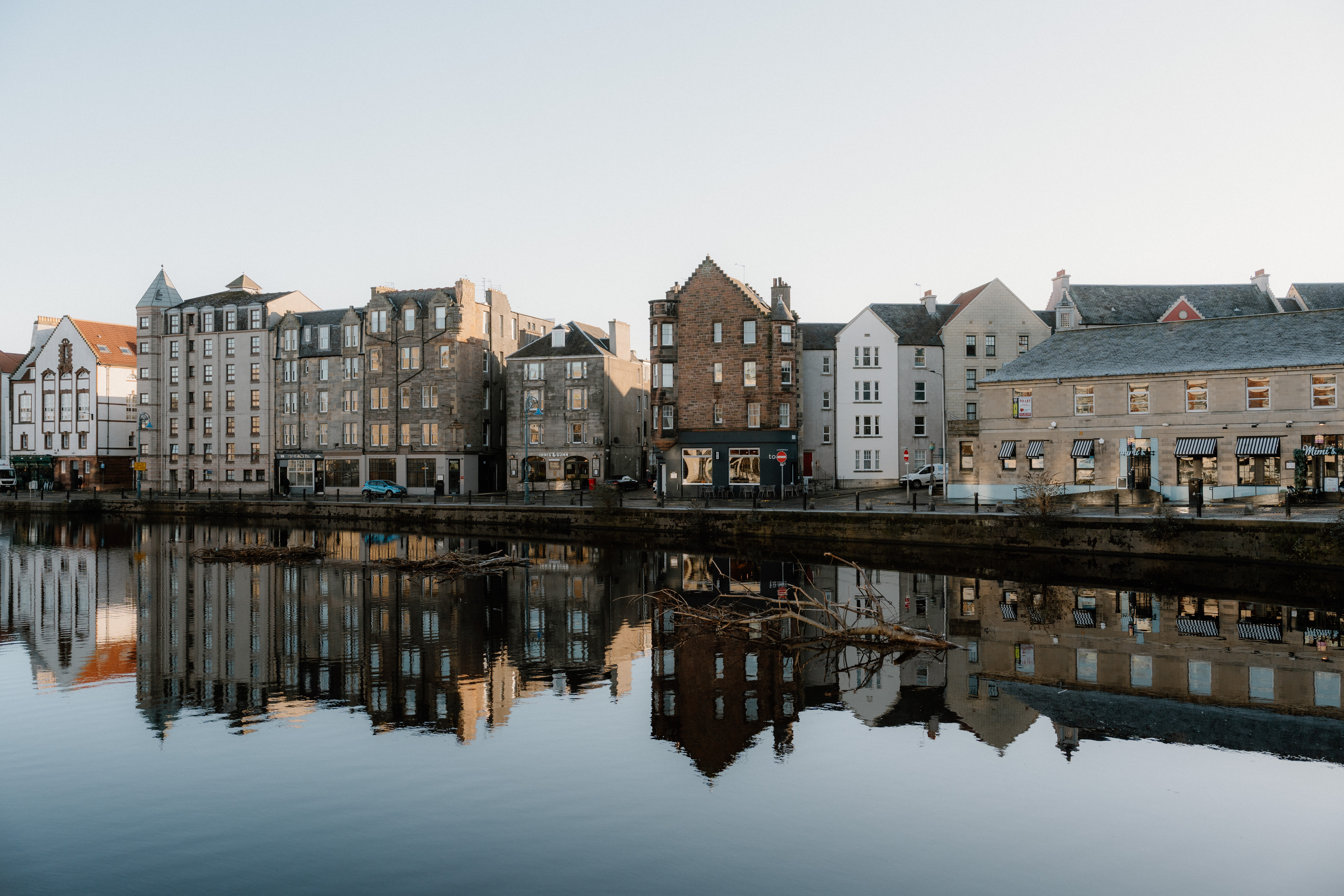
Leith Shore
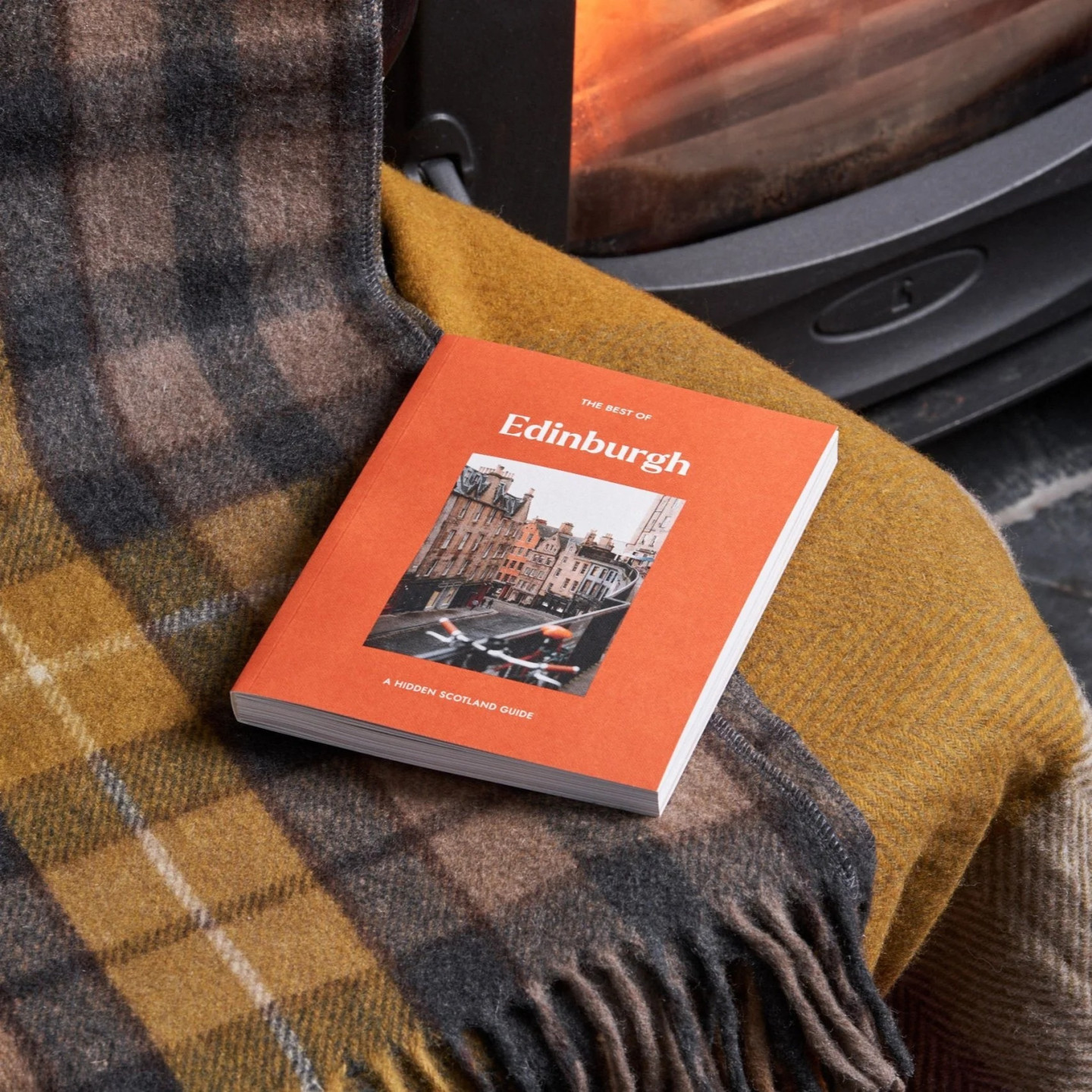
Promoted Post
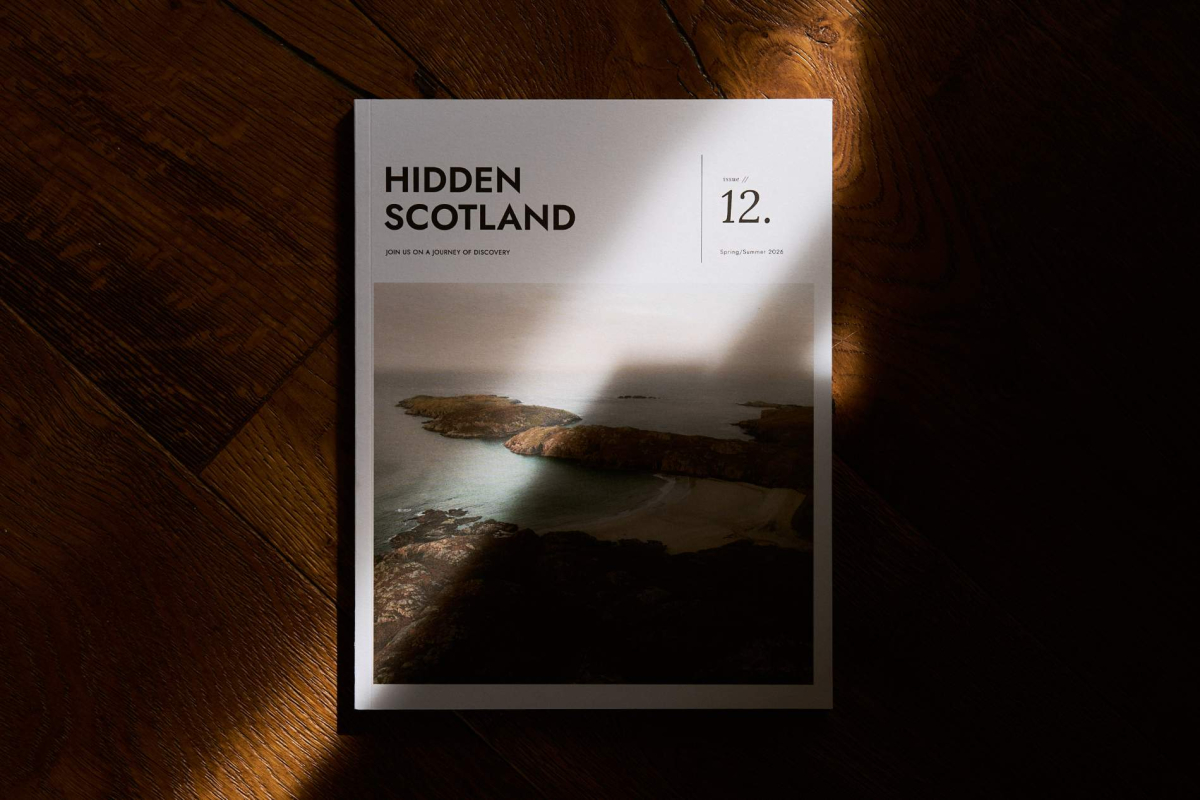
Issue 12 is now shipping worldwide from Scotland.
Issue 12 is now shipping worldwide from Scotland.











 Sign in with Google
 Sign in with Email