
Aberdeenshire
Potarch Café
Introduction
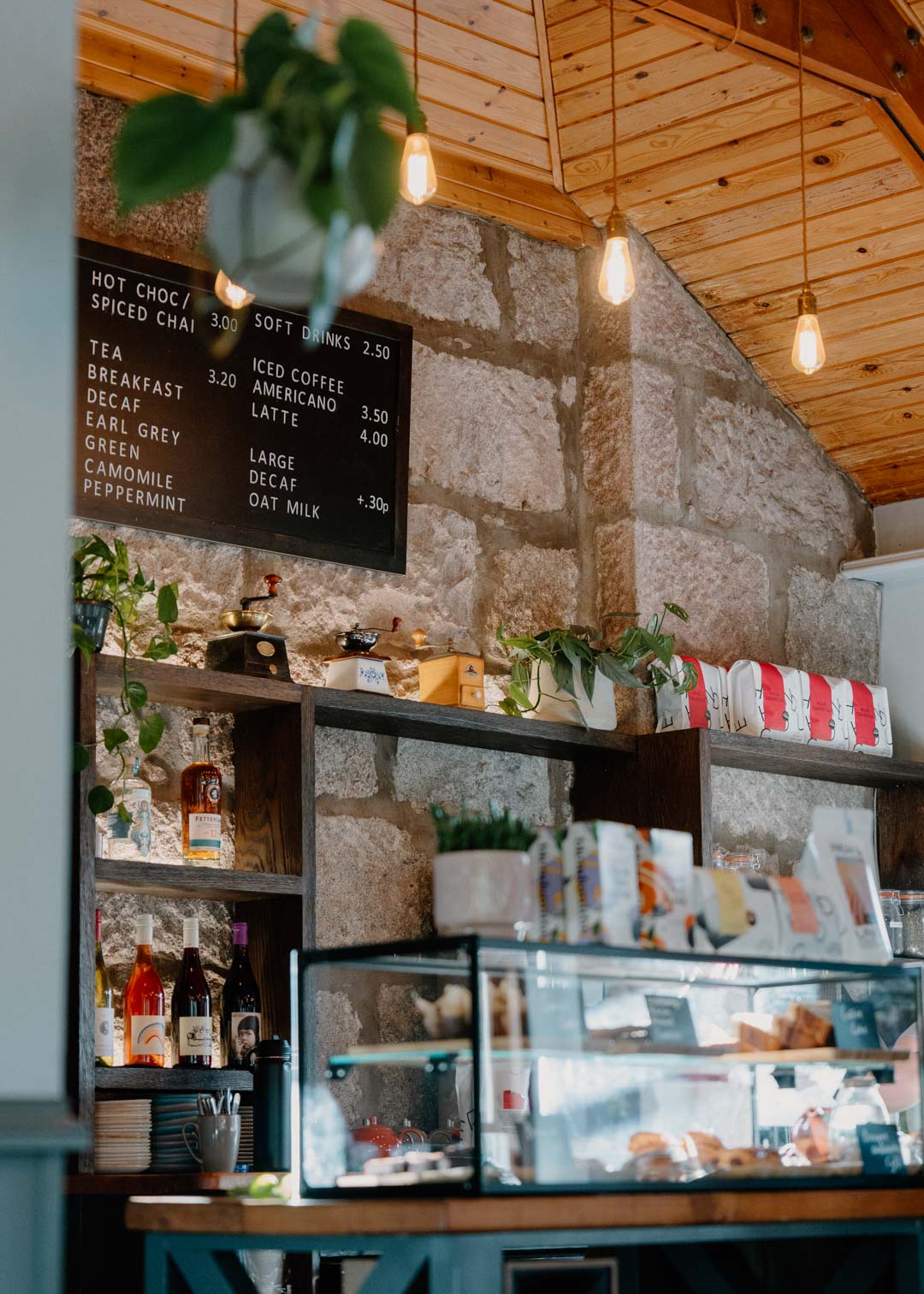
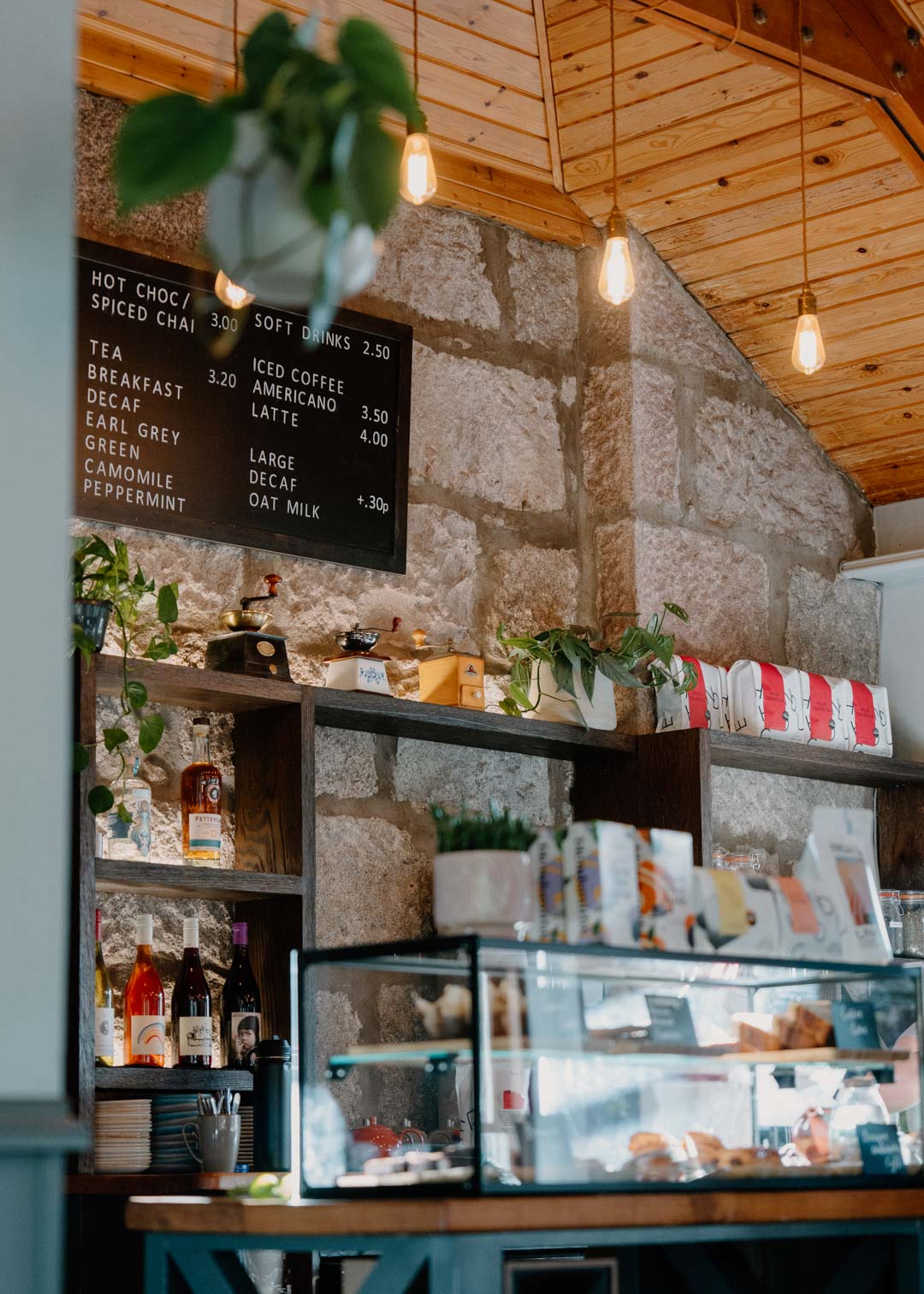
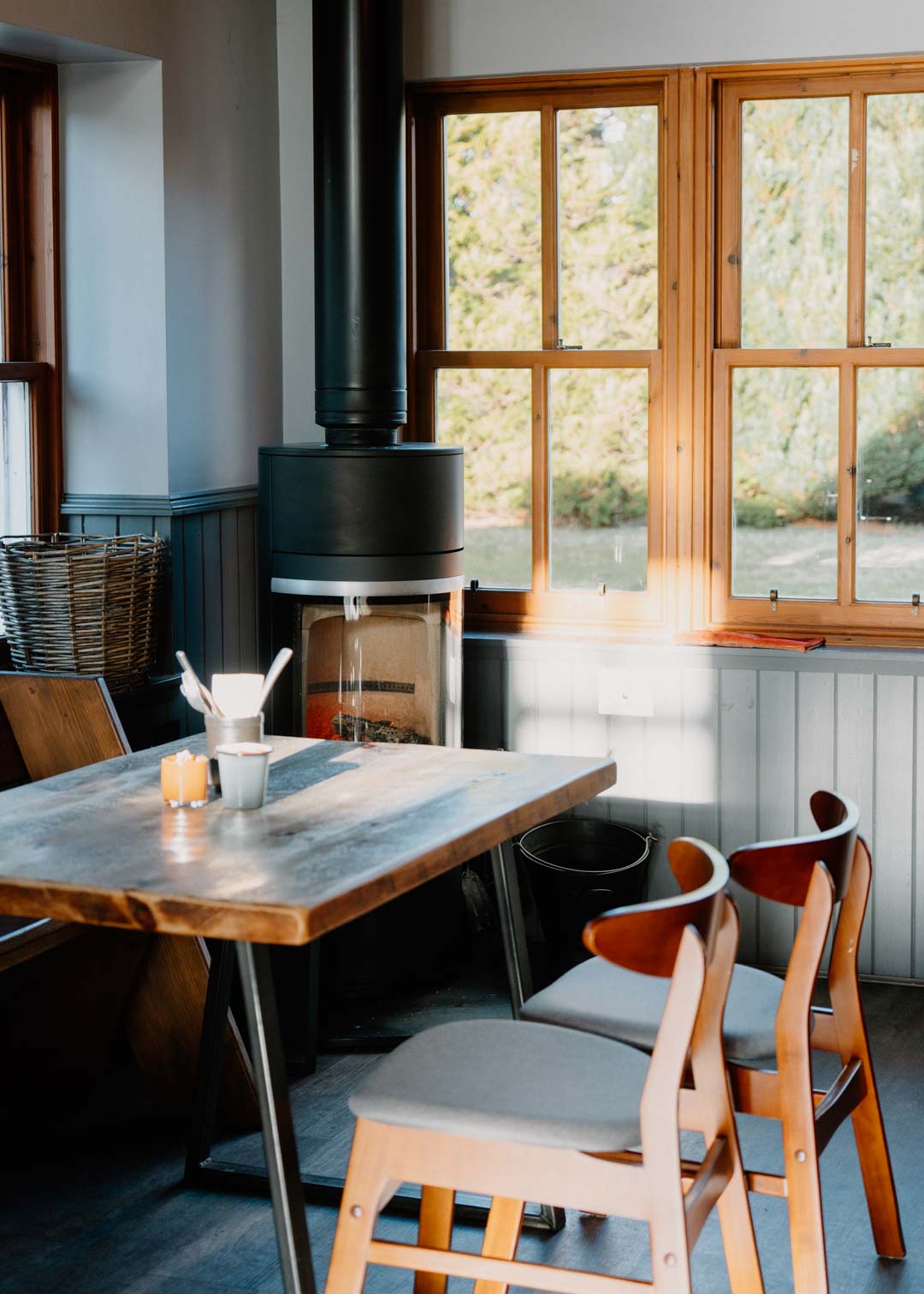
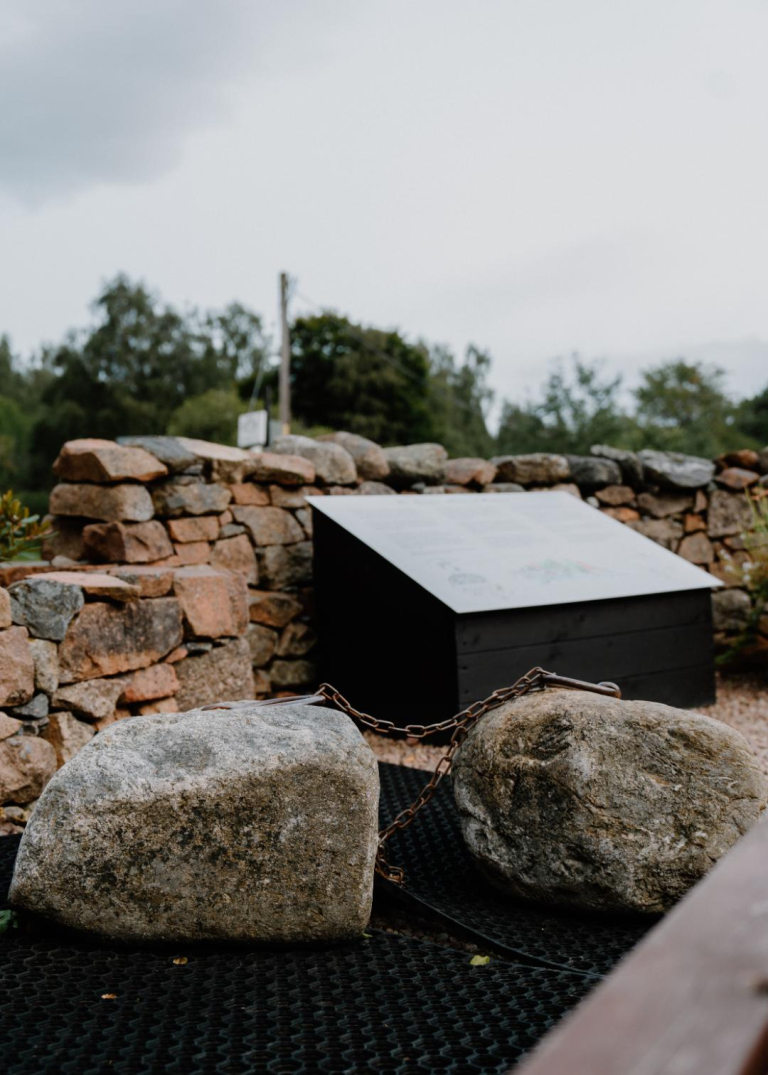
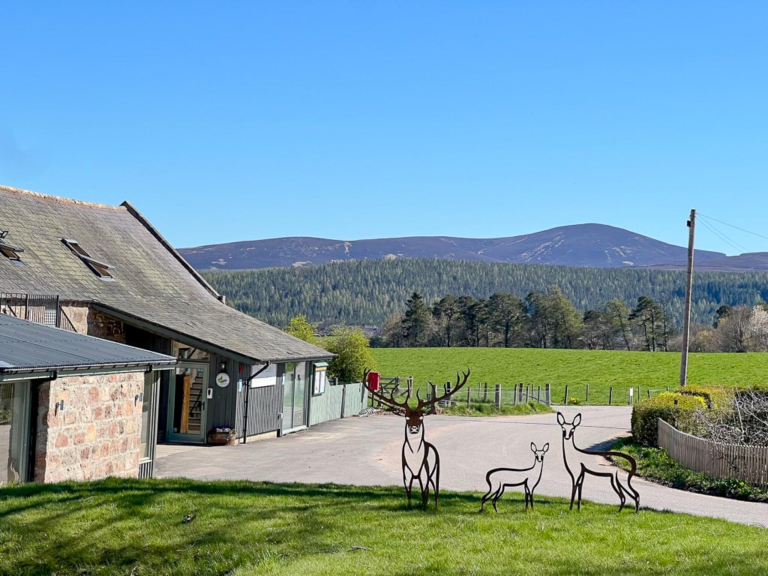
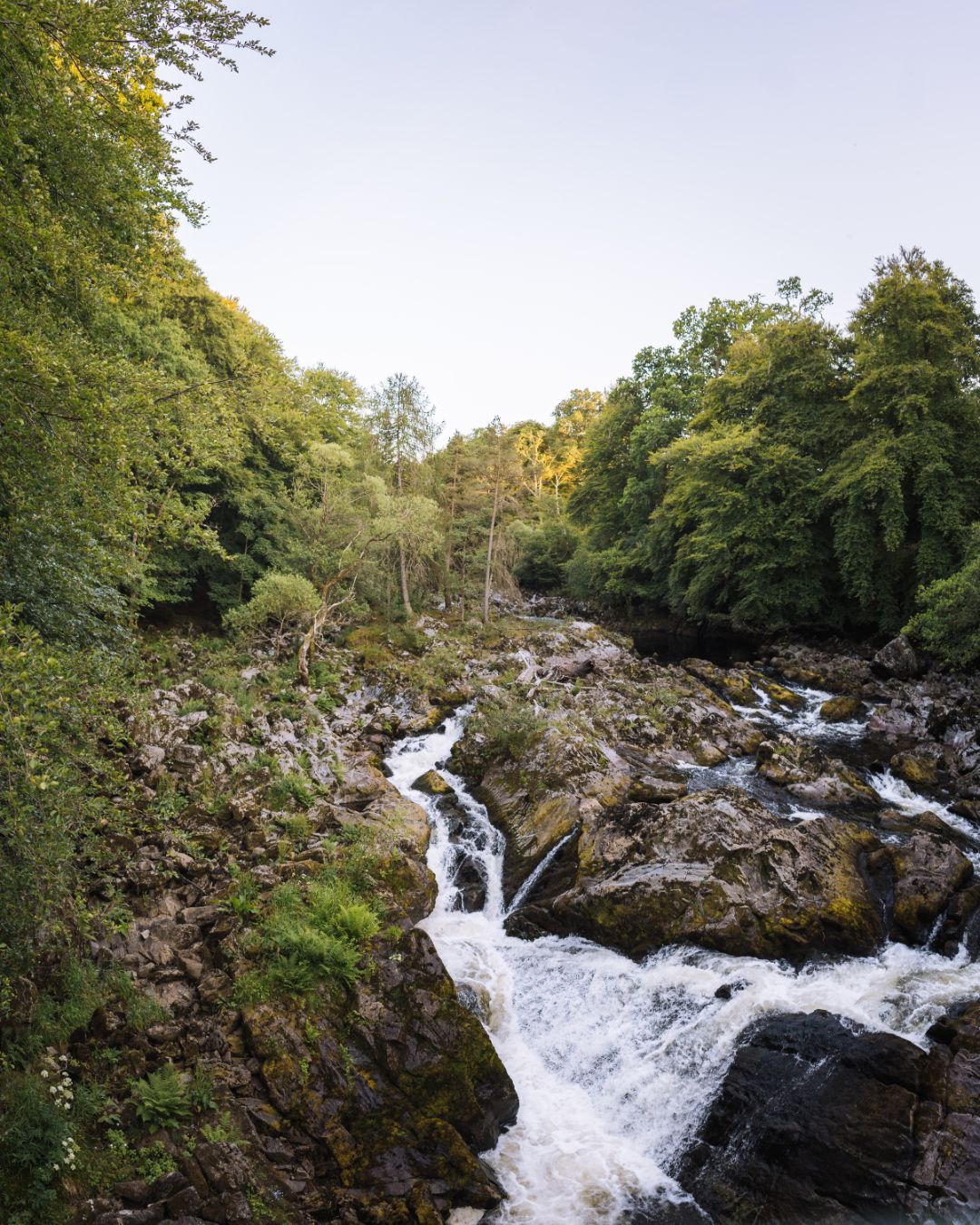
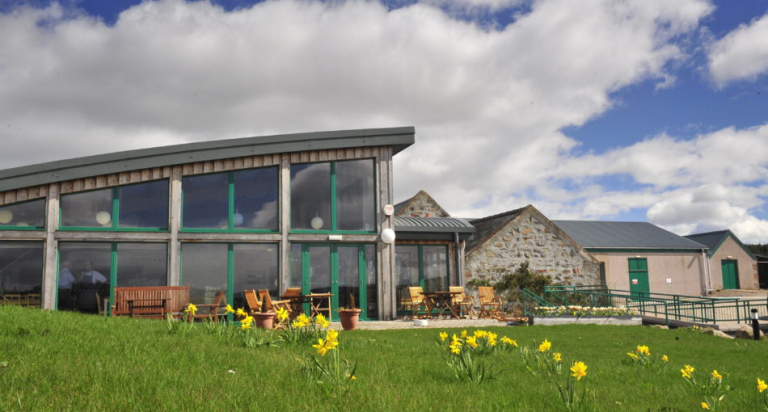
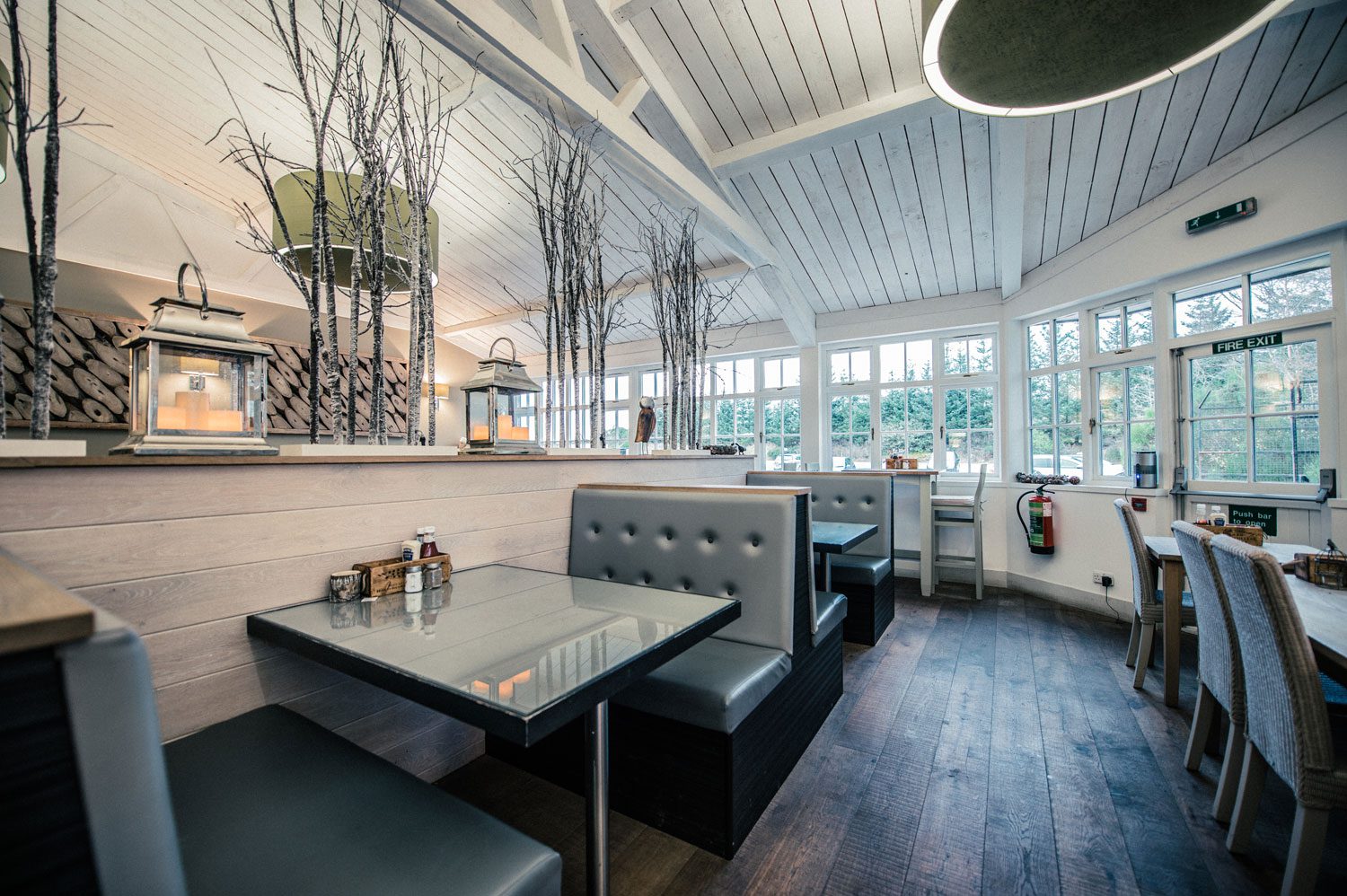
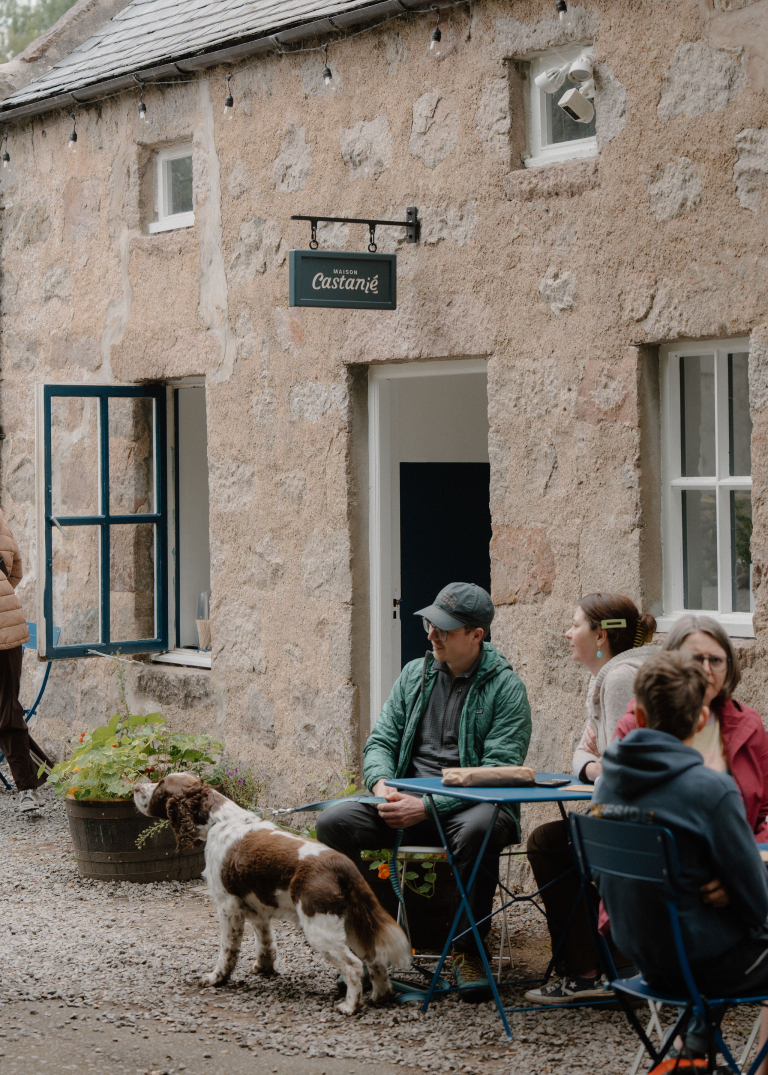
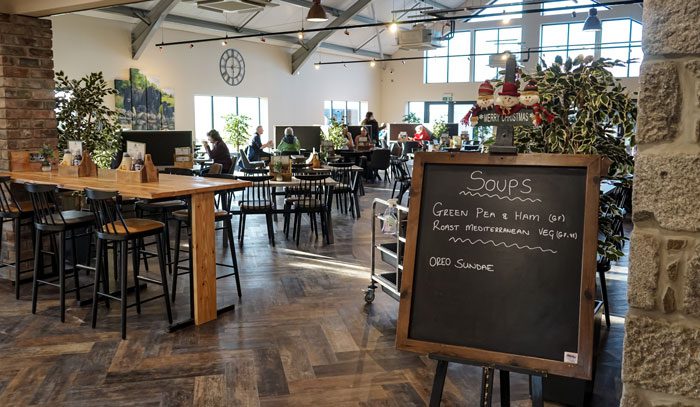
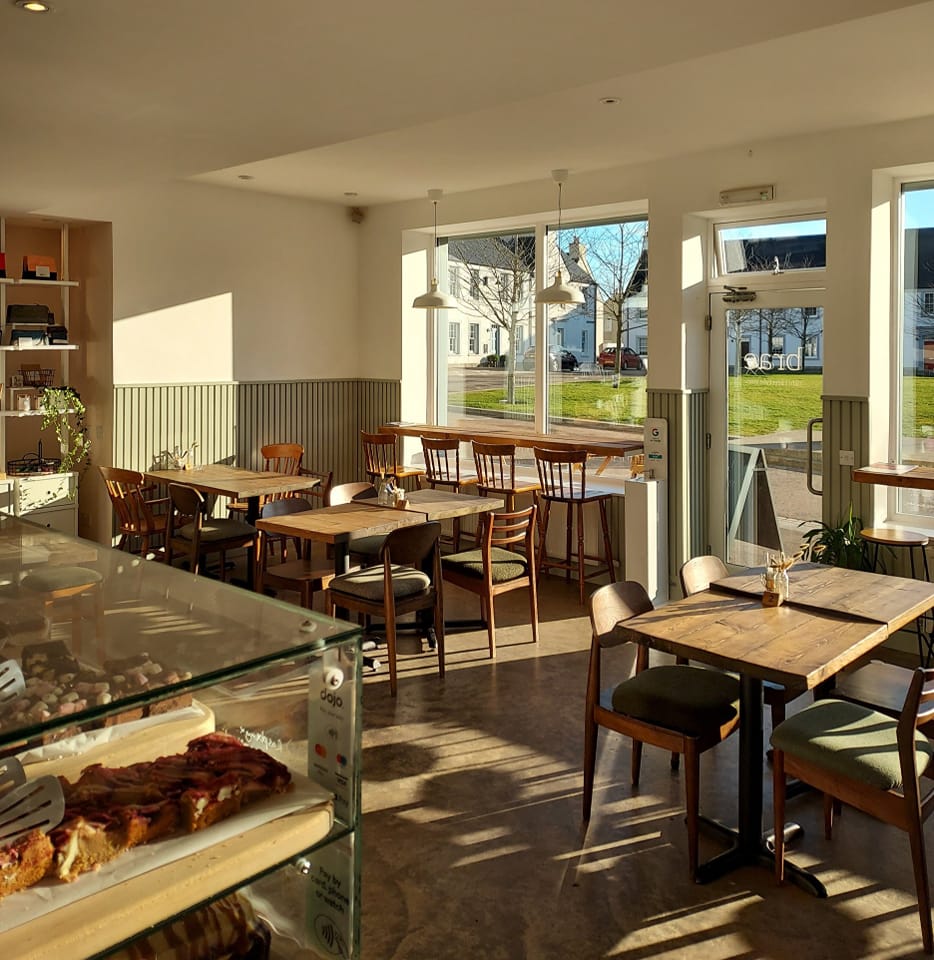
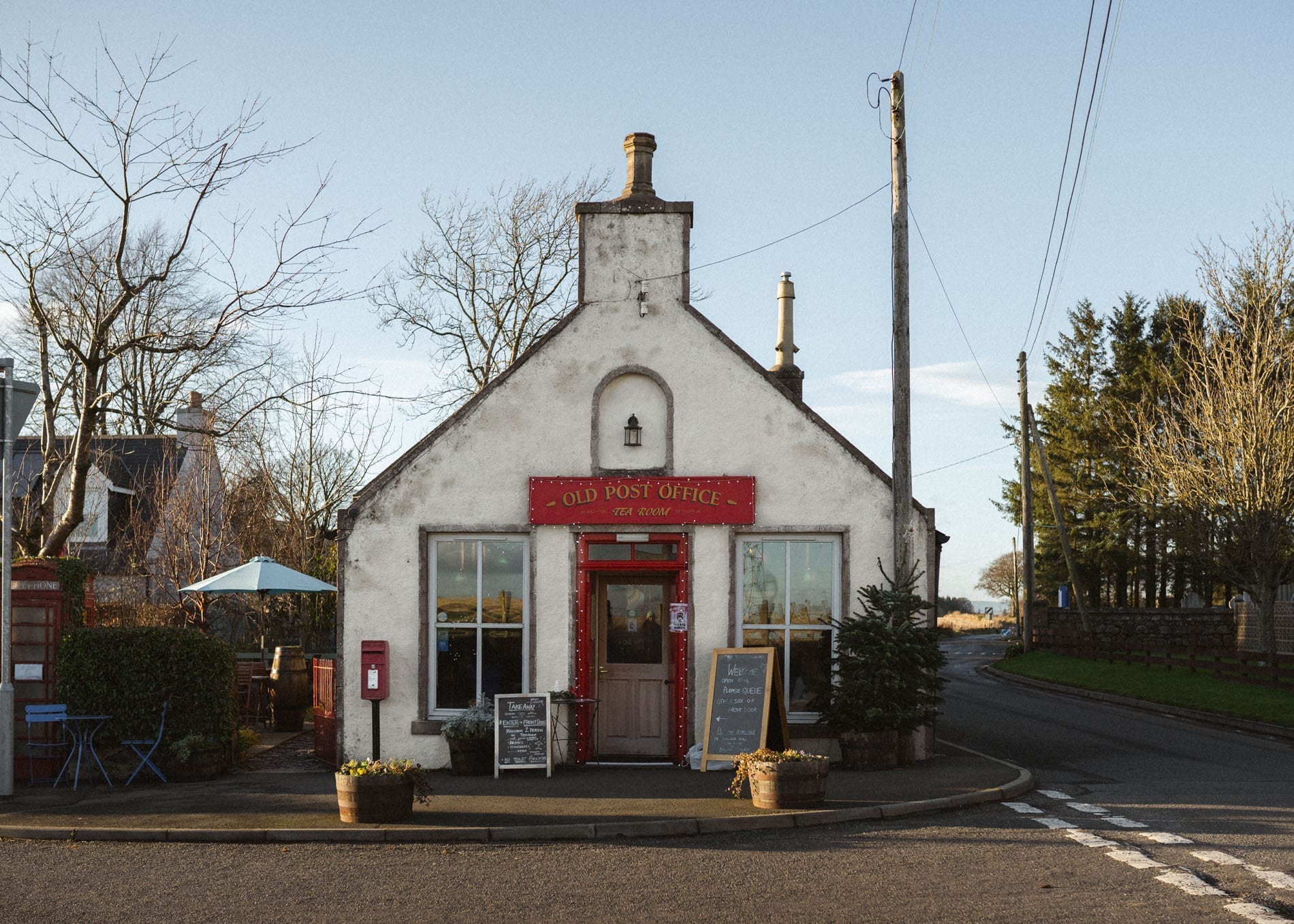
Potarch Café, located near the River Dee in Aberdeenshire, is a charming spot known for its relaxed atmosphere and picturesque setting. Situated close to the historic Potarch Bridge, the café offers stunning views of the river and surrounding countryside, making it a popular stop for walkers, cyclists, and families. Just outside, the famous Dinnie Stones – iconic lifting stones steeped in local legend – add a unique touch to the area and are a must-see for visitors.
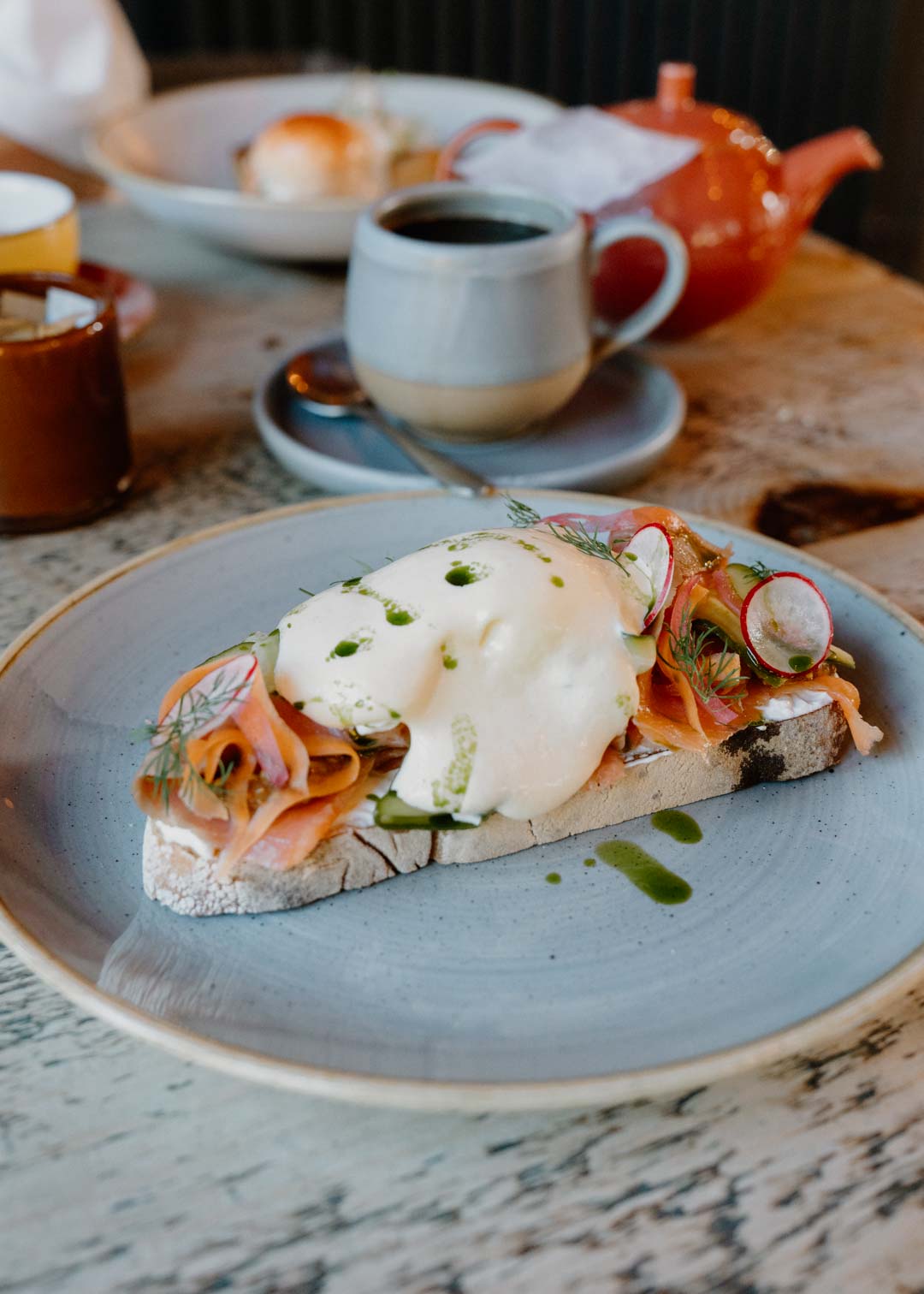
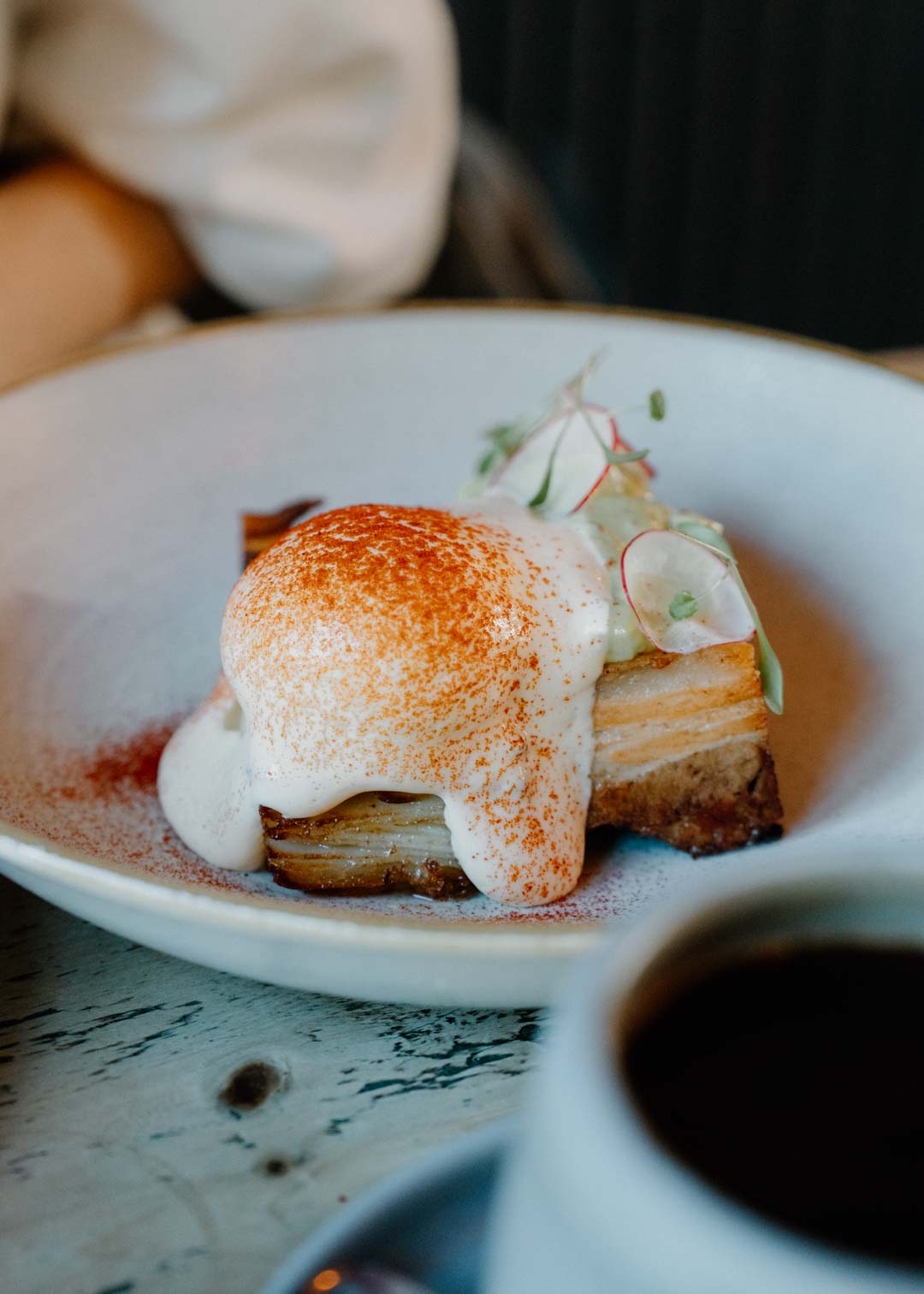
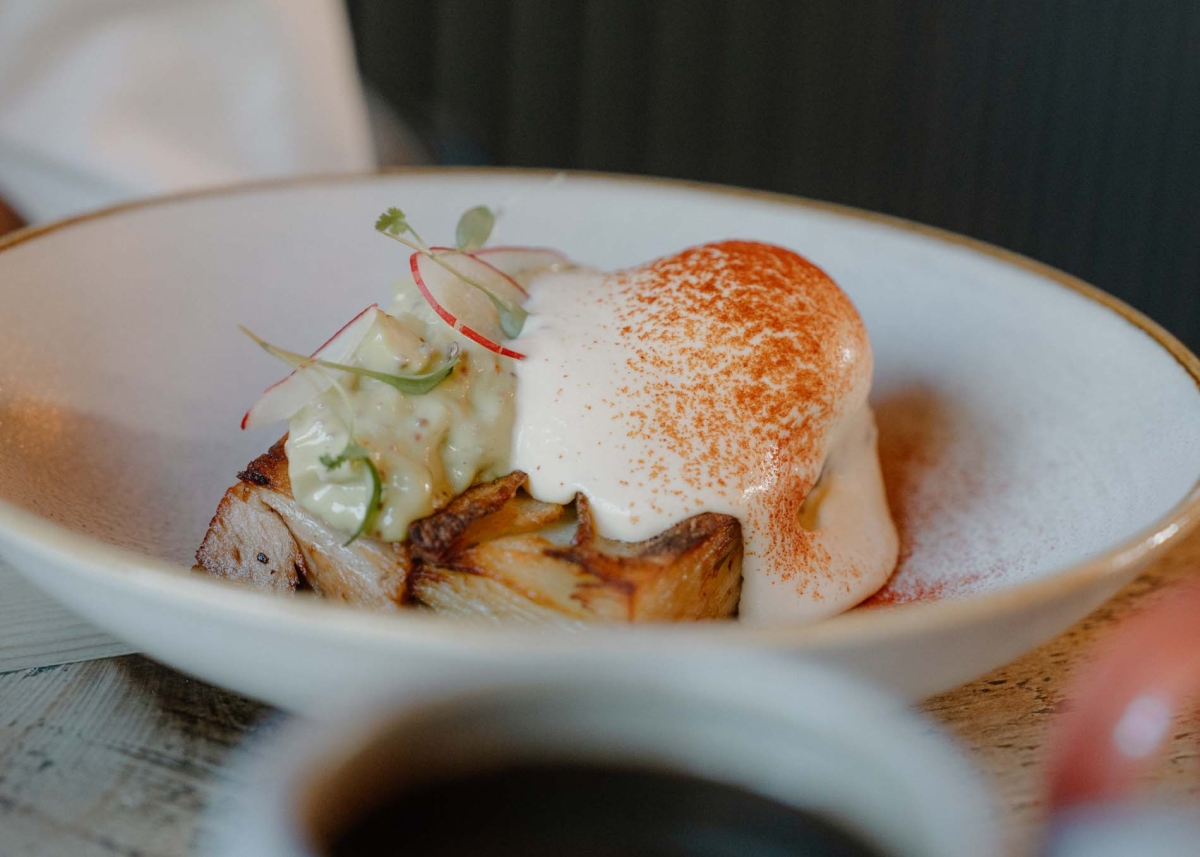
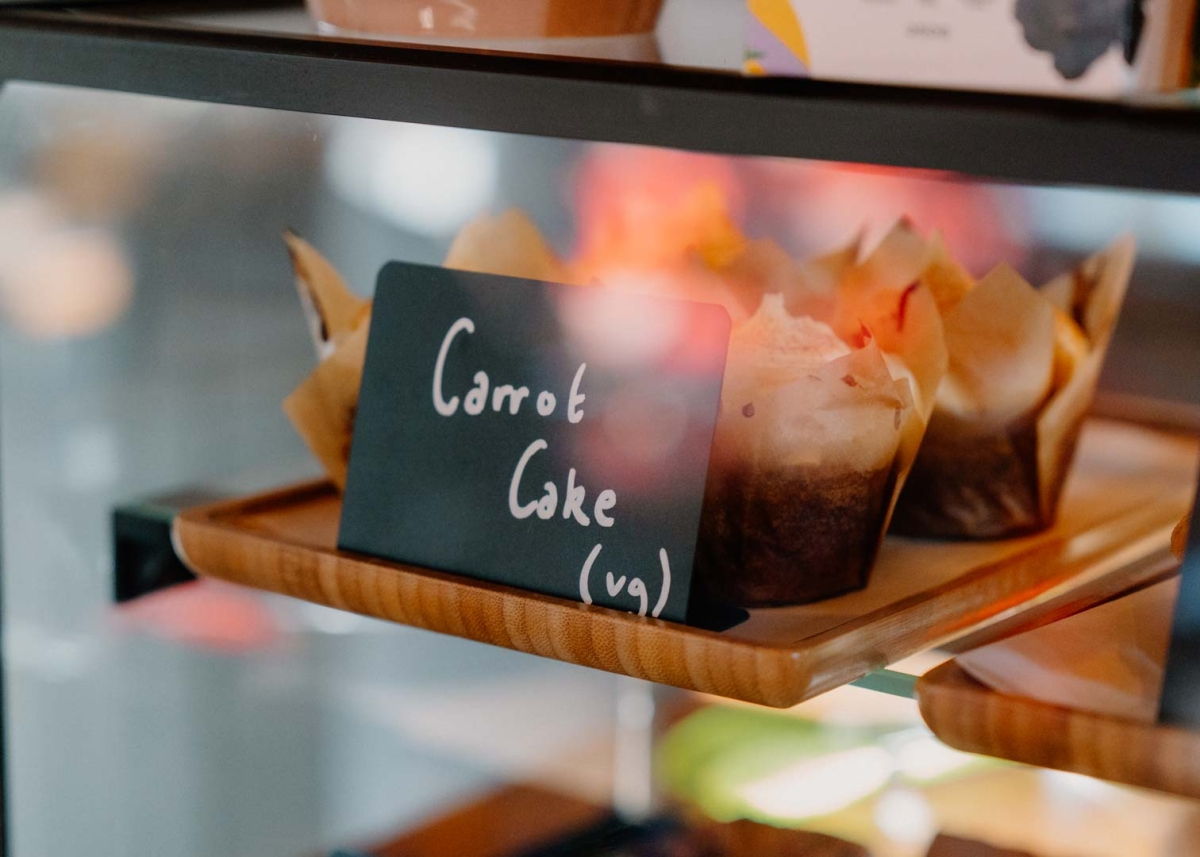
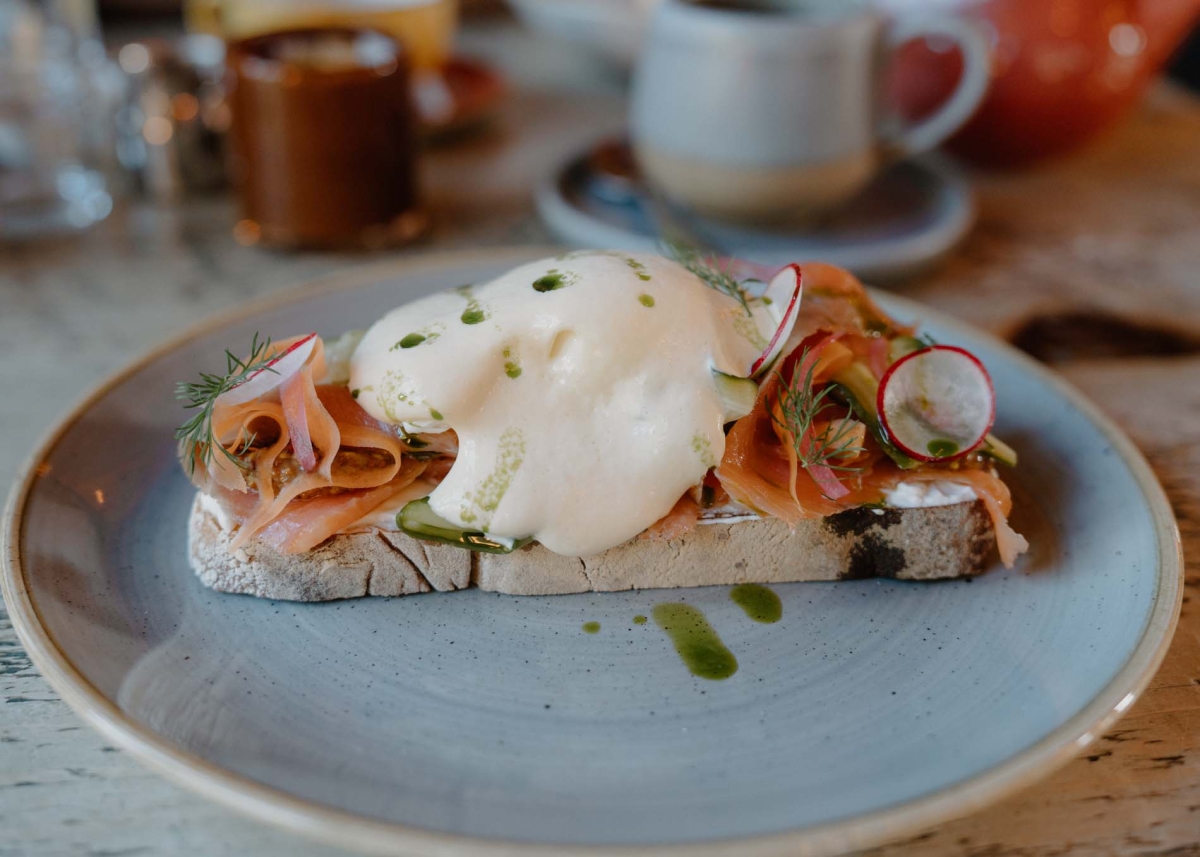
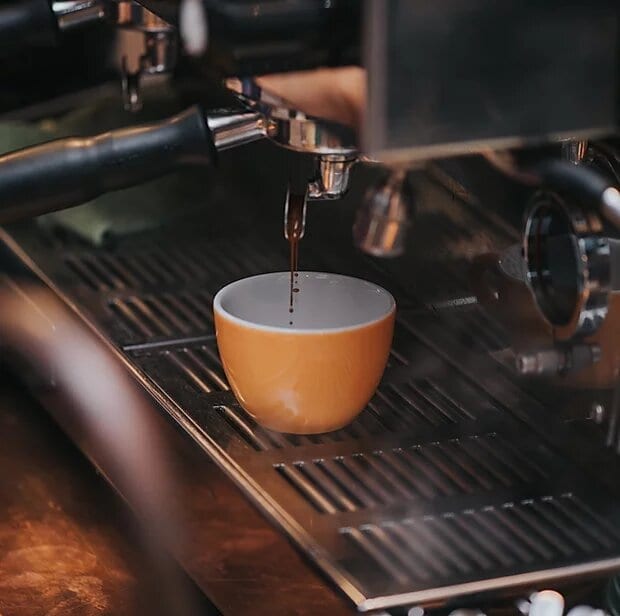
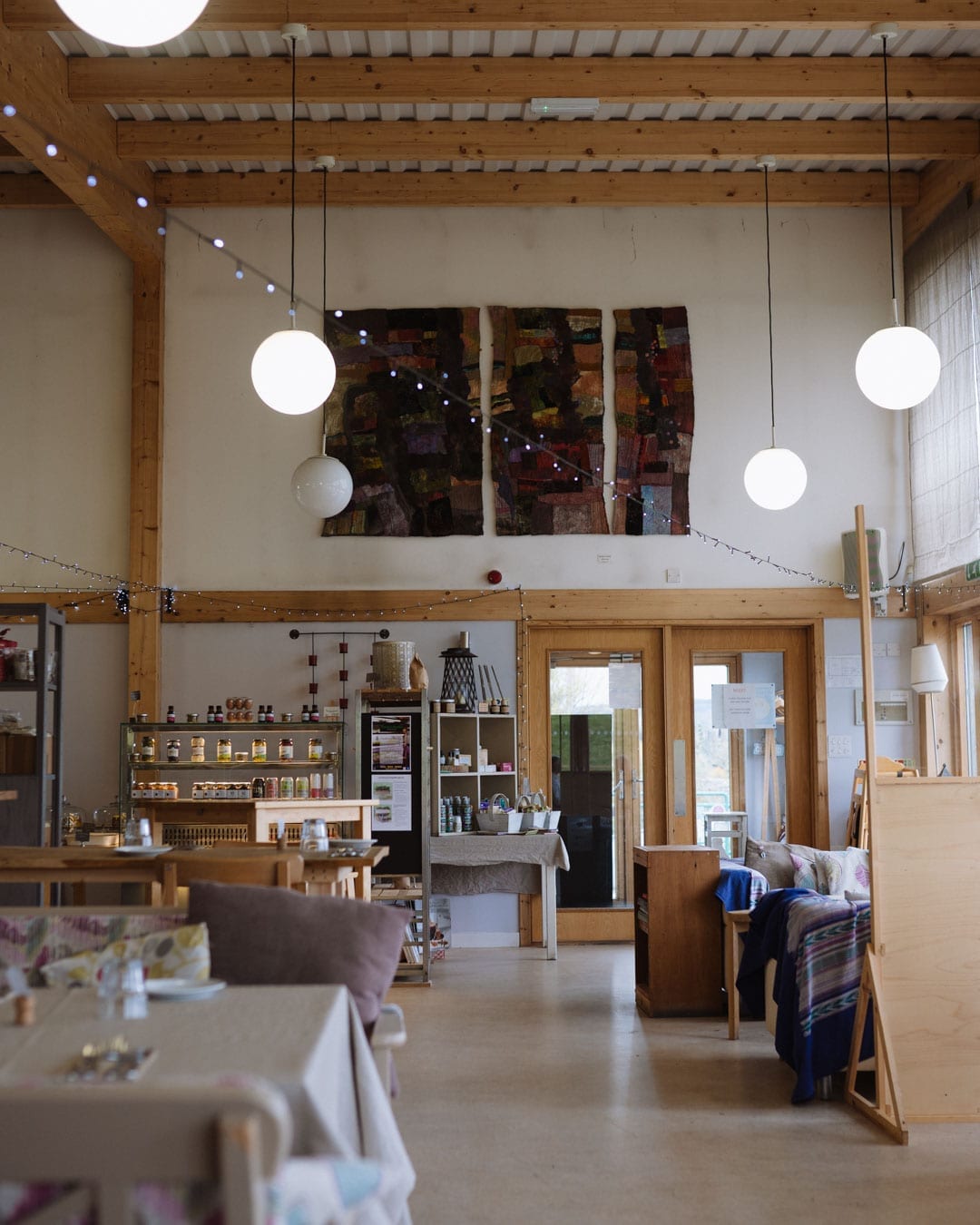
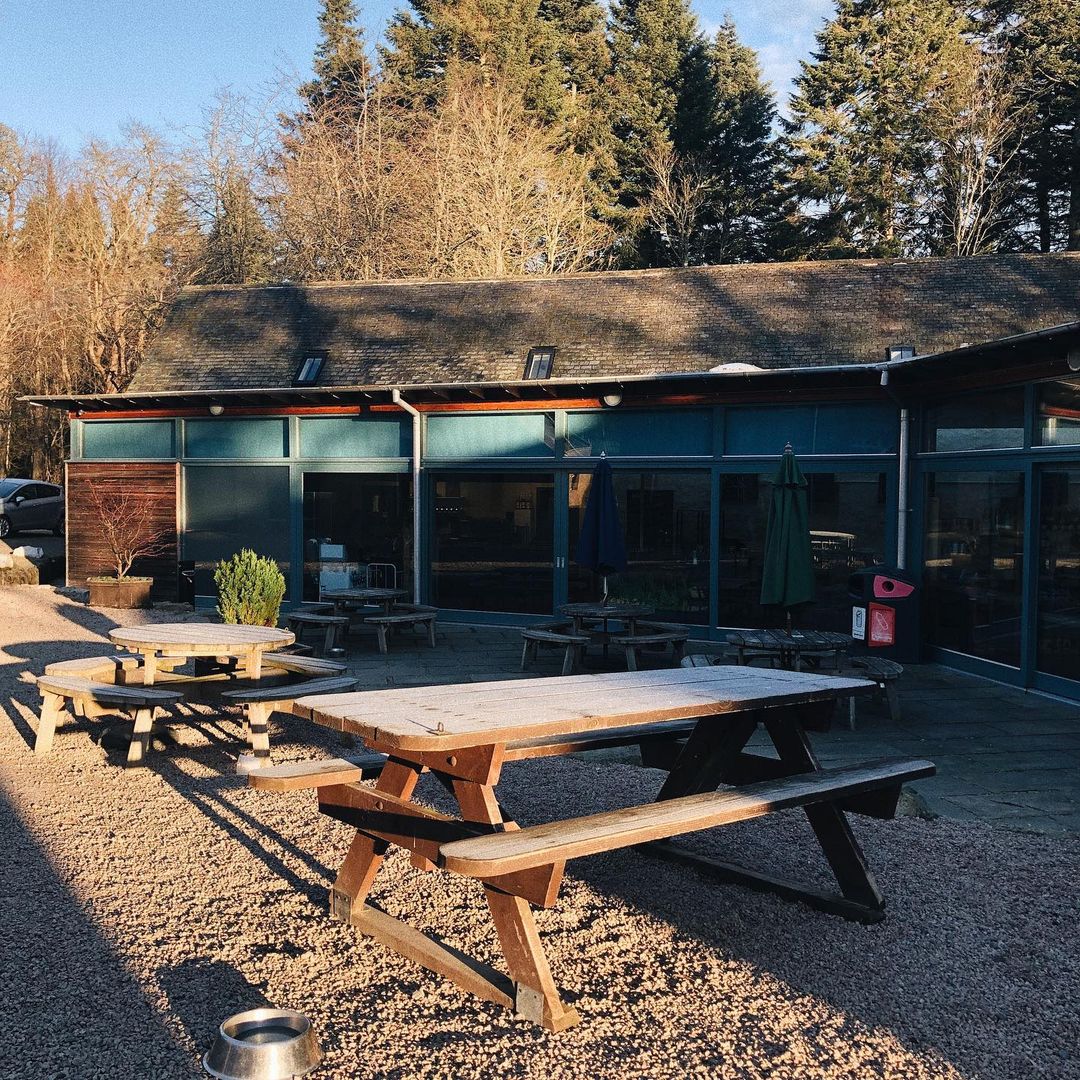
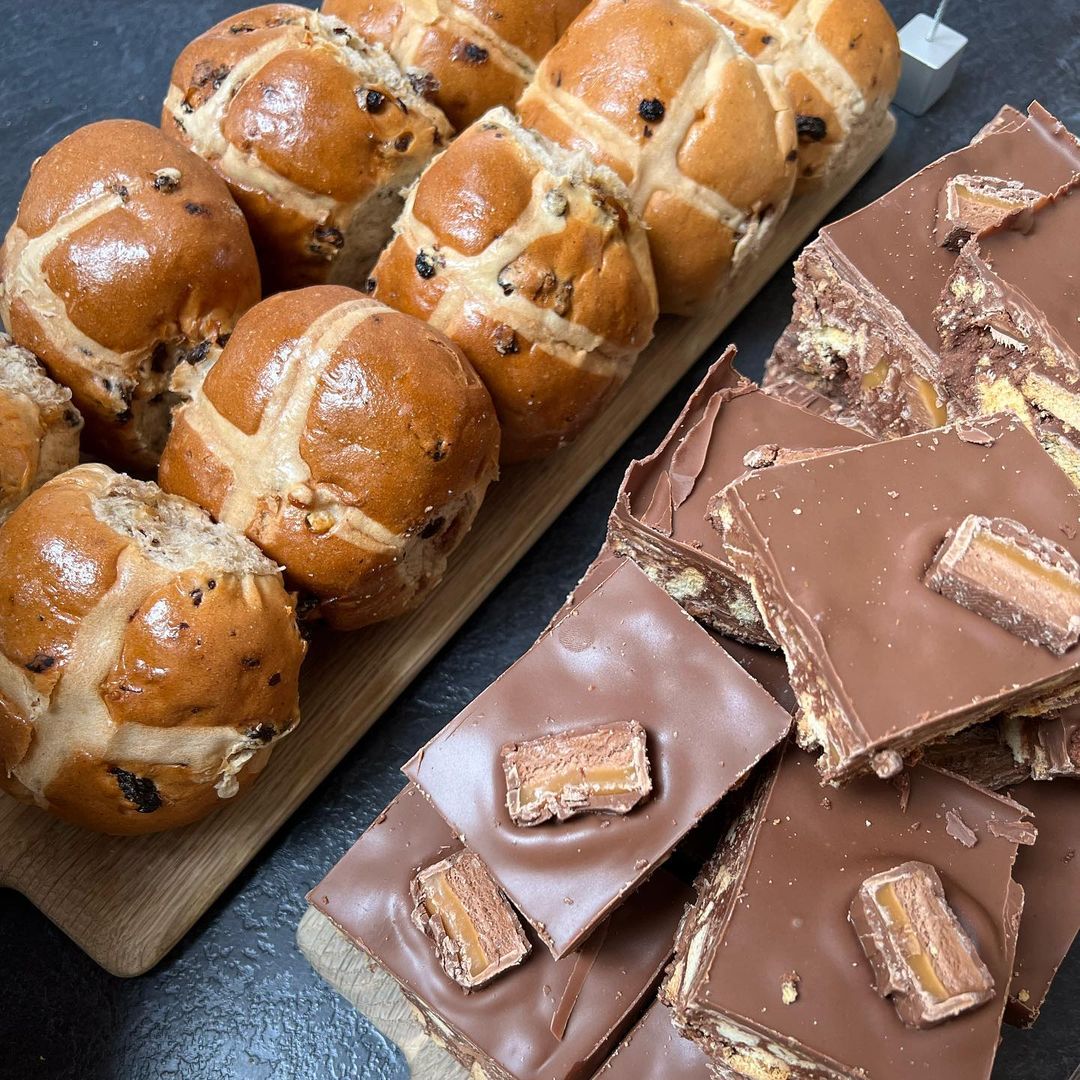
The café has a warm, unpretentious vibe, with a focus on breakfast and brunch dishes that cater to a variety of tastes. Coffee and tea are served with care, and the outdoor seating area is a perfect spot to enjoy them while taking in the peaceful surroundings. The café is also dog-friendly, making it a popular choice for those out with their pets.
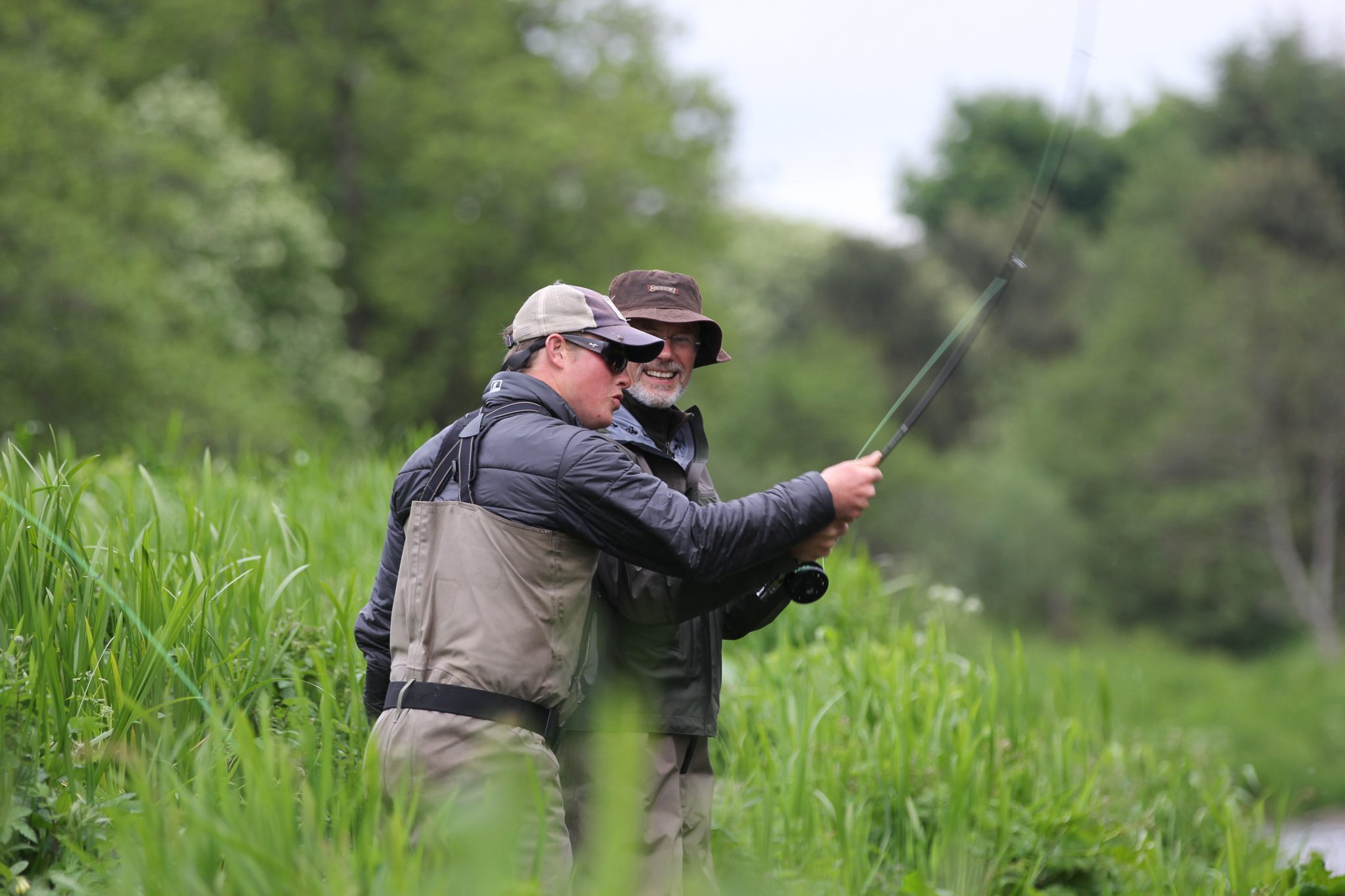
The location makes Potarch Café an ideal starting point for outdoor activities. The Deeside Way, a scenic walking and cycling route, runs nearby, and the area around Potarch Bridge is perfect for a leisurely stroll or a more energetic hike. The River Dee is a hub for kayaking and fishing, adding to the area’s appeal for outdoor enthusiasts. With ample parking and a welcoming atmosphere, Potarch Café is a delightful spot to pause, refuel, and soak in the natural beauty of Aberdeenshire.
Location
Reviews
Contrary to popular belief, Lorem Ipsum is not simply random text. It has roots in a piece of classical Latin literature from 45 BC, making it over 2000 years old. Richard McClintock, a Latin professor at Hampden-Sydney College in Virginia, looked up one of the more obscure Latin words, consectetur, from a Lorem Ipsum passage, and going through the cites of the word in classical literature, discovered the undoubtable source. Lorem Ipsum comes from sections 1.10.32 and 1.10.33 of "de Finibus Bonorum et Malorum" (The Extremes of Good and Evil) by Cicero, written in 45 BC. This book is a treatise on the theory of ethics, very popular during the Renaissance. The first line of Lorem Ipsum, "Lorem ipsum dolor sit amet..", comes from a line in section 1.10.32.
The standard chunk of Lorem Ipsum used since the 1500s is reproduced below for those interested. Sections 1.10.32 and 1.10.33 from "de Finibus Bonorum et Malorum" by Cicero are also reproduced in their exact original form, accompanied by English versions from the 1914 translation by H. Rackham.
-medium-large-1769614551.jpg)

What's nearby
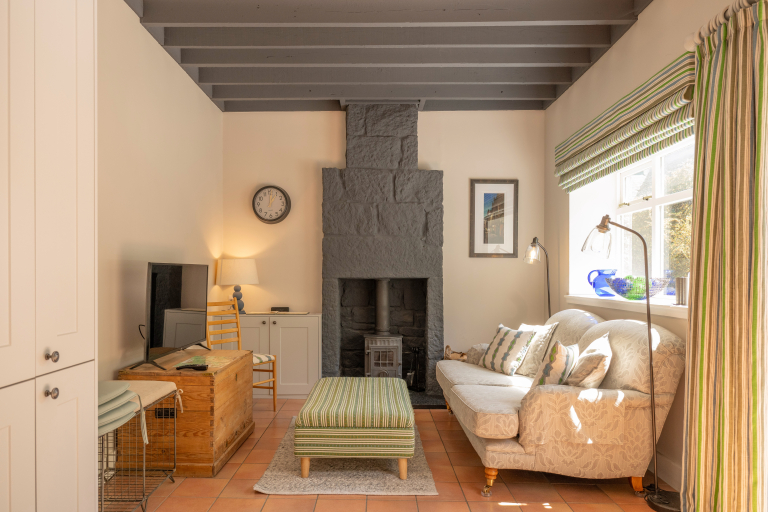
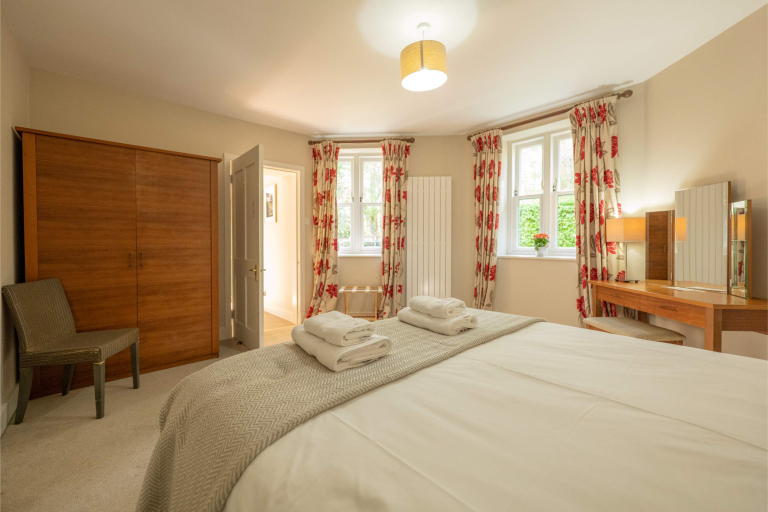
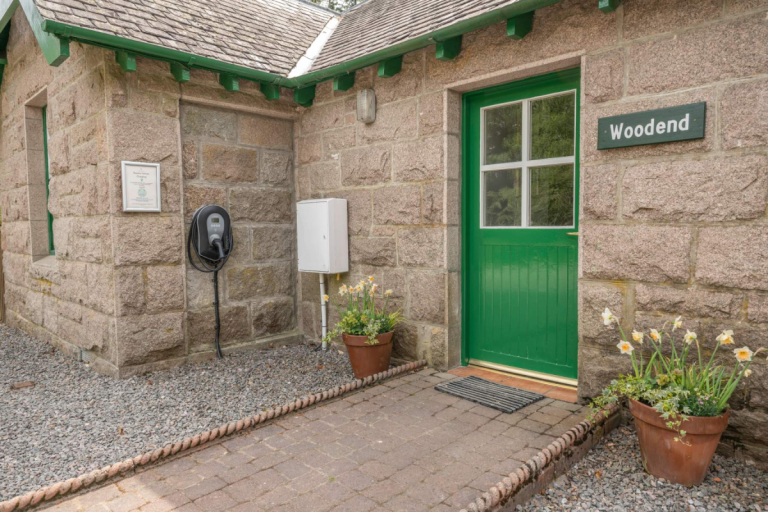
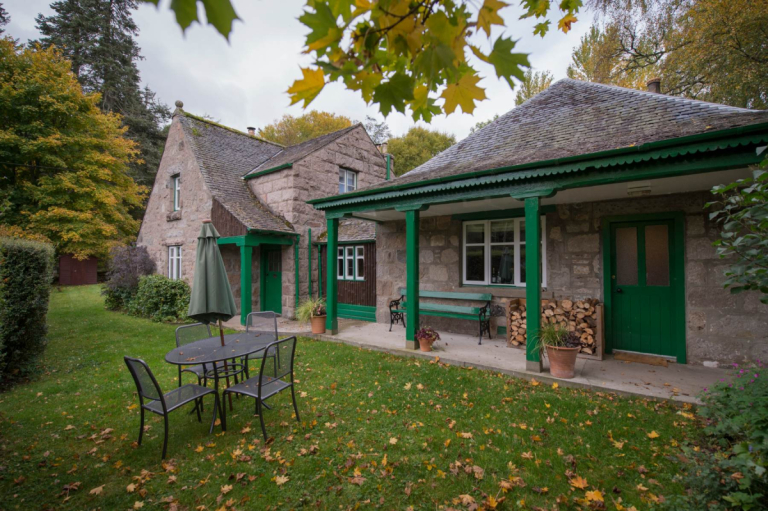
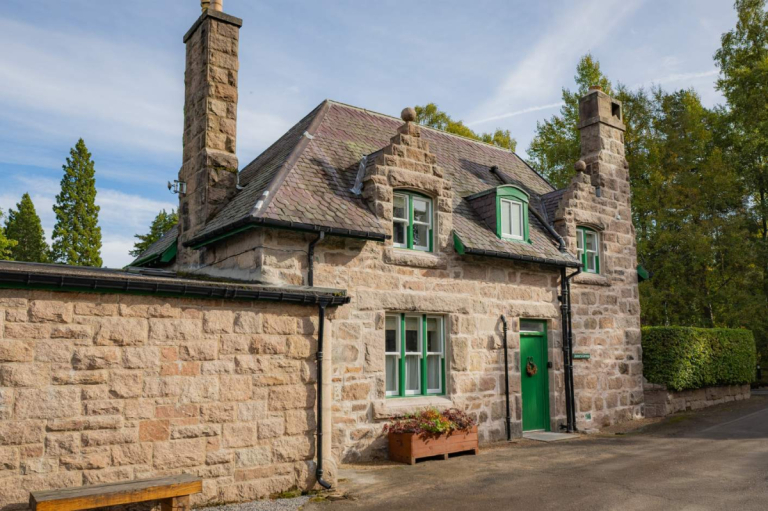

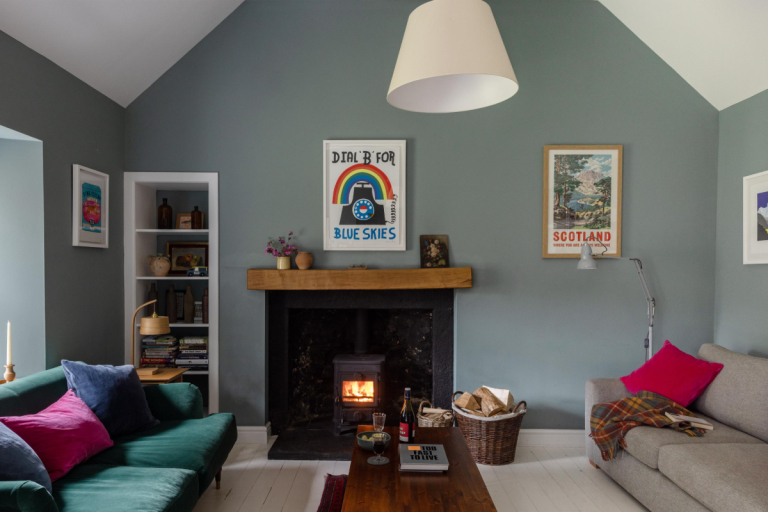
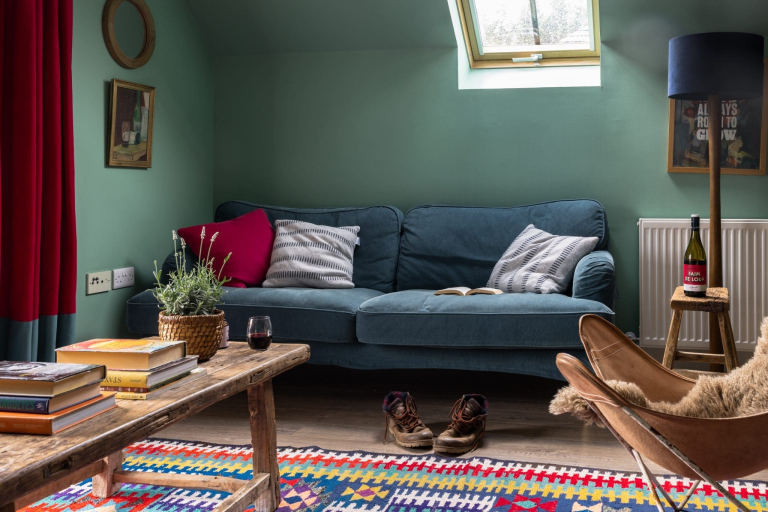
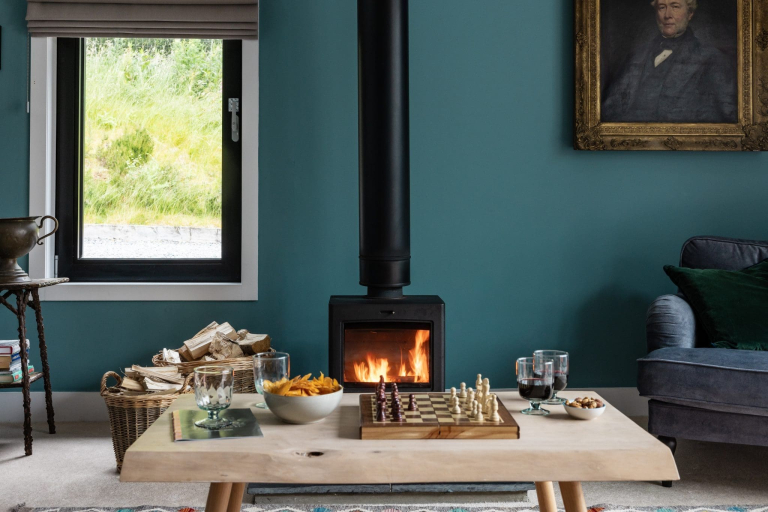




Where to stay nearby







 Sign in with Google
 Sign in with Email