
Aberdeenshire, Aberdeenshire, Royal Deeside
Loch Kinord
Introduction
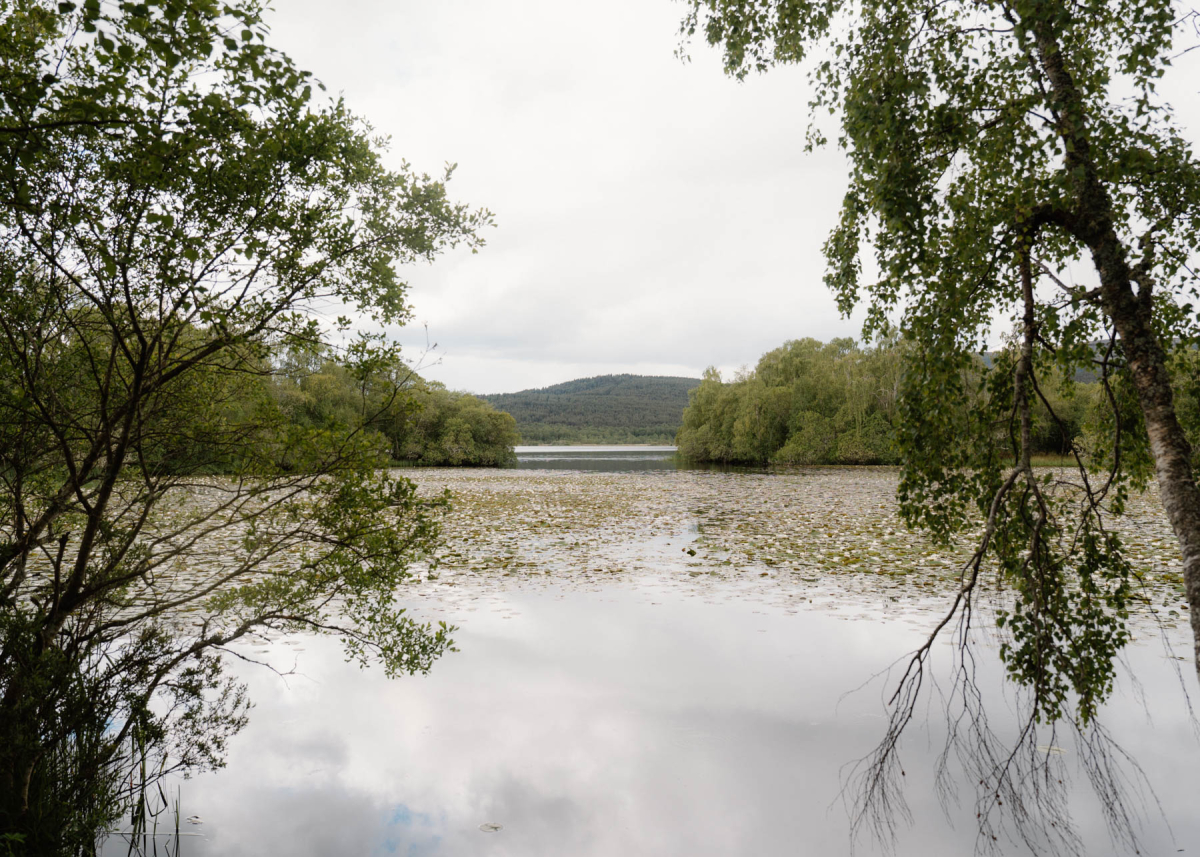
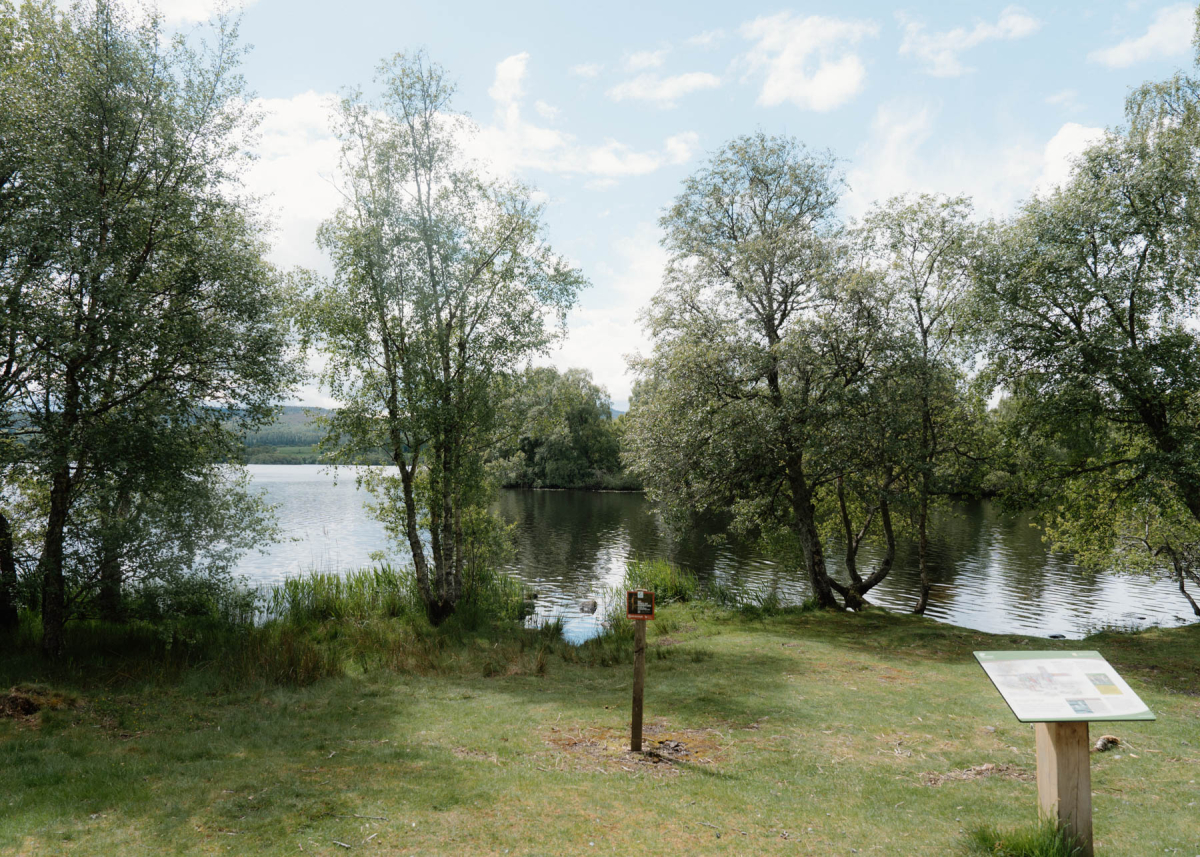
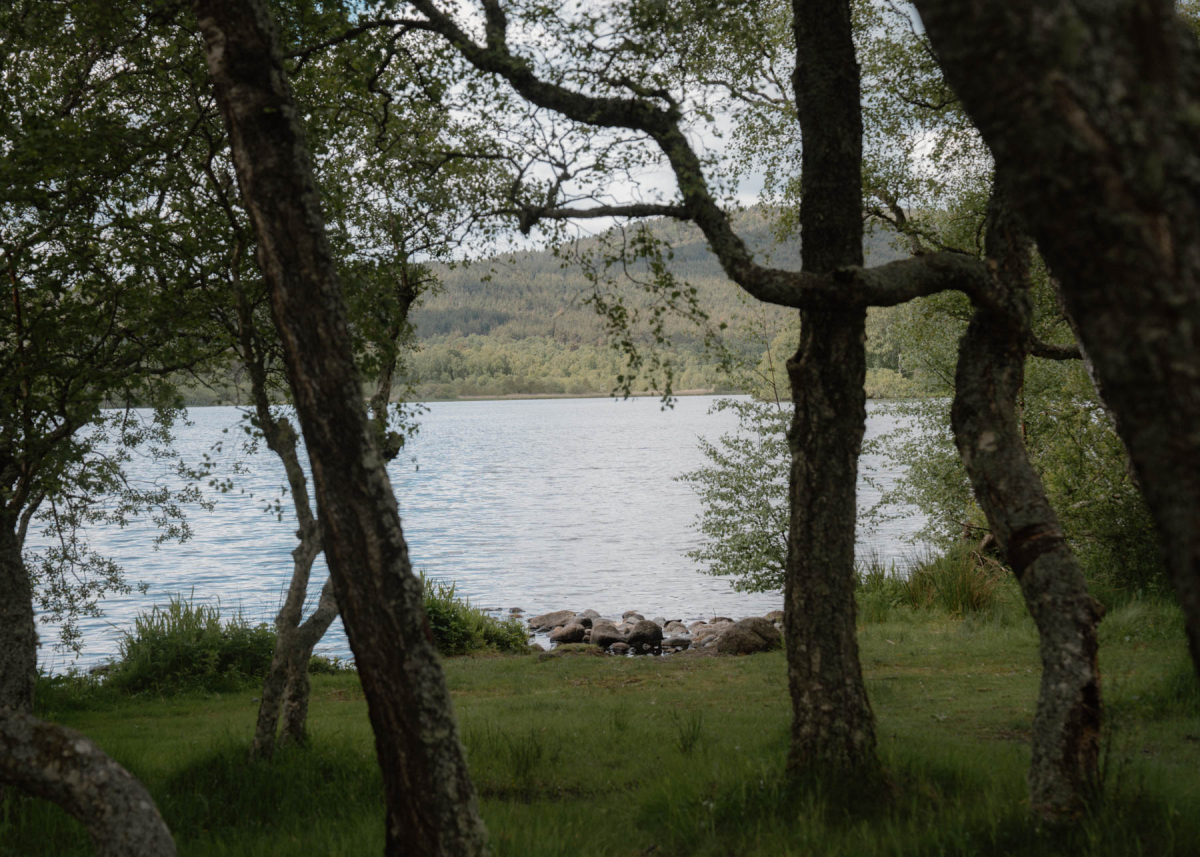
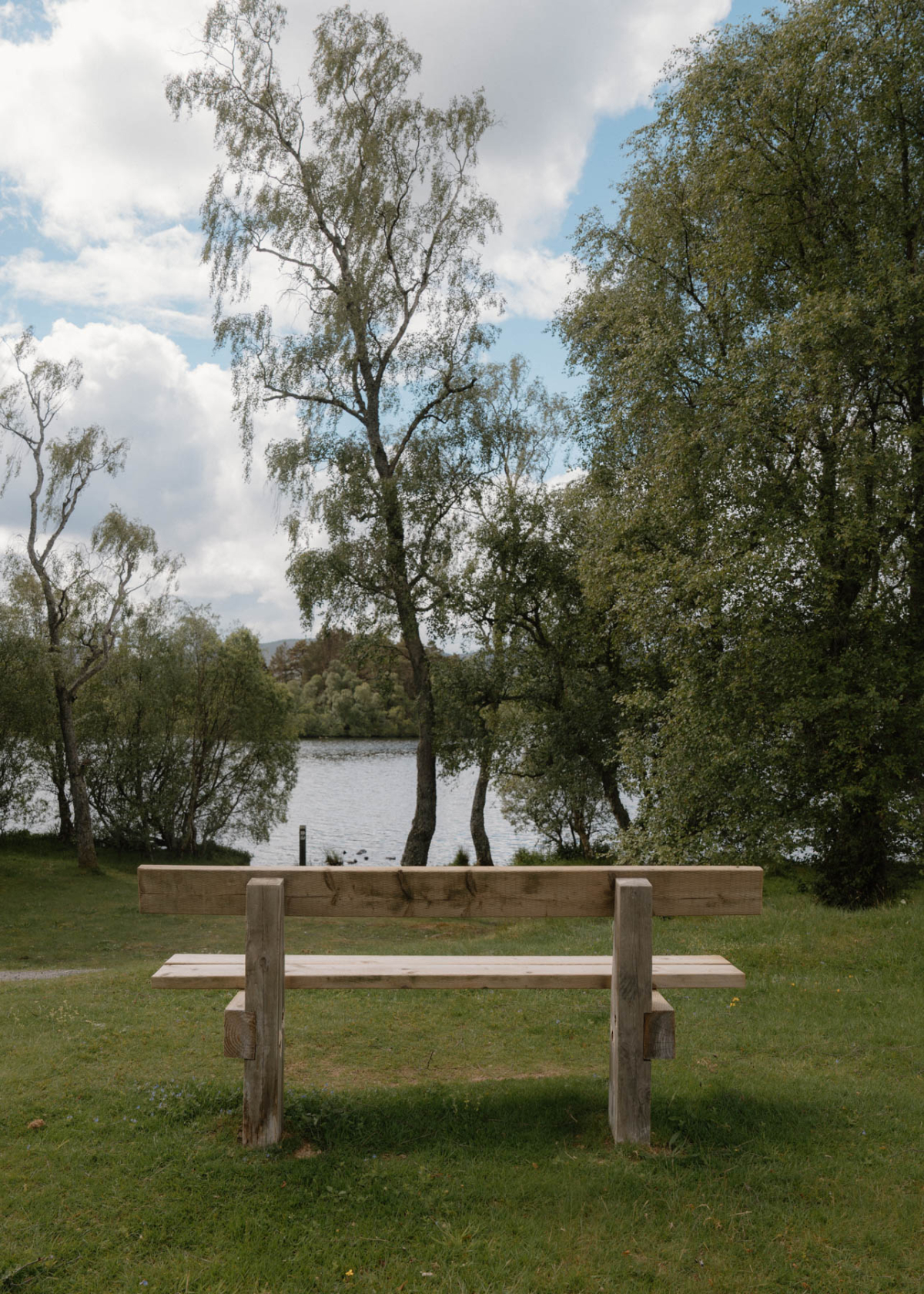
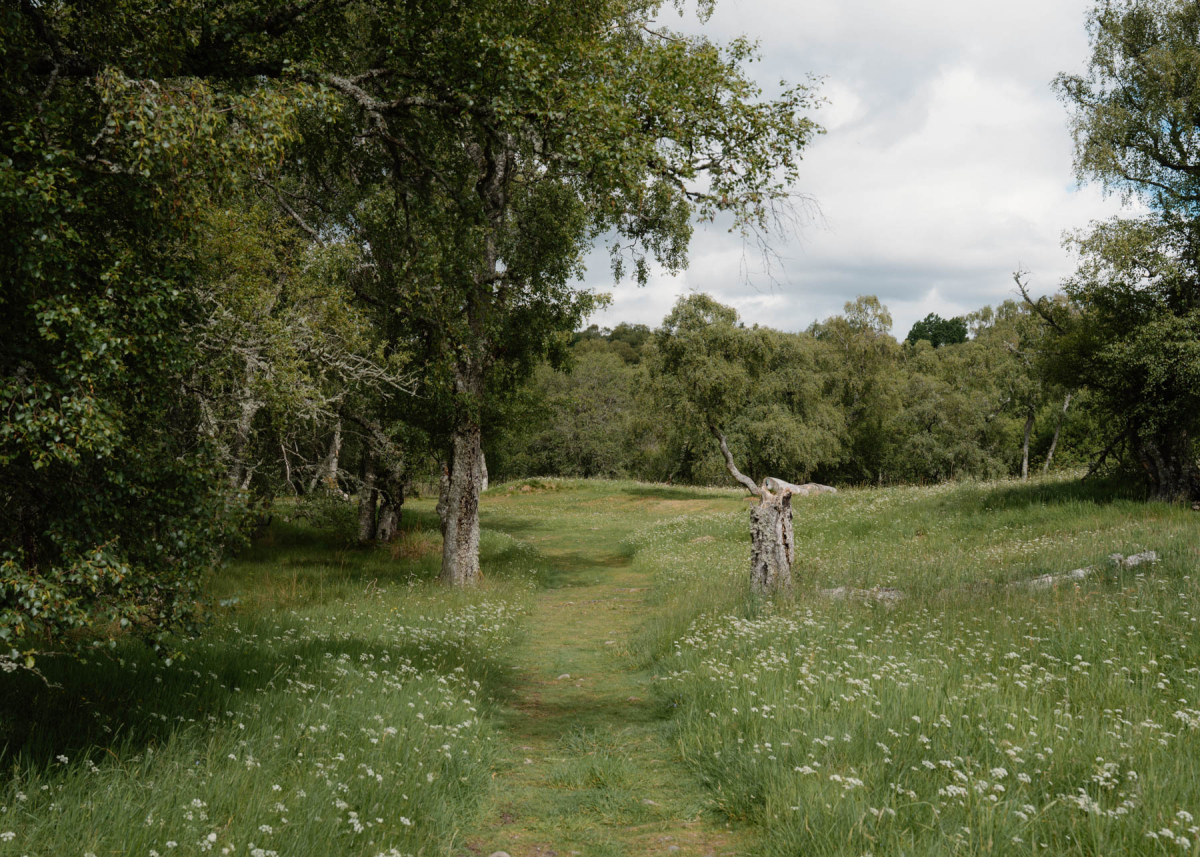
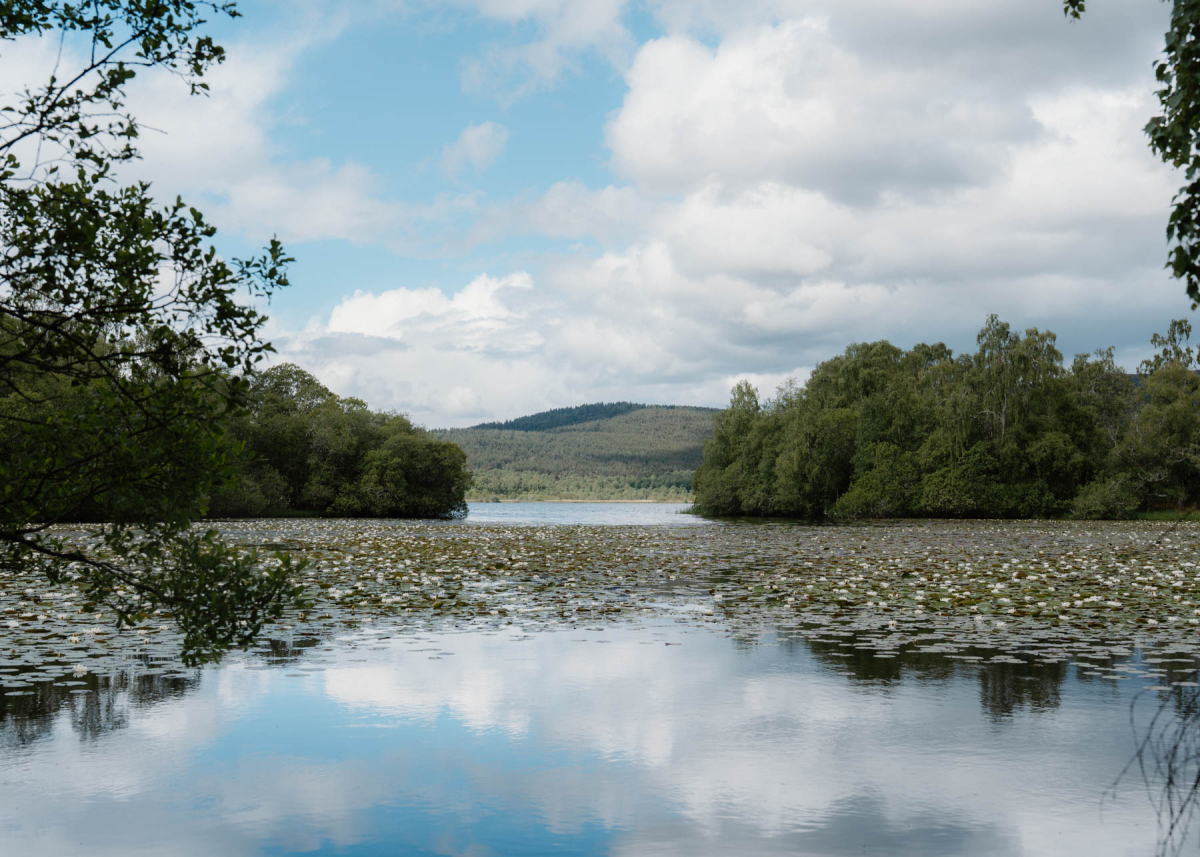
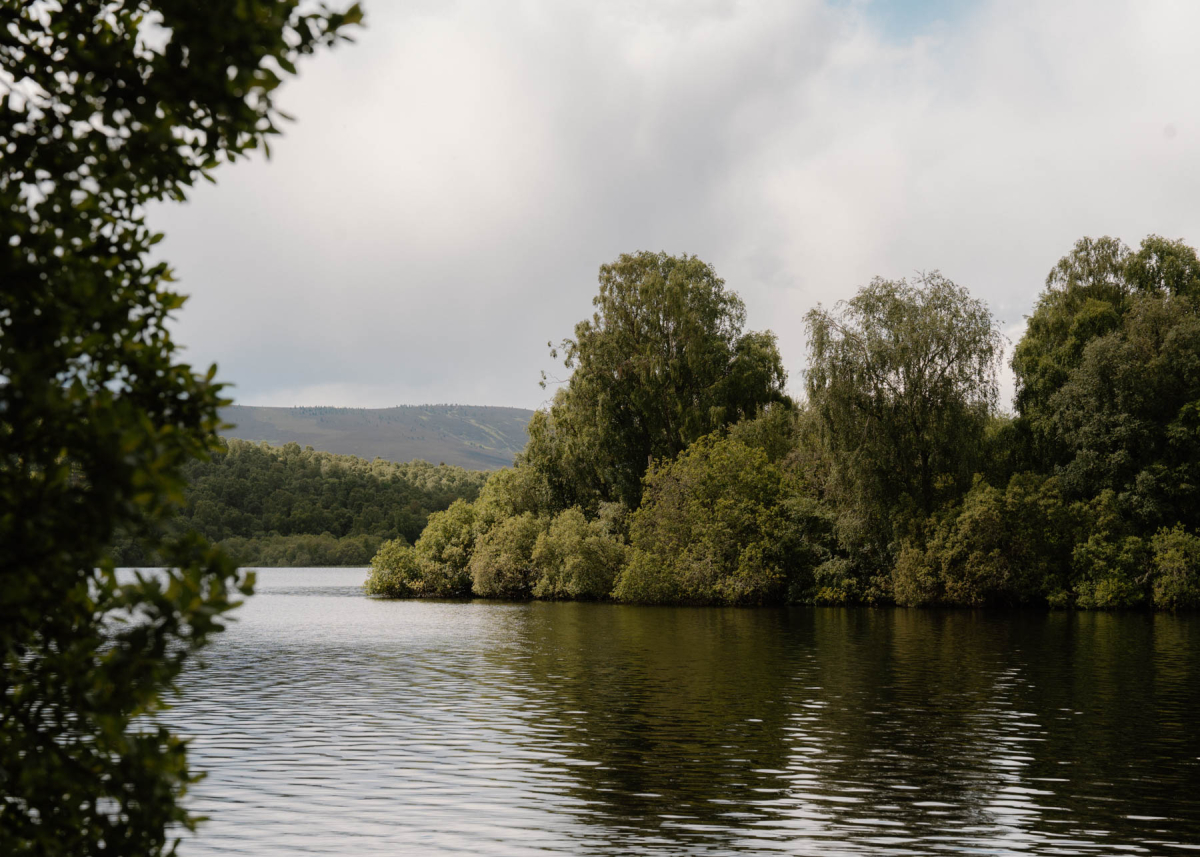
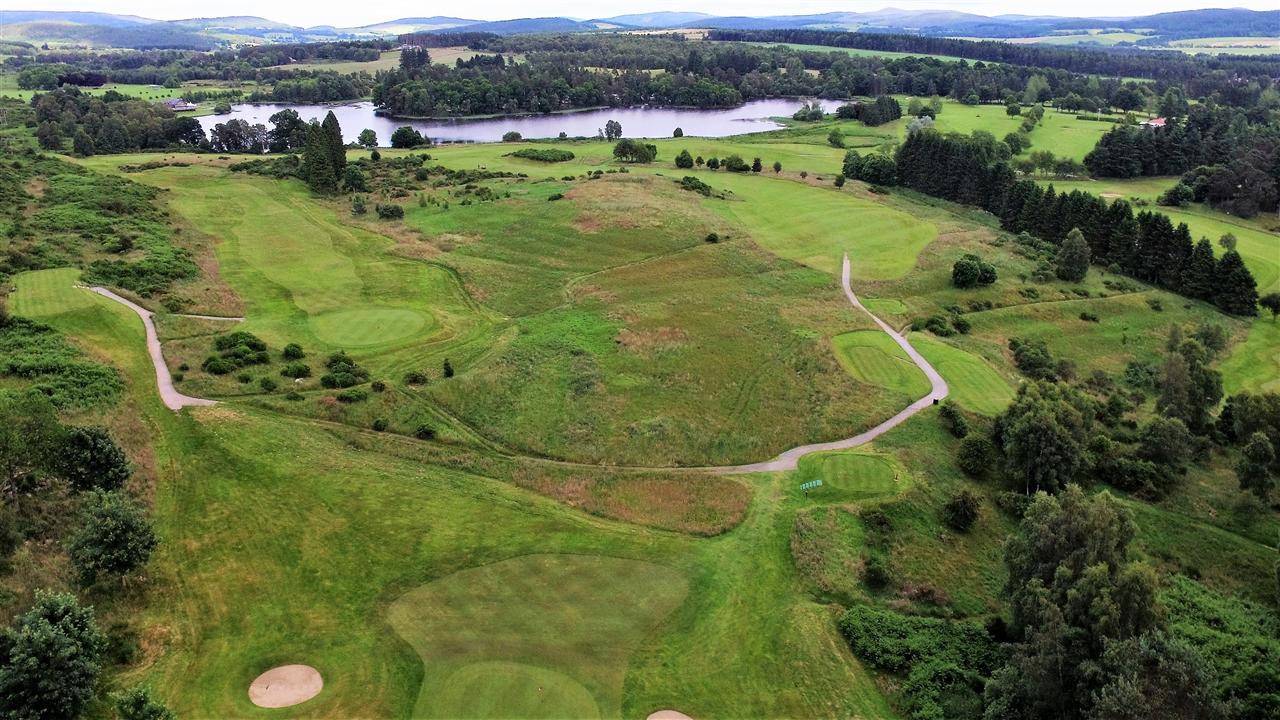
Loch Kinord sits in the Muir of Dinnet, a few miles west of Aboyne and just off the road to Ballater. It's a kettle hole, which is to say it's what's left when a great lump of ice melts into the ground and the hollow fills with water. That happened here more than 10,000 years ago. The loch and its smaller neighbour, Loch Davan, have been here ever since.
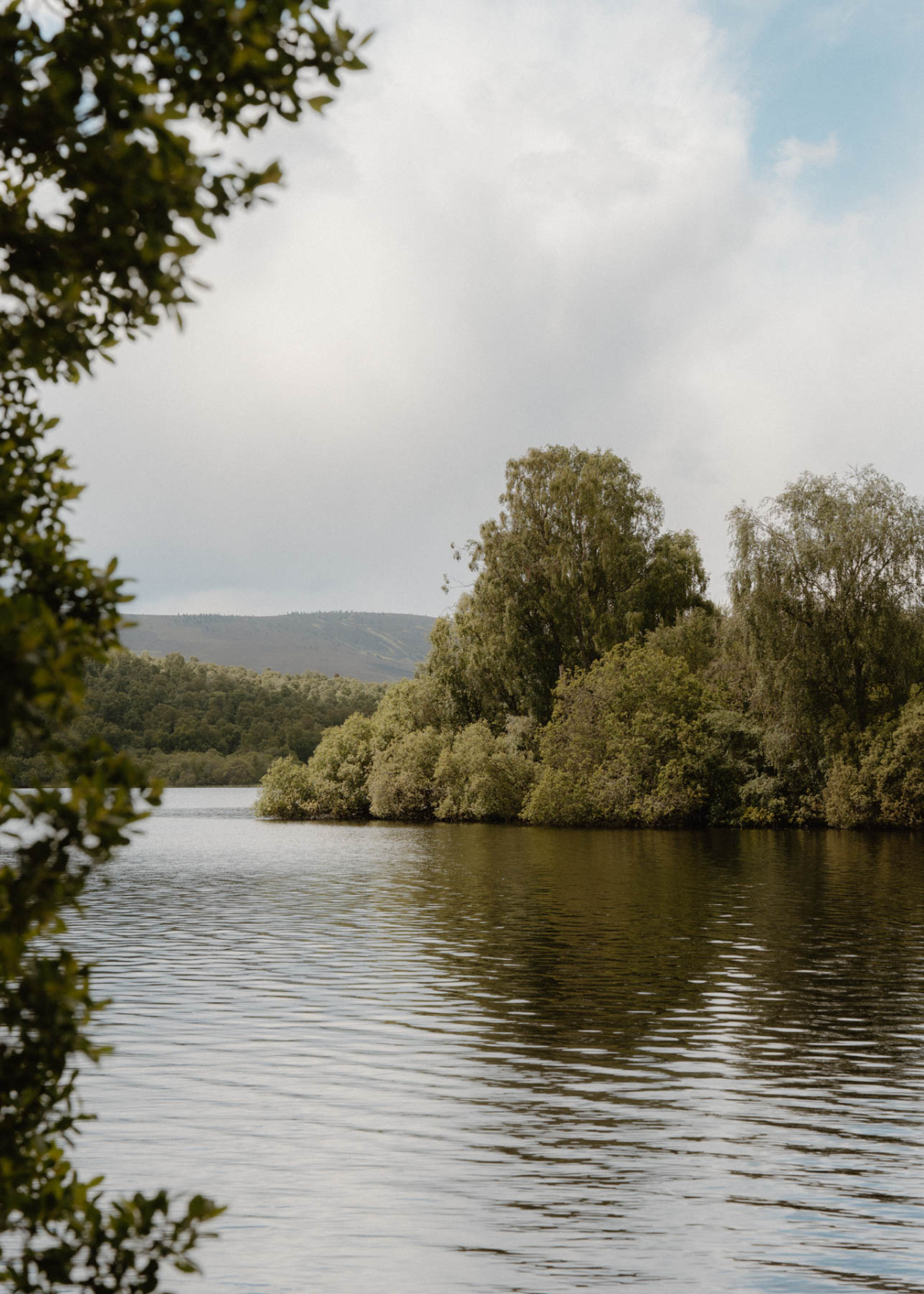
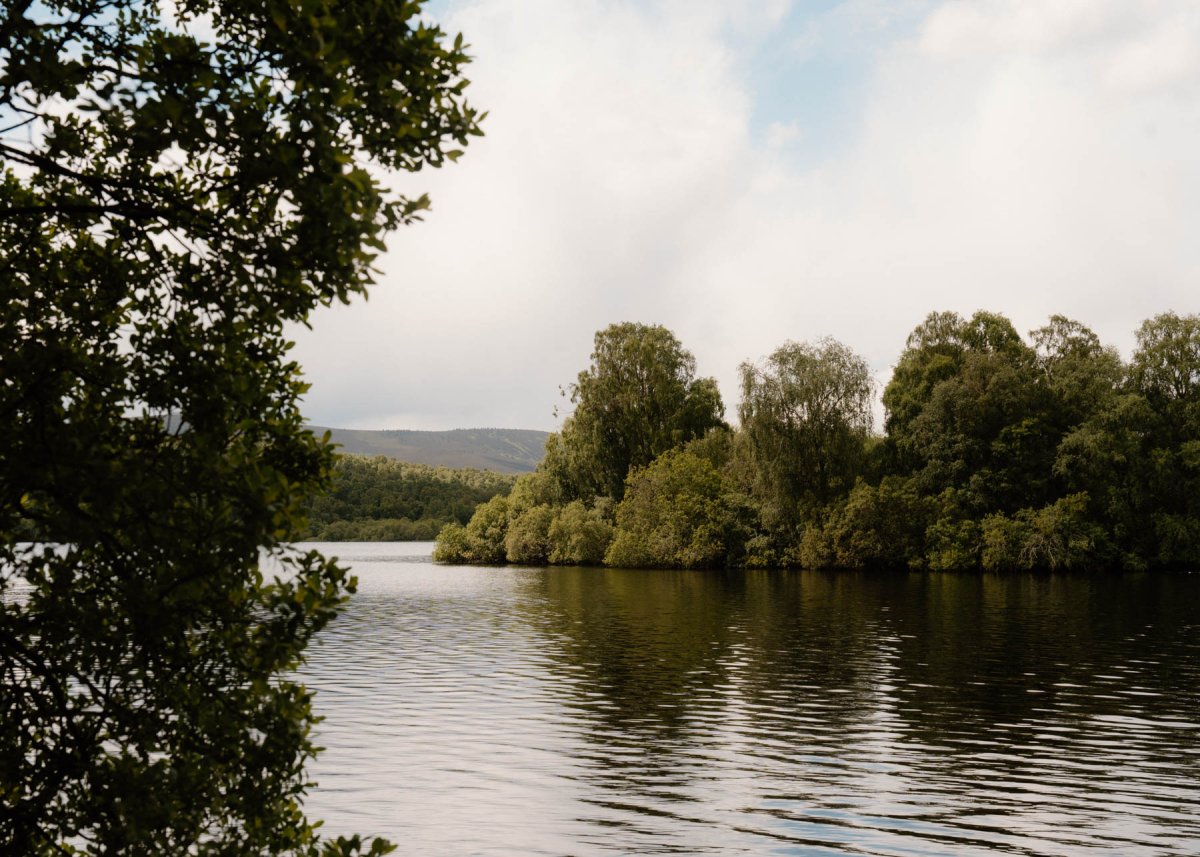
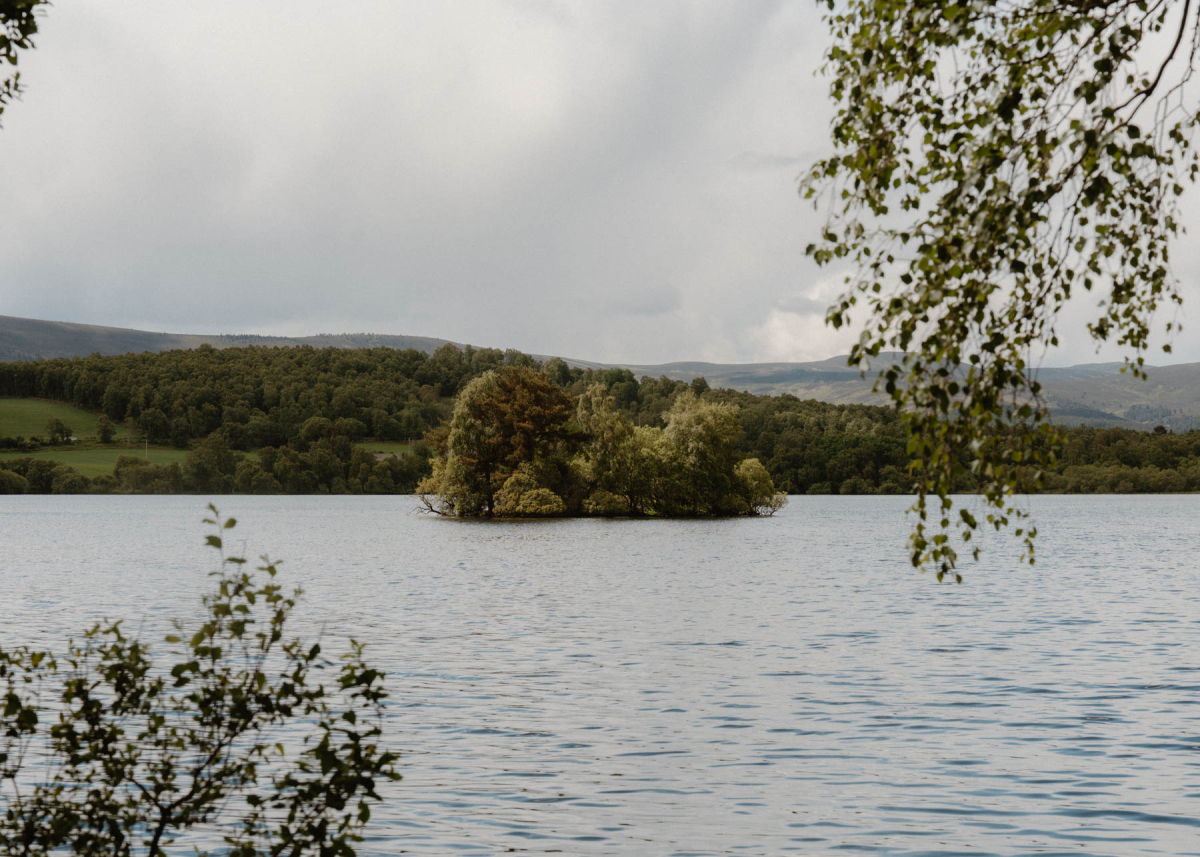
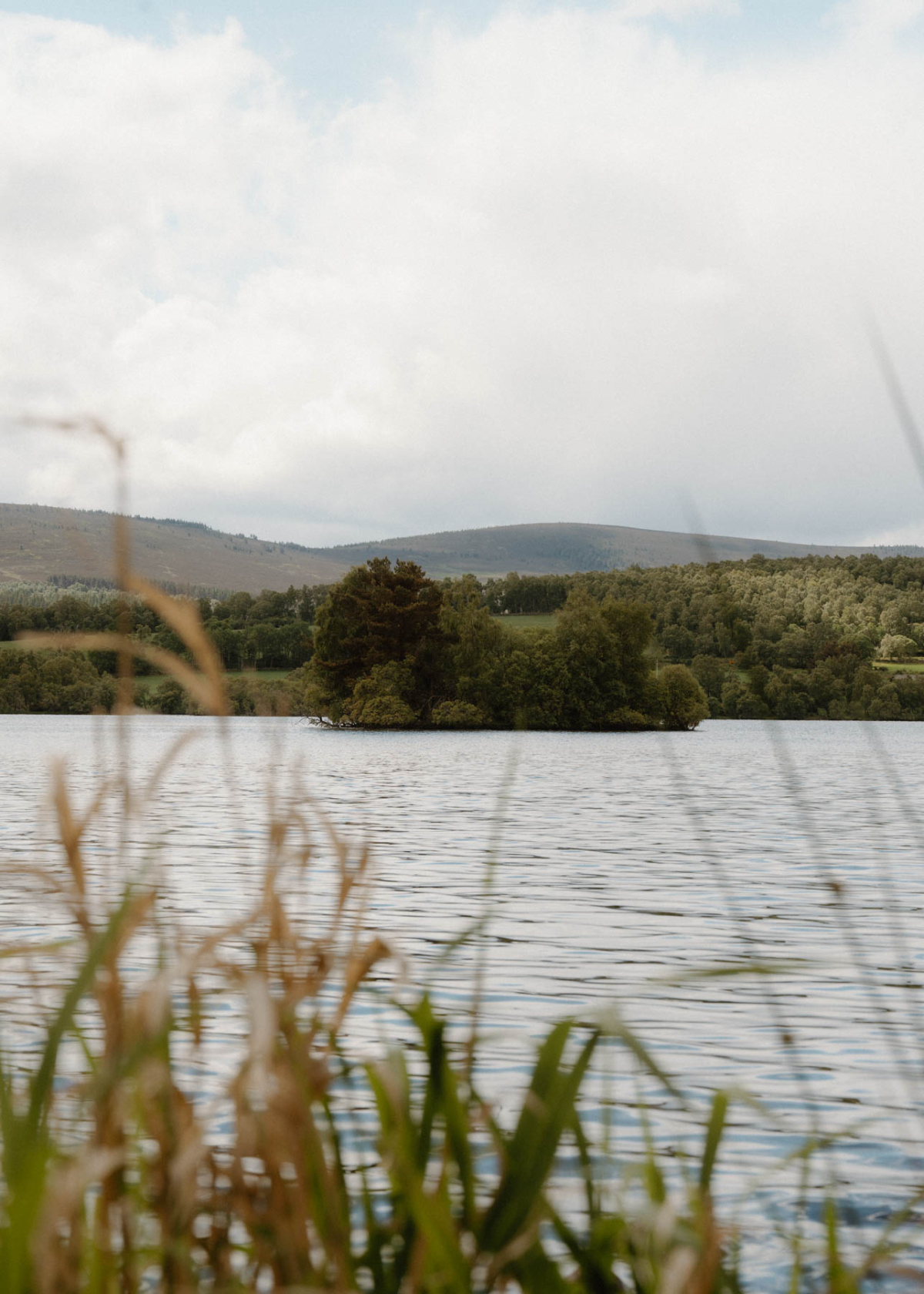
Most people come for the walking, and the four-mile circuit round the loch is a good one. But Kinord is unusual. Look out at the water and you'll see a couple of small islands. One is a crannog, an Iron Age dwelling built on oak piles driven into the loch bed. The other held a castle that James IV is said to have visited in 1505. On the shore, near the path, there's a carved Pictish cross that's been standing here, give or take a spell in Aboyne, for the best part of a thousand years.
So it's a nature reserve with a lot of history packed into a small space. Red squirrels, whooper swans, a giant pothole up the road. Worth a morning, easily.
An Iron Age home on the water
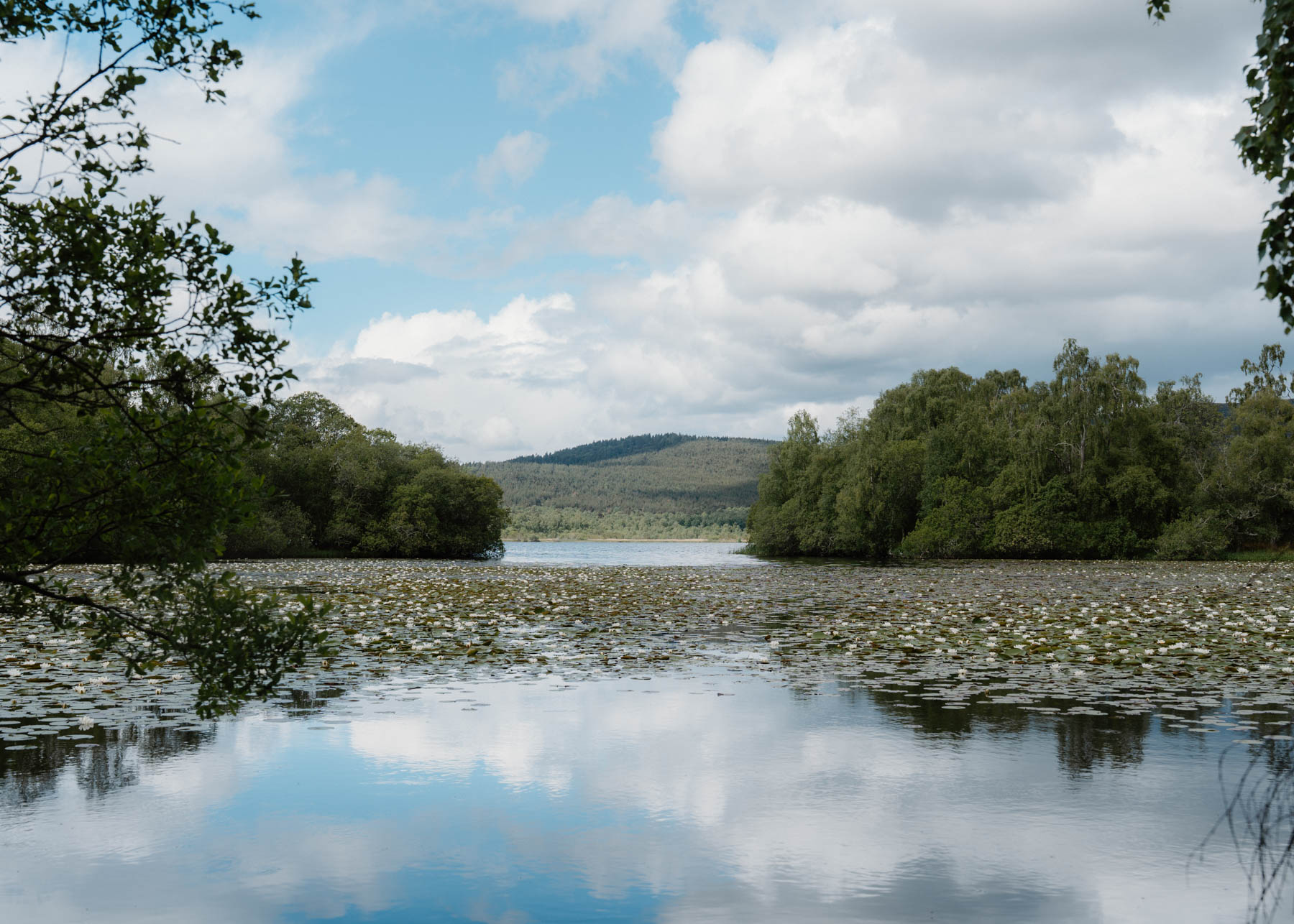
That low, tree-topped islet near the north-east shore isn't natural. It's a crannog, a loch dwelling built around 2,000 years ago in the Iron Age. The method was straightforward enough, if hard going: people drove large oak trunks into the loch bed, then piled up stones, earth and timber to make a platform. A big hut sat on top, reached from the shore by a narrow causeway.
Divers have been down there in recent years. They found timber up to four metres long simply lying on the rocky mound, and a recent radiocarbon date suggests the islands were in use far longer than anyone first thought, well into the Pictish period. Four dug-out oak canoes were pulled from the loch in the 19th century, the first in 1858 during a dry summer. It got the nickname the "Royal Yacht", after the loch's old association with Malcolm Canmore rather than anything to do with actual royalty. The loch was partly drained around the same time to supply a mill at Dinnet, which lowered the water and brought a lot to the surface. There's still plenty down there nobody has properly looked at.
The castle that got pulled down
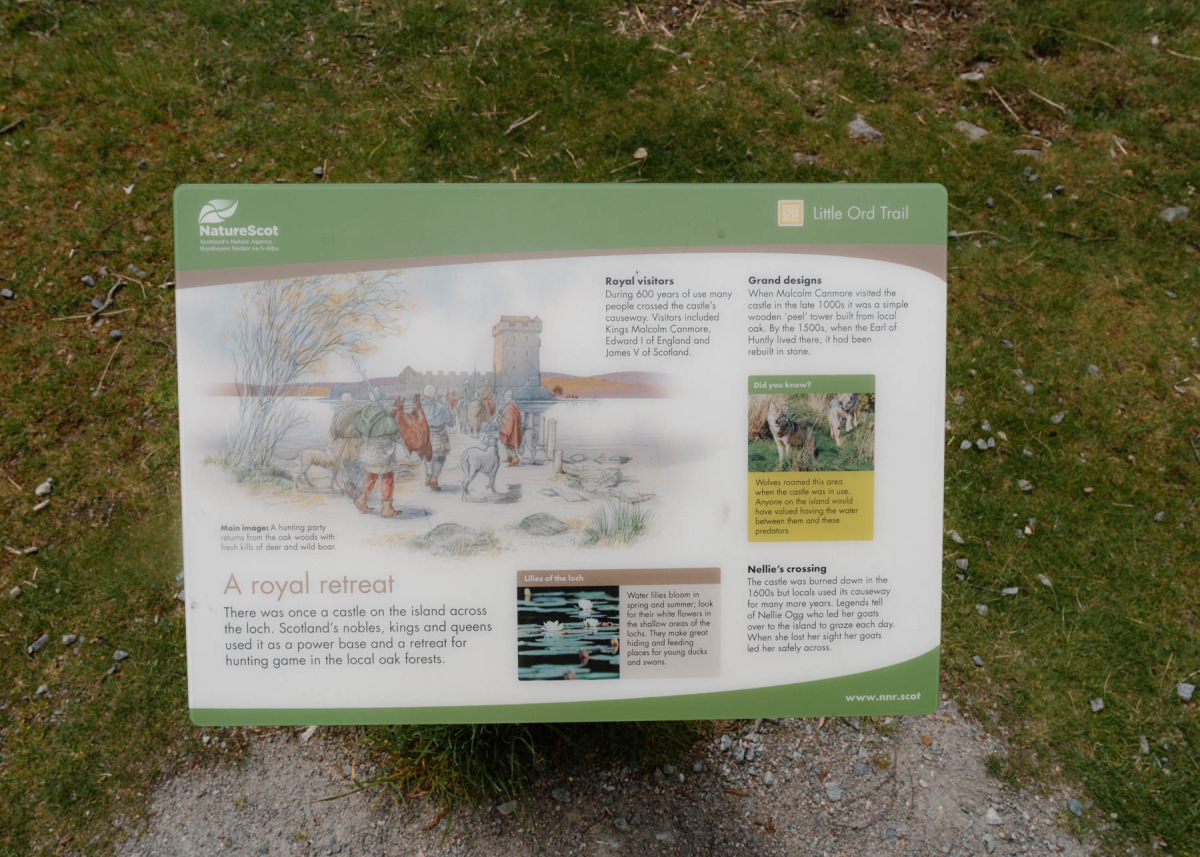
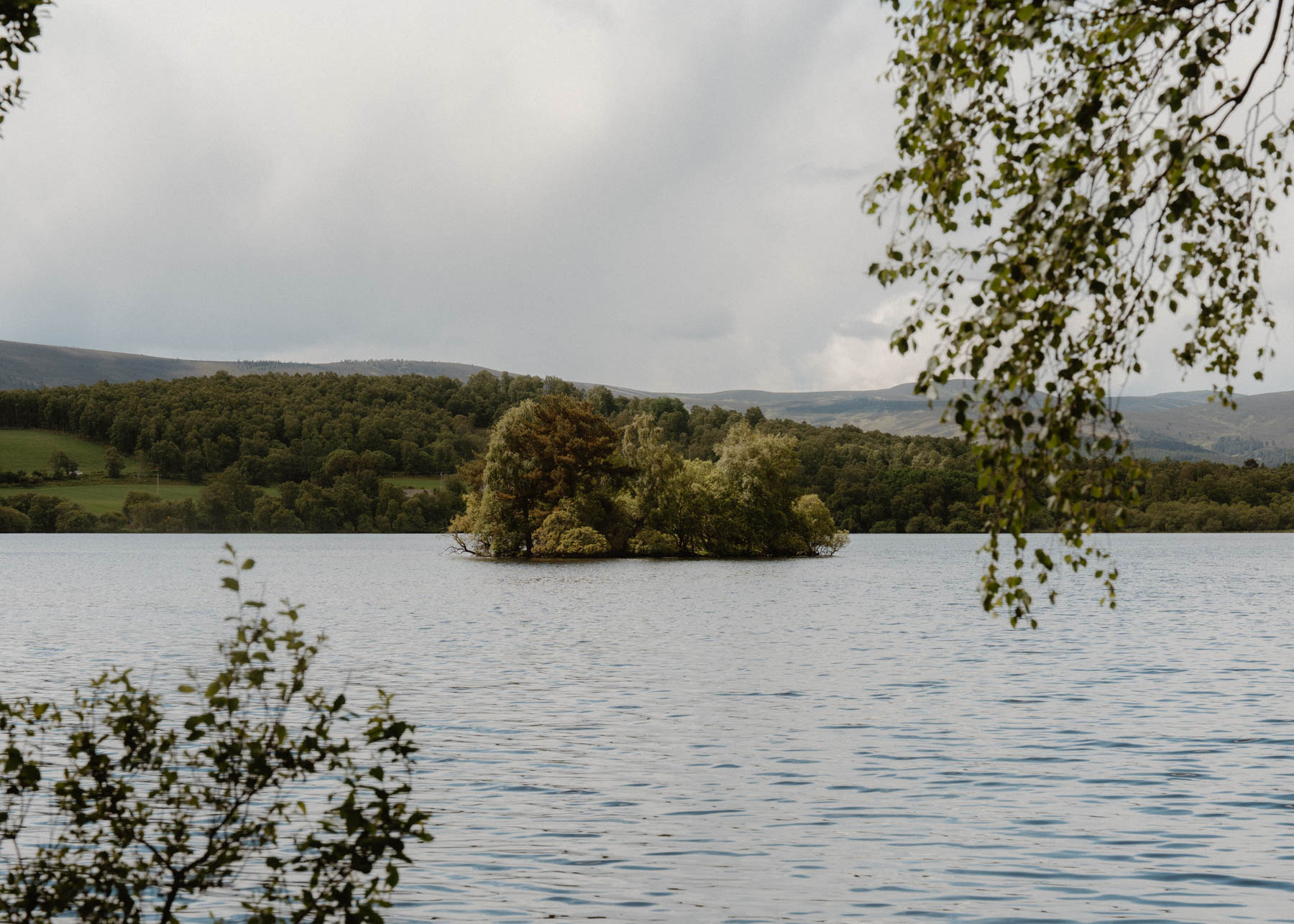
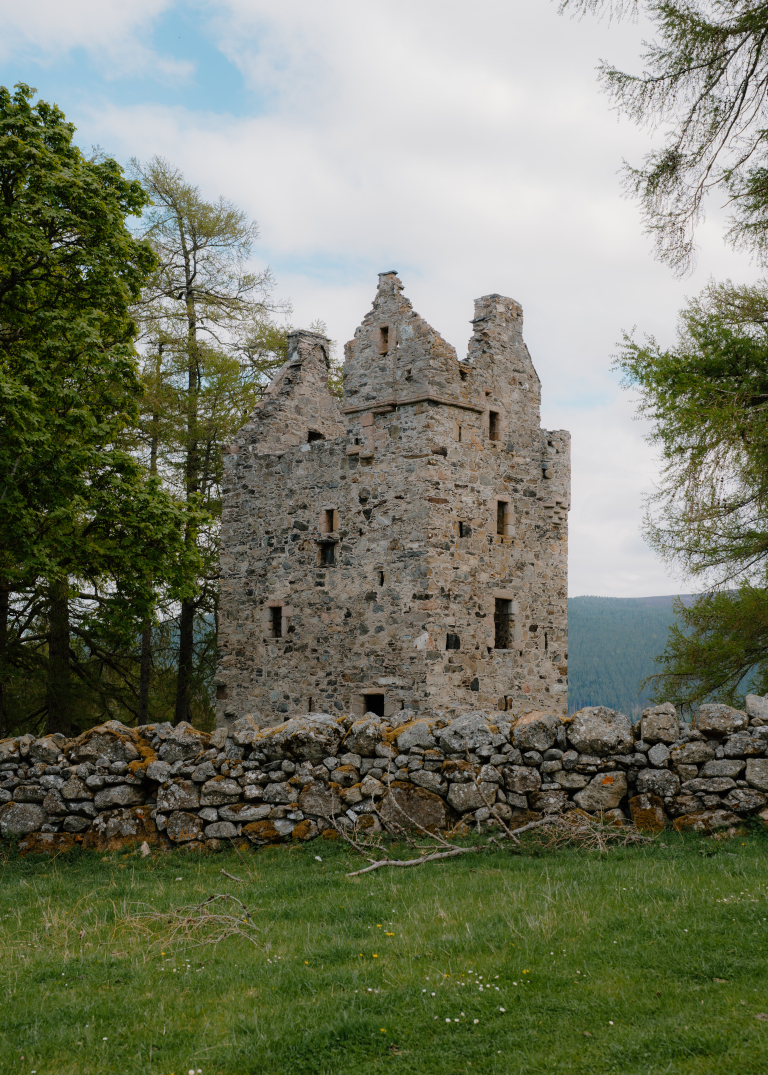
The larger western island once had a castle on it. Kinord Castle, sometimes called Loch Kinord Castle, first turns up in the records in 1335, when supporters of the defeated Earl of Atholl fled there after the Battle of Culblean, fought just up the hill on 30 November that year. They held out one night and surrendered the next day.
After that the castle had a long, eventful life. Over its six hundred years of use the causeway saw plenty of traffic, royal visitors among them, including Malcolm Canmore, Edward I of England and James V. It was repaired and garrisoned by the Marquis of Huntly in 1646, then besieged and taken by General Leslie's Covenanters the following year. The garrison made themselves so unpopular locally that in 1648 the Marquis of Argyll pushed an Act of Parliament through to have the place pulled down. And that was that.
There's not much left to see now. In a dry summer you can apparently trace the outline by the withered grass. Large dressed stones still line the island's edge, and parts of the old timber causeway survived into the mid-1700s before the oak piles were carted off.
A Pictish cross, there and back again
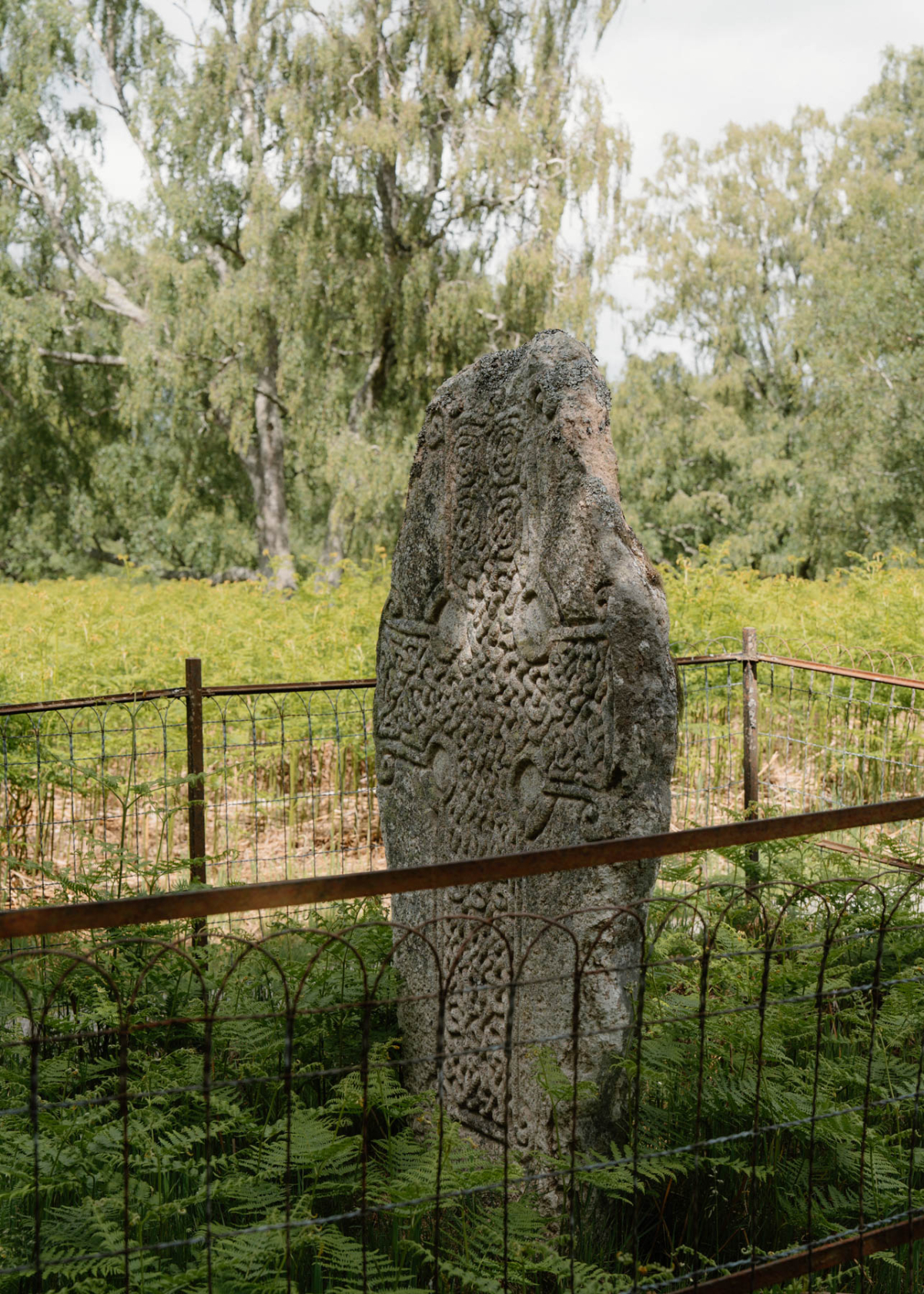
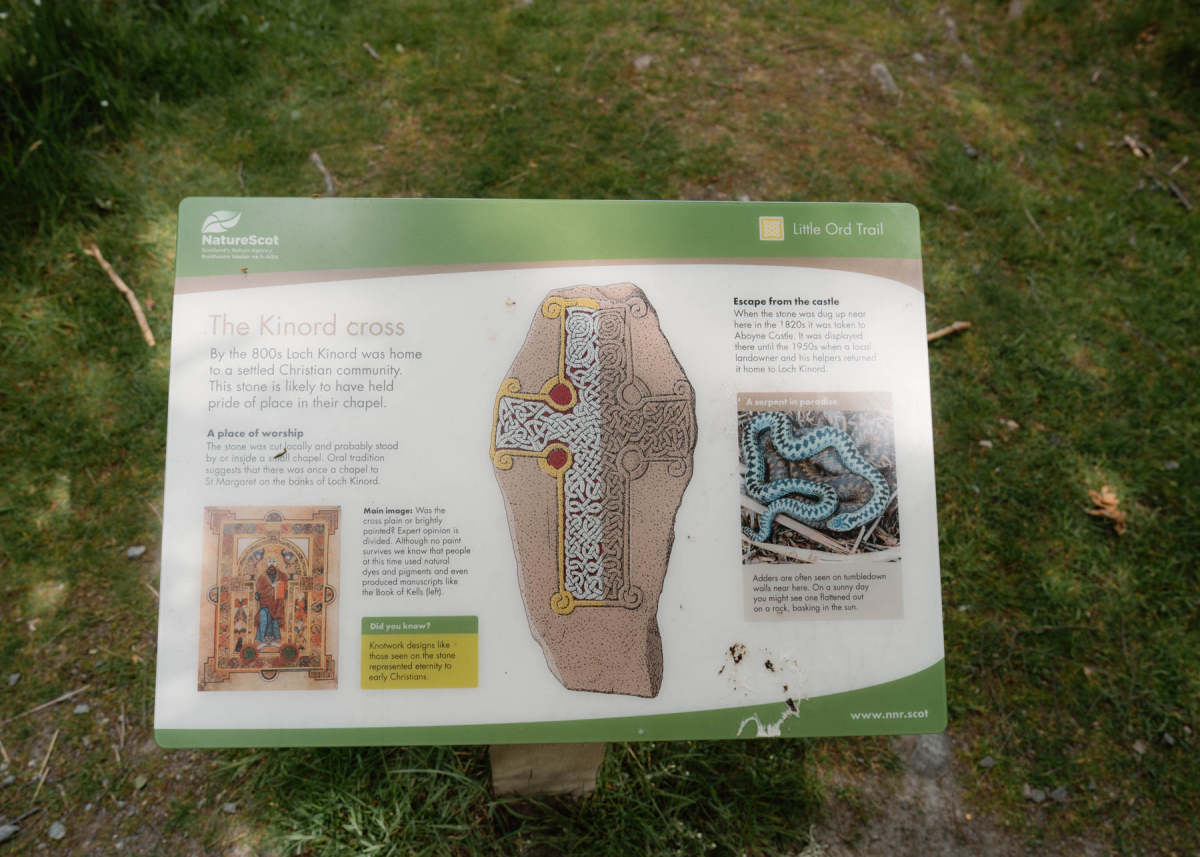
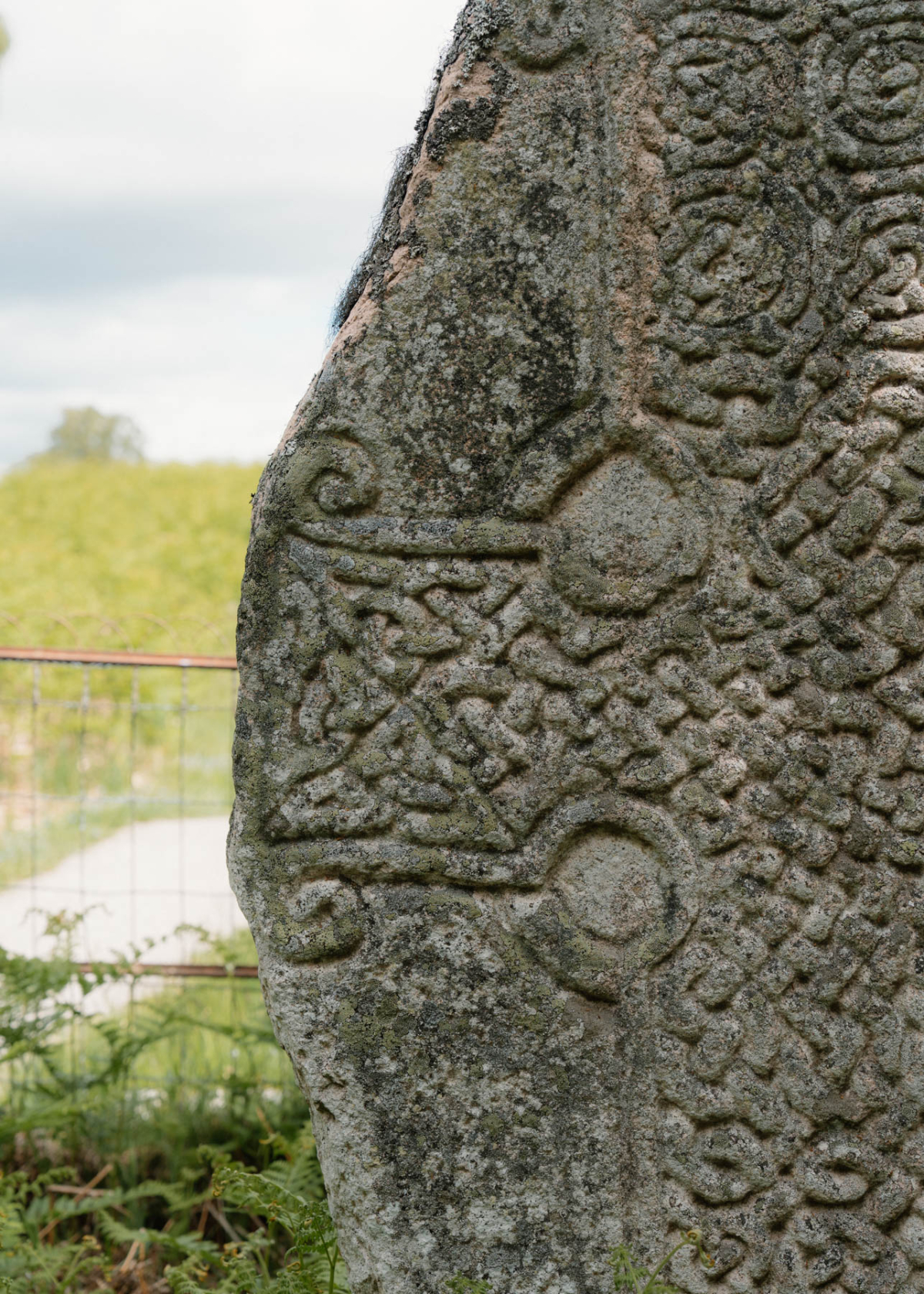
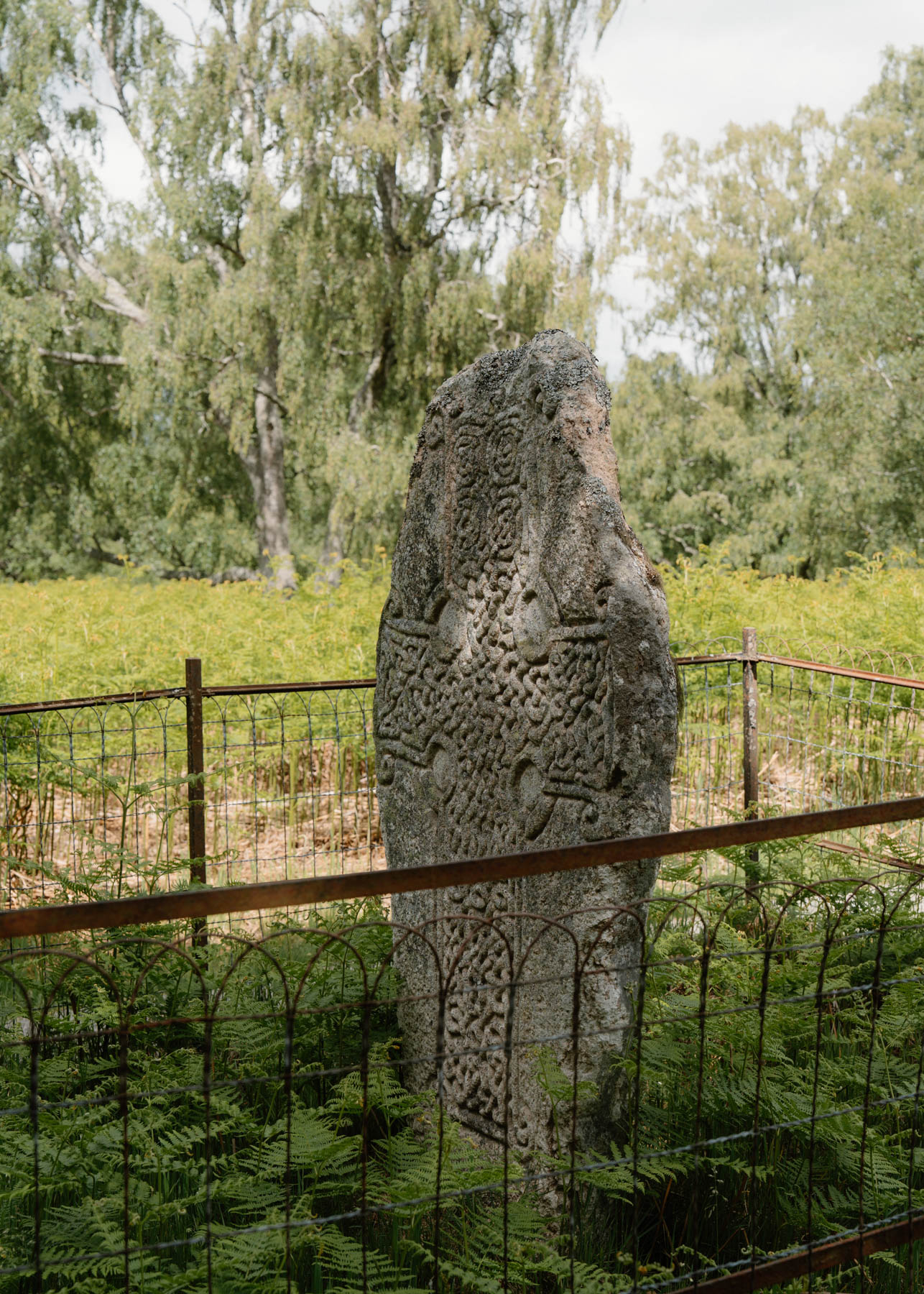
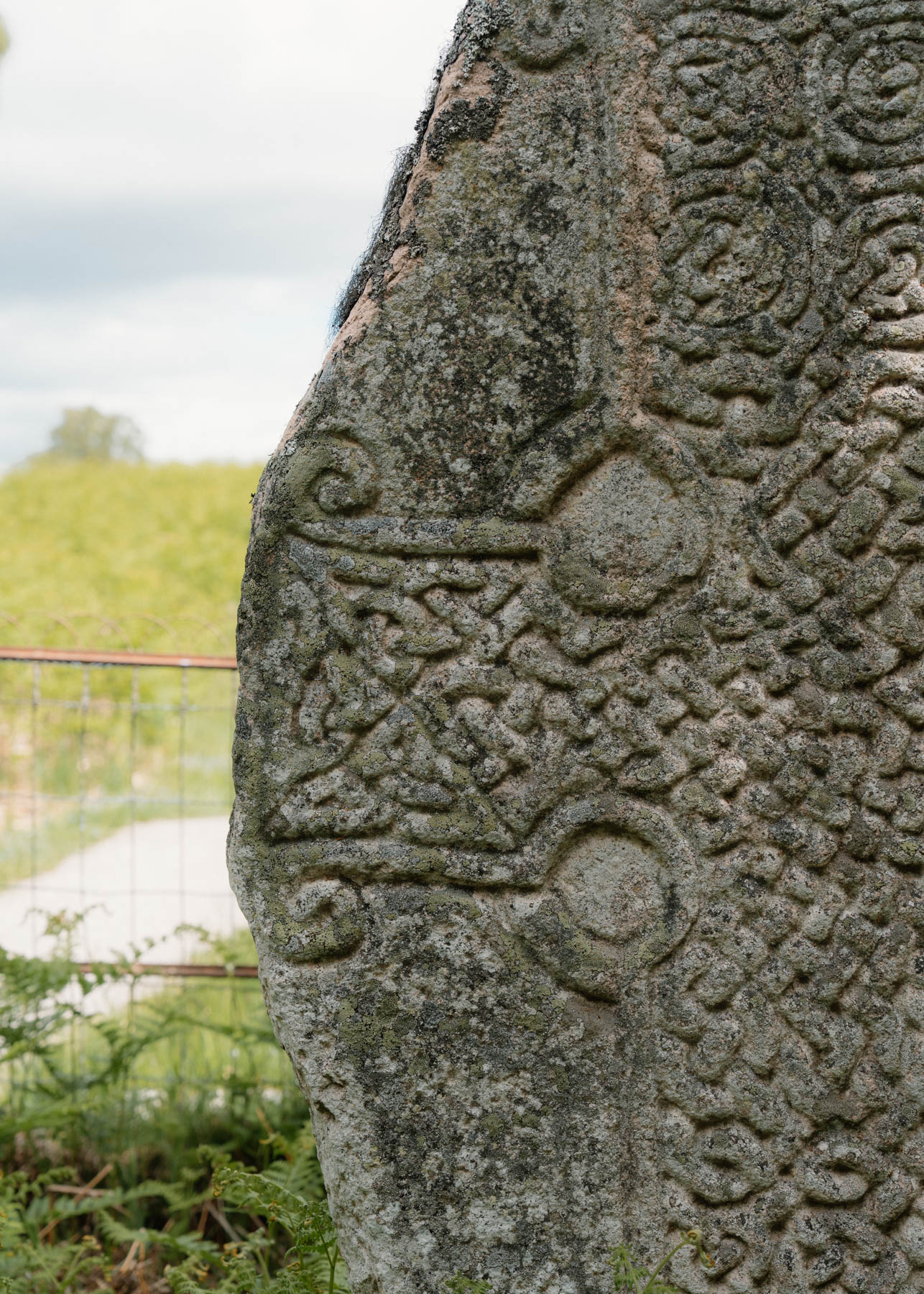
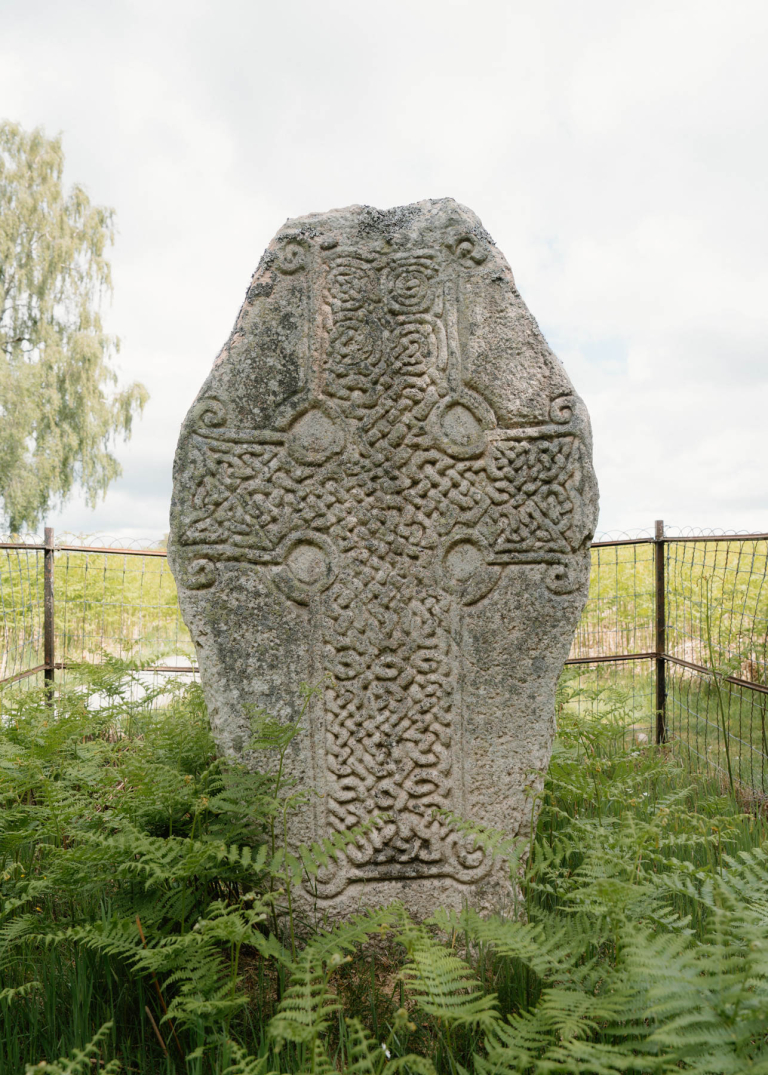
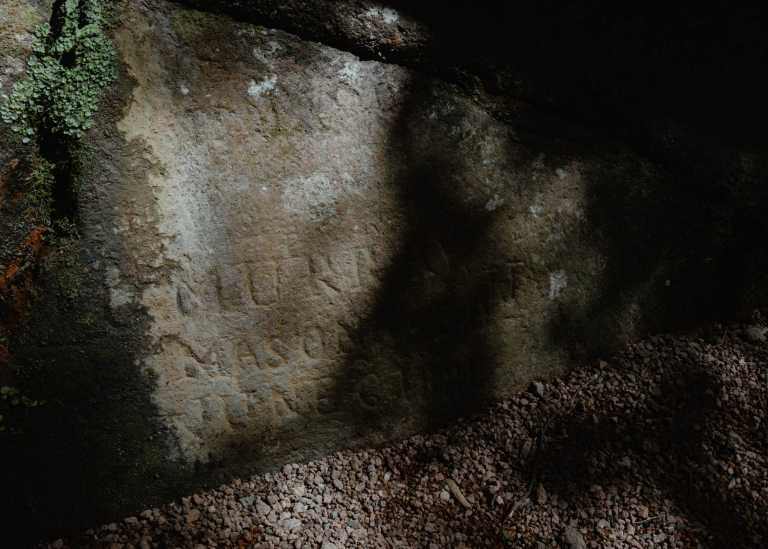
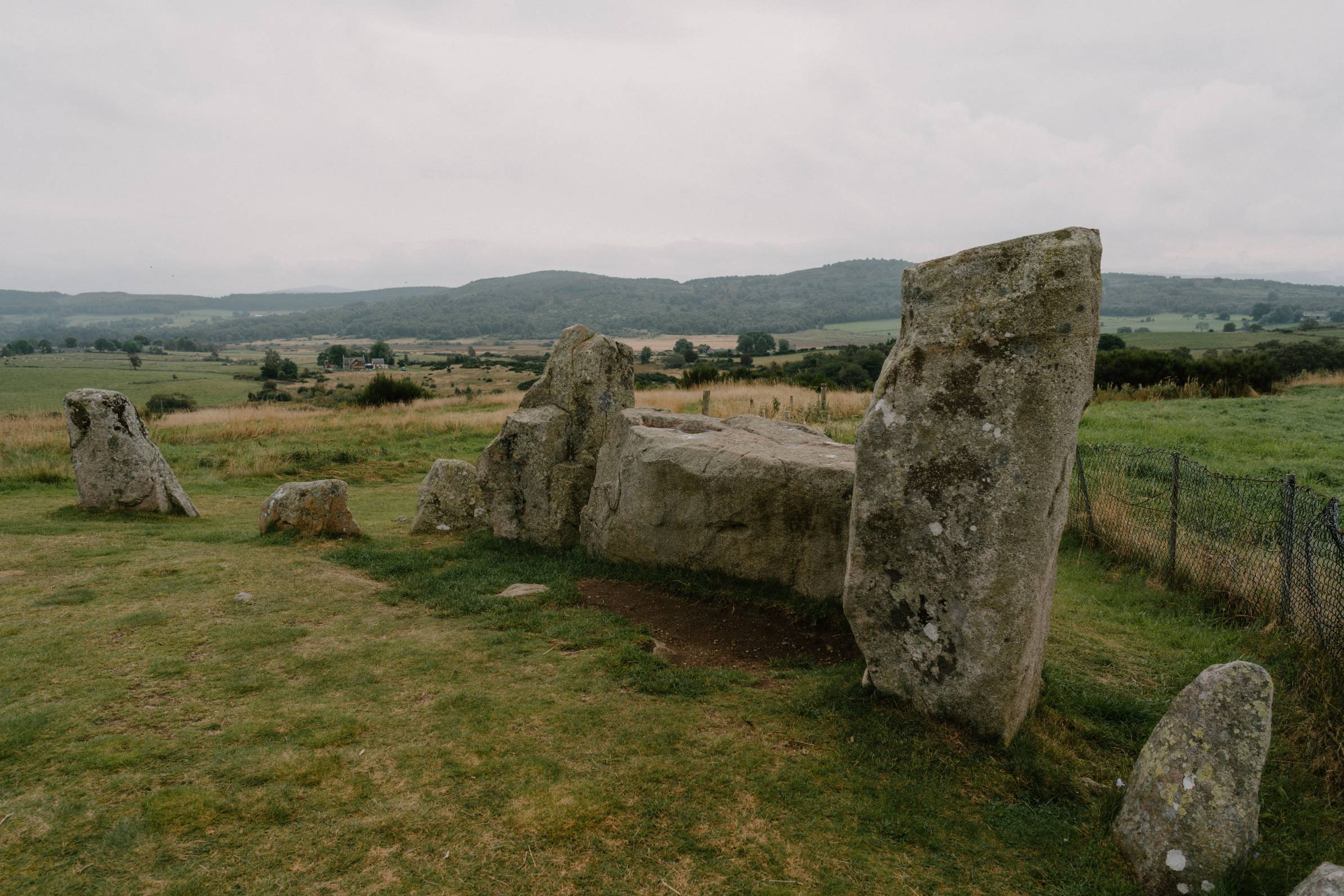
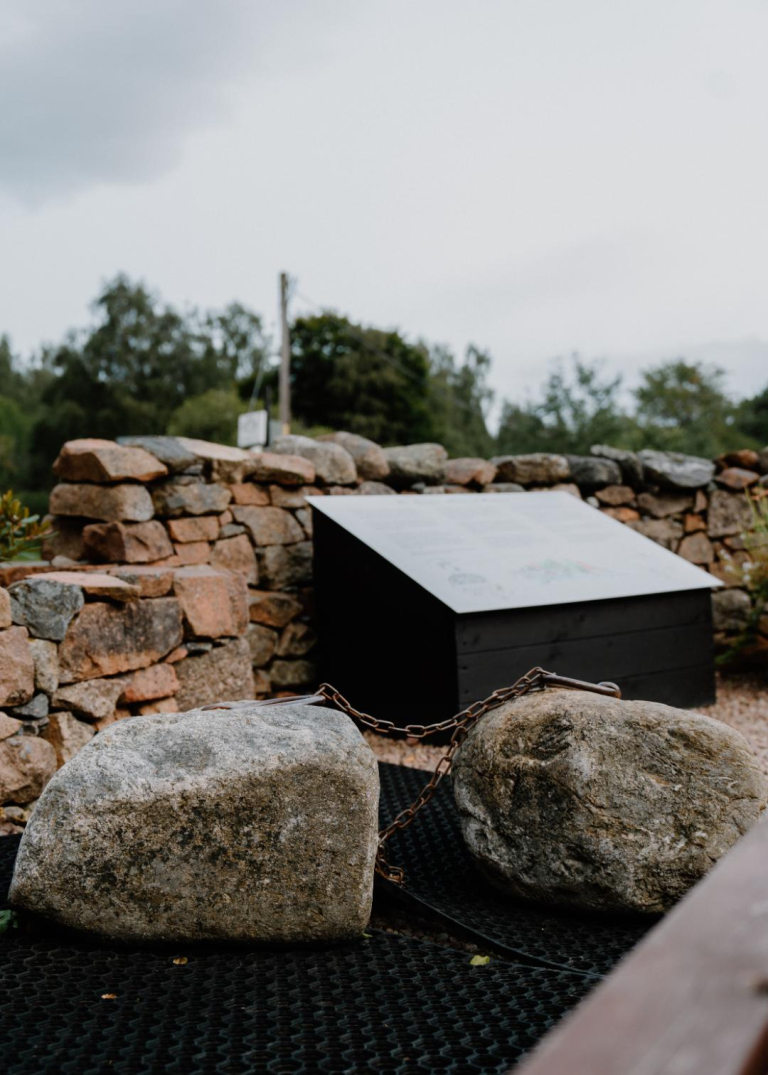
Near the path on the north shore stands the Kinord Cross, a Pictish cross-slab carved with an ornate cross and intricate interlace knotwork. It's usually dated to around the 9th century, though the sources don't entirely agree, some link it to St Finnan around 800 AD, others to Queen Margaret a couple of centuries later. Either way the carving is remarkably crisp given its age.
One oddity: only the side facing the loch is carved. A lot of Pictish slabs have a cross on one face and pagan symbols on the back. This one's just the cross. It's thought there may have been a small chapel or monastery nearby.
It hasn't always been here. In the 1820s it was dug up and moved to the grounds of Aboyne Castle, where it sat for well over a century. In 1959 it was brought back and re-erected on the loch shore, as close to its original spot as anyone could work out. Keep your eyes open on the way past. People walk straight by it.
Walking the loch
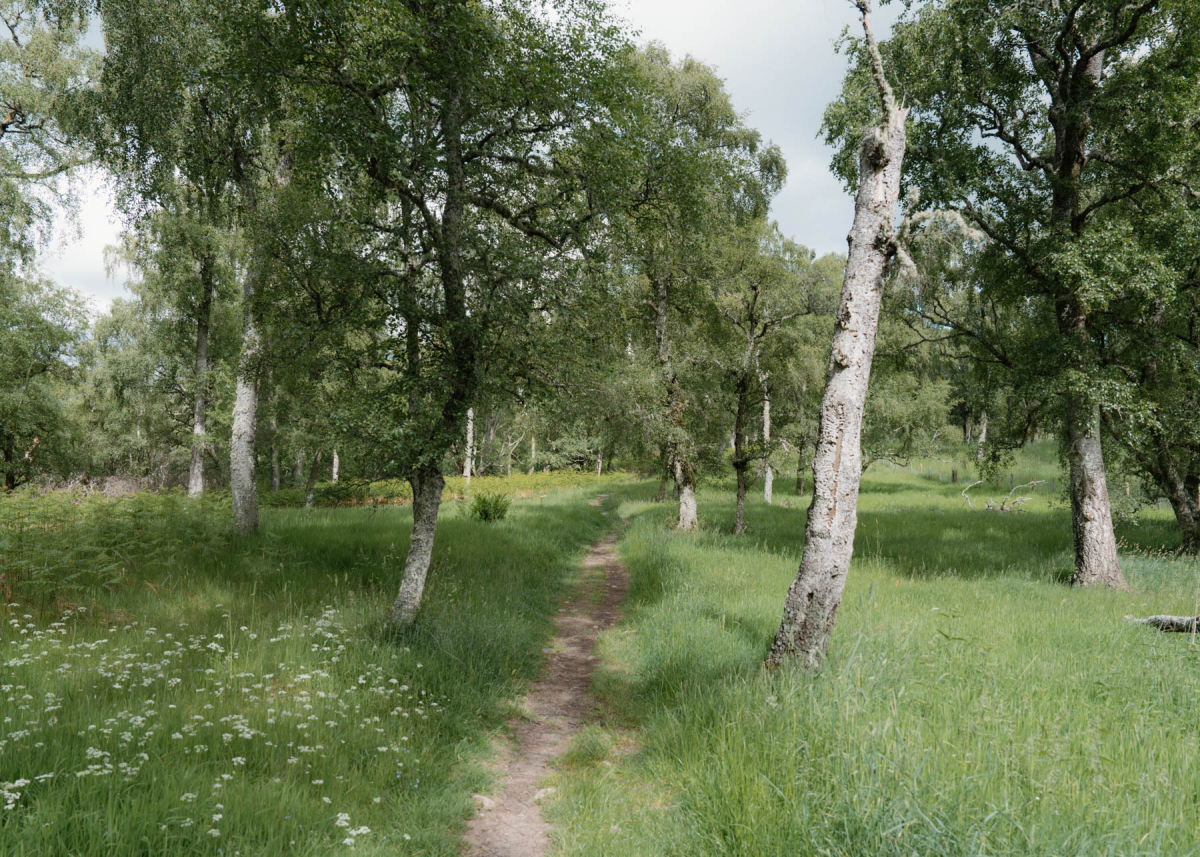
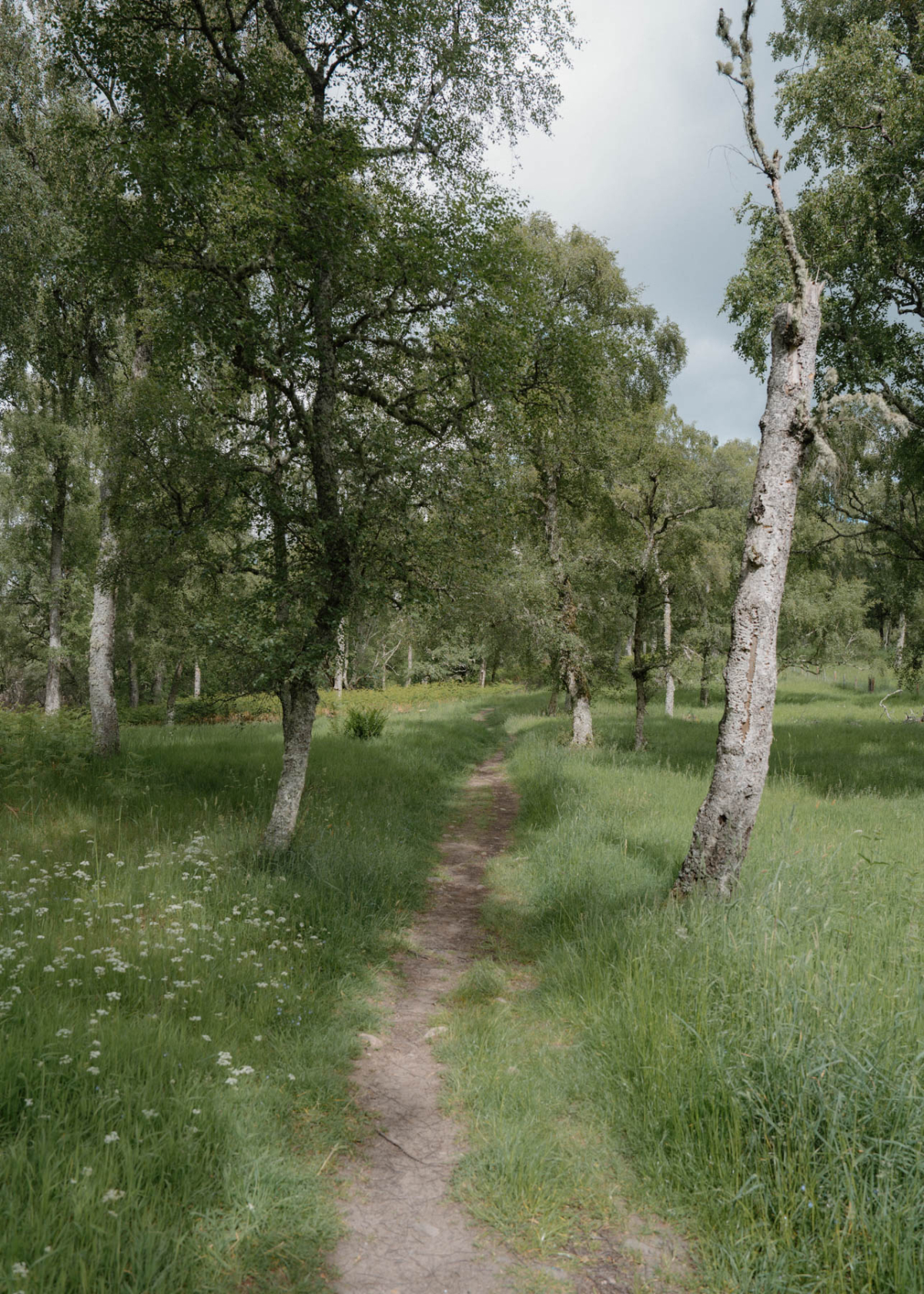
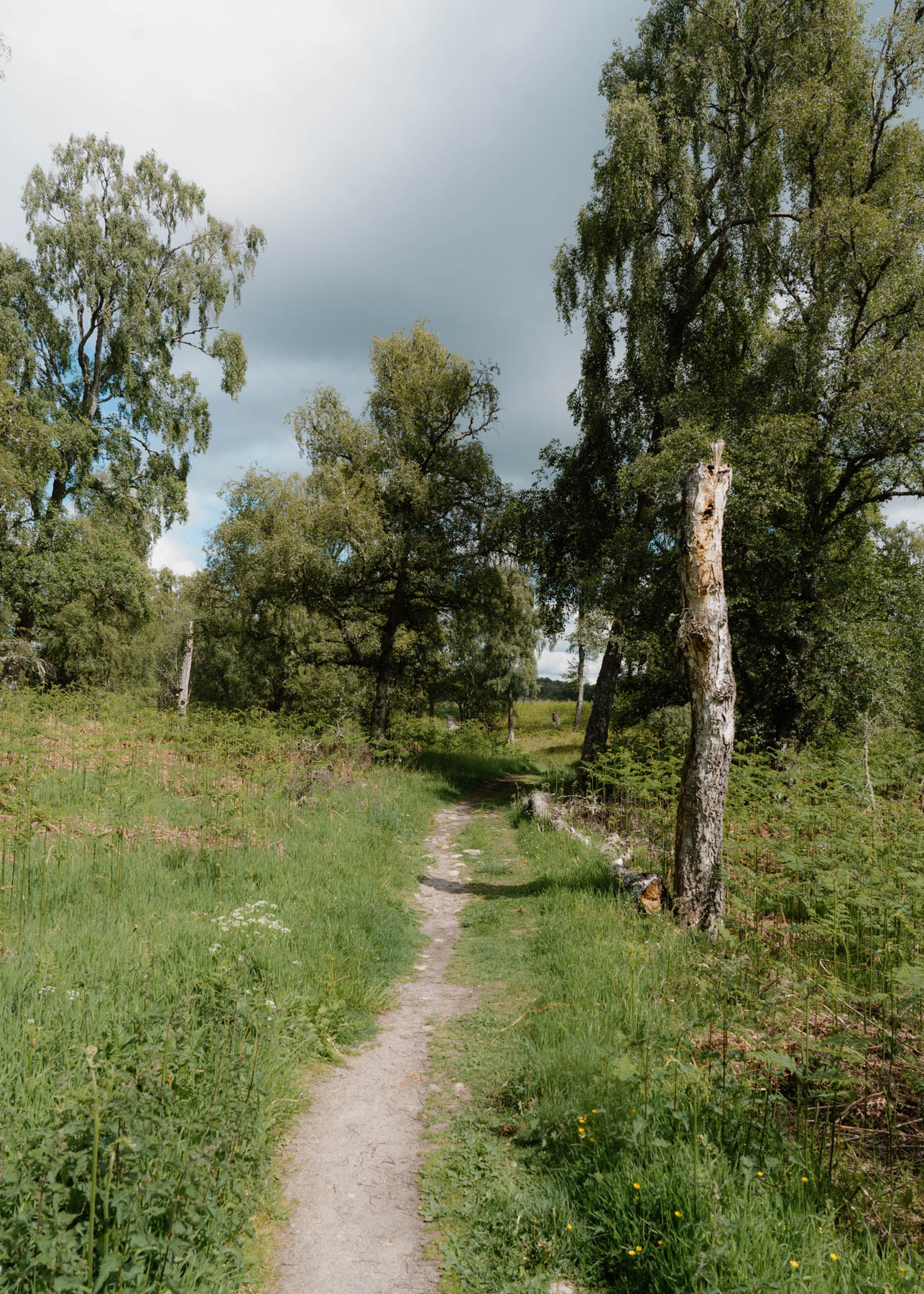
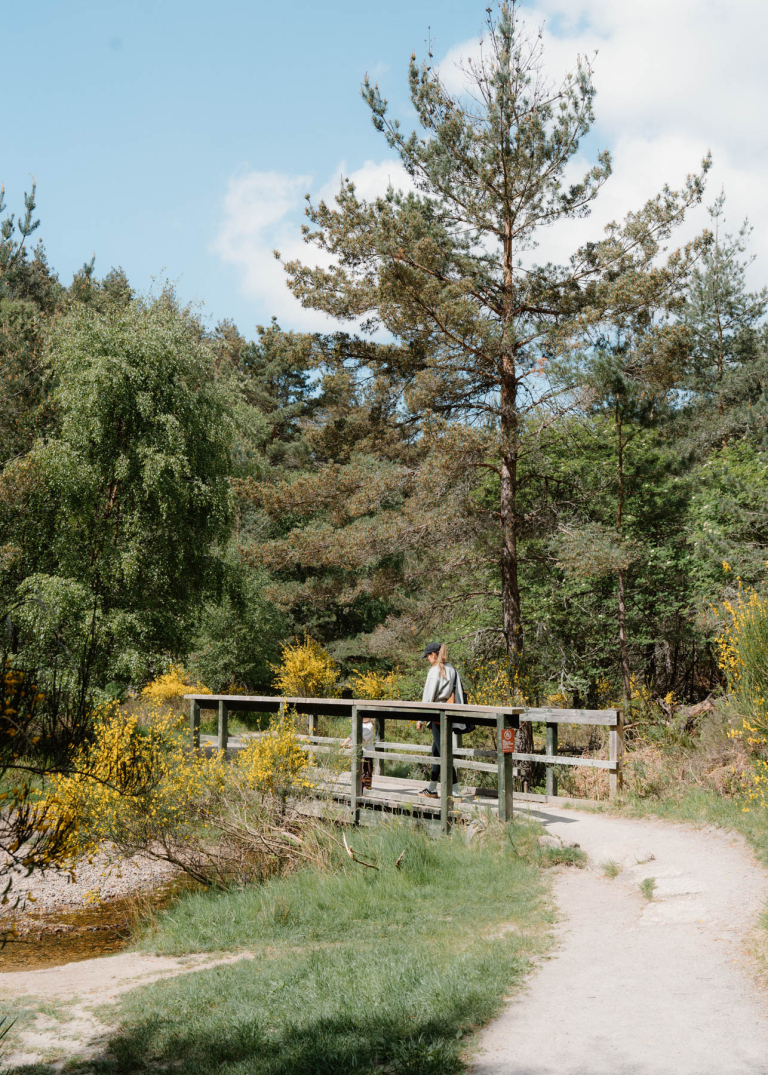
Four waymarked trails start from the Burn O'Vat visitor centre, ranging from under a mile to the full loch circuit at roughly four miles. The Loch Kinord circular is the one most folk recommend, gently undulating, good underfoot, mostly through pine and birch. Allow two to three hours if you take your time and stop at the cross.
Don't skip the Burn O'Vat itself. It's a huge cauldron-shaped pothole carved out by meltwater at the end of the last ice age, reached through a narrow gap in the rock that closes in around you. The short walk there and to the viewpoint takes about half an hour. Take care on the rocks, they get slippery.
A couple of practical notes. Some sections turn muddy after rain, so wear decent boots. And the car park fills up fast at weekends and in the holidays, so get there early.
What you'll see, and when
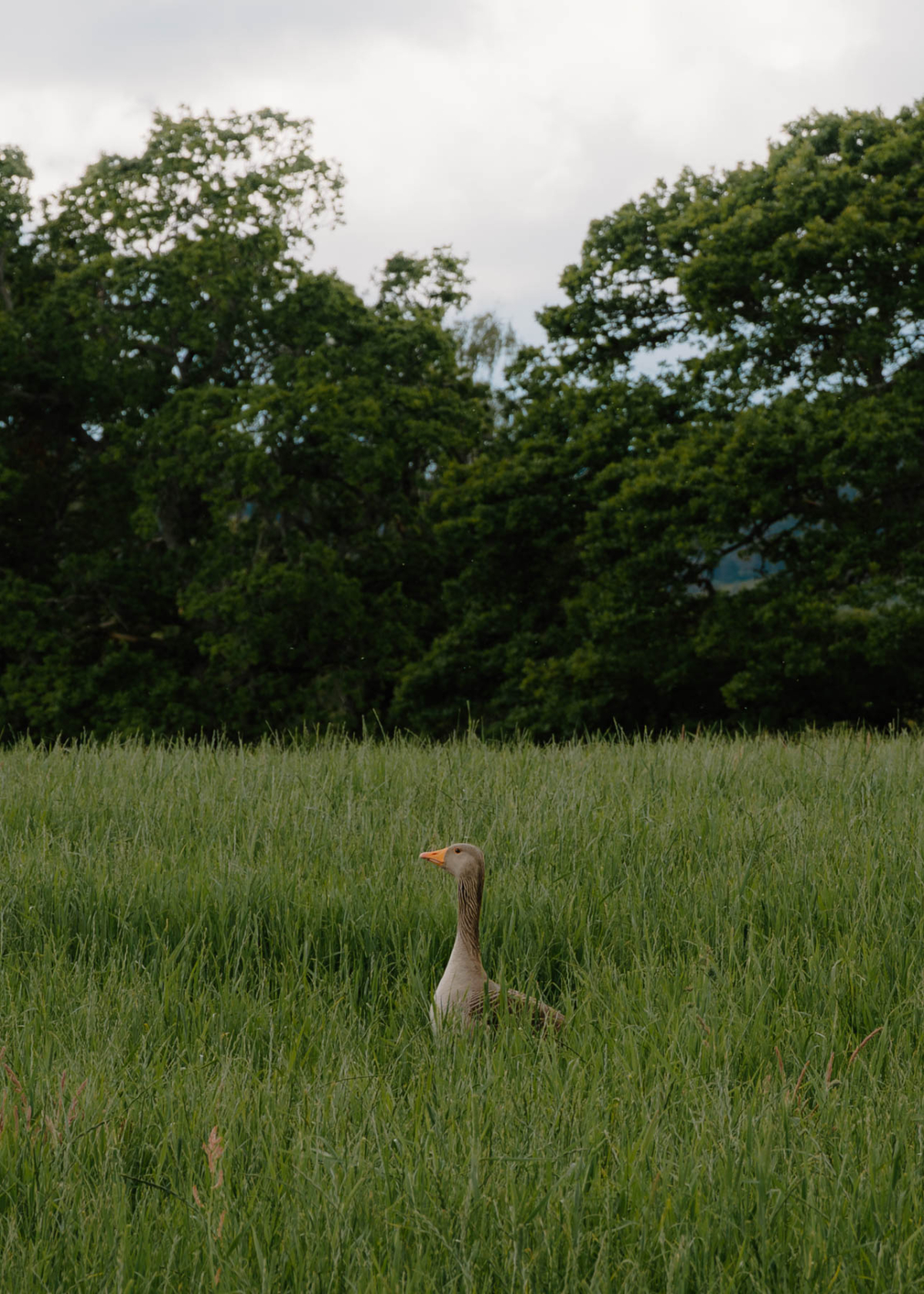
Kinord is a good spot for birds. Greylag geese, teal, tufted duck, goldeneye and the odd osprey use the loch, and you might catch siskins and long-tailed tits in the birch. Whooper swans come through too. Red squirrels are about, mostly in spring. Otters as well, if you're lucky and quiet.
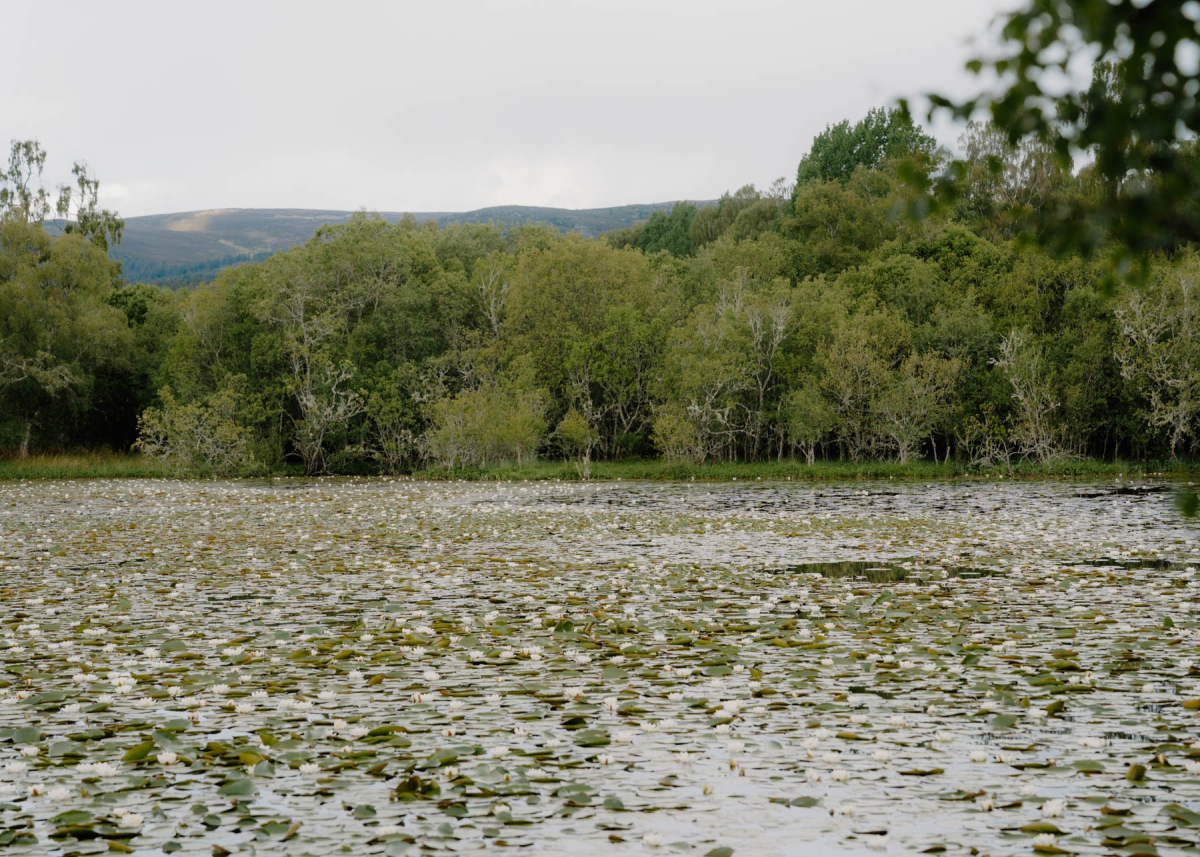
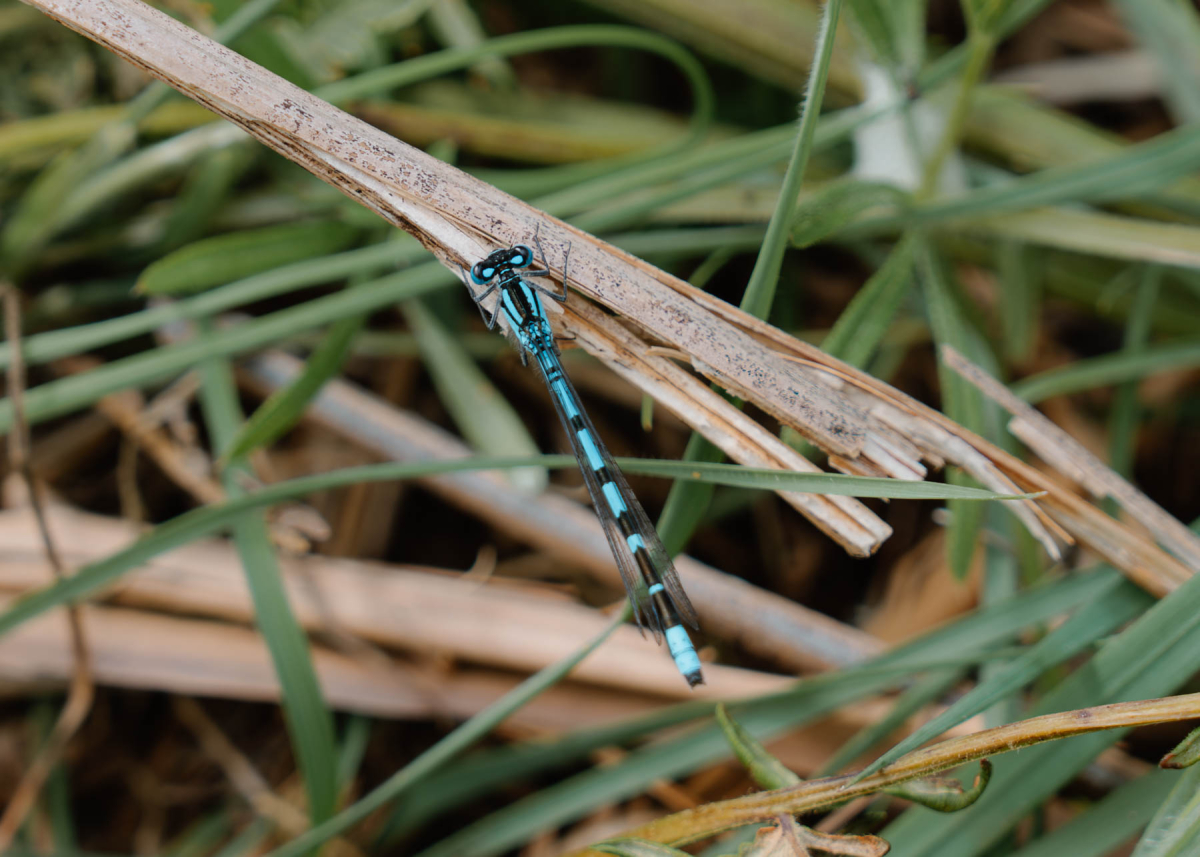
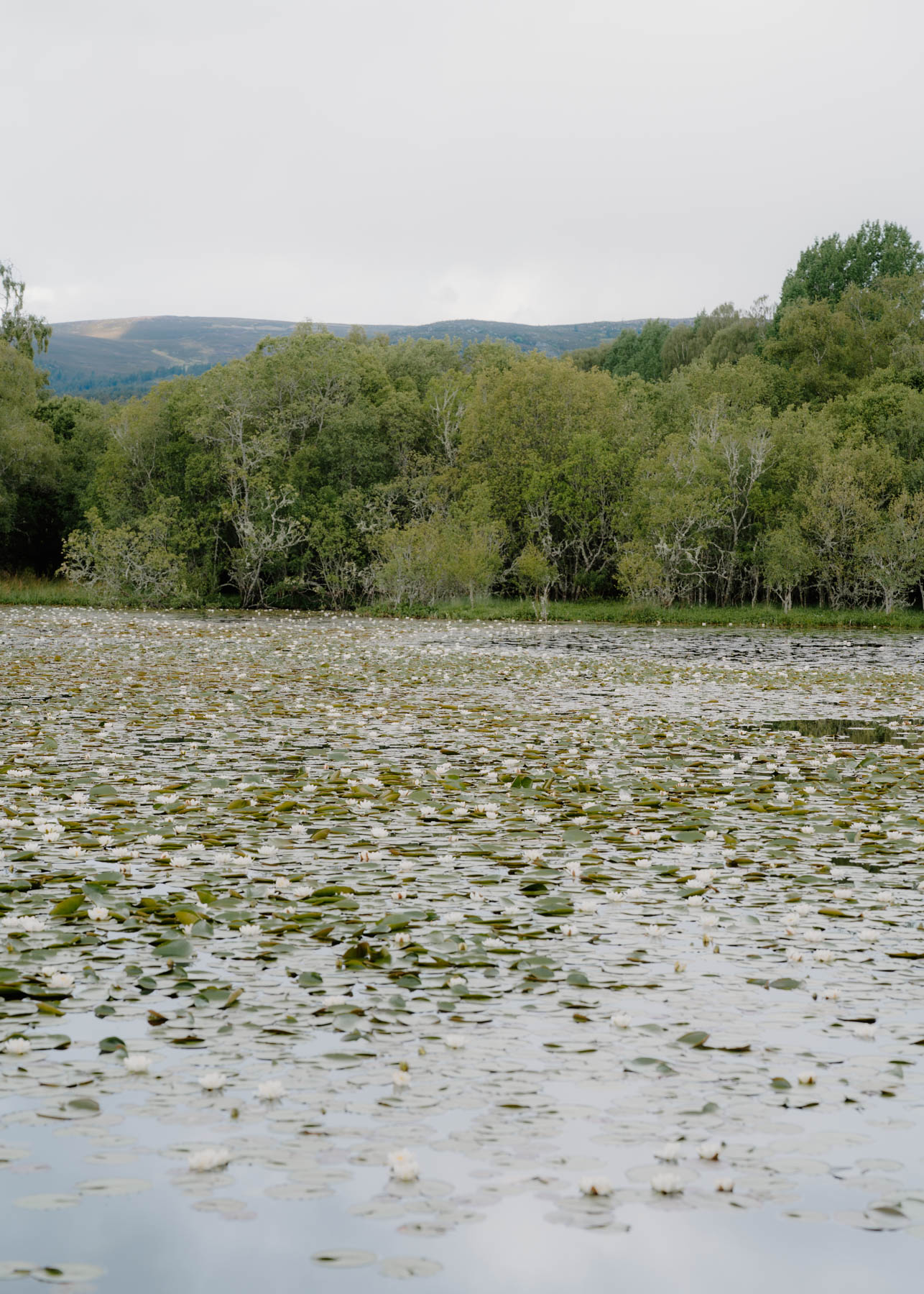
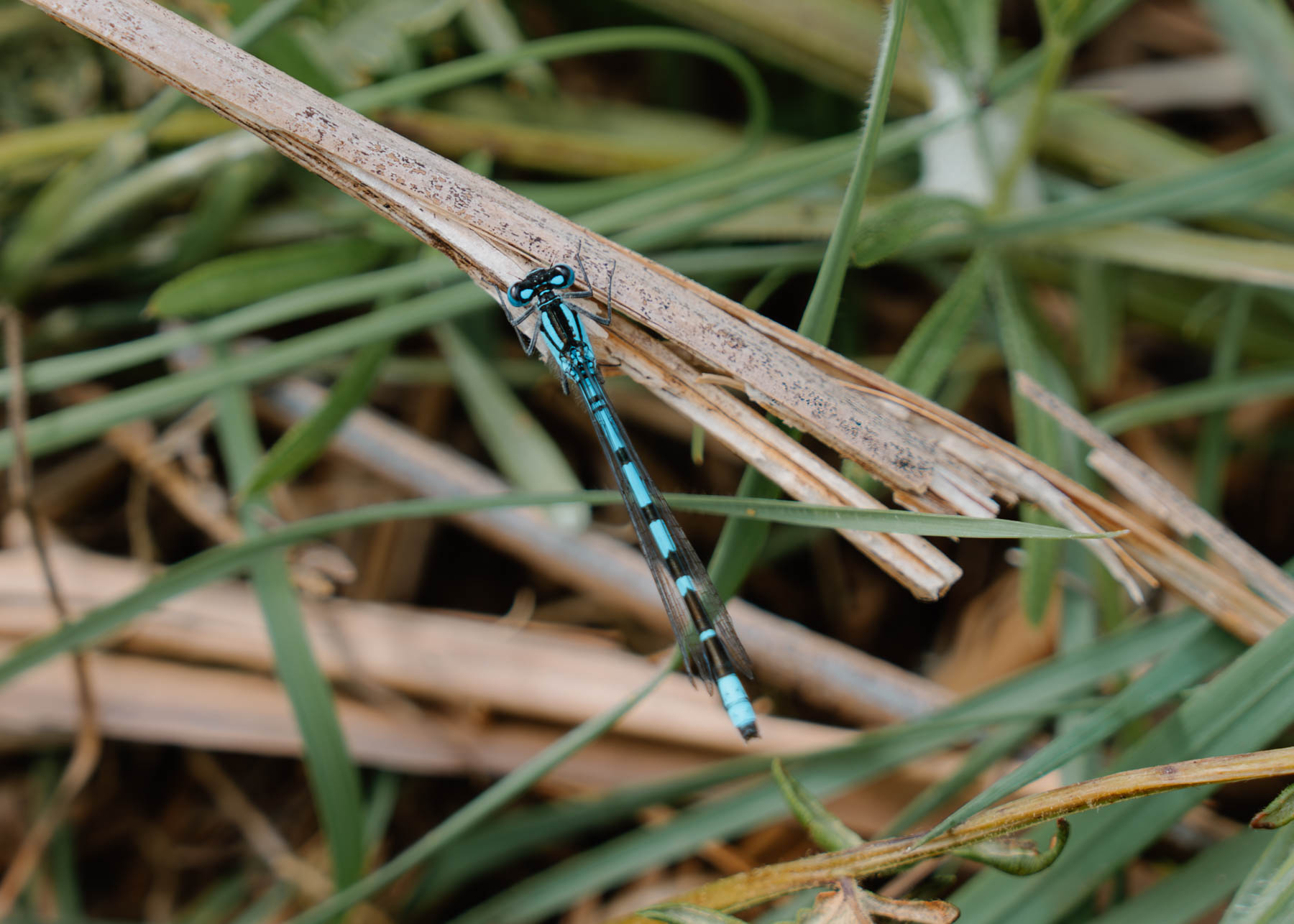
In summer the loch fills up with insects. Damselflies and dragonflies work the water and the boggy edges, blue damselflies among them, along with golden-ringed dragonflies and black darters. The reserve is one of the few strongholds for the rare northern damselfly, so keep an eye out near the lily pads.
Watch where you put your feet in warm weather, mind. Adders live here, and they like to bask on the paths and open ground on a sunny day. They'll usually clear off before you get close and they want nothing to do with you, but it pays to look. The white water lilies are out across the loch through summer, plentiful as anywhere in Scotland. Winter brings flocks of finches and, in a hard freeze, huge icicles in the Vat.
One rule worth knowing before you pack the paddleboard: no water-borne access on Loch Kinord between 1 March and 31 August. That covers kayaks, canoes, paddleboards and inflatables, and it's there to protect breeding birds. Dogs are welcome on the trails but keep them on a lead through the nesting season, roughly April to July.
Location
Loch Kinord sits in the Muir of Dinnet, in west Aberdeenshire, just inside the eastern edge of the Cairngorms National Park. It's about five miles east of Ballater and a few miles west of Aboyne, with the River Dee running just to the south. The nearest village is Dinnet, a little to the east.
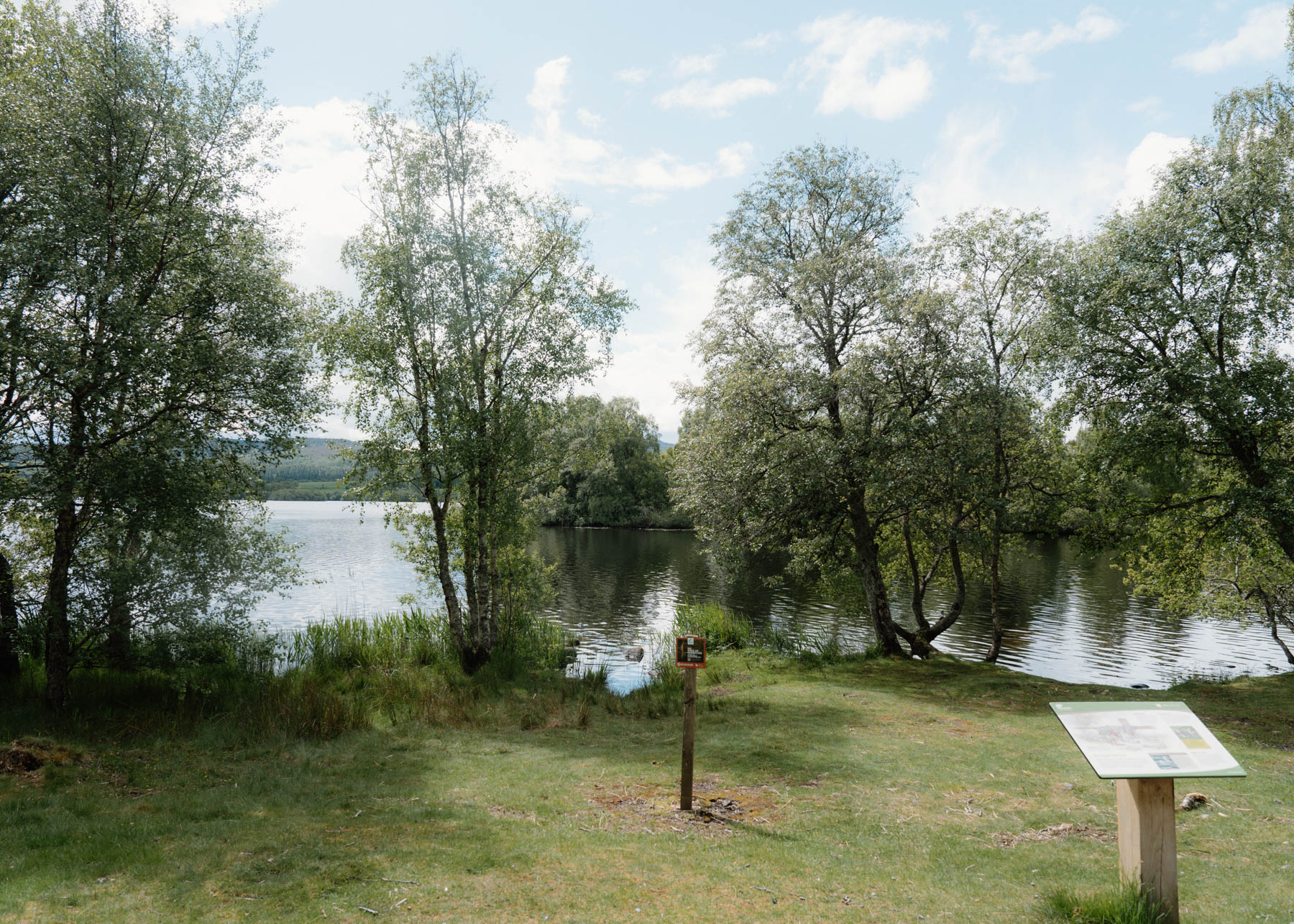
The loch-side car park is off the B9119, signposted from the A93 Aberdeen to Ballater road. Coming from Aberdeen, follow the A93 through Dinnet, then turn onto the B9119 and look out for the parking. The path to the cross and the loch circuit sets off from here.
It's a small pay and display car park, so bring some change or have your phone ready for the machine. Facilities are basic, there's a portaloo and that's about it, so don't count on much more. It fills up fast at weekends and through the school holidays, so get there early if you can.
If you want proper facilities, the Burn O'Vat visitor centre is a short drive further along the B9119. There's a bigger car park there, a small centre with displays on the reserve, and toilets open all year, one of them wheelchair accessible with baby changing. You can walk to the loch from there too. There's also a larger car park at Clarack on the edge of Dinnet, opened in 2022, with more spaces, bike racks and toilets.
What's nearby
You're spoiled round here. The Burn O'Vat is the obvious one, a giant cauldron of a pothole gouged out by glacial meltwater, reached through a slot in the rock that closes in around you as you squeeze through. It's part of the same reserve and the short trail to it starts from the same car park, so there's no excuse to skip it.
For food, the Loch Kinord Hotel is the closest bet, half a mile east in Dinnet village on the A93. Bar meals, a garden for fine days. Ballater is seven miles west and has the proper shops if you're stocking up for a picnic.
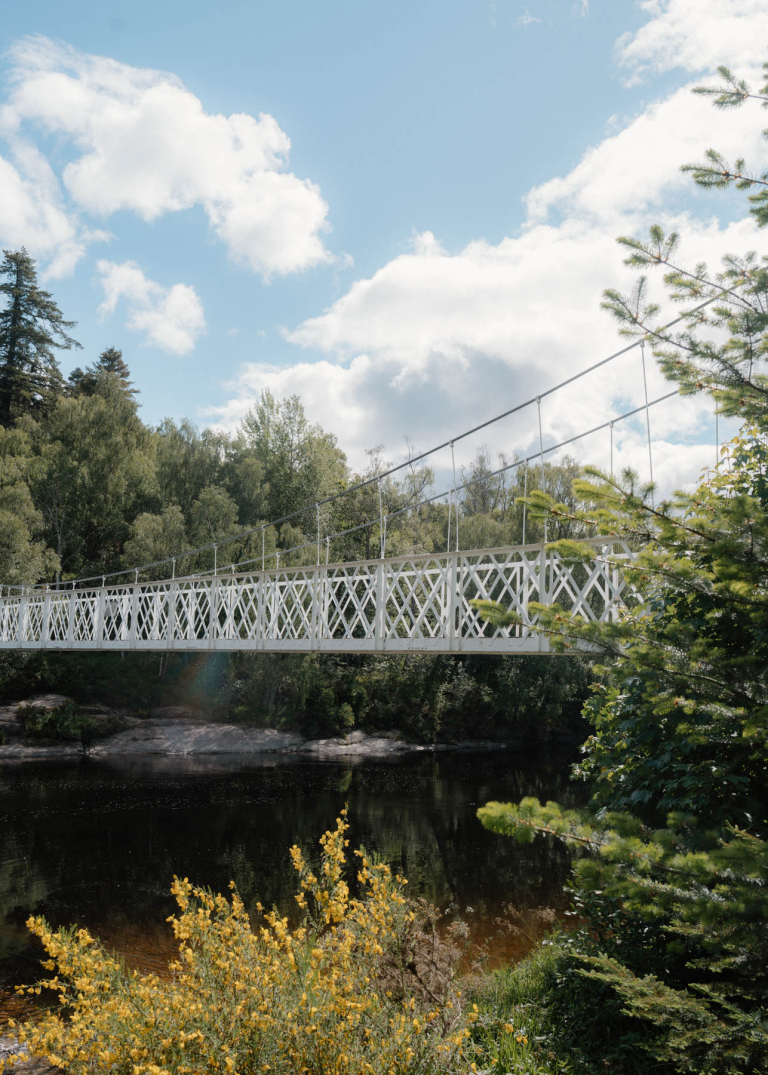
A few minutes down the road towards Ballater is Cambus o'May, where a white latticed suspension footbridge crosses the Dee. It was built in 1905, paid for by a local lad turned London brewing magnate named Alexander Gordon, and rebuilt to the exact same design in 1988. Storm Frank wrecked it in 2015 and it sat closed for years; it finally reopened in April 2021 after a big community fundraise and a donation from the then Prince Charles. There's a forest of pine and lochans to wander on the same side, and woodland walks along the river.
If you want more walking, the Deeside Way runs close by, following the old railway line between Aboyne and Ballater. Glen Tanar is a few miles south-east and worth a day on its own. And there's a quieter trail along the Loch of Aboyne if the Kinord car park is full, which it often is at weekends.



Where to stay nearby
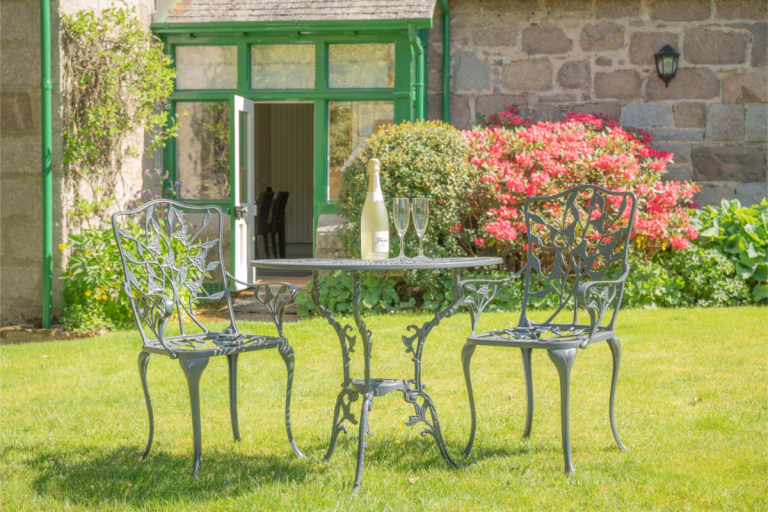
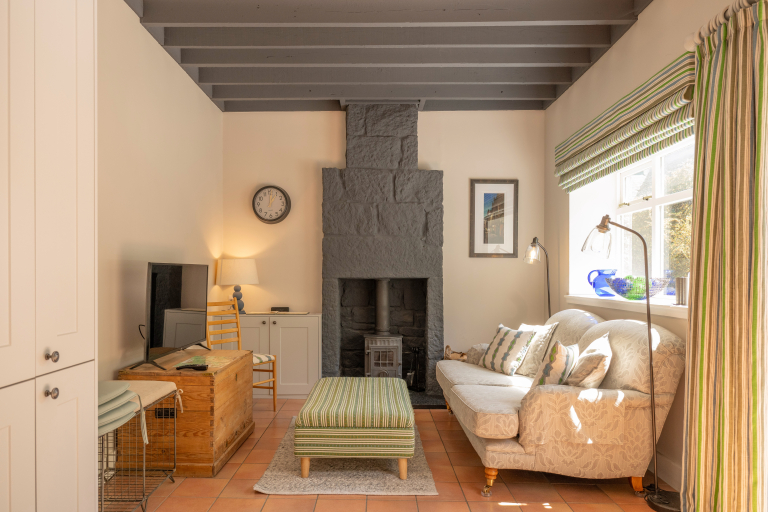
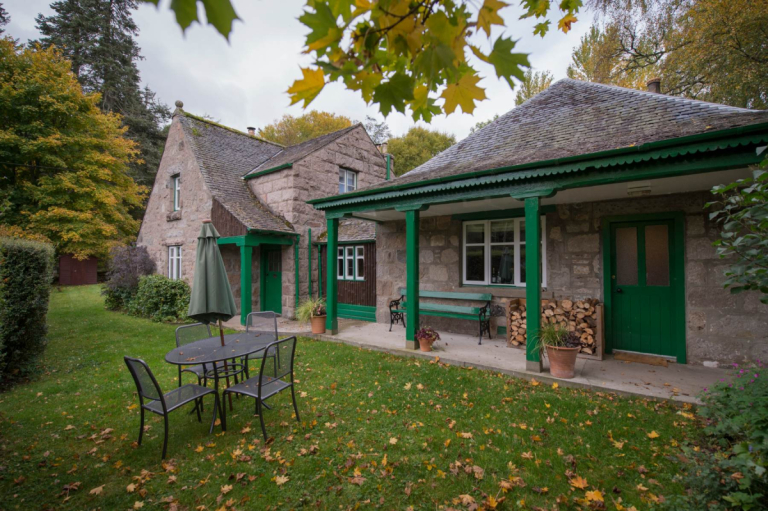
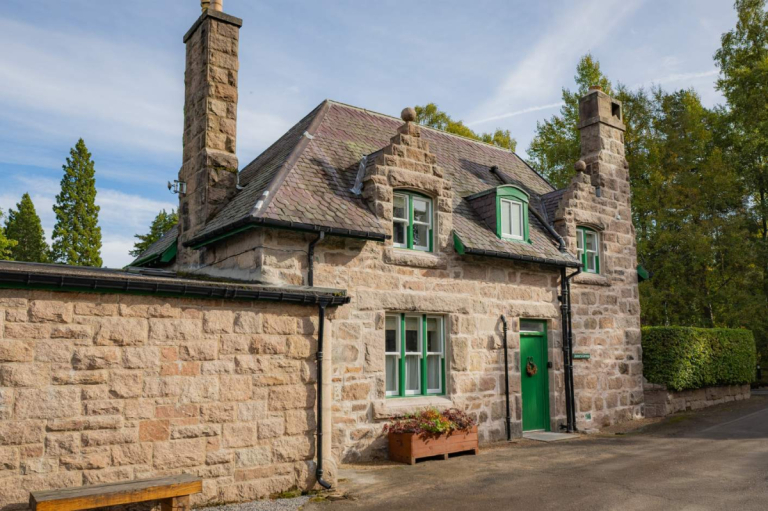
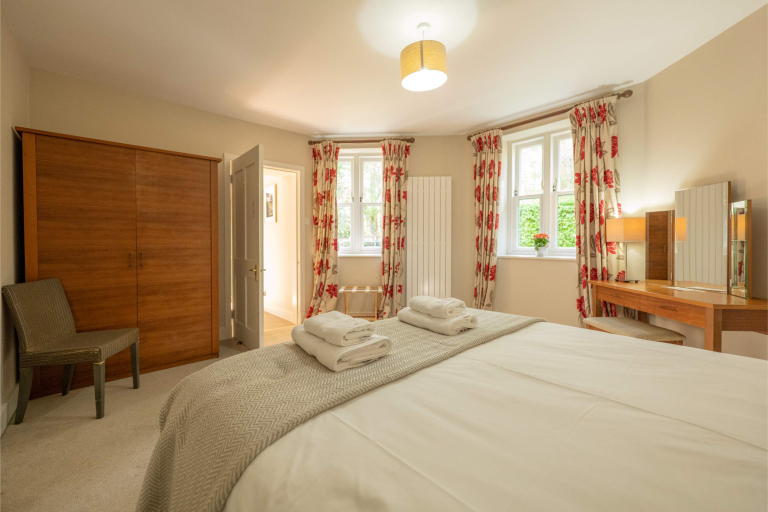
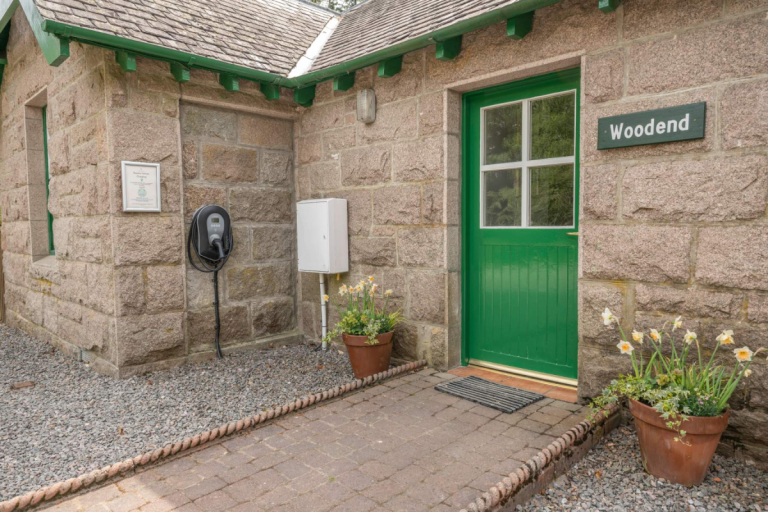
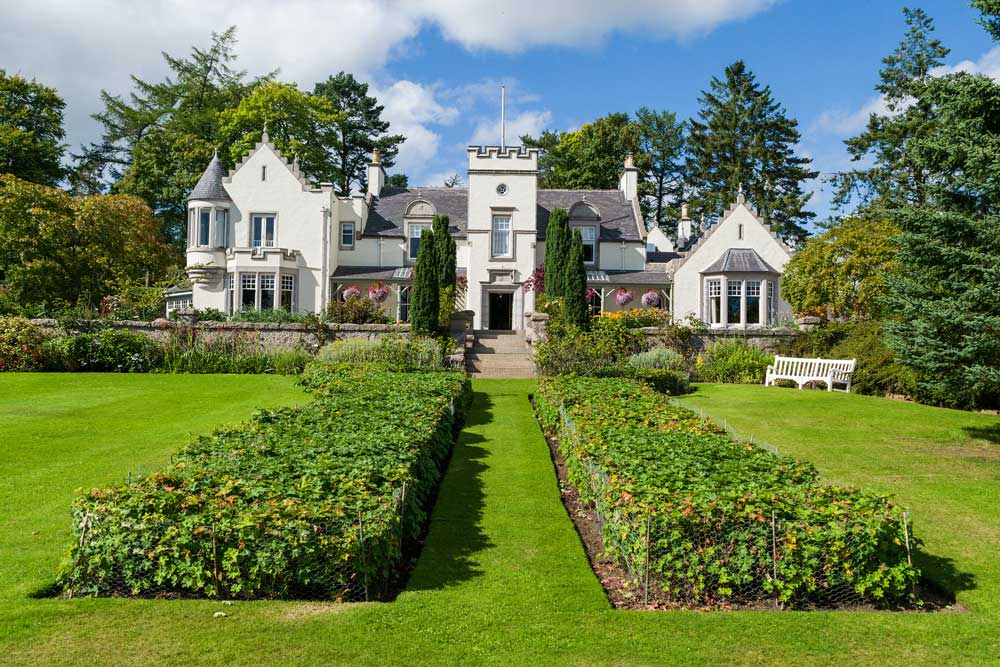
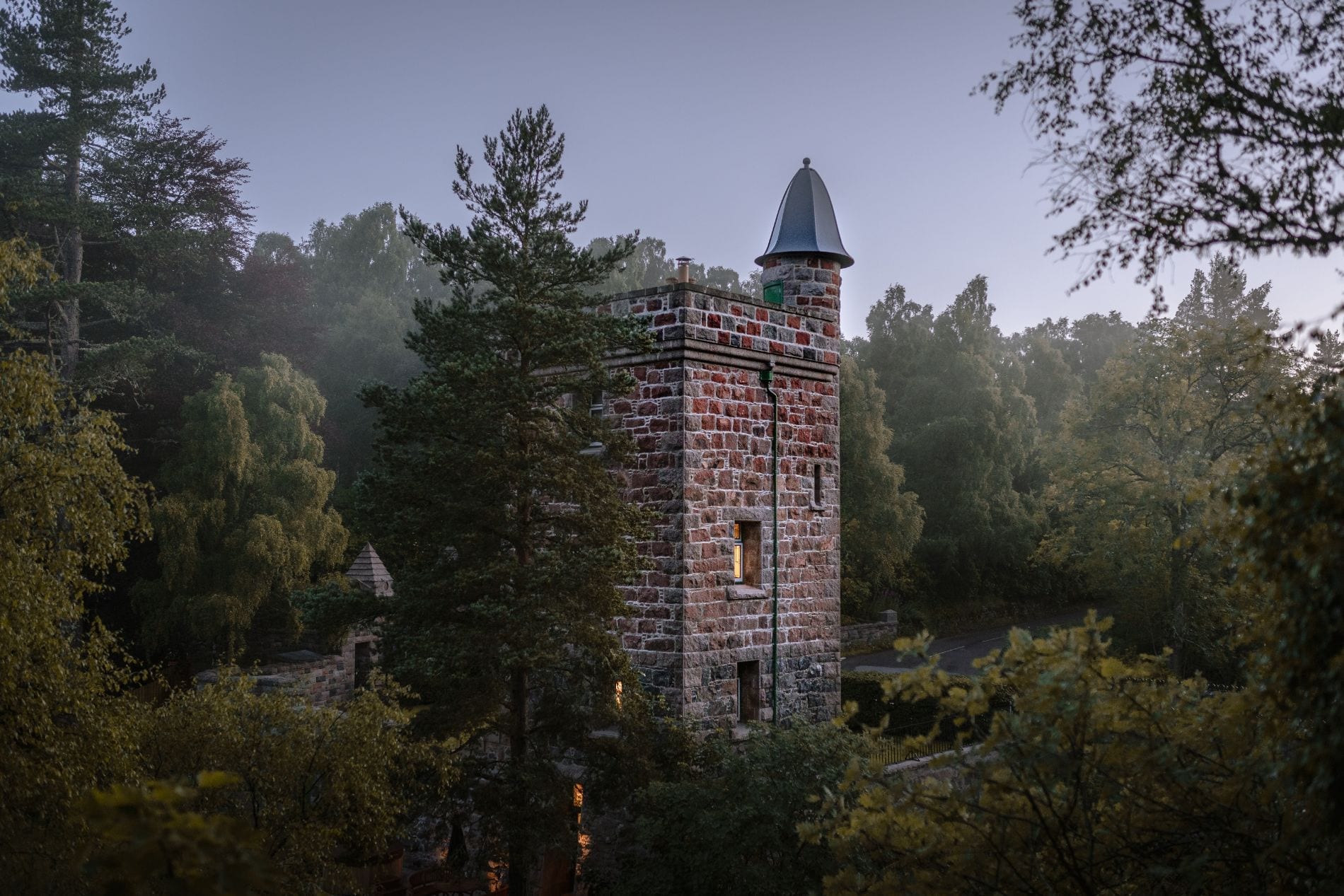
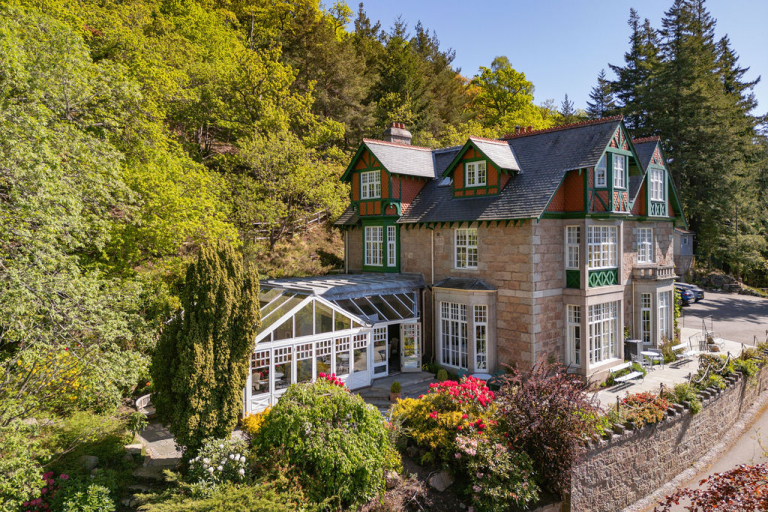
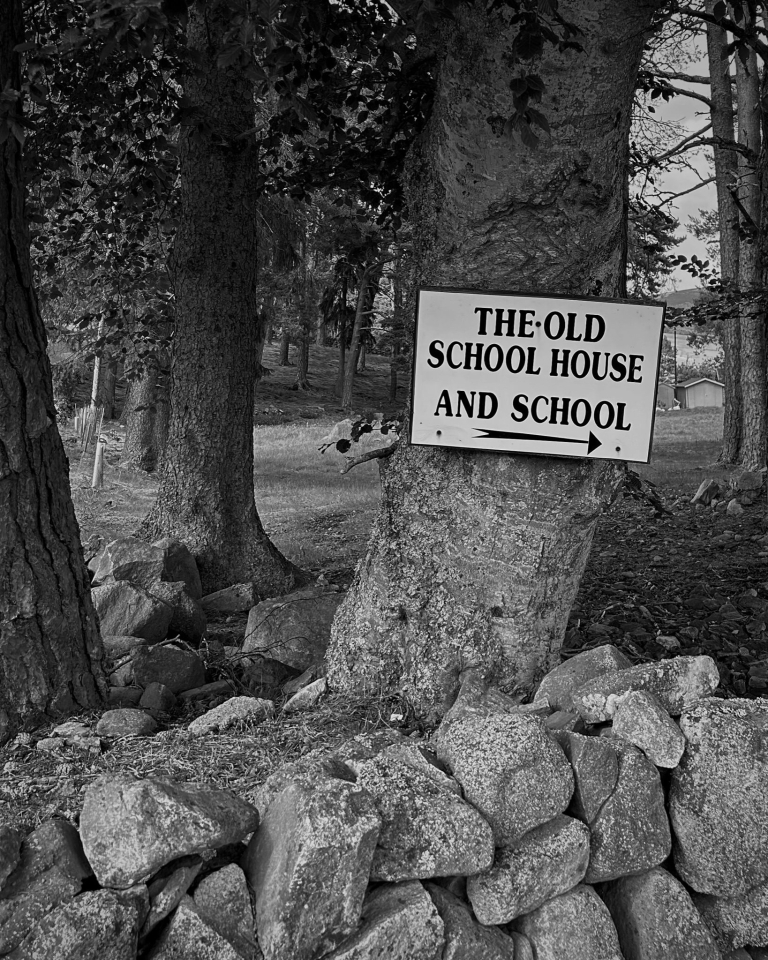
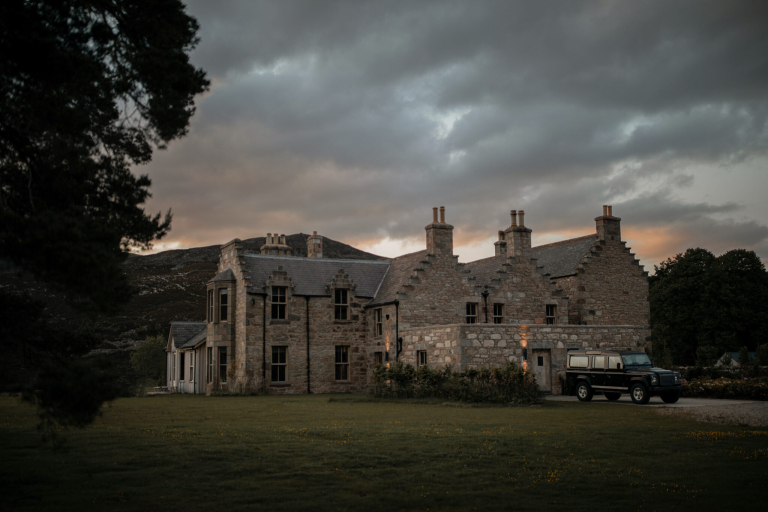
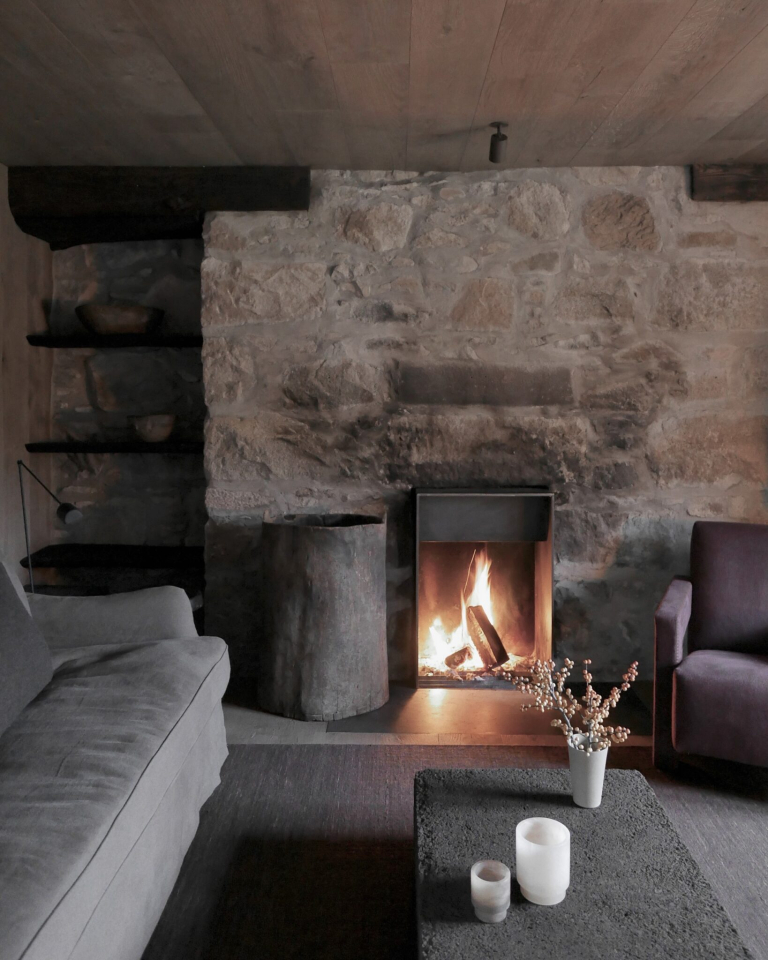
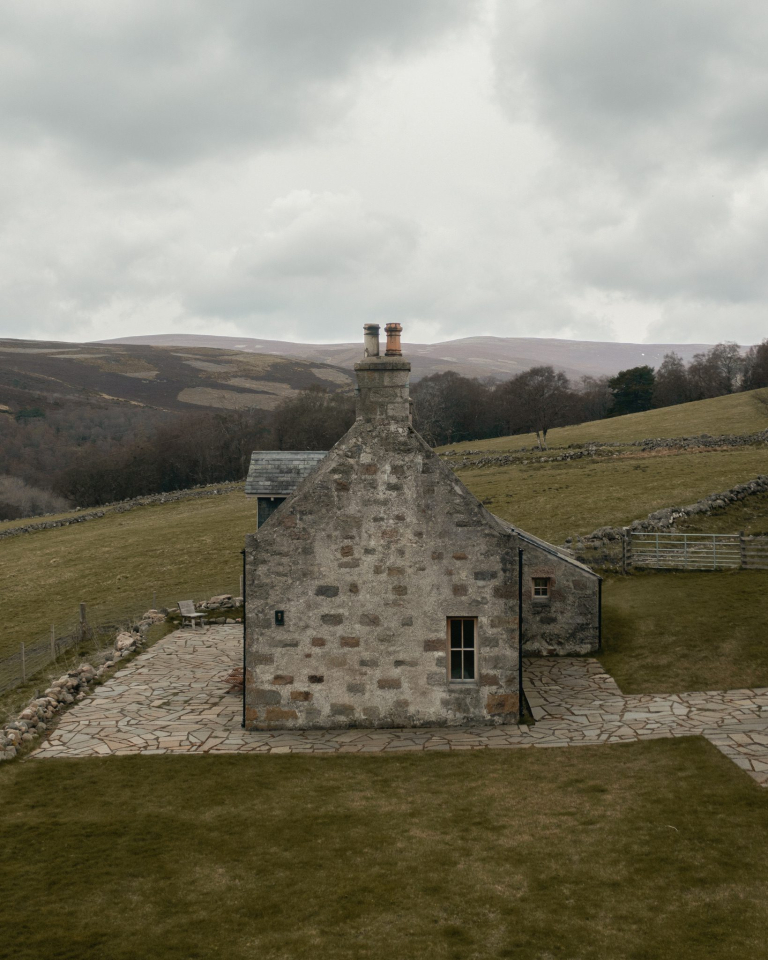
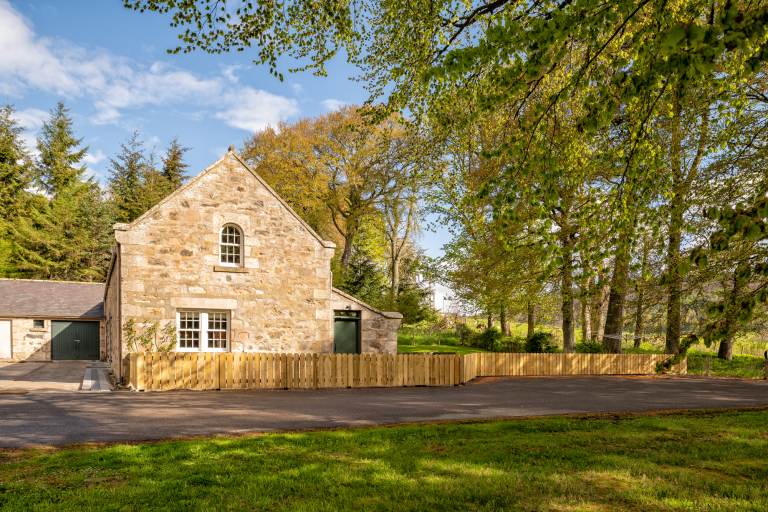
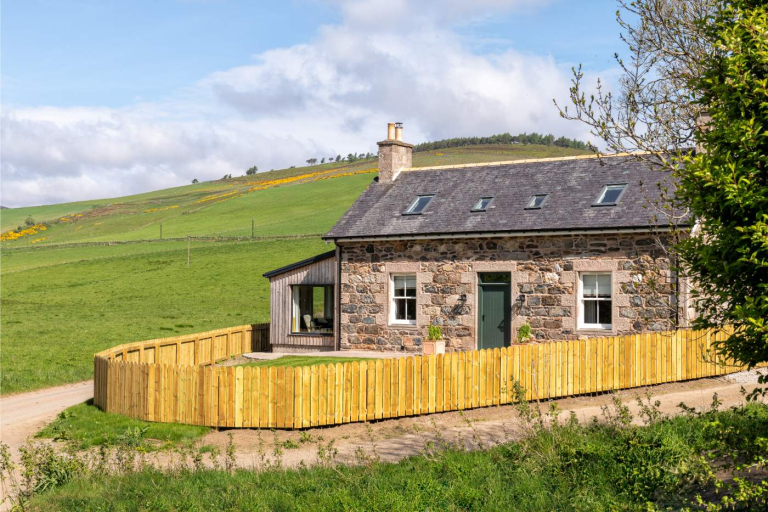
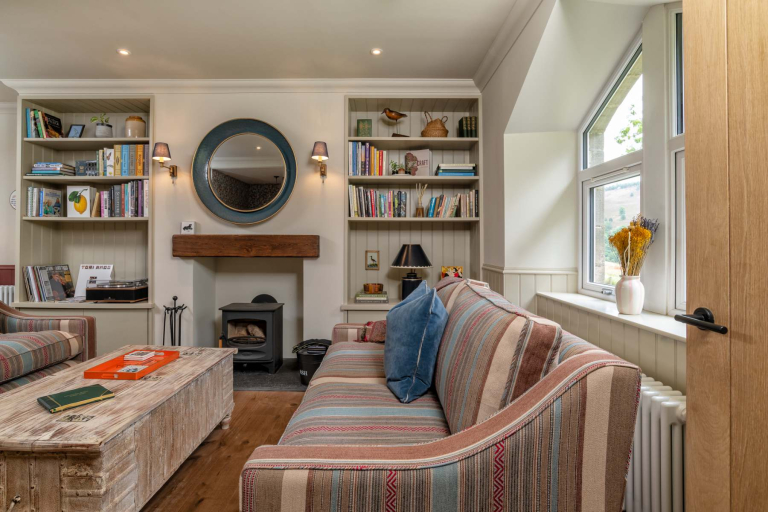
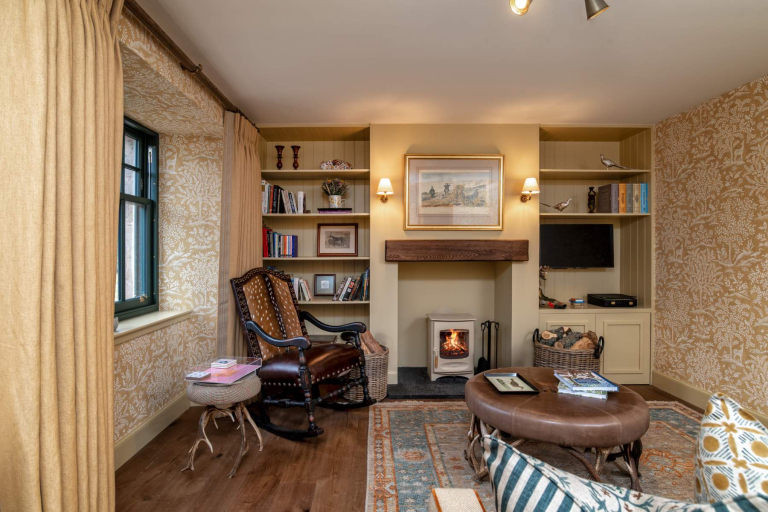
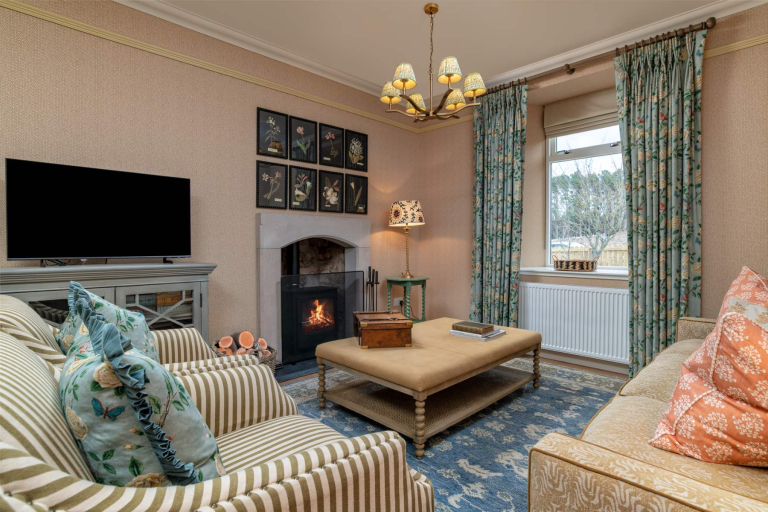
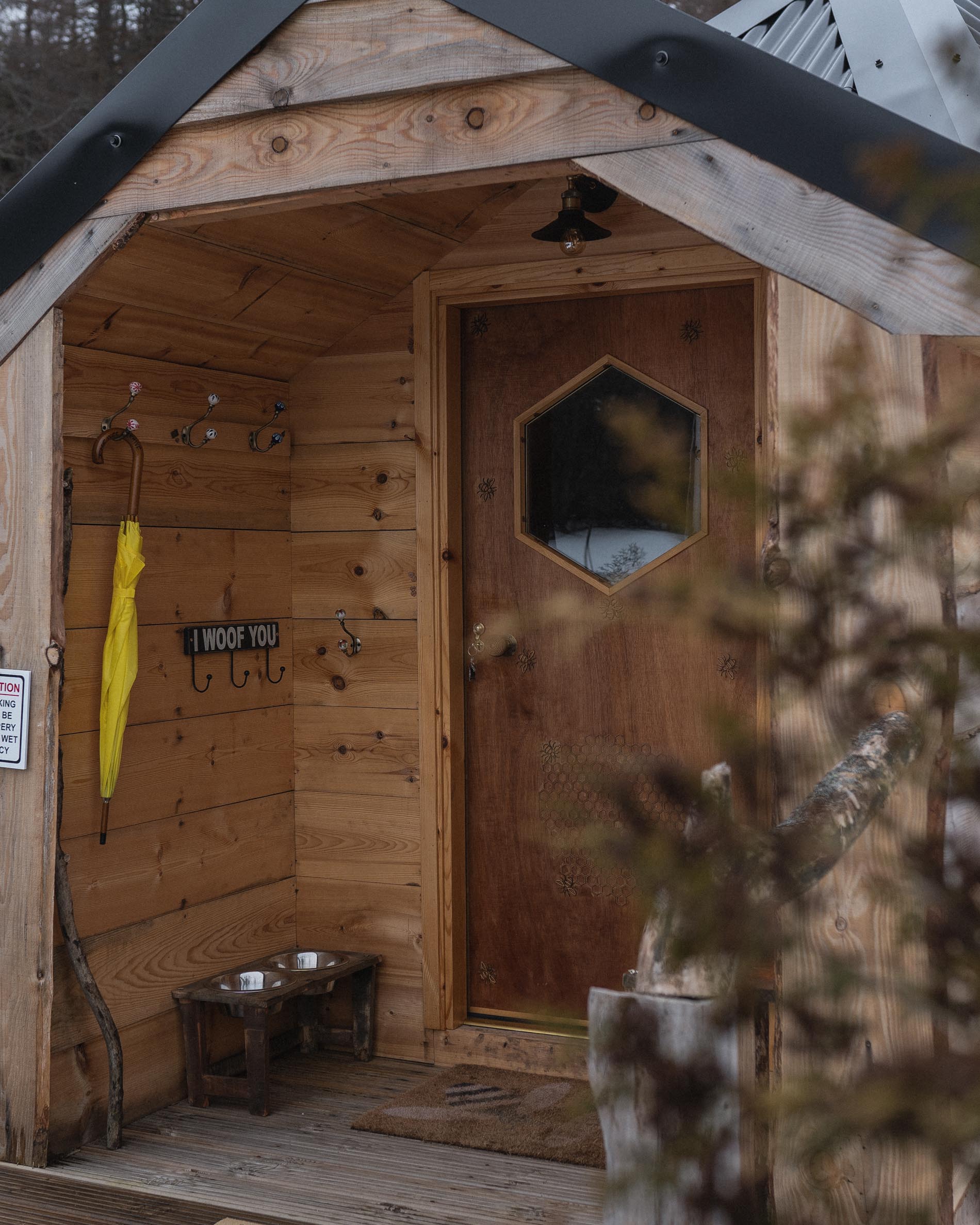
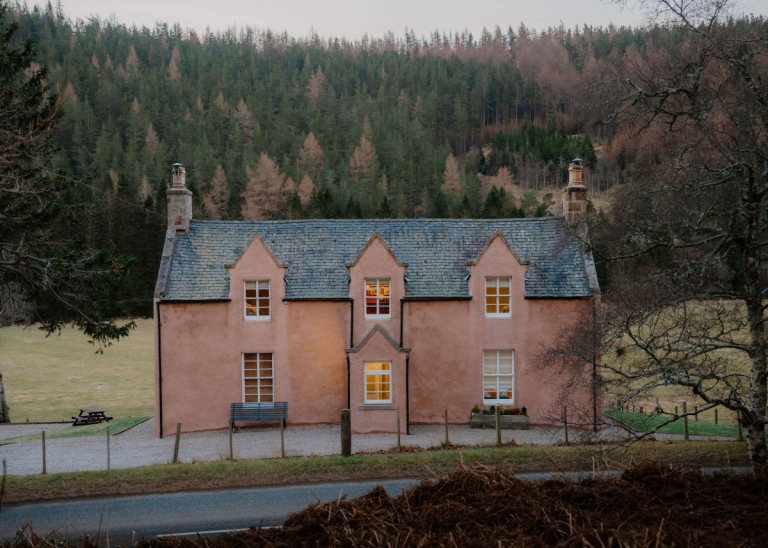
You're spoiled for good places to stay round here. Glen Dye Cabins & Cottages sits on a 15,000-acre estate near Banchory, with design-led cabins and cottages, wood-fired hot tubs and a BYOB pub. Gairnshiel, on the River Gairn near Ballater, is a former hunting lodge built in 1746 and now run by a Belgian family. As well as the Lodge there's Faunaran House and a set of cottages, so it suits everyone from couples to big groups. And Darroch Learg, a small hotel in Ballater run by the Franks family since 1961, is the one for a good meal and a comfortable bed.






 Sign in with Google
 Sign in with Email