
Near Ballater
Knock Castle
Introduction
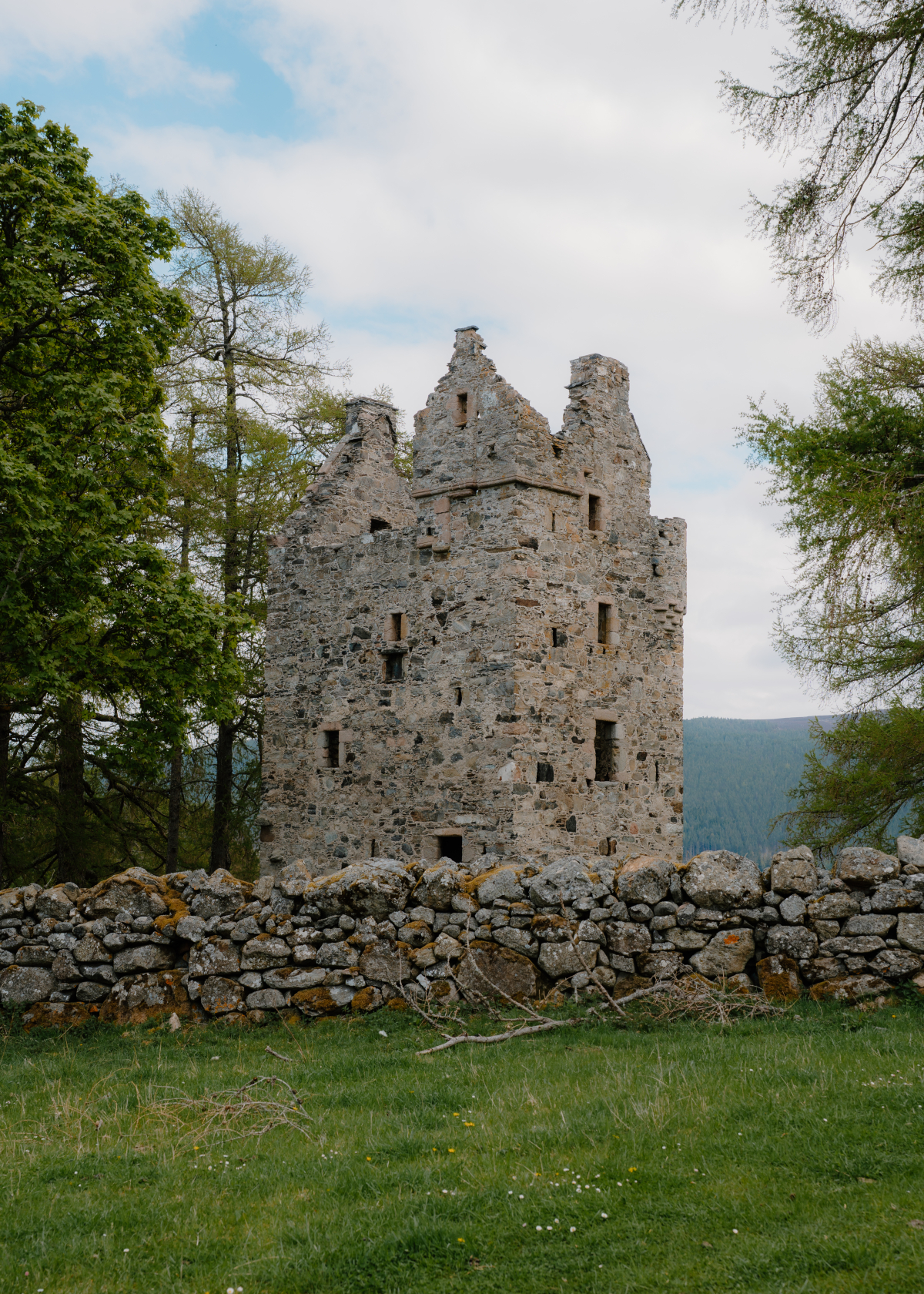
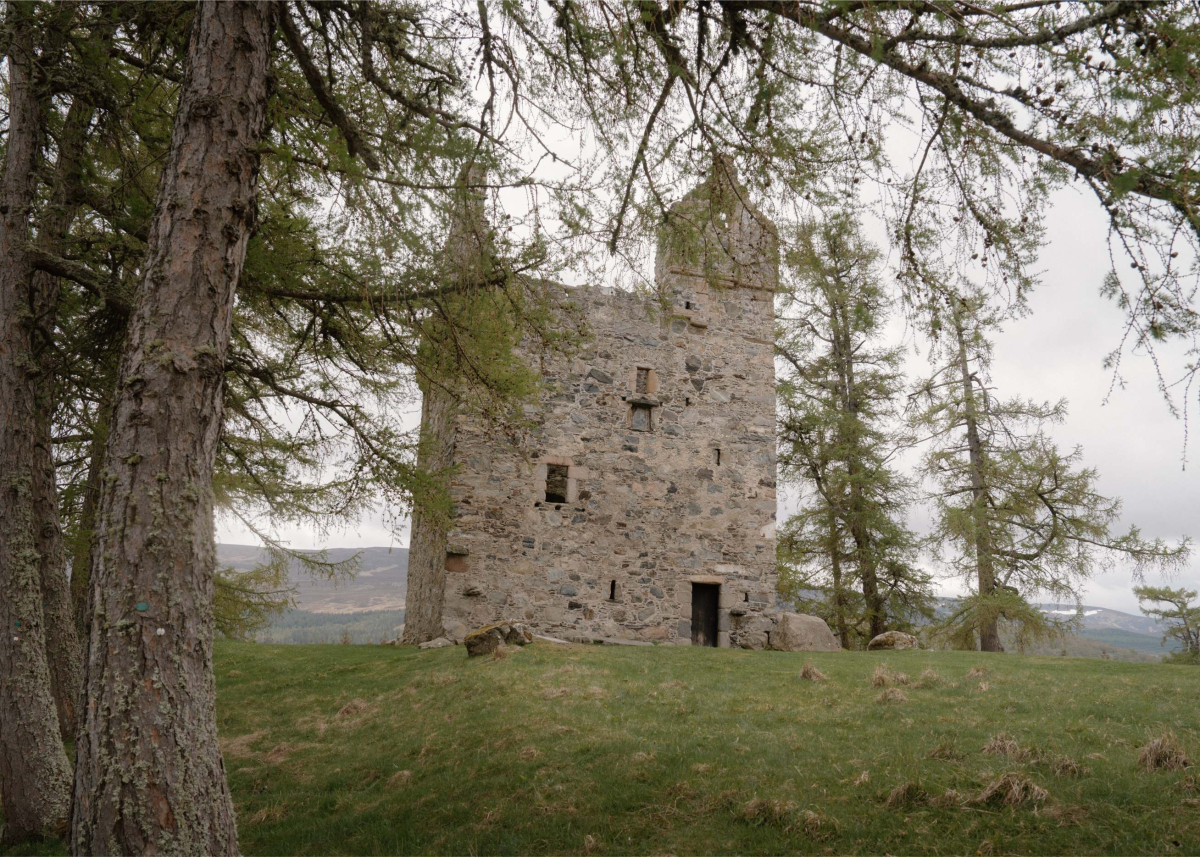
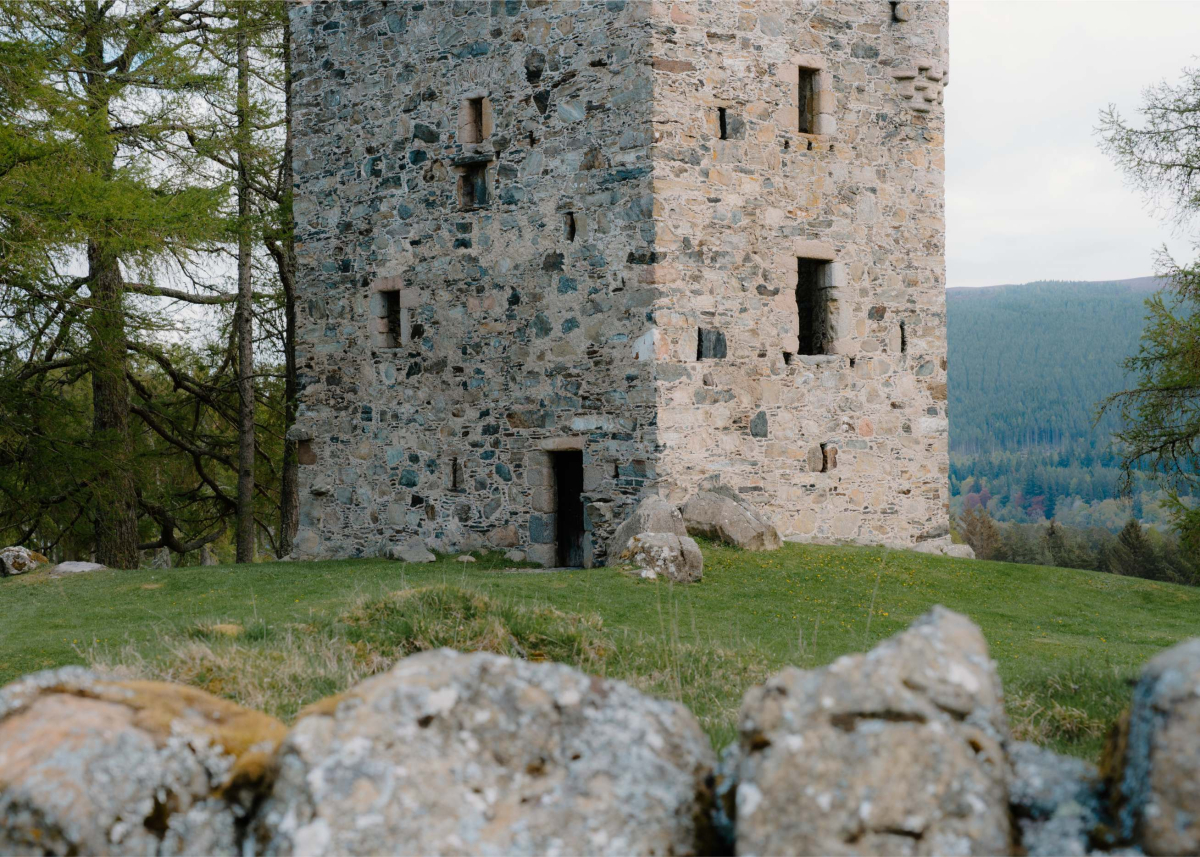
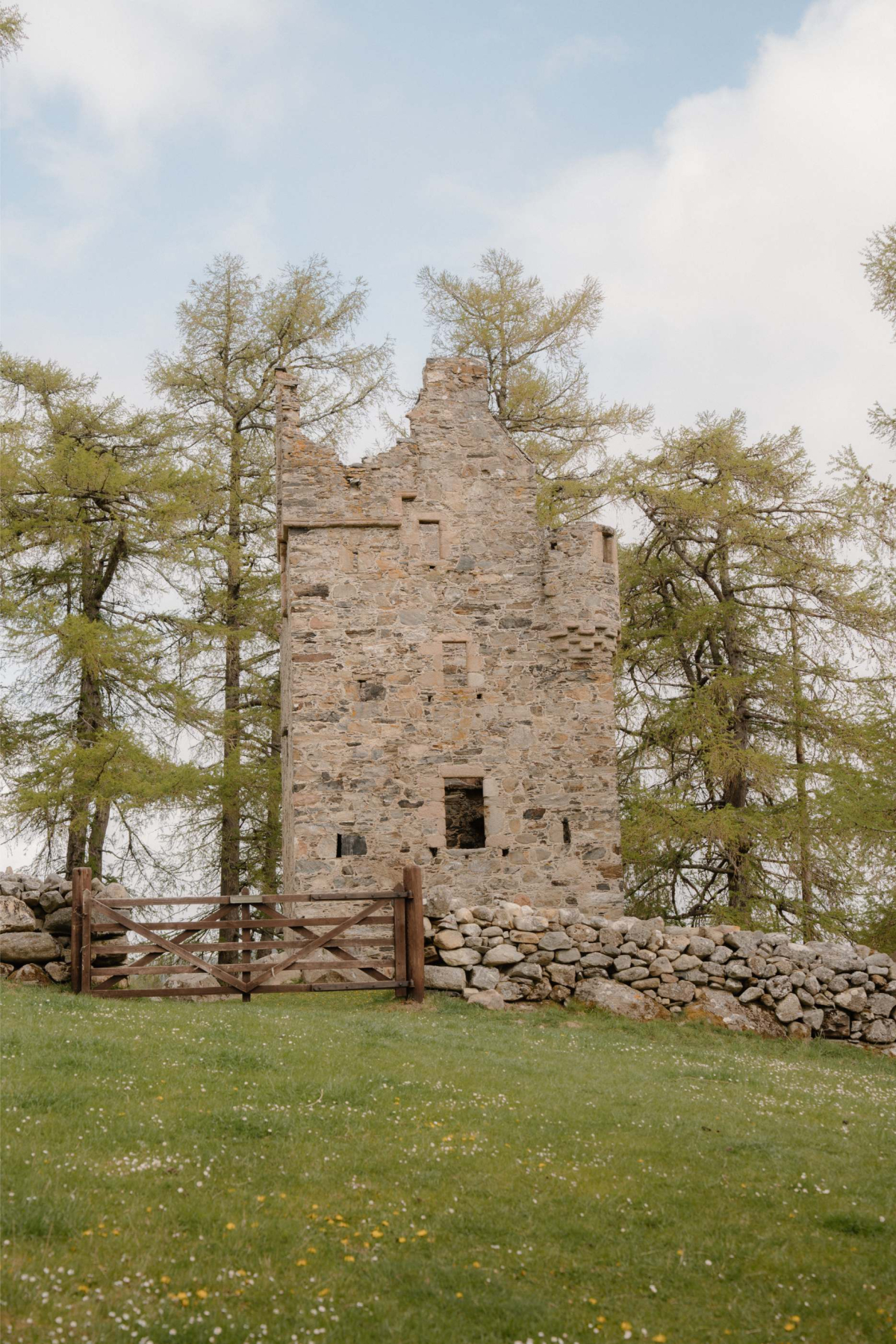
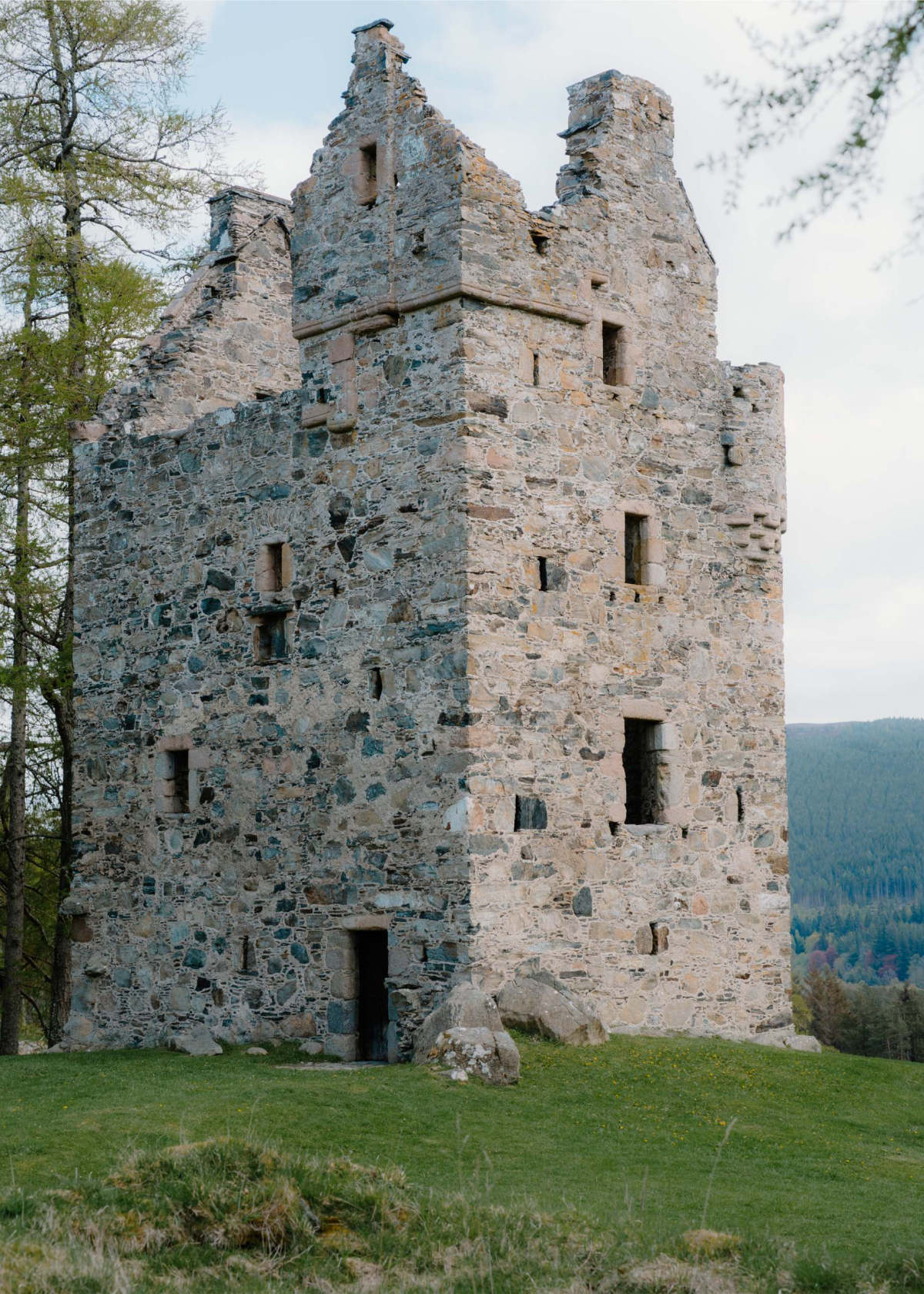
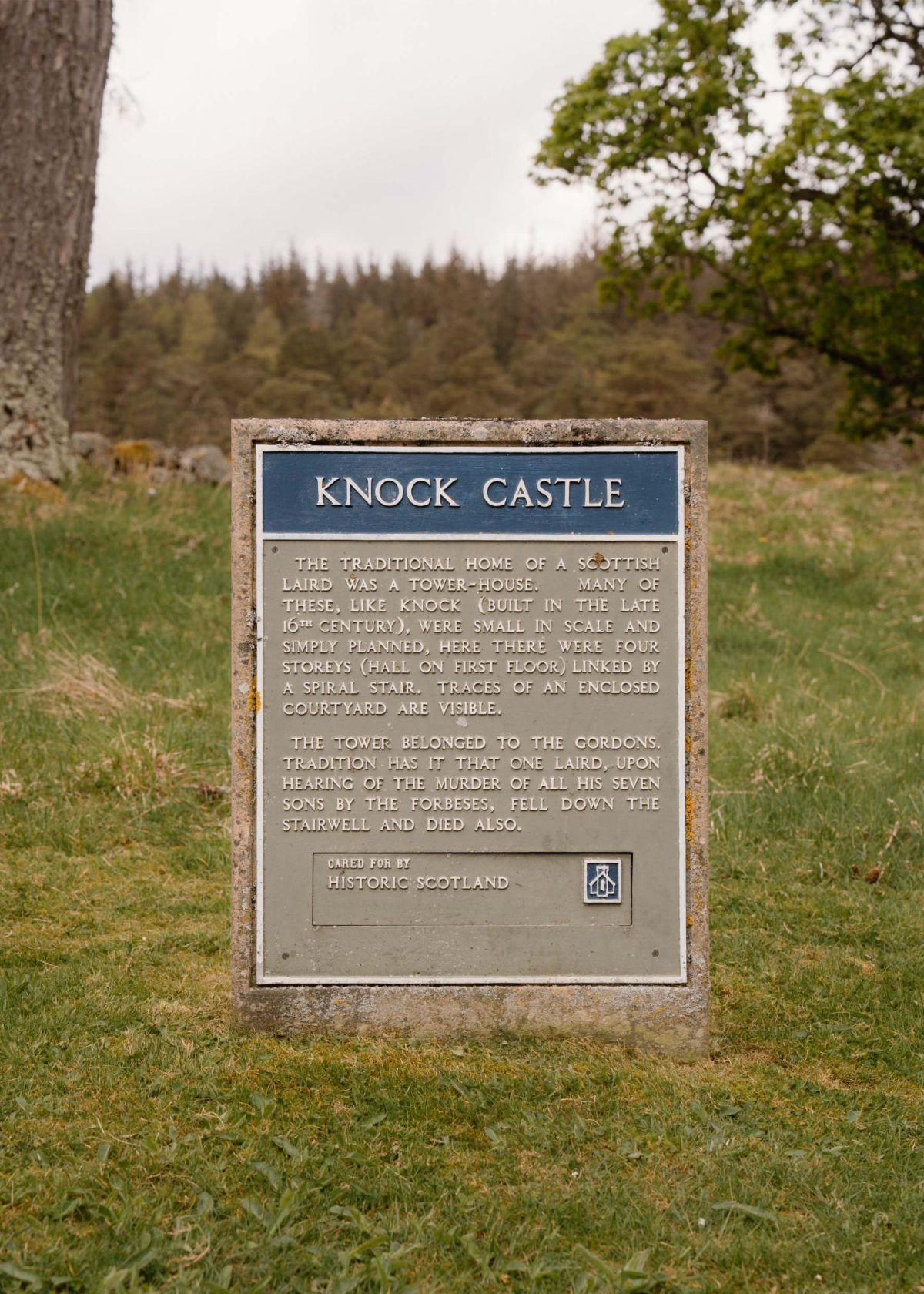
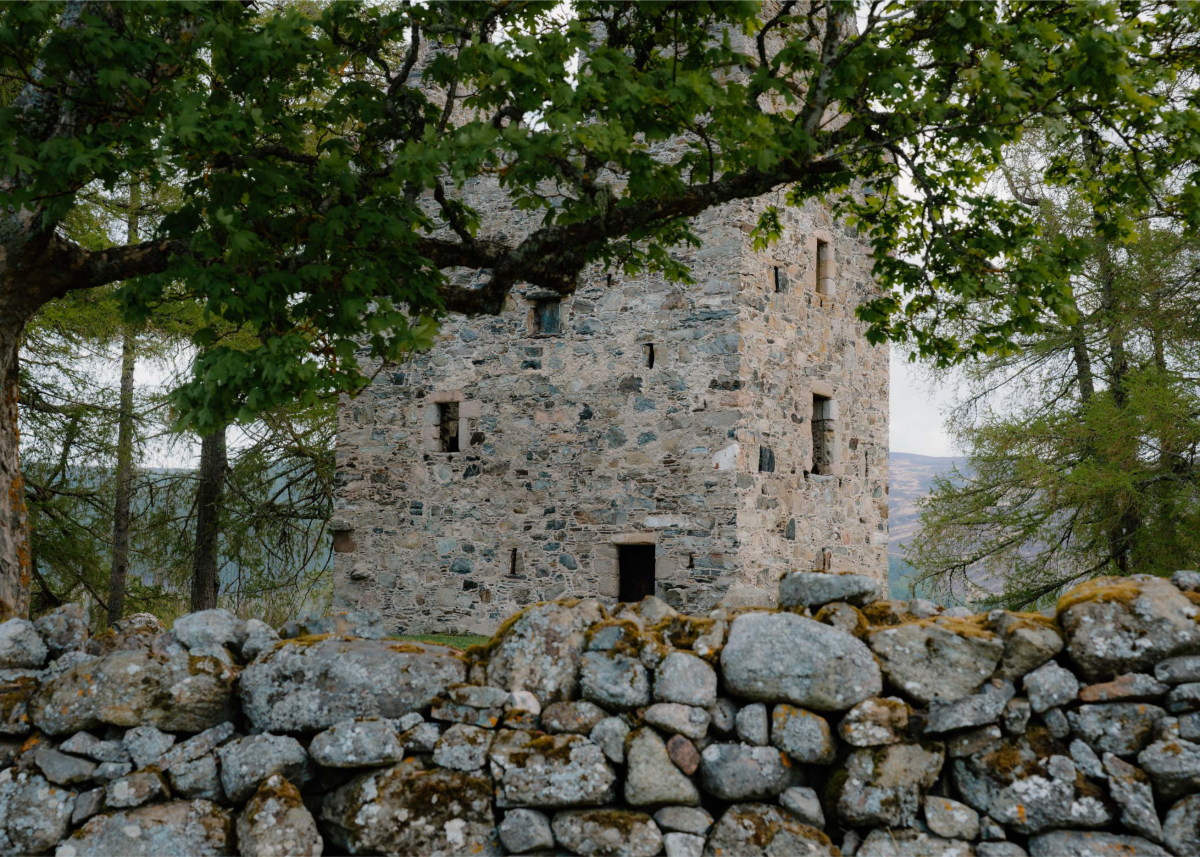
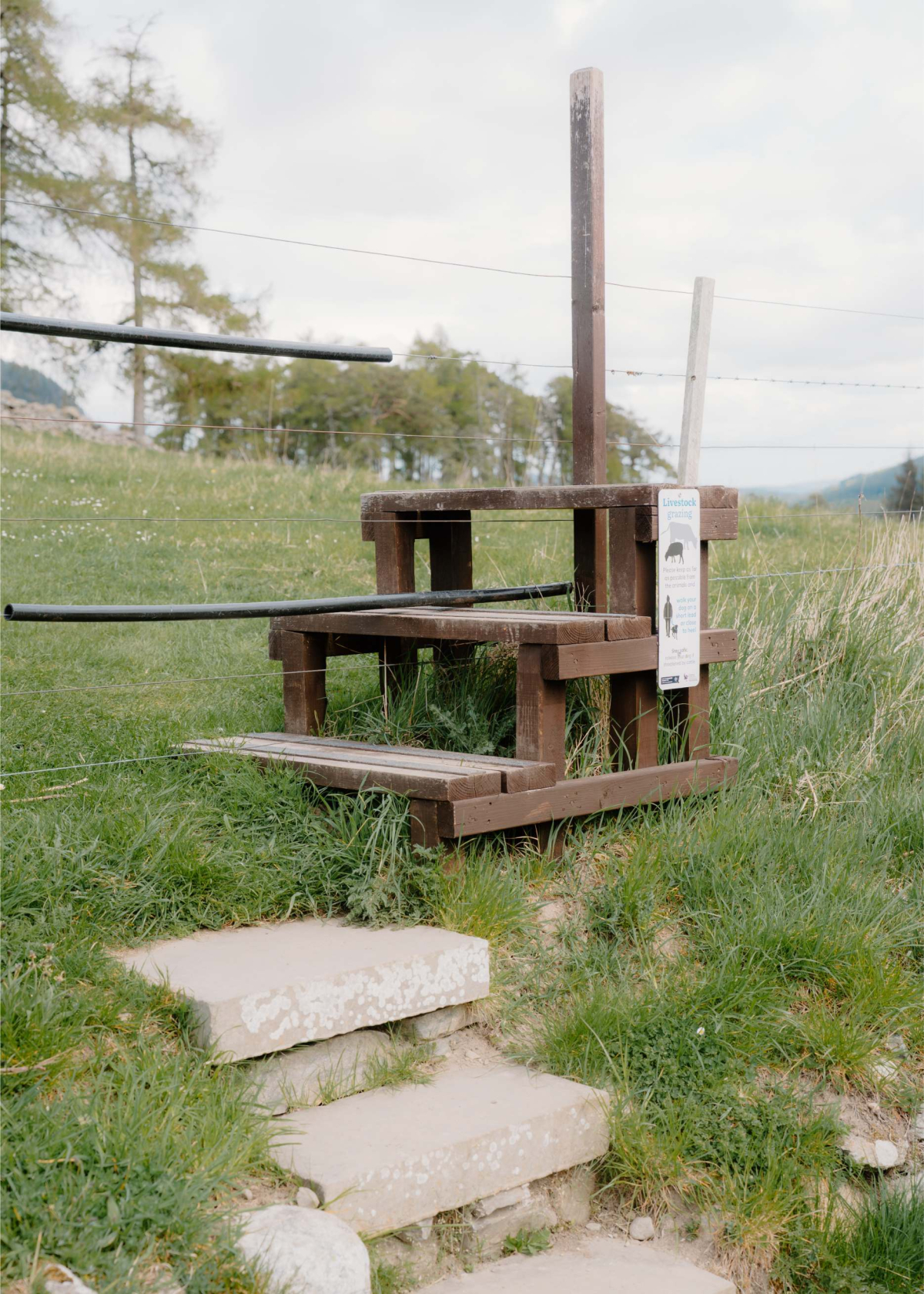
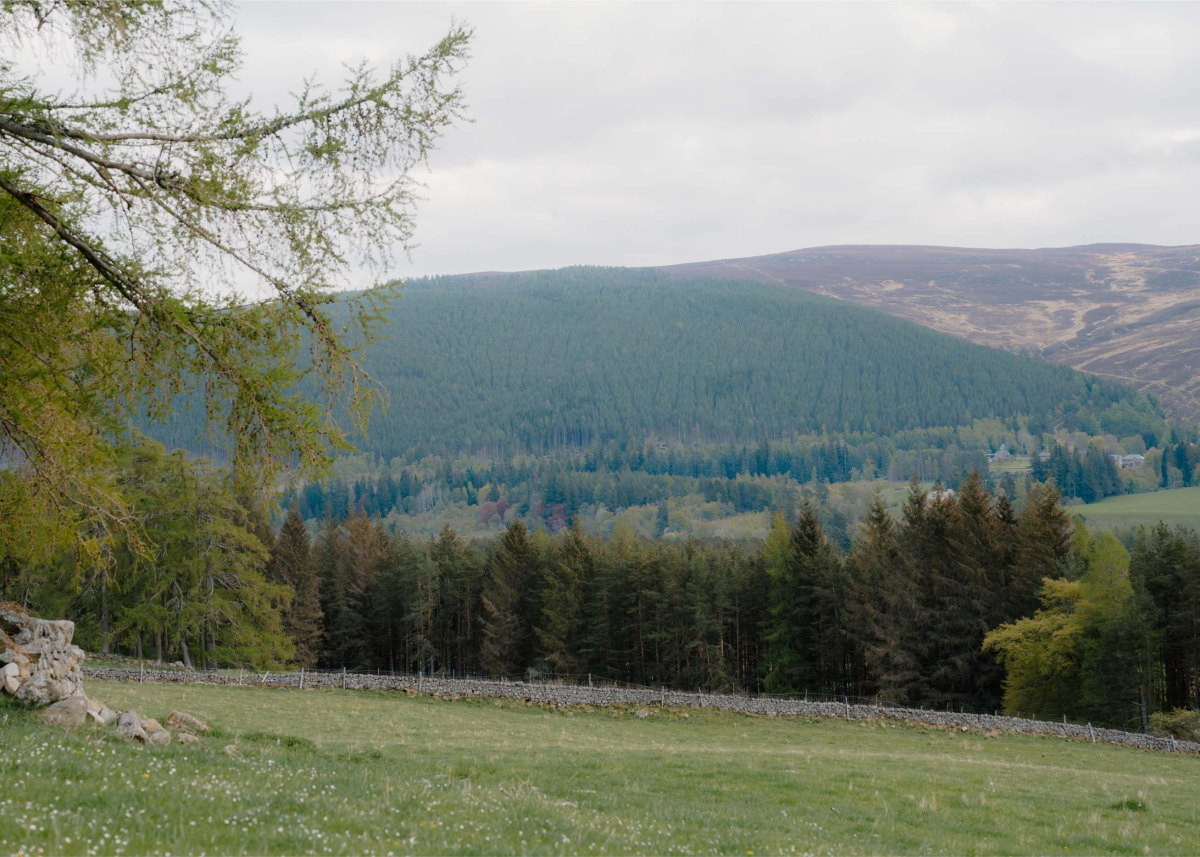
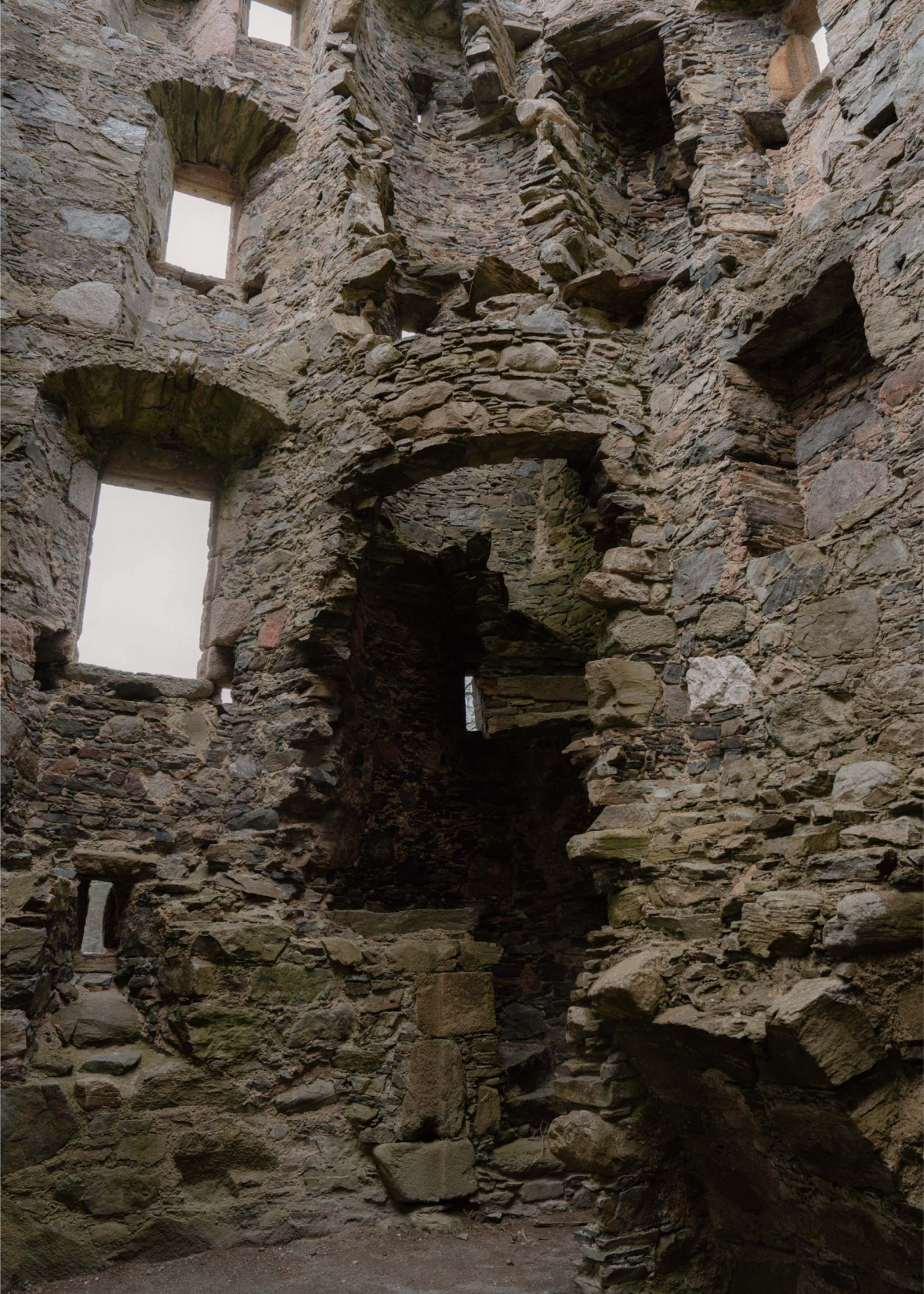
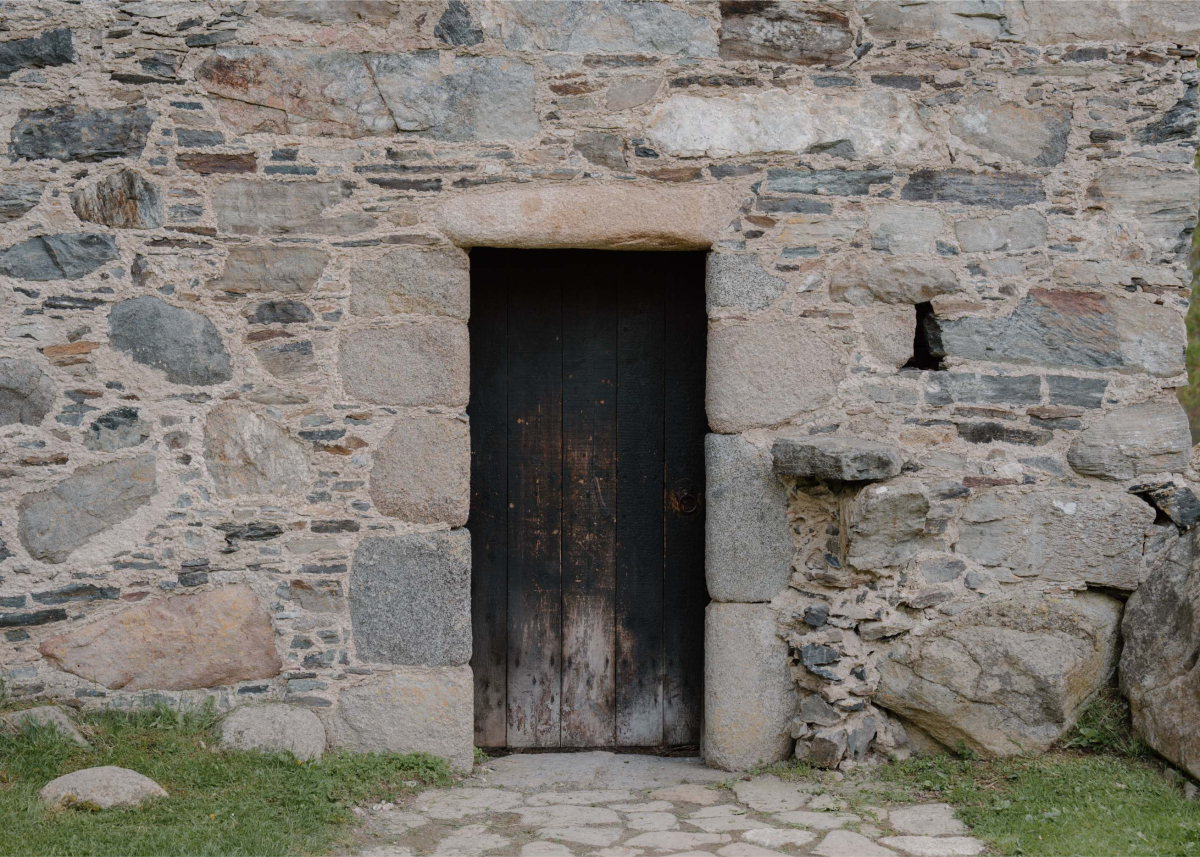
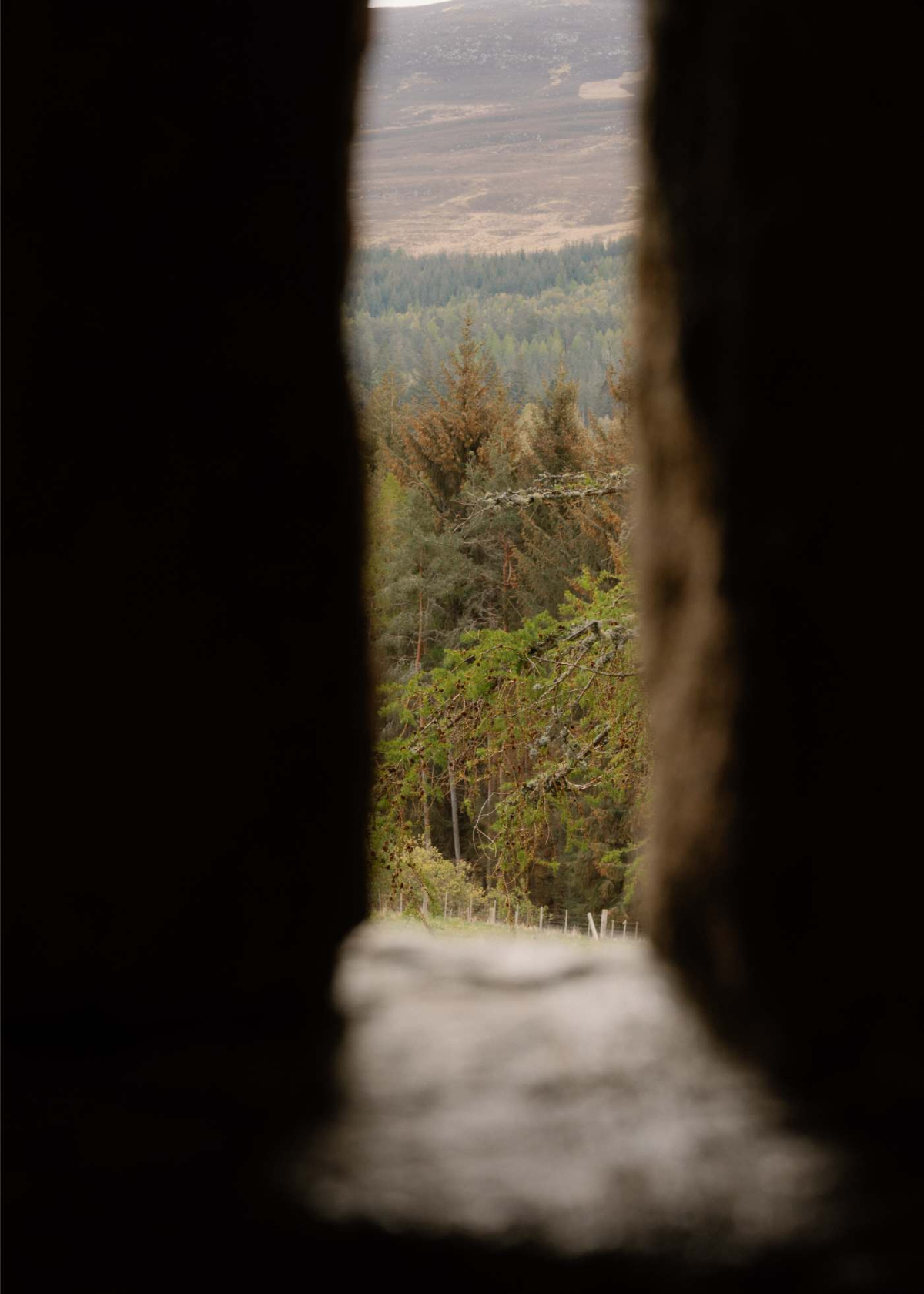
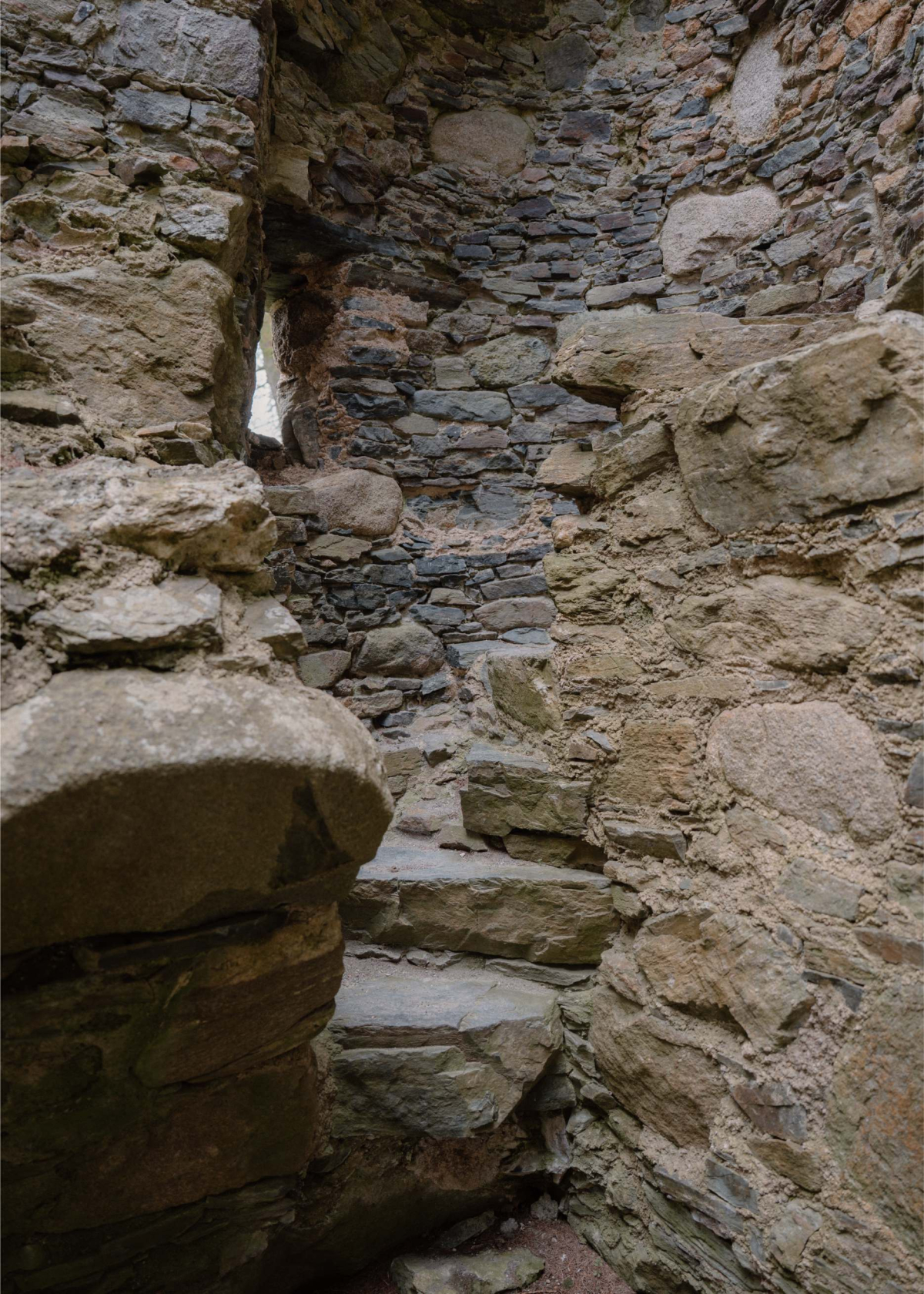
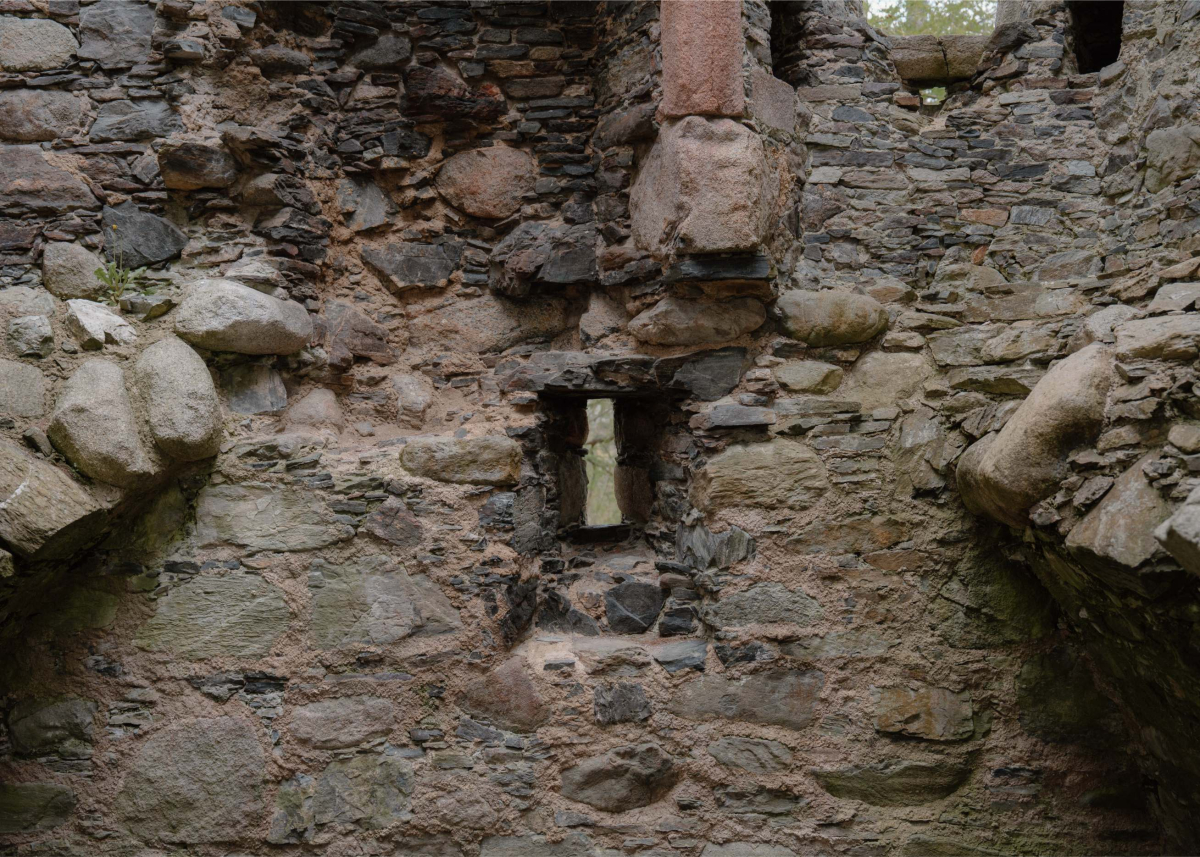
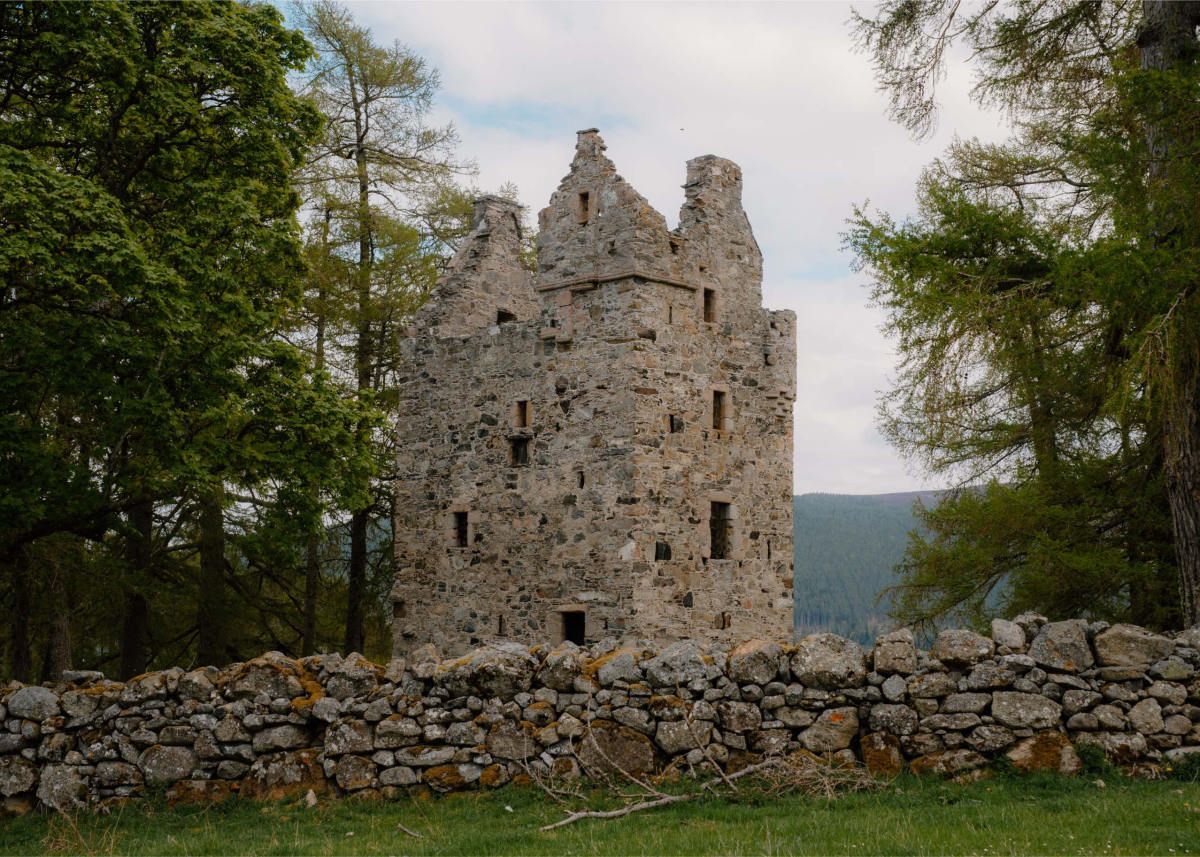
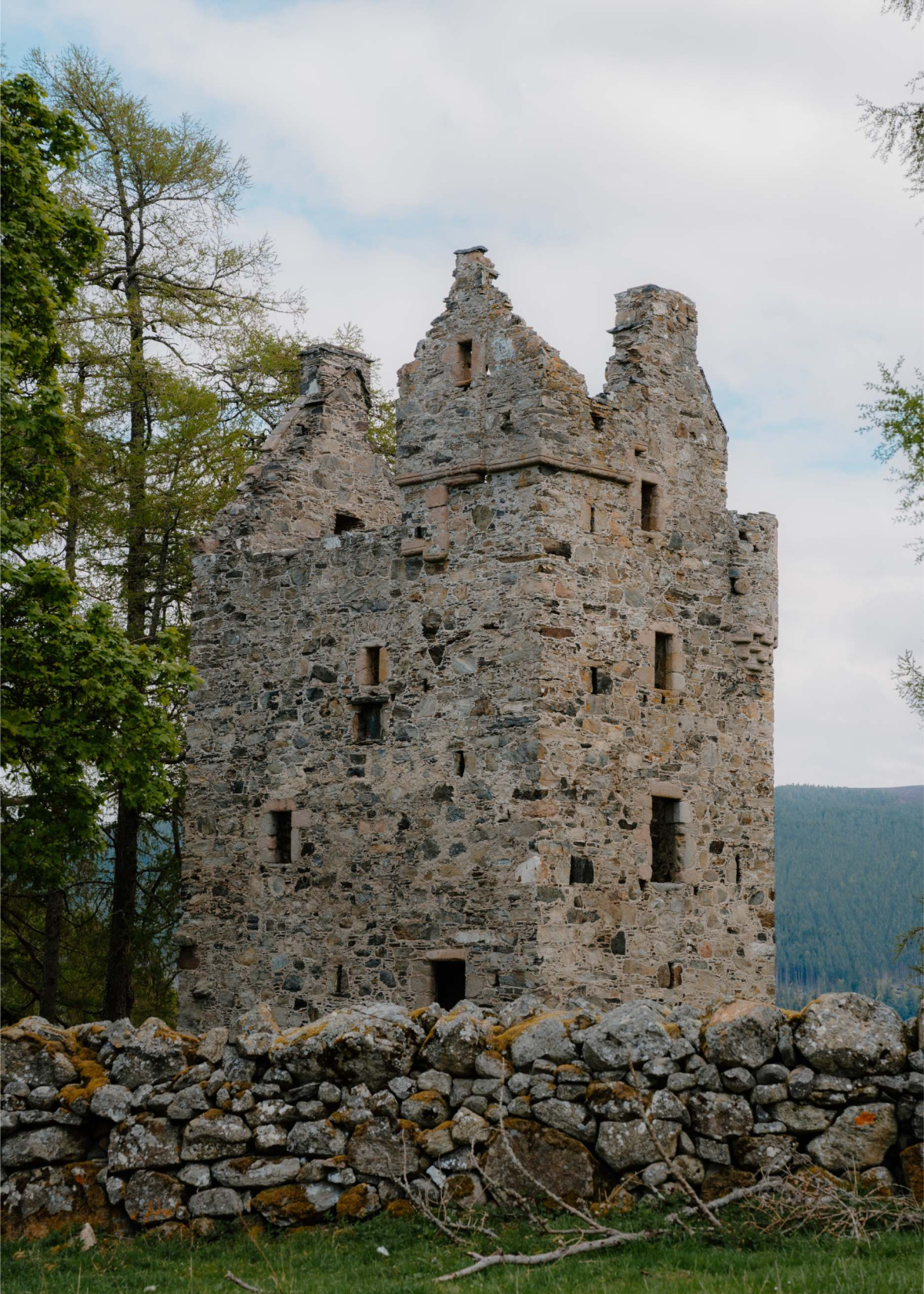
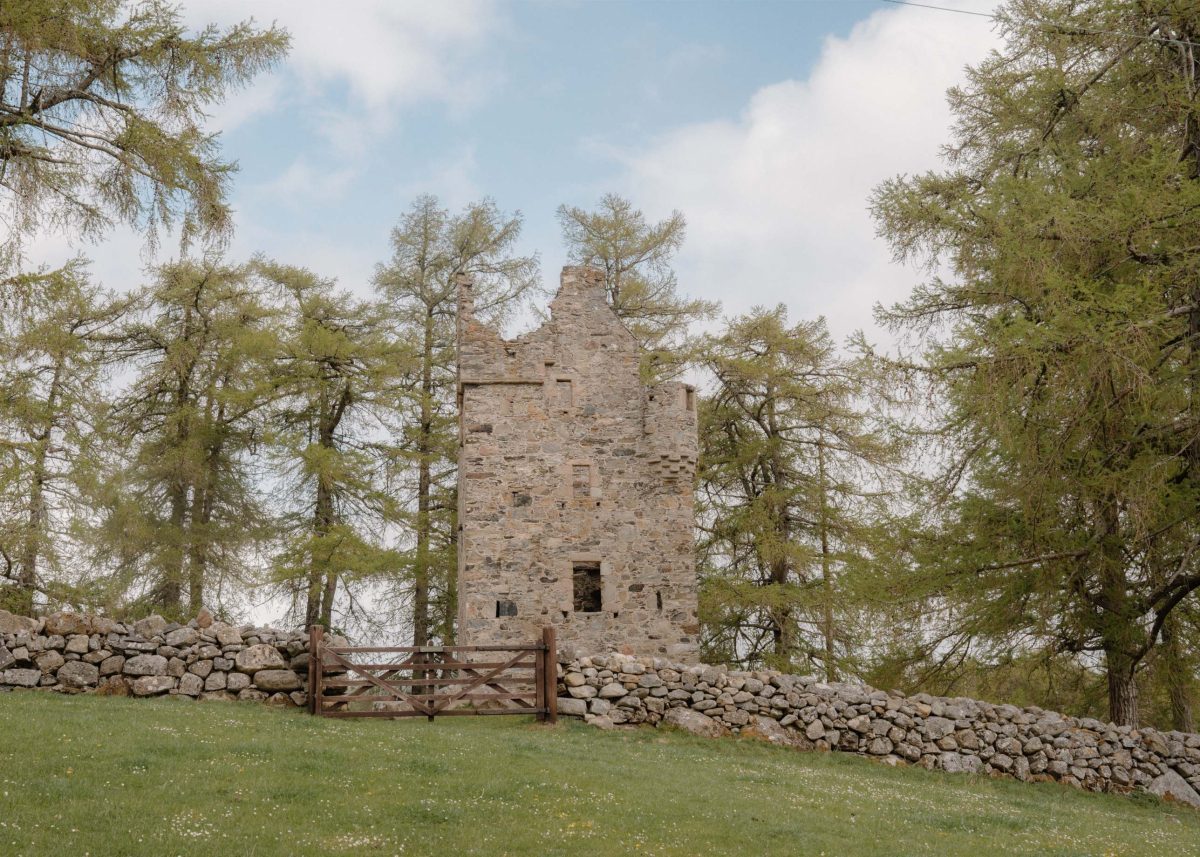
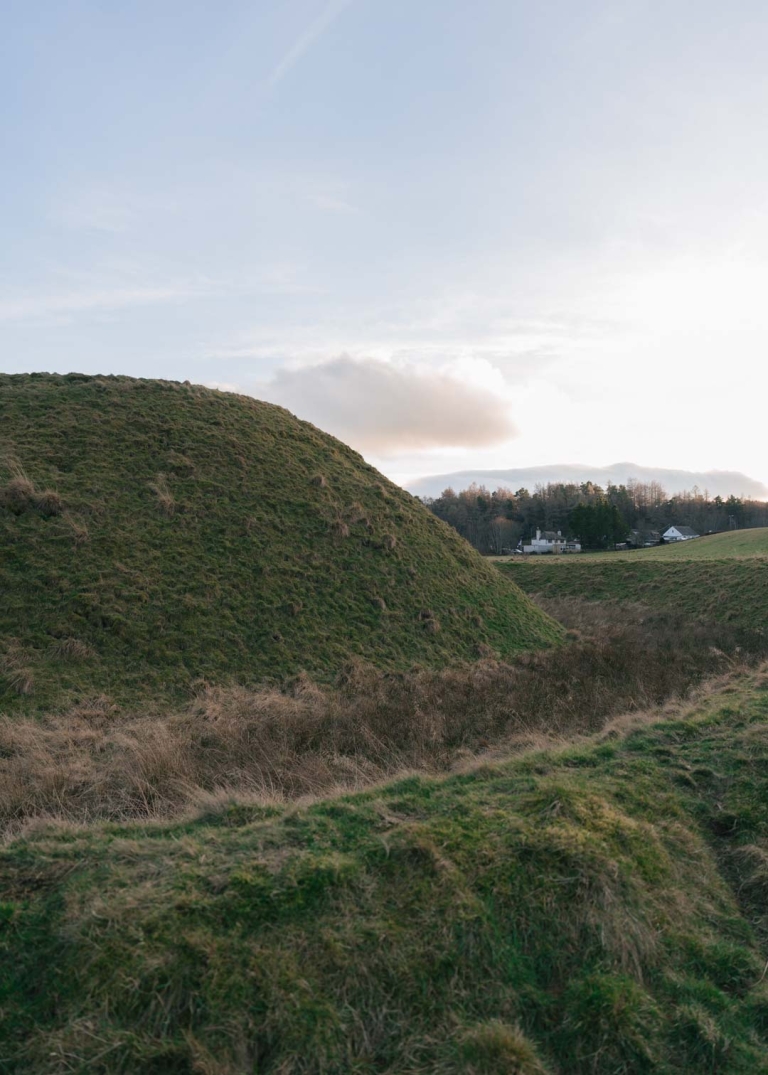
Knock Castle is the kind of ruin that rewards a slow arrival. Set on Knock Hill just west of Ballater, south of the River Dee, the four-storey tower house stands roofless but remarkably present, its intact outer walls rising from a grassy knoll with woodland close by. Built for the Gordon family in the 16th century, it carries the quiet drama of Royal Deeside without the polish of a grand visitor attraction. Walkers can reach it from Ballater, often by setting out from the Old Royal Station, with routes folding in tracks, minor roads and riverside countryside. Up close, the remains are compact but evocative: a vaulted basement, a spiral turnpike stair and the sense of rooms that once climbed above the landscape. A short distance west, a mound marks the possible site of Old Castle Knock, pulling the story further back into medieval Deeside before the later stone tower.
The History
The history of Knock Castle is tied to the long and bitter feud between the Gordons and the Forbeses, two powerful north-east families whose rivalry shaped much of 16th-century Aberdeenshire. What began as a struggle over land, influence and allegiance became entangled with the wider politics of the Marian Civil War, when the Gordons supported Mary, Queen of Scots, while the Forbeses backed the young James VI and his Protestant regency.
By the 1570s, the feud had turned openly violent. In 1571, after George Gordon, 5th Earl of Huntly, led a raid on Stirling Castle that resulted in the murder of the King’s Regent, Matthew Stewart, Earl of Lennox, the Forbeses gathered to take action against the Gordons and other supporters of Mary. That year saw a string of bloody confrontations at places including Tilliangus, Craibstone, Druminnor and Corgarff.
It is from this world of raids, revenge and shifting loyalties that Knock Castle’s darkest legend emerges. The story tells of Harry Gordon of Knock, whose seven sons went out one day to cut peat. In some versions, they strayed unknowingly onto Forbes land; in others, the tale is part of a wider cycle of revenge involving the Forbeses of Strathgirnoc. The boys were said to have been killed, their heads placed on their own peat-cutting spades as a brutal warning. When the news was carried back to their father, he collapsed in shock, fell down the castle stairs and died.
It is a powerful story, and one that has clung to the ruin ever since. Some say the grieving Gordon still haunts Knock Castle, mourning the sons he sent out and never saw return.
The historical truth, however, is harder to untangle. The tale of the seven sons appears to have first been written down in the 19th century, long after the events it claims to describe. Earlier records suggest that Henry, or Harry, Gordon of Knock was killed in 1592 during a raid by Clan Chattan and supporters of the Earl of Moray, rather than dying from shock inside the castle. The figure of “Alexander Forbes of Strathgirnoc” is also uncertain, with little firm evidence that such a laird existed in the way the legend describes.
Like many Scottish castle stories, Knock’s history sits somewhere between record and remembrance. The documented feud was real enough, and so was the violence that scarred Deeside during this period. Whether the seven sons were historical victims or a later invention, the legend captures the fear, brutality and grief of a time when clan rivalries could consume whole families.
Location
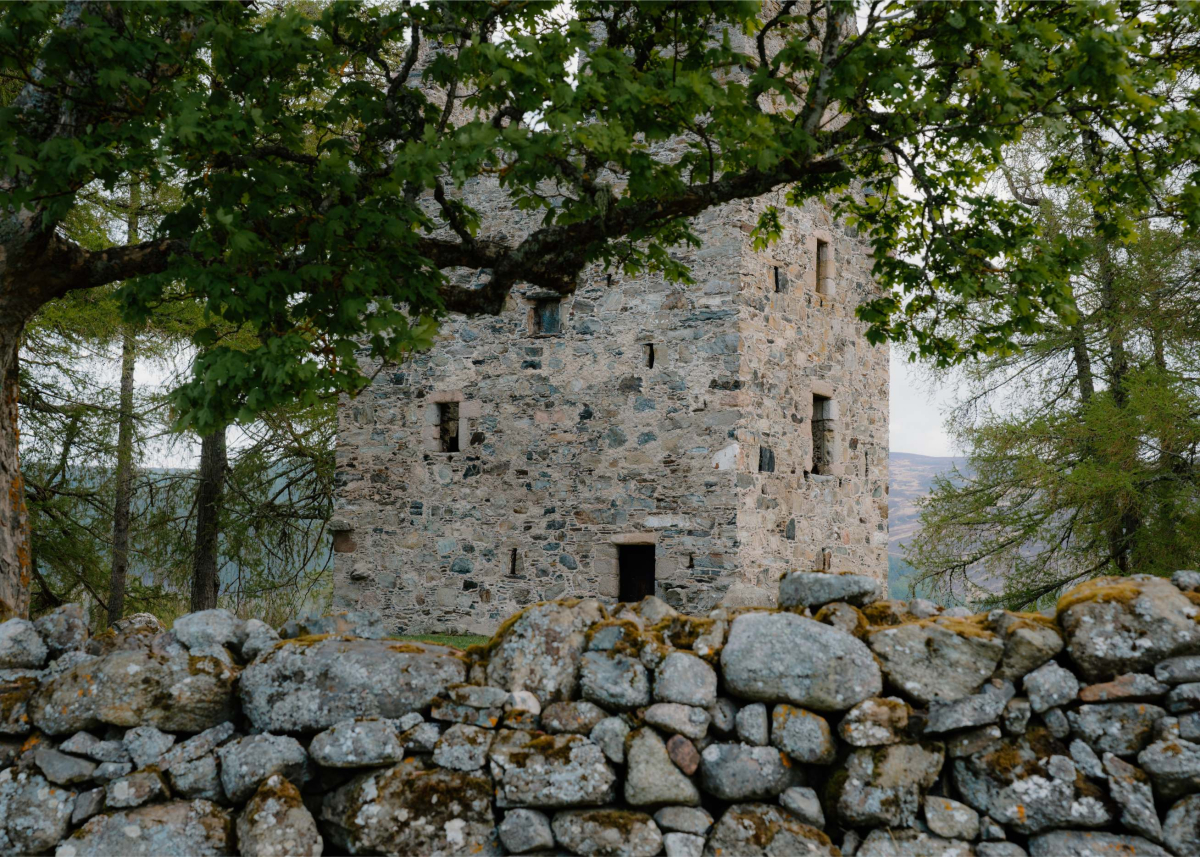
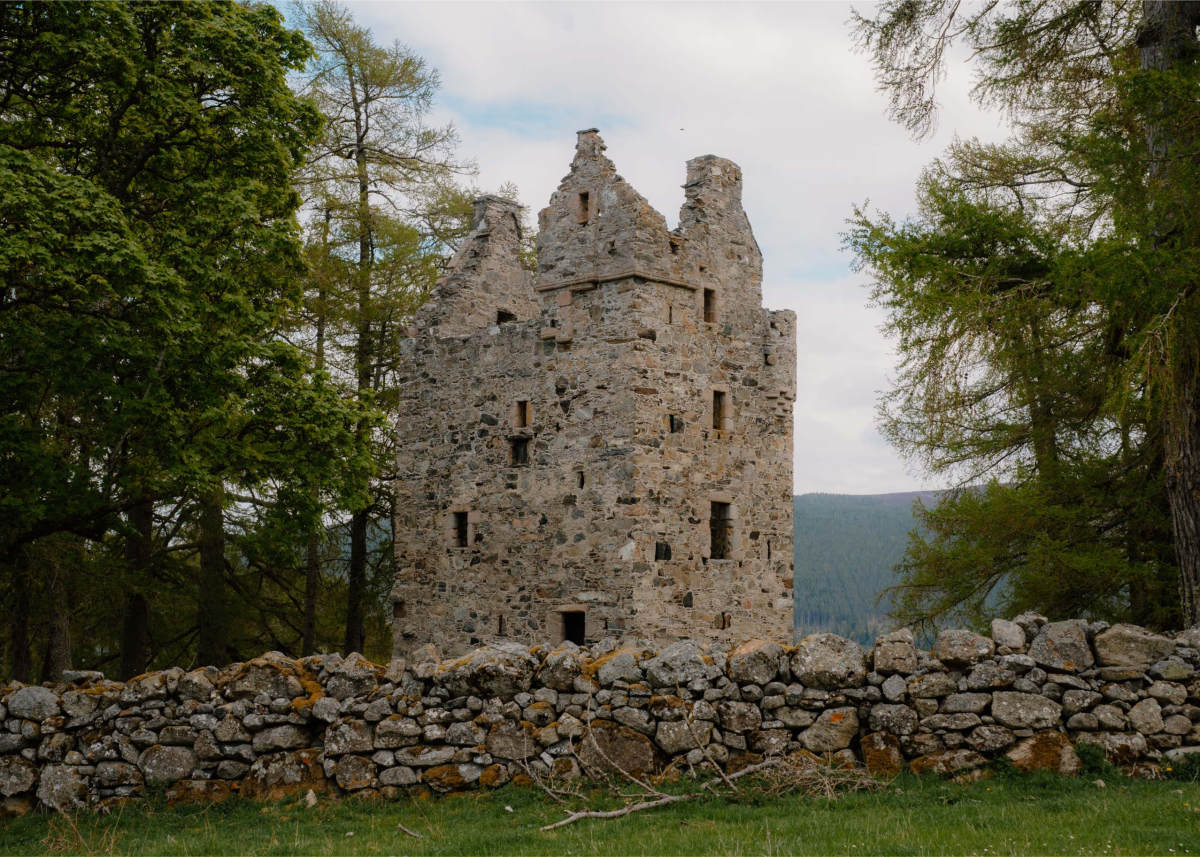
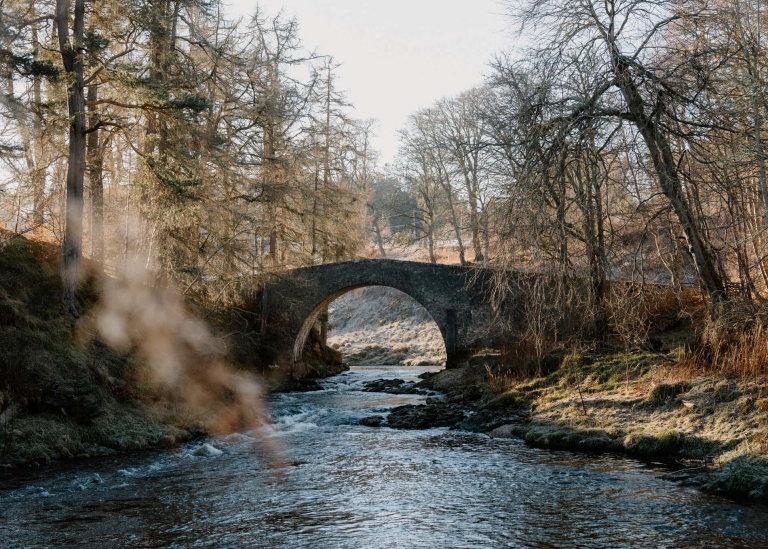
Knock Castle sits just west of Ballater, above the south bank of the River Dee, within easy reach of the village centre. Walkers can approach from the Old Royal Station, following local tracks and quiet roads through Royal Deeside scenery, making the ruin a rewarding add-on to a Ballater wander.
What's nearby
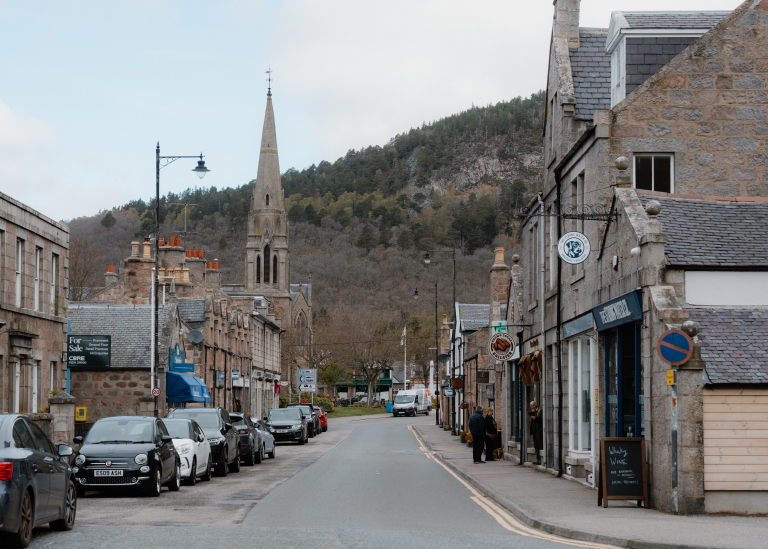
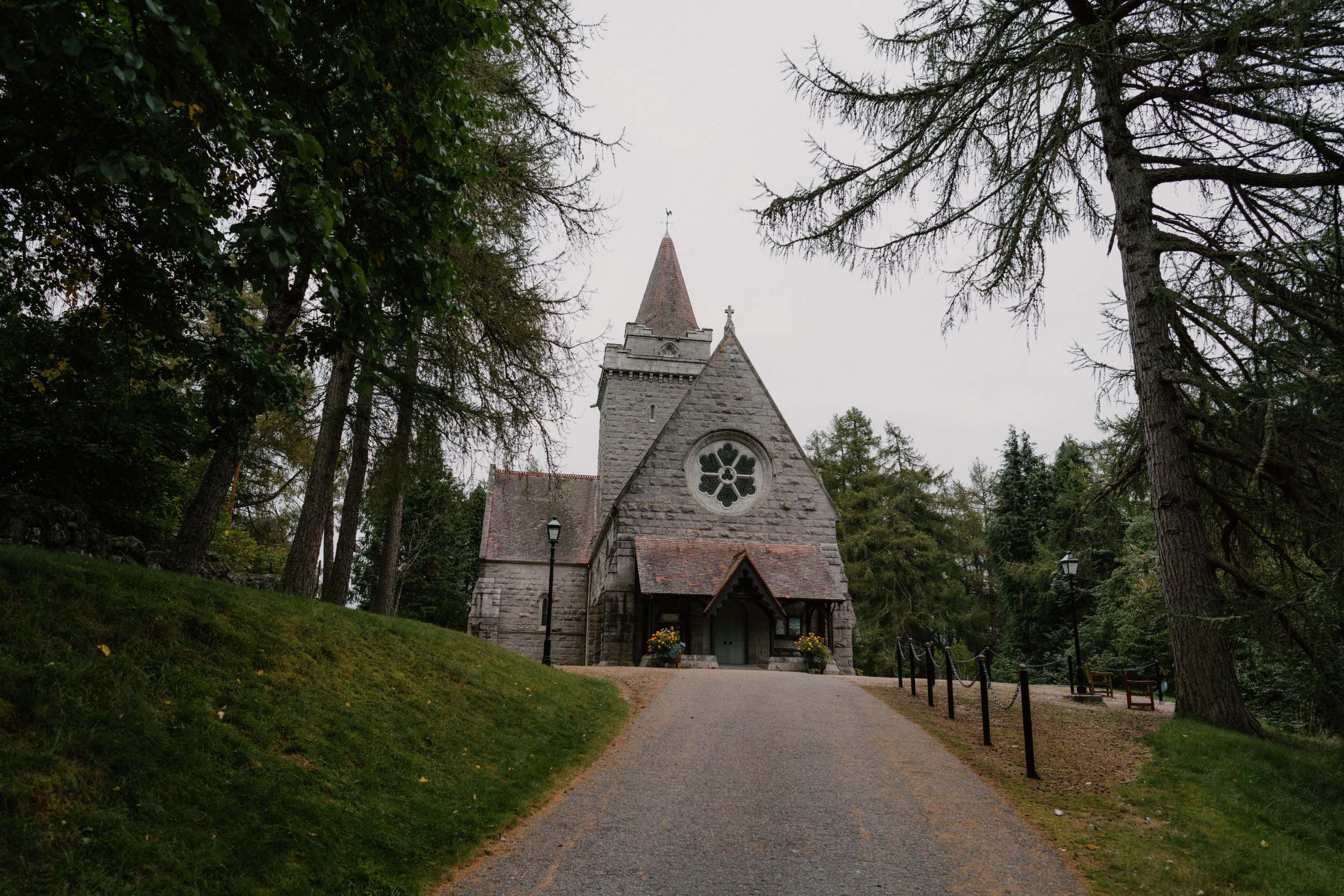
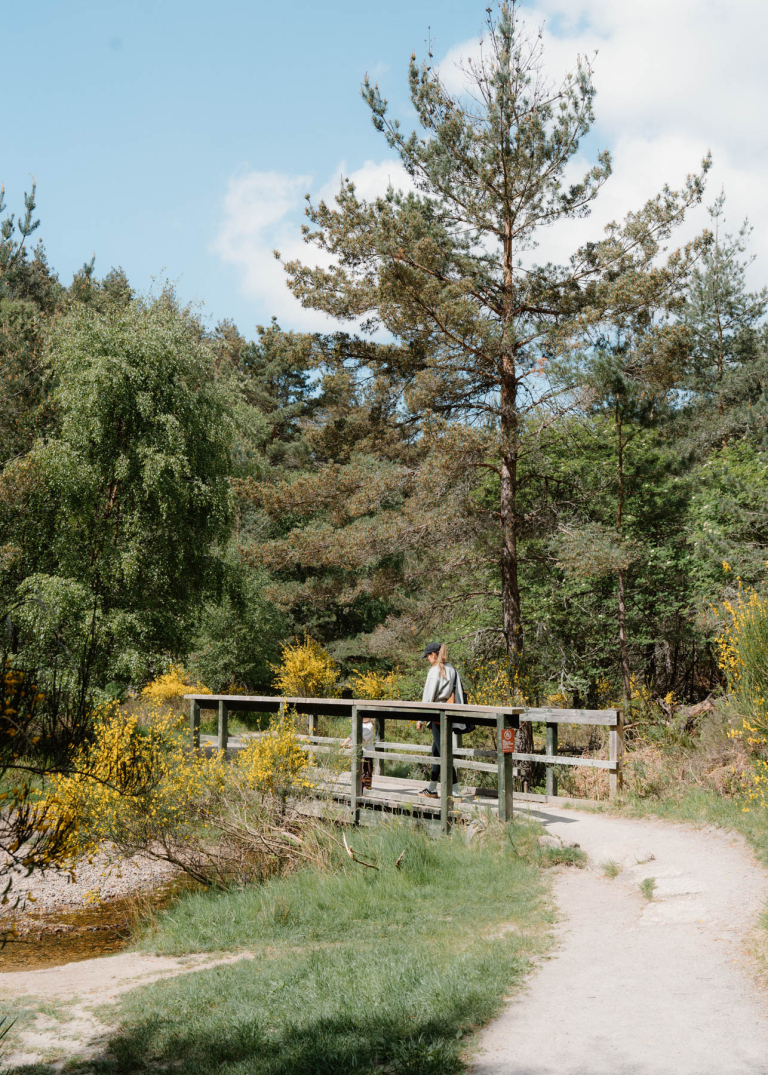
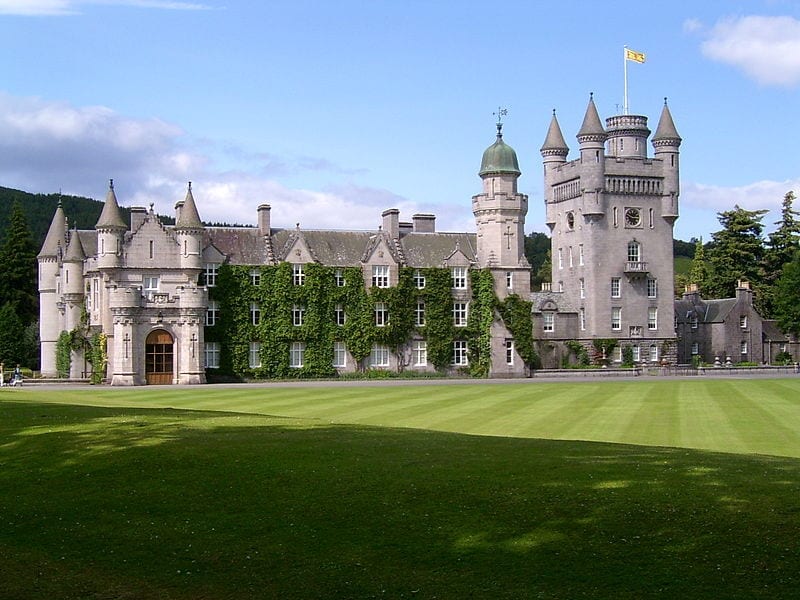
Knock Castle sits just outside Ballater, making it easy to combine with time in the village’s cafés, independent shops and riverside walks. Balmoral Castle lies a short drive west along the Dee, while the wider Cairngorms landscape opens quickly into forest trails, Highland roads and open moorland.
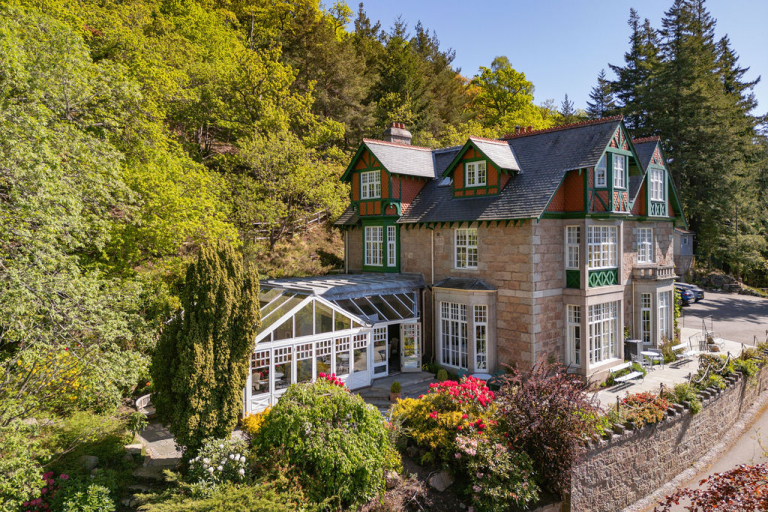
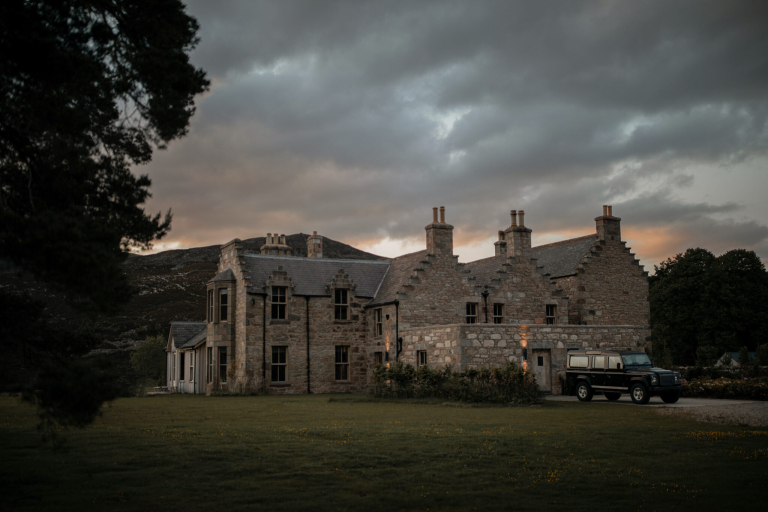
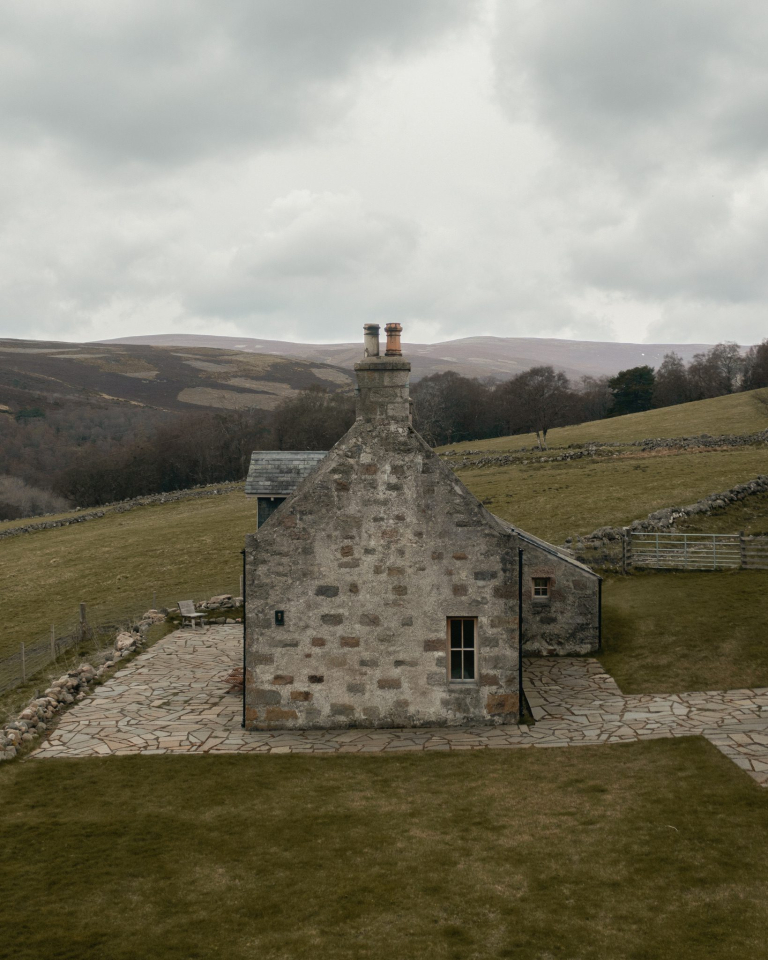
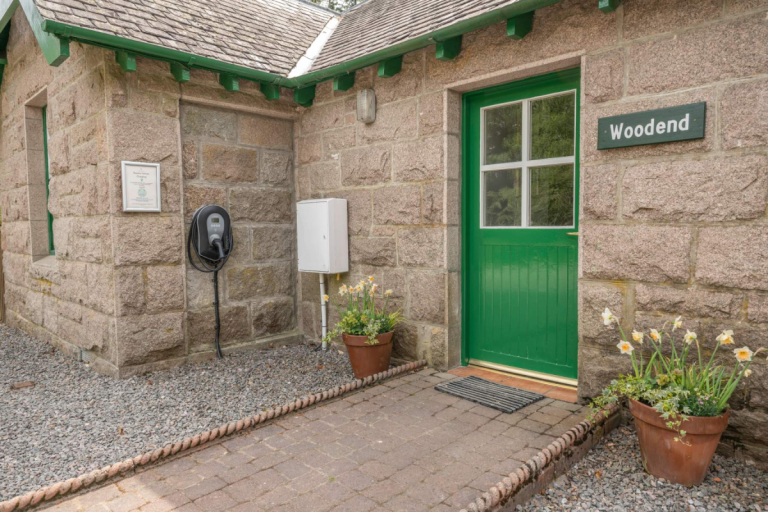
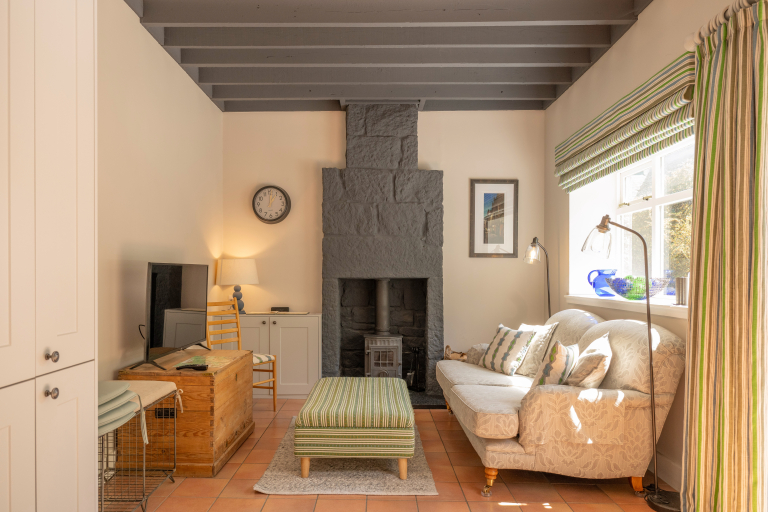
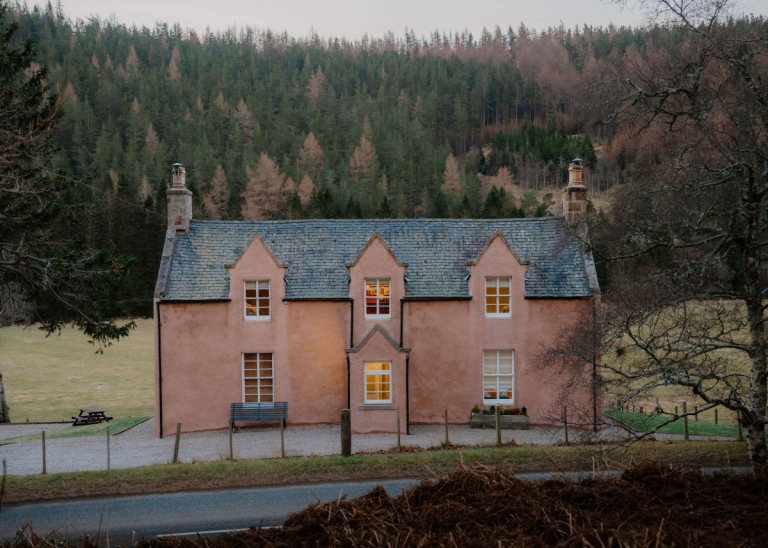
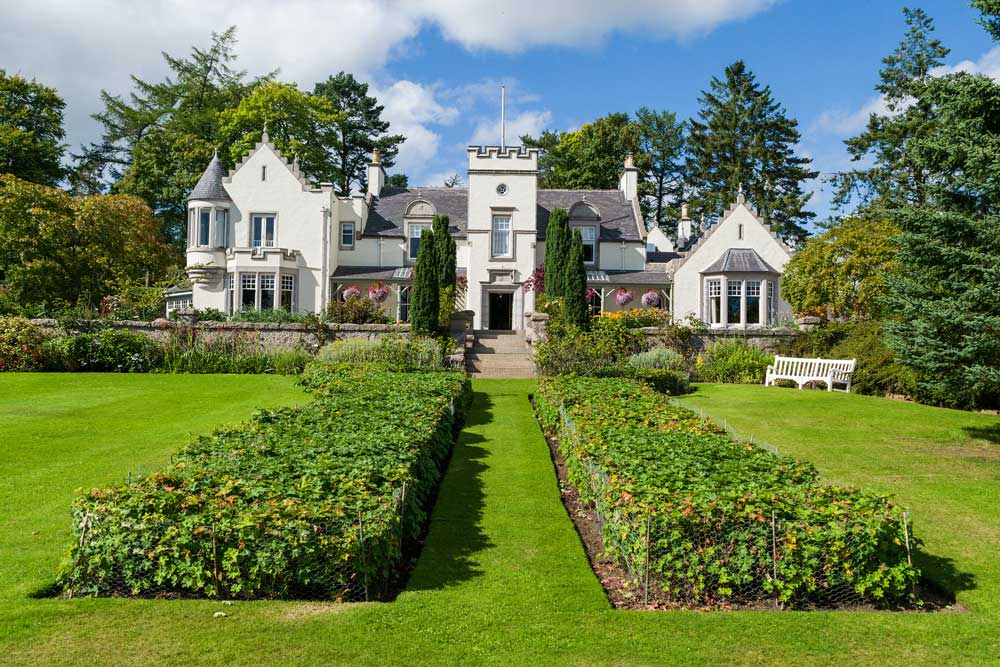
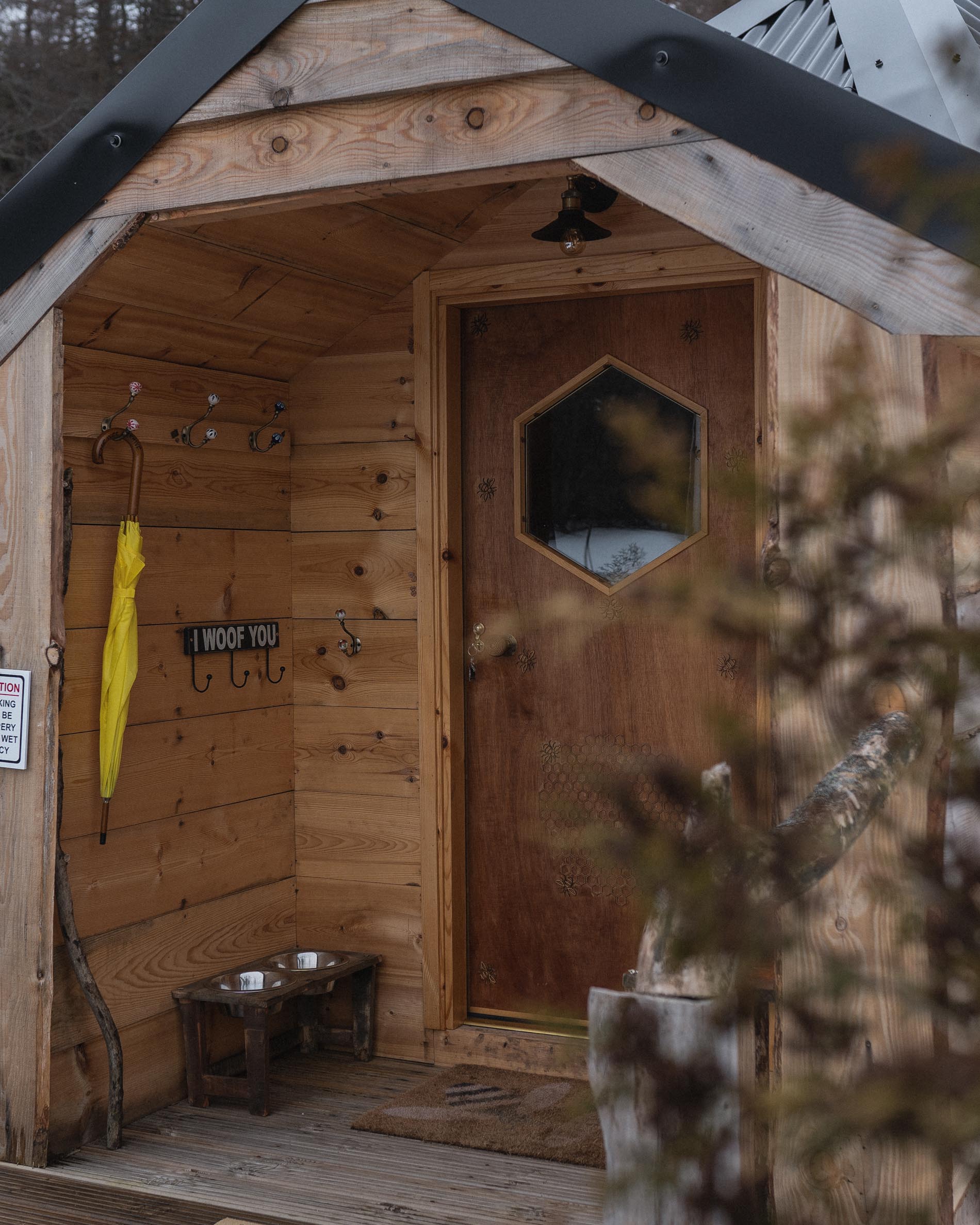
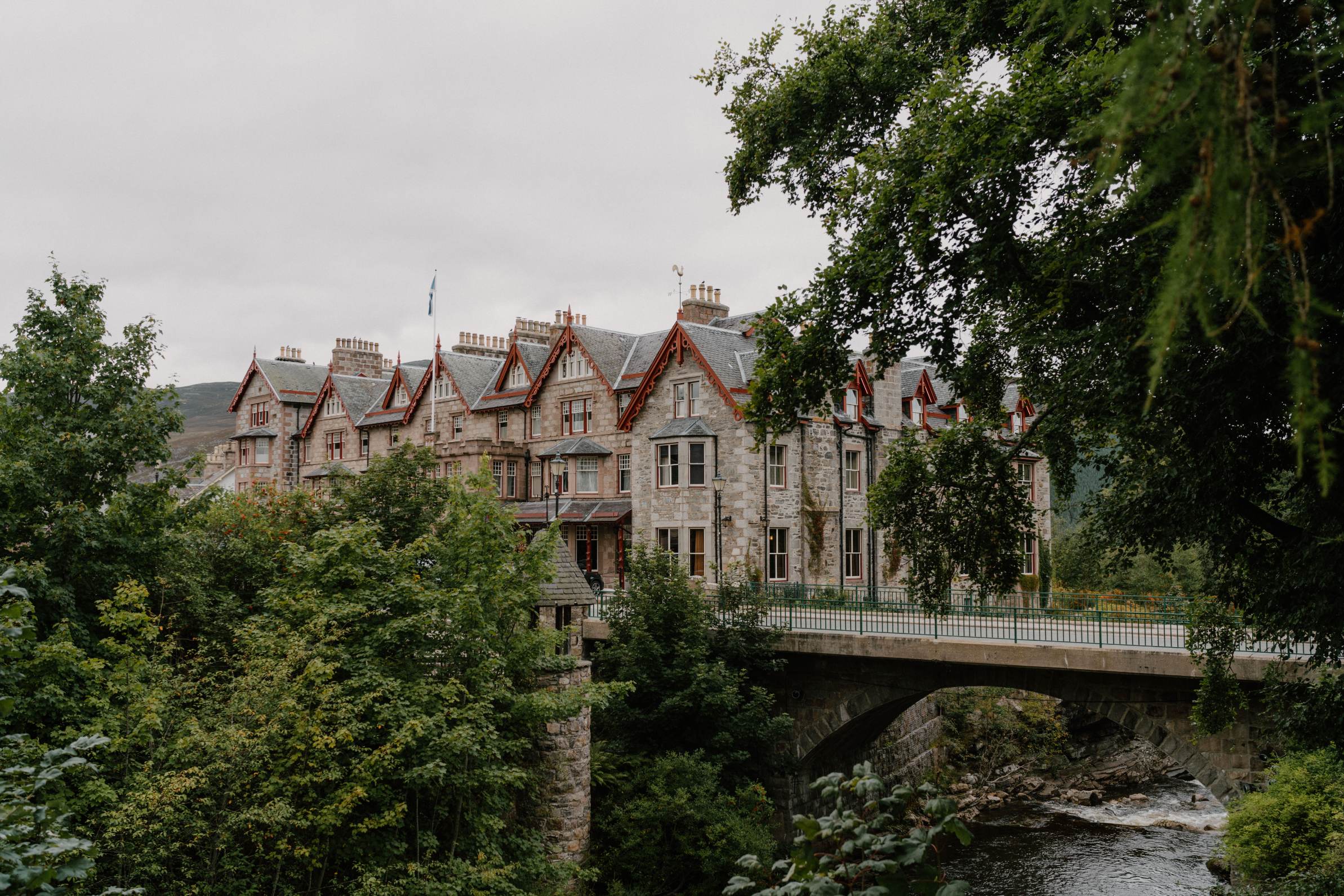
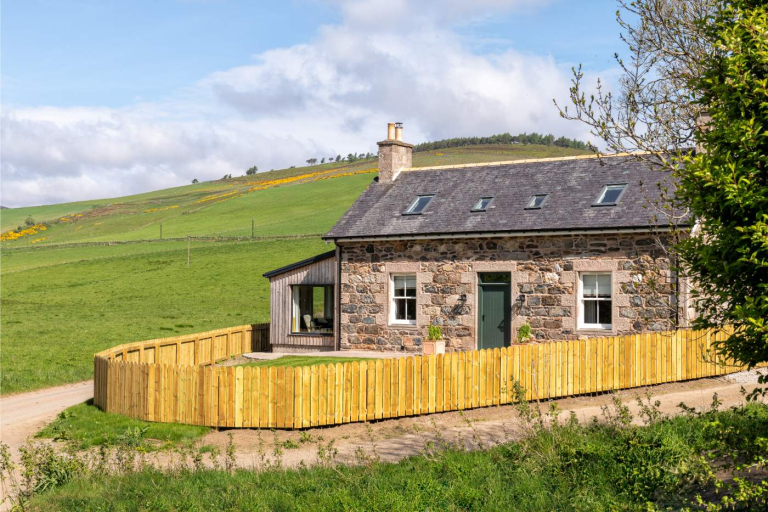
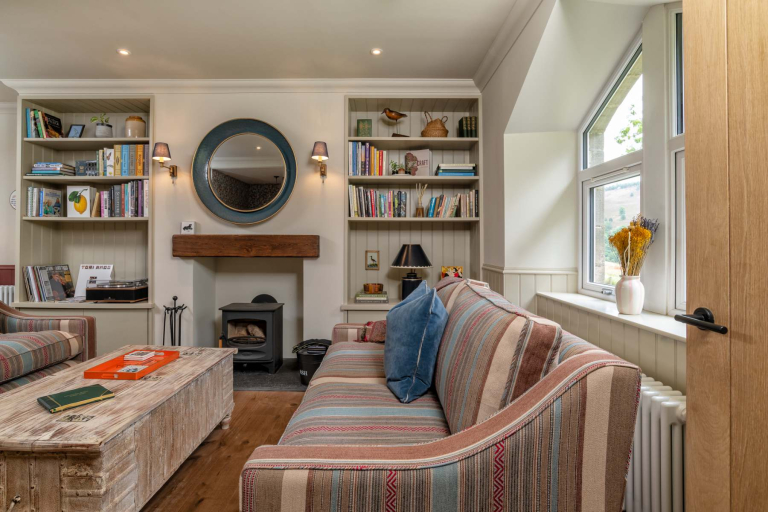
For longer stays nearby, Darroch Learg offers a small independent hotel with views across Royal Deeside, while Gairnshiel Lodge and Faunoran House provide exclusive-use stays close to Balmoral and the eastern Cairngorms. Further south, Glen Dye Cabins & Cottages pairs design-led cabins and cottages with woodland, estate walks and outdoor experiences in rural Aberdeenshire.


Where to stay nearby






 Sign in with Google
 Sign in with Email