
Royal Deeside
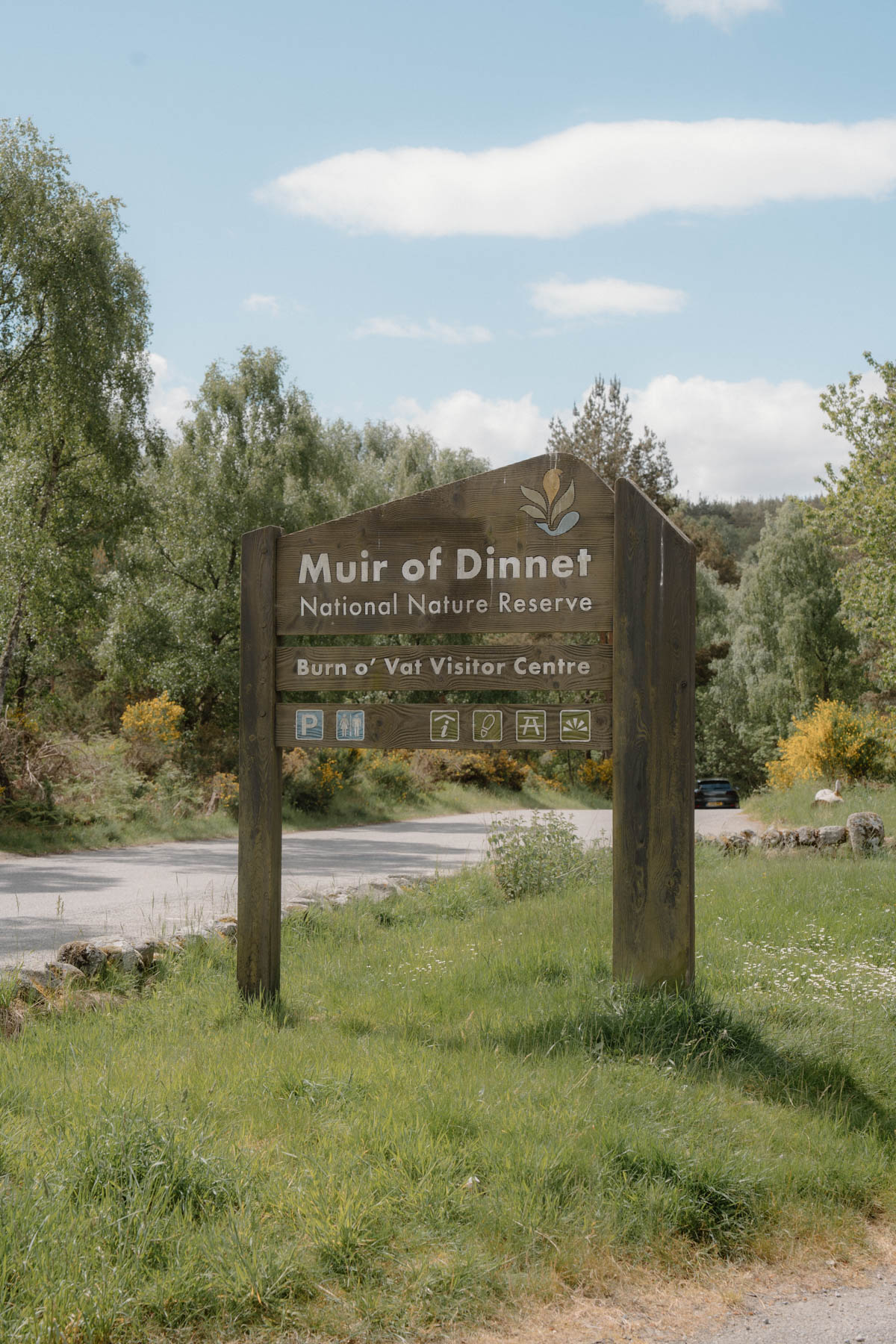
Muir of Dinnet National Nature Reserve

Introduction
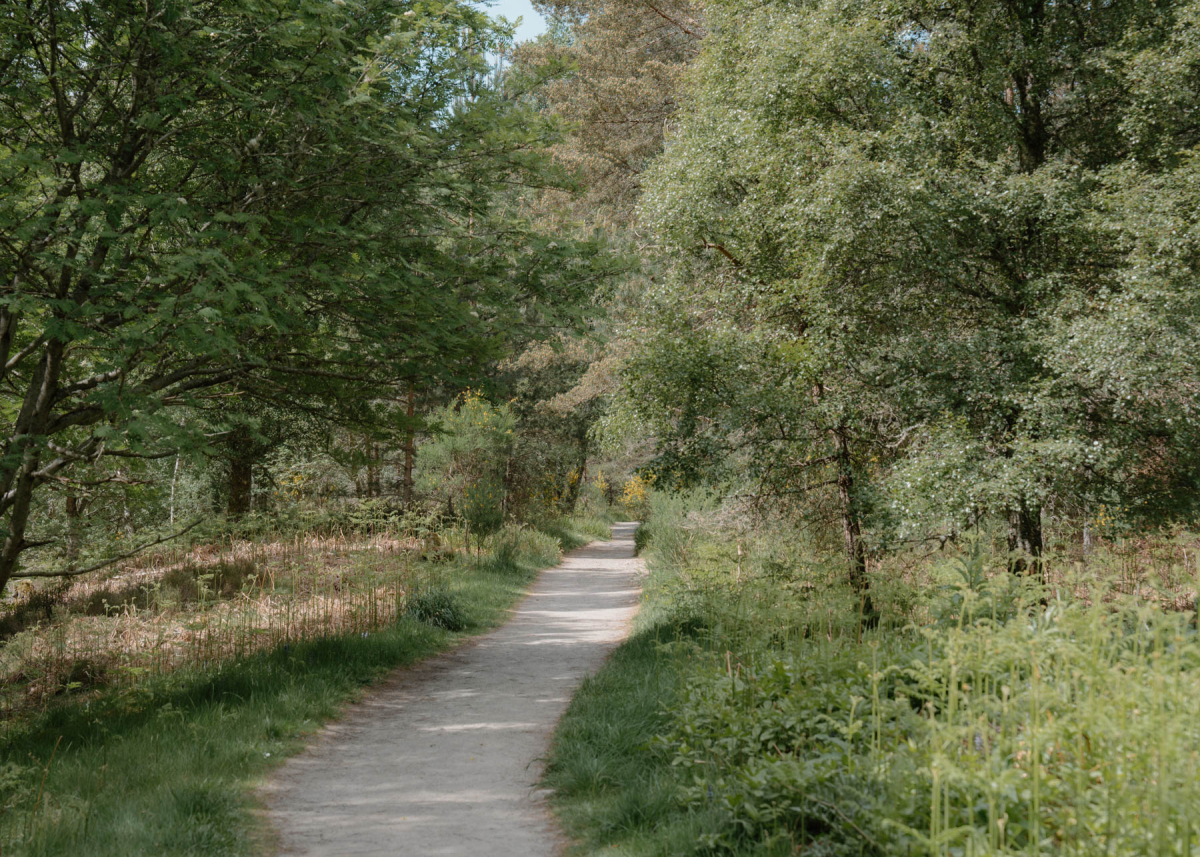
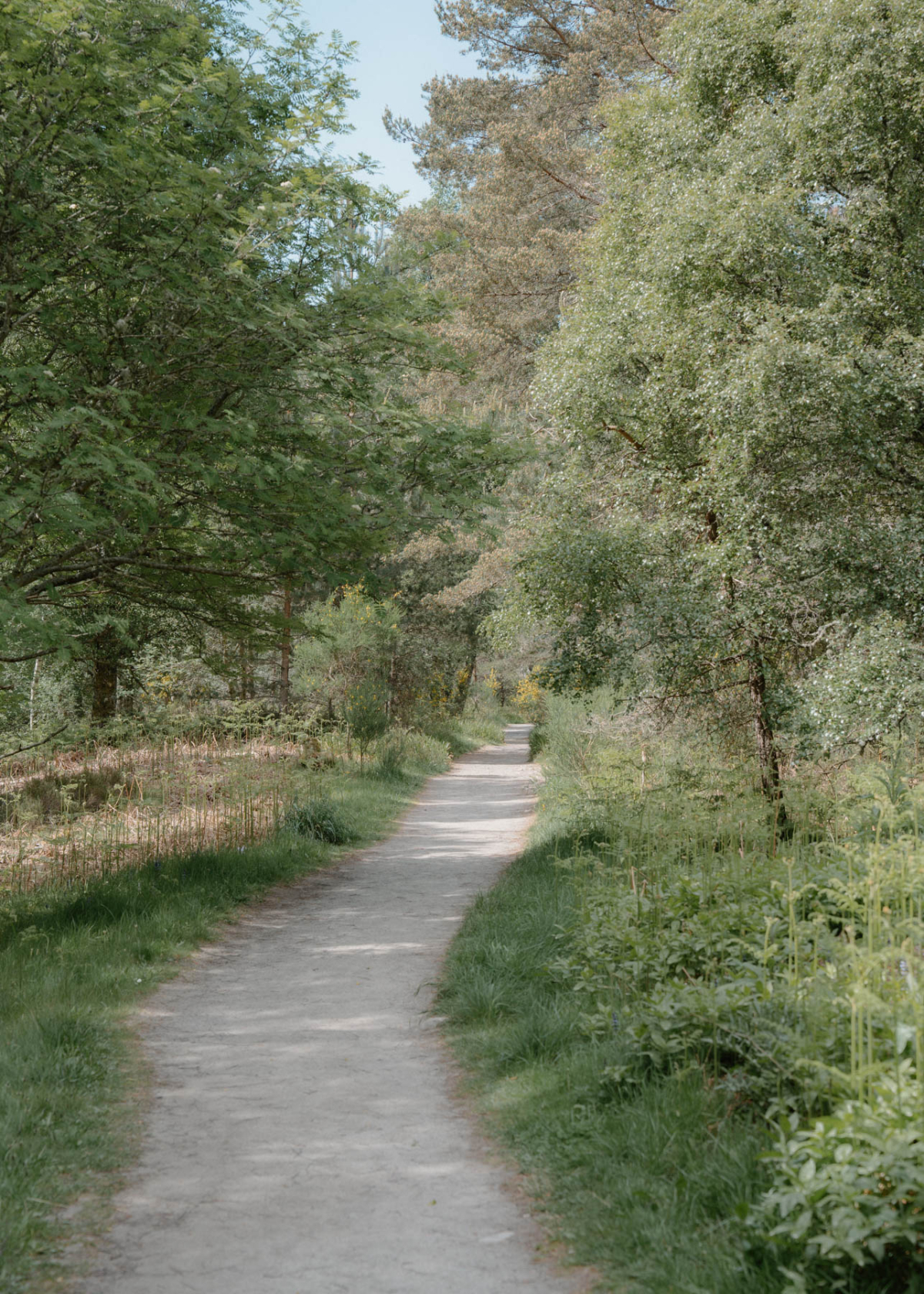
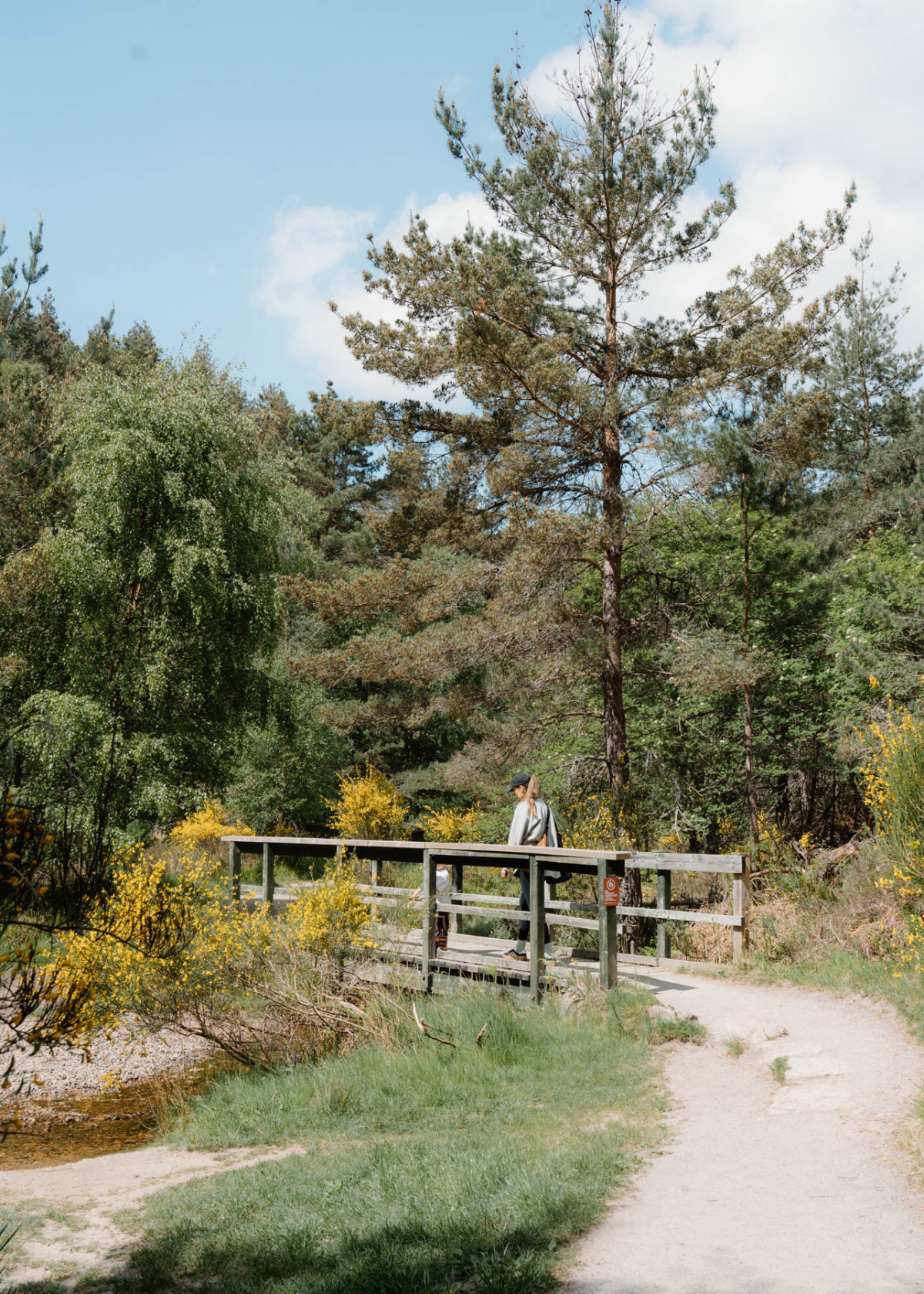
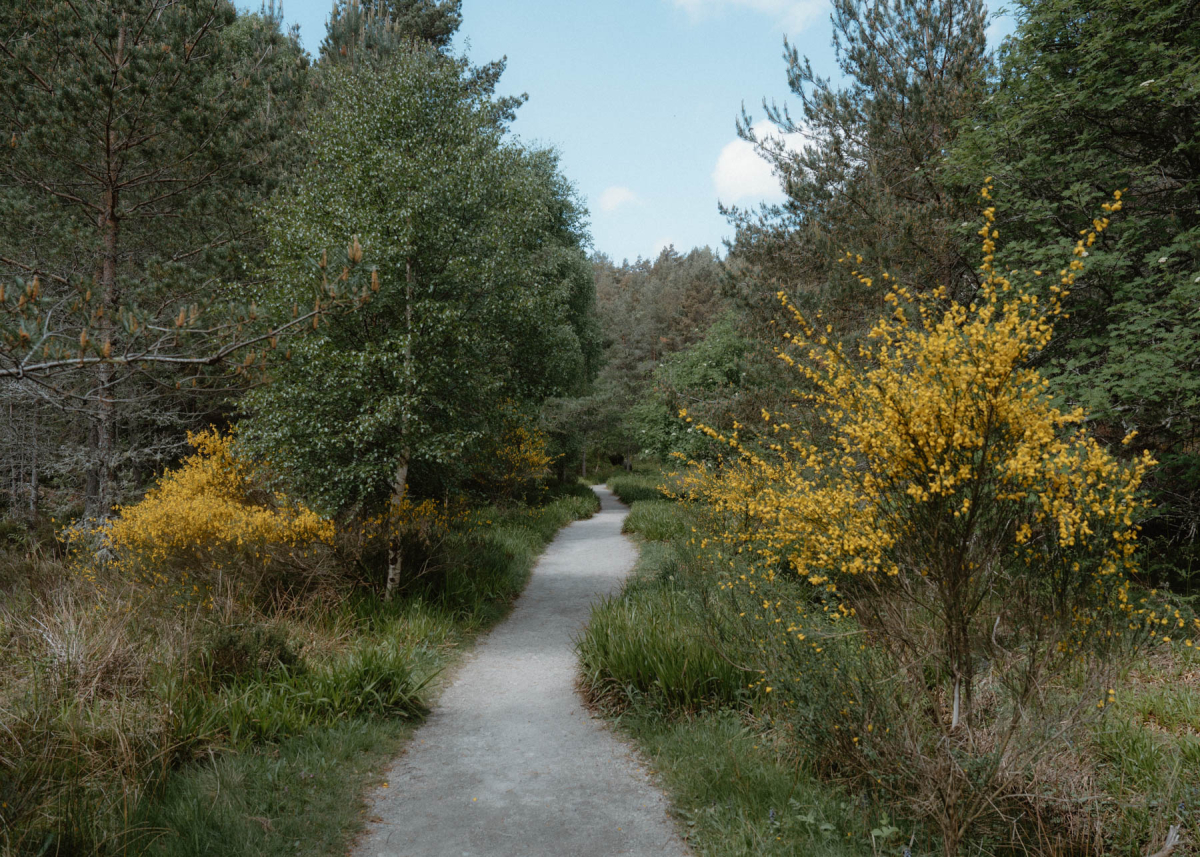
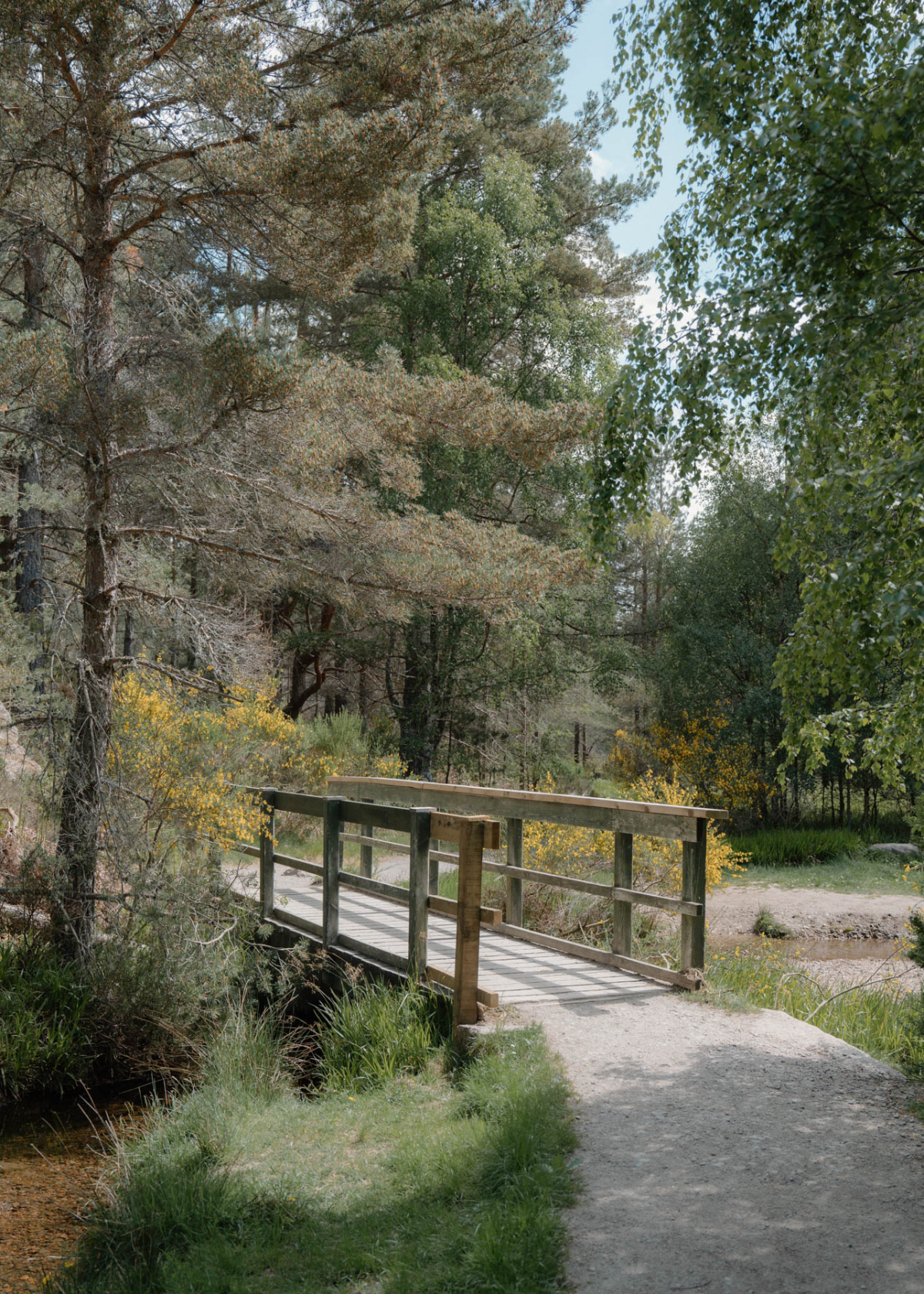
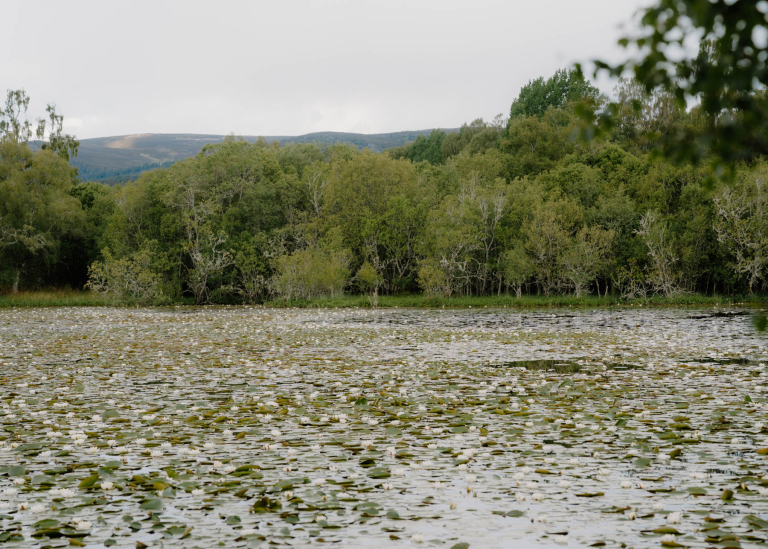
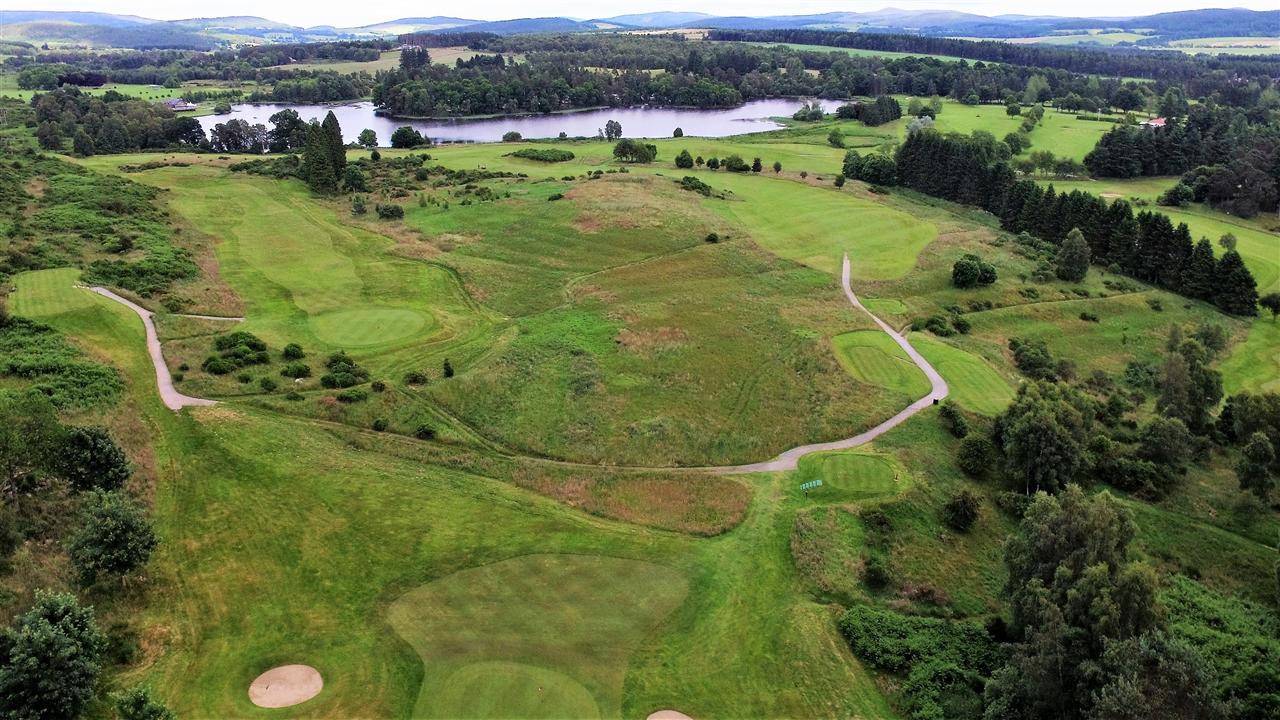
The Muir of Dinnet sits at the eastern edge of the Cairngorms National Park, a few miles west of Aboyne, just where Royal Deeside starts to open out. It's a national nature reserve made up of woodland, heath, wetland and two lochs, Kinord and Davan. Around 470 hectares of it is woodland, mostly birch and Scots pine, and the whole place is good for wildlife through the year.
Most of what you see here was shaped by ice. The glaciers melted more than 10,000 years ago, and as they went they left their marks all over the landscape. The two lochs sit in kettle holes, hollows left where great blocks of stranded ice melted out. There are long gravel ridges called eskers, laid down by meltwater streams running under the ice. And there's the Vat, a huge rock cauldron carved by a glacial whirlpool, reached through a narrow cleft in the rock.
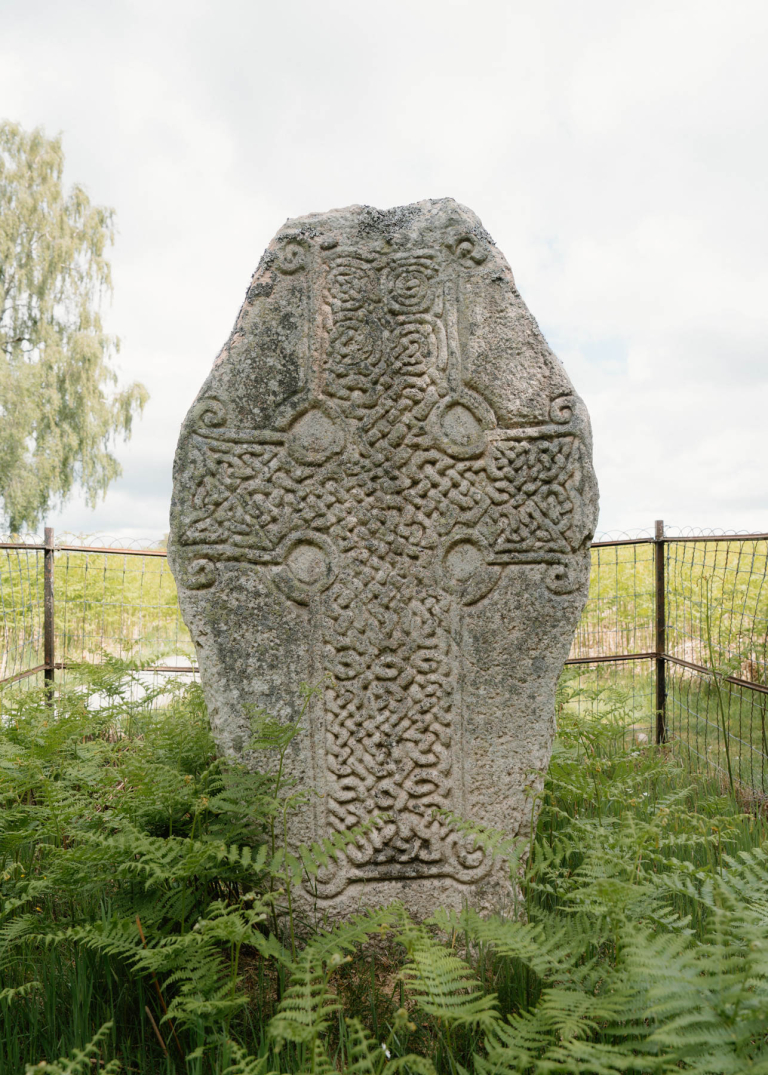
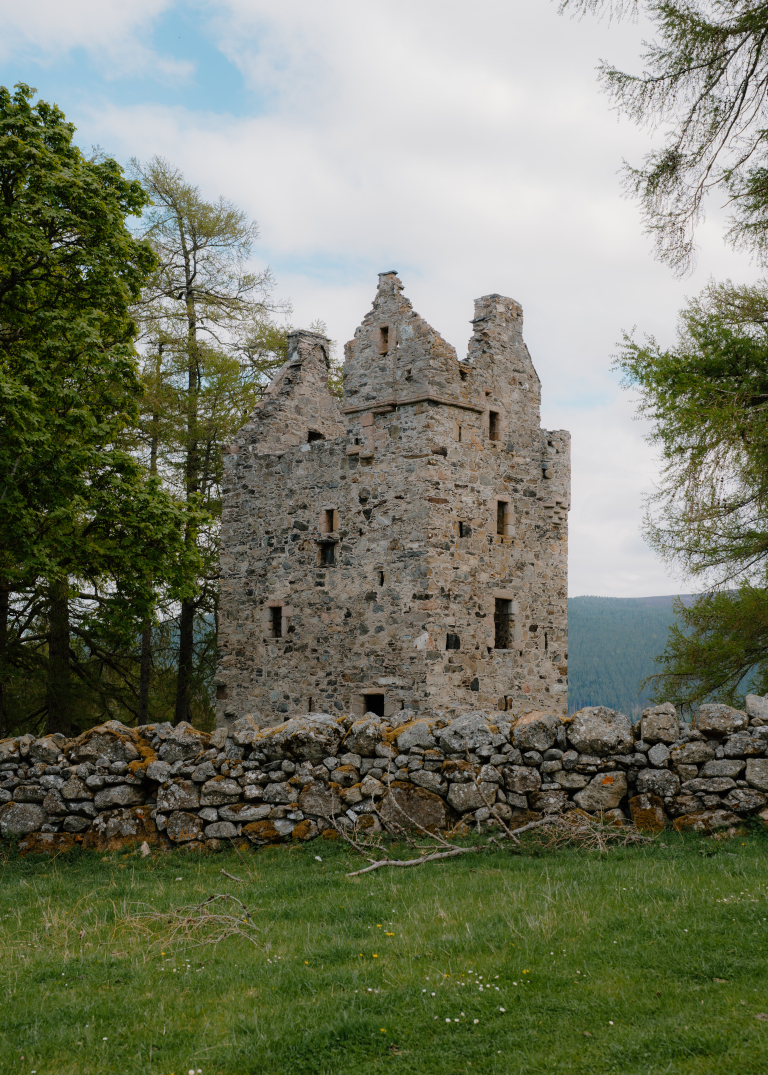
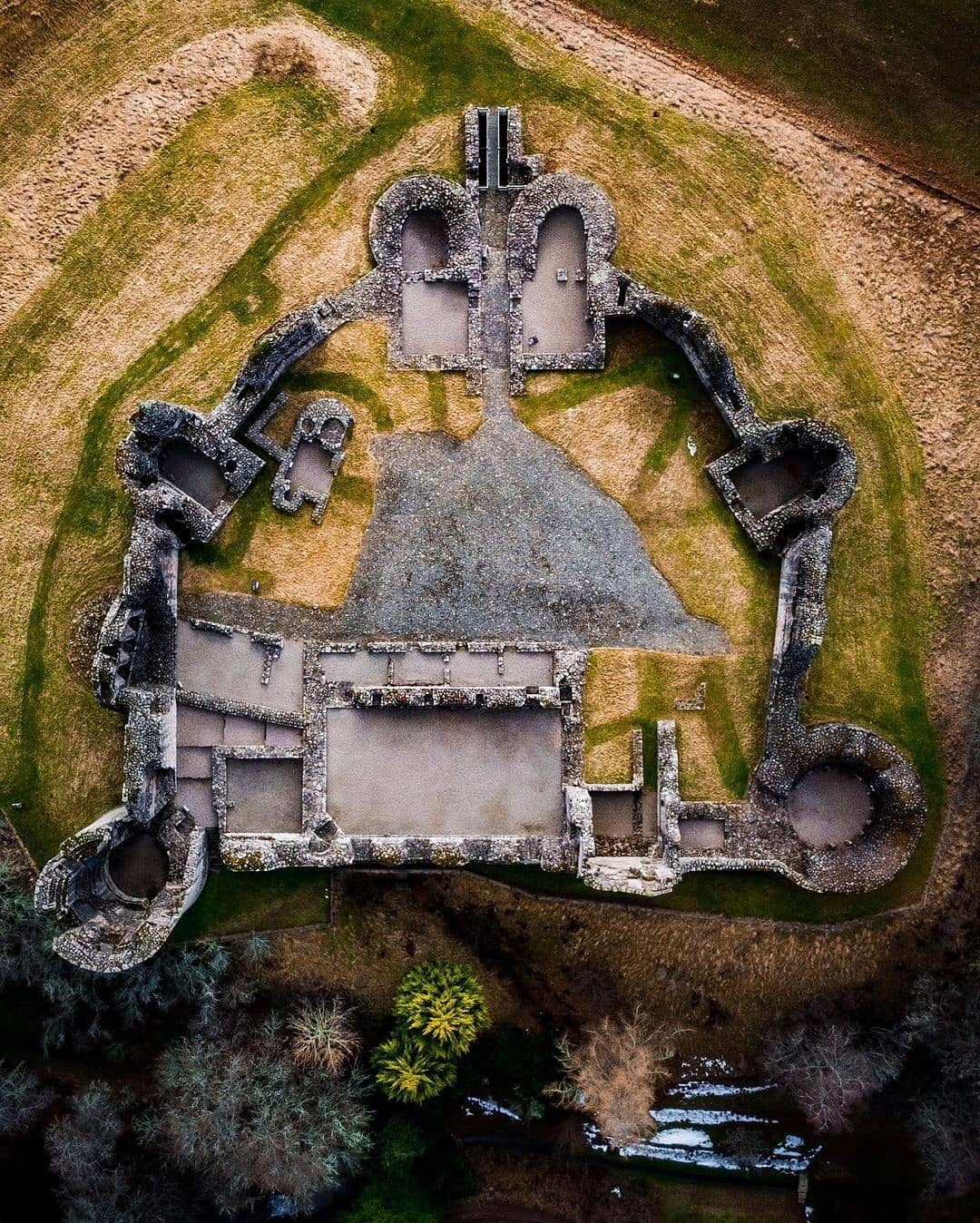
There's human history layered on top. An Iron Age crannog out on Loch Kinord, the site of a medieval island castle, a 9th-century Pictish cross on the shore, and old hut circles in the woods. It's a lot for one reserve.
Geology and landscape
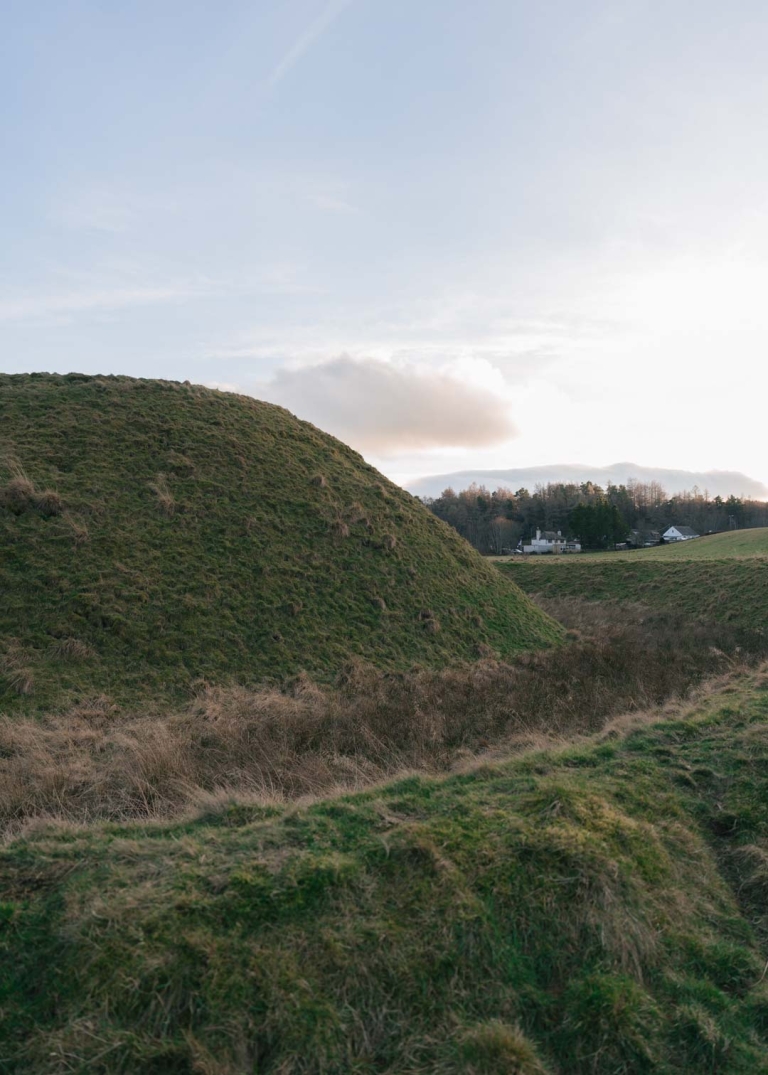
This is one of the better places in Scotland to read the last ice age in the ground. When the glaciers retreated, they dumped sand, gravel and rock across the area, and the shapes they left are still clear today. Loch Kinord and Loch Davan both lie in kettle holes, formed when buried blocks of ice melted and the ground above slumped into the gap. The long, winding ridges you'll walk along in places are eskers, the beds of meltwater rivers that once flowed in tunnels under the ice, now standing proud of the land around them.
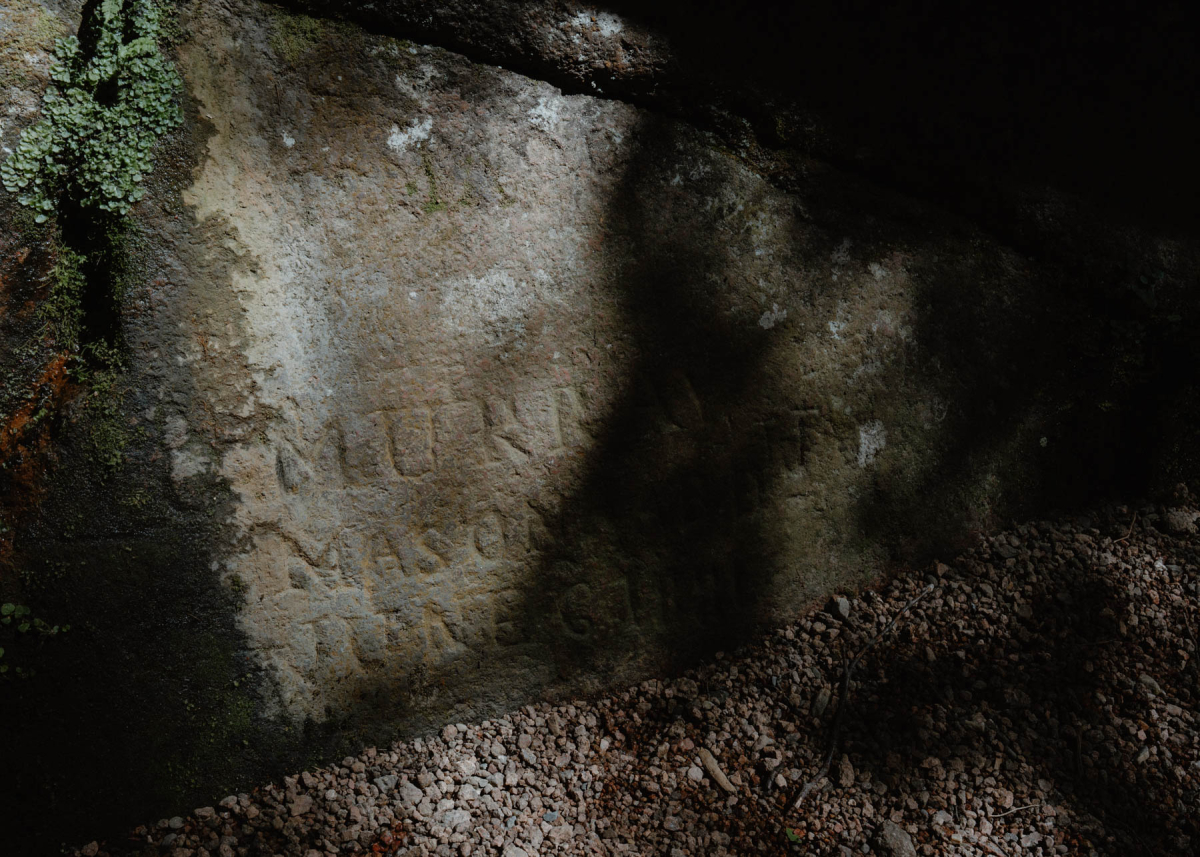
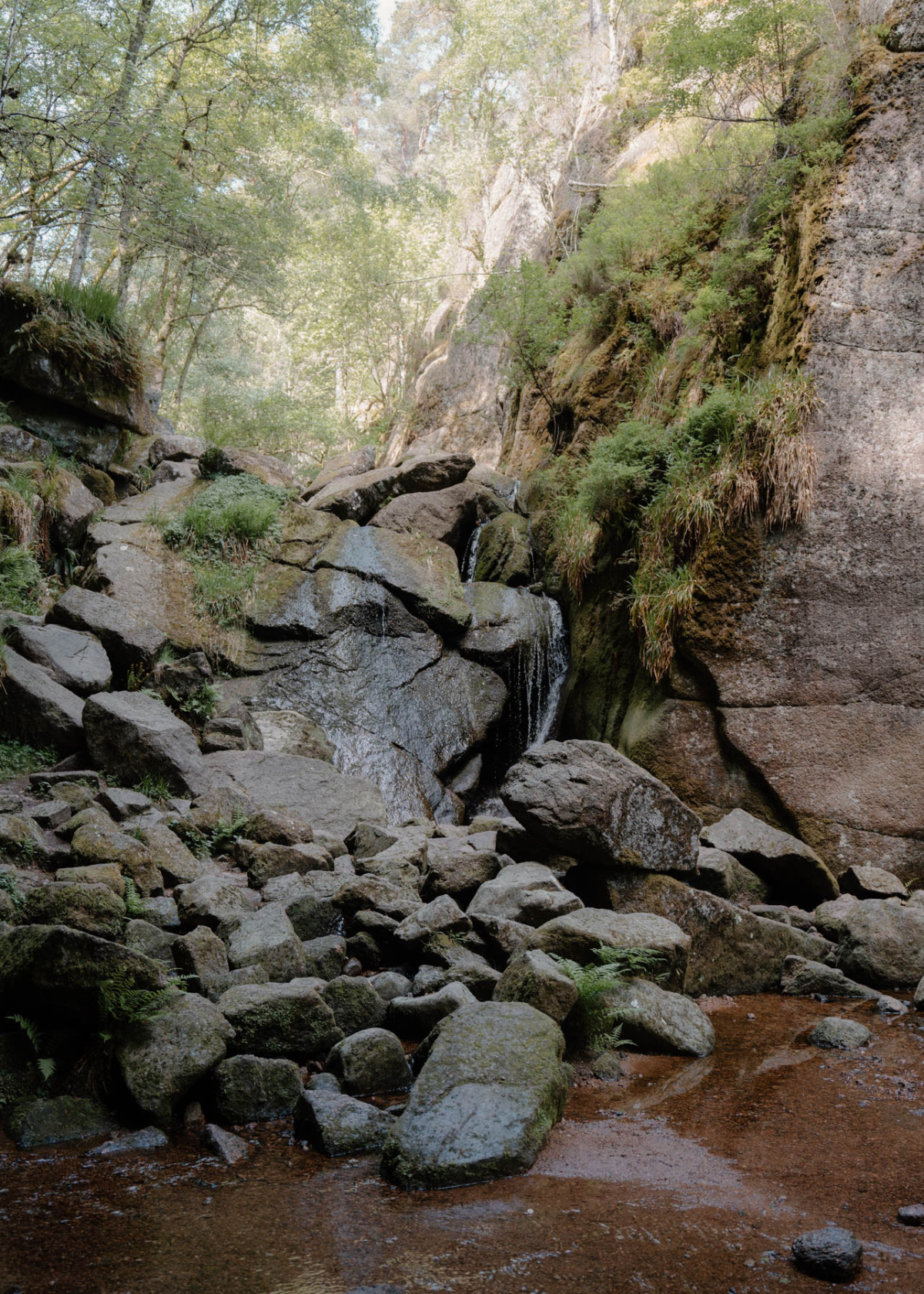
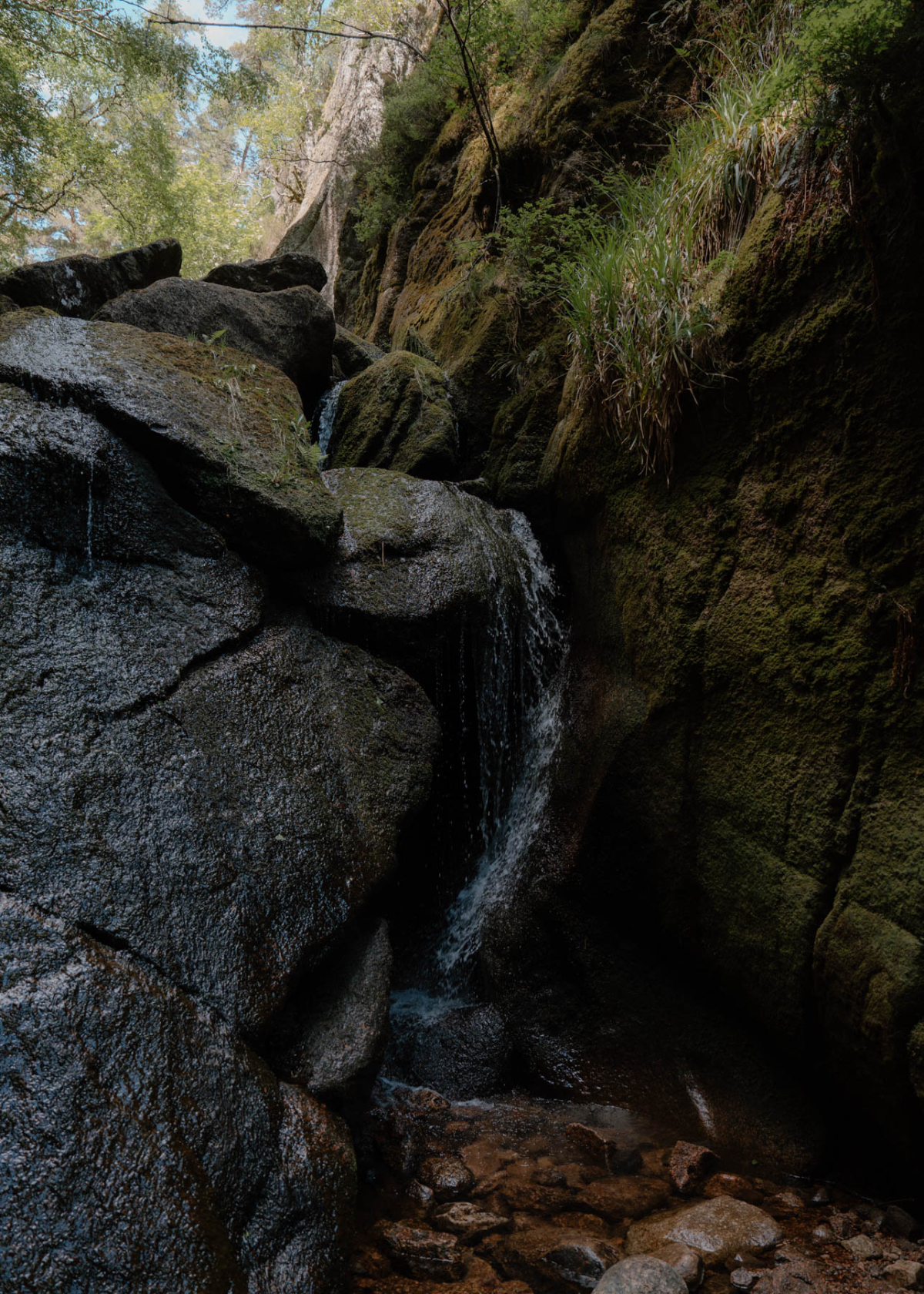
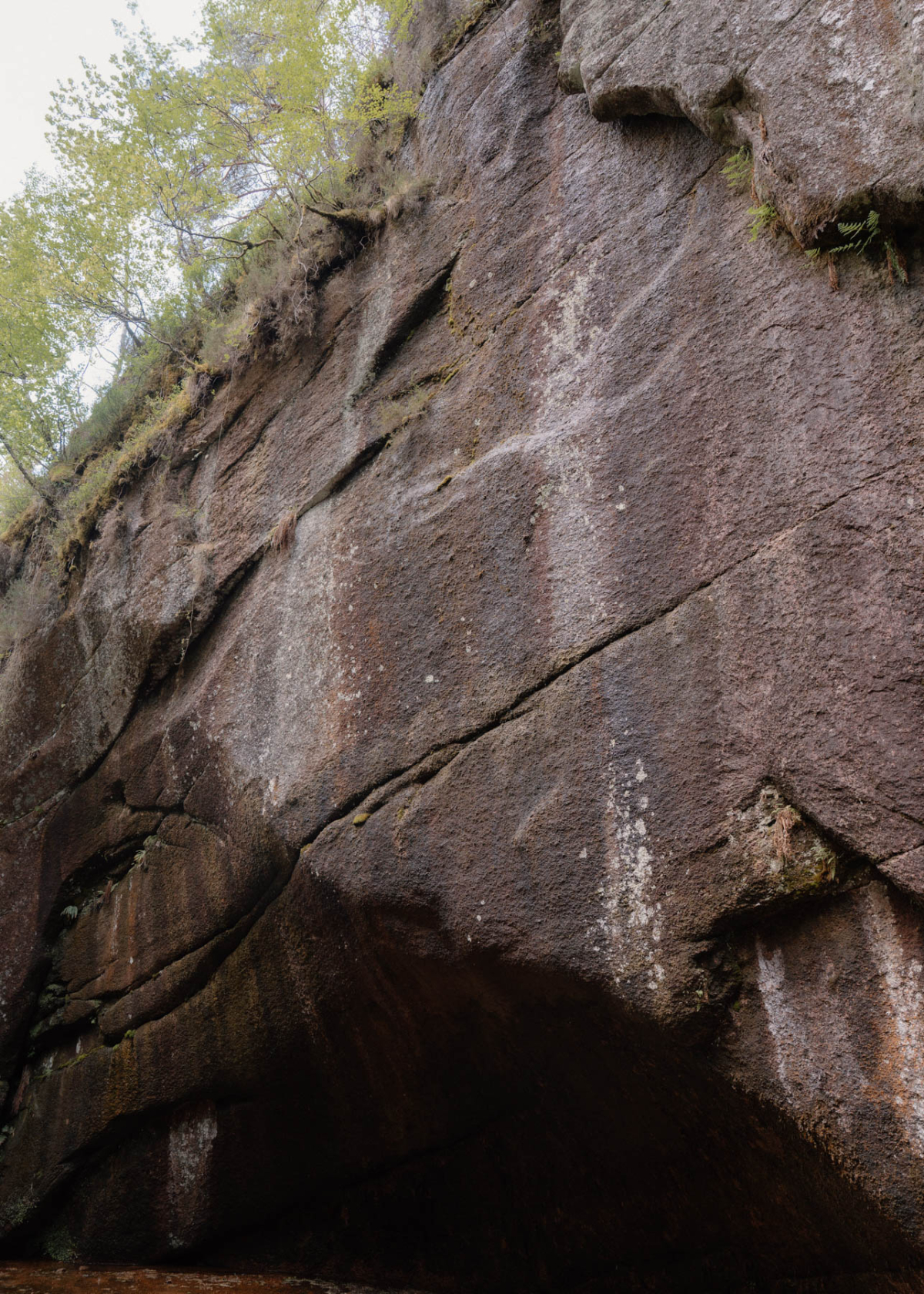
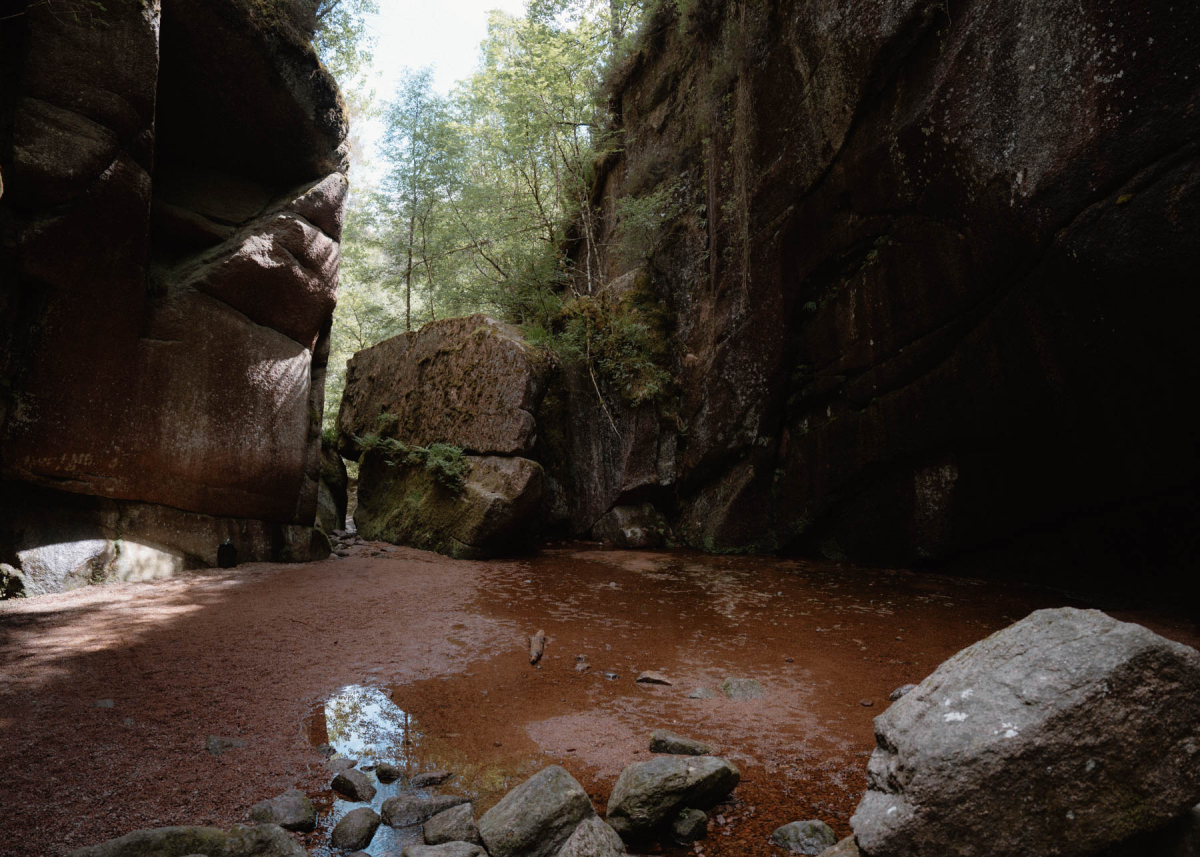
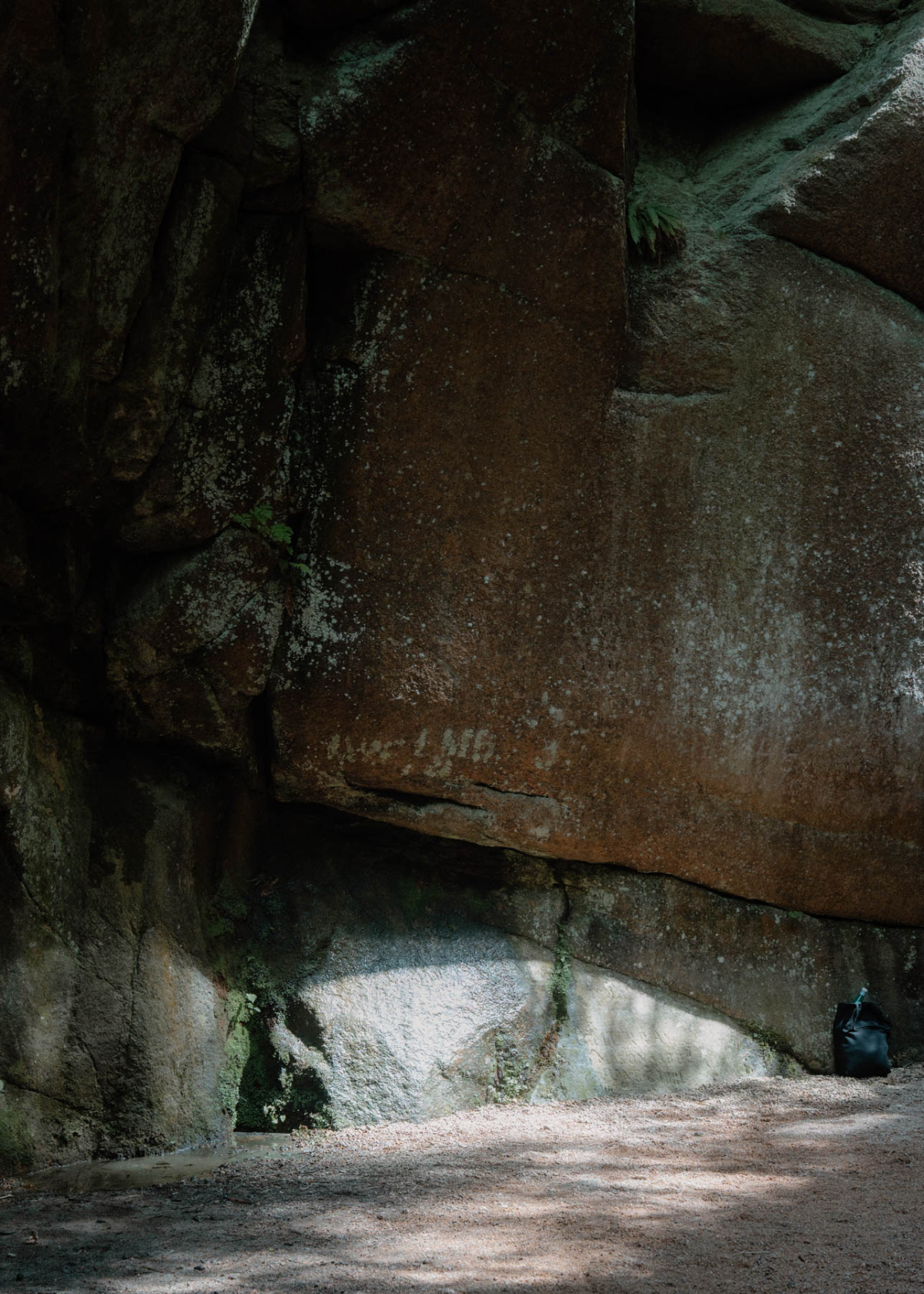
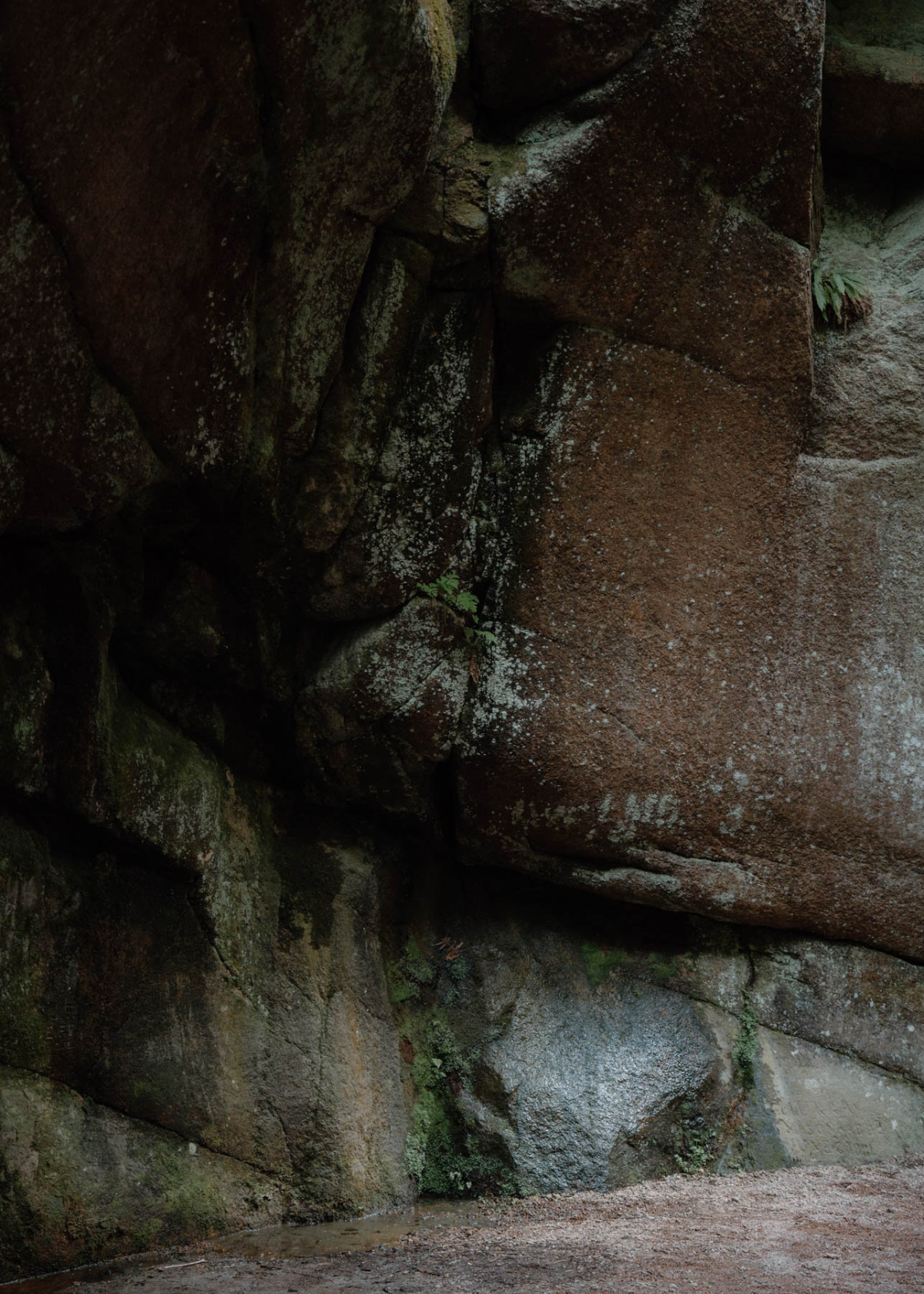
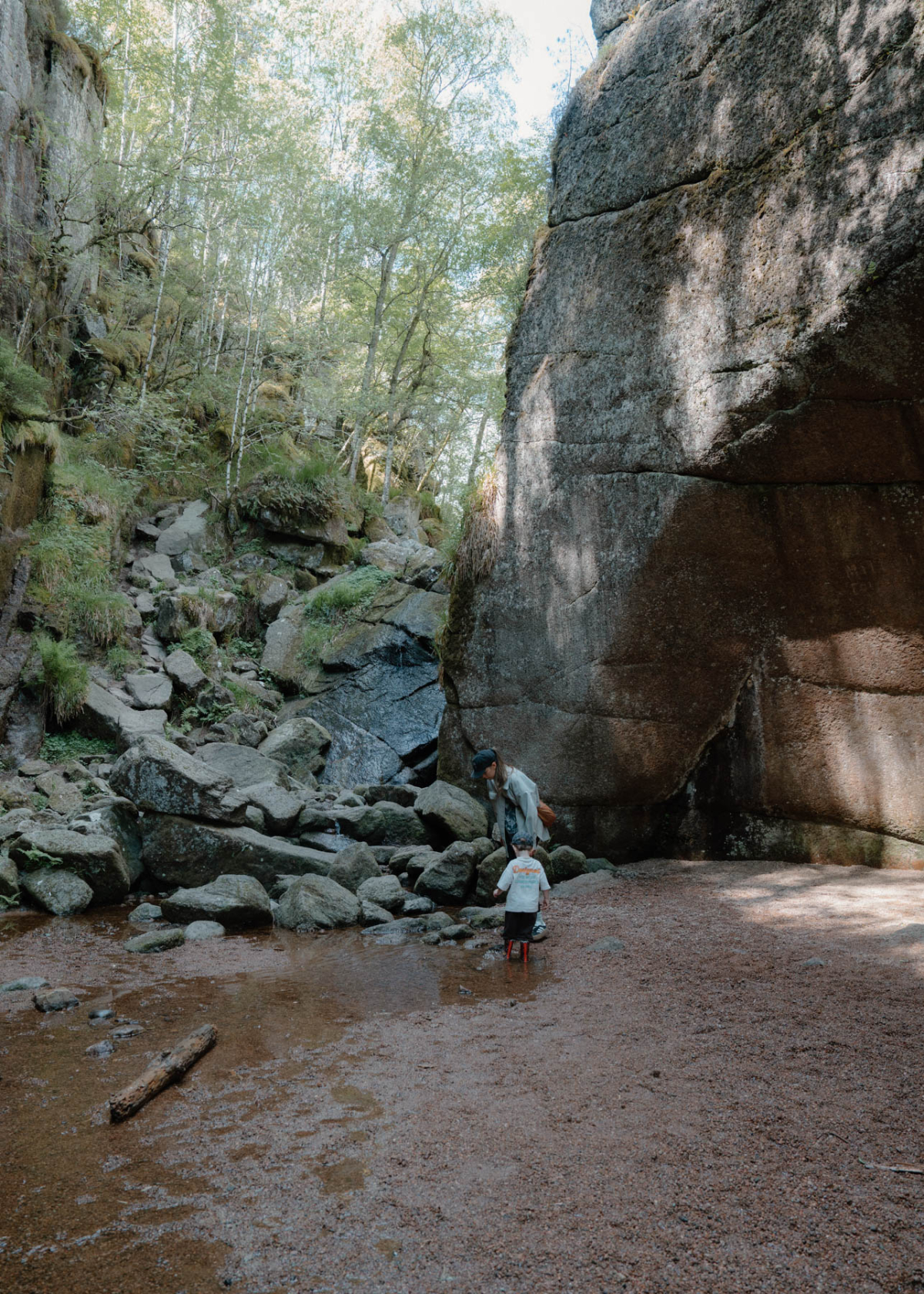
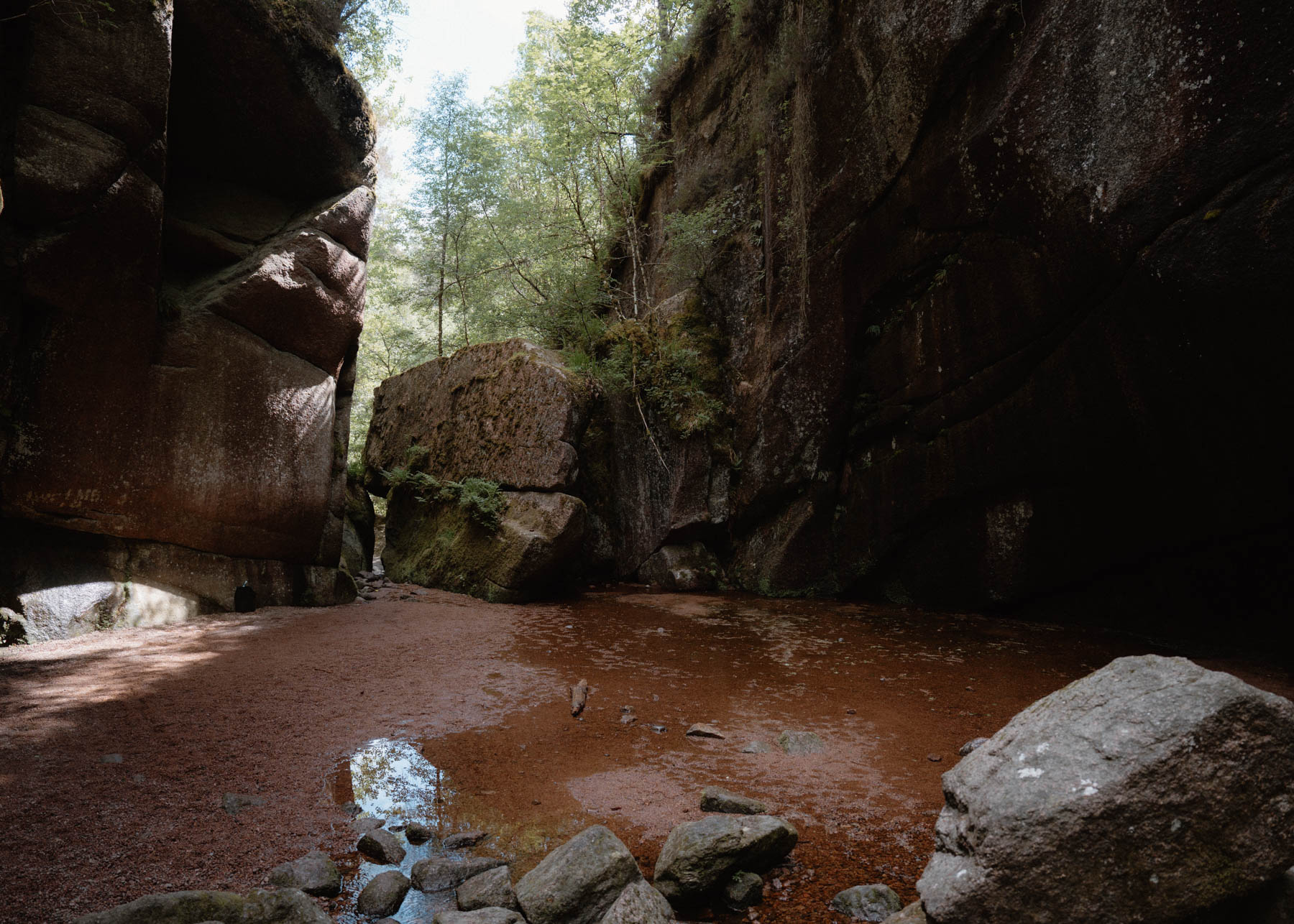
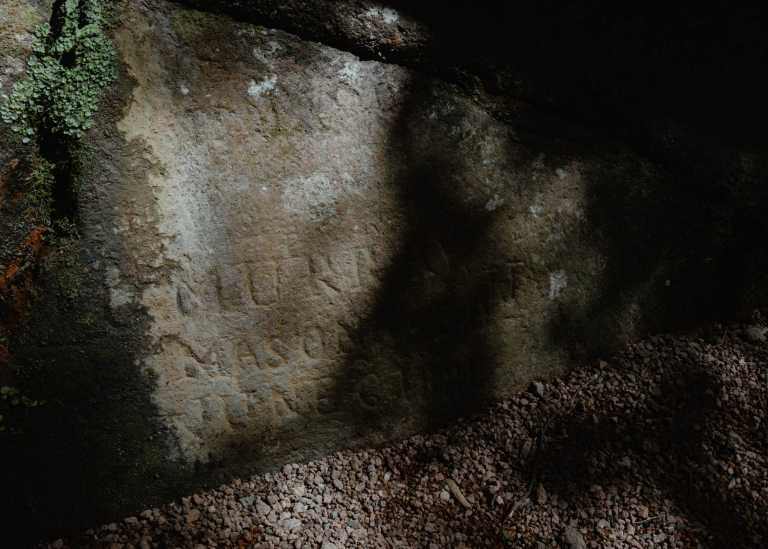
The showpiece is the Vat. A meltwater torrent, loaded with rock and gravel, spun in a whirlpool against the granite and ground out a cauldron around 13 metres deep. You reach it on foot, squeezing through a slot in the boulders before the chamber opens up in front of you.
Wildlife and the seasons
There's something to see here whatever the time of year. Spring brings woodland wildflowers and birdsong, with red squirrels moving through the pines. Summer is the time for dragonflies and damselflies over the lochs and boggy ground, including the rare northern damselfly, for which this is one of the few strongholds in Britain. The lochs draw breeding and wintering birds, greylag geese, whooper swans, goldeneye and the odd osprey among them.
Adders live on the reserve and bask on open ground on warm days, so watch where you step in summer. They want nothing to do with you and will usually move off before you're close, but it pays to look.
One thing to know before you bring anything to launch on the water. There's no water-borne access on Loch Kinord between 1 March and 31 August, which covers kayaks, canoes, paddleboards and inflatables, and it's there to protect breeding birds. Loch Davan is off limits to water access altogether, as it's too small to use without disturbing wildlife.
Walking the reserve
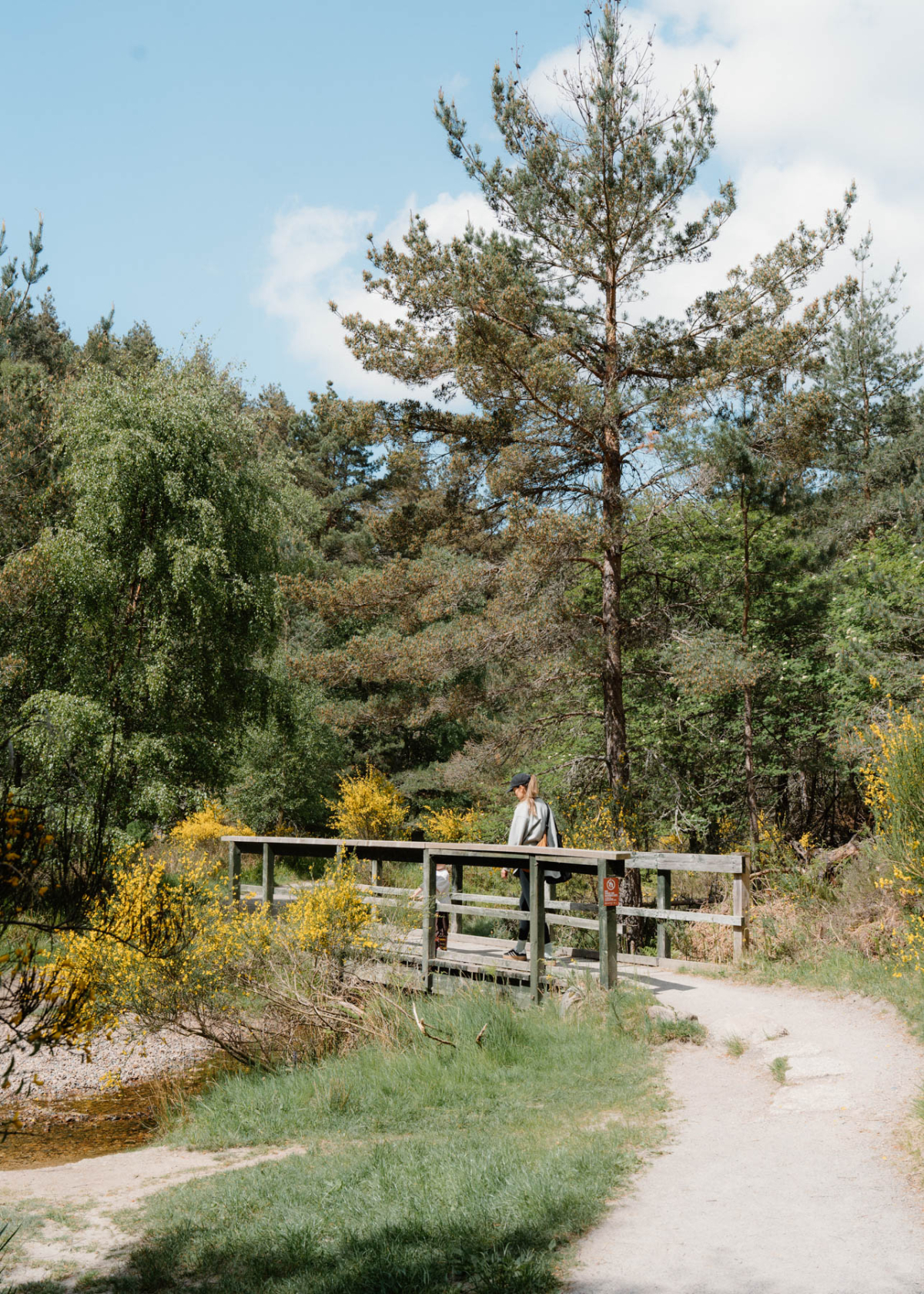
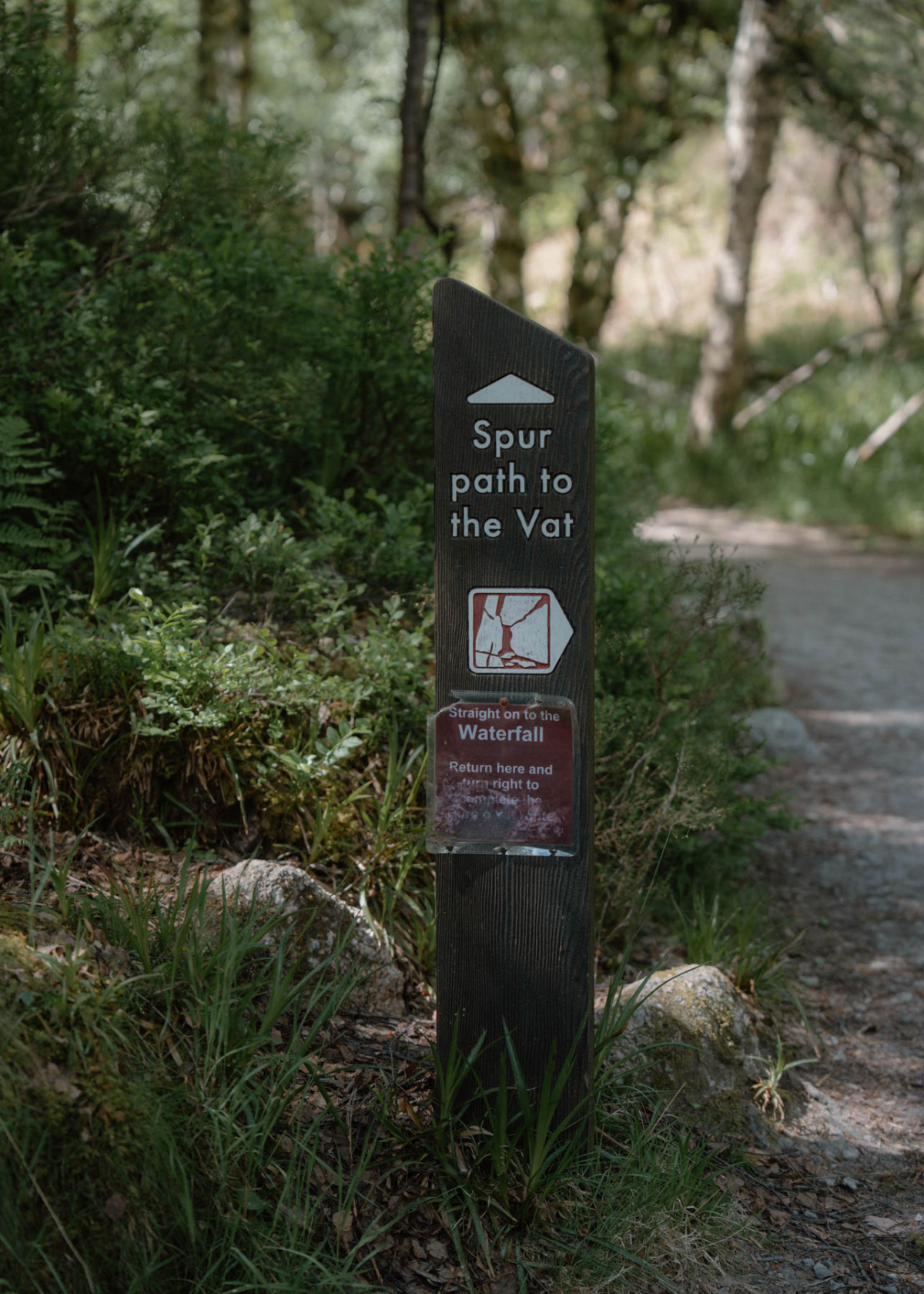
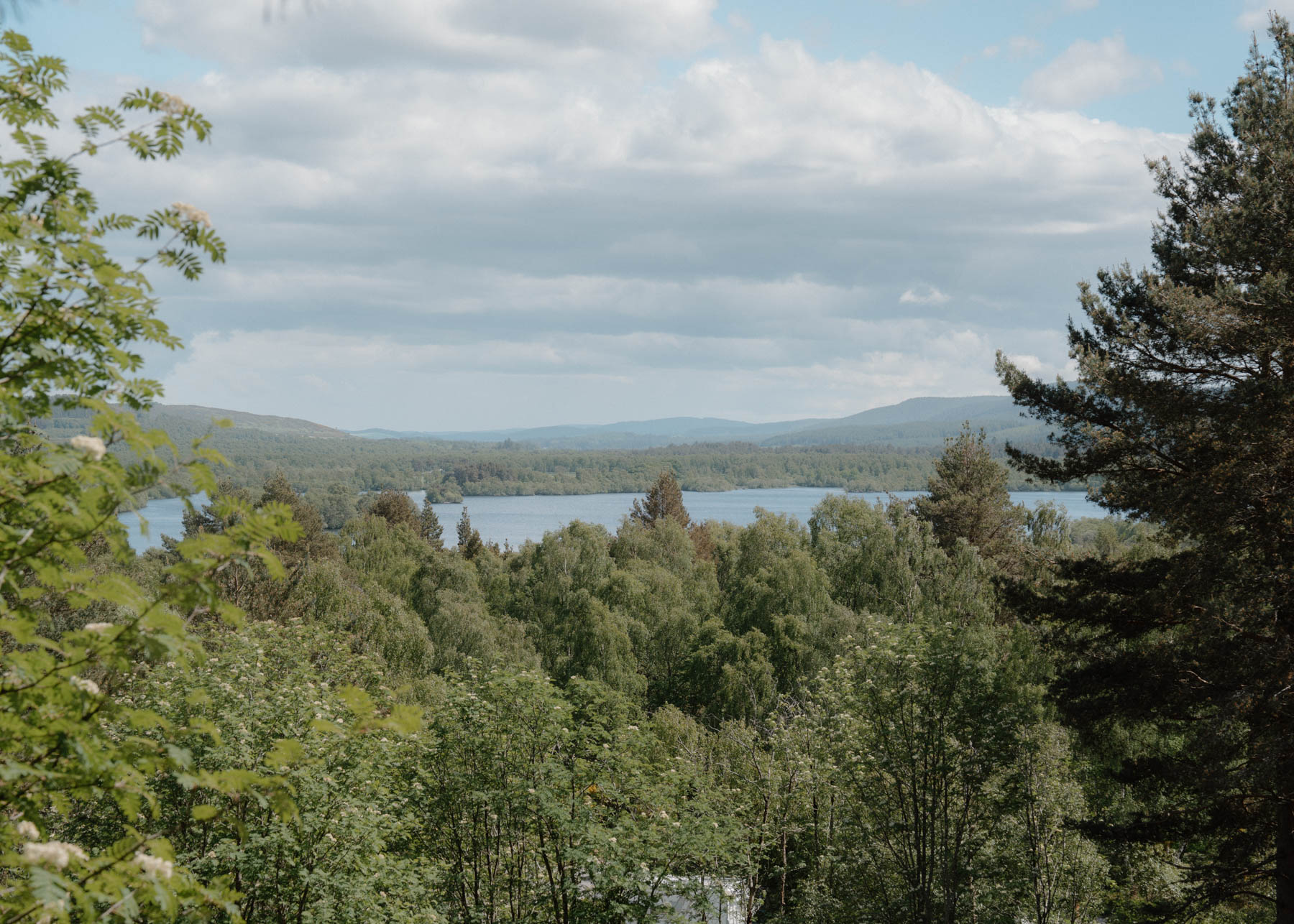
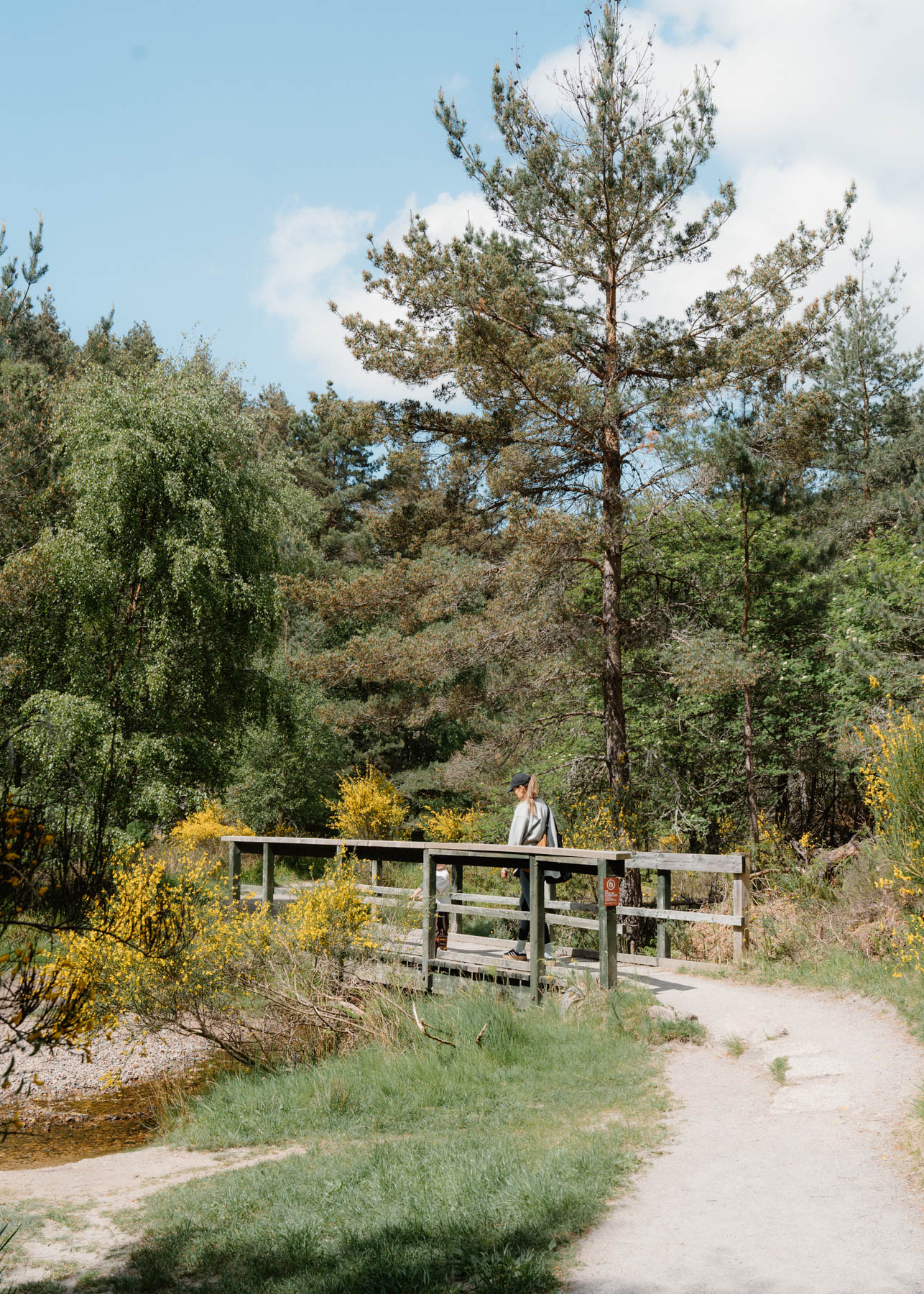
The trails set off from the Burn O'Vat visitor centre, and there's a range to choose from, all waymarked. The shortest is the walk to the Vat itself, following the burn upstream and through the cleft into the cauldron, with the option to carry on to a viewpoint looking over Loch Kinord. The longer routes loop round Loch Kinord, roughly four miles, taking in the Pictish cross, and out towards Loch Davan and the old hut circles.
The going is mostly good, through birch and pine woodland, gently undulating. A few sections get muddy after rain, so wear decent footwear, and the rocks around the Vat are slippery, so take care getting in. Allow a couple of hours for the full loch circuit if you stop along the way, which you will.

Location
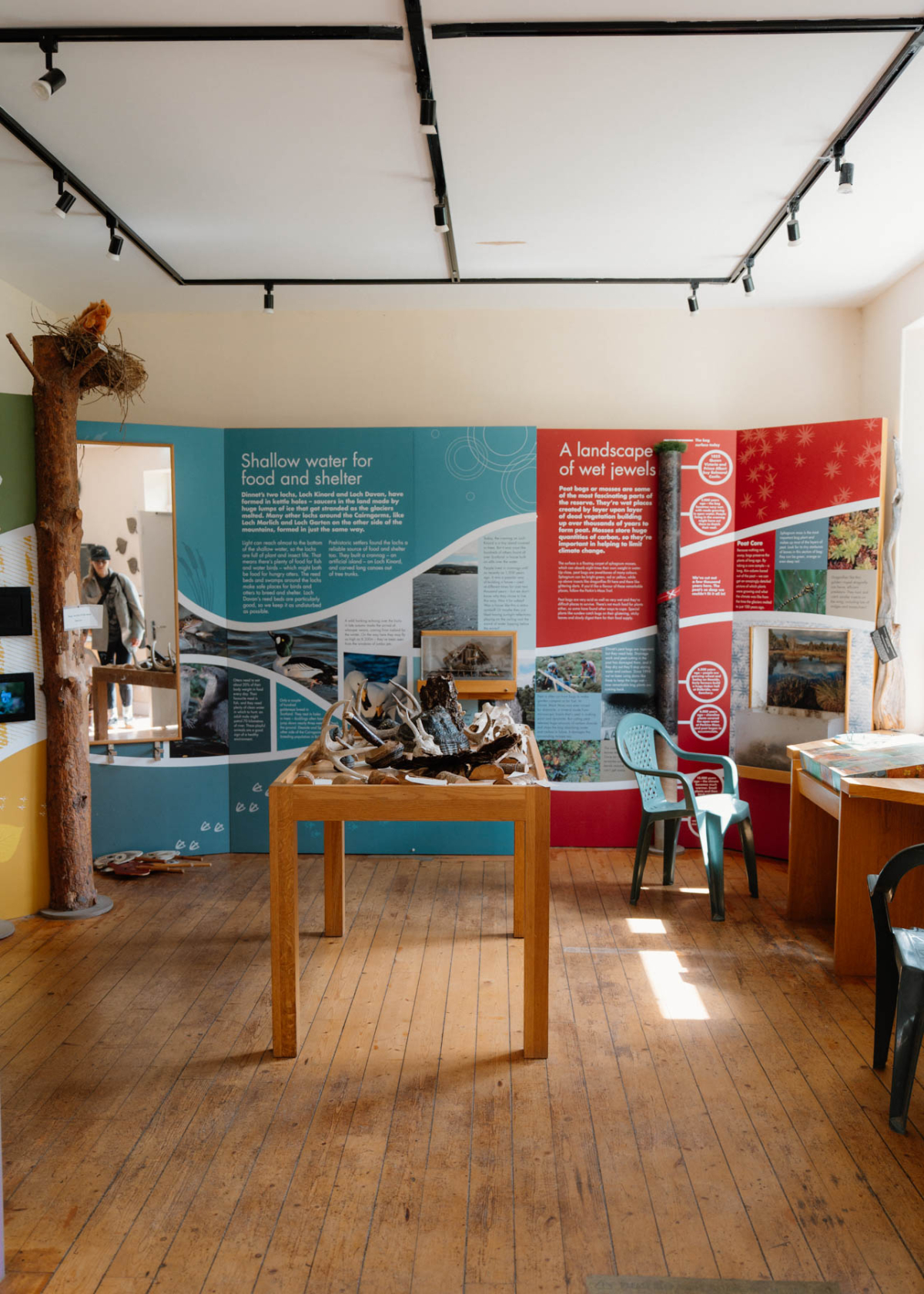
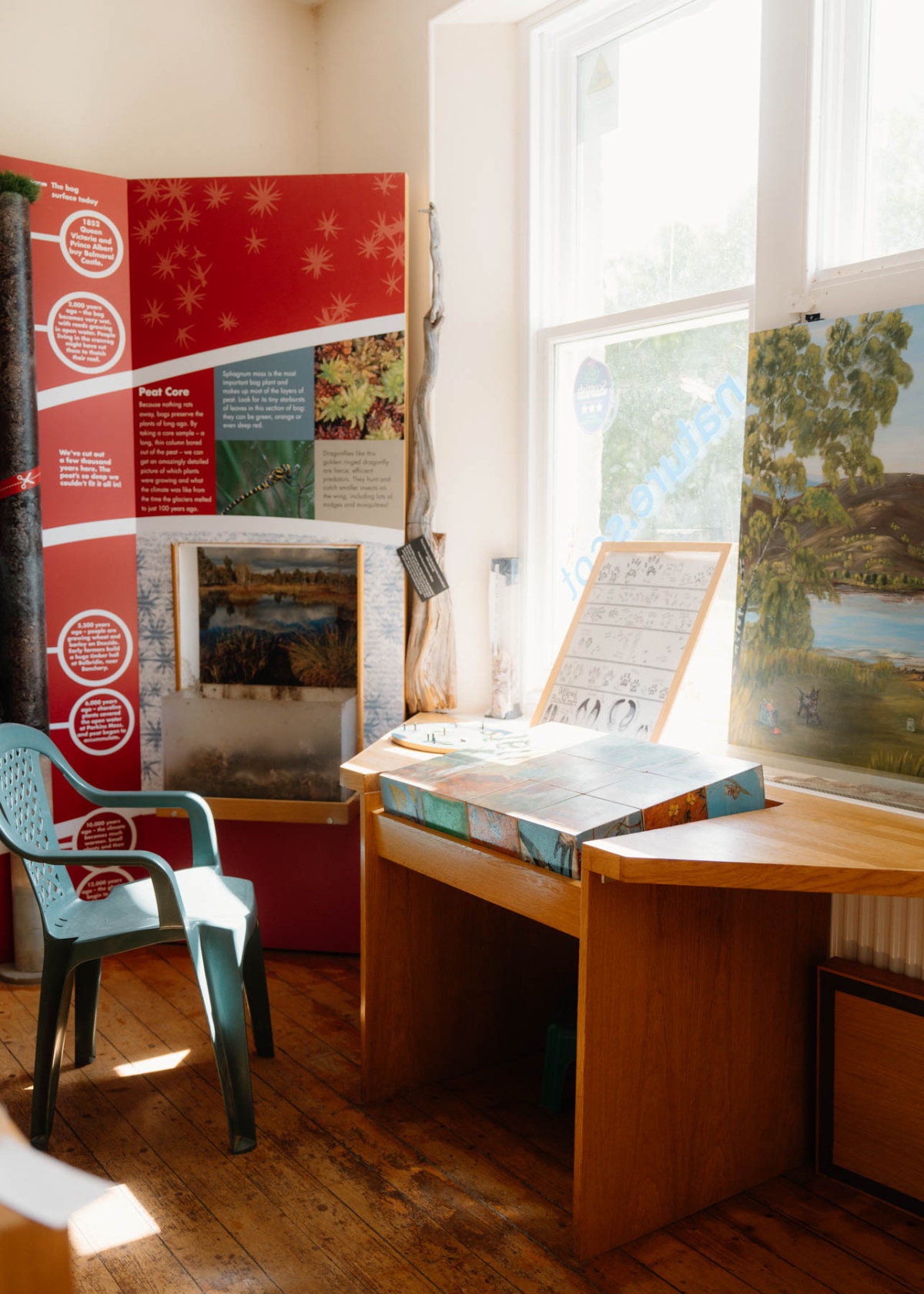
The reserve lies in west Aberdeenshire, on the B9119 just off the A93 Aberdeen to Ballater road, about two miles west of Dinnet village and five or so east of Ballater. The Burn O'Vat visitor centre is the main starting point, with parking (pay and display), displays on the reserve, and toilets open all year, one of them wheelchair accessible.
There are separate parking areas for Loch Kinord, including a small car park off the B9119 and a larger one at Clarack on the edge of Dinnet. If you're on public transport, Stagecoach Bluebird's 201 from Aberdeen stops in Dinnet.
What's nearby
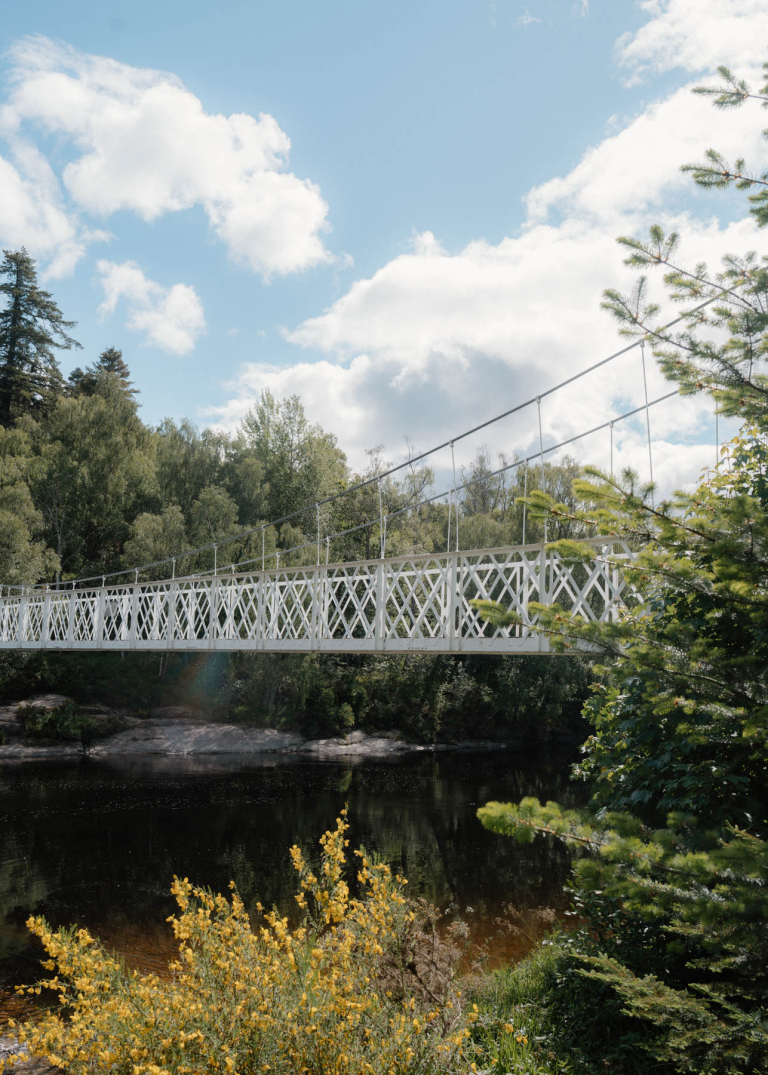
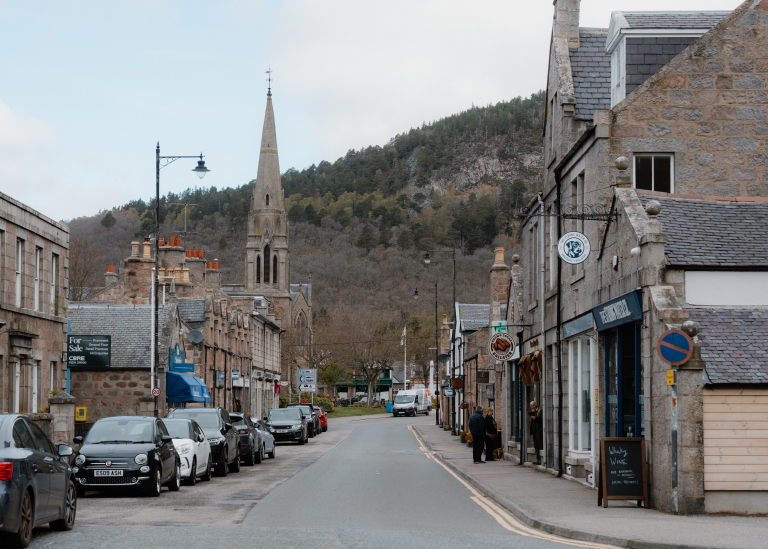
You're well placed here. Cambus O'May, with its white suspension footbridge over the Dee, is a few minutes east towards Ballater. Ballater itself, handy for shops, cafés and the old royal station, is about five miles west, and Balmoral lies a little beyond. The Deeside Way long-distance path runs close by, following the old railway line, good for walking or cycling between the villages. Glen Tanar, another fine spot for woodland walks, is over to the south. And Aboyne, with more in the way of shops and food, is a short drive east.




Where to stay nearby






 Sign in with Google
 Sign in with Email