
Glenshee
The Cockstane: Clan MacThomas' Ancient Gathering Stone
Introduction
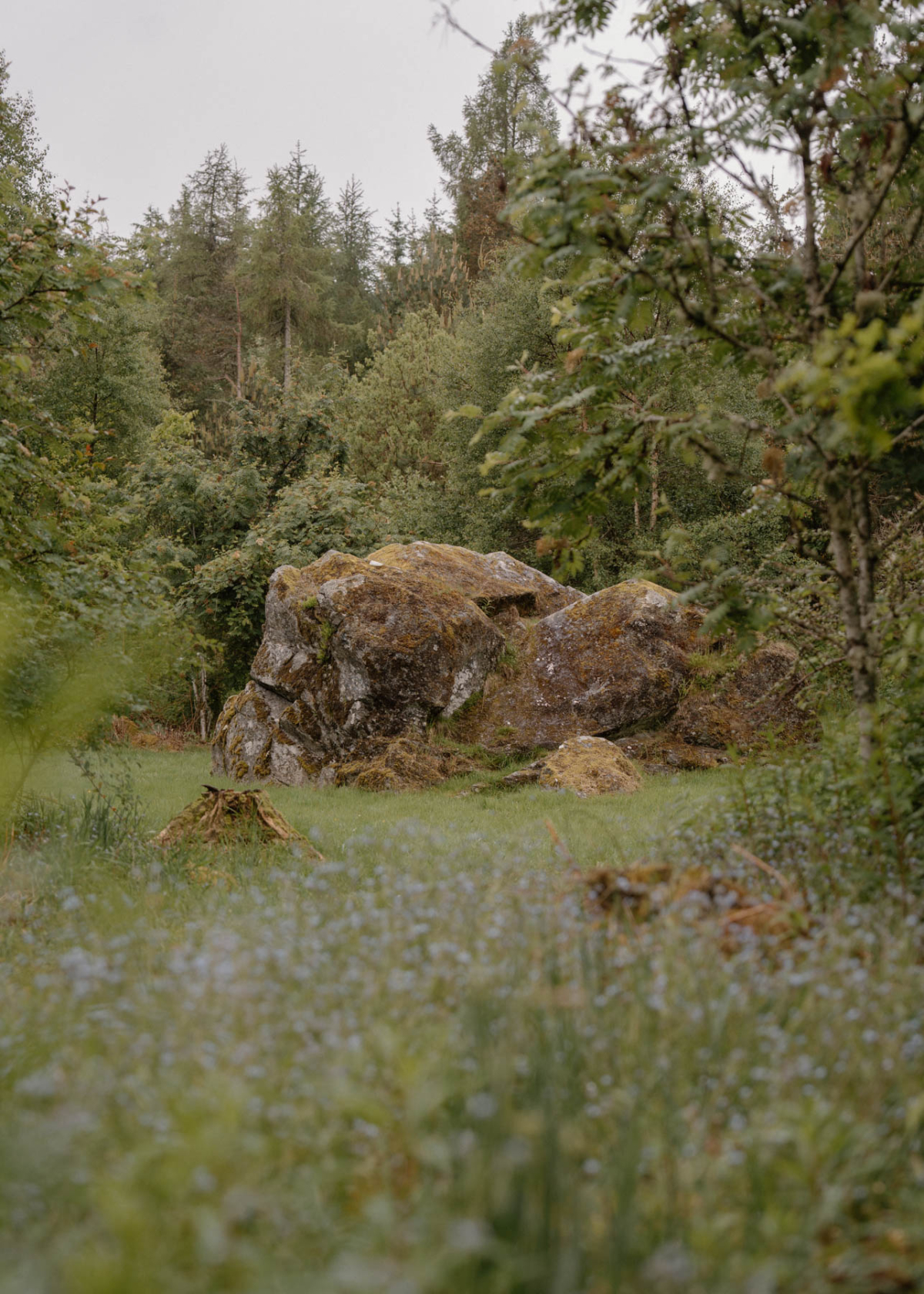
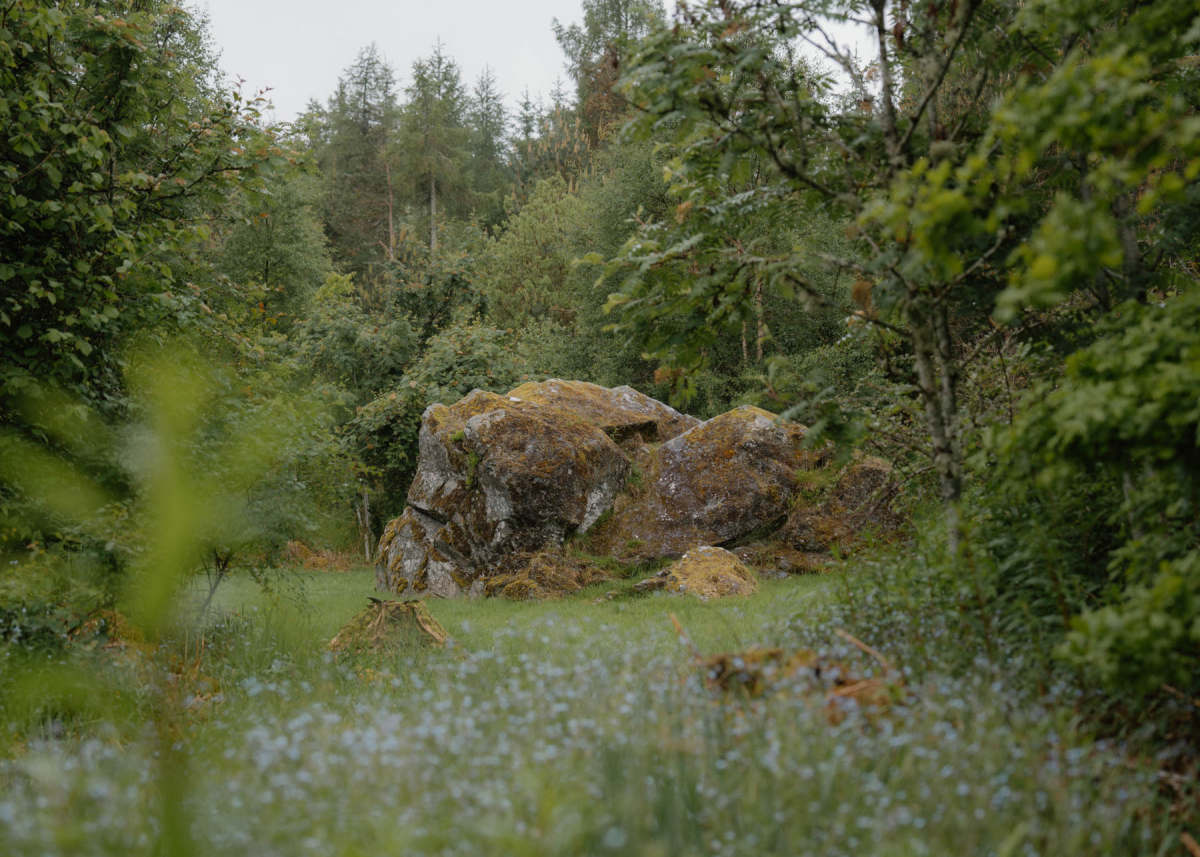
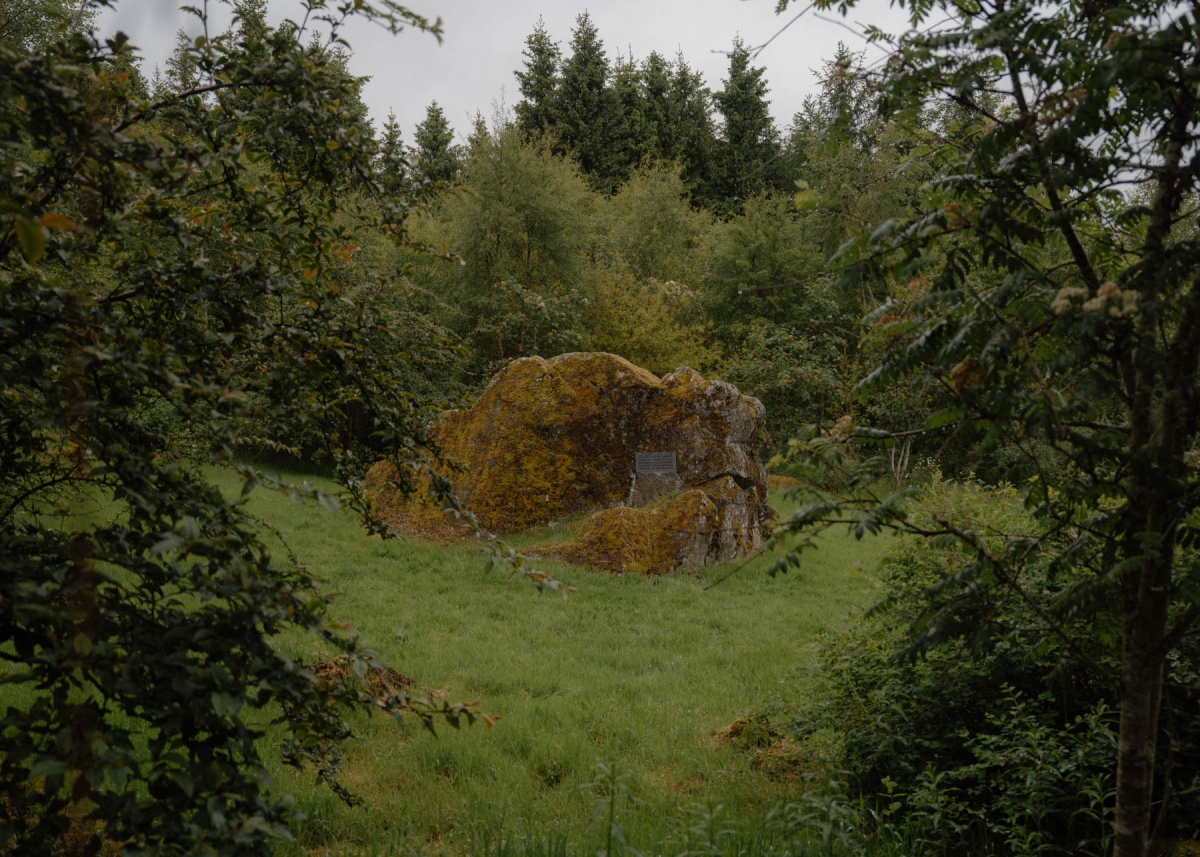
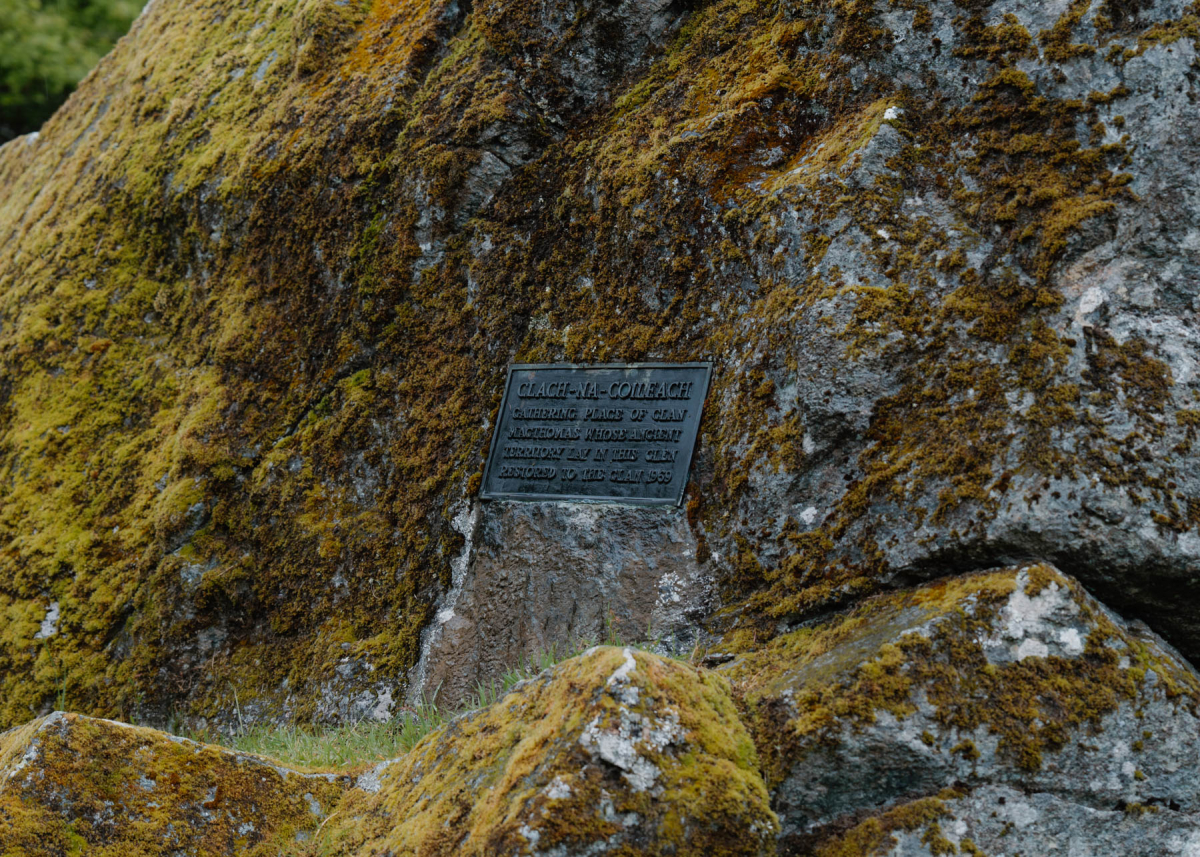
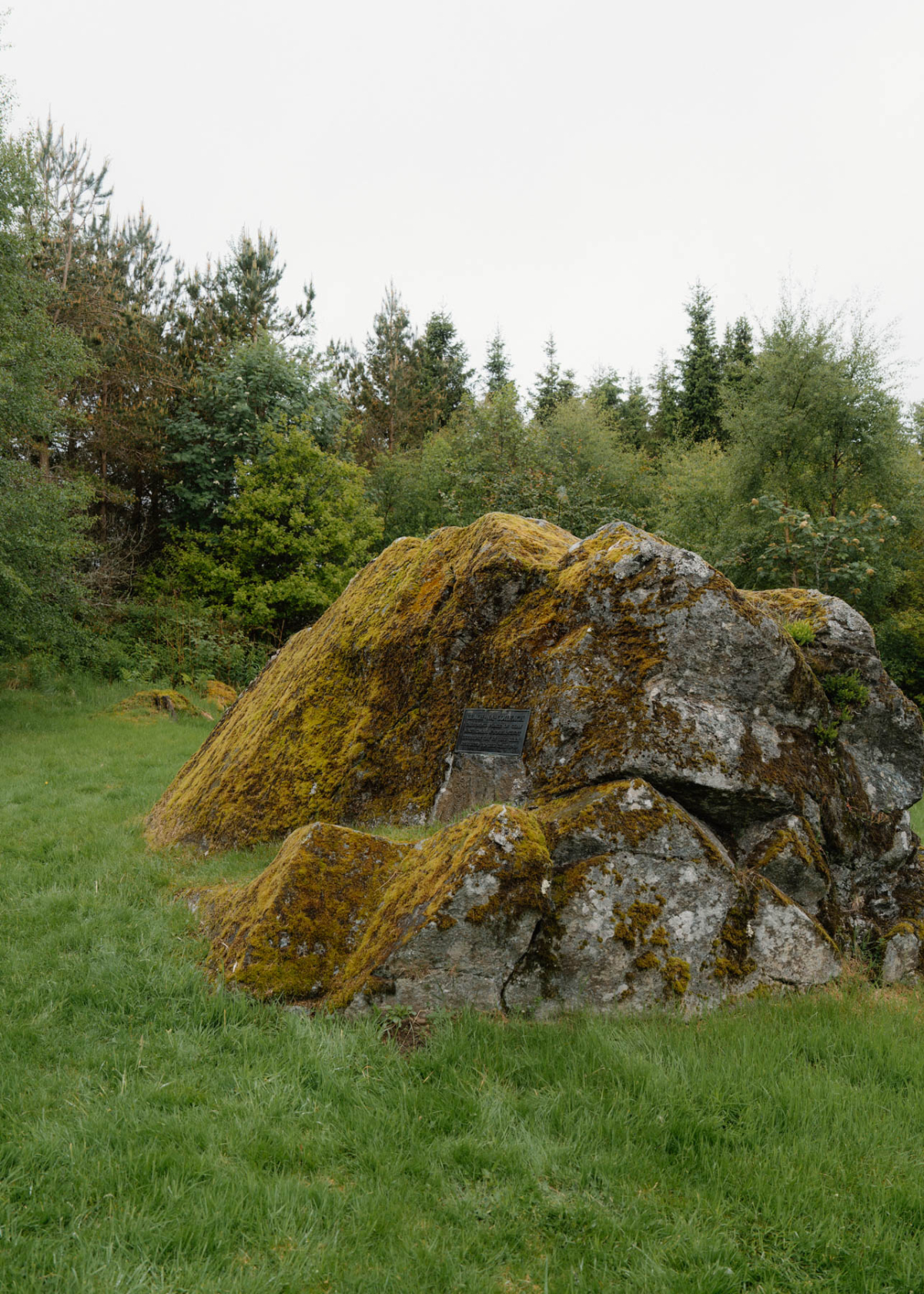
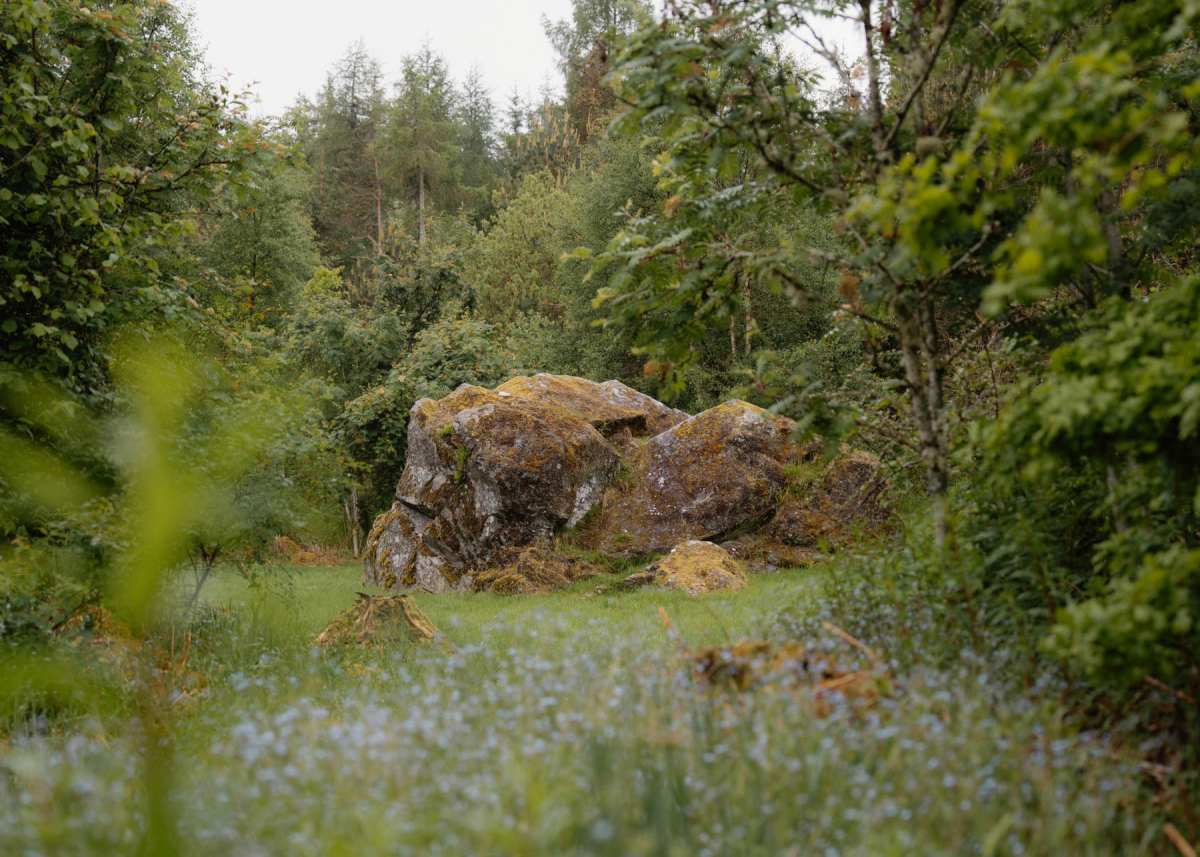
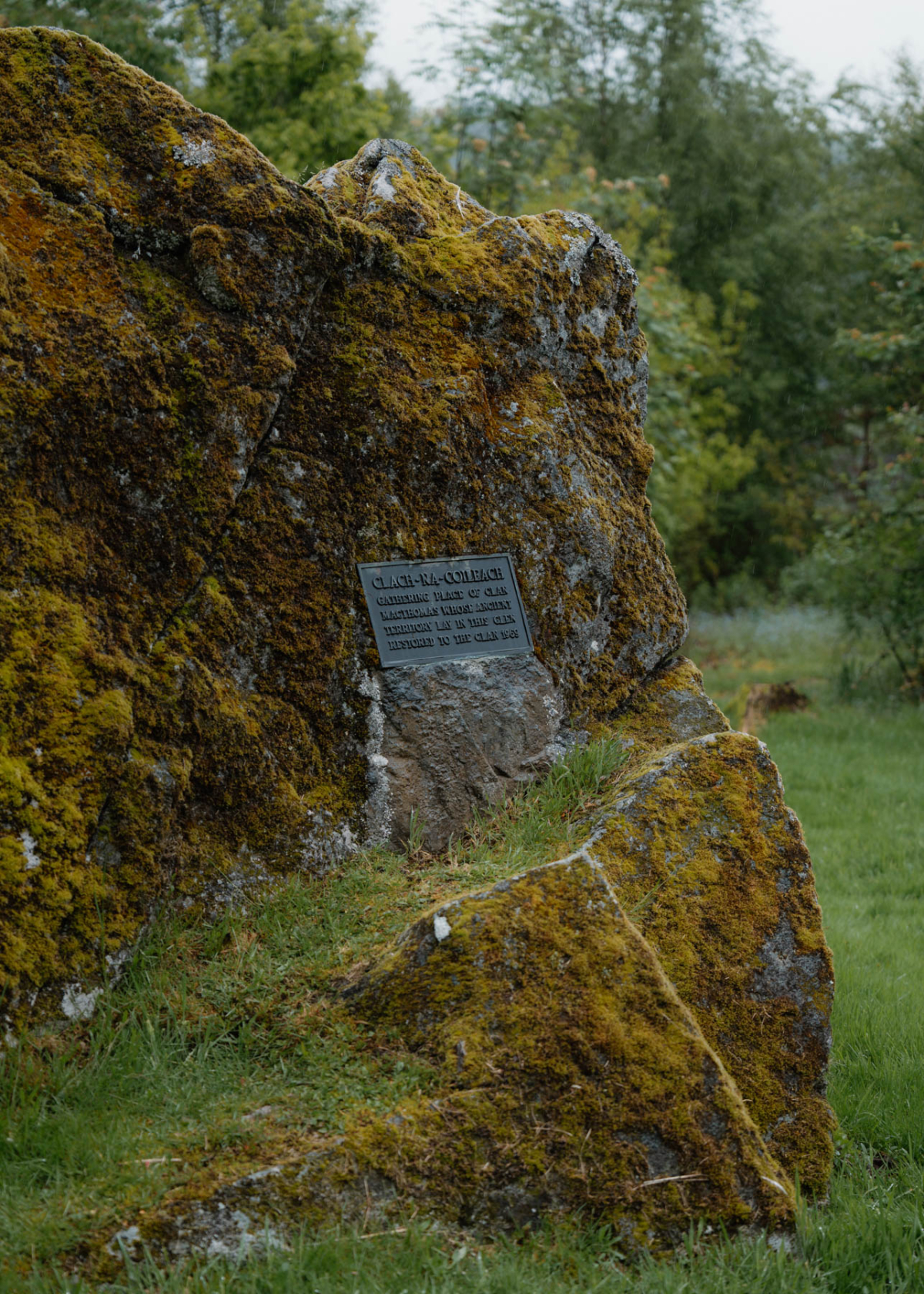
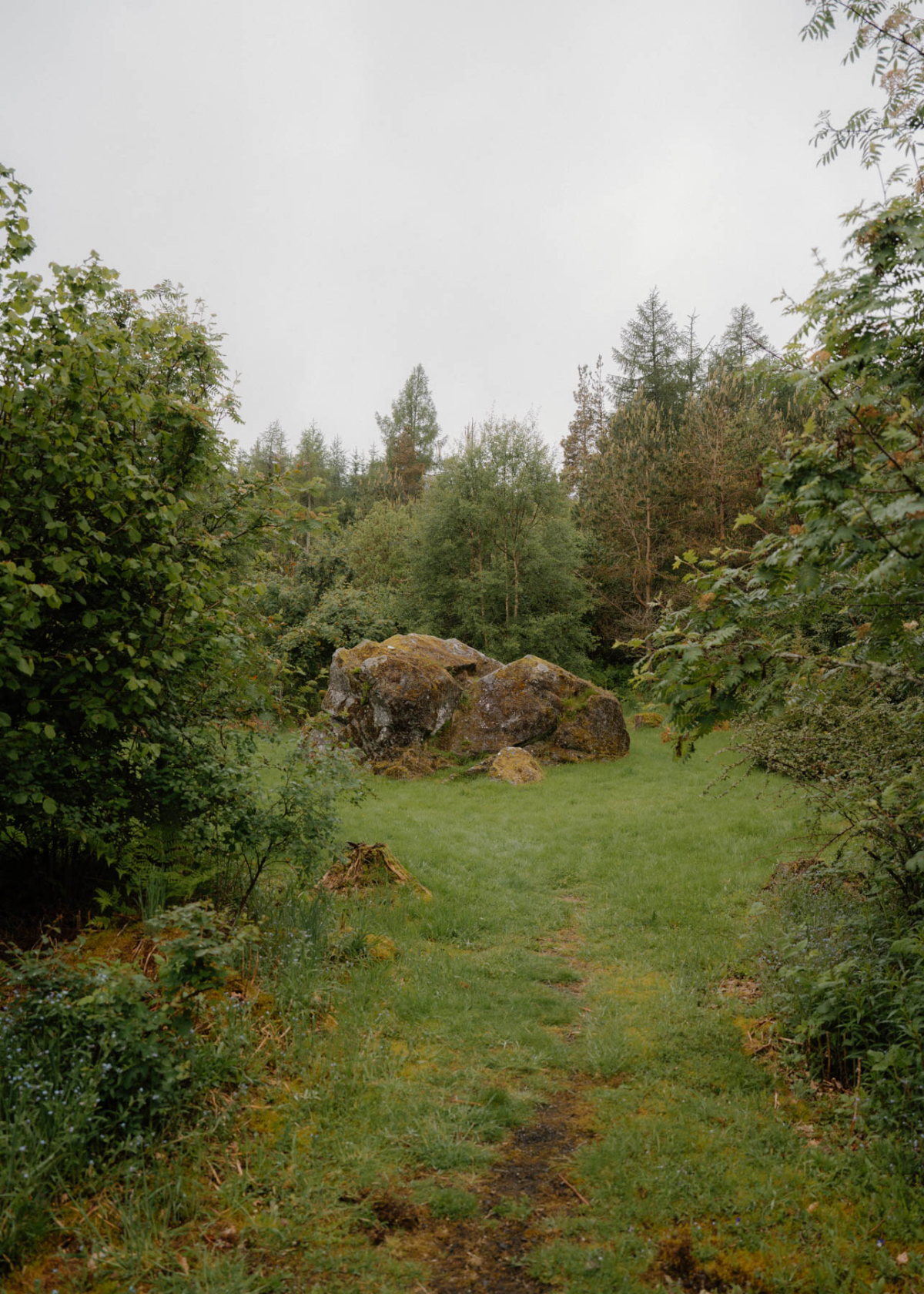
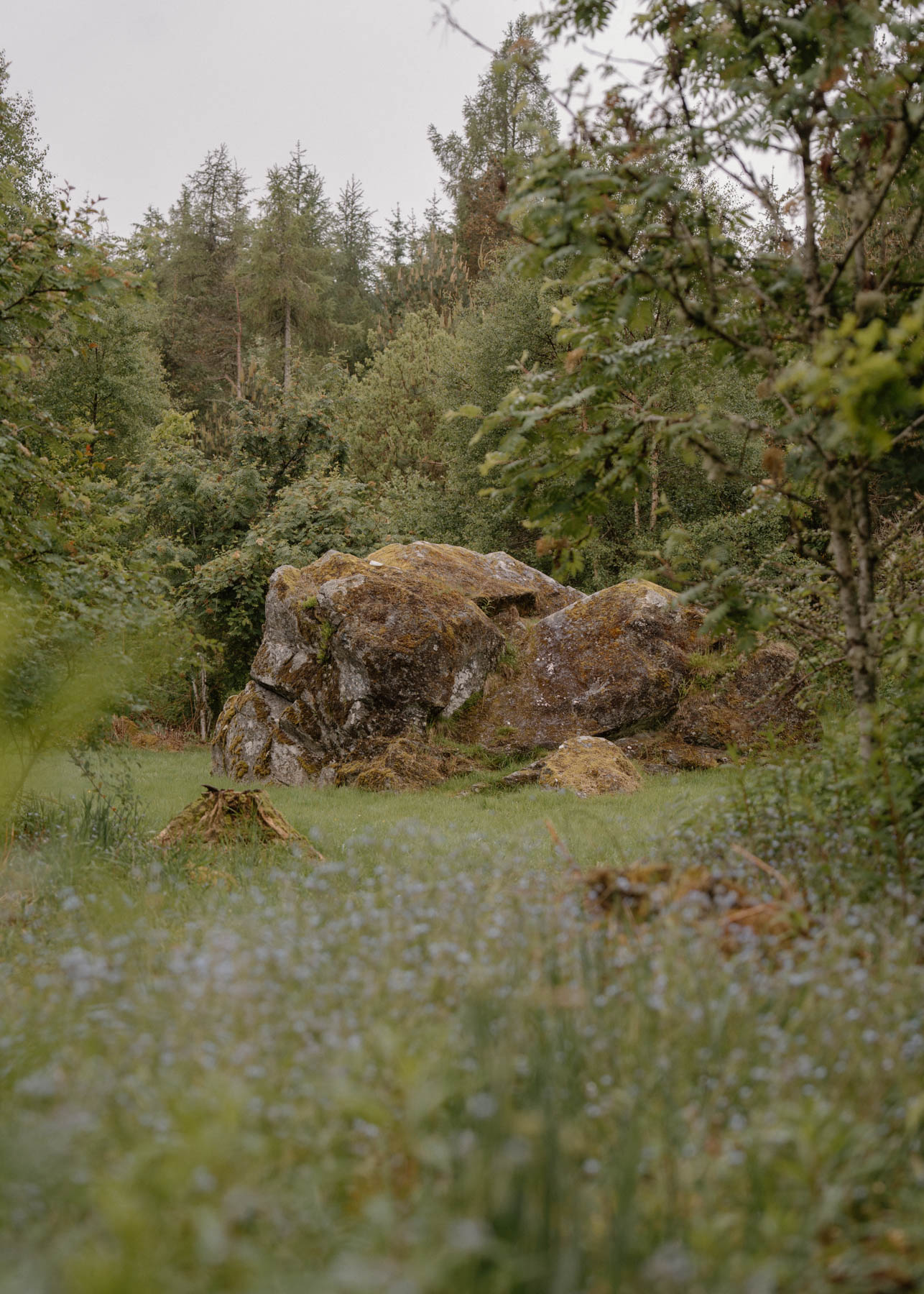
The Clach na Coileach, or Cockstane, is a big glacial boulder sitting just south of Finegand in Glenshee, between Finegand and the Lair on the A93. Plenty of stones like it were dumped here by the ice. This one's different because it's the historic gathering place of Clan MacThomas, who've been tied to the glen since the 15th century.
The name means Stone of the Cockerel. The story goes that McComie Mor, the clan's seventh chief and a man known for his strength, chased down some rent collectors who'd seized a poor widow's hens. He caught them, saw them off, and got the birds back. The freed cockerel flew up onto the boulder and crowed to claim it. The name stuck.
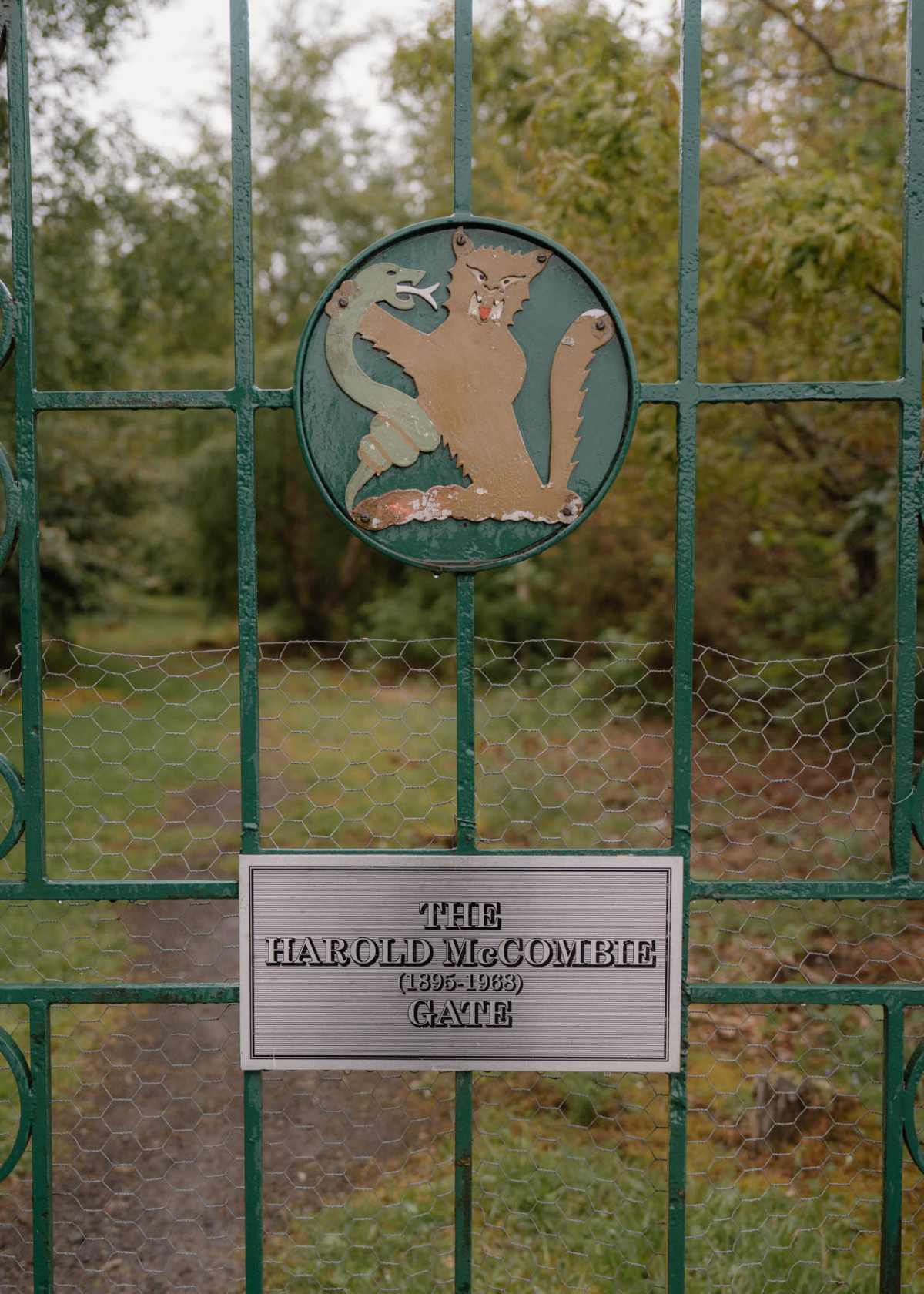
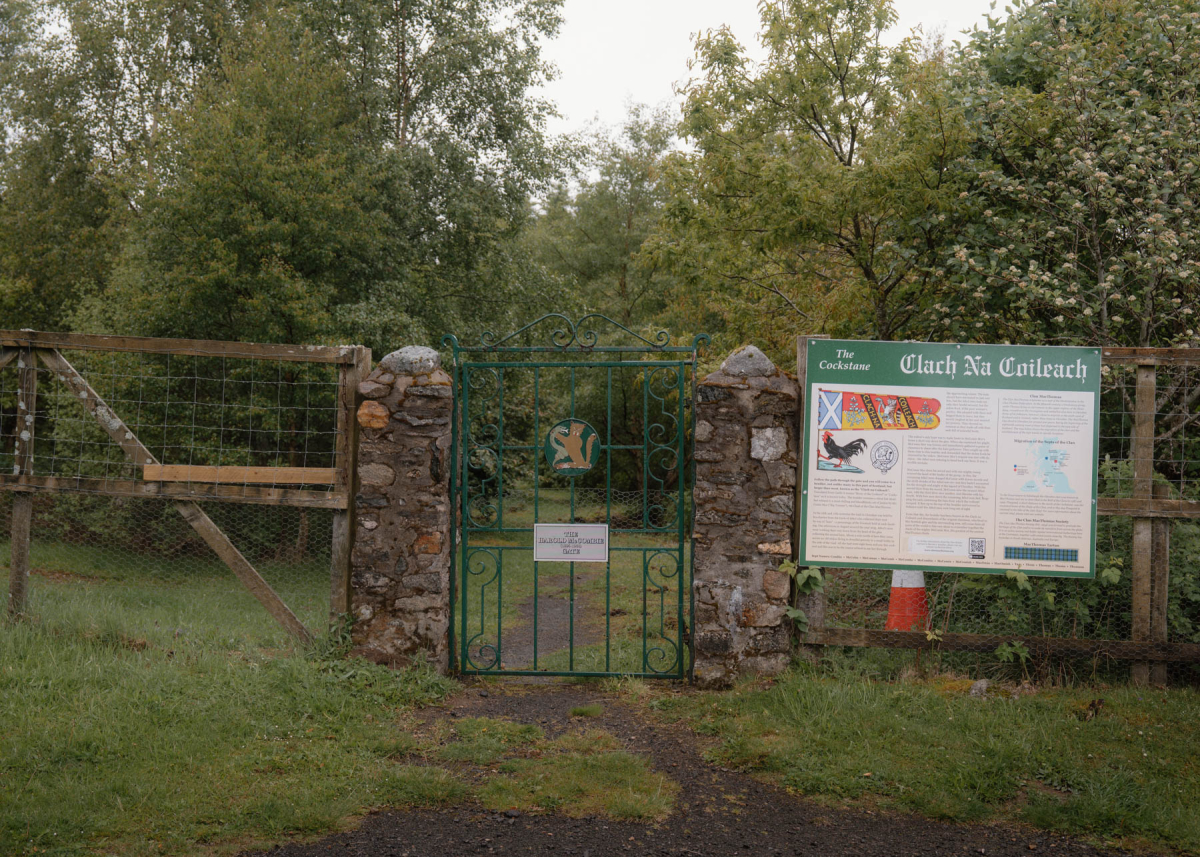
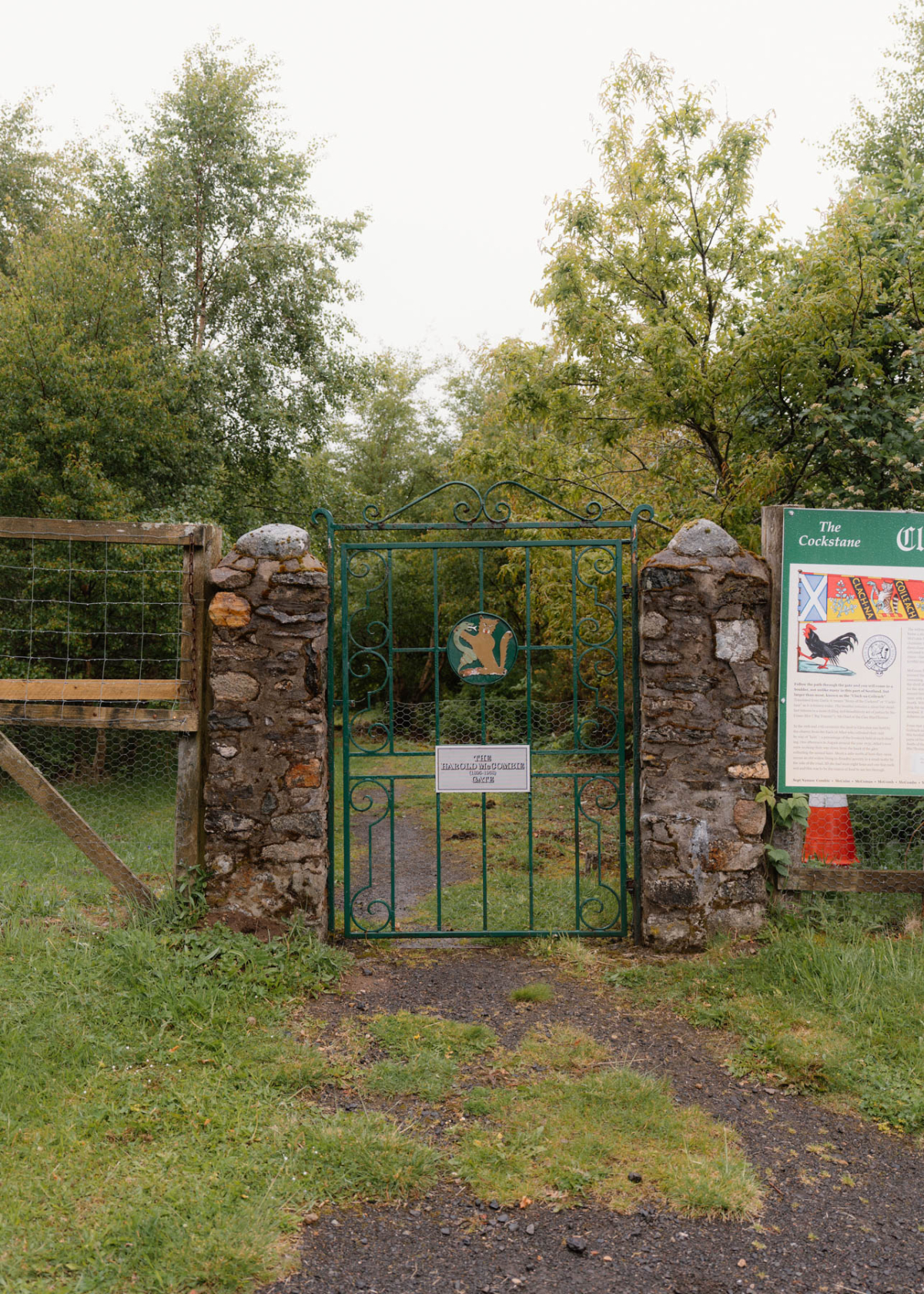
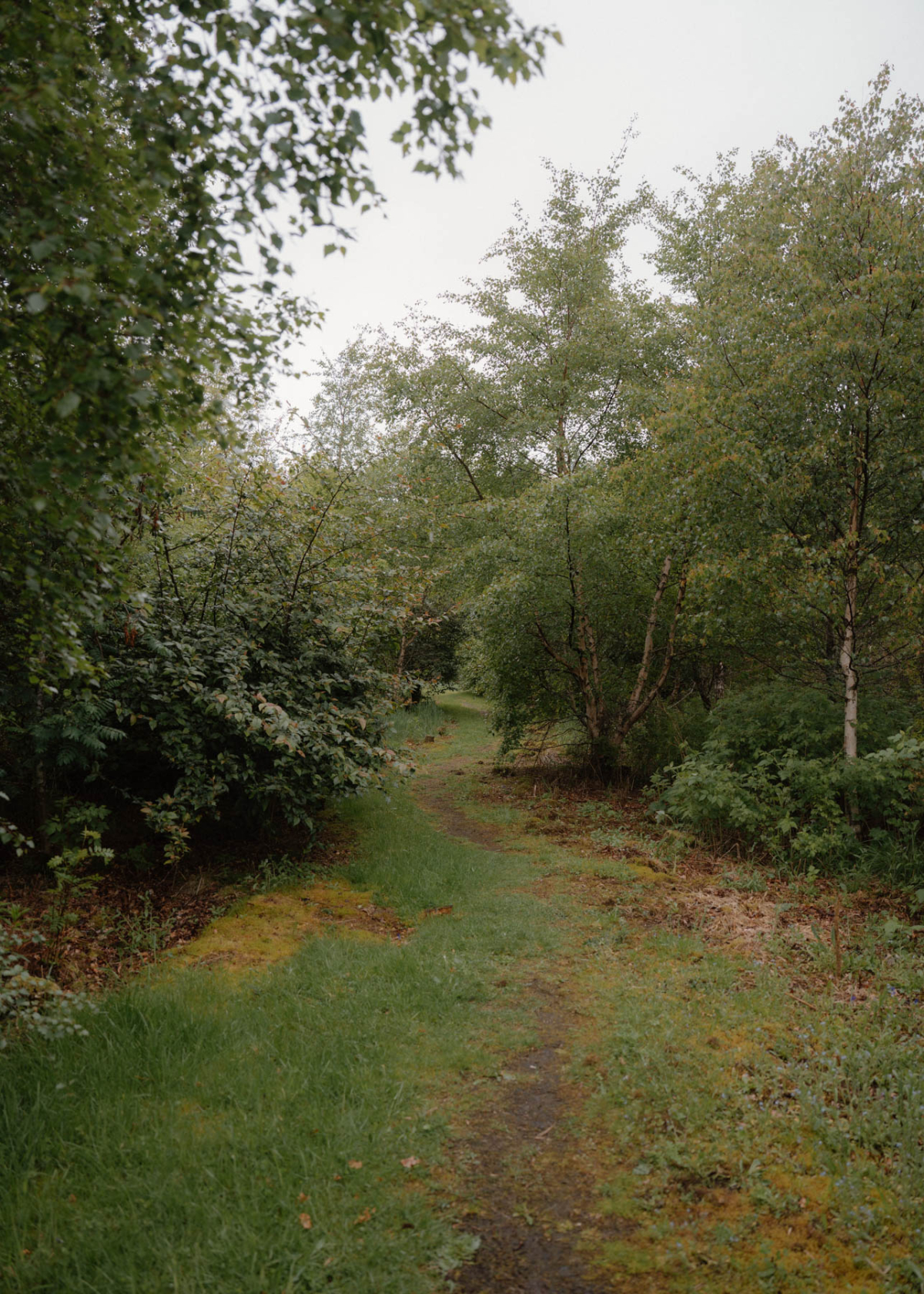
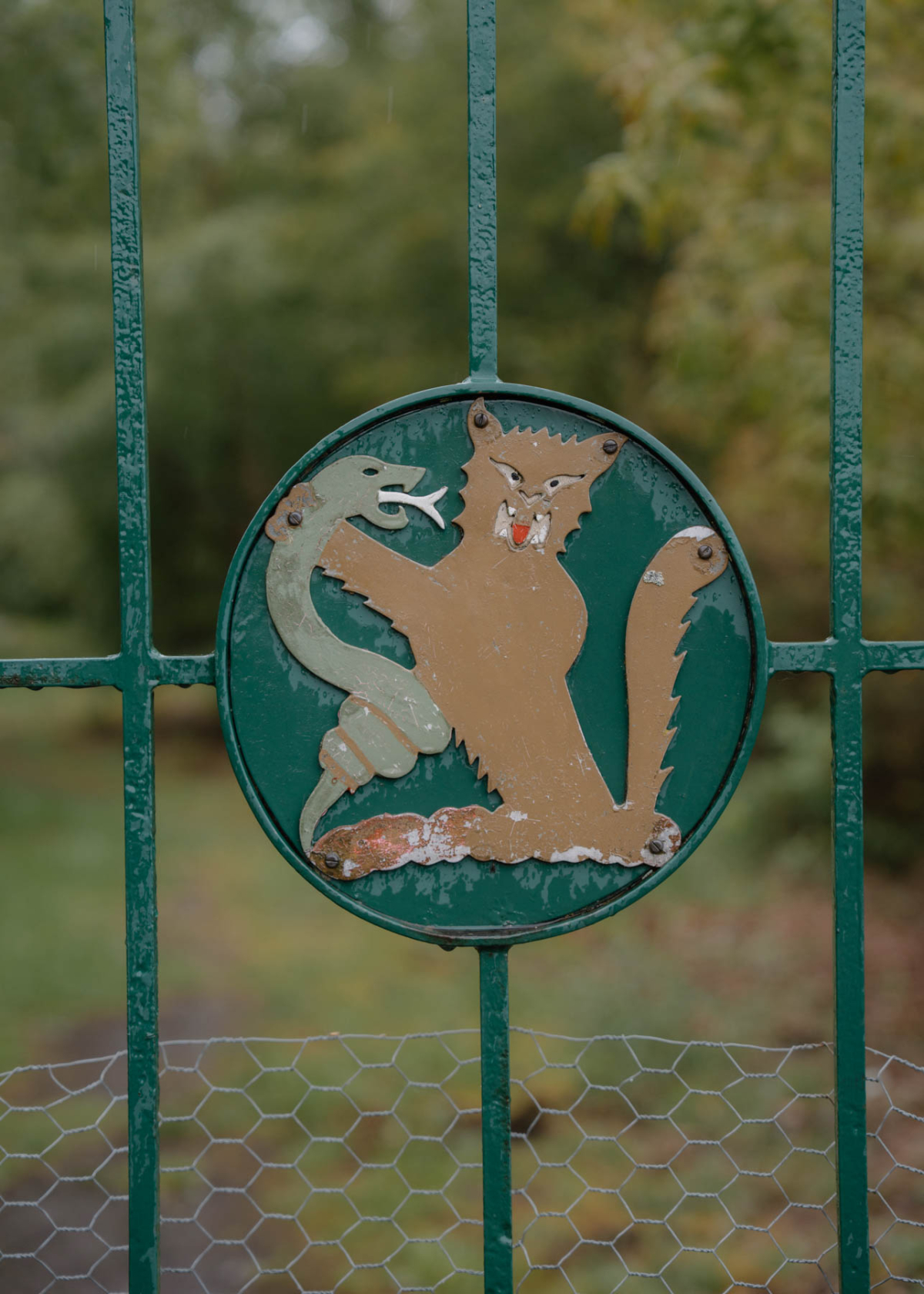
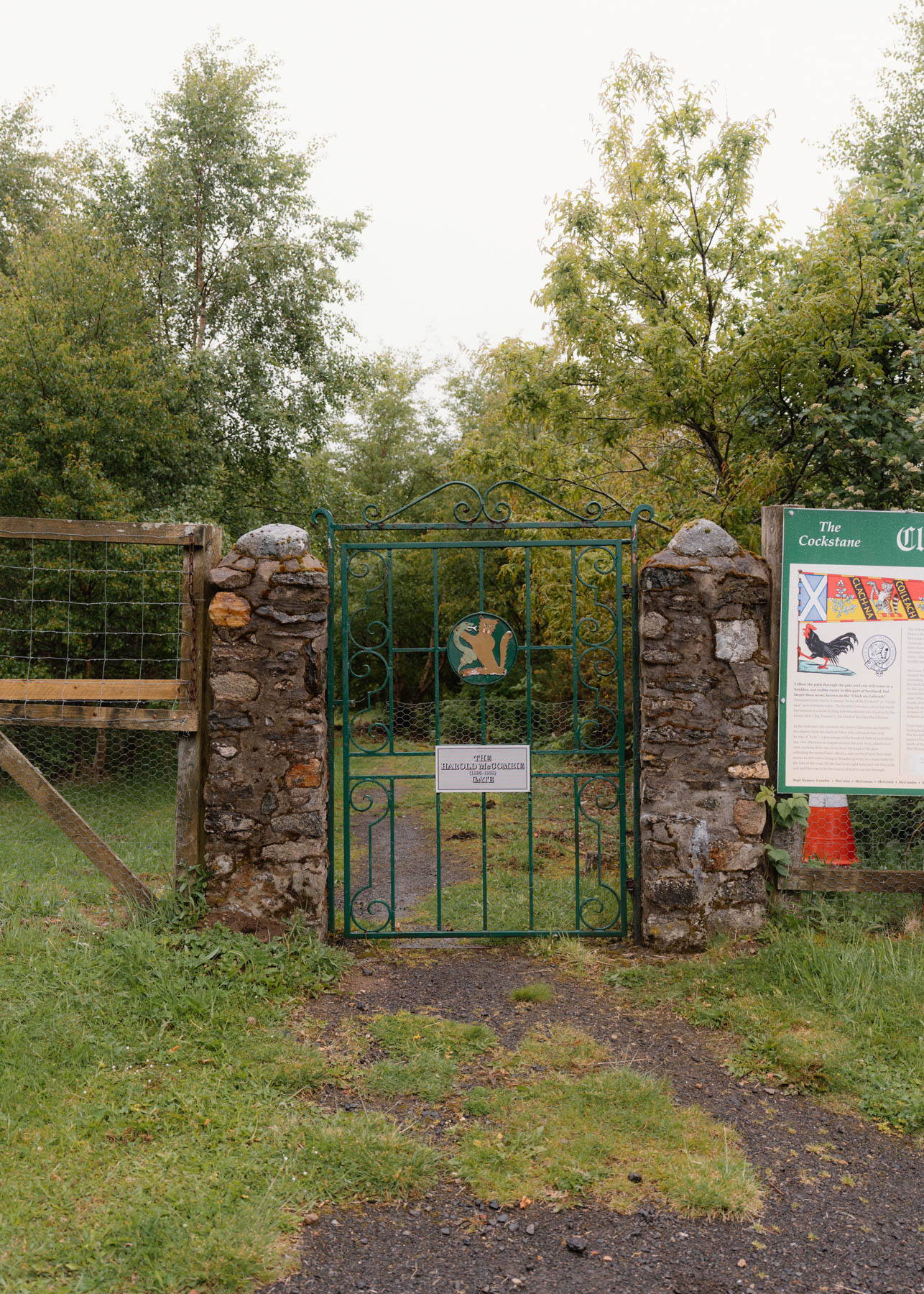
It makes a good leg-stretch if you're driving the glen. There's a small car park right at the gate, the Harold McCombie Gate, with the clan crest on it, a wild cat gripping a snake. An information board by the entrance tells the whole tale. Through the gate you're into part of Lair Wood, and a short birch-lined avenue with snowberry bushes, the clan's plant, leads you down to the stone itself.
It won't take long. Ten minutes, maybe fifteen if you read the board properly. But it's a quiet spot and an easy stop, and the land still means something, the clan gathers here every three years from all over the world.
History
Tomaidh Mor, "Great Tommy," gave the clan its name. A great-grandson of the 8th Chief of Clan Chattan, born in Badenoch, up in what's now southern Inverness-shire. The chiefship was never going to come his way. And the Chattan confederation had swollen into something too big and too quarrelsome for his taste. So around 1470 he gathered his family and his kinsmen and headed east over the Grampians. Looking for better ground.
He found it by the Shee Water, on the grass opposite what's now the Spittal of Glenshee. The early chiefs lived at the Thom, up the glen on the east bank.
The clan did well. They spread out into Glenisla, Glenprosen and Glen Clova over the next century or so. Then Robert, the 4th chief, was killed near the end of the 16th century. The chiefship went to his brother, John McComie of Finegand, a few miles down the glen. Finegand has stayed the chief's seat ever since. The name fractured around this time into all its forms, McComie, McComb, McColm, McCombie and the rest, though officially Edinburgh always had them down as MacThomas.
The one everyone remembers is McComie Mor, the 7th chief. Another John McComie of Finegand. A cattle dealer who made decent money in the mid 1600s, and a man whose strength turned into legend. The stories still get told round Glenshee and Glenisla. The Cockstane belongs to one of them: the tale of him going after the Earl of Atholl's rent men once they'd stripped a widow of her hens. He got the hens back. And the story goes that the freed cockerel flew up onto the boulder and crowed to claim it. That's the name, there.
After that the clan scattered. North to Aberdeenshire, where they became McCombie, and one of them, William McCombie of Tillyfour, had a big hand in founding the Aberdeen-Angus breed. Others went the other way, south to Dundee and Fife, softening their names to Thom, Thoms and Thomson. The 15th chief became Provost of Dundee in the 19th century. From there some sailed further still, to Africa, Australia, Canada, the United States.
The Clan MacThomas Society was set up in 1954. The land at Clach na Coileach was handed to the society in 1970, and members still come back from all over the world every three years to stand on it. The current chief, the 19th, is Andrew MacThomas of Finegand.
Location
The Cockstane sits on the west side of the A93, between Finegand and the Lair, about two miles south of the Spittal of Glenshee. It's in Perthshire, in the lower part of the glen, with a small car park right at the gate. You'll find it a few hundred yards north of the Wee House of Glenshee.
What's nearby
You're in the lower glen here, so most of what's worth seeing is strung north up the A93. The Spittal of Glenshee is a couple of miles on, an old hostel site where the Shee Water forms and a stopping point on the Cateran Trail. There's been an inn here since medieval times.
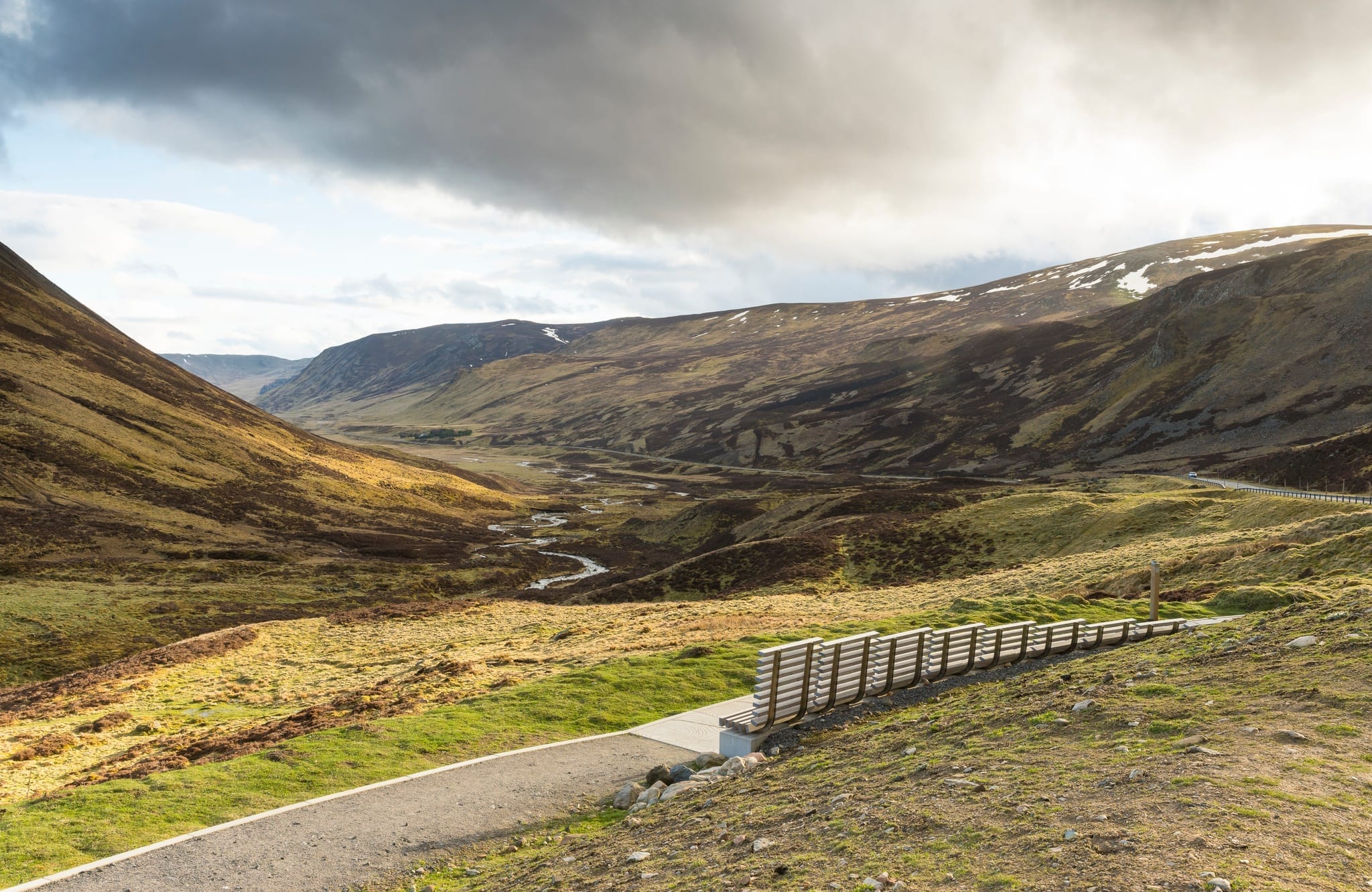
Keep going and you hit the Devil's Elbow, the old double hairpin on the climb to the Cairnwell, bypassed in 1971 but still walkable. Past that, the summit of the pass at 670 metres, the highest main road in Britain, and the Glenshee Ski Centre. Out of ski season the Cairnwell Chairlift runs through the summer, seven minutes up to near the top of the Cairnwell, reckoned the most accessible Munro in Scotland.
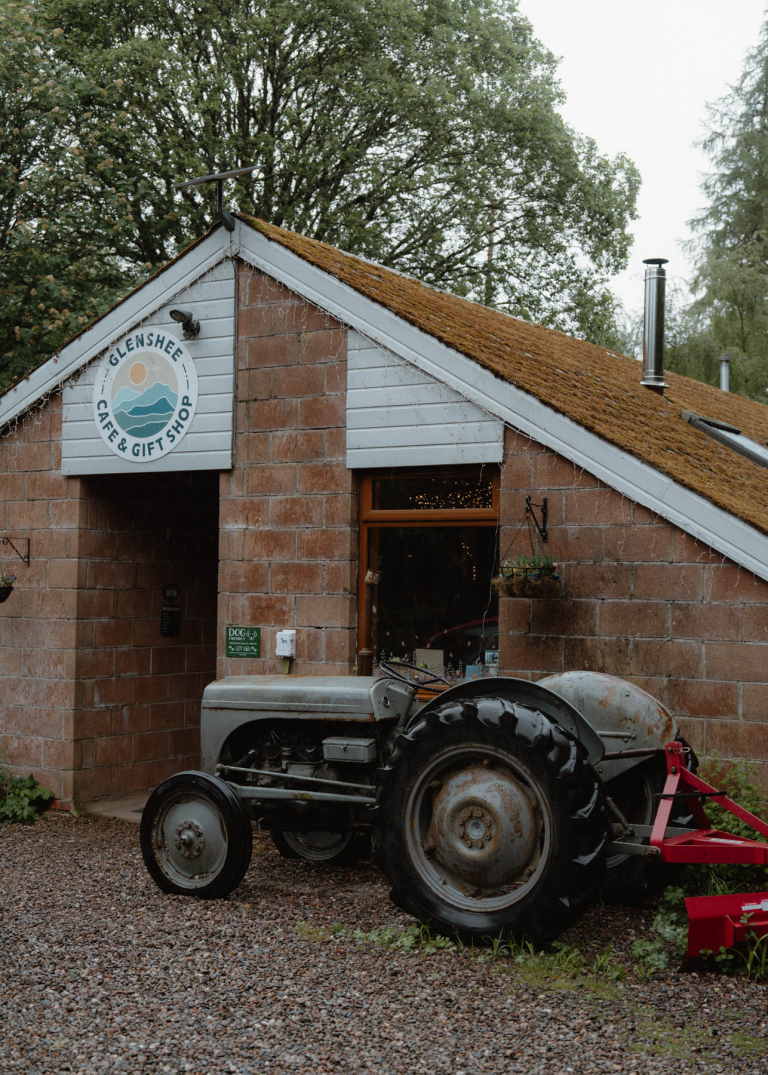
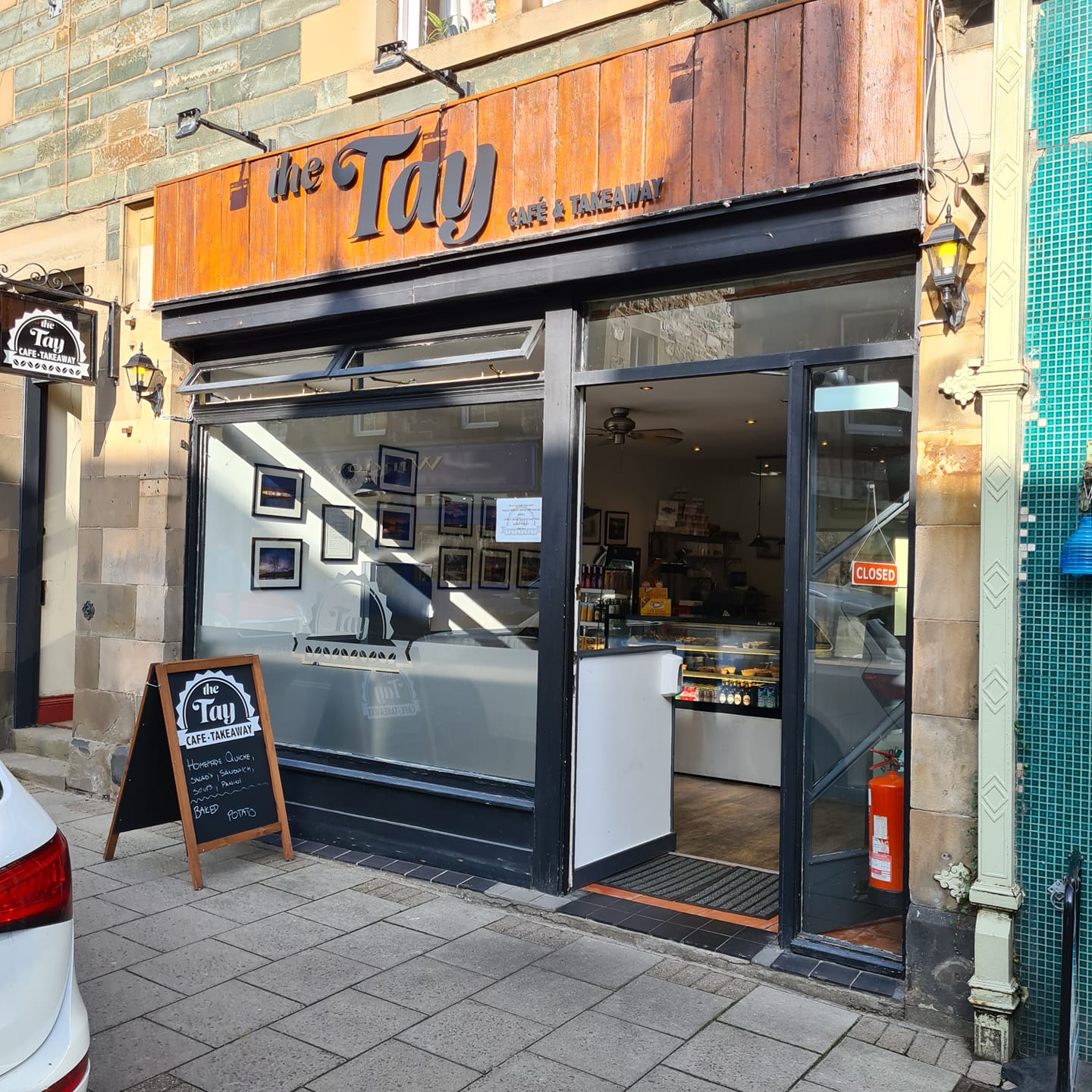
For a stop, Glenshee Café & Gift Shop at the Spittal is the obvious one. Open ten till four every day, with homemade food, barista coffee, a gift shop, a farm shop and a tourist information point. Dog-friendly, with a deer farm next door. A good place to fuel up.
North over the top, Braemar is the far end of the run, with its castle and the Highland Gathering every September.

Where to stay nearby
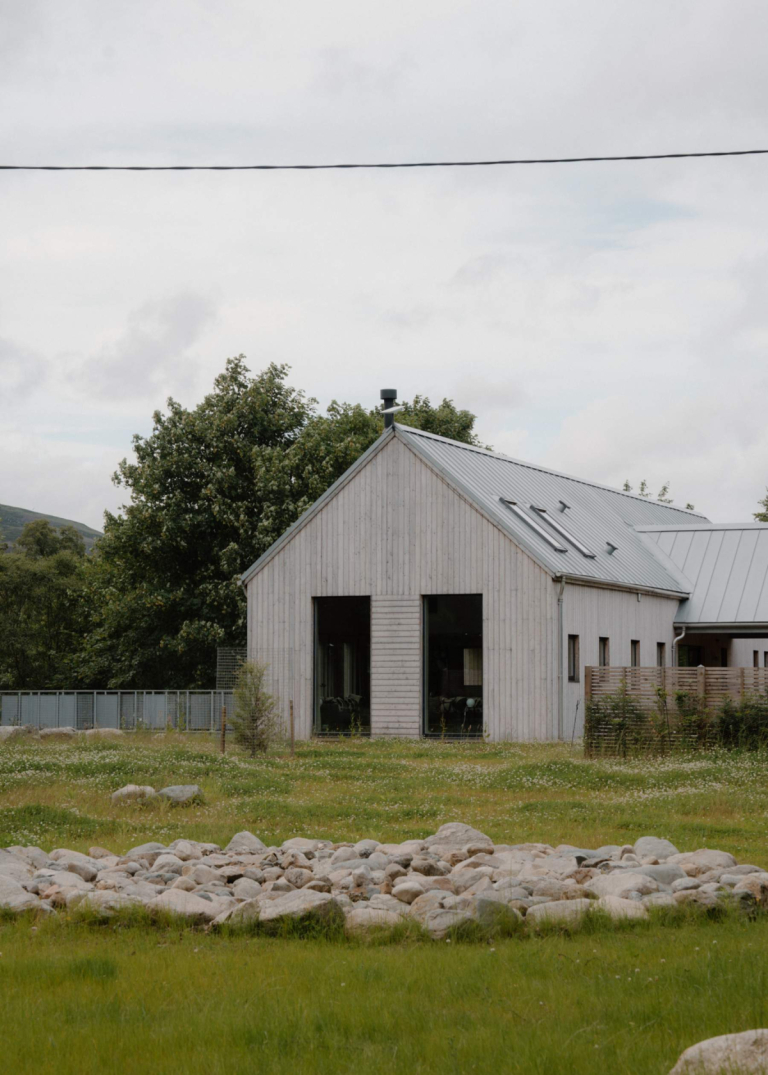
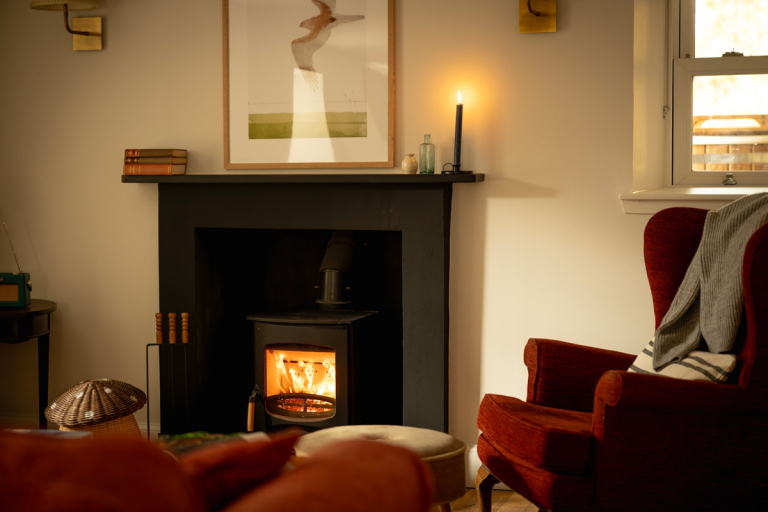
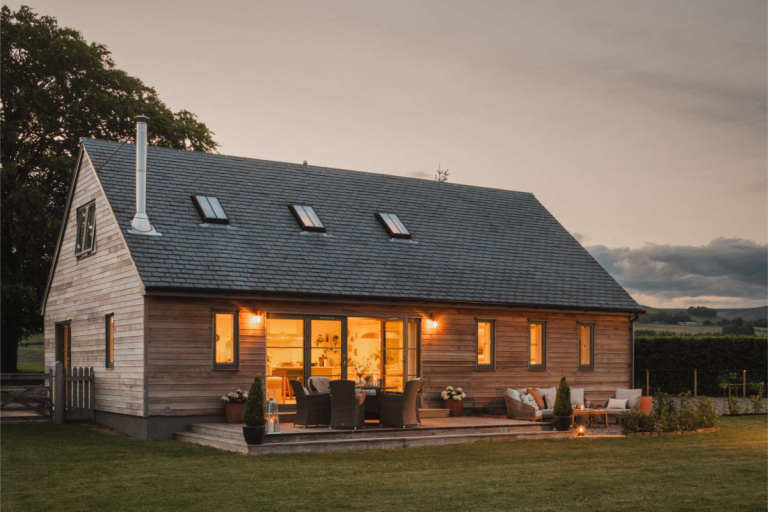
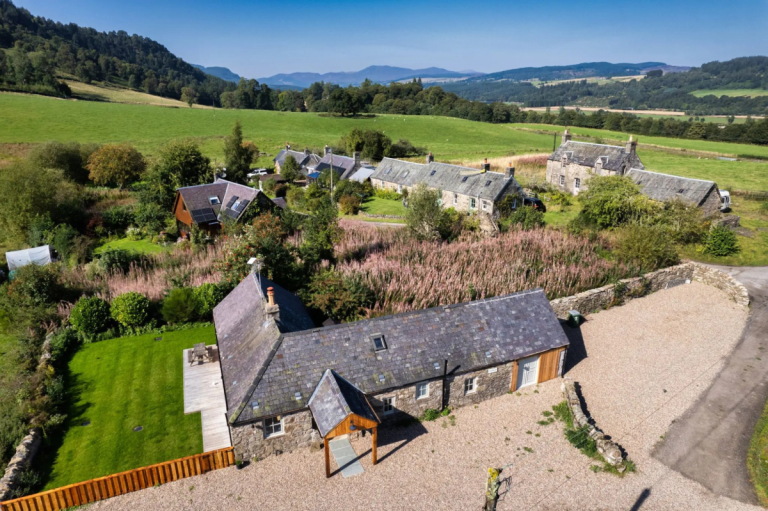
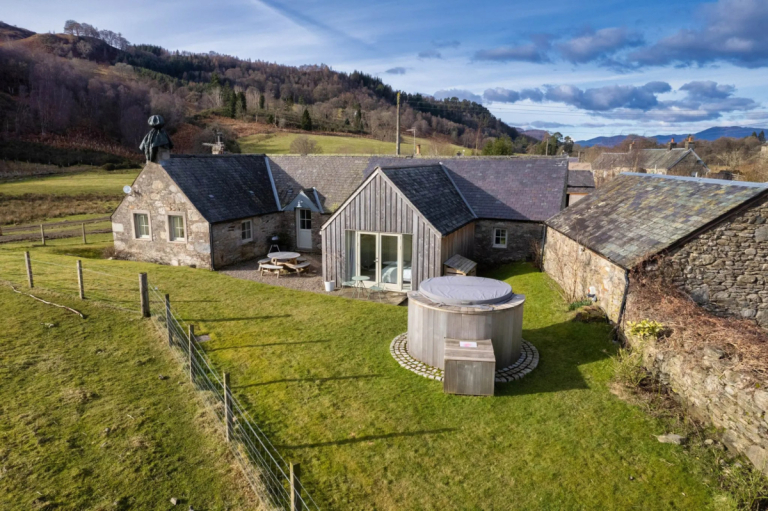
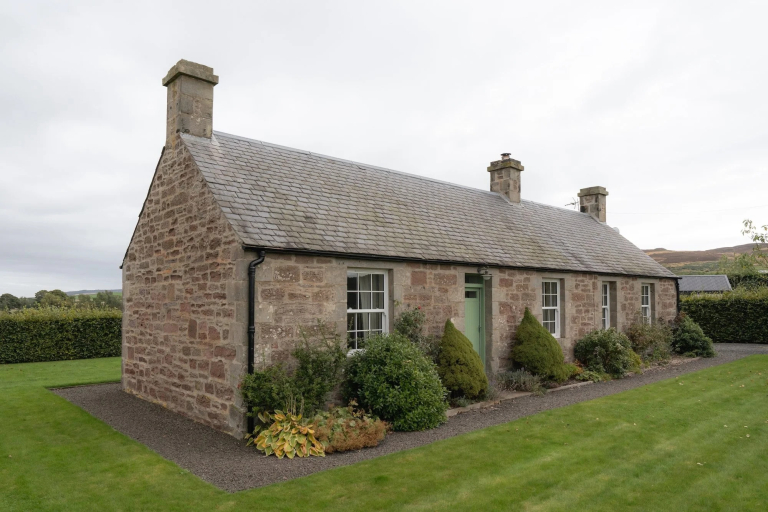
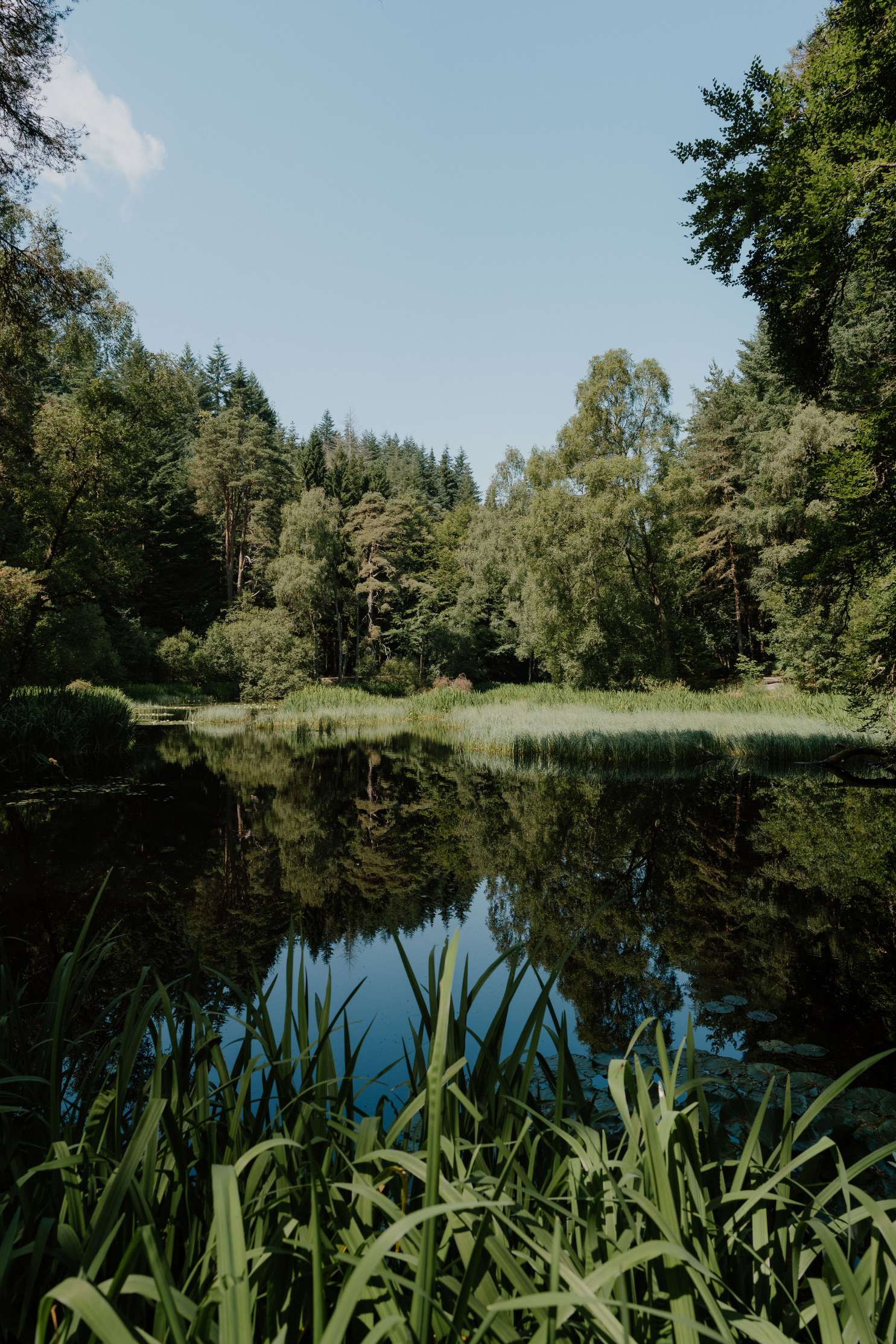
Plenty of choice either side of the glen. South towards Blairgowrie, Larch House is a good shout. Three bedrooms, sleeps up to six, log burner, dog welcome. A handy base for the lower glen and the rest of Perthshire.
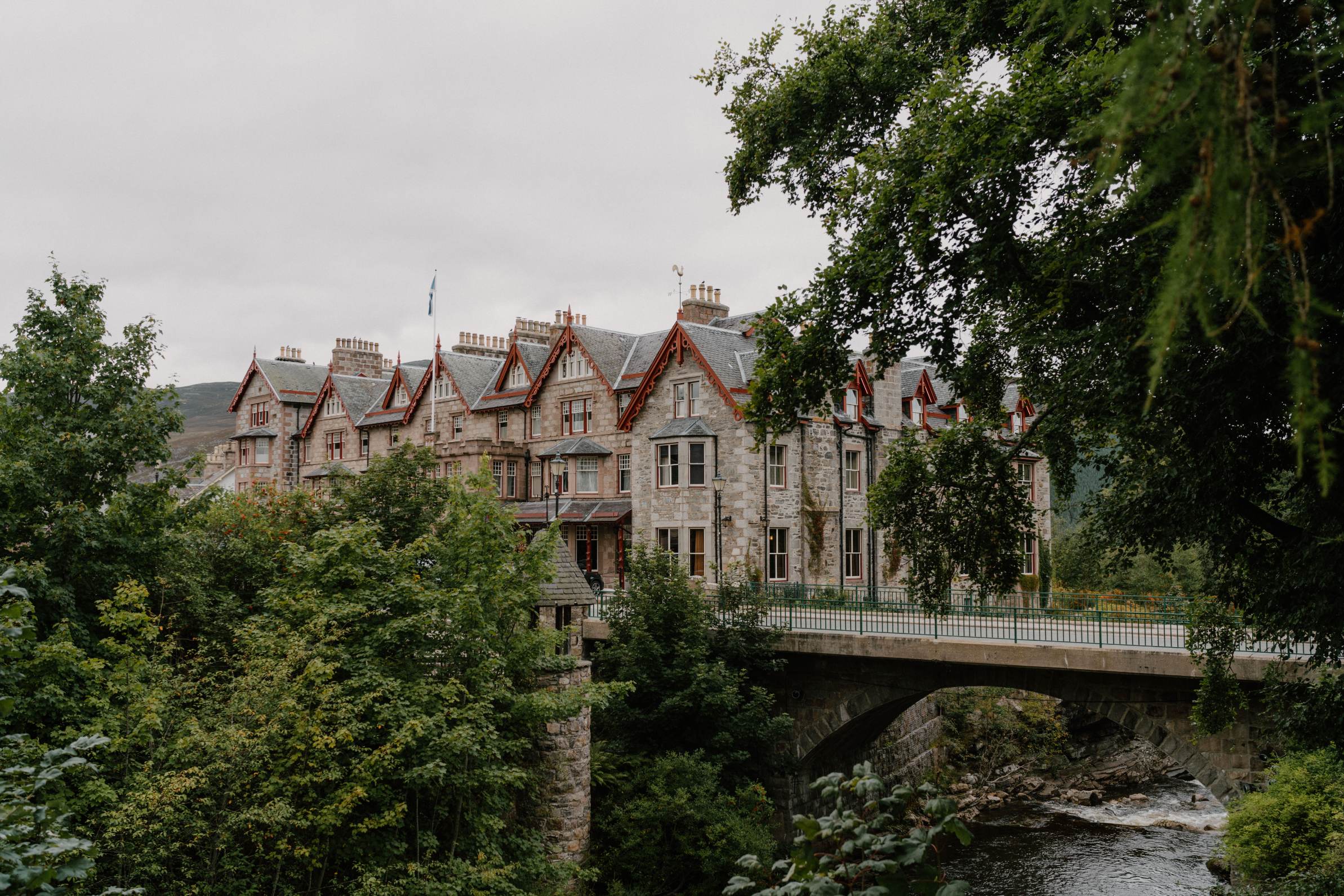
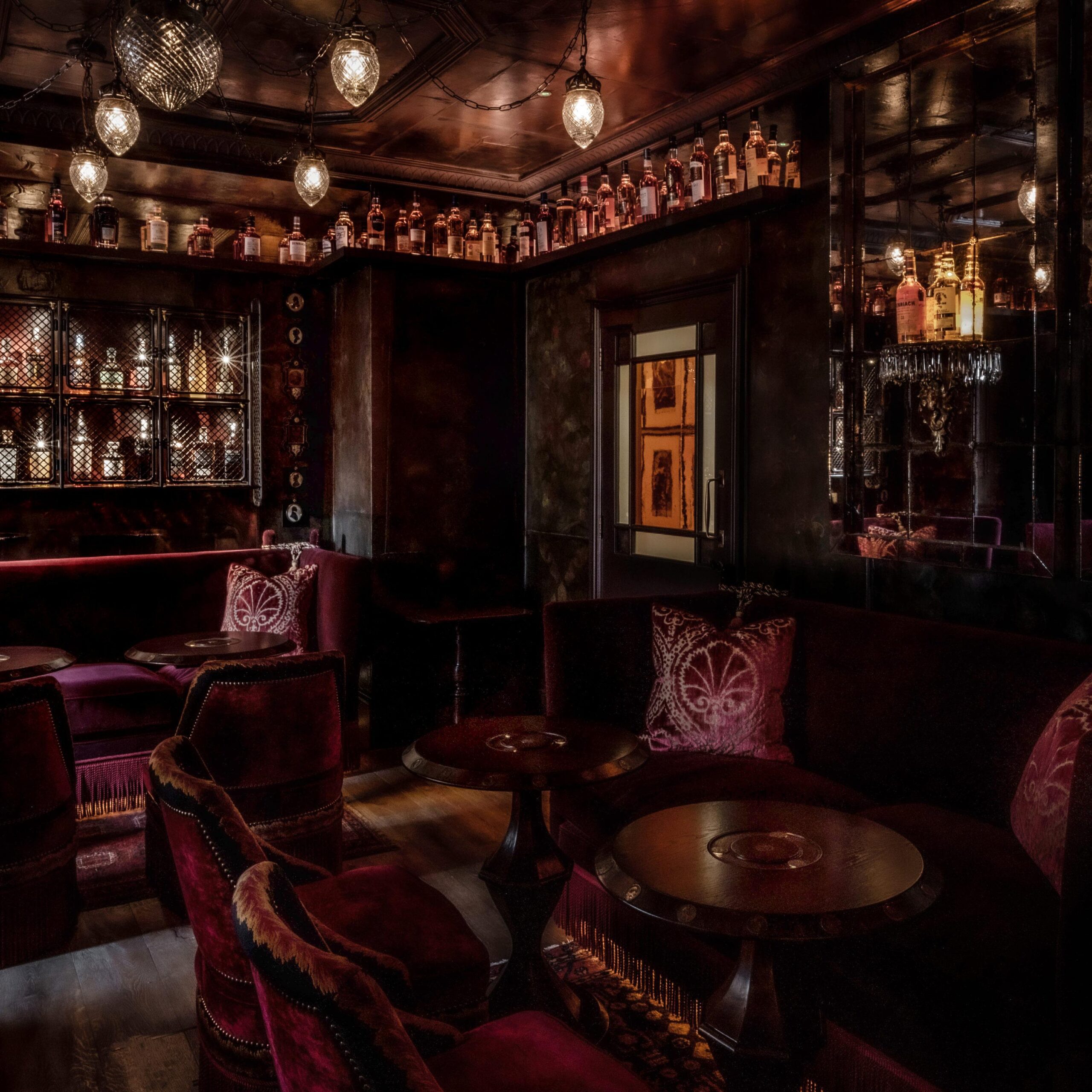
Over the top to the north, Braemar has the pick of it. The Fife Arms is the headline act, a Victorian coaching inn dating to 1856, reopened in 2019 by Iwan and Manuela Wirth of the Hauser & Wirth gallery, and now full of art, an original Picasso, a Lucian Freud, even a watercolour by a young Queen Victoria. Forty-six rooms, all done differently. Not cheap, but nothing else up here is quite like it.
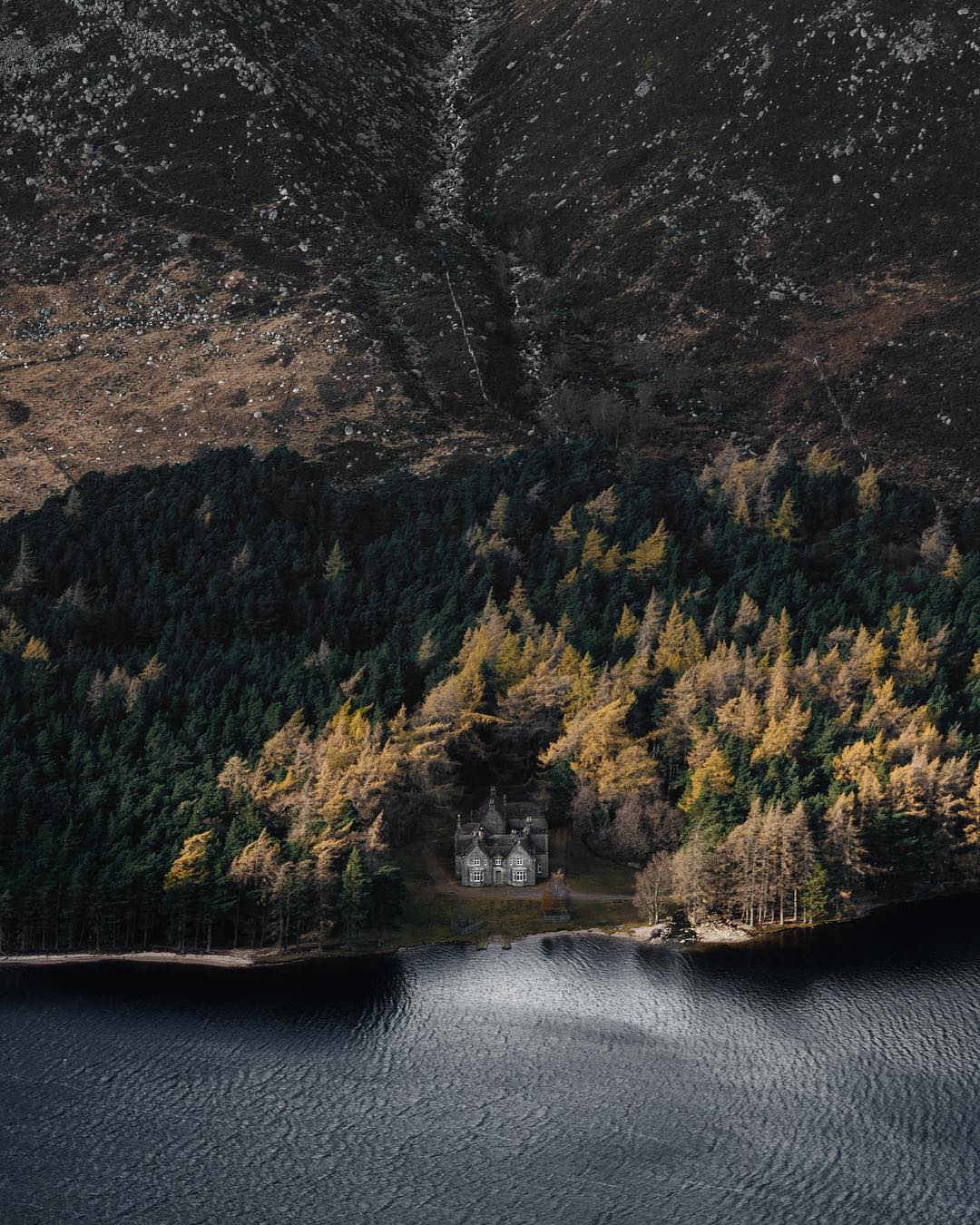
If you'd rather self-cater further down Deeside, Glen Tanar near Aboyne is a 25,000-acre estate with a handful of cottages sleeping two up to eleven, several of them listed buildings. Room to roam without leaving the gate.





 Sign in with Google
 Sign in with Email